جدیدترین مطالب

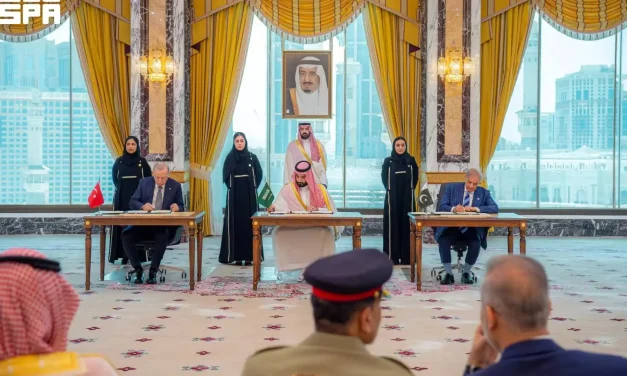
The Makkah Pact; Reasons for its Formation and Challenges Ahead

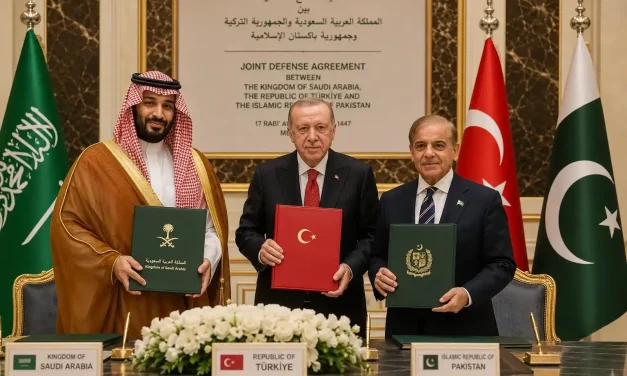
SCFR Online – Opinion: The Makkah Pact, signed between Saudi Arabia, Pakistan, and Turkey under the motto “an attack on one is an attack on all,” is viewed by some analysts less as a full-fledged military coalition and more as an attempt to reduce security dependence on an external power and to establish a regional security mechanism.

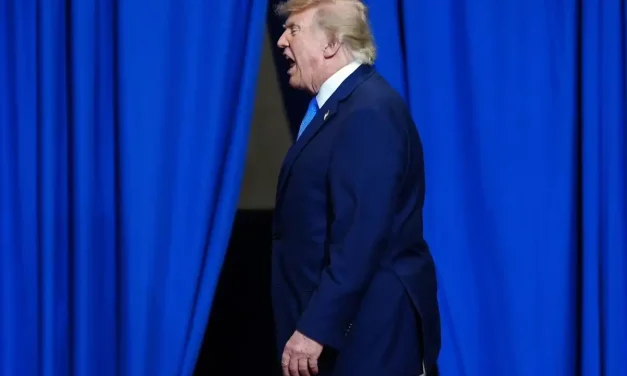
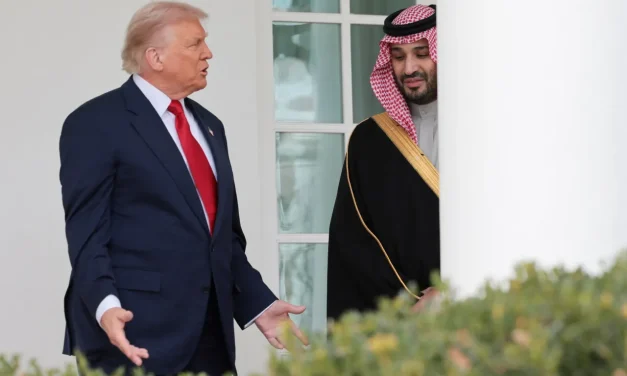
Implications of the US-Saudi Nuclear Agreement

SCFR Online – Opinion: The new US-Saudi nuclear agreement, despite legal and political ambiguities, could alter previous non-proliferation standards in West Asia and intensify nuclear competition, ushering it into a new phase.

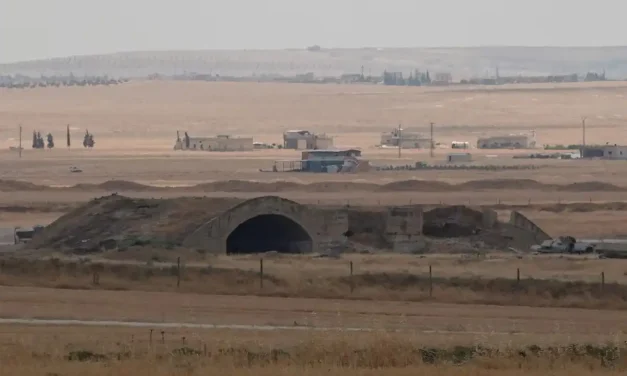
An Analysis of Recent Turkey-Israeli Regime Tensions

SCFR Online – Opinion: Recent developments in Syria indicate an intensification of strategic rivalry between Turkey and the Israeli regime, but mutual considerations and the role of the United States have limited the likelihood of direct war.

Increasing criticism of the extensive Zionist lobby network

SCFR Online – Opinion: An examination of the mechanisms of the Israeli regime’s influence in the United States depicts a complex picture of shared interests, strategic dependencies, and the limitations of this relationship.

Realities of the Tripartite Makkah Pact

SCFR Online – Interview: The signing of the Makkah agreement between Saudi Arabia, Pakistan, and Turkey has raised questions about the future of the region’s security structure and the position of these countries in West Asian equations. Can this agreement become a genuine collective defense mechanism, or does it have more of a political and deterrent function than creating new military capacity?

Loading

Top News

Comparative Study of Taliban’s Dominant Model for Governance

Comparative Study of Taliban’s Dominant Model for Governance

Strategic Council Online – Interview: A professor at the University of Religions and Denominations said that the “Islamic Emirate” of the Taliban means non-interference of the people and other groups and parties in politics and social affairs, adding: It seems that in the future, apart from pressuring the Afghan people to implement what they call Islamic law, we will be witness to almost no significant difference between the Taliban government and the governance models in some Sunni religion countries.

Consequences of Bahrain, Zionist Regime Exchanging Ambassadors, Betrayal of Palestinian People

Consequences of Bahrain, Zionist Regime Exchanging Ambassadors, Betrayal of Palestinian People

Strategic Council Online – Interview: An analyst of West Asia affairs said that hatred of the Islamic Ummah of the Arab states that betrayed the Palestinian people is on the rise every day and in this regard we have been witness to the intensification of internal protests in Bahrain, adding: Bahrain, by exposing its relations with the Zionist regime and exchanging ambassador, with open support for the crimes of that regime, is considered an accomplice of it.

Designing September 11 Tragedy; Paving the Ground for demonstrating the US Military Muscle throughout the World

Designing September 11 Tragedy; Paving the Ground for demonstrating the US Military Muscle throughout the World

Strategic Council Online- Interview: An expert on the Middle East affairs having referred to the 20th anniversary of September 11attacks said:” September 11 was an event that took place at the beginning of the third millennium and 10 years after the cold war ended; a suspicious event that many considered it as the result of clandestine and top secret measures taken by neo-cons during George W. Bush (2001-2009) in the U.S. The group was in the Department of Defense and managed to implement the most extreme rightist policies at the time in order to pave the ground for stabilizing of the leadership role of the U.S. throughout the world”.

Consequences of New Iraqi Electoral System

Consequences of New Iraqi Electoral System

Strategic Council Online – Interview: An expert on Iraq affairs commenting on the new election law of that country said: The new electoral system has allowed new and smaller political currents and independent candidates to have more maneuvering power and are likely to allocate part of the seats in the parliament to themselves. From this perspective too, the big traditional currents are likely to face a drop in the votes and a reduction in the seats in the parliament.

The end of US superiority after failure in Afghanistan

The end of US superiority after failure in Afghanistan

Strategic Council Online-Opinion: The outcomes and sideline events of the US withdrawal from Afghanistan remain at the center of attention by political and media circles of the region and the world. Even though the Biden administration is trying to justify the US withdrawal from Afghanistan on the basis of economic interests, it is clear that withdrawal from Afghanistan is the biggest “defeat” of the White House in the world after the second world war and has weakened the US ability to benefit from power and politics.
Hamid Khoshayand-Analyst of international issues

Monopolist Configuration of Taliban Interim Cabinet & Its Consequences

Monopolist Configuration of Taliban Interim Cabinet & Its Consequences

Strategic Council Online- Interview: An analyst of Afghanistan affairs having said that the victor of the Taliban’s list is the Haqqani faction and Pakistan, and Molla Baradar faction has been marginalized, said:” Afghanistan society is now experiencing a profound gap between the government and other ethnics and religious sects. The situation is very dangerous and may lead to an internal war.

Prospects of economic relations between Iran and Afghanistan

Prospects of economic relations between Iran and Afghanistan

Strategic Council Online-Interview: Former director of the Logistics Headquarter of Afghanistan at the Ministry of Foreign Affairs says given the recent political developments in Afghanistan, even though we may see ups and downs in economic ties, Afghanistan cannot ignore its dealings with Iran even under the worst circumstances.

أحدث الوظائف

The Makkah Pact; Reasons for its Formation and Challenges Ahead

SCFR Online – Opinion: The Makkah Pact, signed between Saudi Arabia, Pakistan, and Turkey under the motto “an attack on one is an attack on all,” is viewed by some analysts less as a full-fledged military coalition and more as an attempt to reduce security dependence on an external power and to establish a regional security mechanism.

Implications of the US-Saudi Nuclear Agreement

SCFR Online – Opinion: The new US-Saudi nuclear agreement, despite legal and political ambiguities, could alter previous non-proliferation standards in West Asia and intensify nuclear competition, ushering it into a new phase.

An Analysis of Recent Turkey-Israeli Regime Tensions

SCFR Online – Opinion: Recent developments in Syria indicate an intensification of strategic rivalry between Turkey and the Israeli regime, but mutual considerations and the role of the United States have limited the likelihood of direct war.

Increasing criticism of the extensive Zionist lobby network

SCFR Online – Opinion: An examination of the mechanisms of the Israeli regime’s influence in the United States depicts a complex picture of shared interests, strategic dependencies, and the limitations of this relationship.

Realities of the Tripartite Makkah Pact

SCFR Online – Interview: The signing of the Makkah agreement between Saudi Arabia, Pakistan, and Turkey has raised questions about the future of the region’s security structure and the position of these countries in West Asian equations. Can this agreement become a genuine collective defense mechanism, or does it have more of a political and deterrent function than creating new military capacity?

Loading

Top News

Comparative Study of Taliban’s Dominant Model for Governance

Comparative Study of Taliban’s Dominant Model for Governance

Strategic Council Online – Interview: A professor at the University of Religions and Denominations said that the “Islamic Emirate” of the Taliban means non-interference of the people and other groups and parties in politics and social affairs, adding: It seems that in the future, apart from pressuring the Afghan people to implement what they call Islamic law, we will be witness to almost no significant difference between the Taliban government and the governance models in some Sunni religion countries.

Consequences of Bahrain, Zionist Regime Exchanging Ambassadors, Betrayal of Palestinian People

Consequences of Bahrain, Zionist Regime Exchanging Ambassadors, Betrayal of Palestinian People

Strategic Council Online – Interview: An analyst of West Asia affairs said that hatred of the Islamic Ummah of the Arab states that betrayed the Palestinian people is on the rise every day and in this regard we have been witness to the intensification of internal protests in Bahrain, adding: Bahrain, by exposing its relations with the Zionist regime and exchanging ambassador, with open support for the crimes of that regime, is considered an accomplice of it.

Designing September 11 Tragedy; Paving the Ground for demonstrating the US Military Muscle throughout the World

Designing September 11 Tragedy; Paving the Ground for demonstrating the US Military Muscle throughout the World

Strategic Council Online- Interview: An expert on the Middle East affairs having referred to the 20th anniversary of September 11attacks said:” September 11 was an event that took place at the beginning of the third millennium and 10 years after the cold war ended; a suspicious event that many considered it as the result of clandestine and top secret measures taken by neo-cons during George W. Bush (2001-2009) in the U.S. The group was in the Department of Defense and managed to implement the most extreme rightist policies at the time in order to pave the ground for stabilizing of the leadership role of the U.S. throughout the world”.

Consequences of New Iraqi Electoral System

Consequences of New Iraqi Electoral System

Strategic Council Online – Interview: An expert on Iraq affairs commenting on the new election law of that country said: The new electoral system has allowed new and smaller political currents and independent candidates to have more maneuvering power and are likely to allocate part of the seats in the parliament to themselves. From this perspective too, the big traditional currents are likely to face a drop in the votes and a reduction in the seats in the parliament.

The end of US superiority after failure in Afghanistan

The end of US superiority after failure in Afghanistan

Strategic Council Online-Opinion: The outcomes and sideline events of the US withdrawal from Afghanistan remain at the center of attention by political and media circles of the region and the world. Even though the Biden administration is trying to justify the US withdrawal from Afghanistan on the basis of economic interests, it is clear that withdrawal from Afghanistan is the biggest “defeat” of the White House in the world after the second world war and has weakened the US ability to benefit from power and politics.
Hamid Khoshayand-Analyst of international issues

Monopolist Configuration of Taliban Interim Cabinet & Its Consequences

Monopolist Configuration of Taliban Interim Cabinet & Its Consequences

Strategic Council Online- Interview: An analyst of Afghanistan affairs having said that the victor of the Taliban’s list is the Haqqani faction and Pakistan, and Molla Baradar faction has been marginalized, said:” Afghanistan society is now experiencing a profound gap between the government and other ethnics and religious sects. The situation is very dangerous and may lead to an internal war.

Prospects of economic relations between Iran and Afghanistan

Prospects of economic relations between Iran and Afghanistan

Strategic Council Online-Interview: Former director of the Logistics Headquarter of Afghanistan at the Ministry of Foreign Affairs says given the recent political developments in Afghanistan, even though we may see ups and downs in economic ties, Afghanistan cannot ignore its dealings with Iran even under the worst circumstances.

Top News

Comparative Study of Taliban’s Dominant Model for Governance

Comparative Study of Taliban’s Dominant Model for Governance

Strategic Council Online – Interview: A professor at the University of Religions and Denominations said that the “Islamic Emirate” of the Taliban means non-interference of the people and other groups and parties in politics and social affairs, adding: It seems that in the future, apart from pressuring the Afghan people to implement what they call Islamic law, we will be witness to almost no significant difference between the Taliban government and the governance models in some Sunni religion countries.

Consequences of Bahrain, Zionist Regime Exchanging Ambassadors, Betrayal of Palestinian People

Consequences of Bahrain, Zionist Regime Exchanging Ambassadors, Betrayal of Palestinian People

Strategic Council Online – Interview: An analyst of West Asia affairs said that hatred of the Islamic Ummah of the Arab states that betrayed the Palestinian people is on the rise every day and in this regard we have been witness to the intensification of internal protests in Bahrain, adding: Bahrain, by exposing its relations with the Zionist regime and exchanging ambassador, with open support for the crimes of that regime, is considered an accomplice of it.

Designing September 11 Tragedy; Paving the Ground for demonstrating the US Military Muscle throughout the World

Designing September 11 Tragedy; Paving the Ground for demonstrating the US Military Muscle throughout the World

Strategic Council Online- Interview: An expert on the Middle East affairs having referred to the 20th anniversary of September 11attacks said:” September 11 was an event that took place at the beginning of the third millennium and 10 years after the cold war ended; a suspicious event that many considered it as the result of clandestine and top secret measures taken by neo-cons during George W. Bush (2001-2009) in the U.S. The group was in the Department of Defense and managed to implement the most extreme rightist policies at the time in order to pave the ground for stabilizing of the leadership role of the U.S. throughout the world”.

Consequences of New Iraqi Electoral System

Consequences of New Iraqi Electoral System

Strategic Council Online – Interview: An expert on Iraq affairs commenting on the new election law of that country said: The new electoral system has allowed new and smaller political currents and independent candidates to have more maneuvering power and are likely to allocate part of the seats in the parliament to themselves. From this perspective too, the big traditional currents are likely to face a drop in the votes and a reduction in the seats in the parliament.

The end of US superiority after failure in Afghanistan

The end of US superiority after failure in Afghanistan

Strategic Council Online-Opinion: The outcomes and sideline events of the US withdrawal from Afghanistan remain at the center of attention by political and media circles of the region and the world. Even though the Biden administration is trying to justify the US withdrawal from Afghanistan on the basis of economic interests, it is clear that withdrawal from Afghanistan is the biggest “defeat” of the White House in the world after the second world war and has weakened the US ability to benefit from power and politics.
Hamid Khoshayand-Analyst of international issues

Monopolist Configuration of Taliban Interim Cabinet & Its Consequences

Monopolist Configuration of Taliban Interim Cabinet & Its Consequences

Strategic Council Online- Interview: An analyst of Afghanistan affairs having said that the victor of the Taliban’s list is the Haqqani faction and Pakistan, and Molla Baradar faction has been marginalized, said:” Afghanistan society is now experiencing a profound gap between the government and other ethnics and religious sects. The situation is very dangerous and may lead to an internal war.

Prospects of economic relations between Iran and Afghanistan

Prospects of economic relations between Iran and Afghanistan

Strategic Council Online-Interview: Former director of the Logistics Headquarter of Afghanistan at the Ministry of Foreign Affairs says given the recent political developments in Afghanistan, even though we may see ups and downs in economic ties, Afghanistan cannot ignore its dealings with Iran even under the worst circumstances.

LATEST CONTENT

The Makkah Pact; Reasons for its Formation and Challenges Ahead

SCFR Online – Opinion: The Makkah Pact, signed between Saudi Arabia, Pakistan, and Turkey under the motto “an attack on one is an attack on all,” is viewed by some analysts less as a full-fledged military coalition and more as an attempt to reduce security dependence on an external power and to establish a regional security mechanism.

Implications of the US-Saudi Nuclear Agreement

SCFR Online – Opinion: The new US-Saudi nuclear agreement, despite legal and political ambiguities, could alter previous non-proliferation standards in West Asia and intensify nuclear competition, ushering it into a new phase.

An Analysis of Recent Turkey-Israeli Regime Tensions

SCFR Online – Opinion: Recent developments in Syria indicate an intensification of strategic rivalry between Turkey and the Israeli regime, but mutual considerations and the role of the United States have limited the likelihood of direct war.

Increasing criticism of the extensive Zionist lobby network

SCFR Online – Opinion: An examination of the mechanisms of the Israeli regime’s influence in the United States depicts a complex picture of shared interests, strategic dependencies, and the limitations of this relationship.

Realities of the Tripartite Makkah Pact

SCFR Online – Interview: The signing of the Makkah agreement between Saudi Arabia, Pakistan, and Turkey has raised questions about the future of the region’s security structure and the position of these countries in West Asian equations. Can this agreement become a genuine collective defense mechanism, or does it have more of a political and deterrent function than creating new military capacity?

Loading

Top News

Comparative Study of Taliban’s Dominant Model for Governance

Comparative Study of Taliban’s Dominant Model for Governance

Strategic Council Online – Interview: A professor at the University of Religions and Denominations said that the “Islamic Emirate” of the Taliban means non-interference of the people and other groups and parties in politics and social affairs, adding: It seems that in the future, apart from pressuring the Afghan people to implement what they call Islamic law, we will be witness to almost no significant difference between the Taliban government and the governance models in some Sunni religion countries.

Consequences of Bahrain, Zionist Regime Exchanging Ambassadors, Betrayal of Palestinian People

Consequences of Bahrain, Zionist Regime Exchanging Ambassadors, Betrayal of Palestinian People

Strategic Council Online – Interview: An analyst of West Asia affairs said that hatred of the Islamic Ummah of the Arab states that betrayed the Palestinian people is on the rise every day and in this regard we have been witness to the intensification of internal protests in Bahrain, adding: Bahrain, by exposing its relations with the Zionist regime and exchanging ambassador, with open support for the crimes of that regime, is considered an accomplice of it.

Designing September 11 Tragedy; Paving the Ground for demonstrating the US Military Muscle throughout the World

Designing September 11 Tragedy; Paving the Ground for demonstrating the US Military Muscle throughout the World

Strategic Council Online- Interview: An expert on the Middle East affairs having referred to the 20th anniversary of September 11attacks said:” September 11 was an event that took place at the beginning of the third millennium and 10 years after the cold war ended; a suspicious event that many considered it as the result of clandestine and top secret measures taken by neo-cons during George W. Bush (2001-2009) in the U.S. The group was in the Department of Defense and managed to implement the most extreme rightist policies at the time in order to pave the ground for stabilizing of the leadership role of the U.S. throughout the world”.

Consequences of New Iraqi Electoral System

Consequences of New Iraqi Electoral System

Strategic Council Online – Interview: An expert on Iraq affairs commenting on the new election law of that country said: The new electoral system has allowed new and smaller political currents and independent candidates to have more maneuvering power and are likely to allocate part of the seats in the parliament to themselves. From this perspective too, the big traditional currents are likely to face a drop in the votes and a reduction in the seats in the parliament.

The end of US superiority after failure in Afghanistan

The end of US superiority after failure in Afghanistan

Strategic Council Online-Opinion: The outcomes and sideline events of the US withdrawal from Afghanistan remain at the center of attention by political and media circles of the region and the world. Even though the Biden administration is trying to justify the US withdrawal from Afghanistan on the basis of economic interests, it is clear that withdrawal from Afghanistan is the biggest “defeat” of the White House in the world after the second world war and has weakened the US ability to benefit from power and politics.
Hamid Khoshayand-Analyst of international issues

Monopolist Configuration of Taliban Interim Cabinet & Its Consequences

Monopolist Configuration of Taliban Interim Cabinet & Its Consequences

Strategic Council Online- Interview: An analyst of Afghanistan affairs having said that the victor of the Taliban’s list is the Haqqani faction and Pakistan, and Molla Baradar faction has been marginalized, said:” Afghanistan society is now experiencing a profound gap between the government and other ethnics and religious sects. The situation is very dangerous and may lead to an internal war.

Prospects of economic relations between Iran and Afghanistan

Prospects of economic relations between Iran and Afghanistan

Strategic Council Online-Interview: Former director of the Logistics Headquarter of Afghanistan at the Ministry of Foreign Affairs says given the recent political developments in Afghanistan, even though we may see ups and downs in economic ties, Afghanistan cannot ignore its dealings with Iran even under the worst circumstances.

ÚLTIMAS PUBLICACIONES

The Makkah Pact; Reasons for its Formation and Challenges Ahead

SCFR Online – Opinion: The Makkah Pact, signed between Saudi Arabia, Pakistan, and Turkey under the motto “an attack on one is an attack on all,” is viewed by some analysts less as a full-fledged military coalition and more as an attempt to reduce security dependence on an external power and to establish a regional security mechanism.

Implications of the US-Saudi Nuclear Agreement

SCFR Online – Opinion: The new US-Saudi nuclear agreement, despite legal and political ambiguities, could alter previous non-proliferation standards in West Asia and intensify nuclear competition, ushering it into a new phase.

An Analysis of Recent Turkey-Israeli Regime Tensions

SCFR Online – Opinion: Recent developments in Syria indicate an intensification of strategic rivalry between Turkey and the Israeli regime, but mutual considerations and the role of the United States have limited the likelihood of direct war.

Increasing criticism of the extensive Zionist lobby network

SCFR Online – Opinion: An examination of the mechanisms of the Israeli regime’s influence in the United States depicts a complex picture of shared interests, strategic dependencies, and the limitations of this relationship.

Realities of the Tripartite Makkah Pact

SCFR Online – Interview: The signing of the Makkah agreement between Saudi Arabia, Pakistan, and Turkey has raised questions about the future of the region’s security structure and the position of these countries in West Asian equations. Can this agreement become a genuine collective defense mechanism, or does it have more of a political and deterrent function than creating new military capacity?

Loading

Top News

Comparative Study of Taliban’s Dominant Model for Governance

Comparative Study of Taliban’s Dominant Model for Governance

Strategic Council Online – Interview: A professor at the University of Religions and Denominations said that the “Islamic Emirate” of the Taliban means non-interference of the people and other groups and parties in politics and social affairs, adding: It seems that in the future, apart from pressuring the Afghan people to implement what they call Islamic law, we will be witness to almost no significant difference between the Taliban government and the governance models in some Sunni religion countries.

Consequences of Bahrain, Zionist Regime Exchanging Ambassadors, Betrayal of Palestinian People

Consequences of Bahrain, Zionist Regime Exchanging Ambassadors, Betrayal of Palestinian People

Strategic Council Online – Interview: An analyst of West Asia affairs said that hatred of the Islamic Ummah of the Arab states that betrayed the Palestinian people is on the rise every day and in this regard we have been witness to the intensification of internal protests in Bahrain, adding: Bahrain, by exposing its relations with the Zionist regime and exchanging ambassador, with open support for the crimes of that regime, is considered an accomplice of it.

Designing September 11 Tragedy; Paving the Ground for demonstrating the US Military Muscle throughout the World

Designing September 11 Tragedy; Paving the Ground for demonstrating the US Military Muscle throughout the World

Strategic Council Online- Interview: An expert on the Middle East affairs having referred to the 20th anniversary of September 11attacks said:” September 11 was an event that took place at the beginning of the third millennium and 10 years after the cold war ended; a suspicious event that many considered it as the result of clandestine and top secret measures taken by neo-cons during George W. Bush (2001-2009) in the U.S. The group was in the Department of Defense and managed to implement the most extreme rightist policies at the time in order to pave the ground for stabilizing of the leadership role of the U.S. throughout the world”.

Consequences of New Iraqi Electoral System

Consequences of New Iraqi Electoral System

Strategic Council Online – Interview: An expert on Iraq affairs commenting on the new election law of that country said: The new electoral system has allowed new and smaller political currents and independent candidates to have more maneuvering power and are likely to allocate part of the seats in the parliament to themselves. From this perspective too, the big traditional currents are likely to face a drop in the votes and a reduction in the seats in the parliament.

The end of US superiority after failure in Afghanistan

The end of US superiority after failure in Afghanistan

Strategic Council Online-Opinion: The outcomes and sideline events of the US withdrawal from Afghanistan remain at the center of attention by political and media circles of the region and the world. Even though the Biden administration is trying to justify the US withdrawal from Afghanistan on the basis of economic interests, it is clear that withdrawal from Afghanistan is the biggest “defeat” of the White House in the world after the second world war and has weakened the US ability to benefit from power and politics.
Hamid Khoshayand-Analyst of international issues

Monopolist Configuration of Taliban Interim Cabinet & Its Consequences

Monopolist Configuration of Taliban Interim Cabinet & Its Consequences

Strategic Council Online- Interview: An analyst of Afghanistan affairs having said that the victor of the Taliban’s list is the Haqqani faction and Pakistan, and Molla Baradar faction has been marginalized, said:” Afghanistan society is now experiencing a profound gap between the government and other ethnics and religious sects. The situation is very dangerous and may lead to an internal war.

Prospects of economic relations between Iran and Afghanistan

Prospects of economic relations between Iran and Afghanistan

Strategic Council Online-Interview: Former director of the Logistics Headquarter of Afghanistan at the Ministry of Foreign Affairs says given the recent political developments in Afghanistan, even though we may see ups and downs in economic ties, Afghanistan cannot ignore its dealings with Iran even under the worst circumstances.

ÚLTIMAS PUBLICACIONES

The Makkah Pact; Reasons for its Formation and Challenges Ahead

SCFR Online – Opinion: The Makkah Pact, signed between Saudi Arabia, Pakistan, and Turkey under the motto “an attack on one is an attack on all,” is viewed by some analysts less as a full-fledged military coalition and more as an attempt to reduce security dependence on an external power and to establish a regional security mechanism.

Implications of the US-Saudi Nuclear Agreement

SCFR Online – Opinion: The new US-Saudi nuclear agreement, despite legal and political ambiguities, could alter previous non-proliferation standards in West Asia and intensify nuclear competition, ushering it into a new phase.

An Analysis of Recent Turkey-Israeli Regime Tensions

SCFR Online – Opinion: Recent developments in Syria indicate an intensification of strategic rivalry between Turkey and the Israeli regime, but mutual considerations and the role of the United States have limited the likelihood of direct war.

Increasing criticism of the extensive Zionist lobby network

SCFR Online – Opinion: An examination of the mechanisms of the Israeli regime’s influence in the United States depicts a complex picture of shared interests, strategic dependencies, and the limitations of this relationship.

Realities of the Tripartite Makkah Pact

SCFR Online – Interview: The signing of the Makkah agreement between Saudi Arabia, Pakistan, and Turkey has raised questions about the future of the region’s security structure and the position of these countries in West Asian equations. Can this agreement become a genuine collective defense mechanism, or does it have more of a political and deterrent function than creating new military capacity?

Loading

Top News

Comparative Study of Taliban’s Dominant Model for Governance

Comparative Study of Taliban’s Dominant Model for Governance

Strategic Council Online – Interview: A professor at the University of Religions and Denominations said that the “Islamic Emirate” of the Taliban means non-interference of the people and other groups and parties in politics and social affairs, adding: It seems that in the future, apart from pressuring the Afghan people to implement what they call Islamic law, we will be witness to almost no significant difference between the Taliban government and the governance models in some Sunni religion countries.

Consequences of Bahrain, Zionist Regime Exchanging Ambassadors, Betrayal of Palestinian People

Consequences of Bahrain, Zionist Regime Exchanging Ambassadors, Betrayal of Palestinian People

Strategic Council Online – Interview: An analyst of West Asia affairs said that hatred of the Islamic Ummah of the Arab states that betrayed the Palestinian people is on the rise every day and in this regard we have been witness to the intensification of internal protests in Bahrain, adding: Bahrain, by exposing its relations with the Zionist regime and exchanging ambassador, with open support for the crimes of that regime, is considered an accomplice of it.

Designing September 11 Tragedy; Paving the Ground for demonstrating the US Military Muscle throughout the World

Designing September 11 Tragedy; Paving the Ground for demonstrating the US Military Muscle throughout the World

Strategic Council Online- Interview: An expert on the Middle East affairs having referred to the 20th anniversary of September 11attacks said:” September 11 was an event that took place at the beginning of the third millennium and 10 years after the cold war ended; a suspicious event that many considered it as the result of clandestine and top secret measures taken by neo-cons during George W. Bush (2001-2009) in the U.S. The group was in the Department of Defense and managed to implement the most extreme rightist policies at the time in order to pave the ground for stabilizing of the leadership role of the U.S. throughout the world”.

Consequences of New Iraqi Electoral System

Consequences of New Iraqi Electoral System

Strategic Council Online – Interview: An expert on Iraq affairs commenting on the new election law of that country said: The new electoral system has allowed new and smaller political currents and independent candidates to have more maneuvering power and are likely to allocate part of the seats in the parliament to themselves. From this perspective too, the big traditional currents are likely to face a drop in the votes and a reduction in the seats in the parliament.

The end of US superiority after failure in Afghanistan

The end of US superiority after failure in Afghanistan

Strategic Council Online-Opinion: The outcomes and sideline events of the US withdrawal from Afghanistan remain at the center of attention by political and media circles of the region and the world. Even though the Biden administration is trying to justify the US withdrawal from Afghanistan on the basis of economic interests, it is clear that withdrawal from Afghanistan is the biggest “defeat” of the White House in the world after the second world war and has weakened the US ability to benefit from power and politics.
Hamid Khoshayand-Analyst of international issues

Monopolist Configuration of Taliban Interim Cabinet & Its Consequences

Monopolist Configuration of Taliban Interim Cabinet & Its Consequences

Strategic Council Online- Interview: An analyst of Afghanistan affairs having said that the victor of the Taliban’s list is the Haqqani faction and Pakistan, and Molla Baradar faction has been marginalized, said:” Afghanistan society is now experiencing a profound gap between the government and other ethnics and religious sects. The situation is very dangerous and may lead to an internal war.

Prospects of economic relations between Iran and Afghanistan

Prospects of economic relations between Iran and Afghanistan

Strategic Council Online-Interview: Former director of the Logistics Headquarter of Afghanistan at the Ministry of Foreign Affairs says given the recent political developments in Afghanistan, even though we may see ups and downs in economic ties, Afghanistan cannot ignore its dealings with Iran even under the worst circumstances.

ÚLTIMAS PUBLICACIONES

The Makkah Pact; Reasons for its Formation and Challenges Ahead

SCFR Online – Opinion: The Makkah Pact, signed between Saudi Arabia, Pakistan, and Turkey under the motto “an attack on one is an attack on all,” is viewed by some analysts less as a full-fledged military coalition and more as an attempt to reduce security dependence on an external power and to establish a regional security mechanism.

Implications of the US-Saudi Nuclear Agreement

SCFR Online – Opinion: The new US-Saudi nuclear agreement, despite legal and political ambiguities, could alter previous non-proliferation standards in West Asia and intensify nuclear competition, ushering it into a new phase.

An Analysis of Recent Turkey-Israeli Regime Tensions

SCFR Online – Opinion: Recent developments in Syria indicate an intensification of strategic rivalry between Turkey and the Israeli regime, but mutual considerations and the role of the United States have limited the likelihood of direct war.

Increasing criticism of the extensive Zionist lobby network

SCFR Online – Opinion: An examination of the mechanisms of the Israeli regime’s influence in the United States depicts a complex picture of shared interests, strategic dependencies, and the limitations of this relationship.

Realities of the Tripartite Makkah Pact

SCFR Online – Interview: The signing of the Makkah agreement between Saudi Arabia, Pakistan, and Turkey has raised questions about the future of the region’s security structure and the position of these countries in West Asian equations. Can this agreement become a genuine collective defense mechanism, or does it have more of a political and deterrent function than creating new military capacity?

Loading

Top News

Comparative Study of Taliban’s Dominant Model for Governance

Comparative Study of Taliban’s Dominant Model for Governance

Strategic Council Online – Interview: A professor at the University of Religions and Denominations said that the “Islamic Emirate” of the Taliban means non-interference of the people and other groups and parties in politics and social affairs, adding: It seems that in the future, apart from pressuring the Afghan people to implement what they call Islamic law, we will be witness to almost no significant difference between the Taliban government and the governance models in some Sunni religion countries.

Consequences of Bahrain, Zionist Regime Exchanging Ambassadors, Betrayal of Palestinian People

Consequences of Bahrain, Zionist Regime Exchanging Ambassadors, Betrayal of Palestinian People

Strategic Council Online – Interview: An analyst of West Asia affairs said that hatred of the Islamic Ummah of the Arab states that betrayed the Palestinian people is on the rise every day and in this regard we have been witness to the intensification of internal protests in Bahrain, adding: Bahrain, by exposing its relations with the Zionist regime and exchanging ambassador, with open support for the crimes of that regime, is considered an accomplice of it.

Designing September 11 Tragedy; Paving the Ground for demonstrating the US Military Muscle throughout the World

Designing September 11 Tragedy; Paving the Ground for demonstrating the US Military Muscle throughout the World

Strategic Council Online- Interview: An expert on the Middle East affairs having referred to the 20th anniversary of September 11attacks said:” September 11 was an event that took place at the beginning of the third millennium and 10 years after the cold war ended; a suspicious event that many considered it as the result of clandestine and top secret measures taken by neo-cons during George W. Bush (2001-2009) in the U.S. The group was in the Department of Defense and managed to implement the most extreme rightist policies at the time in order to pave the ground for stabilizing of the leadership role of the U.S. throughout the world”.

Consequences of New Iraqi Electoral System

Consequences of New Iraqi Electoral System

Strategic Council Online – Interview: An expert on Iraq affairs commenting on the new election law of that country said: The new electoral system has allowed new and smaller political currents and independent candidates to have more maneuvering power and are likely to allocate part of the seats in the parliament to themselves. From this perspective too, the big traditional currents are likely to face a drop in the votes and a reduction in the seats in the parliament.

The end of US superiority after failure in Afghanistan

The end of US superiority after failure in Afghanistan

Strategic Council Online-Opinion: The outcomes and sideline events of the US withdrawal from Afghanistan remain at the center of attention by political and media circles of the region and the world. Even though the Biden administration is trying to justify the US withdrawal from Afghanistan on the basis of economic interests, it is clear that withdrawal from Afghanistan is the biggest “defeat” of the White House in the world after the second world war and has weakened the US ability to benefit from power and politics.
Hamid Khoshayand-Analyst of international issues

Monopolist Configuration of Taliban Interim Cabinet & Its Consequences

Monopolist Configuration of Taliban Interim Cabinet & Its Consequences

Strategic Council Online- Interview: An analyst of Afghanistan affairs having said that the victor of the Taliban’s list is the Haqqani faction and Pakistan, and Molla Baradar faction has been marginalized, said:” Afghanistan society is now experiencing a profound gap between the government and other ethnics and religious sects. The situation is very dangerous and may lead to an internal war.

Prospects of economic relations between Iran and Afghanistan

Prospects of economic relations between Iran and Afghanistan

Strategic Council Online-Interview: Former director of the Logistics Headquarter of Afghanistan at the Ministry of Foreign Affairs says given the recent political developments in Afghanistan, even though we may see ups and downs in economic ties, Afghanistan cannot ignore its dealings with Iran even under the worst circumstances.

ÚLTIMAS PUBLICACIONES

The Makkah Pact; Reasons for its Formation and Challenges Ahead

SCFR Online – Opinion: The Makkah Pact, signed between Saudi Arabia, Pakistan, and Turkey under the motto “an attack on one is an attack on all,” is viewed by some analysts less as a full-fledged military coalition and more as an attempt to reduce security dependence on an external power and to establish a regional security mechanism.

Implications of the US-Saudi Nuclear Agreement

SCFR Online – Opinion: The new US-Saudi nuclear agreement, despite legal and political ambiguities, could alter previous non-proliferation standards in West Asia and intensify nuclear competition, ushering it into a new phase.

An Analysis of Recent Turkey-Israeli Regime Tensions

SCFR Online – Opinion: Recent developments in Syria indicate an intensification of strategic rivalry between Turkey and the Israeli regime, but mutual considerations and the role of the United States have limited the likelihood of direct war.

Increasing criticism of the extensive Zionist lobby network

SCFR Online – Opinion: An examination of the mechanisms of the Israeli regime’s influence in the United States depicts a complex picture of shared interests, strategic dependencies, and the limitations of this relationship.

Realities of the Tripartite Makkah Pact

SCFR Online – Interview: The signing of the Makkah agreement between Saudi Arabia, Pakistan, and Turkey has raised questions about the future of the region’s security structure and the position of these countries in West Asian equations. Can this agreement become a genuine collective defense mechanism, or does it have more of a political and deterrent function than creating new military capacity?

Loading