جدیدترین مطالب

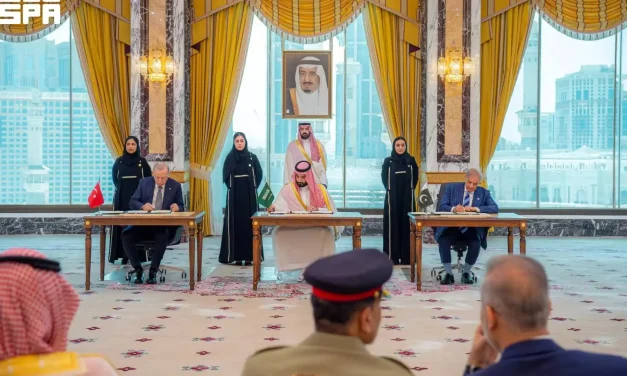
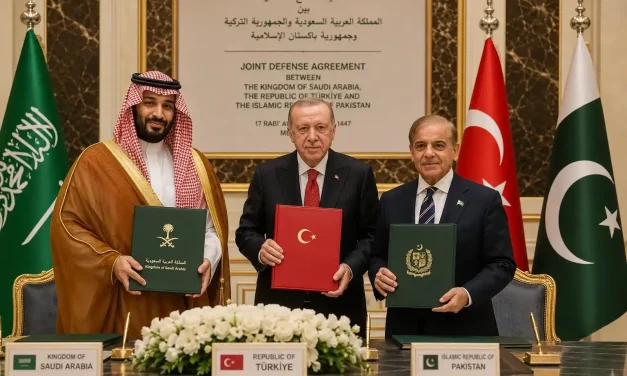
The Makkah Pact; Reasons for its Formation and Challenges Ahead

SCFR Online – Opinion: The Makkah Pact, signed between Saudi Arabia, Pakistan, and Turkey under the motto “an attack on one is an attack on all,” is viewed by some analysts less as a full-fledged military coalition and more as an attempt to reduce security dependence on an external power and to establish a regional security mechanism.

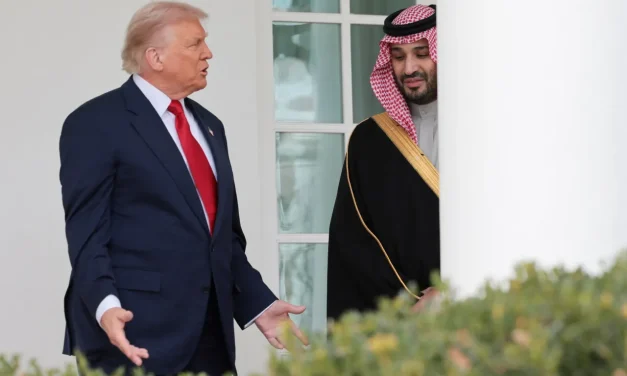
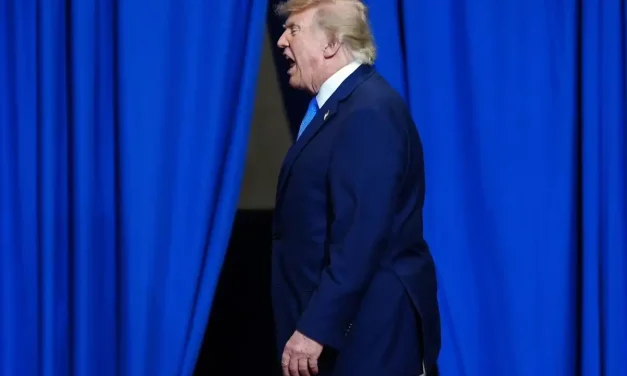
Implications of the US-Saudi Nuclear Agreement

SCFR Online – Opinion: The new US-Saudi nuclear agreement, despite legal and political ambiguities, could alter previous non-proliferation standards in West Asia and intensify nuclear competition, ushering it into a new phase.

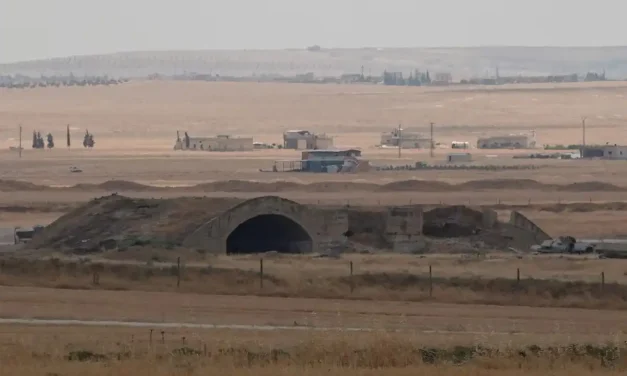
An Analysis of Recent Turkey-Israeli Regime Tensions

SCFR Online – Opinion: Recent developments in Syria indicate an intensification of strategic rivalry between Turkey and the Israeli regime, but mutual considerations and the role of the United States have limited the likelihood of direct war.

Increasing criticism of the extensive Zionist lobby network

SCFR Online – Opinion: An examination of the mechanisms of the Israeli regime’s influence in the United States depicts a complex picture of shared interests, strategic dependencies, and the limitations of this relationship.

Realities of the Tripartite Makkah Pact

SCFR Online – Interview: The signing of the Makkah agreement between Saudi Arabia, Pakistan, and Turkey has raised questions about the future of the region’s security structure and the position of these countries in West Asian equations. Can this agreement become a genuine collective defense mechanism, or does it have more of a political and deterrent function than creating new military capacity?

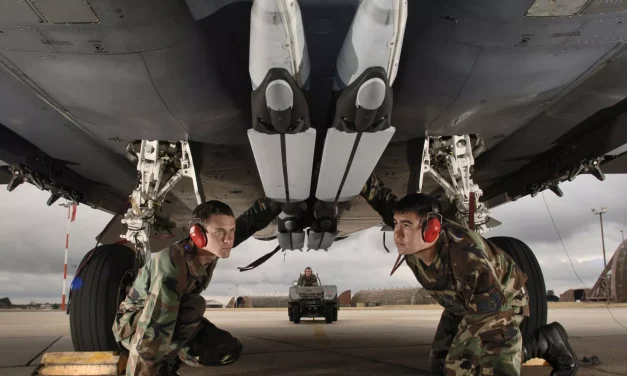
Strategic Implications of the Reduction of US Weapons Stockpiles

SCFR Online – Opinion: The continuation of the US war against Iran, in addition to increasing operational costs, has called into question the actual capacity of the American arsenal to simultaneously fulfill security commitments on multiple fronts; an issue that affects deterrence, defense production capacity, and Washington’s resource prioritization.

Loading

Top News

Afghanistan Crisis and European Positions

Afghanistan Crisis and European Positions

Strategic Council Online – Note: The NATO-led invasion of Afghanistan, which began after 9/11 incident under the pretext of “war on terrorism”, two decades after the mission, the Taliban’s rapid advance has prompted various countries, including NATO members, to rush to withdraw their diplomatic delegations, staff and citizens from the territory of that country. Western troops stationed in Afghanistan have trained the Afghan army for years, but the training has not been enough, and the reason why the Afghan army has failed to defend the capital against the Taliban remains unclear. The head of the Council of Europe does not see the situation in Afghanistan as a successful narrative for the international community and is considering how the EU can use its influence in international relations to defend its interests.
Mahmoud Fazeli – analyst of international affairs

US Failure in Realizing Objectives in Afghanistan

US Failure in Realizing Objectives in Afghanistan

Strategic Council Online – Interview: An expert on US affairs commenting on whether Washington’s decision to withdraw its troops from Afghanistan is taking place at a time when the country has achieved its objectives or the decision indicates the ineffectiveness of the US strategy in Afghanistan, said: The US officials had set two targets at the time of the invasion of Afghanistan; the first was the fight against al-Qaeda terrorism and the second was the establishment of peace, stability and democracy in Afghanistan. But now that their forces are leaving Afghanistan, they claim that their mission has only been to eliminate al-Qaeda terrorism, and in this regard, they cite the killing of Osama bin Laden, the leader of that terrorist movement, as evidence to their claim.

Developments of Afghanistan and importance of role-playing and convergence of neighboring countries

Developments of Afghanistan and importance of role-playing and convergence of neighboring countries

Strategic Council Online-Interview: A political activist of Afghanistan emphasized the significance of consultation and role-playing by countries neighboring Afghanistan and support for the establishment of an inclusive government and said, definitely, the emergence and real representation of a change in the Taliban approach would be the formation of a plural and inclusive government in Afghanistan and all relevant parties in that country should be present in that.

The return of the vicious shadow of Daesh to Iraq; behind the scene

The return of the vicious shadow of Daesh to Iraq; behind the scene

Strategic Council Online—Opinion: Recent attacks by Daesh terrorists on the headquarters of the second brigade of Hashd Shabi forces in al-Taremiyeh north of Baghdad which martyred four Hashd Shabi commanders are suggestive of a new scenario for the return of Daesh to Iraq.
Hassan Hanizadeh-Expert of Middle East issues

Objectives, Implications of Zionist Regime’s Observer Membership in AU

Objectives, Implications of Zionist Regime’s Observer Membership in AU

Strategic Council Online – Note: The observer membership of the Zionist regime in the African Union, of which 19 of the 55 members are Arab and Muslim governments, is a dangerous issue that can have devastating consequences, including creating divisions and disintegration in African countries.
Hamid Khoshayand – analyst of international affairs

Orientation of Iran-Britain Relations

Orientation of Iran-Britain Relations

Strategic Council Online – Interview: An expert on European affairs commenting on Tehran-London relations said: Iran and Britain have had critical relations with each other in recent decades, but at the same time Britain, because of recognizing Iran’s importance in the Persian Gulf, has tried to maintain its relations somehow.

Analysis; Strategy of Relations between Iran & Russia

Analysis; Strategy of Relations between Iran & Russia

Strategic Council Online- Note: During the recent years and in view of geopolitical and structural changes in the international system, and also the decline of muscle-flexing of the United States, “Iran and Russia” as important international players managed to get a greater share of the power game. At a later stage, they tried to create mechanisms for mutual cooperation in all fields (economic, military- security, and political) and also maximizing their power and national interests in line with their regional and international policies.
Aref Bijan, Expert on Russian affairs

Winners and Losers of Recent Developments in Afghanistan

Winners and Losers of Recent Developments in Afghanistan

Strategic Council Online – Interview: An expert on the subcontinent affairs commenting on the winners and losers of Afghanistan’s developments and the rise of the Taliban to power, divided the case into three separate sections, first domestic winners and losers, second neighbors and countries that have defined interests in Afghanistan and third at international level.

The Most Tense Period of Russia-UK Relations

The Most Tense Period of Russia-UK Relations

Strategic Council Online—Opinion: Russia’s refusal to extend the visa of a BBC journalist in recent years has caused new tension in the relations between Moscow and London.
Alireza Samoodi-Expert of European issues

Necessity of the formation of a multi-plural government in the plural society of Afghanistan

Necessity of the formation of a multi-plural government in the plural society of Afghanistan

Strategic Council Online- Interview: An expert of Afghanistan issues says the multi-cultural society as Afghanistan cannot be governed with a closed approach and a totalitarian structure, adding that a plural government should be formed in Afghanistan and its neighbors should help in this respect and prevent, through diplomacy, the occurrence of extremist measures by the Taliban.

أحدث الوظائف

The Makkah Pact; Reasons for its Formation and Challenges Ahead

SCFR Online – Opinion: The Makkah Pact, signed between Saudi Arabia, Pakistan, and Turkey under the motto “an attack on one is an attack on all,” is viewed by some analysts less as a full-fledged military coalition and more as an attempt to reduce security dependence on an external power and to establish a regional security mechanism.

Implications of the US-Saudi Nuclear Agreement

SCFR Online – Opinion: The new US-Saudi nuclear agreement, despite legal and political ambiguities, could alter previous non-proliferation standards in West Asia and intensify nuclear competition, ushering it into a new phase.

An Analysis of Recent Turkey-Israeli Regime Tensions

SCFR Online – Opinion: Recent developments in Syria indicate an intensification of strategic rivalry between Turkey and the Israeli regime, but mutual considerations and the role of the United States have limited the likelihood of direct war.

Increasing criticism of the extensive Zionist lobby network

SCFR Online – Opinion: An examination of the mechanisms of the Israeli regime’s influence in the United States depicts a complex picture of shared interests, strategic dependencies, and the limitations of this relationship.

Realities of the Tripartite Makkah Pact

SCFR Online – Interview: The signing of the Makkah agreement between Saudi Arabia, Pakistan, and Turkey has raised questions about the future of the region’s security structure and the position of these countries in West Asian equations. Can this agreement become a genuine collective defense mechanism, or does it have more of a political and deterrent function than creating new military capacity?

Strategic Implications of the Reduction of US Weapons Stockpiles

SCFR Online – Opinion: The continuation of the US war against Iran, in addition to increasing operational costs, has called into question the actual capacity of the American arsenal to simultaneously fulfill security commitments on multiple fronts; an issue that affects deterrence, defense production capacity, and Washington’s resource prioritization.

Loading

Top News

Afghanistan Crisis and European Positions

Afghanistan Crisis and European Positions

Strategic Council Online – Note: The NATO-led invasion of Afghanistan, which began after 9/11 incident under the pretext of “war on terrorism”, two decades after the mission, the Taliban’s rapid advance has prompted various countries, including NATO members, to rush to withdraw their diplomatic delegations, staff and citizens from the territory of that country. Western troops stationed in Afghanistan have trained the Afghan army for years, but the training has not been enough, and the reason why the Afghan army has failed to defend the capital against the Taliban remains unclear. The head of the Council of Europe does not see the situation in Afghanistan as a successful narrative for the international community and is considering how the EU can use its influence in international relations to defend its interests.
Mahmoud Fazeli – analyst of international affairs

US Failure in Realizing Objectives in Afghanistan

US Failure in Realizing Objectives in Afghanistan

Strategic Council Online – Interview: An expert on US affairs commenting on whether Washington’s decision to withdraw its troops from Afghanistan is taking place at a time when the country has achieved its objectives or the decision indicates the ineffectiveness of the US strategy in Afghanistan, said: The US officials had set two targets at the time of the invasion of Afghanistan; the first was the fight against al-Qaeda terrorism and the second was the establishment of peace, stability and democracy in Afghanistan. But now that their forces are leaving Afghanistan, they claim that their mission has only been to eliminate al-Qaeda terrorism, and in this regard, they cite the killing of Osama bin Laden, the leader of that terrorist movement, as evidence to their claim.

Developments of Afghanistan and importance of role-playing and convergence of neighboring countries

Developments of Afghanistan and importance of role-playing and convergence of neighboring countries

Strategic Council Online-Interview: A political activist of Afghanistan emphasized the significance of consultation and role-playing by countries neighboring Afghanistan and support for the establishment of an inclusive government and said, definitely, the emergence and real representation of a change in the Taliban approach would be the formation of a plural and inclusive government in Afghanistan and all relevant parties in that country should be present in that.

The return of the vicious shadow of Daesh to Iraq; behind the scene

The return of the vicious shadow of Daesh to Iraq; behind the scene

Strategic Council Online—Opinion: Recent attacks by Daesh terrorists on the headquarters of the second brigade of Hashd Shabi forces in al-Taremiyeh north of Baghdad which martyred four Hashd Shabi commanders are suggestive of a new scenario for the return of Daesh to Iraq.
Hassan Hanizadeh-Expert of Middle East issues

Objectives, Implications of Zionist Regime’s Observer Membership in AU

Objectives, Implications of Zionist Regime’s Observer Membership in AU

Strategic Council Online – Note: The observer membership of the Zionist regime in the African Union, of which 19 of the 55 members are Arab and Muslim governments, is a dangerous issue that can have devastating consequences, including creating divisions and disintegration in African countries.
Hamid Khoshayand – analyst of international affairs

Orientation of Iran-Britain Relations

Orientation of Iran-Britain Relations

Strategic Council Online – Interview: An expert on European affairs commenting on Tehran-London relations said: Iran and Britain have had critical relations with each other in recent decades, but at the same time Britain, because of recognizing Iran’s importance in the Persian Gulf, has tried to maintain its relations somehow.

Analysis; Strategy of Relations between Iran & Russia

Analysis; Strategy of Relations between Iran & Russia

Strategic Council Online- Note: During the recent years and in view of geopolitical and structural changes in the international system, and also the decline of muscle-flexing of the United States, “Iran and Russia” as important international players managed to get a greater share of the power game. At a later stage, they tried to create mechanisms for mutual cooperation in all fields (economic, military- security, and political) and also maximizing their power and national interests in line with their regional and international policies.
Aref Bijan, Expert on Russian affairs

Winners and Losers of Recent Developments in Afghanistan

Winners and Losers of Recent Developments in Afghanistan

Strategic Council Online – Interview: An expert on the subcontinent affairs commenting on the winners and losers of Afghanistan’s developments and the rise of the Taliban to power, divided the case into three separate sections, first domestic winners and losers, second neighbors and countries that have defined interests in Afghanistan and third at international level.

The Most Tense Period of Russia-UK Relations

The Most Tense Period of Russia-UK Relations

Strategic Council Online—Opinion: Russia’s refusal to extend the visa of a BBC journalist in recent years has caused new tension in the relations between Moscow and London.
Alireza Samoodi-Expert of European issues

Necessity of the formation of a multi-plural government in the plural society of Afghanistan

Necessity of the formation of a multi-plural government in the plural society of Afghanistan

Strategic Council Online- Interview: An expert of Afghanistan issues says the multi-cultural society as Afghanistan cannot be governed with a closed approach and a totalitarian structure, adding that a plural government should be formed in Afghanistan and its neighbors should help in this respect and prevent, through diplomacy, the occurrence of extremist measures by the Taliban.

Top News

Afghanistan Crisis and European Positions

Afghanistan Crisis and European Positions

Strategic Council Online – Note: The NATO-led invasion of Afghanistan, which began after 9/11 incident under the pretext of “war on terrorism”, two decades after the mission, the Taliban’s rapid advance has prompted various countries, including NATO members, to rush to withdraw their diplomatic delegations, staff and citizens from the territory of that country. Western troops stationed in Afghanistan have trained the Afghan army for years, but the training has not been enough, and the reason why the Afghan army has failed to defend the capital against the Taliban remains unclear. The head of the Council of Europe does not see the situation in Afghanistan as a successful narrative for the international community and is considering how the EU can use its influence in international relations to defend its interests.
Mahmoud Fazeli – analyst of international affairs

US Failure in Realizing Objectives in Afghanistan

US Failure in Realizing Objectives in Afghanistan

Strategic Council Online – Interview: An expert on US affairs commenting on whether Washington’s decision to withdraw its troops from Afghanistan is taking place at a time when the country has achieved its objectives or the decision indicates the ineffectiveness of the US strategy in Afghanistan, said: The US officials had set two targets at the time of the invasion of Afghanistan; the first was the fight against al-Qaeda terrorism and the second was the establishment of peace, stability and democracy in Afghanistan. But now that their forces are leaving Afghanistan, they claim that their mission has only been to eliminate al-Qaeda terrorism, and in this regard, they cite the killing of Osama bin Laden, the leader of that terrorist movement, as evidence to their claim.

Developments of Afghanistan and importance of role-playing and convergence of neighboring countries

Developments of Afghanistan and importance of role-playing and convergence of neighboring countries

Strategic Council Online-Interview: A political activist of Afghanistan emphasized the significance of consultation and role-playing by countries neighboring Afghanistan and support for the establishment of an inclusive government and said, definitely, the emergence and real representation of a change in the Taliban approach would be the formation of a plural and inclusive government in Afghanistan and all relevant parties in that country should be present in that.

The return of the vicious shadow of Daesh to Iraq; behind the scene

The return of the vicious shadow of Daesh to Iraq; behind the scene

Strategic Council Online—Opinion: Recent attacks by Daesh terrorists on the headquarters of the second brigade of Hashd Shabi forces in al-Taremiyeh north of Baghdad which martyred four Hashd Shabi commanders are suggestive of a new scenario for the return of Daesh to Iraq.
Hassan Hanizadeh-Expert of Middle East issues

Objectives, Implications of Zionist Regime’s Observer Membership in AU

Objectives, Implications of Zionist Regime’s Observer Membership in AU

Strategic Council Online – Note: The observer membership of the Zionist regime in the African Union, of which 19 of the 55 members are Arab and Muslim governments, is a dangerous issue that can have devastating consequences, including creating divisions and disintegration in African countries.
Hamid Khoshayand – analyst of international affairs

Orientation of Iran-Britain Relations

Orientation of Iran-Britain Relations

Strategic Council Online – Interview: An expert on European affairs commenting on Tehran-London relations said: Iran and Britain have had critical relations with each other in recent decades, but at the same time Britain, because of recognizing Iran’s importance in the Persian Gulf, has tried to maintain its relations somehow.

Analysis; Strategy of Relations between Iran & Russia

Analysis; Strategy of Relations between Iran & Russia

Strategic Council Online- Note: During the recent years and in view of geopolitical and structural changes in the international system, and also the decline of muscle-flexing of the United States, “Iran and Russia” as important international players managed to get a greater share of the power game. At a later stage, they tried to create mechanisms for mutual cooperation in all fields (economic, military- security, and political) and also maximizing their power and national interests in line with their regional and international policies.
Aref Bijan, Expert on Russian affairs

Winners and Losers of Recent Developments in Afghanistan

Winners and Losers of Recent Developments in Afghanistan

Strategic Council Online – Interview: An expert on the subcontinent affairs commenting on the winners and losers of Afghanistan’s developments and the rise of the Taliban to power, divided the case into three separate sections, first domestic winners and losers, second neighbors and countries that have defined interests in Afghanistan and third at international level.

The Most Tense Period of Russia-UK Relations

The Most Tense Period of Russia-UK Relations

Strategic Council Online—Opinion: Russia’s refusal to extend the visa of a BBC journalist in recent years has caused new tension in the relations between Moscow and London.
Alireza Samoodi-Expert of European issues

Necessity of the formation of a multi-plural government in the plural society of Afghanistan

Necessity of the formation of a multi-plural government in the plural society of Afghanistan

Strategic Council Online- Interview: An expert of Afghanistan issues says the multi-cultural society as Afghanistan cannot be governed with a closed approach and a totalitarian structure, adding that a plural government should be formed in Afghanistan and its neighbors should help in this respect and prevent, through diplomacy, the occurrence of extremist measures by the Taliban.

LATEST CONTENT

The Makkah Pact; Reasons for its Formation and Challenges Ahead

SCFR Online – Opinion: The Makkah Pact, signed between Saudi Arabia, Pakistan, and Turkey under the motto “an attack on one is an attack on all,” is viewed by some analysts less as a full-fledged military coalition and more as an attempt to reduce security dependence on an external power and to establish a regional security mechanism.

Implications of the US-Saudi Nuclear Agreement

SCFR Online – Opinion: The new US-Saudi nuclear agreement, despite legal and political ambiguities, could alter previous non-proliferation standards in West Asia and intensify nuclear competition, ushering it into a new phase.

An Analysis of Recent Turkey-Israeli Regime Tensions

SCFR Online – Opinion: Recent developments in Syria indicate an intensification of strategic rivalry between Turkey and the Israeli regime, but mutual considerations and the role of the United States have limited the likelihood of direct war.

Increasing criticism of the extensive Zionist lobby network

SCFR Online – Opinion: An examination of the mechanisms of the Israeli regime’s influence in the United States depicts a complex picture of shared interests, strategic dependencies, and the limitations of this relationship.

Realities of the Tripartite Makkah Pact

SCFR Online – Interview: The signing of the Makkah agreement between Saudi Arabia, Pakistan, and Turkey has raised questions about the future of the region’s security structure and the position of these countries in West Asian equations. Can this agreement become a genuine collective defense mechanism, or does it have more of a political and deterrent function than creating new military capacity?

Strategic Implications of the Reduction of US Weapons Stockpiles

SCFR Online – Opinion: The continuation of the US war against Iran, in addition to increasing operational costs, has called into question the actual capacity of the American arsenal to simultaneously fulfill security commitments on multiple fronts; an issue that affects deterrence, defense production capacity, and Washington’s resource prioritization.

Loading

Top News

Afghanistan Crisis and European Positions

Afghanistan Crisis and European Positions

Strategic Council Online – Note: The NATO-led invasion of Afghanistan, which began after 9/11 incident under the pretext of “war on terrorism”, two decades after the mission, the Taliban’s rapid advance has prompted various countries, including NATO members, to rush to withdraw their diplomatic delegations, staff and citizens from the territory of that country. Western troops stationed in Afghanistan have trained the Afghan army for years, but the training has not been enough, and the reason why the Afghan army has failed to defend the capital against the Taliban remains unclear. The head of the Council of Europe does not see the situation in Afghanistan as a successful narrative for the international community and is considering how the EU can use its influence in international relations to defend its interests.
Mahmoud Fazeli – analyst of international affairs

US Failure in Realizing Objectives in Afghanistan

US Failure in Realizing Objectives in Afghanistan

Strategic Council Online – Interview: An expert on US affairs commenting on whether Washington’s decision to withdraw its troops from Afghanistan is taking place at a time when the country has achieved its objectives or the decision indicates the ineffectiveness of the US strategy in Afghanistan, said: The US officials had set two targets at the time of the invasion of Afghanistan; the first was the fight against al-Qaeda terrorism and the second was the establishment of peace, stability and democracy in Afghanistan. But now that their forces are leaving Afghanistan, they claim that their mission has only been to eliminate al-Qaeda terrorism, and in this regard, they cite the killing of Osama bin Laden, the leader of that terrorist movement, as evidence to their claim.

Developments of Afghanistan and importance of role-playing and convergence of neighboring countries

Developments of Afghanistan and importance of role-playing and convergence of neighboring countries

Strategic Council Online-Interview: A political activist of Afghanistan emphasized the significance of consultation and role-playing by countries neighboring Afghanistan and support for the establishment of an inclusive government and said, definitely, the emergence and real representation of a change in the Taliban approach would be the formation of a plural and inclusive government in Afghanistan and all relevant parties in that country should be present in that.

The return of the vicious shadow of Daesh to Iraq; behind the scene

The return of the vicious shadow of Daesh to Iraq; behind the scene

Strategic Council Online—Opinion: Recent attacks by Daesh terrorists on the headquarters of the second brigade of Hashd Shabi forces in al-Taremiyeh north of Baghdad which martyred four Hashd Shabi commanders are suggestive of a new scenario for the return of Daesh to Iraq.
Hassan Hanizadeh-Expert of Middle East issues

Objectives, Implications of Zionist Regime’s Observer Membership in AU

Objectives, Implications of Zionist Regime’s Observer Membership in AU

Strategic Council Online – Note: The observer membership of the Zionist regime in the African Union, of which 19 of the 55 members are Arab and Muslim governments, is a dangerous issue that can have devastating consequences, including creating divisions and disintegration in African countries.
Hamid Khoshayand – analyst of international affairs

Orientation of Iran-Britain Relations

Orientation of Iran-Britain Relations

Strategic Council Online – Interview: An expert on European affairs commenting on Tehran-London relations said: Iran and Britain have had critical relations with each other in recent decades, but at the same time Britain, because of recognizing Iran’s importance in the Persian Gulf, has tried to maintain its relations somehow.

Analysis; Strategy of Relations between Iran & Russia

Analysis; Strategy of Relations between Iran & Russia

Strategic Council Online- Note: During the recent years and in view of geopolitical and structural changes in the international system, and also the decline of muscle-flexing of the United States, “Iran and Russia” as important international players managed to get a greater share of the power game. At a later stage, they tried to create mechanisms for mutual cooperation in all fields (economic, military- security, and political) and also maximizing their power and national interests in line with their regional and international policies.
Aref Bijan, Expert on Russian affairs

Winners and Losers of Recent Developments in Afghanistan

Winners and Losers of Recent Developments in Afghanistan

Strategic Council Online – Interview: An expert on the subcontinent affairs commenting on the winners and losers of Afghanistan’s developments and the rise of the Taliban to power, divided the case into three separate sections, first domestic winners and losers, second neighbors and countries that have defined interests in Afghanistan and third at international level.

The Most Tense Period of Russia-UK Relations

The Most Tense Period of Russia-UK Relations

Strategic Council Online—Opinion: Russia’s refusal to extend the visa of a BBC journalist in recent years has caused new tension in the relations between Moscow and London.
Alireza Samoodi-Expert of European issues

Necessity of the formation of a multi-plural government in the plural society of Afghanistan

Necessity of the formation of a multi-plural government in the plural society of Afghanistan

Strategic Council Online- Interview: An expert of Afghanistan issues says the multi-cultural society as Afghanistan cannot be governed with a closed approach and a totalitarian structure, adding that a plural government should be formed in Afghanistan and its neighbors should help in this respect and prevent, through diplomacy, the occurrence of extremist measures by the Taliban.

ÚLTIMAS PUBLICACIONES

The Makkah Pact; Reasons for its Formation and Challenges Ahead

SCFR Online – Opinion: The Makkah Pact, signed between Saudi Arabia, Pakistan, and Turkey under the motto “an attack on one is an attack on all,” is viewed by some analysts less as a full-fledged military coalition and more as an attempt to reduce security dependence on an external power and to establish a regional security mechanism.

Implications of the US-Saudi Nuclear Agreement

SCFR Online – Opinion: The new US-Saudi nuclear agreement, despite legal and political ambiguities, could alter previous non-proliferation standards in West Asia and intensify nuclear competition, ushering it into a new phase.

An Analysis of Recent Turkey-Israeli Regime Tensions

SCFR Online – Opinion: Recent developments in Syria indicate an intensification of strategic rivalry between Turkey and the Israeli regime, but mutual considerations and the role of the United States have limited the likelihood of direct war.

Increasing criticism of the extensive Zionist lobby network

SCFR Online – Opinion: An examination of the mechanisms of the Israeli regime’s influence in the United States depicts a complex picture of shared interests, strategic dependencies, and the limitations of this relationship.

Realities of the Tripartite Makkah Pact

SCFR Online – Interview: The signing of the Makkah agreement between Saudi Arabia, Pakistan, and Turkey has raised questions about the future of the region’s security structure and the position of these countries in West Asian equations. Can this agreement become a genuine collective defense mechanism, or does it have more of a political and deterrent function than creating new military capacity?

Strategic Implications of the Reduction of US Weapons Stockpiles

SCFR Online – Opinion: The continuation of the US war against Iran, in addition to increasing operational costs, has called into question the actual capacity of the American arsenal to simultaneously fulfill security commitments on multiple fronts; an issue that affects deterrence, defense production capacity, and Washington’s resource prioritization.

Loading

Top News

Afghanistan Crisis and European Positions

Afghanistan Crisis and European Positions

Strategic Council Online – Note: The NATO-led invasion of Afghanistan, which began after 9/11 incident under the pretext of “war on terrorism”, two decades after the mission, the Taliban’s rapid advance has prompted various countries, including NATO members, to rush to withdraw their diplomatic delegations, staff and citizens from the territory of that country. Western troops stationed in Afghanistan have trained the Afghan army for years, but the training has not been enough, and the reason why the Afghan army has failed to defend the capital against the Taliban remains unclear. The head of the Council of Europe does not see the situation in Afghanistan as a successful narrative for the international community and is considering how the EU can use its influence in international relations to defend its interests.
Mahmoud Fazeli – analyst of international affairs

US Failure in Realizing Objectives in Afghanistan

US Failure in Realizing Objectives in Afghanistan

Strategic Council Online – Interview: An expert on US affairs commenting on whether Washington’s decision to withdraw its troops from Afghanistan is taking place at a time when the country has achieved its objectives or the decision indicates the ineffectiveness of the US strategy in Afghanistan, said: The US officials had set two targets at the time of the invasion of Afghanistan; the first was the fight against al-Qaeda terrorism and the second was the establishment of peace, stability and democracy in Afghanistan. But now that their forces are leaving Afghanistan, they claim that their mission has only been to eliminate al-Qaeda terrorism, and in this regard, they cite the killing of Osama bin Laden, the leader of that terrorist movement, as evidence to their claim.

Developments of Afghanistan and importance of role-playing and convergence of neighboring countries

Developments of Afghanistan and importance of role-playing and convergence of neighboring countries

Strategic Council Online-Interview: A political activist of Afghanistan emphasized the significance of consultation and role-playing by countries neighboring Afghanistan and support for the establishment of an inclusive government and said, definitely, the emergence and real representation of a change in the Taliban approach would be the formation of a plural and inclusive government in Afghanistan and all relevant parties in that country should be present in that.

The return of the vicious shadow of Daesh to Iraq; behind the scene

The return of the vicious shadow of Daesh to Iraq; behind the scene

Strategic Council Online—Opinion: Recent attacks by Daesh terrorists on the headquarters of the second brigade of Hashd Shabi forces in al-Taremiyeh north of Baghdad which martyred four Hashd Shabi commanders are suggestive of a new scenario for the return of Daesh to Iraq.
Hassan Hanizadeh-Expert of Middle East issues

Objectives, Implications of Zionist Regime’s Observer Membership in AU

Objectives, Implications of Zionist Regime’s Observer Membership in AU

Strategic Council Online – Note: The observer membership of the Zionist regime in the African Union, of which 19 of the 55 members are Arab and Muslim governments, is a dangerous issue that can have devastating consequences, including creating divisions and disintegration in African countries.
Hamid Khoshayand – analyst of international affairs

Orientation of Iran-Britain Relations

Orientation of Iran-Britain Relations

Strategic Council Online – Interview: An expert on European affairs commenting on Tehran-London relations said: Iran and Britain have had critical relations with each other in recent decades, but at the same time Britain, because of recognizing Iran’s importance in the Persian Gulf, has tried to maintain its relations somehow.

Analysis; Strategy of Relations between Iran & Russia

Analysis; Strategy of Relations between Iran & Russia

Strategic Council Online- Note: During the recent years and in view of geopolitical and structural changes in the international system, and also the decline of muscle-flexing of the United States, “Iran and Russia” as important international players managed to get a greater share of the power game. At a later stage, they tried to create mechanisms for mutual cooperation in all fields (economic, military- security, and political) and also maximizing their power and national interests in line with their regional and international policies.
Aref Bijan, Expert on Russian affairs

Winners and Losers of Recent Developments in Afghanistan

Winners and Losers of Recent Developments in Afghanistan

Strategic Council Online – Interview: An expert on the subcontinent affairs commenting on the winners and losers of Afghanistan’s developments and the rise of the Taliban to power, divided the case into three separate sections, first domestic winners and losers, second neighbors and countries that have defined interests in Afghanistan and third at international level.

The Most Tense Period of Russia-UK Relations

The Most Tense Period of Russia-UK Relations

Strategic Council Online—Opinion: Russia’s refusal to extend the visa of a BBC journalist in recent years has caused new tension in the relations between Moscow and London.
Alireza Samoodi-Expert of European issues

Necessity of the formation of a multi-plural government in the plural society of Afghanistan

Necessity of the formation of a multi-plural government in the plural society of Afghanistan

Strategic Council Online- Interview: An expert of Afghanistan issues says the multi-cultural society as Afghanistan cannot be governed with a closed approach and a totalitarian structure, adding that a plural government should be formed in Afghanistan and its neighbors should help in this respect and prevent, through diplomacy, the occurrence of extremist measures by the Taliban.

ÚLTIMAS PUBLICACIONES

The Makkah Pact; Reasons for its Formation and Challenges Ahead

SCFR Online – Opinion: The Makkah Pact, signed between Saudi Arabia, Pakistan, and Turkey under the motto “an attack on one is an attack on all,” is viewed by some analysts less as a full-fledged military coalition and more as an attempt to reduce security dependence on an external power and to establish a regional security mechanism.

Implications of the US-Saudi Nuclear Agreement

SCFR Online – Opinion: The new US-Saudi nuclear agreement, despite legal and political ambiguities, could alter previous non-proliferation standards in West Asia and intensify nuclear competition, ushering it into a new phase.

An Analysis of Recent Turkey-Israeli Regime Tensions

SCFR Online – Opinion: Recent developments in Syria indicate an intensification of strategic rivalry between Turkey and the Israeli regime, but mutual considerations and the role of the United States have limited the likelihood of direct war.

Increasing criticism of the extensive Zionist lobby network

SCFR Online – Opinion: An examination of the mechanisms of the Israeli regime’s influence in the United States depicts a complex picture of shared interests, strategic dependencies, and the limitations of this relationship.

Realities of the Tripartite Makkah Pact

SCFR Online – Interview: The signing of the Makkah agreement between Saudi Arabia, Pakistan, and Turkey has raised questions about the future of the region’s security structure and the position of these countries in West Asian equations. Can this agreement become a genuine collective defense mechanism, or does it have more of a political and deterrent function than creating new military capacity?

Strategic Implications of the Reduction of US Weapons Stockpiles

SCFR Online – Opinion: The continuation of the US war against Iran, in addition to increasing operational costs, has called into question the actual capacity of the American arsenal to simultaneously fulfill security commitments on multiple fronts; an issue that affects deterrence, defense production capacity, and Washington’s resource prioritization.

Loading

Top News

Afghanistan Crisis and European Positions

Afghanistan Crisis and European Positions

Strategic Council Online – Note: The NATO-led invasion of Afghanistan, which began after 9/11 incident under the pretext of “war on terrorism”, two decades after the mission, the Taliban’s rapid advance has prompted various countries, including NATO members, to rush to withdraw their diplomatic delegations, staff and citizens from the territory of that country. Western troops stationed in Afghanistan have trained the Afghan army for years, but the training has not been enough, and the reason why the Afghan army has failed to defend the capital against the Taliban remains unclear. The head of the Council of Europe does not see the situation in Afghanistan as a successful narrative for the international community and is considering how the EU can use its influence in international relations to defend its interests.
Mahmoud Fazeli – analyst of international affairs

US Failure in Realizing Objectives in Afghanistan

US Failure in Realizing Objectives in Afghanistan

Strategic Council Online – Interview: An expert on US affairs commenting on whether Washington’s decision to withdraw its troops from Afghanistan is taking place at a time when the country has achieved its objectives or the decision indicates the ineffectiveness of the US strategy in Afghanistan, said: The US officials had set two targets at the time of the invasion of Afghanistan; the first was the fight against al-Qaeda terrorism and the second was the establishment of peace, stability and democracy in Afghanistan. But now that their forces are leaving Afghanistan, they claim that their mission has only been to eliminate al-Qaeda terrorism, and in this regard, they cite the killing of Osama bin Laden, the leader of that terrorist movement, as evidence to their claim.

Developments of Afghanistan and importance of role-playing and convergence of neighboring countries

Developments of Afghanistan and importance of role-playing and convergence of neighboring countries

Strategic Council Online-Interview: A political activist of Afghanistan emphasized the significance of consultation and role-playing by countries neighboring Afghanistan and support for the establishment of an inclusive government and said, definitely, the emergence and real representation of a change in the Taliban approach would be the formation of a plural and inclusive government in Afghanistan and all relevant parties in that country should be present in that.

The return of the vicious shadow of Daesh to Iraq; behind the scene

The return of the vicious shadow of Daesh to Iraq; behind the scene

Strategic Council Online—Opinion: Recent attacks by Daesh terrorists on the headquarters of the second brigade of Hashd Shabi forces in al-Taremiyeh north of Baghdad which martyred four Hashd Shabi commanders are suggestive of a new scenario for the return of Daesh to Iraq.
Hassan Hanizadeh-Expert of Middle East issues

Objectives, Implications of Zionist Regime’s Observer Membership in AU

Objectives, Implications of Zionist Regime’s Observer Membership in AU

Strategic Council Online – Note: The observer membership of the Zionist regime in the African Union, of which 19 of the 55 members are Arab and Muslim governments, is a dangerous issue that can have devastating consequences, including creating divisions and disintegration in African countries.
Hamid Khoshayand – analyst of international affairs

Orientation of Iran-Britain Relations

Orientation of Iran-Britain Relations

Strategic Council Online – Interview: An expert on European affairs commenting on Tehran-London relations said: Iran and Britain have had critical relations with each other in recent decades, but at the same time Britain, because of recognizing Iran’s importance in the Persian Gulf, has tried to maintain its relations somehow.

Analysis; Strategy of Relations between Iran & Russia

Analysis; Strategy of Relations between Iran & Russia

Strategic Council Online- Note: During the recent years and in view of geopolitical and structural changes in the international system, and also the decline of muscle-flexing of the United States, “Iran and Russia” as important international players managed to get a greater share of the power game. At a later stage, they tried to create mechanisms for mutual cooperation in all fields (economic, military- security, and political) and also maximizing their power and national interests in line with their regional and international policies.
Aref Bijan, Expert on Russian affairs

Winners and Losers of Recent Developments in Afghanistan

Winners and Losers of Recent Developments in Afghanistan

Strategic Council Online – Interview: An expert on the subcontinent affairs commenting on the winners and losers of Afghanistan’s developments and the rise of the Taliban to power, divided the case into three separate sections, first domestic winners and losers, second neighbors and countries that have defined interests in Afghanistan and third at international level.

The Most Tense Period of Russia-UK Relations

The Most Tense Period of Russia-UK Relations

Strategic Council Online—Opinion: Russia’s refusal to extend the visa of a BBC journalist in recent years has caused new tension in the relations between Moscow and London.
Alireza Samoodi-Expert of European issues

Necessity of the formation of a multi-plural government in the plural society of Afghanistan

Necessity of the formation of a multi-plural government in the plural society of Afghanistan

Strategic Council Online- Interview: An expert of Afghanistan issues says the multi-cultural society as Afghanistan cannot be governed with a closed approach and a totalitarian structure, adding that a plural government should be formed in Afghanistan and its neighbors should help in this respect and prevent, through diplomacy, the occurrence of extremist measures by the Taliban.

ÚLTIMAS PUBLICACIONES

The Makkah Pact; Reasons for its Formation and Challenges Ahead

SCFR Online – Opinion: The Makkah Pact, signed between Saudi Arabia, Pakistan, and Turkey under the motto “an attack on one is an attack on all,” is viewed by some analysts less as a full-fledged military coalition and more as an attempt to reduce security dependence on an external power and to establish a regional security mechanism.

Implications of the US-Saudi Nuclear Agreement

SCFR Online – Opinion: The new US-Saudi nuclear agreement, despite legal and political ambiguities, could alter previous non-proliferation standards in West Asia and intensify nuclear competition, ushering it into a new phase.

An Analysis of Recent Turkey-Israeli Regime Tensions

SCFR Online – Opinion: Recent developments in Syria indicate an intensification of strategic rivalry between Turkey and the Israeli regime, but mutual considerations and the role of the United States have limited the likelihood of direct war.

Increasing criticism of the extensive Zionist lobby network

SCFR Online – Opinion: An examination of the mechanisms of the Israeli regime’s influence in the United States depicts a complex picture of shared interests, strategic dependencies, and the limitations of this relationship.

Realities of the Tripartite Makkah Pact

SCFR Online – Interview: The signing of the Makkah agreement between Saudi Arabia, Pakistan, and Turkey has raised questions about the future of the region’s security structure and the position of these countries in West Asian equations. Can this agreement become a genuine collective defense mechanism, or does it have more of a political and deterrent function than creating new military capacity?

Strategic Implications of the Reduction of US Weapons Stockpiles

SCFR Online – Opinion: The continuation of the US war against Iran, in addition to increasing operational costs, has called into question the actual capacity of the American arsenal to simultaneously fulfill security commitments on multiple fronts; an issue that affects deterrence, defense production capacity, and Washington’s resource prioritization.

Loading

Top News

Afghanistan Crisis and European Positions

Afghanistan Crisis and European Positions

Strategic Council Online – Note: The NATO-led invasion of Afghanistan, which began after 9/11 incident under the pretext of “war on terrorism”, two decades after the mission, the Taliban’s rapid advance has prompted various countries, including NATO members, to rush to withdraw their diplomatic delegations, staff and citizens from the territory of that country. Western troops stationed in Afghanistan have trained the Afghan army for years, but the training has not been enough, and the reason why the Afghan army has failed to defend the capital against the Taliban remains unclear. The head of the Council of Europe does not see the situation in Afghanistan as a successful narrative for the international community and is considering how the EU can use its influence in international relations to defend its interests.
Mahmoud Fazeli – analyst of international affairs

US Failure in Realizing Objectives in Afghanistan

US Failure in Realizing Objectives in Afghanistan

Strategic Council Online – Interview: An expert on US affairs commenting on whether Washington’s decision to withdraw its troops from Afghanistan is taking place at a time when the country has achieved its objectives or the decision indicates the ineffectiveness of the US strategy in Afghanistan, said: The US officials had set two targets at the time of the invasion of Afghanistan; the first was the fight against al-Qaeda terrorism and the second was the establishment of peace, stability and democracy in Afghanistan. But now that their forces are leaving Afghanistan, they claim that their mission has only been to eliminate al-Qaeda terrorism, and in this regard, they cite the killing of Osama bin Laden, the leader of that terrorist movement, as evidence to their claim.

Developments of Afghanistan and importance of role-playing and convergence of neighboring countries

Developments of Afghanistan and importance of role-playing and convergence of neighboring countries

Strategic Council Online-Interview: A political activist of Afghanistan emphasized the significance of consultation and role-playing by countries neighboring Afghanistan and support for the establishment of an inclusive government and said, definitely, the emergence and real representation of a change in the Taliban approach would be the formation of a plural and inclusive government in Afghanistan and all relevant parties in that country should be present in that.

The return of the vicious shadow of Daesh to Iraq; behind the scene

The return of the vicious shadow of Daesh to Iraq; behind the scene

Strategic Council Online—Opinion: Recent attacks by Daesh terrorists on the headquarters of the second brigade of Hashd Shabi forces in al-Taremiyeh north of Baghdad which martyred four Hashd Shabi commanders are suggestive of a new scenario for the return of Daesh to Iraq.
Hassan Hanizadeh-Expert of Middle East issues

Objectives, Implications of Zionist Regime’s Observer Membership in AU

Objectives, Implications of Zionist Regime’s Observer Membership in AU

Strategic Council Online – Note: The observer membership of the Zionist regime in the African Union, of which 19 of the 55 members are Arab and Muslim governments, is a dangerous issue that can have devastating consequences, including creating divisions and disintegration in African countries.
Hamid Khoshayand – analyst of international affairs

Orientation of Iran-Britain Relations

Orientation of Iran-Britain Relations

Strategic Council Online – Interview: An expert on European affairs commenting on Tehran-London relations said: Iran and Britain have had critical relations with each other in recent decades, but at the same time Britain, because of recognizing Iran’s importance in the Persian Gulf, has tried to maintain its relations somehow.

Analysis; Strategy of Relations between Iran & Russia

Analysis; Strategy of Relations between Iran & Russia

Strategic Council Online- Note: During the recent years and in view of geopolitical and structural changes in the international system, and also the decline of muscle-flexing of the United States, “Iran and Russia” as important international players managed to get a greater share of the power game. At a later stage, they tried to create mechanisms for mutual cooperation in all fields (economic, military- security, and political) and also maximizing their power and national interests in line with their regional and international policies.
Aref Bijan, Expert on Russian affairs

Winners and Losers of Recent Developments in Afghanistan

Winners and Losers of Recent Developments in Afghanistan

Strategic Council Online – Interview: An expert on the subcontinent affairs commenting on the winners and losers of Afghanistan’s developments and the rise of the Taliban to power, divided the case into three separate sections, first domestic winners and losers, second neighbors and countries that have defined interests in Afghanistan and third at international level.

The Most Tense Period of Russia-UK Relations

The Most Tense Period of Russia-UK Relations

Strategic Council Online—Opinion: Russia’s refusal to extend the visa of a BBC journalist in recent years has caused new tension in the relations between Moscow and London.
Alireza Samoodi-Expert of European issues

Necessity of the formation of a multi-plural government in the plural society of Afghanistan

Necessity of the formation of a multi-plural government in the plural society of Afghanistan

Strategic Council Online- Interview: An expert of Afghanistan issues says the multi-cultural society as Afghanistan cannot be governed with a closed approach and a totalitarian structure, adding that a plural government should be formed in Afghanistan and its neighbors should help in this respect and prevent, through diplomacy, the occurrence of extremist measures by the Taliban.

ÚLTIMAS PUBLICACIONES

The Makkah Pact; Reasons for its Formation and Challenges Ahead

SCFR Online – Opinion: The Makkah Pact, signed between Saudi Arabia, Pakistan, and Turkey under the motto “an attack on one is an attack on all,” is viewed by some analysts less as a full-fledged military coalition and more as an attempt to reduce security dependence on an external power and to establish a regional security mechanism.

Implications of the US-Saudi Nuclear Agreement

SCFR Online – Opinion: The new US-Saudi nuclear agreement, despite legal and political ambiguities, could alter previous non-proliferation standards in West Asia and intensify nuclear competition, ushering it into a new phase.

An Analysis of Recent Turkey-Israeli Regime Tensions

SCFR Online – Opinion: Recent developments in Syria indicate an intensification of strategic rivalry between Turkey and the Israeli regime, but mutual considerations and the role of the United States have limited the likelihood of direct war.

Increasing criticism of the extensive Zionist lobby network

SCFR Online – Opinion: An examination of the mechanisms of the Israeli regime’s influence in the United States depicts a complex picture of shared interests, strategic dependencies, and the limitations of this relationship.

Realities of the Tripartite Makkah Pact

SCFR Online – Interview: The signing of the Makkah agreement between Saudi Arabia, Pakistan, and Turkey has raised questions about the future of the region’s security structure and the position of these countries in West Asian equations. Can this agreement become a genuine collective defense mechanism, or does it have more of a political and deterrent function than creating new military capacity?

Strategic Implications of the Reduction of US Weapons Stockpiles

SCFR Online – Opinion: The continuation of the US war against Iran, in addition to increasing operational costs, has called into question the actual capacity of the American arsenal to simultaneously fulfill security commitments on multiple fronts; an issue that affects deterrence, defense production capacity, and Washington’s resource prioritization.

Loading