جدیدترین مطالب

A Reflection on the Capacities and Challenges of the Istanbul Ministerial Meeting

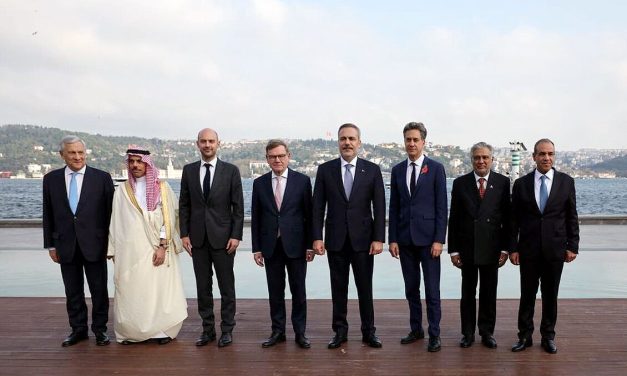
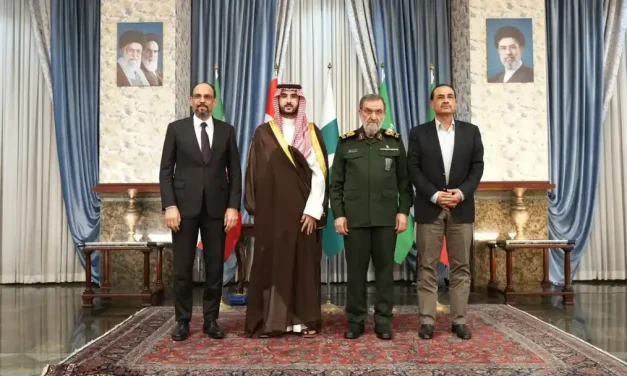
SCFR Online – Opinion: The meeting of the foreign ministers of Turkey, Saudi Arabia, Pakistan, and Egypt in Istanbul has provided an opportunity for diplomatic coordination regarding West Asian crises, but its success will depend on the participation of key actors and the transformation of consultations into practical measures.
The Outlook for Iran-US Tensions

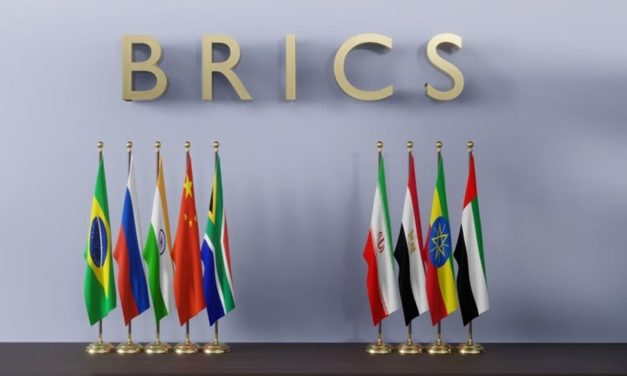
SCFR Online – Opinion: After months of war and economic pressure, the situation between Iran and the United States has been placed between two conflicting logics; Washington insists on intensifying pressure to gain concessions, and Tehran does not accept negotiations under pressure.

Loading

Top News

Reasons for Chinese Foreign Trade Growth under Corona & Global Recession Conditions

Reasons for Chinese Foreign Trade Growth under Corona & Global Recession Conditions

Strategic Council Online- Note: Chinese export volume during the first 7 months of 2021 showed 24.5% growth and the import of the country 24.4% growth respectively. This is the case while the trade volume of foreign companies stationed in China had as much as 16.7% growth. There is a question that despite the pessimism of a large number of economists on leaving behind Corona economic crisis, how could such growth rate be attained?
Reza Majid-Zade, Researcher, Development Political Economics

Strategic Consequences of US Atomic Bombing of Japan

Strategic Consequences of US Atomic Bombing of Japan

Strategic Council Online – Note: The alarm for the World War II was officially sounded with the German invasion of Poland, on September 1, 1939, and left a black record behind by leaving 50 million dead, millions disabled and 30 million migrated. One of the significant incidents of the war was the US atomic bombing of Hiroshima (August 6, 1945) to force the Japanese government to surrender. The city of Nagasaki was also bombed on August 9, 1945. Shortly afterwards, the then Emperor of Japan announced in a speech that he had made unconditional peace with the Allies in order to protect the people of his country and thereby stop the greatest crime against humanity.
Mahmoud Fazeli – Analyst of international affairs

Inevitable Collapse of Zionist Regime despite Efforts for Projection

Inevitable Collapse of Zionist Regime despite Efforts for Projection

Strategic Council Online – Interview: An expert on West Asia affairs said that the Zionist regime is confined within internal economic challenges, social behaviors based on anonymity, lack of history, culture and social confusion, adding: The real data about the Zionist regime show that the arguments about the collapse of the regime are not based solely on analysis, but on a fact that is revealed by real statistics and numbers.

Taliban Facing Difficult Test of State-Building

Taliban Facing Difficult Test of State-Building

Strategic Council Online – Interview: An analyst of Afghanistan affairs, stating that the state-building in Afghanistan has many complexities, said: The Taliban are fighters and have been able to change equations through wars, but to run the country, they will need technocrats coming from different ethnic groups.

Inefficiency & Surrender Reasons of Afghanistan Army against Taliban

Inefficiency & Surrender Reasons of Afghanistan Army against Taliban

Strategic Council Online- Interview: Former Director of Afghanistan Headquarter at the Ministry of Foreign Affairs stated that relations between Iran and Afghanistan during Ashraf Ghani were not good because he followed the US policies, and like-minded groups with Iran were isolated. He said Ashraf Ghani Administration was not only unable to establish good relations with Iran, but also his relations with Russia, China and other countries opposing the US, were not cozy either.

Strategic dimensions of the recent tension in relations between Armenia and Azerbaijan

Strategic dimensions of the recent tension in relations between Armenia and Azerbaijan

Strategic Council Online—Interview: An analyst of the Caucasus issues says the recent border tension between Armenia and Azerbaijan took place in line with imposing pressure upon Armenia with the goal of accepting to establish the Zangezur corridor, emphasizing that this corridor is not compatible with any of the present geopolitical and historical realities of the region and cannot be established and these pressures cannot force Armenia to accept it.

An Analysis of UNSC Sessions on Afghanistan

An Analysis of UNSC Sessions on Afghanistan

Strategic Council Online – Interview: An analyst of Asia affairs said the recent UN Security Council statements on Afghanistan are indicative of the acceptance of the Taliban’s complete domination over the country and the defeat of the Kabul government in the arena of political power of that country.

Managed Challenges in Washington-Beijing relations

Managed Challenges in Washington-Beijing relations

Strategic Council Online—Note: China and the United States are trying to reduce the probable damage in their economy through appropriate measures in order to prevent their tension exceeding the conventional limit.
Ali Khansari—International issues analyst

Russia’s Strategy towards Afghanistan

Russia’s Strategy towards Afghanistan

Strategic Council Online – Note: The policy that Russia is currently pursuing in Afghanistan is an effort to fill the vacuum created by the US withdrawal from the country by strengthening its presence and influence through political mechanisms and security processes, unlike China, which uses mechanisms of economic, development, and investment programs in Afghanistan’s infrastructure in an effort to fill in the said gap.
Hamid Khoshayand – Analyst of International Affairs

أحدث الوظائف

A Reflection on the Capacities and Challenges of the Istanbul Ministerial Meeting

SCFR Online – Opinion: The meeting of the foreign ministers of Turkey, Saudi Arabia, Pakistan, and Egypt in Istanbul has provided an opportunity for diplomatic coordination regarding West Asian crises, but its success will depend on the participation of key actors and the transformation of consultations into practical measures.
The Outlook for Iran-US Tensions

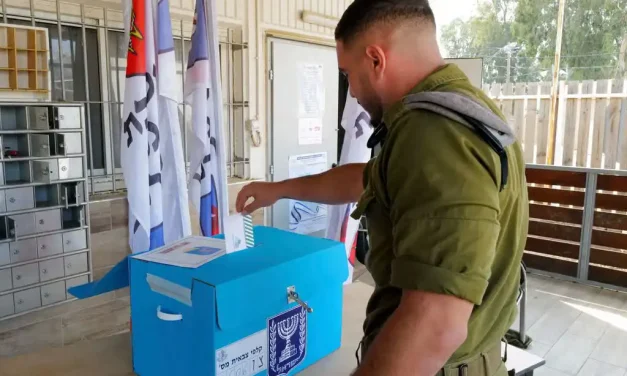
SCFR Online – Opinion: After months of war and economic pressure, the situation between Iran and the United States has been placed between two conflicting logics; Washington insists on intensifying pressure to gain concessions, and Tehran does not accept negotiations under pressure.

Loading

Top News

Reasons for Chinese Foreign Trade Growth under Corona & Global Recession Conditions

Reasons for Chinese Foreign Trade Growth under Corona & Global Recession Conditions

Strategic Council Online- Note: Chinese export volume during the first 7 months of 2021 showed 24.5% growth and the import of the country 24.4% growth respectively. This is the case while the trade volume of foreign companies stationed in China had as much as 16.7% growth. There is a question that despite the pessimism of a large number of economists on leaving behind Corona economic crisis, how could such growth rate be attained?
Reza Majid-Zade, Researcher, Development Political Economics

Strategic Consequences of US Atomic Bombing of Japan

Strategic Consequences of US Atomic Bombing of Japan

Strategic Council Online – Note: The alarm for the World War II was officially sounded with the German invasion of Poland, on September 1, 1939, and left a black record behind by leaving 50 million dead, millions disabled and 30 million migrated. One of the significant incidents of the war was the US atomic bombing of Hiroshima (August 6, 1945) to force the Japanese government to surrender. The city of Nagasaki was also bombed on August 9, 1945. Shortly afterwards, the then Emperor of Japan announced in a speech that he had made unconditional peace with the Allies in order to protect the people of his country and thereby stop the greatest crime against humanity.
Mahmoud Fazeli – Analyst of international affairs

Inevitable Collapse of Zionist Regime despite Efforts for Projection

Inevitable Collapse of Zionist Regime despite Efforts for Projection

Strategic Council Online – Interview: An expert on West Asia affairs said that the Zionist regime is confined within internal economic challenges, social behaviors based on anonymity, lack of history, culture and social confusion, adding: The real data about the Zionist regime show that the arguments about the collapse of the regime are not based solely on analysis, but on a fact that is revealed by real statistics and numbers.

Taliban Facing Difficult Test of State-Building

Taliban Facing Difficult Test of State-Building

Strategic Council Online – Interview: An analyst of Afghanistan affairs, stating that the state-building in Afghanistan has many complexities, said: The Taliban are fighters and have been able to change equations through wars, but to run the country, they will need technocrats coming from different ethnic groups.

Inefficiency & Surrender Reasons of Afghanistan Army against Taliban

Inefficiency & Surrender Reasons of Afghanistan Army against Taliban

Strategic Council Online- Interview: Former Director of Afghanistan Headquarter at the Ministry of Foreign Affairs stated that relations between Iran and Afghanistan during Ashraf Ghani were not good because he followed the US policies, and like-minded groups with Iran were isolated. He said Ashraf Ghani Administration was not only unable to establish good relations with Iran, but also his relations with Russia, China and other countries opposing the US, were not cozy either.

Strategic dimensions of the recent tension in relations between Armenia and Azerbaijan

Strategic dimensions of the recent tension in relations between Armenia and Azerbaijan

Strategic Council Online—Interview: An analyst of the Caucasus issues says the recent border tension between Armenia and Azerbaijan took place in line with imposing pressure upon Armenia with the goal of accepting to establish the Zangezur corridor, emphasizing that this corridor is not compatible with any of the present geopolitical and historical realities of the region and cannot be established and these pressures cannot force Armenia to accept it.

An Analysis of UNSC Sessions on Afghanistan

An Analysis of UNSC Sessions on Afghanistan

Strategic Council Online – Interview: An analyst of Asia affairs said the recent UN Security Council statements on Afghanistan are indicative of the acceptance of the Taliban’s complete domination over the country and the defeat of the Kabul government in the arena of political power of that country.

Managed Challenges in Washington-Beijing relations

Managed Challenges in Washington-Beijing relations

Strategic Council Online—Note: China and the United States are trying to reduce the probable damage in their economy through appropriate measures in order to prevent their tension exceeding the conventional limit.
Ali Khansari—International issues analyst

Russia’s Strategy towards Afghanistan

Russia’s Strategy towards Afghanistan

Strategic Council Online – Note: The policy that Russia is currently pursuing in Afghanistan is an effort to fill the vacuum created by the US withdrawal from the country by strengthening its presence and influence through political mechanisms and security processes, unlike China, which uses mechanisms of economic, development, and investment programs in Afghanistan’s infrastructure in an effort to fill in the said gap.
Hamid Khoshayand – Analyst of International Affairs

LATEST CONTENT

A Reflection on the Capacities and Challenges of the Istanbul Ministerial Meeting

SCFR Online – Opinion: The meeting of the foreign ministers of Turkey, Saudi Arabia, Pakistan, and Egypt in Istanbul has provided an opportunity for diplomatic coordination regarding West Asian crises, but its success will depend on the participation of key actors and the transformation of consultations into practical measures.
The Outlook for Iran-US Tensions

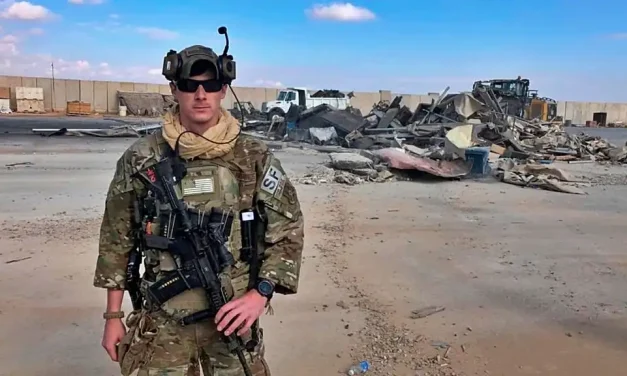
SCFR Online – Opinion: After months of war and economic pressure, the situation between Iran and the United States has been placed between two conflicting logics; Washington insists on intensifying pressure to gain concessions, and Tehran does not accept negotiations under pressure.

Loading

Top News

Reasons for Chinese Foreign Trade Growth under Corona & Global Recession Conditions

Reasons for Chinese Foreign Trade Growth under Corona & Global Recession Conditions

Strategic Council Online- Note: Chinese export volume during the first 7 months of 2021 showed 24.5% growth and the import of the country 24.4% growth respectively. This is the case while the trade volume of foreign companies stationed in China had as much as 16.7% growth. There is a question that despite the pessimism of a large number of economists on leaving behind Corona economic crisis, how could such growth rate be attained?
Reza Majid-Zade, Researcher, Development Political Economics

Strategic Consequences of US Atomic Bombing of Japan

Strategic Consequences of US Atomic Bombing of Japan

Strategic Council Online – Note: The alarm for the World War II was officially sounded with the German invasion of Poland, on September 1, 1939, and left a black record behind by leaving 50 million dead, millions disabled and 30 million migrated. One of the significant incidents of the war was the US atomic bombing of Hiroshima (August 6, 1945) to force the Japanese government to surrender. The city of Nagasaki was also bombed on August 9, 1945. Shortly afterwards, the then Emperor of Japan announced in a speech that he had made unconditional peace with the Allies in order to protect the people of his country and thereby stop the greatest crime against humanity.
Mahmoud Fazeli – Analyst of international affairs

Inevitable Collapse of Zionist Regime despite Efforts for Projection

Inevitable Collapse of Zionist Regime despite Efforts for Projection

Strategic Council Online – Interview: An expert on West Asia affairs said that the Zionist regime is confined within internal economic challenges, social behaviors based on anonymity, lack of history, culture and social confusion, adding: The real data about the Zionist regime show that the arguments about the collapse of the regime are not based solely on analysis, but on a fact that is revealed by real statistics and numbers.

Taliban Facing Difficult Test of State-Building

Taliban Facing Difficult Test of State-Building

Strategic Council Online – Interview: An analyst of Afghanistan affairs, stating that the state-building in Afghanistan has many complexities, said: The Taliban are fighters and have been able to change equations through wars, but to run the country, they will need technocrats coming from different ethnic groups.

Inefficiency & Surrender Reasons of Afghanistan Army against Taliban

Inefficiency & Surrender Reasons of Afghanistan Army against Taliban

Strategic Council Online- Interview: Former Director of Afghanistan Headquarter at the Ministry of Foreign Affairs stated that relations between Iran and Afghanistan during Ashraf Ghani were not good because he followed the US policies, and like-minded groups with Iran were isolated. He said Ashraf Ghani Administration was not only unable to establish good relations with Iran, but also his relations with Russia, China and other countries opposing the US, were not cozy either.

Strategic dimensions of the recent tension in relations between Armenia and Azerbaijan

Strategic dimensions of the recent tension in relations between Armenia and Azerbaijan

Strategic Council Online—Interview: An analyst of the Caucasus issues says the recent border tension between Armenia and Azerbaijan took place in line with imposing pressure upon Armenia with the goal of accepting to establish the Zangezur corridor, emphasizing that this corridor is not compatible with any of the present geopolitical and historical realities of the region and cannot be established and these pressures cannot force Armenia to accept it.

An Analysis of UNSC Sessions on Afghanistan

An Analysis of UNSC Sessions on Afghanistan

Strategic Council Online – Interview: An analyst of Asia affairs said the recent UN Security Council statements on Afghanistan are indicative of the acceptance of the Taliban’s complete domination over the country and the defeat of the Kabul government in the arena of political power of that country.

Managed Challenges in Washington-Beijing relations

Managed Challenges in Washington-Beijing relations

Strategic Council Online—Note: China and the United States are trying to reduce the probable damage in their economy through appropriate measures in order to prevent their tension exceeding the conventional limit.
Ali Khansari—International issues analyst

Russia’s Strategy towards Afghanistan

Russia’s Strategy towards Afghanistan

Strategic Council Online – Note: The policy that Russia is currently pursuing in Afghanistan is an effort to fill the vacuum created by the US withdrawal from the country by strengthening its presence and influence through political mechanisms and security processes, unlike China, which uses mechanisms of economic, development, and investment programs in Afghanistan’s infrastructure in an effort to fill in the said gap.
Hamid Khoshayand – Analyst of International Affairs

ÚLTIMAS PUBLICACIONES

A Reflection on the Capacities and Challenges of the Istanbul Ministerial Meeting

SCFR Online – Opinion: The meeting of the foreign ministers of Turkey, Saudi Arabia, Pakistan, and Egypt in Istanbul has provided an opportunity for diplomatic coordination regarding West Asian crises, but its success will depend on the participation of key actors and the transformation of consultations into practical measures.

The Outlook for Iran-US Tensions

SCFR Online – Opinion: After months of war and economic pressure, the situation between Iran and the United States has been placed between two conflicting logics; Washington insists on intensifying pressure to gain concessions, and Tehran does not accept negotiations under pressure.

Loading

Top News

Reasons for Chinese Foreign Trade Growth under Corona & Global Recession Conditions

Reasons for Chinese Foreign Trade Growth under Corona & Global Recession Conditions

Strategic Council Online- Note: Chinese export volume during the first 7 months of 2021 showed 24.5% growth and the import of the country 24.4% growth respectively. This is the case while the trade volume of foreign companies stationed in China had as much as 16.7% growth. There is a question that despite the pessimism of a large number of economists on leaving behind Corona economic crisis, how could such growth rate be attained?
Reza Majid-Zade, Researcher, Development Political Economics

Strategic Consequences of US Atomic Bombing of Japan

Strategic Consequences of US Atomic Bombing of Japan

Strategic Council Online – Note: The alarm for the World War II was officially sounded with the German invasion of Poland, on September 1, 1939, and left a black record behind by leaving 50 million dead, millions disabled and 30 million migrated. One of the significant incidents of the war was the US atomic bombing of Hiroshima (August 6, 1945) to force the Japanese government to surrender. The city of Nagasaki was also bombed on August 9, 1945. Shortly afterwards, the then Emperor of Japan announced in a speech that he had made unconditional peace with the Allies in order to protect the people of his country and thereby stop the greatest crime against humanity.
Mahmoud Fazeli – Analyst of international affairs

Inevitable Collapse of Zionist Regime despite Efforts for Projection

Inevitable Collapse of Zionist Regime despite Efforts for Projection

Strategic Council Online – Interview: An expert on West Asia affairs said that the Zionist regime is confined within internal economic challenges, social behaviors based on anonymity, lack of history, culture and social confusion, adding: The real data about the Zionist regime show that the arguments about the collapse of the regime are not based solely on analysis, but on a fact that is revealed by real statistics and numbers.

Taliban Facing Difficult Test of State-Building

Taliban Facing Difficult Test of State-Building

Strategic Council Online – Interview: An analyst of Afghanistan affairs, stating that the state-building in Afghanistan has many complexities, said: The Taliban are fighters and have been able to change equations through wars, but to run the country, they will need technocrats coming from different ethnic groups.

Inefficiency & Surrender Reasons of Afghanistan Army against Taliban

Inefficiency & Surrender Reasons of Afghanistan Army against Taliban

Strategic Council Online- Interview: Former Director of Afghanistan Headquarter at the Ministry of Foreign Affairs stated that relations between Iran and Afghanistan during Ashraf Ghani were not good because he followed the US policies, and like-minded groups with Iran were isolated. He said Ashraf Ghani Administration was not only unable to establish good relations with Iran, but also his relations with Russia, China and other countries opposing the US, were not cozy either.

Strategic dimensions of the recent tension in relations between Armenia and Azerbaijan

Strategic dimensions of the recent tension in relations between Armenia and Azerbaijan

Strategic Council Online—Interview: An analyst of the Caucasus issues says the recent border tension between Armenia and Azerbaijan took place in line with imposing pressure upon Armenia with the goal of accepting to establish the Zangezur corridor, emphasizing that this corridor is not compatible with any of the present geopolitical and historical realities of the region and cannot be established and these pressures cannot force Armenia to accept it.

An Analysis of UNSC Sessions on Afghanistan

An Analysis of UNSC Sessions on Afghanistan

Strategic Council Online – Interview: An analyst of Asia affairs said the recent UN Security Council statements on Afghanistan are indicative of the acceptance of the Taliban’s complete domination over the country and the defeat of the Kabul government in the arena of political power of that country.

Managed Challenges in Washington-Beijing relations

Managed Challenges in Washington-Beijing relations

Strategic Council Online—Note: China and the United States are trying to reduce the probable damage in their economy through appropriate measures in order to prevent their tension exceeding the conventional limit.
Ali Khansari—International issues analyst

Russia’s Strategy towards Afghanistan

Russia’s Strategy towards Afghanistan

Strategic Council Online – Note: The policy that Russia is currently pursuing in Afghanistan is an effort to fill the vacuum created by the US withdrawal from the country by strengthening its presence and influence through political mechanisms and security processes, unlike China, which uses mechanisms of economic, development, and investment programs in Afghanistan’s infrastructure in an effort to fill in the said gap.
Hamid Khoshayand – Analyst of International Affairs

ÚLTIMAS PUBLICACIONES

A Reflection on the Capacities and Challenges of the Istanbul Ministerial Meeting

SCFR Online – Opinion: The meeting of the foreign ministers of Turkey, Saudi Arabia, Pakistan, and Egypt in Istanbul has provided an opportunity for diplomatic coordination regarding West Asian crises, but its success will depend on the participation of key actors and the transformation of consultations into practical measures.
The Outlook for Iran-US Tensions

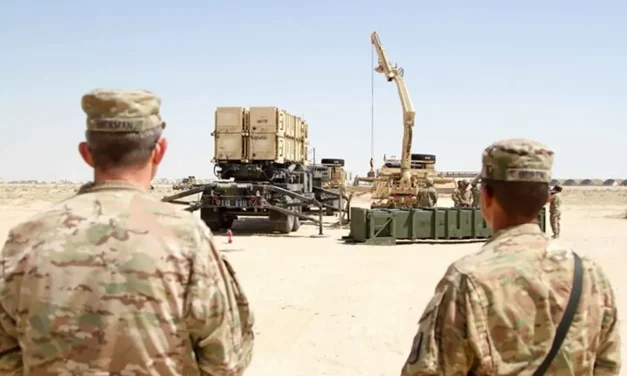
SCFR Online – Opinion: After months of war and economic pressure, the situation between Iran and the United States has been placed between two conflicting logics; Washington insists on intensifying pressure to gain concessions, and Tehran does not accept negotiations under pressure.

Loading

Top News

Reasons for Chinese Foreign Trade Growth under Corona & Global Recession Conditions

Reasons for Chinese Foreign Trade Growth under Corona & Global Recession Conditions

Strategic Council Online- Note: Chinese export volume during the first 7 months of 2021 showed 24.5% growth and the import of the country 24.4% growth respectively. This is the case while the trade volume of foreign companies stationed in China had as much as 16.7% growth. There is a question that despite the pessimism of a large number of economists on leaving behind Corona economic crisis, how could such growth rate be attained?
Reza Majid-Zade, Researcher, Development Political Economics

Strategic Consequences of US Atomic Bombing of Japan

Strategic Consequences of US Atomic Bombing of Japan

Strategic Council Online – Note: The alarm for the World War II was officially sounded with the German invasion of Poland, on September 1, 1939, and left a black record behind by leaving 50 million dead, millions disabled and 30 million migrated. One of the significant incidents of the war was the US atomic bombing of Hiroshima (August 6, 1945) to force the Japanese government to surrender. The city of Nagasaki was also bombed on August 9, 1945. Shortly afterwards, the then Emperor of Japan announced in a speech that he had made unconditional peace with the Allies in order to protect the people of his country and thereby stop the greatest crime against humanity.
Mahmoud Fazeli – Analyst of international affairs

Inevitable Collapse of Zionist Regime despite Efforts for Projection

Inevitable Collapse of Zionist Regime despite Efforts for Projection

Strategic Council Online – Interview: An expert on West Asia affairs said that the Zionist regime is confined within internal economic challenges, social behaviors based on anonymity, lack of history, culture and social confusion, adding: The real data about the Zionist regime show that the arguments about the collapse of the regime are not based solely on analysis, but on a fact that is revealed by real statistics and numbers.

Taliban Facing Difficult Test of State-Building

Taliban Facing Difficult Test of State-Building

Strategic Council Online – Interview: An analyst of Afghanistan affairs, stating that the state-building in Afghanistan has many complexities, said: The Taliban are fighters and have been able to change equations through wars, but to run the country, they will need technocrats coming from different ethnic groups.

Inefficiency & Surrender Reasons of Afghanistan Army against Taliban

Inefficiency & Surrender Reasons of Afghanistan Army against Taliban

Strategic Council Online- Interview: Former Director of Afghanistan Headquarter at the Ministry of Foreign Affairs stated that relations between Iran and Afghanistan during Ashraf Ghani were not good because he followed the US policies, and like-minded groups with Iran were isolated. He said Ashraf Ghani Administration was not only unable to establish good relations with Iran, but also his relations with Russia, China and other countries opposing the US, were not cozy either.

Strategic dimensions of the recent tension in relations between Armenia and Azerbaijan

Strategic dimensions of the recent tension in relations between Armenia and Azerbaijan

Strategic Council Online—Interview: An analyst of the Caucasus issues says the recent border tension between Armenia and Azerbaijan took place in line with imposing pressure upon Armenia with the goal of accepting to establish the Zangezur corridor, emphasizing that this corridor is not compatible with any of the present geopolitical and historical realities of the region and cannot be established and these pressures cannot force Armenia to accept it.

An Analysis of UNSC Sessions on Afghanistan

An Analysis of UNSC Sessions on Afghanistan

Strategic Council Online – Interview: An analyst of Asia affairs said the recent UN Security Council statements on Afghanistan are indicative of the acceptance of the Taliban’s complete domination over the country and the defeat of the Kabul government in the arena of political power of that country.

Managed Challenges in Washington-Beijing relations

Managed Challenges in Washington-Beijing relations

Strategic Council Online—Note: China and the United States are trying to reduce the probable damage in their economy through appropriate measures in order to prevent their tension exceeding the conventional limit.
Ali Khansari—International issues analyst

Russia’s Strategy towards Afghanistan

Russia’s Strategy towards Afghanistan

Strategic Council Online – Note: The policy that Russia is currently pursuing in Afghanistan is an effort to fill the vacuum created by the US withdrawal from the country by strengthening its presence and influence through political mechanisms and security processes, unlike China, which uses mechanisms of economic, development, and investment programs in Afghanistan’s infrastructure in an effort to fill in the said gap.
Hamid Khoshayand – Analyst of International Affairs

ÚLTIMAS PUBLICACIONES

A Reflection on the Capacities and Challenges of the Istanbul Ministerial Meeting

SCFR Online – Opinion: The meeting of the foreign ministers of Turkey, Saudi Arabia, Pakistan, and Egypt in Istanbul has provided an opportunity for diplomatic coordination regarding West Asian crises, but its success will depend on the participation of key actors and the transformation of consultations into practical measures.
The Outlook for Iran-US Tensions

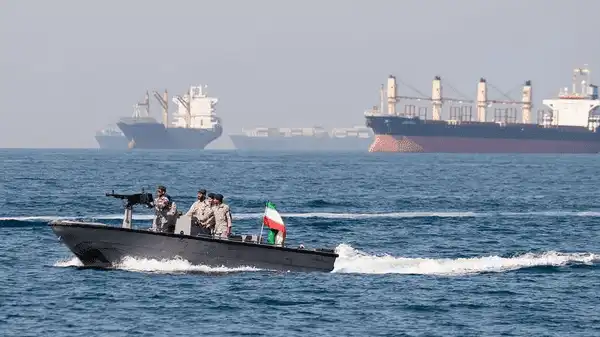
SCFR Online – Opinion: After months of war and economic pressure, the situation between Iran and the United States has been placed between two conflicting logics; Washington insists on intensifying pressure to gain concessions, and Tehran does not accept negotiations under pressure.

Loading

Top News

Reasons for Chinese Foreign Trade Growth under Corona & Global Recession Conditions

Reasons for Chinese Foreign Trade Growth under Corona & Global Recession Conditions

Strategic Council Online- Note: Chinese export volume during the first 7 months of 2021 showed 24.5% growth and the import of the country 24.4% growth respectively. This is the case while the trade volume of foreign companies stationed in China had as much as 16.7% growth. There is a question that despite the pessimism of a large number of economists on leaving behind Corona economic crisis, how could such growth rate be attained?
Reza Majid-Zade, Researcher, Development Political Economics

Strategic Consequences of US Atomic Bombing of Japan

Strategic Consequences of US Atomic Bombing of Japan

Strategic Council Online – Note: The alarm for the World War II was officially sounded with the German invasion of Poland, on September 1, 1939, and left a black record behind by leaving 50 million dead, millions disabled and 30 million migrated. One of the significant incidents of the war was the US atomic bombing of Hiroshima (August 6, 1945) to force the Japanese government to surrender. The city of Nagasaki was also bombed on August 9, 1945. Shortly afterwards, the then Emperor of Japan announced in a speech that he had made unconditional peace with the Allies in order to protect the people of his country and thereby stop the greatest crime against humanity.
Mahmoud Fazeli – Analyst of international affairs

Inevitable Collapse of Zionist Regime despite Efforts for Projection

Inevitable Collapse of Zionist Regime despite Efforts for Projection

Strategic Council Online – Interview: An expert on West Asia affairs said that the Zionist regime is confined within internal economic challenges, social behaviors based on anonymity, lack of history, culture and social confusion, adding: The real data about the Zionist regime show that the arguments about the collapse of the regime are not based solely on analysis, but on a fact that is revealed by real statistics and numbers.

Taliban Facing Difficult Test of State-Building

Taliban Facing Difficult Test of State-Building

Strategic Council Online – Interview: An analyst of Afghanistan affairs, stating that the state-building in Afghanistan has many complexities, said: The Taliban are fighters and have been able to change equations through wars, but to run the country, they will need technocrats coming from different ethnic groups.

Inefficiency & Surrender Reasons of Afghanistan Army against Taliban

Inefficiency & Surrender Reasons of Afghanistan Army against Taliban

Strategic Council Online- Interview: Former Director of Afghanistan Headquarter at the Ministry of Foreign Affairs stated that relations between Iran and Afghanistan during Ashraf Ghani were not good because he followed the US policies, and like-minded groups with Iran were isolated. He said Ashraf Ghani Administration was not only unable to establish good relations with Iran, but also his relations with Russia, China and other countries opposing the US, were not cozy either.

Strategic dimensions of the recent tension in relations between Armenia and Azerbaijan

Strategic dimensions of the recent tension in relations between Armenia and Azerbaijan

Strategic Council Online—Interview: An analyst of the Caucasus issues says the recent border tension between Armenia and Azerbaijan took place in line with imposing pressure upon Armenia with the goal of accepting to establish the Zangezur corridor, emphasizing that this corridor is not compatible with any of the present geopolitical and historical realities of the region and cannot be established and these pressures cannot force Armenia to accept it.

An Analysis of UNSC Sessions on Afghanistan

An Analysis of UNSC Sessions on Afghanistan

Strategic Council Online – Interview: An analyst of Asia affairs said the recent UN Security Council statements on Afghanistan are indicative of the acceptance of the Taliban’s complete domination over the country and the defeat of the Kabul government in the arena of political power of that country.

Managed Challenges in Washington-Beijing relations

Managed Challenges in Washington-Beijing relations

Strategic Council Online—Note: China and the United States are trying to reduce the probable damage in their economy through appropriate measures in order to prevent their tension exceeding the conventional limit.
Ali Khansari—International issues analyst

Russia’s Strategy towards Afghanistan

Russia’s Strategy towards Afghanistan

Strategic Council Online – Note: The policy that Russia is currently pursuing in Afghanistan is an effort to fill the vacuum created by the US withdrawal from the country by strengthening its presence and influence through political mechanisms and security processes, unlike China, which uses mechanisms of economic, development, and investment programs in Afghanistan’s infrastructure in an effort to fill in the said gap.
Hamid Khoshayand – Analyst of International Affairs

ÚLTIMAS PUBLICACIONES

A Reflection on the Capacities and Challenges of the Istanbul Ministerial Meeting

SCFR Online – Opinion: The meeting of the foreign ministers of Turkey, Saudi Arabia, Pakistan, and Egypt in Istanbul has provided an opportunity for diplomatic coordination regarding West Asian crises, but its success will depend on the participation of key actors and the transformation of consultations into practical measures.

The Outlook for Iran-US Tensions

SCFR Online – Opinion: After months of war and economic pressure, the situation between Iran and the United States has been placed between two conflicting logics; Washington insists on intensifying pressure to gain concessions, and Tehran does not accept negotiations under pressure.

Loading