جدیدترین مطالب

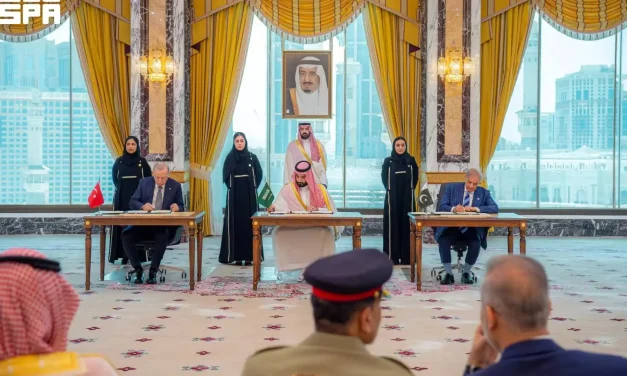
The Makkah Pact; Reasons for its Formation and Challenges Ahead

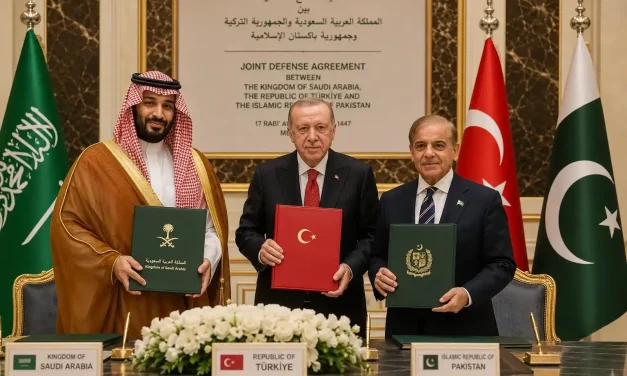
SCFR Online – Opinion: The Makkah Pact, signed between Saudi Arabia, Pakistan, and Turkey under the motto “an attack on one is an attack on all,” is viewed by some analysts less as a full-fledged military coalition and more as an attempt to reduce security dependence on an external power and to establish a regional security mechanism.

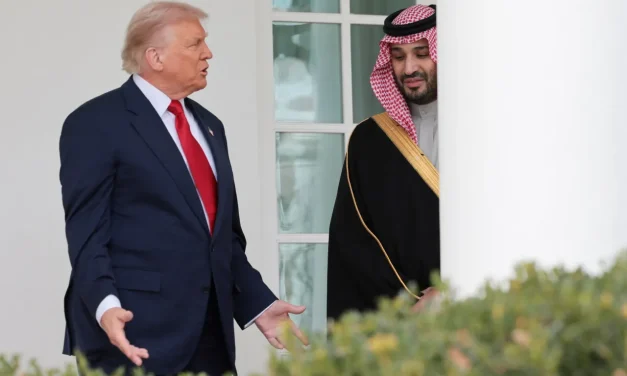
Implications of the US-Saudi Nuclear Agreement

SCFR Online – Opinion: The new US-Saudi nuclear agreement, despite legal and political ambiguities, could alter previous non-proliferation standards in West Asia and intensify nuclear competition, ushering it into a new phase.

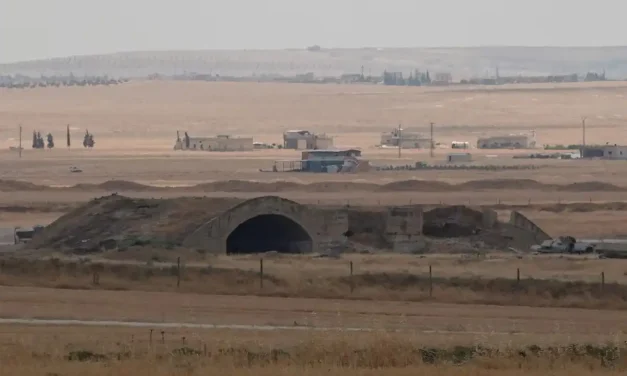
An Analysis of Recent Turkey-Israeli Regime Tensions

SCFR Online – Opinion: Recent developments in Syria indicate an intensification of strategic rivalry between Turkey and the Israeli regime, but mutual considerations and the role of the United States have limited the likelihood of direct war.

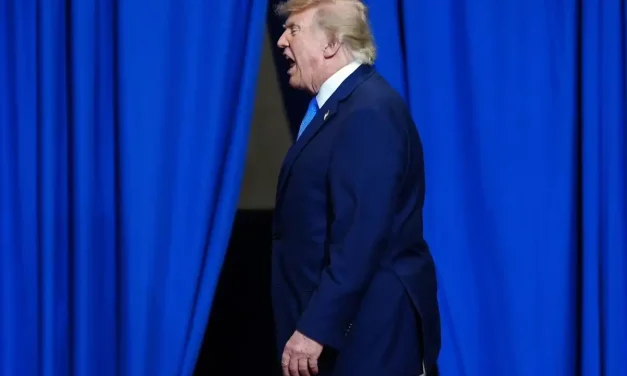
Increasing criticism of the extensive Zionist lobby network

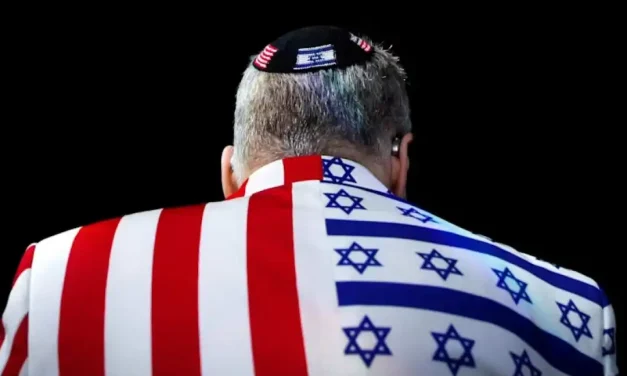
SCFR Online – Opinion: An examination of the mechanisms of the Israeli regime’s influence in the United States depicts a complex picture of shared interests, strategic dependencies, and the limitations of this relationship.

Realities of the Tripartite Makkah Pact

SCFR Online – Interview: The signing of the Makkah agreement between Saudi Arabia, Pakistan, and Turkey has raised questions about the future of the region’s security structure and the position of these countries in West Asian equations. Can this agreement become a genuine collective defense mechanism, or does it have more of a political and deterrent function than creating new military capacity?

Loading

Top News

Political Changes in Zionist Regime, Continuation of Resistance-Oriented Approach

Political Changes in Zionist Regime, Continuation of Resistance-Oriented Approach

Strategic Council Online – Netanyahu’s ouster should be seen as an important “turning point” in the developments of recent years in the occupied territories. During the past 12 years, Netanyahu made great efforts to advance anti-Palestinian plans. He is stepping down despite the fact that, contrary to his criminal objectives and actions, Palestine and the resistance groups not only have not been weakened but have achieved important dimensions of power and strategic balance in the occupied territories. At the end of Netanyahu’s 12-year presidency, the “myth of Israel’s invincibility” was shattered.
Hamid Khoshayand – international affairs analyst

Goals and consequences of China’s new demographic policy

Goals and consequences of China’s new demographic policy

Strategic Council Online: Opinion—China has recently decided to support couples who are willing in having three children. What are the goals and consequences of this policy?
Reza Majidzadeh—Researcher of the political economy of development

Victory of Resistance Front, impact on Netanyahu’s Fate

Victory of Resistance Front, impact on Netanyahu’s Fate

Strategic Council Online – An expert on the Zionist regime’s affairs said that with Netanyahu stepping down from power, we will be witness to a new era in Israel, adding: The nature of this regime is based on occupation and terror, and the doing trips will only affect its severity. The decline of this power is also due to the approach and weakness of the prime minister, and certainly the intensity of occupation and terrorism was at its peak during Netanyahu era.

Winners and Losers of Gaza War

Winners and Losers of Gaza War

Strategic Council Online – An expert on West Asia affairs referred to the increase in pressures to oust Netanyahu from power as one of the most important strategic defeats for the Zionist regime in the Gaza war and said: Many Arab and Islamic governments and organizations, with their inaction and indifference, were among those who were ashamed in that scene and should thus stand by the Zionist regime.

Dimensions of German Genocide in Namibia, Acceptance of Responsibility

Dimensions of German Genocide in Namibia, Acceptance of Responsibility

Strategic Council Online – Nearly one hundred years after the mass killing of the Herero and Nama tribes by German troops during the Namibian occupation, German Foreign Minister Haiku Moss officially acknowledged the atrocities committed by the German military in Namibia and the “genocide” in that country. According to the minister, Germany’s goal is to erase the memory of the massacres from the minds of the survivors of the victims. ‘We are pleased to be able to reach an agreement with Namibia on dealing with the darkest part of our common history. Recognizing this negligence and our request for compensation is an important step in repairing the remnants of this crime’.
Mahmoud Fazeli – International affairs analyst

Strategic Dimensions & Consequences of Bashar Assad’s Re-Election

Strategic Dimensions & Consequences of Bashar Assad’s Re-Election

Strategic Council Online – Contrary to the propaganda and projection of the media and political circles of Western countries and some Arab states that have sought to overthrow Bashar Assad since 2011, the Syrian presidential election and the widespread participation of Syrian citizens in it led to the re-election of Bashar Assad. He became president for another seven-year term, an important “turning point” in Syria’s socio-political developments. The victory of Bashar Assad in this election actually meant a great victory for the Syrian people and the Resistance front, and on the contrary, a disgraceful defeat for the anti-Resistance axis (consisting of governmental and non-governmental actors).
Barsam Mohammadi – international affairs analyst

New Approach in Turkish Foreign Policy; Consequences & Prospects

New Approach in Turkish Foreign Policy; Consequences & Prospects

Strategic Council Online – In recent weeks, the Turkish government, in the shadow of media silence, has been shaping certain frameworks in its foreign relations with some countries and players in the region, including the UAE, Saudi Arabia, Egypt and the Zionist regime which could be analyzed and evaluated with such indicators as “pragmatic rotation”, “balancing” or “foreign policy reform”; until recently, Ankara had more or less escalated tensions with those countries and players, and even went as far as political and security conflicts.
Hamid Khoshayand – international affairs analyst

Perspectives of the US sanction war against Russia

Perspectives of the US sanction war against Russia

Strategic Council Online- Dialogue: Seyed Reza Mir-Taher, an expert of international developments explained the different aspects of the US economic and political war against Russia, especially in the sanction field. He said:” Since 2014, Russia has adopted an eye towards East policy and tries to divert its economic and trade relations from EU towards the block of non-Western countries and thus minimize the destructive impacts of the US and EU sanctions.

Prospects of Political Developments in Libya

Prospects of Political Developments in Libya

Strategic Council Online – An expert on Africa affairs commenting on the current situation in Libya and the transitional government said: The government that is currently in power in Libya is known as the transitional government or the government of national unity, and is the result of a process that the United Nations initiated several years ago for state-building in Libya.

Roots and outcomes of the diplomatic crises between Riyadh and Beirut

Roots and outcomes of the diplomatic crises between Riyadh and Beirut

Strategic Council Online—Interview: Former director-general of the Ministry of Foreign Affairs for the Middle East, while referring to the tensions in the relations between Riyadh and Beirut which resulted in the resignation of the Lebanese foreign minister, said if interests of Saudi Arabia are secured in the composition of the next Lebanese cabinet, the pressure would decrease and their policies will also change. Otherwise, he said, pressures will continue on Lebanon and they will create obstacles so as a stable government is not formed in Beirut.

أحدث الوظائف

The Makkah Pact; Reasons for its Formation and Challenges Ahead

SCFR Online – Opinion: The Makkah Pact, signed between Saudi Arabia, Pakistan, and Turkey under the motto “an attack on one is an attack on all,” is viewed by some analysts less as a full-fledged military coalition and more as an attempt to reduce security dependence on an external power and to establish a regional security mechanism.

Implications of the US-Saudi Nuclear Agreement

SCFR Online – Opinion: The new US-Saudi nuclear agreement, despite legal and political ambiguities, could alter previous non-proliferation standards in West Asia and intensify nuclear competition, ushering it into a new phase.

An Analysis of Recent Turkey-Israeli Regime Tensions

SCFR Online – Opinion: Recent developments in Syria indicate an intensification of strategic rivalry between Turkey and the Israeli regime, but mutual considerations and the role of the United States have limited the likelihood of direct war.

Increasing criticism of the extensive Zionist lobby network

SCFR Online – Opinion: An examination of the mechanisms of the Israeli regime’s influence in the United States depicts a complex picture of shared interests, strategic dependencies, and the limitations of this relationship.

Realities of the Tripartite Makkah Pact

SCFR Online – Interview: The signing of the Makkah agreement between Saudi Arabia, Pakistan, and Turkey has raised questions about the future of the region’s security structure and the position of these countries in West Asian equations. Can this agreement become a genuine collective defense mechanism, or does it have more of a political and deterrent function than creating new military capacity?

Loading

Top News

Political Changes in Zionist Regime, Continuation of Resistance-Oriented Approach

Political Changes in Zionist Regime, Continuation of Resistance-Oriented Approach

Strategic Council Online – Netanyahu’s ouster should be seen as an important “turning point” in the developments of recent years in the occupied territories. During the past 12 years, Netanyahu made great efforts to advance anti-Palestinian plans. He is stepping down despite the fact that, contrary to his criminal objectives and actions, Palestine and the resistance groups not only have not been weakened but have achieved important dimensions of power and strategic balance in the occupied territories. At the end of Netanyahu’s 12-year presidency, the “myth of Israel’s invincibility” was shattered.
Hamid Khoshayand – international affairs analyst

Goals and consequences of China’s new demographic policy

Goals and consequences of China’s new demographic policy

Strategic Council Online: Opinion—China has recently decided to support couples who are willing in having three children. What are the goals and consequences of this policy?
Reza Majidzadeh—Researcher of the political economy of development

Victory of Resistance Front, impact on Netanyahu’s Fate

Victory of Resistance Front, impact on Netanyahu’s Fate

Strategic Council Online – An expert on the Zionist regime’s affairs said that with Netanyahu stepping down from power, we will be witness to a new era in Israel, adding: The nature of this regime is based on occupation and terror, and the doing trips will only affect its severity. The decline of this power is also due to the approach and weakness of the prime minister, and certainly the intensity of occupation and terrorism was at its peak during Netanyahu era.

Winners and Losers of Gaza War

Winners and Losers of Gaza War

Strategic Council Online – An expert on West Asia affairs referred to the increase in pressures to oust Netanyahu from power as one of the most important strategic defeats for the Zionist regime in the Gaza war and said: Many Arab and Islamic governments and organizations, with their inaction and indifference, were among those who were ashamed in that scene and should thus stand by the Zionist regime.

Dimensions of German Genocide in Namibia, Acceptance of Responsibility

Dimensions of German Genocide in Namibia, Acceptance of Responsibility

Strategic Council Online – Nearly one hundred years after the mass killing of the Herero and Nama tribes by German troops during the Namibian occupation, German Foreign Minister Haiku Moss officially acknowledged the atrocities committed by the German military in Namibia and the “genocide” in that country. According to the minister, Germany’s goal is to erase the memory of the massacres from the minds of the survivors of the victims. ‘We are pleased to be able to reach an agreement with Namibia on dealing with the darkest part of our common history. Recognizing this negligence and our request for compensation is an important step in repairing the remnants of this crime’.
Mahmoud Fazeli – International affairs analyst

Strategic Dimensions & Consequences of Bashar Assad’s Re-Election

Strategic Dimensions & Consequences of Bashar Assad’s Re-Election

Strategic Council Online – Contrary to the propaganda and projection of the media and political circles of Western countries and some Arab states that have sought to overthrow Bashar Assad since 2011, the Syrian presidential election and the widespread participation of Syrian citizens in it led to the re-election of Bashar Assad. He became president for another seven-year term, an important “turning point” in Syria’s socio-political developments. The victory of Bashar Assad in this election actually meant a great victory for the Syrian people and the Resistance front, and on the contrary, a disgraceful defeat for the anti-Resistance axis (consisting of governmental and non-governmental actors).
Barsam Mohammadi – international affairs analyst

New Approach in Turkish Foreign Policy; Consequences & Prospects

New Approach in Turkish Foreign Policy; Consequences & Prospects

Strategic Council Online – In recent weeks, the Turkish government, in the shadow of media silence, has been shaping certain frameworks in its foreign relations with some countries and players in the region, including the UAE, Saudi Arabia, Egypt and the Zionist regime which could be analyzed and evaluated with such indicators as “pragmatic rotation”, “balancing” or “foreign policy reform”; until recently, Ankara had more or less escalated tensions with those countries and players, and even went as far as political and security conflicts.
Hamid Khoshayand – international affairs analyst

Perspectives of the US sanction war against Russia

Perspectives of the US sanction war against Russia

Strategic Council Online- Dialogue: Seyed Reza Mir-Taher, an expert of international developments explained the different aspects of the US economic and political war against Russia, especially in the sanction field. He said:” Since 2014, Russia has adopted an eye towards East policy and tries to divert its economic and trade relations from EU towards the block of non-Western countries and thus minimize the destructive impacts of the US and EU sanctions.

Prospects of Political Developments in Libya

Prospects of Political Developments in Libya

Strategic Council Online – An expert on Africa affairs commenting on the current situation in Libya and the transitional government said: The government that is currently in power in Libya is known as the transitional government or the government of national unity, and is the result of a process that the United Nations initiated several years ago for state-building in Libya.

Roots and outcomes of the diplomatic crises between Riyadh and Beirut

Roots and outcomes of the diplomatic crises between Riyadh and Beirut

Strategic Council Online—Interview: Former director-general of the Ministry of Foreign Affairs for the Middle East, while referring to the tensions in the relations between Riyadh and Beirut which resulted in the resignation of the Lebanese foreign minister, said if interests of Saudi Arabia are secured in the composition of the next Lebanese cabinet, the pressure would decrease and their policies will also change. Otherwise, he said, pressures will continue on Lebanon and they will create obstacles so as a stable government is not formed in Beirut.

Top News

Political Changes in Zionist Regime, Continuation of Resistance-Oriented Approach

Political Changes in Zionist Regime, Continuation of Resistance-Oriented Approach

Strategic Council Online – Netanyahu’s ouster should be seen as an important “turning point” in the developments of recent years in the occupied territories. During the past 12 years, Netanyahu made great efforts to advance anti-Palestinian plans. He is stepping down despite the fact that, contrary to his criminal objectives and actions, Palestine and the resistance groups not only have not been weakened but have achieved important dimensions of power and strategic balance in the occupied territories. At the end of Netanyahu’s 12-year presidency, the “myth of Israel’s invincibility” was shattered.
Hamid Khoshayand – international affairs analyst

Goals and consequences of China’s new demographic policy

Goals and consequences of China’s new demographic policy

Strategic Council Online: Opinion—China has recently decided to support couples who are willing in having three children. What are the goals and consequences of this policy?
Reza Majidzadeh—Researcher of the political economy of development

Victory of Resistance Front, impact on Netanyahu’s Fate

Victory of Resistance Front, impact on Netanyahu’s Fate

Strategic Council Online – An expert on the Zionist regime’s affairs said that with Netanyahu stepping down from power, we will be witness to a new era in Israel, adding: The nature of this regime is based on occupation and terror, and the doing trips will only affect its severity. The decline of this power is also due to the approach and weakness of the prime minister, and certainly the intensity of occupation and terrorism was at its peak during Netanyahu era.

Winners and Losers of Gaza War

Winners and Losers of Gaza War

Strategic Council Online – An expert on West Asia affairs referred to the increase in pressures to oust Netanyahu from power as one of the most important strategic defeats for the Zionist regime in the Gaza war and said: Many Arab and Islamic governments and organizations, with their inaction and indifference, were among those who were ashamed in that scene and should thus stand by the Zionist regime.

Dimensions of German Genocide in Namibia, Acceptance of Responsibility

Dimensions of German Genocide in Namibia, Acceptance of Responsibility

Strategic Council Online – Nearly one hundred years after the mass killing of the Herero and Nama tribes by German troops during the Namibian occupation, German Foreign Minister Haiku Moss officially acknowledged the atrocities committed by the German military in Namibia and the “genocide” in that country. According to the minister, Germany’s goal is to erase the memory of the massacres from the minds of the survivors of the victims. ‘We are pleased to be able to reach an agreement with Namibia on dealing with the darkest part of our common history. Recognizing this negligence and our request for compensation is an important step in repairing the remnants of this crime’.
Mahmoud Fazeli – International affairs analyst

Strategic Dimensions & Consequences of Bashar Assad’s Re-Election

Strategic Dimensions & Consequences of Bashar Assad’s Re-Election

Strategic Council Online – Contrary to the propaganda and projection of the media and political circles of Western countries and some Arab states that have sought to overthrow Bashar Assad since 2011, the Syrian presidential election and the widespread participation of Syrian citizens in it led to the re-election of Bashar Assad. He became president for another seven-year term, an important “turning point” in Syria’s socio-political developments. The victory of Bashar Assad in this election actually meant a great victory for the Syrian people and the Resistance front, and on the contrary, a disgraceful defeat for the anti-Resistance axis (consisting of governmental and non-governmental actors).
Barsam Mohammadi – international affairs analyst

New Approach in Turkish Foreign Policy; Consequences & Prospects

New Approach in Turkish Foreign Policy; Consequences & Prospects

Strategic Council Online – In recent weeks, the Turkish government, in the shadow of media silence, has been shaping certain frameworks in its foreign relations with some countries and players in the region, including the UAE, Saudi Arabia, Egypt and the Zionist regime which could be analyzed and evaluated with such indicators as “pragmatic rotation”, “balancing” or “foreign policy reform”; until recently, Ankara had more or less escalated tensions with those countries and players, and even went as far as political and security conflicts.
Hamid Khoshayand – international affairs analyst

Perspectives of the US sanction war against Russia

Perspectives of the US sanction war against Russia

Strategic Council Online- Dialogue: Seyed Reza Mir-Taher, an expert of international developments explained the different aspects of the US economic and political war against Russia, especially in the sanction field. He said:” Since 2014, Russia has adopted an eye towards East policy and tries to divert its economic and trade relations from EU towards the block of non-Western countries and thus minimize the destructive impacts of the US and EU sanctions.

Prospects of Political Developments in Libya

Prospects of Political Developments in Libya

Strategic Council Online – An expert on Africa affairs commenting on the current situation in Libya and the transitional government said: The government that is currently in power in Libya is known as the transitional government or the government of national unity, and is the result of a process that the United Nations initiated several years ago for state-building in Libya.

Roots and outcomes of the diplomatic crises between Riyadh and Beirut

Roots and outcomes of the diplomatic crises between Riyadh and Beirut

Strategic Council Online—Interview: Former director-general of the Ministry of Foreign Affairs for the Middle East, while referring to the tensions in the relations between Riyadh and Beirut which resulted in the resignation of the Lebanese foreign minister, said if interests of Saudi Arabia are secured in the composition of the next Lebanese cabinet, the pressure would decrease and their policies will also change. Otherwise, he said, pressures will continue on Lebanon and they will create obstacles so as a stable government is not formed in Beirut.

LATEST CONTENT

The Makkah Pact; Reasons for its Formation and Challenges Ahead

SCFR Online – Opinion: The Makkah Pact, signed between Saudi Arabia, Pakistan, and Turkey under the motto “an attack on one is an attack on all,” is viewed by some analysts less as a full-fledged military coalition and more as an attempt to reduce security dependence on an external power and to establish a regional security mechanism.

Implications of the US-Saudi Nuclear Agreement

SCFR Online – Opinion: The new US-Saudi nuclear agreement, despite legal and political ambiguities, could alter previous non-proliferation standards in West Asia and intensify nuclear competition, ushering it into a new phase.

An Analysis of Recent Turkey-Israeli Regime Tensions

SCFR Online – Opinion: Recent developments in Syria indicate an intensification of strategic rivalry between Turkey and the Israeli regime, but mutual considerations and the role of the United States have limited the likelihood of direct war.

Increasing criticism of the extensive Zionist lobby network

SCFR Online – Opinion: An examination of the mechanisms of the Israeli regime’s influence in the United States depicts a complex picture of shared interests, strategic dependencies, and the limitations of this relationship.

Realities of the Tripartite Makkah Pact

SCFR Online – Interview: The signing of the Makkah agreement between Saudi Arabia, Pakistan, and Turkey has raised questions about the future of the region’s security structure and the position of these countries in West Asian equations. Can this agreement become a genuine collective defense mechanism, or does it have more of a political and deterrent function than creating new military capacity?

Loading

Top News

Political Changes in Zionist Regime, Continuation of Resistance-Oriented Approach

Political Changes in Zionist Regime, Continuation of Resistance-Oriented Approach

Strategic Council Online – Netanyahu’s ouster should be seen as an important “turning point” in the developments of recent years in the occupied territories. During the past 12 years, Netanyahu made great efforts to advance anti-Palestinian plans. He is stepping down despite the fact that, contrary to his criminal objectives and actions, Palestine and the resistance groups not only have not been weakened but have achieved important dimensions of power and strategic balance in the occupied territories. At the end of Netanyahu’s 12-year presidency, the “myth of Israel’s invincibility” was shattered.
Hamid Khoshayand – international affairs analyst

Goals and consequences of China’s new demographic policy

Goals and consequences of China’s new demographic policy

Strategic Council Online: Opinion—China has recently decided to support couples who are willing in having three children. What are the goals and consequences of this policy?
Reza Majidzadeh—Researcher of the political economy of development

Victory of Resistance Front, impact on Netanyahu’s Fate

Victory of Resistance Front, impact on Netanyahu’s Fate

Strategic Council Online – An expert on the Zionist regime’s affairs said that with Netanyahu stepping down from power, we will be witness to a new era in Israel, adding: The nature of this regime is based on occupation and terror, and the doing trips will only affect its severity. The decline of this power is also due to the approach and weakness of the prime minister, and certainly the intensity of occupation and terrorism was at its peak during Netanyahu era.

Winners and Losers of Gaza War

Winners and Losers of Gaza War

Strategic Council Online – An expert on West Asia affairs referred to the increase in pressures to oust Netanyahu from power as one of the most important strategic defeats for the Zionist regime in the Gaza war and said: Many Arab and Islamic governments and organizations, with their inaction and indifference, were among those who were ashamed in that scene and should thus stand by the Zionist regime.

Dimensions of German Genocide in Namibia, Acceptance of Responsibility

Dimensions of German Genocide in Namibia, Acceptance of Responsibility

Strategic Council Online – Nearly one hundred years after the mass killing of the Herero and Nama tribes by German troops during the Namibian occupation, German Foreign Minister Haiku Moss officially acknowledged the atrocities committed by the German military in Namibia and the “genocide” in that country. According to the minister, Germany’s goal is to erase the memory of the massacres from the minds of the survivors of the victims. ‘We are pleased to be able to reach an agreement with Namibia on dealing with the darkest part of our common history. Recognizing this negligence and our request for compensation is an important step in repairing the remnants of this crime’.
Mahmoud Fazeli – International affairs analyst

Strategic Dimensions & Consequences of Bashar Assad’s Re-Election

Strategic Dimensions & Consequences of Bashar Assad’s Re-Election

Strategic Council Online – Contrary to the propaganda and projection of the media and political circles of Western countries and some Arab states that have sought to overthrow Bashar Assad since 2011, the Syrian presidential election and the widespread participation of Syrian citizens in it led to the re-election of Bashar Assad. He became president for another seven-year term, an important “turning point” in Syria’s socio-political developments. The victory of Bashar Assad in this election actually meant a great victory for the Syrian people and the Resistance front, and on the contrary, a disgraceful defeat for the anti-Resistance axis (consisting of governmental and non-governmental actors).
Barsam Mohammadi – international affairs analyst

New Approach in Turkish Foreign Policy; Consequences & Prospects

New Approach in Turkish Foreign Policy; Consequences & Prospects

Strategic Council Online – In recent weeks, the Turkish government, in the shadow of media silence, has been shaping certain frameworks in its foreign relations with some countries and players in the region, including the UAE, Saudi Arabia, Egypt and the Zionist regime which could be analyzed and evaluated with such indicators as “pragmatic rotation”, “balancing” or “foreign policy reform”; until recently, Ankara had more or less escalated tensions with those countries and players, and even went as far as political and security conflicts.
Hamid Khoshayand – international affairs analyst

Perspectives of the US sanction war against Russia

Perspectives of the US sanction war against Russia

Strategic Council Online- Dialogue: Seyed Reza Mir-Taher, an expert of international developments explained the different aspects of the US economic and political war against Russia, especially in the sanction field. He said:” Since 2014, Russia has adopted an eye towards East policy and tries to divert its economic and trade relations from EU towards the block of non-Western countries and thus minimize the destructive impacts of the US and EU sanctions.

Prospects of Political Developments in Libya

Prospects of Political Developments in Libya

Strategic Council Online – An expert on Africa affairs commenting on the current situation in Libya and the transitional government said: The government that is currently in power in Libya is known as the transitional government or the government of national unity, and is the result of a process that the United Nations initiated several years ago for state-building in Libya.

Roots and outcomes of the diplomatic crises between Riyadh and Beirut

Roots and outcomes of the diplomatic crises between Riyadh and Beirut

Strategic Council Online—Interview: Former director-general of the Ministry of Foreign Affairs for the Middle East, while referring to the tensions in the relations between Riyadh and Beirut which resulted in the resignation of the Lebanese foreign minister, said if interests of Saudi Arabia are secured in the composition of the next Lebanese cabinet, the pressure would decrease and their policies will also change. Otherwise, he said, pressures will continue on Lebanon and they will create obstacles so as a stable government is not formed in Beirut.

ÚLTIMAS PUBLICACIONES

The Makkah Pact; Reasons for its Formation and Challenges Ahead

SCFR Online – Opinion: The Makkah Pact, signed between Saudi Arabia, Pakistan, and Turkey under the motto “an attack on one is an attack on all,” is viewed by some analysts less as a full-fledged military coalition and more as an attempt to reduce security dependence on an external power and to establish a regional security mechanism.

Implications of the US-Saudi Nuclear Agreement

SCFR Online – Opinion: The new US-Saudi nuclear agreement, despite legal and political ambiguities, could alter previous non-proliferation standards in West Asia and intensify nuclear competition, ushering it into a new phase.

An Analysis of Recent Turkey-Israeli Regime Tensions

SCFR Online – Opinion: Recent developments in Syria indicate an intensification of strategic rivalry between Turkey and the Israeli regime, but mutual considerations and the role of the United States have limited the likelihood of direct war.

Increasing criticism of the extensive Zionist lobby network

SCFR Online – Opinion: An examination of the mechanisms of the Israeli regime’s influence in the United States depicts a complex picture of shared interests, strategic dependencies, and the limitations of this relationship.

Realities of the Tripartite Makkah Pact

SCFR Online – Interview: The signing of the Makkah agreement between Saudi Arabia, Pakistan, and Turkey has raised questions about the future of the region’s security structure and the position of these countries in West Asian equations. Can this agreement become a genuine collective defense mechanism, or does it have more of a political and deterrent function than creating new military capacity?

Loading

Top News

Political Changes in Zionist Regime, Continuation of Resistance-Oriented Approach

Political Changes in Zionist Regime, Continuation of Resistance-Oriented Approach

Strategic Council Online – Netanyahu’s ouster should be seen as an important “turning point” in the developments of recent years in the occupied territories. During the past 12 years, Netanyahu made great efforts to advance anti-Palestinian plans. He is stepping down despite the fact that, contrary to his criminal objectives and actions, Palestine and the resistance groups not only have not been weakened but have achieved important dimensions of power and strategic balance in the occupied territories. At the end of Netanyahu’s 12-year presidency, the “myth of Israel’s invincibility” was shattered.
Hamid Khoshayand – international affairs analyst

Goals and consequences of China’s new demographic policy

Goals and consequences of China’s new demographic policy

Strategic Council Online: Opinion—China has recently decided to support couples who are willing in having three children. What are the goals and consequences of this policy?
Reza Majidzadeh—Researcher of the political economy of development

Victory of Resistance Front, impact on Netanyahu’s Fate

Victory of Resistance Front, impact on Netanyahu’s Fate

Strategic Council Online – An expert on the Zionist regime’s affairs said that with Netanyahu stepping down from power, we will be witness to a new era in Israel, adding: The nature of this regime is based on occupation and terror, and the doing trips will only affect its severity. The decline of this power is also due to the approach and weakness of the prime minister, and certainly the intensity of occupation and terrorism was at its peak during Netanyahu era.

Winners and Losers of Gaza War

Winners and Losers of Gaza War

Strategic Council Online – An expert on West Asia affairs referred to the increase in pressures to oust Netanyahu from power as one of the most important strategic defeats for the Zionist regime in the Gaza war and said: Many Arab and Islamic governments and organizations, with their inaction and indifference, were among those who were ashamed in that scene and should thus stand by the Zionist regime.

Dimensions of German Genocide in Namibia, Acceptance of Responsibility

Dimensions of German Genocide in Namibia, Acceptance of Responsibility

Strategic Council Online – Nearly one hundred years after the mass killing of the Herero and Nama tribes by German troops during the Namibian occupation, German Foreign Minister Haiku Moss officially acknowledged the atrocities committed by the German military in Namibia and the “genocide” in that country. According to the minister, Germany’s goal is to erase the memory of the massacres from the minds of the survivors of the victims. ‘We are pleased to be able to reach an agreement with Namibia on dealing with the darkest part of our common history. Recognizing this negligence and our request for compensation is an important step in repairing the remnants of this crime’.
Mahmoud Fazeli – International affairs analyst

Strategic Dimensions & Consequences of Bashar Assad’s Re-Election

Strategic Dimensions & Consequences of Bashar Assad’s Re-Election

Strategic Council Online – Contrary to the propaganda and projection of the media and political circles of Western countries and some Arab states that have sought to overthrow Bashar Assad since 2011, the Syrian presidential election and the widespread participation of Syrian citizens in it led to the re-election of Bashar Assad. He became president for another seven-year term, an important “turning point” in Syria’s socio-political developments. The victory of Bashar Assad in this election actually meant a great victory for the Syrian people and the Resistance front, and on the contrary, a disgraceful defeat for the anti-Resistance axis (consisting of governmental and non-governmental actors).
Barsam Mohammadi – international affairs analyst

New Approach in Turkish Foreign Policy; Consequences & Prospects

New Approach in Turkish Foreign Policy; Consequences & Prospects

Strategic Council Online – In recent weeks, the Turkish government, in the shadow of media silence, has been shaping certain frameworks in its foreign relations with some countries and players in the region, including the UAE, Saudi Arabia, Egypt and the Zionist regime which could be analyzed and evaluated with such indicators as “pragmatic rotation”, “balancing” or “foreign policy reform”; until recently, Ankara had more or less escalated tensions with those countries and players, and even went as far as political and security conflicts.
Hamid Khoshayand – international affairs analyst

Perspectives of the US sanction war against Russia

Perspectives of the US sanction war against Russia

Strategic Council Online- Dialogue: Seyed Reza Mir-Taher, an expert of international developments explained the different aspects of the US economic and political war against Russia, especially in the sanction field. He said:” Since 2014, Russia has adopted an eye towards East policy and tries to divert its economic and trade relations from EU towards the block of non-Western countries and thus minimize the destructive impacts of the US and EU sanctions.

Prospects of Political Developments in Libya

Prospects of Political Developments in Libya

Strategic Council Online – An expert on Africa affairs commenting on the current situation in Libya and the transitional government said: The government that is currently in power in Libya is known as the transitional government or the government of national unity, and is the result of a process that the United Nations initiated several years ago for state-building in Libya.

Roots and outcomes of the diplomatic crises between Riyadh and Beirut

Roots and outcomes of the diplomatic crises between Riyadh and Beirut

Strategic Council Online—Interview: Former director-general of the Ministry of Foreign Affairs for the Middle East, while referring to the tensions in the relations between Riyadh and Beirut which resulted in the resignation of the Lebanese foreign minister, said if interests of Saudi Arabia are secured in the composition of the next Lebanese cabinet, the pressure would decrease and their policies will also change. Otherwise, he said, pressures will continue on Lebanon and they will create obstacles so as a stable government is not formed in Beirut.

ÚLTIMAS PUBLICACIONES

The Makkah Pact; Reasons for its Formation and Challenges Ahead

SCFR Online – Opinion: The Makkah Pact, signed between Saudi Arabia, Pakistan, and Turkey under the motto “an attack on one is an attack on all,” is viewed by some analysts less as a full-fledged military coalition and more as an attempt to reduce security dependence on an external power and to establish a regional security mechanism.

Implications of the US-Saudi Nuclear Agreement

SCFR Online – Opinion: The new US-Saudi nuclear agreement, despite legal and political ambiguities, could alter previous non-proliferation standards in West Asia and intensify nuclear competition, ushering it into a new phase.

An Analysis of Recent Turkey-Israeli Regime Tensions

SCFR Online – Opinion: Recent developments in Syria indicate an intensification of strategic rivalry between Turkey and the Israeli regime, but mutual considerations and the role of the United States have limited the likelihood of direct war.

Increasing criticism of the extensive Zionist lobby network

SCFR Online – Opinion: An examination of the mechanisms of the Israeli regime’s influence in the United States depicts a complex picture of shared interests, strategic dependencies, and the limitations of this relationship.

Realities of the Tripartite Makkah Pact

SCFR Online – Interview: The signing of the Makkah agreement between Saudi Arabia, Pakistan, and Turkey has raised questions about the future of the region’s security structure and the position of these countries in West Asian equations. Can this agreement become a genuine collective defense mechanism, or does it have more of a political and deterrent function than creating new military capacity?

Loading

Top News

Political Changes in Zionist Regime, Continuation of Resistance-Oriented Approach

Political Changes in Zionist Regime, Continuation of Resistance-Oriented Approach

Strategic Council Online – Netanyahu’s ouster should be seen as an important “turning point” in the developments of recent years in the occupied territories. During the past 12 years, Netanyahu made great efforts to advance anti-Palestinian plans. He is stepping down despite the fact that, contrary to his criminal objectives and actions, Palestine and the resistance groups not only have not been weakened but have achieved important dimensions of power and strategic balance in the occupied territories. At the end of Netanyahu’s 12-year presidency, the “myth of Israel’s invincibility” was shattered.
Hamid Khoshayand – international affairs analyst

Goals and consequences of China’s new demographic policy

Goals and consequences of China’s new demographic policy

Strategic Council Online: Opinion—China has recently decided to support couples who are willing in having three children. What are the goals and consequences of this policy?
Reza Majidzadeh—Researcher of the political economy of development

Victory of Resistance Front, impact on Netanyahu’s Fate

Victory of Resistance Front, impact on Netanyahu’s Fate

Strategic Council Online – An expert on the Zionist regime’s affairs said that with Netanyahu stepping down from power, we will be witness to a new era in Israel, adding: The nature of this regime is based on occupation and terror, and the doing trips will only affect its severity. The decline of this power is also due to the approach and weakness of the prime minister, and certainly the intensity of occupation and terrorism was at its peak during Netanyahu era.

Winners and Losers of Gaza War

Winners and Losers of Gaza War

Strategic Council Online – An expert on West Asia affairs referred to the increase in pressures to oust Netanyahu from power as one of the most important strategic defeats for the Zionist regime in the Gaza war and said: Many Arab and Islamic governments and organizations, with their inaction and indifference, were among those who were ashamed in that scene and should thus stand by the Zionist regime.

Dimensions of German Genocide in Namibia, Acceptance of Responsibility

Dimensions of German Genocide in Namibia, Acceptance of Responsibility

Strategic Council Online – Nearly one hundred years after the mass killing of the Herero and Nama tribes by German troops during the Namibian occupation, German Foreign Minister Haiku Moss officially acknowledged the atrocities committed by the German military in Namibia and the “genocide” in that country. According to the minister, Germany’s goal is to erase the memory of the massacres from the minds of the survivors of the victims. ‘We are pleased to be able to reach an agreement with Namibia on dealing with the darkest part of our common history. Recognizing this negligence and our request for compensation is an important step in repairing the remnants of this crime’.
Mahmoud Fazeli – International affairs analyst

Strategic Dimensions & Consequences of Bashar Assad’s Re-Election

Strategic Dimensions & Consequences of Bashar Assad’s Re-Election

Strategic Council Online – Contrary to the propaganda and projection of the media and political circles of Western countries and some Arab states that have sought to overthrow Bashar Assad since 2011, the Syrian presidential election and the widespread participation of Syrian citizens in it led to the re-election of Bashar Assad. He became president for another seven-year term, an important “turning point” in Syria’s socio-political developments. The victory of Bashar Assad in this election actually meant a great victory for the Syrian people and the Resistance front, and on the contrary, a disgraceful defeat for the anti-Resistance axis (consisting of governmental and non-governmental actors).
Barsam Mohammadi – international affairs analyst

New Approach in Turkish Foreign Policy; Consequences & Prospects

New Approach in Turkish Foreign Policy; Consequences & Prospects

Strategic Council Online – In recent weeks, the Turkish government, in the shadow of media silence, has been shaping certain frameworks in its foreign relations with some countries and players in the region, including the UAE, Saudi Arabia, Egypt and the Zionist regime which could be analyzed and evaluated with such indicators as “pragmatic rotation”, “balancing” or “foreign policy reform”; until recently, Ankara had more or less escalated tensions with those countries and players, and even went as far as political and security conflicts.
Hamid Khoshayand – international affairs analyst

Perspectives of the US sanction war against Russia

Perspectives of the US sanction war against Russia

Strategic Council Online- Dialogue: Seyed Reza Mir-Taher, an expert of international developments explained the different aspects of the US economic and political war against Russia, especially in the sanction field. He said:” Since 2014, Russia has adopted an eye towards East policy and tries to divert its economic and trade relations from EU towards the block of non-Western countries and thus minimize the destructive impacts of the US and EU sanctions.

Prospects of Political Developments in Libya

Prospects of Political Developments in Libya

Strategic Council Online – An expert on Africa affairs commenting on the current situation in Libya and the transitional government said: The government that is currently in power in Libya is known as the transitional government or the government of national unity, and is the result of a process that the United Nations initiated several years ago for state-building in Libya.

Roots and outcomes of the diplomatic crises between Riyadh and Beirut

Roots and outcomes of the diplomatic crises between Riyadh and Beirut

Strategic Council Online—Interview: Former director-general of the Ministry of Foreign Affairs for the Middle East, while referring to the tensions in the relations between Riyadh and Beirut which resulted in the resignation of the Lebanese foreign minister, said if interests of Saudi Arabia are secured in the composition of the next Lebanese cabinet, the pressure would decrease and their policies will also change. Otherwise, he said, pressures will continue on Lebanon and they will create obstacles so as a stable government is not formed in Beirut.

ÚLTIMAS PUBLICACIONES

The Makkah Pact; Reasons for its Formation and Challenges Ahead

SCFR Online – Opinion: The Makkah Pact, signed between Saudi Arabia, Pakistan, and Turkey under the motto “an attack on one is an attack on all,” is viewed by some analysts less as a full-fledged military coalition and more as an attempt to reduce security dependence on an external power and to establish a regional security mechanism.

Implications of the US-Saudi Nuclear Agreement

SCFR Online – Opinion: The new US-Saudi nuclear agreement, despite legal and political ambiguities, could alter previous non-proliferation standards in West Asia and intensify nuclear competition, ushering it into a new phase.

An Analysis of Recent Turkey-Israeli Regime Tensions

SCFR Online – Opinion: Recent developments in Syria indicate an intensification of strategic rivalry between Turkey and the Israeli regime, but mutual considerations and the role of the United States have limited the likelihood of direct war.

Increasing criticism of the extensive Zionist lobby network

SCFR Online – Opinion: An examination of the mechanisms of the Israeli regime’s influence in the United States depicts a complex picture of shared interests, strategic dependencies, and the limitations of this relationship.

Realities of the Tripartite Makkah Pact

SCFR Online – Interview: The signing of the Makkah agreement between Saudi Arabia, Pakistan, and Turkey has raised questions about the future of the region’s security structure and the position of these countries in West Asian equations. Can this agreement become a genuine collective defense mechanism, or does it have more of a political and deterrent function than creating new military capacity?

Loading

Top News

Political Changes in Zionist Regime, Continuation of Resistance-Oriented Approach

Political Changes in Zionist Regime, Continuation of Resistance-Oriented Approach

Strategic Council Online – Netanyahu’s ouster should be seen as an important “turning point” in the developments of recent years in the occupied territories. During the past 12 years, Netanyahu made great efforts to advance anti-Palestinian plans. He is stepping down despite the fact that, contrary to his criminal objectives and actions, Palestine and the resistance groups not only have not been weakened but have achieved important dimensions of power and strategic balance in the occupied territories. At the end of Netanyahu’s 12-year presidency, the “myth of Israel’s invincibility” was shattered.
Hamid Khoshayand – international affairs analyst

Goals and consequences of China’s new demographic policy

Goals and consequences of China’s new demographic policy

Strategic Council Online: Opinion—China has recently decided to support couples who are willing in having three children. What are the goals and consequences of this policy?
Reza Majidzadeh—Researcher of the political economy of development

Victory of Resistance Front, impact on Netanyahu’s Fate

Victory of Resistance Front, impact on Netanyahu’s Fate

Strategic Council Online – An expert on the Zionist regime’s affairs said that with Netanyahu stepping down from power, we will be witness to a new era in Israel, adding: The nature of this regime is based on occupation and terror, and the doing trips will only affect its severity. The decline of this power is also due to the approach and weakness of the prime minister, and certainly the intensity of occupation and terrorism was at its peak during Netanyahu era.

Winners and Losers of Gaza War

Winners and Losers of Gaza War

Strategic Council Online – An expert on West Asia affairs referred to the increase in pressures to oust Netanyahu from power as one of the most important strategic defeats for the Zionist regime in the Gaza war and said: Many Arab and Islamic governments and organizations, with their inaction and indifference, were among those who were ashamed in that scene and should thus stand by the Zionist regime.

Dimensions of German Genocide in Namibia, Acceptance of Responsibility

Dimensions of German Genocide in Namibia, Acceptance of Responsibility

Strategic Council Online – Nearly one hundred years after the mass killing of the Herero and Nama tribes by German troops during the Namibian occupation, German Foreign Minister Haiku Moss officially acknowledged the atrocities committed by the German military in Namibia and the “genocide” in that country. According to the minister, Germany’s goal is to erase the memory of the massacres from the minds of the survivors of the victims. ‘We are pleased to be able to reach an agreement with Namibia on dealing with the darkest part of our common history. Recognizing this negligence and our request for compensation is an important step in repairing the remnants of this crime’.
Mahmoud Fazeli – International affairs analyst

Strategic Dimensions & Consequences of Bashar Assad’s Re-Election

Strategic Dimensions & Consequences of Bashar Assad’s Re-Election

Strategic Council Online – Contrary to the propaganda and projection of the media and political circles of Western countries and some Arab states that have sought to overthrow Bashar Assad since 2011, the Syrian presidential election and the widespread participation of Syrian citizens in it led to the re-election of Bashar Assad. He became president for another seven-year term, an important “turning point” in Syria’s socio-political developments. The victory of Bashar Assad in this election actually meant a great victory for the Syrian people and the Resistance front, and on the contrary, a disgraceful defeat for the anti-Resistance axis (consisting of governmental and non-governmental actors).
Barsam Mohammadi – international affairs analyst

New Approach in Turkish Foreign Policy; Consequences & Prospects

New Approach in Turkish Foreign Policy; Consequences & Prospects

Strategic Council Online – In recent weeks, the Turkish government, in the shadow of media silence, has been shaping certain frameworks in its foreign relations with some countries and players in the region, including the UAE, Saudi Arabia, Egypt and the Zionist regime which could be analyzed and evaluated with such indicators as “pragmatic rotation”, “balancing” or “foreign policy reform”; until recently, Ankara had more or less escalated tensions with those countries and players, and even went as far as political and security conflicts.
Hamid Khoshayand – international affairs analyst

Perspectives of the US sanction war against Russia

Perspectives of the US sanction war against Russia

Strategic Council Online- Dialogue: Seyed Reza Mir-Taher, an expert of international developments explained the different aspects of the US economic and political war against Russia, especially in the sanction field. He said:” Since 2014, Russia has adopted an eye towards East policy and tries to divert its economic and trade relations from EU towards the block of non-Western countries and thus minimize the destructive impacts of the US and EU sanctions.

Prospects of Political Developments in Libya

Prospects of Political Developments in Libya

Strategic Council Online – An expert on Africa affairs commenting on the current situation in Libya and the transitional government said: The government that is currently in power in Libya is known as the transitional government or the government of national unity, and is the result of a process that the United Nations initiated several years ago for state-building in Libya.

Roots and outcomes of the diplomatic crises between Riyadh and Beirut

Roots and outcomes of the diplomatic crises between Riyadh and Beirut

Strategic Council Online—Interview: Former director-general of the Ministry of Foreign Affairs for the Middle East, while referring to the tensions in the relations between Riyadh and Beirut which resulted in the resignation of the Lebanese foreign minister, said if interests of Saudi Arabia are secured in the composition of the next Lebanese cabinet, the pressure would decrease and their policies will also change. Otherwise, he said, pressures will continue on Lebanon and they will create obstacles so as a stable government is not formed in Beirut.

ÚLTIMAS PUBLICACIONES

The Makkah Pact; Reasons for its Formation and Challenges Ahead

SCFR Online – Opinion: The Makkah Pact, signed between Saudi Arabia, Pakistan, and Turkey under the motto “an attack on one is an attack on all,” is viewed by some analysts less as a full-fledged military coalition and more as an attempt to reduce security dependence on an external power and to establish a regional security mechanism.

Implications of the US-Saudi Nuclear Agreement

SCFR Online – Opinion: The new US-Saudi nuclear agreement, despite legal and political ambiguities, could alter previous non-proliferation standards in West Asia and intensify nuclear competition, ushering it into a new phase.

An Analysis of Recent Turkey-Israeli Regime Tensions

SCFR Online – Opinion: Recent developments in Syria indicate an intensification of strategic rivalry between Turkey and the Israeli regime, but mutual considerations and the role of the United States have limited the likelihood of direct war.

Increasing criticism of the extensive Zionist lobby network

SCFR Online – Opinion: An examination of the mechanisms of the Israeli regime’s influence in the United States depicts a complex picture of shared interests, strategic dependencies, and the limitations of this relationship.

Realities of the Tripartite Makkah Pact

SCFR Online – Interview: The signing of the Makkah agreement between Saudi Arabia, Pakistan, and Turkey has raised questions about the future of the region’s security structure and the position of these countries in West Asian equations. Can this agreement become a genuine collective defense mechanism, or does it have more of a political and deterrent function than creating new military capacity?

Loading