جدیدترین مطالب

The Makkah Pact; Reasons for its Formation and Challenges Ahead

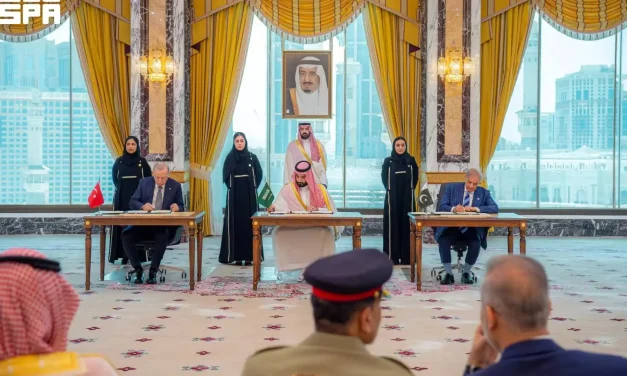
SCFR Online – Opinion: The Makkah Pact, signed between Saudi Arabia, Pakistan, and Turkey under the motto “an attack on one is an attack on all,” is viewed by some analysts less as a full-fledged military coalition and more as an attempt to reduce security dependence on an external power and to establish a regional security mechanism.
Implications of the US-Saudi Nuclear Agreement

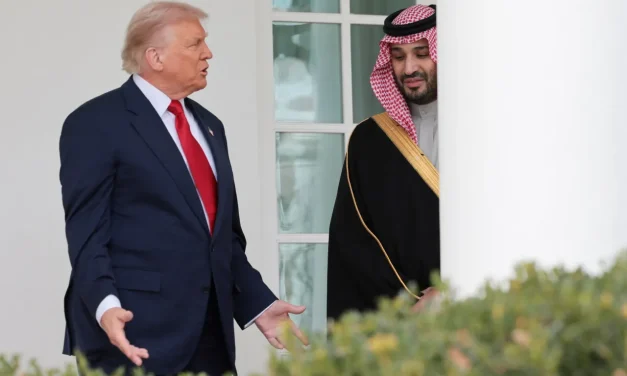
SCFR Online – Opinion: The new US-Saudi nuclear agreement, despite legal and political ambiguities, could alter previous non-proliferation standards in West Asia and intensify nuclear competition, ushering it into a new phase.

An Analysis of Recent Turkey-Israeli Regime Tensions

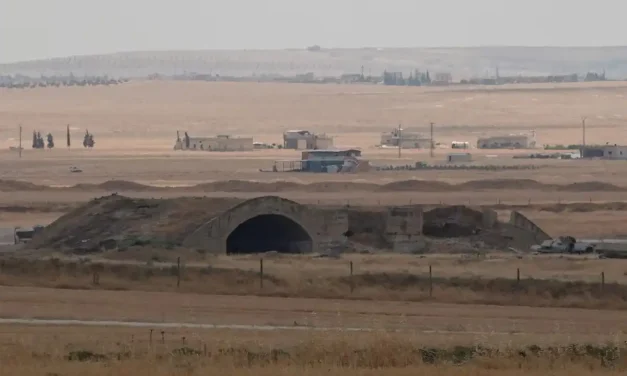
SCFR Online – Opinion: Recent developments in Syria indicate an intensification of strategic rivalry between Turkey and the Israeli regime, but mutual considerations and the role of the United States have limited the likelihood of direct war.

Increasing criticism of the extensive Zionist lobby network

SCFR Online – Opinion: An examination of the mechanisms of the Israeli regime’s influence in the United States depicts a complex picture of shared interests, strategic dependencies, and the limitations of this relationship.

Realities of the Tripartite Makkah Pact

SCFR Online – Interview: The signing of the Makkah agreement between Saudi Arabia, Pakistan, and Turkey has raised questions about the future of the region’s security structure and the position of these countries in West Asian equations. Can this agreement become a genuine collective defense mechanism, or does it have more of a political and deterrent function than creating new military capacity?

Strategic Implications of the Reduction of US Weapons Stockpiles

SCFR Online – Opinion: The continuation of the US war against Iran, in addition to increasing operational costs, has called into question the actual capacity of the American arsenal to simultaneously fulfill security commitments on multiple fronts; an issue that affects deterrence, defense production capacity, and Washington’s resource prioritization.

The Formation of a New Order in Relations Between Powers

SCFR Online – Opinion: The Russia-Ukraine war and the war of the United States and the Israeli regime against Iran have been formed with different objectives and actors, but field and political developments indicate that they are not entirely separate from one another.

Loading

Top News

Why Is Europe Oppose to Release of Taliban Prisoners

Why Is Europe Oppose to Release of Taliban Prisoners

Strategic Council Online – Europeans say that if the release of Taliban prisoners by the Afghan and US governments is to be a sign of confidence in the start of intra-Afghan negotiations, the Taliban must take further confidence-building steps. Therefore, from the European point of view, the release of 5,000 Taliban forces, even without a positive outlook for a peace agreement, is tactically very dangerous.
Nozar Shafiee – Expert and Researcher on Subcontinent Issues

Tehran-Baghdad Strategic Relations & US Illegitimate Goals in Iraq

Tehran-Baghdad Strategic Relations & US Illegitimate Goals in Iraq

Strategic Council Online – “The purpose of the US presence in Iraq is to support Israel’s freedom of action in the region and to contain Iran,” said a West Asian affairs analyst. He added domination over Iraq and utilization of its capacities in line with hostility towards its neighbors will never serve the satisfaction of the neighbouring countries, religious authorities and Iraqi politicians.

European Companies the Main Losers in US Sanctions against Iran, Russia

European Companies the Main Losers in US Sanctions against Iran, Russia

Strategic Council Online – After the end of the Cold War, economic sanctions were widely used by major world powers as an active tool in foreign policy. An economic embargo is a policy in which the goal is to change a third country’s position on an issue, change its behaviour and performance, and ultimately change the political system of the country in question. This is done by applying economic pressures and restrictions and harming the welfare of society in the target country. The United States holds the record for imposing the most sanctions since a hundred years ago and has imposed more sanctions than the United Nations Security Council and other countries.
Farzan Ghasemi – Researcher at the Office of Economic Diplomacy, Imam Sadegh University

Legal Reasons for US Humiliating Defeat in Security Council

Legal Reasons for US Humiliating Defeat in Security Council

Strategic Council Online – The United States suffered a humiliating legal defeat on August 14, 2020, when the Security Council did not adopt its proposal to extend specific arms embargoes on Iran, but what are the legal highlights of this failure?
Dr. Ali Karbalaei Hosseini – Researcher of International Law

Obstacles in the Way of Syrian Constitutional Committee

Obstacles in the Way of Syrian Constitutional Committee

Strategic Council Online – An expert on West Asian affairs said that the most important obstacles in the way of political process in Syria are the lack of consensus between the domestic proponents and opponents, as well as regional and trans-regional interventions; as some countries in the region, such as Saudi Arabia and pro-Riyadh neighboring countries, continue to discuss the overthrow of Bashar al-Assad’s government.

Strategic Implications of US Attempt to Use Trigger Mechanism

Strategic Implications of US Attempt to Use Trigger Mechanism

Strategic Council Online – An international affairs analyst referring to the formation of the International Resistance Front against US unilateral action to activate the trigger mechanism, said: “The Trump administration intends to gamble big with the last leaf at its disposal, but up to this point the issue could be considered the second failure for the Trump administration in its recent campaign against Iran.”

$16 Billion Agreement Guarantees Turkey’s Long-Term Interests in Libya

$16 Billion Agreement Guarantees Turkey’s Long-Term Interests in Libya

Strategic Council Online – Explaining Turkey’s military and economic actions in Libya, an international affairs expert said that by abandoning diplomacy in Libya, Turkey and Qatar were following the “courage is the fastest way to victory” theory. The two countries have relied on the skeptics of the warring parties and their fear of the human and material consequences and costs of the war.

Prospects of US Troop Pullout from Iraq

Prospects of US Troop Pullout from Iraq

Strategic Council Online – The Iraqi Prime Minister has called on Donald Trump to withdraw his forces from the country as soon as possible, because the possibility of a violent conflict between the Iraqi people and American troops has greatly increased. In other words, the withdrawal of 2,000 American troops will be a prelude to the complete withdrawal of these forces from Iraq.
Hassan Hanizadeh – Researcher on West Asian Issues

Dimensions of US Confrontation with Russia, China at UNSC

Dimensions of US Confrontation with Russia, China at UNSC

Strategic Council Online – A faculty member of Shahid Beheshti University stated that the US action to withdraw from the Joint Comprehensive Plan of Action (also known as the Iran Nuclear Agreement) and challenge the Security Council in the form of “trigger mechanism” is in fact an action against the strategic interests of China and Russia. He said China’s renewed opposition to the United States in the Security Council; it has shown that US threats against China have not been effective.

Implications and Effects of UAE-Zionist Regime Official Relations

Implications and Effects of UAE-Zionist Regime Official Relations

Strategic Council Online – A Middle East affairs analyst said that the UAE is actually playing in the space provided by the United States and Israel, adding that the UAE is suffering from the delusions of grandeur and superiority complex and by enhancing its position in the region try to become one of the main regional players, but the Emirates has serious weaknesses and reservations regarding Iran.

أحدث الوظائف

The Makkah Pact; Reasons for its Formation and Challenges Ahead

SCFR Online – Opinion: The Makkah Pact, signed between Saudi Arabia, Pakistan, and Turkey under the motto “an attack on one is an attack on all,” is viewed by some analysts less as a full-fledged military coalition and more as an attempt to reduce security dependence on an external power and to establish a regional security mechanism.
Implications of the US-Saudi Nuclear Agreement

SCFR Online – Opinion: The new US-Saudi nuclear agreement, despite legal and political ambiguities, could alter previous non-proliferation standards in West Asia and intensify nuclear competition, ushering it into a new phase.

An Analysis of Recent Turkey-Israeli Regime Tensions

SCFR Online – Opinion: Recent developments in Syria indicate an intensification of strategic rivalry between Turkey and the Israeli regime, but mutual considerations and the role of the United States have limited the likelihood of direct war.

Increasing criticism of the extensive Zionist lobby network

SCFR Online – Opinion: An examination of the mechanisms of the Israeli regime’s influence in the United States depicts a complex picture of shared interests, strategic dependencies, and the limitations of this relationship.

Realities of the Tripartite Makkah Pact

SCFR Online – Interview: The signing of the Makkah agreement between Saudi Arabia, Pakistan, and Turkey has raised questions about the future of the region’s security structure and the position of these countries in West Asian equations. Can this agreement become a genuine collective defense mechanism, or does it have more of a political and deterrent function than creating new military capacity?

Strategic Implications of the Reduction of US Weapons Stockpiles

SCFR Online – Opinion: The continuation of the US war against Iran, in addition to increasing operational costs, has called into question the actual capacity of the American arsenal to simultaneously fulfill security commitments on multiple fronts; an issue that affects deterrence, defense production capacity, and Washington’s resource prioritization.

The Formation of a New Order in Relations Between Powers

SCFR Online – Opinion: The Russia-Ukraine war and the war of the United States and the Israeli regime against Iran have been formed with different objectives and actors, but field and political developments indicate that they are not entirely separate from one another.

Loading

Top News

Why Is Europe Oppose to Release of Taliban Prisoners

Why Is Europe Oppose to Release of Taliban Prisoners

Strategic Council Online – Europeans say that if the release of Taliban prisoners by the Afghan and US governments is to be a sign of confidence in the start of intra-Afghan negotiations, the Taliban must take further confidence-building steps. Therefore, from the European point of view, the release of 5,000 Taliban forces, even without a positive outlook for a peace agreement, is tactically very dangerous.
Nozar Shafiee – Expert and Researcher on Subcontinent Issues

Tehran-Baghdad Strategic Relations & US Illegitimate Goals in Iraq

Tehran-Baghdad Strategic Relations & US Illegitimate Goals in Iraq

Strategic Council Online – “The purpose of the US presence in Iraq is to support Israel’s freedom of action in the region and to contain Iran,” said a West Asian affairs analyst. He added domination over Iraq and utilization of its capacities in line with hostility towards its neighbors will never serve the satisfaction of the neighbouring countries, religious authorities and Iraqi politicians.

European Companies the Main Losers in US Sanctions against Iran, Russia

European Companies the Main Losers in US Sanctions against Iran, Russia

Strategic Council Online – After the end of the Cold War, economic sanctions were widely used by major world powers as an active tool in foreign policy. An economic embargo is a policy in which the goal is to change a third country’s position on an issue, change its behaviour and performance, and ultimately change the political system of the country in question. This is done by applying economic pressures and restrictions and harming the welfare of society in the target country. The United States holds the record for imposing the most sanctions since a hundred years ago and has imposed more sanctions than the United Nations Security Council and other countries.
Farzan Ghasemi – Researcher at the Office of Economic Diplomacy, Imam Sadegh University

Legal Reasons for US Humiliating Defeat in Security Council

Legal Reasons for US Humiliating Defeat in Security Council

Strategic Council Online – The United States suffered a humiliating legal defeat on August 14, 2020, when the Security Council did not adopt its proposal to extend specific arms embargoes on Iran, but what are the legal highlights of this failure?
Dr. Ali Karbalaei Hosseini – Researcher of International Law

Obstacles in the Way of Syrian Constitutional Committee

Obstacles in the Way of Syrian Constitutional Committee

Strategic Council Online – An expert on West Asian affairs said that the most important obstacles in the way of political process in Syria are the lack of consensus between the domestic proponents and opponents, as well as regional and trans-regional interventions; as some countries in the region, such as Saudi Arabia and pro-Riyadh neighboring countries, continue to discuss the overthrow of Bashar al-Assad’s government.

Strategic Implications of US Attempt to Use Trigger Mechanism

Strategic Implications of US Attempt to Use Trigger Mechanism

Strategic Council Online – An international affairs analyst referring to the formation of the International Resistance Front against US unilateral action to activate the trigger mechanism, said: “The Trump administration intends to gamble big with the last leaf at its disposal, but up to this point the issue could be considered the second failure for the Trump administration in its recent campaign against Iran.”

$16 Billion Agreement Guarantees Turkey’s Long-Term Interests in Libya

$16 Billion Agreement Guarantees Turkey’s Long-Term Interests in Libya

Strategic Council Online – Explaining Turkey’s military and economic actions in Libya, an international affairs expert said that by abandoning diplomacy in Libya, Turkey and Qatar were following the “courage is the fastest way to victory” theory. The two countries have relied on the skeptics of the warring parties and their fear of the human and material consequences and costs of the war.

Prospects of US Troop Pullout from Iraq

Prospects of US Troop Pullout from Iraq

Strategic Council Online – The Iraqi Prime Minister has called on Donald Trump to withdraw his forces from the country as soon as possible, because the possibility of a violent conflict between the Iraqi people and American troops has greatly increased. In other words, the withdrawal of 2,000 American troops will be a prelude to the complete withdrawal of these forces from Iraq.
Hassan Hanizadeh – Researcher on West Asian Issues

Dimensions of US Confrontation with Russia, China at UNSC

Dimensions of US Confrontation with Russia, China at UNSC

Strategic Council Online – A faculty member of Shahid Beheshti University stated that the US action to withdraw from the Joint Comprehensive Plan of Action (also known as the Iran Nuclear Agreement) and challenge the Security Council in the form of “trigger mechanism” is in fact an action against the strategic interests of China and Russia. He said China’s renewed opposition to the United States in the Security Council; it has shown that US threats against China have not been effective.

Implications and Effects of UAE-Zionist Regime Official Relations

Implications and Effects of UAE-Zionist Regime Official Relations

Strategic Council Online – A Middle East affairs analyst said that the UAE is actually playing in the space provided by the United States and Israel, adding that the UAE is suffering from the delusions of grandeur and superiority complex and by enhancing its position in the region try to become one of the main regional players, but the Emirates has serious weaknesses and reservations regarding Iran.

Top News

Why Is Europe Oppose to Release of Taliban Prisoners

Why Is Europe Oppose to Release of Taliban Prisoners

Strategic Council Online – Europeans say that if the release of Taliban prisoners by the Afghan and US governments is to be a sign of confidence in the start of intra-Afghan negotiations, the Taliban must take further confidence-building steps. Therefore, from the European point of view, the release of 5,000 Taliban forces, even without a positive outlook for a peace agreement, is tactically very dangerous.
Nozar Shafiee – Expert and Researcher on Subcontinent Issues

Tehran-Baghdad Strategic Relations & US Illegitimate Goals in Iraq

Tehran-Baghdad Strategic Relations & US Illegitimate Goals in Iraq

Strategic Council Online – “The purpose of the US presence in Iraq is to support Israel’s freedom of action in the region and to contain Iran,” said a West Asian affairs analyst. He added domination over Iraq and utilization of its capacities in line with hostility towards its neighbors will never serve the satisfaction of the neighbouring countries, religious authorities and Iraqi politicians.

European Companies the Main Losers in US Sanctions against Iran, Russia

European Companies the Main Losers in US Sanctions against Iran, Russia

Strategic Council Online – After the end of the Cold War, economic sanctions were widely used by major world powers as an active tool in foreign policy. An economic embargo is a policy in which the goal is to change a third country’s position on an issue, change its behaviour and performance, and ultimately change the political system of the country in question. This is done by applying economic pressures and restrictions and harming the welfare of society in the target country. The United States holds the record for imposing the most sanctions since a hundred years ago and has imposed more sanctions than the United Nations Security Council and other countries.
Farzan Ghasemi – Researcher at the Office of Economic Diplomacy, Imam Sadegh University

Legal Reasons for US Humiliating Defeat in Security Council

Legal Reasons for US Humiliating Defeat in Security Council

Strategic Council Online – The United States suffered a humiliating legal defeat on August 14, 2020, when the Security Council did not adopt its proposal to extend specific arms embargoes on Iran, but what are the legal highlights of this failure?
Dr. Ali Karbalaei Hosseini – Researcher of International Law

Obstacles in the Way of Syrian Constitutional Committee

Obstacles in the Way of Syrian Constitutional Committee

Strategic Council Online – An expert on West Asian affairs said that the most important obstacles in the way of political process in Syria are the lack of consensus between the domestic proponents and opponents, as well as regional and trans-regional interventions; as some countries in the region, such as Saudi Arabia and pro-Riyadh neighboring countries, continue to discuss the overthrow of Bashar al-Assad’s government.

Strategic Implications of US Attempt to Use Trigger Mechanism

Strategic Implications of US Attempt to Use Trigger Mechanism

Strategic Council Online – An international affairs analyst referring to the formation of the International Resistance Front against US unilateral action to activate the trigger mechanism, said: “The Trump administration intends to gamble big with the last leaf at its disposal, but up to this point the issue could be considered the second failure for the Trump administration in its recent campaign against Iran.”

$16 Billion Agreement Guarantees Turkey’s Long-Term Interests in Libya

$16 Billion Agreement Guarantees Turkey’s Long-Term Interests in Libya

Strategic Council Online – Explaining Turkey’s military and economic actions in Libya, an international affairs expert said that by abandoning diplomacy in Libya, Turkey and Qatar were following the “courage is the fastest way to victory” theory. The two countries have relied on the skeptics of the warring parties and their fear of the human and material consequences and costs of the war.

Prospects of US Troop Pullout from Iraq

Prospects of US Troop Pullout from Iraq

Strategic Council Online – The Iraqi Prime Minister has called on Donald Trump to withdraw his forces from the country as soon as possible, because the possibility of a violent conflict between the Iraqi people and American troops has greatly increased. In other words, the withdrawal of 2,000 American troops will be a prelude to the complete withdrawal of these forces from Iraq.
Hassan Hanizadeh – Researcher on West Asian Issues

Dimensions of US Confrontation with Russia, China at UNSC

Dimensions of US Confrontation with Russia, China at UNSC

Strategic Council Online – A faculty member of Shahid Beheshti University stated that the US action to withdraw from the Joint Comprehensive Plan of Action (also known as the Iran Nuclear Agreement) and challenge the Security Council in the form of “trigger mechanism” is in fact an action against the strategic interests of China and Russia. He said China’s renewed opposition to the United States in the Security Council; it has shown that US threats against China have not been effective.

Implications and Effects of UAE-Zionist Regime Official Relations

Implications and Effects of UAE-Zionist Regime Official Relations

Strategic Council Online – A Middle East affairs analyst said that the UAE is actually playing in the space provided by the United States and Israel, adding that the UAE is suffering from the delusions of grandeur and superiority complex and by enhancing its position in the region try to become one of the main regional players, but the Emirates has serious weaknesses and reservations regarding Iran.

LATEST CONTENT

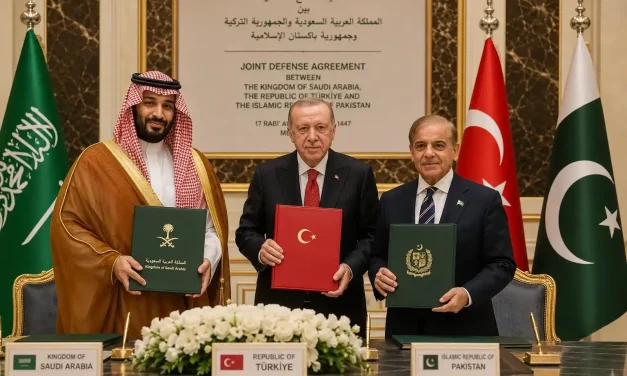
The Makkah Pact; Reasons for its Formation and Challenges Ahead

SCFR Online – Opinion: The Makkah Pact, signed between Saudi Arabia, Pakistan, and Turkey under the motto “an attack on one is an attack on all,” is viewed by some analysts less as a full-fledged military coalition and more as an attempt to reduce security dependence on an external power and to establish a regional security mechanism.
Implications of the US-Saudi Nuclear Agreement

SCFR Online – Opinion: The new US-Saudi nuclear agreement, despite legal and political ambiguities, could alter previous non-proliferation standards in West Asia and intensify nuclear competition, ushering it into a new phase.

An Analysis of Recent Turkey-Israeli Regime Tensions

SCFR Online – Opinion: Recent developments in Syria indicate an intensification of strategic rivalry between Turkey and the Israeli regime, but mutual considerations and the role of the United States have limited the likelihood of direct war.

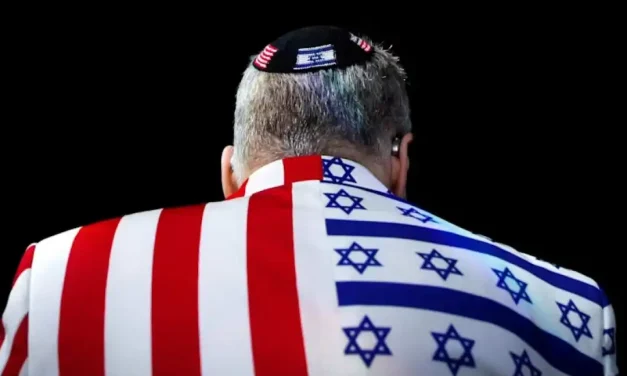
Increasing criticism of the extensive Zionist lobby network

SCFR Online – Opinion: An examination of the mechanisms of the Israeli regime’s influence in the United States depicts a complex picture of shared interests, strategic dependencies, and the limitations of this relationship.

Realities of the Tripartite Makkah Pact

SCFR Online – Interview: The signing of the Makkah agreement between Saudi Arabia, Pakistan, and Turkey has raised questions about the future of the region’s security structure and the position of these countries in West Asian equations. Can this agreement become a genuine collective defense mechanism, or does it have more of a political and deterrent function than creating new military capacity?

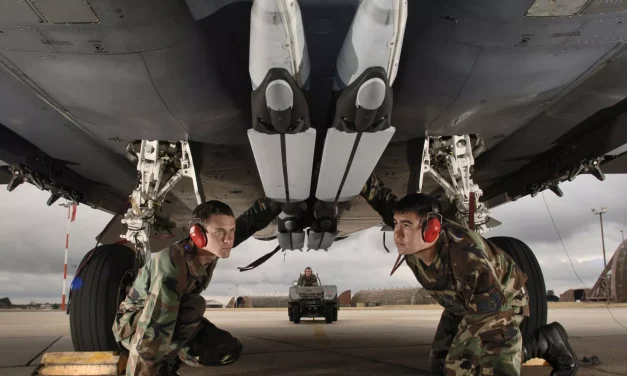
Strategic Implications of the Reduction of US Weapons Stockpiles

SCFR Online – Opinion: The continuation of the US war against Iran, in addition to increasing operational costs, has called into question the actual capacity of the American arsenal to simultaneously fulfill security commitments on multiple fronts; an issue that affects deterrence, defense production capacity, and Washington’s resource prioritization.

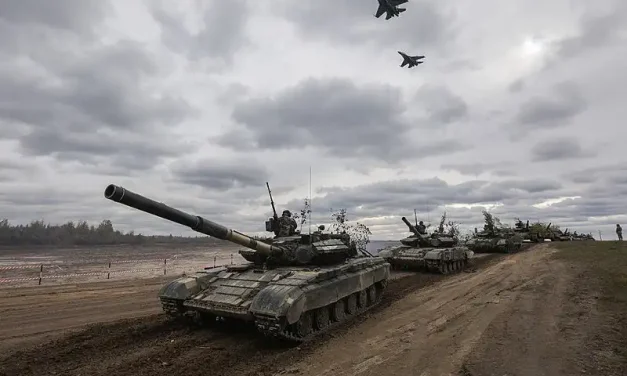
The Formation of a New Order in Relations Between Powers

SCFR Online – Opinion: The Russia-Ukraine war and the war of the United States and the Israeli regime against Iran have been formed with different objectives and actors, but field and political developments indicate that they are not entirely separate from one another.

Loading

Top News

Why Is Europe Oppose to Release of Taliban Prisoners

Why Is Europe Oppose to Release of Taliban Prisoners

Strategic Council Online – Europeans say that if the release of Taliban prisoners by the Afghan and US governments is to be a sign of confidence in the start of intra-Afghan negotiations, the Taliban must take further confidence-building steps. Therefore, from the European point of view, the release of 5,000 Taliban forces, even without a positive outlook for a peace agreement, is tactically very dangerous.
Nozar Shafiee – Expert and Researcher on Subcontinent Issues

Tehran-Baghdad Strategic Relations & US Illegitimate Goals in Iraq

Tehran-Baghdad Strategic Relations & US Illegitimate Goals in Iraq

Strategic Council Online – “The purpose of the US presence in Iraq is to support Israel’s freedom of action in the region and to contain Iran,” said a West Asian affairs analyst. He added domination over Iraq and utilization of its capacities in line with hostility towards its neighbors will never serve the satisfaction of the neighbouring countries, religious authorities and Iraqi politicians.

European Companies the Main Losers in US Sanctions against Iran, Russia

European Companies the Main Losers in US Sanctions against Iran, Russia

Strategic Council Online – After the end of the Cold War, economic sanctions were widely used by major world powers as an active tool in foreign policy. An economic embargo is a policy in which the goal is to change a third country’s position on an issue, change its behaviour and performance, and ultimately change the political system of the country in question. This is done by applying economic pressures and restrictions and harming the welfare of society in the target country. The United States holds the record for imposing the most sanctions since a hundred years ago and has imposed more sanctions than the United Nations Security Council and other countries.
Farzan Ghasemi – Researcher at the Office of Economic Diplomacy, Imam Sadegh University

Legal Reasons for US Humiliating Defeat in Security Council

Legal Reasons for US Humiliating Defeat in Security Council

Strategic Council Online – The United States suffered a humiliating legal defeat on August 14, 2020, when the Security Council did not adopt its proposal to extend specific arms embargoes on Iran, but what are the legal highlights of this failure?
Dr. Ali Karbalaei Hosseini – Researcher of International Law

Obstacles in the Way of Syrian Constitutional Committee

Obstacles in the Way of Syrian Constitutional Committee

Strategic Council Online – An expert on West Asian affairs said that the most important obstacles in the way of political process in Syria are the lack of consensus between the domestic proponents and opponents, as well as regional and trans-regional interventions; as some countries in the region, such as Saudi Arabia and pro-Riyadh neighboring countries, continue to discuss the overthrow of Bashar al-Assad’s government.

Strategic Implications of US Attempt to Use Trigger Mechanism

Strategic Implications of US Attempt to Use Trigger Mechanism

Strategic Council Online – An international affairs analyst referring to the formation of the International Resistance Front against US unilateral action to activate the trigger mechanism, said: “The Trump administration intends to gamble big with the last leaf at its disposal, but up to this point the issue could be considered the second failure for the Trump administration in its recent campaign against Iran.”

$16 Billion Agreement Guarantees Turkey’s Long-Term Interests in Libya

$16 Billion Agreement Guarantees Turkey’s Long-Term Interests in Libya

Strategic Council Online – Explaining Turkey’s military and economic actions in Libya, an international affairs expert said that by abandoning diplomacy in Libya, Turkey and Qatar were following the “courage is the fastest way to victory” theory. The two countries have relied on the skeptics of the warring parties and their fear of the human and material consequences and costs of the war.

Prospects of US Troop Pullout from Iraq

Prospects of US Troop Pullout from Iraq

Strategic Council Online – The Iraqi Prime Minister has called on Donald Trump to withdraw his forces from the country as soon as possible, because the possibility of a violent conflict between the Iraqi people and American troops has greatly increased. In other words, the withdrawal of 2,000 American troops will be a prelude to the complete withdrawal of these forces from Iraq.
Hassan Hanizadeh – Researcher on West Asian Issues

Dimensions of US Confrontation with Russia, China at UNSC

Dimensions of US Confrontation with Russia, China at UNSC

Strategic Council Online – A faculty member of Shahid Beheshti University stated that the US action to withdraw from the Joint Comprehensive Plan of Action (also known as the Iran Nuclear Agreement) and challenge the Security Council in the form of “trigger mechanism” is in fact an action against the strategic interests of China and Russia. He said China’s renewed opposition to the United States in the Security Council; it has shown that US threats against China have not been effective.

Implications and Effects of UAE-Zionist Regime Official Relations

Implications and Effects of UAE-Zionist Regime Official Relations

Strategic Council Online – A Middle East affairs analyst said that the UAE is actually playing in the space provided by the United States and Israel, adding that the UAE is suffering from the delusions of grandeur and superiority complex and by enhancing its position in the region try to become one of the main regional players, but the Emirates has serious weaknesses and reservations regarding Iran.

ÚLTIMAS PUBLICACIONES

The Makkah Pact; Reasons for its Formation and Challenges Ahead

SCFR Online – Opinion: The Makkah Pact, signed between Saudi Arabia, Pakistan, and Turkey under the motto “an attack on one is an attack on all,” is viewed by some analysts less as a full-fledged military coalition and more as an attempt to reduce security dependence on an external power and to establish a regional security mechanism.
Implications of the US-Saudi Nuclear Agreement

SCFR Online – Opinion: The new US-Saudi nuclear agreement, despite legal and political ambiguities, could alter previous non-proliferation standards in West Asia and intensify nuclear competition, ushering it into a new phase.

An Analysis of Recent Turkey-Israeli Regime Tensions

SCFR Online – Opinion: Recent developments in Syria indicate an intensification of strategic rivalry between Turkey and the Israeli regime, but mutual considerations and the role of the United States have limited the likelihood of direct war.

Increasing criticism of the extensive Zionist lobby network

SCFR Online – Opinion: An examination of the mechanisms of the Israeli regime’s influence in the United States depicts a complex picture of shared interests, strategic dependencies, and the limitations of this relationship.

Realities of the Tripartite Makkah Pact

SCFR Online – Interview: The signing of the Makkah agreement between Saudi Arabia, Pakistan, and Turkey has raised questions about the future of the region’s security structure and the position of these countries in West Asian equations. Can this agreement become a genuine collective defense mechanism, or does it have more of a political and deterrent function than creating new military capacity?

Strategic Implications of the Reduction of US Weapons Stockpiles

SCFR Online – Opinion: The continuation of the US war against Iran, in addition to increasing operational costs, has called into question the actual capacity of the American arsenal to simultaneously fulfill security commitments on multiple fronts; an issue that affects deterrence, defense production capacity, and Washington’s resource prioritization.

The Formation of a New Order in Relations Between Powers

SCFR Online – Opinion: The Russia-Ukraine war and the war of the United States and the Israeli regime against Iran have been formed with different objectives and actors, but field and political developments indicate that they are not entirely separate from one another.

Loading

Top News

Why Is Europe Oppose to Release of Taliban Prisoners

Why Is Europe Oppose to Release of Taliban Prisoners

Strategic Council Online – Europeans say that if the release of Taliban prisoners by the Afghan and US governments is to be a sign of confidence in the start of intra-Afghan negotiations, the Taliban must take further confidence-building steps. Therefore, from the European point of view, the release of 5,000 Taliban forces, even without a positive outlook for a peace agreement, is tactically very dangerous.
Nozar Shafiee – Expert and Researcher on Subcontinent Issues

Tehran-Baghdad Strategic Relations & US Illegitimate Goals in Iraq

Tehran-Baghdad Strategic Relations & US Illegitimate Goals in Iraq

Strategic Council Online – “The purpose of the US presence in Iraq is to support Israel’s freedom of action in the region and to contain Iran,” said a West Asian affairs analyst. He added domination over Iraq and utilization of its capacities in line with hostility towards its neighbors will never serve the satisfaction of the neighbouring countries, religious authorities and Iraqi politicians.

European Companies the Main Losers in US Sanctions against Iran, Russia

European Companies the Main Losers in US Sanctions against Iran, Russia

Strategic Council Online – After the end of the Cold War, economic sanctions were widely used by major world powers as an active tool in foreign policy. An economic embargo is a policy in which the goal is to change a third country’s position on an issue, change its behaviour and performance, and ultimately change the political system of the country in question. This is done by applying economic pressures and restrictions and harming the welfare of society in the target country. The United States holds the record for imposing the most sanctions since a hundred years ago and has imposed more sanctions than the United Nations Security Council and other countries.
Farzan Ghasemi – Researcher at the Office of Economic Diplomacy, Imam Sadegh University

Legal Reasons for US Humiliating Defeat in Security Council

Legal Reasons for US Humiliating Defeat in Security Council

Strategic Council Online – The United States suffered a humiliating legal defeat on August 14, 2020, when the Security Council did not adopt its proposal to extend specific arms embargoes on Iran, but what are the legal highlights of this failure?
Dr. Ali Karbalaei Hosseini – Researcher of International Law

Obstacles in the Way of Syrian Constitutional Committee

Obstacles in the Way of Syrian Constitutional Committee

Strategic Council Online – An expert on West Asian affairs said that the most important obstacles in the way of political process in Syria are the lack of consensus between the domestic proponents and opponents, as well as regional and trans-regional interventions; as some countries in the region, such as Saudi Arabia and pro-Riyadh neighboring countries, continue to discuss the overthrow of Bashar al-Assad’s government.

Strategic Implications of US Attempt to Use Trigger Mechanism

Strategic Implications of US Attempt to Use Trigger Mechanism

Strategic Council Online – An international affairs analyst referring to the formation of the International Resistance Front against US unilateral action to activate the trigger mechanism, said: “The Trump administration intends to gamble big with the last leaf at its disposal, but up to this point the issue could be considered the second failure for the Trump administration in its recent campaign against Iran.”

$16 Billion Agreement Guarantees Turkey’s Long-Term Interests in Libya

$16 Billion Agreement Guarantees Turkey’s Long-Term Interests in Libya

Strategic Council Online – Explaining Turkey’s military and economic actions in Libya, an international affairs expert said that by abandoning diplomacy in Libya, Turkey and Qatar were following the “courage is the fastest way to victory” theory. The two countries have relied on the skeptics of the warring parties and their fear of the human and material consequences and costs of the war.

Prospects of US Troop Pullout from Iraq

Prospects of US Troop Pullout from Iraq

Strategic Council Online – The Iraqi Prime Minister has called on Donald Trump to withdraw his forces from the country as soon as possible, because the possibility of a violent conflict between the Iraqi people and American troops has greatly increased. In other words, the withdrawal of 2,000 American troops will be a prelude to the complete withdrawal of these forces from Iraq.
Hassan Hanizadeh – Researcher on West Asian Issues

Dimensions of US Confrontation with Russia, China at UNSC

Dimensions of US Confrontation with Russia, China at UNSC

Strategic Council Online – A faculty member of Shahid Beheshti University stated that the US action to withdraw from the Joint Comprehensive Plan of Action (also known as the Iran Nuclear Agreement) and challenge the Security Council in the form of “trigger mechanism” is in fact an action against the strategic interests of China and Russia. He said China’s renewed opposition to the United States in the Security Council; it has shown that US threats against China have not been effective.

Implications and Effects of UAE-Zionist Regime Official Relations

Implications and Effects of UAE-Zionist Regime Official Relations

Strategic Council Online – A Middle East affairs analyst said that the UAE is actually playing in the space provided by the United States and Israel, adding that the UAE is suffering from the delusions of grandeur and superiority complex and by enhancing its position in the region try to become one of the main regional players, but the Emirates has serious weaknesses and reservations regarding Iran.

ÚLTIMAS PUBLICACIONES

The Makkah Pact; Reasons for its Formation and Challenges Ahead

SCFR Online – Opinion: The Makkah Pact, signed between Saudi Arabia, Pakistan, and Turkey under the motto “an attack on one is an attack on all,” is viewed by some analysts less as a full-fledged military coalition and more as an attempt to reduce security dependence on an external power and to establish a regional security mechanism.
Implications of the US-Saudi Nuclear Agreement

SCFR Online – Opinion: The new US-Saudi nuclear agreement, despite legal and political ambiguities, could alter previous non-proliferation standards in West Asia and intensify nuclear competition, ushering it into a new phase.

An Analysis of Recent Turkey-Israeli Regime Tensions

SCFR Online – Opinion: Recent developments in Syria indicate an intensification of strategic rivalry between Turkey and the Israeli regime, but mutual considerations and the role of the United States have limited the likelihood of direct war.

Increasing criticism of the extensive Zionist lobby network

SCFR Online – Opinion: An examination of the mechanisms of the Israeli regime’s influence in the United States depicts a complex picture of shared interests, strategic dependencies, and the limitations of this relationship.

Realities of the Tripartite Makkah Pact

SCFR Online – Interview: The signing of the Makkah agreement between Saudi Arabia, Pakistan, and Turkey has raised questions about the future of the region’s security structure and the position of these countries in West Asian equations. Can this agreement become a genuine collective defense mechanism, or does it have more of a political and deterrent function than creating new military capacity?

Strategic Implications of the Reduction of US Weapons Stockpiles

SCFR Online – Opinion: The continuation of the US war against Iran, in addition to increasing operational costs, has called into question the actual capacity of the American arsenal to simultaneously fulfill security commitments on multiple fronts; an issue that affects deterrence, defense production capacity, and Washington’s resource prioritization.

The Formation of a New Order in Relations Between Powers

SCFR Online – Opinion: The Russia-Ukraine war and the war of the United States and the Israeli regime against Iran have been formed with different objectives and actors, but field and political developments indicate that they are not entirely separate from one another.

Loading

Top News

Why Is Europe Oppose to Release of Taliban Prisoners

Why Is Europe Oppose to Release of Taliban Prisoners

Strategic Council Online – Europeans say that if the release of Taliban prisoners by the Afghan and US governments is to be a sign of confidence in the start of intra-Afghan negotiations, the Taliban must take further confidence-building steps. Therefore, from the European point of view, the release of 5,000 Taliban forces, even without a positive outlook for a peace agreement, is tactically very dangerous.
Nozar Shafiee – Expert and Researcher on Subcontinent Issues

Tehran-Baghdad Strategic Relations & US Illegitimate Goals in Iraq

Tehran-Baghdad Strategic Relations & US Illegitimate Goals in Iraq

Strategic Council Online – “The purpose of the US presence in Iraq is to support Israel’s freedom of action in the region and to contain Iran,” said a West Asian affairs analyst. He added domination over Iraq and utilization of its capacities in line with hostility towards its neighbors will never serve the satisfaction of the neighbouring countries, religious authorities and Iraqi politicians.

European Companies the Main Losers in US Sanctions against Iran, Russia

European Companies the Main Losers in US Sanctions against Iran, Russia

Strategic Council Online – After the end of the Cold War, economic sanctions were widely used by major world powers as an active tool in foreign policy. An economic embargo is a policy in which the goal is to change a third country’s position on an issue, change its behaviour and performance, and ultimately change the political system of the country in question. This is done by applying economic pressures and restrictions and harming the welfare of society in the target country. The United States holds the record for imposing the most sanctions since a hundred years ago and has imposed more sanctions than the United Nations Security Council and other countries.
Farzan Ghasemi – Researcher at the Office of Economic Diplomacy, Imam Sadegh University

Legal Reasons for US Humiliating Defeat in Security Council

Legal Reasons for US Humiliating Defeat in Security Council

Strategic Council Online – The United States suffered a humiliating legal defeat on August 14, 2020, when the Security Council did not adopt its proposal to extend specific arms embargoes on Iran, but what are the legal highlights of this failure?
Dr. Ali Karbalaei Hosseini – Researcher of International Law

Obstacles in the Way of Syrian Constitutional Committee

Obstacles in the Way of Syrian Constitutional Committee

Strategic Council Online – An expert on West Asian affairs said that the most important obstacles in the way of political process in Syria are the lack of consensus between the domestic proponents and opponents, as well as regional and trans-regional interventions; as some countries in the region, such as Saudi Arabia and pro-Riyadh neighboring countries, continue to discuss the overthrow of Bashar al-Assad’s government.

Strategic Implications of US Attempt to Use Trigger Mechanism

Strategic Implications of US Attempt to Use Trigger Mechanism

Strategic Council Online – An international affairs analyst referring to the formation of the International Resistance Front against US unilateral action to activate the trigger mechanism, said: “The Trump administration intends to gamble big with the last leaf at its disposal, but up to this point the issue could be considered the second failure for the Trump administration in its recent campaign against Iran.”

$16 Billion Agreement Guarantees Turkey’s Long-Term Interests in Libya

$16 Billion Agreement Guarantees Turkey’s Long-Term Interests in Libya

Strategic Council Online – Explaining Turkey’s military and economic actions in Libya, an international affairs expert said that by abandoning diplomacy in Libya, Turkey and Qatar were following the “courage is the fastest way to victory” theory. The two countries have relied on the skeptics of the warring parties and their fear of the human and material consequences and costs of the war.

Prospects of US Troop Pullout from Iraq

Prospects of US Troop Pullout from Iraq

Strategic Council Online – The Iraqi Prime Minister has called on Donald Trump to withdraw his forces from the country as soon as possible, because the possibility of a violent conflict between the Iraqi people and American troops has greatly increased. In other words, the withdrawal of 2,000 American troops will be a prelude to the complete withdrawal of these forces from Iraq.
Hassan Hanizadeh – Researcher on West Asian Issues

Dimensions of US Confrontation with Russia, China at UNSC

Dimensions of US Confrontation with Russia, China at UNSC

Strategic Council Online – A faculty member of Shahid Beheshti University stated that the US action to withdraw from the Joint Comprehensive Plan of Action (also known as the Iran Nuclear Agreement) and challenge the Security Council in the form of “trigger mechanism” is in fact an action against the strategic interests of China and Russia. He said China’s renewed opposition to the United States in the Security Council; it has shown that US threats against China have not been effective.

Implications and Effects of UAE-Zionist Regime Official Relations

Implications and Effects of UAE-Zionist Regime Official Relations

Strategic Council Online – A Middle East affairs analyst said that the UAE is actually playing in the space provided by the United States and Israel, adding that the UAE is suffering from the delusions of grandeur and superiority complex and by enhancing its position in the region try to become one of the main regional players, but the Emirates has serious weaknesses and reservations regarding Iran.

ÚLTIMAS PUBLICACIONES

The Makkah Pact; Reasons for its Formation and Challenges Ahead

SCFR Online – Opinion: The Makkah Pact, signed between Saudi Arabia, Pakistan, and Turkey under the motto “an attack on one is an attack on all,” is viewed by some analysts less as a full-fledged military coalition and more as an attempt to reduce security dependence on an external power and to establish a regional security mechanism.
Implications of the US-Saudi Nuclear Agreement

SCFR Online – Opinion: The new US-Saudi nuclear agreement, despite legal and political ambiguities, could alter previous non-proliferation standards in West Asia and intensify nuclear competition, ushering it into a new phase.

An Analysis of Recent Turkey-Israeli Regime Tensions

SCFR Online – Opinion: Recent developments in Syria indicate an intensification of strategic rivalry between Turkey and the Israeli regime, but mutual considerations and the role of the United States have limited the likelihood of direct war.

Increasing criticism of the extensive Zionist lobby network

SCFR Online – Opinion: An examination of the mechanisms of the Israeli regime’s influence in the United States depicts a complex picture of shared interests, strategic dependencies, and the limitations of this relationship.

Realities of the Tripartite Makkah Pact

SCFR Online – Interview: The signing of the Makkah agreement between Saudi Arabia, Pakistan, and Turkey has raised questions about the future of the region’s security structure and the position of these countries in West Asian equations. Can this agreement become a genuine collective defense mechanism, or does it have more of a political and deterrent function than creating new military capacity?

Strategic Implications of the Reduction of US Weapons Stockpiles

SCFR Online – Opinion: The continuation of the US war against Iran, in addition to increasing operational costs, has called into question the actual capacity of the American arsenal to simultaneously fulfill security commitments on multiple fronts; an issue that affects deterrence, defense production capacity, and Washington’s resource prioritization.

The Formation of a New Order in Relations Between Powers

SCFR Online – Opinion: The Russia-Ukraine war and the war of the United States and the Israeli regime against Iran have been formed with different objectives and actors, but field and political developments indicate that they are not entirely separate from one another.

Loading

Top News

Why Is Europe Oppose to Release of Taliban Prisoners

Why Is Europe Oppose to Release of Taliban Prisoners

Strategic Council Online – Europeans say that if the release of Taliban prisoners by the Afghan and US governments is to be a sign of confidence in the start of intra-Afghan negotiations, the Taliban must take further confidence-building steps. Therefore, from the European point of view, the release of 5,000 Taliban forces, even without a positive outlook for a peace agreement, is tactically very dangerous.
Nozar Shafiee – Expert and Researcher on Subcontinent Issues

Tehran-Baghdad Strategic Relations & US Illegitimate Goals in Iraq

Tehran-Baghdad Strategic Relations & US Illegitimate Goals in Iraq

Strategic Council Online – “The purpose of the US presence in Iraq is to support Israel’s freedom of action in the region and to contain Iran,” said a West Asian affairs analyst. He added domination over Iraq and utilization of its capacities in line with hostility towards its neighbors will never serve the satisfaction of the neighbouring countries, religious authorities and Iraqi politicians.

European Companies the Main Losers in US Sanctions against Iran, Russia

European Companies the Main Losers in US Sanctions against Iran, Russia

Strategic Council Online – After the end of the Cold War, economic sanctions were widely used by major world powers as an active tool in foreign policy. An economic embargo is a policy in which the goal is to change a third country’s position on an issue, change its behaviour and performance, and ultimately change the political system of the country in question. This is done by applying economic pressures and restrictions and harming the welfare of society in the target country. The United States holds the record for imposing the most sanctions since a hundred years ago and has imposed more sanctions than the United Nations Security Council and other countries.
Farzan Ghasemi – Researcher at the Office of Economic Diplomacy, Imam Sadegh University

Legal Reasons for US Humiliating Defeat in Security Council

Legal Reasons for US Humiliating Defeat in Security Council

Strategic Council Online – The United States suffered a humiliating legal defeat on August 14, 2020, when the Security Council did not adopt its proposal to extend specific arms embargoes on Iran, but what are the legal highlights of this failure?
Dr. Ali Karbalaei Hosseini – Researcher of International Law

Obstacles in the Way of Syrian Constitutional Committee

Obstacles in the Way of Syrian Constitutional Committee

Strategic Council Online – An expert on West Asian affairs said that the most important obstacles in the way of political process in Syria are the lack of consensus between the domestic proponents and opponents, as well as regional and trans-regional interventions; as some countries in the region, such as Saudi Arabia and pro-Riyadh neighboring countries, continue to discuss the overthrow of Bashar al-Assad’s government.

Strategic Implications of US Attempt to Use Trigger Mechanism

Strategic Implications of US Attempt to Use Trigger Mechanism

Strategic Council Online – An international affairs analyst referring to the formation of the International Resistance Front against US unilateral action to activate the trigger mechanism, said: “The Trump administration intends to gamble big with the last leaf at its disposal, but up to this point the issue could be considered the second failure for the Trump administration in its recent campaign against Iran.”

$16 Billion Agreement Guarantees Turkey’s Long-Term Interests in Libya

$16 Billion Agreement Guarantees Turkey’s Long-Term Interests in Libya

Strategic Council Online – Explaining Turkey’s military and economic actions in Libya, an international affairs expert said that by abandoning diplomacy in Libya, Turkey and Qatar were following the “courage is the fastest way to victory” theory. The two countries have relied on the skeptics of the warring parties and their fear of the human and material consequences and costs of the war.

Prospects of US Troop Pullout from Iraq

Prospects of US Troop Pullout from Iraq

Strategic Council Online – The Iraqi Prime Minister has called on Donald Trump to withdraw his forces from the country as soon as possible, because the possibility of a violent conflict between the Iraqi people and American troops has greatly increased. In other words, the withdrawal of 2,000 American troops will be a prelude to the complete withdrawal of these forces from Iraq.
Hassan Hanizadeh – Researcher on West Asian Issues

Dimensions of US Confrontation with Russia, China at UNSC

Dimensions of US Confrontation with Russia, China at UNSC

Strategic Council Online – A faculty member of Shahid Beheshti University stated that the US action to withdraw from the Joint Comprehensive Plan of Action (also known as the Iran Nuclear Agreement) and challenge the Security Council in the form of “trigger mechanism” is in fact an action against the strategic interests of China and Russia. He said China’s renewed opposition to the United States in the Security Council; it has shown that US threats against China have not been effective.

Implications and Effects of UAE-Zionist Regime Official Relations

Implications and Effects of UAE-Zionist Regime Official Relations

Strategic Council Online – A Middle East affairs analyst said that the UAE is actually playing in the space provided by the United States and Israel, adding that the UAE is suffering from the delusions of grandeur and superiority complex and by enhancing its position in the region try to become one of the main regional players, but the Emirates has serious weaknesses and reservations regarding Iran.

ÚLTIMAS PUBLICACIONES

The Makkah Pact; Reasons for its Formation and Challenges Ahead

SCFR Online – Opinion: The Makkah Pact, signed between Saudi Arabia, Pakistan, and Turkey under the motto “an attack on one is an attack on all,” is viewed by some analysts less as a full-fledged military coalition and more as an attempt to reduce security dependence on an external power and to establish a regional security mechanism.

Implications of the US-Saudi Nuclear Agreement

SCFR Online – Opinion: The new US-Saudi nuclear agreement, despite legal and political ambiguities, could alter previous non-proliferation standards in West Asia and intensify nuclear competition, ushering it into a new phase.

An Analysis of Recent Turkey-Israeli Regime Tensions

SCFR Online – Opinion: Recent developments in Syria indicate an intensification of strategic rivalry between Turkey and the Israeli regime, but mutual considerations and the role of the United States have limited the likelihood of direct war.

Increasing criticism of the extensive Zionist lobby network

SCFR Online – Opinion: An examination of the mechanisms of the Israeli regime’s influence in the United States depicts a complex picture of shared interests, strategic dependencies, and the limitations of this relationship.

Realities of the Tripartite Makkah Pact

SCFR Online – Interview: The signing of the Makkah agreement between Saudi Arabia, Pakistan, and Turkey has raised questions about the future of the region’s security structure and the position of these countries in West Asian equations. Can this agreement become a genuine collective defense mechanism, or does it have more of a political and deterrent function than creating new military capacity?

Strategic Implications of the Reduction of US Weapons Stockpiles

SCFR Online – Opinion: The continuation of the US war against Iran, in addition to increasing operational costs, has called into question the actual capacity of the American arsenal to simultaneously fulfill security commitments on multiple fronts; an issue that affects deterrence, defense production capacity, and Washington’s resource prioritization.

The Formation of a New Order in Relations Between Powers

SCFR Online – Opinion: The Russia-Ukraine war and the war of the United States and the Israeli regime against Iran have been formed with different objectives and actors, but field and political developments indicate that they are not entirely separate from one another.

Loading