جدیدترین مطالب

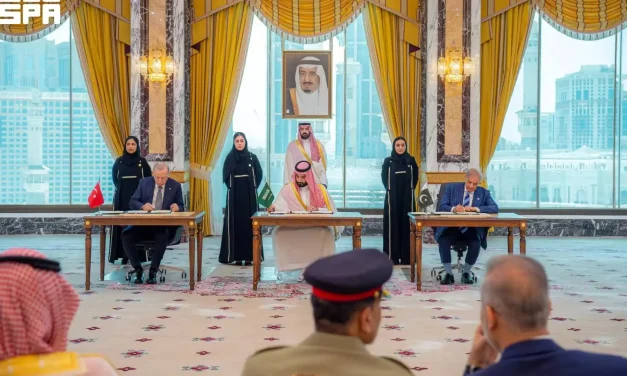
The Makkah Pact; Reasons for its Formation and Challenges Ahead

SCFR Online – Opinion: The Makkah Pact, signed between Saudi Arabia, Pakistan, and Turkey under the motto “an attack on one is an attack on all,” is viewed by some analysts less as a full-fledged military coalition and more as an attempt to reduce security dependence on an external power and to establish a regional security mechanism.
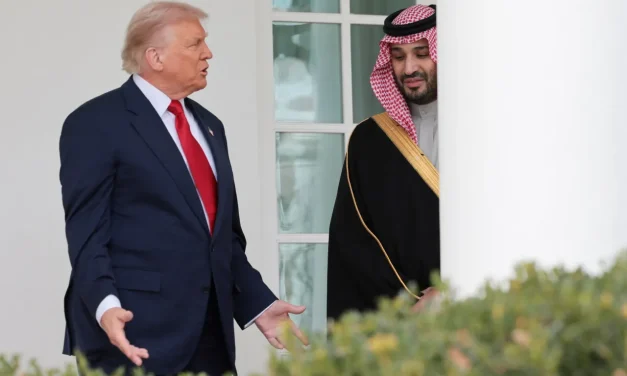
Implications of the US-Saudi Nuclear Agreement

SCFR Online – Opinion: The new US-Saudi nuclear agreement, despite legal and political ambiguities, could alter previous non-proliferation standards in West Asia and intensify nuclear competition, ushering it into a new phase.

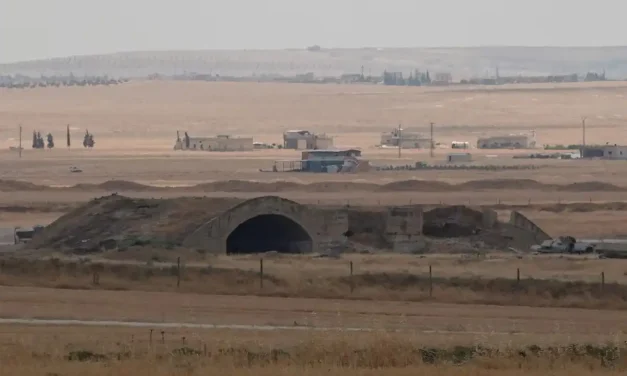
An Analysis of Recent Turkey-Israeli Regime Tensions

SCFR Online – Opinion: Recent developments in Syria indicate an intensification of strategic rivalry between Turkey and the Israeli regime, but mutual considerations and the role of the United States have limited the likelihood of direct war.

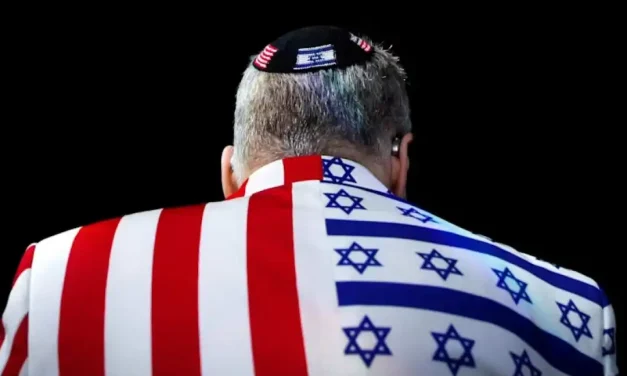
Increasing criticism of the extensive Zionist lobby network

SCFR Online – Opinion: An examination of the mechanisms of the Israeli regime’s influence in the United States depicts a complex picture of shared interests, strategic dependencies, and the limitations of this relationship.

Realities of the Tripartite Makkah Pact

SCFR Online – Interview: The signing of the Makkah agreement between Saudi Arabia, Pakistan, and Turkey has raised questions about the future of the region’s security structure and the position of these countries in West Asian equations. Can this agreement become a genuine collective defense mechanism, or does it have more of a political and deterrent function than creating new military capacity?

Strategic Implications of the Reduction of US Weapons Stockpiles

SCFR Online – Opinion: The continuation of the US war against Iran, in addition to increasing operational costs, has called into question the actual capacity of the American arsenal to simultaneously fulfill security commitments on multiple fronts; an issue that affects deterrence, defense production capacity, and Washington’s resource prioritization.

The Formation of a New Order in Relations Between Powers

SCFR Online – Opinion: The Russia-Ukraine war and the war of the United States and the Israeli regime against Iran have been formed with different objectives and actors, but field and political developments indicate that they are not entirely separate from one another.

Loading

Top News

Impact of Russia’s Constitutional Reforms on Moscow’s Foreign Policy

Impact of Russia’s Constitutional Reforms on Moscow’s Foreign Policy

Strategic Council Online – The outcome of the amendments to Articles 67 and 79 of the Russian Constitution reflects President Vladimir Putin’s pragmatic and, of course, multifaceted Russian foreign policy approach. Russia is moving in line with improving ties with the West by sticking to its red lines in order to strengthening its upstream status in the regional crises and global order.
Ahmad Vakhshiteh – Associate Professor, Eurasian National University

Lesson of Iraqi Popular Force to the United States

Lesson of Iraqi Popular Force to the United States

Strategic Council Online – Today Iraq’s Hashd al-Shaabi (Popular Mobilization Force) and the forces under its command in addition to their efforts to counter ISIS’s new harassment activities have to monitor and render ineffective the ISIS-based political activities favored by the United States aimed at throwing obstacles in the way of the Hashd al-Shaabi.
Jafar Qannadbashi – Expert on Middle East Issues

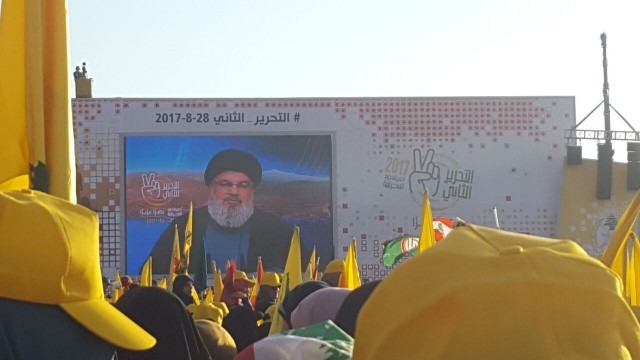
Enemies of Resistance Axis Agenda to Confront Lebanese Hezbollah

Enemies of Resistance Axis Agenda to Confront Lebanese Hezbollah

Strategic Council Online – The United States, Britain, France and Saudi Arabia are now trying to create conditions to render the government of Hassan Diab ineffective through outside economic pressure and to provoke the people inside so that Lebanon’s Hezbollah too will come under pressure.
Hassan Hanizadeh – Middle East Affairs Expert

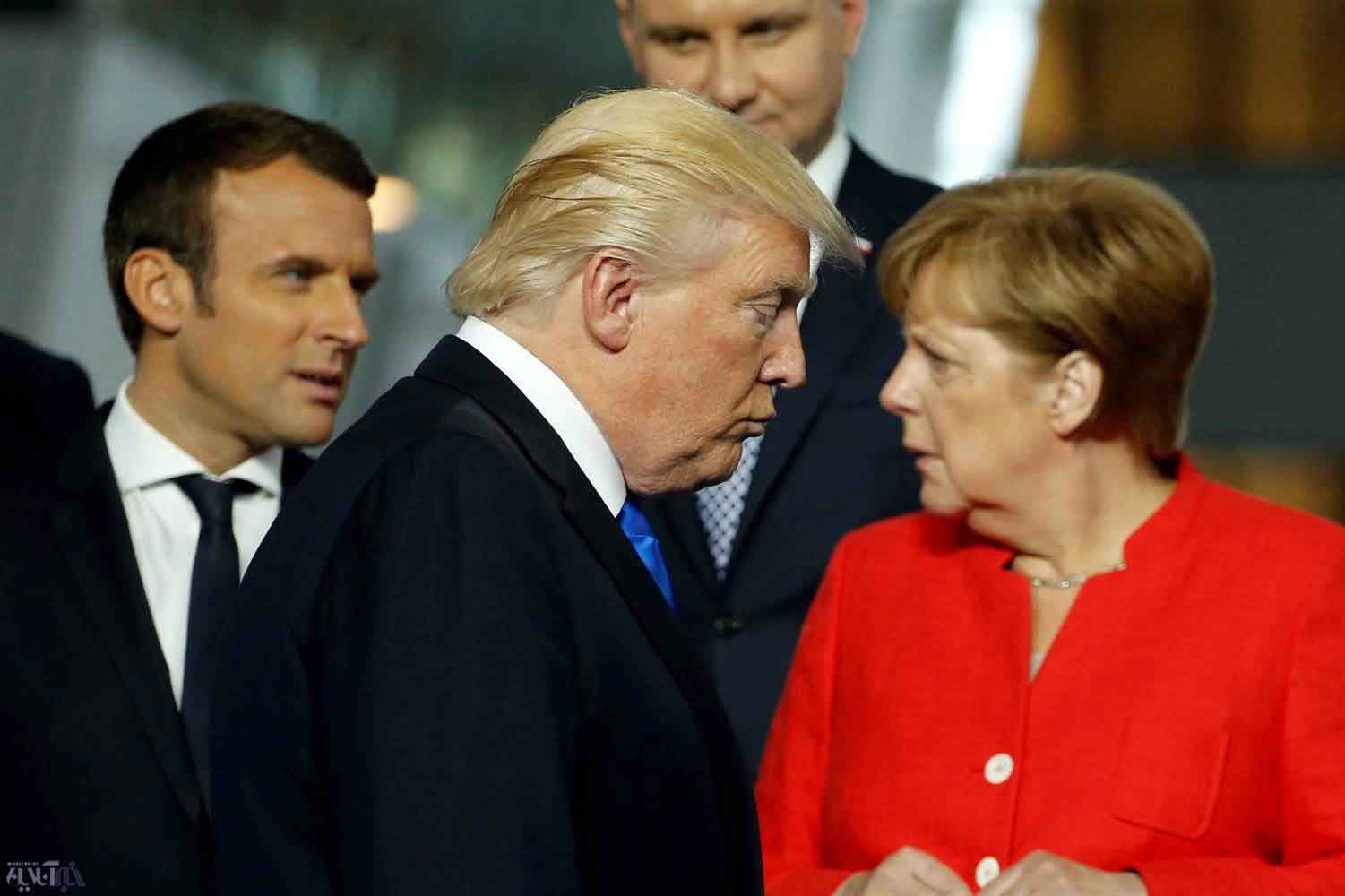
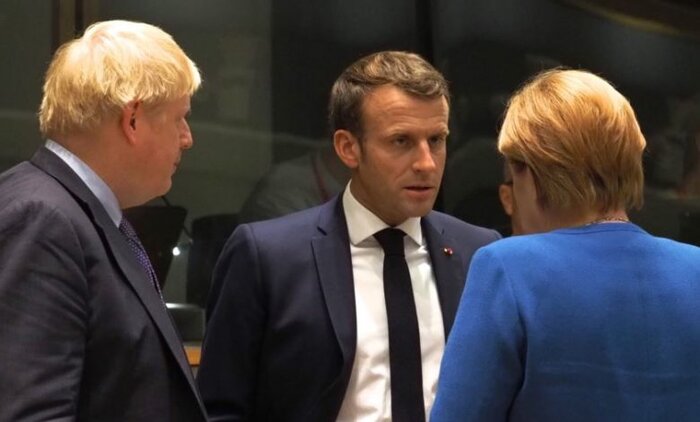
Europe’s Skepticism on Future of Relations with United States

Europe’s Skepticism on Future of Relations with United States

Strategic Council Online – A professor of geopolitics, referring to some of the European leaders’ positions and moves toward secession from the United States, said: “However, it should not be assumed that Europeans have seceded from the United States and do not consider Washington as their ally.” But in the current situation in Europe, Europe is waiting for the results of the elections in the United States in the next four months and if Mr. Biden comes to power, the United States and Europe will be closer again.”

Causes, Consequences of Recent Tensions between Pyongyang and Seoul

Causes, Consequences of Recent Tensions between Pyongyang and Seoul

Strategic Council Online – An analyst of Asian affairs referring to the type of acting by China and the United States in the Korean Peninsula said: “Given the reluctance of the two powers to face a serious confrontation in the current situation, it is predicted that the decision taken by North Korea to suspend military action against South Korea is in line with the interests of the major actors and therefore has no significant impact on the countries concerned.

Behind the Scenes of New Unrest in Lebanon

Behind the Scenes of New Unrest in Lebanon

Strategic Council Online – An analyst on West Asian affairs said there were “obvious hands” among foreign countries as well as domestic political currents against the Lebanese government, adding that Hassan Diab’s government did not appear to be able to maintain the status quo and efforts are underway to overthrow his government and put the phase of confrontation with the Hezbollah on the agenda; So the next step will be very difficult for Lebanon.

White House Goals behind Accusing Iran, Russia, China of interfering in US Protests

White House Goals behind Accusing Iran, Russia, China of interfering in US Protests

Strategic Council Online – A professor of the University of Tehran noting that the claim of Iran’s intervention in the US protests could eventually end up in Tehran’s favor, said: “The White House officials want to question the legitimacy of the protests in the US by linking them to foreign countries. While doing so, they are attacking their own people and trying to put the blame on others by way of projection.

West’s Strategic Reflections on “Eastern Threat”

West’s Strategic Reflections on “Eastern Threat”

Strategic Council Online – “The post-corona era is a space for hostility in the areas of trade, finance, economics and administration,” a university professor said, referring to NATO Secretary-General’s warning of China’s future threat to the West. “These tensions have begun and cannot be ignored in the relations of the great powers,” he said.

Complete Collapse of JCPOA If Europe’s Wrong Policies Continue

Complete Collapse of JCPOA If Europe’s Wrong Policies Continue

Strategic Council Online: Dr. Kamal Kharrazi, the President of the Strategic Council on Foreign Relations stressed: “Europeans should know that the result of their wrong policies will undoubtedly lead to the complete collapse of the Joint Comprehensive Plan of Action (JCPOA), and if so far due to their proximity to the Middle East and the direct security impacts of JCPOA’s collapse on Europe, they have supported the half-dead JCPOA in words, the perpetuation of this situation is unbearable to Iran.

أحدث الوظائف

The Makkah Pact; Reasons for its Formation and Challenges Ahead

SCFR Online – Opinion: The Makkah Pact, signed between Saudi Arabia, Pakistan, and Turkey under the motto “an attack on one is an attack on all,” is viewed by some analysts less as a full-fledged military coalition and more as an attempt to reduce security dependence on an external power and to establish a regional security mechanism.
Implications of the US-Saudi Nuclear Agreement

SCFR Online – Opinion: The new US-Saudi nuclear agreement, despite legal and political ambiguities, could alter previous non-proliferation standards in West Asia and intensify nuclear competition, ushering it into a new phase.

An Analysis of Recent Turkey-Israeli Regime Tensions

SCFR Online – Opinion: Recent developments in Syria indicate an intensification of strategic rivalry between Turkey and the Israeli regime, but mutual considerations and the role of the United States have limited the likelihood of direct war.

Increasing criticism of the extensive Zionist lobby network

SCFR Online – Opinion: An examination of the mechanisms of the Israeli regime’s influence in the United States depicts a complex picture of shared interests, strategic dependencies, and the limitations of this relationship.

Realities of the Tripartite Makkah Pact

SCFR Online – Interview: The signing of the Makkah agreement between Saudi Arabia, Pakistan, and Turkey has raised questions about the future of the region’s security structure and the position of these countries in West Asian equations. Can this agreement become a genuine collective defense mechanism, or does it have more of a political and deterrent function than creating new military capacity?

Strategic Implications of the Reduction of US Weapons Stockpiles

SCFR Online – Opinion: The continuation of the US war against Iran, in addition to increasing operational costs, has called into question the actual capacity of the American arsenal to simultaneously fulfill security commitments on multiple fronts; an issue that affects deterrence, defense production capacity, and Washington’s resource prioritization.

The Formation of a New Order in Relations Between Powers

SCFR Online – Opinion: The Russia-Ukraine war and the war of the United States and the Israeli regime against Iran have been formed with different objectives and actors, but field and political developments indicate that they are not entirely separate from one another.

Loading

Top News

Impact of Russia’s Constitutional Reforms on Moscow’s Foreign Policy

Impact of Russia’s Constitutional Reforms on Moscow’s Foreign Policy

Strategic Council Online – The outcome of the amendments to Articles 67 and 79 of the Russian Constitution reflects President Vladimir Putin’s pragmatic and, of course, multifaceted Russian foreign policy approach. Russia is moving in line with improving ties with the West by sticking to its red lines in order to strengthening its upstream status in the regional crises and global order.
Ahmad Vakhshiteh – Associate Professor, Eurasian National University

Lesson of Iraqi Popular Force to the United States

Lesson of Iraqi Popular Force to the United States

Strategic Council Online – Today Iraq’s Hashd al-Shaabi (Popular Mobilization Force) and the forces under its command in addition to their efforts to counter ISIS’s new harassment activities have to monitor and render ineffective the ISIS-based political activities favored by the United States aimed at throwing obstacles in the way of the Hashd al-Shaabi.
Jafar Qannadbashi – Expert on Middle East Issues

Enemies of Resistance Axis Agenda to Confront Lebanese Hezbollah

Enemies of Resistance Axis Agenda to Confront Lebanese Hezbollah

Strategic Council Online – The United States, Britain, France and Saudi Arabia are now trying to create conditions to render the government of Hassan Diab ineffective through outside economic pressure and to provoke the people inside so that Lebanon’s Hezbollah too will come under pressure.
Hassan Hanizadeh – Middle East Affairs Expert

Europe’s Skepticism on Future of Relations with United States

Europe’s Skepticism on Future of Relations with United States

Strategic Council Online – A professor of geopolitics, referring to some of the European leaders’ positions and moves toward secession from the United States, said: “However, it should not be assumed that Europeans have seceded from the United States and do not consider Washington as their ally.” But in the current situation in Europe, Europe is waiting for the results of the elections in the United States in the next four months and if Mr. Biden comes to power, the United States and Europe will be closer again.”

Causes, Consequences of Recent Tensions between Pyongyang and Seoul

Causes, Consequences of Recent Tensions between Pyongyang and Seoul

Strategic Council Online – An analyst of Asian affairs referring to the type of acting by China and the United States in the Korean Peninsula said: “Given the reluctance of the two powers to face a serious confrontation in the current situation, it is predicted that the decision taken by North Korea to suspend military action against South Korea is in line with the interests of the major actors and therefore has no significant impact on the countries concerned.

Behind the Scenes of New Unrest in Lebanon

Behind the Scenes of New Unrest in Lebanon

Strategic Council Online – An analyst on West Asian affairs said there were “obvious hands” among foreign countries as well as domestic political currents against the Lebanese government, adding that Hassan Diab’s government did not appear to be able to maintain the status quo and efforts are underway to overthrow his government and put the phase of confrontation with the Hezbollah on the agenda; So the next step will be very difficult for Lebanon.

White House Goals behind Accusing Iran, Russia, China of interfering in US Protests

White House Goals behind Accusing Iran, Russia, China of interfering in US Protests

Strategic Council Online – A professor of the University of Tehran noting that the claim of Iran’s intervention in the US protests could eventually end up in Tehran’s favor, said: “The White House officials want to question the legitimacy of the protests in the US by linking them to foreign countries. While doing so, they are attacking their own people and trying to put the blame on others by way of projection.

West’s Strategic Reflections on “Eastern Threat”

West’s Strategic Reflections on “Eastern Threat”

Strategic Council Online – “The post-corona era is a space for hostility in the areas of trade, finance, economics and administration,” a university professor said, referring to NATO Secretary-General’s warning of China’s future threat to the West. “These tensions have begun and cannot be ignored in the relations of the great powers,” he said.

Complete Collapse of JCPOA If Europe’s Wrong Policies Continue

Complete Collapse of JCPOA If Europe’s Wrong Policies Continue

Strategic Council Online: Dr. Kamal Kharrazi, the President of the Strategic Council on Foreign Relations stressed: “Europeans should know that the result of their wrong policies will undoubtedly lead to the complete collapse of the Joint Comprehensive Plan of Action (JCPOA), and if so far due to their proximity to the Middle East and the direct security impacts of JCPOA’s collapse on Europe, they have supported the half-dead JCPOA in words, the perpetuation of this situation is unbearable to Iran.

Top News

Impact of Russia’s Constitutional Reforms on Moscow’s Foreign Policy

Impact of Russia’s Constitutional Reforms on Moscow’s Foreign Policy

Strategic Council Online – The outcome of the amendments to Articles 67 and 79 of the Russian Constitution reflects President Vladimir Putin’s pragmatic and, of course, multifaceted Russian foreign policy approach. Russia is moving in line with improving ties with the West by sticking to its red lines in order to strengthening its upstream status in the regional crises and global order.
Ahmad Vakhshiteh – Associate Professor, Eurasian National University

Lesson of Iraqi Popular Force to the United States

Lesson of Iraqi Popular Force to the United States

Strategic Council Online – Today Iraq’s Hashd al-Shaabi (Popular Mobilization Force) and the forces under its command in addition to their efforts to counter ISIS’s new harassment activities have to monitor and render ineffective the ISIS-based political activities favored by the United States aimed at throwing obstacles in the way of the Hashd al-Shaabi.
Jafar Qannadbashi – Expert on Middle East Issues

Enemies of Resistance Axis Agenda to Confront Lebanese Hezbollah

Enemies of Resistance Axis Agenda to Confront Lebanese Hezbollah

Strategic Council Online – The United States, Britain, France and Saudi Arabia are now trying to create conditions to render the government of Hassan Diab ineffective through outside economic pressure and to provoke the people inside so that Lebanon’s Hezbollah too will come under pressure.
Hassan Hanizadeh – Middle East Affairs Expert

Europe’s Skepticism on Future of Relations with United States

Europe’s Skepticism on Future of Relations with United States

Strategic Council Online – A professor of geopolitics, referring to some of the European leaders’ positions and moves toward secession from the United States, said: “However, it should not be assumed that Europeans have seceded from the United States and do not consider Washington as their ally.” But in the current situation in Europe, Europe is waiting for the results of the elections in the United States in the next four months and if Mr. Biden comes to power, the United States and Europe will be closer again.”

Causes, Consequences of Recent Tensions between Pyongyang and Seoul

Causes, Consequences of Recent Tensions between Pyongyang and Seoul

Strategic Council Online – An analyst of Asian affairs referring to the type of acting by China and the United States in the Korean Peninsula said: “Given the reluctance of the two powers to face a serious confrontation in the current situation, it is predicted that the decision taken by North Korea to suspend military action against South Korea is in line with the interests of the major actors and therefore has no significant impact on the countries concerned.

Behind the Scenes of New Unrest in Lebanon

Behind the Scenes of New Unrest in Lebanon

Strategic Council Online – An analyst on West Asian affairs said there were “obvious hands” among foreign countries as well as domestic political currents against the Lebanese government, adding that Hassan Diab’s government did not appear to be able to maintain the status quo and efforts are underway to overthrow his government and put the phase of confrontation with the Hezbollah on the agenda; So the next step will be very difficult for Lebanon.

White House Goals behind Accusing Iran, Russia, China of interfering in US Protests

White House Goals behind Accusing Iran, Russia, China of interfering in US Protests

Strategic Council Online – A professor of the University of Tehran noting that the claim of Iran’s intervention in the US protests could eventually end up in Tehran’s favor, said: “The White House officials want to question the legitimacy of the protests in the US by linking them to foreign countries. While doing so, they are attacking their own people and trying to put the blame on others by way of projection.

West’s Strategic Reflections on “Eastern Threat”

West’s Strategic Reflections on “Eastern Threat”

Strategic Council Online – “The post-corona era is a space for hostility in the areas of trade, finance, economics and administration,” a university professor said, referring to NATO Secretary-General’s warning of China’s future threat to the West. “These tensions have begun and cannot be ignored in the relations of the great powers,” he said.

Complete Collapse of JCPOA If Europe’s Wrong Policies Continue

Complete Collapse of JCPOA If Europe’s Wrong Policies Continue

Strategic Council Online: Dr. Kamal Kharrazi, the President of the Strategic Council on Foreign Relations stressed: “Europeans should know that the result of their wrong policies will undoubtedly lead to the complete collapse of the Joint Comprehensive Plan of Action (JCPOA), and if so far due to their proximity to the Middle East and the direct security impacts of JCPOA’s collapse on Europe, they have supported the half-dead JCPOA in words, the perpetuation of this situation is unbearable to Iran.

LATEST CONTENT

The Makkah Pact; Reasons for its Formation and Challenges Ahead

SCFR Online – Opinion: The Makkah Pact, signed between Saudi Arabia, Pakistan, and Turkey under the motto “an attack on one is an attack on all,” is viewed by some analysts less as a full-fledged military coalition and more as an attempt to reduce security dependence on an external power and to establish a regional security mechanism.
Implications of the US-Saudi Nuclear Agreement

SCFR Online – Opinion: The new US-Saudi nuclear agreement, despite legal and political ambiguities, could alter previous non-proliferation standards in West Asia and intensify nuclear competition, ushering it into a new phase.

An Analysis of Recent Turkey-Israeli Regime Tensions

SCFR Online – Opinion: Recent developments in Syria indicate an intensification of strategic rivalry between Turkey and the Israeli regime, but mutual considerations and the role of the United States have limited the likelihood of direct war.

Increasing criticism of the extensive Zionist lobby network

SCFR Online – Opinion: An examination of the mechanisms of the Israeli regime’s influence in the United States depicts a complex picture of shared interests, strategic dependencies, and the limitations of this relationship.

Realities of the Tripartite Makkah Pact

SCFR Online – Interview: The signing of the Makkah agreement between Saudi Arabia, Pakistan, and Turkey has raised questions about the future of the region’s security structure and the position of these countries in West Asian equations. Can this agreement become a genuine collective defense mechanism, or does it have more of a political and deterrent function than creating new military capacity?

Strategic Implications of the Reduction of US Weapons Stockpiles

SCFR Online – Opinion: The continuation of the US war against Iran, in addition to increasing operational costs, has called into question the actual capacity of the American arsenal to simultaneously fulfill security commitments on multiple fronts; an issue that affects deterrence, defense production capacity, and Washington’s resource prioritization.

The Formation of a New Order in Relations Between Powers

SCFR Online – Opinion: The Russia-Ukraine war and the war of the United States and the Israeli regime against Iran have been formed with different objectives and actors, but field and political developments indicate that they are not entirely separate from one another.

Loading

Top News

Impact of Russia’s Constitutional Reforms on Moscow’s Foreign Policy

Impact of Russia’s Constitutional Reforms on Moscow’s Foreign Policy

Strategic Council Online – The outcome of the amendments to Articles 67 and 79 of the Russian Constitution reflects President Vladimir Putin’s pragmatic and, of course, multifaceted Russian foreign policy approach. Russia is moving in line with improving ties with the West by sticking to its red lines in order to strengthening its upstream status in the regional crises and global order.
Ahmad Vakhshiteh – Associate Professor, Eurasian National University

Lesson of Iraqi Popular Force to the United States

Lesson of Iraqi Popular Force to the United States

Strategic Council Online – Today Iraq’s Hashd al-Shaabi (Popular Mobilization Force) and the forces under its command in addition to their efforts to counter ISIS’s new harassment activities have to monitor and render ineffective the ISIS-based political activities favored by the United States aimed at throwing obstacles in the way of the Hashd al-Shaabi.
Jafar Qannadbashi – Expert on Middle East Issues

Enemies of Resistance Axis Agenda to Confront Lebanese Hezbollah

Enemies of Resistance Axis Agenda to Confront Lebanese Hezbollah

Strategic Council Online – The United States, Britain, France and Saudi Arabia are now trying to create conditions to render the government of Hassan Diab ineffective through outside economic pressure and to provoke the people inside so that Lebanon’s Hezbollah too will come under pressure.
Hassan Hanizadeh – Middle East Affairs Expert

Europe’s Skepticism on Future of Relations with United States

Europe’s Skepticism on Future of Relations with United States

Strategic Council Online – A professor of geopolitics, referring to some of the European leaders’ positions and moves toward secession from the United States, said: “However, it should not be assumed that Europeans have seceded from the United States and do not consider Washington as their ally.” But in the current situation in Europe, Europe is waiting for the results of the elections in the United States in the next four months and if Mr. Biden comes to power, the United States and Europe will be closer again.”

Causes, Consequences of Recent Tensions between Pyongyang and Seoul

Causes, Consequences of Recent Tensions between Pyongyang and Seoul

Strategic Council Online – An analyst of Asian affairs referring to the type of acting by China and the United States in the Korean Peninsula said: “Given the reluctance of the two powers to face a serious confrontation in the current situation, it is predicted that the decision taken by North Korea to suspend military action against South Korea is in line with the interests of the major actors and therefore has no significant impact on the countries concerned.

Behind the Scenes of New Unrest in Lebanon

Behind the Scenes of New Unrest in Lebanon

Strategic Council Online – An analyst on West Asian affairs said there were “obvious hands” among foreign countries as well as domestic political currents against the Lebanese government, adding that Hassan Diab’s government did not appear to be able to maintain the status quo and efforts are underway to overthrow his government and put the phase of confrontation with the Hezbollah on the agenda; So the next step will be very difficult for Lebanon.

White House Goals behind Accusing Iran, Russia, China of interfering in US Protests

White House Goals behind Accusing Iran, Russia, China of interfering in US Protests

Strategic Council Online – A professor of the University of Tehran noting that the claim of Iran’s intervention in the US protests could eventually end up in Tehran’s favor, said: “The White House officials want to question the legitimacy of the protests in the US by linking them to foreign countries. While doing so, they are attacking their own people and trying to put the blame on others by way of projection.

West’s Strategic Reflections on “Eastern Threat”

West’s Strategic Reflections on “Eastern Threat”

Strategic Council Online – “The post-corona era is a space for hostility in the areas of trade, finance, economics and administration,” a university professor said, referring to NATO Secretary-General’s warning of China’s future threat to the West. “These tensions have begun and cannot be ignored in the relations of the great powers,” he said.

Complete Collapse of JCPOA If Europe’s Wrong Policies Continue

Complete Collapse of JCPOA If Europe’s Wrong Policies Continue

Strategic Council Online: Dr. Kamal Kharrazi, the President of the Strategic Council on Foreign Relations stressed: “Europeans should know that the result of their wrong policies will undoubtedly lead to the complete collapse of the Joint Comprehensive Plan of Action (JCPOA), and if so far due to their proximity to the Middle East and the direct security impacts of JCPOA’s collapse on Europe, they have supported the half-dead JCPOA in words, the perpetuation of this situation is unbearable to Iran.

ÚLTIMAS PUBLICACIONES

The Makkah Pact; Reasons for its Formation and Challenges Ahead

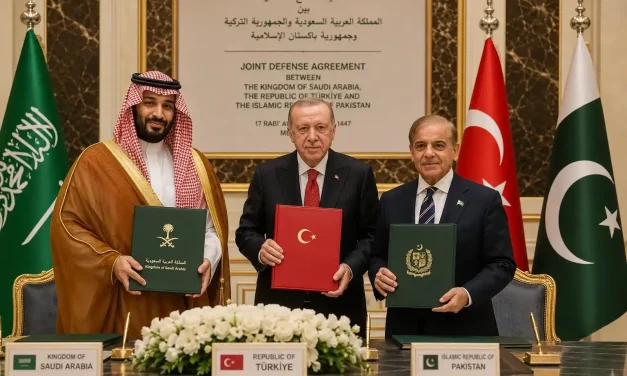
SCFR Online – Opinion: The Makkah Pact, signed between Saudi Arabia, Pakistan, and Turkey under the motto “an attack on one is an attack on all,” is viewed by some analysts less as a full-fledged military coalition and more as an attempt to reduce security dependence on an external power and to establish a regional security mechanism.
Implications of the US-Saudi Nuclear Agreement

SCFR Online – Opinion: The new US-Saudi nuclear agreement, despite legal and political ambiguities, could alter previous non-proliferation standards in West Asia and intensify nuclear competition, ushering it into a new phase.

An Analysis of Recent Turkey-Israeli Regime Tensions

SCFR Online – Opinion: Recent developments in Syria indicate an intensification of strategic rivalry between Turkey and the Israeli regime, but mutual considerations and the role of the United States have limited the likelihood of direct war.

Increasing criticism of the extensive Zionist lobby network

SCFR Online – Opinion: An examination of the mechanisms of the Israeli regime’s influence in the United States depicts a complex picture of shared interests, strategic dependencies, and the limitations of this relationship.

Realities of the Tripartite Makkah Pact

SCFR Online – Interview: The signing of the Makkah agreement between Saudi Arabia, Pakistan, and Turkey has raised questions about the future of the region’s security structure and the position of these countries in West Asian equations. Can this agreement become a genuine collective defense mechanism, or does it have more of a political and deterrent function than creating new military capacity?

Strategic Implications of the Reduction of US Weapons Stockpiles

SCFR Online – Opinion: The continuation of the US war against Iran, in addition to increasing operational costs, has called into question the actual capacity of the American arsenal to simultaneously fulfill security commitments on multiple fronts; an issue that affects deterrence, defense production capacity, and Washington’s resource prioritization.

The Formation of a New Order in Relations Between Powers

SCFR Online – Opinion: The Russia-Ukraine war and the war of the United States and the Israeli regime against Iran have been formed with different objectives and actors, but field and political developments indicate that they are not entirely separate from one another.

Loading

Top News

Impact of Russia’s Constitutional Reforms on Moscow’s Foreign Policy

Impact of Russia’s Constitutional Reforms on Moscow’s Foreign Policy

Strategic Council Online – The outcome of the amendments to Articles 67 and 79 of the Russian Constitution reflects President Vladimir Putin’s pragmatic and, of course, multifaceted Russian foreign policy approach. Russia is moving in line with improving ties with the West by sticking to its red lines in order to strengthening its upstream status in the regional crises and global order.
Ahmad Vakhshiteh – Associate Professor, Eurasian National University

Lesson of Iraqi Popular Force to the United States

Lesson of Iraqi Popular Force to the United States

Strategic Council Online – Today Iraq’s Hashd al-Shaabi (Popular Mobilization Force) and the forces under its command in addition to their efforts to counter ISIS’s new harassment activities have to monitor and render ineffective the ISIS-based political activities favored by the United States aimed at throwing obstacles in the way of the Hashd al-Shaabi.
Jafar Qannadbashi – Expert on Middle East Issues

Enemies of Resistance Axis Agenda to Confront Lebanese Hezbollah

Enemies of Resistance Axis Agenda to Confront Lebanese Hezbollah

Strategic Council Online – The United States, Britain, France and Saudi Arabia are now trying to create conditions to render the government of Hassan Diab ineffective through outside economic pressure and to provoke the people inside so that Lebanon’s Hezbollah too will come under pressure.
Hassan Hanizadeh – Middle East Affairs Expert

Europe’s Skepticism on Future of Relations with United States

Europe’s Skepticism on Future of Relations with United States

Strategic Council Online – A professor of geopolitics, referring to some of the European leaders’ positions and moves toward secession from the United States, said: “However, it should not be assumed that Europeans have seceded from the United States and do not consider Washington as their ally.” But in the current situation in Europe, Europe is waiting for the results of the elections in the United States in the next four months and if Mr. Biden comes to power, the United States and Europe will be closer again.”

Causes, Consequences of Recent Tensions between Pyongyang and Seoul

Causes, Consequences of Recent Tensions between Pyongyang and Seoul

Strategic Council Online – An analyst of Asian affairs referring to the type of acting by China and the United States in the Korean Peninsula said: “Given the reluctance of the two powers to face a serious confrontation in the current situation, it is predicted that the decision taken by North Korea to suspend military action against South Korea is in line with the interests of the major actors and therefore has no significant impact on the countries concerned.

Behind the Scenes of New Unrest in Lebanon

Behind the Scenes of New Unrest in Lebanon

Strategic Council Online – An analyst on West Asian affairs said there were “obvious hands” among foreign countries as well as domestic political currents against the Lebanese government, adding that Hassan Diab’s government did not appear to be able to maintain the status quo and efforts are underway to overthrow his government and put the phase of confrontation with the Hezbollah on the agenda; So the next step will be very difficult for Lebanon.

White House Goals behind Accusing Iran, Russia, China of interfering in US Protests

White House Goals behind Accusing Iran, Russia, China of interfering in US Protests

Strategic Council Online – A professor of the University of Tehran noting that the claim of Iran’s intervention in the US protests could eventually end up in Tehran’s favor, said: “The White House officials want to question the legitimacy of the protests in the US by linking them to foreign countries. While doing so, they are attacking their own people and trying to put the blame on others by way of projection.

West’s Strategic Reflections on “Eastern Threat”

West’s Strategic Reflections on “Eastern Threat”

Strategic Council Online – “The post-corona era is a space for hostility in the areas of trade, finance, economics and administration,” a university professor said, referring to NATO Secretary-General’s warning of China’s future threat to the West. “These tensions have begun and cannot be ignored in the relations of the great powers,” he said.

Complete Collapse of JCPOA If Europe’s Wrong Policies Continue

Complete Collapse of JCPOA If Europe’s Wrong Policies Continue

Strategic Council Online: Dr. Kamal Kharrazi, the President of the Strategic Council on Foreign Relations stressed: “Europeans should know that the result of their wrong policies will undoubtedly lead to the complete collapse of the Joint Comprehensive Plan of Action (JCPOA), and if so far due to their proximity to the Middle East and the direct security impacts of JCPOA’s collapse on Europe, they have supported the half-dead JCPOA in words, the perpetuation of this situation is unbearable to Iran.

ÚLTIMAS PUBLICACIONES

The Makkah Pact; Reasons for its Formation and Challenges Ahead

SCFR Online – Opinion: The Makkah Pact, signed between Saudi Arabia, Pakistan, and Turkey under the motto “an attack on one is an attack on all,” is viewed by some analysts less as a full-fledged military coalition and more as an attempt to reduce security dependence on an external power and to establish a regional security mechanism.
Implications of the US-Saudi Nuclear Agreement

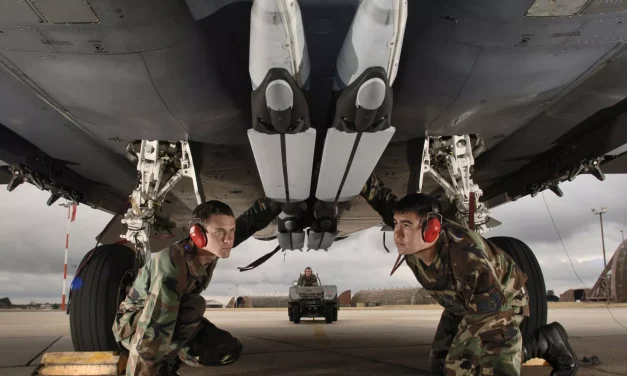
SCFR Online – Opinion: The new US-Saudi nuclear agreement, despite legal and political ambiguities, could alter previous non-proliferation standards in West Asia and intensify nuclear competition, ushering it into a new phase.

An Analysis of Recent Turkey-Israeli Regime Tensions

SCFR Online – Opinion: Recent developments in Syria indicate an intensification of strategic rivalry between Turkey and the Israeli regime, but mutual considerations and the role of the United States have limited the likelihood of direct war.

Increasing criticism of the extensive Zionist lobby network

SCFR Online – Opinion: An examination of the mechanisms of the Israeli regime’s influence in the United States depicts a complex picture of shared interests, strategic dependencies, and the limitations of this relationship.

Realities of the Tripartite Makkah Pact

SCFR Online – Interview: The signing of the Makkah agreement between Saudi Arabia, Pakistan, and Turkey has raised questions about the future of the region’s security structure and the position of these countries in West Asian equations. Can this agreement become a genuine collective defense mechanism, or does it have more of a political and deterrent function than creating new military capacity?

Strategic Implications of the Reduction of US Weapons Stockpiles

SCFR Online – Opinion: The continuation of the US war against Iran, in addition to increasing operational costs, has called into question the actual capacity of the American arsenal to simultaneously fulfill security commitments on multiple fronts; an issue that affects deterrence, defense production capacity, and Washington’s resource prioritization.

The Formation of a New Order in Relations Between Powers

SCFR Online – Opinion: The Russia-Ukraine war and the war of the United States and the Israeli regime against Iran have been formed with different objectives and actors, but field and political developments indicate that they are not entirely separate from one another.

Loading

Top News

Impact of Russia’s Constitutional Reforms on Moscow’s Foreign Policy

Impact of Russia’s Constitutional Reforms on Moscow’s Foreign Policy

Strategic Council Online – The outcome of the amendments to Articles 67 and 79 of the Russian Constitution reflects President Vladimir Putin’s pragmatic and, of course, multifaceted Russian foreign policy approach. Russia is moving in line with improving ties with the West by sticking to its red lines in order to strengthening its upstream status in the regional crises and global order.
Ahmad Vakhshiteh – Associate Professor, Eurasian National University

Lesson of Iraqi Popular Force to the United States

Lesson of Iraqi Popular Force to the United States

Strategic Council Online – Today Iraq’s Hashd al-Shaabi (Popular Mobilization Force) and the forces under its command in addition to their efforts to counter ISIS’s new harassment activities have to monitor and render ineffective the ISIS-based political activities favored by the United States aimed at throwing obstacles in the way of the Hashd al-Shaabi.
Jafar Qannadbashi – Expert on Middle East Issues

Enemies of Resistance Axis Agenda to Confront Lebanese Hezbollah

Enemies of Resistance Axis Agenda to Confront Lebanese Hezbollah

Strategic Council Online – The United States, Britain, France and Saudi Arabia are now trying to create conditions to render the government of Hassan Diab ineffective through outside economic pressure and to provoke the people inside so that Lebanon’s Hezbollah too will come under pressure.
Hassan Hanizadeh – Middle East Affairs Expert

Europe’s Skepticism on Future of Relations with United States

Europe’s Skepticism on Future of Relations with United States

Strategic Council Online – A professor of geopolitics, referring to some of the European leaders’ positions and moves toward secession from the United States, said: “However, it should not be assumed that Europeans have seceded from the United States and do not consider Washington as their ally.” But in the current situation in Europe, Europe is waiting for the results of the elections in the United States in the next four months and if Mr. Biden comes to power, the United States and Europe will be closer again.”

Causes, Consequences of Recent Tensions between Pyongyang and Seoul

Causes, Consequences of Recent Tensions between Pyongyang and Seoul

Strategic Council Online – An analyst of Asian affairs referring to the type of acting by China and the United States in the Korean Peninsula said: “Given the reluctance of the two powers to face a serious confrontation in the current situation, it is predicted that the decision taken by North Korea to suspend military action against South Korea is in line with the interests of the major actors and therefore has no significant impact on the countries concerned.

Behind the Scenes of New Unrest in Lebanon

Behind the Scenes of New Unrest in Lebanon

Strategic Council Online – An analyst on West Asian affairs said there were “obvious hands” among foreign countries as well as domestic political currents against the Lebanese government, adding that Hassan Diab’s government did not appear to be able to maintain the status quo and efforts are underway to overthrow his government and put the phase of confrontation with the Hezbollah on the agenda; So the next step will be very difficult for Lebanon.

White House Goals behind Accusing Iran, Russia, China of interfering in US Protests

White House Goals behind Accusing Iran, Russia, China of interfering in US Protests

Strategic Council Online – A professor of the University of Tehran noting that the claim of Iran’s intervention in the US protests could eventually end up in Tehran’s favor, said: “The White House officials want to question the legitimacy of the protests in the US by linking them to foreign countries. While doing so, they are attacking their own people and trying to put the blame on others by way of projection.

West’s Strategic Reflections on “Eastern Threat”

West’s Strategic Reflections on “Eastern Threat”

Strategic Council Online – “The post-corona era is a space for hostility in the areas of trade, finance, economics and administration,” a university professor said, referring to NATO Secretary-General’s warning of China’s future threat to the West. “These tensions have begun and cannot be ignored in the relations of the great powers,” he said.

Complete Collapse of JCPOA If Europe’s Wrong Policies Continue

Complete Collapse of JCPOA If Europe’s Wrong Policies Continue

Strategic Council Online: Dr. Kamal Kharrazi, the President of the Strategic Council on Foreign Relations stressed: “Europeans should know that the result of their wrong policies will undoubtedly lead to the complete collapse of the Joint Comprehensive Plan of Action (JCPOA), and if so far due to their proximity to the Middle East and the direct security impacts of JCPOA’s collapse on Europe, they have supported the half-dead JCPOA in words, the perpetuation of this situation is unbearable to Iran.

ÚLTIMAS PUBLICACIONES

The Makkah Pact; Reasons for its Formation and Challenges Ahead

SCFR Online – Opinion: The Makkah Pact, signed between Saudi Arabia, Pakistan, and Turkey under the motto “an attack on one is an attack on all,” is viewed by some analysts less as a full-fledged military coalition and more as an attempt to reduce security dependence on an external power and to establish a regional security mechanism.
Implications of the US-Saudi Nuclear Agreement

SCFR Online – Opinion: The new US-Saudi nuclear agreement, despite legal and political ambiguities, could alter previous non-proliferation standards in West Asia and intensify nuclear competition, ushering it into a new phase.

An Analysis of Recent Turkey-Israeli Regime Tensions

SCFR Online – Opinion: Recent developments in Syria indicate an intensification of strategic rivalry between Turkey and the Israeli regime, but mutual considerations and the role of the United States have limited the likelihood of direct war.

Increasing criticism of the extensive Zionist lobby network

SCFR Online – Opinion: An examination of the mechanisms of the Israeli regime’s influence in the United States depicts a complex picture of shared interests, strategic dependencies, and the limitations of this relationship.

Realities of the Tripartite Makkah Pact

SCFR Online – Interview: The signing of the Makkah agreement between Saudi Arabia, Pakistan, and Turkey has raised questions about the future of the region’s security structure and the position of these countries in West Asian equations. Can this agreement become a genuine collective defense mechanism, or does it have more of a political and deterrent function than creating new military capacity?

Strategic Implications of the Reduction of US Weapons Stockpiles

SCFR Online – Opinion: The continuation of the US war against Iran, in addition to increasing operational costs, has called into question the actual capacity of the American arsenal to simultaneously fulfill security commitments on multiple fronts; an issue that affects deterrence, defense production capacity, and Washington’s resource prioritization.

The Formation of a New Order in Relations Between Powers

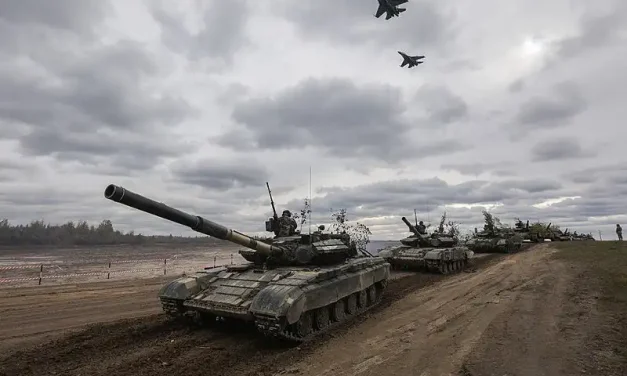
SCFR Online – Opinion: The Russia-Ukraine war and the war of the United States and the Israeli regime against Iran have been formed with different objectives and actors, but field and political developments indicate that they are not entirely separate from one another.

Loading

Top News

Impact of Russia’s Constitutional Reforms on Moscow’s Foreign Policy

Impact of Russia’s Constitutional Reforms on Moscow’s Foreign Policy

Strategic Council Online – The outcome of the amendments to Articles 67 and 79 of the Russian Constitution reflects President Vladimir Putin’s pragmatic and, of course, multifaceted Russian foreign policy approach. Russia is moving in line with improving ties with the West by sticking to its red lines in order to strengthening its upstream status in the regional crises and global order.
Ahmad Vakhshiteh – Associate Professor, Eurasian National University

Lesson of Iraqi Popular Force to the United States

Lesson of Iraqi Popular Force to the United States

Strategic Council Online – Today Iraq’s Hashd al-Shaabi (Popular Mobilization Force) and the forces under its command in addition to their efforts to counter ISIS’s new harassment activities have to monitor and render ineffective the ISIS-based political activities favored by the United States aimed at throwing obstacles in the way of the Hashd al-Shaabi.
Jafar Qannadbashi – Expert on Middle East Issues

Enemies of Resistance Axis Agenda to Confront Lebanese Hezbollah

Enemies of Resistance Axis Agenda to Confront Lebanese Hezbollah

Strategic Council Online – The United States, Britain, France and Saudi Arabia are now trying to create conditions to render the government of Hassan Diab ineffective through outside economic pressure and to provoke the people inside so that Lebanon’s Hezbollah too will come under pressure.
Hassan Hanizadeh – Middle East Affairs Expert

Europe’s Skepticism on Future of Relations with United States

Europe’s Skepticism on Future of Relations with United States

Strategic Council Online – A professor of geopolitics, referring to some of the European leaders’ positions and moves toward secession from the United States, said: “However, it should not be assumed that Europeans have seceded from the United States and do not consider Washington as their ally.” But in the current situation in Europe, Europe is waiting for the results of the elections in the United States in the next four months and if Mr. Biden comes to power, the United States and Europe will be closer again.”

Causes, Consequences of Recent Tensions between Pyongyang and Seoul

Causes, Consequences of Recent Tensions between Pyongyang and Seoul

Strategic Council Online – An analyst of Asian affairs referring to the type of acting by China and the United States in the Korean Peninsula said: “Given the reluctance of the two powers to face a serious confrontation in the current situation, it is predicted that the decision taken by North Korea to suspend military action against South Korea is in line with the interests of the major actors and therefore has no significant impact on the countries concerned.

Behind the Scenes of New Unrest in Lebanon

Behind the Scenes of New Unrest in Lebanon

Strategic Council Online – An analyst on West Asian affairs said there were “obvious hands” among foreign countries as well as domestic political currents against the Lebanese government, adding that Hassan Diab’s government did not appear to be able to maintain the status quo and efforts are underway to overthrow his government and put the phase of confrontation with the Hezbollah on the agenda; So the next step will be very difficult for Lebanon.

White House Goals behind Accusing Iran, Russia, China of interfering in US Protests

White House Goals behind Accusing Iran, Russia, China of interfering in US Protests

Strategic Council Online – A professor of the University of Tehran noting that the claim of Iran’s intervention in the US protests could eventually end up in Tehran’s favor, said: “The White House officials want to question the legitimacy of the protests in the US by linking them to foreign countries. While doing so, they are attacking their own people and trying to put the blame on others by way of projection.

West’s Strategic Reflections on “Eastern Threat”

West’s Strategic Reflections on “Eastern Threat”

Strategic Council Online – “The post-corona era is a space for hostility in the areas of trade, finance, economics and administration,” a university professor said, referring to NATO Secretary-General’s warning of China’s future threat to the West. “These tensions have begun and cannot be ignored in the relations of the great powers,” he said.

Complete Collapse of JCPOA If Europe’s Wrong Policies Continue

Complete Collapse of JCPOA If Europe’s Wrong Policies Continue

Strategic Council Online: Dr. Kamal Kharrazi, the President of the Strategic Council on Foreign Relations stressed: “Europeans should know that the result of their wrong policies will undoubtedly lead to the complete collapse of the Joint Comprehensive Plan of Action (JCPOA), and if so far due to their proximity to the Middle East and the direct security impacts of JCPOA’s collapse on Europe, they have supported the half-dead JCPOA in words, the perpetuation of this situation is unbearable to Iran.

ÚLTIMAS PUBLICACIONES

The Makkah Pact; Reasons for its Formation and Challenges Ahead

SCFR Online – Opinion: The Makkah Pact, signed between Saudi Arabia, Pakistan, and Turkey under the motto “an attack on one is an attack on all,” is viewed by some analysts less as a full-fledged military coalition and more as an attempt to reduce security dependence on an external power and to establish a regional security mechanism.

Implications of the US-Saudi Nuclear Agreement

SCFR Online – Opinion: The new US-Saudi nuclear agreement, despite legal and political ambiguities, could alter previous non-proliferation standards in West Asia and intensify nuclear competition, ushering it into a new phase.

An Analysis of Recent Turkey-Israeli Regime Tensions

SCFR Online – Opinion: Recent developments in Syria indicate an intensification of strategic rivalry between Turkey and the Israeli regime, but mutual considerations and the role of the United States have limited the likelihood of direct war.

Increasing criticism of the extensive Zionist lobby network

SCFR Online – Opinion: An examination of the mechanisms of the Israeli regime’s influence in the United States depicts a complex picture of shared interests, strategic dependencies, and the limitations of this relationship.

Realities of the Tripartite Makkah Pact

SCFR Online – Interview: The signing of the Makkah agreement between Saudi Arabia, Pakistan, and Turkey has raised questions about the future of the region’s security structure and the position of these countries in West Asian equations. Can this agreement become a genuine collective defense mechanism, or does it have more of a political and deterrent function than creating new military capacity?

Strategic Implications of the Reduction of US Weapons Stockpiles

SCFR Online – Opinion: The continuation of the US war against Iran, in addition to increasing operational costs, has called into question the actual capacity of the American arsenal to simultaneously fulfill security commitments on multiple fronts; an issue that affects deterrence, defense production capacity, and Washington’s resource prioritization.

The Formation of a New Order in Relations Between Powers

SCFR Online – Opinion: The Russia-Ukraine war and the war of the United States and the Israeli regime against Iran have been formed with different objectives and actors, but field and political developments indicate that they are not entirely separate from one another.

Loading