جدیدترین مطالب

The Makkah Pact; Reasons for its Formation and Challenges Ahead

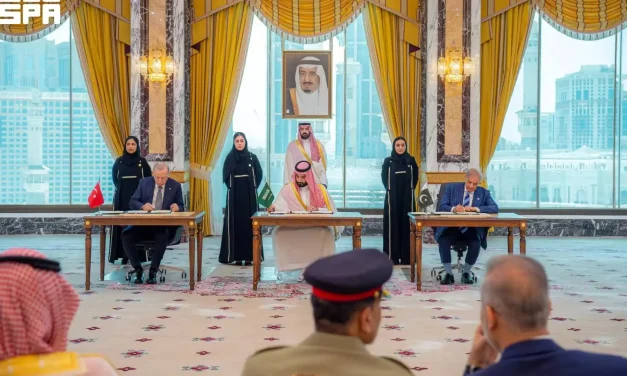
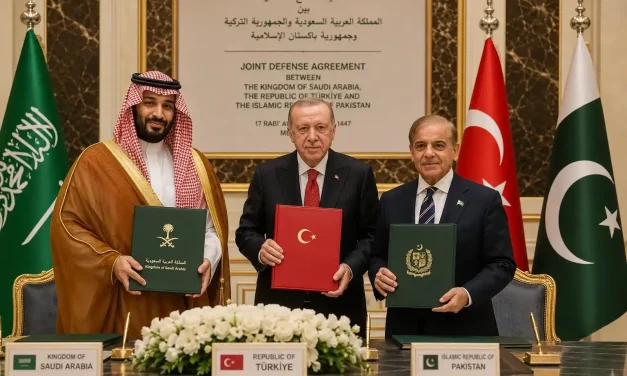
SCFR Online – Opinion: The Makkah Pact, signed between Saudi Arabia, Pakistan, and Turkey under the motto “an attack on one is an attack on all,” is viewed by some analysts less as a full-fledged military coalition and more as an attempt to reduce security dependence on an external power and to establish a regional security mechanism.
Implications of the US-Saudi Nuclear Agreement

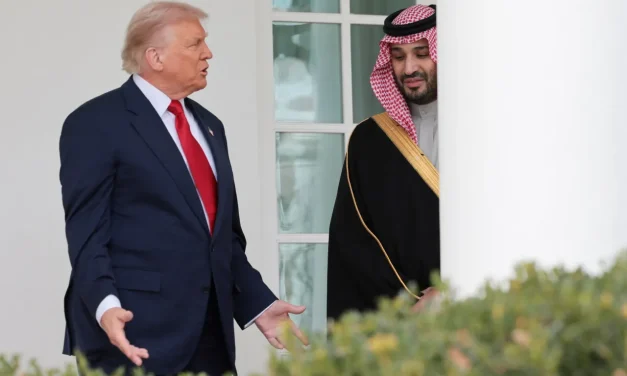
SCFR Online – Opinion: The new US-Saudi nuclear agreement, despite legal and political ambiguities, could alter previous non-proliferation standards in West Asia and intensify nuclear competition, ushering it into a new phase.

An Analysis of Recent Turkey-Israeli Regime Tensions

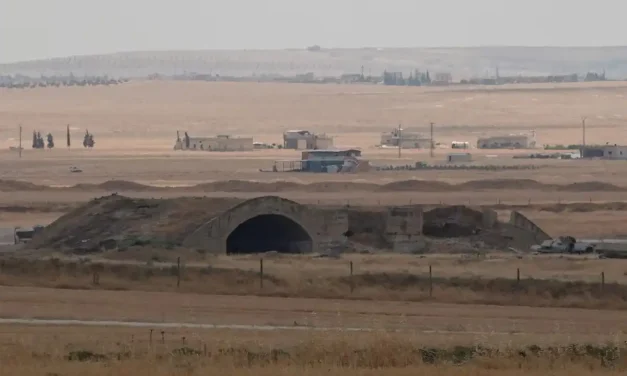
SCFR Online – Opinion: Recent developments in Syria indicate an intensification of strategic rivalry between Turkey and the Israeli regime, but mutual considerations and the role of the United States have limited the likelihood of direct war.

Increasing criticism of the extensive Zionist lobby network

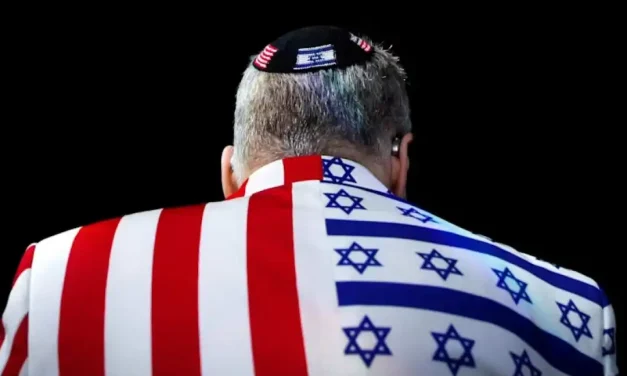
SCFR Online – Opinion: An examination of the mechanisms of the Israeli regime’s influence in the United States depicts a complex picture of shared interests, strategic dependencies, and the limitations of this relationship.

Realities of the Tripartite Makkah Pact

SCFR Online – Interview: The signing of the Makkah agreement between Saudi Arabia, Pakistan, and Turkey has raised questions about the future of the region’s security structure and the position of these countries in West Asian equations. Can this agreement become a genuine collective defense mechanism, or does it have more of a political and deterrent function than creating new military capacity?

Strategic Implications of the Reduction of US Weapons Stockpiles

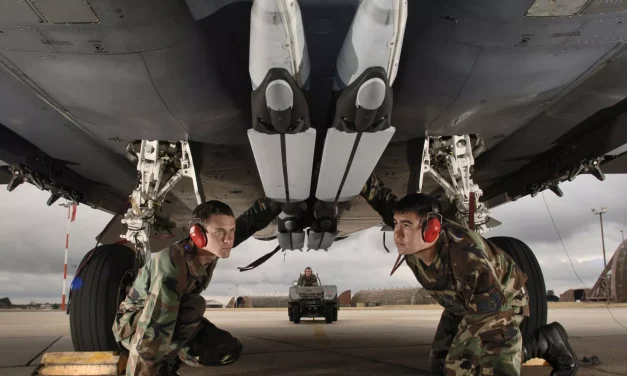
SCFR Online – Opinion: The continuation of the US war against Iran, in addition to increasing operational costs, has called into question the actual capacity of the American arsenal to simultaneously fulfill security commitments on multiple fronts; an issue that affects deterrence, defense production capacity, and Washington’s resource prioritization.

The Formation of a New Order in Relations Between Powers

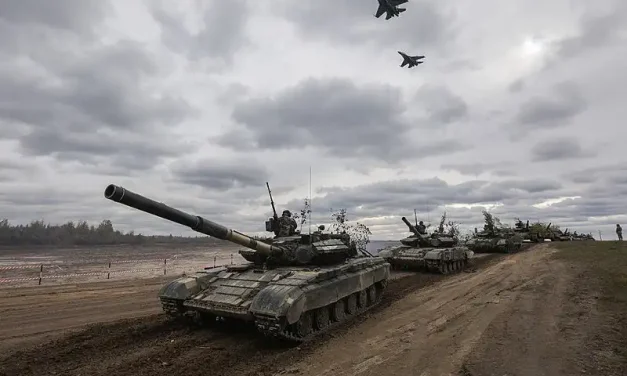
SCFR Online – Opinion: The Russia-Ukraine war and the war of the United States and the Israeli regime against Iran have been formed with different objectives and actors, but field and political developments indicate that they are not entirely separate from one another.

Loading

Top News

Overt and Covert Factors behind Unrests in Iraq and Lebanon

Overt and Covert Factors behind Unrests in Iraq and Lebanon

Strategic Council Online: An international relations lecturer said Saudi Arabia, the United Arab Emirates and the United States are trying to reap their intended benefits out of the anti-government protests in Lebanon. “They seek to diminish the status and the role of the Resistance in the Lebanese power structure.”

Traces of Foreign Interference in Lebanese Unrest

Traces of Foreign Interference in Lebanese Unrest

Strategic Council Online: A regional affairs analyst has no doubt that the recent unrest in Lebanon had both internal causes and many evidences showing external intervention. He added that with the prudence exercised by the Hezbollah leadership, the negotiations that took place and the measures taken by the Lebanese government to introduce reforms the result was a new victory for the Islamic Resistance and the Hezbollah.

Bahraini Regime; Pioneer in Betraying Palestinian Cause

Bahraini Regime; Pioneer in Betraying Palestinian Cause

Strategic Council Online: The Bahraini regime is now one of the weak links in opposition to Iranian regional policy in the Middle East and sees the best way to move closer to the Zionist regime to advance its anti-Iranian goals.
Davood Ahmadzadeh – Middle East Affairs Expert

A Glance at Turkish Ceasefire Statement and Its Implications

A Glance at Turkish Ceasefire Statement and Its Implications

Strategic Council Online: A meeting between US delegation led by Vice President Mike Pence and Turkish officials in Ankara ended with the announcement of a 120-hour ceasefire in northern Syria. Following the talks, a joint 13-article statement was issued between Turkey and the United States, which, in addition to sparking harsh criticism by Trump’s opponents to its clauses, the Syrian presidential adviser described it “vague.”
Hamideh Safamanesh – International Relations Researcher

Turkey-Russia Deal and Prospects of Reducing Tensions in the Region

Turkey-Russia Deal and Prospects of Reducing Tensions in the Region

Strategic Council Online: An expert on regional issues said the agreement between Russia and Turkey on northern Syria was in the interest of all parties, adding: “If Russia can persuade armed Kurdish fighters to keep away from Turkish borders, which is very difficult to do, the reducing of the tension will continue.”

Goals of US & Allies Naval Drills in Persian Gulf

Goals of US & Allies Naval Drills in Persian Gulf

Strategic Council Online: The declared goal of the US and its allies’ maritime exercises in the Persian Gulf is to limit Iran’s maneuvering power and controlling the Strait of Hormuz, the Persian Gulf, and Oman Sea, and it looks like the US will continue to maintain its naval fleet in the Persian Gulf for the next three decades.

Europe Empty-Handed against Developments in Syria

Europe Empty-Handed against Developments in Syria

Strategic Council Online: Developments in Syria and measures taken by Turkish President Recep Tayyip Erdogan to fill US military withdrawal from Syria over the past few weeks have further exposed the weakness and desperation of the European governments in pursuit of their political and security goals in the Middle East.
Morteza Makki – European Affairs Expert

Uncertainty about Brexit and Scenarios Ahead

Uncertainty about Brexit and Scenarios Ahead

Strategic Council Online: A European affairs expert says the House of Commons’ reaction to Mr. Johnson’s plans was a loss and at the same time a win for him but did not break the Brexit impasse. He said in the next few months, the situation in the United Kingdom remains ambiguous as to how London wants to exit the EU.

Washington’s Instrumental Approach towards International Institutions

Washington’s Instrumental Approach towards International Institutions

Strategic Council Online: The outlook of the two main parties in the United States is to maintain the country’s leadership and America’s global status; but one view holds that organizations and institutions will prevent this from happening, and the other view is that compliance with international organizations will help maintain and boost America’s standing and its legitimacy.
Tahmoures Gholami – American Affairs Expert

American Strategy; Creating More Tension in the Middle East

American Strategy; Creating More Tension in the Middle East

Strategic Council Online: White House leaders have shown that US support for Saudi Arabia will continue as long as Saudi petrodollars flow into the pockets of US arms dealers.
Hamideh Safamanesh – International Relations Researcher

أحدث الوظائف

The Makkah Pact; Reasons for its Formation and Challenges Ahead

SCFR Online – Opinion: The Makkah Pact, signed between Saudi Arabia, Pakistan, and Turkey under the motto “an attack on one is an attack on all,” is viewed by some analysts less as a full-fledged military coalition and more as an attempt to reduce security dependence on an external power and to establish a regional security mechanism.
Implications of the US-Saudi Nuclear Agreement

SCFR Online – Opinion: The new US-Saudi nuclear agreement, despite legal and political ambiguities, could alter previous non-proliferation standards in West Asia and intensify nuclear competition, ushering it into a new phase.

An Analysis of Recent Turkey-Israeli Regime Tensions

SCFR Online – Opinion: Recent developments in Syria indicate an intensification of strategic rivalry between Turkey and the Israeli regime, but mutual considerations and the role of the United States have limited the likelihood of direct war.

Increasing criticism of the extensive Zionist lobby network

SCFR Online – Opinion: An examination of the mechanisms of the Israeli regime’s influence in the United States depicts a complex picture of shared interests, strategic dependencies, and the limitations of this relationship.

Realities of the Tripartite Makkah Pact

SCFR Online – Interview: The signing of the Makkah agreement between Saudi Arabia, Pakistan, and Turkey has raised questions about the future of the region’s security structure and the position of these countries in West Asian equations. Can this agreement become a genuine collective defense mechanism, or does it have more of a political and deterrent function than creating new military capacity?

Strategic Implications of the Reduction of US Weapons Stockpiles

SCFR Online – Opinion: The continuation of the US war against Iran, in addition to increasing operational costs, has called into question the actual capacity of the American arsenal to simultaneously fulfill security commitments on multiple fronts; an issue that affects deterrence, defense production capacity, and Washington’s resource prioritization.

The Formation of a New Order in Relations Between Powers

SCFR Online – Opinion: The Russia-Ukraine war and the war of the United States and the Israeli regime against Iran have been formed with different objectives and actors, but field and political developments indicate that they are not entirely separate from one another.

Loading

Top News

Overt and Covert Factors behind Unrests in Iraq and Lebanon

Overt and Covert Factors behind Unrests in Iraq and Lebanon

Strategic Council Online: An international relations lecturer said Saudi Arabia, the United Arab Emirates and the United States are trying to reap their intended benefits out of the anti-government protests in Lebanon. “They seek to diminish the status and the role of the Resistance in the Lebanese power structure.”

Traces of Foreign Interference in Lebanese Unrest

Traces of Foreign Interference in Lebanese Unrest

Strategic Council Online: A regional affairs analyst has no doubt that the recent unrest in Lebanon had both internal causes and many evidences showing external intervention. He added that with the prudence exercised by the Hezbollah leadership, the negotiations that took place and the measures taken by the Lebanese government to introduce reforms the result was a new victory for the Islamic Resistance and the Hezbollah.

Bahraini Regime; Pioneer in Betraying Palestinian Cause

Bahraini Regime; Pioneer in Betraying Palestinian Cause

Strategic Council Online: The Bahraini regime is now one of the weak links in opposition to Iranian regional policy in the Middle East and sees the best way to move closer to the Zionist regime to advance its anti-Iranian goals.
Davood Ahmadzadeh – Middle East Affairs Expert

A Glance at Turkish Ceasefire Statement and Its Implications

A Glance at Turkish Ceasefire Statement and Its Implications

Strategic Council Online: A meeting between US delegation led by Vice President Mike Pence and Turkish officials in Ankara ended with the announcement of a 120-hour ceasefire in northern Syria. Following the talks, a joint 13-article statement was issued between Turkey and the United States, which, in addition to sparking harsh criticism by Trump’s opponents to its clauses, the Syrian presidential adviser described it “vague.”
Hamideh Safamanesh – International Relations Researcher

Turkey-Russia Deal and Prospects of Reducing Tensions in the Region

Turkey-Russia Deal and Prospects of Reducing Tensions in the Region

Strategic Council Online: An expert on regional issues said the agreement between Russia and Turkey on northern Syria was in the interest of all parties, adding: “If Russia can persuade armed Kurdish fighters to keep away from Turkish borders, which is very difficult to do, the reducing of the tension will continue.”

Goals of US & Allies Naval Drills in Persian Gulf

Goals of US & Allies Naval Drills in Persian Gulf

Strategic Council Online: The declared goal of the US and its allies’ maritime exercises in the Persian Gulf is to limit Iran’s maneuvering power and controlling the Strait of Hormuz, the Persian Gulf, and Oman Sea, and it looks like the US will continue to maintain its naval fleet in the Persian Gulf for the next three decades.

Europe Empty-Handed against Developments in Syria

Europe Empty-Handed against Developments in Syria

Strategic Council Online: Developments in Syria and measures taken by Turkish President Recep Tayyip Erdogan to fill US military withdrawal from Syria over the past few weeks have further exposed the weakness and desperation of the European governments in pursuit of their political and security goals in the Middle East.
Morteza Makki – European Affairs Expert

Uncertainty about Brexit and Scenarios Ahead

Uncertainty about Brexit and Scenarios Ahead

Strategic Council Online: A European affairs expert says the House of Commons’ reaction to Mr. Johnson’s plans was a loss and at the same time a win for him but did not break the Brexit impasse. He said in the next few months, the situation in the United Kingdom remains ambiguous as to how London wants to exit the EU.

Washington’s Instrumental Approach towards International Institutions

Washington’s Instrumental Approach towards International Institutions

Strategic Council Online: The outlook of the two main parties in the United States is to maintain the country’s leadership and America’s global status; but one view holds that organizations and institutions will prevent this from happening, and the other view is that compliance with international organizations will help maintain and boost America’s standing and its legitimacy.
Tahmoures Gholami – American Affairs Expert

American Strategy; Creating More Tension in the Middle East

American Strategy; Creating More Tension in the Middle East

Strategic Council Online: White House leaders have shown that US support for Saudi Arabia will continue as long as Saudi petrodollars flow into the pockets of US arms dealers.
Hamideh Safamanesh – International Relations Researcher

Top News

Overt and Covert Factors behind Unrests in Iraq and Lebanon

Overt and Covert Factors behind Unrests in Iraq and Lebanon

Strategic Council Online: An international relations lecturer said Saudi Arabia, the United Arab Emirates and the United States are trying to reap their intended benefits out of the anti-government protests in Lebanon. “They seek to diminish the status and the role of the Resistance in the Lebanese power structure.”

Traces of Foreign Interference in Lebanese Unrest

Traces of Foreign Interference in Lebanese Unrest

Strategic Council Online: A regional affairs analyst has no doubt that the recent unrest in Lebanon had both internal causes and many evidences showing external intervention. He added that with the prudence exercised by the Hezbollah leadership, the negotiations that took place and the measures taken by the Lebanese government to introduce reforms the result was a new victory for the Islamic Resistance and the Hezbollah.

Bahraini Regime; Pioneer in Betraying Palestinian Cause

Bahraini Regime; Pioneer in Betraying Palestinian Cause

Strategic Council Online: The Bahraini regime is now one of the weak links in opposition to Iranian regional policy in the Middle East and sees the best way to move closer to the Zionist regime to advance its anti-Iranian goals.
Davood Ahmadzadeh – Middle East Affairs Expert

A Glance at Turkish Ceasefire Statement and Its Implications

A Glance at Turkish Ceasefire Statement and Its Implications

Strategic Council Online: A meeting between US delegation led by Vice President Mike Pence and Turkish officials in Ankara ended with the announcement of a 120-hour ceasefire in northern Syria. Following the talks, a joint 13-article statement was issued between Turkey and the United States, which, in addition to sparking harsh criticism by Trump’s opponents to its clauses, the Syrian presidential adviser described it “vague.”
Hamideh Safamanesh – International Relations Researcher

Turkey-Russia Deal and Prospects of Reducing Tensions in the Region

Turkey-Russia Deal and Prospects of Reducing Tensions in the Region

Strategic Council Online: An expert on regional issues said the agreement between Russia and Turkey on northern Syria was in the interest of all parties, adding: “If Russia can persuade armed Kurdish fighters to keep away from Turkish borders, which is very difficult to do, the reducing of the tension will continue.”

Goals of US & Allies Naval Drills in Persian Gulf

Goals of US & Allies Naval Drills in Persian Gulf

Strategic Council Online: The declared goal of the US and its allies’ maritime exercises in the Persian Gulf is to limit Iran’s maneuvering power and controlling the Strait of Hormuz, the Persian Gulf, and Oman Sea, and it looks like the US will continue to maintain its naval fleet in the Persian Gulf for the next three decades.

Europe Empty-Handed against Developments in Syria

Europe Empty-Handed against Developments in Syria

Strategic Council Online: Developments in Syria and measures taken by Turkish President Recep Tayyip Erdogan to fill US military withdrawal from Syria over the past few weeks have further exposed the weakness and desperation of the European governments in pursuit of their political and security goals in the Middle East.
Morteza Makki – European Affairs Expert

Uncertainty about Brexit and Scenarios Ahead

Uncertainty about Brexit and Scenarios Ahead

Strategic Council Online: A European affairs expert says the House of Commons’ reaction to Mr. Johnson’s plans was a loss and at the same time a win for him but did not break the Brexit impasse. He said in the next few months, the situation in the United Kingdom remains ambiguous as to how London wants to exit the EU.

Washington’s Instrumental Approach towards International Institutions

Washington’s Instrumental Approach towards International Institutions

Strategic Council Online: The outlook of the two main parties in the United States is to maintain the country’s leadership and America’s global status; but one view holds that organizations and institutions will prevent this from happening, and the other view is that compliance with international organizations will help maintain and boost America’s standing and its legitimacy.
Tahmoures Gholami – American Affairs Expert

American Strategy; Creating More Tension in the Middle East

American Strategy; Creating More Tension in the Middle East

Strategic Council Online: White House leaders have shown that US support for Saudi Arabia will continue as long as Saudi petrodollars flow into the pockets of US arms dealers.
Hamideh Safamanesh – International Relations Researcher

LATEST CONTENT

The Makkah Pact; Reasons for its Formation and Challenges Ahead

SCFR Online – Opinion: The Makkah Pact, signed between Saudi Arabia, Pakistan, and Turkey under the motto “an attack on one is an attack on all,” is viewed by some analysts less as a full-fledged military coalition and more as an attempt to reduce security dependence on an external power and to establish a regional security mechanism.
Implications of the US-Saudi Nuclear Agreement

SCFR Online – Opinion: The new US-Saudi nuclear agreement, despite legal and political ambiguities, could alter previous non-proliferation standards in West Asia and intensify nuclear competition, ushering it into a new phase.

An Analysis of Recent Turkey-Israeli Regime Tensions

SCFR Online – Opinion: Recent developments in Syria indicate an intensification of strategic rivalry between Turkey and the Israeli regime, but mutual considerations and the role of the United States have limited the likelihood of direct war.

Increasing criticism of the extensive Zionist lobby network

SCFR Online – Opinion: An examination of the mechanisms of the Israeli regime’s influence in the United States depicts a complex picture of shared interests, strategic dependencies, and the limitations of this relationship.

Realities of the Tripartite Makkah Pact

SCFR Online – Interview: The signing of the Makkah agreement between Saudi Arabia, Pakistan, and Turkey has raised questions about the future of the region’s security structure and the position of these countries in West Asian equations. Can this agreement become a genuine collective defense mechanism, or does it have more of a political and deterrent function than creating new military capacity?

Strategic Implications of the Reduction of US Weapons Stockpiles

SCFR Online – Opinion: The continuation of the US war against Iran, in addition to increasing operational costs, has called into question the actual capacity of the American arsenal to simultaneously fulfill security commitments on multiple fronts; an issue that affects deterrence, defense production capacity, and Washington’s resource prioritization.

The Formation of a New Order in Relations Between Powers

SCFR Online – Opinion: The Russia-Ukraine war and the war of the United States and the Israeli regime against Iran have been formed with different objectives and actors, but field and political developments indicate that they are not entirely separate from one another.

Loading

Top News

Overt and Covert Factors behind Unrests in Iraq and Lebanon

Overt and Covert Factors behind Unrests in Iraq and Lebanon

Strategic Council Online: An international relations lecturer said Saudi Arabia, the United Arab Emirates and the United States are trying to reap their intended benefits out of the anti-government protests in Lebanon. “They seek to diminish the status and the role of the Resistance in the Lebanese power structure.”

Traces of Foreign Interference in Lebanese Unrest

Traces of Foreign Interference in Lebanese Unrest

Strategic Council Online: A regional affairs analyst has no doubt that the recent unrest in Lebanon had both internal causes and many evidences showing external intervention. He added that with the prudence exercised by the Hezbollah leadership, the negotiations that took place and the measures taken by the Lebanese government to introduce reforms the result was a new victory for the Islamic Resistance and the Hezbollah.

Bahraini Regime; Pioneer in Betraying Palestinian Cause

Bahraini Regime; Pioneer in Betraying Palestinian Cause

Strategic Council Online: The Bahraini regime is now one of the weak links in opposition to Iranian regional policy in the Middle East and sees the best way to move closer to the Zionist regime to advance its anti-Iranian goals.
Davood Ahmadzadeh – Middle East Affairs Expert

A Glance at Turkish Ceasefire Statement and Its Implications

A Glance at Turkish Ceasefire Statement and Its Implications

Strategic Council Online: A meeting between US delegation led by Vice President Mike Pence and Turkish officials in Ankara ended with the announcement of a 120-hour ceasefire in northern Syria. Following the talks, a joint 13-article statement was issued between Turkey and the United States, which, in addition to sparking harsh criticism by Trump’s opponents to its clauses, the Syrian presidential adviser described it “vague.”
Hamideh Safamanesh – International Relations Researcher

Turkey-Russia Deal and Prospects of Reducing Tensions in the Region

Turkey-Russia Deal and Prospects of Reducing Tensions in the Region

Strategic Council Online: An expert on regional issues said the agreement between Russia and Turkey on northern Syria was in the interest of all parties, adding: “If Russia can persuade armed Kurdish fighters to keep away from Turkish borders, which is very difficult to do, the reducing of the tension will continue.”

Goals of US & Allies Naval Drills in Persian Gulf

Goals of US & Allies Naval Drills in Persian Gulf

Strategic Council Online: The declared goal of the US and its allies’ maritime exercises in the Persian Gulf is to limit Iran’s maneuvering power and controlling the Strait of Hormuz, the Persian Gulf, and Oman Sea, and it looks like the US will continue to maintain its naval fleet in the Persian Gulf for the next three decades.

Europe Empty-Handed against Developments in Syria

Europe Empty-Handed against Developments in Syria

Strategic Council Online: Developments in Syria and measures taken by Turkish President Recep Tayyip Erdogan to fill US military withdrawal from Syria over the past few weeks have further exposed the weakness and desperation of the European governments in pursuit of their political and security goals in the Middle East.
Morteza Makki – European Affairs Expert

Uncertainty about Brexit and Scenarios Ahead

Uncertainty about Brexit and Scenarios Ahead

Strategic Council Online: A European affairs expert says the House of Commons’ reaction to Mr. Johnson’s plans was a loss and at the same time a win for him but did not break the Brexit impasse. He said in the next few months, the situation in the United Kingdom remains ambiguous as to how London wants to exit the EU.

Washington’s Instrumental Approach towards International Institutions

Washington’s Instrumental Approach towards International Institutions

Strategic Council Online: The outlook of the two main parties in the United States is to maintain the country’s leadership and America’s global status; but one view holds that organizations and institutions will prevent this from happening, and the other view is that compliance with international organizations will help maintain and boost America’s standing and its legitimacy.
Tahmoures Gholami – American Affairs Expert

American Strategy; Creating More Tension in the Middle East

American Strategy; Creating More Tension in the Middle East

Strategic Council Online: White House leaders have shown that US support for Saudi Arabia will continue as long as Saudi petrodollars flow into the pockets of US arms dealers.
Hamideh Safamanesh – International Relations Researcher

ÚLTIMAS PUBLICACIONES

The Makkah Pact; Reasons for its Formation and Challenges Ahead

SCFR Online – Opinion: The Makkah Pact, signed between Saudi Arabia, Pakistan, and Turkey under the motto “an attack on one is an attack on all,” is viewed by some analysts less as a full-fledged military coalition and more as an attempt to reduce security dependence on an external power and to establish a regional security mechanism.
Implications of the US-Saudi Nuclear Agreement

SCFR Online – Opinion: The new US-Saudi nuclear agreement, despite legal and political ambiguities, could alter previous non-proliferation standards in West Asia and intensify nuclear competition, ushering it into a new phase.

An Analysis of Recent Turkey-Israeli Regime Tensions

SCFR Online – Opinion: Recent developments in Syria indicate an intensification of strategic rivalry between Turkey and the Israeli regime, but mutual considerations and the role of the United States have limited the likelihood of direct war.

Increasing criticism of the extensive Zionist lobby network

SCFR Online – Opinion: An examination of the mechanisms of the Israeli regime’s influence in the United States depicts a complex picture of shared interests, strategic dependencies, and the limitations of this relationship.

Realities of the Tripartite Makkah Pact

SCFR Online – Interview: The signing of the Makkah agreement between Saudi Arabia, Pakistan, and Turkey has raised questions about the future of the region’s security structure and the position of these countries in West Asian equations. Can this agreement become a genuine collective defense mechanism, or does it have more of a political and deterrent function than creating new military capacity?

Strategic Implications of the Reduction of US Weapons Stockpiles

SCFR Online – Opinion: The continuation of the US war against Iran, in addition to increasing operational costs, has called into question the actual capacity of the American arsenal to simultaneously fulfill security commitments on multiple fronts; an issue that affects deterrence, defense production capacity, and Washington’s resource prioritization.

The Formation of a New Order in Relations Between Powers

SCFR Online – Opinion: The Russia-Ukraine war and the war of the United States and the Israeli regime against Iran have been formed with different objectives and actors, but field and political developments indicate that they are not entirely separate from one another.

Loading

Top News

Overt and Covert Factors behind Unrests in Iraq and Lebanon

Overt and Covert Factors behind Unrests in Iraq and Lebanon

Strategic Council Online: An international relations lecturer said Saudi Arabia, the United Arab Emirates and the United States are trying to reap their intended benefits out of the anti-government protests in Lebanon. “They seek to diminish the status and the role of the Resistance in the Lebanese power structure.”

Traces of Foreign Interference in Lebanese Unrest

Traces of Foreign Interference in Lebanese Unrest

Strategic Council Online: A regional affairs analyst has no doubt that the recent unrest in Lebanon had both internal causes and many evidences showing external intervention. He added that with the prudence exercised by the Hezbollah leadership, the negotiations that took place and the measures taken by the Lebanese government to introduce reforms the result was a new victory for the Islamic Resistance and the Hezbollah.

Bahraini Regime; Pioneer in Betraying Palestinian Cause

Bahraini Regime; Pioneer in Betraying Palestinian Cause

Strategic Council Online: The Bahraini regime is now one of the weak links in opposition to Iranian regional policy in the Middle East and sees the best way to move closer to the Zionist regime to advance its anti-Iranian goals.
Davood Ahmadzadeh – Middle East Affairs Expert

A Glance at Turkish Ceasefire Statement and Its Implications

A Glance at Turkish Ceasefire Statement and Its Implications

Strategic Council Online: A meeting between US delegation led by Vice President Mike Pence and Turkish officials in Ankara ended with the announcement of a 120-hour ceasefire in northern Syria. Following the talks, a joint 13-article statement was issued between Turkey and the United States, which, in addition to sparking harsh criticism by Trump’s opponents to its clauses, the Syrian presidential adviser described it “vague.”
Hamideh Safamanesh – International Relations Researcher

Turkey-Russia Deal and Prospects of Reducing Tensions in the Region

Turkey-Russia Deal and Prospects of Reducing Tensions in the Region

Strategic Council Online: An expert on regional issues said the agreement between Russia and Turkey on northern Syria was in the interest of all parties, adding: “If Russia can persuade armed Kurdish fighters to keep away from Turkish borders, which is very difficult to do, the reducing of the tension will continue.”

Goals of US & Allies Naval Drills in Persian Gulf

Goals of US & Allies Naval Drills in Persian Gulf

Strategic Council Online: The declared goal of the US and its allies’ maritime exercises in the Persian Gulf is to limit Iran’s maneuvering power and controlling the Strait of Hormuz, the Persian Gulf, and Oman Sea, and it looks like the US will continue to maintain its naval fleet in the Persian Gulf for the next three decades.

Europe Empty-Handed against Developments in Syria

Europe Empty-Handed against Developments in Syria

Strategic Council Online: Developments in Syria and measures taken by Turkish President Recep Tayyip Erdogan to fill US military withdrawal from Syria over the past few weeks have further exposed the weakness and desperation of the European governments in pursuit of their political and security goals in the Middle East.
Morteza Makki – European Affairs Expert

Uncertainty about Brexit and Scenarios Ahead

Uncertainty about Brexit and Scenarios Ahead

Strategic Council Online: A European affairs expert says the House of Commons’ reaction to Mr. Johnson’s plans was a loss and at the same time a win for him but did not break the Brexit impasse. He said in the next few months, the situation in the United Kingdom remains ambiguous as to how London wants to exit the EU.

Washington’s Instrumental Approach towards International Institutions

Washington’s Instrumental Approach towards International Institutions

Strategic Council Online: The outlook of the two main parties in the United States is to maintain the country’s leadership and America’s global status; but one view holds that organizations and institutions will prevent this from happening, and the other view is that compliance with international organizations will help maintain and boost America’s standing and its legitimacy.
Tahmoures Gholami – American Affairs Expert

American Strategy; Creating More Tension in the Middle East

American Strategy; Creating More Tension in the Middle East

Strategic Council Online: White House leaders have shown that US support for Saudi Arabia will continue as long as Saudi petrodollars flow into the pockets of US arms dealers.
Hamideh Safamanesh – International Relations Researcher

ÚLTIMAS PUBLICACIONES

The Makkah Pact; Reasons for its Formation and Challenges Ahead

SCFR Online – Opinion: The Makkah Pact, signed between Saudi Arabia, Pakistan, and Turkey under the motto “an attack on one is an attack on all,” is viewed by some analysts less as a full-fledged military coalition and more as an attempt to reduce security dependence on an external power and to establish a regional security mechanism.
Implications of the US-Saudi Nuclear Agreement

SCFR Online – Opinion: The new US-Saudi nuclear agreement, despite legal and political ambiguities, could alter previous non-proliferation standards in West Asia and intensify nuclear competition, ushering it into a new phase.

An Analysis of Recent Turkey-Israeli Regime Tensions

SCFR Online – Opinion: Recent developments in Syria indicate an intensification of strategic rivalry between Turkey and the Israeli regime, but mutual considerations and the role of the United States have limited the likelihood of direct war.

Increasing criticism of the extensive Zionist lobby network

SCFR Online – Opinion: An examination of the mechanisms of the Israeli regime’s influence in the United States depicts a complex picture of shared interests, strategic dependencies, and the limitations of this relationship.

Realities of the Tripartite Makkah Pact

SCFR Online – Interview: The signing of the Makkah agreement between Saudi Arabia, Pakistan, and Turkey has raised questions about the future of the region’s security structure and the position of these countries in West Asian equations. Can this agreement become a genuine collective defense mechanism, or does it have more of a political and deterrent function than creating new military capacity?

Strategic Implications of the Reduction of US Weapons Stockpiles

SCFR Online – Opinion: The continuation of the US war against Iran, in addition to increasing operational costs, has called into question the actual capacity of the American arsenal to simultaneously fulfill security commitments on multiple fronts; an issue that affects deterrence, defense production capacity, and Washington’s resource prioritization.

The Formation of a New Order in Relations Between Powers

SCFR Online – Opinion: The Russia-Ukraine war and the war of the United States and the Israeli regime against Iran have been formed with different objectives and actors, but field and political developments indicate that they are not entirely separate from one another.

Loading

Top News

Overt and Covert Factors behind Unrests in Iraq and Lebanon

Overt and Covert Factors behind Unrests in Iraq and Lebanon

Strategic Council Online: An international relations lecturer said Saudi Arabia, the United Arab Emirates and the United States are trying to reap their intended benefits out of the anti-government protests in Lebanon. “They seek to diminish the status and the role of the Resistance in the Lebanese power structure.”

Traces of Foreign Interference in Lebanese Unrest

Traces of Foreign Interference in Lebanese Unrest

Strategic Council Online: A regional affairs analyst has no doubt that the recent unrest in Lebanon had both internal causes and many evidences showing external intervention. He added that with the prudence exercised by the Hezbollah leadership, the negotiations that took place and the measures taken by the Lebanese government to introduce reforms the result was a new victory for the Islamic Resistance and the Hezbollah.

Bahraini Regime; Pioneer in Betraying Palestinian Cause

Bahraini Regime; Pioneer in Betraying Palestinian Cause

Strategic Council Online: The Bahraini regime is now one of the weak links in opposition to Iranian regional policy in the Middle East and sees the best way to move closer to the Zionist regime to advance its anti-Iranian goals.
Davood Ahmadzadeh – Middle East Affairs Expert

A Glance at Turkish Ceasefire Statement and Its Implications

A Glance at Turkish Ceasefire Statement and Its Implications

Strategic Council Online: A meeting between US delegation led by Vice President Mike Pence and Turkish officials in Ankara ended with the announcement of a 120-hour ceasefire in northern Syria. Following the talks, a joint 13-article statement was issued between Turkey and the United States, which, in addition to sparking harsh criticism by Trump’s opponents to its clauses, the Syrian presidential adviser described it “vague.”
Hamideh Safamanesh – International Relations Researcher

Turkey-Russia Deal and Prospects of Reducing Tensions in the Region

Turkey-Russia Deal and Prospects of Reducing Tensions in the Region

Strategic Council Online: An expert on regional issues said the agreement between Russia and Turkey on northern Syria was in the interest of all parties, adding: “If Russia can persuade armed Kurdish fighters to keep away from Turkish borders, which is very difficult to do, the reducing of the tension will continue.”

Goals of US & Allies Naval Drills in Persian Gulf

Goals of US & Allies Naval Drills in Persian Gulf

Strategic Council Online: The declared goal of the US and its allies’ maritime exercises in the Persian Gulf is to limit Iran’s maneuvering power and controlling the Strait of Hormuz, the Persian Gulf, and Oman Sea, and it looks like the US will continue to maintain its naval fleet in the Persian Gulf for the next three decades.

Europe Empty-Handed against Developments in Syria

Europe Empty-Handed against Developments in Syria

Strategic Council Online: Developments in Syria and measures taken by Turkish President Recep Tayyip Erdogan to fill US military withdrawal from Syria over the past few weeks have further exposed the weakness and desperation of the European governments in pursuit of their political and security goals in the Middle East.
Morteza Makki – European Affairs Expert

Uncertainty about Brexit and Scenarios Ahead

Uncertainty about Brexit and Scenarios Ahead

Strategic Council Online: A European affairs expert says the House of Commons’ reaction to Mr. Johnson’s plans was a loss and at the same time a win for him but did not break the Brexit impasse. He said in the next few months, the situation in the United Kingdom remains ambiguous as to how London wants to exit the EU.

Washington’s Instrumental Approach towards International Institutions

Washington’s Instrumental Approach towards International Institutions

Strategic Council Online: The outlook of the two main parties in the United States is to maintain the country’s leadership and America’s global status; but one view holds that organizations and institutions will prevent this from happening, and the other view is that compliance with international organizations will help maintain and boost America’s standing and its legitimacy.
Tahmoures Gholami – American Affairs Expert

American Strategy; Creating More Tension in the Middle East

American Strategy; Creating More Tension in the Middle East

Strategic Council Online: White House leaders have shown that US support for Saudi Arabia will continue as long as Saudi petrodollars flow into the pockets of US arms dealers.
Hamideh Safamanesh – International Relations Researcher

ÚLTIMAS PUBLICACIONES

The Makkah Pact; Reasons for its Formation and Challenges Ahead

SCFR Online – Opinion: The Makkah Pact, signed between Saudi Arabia, Pakistan, and Turkey under the motto “an attack on one is an attack on all,” is viewed by some analysts less as a full-fledged military coalition and more as an attempt to reduce security dependence on an external power and to establish a regional security mechanism.
Implications of the US-Saudi Nuclear Agreement

SCFR Online – Opinion: The new US-Saudi nuclear agreement, despite legal and political ambiguities, could alter previous non-proliferation standards in West Asia and intensify nuclear competition, ushering it into a new phase.

An Analysis of Recent Turkey-Israeli Regime Tensions

SCFR Online – Opinion: Recent developments in Syria indicate an intensification of strategic rivalry between Turkey and the Israeli regime, but mutual considerations and the role of the United States have limited the likelihood of direct war.

Increasing criticism of the extensive Zionist lobby network

SCFR Online – Opinion: An examination of the mechanisms of the Israeli regime’s influence in the United States depicts a complex picture of shared interests, strategic dependencies, and the limitations of this relationship.

Realities of the Tripartite Makkah Pact

SCFR Online – Interview: The signing of the Makkah agreement between Saudi Arabia, Pakistan, and Turkey has raised questions about the future of the region’s security structure and the position of these countries in West Asian equations. Can this agreement become a genuine collective defense mechanism, or does it have more of a political and deterrent function than creating new military capacity?

Strategic Implications of the Reduction of US Weapons Stockpiles

SCFR Online – Opinion: The continuation of the US war against Iran, in addition to increasing operational costs, has called into question the actual capacity of the American arsenal to simultaneously fulfill security commitments on multiple fronts; an issue that affects deterrence, defense production capacity, and Washington’s resource prioritization.

The Formation of a New Order in Relations Between Powers

SCFR Online – Opinion: The Russia-Ukraine war and the war of the United States and the Israeli regime against Iran have been formed with different objectives and actors, but field and political developments indicate that they are not entirely separate from one another.

Loading

Top News

Overt and Covert Factors behind Unrests in Iraq and Lebanon

Overt and Covert Factors behind Unrests in Iraq and Lebanon

Strategic Council Online: An international relations lecturer said Saudi Arabia, the United Arab Emirates and the United States are trying to reap their intended benefits out of the anti-government protests in Lebanon. “They seek to diminish the status and the role of the Resistance in the Lebanese power structure.”

Traces of Foreign Interference in Lebanese Unrest

Traces of Foreign Interference in Lebanese Unrest

Strategic Council Online: A regional affairs analyst has no doubt that the recent unrest in Lebanon had both internal causes and many evidences showing external intervention. He added that with the prudence exercised by the Hezbollah leadership, the negotiations that took place and the measures taken by the Lebanese government to introduce reforms the result was a new victory for the Islamic Resistance and the Hezbollah.

Bahraini Regime; Pioneer in Betraying Palestinian Cause

Bahraini Regime; Pioneer in Betraying Palestinian Cause

Strategic Council Online: The Bahraini regime is now one of the weak links in opposition to Iranian regional policy in the Middle East and sees the best way to move closer to the Zionist regime to advance its anti-Iranian goals.
Davood Ahmadzadeh – Middle East Affairs Expert

A Glance at Turkish Ceasefire Statement and Its Implications

A Glance at Turkish Ceasefire Statement and Its Implications

Strategic Council Online: A meeting between US delegation led by Vice President Mike Pence and Turkish officials in Ankara ended with the announcement of a 120-hour ceasefire in northern Syria. Following the talks, a joint 13-article statement was issued between Turkey and the United States, which, in addition to sparking harsh criticism by Trump’s opponents to its clauses, the Syrian presidential adviser described it “vague.”
Hamideh Safamanesh – International Relations Researcher

Turkey-Russia Deal and Prospects of Reducing Tensions in the Region

Turkey-Russia Deal and Prospects of Reducing Tensions in the Region

Strategic Council Online: An expert on regional issues said the agreement between Russia and Turkey on northern Syria was in the interest of all parties, adding: “If Russia can persuade armed Kurdish fighters to keep away from Turkish borders, which is very difficult to do, the reducing of the tension will continue.”

Goals of US & Allies Naval Drills in Persian Gulf

Goals of US & Allies Naval Drills in Persian Gulf

Strategic Council Online: The declared goal of the US and its allies’ maritime exercises in the Persian Gulf is to limit Iran’s maneuvering power and controlling the Strait of Hormuz, the Persian Gulf, and Oman Sea, and it looks like the US will continue to maintain its naval fleet in the Persian Gulf for the next three decades.

Europe Empty-Handed against Developments in Syria

Europe Empty-Handed against Developments in Syria

Strategic Council Online: Developments in Syria and measures taken by Turkish President Recep Tayyip Erdogan to fill US military withdrawal from Syria over the past few weeks have further exposed the weakness and desperation of the European governments in pursuit of their political and security goals in the Middle East.
Morteza Makki – European Affairs Expert

Uncertainty about Brexit and Scenarios Ahead

Uncertainty about Brexit and Scenarios Ahead

Strategic Council Online: A European affairs expert says the House of Commons’ reaction to Mr. Johnson’s plans was a loss and at the same time a win for him but did not break the Brexit impasse. He said in the next few months, the situation in the United Kingdom remains ambiguous as to how London wants to exit the EU.

Washington’s Instrumental Approach towards International Institutions

Washington’s Instrumental Approach towards International Institutions

Strategic Council Online: The outlook of the two main parties in the United States is to maintain the country’s leadership and America’s global status; but one view holds that organizations and institutions will prevent this from happening, and the other view is that compliance with international organizations will help maintain and boost America’s standing and its legitimacy.
Tahmoures Gholami – American Affairs Expert

American Strategy; Creating More Tension in the Middle East

American Strategy; Creating More Tension in the Middle East

Strategic Council Online: White House leaders have shown that US support for Saudi Arabia will continue as long as Saudi petrodollars flow into the pockets of US arms dealers.
Hamideh Safamanesh – International Relations Researcher

ÚLTIMAS PUBLICACIONES

The Makkah Pact; Reasons for its Formation and Challenges Ahead

SCFR Online – Opinion: The Makkah Pact, signed between Saudi Arabia, Pakistan, and Turkey under the motto “an attack on one is an attack on all,” is viewed by some analysts less as a full-fledged military coalition and more as an attempt to reduce security dependence on an external power and to establish a regional security mechanism.

Implications of the US-Saudi Nuclear Agreement

SCFR Online – Opinion: The new US-Saudi nuclear agreement, despite legal and political ambiguities, could alter previous non-proliferation standards in West Asia and intensify nuclear competition, ushering it into a new phase.

An Analysis of Recent Turkey-Israeli Regime Tensions

SCFR Online – Opinion: Recent developments in Syria indicate an intensification of strategic rivalry between Turkey and the Israeli regime, but mutual considerations and the role of the United States have limited the likelihood of direct war.

Increasing criticism of the extensive Zionist lobby network

SCFR Online – Opinion: An examination of the mechanisms of the Israeli regime’s influence in the United States depicts a complex picture of shared interests, strategic dependencies, and the limitations of this relationship.

Realities of the Tripartite Makkah Pact

SCFR Online – Interview: The signing of the Makkah agreement between Saudi Arabia, Pakistan, and Turkey has raised questions about the future of the region’s security structure and the position of these countries in West Asian equations. Can this agreement become a genuine collective defense mechanism, or does it have more of a political and deterrent function than creating new military capacity?

Strategic Implications of the Reduction of US Weapons Stockpiles

SCFR Online – Opinion: The continuation of the US war against Iran, in addition to increasing operational costs, has called into question the actual capacity of the American arsenal to simultaneously fulfill security commitments on multiple fronts; an issue that affects deterrence, defense production capacity, and Washington’s resource prioritization.

The Formation of a New Order in Relations Between Powers

SCFR Online – Opinion: The Russia-Ukraine war and the war of the United States and the Israeli regime against Iran have been formed with different objectives and actors, but field and political developments indicate that they are not entirely separate from one another.

Loading