جدیدترین مطالب

Implications of the US-Saudi Nuclear Agreement

SCFR Online – Opinion: The new US-Saudi nuclear agreement, despite legal and political ambiguities, could alter previous non-proliferation standards in West Asia and intensify nuclear competition, ushering it into a new phase.

An Analysis of Recent Turkey-Israeli Regime Tensions

SCFR Online – Opinion: Recent developments in Syria indicate an intensification of strategic rivalry between Turkey and the Israeli regime, but mutual considerations and the role of the United States have limited the likelihood of direct war.

Increasing criticism of the extensive Zionist lobby network

SCFR Online – Opinion: An examination of the mechanisms of the Israeli regime’s influence in the United States depicts a complex picture of shared interests, strategic dependencies, and the limitations of this relationship.

Realities of the Tripartite Makkah Pact

SCFR Online – Interview: The signing of the Makkah agreement between Saudi Arabia, Pakistan, and Turkey has raised questions about the future of the region’s security structure and the position of these countries in West Asian equations. Can this agreement become a genuine collective defense mechanism, or does it have more of a political and deterrent function than creating new military capacity?

Strategic Implications of the Reduction of US Weapons Stockpiles

SCFR Online – Opinion: The continuation of the US war against Iran, in addition to increasing operational costs, has called into question the actual capacity of the American arsenal to simultaneously fulfill security commitments on multiple fronts; an issue that affects deterrence, defense production capacity, and Washington’s resource prioritization.

The Formation of a New Order in Relations Between Powers

SCFR Online – Opinion: The Russia-Ukraine war and the war of the United States and the Israeli regime against Iran have been formed with different objectives and actors, but field and political developments indicate that they are not entirely separate from one another.

An Analysis of the Makkah Defense Pact

SCFR Online – Opinion: On Friday, August 7, the heads of state of three countries – Saudi Arabia, Turkey, and Pakistan – signed a text under the title “Makkah Joint Defense Agreement.”

Loading

Top News

The Necessity of Vigilance in Confronting the Zionist Regime’s Deception

The Necessity of Vigilance in Confronting the Zionist Regime’s Deception

Strategic Council Online – Opinion: The Zionist regime, which enjoyed the comprehensive support of the United States in its recent aggression against Iran, initially believed that with the surprise in the early days, the war would end quickly and the Islamic Republic of Iran would be defeated. However, contrary to the calculations of the regime and the White House, Iran immediately seized the initiative and, in response to the attacks and aggression of the Zionist regime and in self-defense, inflicted irreparable blows on this regime. As a result, the regime was ultimately scrambling to stop the attacks.

The Necessity of Assessing the Zionist Regime’s Aggression and Utilizing the Emergence of New Opportunities

The Necessity of Assessing the Zionist Regime’s Aggression and Utilizing the Emergence of New Opportunities

Strategic Council Online– Opinion: In recent weeks, we witnessed how the Israeli regime disrupted the peace-seeking negotiations between our country’s officials and the U.S., and out of concern that diplomatic agreements might not secure its interests and objectives, it launched an aggressive attack on our soil. This regime, which had convinced Donald Trump to withdraw from the JCPOA in 2018, also persuaded him in this attack to cover up the weaknesses of the Israeli regime and, using its superior military equipment, target Iran’s nuclear facilities, which were under the supervision of the International Atomic Energy Agency.

Ukraine’s Permission to Use Long-Range Weapons; Europe’s New Alignment Against Russia

Ukraine’s Permission to Use Long-Range Weapons; Europe’s New Alignment Against Russia

Strategic Council–Online – Interview: A European affairs expert stated that German Chancellor Friedrich Merz recently announced that Western allies would no longer impose any restrictions on Ukraine’s use of long-range weapons against Russian military targets. Following the decision by European countries, the question arises as to why this decision was made at this stage and what consequences it will have.

Impact of Operation Cobweb on the Future Course of the Ukraine War

Impact of Operation Cobweb on the Future Course of the Ukraine War

Strategic Council Online – Interview: While Donald Trump, the President of the United States, was pressuring the parties involved in the Ukraine war to initiate negotiations to end the conflict, Operation Cobweb emerged as an unexpected development that transformed the dynamics of this war. This operation, which led to the destruction of several Russian strategic Tu-22M3 bombers, has raised questions about the future of negotiations, the escalation of tensions, and its strategic implications for Russia’s foreign policy and relations with NATO.

Europe’s New Security Strategy Aimed at Defense Self-Sufficiency

Europe’s New Security Strategy Aimed at Defense Self-Sufficiency

Strategic Council Online – Opinion: On June 2, 2025, the Council of the European Union took an unprecedented step toward strengthening Europe’s military self-sufficiency by officially approving a new defense fund worth 150 billion euros. This decision, made after decades of institutional debate and effort in common security policy, is now regarded not merely as a technical or budgetary initiative but as a reflection of a paradigm shift in Europe’s strategic outlook on its security future.

Impact of the U.S.-China Tariff War on Iran’s Economy

Impact of the U.S.-China Tariff War on Iran’s Economy

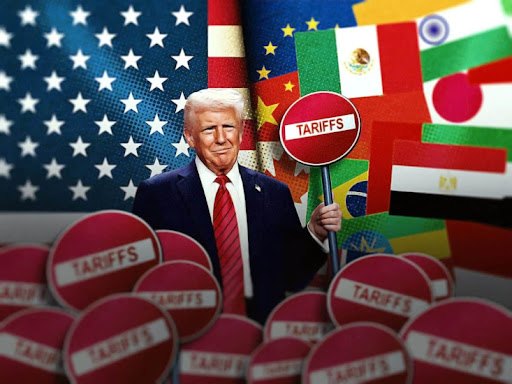
Strategic Council Online – Interview: An economist and university faculty member stated that the temporary agreement between the U.S. and China to reduce trade tariffs, recently announced in Geneva, is a turning point in easing trade tensions between the two largest economies in the world. This development, which led to positive reactions in global markets and a rise in economic indicators, has indirect consequences for Iran’s economy.

أحدث الوظائف

Implications of the US-Saudi Nuclear Agreement

SCFR Online – Opinion: The new US-Saudi nuclear agreement, despite legal and political ambiguities, could alter previous non-proliferation standards in West Asia and intensify nuclear competition, ushering it into a new phase.

An Analysis of Recent Turkey-Israeli Regime Tensions

SCFR Online – Opinion: Recent developments in Syria indicate an intensification of strategic rivalry between Turkey and the Israeli regime, but mutual considerations and the role of the United States have limited the likelihood of direct war.

Increasing criticism of the extensive Zionist lobby network

SCFR Online – Opinion: An examination of the mechanisms of the Israeli regime’s influence in the United States depicts a complex picture of shared interests, strategic dependencies, and the limitations of this relationship.

Realities of the Tripartite Makkah Pact

SCFR Online – Interview: The signing of the Makkah agreement between Saudi Arabia, Pakistan, and Turkey has raised questions about the future of the region’s security structure and the position of these countries in West Asian equations. Can this agreement become a genuine collective defense mechanism, or does it have more of a political and deterrent function than creating new military capacity?

Strategic Implications of the Reduction of US Weapons Stockpiles

SCFR Online – Opinion: The continuation of the US war against Iran, in addition to increasing operational costs, has called into question the actual capacity of the American arsenal to simultaneously fulfill security commitments on multiple fronts; an issue that affects deterrence, defense production capacity, and Washington’s resource prioritization.

The Formation of a New Order in Relations Between Powers

SCFR Online – Opinion: The Russia-Ukraine war and the war of the United States and the Israeli regime against Iran have been formed with different objectives and actors, but field and political developments indicate that they are not entirely separate from one another.

An Analysis of the Makkah Defense Pact

SCFR Online – Opinion: On Friday, August 7, the heads of state of three countries – Saudi Arabia, Turkey, and Pakistan – signed a text under the title “Makkah Joint Defense Agreement.”

Loading

Top News

The Necessity of Vigilance in Confronting the Zionist Regime’s Deception

The Necessity of Vigilance in Confronting the Zionist Regime’s Deception

Strategic Council Online – Opinion: The Zionist regime, which enjoyed the comprehensive support of the United States in its recent aggression against Iran, initially believed that with the surprise in the early days, the war would end quickly and the Islamic Republic of Iran would be defeated. However, contrary to the calculations of the regime and the White House, Iran immediately seized the initiative and, in response to the attacks and aggression of the Zionist regime and in self-defense, inflicted irreparable blows on this regime. As a result, the regime was ultimately scrambling to stop the attacks.

The Necessity of Assessing the Zionist Regime’s Aggression and Utilizing the Emergence of New Opportunities

The Necessity of Assessing the Zionist Regime’s Aggression and Utilizing the Emergence of New Opportunities

Strategic Council Online– Opinion: In recent weeks, we witnessed how the Israeli regime disrupted the peace-seeking negotiations between our country’s officials and the U.S., and out of concern that diplomatic agreements might not secure its interests and objectives, it launched an aggressive attack on our soil. This regime, which had convinced Donald Trump to withdraw from the JCPOA in 2018, also persuaded him in this attack to cover up the weaknesses of the Israeli regime and, using its superior military equipment, target Iran’s nuclear facilities, which were under the supervision of the International Atomic Energy Agency.

Ukraine’s Permission to Use Long-Range Weapons; Europe’s New Alignment Against Russia

Ukraine’s Permission to Use Long-Range Weapons; Europe’s New Alignment Against Russia

Strategic Council–Online – Interview: A European affairs expert stated that German Chancellor Friedrich Merz recently announced that Western allies would no longer impose any restrictions on Ukraine’s use of long-range weapons against Russian military targets. Following the decision by European countries, the question arises as to why this decision was made at this stage and what consequences it will have.

Impact of Operation Cobweb on the Future Course of the Ukraine War

Impact of Operation Cobweb on the Future Course of the Ukraine War

Strategic Council Online – Interview: While Donald Trump, the President of the United States, was pressuring the parties involved in the Ukraine war to initiate negotiations to end the conflict, Operation Cobweb emerged as an unexpected development that transformed the dynamics of this war. This operation, which led to the destruction of several Russian strategic Tu-22M3 bombers, has raised questions about the future of negotiations, the escalation of tensions, and its strategic implications for Russia’s foreign policy and relations with NATO.

Europe’s New Security Strategy Aimed at Defense Self-Sufficiency

Europe’s New Security Strategy Aimed at Defense Self-Sufficiency

Strategic Council Online – Opinion: On June 2, 2025, the Council of the European Union took an unprecedented step toward strengthening Europe’s military self-sufficiency by officially approving a new defense fund worth 150 billion euros. This decision, made after decades of institutional debate and effort in common security policy, is now regarded not merely as a technical or budgetary initiative but as a reflection of a paradigm shift in Europe’s strategic outlook on its security future.

Impact of the U.S.-China Tariff War on Iran’s Economy

Impact of the U.S.-China Tariff War on Iran’s Economy

Strategic Council Online – Interview: An economist and university faculty member stated that the temporary agreement between the U.S. and China to reduce trade tariffs, recently announced in Geneva, is a turning point in easing trade tensions between the two largest economies in the world. This development, which led to positive reactions in global markets and a rise in economic indicators, has indirect consequences for Iran’s economy.

Top News

The Necessity of Vigilance in Confronting the Zionist Regime’s Deception

The Necessity of Vigilance in Confronting the Zionist Regime’s Deception

Strategic Council Online – Opinion: The Zionist regime, which enjoyed the comprehensive support of the United States in its recent aggression against Iran, initially believed that with the surprise in the early days, the war would end quickly and the Islamic Republic of Iran would be defeated. However, contrary to the calculations of the regime and the White House, Iran immediately seized the initiative and, in response to the attacks and aggression of the Zionist regime and in self-defense, inflicted irreparable blows on this regime. As a result, the regime was ultimately scrambling to stop the attacks.

The Necessity of Assessing the Zionist Regime’s Aggression and Utilizing the Emergence of New Opportunities

The Necessity of Assessing the Zionist Regime’s Aggression and Utilizing the Emergence of New Opportunities

Strategic Council Online– Opinion: In recent weeks, we witnessed how the Israeli regime disrupted the peace-seeking negotiations between our country’s officials and the U.S., and out of concern that diplomatic agreements might not secure its interests and objectives, it launched an aggressive attack on our soil. This regime, which had convinced Donald Trump to withdraw from the JCPOA in 2018, also persuaded him in this attack to cover up the weaknesses of the Israeli regime and, using its superior military equipment, target Iran’s nuclear facilities, which were under the supervision of the International Atomic Energy Agency.

Ukraine’s Permission to Use Long-Range Weapons; Europe’s New Alignment Against Russia

Ukraine’s Permission to Use Long-Range Weapons; Europe’s New Alignment Against Russia

Strategic Council–Online – Interview: A European affairs expert stated that German Chancellor Friedrich Merz recently announced that Western allies would no longer impose any restrictions on Ukraine’s use of long-range weapons against Russian military targets. Following the decision by European countries, the question arises as to why this decision was made at this stage and what consequences it will have.

Impact of Operation Cobweb on the Future Course of the Ukraine War

Impact of Operation Cobweb on the Future Course of the Ukraine War

Strategic Council Online – Interview: While Donald Trump, the President of the United States, was pressuring the parties involved in the Ukraine war to initiate negotiations to end the conflict, Operation Cobweb emerged as an unexpected development that transformed the dynamics of this war. This operation, which led to the destruction of several Russian strategic Tu-22M3 bombers, has raised questions about the future of negotiations, the escalation of tensions, and its strategic implications for Russia’s foreign policy and relations with NATO.

Europe’s New Security Strategy Aimed at Defense Self-Sufficiency

Europe’s New Security Strategy Aimed at Defense Self-Sufficiency

Strategic Council Online – Opinion: On June 2, 2025, the Council of the European Union took an unprecedented step toward strengthening Europe’s military self-sufficiency by officially approving a new defense fund worth 150 billion euros. This decision, made after decades of institutional debate and effort in common security policy, is now regarded not merely as a technical or budgetary initiative but as a reflection of a paradigm shift in Europe’s strategic outlook on its security future.

Impact of the U.S.-China Tariff War on Iran’s Economy

Impact of the U.S.-China Tariff War on Iran’s Economy

Strategic Council Online – Interview: An economist and university faculty member stated that the temporary agreement between the U.S. and China to reduce trade tariffs, recently announced in Geneva, is a turning point in easing trade tensions between the two largest economies in the world. This development, which led to positive reactions in global markets and a rise in economic indicators, has indirect consequences for Iran’s economy.

LATEST CONTENT

Implications of the US-Saudi Nuclear Agreement

SCFR Online – Opinion: The new US-Saudi nuclear agreement, despite legal and political ambiguities, could alter previous non-proliferation standards in West Asia and intensify nuclear competition, ushering it into a new phase.

An Analysis of Recent Turkey-Israeli Regime Tensions

SCFR Online – Opinion: Recent developments in Syria indicate an intensification of strategic rivalry between Turkey and the Israeli regime, but mutual considerations and the role of the United States have limited the likelihood of direct war.

Increasing criticism of the extensive Zionist lobby network

SCFR Online – Opinion: An examination of the mechanisms of the Israeli regime’s influence in the United States depicts a complex picture of shared interests, strategic dependencies, and the limitations of this relationship.

Realities of the Tripartite Makkah Pact

SCFR Online – Interview: The signing of the Makkah agreement between Saudi Arabia, Pakistan, and Turkey has raised questions about the future of the region’s security structure and the position of these countries in West Asian equations. Can this agreement become a genuine collective defense mechanism, or does it have more of a political and deterrent function than creating new military capacity?

Strategic Implications of the Reduction of US Weapons Stockpiles

SCFR Online – Opinion: The continuation of the US war against Iran, in addition to increasing operational costs, has called into question the actual capacity of the American arsenal to simultaneously fulfill security commitments on multiple fronts; an issue that affects deterrence, defense production capacity, and Washington’s resource prioritization.

The Formation of a New Order in Relations Between Powers

SCFR Online – Opinion: The Russia-Ukraine war and the war of the United States and the Israeli regime against Iran have been formed with different objectives and actors, but field and political developments indicate that they are not entirely separate from one another.

An Analysis of the Makkah Defense Pact

SCFR Online – Opinion: On Friday, August 7, the heads of state of three countries – Saudi Arabia, Turkey, and Pakistan – signed a text under the title “Makkah Joint Defense Agreement.”

Loading

Top News

The Necessity of Vigilance in Confronting the Zionist Regime’s Deception

The Necessity of Vigilance in Confronting the Zionist Regime’s Deception

Strategic Council Online – Opinion: The Zionist regime, which enjoyed the comprehensive support of the United States in its recent aggression against Iran, initially believed that with the surprise in the early days, the war would end quickly and the Islamic Republic of Iran would be defeated. However, contrary to the calculations of the regime and the White House, Iran immediately seized the initiative and, in response to the attacks and aggression of the Zionist regime and in self-defense, inflicted irreparable blows on this regime. As a result, the regime was ultimately scrambling to stop the attacks.

The Necessity of Assessing the Zionist Regime’s Aggression and Utilizing the Emergence of New Opportunities

The Necessity of Assessing the Zionist Regime’s Aggression and Utilizing the Emergence of New Opportunities

Strategic Council Online– Opinion: In recent weeks, we witnessed how the Israeli regime disrupted the peace-seeking negotiations between our country’s officials and the U.S., and out of concern that diplomatic agreements might not secure its interests and objectives, it launched an aggressive attack on our soil. This regime, which had convinced Donald Trump to withdraw from the JCPOA in 2018, also persuaded him in this attack to cover up the weaknesses of the Israeli regime and, using its superior military equipment, target Iran’s nuclear facilities, which were under the supervision of the International Atomic Energy Agency.

Ukraine’s Permission to Use Long-Range Weapons; Europe’s New Alignment Against Russia

Ukraine’s Permission to Use Long-Range Weapons; Europe’s New Alignment Against Russia

Strategic Council–Online – Interview: A European affairs expert stated that German Chancellor Friedrich Merz recently announced that Western allies would no longer impose any restrictions on Ukraine’s use of long-range weapons against Russian military targets. Following the decision by European countries, the question arises as to why this decision was made at this stage and what consequences it will have.

Impact of Operation Cobweb on the Future Course of the Ukraine War

Impact of Operation Cobweb on the Future Course of the Ukraine War

Strategic Council Online – Interview: While Donald Trump, the President of the United States, was pressuring the parties involved in the Ukraine war to initiate negotiations to end the conflict, Operation Cobweb emerged as an unexpected development that transformed the dynamics of this war. This operation, which led to the destruction of several Russian strategic Tu-22M3 bombers, has raised questions about the future of negotiations, the escalation of tensions, and its strategic implications for Russia’s foreign policy and relations with NATO.

Europe’s New Security Strategy Aimed at Defense Self-Sufficiency

Europe’s New Security Strategy Aimed at Defense Self-Sufficiency

Strategic Council Online – Opinion: On June 2, 2025, the Council of the European Union took an unprecedented step toward strengthening Europe’s military self-sufficiency by officially approving a new defense fund worth 150 billion euros. This decision, made after decades of institutional debate and effort in common security policy, is now regarded not merely as a technical or budgetary initiative but as a reflection of a paradigm shift in Europe’s strategic outlook on its security future.

Impact of the U.S.-China Tariff War on Iran’s Economy

Impact of the U.S.-China Tariff War on Iran’s Economy

Strategic Council Online – Interview: An economist and university faculty member stated that the temporary agreement between the U.S. and China to reduce trade tariffs, recently announced in Geneva, is a turning point in easing trade tensions between the two largest economies in the world. This development, which led to positive reactions in global markets and a rise in economic indicators, has indirect consequences for Iran’s economy.

ÚLTIMAS PUBLICACIONES

Implications of the US-Saudi Nuclear Agreement

SCFR Online – Opinion: The new US-Saudi nuclear agreement, despite legal and political ambiguities, could alter previous non-proliferation standards in West Asia and intensify nuclear competition, ushering it into a new phase.

An Analysis of Recent Turkey-Israeli Regime Tensions

SCFR Online – Opinion: Recent developments in Syria indicate an intensification of strategic rivalry between Turkey and the Israeli regime, but mutual considerations and the role of the United States have limited the likelihood of direct war.

Increasing criticism of the extensive Zionist lobby network

SCFR Online – Opinion: An examination of the mechanisms of the Israeli regime’s influence in the United States depicts a complex picture of shared interests, strategic dependencies, and the limitations of this relationship.

Realities of the Tripartite Makkah Pact

SCFR Online – Interview: The signing of the Makkah agreement between Saudi Arabia, Pakistan, and Turkey has raised questions about the future of the region’s security structure and the position of these countries in West Asian equations. Can this agreement become a genuine collective defense mechanism, or does it have more of a political and deterrent function than creating new military capacity?

Strategic Implications of the Reduction of US Weapons Stockpiles

SCFR Online – Opinion: The continuation of the US war against Iran, in addition to increasing operational costs, has called into question the actual capacity of the American arsenal to simultaneously fulfill security commitments on multiple fronts; an issue that affects deterrence, defense production capacity, and Washington’s resource prioritization.

The Formation of a New Order in Relations Between Powers

SCFR Online – Opinion: The Russia-Ukraine war and the war of the United States and the Israeli regime against Iran have been formed with different objectives and actors, but field and political developments indicate that they are not entirely separate from one another.

An Analysis of the Makkah Defense Pact

SCFR Online – Opinion: On Friday, August 7, the heads of state of three countries – Saudi Arabia, Turkey, and Pakistan – signed a text under the title “Makkah Joint Defense Agreement.”

Loading

Top News

The Necessity of Vigilance in Confronting the Zionist Regime’s Deception

The Necessity of Vigilance in Confronting the Zionist Regime’s Deception

Strategic Council Online – Opinion: The Zionist regime, which enjoyed the comprehensive support of the United States in its recent aggression against Iran, initially believed that with the surprise in the early days, the war would end quickly and the Islamic Republic of Iran would be defeated. However, contrary to the calculations of the regime and the White House, Iran immediately seized the initiative and, in response to the attacks and aggression of the Zionist regime and in self-defense, inflicted irreparable blows on this regime. As a result, the regime was ultimately scrambling to stop the attacks.

The Necessity of Assessing the Zionist Regime’s Aggression and Utilizing the Emergence of New Opportunities

The Necessity of Assessing the Zionist Regime’s Aggression and Utilizing the Emergence of New Opportunities

Strategic Council Online– Opinion: In recent weeks, we witnessed how the Israeli regime disrupted the peace-seeking negotiations between our country’s officials and the U.S., and out of concern that diplomatic agreements might not secure its interests and objectives, it launched an aggressive attack on our soil. This regime, which had convinced Donald Trump to withdraw from the JCPOA in 2018, also persuaded him in this attack to cover up the weaknesses of the Israeli regime and, using its superior military equipment, target Iran’s nuclear facilities, which were under the supervision of the International Atomic Energy Agency.

Ukraine’s Permission to Use Long-Range Weapons; Europe’s New Alignment Against Russia

Ukraine’s Permission to Use Long-Range Weapons; Europe’s New Alignment Against Russia

Strategic Council–Online – Interview: A European affairs expert stated that German Chancellor Friedrich Merz recently announced that Western allies would no longer impose any restrictions on Ukraine’s use of long-range weapons against Russian military targets. Following the decision by European countries, the question arises as to why this decision was made at this stage and what consequences it will have.

Impact of Operation Cobweb on the Future Course of the Ukraine War

Impact of Operation Cobweb on the Future Course of the Ukraine War

Strategic Council Online – Interview: While Donald Trump, the President of the United States, was pressuring the parties involved in the Ukraine war to initiate negotiations to end the conflict, Operation Cobweb emerged as an unexpected development that transformed the dynamics of this war. This operation, which led to the destruction of several Russian strategic Tu-22M3 bombers, has raised questions about the future of negotiations, the escalation of tensions, and its strategic implications for Russia’s foreign policy and relations with NATO.

Europe’s New Security Strategy Aimed at Defense Self-Sufficiency

Europe’s New Security Strategy Aimed at Defense Self-Sufficiency

Strategic Council Online – Opinion: On June 2, 2025, the Council of the European Union took an unprecedented step toward strengthening Europe’s military self-sufficiency by officially approving a new defense fund worth 150 billion euros. This decision, made after decades of institutional debate and effort in common security policy, is now regarded not merely as a technical or budgetary initiative but as a reflection of a paradigm shift in Europe’s strategic outlook on its security future.

Impact of the U.S.-China Tariff War on Iran’s Economy

Impact of the U.S.-China Tariff War on Iran’s Economy

Strategic Council Online – Interview: An economist and university faculty member stated that the temporary agreement between the U.S. and China to reduce trade tariffs, recently announced in Geneva, is a turning point in easing trade tensions between the two largest economies in the world. This development, which led to positive reactions in global markets and a rise in economic indicators, has indirect consequences for Iran’s economy.

ÚLTIMAS PUBLICACIONES

Implications of the US-Saudi Nuclear Agreement

SCFR Online – Opinion: The new US-Saudi nuclear agreement, despite legal and political ambiguities, could alter previous non-proliferation standards in West Asia and intensify nuclear competition, ushering it into a new phase.

An Analysis of Recent Turkey-Israeli Regime Tensions

SCFR Online – Opinion: Recent developments in Syria indicate an intensification of strategic rivalry between Turkey and the Israeli regime, but mutual considerations and the role of the United States have limited the likelihood of direct war.

Increasing criticism of the extensive Zionist lobby network

SCFR Online – Opinion: An examination of the mechanisms of the Israeli regime’s influence in the United States depicts a complex picture of shared interests, strategic dependencies, and the limitations of this relationship.

Realities of the Tripartite Makkah Pact

SCFR Online – Interview: The signing of the Makkah agreement between Saudi Arabia, Pakistan, and Turkey has raised questions about the future of the region’s security structure and the position of these countries in West Asian equations. Can this agreement become a genuine collective defense mechanism, or does it have more of a political and deterrent function than creating new military capacity?

Strategic Implications of the Reduction of US Weapons Stockpiles

SCFR Online – Opinion: The continuation of the US war against Iran, in addition to increasing operational costs, has called into question the actual capacity of the American arsenal to simultaneously fulfill security commitments on multiple fronts; an issue that affects deterrence, defense production capacity, and Washington’s resource prioritization.

The Formation of a New Order in Relations Between Powers

SCFR Online – Opinion: The Russia-Ukraine war and the war of the United States and the Israeli regime against Iran have been formed with different objectives and actors, but field and political developments indicate that they are not entirely separate from one another.

An Analysis of the Makkah Defense Pact

SCFR Online – Opinion: On Friday, August 7, the heads of state of three countries – Saudi Arabia, Turkey, and Pakistan – signed a text under the title “Makkah Joint Defense Agreement.”

Loading

Top News

The Necessity of Vigilance in Confronting the Zionist Regime’s Deception

The Necessity of Vigilance in Confronting the Zionist Regime’s Deception

Strategic Council Online – Opinion: The Zionist regime, which enjoyed the comprehensive support of the United States in its recent aggression against Iran, initially believed that with the surprise in the early days, the war would end quickly and the Islamic Republic of Iran would be defeated. However, contrary to the calculations of the regime and the White House, Iran immediately seized the initiative and, in response to the attacks and aggression of the Zionist regime and in self-defense, inflicted irreparable blows on this regime. As a result, the regime was ultimately scrambling to stop the attacks.

The Necessity of Assessing the Zionist Regime’s Aggression and Utilizing the Emergence of New Opportunities

The Necessity of Assessing the Zionist Regime’s Aggression and Utilizing the Emergence of New Opportunities

Strategic Council Online– Opinion: In recent weeks, we witnessed how the Israeli regime disrupted the peace-seeking negotiations between our country’s officials and the U.S., and out of concern that diplomatic agreements might not secure its interests and objectives, it launched an aggressive attack on our soil. This regime, which had convinced Donald Trump to withdraw from the JCPOA in 2018, also persuaded him in this attack to cover up the weaknesses of the Israeli regime and, using its superior military equipment, target Iran’s nuclear facilities, which were under the supervision of the International Atomic Energy Agency.

Ukraine’s Permission to Use Long-Range Weapons; Europe’s New Alignment Against Russia

Ukraine’s Permission to Use Long-Range Weapons; Europe’s New Alignment Against Russia

Strategic Council–Online – Interview: A European affairs expert stated that German Chancellor Friedrich Merz recently announced that Western allies would no longer impose any restrictions on Ukraine’s use of long-range weapons against Russian military targets. Following the decision by European countries, the question arises as to why this decision was made at this stage and what consequences it will have.

Impact of Operation Cobweb on the Future Course of the Ukraine War

Impact of Operation Cobweb on the Future Course of the Ukraine War

Strategic Council Online – Interview: While Donald Trump, the President of the United States, was pressuring the parties involved in the Ukraine war to initiate negotiations to end the conflict, Operation Cobweb emerged as an unexpected development that transformed the dynamics of this war. This operation, which led to the destruction of several Russian strategic Tu-22M3 bombers, has raised questions about the future of negotiations, the escalation of tensions, and its strategic implications for Russia’s foreign policy and relations with NATO.

Europe’s New Security Strategy Aimed at Defense Self-Sufficiency

Europe’s New Security Strategy Aimed at Defense Self-Sufficiency

Strategic Council Online – Opinion: On June 2, 2025, the Council of the European Union took an unprecedented step toward strengthening Europe’s military self-sufficiency by officially approving a new defense fund worth 150 billion euros. This decision, made after decades of institutional debate and effort in common security policy, is now regarded not merely as a technical or budgetary initiative but as a reflection of a paradigm shift in Europe’s strategic outlook on its security future.

Impact of the U.S.-China Tariff War on Iran’s Economy

Impact of the U.S.-China Tariff War on Iran’s Economy

Strategic Council Online – Interview: An economist and university faculty member stated that the temporary agreement between the U.S. and China to reduce trade tariffs, recently announced in Geneva, is a turning point in easing trade tensions between the two largest economies in the world. This development, which led to positive reactions in global markets and a rise in economic indicators, has indirect consequences for Iran’s economy.

ÚLTIMAS PUBLICACIONES

Implications of the US-Saudi Nuclear Agreement

SCFR Online – Opinion: The new US-Saudi nuclear agreement, despite legal and political ambiguities, could alter previous non-proliferation standards in West Asia and intensify nuclear competition, ushering it into a new phase.

An Analysis of Recent Turkey-Israeli Regime Tensions

SCFR Online – Opinion: Recent developments in Syria indicate an intensification of strategic rivalry between Turkey and the Israeli regime, but mutual considerations and the role of the United States have limited the likelihood of direct war.

Increasing criticism of the extensive Zionist lobby network

SCFR Online – Opinion: An examination of the mechanisms of the Israeli regime’s influence in the United States depicts a complex picture of shared interests, strategic dependencies, and the limitations of this relationship.

Realities of the Tripartite Makkah Pact

SCFR Online – Interview: The signing of the Makkah agreement between Saudi Arabia, Pakistan, and Turkey has raised questions about the future of the region’s security structure and the position of these countries in West Asian equations. Can this agreement become a genuine collective defense mechanism, or does it have more of a political and deterrent function than creating new military capacity?

Strategic Implications of the Reduction of US Weapons Stockpiles

SCFR Online – Opinion: The continuation of the US war against Iran, in addition to increasing operational costs, has called into question the actual capacity of the American arsenal to simultaneously fulfill security commitments on multiple fronts; an issue that affects deterrence, defense production capacity, and Washington’s resource prioritization.

The Formation of a New Order in Relations Between Powers

SCFR Online – Opinion: The Russia-Ukraine war and the war of the United States and the Israeli regime against Iran have been formed with different objectives and actors, but field and political developments indicate that they are not entirely separate from one another.

An Analysis of the Makkah Defense Pact

SCFR Online – Opinion: On Friday, August 7, the heads of state of three countries – Saudi Arabia, Turkey, and Pakistan – signed a text under the title “Makkah Joint Defense Agreement.”

Loading

Top News

The Necessity of Vigilance in Confronting the Zionist Regime’s Deception

The Necessity of Vigilance in Confronting the Zionist Regime’s Deception

Strategic Council Online – Opinion: The Zionist regime, which enjoyed the comprehensive support of the United States in its recent aggression against Iran, initially believed that with the surprise in the early days, the war would end quickly and the Islamic Republic of Iran would be defeated. However, contrary to the calculations of the regime and the White House, Iran immediately seized the initiative and, in response to the attacks and aggression of the Zionist regime and in self-defense, inflicted irreparable blows on this regime. As a result, the regime was ultimately scrambling to stop the attacks.

The Necessity of Assessing the Zionist Regime’s Aggression and Utilizing the Emergence of New Opportunities

The Necessity of Assessing the Zionist Regime’s Aggression and Utilizing the Emergence of New Opportunities

Strategic Council Online– Opinion: In recent weeks, we witnessed how the Israeli regime disrupted the peace-seeking negotiations between our country’s officials and the U.S., and out of concern that diplomatic agreements might not secure its interests and objectives, it launched an aggressive attack on our soil. This regime, which had convinced Donald Trump to withdraw from the JCPOA in 2018, also persuaded him in this attack to cover up the weaknesses of the Israeli regime and, using its superior military equipment, target Iran’s nuclear facilities, which were under the supervision of the International Atomic Energy Agency.

Ukraine’s Permission to Use Long-Range Weapons; Europe’s New Alignment Against Russia

Ukraine’s Permission to Use Long-Range Weapons; Europe’s New Alignment Against Russia

Strategic Council–Online – Interview: A European affairs expert stated that German Chancellor Friedrich Merz recently announced that Western allies would no longer impose any restrictions on Ukraine’s use of long-range weapons against Russian military targets. Following the decision by European countries, the question arises as to why this decision was made at this stage and what consequences it will have.

Impact of Operation Cobweb on the Future Course of the Ukraine War

Impact of Operation Cobweb on the Future Course of the Ukraine War

Strategic Council Online – Interview: While Donald Trump, the President of the United States, was pressuring the parties involved in the Ukraine war to initiate negotiations to end the conflict, Operation Cobweb emerged as an unexpected development that transformed the dynamics of this war. This operation, which led to the destruction of several Russian strategic Tu-22M3 bombers, has raised questions about the future of negotiations, the escalation of tensions, and its strategic implications for Russia’s foreign policy and relations with NATO.

Europe’s New Security Strategy Aimed at Defense Self-Sufficiency

Europe’s New Security Strategy Aimed at Defense Self-Sufficiency

Strategic Council Online – Opinion: On June 2, 2025, the Council of the European Union took an unprecedented step toward strengthening Europe’s military self-sufficiency by officially approving a new defense fund worth 150 billion euros. This decision, made after decades of institutional debate and effort in common security policy, is now regarded not merely as a technical or budgetary initiative but as a reflection of a paradigm shift in Europe’s strategic outlook on its security future.

Impact of the U.S.-China Tariff War on Iran’s Economy

Impact of the U.S.-China Tariff War on Iran’s Economy

Strategic Council Online – Interview: An economist and university faculty member stated that the temporary agreement between the U.S. and China to reduce trade tariffs, recently announced in Geneva, is a turning point in easing trade tensions between the two largest economies in the world. This development, which led to positive reactions in global markets and a rise in economic indicators, has indirect consequences for Iran’s economy.

ÚLTIMAS PUBLICACIONES

Implications of the US-Saudi Nuclear Agreement

SCFR Online – Opinion: The new US-Saudi nuclear agreement, despite legal and political ambiguities, could alter previous non-proliferation standards in West Asia and intensify nuclear competition, ushering it into a new phase.

An Analysis of Recent Turkey-Israeli Regime Tensions

SCFR Online – Opinion: Recent developments in Syria indicate an intensification of strategic rivalry between Turkey and the Israeli regime, but mutual considerations and the role of the United States have limited the likelihood of direct war.

Increasing criticism of the extensive Zionist lobby network

SCFR Online – Opinion: An examination of the mechanisms of the Israeli regime’s influence in the United States depicts a complex picture of shared interests, strategic dependencies, and the limitations of this relationship.

Realities of the Tripartite Makkah Pact

SCFR Online – Interview: The signing of the Makkah agreement between Saudi Arabia, Pakistan, and Turkey has raised questions about the future of the region’s security structure and the position of these countries in West Asian equations. Can this agreement become a genuine collective defense mechanism, or does it have more of a political and deterrent function than creating new military capacity?

Strategic Implications of the Reduction of US Weapons Stockpiles

SCFR Online – Opinion: The continuation of the US war against Iran, in addition to increasing operational costs, has called into question the actual capacity of the American arsenal to simultaneously fulfill security commitments on multiple fronts; an issue that affects deterrence, defense production capacity, and Washington’s resource prioritization.

The Formation of a New Order in Relations Between Powers

SCFR Online – Opinion: The Russia-Ukraine war and the war of the United States and the Israeli regime against Iran have been formed with different objectives and actors, but field and political developments indicate that they are not entirely separate from one another.

An Analysis of the Makkah Defense Pact

SCFR Online – Opinion: On Friday, August 7, the heads of state of three countries – Saudi Arabia, Turkey, and Pakistan – signed a text under the title “Makkah Joint Defense Agreement.”

Loading