جدیدترین مطالب

The Makkah Pact Under scrutiny; From the “Deterrence Dilemma” to the “Risk of Disrupting Security”

SCFR Online – Opinion: The Makkah Pact, signed on August 7, 2026, between Saudi Arabia, Turkey, and Pakistan, is more than an answer to geopolitical vacuums; in practice, it faces a “deterrence dilemma” and “differing threat perception.” While this pact symbolizes a transition toward regional self-reliance, its first field tests and the complexities of relations with regional actors will determine its real meaning.

Loading

Defense & Security

The United States Strategy toward the Strait of Hormuz in Confrontation with China’s Interests

The United States Strategy toward the Strait of Hormuz in Confrontation with China’s Interests

Strategic Council Online – Opinion: In the strategic geography of the global economy, certain regions attain such significance that they effectively become determining factors of the international order. The Strait of Hormuz is among these points; a narrow yet vital passage through which a considerable portion of the world’s energy transits, and whose stability is directly intertwined with the interests and economic security of many countries. However, the importance of the Strait of Hormuz is not limited solely to the volume of energy passing through it. This strait is also a stage upon which the limitations and challenges of great power politics are revealed. From China’s perspective, the policy of the United States regarding the security of this strategic chokepoint, rather than reflecting a stable order, demonstrates a set of contradictions and strategic difficulties that Washington faces in managing the regional order.

Purging the US Military for Full Alignment with Trump

Purging the US Military for Full Alignment with Trump

SCFR Online – Interview: Over the past month, profound and unusual developments have occurred within the military structure of the United States, which many analysts attribute to the policies of “Pete Hegseth,” the US Secretary of War.

Iran’s Strategy for Depleting Enemy Ammunition Stockpiles

Iran’s Strategy for Depleting Enemy Ammunition Stockpiles

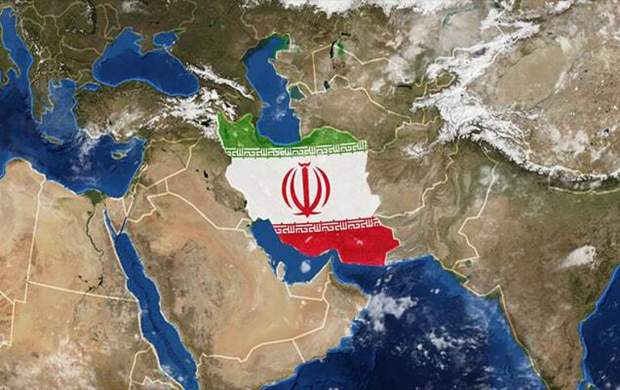
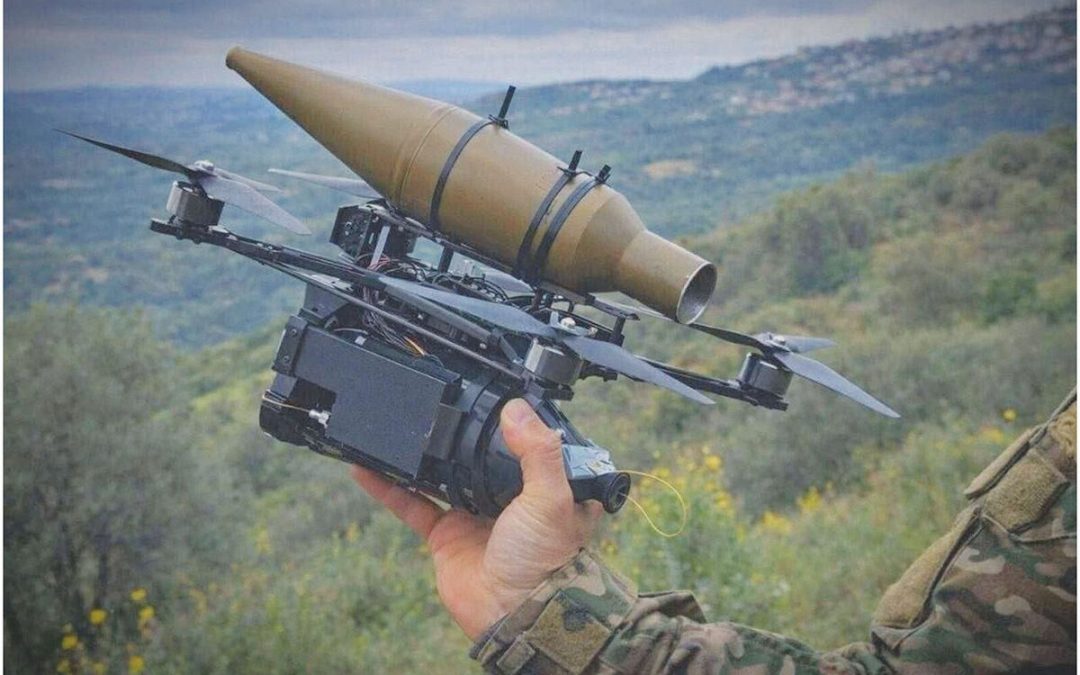
SCFR Online – Report: The British think tank RUSI, in an analysis noting that during the first 16 days of the US and Zionist regime’s war against Iran, the aggressors have consumed more than 11,294 units of various munitions worth an estimated $26 billion, has emphasized that data indicates Iran’s strategic strengths have shifted the war equation in Tehran’s favor. This report examines these strengths.

A Geopolitical Trap for Trump: The Outcome of a Potential Ground Operation Against Iran—Political Suicide and Economic Catastrophe

A Geopolitical Trap for Trump: The Outcome of a Potential Ground Operation Against Iran—Political Suicide and Economic Catastrophe

SCFR Online – Report: The joint US-Zionist regime attack on Iran has placed Washington on the verge of one of its most sensitive strategic decisions. Donald Trump, who had previously presented intervention in Venezuela as a successful model for exerting pressure on more steadfast adversaries, now faces the temptation of replicating this model vis-à-vis Iran.

The Arctic; From Geographical Freezing to Geopolitical Boiling

The Arctic; From Geographical Freezing to Geopolitical Boiling

Strategic Council Online – Opinion: The Arctic is no longer a frozen, remote periphery; it has become a live theater of great-power competition, where sea routes, port infrastructure, the law of the sea, and military deterrence are intertwined, shaping the future of maritime security.

The Security Equation of Southern Lebanon for the Zionist Regime

The Security Equation of Southern Lebanon for the Zionist Regime

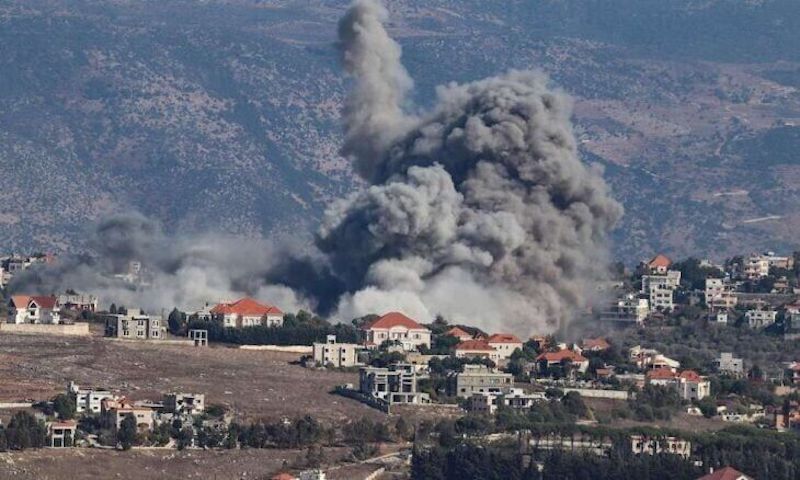
Strategic Council Online – Opinion: American-Zionist objectives in the region are not limited to weakening Hezbollah. Efforts to disarm Iraqi resistance groups such as Kata’ib Hezbollah and the Popular Mobilization Forces are also part of their subsequent plans.

America’s Strategy for Creating Tension in the Asia-Pacific

America’s Strategy for Creating Tension in the Asia-Pacific

Strategic Council Online – Opinion: Relations between some countries in the Asia-Pacific region, such as China and Japan or China and Australia, which were previously relatively normal, are trending towards deterioration, and the primary reason for this is the aggressive policies of the United States of America.

أحدث الوظائف

The Makkah Pact Under scrutiny; From the “Deterrence Dilemma” to the “Risk of Disrupting Security”

SCFR Online – Opinion: The Makkah Pact, signed on August 7, 2026, between Saudi Arabia, Turkey, and Pakistan, is more than an answer to geopolitical vacuums; in practice, it faces a “deterrence dilemma” and “differing threat perception.” While this pact symbolizes a transition toward regional self-reliance, its first field tests and the complexities of relations with regional actors will determine its real meaning.

Loading

Defense & Security

The United States Strategy toward the Strait of Hormuz in Confrontation with China’s Interests

The United States Strategy toward the Strait of Hormuz in Confrontation with China’s Interests

Strategic Council Online – Opinion: In the strategic geography of the global economy, certain regions attain such significance that they effectively become determining factors of the international order. The Strait of Hormuz is among these points; a narrow yet vital passage through which a considerable portion of the world’s energy transits, and whose stability is directly intertwined with the interests and economic security of many countries. However, the importance of the Strait of Hormuz is not limited solely to the volume of energy passing through it. This strait is also a stage upon which the limitations and challenges of great power politics are revealed. From China’s perspective, the policy of the United States regarding the security of this strategic chokepoint, rather than reflecting a stable order, demonstrates a set of contradictions and strategic difficulties that Washington faces in managing the regional order.

Purging the US Military for Full Alignment with Trump

Purging the US Military for Full Alignment with Trump

SCFR Online – Interview: Over the past month, profound and unusual developments have occurred within the military structure of the United States, which many analysts attribute to the policies of “Pete Hegseth,” the US Secretary of War.

Iran’s Strategy for Depleting Enemy Ammunition Stockpiles

Iran’s Strategy for Depleting Enemy Ammunition Stockpiles

SCFR Online – Report: The British think tank RUSI, in an analysis noting that during the first 16 days of the US and Zionist regime’s war against Iran, the aggressors have consumed more than 11,294 units of various munitions worth an estimated $26 billion, has emphasized that data indicates Iran’s strategic strengths have shifted the war equation in Tehran’s favor. This report examines these strengths.

A Geopolitical Trap for Trump: The Outcome of a Potential Ground Operation Against Iran—Political Suicide and Economic Catastrophe

A Geopolitical Trap for Trump: The Outcome of a Potential Ground Operation Against Iran—Political Suicide and Economic Catastrophe

SCFR Online – Report: The joint US-Zionist regime attack on Iran has placed Washington on the verge of one of its most sensitive strategic decisions. Donald Trump, who had previously presented intervention in Venezuela as a successful model for exerting pressure on more steadfast adversaries, now faces the temptation of replicating this model vis-à-vis Iran.

The Arctic; From Geographical Freezing to Geopolitical Boiling

The Arctic; From Geographical Freezing to Geopolitical Boiling

Strategic Council Online – Opinion: The Arctic is no longer a frozen, remote periphery; it has become a live theater of great-power competition, where sea routes, port infrastructure, the law of the sea, and military deterrence are intertwined, shaping the future of maritime security.

The Security Equation of Southern Lebanon for the Zionist Regime

The Security Equation of Southern Lebanon for the Zionist Regime

Strategic Council Online – Opinion: American-Zionist objectives in the region are not limited to weakening Hezbollah. Efforts to disarm Iraqi resistance groups such as Kata’ib Hezbollah and the Popular Mobilization Forces are also part of their subsequent plans.

America’s Strategy for Creating Tension in the Asia-Pacific

America’s Strategy for Creating Tension in the Asia-Pacific

Strategic Council Online – Opinion: Relations between some countries in the Asia-Pacific region, such as China and Japan or China and Australia, which were previously relatively normal, are trending towards deterioration, and the primary reason for this is the aggressive policies of the United States of America.

Defense & Security

The United States Strategy toward the Strait of Hormuz in Confrontation with China’s Interests

The United States Strategy toward the Strait of Hormuz in Confrontation with China’s Interests

Strategic Council Online – Opinion: In the strategic geography of the global economy, certain regions attain such significance that they effectively become determining factors of the international order. The Strait of Hormuz is among these points; a narrow yet vital passage through which a considerable portion of the world’s energy transits, and whose stability is directly intertwined with the interests and economic security of many countries. However, the importance of the Strait of Hormuz is not limited solely to the volume of energy passing through it. This strait is also a stage upon which the limitations and challenges of great power politics are revealed. From China’s perspective, the policy of the United States regarding the security of this strategic chokepoint, rather than reflecting a stable order, demonstrates a set of contradictions and strategic difficulties that Washington faces in managing the regional order.

Purging the US Military for Full Alignment with Trump

Purging the US Military for Full Alignment with Trump

SCFR Online – Interview: Over the past month, profound and unusual developments have occurred within the military structure of the United States, which many analysts attribute to the policies of “Pete Hegseth,” the US Secretary of War.

Iran’s Strategy for Depleting Enemy Ammunition Stockpiles

Iran’s Strategy for Depleting Enemy Ammunition Stockpiles

SCFR Online – Report: The British think tank RUSI, in an analysis noting that during the first 16 days of the US and Zionist regime’s war against Iran, the aggressors have consumed more than 11,294 units of various munitions worth an estimated $26 billion, has emphasized that data indicates Iran’s strategic strengths have shifted the war equation in Tehran’s favor. This report examines these strengths.

A Geopolitical Trap for Trump: The Outcome of a Potential Ground Operation Against Iran—Political Suicide and Economic Catastrophe

A Geopolitical Trap for Trump: The Outcome of a Potential Ground Operation Against Iran—Political Suicide and Economic Catastrophe

SCFR Online – Report: The joint US-Zionist regime attack on Iran has placed Washington on the verge of one of its most sensitive strategic decisions. Donald Trump, who had previously presented intervention in Venezuela as a successful model for exerting pressure on more steadfast adversaries, now faces the temptation of replicating this model vis-à-vis Iran.

The Arctic; From Geographical Freezing to Geopolitical Boiling

The Arctic; From Geographical Freezing to Geopolitical Boiling

Strategic Council Online – Opinion: The Arctic is no longer a frozen, remote periphery; it has become a live theater of great-power competition, where sea routes, port infrastructure, the law of the sea, and military deterrence are intertwined, shaping the future of maritime security.

The Security Equation of Southern Lebanon for the Zionist Regime

The Security Equation of Southern Lebanon for the Zionist Regime

Strategic Council Online – Opinion: American-Zionist objectives in the region are not limited to weakening Hezbollah. Efforts to disarm Iraqi resistance groups such as Kata’ib Hezbollah and the Popular Mobilization Forces are also part of their subsequent plans.

America’s Strategy for Creating Tension in the Asia-Pacific

America’s Strategy for Creating Tension in the Asia-Pacific

Strategic Council Online – Opinion: Relations between some countries in the Asia-Pacific region, such as China and Japan or China and Australia, which were previously relatively normal, are trending towards deterioration, and the primary reason for this is the aggressive policies of the United States of America.

LATEST CONTENT

The Makkah Pact Under scrutiny; From the “Deterrence Dilemma” to the “Risk of Disrupting Security”

SCFR Online – Opinion: The Makkah Pact, signed on August 7, 2026, between Saudi Arabia, Turkey, and Pakistan, is more than an answer to geopolitical vacuums; in practice, it faces a “deterrence dilemma” and “differing threat perception.” While this pact symbolizes a transition toward regional self-reliance, its first field tests and the complexities of relations with regional actors will determine its real meaning.

Loading

Defense & Security

The United States Strategy toward the Strait of Hormuz in Confrontation with China’s Interests

The United States Strategy toward the Strait of Hormuz in Confrontation with China’s Interests

Strategic Council Online – Opinion: In the strategic geography of the global economy, certain regions attain such significance that they effectively become determining factors of the international order. The Strait of Hormuz is among these points; a narrow yet vital passage through which a considerable portion of the world’s energy transits, and whose stability is directly intertwined with the interests and economic security of many countries. However, the importance of the Strait of Hormuz is not limited solely to the volume of energy passing through it. This strait is also a stage upon which the limitations and challenges of great power politics are revealed. From China’s perspective, the policy of the United States regarding the security of this strategic chokepoint, rather than reflecting a stable order, demonstrates a set of contradictions and strategic difficulties that Washington faces in managing the regional order.

Purging the US Military for Full Alignment with Trump

Purging the US Military for Full Alignment with Trump

SCFR Online – Interview: Over the past month, profound and unusual developments have occurred within the military structure of the United States, which many analysts attribute to the policies of “Pete Hegseth,” the US Secretary of War.

Iran’s Strategy for Depleting Enemy Ammunition Stockpiles

Iran’s Strategy for Depleting Enemy Ammunition Stockpiles

SCFR Online – Report: The British think tank RUSI, in an analysis noting that during the first 16 days of the US and Zionist regime’s war against Iran, the aggressors have consumed more than 11,294 units of various munitions worth an estimated $26 billion, has emphasized that data indicates Iran’s strategic strengths have shifted the war equation in Tehran’s favor. This report examines these strengths.

A Geopolitical Trap for Trump: The Outcome of a Potential Ground Operation Against Iran—Political Suicide and Economic Catastrophe

A Geopolitical Trap for Trump: The Outcome of a Potential Ground Operation Against Iran—Political Suicide and Economic Catastrophe

SCFR Online – Report: The joint US-Zionist regime attack on Iran has placed Washington on the verge of one of its most sensitive strategic decisions. Donald Trump, who had previously presented intervention in Venezuela as a successful model for exerting pressure on more steadfast adversaries, now faces the temptation of replicating this model vis-à-vis Iran.

The Arctic; From Geographical Freezing to Geopolitical Boiling

The Arctic; From Geographical Freezing to Geopolitical Boiling

Strategic Council Online – Opinion: The Arctic is no longer a frozen, remote periphery; it has become a live theater of great-power competition, where sea routes, port infrastructure, the law of the sea, and military deterrence are intertwined, shaping the future of maritime security.

The Security Equation of Southern Lebanon for the Zionist Regime

The Security Equation of Southern Lebanon for the Zionist Regime

Strategic Council Online – Opinion: American-Zionist objectives in the region are not limited to weakening Hezbollah. Efforts to disarm Iraqi resistance groups such as Kata’ib Hezbollah and the Popular Mobilization Forces are also part of their subsequent plans.

America’s Strategy for Creating Tension in the Asia-Pacific

America’s Strategy for Creating Tension in the Asia-Pacific

Strategic Council Online – Opinion: Relations between some countries in the Asia-Pacific region, such as China and Japan or China and Australia, which were previously relatively normal, are trending towards deterioration, and the primary reason for this is the aggressive policies of the United States of America.

ÚLTIMAS PUBLICACIONES

The Makkah Pact Under scrutiny; From the “Deterrence Dilemma” to the “Risk of Disrupting Security”

SCFR Online – Opinion: The Makkah Pact, signed on August 7, 2026, between Saudi Arabia, Turkey, and Pakistan, is more than an answer to geopolitical vacuums; in practice, it faces a “deterrence dilemma” and “differing threat perception.” While this pact symbolizes a transition toward regional self-reliance, its first field tests and the complexities of relations with regional actors will determine its real meaning.

Loading

Defense & Security

The United States Strategy toward the Strait of Hormuz in Confrontation with China’s Interests

The United States Strategy toward the Strait of Hormuz in Confrontation with China’s Interests

Strategic Council Online – Opinion: In the strategic geography of the global economy, certain regions attain such significance that they effectively become determining factors of the international order. The Strait of Hormuz is among these points; a narrow yet vital passage through which a considerable portion of the world’s energy transits, and whose stability is directly intertwined with the interests and economic security of many countries. However, the importance of the Strait of Hormuz is not limited solely to the volume of energy passing through it. This strait is also a stage upon which the limitations and challenges of great power politics are revealed. From China’s perspective, the policy of the United States regarding the security of this strategic chokepoint, rather than reflecting a stable order, demonstrates a set of contradictions and strategic difficulties that Washington faces in managing the regional order.

Purging the US Military for Full Alignment with Trump

Purging the US Military for Full Alignment with Trump

SCFR Online – Interview: Over the past month, profound and unusual developments have occurred within the military structure of the United States, which many analysts attribute to the policies of “Pete Hegseth,” the US Secretary of War.

Iran’s Strategy for Depleting Enemy Ammunition Stockpiles

Iran’s Strategy for Depleting Enemy Ammunition Stockpiles

SCFR Online – Report: The British think tank RUSI, in an analysis noting that during the first 16 days of the US and Zionist regime’s war against Iran, the aggressors have consumed more than 11,294 units of various munitions worth an estimated $26 billion, has emphasized that data indicates Iran’s strategic strengths have shifted the war equation in Tehran’s favor. This report examines these strengths.

A Geopolitical Trap for Trump: The Outcome of a Potential Ground Operation Against Iran—Political Suicide and Economic Catastrophe

A Geopolitical Trap for Trump: The Outcome of a Potential Ground Operation Against Iran—Political Suicide and Economic Catastrophe

SCFR Online – Report: The joint US-Zionist regime attack on Iran has placed Washington on the verge of one of its most sensitive strategic decisions. Donald Trump, who had previously presented intervention in Venezuela as a successful model for exerting pressure on more steadfast adversaries, now faces the temptation of replicating this model vis-à-vis Iran.

The Arctic; From Geographical Freezing to Geopolitical Boiling

The Arctic; From Geographical Freezing to Geopolitical Boiling

Strategic Council Online – Opinion: The Arctic is no longer a frozen, remote periphery; it has become a live theater of great-power competition, where sea routes, port infrastructure, the law of the sea, and military deterrence are intertwined, shaping the future of maritime security.

The Security Equation of Southern Lebanon for the Zionist Regime

The Security Equation of Southern Lebanon for the Zionist Regime

Strategic Council Online – Opinion: American-Zionist objectives in the region are not limited to weakening Hezbollah. Efforts to disarm Iraqi resistance groups such as Kata’ib Hezbollah and the Popular Mobilization Forces are also part of their subsequent plans.

America’s Strategy for Creating Tension in the Asia-Pacific

America’s Strategy for Creating Tension in the Asia-Pacific

Strategic Council Online – Opinion: Relations between some countries in the Asia-Pacific region, such as China and Japan or China and Australia, which were previously relatively normal, are trending towards deterioration, and the primary reason for this is the aggressive policies of the United States of America.

ÚLTIMAS PUBLICACIONES

The Makkah Pact Under scrutiny; From the “Deterrence Dilemma” to the “Risk of Disrupting Security”

SCFR Online – Opinion: The Makkah Pact, signed on August 7, 2026, between Saudi Arabia, Turkey, and Pakistan, is more than an answer to geopolitical vacuums; in practice, it faces a “deterrence dilemma” and “differing threat perception.” While this pact symbolizes a transition toward regional self-reliance, its first field tests and the complexities of relations with regional actors will determine its real meaning.

Loading

Defense & Security

The United States Strategy toward the Strait of Hormuz in Confrontation with China’s Interests

The United States Strategy toward the Strait of Hormuz in Confrontation with China’s Interests

Strategic Council Online – Opinion: In the strategic geography of the global economy, certain regions attain such significance that they effectively become determining factors of the international order. The Strait of Hormuz is among these points; a narrow yet vital passage through which a considerable portion of the world’s energy transits, and whose stability is directly intertwined with the interests and economic security of many countries. However, the importance of the Strait of Hormuz is not limited solely to the volume of energy passing through it. This strait is also a stage upon which the limitations and challenges of great power politics are revealed. From China’s perspective, the policy of the United States regarding the security of this strategic chokepoint, rather than reflecting a stable order, demonstrates a set of contradictions and strategic difficulties that Washington faces in managing the regional order.

Purging the US Military for Full Alignment with Trump

Purging the US Military for Full Alignment with Trump

SCFR Online – Interview: Over the past month, profound and unusual developments have occurred within the military structure of the United States, which many analysts attribute to the policies of “Pete Hegseth,” the US Secretary of War.

Iran’s Strategy for Depleting Enemy Ammunition Stockpiles

Iran’s Strategy for Depleting Enemy Ammunition Stockpiles

SCFR Online – Report: The British think tank RUSI, in an analysis noting that during the first 16 days of the US and Zionist regime’s war against Iran, the aggressors have consumed more than 11,294 units of various munitions worth an estimated $26 billion, has emphasized that data indicates Iran’s strategic strengths have shifted the war equation in Tehran’s favor. This report examines these strengths.

A Geopolitical Trap for Trump: The Outcome of a Potential Ground Operation Against Iran—Political Suicide and Economic Catastrophe

A Geopolitical Trap for Trump: The Outcome of a Potential Ground Operation Against Iran—Political Suicide and Economic Catastrophe

SCFR Online – Report: The joint US-Zionist regime attack on Iran has placed Washington on the verge of one of its most sensitive strategic decisions. Donald Trump, who had previously presented intervention in Venezuela as a successful model for exerting pressure on more steadfast adversaries, now faces the temptation of replicating this model vis-à-vis Iran.

The Arctic; From Geographical Freezing to Geopolitical Boiling

The Arctic; From Geographical Freezing to Geopolitical Boiling

Strategic Council Online – Opinion: The Arctic is no longer a frozen, remote periphery; it has become a live theater of great-power competition, where sea routes, port infrastructure, the law of the sea, and military deterrence are intertwined, shaping the future of maritime security.

The Security Equation of Southern Lebanon for the Zionist Regime

The Security Equation of Southern Lebanon for the Zionist Regime

Strategic Council Online – Opinion: American-Zionist objectives in the region are not limited to weakening Hezbollah. Efforts to disarm Iraqi resistance groups such as Kata’ib Hezbollah and the Popular Mobilization Forces are also part of their subsequent plans.

America’s Strategy for Creating Tension in the Asia-Pacific

America’s Strategy for Creating Tension in the Asia-Pacific

Strategic Council Online – Opinion: Relations between some countries in the Asia-Pacific region, such as China and Japan or China and Australia, which were previously relatively normal, are trending towards deterioration, and the primary reason for this is the aggressive policies of the United States of America.

ÚLTIMAS PUBLICACIONES

The Makkah Pact Under scrutiny; From the “Deterrence Dilemma” to the “Risk of Disrupting Security”

SCFR Online – Opinion: The Makkah Pact, signed on August 7, 2026, between Saudi Arabia, Turkey, and Pakistan, is more than an answer to geopolitical vacuums; in practice, it faces a “deterrence dilemma” and “differing threat perception.” While this pact symbolizes a transition toward regional self-reliance, its first field tests and the complexities of relations with regional actors will determine its real meaning.

Loading

Defense & Security

The United States Strategy toward the Strait of Hormuz in Confrontation with China’s Interests

The United States Strategy toward the Strait of Hormuz in Confrontation with China’s Interests

Strategic Council Online – Opinion: In the strategic geography of the global economy, certain regions attain such significance that they effectively become determining factors of the international order. The Strait of Hormuz is among these points; a narrow yet vital passage through which a considerable portion of the world’s energy transits, and whose stability is directly intertwined with the interests and economic security of many countries. However, the importance of the Strait of Hormuz is not limited solely to the volume of energy passing through it. This strait is also a stage upon which the limitations and challenges of great power politics are revealed. From China’s perspective, the policy of the United States regarding the security of this strategic chokepoint, rather than reflecting a stable order, demonstrates a set of contradictions and strategic difficulties that Washington faces in managing the regional order.

Purging the US Military for Full Alignment with Trump

Purging the US Military for Full Alignment with Trump

SCFR Online – Interview: Over the past month, profound and unusual developments have occurred within the military structure of the United States, which many analysts attribute to the policies of “Pete Hegseth,” the US Secretary of War.

Iran’s Strategy for Depleting Enemy Ammunition Stockpiles

Iran’s Strategy for Depleting Enemy Ammunition Stockpiles

SCFR Online – Report: The British think tank RUSI, in an analysis noting that during the first 16 days of the US and Zionist regime’s war against Iran, the aggressors have consumed more than 11,294 units of various munitions worth an estimated $26 billion, has emphasized that data indicates Iran’s strategic strengths have shifted the war equation in Tehran’s favor. This report examines these strengths.

A Geopolitical Trap for Trump: The Outcome of a Potential Ground Operation Against Iran—Political Suicide and Economic Catastrophe

A Geopolitical Trap for Trump: The Outcome of a Potential Ground Operation Against Iran—Political Suicide and Economic Catastrophe

SCFR Online – Report: The joint US-Zionist regime attack on Iran has placed Washington on the verge of one of its most sensitive strategic decisions. Donald Trump, who had previously presented intervention in Venezuela as a successful model for exerting pressure on more steadfast adversaries, now faces the temptation of replicating this model vis-à-vis Iran.

The Arctic; From Geographical Freezing to Geopolitical Boiling

The Arctic; From Geographical Freezing to Geopolitical Boiling

Strategic Council Online – Opinion: The Arctic is no longer a frozen, remote periphery; it has become a live theater of great-power competition, where sea routes, port infrastructure, the law of the sea, and military deterrence are intertwined, shaping the future of maritime security.

The Security Equation of Southern Lebanon for the Zionist Regime

The Security Equation of Southern Lebanon for the Zionist Regime

Strategic Council Online – Opinion: American-Zionist objectives in the region are not limited to weakening Hezbollah. Efforts to disarm Iraqi resistance groups such as Kata’ib Hezbollah and the Popular Mobilization Forces are also part of their subsequent plans.

America’s Strategy for Creating Tension in the Asia-Pacific

America’s Strategy for Creating Tension in the Asia-Pacific

Strategic Council Online – Opinion: Relations between some countries in the Asia-Pacific region, such as China and Japan or China and Australia, which were previously relatively normal, are trending towards deterioration, and the primary reason for this is the aggressive policies of the United States of America.

ÚLTIMAS PUBLICACIONES

The Makkah Pact Under scrutiny; From the “Deterrence Dilemma” to the “Risk of Disrupting Security”

SCFR Online – Opinion: The Makkah Pact, signed on August 7, 2026, between Saudi Arabia, Turkey, and Pakistan, is more than an answer to geopolitical vacuums; in practice, it faces a “deterrence dilemma” and “differing threat perception.” While this pact symbolizes a transition toward regional self-reliance, its first field tests and the complexities of relations with regional actors will determine its real meaning.

Loading