جدیدترین مطالب

China’s Rejection of US Sanctions; Strengthening Iran’s Geopolitical Leverage

SCFR Online – Opinion: Concurrent with the official commencement of the United States’ economic war against our country, focusing on sanctions instruments, isolation, and economic pressure, what has now become increasingly important is the lack of alignment of other major global powers, especially China, with this policy.

The Makkah Pact; Reasons for its Formation and Challenges Ahead

SCFR Online – Opinion: The Makkah Pact, signed between Saudi Arabia, Pakistan, and Turkey under the motto “an attack on one is an attack on all,” is viewed by some analysts less as a full-fledged military coalition and more as an attempt to reduce security dependence on an external power and to establish a regional security mechanism.

Implications of the US-Saudi Nuclear Agreement

SCFR Online – Opinion: The new US-Saudi nuclear agreement, despite legal and political ambiguities, could alter previous non-proliferation standards in West Asia and intensify nuclear competition, ushering it into a new phase.

An Analysis of Recent Turkey-Israeli Regime Tensions

SCFR Online – Opinion: Recent developments in Syria indicate an intensification of strategic rivalry between Turkey and the Israeli regime, but mutual considerations and the role of the United States have limited the likelihood of direct war.

Loading

Economy

Europe’s Enduring Dependence on Persian Gulf Energy

Europe’s Enduring Dependence on Persian Gulf Energy

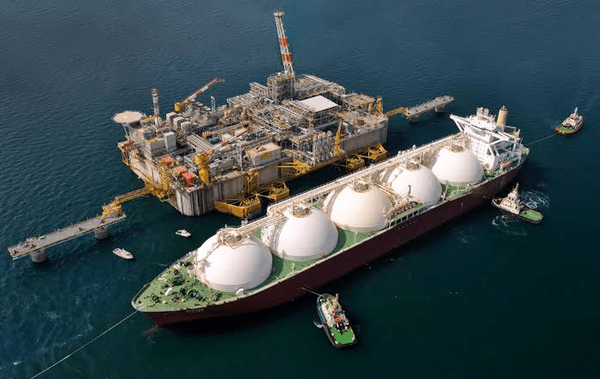
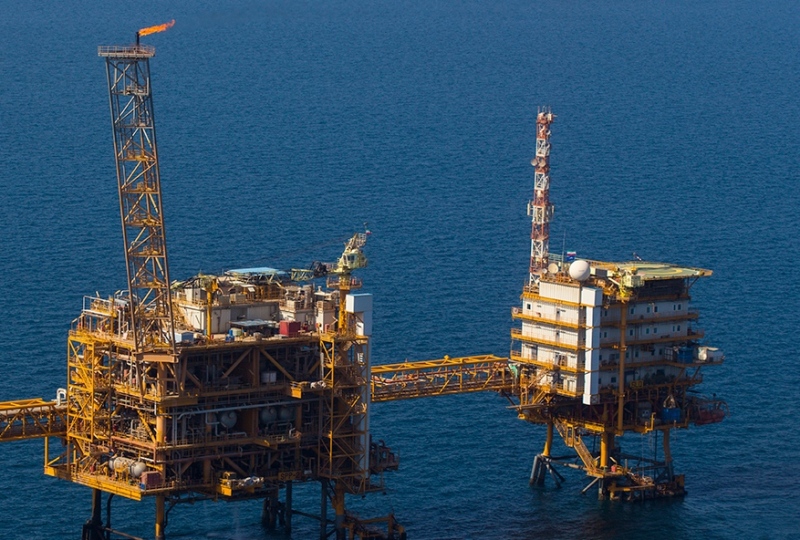
SCFR Online – Opinion: The dominant discourse in the field of European energy security over the past two decades has revolved around diversification of supply sources and the gradual reduction of dependence on fossil fuels. This narrative, which gained particular momentum after the Ukraine gas crisis in 2006 and its intensification in 2014 and 2022, was based on the assumption that Europe could free itself from the geopolitical vulnerabilities arising from dependence on specific suppliers through investment in renewable energy, imports of liquefied natural gas from diversified sources, and the establishment of new infrastructure. However, a closer analysis of energy trade data and the structure of the global oil and gas supply chain presents a different picture. Europe has not only failed to meaningfully reduce its dependence on the Persian Gulf, but in some sectors — particularly in liquefied natural gas imports — this dependence has deepened. This reality, which is often overlooked in public discourse, raises fundamental questions about the sustainability of Europe’s energy security strategies and their impact on regional power equations.

The Global Energy Shock Situation and Future Scenarios

The Global Energy Shock Situation and Future Scenarios

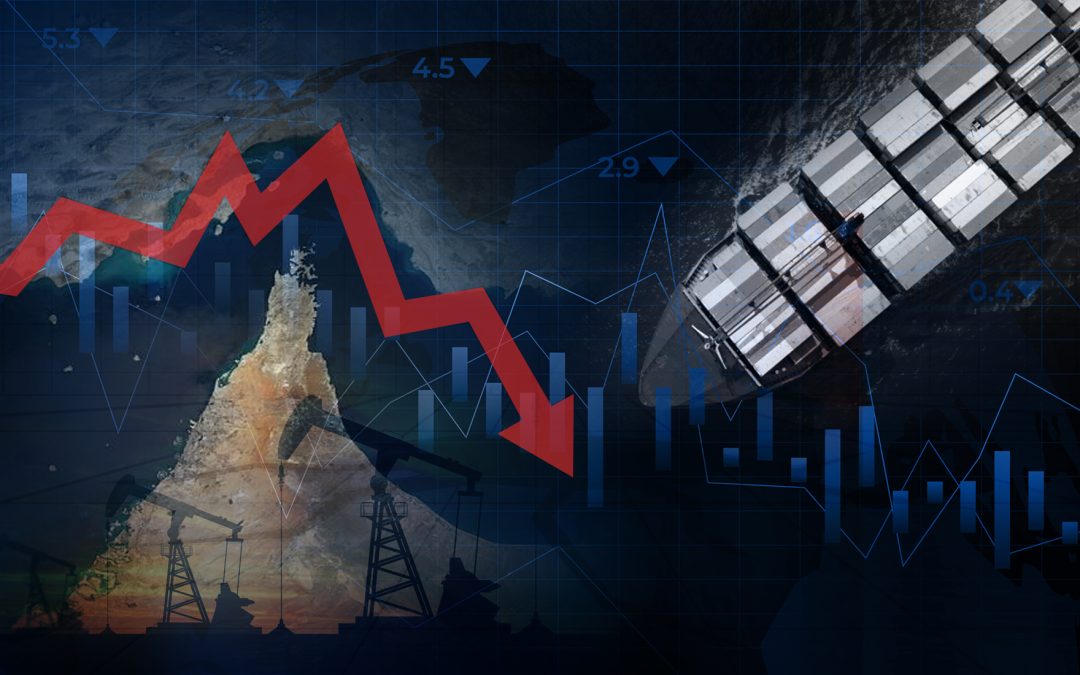
SCFR Online – Opinion: Only one month after the beginning of the Ramadan War, maritime traffic in the Strait of Hormuz decreased dramatically, with Bloomberg announcing a reduction of 103 vessels; Brent oil prices rose by more than 50 percent, and gasoline prices in the United States increased by 31.4 percent. Additionally, benchmark gas prices in Europe showed a 73.4 percent increase.

Public Pressure to Halt Military Cooperation with the Zionist Regime

Public Pressure to Halt Military Cooperation with the Zionist Regime

Strategic Council Online – Opinion: Following the intensification of war crimes by the Zionist regime in Lebanon and Palestine, as well as acts of warmongering that have weakened the foundations of peace, stability, and sustainable security in the region—producing highly destructive economic, security, and political consequences at the global level—for the first time since the establishment of the Israeli regime in 1948, a wave of coordinated and increasing pressure has emerged in Europe to halt military cooperation with this regime; a wave that is influenced by the growing opposition of European public opinion to the criminal actions of the Zionist regime in West Asia.

European Interests Sacrificed to Trump’s Policies

European Interests Sacrificed to Trump’s Policies

SCFR Online – Report: Energy security is the vital artery of Europe’s political economy, and any disruption to it challenges the continent’s resilience. Within the new architecture of energy security, the Middle East remains the gravitational center of supply; however, the overlooked element is Iran’s pivotal role as either a guarantor of stability or a source of disruption.

The “Hormuz Coalition”: A Maritime Security Illusion

The “Hormuz Coalition”: A Maritime Security Illusion

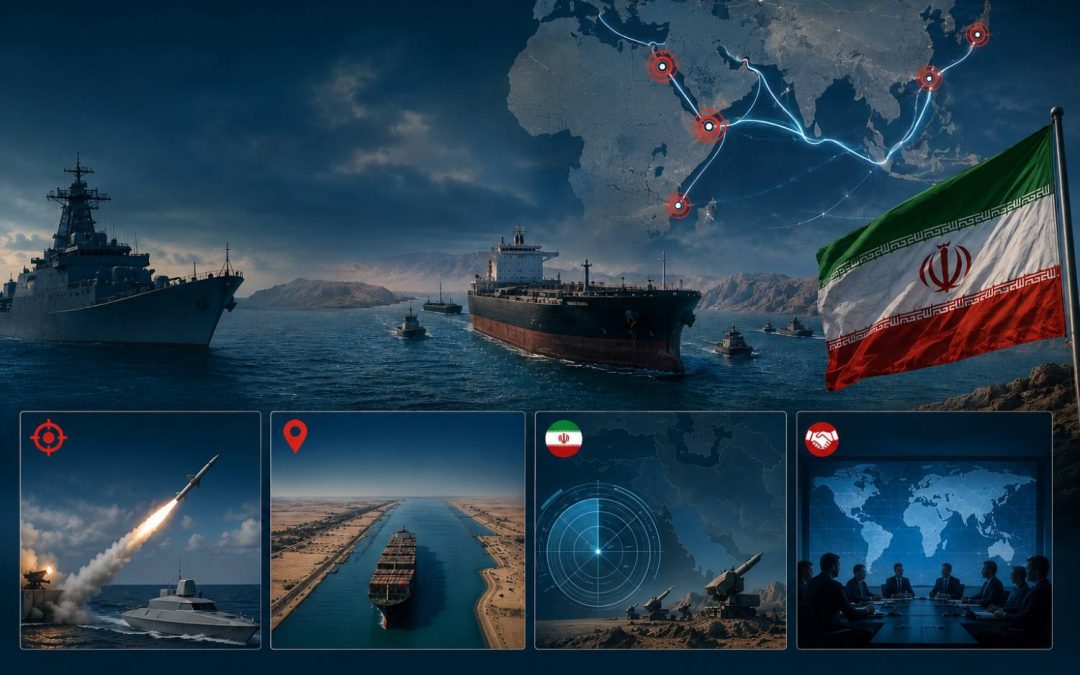
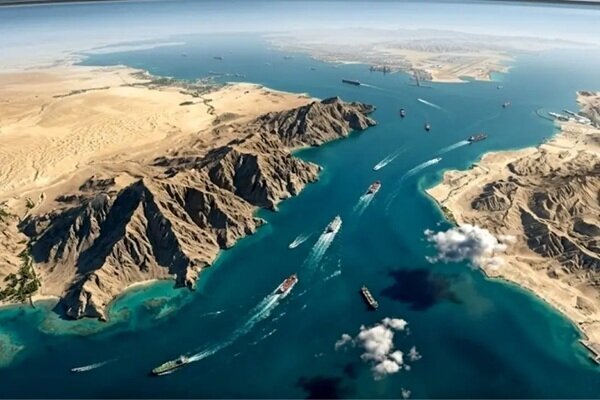
SCFR Online – Note: Iran’s control over the Strait of Hormuz constitutes an undeniable geopolitical reality, and any military operation aimed at reopening the strait without securing Tehran’s political consent is doomed to failure. Iran has demonstrably proven its dominion over the global energy and fertilizer lifelines. Hormoz Bayani – Economic Affairs Analyst

European Independence from the United States; From Dream to Reality

European Independence from the United States; From Dream to Reality

Strategic Council Online – Opinion: Europe has spoken of “strategic autonomy” for years, but each new crisis reveals that the gap between its aspiration for self-reliance and the reality of its security dependence on the United States remains significantly unbridged.

Afghanistan’s Effective Role in the Economy of Eurasia

Afghanistan’s Effective Role in the Economy of Eurasia

Strategic Council Online – Interview: A regional affairs researcher stated: Despite projects such as the Khaf-Herat railway and the Herat-Balkh-Mazar-i-Sharif corridor being on the agenda, insecurity and the absence of an inclusive government remain the most significant obstacles to realizing transit corridors and Afghanistan playing an effective role in the economy of Eurasia.

أحدث الوظائف

China’s Rejection of US Sanctions; Strengthening Iran’s Geopolitical Leverage

SCFR Online – Opinion: Concurrent with the official commencement of the United States’ economic war against our country, focusing on sanctions instruments, isolation, and economic pressure, what has now become increasingly important is the lack of alignment of other major global powers, especially China, with this policy.

The Makkah Pact; Reasons for its Formation and Challenges Ahead

SCFR Online – Opinion: The Makkah Pact, signed between Saudi Arabia, Pakistan, and Turkey under the motto “an attack on one is an attack on all,” is viewed by some analysts less as a full-fledged military coalition and more as an attempt to reduce security dependence on an external power and to establish a regional security mechanism.

Implications of the US-Saudi Nuclear Agreement

SCFR Online – Opinion: The new US-Saudi nuclear agreement, despite legal and political ambiguities, could alter previous non-proliferation standards in West Asia and intensify nuclear competition, ushering it into a new phase.

An Analysis of Recent Turkey-Israeli Regime Tensions

SCFR Online – Opinion: Recent developments in Syria indicate an intensification of strategic rivalry between Turkey and the Israeli regime, but mutual considerations and the role of the United States have limited the likelihood of direct war.

Loading

Economy

Europe’s Enduring Dependence on Persian Gulf Energy

Europe’s Enduring Dependence on Persian Gulf Energy

SCFR Online – Opinion: The dominant discourse in the field of European energy security over the past two decades has revolved around diversification of supply sources and the gradual reduction of dependence on fossil fuels. This narrative, which gained particular momentum after the Ukraine gas crisis in 2006 and its intensification in 2014 and 2022, was based on the assumption that Europe could free itself from the geopolitical vulnerabilities arising from dependence on specific suppliers through investment in renewable energy, imports of liquefied natural gas from diversified sources, and the establishment of new infrastructure. However, a closer analysis of energy trade data and the structure of the global oil and gas supply chain presents a different picture. Europe has not only failed to meaningfully reduce its dependence on the Persian Gulf, but in some sectors — particularly in liquefied natural gas imports — this dependence has deepened. This reality, which is often overlooked in public discourse, raises fundamental questions about the sustainability of Europe’s energy security strategies and their impact on regional power equations.

The Global Energy Shock Situation and Future Scenarios

The Global Energy Shock Situation and Future Scenarios

SCFR Online – Opinion: Only one month after the beginning of the Ramadan War, maritime traffic in the Strait of Hormuz decreased dramatically, with Bloomberg announcing a reduction of 103 vessels; Brent oil prices rose by more than 50 percent, and gasoline prices in the United States increased by 31.4 percent. Additionally, benchmark gas prices in Europe showed a 73.4 percent increase.

Public Pressure to Halt Military Cooperation with the Zionist Regime

Public Pressure to Halt Military Cooperation with the Zionist Regime

Strategic Council Online – Opinion: Following the intensification of war crimes by the Zionist regime in Lebanon and Palestine, as well as acts of warmongering that have weakened the foundations of peace, stability, and sustainable security in the region—producing highly destructive economic, security, and political consequences at the global level—for the first time since the establishment of the Israeli regime in 1948, a wave of coordinated and increasing pressure has emerged in Europe to halt military cooperation with this regime; a wave that is influenced by the growing opposition of European public opinion to the criminal actions of the Zionist regime in West Asia.

European Interests Sacrificed to Trump’s Policies

European Interests Sacrificed to Trump’s Policies

SCFR Online – Report: Energy security is the vital artery of Europe’s political economy, and any disruption to it challenges the continent’s resilience. Within the new architecture of energy security, the Middle East remains the gravitational center of supply; however, the overlooked element is Iran’s pivotal role as either a guarantor of stability or a source of disruption.

The “Hormuz Coalition”: A Maritime Security Illusion

The “Hormuz Coalition”: A Maritime Security Illusion

SCFR Online – Note: Iran’s control over the Strait of Hormuz constitutes an undeniable geopolitical reality, and any military operation aimed at reopening the strait without securing Tehran’s political consent is doomed to failure. Iran has demonstrably proven its dominion over the global energy and fertilizer lifelines. Hormoz Bayani – Economic Affairs Analyst

European Independence from the United States; From Dream to Reality

European Independence from the United States; From Dream to Reality

Strategic Council Online – Opinion: Europe has spoken of “strategic autonomy” for years, but each new crisis reveals that the gap between its aspiration for self-reliance and the reality of its security dependence on the United States remains significantly unbridged.

Afghanistan’s Effective Role in the Economy of Eurasia

Afghanistan’s Effective Role in the Economy of Eurasia

Strategic Council Online – Interview: A regional affairs researcher stated: Despite projects such as the Khaf-Herat railway and the Herat-Balkh-Mazar-i-Sharif corridor being on the agenda, insecurity and the absence of an inclusive government remain the most significant obstacles to realizing transit corridors and Afghanistan playing an effective role in the economy of Eurasia.

Economy

Europe’s Enduring Dependence on Persian Gulf Energy

Europe’s Enduring Dependence on Persian Gulf Energy

SCFR Online – Opinion: The dominant discourse in the field of European energy security over the past two decades has revolved around diversification of supply sources and the gradual reduction of dependence on fossil fuels. This narrative, which gained particular momentum after the Ukraine gas crisis in 2006 and its intensification in 2014 and 2022, was based on the assumption that Europe could free itself from the geopolitical vulnerabilities arising from dependence on specific suppliers through investment in renewable energy, imports of liquefied natural gas from diversified sources, and the establishment of new infrastructure. However, a closer analysis of energy trade data and the structure of the global oil and gas supply chain presents a different picture. Europe has not only failed to meaningfully reduce its dependence on the Persian Gulf, but in some sectors — particularly in liquefied natural gas imports — this dependence has deepened. This reality, which is often overlooked in public discourse, raises fundamental questions about the sustainability of Europe’s energy security strategies and their impact on regional power equations.

The Global Energy Shock Situation and Future Scenarios

The Global Energy Shock Situation and Future Scenarios

SCFR Online – Opinion: Only one month after the beginning of the Ramadan War, maritime traffic in the Strait of Hormuz decreased dramatically, with Bloomberg announcing a reduction of 103 vessels; Brent oil prices rose by more than 50 percent, and gasoline prices in the United States increased by 31.4 percent. Additionally, benchmark gas prices in Europe showed a 73.4 percent increase.

Public Pressure to Halt Military Cooperation with the Zionist Regime

Public Pressure to Halt Military Cooperation with the Zionist Regime

Strategic Council Online – Opinion: Following the intensification of war crimes by the Zionist regime in Lebanon and Palestine, as well as acts of warmongering that have weakened the foundations of peace, stability, and sustainable security in the region—producing highly destructive economic, security, and political consequences at the global level—for the first time since the establishment of the Israeli regime in 1948, a wave of coordinated and increasing pressure has emerged in Europe to halt military cooperation with this regime; a wave that is influenced by the growing opposition of European public opinion to the criminal actions of the Zionist regime in West Asia.

European Interests Sacrificed to Trump’s Policies

European Interests Sacrificed to Trump’s Policies

SCFR Online – Report: Energy security is the vital artery of Europe’s political economy, and any disruption to it challenges the continent’s resilience. Within the new architecture of energy security, the Middle East remains the gravitational center of supply; however, the overlooked element is Iran’s pivotal role as either a guarantor of stability or a source of disruption.

The “Hormuz Coalition”: A Maritime Security Illusion

The “Hormuz Coalition”: A Maritime Security Illusion

SCFR Online – Note: Iran’s control over the Strait of Hormuz constitutes an undeniable geopolitical reality, and any military operation aimed at reopening the strait without securing Tehran’s political consent is doomed to failure. Iran has demonstrably proven its dominion over the global energy and fertilizer lifelines. Hormoz Bayani – Economic Affairs Analyst

European Independence from the United States; From Dream to Reality

European Independence from the United States; From Dream to Reality

Strategic Council Online – Opinion: Europe has spoken of “strategic autonomy” for years, but each new crisis reveals that the gap between its aspiration for self-reliance and the reality of its security dependence on the United States remains significantly unbridged.

Afghanistan’s Effective Role in the Economy of Eurasia

Afghanistan’s Effective Role in the Economy of Eurasia

Strategic Council Online – Interview: A regional affairs researcher stated: Despite projects such as the Khaf-Herat railway and the Herat-Balkh-Mazar-i-Sharif corridor being on the agenda, insecurity and the absence of an inclusive government remain the most significant obstacles to realizing transit corridors and Afghanistan playing an effective role in the economy of Eurasia.

LATEST CONTENT

China’s Rejection of US Sanctions; Strengthening Iran’s Geopolitical Leverage

SCFR Online – Opinion: Concurrent with the official commencement of the United States’ economic war against our country, focusing on sanctions instruments, isolation, and economic pressure, what has now become increasingly important is the lack of alignment of other major global powers, especially China, with this policy.

The Makkah Pact; Reasons for its Formation and Challenges Ahead

SCFR Online – Opinion: The Makkah Pact, signed between Saudi Arabia, Pakistan, and Turkey under the motto “an attack on one is an attack on all,” is viewed by some analysts less as a full-fledged military coalition and more as an attempt to reduce security dependence on an external power and to establish a regional security mechanism.

Implications of the US-Saudi Nuclear Agreement

SCFR Online – Opinion: The new US-Saudi nuclear agreement, despite legal and political ambiguities, could alter previous non-proliferation standards in West Asia and intensify nuclear competition, ushering it into a new phase.

An Analysis of Recent Turkey-Israeli Regime Tensions

SCFR Online – Opinion: Recent developments in Syria indicate an intensification of strategic rivalry between Turkey and the Israeli regime, but mutual considerations and the role of the United States have limited the likelihood of direct war.

Loading

Economy

Europe’s Enduring Dependence on Persian Gulf Energy

Europe’s Enduring Dependence on Persian Gulf Energy

SCFR Online – Opinion: The dominant discourse in the field of European energy security over the past two decades has revolved around diversification of supply sources and the gradual reduction of dependence on fossil fuels. This narrative, which gained particular momentum after the Ukraine gas crisis in 2006 and its intensification in 2014 and 2022, was based on the assumption that Europe could free itself from the geopolitical vulnerabilities arising from dependence on specific suppliers through investment in renewable energy, imports of liquefied natural gas from diversified sources, and the establishment of new infrastructure. However, a closer analysis of energy trade data and the structure of the global oil and gas supply chain presents a different picture. Europe has not only failed to meaningfully reduce its dependence on the Persian Gulf, but in some sectors — particularly in liquefied natural gas imports — this dependence has deepened. This reality, which is often overlooked in public discourse, raises fundamental questions about the sustainability of Europe’s energy security strategies and their impact on regional power equations.

The Global Energy Shock Situation and Future Scenarios

The Global Energy Shock Situation and Future Scenarios

SCFR Online – Opinion: Only one month after the beginning of the Ramadan War, maritime traffic in the Strait of Hormuz decreased dramatically, with Bloomberg announcing a reduction of 103 vessels; Brent oil prices rose by more than 50 percent, and gasoline prices in the United States increased by 31.4 percent. Additionally, benchmark gas prices in Europe showed a 73.4 percent increase.

Public Pressure to Halt Military Cooperation with the Zionist Regime

Public Pressure to Halt Military Cooperation with the Zionist Regime

Strategic Council Online – Opinion: Following the intensification of war crimes by the Zionist regime in Lebanon and Palestine, as well as acts of warmongering that have weakened the foundations of peace, stability, and sustainable security in the region—producing highly destructive economic, security, and political consequences at the global level—for the first time since the establishment of the Israeli regime in 1948, a wave of coordinated and increasing pressure has emerged in Europe to halt military cooperation with this regime; a wave that is influenced by the growing opposition of European public opinion to the criminal actions of the Zionist regime in West Asia.

European Interests Sacrificed to Trump’s Policies

European Interests Sacrificed to Trump’s Policies

SCFR Online – Report: Energy security is the vital artery of Europe’s political economy, and any disruption to it challenges the continent’s resilience. Within the new architecture of energy security, the Middle East remains the gravitational center of supply; however, the overlooked element is Iran’s pivotal role as either a guarantor of stability or a source of disruption.

The “Hormuz Coalition”: A Maritime Security Illusion

The “Hormuz Coalition”: A Maritime Security Illusion

SCFR Online – Note: Iran’s control over the Strait of Hormuz constitutes an undeniable geopolitical reality, and any military operation aimed at reopening the strait without securing Tehran’s political consent is doomed to failure. Iran has demonstrably proven its dominion over the global energy and fertilizer lifelines. Hormoz Bayani – Economic Affairs Analyst

European Independence from the United States; From Dream to Reality

European Independence from the United States; From Dream to Reality

Strategic Council Online – Opinion: Europe has spoken of “strategic autonomy” for years, but each new crisis reveals that the gap between its aspiration for self-reliance and the reality of its security dependence on the United States remains significantly unbridged.

Afghanistan’s Effective Role in the Economy of Eurasia

Afghanistan’s Effective Role in the Economy of Eurasia

Strategic Council Online – Interview: A regional affairs researcher stated: Despite projects such as the Khaf-Herat railway and the Herat-Balkh-Mazar-i-Sharif corridor being on the agenda, insecurity and the absence of an inclusive government remain the most significant obstacles to realizing transit corridors and Afghanistan playing an effective role in the economy of Eurasia.

ÚLTIMAS PUBLICACIONES

China’s Rejection of US Sanctions; Strengthening Iran’s Geopolitical Leverage

SCFR Online – Opinion: Concurrent with the official commencement of the United States’ economic war against our country, focusing on sanctions instruments, isolation, and economic pressure, what has now become increasingly important is the lack of alignment of other major global powers, especially China, with this policy.

The Makkah Pact; Reasons for its Formation and Challenges Ahead

SCFR Online – Opinion: The Makkah Pact, signed between Saudi Arabia, Pakistan, and Turkey under the motto “an attack on one is an attack on all,” is viewed by some analysts less as a full-fledged military coalition and more as an attempt to reduce security dependence on an external power and to establish a regional security mechanism.

Implications of the US-Saudi Nuclear Agreement

SCFR Online – Opinion: The new US-Saudi nuclear agreement, despite legal and political ambiguities, could alter previous non-proliferation standards in West Asia and intensify nuclear competition, ushering it into a new phase.

An Analysis of Recent Turkey-Israeli Regime Tensions

SCFR Online – Opinion: Recent developments in Syria indicate an intensification of strategic rivalry between Turkey and the Israeli regime, but mutual considerations and the role of the United States have limited the likelihood of direct war.

Loading

Economy

Europe’s Enduring Dependence on Persian Gulf Energy

Europe’s Enduring Dependence on Persian Gulf Energy

SCFR Online – Opinion: The dominant discourse in the field of European energy security over the past two decades has revolved around diversification of supply sources and the gradual reduction of dependence on fossil fuels. This narrative, which gained particular momentum after the Ukraine gas crisis in 2006 and its intensification in 2014 and 2022, was based on the assumption that Europe could free itself from the geopolitical vulnerabilities arising from dependence on specific suppliers through investment in renewable energy, imports of liquefied natural gas from diversified sources, and the establishment of new infrastructure. However, a closer analysis of energy trade data and the structure of the global oil and gas supply chain presents a different picture. Europe has not only failed to meaningfully reduce its dependence on the Persian Gulf, but in some sectors — particularly in liquefied natural gas imports — this dependence has deepened. This reality, which is often overlooked in public discourse, raises fundamental questions about the sustainability of Europe’s energy security strategies and their impact on regional power equations.

The Global Energy Shock Situation and Future Scenarios

The Global Energy Shock Situation and Future Scenarios

SCFR Online – Opinion: Only one month after the beginning of the Ramadan War, maritime traffic in the Strait of Hormuz decreased dramatically, with Bloomberg announcing a reduction of 103 vessels; Brent oil prices rose by more than 50 percent, and gasoline prices in the United States increased by 31.4 percent. Additionally, benchmark gas prices in Europe showed a 73.4 percent increase.

Public Pressure to Halt Military Cooperation with the Zionist Regime

Public Pressure to Halt Military Cooperation with the Zionist Regime

Strategic Council Online – Opinion: Following the intensification of war crimes by the Zionist regime in Lebanon and Palestine, as well as acts of warmongering that have weakened the foundations of peace, stability, and sustainable security in the region—producing highly destructive economic, security, and political consequences at the global level—for the first time since the establishment of the Israeli regime in 1948, a wave of coordinated and increasing pressure has emerged in Europe to halt military cooperation with this regime; a wave that is influenced by the growing opposition of European public opinion to the criminal actions of the Zionist regime in West Asia.

European Interests Sacrificed to Trump’s Policies

European Interests Sacrificed to Trump’s Policies

SCFR Online – Report: Energy security is the vital artery of Europe’s political economy, and any disruption to it challenges the continent’s resilience. Within the new architecture of energy security, the Middle East remains the gravitational center of supply; however, the overlooked element is Iran’s pivotal role as either a guarantor of stability or a source of disruption.

The “Hormuz Coalition”: A Maritime Security Illusion

The “Hormuz Coalition”: A Maritime Security Illusion

SCFR Online – Note: Iran’s control over the Strait of Hormuz constitutes an undeniable geopolitical reality, and any military operation aimed at reopening the strait without securing Tehran’s political consent is doomed to failure. Iran has demonstrably proven its dominion over the global energy and fertilizer lifelines. Hormoz Bayani – Economic Affairs Analyst

European Independence from the United States; From Dream to Reality

European Independence from the United States; From Dream to Reality

Strategic Council Online – Opinion: Europe has spoken of “strategic autonomy” for years, but each new crisis reveals that the gap between its aspiration for self-reliance and the reality of its security dependence on the United States remains significantly unbridged.

Afghanistan’s Effective Role in the Economy of Eurasia

Afghanistan’s Effective Role in the Economy of Eurasia

Strategic Council Online – Interview: A regional affairs researcher stated: Despite projects such as the Khaf-Herat railway and the Herat-Balkh-Mazar-i-Sharif corridor being on the agenda, insecurity and the absence of an inclusive government remain the most significant obstacles to realizing transit corridors and Afghanistan playing an effective role in the economy of Eurasia.

ÚLTIMAS PUBLICACIONES

China’s Rejection of US Sanctions; Strengthening Iran’s Geopolitical Leverage

SCFR Online – Opinion: Concurrent with the official commencement of the United States’ economic war against our country, focusing on sanctions instruments, isolation, and economic pressure, what has now become increasingly important is the lack of alignment of other major global powers, especially China, with this policy.

The Makkah Pact; Reasons for its Formation and Challenges Ahead

SCFR Online – Opinion: The Makkah Pact, signed between Saudi Arabia, Pakistan, and Turkey under the motto “an attack on one is an attack on all,” is viewed by some analysts less as a full-fledged military coalition and more as an attempt to reduce security dependence on an external power and to establish a regional security mechanism.

Implications of the US-Saudi Nuclear Agreement

SCFR Online – Opinion: The new US-Saudi nuclear agreement, despite legal and political ambiguities, could alter previous non-proliferation standards in West Asia and intensify nuclear competition, ushering it into a new phase.

An Analysis of Recent Turkey-Israeli Regime Tensions

SCFR Online – Opinion: Recent developments in Syria indicate an intensification of strategic rivalry between Turkey and the Israeli regime, but mutual considerations and the role of the United States have limited the likelihood of direct war.

Loading

Economy

Europe’s Enduring Dependence on Persian Gulf Energy

Europe’s Enduring Dependence on Persian Gulf Energy

SCFR Online – Opinion: The dominant discourse in the field of European energy security over the past two decades has revolved around diversification of supply sources and the gradual reduction of dependence on fossil fuels. This narrative, which gained particular momentum after the Ukraine gas crisis in 2006 and its intensification in 2014 and 2022, was based on the assumption that Europe could free itself from the geopolitical vulnerabilities arising from dependence on specific suppliers through investment in renewable energy, imports of liquefied natural gas from diversified sources, and the establishment of new infrastructure. However, a closer analysis of energy trade data and the structure of the global oil and gas supply chain presents a different picture. Europe has not only failed to meaningfully reduce its dependence on the Persian Gulf, but in some sectors — particularly in liquefied natural gas imports — this dependence has deepened. This reality, which is often overlooked in public discourse, raises fundamental questions about the sustainability of Europe’s energy security strategies and their impact on regional power equations.

The Global Energy Shock Situation and Future Scenarios

The Global Energy Shock Situation and Future Scenarios

SCFR Online – Opinion: Only one month after the beginning of the Ramadan War, maritime traffic in the Strait of Hormuz decreased dramatically, with Bloomberg announcing a reduction of 103 vessels; Brent oil prices rose by more than 50 percent, and gasoline prices in the United States increased by 31.4 percent. Additionally, benchmark gas prices in Europe showed a 73.4 percent increase.

Public Pressure to Halt Military Cooperation with the Zionist Regime

Public Pressure to Halt Military Cooperation with the Zionist Regime

Strategic Council Online – Opinion: Following the intensification of war crimes by the Zionist regime in Lebanon and Palestine, as well as acts of warmongering that have weakened the foundations of peace, stability, and sustainable security in the region—producing highly destructive economic, security, and political consequences at the global level—for the first time since the establishment of the Israeli regime in 1948, a wave of coordinated and increasing pressure has emerged in Europe to halt military cooperation with this regime; a wave that is influenced by the growing opposition of European public opinion to the criminal actions of the Zionist regime in West Asia.

European Interests Sacrificed to Trump’s Policies

European Interests Sacrificed to Trump’s Policies

SCFR Online – Report: Energy security is the vital artery of Europe’s political economy, and any disruption to it challenges the continent’s resilience. Within the new architecture of energy security, the Middle East remains the gravitational center of supply; however, the overlooked element is Iran’s pivotal role as either a guarantor of stability or a source of disruption.

The “Hormuz Coalition”: A Maritime Security Illusion

The “Hormuz Coalition”: A Maritime Security Illusion

SCFR Online – Note: Iran’s control over the Strait of Hormuz constitutes an undeniable geopolitical reality, and any military operation aimed at reopening the strait without securing Tehran’s political consent is doomed to failure. Iran has demonstrably proven its dominion over the global energy and fertilizer lifelines. Hormoz Bayani – Economic Affairs Analyst

European Independence from the United States; From Dream to Reality

European Independence from the United States; From Dream to Reality

Strategic Council Online – Opinion: Europe has spoken of “strategic autonomy” for years, but each new crisis reveals that the gap between its aspiration for self-reliance and the reality of its security dependence on the United States remains significantly unbridged.

Afghanistan’s Effective Role in the Economy of Eurasia

Afghanistan’s Effective Role in the Economy of Eurasia

Strategic Council Online – Interview: A regional affairs researcher stated: Despite projects such as the Khaf-Herat railway and the Herat-Balkh-Mazar-i-Sharif corridor being on the agenda, insecurity and the absence of an inclusive government remain the most significant obstacles to realizing transit corridors and Afghanistan playing an effective role in the economy of Eurasia.

ÚLTIMAS PUBLICACIONES

China’s Rejection of US Sanctions; Strengthening Iran’s Geopolitical Leverage

SCFR Online – Opinion: Concurrent with the official commencement of the United States’ economic war against our country, focusing on sanctions instruments, isolation, and economic pressure, what has now become increasingly important is the lack of alignment of other major global powers, especially China, with this policy.

The Makkah Pact; Reasons for its Formation and Challenges Ahead

SCFR Online – Opinion: The Makkah Pact, signed between Saudi Arabia, Pakistan, and Turkey under the motto “an attack on one is an attack on all,” is viewed by some analysts less as a full-fledged military coalition and more as an attempt to reduce security dependence on an external power and to establish a regional security mechanism.

Implications of the US-Saudi Nuclear Agreement

SCFR Online – Opinion: The new US-Saudi nuclear agreement, despite legal and political ambiguities, could alter previous non-proliferation standards in West Asia and intensify nuclear competition, ushering it into a new phase.

An Analysis of Recent Turkey-Israeli Regime Tensions

SCFR Online – Opinion: Recent developments in Syria indicate an intensification of strategic rivalry between Turkey and the Israeli regime, but mutual considerations and the role of the United States have limited the likelihood of direct war.

Loading

Economy

Europe’s Enduring Dependence on Persian Gulf Energy

Europe’s Enduring Dependence on Persian Gulf Energy

SCFR Online – Opinion: The dominant discourse in the field of European energy security over the past two decades has revolved around diversification of supply sources and the gradual reduction of dependence on fossil fuels. This narrative, which gained particular momentum after the Ukraine gas crisis in 2006 and its intensification in 2014 and 2022, was based on the assumption that Europe could free itself from the geopolitical vulnerabilities arising from dependence on specific suppliers through investment in renewable energy, imports of liquefied natural gas from diversified sources, and the establishment of new infrastructure. However, a closer analysis of energy trade data and the structure of the global oil and gas supply chain presents a different picture. Europe has not only failed to meaningfully reduce its dependence on the Persian Gulf, but in some sectors — particularly in liquefied natural gas imports — this dependence has deepened. This reality, which is often overlooked in public discourse, raises fundamental questions about the sustainability of Europe’s energy security strategies and their impact on regional power equations.

The Global Energy Shock Situation and Future Scenarios

The Global Energy Shock Situation and Future Scenarios

SCFR Online – Opinion: Only one month after the beginning of the Ramadan War, maritime traffic in the Strait of Hormuz decreased dramatically, with Bloomberg announcing a reduction of 103 vessels; Brent oil prices rose by more than 50 percent, and gasoline prices in the United States increased by 31.4 percent. Additionally, benchmark gas prices in Europe showed a 73.4 percent increase.

Public Pressure to Halt Military Cooperation with the Zionist Regime

Public Pressure to Halt Military Cooperation with the Zionist Regime

Strategic Council Online – Opinion: Following the intensification of war crimes by the Zionist regime in Lebanon and Palestine, as well as acts of warmongering that have weakened the foundations of peace, stability, and sustainable security in the region—producing highly destructive economic, security, and political consequences at the global level—for the first time since the establishment of the Israeli regime in 1948, a wave of coordinated and increasing pressure has emerged in Europe to halt military cooperation with this regime; a wave that is influenced by the growing opposition of European public opinion to the criminal actions of the Zionist regime in West Asia.

European Interests Sacrificed to Trump’s Policies

European Interests Sacrificed to Trump’s Policies

SCFR Online – Report: Energy security is the vital artery of Europe’s political economy, and any disruption to it challenges the continent’s resilience. Within the new architecture of energy security, the Middle East remains the gravitational center of supply; however, the overlooked element is Iran’s pivotal role as either a guarantor of stability or a source of disruption.

The “Hormuz Coalition”: A Maritime Security Illusion

The “Hormuz Coalition”: A Maritime Security Illusion

SCFR Online – Note: Iran’s control over the Strait of Hormuz constitutes an undeniable geopolitical reality, and any military operation aimed at reopening the strait without securing Tehran’s political consent is doomed to failure. Iran has demonstrably proven its dominion over the global energy and fertilizer lifelines. Hormoz Bayani – Economic Affairs Analyst

European Independence from the United States; From Dream to Reality

European Independence from the United States; From Dream to Reality

Strategic Council Online – Opinion: Europe has spoken of “strategic autonomy” for years, but each new crisis reveals that the gap between its aspiration for self-reliance and the reality of its security dependence on the United States remains significantly unbridged.

Afghanistan’s Effective Role in the Economy of Eurasia

Afghanistan’s Effective Role in the Economy of Eurasia

Strategic Council Online – Interview: A regional affairs researcher stated: Despite projects such as the Khaf-Herat railway and the Herat-Balkh-Mazar-i-Sharif corridor being on the agenda, insecurity and the absence of an inclusive government remain the most significant obstacles to realizing transit corridors and Afghanistan playing an effective role in the economy of Eurasia.

ÚLTIMAS PUBLICACIONES

China’s Rejection of US Sanctions; Strengthening Iran’s Geopolitical Leverage

SCFR Online – Opinion: Concurrent with the official commencement of the United States’ economic war against our country, focusing on sanctions instruments, isolation, and economic pressure, what has now become increasingly important is the lack of alignment of other major global powers, especially China, with this policy.

The Makkah Pact; Reasons for its Formation and Challenges Ahead

SCFR Online – Opinion: The Makkah Pact, signed between Saudi Arabia, Pakistan, and Turkey under the motto “an attack on one is an attack on all,” is viewed by some analysts less as a full-fledged military coalition and more as an attempt to reduce security dependence on an external power and to establish a regional security mechanism.

Implications of the US-Saudi Nuclear Agreement

SCFR Online – Opinion: The new US-Saudi nuclear agreement, despite legal and political ambiguities, could alter previous non-proliferation standards in West Asia and intensify nuclear competition, ushering it into a new phase.

An Analysis of Recent Turkey-Israeli Regime Tensions

SCFR Online – Opinion: Recent developments in Syria indicate an intensification of strategic rivalry between Turkey and the Israeli regime, but mutual considerations and the role of the United States have limited the likelihood of direct war.

Loading