جدیدترین مطالب

Balancing in the chain of chokepoints; from sea-based deterrence to pluralistic diplomacy

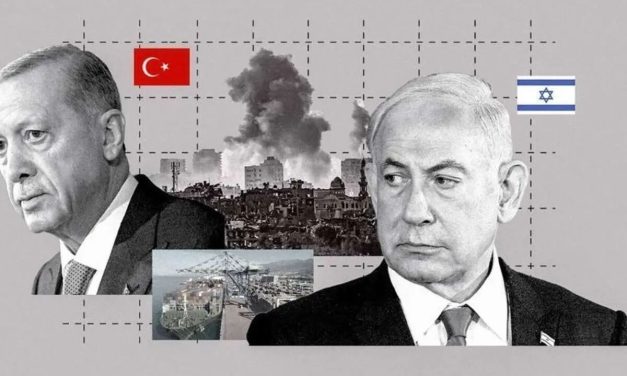
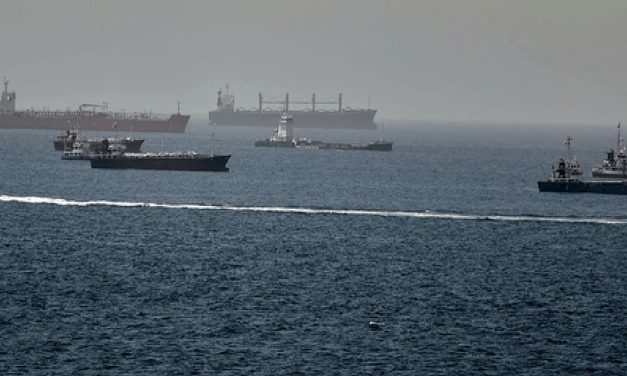
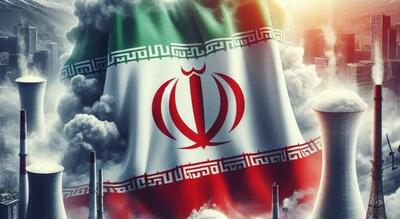
Strategic Council Online – Note: Recent developments in the political geography of West Asia, from rising tensions in the Persian Gulf to missile and drone activities in the Red Sea and the recent warning by Kaja Kallas, the European Union’s foreign policy chief, regarding the threat to freedom of navigation, indicate a key pattern shift; the US-Iran war has moved beyond the scope of a regional and local confrontation and has linked two vital passageways for the global economy: the Strait of Hormuz and the Bab el-Mandeb Strait.

Indicators for Choosing Between War and Diplomacy

SCFR Online – Opinion: Foreign policy analysis is valid when it evaluates decisions based on the information and circumstances prevailing at the time they were made, not on the basis of outcomes that only become apparent after the crisis has ended.

Loading

Politics

An Analysis of the Behind-the-Scenes of Recent Developments in Syria

An Analysis of the Behind-the-Scenes of Recent Developments in Syria

Strategic Council Online Opinion: After the outbreak of clashes between the Druze and Bedouin tribes in As-Suwayda Governorate, the Israeli regime intervened in favor of the Druze and launched airstrikes against Syria, which lasted for three days. Although this tension ultimately led to a fragile ceasefire, what lies behind this escalation and the confrontation between the Zionist regime and the interim government of Ahmad al-Shara (also known as Abu Muhammad al-Julani)?

Zangezur: A Test for Regional and International Players

Zangezur: A Test for Regional and International Players

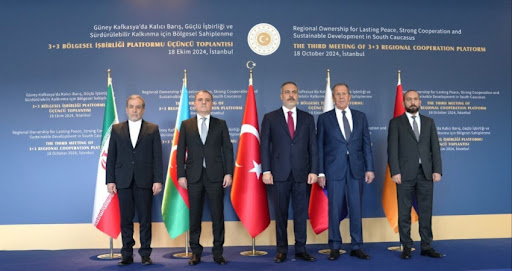
Strategic Council Online – Analysis: On the verge of finalizing the Baku-Yerevan peace agreement, the recent remarks by Mnatsakan Safaryan, Armenia’s Deputy Foreign Minister, regarding the potential handover of the “logistical management” of the Zangezur route to a foreign company have pushed the status of this 32-kilometer strip into a critical phase. The discussion of a foreign operator’s involvement coincides with the meeting between Nikol Pashinyan and Ilham Aliyev in Abu Dhabi—a meeting that, according to regional media, primarily focused on this blocked route.

An Analysis of Various Dimensions of PKK Disarmament

An Analysis of Various Dimensions of PKK Disarmament

Strategic Council Online – Opinion: Friday, July 11, 2025, marks a turning point in the history of regional developments, as the issue of disarmament of PKK forces was finally operationalized following the call and video message of their imprisoned leader (Apo), Abdullah Öcalan (who has been held in a prison near Istanbul for 26 years). In a symbolic ceremony in Sulaymaniyah, 15 female fighters and 15 male fighters burned and destroyed their weapons.

Iran’s Position in the Regional Balance of Power

Iran’s Position in the Regional Balance of Power

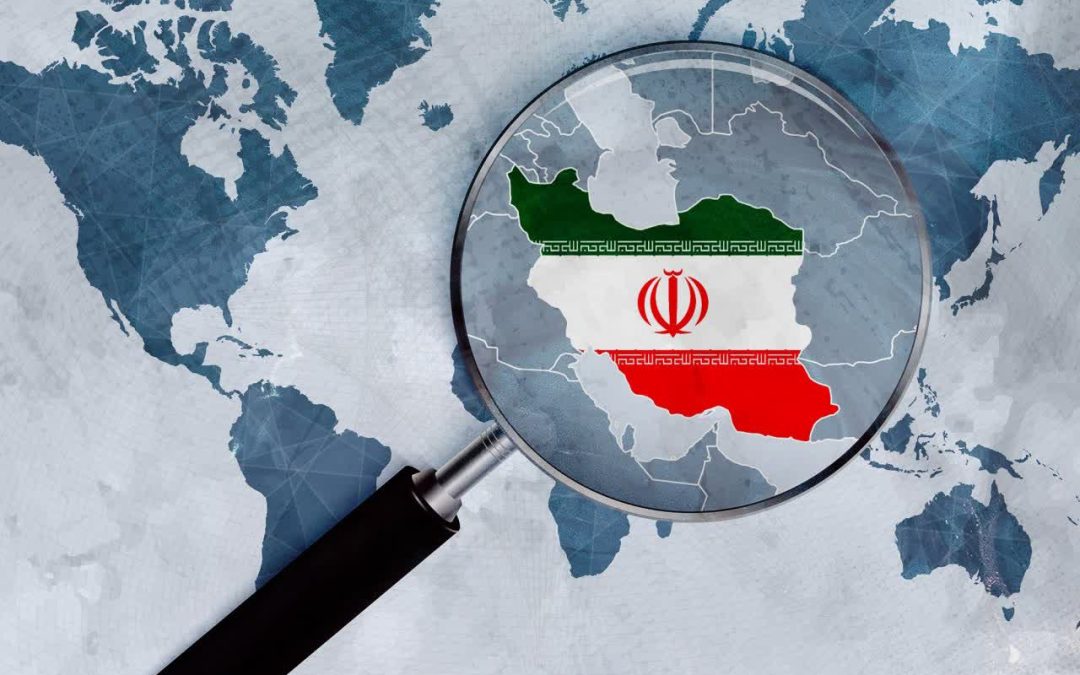
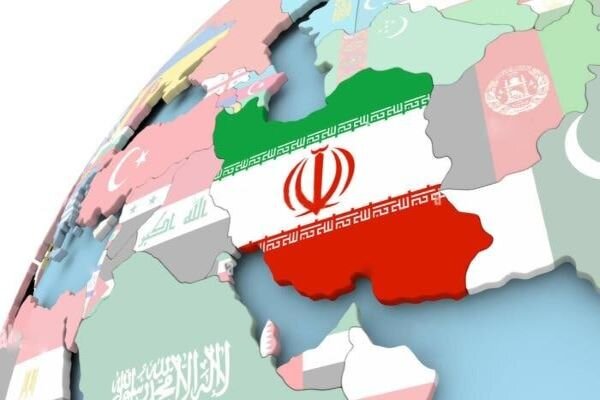
Strategic Council Online– Interview: A researcher on West Asian affairs stated that following the end of the 12-day war between the Israeli regime and Iran, which began on June 12 with the regime’s aggressive attacks on our country’s soil, resulting in the martyrdom of several military commanders, nuclear scientists, and even civilians, many questions arose. Among them was how Iran managed to shift the regional balance of power in its favor despite the extensive attacks by the Israeli regime on our country.

Iran’s Role in the New World Order

Iran’s Role in the New World Order

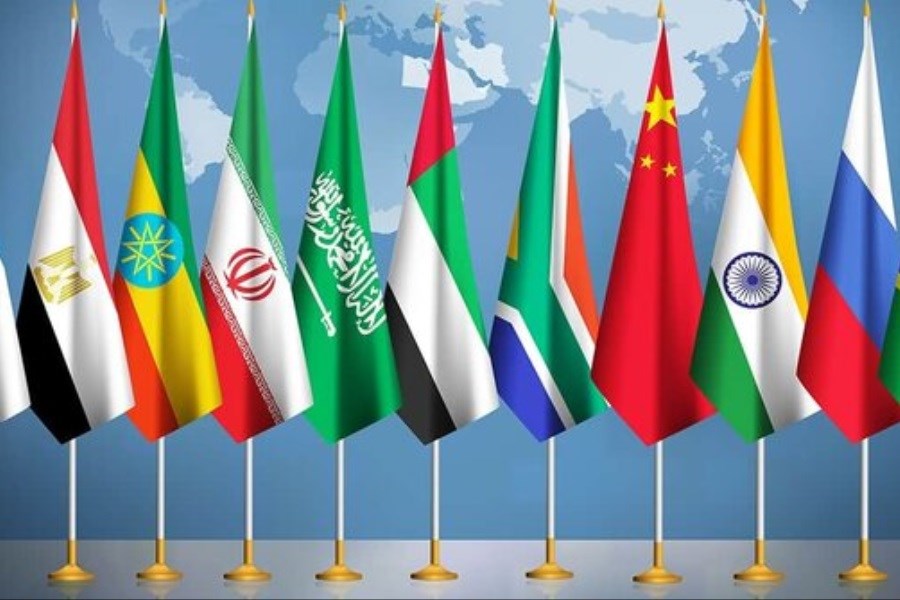
Strategic Council Online – Interview: An international affairs analyst stated that the contemporary world is transitioning toward a multipolar order in which major powers such as the United States, China, and Russia are engaged in a complex competition to preserve or expand their global influence. In this context, Iran, as a key player in the region and the Islamic world with significant strategic capabilities—including membership in BRICS and the Shanghai Cooperation Organization (SCO)—can leverage these developments to strengthen its position.

Iran’s Smart Diplomacy in Managing Regional Crises

Iran’s Smart Diplomacy in Managing Regional Crises

Strategic Council Online– Interview: A West Asia affairs analyst, discussing the role of Iran’s smart diplomacy in turning regional crises into opportunities to strengthen the country’s influence and position in the region, stated: Iran’s multilateral foreign policy can be an effective alternative to Western military interventions, especially at a time when the failures of the U.S. and the Israeli regime have reduced the trust of West Asian countries in them. By consciously leveraging regional capacities and strengthening cooperation, Tehran can play a pivotal role in establishing sustainable stability in the region.

Formation of a New Regional Order Through Consolidation of Iran-Arab Relations

Formation of a New Regional Order Through Consolidation of Iran-Arab Relations

Strategic Council Online – Interview: A senior West Asia analyst stated that The Washington Post recently emphasized in a report that the attacks by the Zionist regime and the U.S. on Iran not only failed in their strategy to isolate Tehran but also altered the perspective of Persian Gulf countries regarding regional threats, identifying the Zionists as the primary destabilizing force in the region.

Domestic Concerns and Repercussions of the 12-Day War for Trump and Netanyahu

Domestic Concerns and Repercussions of the 12-Day War for Trump and Netanyahu

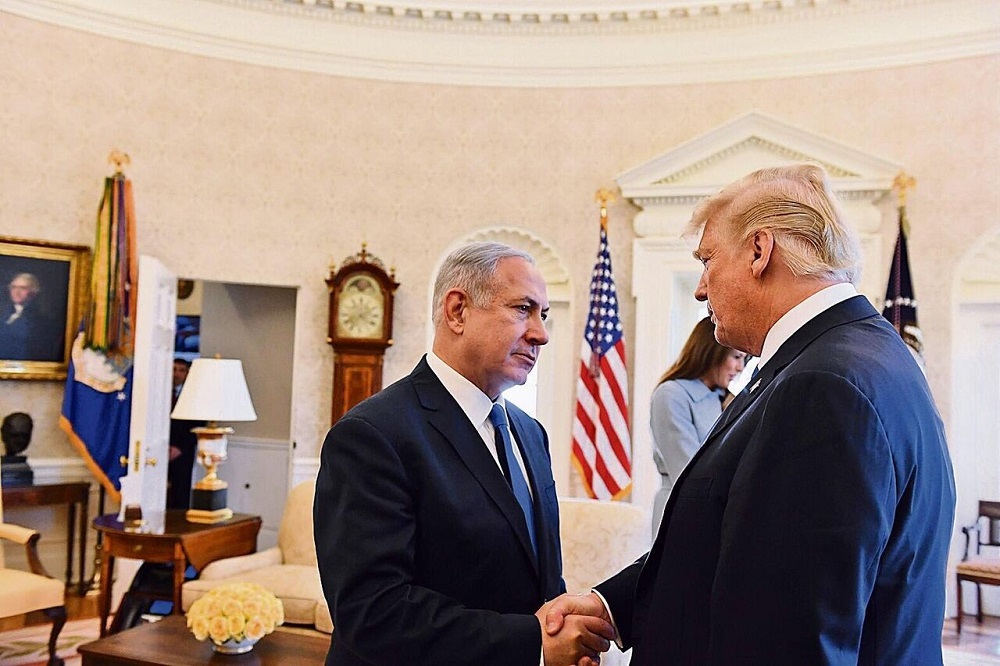
Strategic Council Online – Opinion: Every war, regardless of its duration (short or long) and how it ends (ceasefire, lifting siege, or peace), faces an issue called “The Day After.” The day after the war ends refers to the day when the consequences of the war gradually become apparent to the warring parties in various spheres, including political, military, social, economic, and others. The imposed war by the Zionist regime and America against Iran is no exception to this rule.

أحدث الوظائف

Balancing in the chain of chokepoints; from sea-based deterrence to pluralistic diplomacy

Strategic Council Online – Note: Recent developments in the political geography of West Asia, from rising tensions in the Persian Gulf to missile and drone activities in the Red Sea and the recent warning by Kaja Kallas, the European Union’s foreign policy chief, regarding the threat to freedom of navigation, indicate a key pattern shift; the US-Iran war has moved beyond the scope of a regional and local confrontation and has linked two vital passageways for the global economy: the Strait of Hormuz and the Bab el-Mandeb Strait.

Indicators for Choosing Between War and Diplomacy

SCFR Online – Opinion: Foreign policy analysis is valid when it evaluates decisions based on the information and circumstances prevailing at the time they were made, not on the basis of outcomes that only become apparent after the crisis has ended.

Loading

Politics

An Analysis of the Behind-the-Scenes of Recent Developments in Syria

An Analysis of the Behind-the-Scenes of Recent Developments in Syria

Strategic Council Online Opinion: After the outbreak of clashes between the Druze and Bedouin tribes in As-Suwayda Governorate, the Israeli regime intervened in favor of the Druze and launched airstrikes against Syria, which lasted for three days. Although this tension ultimately led to a fragile ceasefire, what lies behind this escalation and the confrontation between the Zionist regime and the interim government of Ahmad al-Shara (also known as Abu Muhammad al-Julani)?

Zangezur: A Test for Regional and International Players

Zangezur: A Test for Regional and International Players

Strategic Council Online – Analysis: On the verge of finalizing the Baku-Yerevan peace agreement, the recent remarks by Mnatsakan Safaryan, Armenia’s Deputy Foreign Minister, regarding the potential handover of the “logistical management” of the Zangezur route to a foreign company have pushed the status of this 32-kilometer strip into a critical phase. The discussion of a foreign operator’s involvement coincides with the meeting between Nikol Pashinyan and Ilham Aliyev in Abu Dhabi—a meeting that, according to regional media, primarily focused on this blocked route.

An Analysis of Various Dimensions of PKK Disarmament

An Analysis of Various Dimensions of PKK Disarmament

Strategic Council Online – Opinion: Friday, July 11, 2025, marks a turning point in the history of regional developments, as the issue of disarmament of PKK forces was finally operationalized following the call and video message of their imprisoned leader (Apo), Abdullah Öcalan (who has been held in a prison near Istanbul for 26 years). In a symbolic ceremony in Sulaymaniyah, 15 female fighters and 15 male fighters burned and destroyed their weapons.

Iran’s Position in the Regional Balance of Power

Iran’s Position in the Regional Balance of Power

Strategic Council Online– Interview: A researcher on West Asian affairs stated that following the end of the 12-day war between the Israeli regime and Iran, which began on June 12 with the regime’s aggressive attacks on our country’s soil, resulting in the martyrdom of several military commanders, nuclear scientists, and even civilians, many questions arose. Among them was how Iran managed to shift the regional balance of power in its favor despite the extensive attacks by the Israeli regime on our country.

Iran’s Role in the New World Order

Iran’s Role in the New World Order

Strategic Council Online – Interview: An international affairs analyst stated that the contemporary world is transitioning toward a multipolar order in which major powers such as the United States, China, and Russia are engaged in a complex competition to preserve or expand their global influence. In this context, Iran, as a key player in the region and the Islamic world with significant strategic capabilities—including membership in BRICS and the Shanghai Cooperation Organization (SCO)—can leverage these developments to strengthen its position.

Iran’s Smart Diplomacy in Managing Regional Crises

Iran’s Smart Diplomacy in Managing Regional Crises

Strategic Council Online– Interview: A West Asia affairs analyst, discussing the role of Iran’s smart diplomacy in turning regional crises into opportunities to strengthen the country’s influence and position in the region, stated: Iran’s multilateral foreign policy can be an effective alternative to Western military interventions, especially at a time when the failures of the U.S. and the Israeli regime have reduced the trust of West Asian countries in them. By consciously leveraging regional capacities and strengthening cooperation, Tehran can play a pivotal role in establishing sustainable stability in the region.

Formation of a New Regional Order Through Consolidation of Iran-Arab Relations

Formation of a New Regional Order Through Consolidation of Iran-Arab Relations

Strategic Council Online – Interview: A senior West Asia analyst stated that The Washington Post recently emphasized in a report that the attacks by the Zionist regime and the U.S. on Iran not only failed in their strategy to isolate Tehran but also altered the perspective of Persian Gulf countries regarding regional threats, identifying the Zionists as the primary destabilizing force in the region.

Domestic Concerns and Repercussions of the 12-Day War for Trump and Netanyahu

Domestic Concerns and Repercussions of the 12-Day War for Trump and Netanyahu

Strategic Council Online – Opinion: Every war, regardless of its duration (short or long) and how it ends (ceasefire, lifting siege, or peace), faces an issue called “The Day After.” The day after the war ends refers to the day when the consequences of the war gradually become apparent to the warring parties in various spheres, including political, military, social, economic, and others. The imposed war by the Zionist regime and America against Iran is no exception to this rule.

Politics

An Analysis of the Behind-the-Scenes of Recent Developments in Syria

An Analysis of the Behind-the-Scenes of Recent Developments in Syria

Strategic Council Online Opinion: After the outbreak of clashes between the Druze and Bedouin tribes in As-Suwayda Governorate, the Israeli regime intervened in favor of the Druze and launched airstrikes against Syria, which lasted for three days. Although this tension ultimately led to a fragile ceasefire, what lies behind this escalation and the confrontation between the Zionist regime and the interim government of Ahmad al-Shara (also known as Abu Muhammad al-Julani)?

Zangezur: A Test for Regional and International Players

Zangezur: A Test for Regional and International Players

Strategic Council Online – Analysis: On the verge of finalizing the Baku-Yerevan peace agreement, the recent remarks by Mnatsakan Safaryan, Armenia’s Deputy Foreign Minister, regarding the potential handover of the “logistical management” of the Zangezur route to a foreign company have pushed the status of this 32-kilometer strip into a critical phase. The discussion of a foreign operator’s involvement coincides with the meeting between Nikol Pashinyan and Ilham Aliyev in Abu Dhabi—a meeting that, according to regional media, primarily focused on this blocked route.

An Analysis of Various Dimensions of PKK Disarmament

An Analysis of Various Dimensions of PKK Disarmament

Strategic Council Online – Opinion: Friday, July 11, 2025, marks a turning point in the history of regional developments, as the issue of disarmament of PKK forces was finally operationalized following the call and video message of their imprisoned leader (Apo), Abdullah Öcalan (who has been held in a prison near Istanbul for 26 years). In a symbolic ceremony in Sulaymaniyah, 15 female fighters and 15 male fighters burned and destroyed their weapons.

Iran’s Position in the Regional Balance of Power

Iran’s Position in the Regional Balance of Power

Strategic Council Online– Interview: A researcher on West Asian affairs stated that following the end of the 12-day war between the Israeli regime and Iran, which began on June 12 with the regime’s aggressive attacks on our country’s soil, resulting in the martyrdom of several military commanders, nuclear scientists, and even civilians, many questions arose. Among them was how Iran managed to shift the regional balance of power in its favor despite the extensive attacks by the Israeli regime on our country.

Iran’s Role in the New World Order

Iran’s Role in the New World Order

Strategic Council Online – Interview: An international affairs analyst stated that the contemporary world is transitioning toward a multipolar order in which major powers such as the United States, China, and Russia are engaged in a complex competition to preserve or expand their global influence. In this context, Iran, as a key player in the region and the Islamic world with significant strategic capabilities—including membership in BRICS and the Shanghai Cooperation Organization (SCO)—can leverage these developments to strengthen its position.

Iran’s Smart Diplomacy in Managing Regional Crises

Iran’s Smart Diplomacy in Managing Regional Crises

Strategic Council Online– Interview: A West Asia affairs analyst, discussing the role of Iran’s smart diplomacy in turning regional crises into opportunities to strengthen the country’s influence and position in the region, stated: Iran’s multilateral foreign policy can be an effective alternative to Western military interventions, especially at a time when the failures of the U.S. and the Israeli regime have reduced the trust of West Asian countries in them. By consciously leveraging regional capacities and strengthening cooperation, Tehran can play a pivotal role in establishing sustainable stability in the region.

Formation of a New Regional Order Through Consolidation of Iran-Arab Relations

Formation of a New Regional Order Through Consolidation of Iran-Arab Relations

Strategic Council Online – Interview: A senior West Asia analyst stated that The Washington Post recently emphasized in a report that the attacks by the Zionist regime and the U.S. on Iran not only failed in their strategy to isolate Tehran but also altered the perspective of Persian Gulf countries regarding regional threats, identifying the Zionists as the primary destabilizing force in the region.

Domestic Concerns and Repercussions of the 12-Day War for Trump and Netanyahu

Domestic Concerns and Repercussions of the 12-Day War for Trump and Netanyahu

Strategic Council Online – Opinion: Every war, regardless of its duration (short or long) and how it ends (ceasefire, lifting siege, or peace), faces an issue called “The Day After.” The day after the war ends refers to the day when the consequences of the war gradually become apparent to the warring parties in various spheres, including political, military, social, economic, and others. The imposed war by the Zionist regime and America against Iran is no exception to this rule.

LATEST CONTENT

Balancing in the chain of chokepoints; from sea-based deterrence to pluralistic diplomacy

Strategic Council Online – Note: Recent developments in the political geography of West Asia, from rising tensions in the Persian Gulf to missile and drone activities in the Red Sea and the recent warning by Kaja Kallas, the European Union’s foreign policy chief, regarding the threat to freedom of navigation, indicate a key pattern shift; the US-Iran war has moved beyond the scope of a regional and local confrontation and has linked two vital passageways for the global economy: the Strait of Hormuz and the Bab el-Mandeb Strait.

Indicators for Choosing Between War and Diplomacy

SCFR Online – Opinion: Foreign policy analysis is valid when it evaluates decisions based on the information and circumstances prevailing at the time they were made, not on the basis of outcomes that only become apparent after the crisis has ended.

Loading

Politics

An Analysis of the Behind-the-Scenes of Recent Developments in Syria

An Analysis of the Behind-the-Scenes of Recent Developments in Syria

Strategic Council Online Opinion: After the outbreak of clashes between the Druze and Bedouin tribes in As-Suwayda Governorate, the Israeli regime intervened in favor of the Druze and launched airstrikes against Syria, which lasted for three days. Although this tension ultimately led to a fragile ceasefire, what lies behind this escalation and the confrontation between the Zionist regime and the interim government of Ahmad al-Shara (also known as Abu Muhammad al-Julani)?

Zangezur: A Test for Regional and International Players

Zangezur: A Test for Regional and International Players

Strategic Council Online – Analysis: On the verge of finalizing the Baku-Yerevan peace agreement, the recent remarks by Mnatsakan Safaryan, Armenia’s Deputy Foreign Minister, regarding the potential handover of the “logistical management” of the Zangezur route to a foreign company have pushed the status of this 32-kilometer strip into a critical phase. The discussion of a foreign operator’s involvement coincides with the meeting between Nikol Pashinyan and Ilham Aliyev in Abu Dhabi—a meeting that, according to regional media, primarily focused on this blocked route.

An Analysis of Various Dimensions of PKK Disarmament

An Analysis of Various Dimensions of PKK Disarmament

Strategic Council Online – Opinion: Friday, July 11, 2025, marks a turning point in the history of regional developments, as the issue of disarmament of PKK forces was finally operationalized following the call and video message of their imprisoned leader (Apo), Abdullah Öcalan (who has been held in a prison near Istanbul for 26 years). In a symbolic ceremony in Sulaymaniyah, 15 female fighters and 15 male fighters burned and destroyed their weapons.

Iran’s Position in the Regional Balance of Power

Iran’s Position in the Regional Balance of Power

Strategic Council Online– Interview: A researcher on West Asian affairs stated that following the end of the 12-day war between the Israeli regime and Iran, which began on June 12 with the regime’s aggressive attacks on our country’s soil, resulting in the martyrdom of several military commanders, nuclear scientists, and even civilians, many questions arose. Among them was how Iran managed to shift the regional balance of power in its favor despite the extensive attacks by the Israeli regime on our country.

Iran’s Role in the New World Order

Iran’s Role in the New World Order

Strategic Council Online – Interview: An international affairs analyst stated that the contemporary world is transitioning toward a multipolar order in which major powers such as the United States, China, and Russia are engaged in a complex competition to preserve or expand their global influence. In this context, Iran, as a key player in the region and the Islamic world with significant strategic capabilities—including membership in BRICS and the Shanghai Cooperation Organization (SCO)—can leverage these developments to strengthen its position.

Iran’s Smart Diplomacy in Managing Regional Crises

Iran’s Smart Diplomacy in Managing Regional Crises

Strategic Council Online– Interview: A West Asia affairs analyst, discussing the role of Iran’s smart diplomacy in turning regional crises into opportunities to strengthen the country’s influence and position in the region, stated: Iran’s multilateral foreign policy can be an effective alternative to Western military interventions, especially at a time when the failures of the U.S. and the Israeli regime have reduced the trust of West Asian countries in them. By consciously leveraging regional capacities and strengthening cooperation, Tehran can play a pivotal role in establishing sustainable stability in the region.

Formation of a New Regional Order Through Consolidation of Iran-Arab Relations

Formation of a New Regional Order Through Consolidation of Iran-Arab Relations

Strategic Council Online – Interview: A senior West Asia analyst stated that The Washington Post recently emphasized in a report that the attacks by the Zionist regime and the U.S. on Iran not only failed in their strategy to isolate Tehran but also altered the perspective of Persian Gulf countries regarding regional threats, identifying the Zionists as the primary destabilizing force in the region.

Domestic Concerns and Repercussions of the 12-Day War for Trump and Netanyahu

Domestic Concerns and Repercussions of the 12-Day War for Trump and Netanyahu

Strategic Council Online – Opinion: Every war, regardless of its duration (short or long) and how it ends (ceasefire, lifting siege, or peace), faces an issue called “The Day After.” The day after the war ends refers to the day when the consequences of the war gradually become apparent to the warring parties in various spheres, including political, military, social, economic, and others. The imposed war by the Zionist regime and America against Iran is no exception to this rule.

ÚLTIMAS PUBLICACIONES

Balancing in the chain of chokepoints; from sea-based deterrence to pluralistic diplomacy

Strategic Council Online – Note: Recent developments in the political geography of West Asia, from rising tensions in the Persian Gulf to missile and drone activities in the Red Sea and the recent warning by Kaja Kallas, the European Union’s foreign policy chief, regarding the threat to freedom of navigation, indicate a key pattern shift; the US-Iran war has moved beyond the scope of a regional and local confrontation and has linked two vital passageways for the global economy: the Strait of Hormuz and the Bab el-Mandeb Strait.

Indicators for Choosing Between War and Diplomacy

SCFR Online – Opinion: Foreign policy analysis is valid when it evaluates decisions based on the information and circumstances prevailing at the time they were made, not on the basis of outcomes that only become apparent after the crisis has ended.

Loading

Politics

An Analysis of the Behind-the-Scenes of Recent Developments in Syria

An Analysis of the Behind-the-Scenes of Recent Developments in Syria

Strategic Council Online Opinion: After the outbreak of clashes between the Druze and Bedouin tribes in As-Suwayda Governorate, the Israeli regime intervened in favor of the Druze and launched airstrikes against Syria, which lasted for three days. Although this tension ultimately led to a fragile ceasefire, what lies behind this escalation and the confrontation between the Zionist regime and the interim government of Ahmad al-Shara (also known as Abu Muhammad al-Julani)?

Zangezur: A Test for Regional and International Players

Zangezur: A Test for Regional and International Players

Strategic Council Online – Analysis: On the verge of finalizing the Baku-Yerevan peace agreement, the recent remarks by Mnatsakan Safaryan, Armenia’s Deputy Foreign Minister, regarding the potential handover of the “logistical management” of the Zangezur route to a foreign company have pushed the status of this 32-kilometer strip into a critical phase. The discussion of a foreign operator’s involvement coincides with the meeting between Nikol Pashinyan and Ilham Aliyev in Abu Dhabi—a meeting that, according to regional media, primarily focused on this blocked route.

An Analysis of Various Dimensions of PKK Disarmament

An Analysis of Various Dimensions of PKK Disarmament

Strategic Council Online – Opinion: Friday, July 11, 2025, marks a turning point in the history of regional developments, as the issue of disarmament of PKK forces was finally operationalized following the call and video message of their imprisoned leader (Apo), Abdullah Öcalan (who has been held in a prison near Istanbul for 26 years). In a symbolic ceremony in Sulaymaniyah, 15 female fighters and 15 male fighters burned and destroyed their weapons.

Iran’s Position in the Regional Balance of Power

Iran’s Position in the Regional Balance of Power

Strategic Council Online– Interview: A researcher on West Asian affairs stated that following the end of the 12-day war between the Israeli regime and Iran, which began on June 12 with the regime’s aggressive attacks on our country’s soil, resulting in the martyrdom of several military commanders, nuclear scientists, and even civilians, many questions arose. Among them was how Iran managed to shift the regional balance of power in its favor despite the extensive attacks by the Israeli regime on our country.

Iran’s Role in the New World Order

Iran’s Role in the New World Order

Strategic Council Online – Interview: An international affairs analyst stated that the contemporary world is transitioning toward a multipolar order in which major powers such as the United States, China, and Russia are engaged in a complex competition to preserve or expand their global influence. In this context, Iran, as a key player in the region and the Islamic world with significant strategic capabilities—including membership in BRICS and the Shanghai Cooperation Organization (SCO)—can leverage these developments to strengthen its position.

Iran’s Smart Diplomacy in Managing Regional Crises

Iran’s Smart Diplomacy in Managing Regional Crises

Strategic Council Online– Interview: A West Asia affairs analyst, discussing the role of Iran’s smart diplomacy in turning regional crises into opportunities to strengthen the country’s influence and position in the region, stated: Iran’s multilateral foreign policy can be an effective alternative to Western military interventions, especially at a time when the failures of the U.S. and the Israeli regime have reduced the trust of West Asian countries in them. By consciously leveraging regional capacities and strengthening cooperation, Tehran can play a pivotal role in establishing sustainable stability in the region.

Formation of a New Regional Order Through Consolidation of Iran-Arab Relations

Formation of a New Regional Order Through Consolidation of Iran-Arab Relations

Strategic Council Online – Interview: A senior West Asia analyst stated that The Washington Post recently emphasized in a report that the attacks by the Zionist regime and the U.S. on Iran not only failed in their strategy to isolate Tehran but also altered the perspective of Persian Gulf countries regarding regional threats, identifying the Zionists as the primary destabilizing force in the region.

Domestic Concerns and Repercussions of the 12-Day War for Trump and Netanyahu

Domestic Concerns and Repercussions of the 12-Day War for Trump and Netanyahu

Strategic Council Online – Opinion: Every war, regardless of its duration (short or long) and how it ends (ceasefire, lifting siege, or peace), faces an issue called “The Day After.” The day after the war ends refers to the day when the consequences of the war gradually become apparent to the warring parties in various spheres, including political, military, social, economic, and others. The imposed war by the Zionist regime and America against Iran is no exception to this rule.

ÚLTIMAS PUBLICACIONES

Balancing in the chain of chokepoints; from sea-based deterrence to pluralistic diplomacy

Strategic Council Online – Note: Recent developments in the political geography of West Asia, from rising tensions in the Persian Gulf to missile and drone activities in the Red Sea and the recent warning by Kaja Kallas, the European Union’s foreign policy chief, regarding the threat to freedom of navigation, indicate a key pattern shift; the US-Iran war has moved beyond the scope of a regional and local confrontation and has linked two vital passageways for the global economy: the Strait of Hormuz and the Bab el-Mandeb Strait.

Indicators for Choosing Between War and Diplomacy

SCFR Online – Opinion: Foreign policy analysis is valid when it evaluates decisions based on the information and circumstances prevailing at the time they were made, not on the basis of outcomes that only become apparent after the crisis has ended.

Loading

Politics

An Analysis of the Behind-the-Scenes of Recent Developments in Syria

An Analysis of the Behind-the-Scenes of Recent Developments in Syria

Strategic Council Online Opinion: After the outbreak of clashes between the Druze and Bedouin tribes in As-Suwayda Governorate, the Israeli regime intervened in favor of the Druze and launched airstrikes against Syria, which lasted for three days. Although this tension ultimately led to a fragile ceasefire, what lies behind this escalation and the confrontation between the Zionist regime and the interim government of Ahmad al-Shara (also known as Abu Muhammad al-Julani)?

Zangezur: A Test for Regional and International Players

Zangezur: A Test for Regional and International Players

Strategic Council Online – Analysis: On the verge of finalizing the Baku-Yerevan peace agreement, the recent remarks by Mnatsakan Safaryan, Armenia’s Deputy Foreign Minister, regarding the potential handover of the “logistical management” of the Zangezur route to a foreign company have pushed the status of this 32-kilometer strip into a critical phase. The discussion of a foreign operator’s involvement coincides with the meeting between Nikol Pashinyan and Ilham Aliyev in Abu Dhabi—a meeting that, according to regional media, primarily focused on this blocked route.

An Analysis of Various Dimensions of PKK Disarmament

An Analysis of Various Dimensions of PKK Disarmament

Strategic Council Online – Opinion: Friday, July 11, 2025, marks a turning point in the history of regional developments, as the issue of disarmament of PKK forces was finally operationalized following the call and video message of their imprisoned leader (Apo), Abdullah Öcalan (who has been held in a prison near Istanbul for 26 years). In a symbolic ceremony in Sulaymaniyah, 15 female fighters and 15 male fighters burned and destroyed their weapons.

Iran’s Position in the Regional Balance of Power

Iran’s Position in the Regional Balance of Power

Strategic Council Online– Interview: A researcher on West Asian affairs stated that following the end of the 12-day war between the Israeli regime and Iran, which began on June 12 with the regime’s aggressive attacks on our country’s soil, resulting in the martyrdom of several military commanders, nuclear scientists, and even civilians, many questions arose. Among them was how Iran managed to shift the regional balance of power in its favor despite the extensive attacks by the Israeli regime on our country.

Iran’s Role in the New World Order

Iran’s Role in the New World Order

Strategic Council Online – Interview: An international affairs analyst stated that the contemporary world is transitioning toward a multipolar order in which major powers such as the United States, China, and Russia are engaged in a complex competition to preserve or expand their global influence. In this context, Iran, as a key player in the region and the Islamic world with significant strategic capabilities—including membership in BRICS and the Shanghai Cooperation Organization (SCO)—can leverage these developments to strengthen its position.

Iran’s Smart Diplomacy in Managing Regional Crises

Iran’s Smart Diplomacy in Managing Regional Crises

Strategic Council Online– Interview: A West Asia affairs analyst, discussing the role of Iran’s smart diplomacy in turning regional crises into opportunities to strengthen the country’s influence and position in the region, stated: Iran’s multilateral foreign policy can be an effective alternative to Western military interventions, especially at a time when the failures of the U.S. and the Israeli regime have reduced the trust of West Asian countries in them. By consciously leveraging regional capacities and strengthening cooperation, Tehran can play a pivotal role in establishing sustainable stability in the region.

Formation of a New Regional Order Through Consolidation of Iran-Arab Relations

Formation of a New Regional Order Through Consolidation of Iran-Arab Relations

Strategic Council Online – Interview: A senior West Asia analyst stated that The Washington Post recently emphasized in a report that the attacks by the Zionist regime and the U.S. on Iran not only failed in their strategy to isolate Tehran but also altered the perspective of Persian Gulf countries regarding regional threats, identifying the Zionists as the primary destabilizing force in the region.

Domestic Concerns and Repercussions of the 12-Day War for Trump and Netanyahu

Domestic Concerns and Repercussions of the 12-Day War for Trump and Netanyahu

Strategic Council Online – Opinion: Every war, regardless of its duration (short or long) and how it ends (ceasefire, lifting siege, or peace), faces an issue called “The Day After.” The day after the war ends refers to the day when the consequences of the war gradually become apparent to the warring parties in various spheres, including political, military, social, economic, and others. The imposed war by the Zionist regime and America against Iran is no exception to this rule.

ÚLTIMAS PUBLICACIONES

Balancing in the chain of chokepoints; from sea-based deterrence to pluralistic diplomacy

Strategic Council Online – Note: Recent developments in the political geography of West Asia, from rising tensions in the Persian Gulf to missile and drone activities in the Red Sea and the recent warning by Kaja Kallas, the European Union’s foreign policy chief, regarding the threat to freedom of navigation, indicate a key pattern shift; the US-Iran war has moved beyond the scope of a regional and local confrontation and has linked two vital passageways for the global economy: the Strait of Hormuz and the Bab el-Mandeb Strait.

Indicators for Choosing Between War and Diplomacy

SCFR Online – Opinion: Foreign policy analysis is valid when it evaluates decisions based on the information and circumstances prevailing at the time they were made, not on the basis of outcomes that only become apparent after the crisis has ended.

Loading

Politics

An Analysis of the Behind-the-Scenes of Recent Developments in Syria

An Analysis of the Behind-the-Scenes of Recent Developments in Syria

Strategic Council Online Opinion: After the outbreak of clashes between the Druze and Bedouin tribes in As-Suwayda Governorate, the Israeli regime intervened in favor of the Druze and launched airstrikes against Syria, which lasted for three days. Although this tension ultimately led to a fragile ceasefire, what lies behind this escalation and the confrontation between the Zionist regime and the interim government of Ahmad al-Shara (also known as Abu Muhammad al-Julani)?

Zangezur: A Test for Regional and International Players

Zangezur: A Test for Regional and International Players

Strategic Council Online – Analysis: On the verge of finalizing the Baku-Yerevan peace agreement, the recent remarks by Mnatsakan Safaryan, Armenia’s Deputy Foreign Minister, regarding the potential handover of the “logistical management” of the Zangezur route to a foreign company have pushed the status of this 32-kilometer strip into a critical phase. The discussion of a foreign operator’s involvement coincides with the meeting between Nikol Pashinyan and Ilham Aliyev in Abu Dhabi—a meeting that, according to regional media, primarily focused on this blocked route.

An Analysis of Various Dimensions of PKK Disarmament

An Analysis of Various Dimensions of PKK Disarmament

Strategic Council Online – Opinion: Friday, July 11, 2025, marks a turning point in the history of regional developments, as the issue of disarmament of PKK forces was finally operationalized following the call and video message of their imprisoned leader (Apo), Abdullah Öcalan (who has been held in a prison near Istanbul for 26 years). In a symbolic ceremony in Sulaymaniyah, 15 female fighters and 15 male fighters burned and destroyed their weapons.

Iran’s Position in the Regional Balance of Power

Iran’s Position in the Regional Balance of Power

Strategic Council Online– Interview: A researcher on West Asian affairs stated that following the end of the 12-day war between the Israeli regime and Iran, which began on June 12 with the regime’s aggressive attacks on our country’s soil, resulting in the martyrdom of several military commanders, nuclear scientists, and even civilians, many questions arose. Among them was how Iran managed to shift the regional balance of power in its favor despite the extensive attacks by the Israeli regime on our country.

Iran’s Role in the New World Order

Iran’s Role in the New World Order

Strategic Council Online – Interview: An international affairs analyst stated that the contemporary world is transitioning toward a multipolar order in which major powers such as the United States, China, and Russia are engaged in a complex competition to preserve or expand their global influence. In this context, Iran, as a key player in the region and the Islamic world with significant strategic capabilities—including membership in BRICS and the Shanghai Cooperation Organization (SCO)—can leverage these developments to strengthen its position.

Iran’s Smart Diplomacy in Managing Regional Crises

Iran’s Smart Diplomacy in Managing Regional Crises

Strategic Council Online– Interview: A West Asia affairs analyst, discussing the role of Iran’s smart diplomacy in turning regional crises into opportunities to strengthen the country’s influence and position in the region, stated: Iran’s multilateral foreign policy can be an effective alternative to Western military interventions, especially at a time when the failures of the U.S. and the Israeli regime have reduced the trust of West Asian countries in them. By consciously leveraging regional capacities and strengthening cooperation, Tehran can play a pivotal role in establishing sustainable stability in the region.

Formation of a New Regional Order Through Consolidation of Iran-Arab Relations

Formation of a New Regional Order Through Consolidation of Iran-Arab Relations

Strategic Council Online – Interview: A senior West Asia analyst stated that The Washington Post recently emphasized in a report that the attacks by the Zionist regime and the U.S. on Iran not only failed in their strategy to isolate Tehran but also altered the perspective of Persian Gulf countries regarding regional threats, identifying the Zionists as the primary destabilizing force in the region.

Domestic Concerns and Repercussions of the 12-Day War for Trump and Netanyahu

Domestic Concerns and Repercussions of the 12-Day War for Trump and Netanyahu

Strategic Council Online – Opinion: Every war, regardless of its duration (short or long) and how it ends (ceasefire, lifting siege, or peace), faces an issue called “The Day After.” The day after the war ends refers to the day when the consequences of the war gradually become apparent to the warring parties in various spheres, including political, military, social, economic, and others. The imposed war by the Zionist regime and America against Iran is no exception to this rule.

ÚLTIMAS PUBLICACIONES

Balancing in the chain of chokepoints; from sea-based deterrence to pluralistic diplomacy

Strategic Council Online – Note: Recent developments in the political geography of West Asia, from rising tensions in the Persian Gulf to missile and drone activities in the Red Sea and the recent warning by Kaja Kallas, the European Union’s foreign policy chief, regarding the threat to freedom of navigation, indicate a key pattern shift; the US-Iran war has moved beyond the scope of a regional and local confrontation and has linked two vital passageways for the global economy: the Strait of Hormuz and the Bab el-Mandeb Strait.

Indicators for Choosing Between War and Diplomacy

SCFR Online – Opinion: Foreign policy analysis is valid when it evaluates decisions based on the information and circumstances prevailing at the time they were made, not on the basis of outcomes that only become apparent after the crisis has ended.

Loading