جدیدترین مطالب

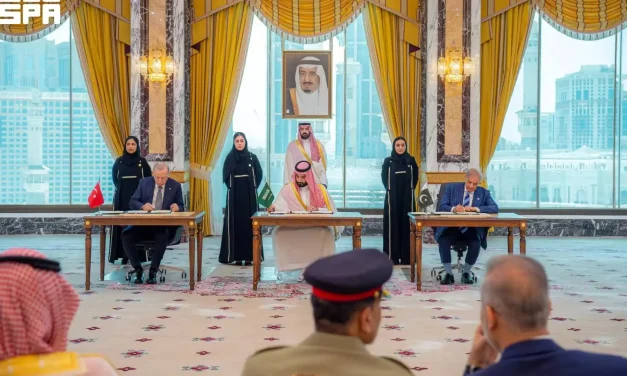
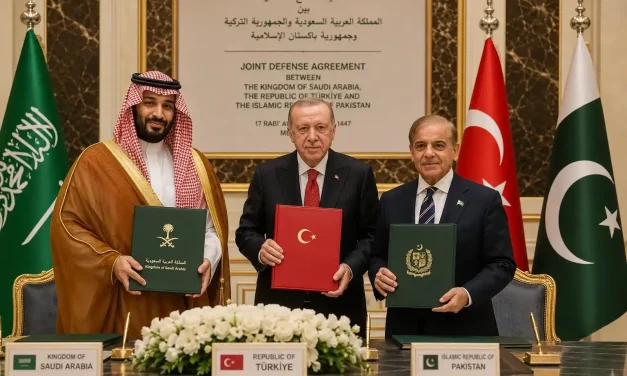
The Makkah Pact; Reasons for its Formation and Challenges Ahead

SCFR Online – Opinion: The Makkah Pact, signed between Saudi Arabia, Pakistan, and Turkey under the motto “an attack on one is an attack on all,” is viewed by some analysts less as a full-fledged military coalition and more as an attempt to reduce security dependence on an external power and to establish a regional security mechanism.

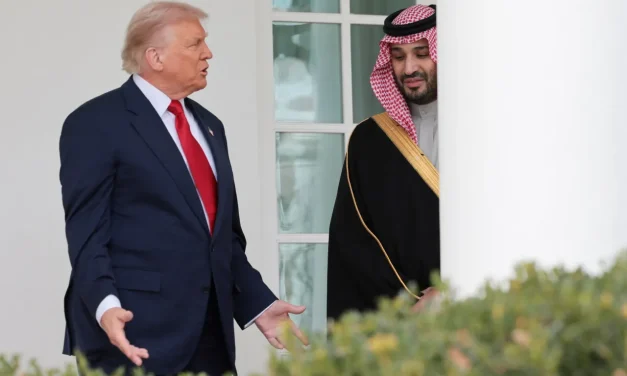
Implications of the US-Saudi Nuclear Agreement

SCFR Online – Opinion: The new US-Saudi nuclear agreement, despite legal and political ambiguities, could alter previous non-proliferation standards in West Asia and intensify nuclear competition, ushering it into a new phase.

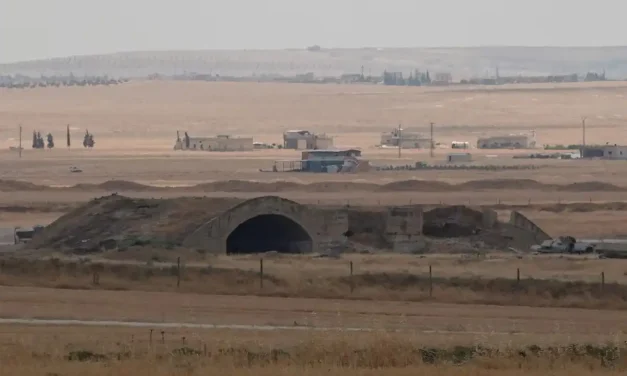
An Analysis of Recent Turkey-Israeli Regime Tensions

SCFR Online – Opinion: Recent developments in Syria indicate an intensification of strategic rivalry between Turkey and the Israeli regime, but mutual considerations and the role of the United States have limited the likelihood of direct war.

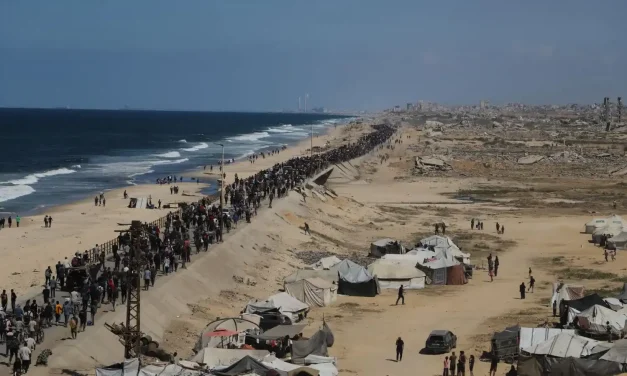
Increasing criticism of the extensive Zionist lobby network

SCFR Online – Opinion: An examination of the mechanisms of the Israeli regime’s influence in the United States depicts a complex picture of shared interests, strategic dependencies, and the limitations of this relationship.

Realities of the Tripartite Makkah Pact

SCFR Online – Interview: The signing of the Makkah agreement between Saudi Arabia, Pakistan, and Turkey has raised questions about the future of the region’s security structure and the position of these countries in West Asian equations. Can this agreement become a genuine collective defense mechanism, or does it have more of a political and deterrent function than creating new military capacity?

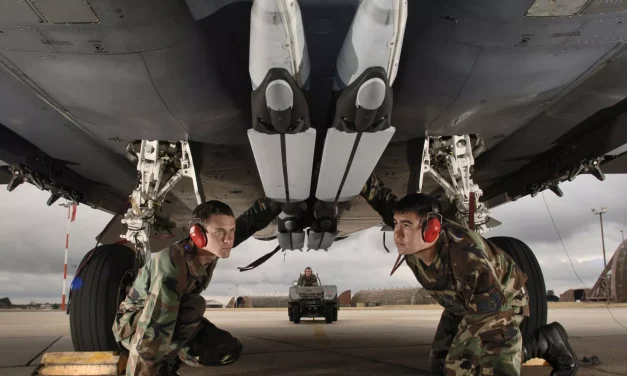
Strategic Implications of the Reduction of US Weapons Stockpiles

SCFR Online – Opinion: The continuation of the US war against Iran, in addition to increasing operational costs, has called into question the actual capacity of the American arsenal to simultaneously fulfill security commitments on multiple fronts; an issue that affects deterrence, defense production capacity, and Washington’s resource prioritization.

Loading

Politics

An Analysis of Europe’s Approach Towards Iran

An Analysis of Europe’s Approach Towards Iran

Strategic Council Online – Opinion: The sanctions imposed by the European Union against the Islamic Republic of Iran before the activation of the snapback mechanism represent an effort to exert additional political and economic pressure on our country to change the system’s behavior regarding regional developments.

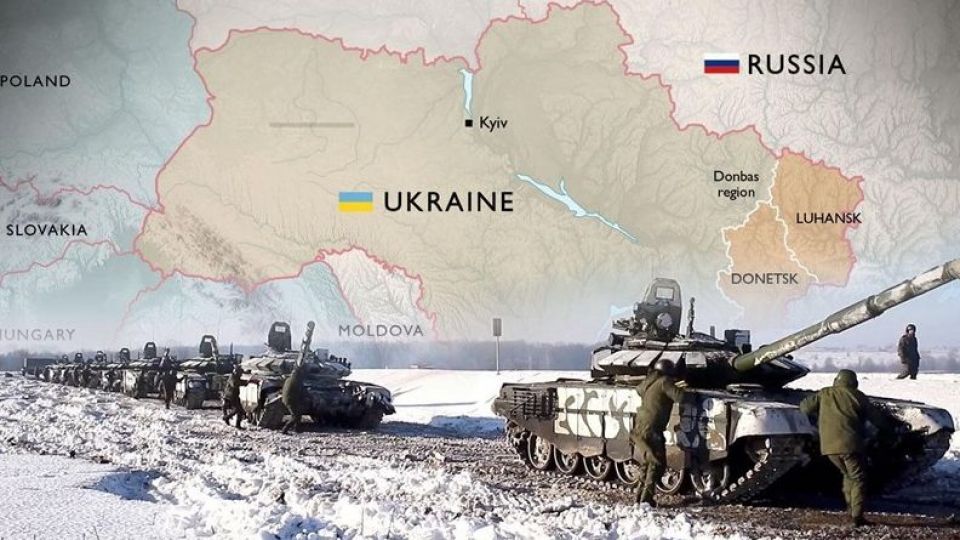
The Outlook for Ukraine Peace Negotiations

The Outlook for Ukraine Peace Negotiations

Strategic Council Online – Opinion: After nearly four years of conflict, the outlook for Ukraine-Russia peace negotiations remains unclear; not due to a lack of initiatives, but because of deep conflicts of interest, Russia’s strategy of exploiting the battlefield situation politically, and European confusion and lack of consensus. Achieving a lasting peace seems out of reach.

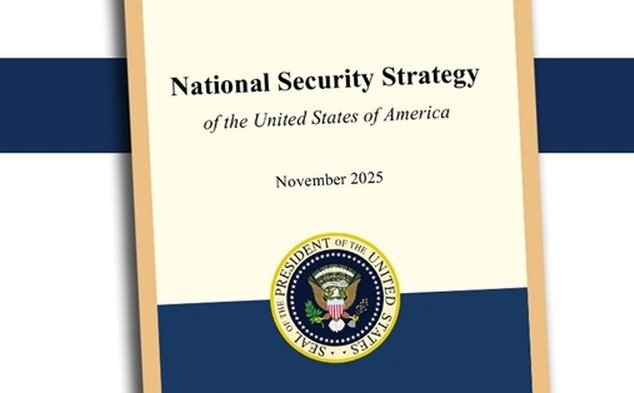
The Implications of the United States’ New National Security Strategy on Global Order

The Implications of the United States’ New National Security Strategy on Global Order

Strategic Council Online – Opinion: The United States’ 2025 National Security Strategy (NSS 2025) is not merely a revision of Washington’s foreign policy, but an official declaration redefining its interests, sphere of influence, and the framework of international relations. This change could shake the foundations of the post-Cold War order and place Europe and NATO in a difficult position.

Examining Political Developments Related to the Ukraine War

Examining Political Developments Related to the Ukraine War

Strategic Council Online – Interview: An international affairs analyst stated: Today, Ukraine is facing a set of structural corruption, intra-European divisions, a shift in America’s approach, and a legitimacy crisis for Zelenskyy, which has propelled the course of the war and the future of the European Union and NATO into an entirely new phase.

Dr. Kharrazi Meets Delegation from Chinese Think Tanks: Emphasizes the Need for an Action Plan to Implement the Comprehensive Iran–China Cooperation Document

Dr. Kharrazi Meets Delegation from Chinese Think Tanks: Emphasizes the Need for an Action Plan to Implement the Comprehensive Iran–China Cooperation Document

Strategic Council Online: The President of the Strategic Council on Foreign Relations stated, “Despite the signing of the 25-year Comprehensive Cooperation Agreement between Iran and China, a long path remains toward its full implementation. One key point both countries must observe is to move away from a project-based approach and instead adopt a program-oriented relationship by formulating a concrete action plan. This plan should be grounded in Iran’s national spatial planning framework and aligned with the mutual priorities of both nations as outlined in the 25-year Comprehensive Cooperation Document.”

An Analysis of the New U.S. National Security Strategy Document

An Analysis of the New U.S. National Security Strategy Document

Strategic Council Online – Opinion: The new U.S. National Security Strategy document, which emphasizes the slogan “America First,” indicates that Washington has moved away from many previous patterns and shifted its focus from external interventions to the preservation of domestic security and the preservation of the Western Hemisphere. This document redefines threats, priorities, and America’s global role.

Reasons for Trump’s Attempt to Remove South Africa from the Upcoming G20 Summit

Reasons for Trump’s Attempt to Remove South Africa from the Upcoming G20 Summit

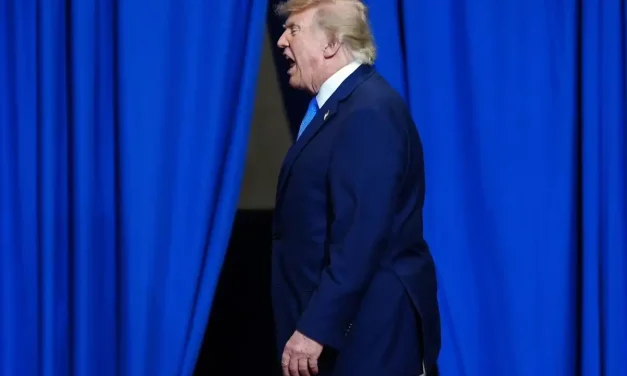
Strategic Council Online – Interview: Iran’s former ambassador to South Africa stated: “Trump’s decision to remove South Africa from the upcoming G20 summit is an irrational, reactionary decision lacking a legal basis. On one hand, it stems from Trump’s contemptuous and narcissistic outlook. On the other hand, it is a response to Pretoria’s prominent role in pursuing the legal case against the Israeli regime at the International Court of Justice.”

أحدث الوظائف

The Makkah Pact; Reasons for its Formation and Challenges Ahead

SCFR Online – Opinion: The Makkah Pact, signed between Saudi Arabia, Pakistan, and Turkey under the motto “an attack on one is an attack on all,” is viewed by some analysts less as a full-fledged military coalition and more as an attempt to reduce security dependence on an external power and to establish a regional security mechanism.

Implications of the US-Saudi Nuclear Agreement

SCFR Online – Opinion: The new US-Saudi nuclear agreement, despite legal and political ambiguities, could alter previous non-proliferation standards in West Asia and intensify nuclear competition, ushering it into a new phase.

An Analysis of Recent Turkey-Israeli Regime Tensions

SCFR Online – Opinion: Recent developments in Syria indicate an intensification of strategic rivalry between Turkey and the Israeli regime, but mutual considerations and the role of the United States have limited the likelihood of direct war.

Increasing criticism of the extensive Zionist lobby network

SCFR Online – Opinion: An examination of the mechanisms of the Israeli regime’s influence in the United States depicts a complex picture of shared interests, strategic dependencies, and the limitations of this relationship.

Realities of the Tripartite Makkah Pact

SCFR Online – Interview: The signing of the Makkah agreement between Saudi Arabia, Pakistan, and Turkey has raised questions about the future of the region’s security structure and the position of these countries in West Asian equations. Can this agreement become a genuine collective defense mechanism, or does it have more of a political and deterrent function than creating new military capacity?

Strategic Implications of the Reduction of US Weapons Stockpiles

SCFR Online – Opinion: The continuation of the US war against Iran, in addition to increasing operational costs, has called into question the actual capacity of the American arsenal to simultaneously fulfill security commitments on multiple fronts; an issue that affects deterrence, defense production capacity, and Washington’s resource prioritization.

Loading

Politics

An Analysis of Europe’s Approach Towards Iran

An Analysis of Europe’s Approach Towards Iran

Strategic Council Online – Opinion: The sanctions imposed by the European Union against the Islamic Republic of Iran before the activation of the snapback mechanism represent an effort to exert additional political and economic pressure on our country to change the system’s behavior regarding regional developments.

The Outlook for Ukraine Peace Negotiations

The Outlook for Ukraine Peace Negotiations

Strategic Council Online – Opinion: After nearly four years of conflict, the outlook for Ukraine-Russia peace negotiations remains unclear; not due to a lack of initiatives, but because of deep conflicts of interest, Russia’s strategy of exploiting the battlefield situation politically, and European confusion and lack of consensus. Achieving a lasting peace seems out of reach.

The Implications of the United States’ New National Security Strategy on Global Order

The Implications of the United States’ New National Security Strategy on Global Order

Strategic Council Online – Opinion: The United States’ 2025 National Security Strategy (NSS 2025) is not merely a revision of Washington’s foreign policy, but an official declaration redefining its interests, sphere of influence, and the framework of international relations. This change could shake the foundations of the post-Cold War order and place Europe and NATO in a difficult position.

Examining Political Developments Related to the Ukraine War

Examining Political Developments Related to the Ukraine War

Strategic Council Online – Interview: An international affairs analyst stated: Today, Ukraine is facing a set of structural corruption, intra-European divisions, a shift in America’s approach, and a legitimacy crisis for Zelenskyy, which has propelled the course of the war and the future of the European Union and NATO into an entirely new phase.

Dr. Kharrazi Meets Delegation from Chinese Think Tanks: Emphasizes the Need for an Action Plan to Implement the Comprehensive Iran–China Cooperation Document

Dr. Kharrazi Meets Delegation from Chinese Think Tanks: Emphasizes the Need for an Action Plan to Implement the Comprehensive Iran–China Cooperation Document

Strategic Council Online: The President of the Strategic Council on Foreign Relations stated, “Despite the signing of the 25-year Comprehensive Cooperation Agreement between Iran and China, a long path remains toward its full implementation. One key point both countries must observe is to move away from a project-based approach and instead adopt a program-oriented relationship by formulating a concrete action plan. This plan should be grounded in Iran’s national spatial planning framework and aligned with the mutual priorities of both nations as outlined in the 25-year Comprehensive Cooperation Document.”

An Analysis of the New U.S. National Security Strategy Document

An Analysis of the New U.S. National Security Strategy Document

Strategic Council Online – Opinion: The new U.S. National Security Strategy document, which emphasizes the slogan “America First,” indicates that Washington has moved away from many previous patterns and shifted its focus from external interventions to the preservation of domestic security and the preservation of the Western Hemisphere. This document redefines threats, priorities, and America’s global role.

Reasons for Trump’s Attempt to Remove South Africa from the Upcoming G20 Summit

Reasons for Trump’s Attempt to Remove South Africa from the Upcoming G20 Summit

Strategic Council Online – Interview: Iran’s former ambassador to South Africa stated: “Trump’s decision to remove South Africa from the upcoming G20 summit is an irrational, reactionary decision lacking a legal basis. On one hand, it stems from Trump’s contemptuous and narcissistic outlook. On the other hand, it is a response to Pretoria’s prominent role in pursuing the legal case against the Israeli regime at the International Court of Justice.”

Politics

An Analysis of Europe’s Approach Towards Iran

An Analysis of Europe’s Approach Towards Iran

Strategic Council Online – Opinion: The sanctions imposed by the European Union against the Islamic Republic of Iran before the activation of the snapback mechanism represent an effort to exert additional political and economic pressure on our country to change the system’s behavior regarding regional developments.

The Outlook for Ukraine Peace Negotiations

The Outlook for Ukraine Peace Negotiations

Strategic Council Online – Opinion: After nearly four years of conflict, the outlook for Ukraine-Russia peace negotiations remains unclear; not due to a lack of initiatives, but because of deep conflicts of interest, Russia’s strategy of exploiting the battlefield situation politically, and European confusion and lack of consensus. Achieving a lasting peace seems out of reach.

The Implications of the United States’ New National Security Strategy on Global Order

The Implications of the United States’ New National Security Strategy on Global Order

Strategic Council Online – Opinion: The United States’ 2025 National Security Strategy (NSS 2025) is not merely a revision of Washington’s foreign policy, but an official declaration redefining its interests, sphere of influence, and the framework of international relations. This change could shake the foundations of the post-Cold War order and place Europe and NATO in a difficult position.

Examining Political Developments Related to the Ukraine War

Examining Political Developments Related to the Ukraine War

Strategic Council Online – Interview: An international affairs analyst stated: Today, Ukraine is facing a set of structural corruption, intra-European divisions, a shift in America’s approach, and a legitimacy crisis for Zelenskyy, which has propelled the course of the war and the future of the European Union and NATO into an entirely new phase.

Dr. Kharrazi Meets Delegation from Chinese Think Tanks: Emphasizes the Need for an Action Plan to Implement the Comprehensive Iran–China Cooperation Document

Dr. Kharrazi Meets Delegation from Chinese Think Tanks: Emphasizes the Need for an Action Plan to Implement the Comprehensive Iran–China Cooperation Document

Strategic Council Online: The President of the Strategic Council on Foreign Relations stated, “Despite the signing of the 25-year Comprehensive Cooperation Agreement between Iran and China, a long path remains toward its full implementation. One key point both countries must observe is to move away from a project-based approach and instead adopt a program-oriented relationship by formulating a concrete action plan. This plan should be grounded in Iran’s national spatial planning framework and aligned with the mutual priorities of both nations as outlined in the 25-year Comprehensive Cooperation Document.”

An Analysis of the New U.S. National Security Strategy Document

An Analysis of the New U.S. National Security Strategy Document

Strategic Council Online – Opinion: The new U.S. National Security Strategy document, which emphasizes the slogan “America First,” indicates that Washington has moved away from many previous patterns and shifted its focus from external interventions to the preservation of domestic security and the preservation of the Western Hemisphere. This document redefines threats, priorities, and America’s global role.

Reasons for Trump’s Attempt to Remove South Africa from the Upcoming G20 Summit

Reasons for Trump’s Attempt to Remove South Africa from the Upcoming G20 Summit

Strategic Council Online – Interview: Iran’s former ambassador to South Africa stated: “Trump’s decision to remove South Africa from the upcoming G20 summit is an irrational, reactionary decision lacking a legal basis. On one hand, it stems from Trump’s contemptuous and narcissistic outlook. On the other hand, it is a response to Pretoria’s prominent role in pursuing the legal case against the Israeli regime at the International Court of Justice.”

LATEST CONTENT

The Makkah Pact; Reasons for its Formation and Challenges Ahead

SCFR Online – Opinion: The Makkah Pact, signed between Saudi Arabia, Pakistan, and Turkey under the motto “an attack on one is an attack on all,” is viewed by some analysts less as a full-fledged military coalition and more as an attempt to reduce security dependence on an external power and to establish a regional security mechanism.

Implications of the US-Saudi Nuclear Agreement

SCFR Online – Opinion: The new US-Saudi nuclear agreement, despite legal and political ambiguities, could alter previous non-proliferation standards in West Asia and intensify nuclear competition, ushering it into a new phase.

An Analysis of Recent Turkey-Israeli Regime Tensions

SCFR Online – Opinion: Recent developments in Syria indicate an intensification of strategic rivalry between Turkey and the Israeli regime, but mutual considerations and the role of the United States have limited the likelihood of direct war.

Increasing criticism of the extensive Zionist lobby network

SCFR Online – Opinion: An examination of the mechanisms of the Israeli regime’s influence in the United States depicts a complex picture of shared interests, strategic dependencies, and the limitations of this relationship.

Realities of the Tripartite Makkah Pact

SCFR Online – Interview: The signing of the Makkah agreement between Saudi Arabia, Pakistan, and Turkey has raised questions about the future of the region’s security structure and the position of these countries in West Asian equations. Can this agreement become a genuine collective defense mechanism, or does it have more of a political and deterrent function than creating new military capacity?

Strategic Implications of the Reduction of US Weapons Stockpiles

SCFR Online – Opinion: The continuation of the US war against Iran, in addition to increasing operational costs, has called into question the actual capacity of the American arsenal to simultaneously fulfill security commitments on multiple fronts; an issue that affects deterrence, defense production capacity, and Washington’s resource prioritization.

Loading

Politics

An Analysis of Europe’s Approach Towards Iran

An Analysis of Europe’s Approach Towards Iran

Strategic Council Online – Opinion: The sanctions imposed by the European Union against the Islamic Republic of Iran before the activation of the snapback mechanism represent an effort to exert additional political and economic pressure on our country to change the system’s behavior regarding regional developments.

The Outlook for Ukraine Peace Negotiations

The Outlook for Ukraine Peace Negotiations

Strategic Council Online – Opinion: After nearly four years of conflict, the outlook for Ukraine-Russia peace negotiations remains unclear; not due to a lack of initiatives, but because of deep conflicts of interest, Russia’s strategy of exploiting the battlefield situation politically, and European confusion and lack of consensus. Achieving a lasting peace seems out of reach.

The Implications of the United States’ New National Security Strategy on Global Order

The Implications of the United States’ New National Security Strategy on Global Order

Strategic Council Online – Opinion: The United States’ 2025 National Security Strategy (NSS 2025) is not merely a revision of Washington’s foreign policy, but an official declaration redefining its interests, sphere of influence, and the framework of international relations. This change could shake the foundations of the post-Cold War order and place Europe and NATO in a difficult position.

Examining Political Developments Related to the Ukraine War

Examining Political Developments Related to the Ukraine War

Strategic Council Online – Interview: An international affairs analyst stated: Today, Ukraine is facing a set of structural corruption, intra-European divisions, a shift in America’s approach, and a legitimacy crisis for Zelenskyy, which has propelled the course of the war and the future of the European Union and NATO into an entirely new phase.

Dr. Kharrazi Meets Delegation from Chinese Think Tanks: Emphasizes the Need for an Action Plan to Implement the Comprehensive Iran–China Cooperation Document

Dr. Kharrazi Meets Delegation from Chinese Think Tanks: Emphasizes the Need for an Action Plan to Implement the Comprehensive Iran–China Cooperation Document

Strategic Council Online: The President of the Strategic Council on Foreign Relations stated, “Despite the signing of the 25-year Comprehensive Cooperation Agreement between Iran and China, a long path remains toward its full implementation. One key point both countries must observe is to move away from a project-based approach and instead adopt a program-oriented relationship by formulating a concrete action plan. This plan should be grounded in Iran’s national spatial planning framework and aligned with the mutual priorities of both nations as outlined in the 25-year Comprehensive Cooperation Document.”

An Analysis of the New U.S. National Security Strategy Document

An Analysis of the New U.S. National Security Strategy Document

Strategic Council Online – Opinion: The new U.S. National Security Strategy document, which emphasizes the slogan “America First,” indicates that Washington has moved away from many previous patterns and shifted its focus from external interventions to the preservation of domestic security and the preservation of the Western Hemisphere. This document redefines threats, priorities, and America’s global role.

Reasons for Trump’s Attempt to Remove South Africa from the Upcoming G20 Summit

Reasons for Trump’s Attempt to Remove South Africa from the Upcoming G20 Summit

Strategic Council Online – Interview: Iran’s former ambassador to South Africa stated: “Trump’s decision to remove South Africa from the upcoming G20 summit is an irrational, reactionary decision lacking a legal basis. On one hand, it stems from Trump’s contemptuous and narcissistic outlook. On the other hand, it is a response to Pretoria’s prominent role in pursuing the legal case against the Israeli regime at the International Court of Justice.”

ÚLTIMAS PUBLICACIONES

The Makkah Pact; Reasons for its Formation and Challenges Ahead

SCFR Online – Opinion: The Makkah Pact, signed between Saudi Arabia, Pakistan, and Turkey under the motto “an attack on one is an attack on all,” is viewed by some analysts less as a full-fledged military coalition and more as an attempt to reduce security dependence on an external power and to establish a regional security mechanism.

Implications of the US-Saudi Nuclear Agreement

SCFR Online – Opinion: The new US-Saudi nuclear agreement, despite legal and political ambiguities, could alter previous non-proliferation standards in West Asia and intensify nuclear competition, ushering it into a new phase.

An Analysis of Recent Turkey-Israeli Regime Tensions

SCFR Online – Opinion: Recent developments in Syria indicate an intensification of strategic rivalry between Turkey and the Israeli regime, but mutual considerations and the role of the United States have limited the likelihood of direct war.

Increasing criticism of the extensive Zionist lobby network

SCFR Online – Opinion: An examination of the mechanisms of the Israeli regime’s influence in the United States depicts a complex picture of shared interests, strategic dependencies, and the limitations of this relationship.

Realities of the Tripartite Makkah Pact

SCFR Online – Interview: The signing of the Makkah agreement between Saudi Arabia, Pakistan, and Turkey has raised questions about the future of the region’s security structure and the position of these countries in West Asian equations. Can this agreement become a genuine collective defense mechanism, or does it have more of a political and deterrent function than creating new military capacity?

Strategic Implications of the Reduction of US Weapons Stockpiles

SCFR Online – Opinion: The continuation of the US war against Iran, in addition to increasing operational costs, has called into question the actual capacity of the American arsenal to simultaneously fulfill security commitments on multiple fronts; an issue that affects deterrence, defense production capacity, and Washington’s resource prioritization.

Loading

Politics

An Analysis of Europe’s Approach Towards Iran

An Analysis of Europe’s Approach Towards Iran

Strategic Council Online – Opinion: The sanctions imposed by the European Union against the Islamic Republic of Iran before the activation of the snapback mechanism represent an effort to exert additional political and economic pressure on our country to change the system’s behavior regarding regional developments.

The Outlook for Ukraine Peace Negotiations

The Outlook for Ukraine Peace Negotiations

Strategic Council Online – Opinion: After nearly four years of conflict, the outlook for Ukraine-Russia peace negotiations remains unclear; not due to a lack of initiatives, but because of deep conflicts of interest, Russia’s strategy of exploiting the battlefield situation politically, and European confusion and lack of consensus. Achieving a lasting peace seems out of reach.

The Implications of the United States’ New National Security Strategy on Global Order

The Implications of the United States’ New National Security Strategy on Global Order

Strategic Council Online – Opinion: The United States’ 2025 National Security Strategy (NSS 2025) is not merely a revision of Washington’s foreign policy, but an official declaration redefining its interests, sphere of influence, and the framework of international relations. This change could shake the foundations of the post-Cold War order and place Europe and NATO in a difficult position.

Examining Political Developments Related to the Ukraine War

Examining Political Developments Related to the Ukraine War

Strategic Council Online – Interview: An international affairs analyst stated: Today, Ukraine is facing a set of structural corruption, intra-European divisions, a shift in America’s approach, and a legitimacy crisis for Zelenskyy, which has propelled the course of the war and the future of the European Union and NATO into an entirely new phase.

Dr. Kharrazi Meets Delegation from Chinese Think Tanks: Emphasizes the Need for an Action Plan to Implement the Comprehensive Iran–China Cooperation Document

Dr. Kharrazi Meets Delegation from Chinese Think Tanks: Emphasizes the Need for an Action Plan to Implement the Comprehensive Iran–China Cooperation Document

Strategic Council Online: The President of the Strategic Council on Foreign Relations stated, “Despite the signing of the 25-year Comprehensive Cooperation Agreement between Iran and China, a long path remains toward its full implementation. One key point both countries must observe is to move away from a project-based approach and instead adopt a program-oriented relationship by formulating a concrete action plan. This plan should be grounded in Iran’s national spatial planning framework and aligned with the mutual priorities of both nations as outlined in the 25-year Comprehensive Cooperation Document.”

An Analysis of the New U.S. National Security Strategy Document

An Analysis of the New U.S. National Security Strategy Document

Strategic Council Online – Opinion: The new U.S. National Security Strategy document, which emphasizes the slogan “America First,” indicates that Washington has moved away from many previous patterns and shifted its focus from external interventions to the preservation of domestic security and the preservation of the Western Hemisphere. This document redefines threats, priorities, and America’s global role.

Reasons for Trump’s Attempt to Remove South Africa from the Upcoming G20 Summit

Reasons for Trump’s Attempt to Remove South Africa from the Upcoming G20 Summit

Strategic Council Online – Interview: Iran’s former ambassador to South Africa stated: “Trump’s decision to remove South Africa from the upcoming G20 summit is an irrational, reactionary decision lacking a legal basis. On one hand, it stems from Trump’s contemptuous and narcissistic outlook. On the other hand, it is a response to Pretoria’s prominent role in pursuing the legal case against the Israeli regime at the International Court of Justice.”

ÚLTIMAS PUBLICACIONES

The Makkah Pact; Reasons for its Formation and Challenges Ahead

SCFR Online – Opinion: The Makkah Pact, signed between Saudi Arabia, Pakistan, and Turkey under the motto “an attack on one is an attack on all,” is viewed by some analysts less as a full-fledged military coalition and more as an attempt to reduce security dependence on an external power and to establish a regional security mechanism.

Implications of the US-Saudi Nuclear Agreement

SCFR Online – Opinion: The new US-Saudi nuclear agreement, despite legal and political ambiguities, could alter previous non-proliferation standards in West Asia and intensify nuclear competition, ushering it into a new phase.

An Analysis of Recent Turkey-Israeli Regime Tensions

SCFR Online – Opinion: Recent developments in Syria indicate an intensification of strategic rivalry between Turkey and the Israeli regime, but mutual considerations and the role of the United States have limited the likelihood of direct war.

Increasing criticism of the extensive Zionist lobby network

SCFR Online – Opinion: An examination of the mechanisms of the Israeli regime’s influence in the United States depicts a complex picture of shared interests, strategic dependencies, and the limitations of this relationship.

Realities of the Tripartite Makkah Pact

SCFR Online – Interview: The signing of the Makkah agreement between Saudi Arabia, Pakistan, and Turkey has raised questions about the future of the region’s security structure and the position of these countries in West Asian equations. Can this agreement become a genuine collective defense mechanism, or does it have more of a political and deterrent function than creating new military capacity?

Strategic Implications of the Reduction of US Weapons Stockpiles

SCFR Online – Opinion: The continuation of the US war against Iran, in addition to increasing operational costs, has called into question the actual capacity of the American arsenal to simultaneously fulfill security commitments on multiple fronts; an issue that affects deterrence, defense production capacity, and Washington’s resource prioritization.

Loading

Politics

An Analysis of Europe’s Approach Towards Iran

An Analysis of Europe’s Approach Towards Iran

Strategic Council Online – Opinion: The sanctions imposed by the European Union against the Islamic Republic of Iran before the activation of the snapback mechanism represent an effort to exert additional political and economic pressure on our country to change the system’s behavior regarding regional developments.

The Outlook for Ukraine Peace Negotiations

The Outlook for Ukraine Peace Negotiations

Strategic Council Online – Opinion: After nearly four years of conflict, the outlook for Ukraine-Russia peace negotiations remains unclear; not due to a lack of initiatives, but because of deep conflicts of interest, Russia’s strategy of exploiting the battlefield situation politically, and European confusion and lack of consensus. Achieving a lasting peace seems out of reach.

The Implications of the United States’ New National Security Strategy on Global Order

The Implications of the United States’ New National Security Strategy on Global Order

Strategic Council Online – Opinion: The United States’ 2025 National Security Strategy (NSS 2025) is not merely a revision of Washington’s foreign policy, but an official declaration redefining its interests, sphere of influence, and the framework of international relations. This change could shake the foundations of the post-Cold War order and place Europe and NATO in a difficult position.

Examining Political Developments Related to the Ukraine War

Examining Political Developments Related to the Ukraine War

Strategic Council Online – Interview: An international affairs analyst stated: Today, Ukraine is facing a set of structural corruption, intra-European divisions, a shift in America’s approach, and a legitimacy crisis for Zelenskyy, which has propelled the course of the war and the future of the European Union and NATO into an entirely new phase.

Dr. Kharrazi Meets Delegation from Chinese Think Tanks: Emphasizes the Need for an Action Plan to Implement the Comprehensive Iran–China Cooperation Document

Dr. Kharrazi Meets Delegation from Chinese Think Tanks: Emphasizes the Need for an Action Plan to Implement the Comprehensive Iran–China Cooperation Document

Strategic Council Online: The President of the Strategic Council on Foreign Relations stated, “Despite the signing of the 25-year Comprehensive Cooperation Agreement between Iran and China, a long path remains toward its full implementation. One key point both countries must observe is to move away from a project-based approach and instead adopt a program-oriented relationship by formulating a concrete action plan. This plan should be grounded in Iran’s national spatial planning framework and aligned with the mutual priorities of both nations as outlined in the 25-year Comprehensive Cooperation Document.”

An Analysis of the New U.S. National Security Strategy Document

An Analysis of the New U.S. National Security Strategy Document

Strategic Council Online – Opinion: The new U.S. National Security Strategy document, which emphasizes the slogan “America First,” indicates that Washington has moved away from many previous patterns and shifted its focus from external interventions to the preservation of domestic security and the preservation of the Western Hemisphere. This document redefines threats, priorities, and America’s global role.

Reasons for Trump’s Attempt to Remove South Africa from the Upcoming G20 Summit

Reasons for Trump’s Attempt to Remove South Africa from the Upcoming G20 Summit

Strategic Council Online – Interview: Iran’s former ambassador to South Africa stated: “Trump’s decision to remove South Africa from the upcoming G20 summit is an irrational, reactionary decision lacking a legal basis. On one hand, it stems from Trump’s contemptuous and narcissistic outlook. On the other hand, it is a response to Pretoria’s prominent role in pursuing the legal case against the Israeli regime at the International Court of Justice.”

ÚLTIMAS PUBLICACIONES

The Makkah Pact; Reasons for its Formation and Challenges Ahead

SCFR Online – Opinion: The Makkah Pact, signed between Saudi Arabia, Pakistan, and Turkey under the motto “an attack on one is an attack on all,” is viewed by some analysts less as a full-fledged military coalition and more as an attempt to reduce security dependence on an external power and to establish a regional security mechanism.

Implications of the US-Saudi Nuclear Agreement

SCFR Online – Opinion: The new US-Saudi nuclear agreement, despite legal and political ambiguities, could alter previous non-proliferation standards in West Asia and intensify nuclear competition, ushering it into a new phase.

An Analysis of Recent Turkey-Israeli Regime Tensions

SCFR Online – Opinion: Recent developments in Syria indicate an intensification of strategic rivalry between Turkey and the Israeli regime, but mutual considerations and the role of the United States have limited the likelihood of direct war.

Increasing criticism of the extensive Zionist lobby network

SCFR Online – Opinion: An examination of the mechanisms of the Israeli regime’s influence in the United States depicts a complex picture of shared interests, strategic dependencies, and the limitations of this relationship.

Realities of the Tripartite Makkah Pact

SCFR Online – Interview: The signing of the Makkah agreement between Saudi Arabia, Pakistan, and Turkey has raised questions about the future of the region’s security structure and the position of these countries in West Asian equations. Can this agreement become a genuine collective defense mechanism, or does it have more of a political and deterrent function than creating new military capacity?

Strategic Implications of the Reduction of US Weapons Stockpiles

SCFR Online – Opinion: The continuation of the US war against Iran, in addition to increasing operational costs, has called into question the actual capacity of the American arsenal to simultaneously fulfill security commitments on multiple fronts; an issue that affects deterrence, defense production capacity, and Washington’s resource prioritization.

Loading

Politics

An Analysis of Europe’s Approach Towards Iran

An Analysis of Europe’s Approach Towards Iran

Strategic Council Online – Opinion: The sanctions imposed by the European Union against the Islamic Republic of Iran before the activation of the snapback mechanism represent an effort to exert additional political and economic pressure on our country to change the system’s behavior regarding regional developments.

The Outlook for Ukraine Peace Negotiations

The Outlook for Ukraine Peace Negotiations

Strategic Council Online – Opinion: After nearly four years of conflict, the outlook for Ukraine-Russia peace negotiations remains unclear; not due to a lack of initiatives, but because of deep conflicts of interest, Russia’s strategy of exploiting the battlefield situation politically, and European confusion and lack of consensus. Achieving a lasting peace seems out of reach.

The Implications of the United States’ New National Security Strategy on Global Order

The Implications of the United States’ New National Security Strategy on Global Order

Strategic Council Online – Opinion: The United States’ 2025 National Security Strategy (NSS 2025) is not merely a revision of Washington’s foreign policy, but an official declaration redefining its interests, sphere of influence, and the framework of international relations. This change could shake the foundations of the post-Cold War order and place Europe and NATO in a difficult position.

Examining Political Developments Related to the Ukraine War

Examining Political Developments Related to the Ukraine War

Strategic Council Online – Interview: An international affairs analyst stated: Today, Ukraine is facing a set of structural corruption, intra-European divisions, a shift in America’s approach, and a legitimacy crisis for Zelenskyy, which has propelled the course of the war and the future of the European Union and NATO into an entirely new phase.

Dr. Kharrazi Meets Delegation from Chinese Think Tanks: Emphasizes the Need for an Action Plan to Implement the Comprehensive Iran–China Cooperation Document

Dr. Kharrazi Meets Delegation from Chinese Think Tanks: Emphasizes the Need for an Action Plan to Implement the Comprehensive Iran–China Cooperation Document

Strategic Council Online: The President of the Strategic Council on Foreign Relations stated, “Despite the signing of the 25-year Comprehensive Cooperation Agreement between Iran and China, a long path remains toward its full implementation. One key point both countries must observe is to move away from a project-based approach and instead adopt a program-oriented relationship by formulating a concrete action plan. This plan should be grounded in Iran’s national spatial planning framework and aligned with the mutual priorities of both nations as outlined in the 25-year Comprehensive Cooperation Document.”

An Analysis of the New U.S. National Security Strategy Document

An Analysis of the New U.S. National Security Strategy Document

Strategic Council Online – Opinion: The new U.S. National Security Strategy document, which emphasizes the slogan “America First,” indicates that Washington has moved away from many previous patterns and shifted its focus from external interventions to the preservation of domestic security and the preservation of the Western Hemisphere. This document redefines threats, priorities, and America’s global role.

Reasons for Trump’s Attempt to Remove South Africa from the Upcoming G20 Summit

Reasons for Trump’s Attempt to Remove South Africa from the Upcoming G20 Summit

Strategic Council Online – Interview: Iran’s former ambassador to South Africa stated: “Trump’s decision to remove South Africa from the upcoming G20 summit is an irrational, reactionary decision lacking a legal basis. On one hand, it stems from Trump’s contemptuous and narcissistic outlook. On the other hand, it is a response to Pretoria’s prominent role in pursuing the legal case against the Israeli regime at the International Court of Justice.”

ÚLTIMAS PUBLICACIONES

The Makkah Pact; Reasons for its Formation and Challenges Ahead

SCFR Online – Opinion: The Makkah Pact, signed between Saudi Arabia, Pakistan, and Turkey under the motto “an attack on one is an attack on all,” is viewed by some analysts less as a full-fledged military coalition and more as an attempt to reduce security dependence on an external power and to establish a regional security mechanism.

Implications of the US-Saudi Nuclear Agreement

SCFR Online – Opinion: The new US-Saudi nuclear agreement, despite legal and political ambiguities, could alter previous non-proliferation standards in West Asia and intensify nuclear competition, ushering it into a new phase.

An Analysis of Recent Turkey-Israeli Regime Tensions

SCFR Online – Opinion: Recent developments in Syria indicate an intensification of strategic rivalry between Turkey and the Israeli regime, but mutual considerations and the role of the United States have limited the likelihood of direct war.

Increasing criticism of the extensive Zionist lobby network

SCFR Online – Opinion: An examination of the mechanisms of the Israeli regime’s influence in the United States depicts a complex picture of shared interests, strategic dependencies, and the limitations of this relationship.

Realities of the Tripartite Makkah Pact

SCFR Online – Interview: The signing of the Makkah agreement between Saudi Arabia, Pakistan, and Turkey has raised questions about the future of the region’s security structure and the position of these countries in West Asian equations. Can this agreement become a genuine collective defense mechanism, or does it have more of a political and deterrent function than creating new military capacity?

Strategic Implications of the Reduction of US Weapons Stockpiles

SCFR Online – Opinion: The continuation of the US war against Iran, in addition to increasing operational costs, has called into question the actual capacity of the American arsenal to simultaneously fulfill security commitments on multiple fronts; an issue that affects deterrence, defense production capacity, and Washington’s resource prioritization.

Loading