جدیدترین مطالب

The Makkah Pact; Reasons for its Formation and Challenges Ahead

SCFR Online – Opinion: The Makkah Pact, signed between Saudi Arabia, Pakistan, and Turkey under the motto “an attack on one is an attack on all,” is viewed by some analysts less as a full-fledged military coalition and more as an attempt to reduce security dependence on an external power and to establish a regional security mechanism.

Implications of the US-Saudi Nuclear Agreement

SCFR Online – Opinion: The new US-Saudi nuclear agreement, despite legal and political ambiguities, could alter previous non-proliferation standards in West Asia and intensify nuclear competition, ushering it into a new phase.

An Analysis of Recent Turkey-Israeli Regime Tensions

SCFR Online – Opinion: Recent developments in Syria indicate an intensification of strategic rivalry between Turkey and the Israeli regime, but mutual considerations and the role of the United States have limited the likelihood of direct war.

Increasing criticism of the extensive Zionist lobby network

SCFR Online – Opinion: An examination of the mechanisms of the Israeli regime’s influence in the United States depicts a complex picture of shared interests, strategic dependencies, and the limitations of this relationship.

Realities of the Tripartite Makkah Pact

SCFR Online – Interview: The signing of the Makkah agreement between Saudi Arabia, Pakistan, and Turkey has raised questions about the future of the region’s security structure and the position of these countries in West Asian equations. Can this agreement become a genuine collective defense mechanism, or does it have more of a political and deterrent function than creating new military capacity?

Strategic Implications of the Reduction of US Weapons Stockpiles

SCFR Online – Opinion: The continuation of the US war against Iran, in addition to increasing operational costs, has called into question the actual capacity of the American arsenal to simultaneously fulfill security commitments on multiple fronts; an issue that affects deterrence, defense production capacity, and Washington’s resource prioritization.

Loading

Politics

Iran’s Strategy Regarding Trump’s Approach in West Asia

Iran’s Strategy Regarding Trump’s Approach in West Asia

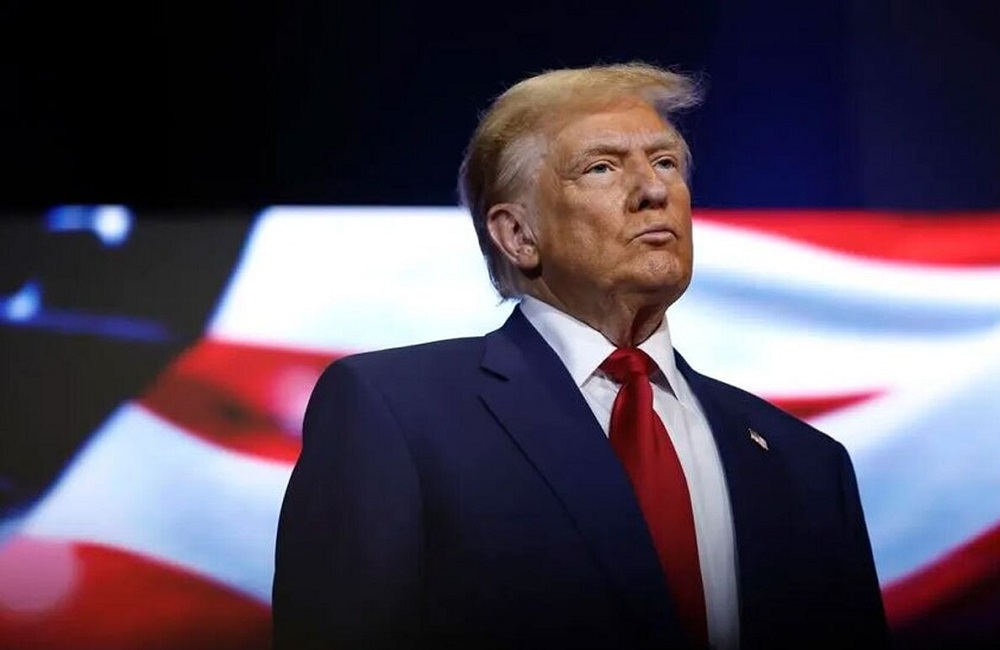
Online Strategic Council – Interview: An expert on West Asian issues stated: Trump’s foreign policy in West Asia began with threats, humiliation, and a show of power, but ultimately ended in failure and strengthened the position of the Resistance Axis.

Takaichi is the Updated Version of Shinzo Abe in Japan

Takaichi is the Updated Version of Shinzo Abe in Japan

Online Strategic Council – Interview: Sanae Takaichi, Japan’s new prime minister, is an updated version of Shinzo Abe with a high degree of nationalism and a return to traditions. Experts believe that Japan’s approach on the international stage will not change much, and the country’s defense, economic, and cultural policies will continue along the Abe path.

America’s Endeavor to Rebuild Domination in West Asia Under the Guise of Peace Plans

America’s Endeavor to Rebuild Domination in West Asia Under the Guise of Peace Plans

Strategic Council Online- Interview: An expert on West Asian issues stated: The developments following the Gaza war indicate that the U.S. strategy to redefine the West Asian order through the normalization of relations with the Israeli regime has reached a dead end. Therefore, the post-Gaza war developments have once again placed the U.S. security engineering strategy in West Asia at the center of analysts’ attention.

An Analysis of Zelenskyy’s Recent Trip to Washington

An Analysis of Zelenskyy’s Recent Trip to Washington

Online Strategic Council – Note: Volodymyr Zelenskyy’s third trip to Washington this year as President of Ukraine must be considered a turning point in the Ukraine war. This trip took place one day after a two-and-a-half-hour phone call between Trump and Putin. It coincided with speculation about holding a second meeting between the presidents of the United States and Russia in Budapest.

A Look at Iran-Europe Relations and Cooperation Capacities

A Look at Iran-Europe Relations and Cooperation Capacities

Online Strategic Council – Interview: A senior European affairs analyst, referring to recent developments, stated: Europe’s role in the new international order is complex, affected by the Ukraine war, and simultaneously possesses capacities for economic and political interaction with Iran.

West Asia: An Arena of Strength Testing

West Asia: An Arena of Strength Testing

Online Strategic Council – Note: Developments in the West Asia region, including tensions between Iran and the Israeli regime or regional cooperation, are influenced by macro policies pursued by extra-regional powers. Of course, other equations are very influential. It must be noted that China and Russia have no desire whatsoever for America’s success in the West Asia region and, based on this, they do not support the success and operational superiority of the Israeli regime in confronting Iran. Meanwhile, the Americans are seeking to focus their forces in West Asia for now, amid the three crises of Ukraine, Taiwan, and West Asia.

An Analysis of Iran’s Strategy in Central Asia and the Caucasus

An Analysis of Iran’s Strategy in Central Asia and the Caucasus

Online Strategic Council – Interview: An international affairs expert stated that Iran, by relying on its geo-economic capacities across various fields, should strive to solidify its position as a bridge connecting the Persian Gulf to Eurasia. However, regional and extra-regional competition for influence in Azerbaijan and Armenia has reached a critical point, where Iran’s security considerations and geopolitical red lines could turn the advancement of a multi-faceted strategy into a real test for the diplomatic apparatus.

SCFR Honors the Palestinian Heroes and Resistance Forces and Congratulates the Victorious Palestinian Nation

SCFR Honors the Palestinian Heroes and Resistance Forces and Congratulates the Victorious Palestinian Nation

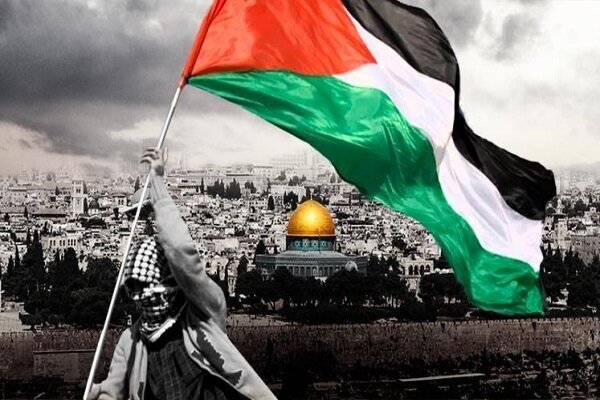
Strategic Council Online: The Strategic Council on Foreign Relations (SCFR), in a statement honoring the Palestinian heroes and resistance forces, congratulated the steadfast Palestinian nation on its victory over the Zionist regime and its supporters, expressing hope that “the complete liberation of the land of Palestine and the establishment of an independent Palestinian state” will be achieved.

أحدث الوظائف

The Makkah Pact; Reasons for its Formation and Challenges Ahead

SCFR Online – Opinion: The Makkah Pact, signed between Saudi Arabia, Pakistan, and Turkey under the motto “an attack on one is an attack on all,” is viewed by some analysts less as a full-fledged military coalition and more as an attempt to reduce security dependence on an external power and to establish a regional security mechanism.

Implications of the US-Saudi Nuclear Agreement

SCFR Online – Opinion: The new US-Saudi nuclear agreement, despite legal and political ambiguities, could alter previous non-proliferation standards in West Asia and intensify nuclear competition, ushering it into a new phase.

An Analysis of Recent Turkey-Israeli Regime Tensions

SCFR Online – Opinion: Recent developments in Syria indicate an intensification of strategic rivalry between Turkey and the Israeli regime, but mutual considerations and the role of the United States have limited the likelihood of direct war.

Increasing criticism of the extensive Zionist lobby network

SCFR Online – Opinion: An examination of the mechanisms of the Israeli regime’s influence in the United States depicts a complex picture of shared interests, strategic dependencies, and the limitations of this relationship.

Realities of the Tripartite Makkah Pact

SCFR Online – Interview: The signing of the Makkah agreement between Saudi Arabia, Pakistan, and Turkey has raised questions about the future of the region’s security structure and the position of these countries in West Asian equations. Can this agreement become a genuine collective defense mechanism, or does it have more of a political and deterrent function than creating new military capacity?

Strategic Implications of the Reduction of US Weapons Stockpiles

SCFR Online – Opinion: The continuation of the US war against Iran, in addition to increasing operational costs, has called into question the actual capacity of the American arsenal to simultaneously fulfill security commitments on multiple fronts; an issue that affects deterrence, defense production capacity, and Washington’s resource prioritization.

Loading

Politics

Iran’s Strategy Regarding Trump’s Approach in West Asia

Iran’s Strategy Regarding Trump’s Approach in West Asia

Online Strategic Council – Interview: An expert on West Asian issues stated: Trump’s foreign policy in West Asia began with threats, humiliation, and a show of power, but ultimately ended in failure and strengthened the position of the Resistance Axis.

Takaichi is the Updated Version of Shinzo Abe in Japan

Takaichi is the Updated Version of Shinzo Abe in Japan

Online Strategic Council – Interview: Sanae Takaichi, Japan’s new prime minister, is an updated version of Shinzo Abe with a high degree of nationalism and a return to traditions. Experts believe that Japan’s approach on the international stage will not change much, and the country’s defense, economic, and cultural policies will continue along the Abe path.

America’s Endeavor to Rebuild Domination in West Asia Under the Guise of Peace Plans

America’s Endeavor to Rebuild Domination in West Asia Under the Guise of Peace Plans

Strategic Council Online- Interview: An expert on West Asian issues stated: The developments following the Gaza war indicate that the U.S. strategy to redefine the West Asian order through the normalization of relations with the Israeli regime has reached a dead end. Therefore, the post-Gaza war developments have once again placed the U.S. security engineering strategy in West Asia at the center of analysts’ attention.

An Analysis of Zelenskyy’s Recent Trip to Washington

An Analysis of Zelenskyy’s Recent Trip to Washington

Online Strategic Council – Note: Volodymyr Zelenskyy’s third trip to Washington this year as President of Ukraine must be considered a turning point in the Ukraine war. This trip took place one day after a two-and-a-half-hour phone call between Trump and Putin. It coincided with speculation about holding a second meeting between the presidents of the United States and Russia in Budapest.

A Look at Iran-Europe Relations and Cooperation Capacities

A Look at Iran-Europe Relations and Cooperation Capacities

Online Strategic Council – Interview: A senior European affairs analyst, referring to recent developments, stated: Europe’s role in the new international order is complex, affected by the Ukraine war, and simultaneously possesses capacities for economic and political interaction with Iran.

West Asia: An Arena of Strength Testing

West Asia: An Arena of Strength Testing

Online Strategic Council – Note: Developments in the West Asia region, including tensions between Iran and the Israeli regime or regional cooperation, are influenced by macro policies pursued by extra-regional powers. Of course, other equations are very influential. It must be noted that China and Russia have no desire whatsoever for America’s success in the West Asia region and, based on this, they do not support the success and operational superiority of the Israeli regime in confronting Iran. Meanwhile, the Americans are seeking to focus their forces in West Asia for now, amid the three crises of Ukraine, Taiwan, and West Asia.

An Analysis of Iran’s Strategy in Central Asia and the Caucasus

An Analysis of Iran’s Strategy in Central Asia and the Caucasus

Online Strategic Council – Interview: An international affairs expert stated that Iran, by relying on its geo-economic capacities across various fields, should strive to solidify its position as a bridge connecting the Persian Gulf to Eurasia. However, regional and extra-regional competition for influence in Azerbaijan and Armenia has reached a critical point, where Iran’s security considerations and geopolitical red lines could turn the advancement of a multi-faceted strategy into a real test for the diplomatic apparatus.

SCFR Honors the Palestinian Heroes and Resistance Forces and Congratulates the Victorious Palestinian Nation

SCFR Honors the Palestinian Heroes and Resistance Forces and Congratulates the Victorious Palestinian Nation

Strategic Council Online: The Strategic Council on Foreign Relations (SCFR), in a statement honoring the Palestinian heroes and resistance forces, congratulated the steadfast Palestinian nation on its victory over the Zionist regime and its supporters, expressing hope that “the complete liberation of the land of Palestine and the establishment of an independent Palestinian state” will be achieved.

Politics

Iran’s Strategy Regarding Trump’s Approach in West Asia

Iran’s Strategy Regarding Trump’s Approach in West Asia

Online Strategic Council – Interview: An expert on West Asian issues stated: Trump’s foreign policy in West Asia began with threats, humiliation, and a show of power, but ultimately ended in failure and strengthened the position of the Resistance Axis.

Takaichi is the Updated Version of Shinzo Abe in Japan

Takaichi is the Updated Version of Shinzo Abe in Japan

Online Strategic Council – Interview: Sanae Takaichi, Japan’s new prime minister, is an updated version of Shinzo Abe with a high degree of nationalism and a return to traditions. Experts believe that Japan’s approach on the international stage will not change much, and the country’s defense, economic, and cultural policies will continue along the Abe path.

America’s Endeavor to Rebuild Domination in West Asia Under the Guise of Peace Plans

America’s Endeavor to Rebuild Domination in West Asia Under the Guise of Peace Plans

Strategic Council Online- Interview: An expert on West Asian issues stated: The developments following the Gaza war indicate that the U.S. strategy to redefine the West Asian order through the normalization of relations with the Israeli regime has reached a dead end. Therefore, the post-Gaza war developments have once again placed the U.S. security engineering strategy in West Asia at the center of analysts’ attention.

An Analysis of Zelenskyy’s Recent Trip to Washington

An Analysis of Zelenskyy’s Recent Trip to Washington

Online Strategic Council – Note: Volodymyr Zelenskyy’s third trip to Washington this year as President of Ukraine must be considered a turning point in the Ukraine war. This trip took place one day after a two-and-a-half-hour phone call between Trump and Putin. It coincided with speculation about holding a second meeting between the presidents of the United States and Russia in Budapest.

A Look at Iran-Europe Relations and Cooperation Capacities

A Look at Iran-Europe Relations and Cooperation Capacities

Online Strategic Council – Interview: A senior European affairs analyst, referring to recent developments, stated: Europe’s role in the new international order is complex, affected by the Ukraine war, and simultaneously possesses capacities for economic and political interaction with Iran.

West Asia: An Arena of Strength Testing

West Asia: An Arena of Strength Testing

Online Strategic Council – Note: Developments in the West Asia region, including tensions between Iran and the Israeli regime or regional cooperation, are influenced by macro policies pursued by extra-regional powers. Of course, other equations are very influential. It must be noted that China and Russia have no desire whatsoever for America’s success in the West Asia region and, based on this, they do not support the success and operational superiority of the Israeli regime in confronting Iran. Meanwhile, the Americans are seeking to focus their forces in West Asia for now, amid the three crises of Ukraine, Taiwan, and West Asia.

An Analysis of Iran’s Strategy in Central Asia and the Caucasus

An Analysis of Iran’s Strategy in Central Asia and the Caucasus

Online Strategic Council – Interview: An international affairs expert stated that Iran, by relying on its geo-economic capacities across various fields, should strive to solidify its position as a bridge connecting the Persian Gulf to Eurasia. However, regional and extra-regional competition for influence in Azerbaijan and Armenia has reached a critical point, where Iran’s security considerations and geopolitical red lines could turn the advancement of a multi-faceted strategy into a real test for the diplomatic apparatus.

SCFR Honors the Palestinian Heroes and Resistance Forces and Congratulates the Victorious Palestinian Nation

SCFR Honors the Palestinian Heroes and Resistance Forces and Congratulates the Victorious Palestinian Nation

Strategic Council Online: The Strategic Council on Foreign Relations (SCFR), in a statement honoring the Palestinian heroes and resistance forces, congratulated the steadfast Palestinian nation on its victory over the Zionist regime and its supporters, expressing hope that “the complete liberation of the land of Palestine and the establishment of an independent Palestinian state” will be achieved.

LATEST CONTENT

The Makkah Pact; Reasons for its Formation and Challenges Ahead

SCFR Online – Opinion: The Makkah Pact, signed between Saudi Arabia, Pakistan, and Turkey under the motto “an attack on one is an attack on all,” is viewed by some analysts less as a full-fledged military coalition and more as an attempt to reduce security dependence on an external power and to establish a regional security mechanism.

Implications of the US-Saudi Nuclear Agreement

SCFR Online – Opinion: The new US-Saudi nuclear agreement, despite legal and political ambiguities, could alter previous non-proliferation standards in West Asia and intensify nuclear competition, ushering it into a new phase.

An Analysis of Recent Turkey-Israeli Regime Tensions

SCFR Online – Opinion: Recent developments in Syria indicate an intensification of strategic rivalry between Turkey and the Israeli regime, but mutual considerations and the role of the United States have limited the likelihood of direct war.

Increasing criticism of the extensive Zionist lobby network

SCFR Online – Opinion: An examination of the mechanisms of the Israeli regime’s influence in the United States depicts a complex picture of shared interests, strategic dependencies, and the limitations of this relationship.

Realities of the Tripartite Makkah Pact

SCFR Online – Interview: The signing of the Makkah agreement between Saudi Arabia, Pakistan, and Turkey has raised questions about the future of the region’s security structure and the position of these countries in West Asian equations. Can this agreement become a genuine collective defense mechanism, or does it have more of a political and deterrent function than creating new military capacity?

Strategic Implications of the Reduction of US Weapons Stockpiles

SCFR Online – Opinion: The continuation of the US war against Iran, in addition to increasing operational costs, has called into question the actual capacity of the American arsenal to simultaneously fulfill security commitments on multiple fronts; an issue that affects deterrence, defense production capacity, and Washington’s resource prioritization.

Loading

Politics

Iran’s Strategy Regarding Trump’s Approach in West Asia

Iran’s Strategy Regarding Trump’s Approach in West Asia

Online Strategic Council – Interview: An expert on West Asian issues stated: Trump’s foreign policy in West Asia began with threats, humiliation, and a show of power, but ultimately ended in failure and strengthened the position of the Resistance Axis.

Takaichi is the Updated Version of Shinzo Abe in Japan

Takaichi is the Updated Version of Shinzo Abe in Japan

Online Strategic Council – Interview: Sanae Takaichi, Japan’s new prime minister, is an updated version of Shinzo Abe with a high degree of nationalism and a return to traditions. Experts believe that Japan’s approach on the international stage will not change much, and the country’s defense, economic, and cultural policies will continue along the Abe path.

America’s Endeavor to Rebuild Domination in West Asia Under the Guise of Peace Plans

America’s Endeavor to Rebuild Domination in West Asia Under the Guise of Peace Plans

Strategic Council Online- Interview: An expert on West Asian issues stated: The developments following the Gaza war indicate that the U.S. strategy to redefine the West Asian order through the normalization of relations with the Israeli regime has reached a dead end. Therefore, the post-Gaza war developments have once again placed the U.S. security engineering strategy in West Asia at the center of analysts’ attention.

An Analysis of Zelenskyy’s Recent Trip to Washington

An Analysis of Zelenskyy’s Recent Trip to Washington

Online Strategic Council – Note: Volodymyr Zelenskyy’s third trip to Washington this year as President of Ukraine must be considered a turning point in the Ukraine war. This trip took place one day after a two-and-a-half-hour phone call between Trump and Putin. It coincided with speculation about holding a second meeting between the presidents of the United States and Russia in Budapest.

A Look at Iran-Europe Relations and Cooperation Capacities

A Look at Iran-Europe Relations and Cooperation Capacities

Online Strategic Council – Interview: A senior European affairs analyst, referring to recent developments, stated: Europe’s role in the new international order is complex, affected by the Ukraine war, and simultaneously possesses capacities for economic and political interaction with Iran.

West Asia: An Arena of Strength Testing

West Asia: An Arena of Strength Testing

Online Strategic Council – Note: Developments in the West Asia region, including tensions between Iran and the Israeli regime or regional cooperation, are influenced by macro policies pursued by extra-regional powers. Of course, other equations are very influential. It must be noted that China and Russia have no desire whatsoever for America’s success in the West Asia region and, based on this, they do not support the success and operational superiority of the Israeli regime in confronting Iran. Meanwhile, the Americans are seeking to focus their forces in West Asia for now, amid the three crises of Ukraine, Taiwan, and West Asia.

An Analysis of Iran’s Strategy in Central Asia and the Caucasus

An Analysis of Iran’s Strategy in Central Asia and the Caucasus

Online Strategic Council – Interview: An international affairs expert stated that Iran, by relying on its geo-economic capacities across various fields, should strive to solidify its position as a bridge connecting the Persian Gulf to Eurasia. However, regional and extra-regional competition for influence in Azerbaijan and Armenia has reached a critical point, where Iran’s security considerations and geopolitical red lines could turn the advancement of a multi-faceted strategy into a real test for the diplomatic apparatus.

SCFR Honors the Palestinian Heroes and Resistance Forces and Congratulates the Victorious Palestinian Nation

SCFR Honors the Palestinian Heroes and Resistance Forces and Congratulates the Victorious Palestinian Nation

Strategic Council Online: The Strategic Council on Foreign Relations (SCFR), in a statement honoring the Palestinian heroes and resistance forces, congratulated the steadfast Palestinian nation on its victory over the Zionist regime and its supporters, expressing hope that “the complete liberation of the land of Palestine and the establishment of an independent Palestinian state” will be achieved.

ÚLTIMAS PUBLICACIONES

The Makkah Pact; Reasons for its Formation and Challenges Ahead

SCFR Online – Opinion: The Makkah Pact, signed between Saudi Arabia, Pakistan, and Turkey under the motto “an attack on one is an attack on all,” is viewed by some analysts less as a full-fledged military coalition and more as an attempt to reduce security dependence on an external power and to establish a regional security mechanism.

Implications of the US-Saudi Nuclear Agreement

SCFR Online – Opinion: The new US-Saudi nuclear agreement, despite legal and political ambiguities, could alter previous non-proliferation standards in West Asia and intensify nuclear competition, ushering it into a new phase.

An Analysis of Recent Turkey-Israeli Regime Tensions

SCFR Online – Opinion: Recent developments in Syria indicate an intensification of strategic rivalry between Turkey and the Israeli regime, but mutual considerations and the role of the United States have limited the likelihood of direct war.

Increasing criticism of the extensive Zionist lobby network

SCFR Online – Opinion: An examination of the mechanisms of the Israeli regime’s influence in the United States depicts a complex picture of shared interests, strategic dependencies, and the limitations of this relationship.

Realities of the Tripartite Makkah Pact

SCFR Online – Interview: The signing of the Makkah agreement between Saudi Arabia, Pakistan, and Turkey has raised questions about the future of the region’s security structure and the position of these countries in West Asian equations. Can this agreement become a genuine collective defense mechanism, or does it have more of a political and deterrent function than creating new military capacity?

Strategic Implications of the Reduction of US Weapons Stockpiles

SCFR Online – Opinion: The continuation of the US war against Iran, in addition to increasing operational costs, has called into question the actual capacity of the American arsenal to simultaneously fulfill security commitments on multiple fronts; an issue that affects deterrence, defense production capacity, and Washington’s resource prioritization.

Loading

Politics

Iran’s Strategy Regarding Trump’s Approach in West Asia

Iran’s Strategy Regarding Trump’s Approach in West Asia

Online Strategic Council – Interview: An expert on West Asian issues stated: Trump’s foreign policy in West Asia began with threats, humiliation, and a show of power, but ultimately ended in failure and strengthened the position of the Resistance Axis.

Takaichi is the Updated Version of Shinzo Abe in Japan

Takaichi is the Updated Version of Shinzo Abe in Japan

Online Strategic Council – Interview: Sanae Takaichi, Japan’s new prime minister, is an updated version of Shinzo Abe with a high degree of nationalism and a return to traditions. Experts believe that Japan’s approach on the international stage will not change much, and the country’s defense, economic, and cultural policies will continue along the Abe path.

America’s Endeavor to Rebuild Domination in West Asia Under the Guise of Peace Plans

America’s Endeavor to Rebuild Domination in West Asia Under the Guise of Peace Plans

Strategic Council Online- Interview: An expert on West Asian issues stated: The developments following the Gaza war indicate that the U.S. strategy to redefine the West Asian order through the normalization of relations with the Israeli regime has reached a dead end. Therefore, the post-Gaza war developments have once again placed the U.S. security engineering strategy in West Asia at the center of analysts’ attention.

An Analysis of Zelenskyy’s Recent Trip to Washington

An Analysis of Zelenskyy’s Recent Trip to Washington

Online Strategic Council – Note: Volodymyr Zelenskyy’s third trip to Washington this year as President of Ukraine must be considered a turning point in the Ukraine war. This trip took place one day after a two-and-a-half-hour phone call between Trump and Putin. It coincided with speculation about holding a second meeting between the presidents of the United States and Russia in Budapest.

A Look at Iran-Europe Relations and Cooperation Capacities

A Look at Iran-Europe Relations and Cooperation Capacities

Online Strategic Council – Interview: A senior European affairs analyst, referring to recent developments, stated: Europe’s role in the new international order is complex, affected by the Ukraine war, and simultaneously possesses capacities for economic and political interaction with Iran.

West Asia: An Arena of Strength Testing

West Asia: An Arena of Strength Testing

Online Strategic Council – Note: Developments in the West Asia region, including tensions between Iran and the Israeli regime or regional cooperation, are influenced by macro policies pursued by extra-regional powers. Of course, other equations are very influential. It must be noted that China and Russia have no desire whatsoever for America’s success in the West Asia region and, based on this, they do not support the success and operational superiority of the Israeli regime in confronting Iran. Meanwhile, the Americans are seeking to focus their forces in West Asia for now, amid the three crises of Ukraine, Taiwan, and West Asia.

An Analysis of Iran’s Strategy in Central Asia and the Caucasus

An Analysis of Iran’s Strategy in Central Asia and the Caucasus

Online Strategic Council – Interview: An international affairs expert stated that Iran, by relying on its geo-economic capacities across various fields, should strive to solidify its position as a bridge connecting the Persian Gulf to Eurasia. However, regional and extra-regional competition for influence in Azerbaijan and Armenia has reached a critical point, where Iran’s security considerations and geopolitical red lines could turn the advancement of a multi-faceted strategy into a real test for the diplomatic apparatus.

SCFR Honors the Palestinian Heroes and Resistance Forces and Congratulates the Victorious Palestinian Nation

SCFR Honors the Palestinian Heroes and Resistance Forces and Congratulates the Victorious Palestinian Nation

Strategic Council Online: The Strategic Council on Foreign Relations (SCFR), in a statement honoring the Palestinian heroes and resistance forces, congratulated the steadfast Palestinian nation on its victory over the Zionist regime and its supporters, expressing hope that “the complete liberation of the land of Palestine and the establishment of an independent Palestinian state” will be achieved.

ÚLTIMAS PUBLICACIONES

The Makkah Pact; Reasons for its Formation and Challenges Ahead

SCFR Online – Opinion: The Makkah Pact, signed between Saudi Arabia, Pakistan, and Turkey under the motto “an attack on one is an attack on all,” is viewed by some analysts less as a full-fledged military coalition and more as an attempt to reduce security dependence on an external power and to establish a regional security mechanism.

Implications of the US-Saudi Nuclear Agreement

SCFR Online – Opinion: The new US-Saudi nuclear agreement, despite legal and political ambiguities, could alter previous non-proliferation standards in West Asia and intensify nuclear competition, ushering it into a new phase.

An Analysis of Recent Turkey-Israeli Regime Tensions

SCFR Online – Opinion: Recent developments in Syria indicate an intensification of strategic rivalry between Turkey and the Israeli regime, but mutual considerations and the role of the United States have limited the likelihood of direct war.

Increasing criticism of the extensive Zionist lobby network

SCFR Online – Opinion: An examination of the mechanisms of the Israeli regime’s influence in the United States depicts a complex picture of shared interests, strategic dependencies, and the limitations of this relationship.

Realities of the Tripartite Makkah Pact

SCFR Online – Interview: The signing of the Makkah agreement between Saudi Arabia, Pakistan, and Turkey has raised questions about the future of the region’s security structure and the position of these countries in West Asian equations. Can this agreement become a genuine collective defense mechanism, or does it have more of a political and deterrent function than creating new military capacity?

Strategic Implications of the Reduction of US Weapons Stockpiles

SCFR Online – Opinion: The continuation of the US war against Iran, in addition to increasing operational costs, has called into question the actual capacity of the American arsenal to simultaneously fulfill security commitments on multiple fronts; an issue that affects deterrence, defense production capacity, and Washington’s resource prioritization.

Loading

Politics

Iran’s Strategy Regarding Trump’s Approach in West Asia

Iran’s Strategy Regarding Trump’s Approach in West Asia

Online Strategic Council – Interview: An expert on West Asian issues stated: Trump’s foreign policy in West Asia began with threats, humiliation, and a show of power, but ultimately ended in failure and strengthened the position of the Resistance Axis.

Takaichi is the Updated Version of Shinzo Abe in Japan

Takaichi is the Updated Version of Shinzo Abe in Japan

Online Strategic Council – Interview: Sanae Takaichi, Japan’s new prime minister, is an updated version of Shinzo Abe with a high degree of nationalism and a return to traditions. Experts believe that Japan’s approach on the international stage will not change much, and the country’s defense, economic, and cultural policies will continue along the Abe path.

America’s Endeavor to Rebuild Domination in West Asia Under the Guise of Peace Plans

America’s Endeavor to Rebuild Domination in West Asia Under the Guise of Peace Plans

Strategic Council Online- Interview: An expert on West Asian issues stated: The developments following the Gaza war indicate that the U.S. strategy to redefine the West Asian order through the normalization of relations with the Israeli regime has reached a dead end. Therefore, the post-Gaza war developments have once again placed the U.S. security engineering strategy in West Asia at the center of analysts’ attention.

An Analysis of Zelenskyy’s Recent Trip to Washington

An Analysis of Zelenskyy’s Recent Trip to Washington

Online Strategic Council – Note: Volodymyr Zelenskyy’s third trip to Washington this year as President of Ukraine must be considered a turning point in the Ukraine war. This trip took place one day after a two-and-a-half-hour phone call between Trump and Putin. It coincided with speculation about holding a second meeting between the presidents of the United States and Russia in Budapest.

A Look at Iran-Europe Relations and Cooperation Capacities

A Look at Iran-Europe Relations and Cooperation Capacities

Online Strategic Council – Interview: A senior European affairs analyst, referring to recent developments, stated: Europe’s role in the new international order is complex, affected by the Ukraine war, and simultaneously possesses capacities for economic and political interaction with Iran.

West Asia: An Arena of Strength Testing

West Asia: An Arena of Strength Testing

Online Strategic Council – Note: Developments in the West Asia region, including tensions between Iran and the Israeli regime or regional cooperation, are influenced by macro policies pursued by extra-regional powers. Of course, other equations are very influential. It must be noted that China and Russia have no desire whatsoever for America’s success in the West Asia region and, based on this, they do not support the success and operational superiority of the Israeli regime in confronting Iran. Meanwhile, the Americans are seeking to focus their forces in West Asia for now, amid the three crises of Ukraine, Taiwan, and West Asia.

An Analysis of Iran’s Strategy in Central Asia and the Caucasus

An Analysis of Iran’s Strategy in Central Asia and the Caucasus

Online Strategic Council – Interview: An international affairs expert stated that Iran, by relying on its geo-economic capacities across various fields, should strive to solidify its position as a bridge connecting the Persian Gulf to Eurasia. However, regional and extra-regional competition for influence in Azerbaijan and Armenia has reached a critical point, where Iran’s security considerations and geopolitical red lines could turn the advancement of a multi-faceted strategy into a real test for the diplomatic apparatus.

SCFR Honors the Palestinian Heroes and Resistance Forces and Congratulates the Victorious Palestinian Nation

SCFR Honors the Palestinian Heroes and Resistance Forces and Congratulates the Victorious Palestinian Nation

Strategic Council Online: The Strategic Council on Foreign Relations (SCFR), in a statement honoring the Palestinian heroes and resistance forces, congratulated the steadfast Palestinian nation on its victory over the Zionist regime and its supporters, expressing hope that “the complete liberation of the land of Palestine and the establishment of an independent Palestinian state” will be achieved.

ÚLTIMAS PUBLICACIONES

The Makkah Pact; Reasons for its Formation and Challenges Ahead

SCFR Online – Opinion: The Makkah Pact, signed between Saudi Arabia, Pakistan, and Turkey under the motto “an attack on one is an attack on all,” is viewed by some analysts less as a full-fledged military coalition and more as an attempt to reduce security dependence on an external power and to establish a regional security mechanism.

Implications of the US-Saudi Nuclear Agreement

SCFR Online – Opinion: The new US-Saudi nuclear agreement, despite legal and political ambiguities, could alter previous non-proliferation standards in West Asia and intensify nuclear competition, ushering it into a new phase.

An Analysis of Recent Turkey-Israeli Regime Tensions

SCFR Online – Opinion: Recent developments in Syria indicate an intensification of strategic rivalry between Turkey and the Israeli regime, but mutual considerations and the role of the United States have limited the likelihood of direct war.

Increasing criticism of the extensive Zionist lobby network

SCFR Online – Opinion: An examination of the mechanisms of the Israeli regime’s influence in the United States depicts a complex picture of shared interests, strategic dependencies, and the limitations of this relationship.

Realities of the Tripartite Makkah Pact

SCFR Online – Interview: The signing of the Makkah agreement between Saudi Arabia, Pakistan, and Turkey has raised questions about the future of the region’s security structure and the position of these countries in West Asian equations. Can this agreement become a genuine collective defense mechanism, or does it have more of a political and deterrent function than creating new military capacity?

Strategic Implications of the Reduction of US Weapons Stockpiles

SCFR Online – Opinion: The continuation of the US war against Iran, in addition to increasing operational costs, has called into question the actual capacity of the American arsenal to simultaneously fulfill security commitments on multiple fronts; an issue that affects deterrence, defense production capacity, and Washington’s resource prioritization.

Loading

Politics

Iran’s Strategy Regarding Trump’s Approach in West Asia

Iran’s Strategy Regarding Trump’s Approach in West Asia

Online Strategic Council – Interview: An expert on West Asian issues stated: Trump’s foreign policy in West Asia began with threats, humiliation, and a show of power, but ultimately ended in failure and strengthened the position of the Resistance Axis.

Takaichi is the Updated Version of Shinzo Abe in Japan

Takaichi is the Updated Version of Shinzo Abe in Japan

Online Strategic Council – Interview: Sanae Takaichi, Japan’s new prime minister, is an updated version of Shinzo Abe with a high degree of nationalism and a return to traditions. Experts believe that Japan’s approach on the international stage will not change much, and the country’s defense, economic, and cultural policies will continue along the Abe path.

America’s Endeavor to Rebuild Domination in West Asia Under the Guise of Peace Plans

America’s Endeavor to Rebuild Domination in West Asia Under the Guise of Peace Plans

Strategic Council Online- Interview: An expert on West Asian issues stated: The developments following the Gaza war indicate that the U.S. strategy to redefine the West Asian order through the normalization of relations with the Israeli regime has reached a dead end. Therefore, the post-Gaza war developments have once again placed the U.S. security engineering strategy in West Asia at the center of analysts’ attention.

An Analysis of Zelenskyy’s Recent Trip to Washington

An Analysis of Zelenskyy’s Recent Trip to Washington

Online Strategic Council – Note: Volodymyr Zelenskyy’s third trip to Washington this year as President of Ukraine must be considered a turning point in the Ukraine war. This trip took place one day after a two-and-a-half-hour phone call between Trump and Putin. It coincided with speculation about holding a second meeting between the presidents of the United States and Russia in Budapest.

A Look at Iran-Europe Relations and Cooperation Capacities

A Look at Iran-Europe Relations and Cooperation Capacities

Online Strategic Council – Interview: A senior European affairs analyst, referring to recent developments, stated: Europe’s role in the new international order is complex, affected by the Ukraine war, and simultaneously possesses capacities for economic and political interaction with Iran.

West Asia: An Arena of Strength Testing

West Asia: An Arena of Strength Testing

Online Strategic Council – Note: Developments in the West Asia region, including tensions between Iran and the Israeli regime or regional cooperation, are influenced by macro policies pursued by extra-regional powers. Of course, other equations are very influential. It must be noted that China and Russia have no desire whatsoever for America’s success in the West Asia region and, based on this, they do not support the success and operational superiority of the Israeli regime in confronting Iran. Meanwhile, the Americans are seeking to focus their forces in West Asia for now, amid the three crises of Ukraine, Taiwan, and West Asia.

An Analysis of Iran’s Strategy in Central Asia and the Caucasus

An Analysis of Iran’s Strategy in Central Asia and the Caucasus

Online Strategic Council – Interview: An international affairs expert stated that Iran, by relying on its geo-economic capacities across various fields, should strive to solidify its position as a bridge connecting the Persian Gulf to Eurasia. However, regional and extra-regional competition for influence in Azerbaijan and Armenia has reached a critical point, where Iran’s security considerations and geopolitical red lines could turn the advancement of a multi-faceted strategy into a real test for the diplomatic apparatus.

SCFR Honors the Palestinian Heroes and Resistance Forces and Congratulates the Victorious Palestinian Nation

SCFR Honors the Palestinian Heroes and Resistance Forces and Congratulates the Victorious Palestinian Nation

Strategic Council Online: The Strategic Council on Foreign Relations (SCFR), in a statement honoring the Palestinian heroes and resistance forces, congratulated the steadfast Palestinian nation on its victory over the Zionist regime and its supporters, expressing hope that “the complete liberation of the land of Palestine and the establishment of an independent Palestinian state” will be achieved.

ÚLTIMAS PUBLICACIONES

The Makkah Pact; Reasons for its Formation and Challenges Ahead

SCFR Online – Opinion: The Makkah Pact, signed between Saudi Arabia, Pakistan, and Turkey under the motto “an attack on one is an attack on all,” is viewed by some analysts less as a full-fledged military coalition and more as an attempt to reduce security dependence on an external power and to establish a regional security mechanism.

Implications of the US-Saudi Nuclear Agreement

SCFR Online – Opinion: The new US-Saudi nuclear agreement, despite legal and political ambiguities, could alter previous non-proliferation standards in West Asia and intensify nuclear competition, ushering it into a new phase.

An Analysis of Recent Turkey-Israeli Regime Tensions

SCFR Online – Opinion: Recent developments in Syria indicate an intensification of strategic rivalry between Turkey and the Israeli regime, but mutual considerations and the role of the United States have limited the likelihood of direct war.

Increasing criticism of the extensive Zionist lobby network

SCFR Online – Opinion: An examination of the mechanisms of the Israeli regime’s influence in the United States depicts a complex picture of shared interests, strategic dependencies, and the limitations of this relationship.

Realities of the Tripartite Makkah Pact

SCFR Online – Interview: The signing of the Makkah agreement between Saudi Arabia, Pakistan, and Turkey has raised questions about the future of the region’s security structure and the position of these countries in West Asian equations. Can this agreement become a genuine collective defense mechanism, or does it have more of a political and deterrent function than creating new military capacity?

Strategic Implications of the Reduction of US Weapons Stockpiles

SCFR Online – Opinion: The continuation of the US war against Iran, in addition to increasing operational costs, has called into question the actual capacity of the American arsenal to simultaneously fulfill security commitments on multiple fronts; an issue that affects deterrence, defense production capacity, and Washington’s resource prioritization.

Loading