جدیدترین مطالب

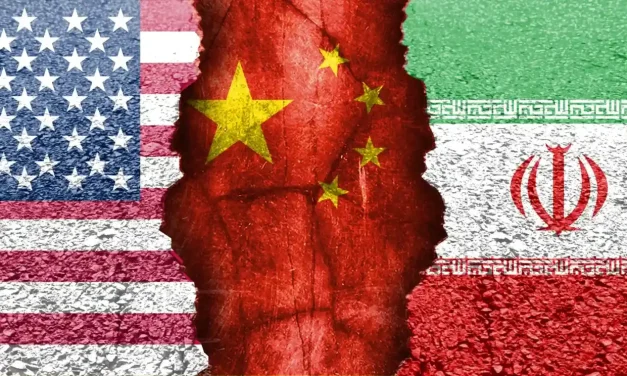
China’s Rejection of US Sanctions; Strengthening Iran’s Geopolitical Leverage

SCFR Online – Opinion: Concurrent with the official commencement of the United States’ economic war against our country, focusing on sanctions instruments, isolation, and economic pressure, what has now become increasingly important is the lack of alignment of other major global powers, especially China, with this policy.
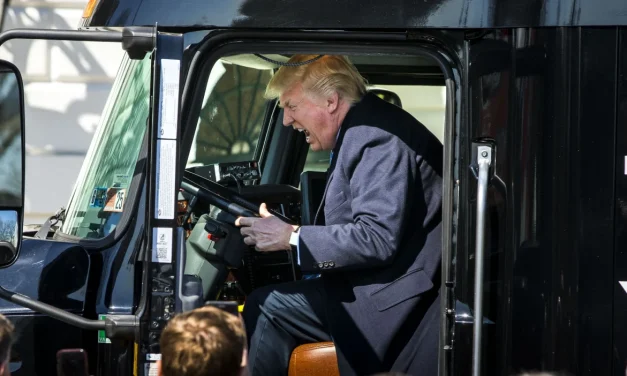
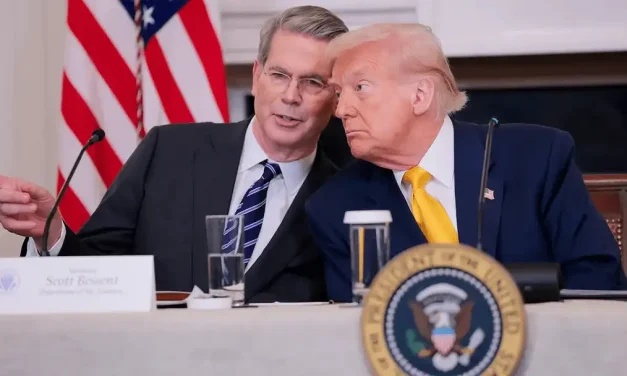
The Makkah Pact; Reasons for its Formation and Challenges Ahead

SCFR Online – Opinion: The Makkah Pact, signed between Saudi Arabia, Pakistan, and Turkey under the motto “an attack on one is an attack on all,” is viewed by some analysts less as a full-fledged military coalition and more as an attempt to reduce security dependence on an external power and to establish a regional security mechanism.

Implications of the US-Saudi Nuclear Agreement

SCFR Online – Opinion: The new US-Saudi nuclear agreement, despite legal and political ambiguities, could alter previous non-proliferation standards in West Asia and intensify nuclear competition, ushering it into a new phase.

An Analysis of Recent Turkey-Israeli Regime Tensions

SCFR Online – Opinion: Recent developments in Syria indicate an intensification of strategic rivalry between Turkey and the Israeli regime, but mutual considerations and the role of the United States have limited the likelihood of direct war.

Loading

Politics

Perspective of Iraqi Political Developments during Post-Election

Perspective of Iraqi Political Developments during Post-Election

Strategic Council Online- Interview: The Expert of Middle East affairs commented on the political status in Iraq after the recent election and said:” Despite political challenges and protests of various trends about the results of the recent parliamentary election, it was finally finished. Saairun trend led by Muqtada Al-Sadr was recognized as the victor of the election with 73 seats”.

Reasons and Consequences of Arab States’ Normalization of Ties with Syria

Reasons and Consequences of Arab States’ Normalization of Ties with Syria

Strategic Council Online – Opinion: Contacts and talks of high-ranking officials of some Arab countries with the Syrian government have increased in recent weeks. The tendency of Arab countries to resume diplomatic relations with Damascus is one of the important “milestones” in the political developments in Syria, which can provide valuable opportunities for that country to strengthen its international position “rebuild” and rehabilitate its economy and foreign trade.
Hamid Khoshayand – Researcher on regional affairs

Economic Crisis in Afghanistan, Escalation of Concerns at the Winter Threshold

Economic Crisis in Afghanistan, Escalation of Concerns at the Winter Threshold

Strategic Council Online – Interview: A university faculty member saying that there is no clear vision in Afghanistan in terms of addressing problems of the people and with the continuation of the status quo, said the country will face a major crisis in the coming months, adding: In the current situation, we are facing a government that has no experience in governance, has no financial resources, is not recognized, and rules only militarily and security-wise.

Consequences of the Recent Erdogan Approche against 10 Western Countries

Consequences of the Recent Erdogan Approche against 10 Western Countries

Strategic Council Online- Opinion: The decision made by Recep Tayyip Erdogan to unprecedented expel of 10 ambassadors (Canada, Denmark, France, Germany, the Netherland, Norway, Sweden, Finland, New Zealand and the U.S.) from Turkey, while accusing them for supporting the release of Osman Kavala has once again disclosed the disputes between Turkey and the Western countries.
Hassan Ashrafi, Researcher on Turkey affairs

Political Sociology of Iraqi Elections

Political Sociology of Iraqi Elections

Strategic Council Online – Interview: A professor at the University of Tehran believes that the general arrangement reflected in the vote-counting in the Iraqi elections indicates a serious fragmentation of the Iraqi society in the field of politics.

Messages of adopting China’s proposed human rights resolution

Messages of adopting China’s proposed human rights resolution

Strategic Council Online—Interview: Referring to China’s efforts to create currents in the Human Rights Council and play a more active role in its working groups, an international law professor says “China seeks to create a ‘Defender of Human Rights and Humanism’ attachment in the minds of the people of the world to expand its influence in the countries and correct some unpleasant and negative mentalities towards itself.

An Analysis of the Changing Nature of Coalitions in the International System

An Analysis of the Changing Nature of Coalitions in the International System

Strategic Council Online – Opinion: Governments, as key players in the international system, seek to survive, achieve security, and or secure interests and accumulate power. In the chaotic environment of the international system, in terms of threats, conflicts, or in order to secure interests and influence, states unite, line up, and form a coalition “with” or “against” other states.
Abed Akbari-Expert of international issues

Iran’s Proposed Resolution on Nuclear Disarmament; A Benchmark for Testing Positions and Claims of UN Member States

Iran’s Proposed Resolution on Nuclear Disarmament; A Benchmark for Testing Positions and Claims of UN Member States

Strategic Council Online – Opinion: After the end of the Cold War, the number of nuclear weapons in the world has greatly decreased and according to the latest estimates has reached 15,000 warheads, but given that the explosive power of new nuclear weapons is thousands of times more than the old ones, the danger of the available weapons to human life and the Planet Earth is no less, if not more, than the old nuclear weapons.

US Strategy in Post-Withdrawal from Afghanistan

US Strategy in Post-Withdrawal from Afghanistan

Strategic Council Online – Opinion: The US withdrawal from Afghanistan is tantamount to the failure of policies that began with the country’s military occupation in late 2001.
Barsam Mohammadi – Analyst of international affairs

أحدث الوظائف

China’s Rejection of US Sanctions; Strengthening Iran’s Geopolitical Leverage

SCFR Online – Opinion: Concurrent with the official commencement of the United States’ economic war against our country, focusing on sanctions instruments, isolation, and economic pressure, what has now become increasingly important is the lack of alignment of other major global powers, especially China, with this policy.
The Makkah Pact; Reasons for its Formation and Challenges Ahead

SCFR Online – Opinion: The Makkah Pact, signed between Saudi Arabia, Pakistan, and Turkey under the motto “an attack on one is an attack on all,” is viewed by some analysts less as a full-fledged military coalition and more as an attempt to reduce security dependence on an external power and to establish a regional security mechanism.

Implications of the US-Saudi Nuclear Agreement

SCFR Online – Opinion: The new US-Saudi nuclear agreement, despite legal and political ambiguities, could alter previous non-proliferation standards in West Asia and intensify nuclear competition, ushering it into a new phase.

An Analysis of Recent Turkey-Israeli Regime Tensions

SCFR Online – Opinion: Recent developments in Syria indicate an intensification of strategic rivalry between Turkey and the Israeli regime, but mutual considerations and the role of the United States have limited the likelihood of direct war.

Loading

Politics

Perspective of Iraqi Political Developments during Post-Election

Perspective of Iraqi Political Developments during Post-Election

Strategic Council Online- Interview: The Expert of Middle East affairs commented on the political status in Iraq after the recent election and said:” Despite political challenges and protests of various trends about the results of the recent parliamentary election, it was finally finished. Saairun trend led by Muqtada Al-Sadr was recognized as the victor of the election with 73 seats”.

Reasons and Consequences of Arab States’ Normalization of Ties with Syria

Reasons and Consequences of Arab States’ Normalization of Ties with Syria

Strategic Council Online – Opinion: Contacts and talks of high-ranking officials of some Arab countries with the Syrian government have increased in recent weeks. The tendency of Arab countries to resume diplomatic relations with Damascus is one of the important “milestones” in the political developments in Syria, which can provide valuable opportunities for that country to strengthen its international position “rebuild” and rehabilitate its economy and foreign trade.
Hamid Khoshayand – Researcher on regional affairs

Economic Crisis in Afghanistan, Escalation of Concerns at the Winter Threshold

Economic Crisis in Afghanistan, Escalation of Concerns at the Winter Threshold

Strategic Council Online – Interview: A university faculty member saying that there is no clear vision in Afghanistan in terms of addressing problems of the people and with the continuation of the status quo, said the country will face a major crisis in the coming months, adding: In the current situation, we are facing a government that has no experience in governance, has no financial resources, is not recognized, and rules only militarily and security-wise.

Consequences of the Recent Erdogan Approche against 10 Western Countries

Consequences of the Recent Erdogan Approche against 10 Western Countries

Strategic Council Online- Opinion: The decision made by Recep Tayyip Erdogan to unprecedented expel of 10 ambassadors (Canada, Denmark, France, Germany, the Netherland, Norway, Sweden, Finland, New Zealand and the U.S.) from Turkey, while accusing them for supporting the release of Osman Kavala has once again disclosed the disputes between Turkey and the Western countries.
Hassan Ashrafi, Researcher on Turkey affairs

Political Sociology of Iraqi Elections

Political Sociology of Iraqi Elections

Strategic Council Online – Interview: A professor at the University of Tehran believes that the general arrangement reflected in the vote-counting in the Iraqi elections indicates a serious fragmentation of the Iraqi society in the field of politics.

Messages of adopting China’s proposed human rights resolution

Messages of adopting China’s proposed human rights resolution

Strategic Council Online—Interview: Referring to China’s efforts to create currents in the Human Rights Council and play a more active role in its working groups, an international law professor says “China seeks to create a ‘Defender of Human Rights and Humanism’ attachment in the minds of the people of the world to expand its influence in the countries and correct some unpleasant and negative mentalities towards itself.

An Analysis of the Changing Nature of Coalitions in the International System

An Analysis of the Changing Nature of Coalitions in the International System

Strategic Council Online – Opinion: Governments, as key players in the international system, seek to survive, achieve security, and or secure interests and accumulate power. In the chaotic environment of the international system, in terms of threats, conflicts, or in order to secure interests and influence, states unite, line up, and form a coalition “with” or “against” other states.
Abed Akbari-Expert of international issues

Iran’s Proposed Resolution on Nuclear Disarmament; A Benchmark for Testing Positions and Claims of UN Member States

Iran’s Proposed Resolution on Nuclear Disarmament; A Benchmark for Testing Positions and Claims of UN Member States

Strategic Council Online – Opinion: After the end of the Cold War, the number of nuclear weapons in the world has greatly decreased and according to the latest estimates has reached 15,000 warheads, but given that the explosive power of new nuclear weapons is thousands of times more than the old ones, the danger of the available weapons to human life and the Planet Earth is no less, if not more, than the old nuclear weapons.

US Strategy in Post-Withdrawal from Afghanistan

US Strategy in Post-Withdrawal from Afghanistan

Strategic Council Online – Opinion: The US withdrawal from Afghanistan is tantamount to the failure of policies that began with the country’s military occupation in late 2001.
Barsam Mohammadi – Analyst of international affairs

Politics

Perspective of Iraqi Political Developments during Post-Election

Perspective of Iraqi Political Developments during Post-Election

Strategic Council Online- Interview: The Expert of Middle East affairs commented on the political status in Iraq after the recent election and said:” Despite political challenges and protests of various trends about the results of the recent parliamentary election, it was finally finished. Saairun trend led by Muqtada Al-Sadr was recognized as the victor of the election with 73 seats”.

Reasons and Consequences of Arab States’ Normalization of Ties with Syria

Reasons and Consequences of Arab States’ Normalization of Ties with Syria

Strategic Council Online – Opinion: Contacts and talks of high-ranking officials of some Arab countries with the Syrian government have increased in recent weeks. The tendency of Arab countries to resume diplomatic relations with Damascus is one of the important “milestones” in the political developments in Syria, which can provide valuable opportunities for that country to strengthen its international position “rebuild” and rehabilitate its economy and foreign trade.
Hamid Khoshayand – Researcher on regional affairs

Economic Crisis in Afghanistan, Escalation of Concerns at the Winter Threshold

Economic Crisis in Afghanistan, Escalation of Concerns at the Winter Threshold

Strategic Council Online – Interview: A university faculty member saying that there is no clear vision in Afghanistan in terms of addressing problems of the people and with the continuation of the status quo, said the country will face a major crisis in the coming months, adding: In the current situation, we are facing a government that has no experience in governance, has no financial resources, is not recognized, and rules only militarily and security-wise.

Consequences of the Recent Erdogan Approche against 10 Western Countries

Consequences of the Recent Erdogan Approche against 10 Western Countries

Strategic Council Online- Opinion: The decision made by Recep Tayyip Erdogan to unprecedented expel of 10 ambassadors (Canada, Denmark, France, Germany, the Netherland, Norway, Sweden, Finland, New Zealand and the U.S.) from Turkey, while accusing them for supporting the release of Osman Kavala has once again disclosed the disputes between Turkey and the Western countries.
Hassan Ashrafi, Researcher on Turkey affairs

Political Sociology of Iraqi Elections

Political Sociology of Iraqi Elections

Strategic Council Online – Interview: A professor at the University of Tehran believes that the general arrangement reflected in the vote-counting in the Iraqi elections indicates a serious fragmentation of the Iraqi society in the field of politics.

Messages of adopting China’s proposed human rights resolution

Messages of adopting China’s proposed human rights resolution

Strategic Council Online—Interview: Referring to China’s efforts to create currents in the Human Rights Council and play a more active role in its working groups, an international law professor says “China seeks to create a ‘Defender of Human Rights and Humanism’ attachment in the minds of the people of the world to expand its influence in the countries and correct some unpleasant and negative mentalities towards itself.

An Analysis of the Changing Nature of Coalitions in the International System

An Analysis of the Changing Nature of Coalitions in the International System

Strategic Council Online – Opinion: Governments, as key players in the international system, seek to survive, achieve security, and or secure interests and accumulate power. In the chaotic environment of the international system, in terms of threats, conflicts, or in order to secure interests and influence, states unite, line up, and form a coalition “with” or “against” other states.
Abed Akbari-Expert of international issues

Iran’s Proposed Resolution on Nuclear Disarmament; A Benchmark for Testing Positions and Claims of UN Member States

Iran’s Proposed Resolution on Nuclear Disarmament; A Benchmark for Testing Positions and Claims of UN Member States

Strategic Council Online – Opinion: After the end of the Cold War, the number of nuclear weapons in the world has greatly decreased and according to the latest estimates has reached 15,000 warheads, but given that the explosive power of new nuclear weapons is thousands of times more than the old ones, the danger of the available weapons to human life and the Planet Earth is no less, if not more, than the old nuclear weapons.

US Strategy in Post-Withdrawal from Afghanistan

US Strategy in Post-Withdrawal from Afghanistan

Strategic Council Online – Opinion: The US withdrawal from Afghanistan is tantamount to the failure of policies that began with the country’s military occupation in late 2001.
Barsam Mohammadi – Analyst of international affairs

LATEST CONTENT

China’s Rejection of US Sanctions; Strengthening Iran’s Geopolitical Leverage

SCFR Online – Opinion: Concurrent with the official commencement of the United States’ economic war against our country, focusing on sanctions instruments, isolation, and economic pressure, what has now become increasingly important is the lack of alignment of other major global powers, especially China, with this policy.
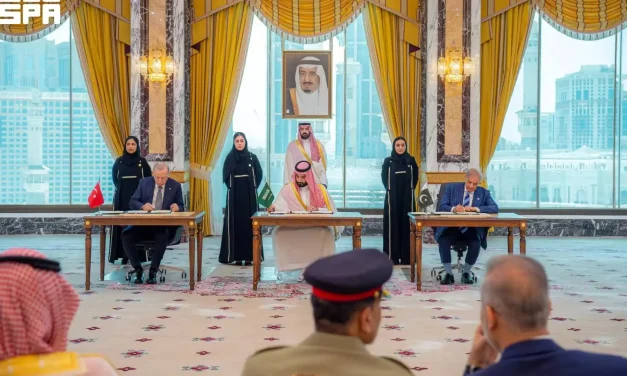
The Makkah Pact; Reasons for its Formation and Challenges Ahead

SCFR Online – Opinion: The Makkah Pact, signed between Saudi Arabia, Pakistan, and Turkey under the motto “an attack on one is an attack on all,” is viewed by some analysts less as a full-fledged military coalition and more as an attempt to reduce security dependence on an external power and to establish a regional security mechanism.

Implications of the US-Saudi Nuclear Agreement

SCFR Online – Opinion: The new US-Saudi nuclear agreement, despite legal and political ambiguities, could alter previous non-proliferation standards in West Asia and intensify nuclear competition, ushering it into a new phase.

An Analysis of Recent Turkey-Israeli Regime Tensions

SCFR Online – Opinion: Recent developments in Syria indicate an intensification of strategic rivalry between Turkey and the Israeli regime, but mutual considerations and the role of the United States have limited the likelihood of direct war.

Loading

Politics

Perspective of Iraqi Political Developments during Post-Election

Perspective of Iraqi Political Developments during Post-Election

Strategic Council Online- Interview: The Expert of Middle East affairs commented on the political status in Iraq after the recent election and said:” Despite political challenges and protests of various trends about the results of the recent parliamentary election, it was finally finished. Saairun trend led by Muqtada Al-Sadr was recognized as the victor of the election with 73 seats”.

Reasons and Consequences of Arab States’ Normalization of Ties with Syria

Reasons and Consequences of Arab States’ Normalization of Ties with Syria

Strategic Council Online – Opinion: Contacts and talks of high-ranking officials of some Arab countries with the Syrian government have increased in recent weeks. The tendency of Arab countries to resume diplomatic relations with Damascus is one of the important “milestones” in the political developments in Syria, which can provide valuable opportunities for that country to strengthen its international position “rebuild” and rehabilitate its economy and foreign trade.
Hamid Khoshayand – Researcher on regional affairs

Economic Crisis in Afghanistan, Escalation of Concerns at the Winter Threshold

Economic Crisis in Afghanistan, Escalation of Concerns at the Winter Threshold

Strategic Council Online – Interview: A university faculty member saying that there is no clear vision in Afghanistan in terms of addressing problems of the people and with the continuation of the status quo, said the country will face a major crisis in the coming months, adding: In the current situation, we are facing a government that has no experience in governance, has no financial resources, is not recognized, and rules only militarily and security-wise.

Consequences of the Recent Erdogan Approche against 10 Western Countries

Consequences of the Recent Erdogan Approche against 10 Western Countries

Strategic Council Online- Opinion: The decision made by Recep Tayyip Erdogan to unprecedented expel of 10 ambassadors (Canada, Denmark, France, Germany, the Netherland, Norway, Sweden, Finland, New Zealand and the U.S.) from Turkey, while accusing them for supporting the release of Osman Kavala has once again disclosed the disputes between Turkey and the Western countries.
Hassan Ashrafi, Researcher on Turkey affairs

Political Sociology of Iraqi Elections

Political Sociology of Iraqi Elections

Strategic Council Online – Interview: A professor at the University of Tehran believes that the general arrangement reflected in the vote-counting in the Iraqi elections indicates a serious fragmentation of the Iraqi society in the field of politics.

Messages of adopting China’s proposed human rights resolution

Messages of adopting China’s proposed human rights resolution

Strategic Council Online—Interview: Referring to China’s efforts to create currents in the Human Rights Council and play a more active role in its working groups, an international law professor says “China seeks to create a ‘Defender of Human Rights and Humanism’ attachment in the minds of the people of the world to expand its influence in the countries and correct some unpleasant and negative mentalities towards itself.

An Analysis of the Changing Nature of Coalitions in the International System

An Analysis of the Changing Nature of Coalitions in the International System

Strategic Council Online – Opinion: Governments, as key players in the international system, seek to survive, achieve security, and or secure interests and accumulate power. In the chaotic environment of the international system, in terms of threats, conflicts, or in order to secure interests and influence, states unite, line up, and form a coalition “with” or “against” other states.
Abed Akbari-Expert of international issues

Iran’s Proposed Resolution on Nuclear Disarmament; A Benchmark for Testing Positions and Claims of UN Member States

Iran’s Proposed Resolution on Nuclear Disarmament; A Benchmark for Testing Positions and Claims of UN Member States

Strategic Council Online – Opinion: After the end of the Cold War, the number of nuclear weapons in the world has greatly decreased and according to the latest estimates has reached 15,000 warheads, but given that the explosive power of new nuclear weapons is thousands of times more than the old ones, the danger of the available weapons to human life and the Planet Earth is no less, if not more, than the old nuclear weapons.

US Strategy in Post-Withdrawal from Afghanistan

US Strategy in Post-Withdrawal from Afghanistan

Strategic Council Online – Opinion: The US withdrawal from Afghanistan is tantamount to the failure of policies that began with the country’s military occupation in late 2001.
Barsam Mohammadi – Analyst of international affairs

ÚLTIMAS PUBLICACIONES

China’s Rejection of US Sanctions; Strengthening Iran’s Geopolitical Leverage

SCFR Online – Opinion: Concurrent with the official commencement of the United States’ economic war against our country, focusing on sanctions instruments, isolation, and economic pressure, what has now become increasingly important is the lack of alignment of other major global powers, especially China, with this policy.
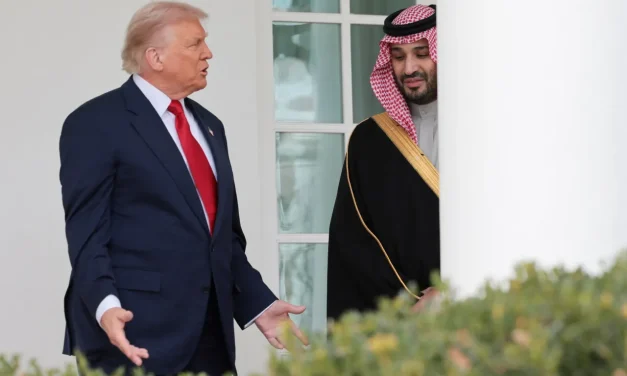
The Makkah Pact; Reasons for its Formation and Challenges Ahead

SCFR Online – Opinion: The Makkah Pact, signed between Saudi Arabia, Pakistan, and Turkey under the motto “an attack on one is an attack on all,” is viewed by some analysts less as a full-fledged military coalition and more as an attempt to reduce security dependence on an external power and to establish a regional security mechanism.

Implications of the US-Saudi Nuclear Agreement

SCFR Online – Opinion: The new US-Saudi nuclear agreement, despite legal and political ambiguities, could alter previous non-proliferation standards in West Asia and intensify nuclear competition, ushering it into a new phase.

An Analysis of Recent Turkey-Israeli Regime Tensions

SCFR Online – Opinion: Recent developments in Syria indicate an intensification of strategic rivalry between Turkey and the Israeli regime, but mutual considerations and the role of the United States have limited the likelihood of direct war.

Loading

Politics

Perspective of Iraqi Political Developments during Post-Election

Perspective of Iraqi Political Developments during Post-Election

Strategic Council Online- Interview: The Expert of Middle East affairs commented on the political status in Iraq after the recent election and said:” Despite political challenges and protests of various trends about the results of the recent parliamentary election, it was finally finished. Saairun trend led by Muqtada Al-Sadr was recognized as the victor of the election with 73 seats”.

Reasons and Consequences of Arab States’ Normalization of Ties with Syria

Reasons and Consequences of Arab States’ Normalization of Ties with Syria

Strategic Council Online – Opinion: Contacts and talks of high-ranking officials of some Arab countries with the Syrian government have increased in recent weeks. The tendency of Arab countries to resume diplomatic relations with Damascus is one of the important “milestones” in the political developments in Syria, which can provide valuable opportunities for that country to strengthen its international position “rebuild” and rehabilitate its economy and foreign trade.
Hamid Khoshayand – Researcher on regional affairs

Economic Crisis in Afghanistan, Escalation of Concerns at the Winter Threshold

Economic Crisis in Afghanistan, Escalation of Concerns at the Winter Threshold

Strategic Council Online – Interview: A university faculty member saying that there is no clear vision in Afghanistan in terms of addressing problems of the people and with the continuation of the status quo, said the country will face a major crisis in the coming months, adding: In the current situation, we are facing a government that has no experience in governance, has no financial resources, is not recognized, and rules only militarily and security-wise.

Consequences of the Recent Erdogan Approche against 10 Western Countries

Consequences of the Recent Erdogan Approche against 10 Western Countries

Strategic Council Online- Opinion: The decision made by Recep Tayyip Erdogan to unprecedented expel of 10 ambassadors (Canada, Denmark, France, Germany, the Netherland, Norway, Sweden, Finland, New Zealand and the U.S.) from Turkey, while accusing them for supporting the release of Osman Kavala has once again disclosed the disputes between Turkey and the Western countries.
Hassan Ashrafi, Researcher on Turkey affairs

Political Sociology of Iraqi Elections

Political Sociology of Iraqi Elections

Strategic Council Online – Interview: A professor at the University of Tehran believes that the general arrangement reflected in the vote-counting in the Iraqi elections indicates a serious fragmentation of the Iraqi society in the field of politics.

Messages of adopting China’s proposed human rights resolution

Messages of adopting China’s proposed human rights resolution

Strategic Council Online—Interview: Referring to China’s efforts to create currents in the Human Rights Council and play a more active role in its working groups, an international law professor says “China seeks to create a ‘Defender of Human Rights and Humanism’ attachment in the minds of the people of the world to expand its influence in the countries and correct some unpleasant and negative mentalities towards itself.

An Analysis of the Changing Nature of Coalitions in the International System

An Analysis of the Changing Nature of Coalitions in the International System

Strategic Council Online – Opinion: Governments, as key players in the international system, seek to survive, achieve security, and or secure interests and accumulate power. In the chaotic environment of the international system, in terms of threats, conflicts, or in order to secure interests and influence, states unite, line up, and form a coalition “with” or “against” other states.
Abed Akbari-Expert of international issues

Iran’s Proposed Resolution on Nuclear Disarmament; A Benchmark for Testing Positions and Claims of UN Member States

Iran’s Proposed Resolution on Nuclear Disarmament; A Benchmark for Testing Positions and Claims of UN Member States

Strategic Council Online – Opinion: After the end of the Cold War, the number of nuclear weapons in the world has greatly decreased and according to the latest estimates has reached 15,000 warheads, but given that the explosive power of new nuclear weapons is thousands of times more than the old ones, the danger of the available weapons to human life and the Planet Earth is no less, if not more, than the old nuclear weapons.

US Strategy in Post-Withdrawal from Afghanistan

US Strategy in Post-Withdrawal from Afghanistan

Strategic Council Online – Opinion: The US withdrawal from Afghanistan is tantamount to the failure of policies that began with the country’s military occupation in late 2001.
Barsam Mohammadi – Analyst of international affairs

ÚLTIMAS PUBLICACIONES

China’s Rejection of US Sanctions; Strengthening Iran’s Geopolitical Leverage

SCFR Online – Opinion: Concurrent with the official commencement of the United States’ economic war against our country, focusing on sanctions instruments, isolation, and economic pressure, what has now become increasingly important is the lack of alignment of other major global powers, especially China, with this policy.
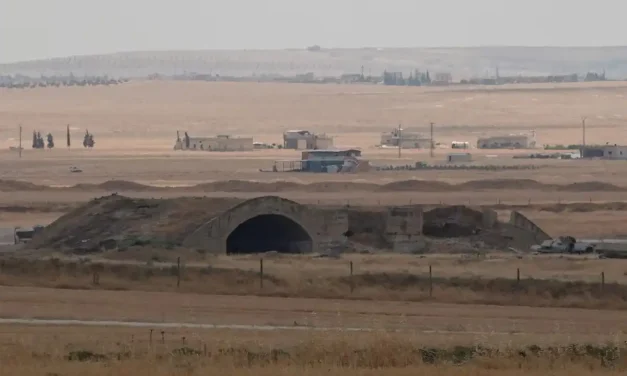
The Makkah Pact; Reasons for its Formation and Challenges Ahead

SCFR Online – Opinion: The Makkah Pact, signed between Saudi Arabia, Pakistan, and Turkey under the motto “an attack on one is an attack on all,” is viewed by some analysts less as a full-fledged military coalition and more as an attempt to reduce security dependence on an external power and to establish a regional security mechanism.

Implications of the US-Saudi Nuclear Agreement

SCFR Online – Opinion: The new US-Saudi nuclear agreement, despite legal and political ambiguities, could alter previous non-proliferation standards in West Asia and intensify nuclear competition, ushering it into a new phase.

An Analysis of Recent Turkey-Israeli Regime Tensions

SCFR Online – Opinion: Recent developments in Syria indicate an intensification of strategic rivalry between Turkey and the Israeli regime, but mutual considerations and the role of the United States have limited the likelihood of direct war.

Loading

Politics

Perspective of Iraqi Political Developments during Post-Election

Perspective of Iraqi Political Developments during Post-Election

Strategic Council Online- Interview: The Expert of Middle East affairs commented on the political status in Iraq after the recent election and said:” Despite political challenges and protests of various trends about the results of the recent parliamentary election, it was finally finished. Saairun trend led by Muqtada Al-Sadr was recognized as the victor of the election with 73 seats”.

Reasons and Consequences of Arab States’ Normalization of Ties with Syria

Reasons and Consequences of Arab States’ Normalization of Ties with Syria

Strategic Council Online – Opinion: Contacts and talks of high-ranking officials of some Arab countries with the Syrian government have increased in recent weeks. The tendency of Arab countries to resume diplomatic relations with Damascus is one of the important “milestones” in the political developments in Syria, which can provide valuable opportunities for that country to strengthen its international position “rebuild” and rehabilitate its economy and foreign trade.
Hamid Khoshayand – Researcher on regional affairs

Economic Crisis in Afghanistan, Escalation of Concerns at the Winter Threshold

Economic Crisis in Afghanistan, Escalation of Concerns at the Winter Threshold

Strategic Council Online – Interview: A university faculty member saying that there is no clear vision in Afghanistan in terms of addressing problems of the people and with the continuation of the status quo, said the country will face a major crisis in the coming months, adding: In the current situation, we are facing a government that has no experience in governance, has no financial resources, is not recognized, and rules only militarily and security-wise.

Consequences of the Recent Erdogan Approche against 10 Western Countries

Consequences of the Recent Erdogan Approche against 10 Western Countries

Strategic Council Online- Opinion: The decision made by Recep Tayyip Erdogan to unprecedented expel of 10 ambassadors (Canada, Denmark, France, Germany, the Netherland, Norway, Sweden, Finland, New Zealand and the U.S.) from Turkey, while accusing them for supporting the release of Osman Kavala has once again disclosed the disputes between Turkey and the Western countries.
Hassan Ashrafi, Researcher on Turkey affairs

Political Sociology of Iraqi Elections

Political Sociology of Iraqi Elections

Strategic Council Online – Interview: A professor at the University of Tehran believes that the general arrangement reflected in the vote-counting in the Iraqi elections indicates a serious fragmentation of the Iraqi society in the field of politics.

Messages of adopting China’s proposed human rights resolution

Messages of adopting China’s proposed human rights resolution

Strategic Council Online—Interview: Referring to China’s efforts to create currents in the Human Rights Council and play a more active role in its working groups, an international law professor says “China seeks to create a ‘Defender of Human Rights and Humanism’ attachment in the minds of the people of the world to expand its influence in the countries and correct some unpleasant and negative mentalities towards itself.

An Analysis of the Changing Nature of Coalitions in the International System

An Analysis of the Changing Nature of Coalitions in the International System

Strategic Council Online – Opinion: Governments, as key players in the international system, seek to survive, achieve security, and or secure interests and accumulate power. In the chaotic environment of the international system, in terms of threats, conflicts, or in order to secure interests and influence, states unite, line up, and form a coalition “with” or “against” other states.
Abed Akbari-Expert of international issues

Iran’s Proposed Resolution on Nuclear Disarmament; A Benchmark for Testing Positions and Claims of UN Member States

Iran’s Proposed Resolution on Nuclear Disarmament; A Benchmark for Testing Positions and Claims of UN Member States

Strategic Council Online – Opinion: After the end of the Cold War, the number of nuclear weapons in the world has greatly decreased and according to the latest estimates has reached 15,000 warheads, but given that the explosive power of new nuclear weapons is thousands of times more than the old ones, the danger of the available weapons to human life and the Planet Earth is no less, if not more, than the old nuclear weapons.

US Strategy in Post-Withdrawal from Afghanistan

US Strategy in Post-Withdrawal from Afghanistan

Strategic Council Online – Opinion: The US withdrawal from Afghanistan is tantamount to the failure of policies that began with the country’s military occupation in late 2001.
Barsam Mohammadi – Analyst of international affairs

ÚLTIMAS PUBLICACIONES

China’s Rejection of US Sanctions; Strengthening Iran’s Geopolitical Leverage

SCFR Online – Opinion: Concurrent with the official commencement of the United States’ economic war against our country, focusing on sanctions instruments, isolation, and economic pressure, what has now become increasingly important is the lack of alignment of other major global powers, especially China, with this policy.
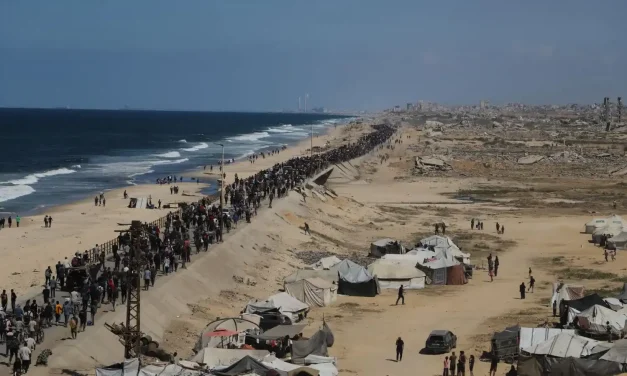
The Makkah Pact; Reasons for its Formation and Challenges Ahead

SCFR Online – Opinion: The Makkah Pact, signed between Saudi Arabia, Pakistan, and Turkey under the motto “an attack on one is an attack on all,” is viewed by some analysts less as a full-fledged military coalition and more as an attempt to reduce security dependence on an external power and to establish a regional security mechanism.

Implications of the US-Saudi Nuclear Agreement

SCFR Online – Opinion: The new US-Saudi nuclear agreement, despite legal and political ambiguities, could alter previous non-proliferation standards in West Asia and intensify nuclear competition, ushering it into a new phase.

An Analysis of Recent Turkey-Israeli Regime Tensions

SCFR Online – Opinion: Recent developments in Syria indicate an intensification of strategic rivalry between Turkey and the Israeli regime, but mutual considerations and the role of the United States have limited the likelihood of direct war.

Loading

Politics

Perspective of Iraqi Political Developments during Post-Election

Perspective of Iraqi Political Developments during Post-Election

Strategic Council Online- Interview: The Expert of Middle East affairs commented on the political status in Iraq after the recent election and said:” Despite political challenges and protests of various trends about the results of the recent parliamentary election, it was finally finished. Saairun trend led by Muqtada Al-Sadr was recognized as the victor of the election with 73 seats”.

Reasons and Consequences of Arab States’ Normalization of Ties with Syria

Reasons and Consequences of Arab States’ Normalization of Ties with Syria

Strategic Council Online – Opinion: Contacts and talks of high-ranking officials of some Arab countries with the Syrian government have increased in recent weeks. The tendency of Arab countries to resume diplomatic relations with Damascus is one of the important “milestones” in the political developments in Syria, which can provide valuable opportunities for that country to strengthen its international position “rebuild” and rehabilitate its economy and foreign trade.
Hamid Khoshayand – Researcher on regional affairs

Economic Crisis in Afghanistan, Escalation of Concerns at the Winter Threshold

Economic Crisis in Afghanistan, Escalation of Concerns at the Winter Threshold

Strategic Council Online – Interview: A university faculty member saying that there is no clear vision in Afghanistan in terms of addressing problems of the people and with the continuation of the status quo, said the country will face a major crisis in the coming months, adding: In the current situation, we are facing a government that has no experience in governance, has no financial resources, is not recognized, and rules only militarily and security-wise.

Consequences of the Recent Erdogan Approche against 10 Western Countries

Consequences of the Recent Erdogan Approche against 10 Western Countries

Strategic Council Online- Opinion: The decision made by Recep Tayyip Erdogan to unprecedented expel of 10 ambassadors (Canada, Denmark, France, Germany, the Netherland, Norway, Sweden, Finland, New Zealand and the U.S.) from Turkey, while accusing them for supporting the release of Osman Kavala has once again disclosed the disputes between Turkey and the Western countries.
Hassan Ashrafi, Researcher on Turkey affairs

Political Sociology of Iraqi Elections

Political Sociology of Iraqi Elections

Strategic Council Online – Interview: A professor at the University of Tehran believes that the general arrangement reflected in the vote-counting in the Iraqi elections indicates a serious fragmentation of the Iraqi society in the field of politics.

Messages of adopting China’s proposed human rights resolution

Messages of adopting China’s proposed human rights resolution

Strategic Council Online—Interview: Referring to China’s efforts to create currents in the Human Rights Council and play a more active role in its working groups, an international law professor says “China seeks to create a ‘Defender of Human Rights and Humanism’ attachment in the minds of the people of the world to expand its influence in the countries and correct some unpleasant and negative mentalities towards itself.

An Analysis of the Changing Nature of Coalitions in the International System

An Analysis of the Changing Nature of Coalitions in the International System

Strategic Council Online – Opinion: Governments, as key players in the international system, seek to survive, achieve security, and or secure interests and accumulate power. In the chaotic environment of the international system, in terms of threats, conflicts, or in order to secure interests and influence, states unite, line up, and form a coalition “with” or “against” other states.
Abed Akbari-Expert of international issues

Iran’s Proposed Resolution on Nuclear Disarmament; A Benchmark for Testing Positions and Claims of UN Member States

Iran’s Proposed Resolution on Nuclear Disarmament; A Benchmark for Testing Positions and Claims of UN Member States

Strategic Council Online – Opinion: After the end of the Cold War, the number of nuclear weapons in the world has greatly decreased and according to the latest estimates has reached 15,000 warheads, but given that the explosive power of new nuclear weapons is thousands of times more than the old ones, the danger of the available weapons to human life and the Planet Earth is no less, if not more, than the old nuclear weapons.

US Strategy in Post-Withdrawal from Afghanistan

US Strategy in Post-Withdrawal from Afghanistan

Strategic Council Online – Opinion: The US withdrawal from Afghanistan is tantamount to the failure of policies that began with the country’s military occupation in late 2001.
Barsam Mohammadi – Analyst of international affairs

ÚLTIMAS PUBLICACIONES

China’s Rejection of US Sanctions; Strengthening Iran’s Geopolitical Leverage

SCFR Online – Opinion: Concurrent with the official commencement of the United States’ economic war against our country, focusing on sanctions instruments, isolation, and economic pressure, what has now become increasingly important is the lack of alignment of other major global powers, especially China, with this policy.

The Makkah Pact; Reasons for its Formation and Challenges Ahead

SCFR Online – Opinion: The Makkah Pact, signed between Saudi Arabia, Pakistan, and Turkey under the motto “an attack on one is an attack on all,” is viewed by some analysts less as a full-fledged military coalition and more as an attempt to reduce security dependence on an external power and to establish a regional security mechanism.

Implications of the US-Saudi Nuclear Agreement

SCFR Online – Opinion: The new US-Saudi nuclear agreement, despite legal and political ambiguities, could alter previous non-proliferation standards in West Asia and intensify nuclear competition, ushering it into a new phase.

An Analysis of Recent Turkey-Israeli Regime Tensions

SCFR Online – Opinion: Recent developments in Syria indicate an intensification of strategic rivalry between Turkey and the Israeli regime, but mutual considerations and the role of the United States have limited the likelihood of direct war.

Loading