جدیدترین مطالب

Balancing in the chain of chokepoints; from sea-based deterrence to pluralistic diplomacy

Strategic Council Online – Note: Recent developments in the political geography of West Asia, from rising tensions in the Persian Gulf to missile and drone activities in the Red Sea and the recent warning by Kaja Kallas, the European Union’s foreign policy chief, regarding the threat to freedom of navigation, indicate a key pattern shift; the US-Iran war has moved beyond the scope of a regional and local confrontation and has linked two vital passageways for the global economy: the Strait of Hormuz and the Bab el-Mandeb Strait.

Indicators for Choosing Between War and Diplomacy

SCFR Online – Opinion: Foreign policy analysis is valid when it evaluates decisions based on the information and circumstances prevailing at the time they were made, not on the basis of outcomes that only become apparent after the crisis has ended.

Loading

Science & Culture

The Necessity of Shaping Technology Diplomacy in a Data-Driven Global Order

The Necessity of Shaping Technology Diplomacy in a Data-Driven Global Order

Strategic Council Online-Interview: An international technology expert said, “While the world is moving towards the bipolarization of cyberspace and digital separation, Iran is inevitably compelled to establish its independent position in the new data-driven order by redefining technology diplomacy.”

Redefining the Discourse of Resistance After the 12-Day War

Redefining the Discourse of Resistance After the 12-Day War

Strategic Council Online – Interview: A West Asia affairs analyst said: After the 12-day war, Iran, by redefining the discourse of resistance and utilizing media diplomacy, strengthened its soft and regional legitimacy against the Western narrative.

Iran’s Strategic Opportunity to Become the Pharmaceutical Hub of West Asia

Iran’s Strategic Opportunity to Become the Pharmaceutical Hub of West Asia

Strategic Council Online – Interview: A senior health-sector analyst stated that for Iran to become the regional pharmaceutical hub, it must shift the playing field in its favor. Iran’s strategy should be built on three pillars: speed, leveraging indigenous intelligence, and positive strategic dependence, to transform from a commodity seller into the architect and guarantor of regional health security.

The Position of Water Diplomacy in Safeguarding Iran’s Water Rights

The Position of Water Diplomacy in Safeguarding Iran’s Water Rights

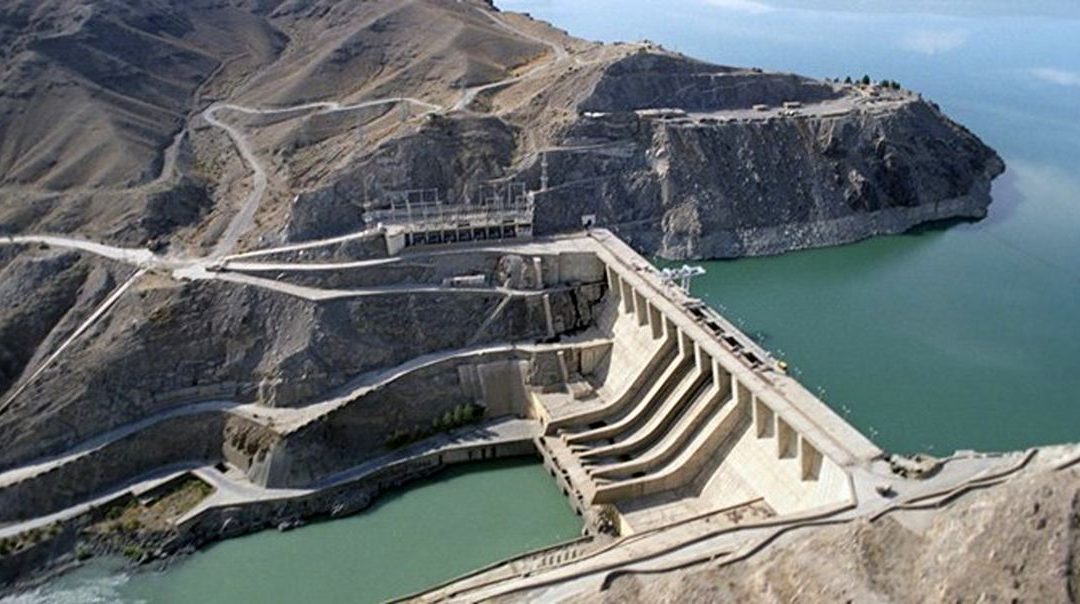
Strategic Council Online- Interview: An international affairs expert said, “By utilizing multilateral capacities and regional diplomacy, Iran is trying to establish geopolitical balance against the water policies of its neighbors while safeguarding its historical water rights.”

Strategic Competition Between the United States and China

Strategic Competition Between the United States and China

Online Strategic Council – Interview: An East Asian affairs analyst stated: “U.S.-China competition during Trump’s second term has taken on a structural nature, expanding from the economic level to the realms of technology, military, and global order.”

Geopolitical Competition of Major Powers in the Realm of Submarine Cables

Geopolitical Competition of Major Powers in the Realm of Submarine Cables

Strategic Council Online – Opinion: Today, submarine cables have become the backbone of the global economy and security. While China seeks to expand its influence through investments in submarine cable networks and the Digital Silk Road initiative, the United States strives to maintain control over the global digital order through deterrent strategies and multinational alliances. The geopolitical competition beneath the waves has now become one of the most sensitive arenas of confrontation between the two major powers, where data is the tool of power.

An Analysis of Elon Musk’s Right-Wing Political Interventions in Britain and Europe

An Analysis of Elon Musk’s Right-Wing Political Interventions in Britain and Europe

Strategic Council Online – A senior US affairs analyst stated that the overt intervention of billionaire and media mogul Elon Musk in the UK’s internal developments has once again brought the discussion about the role of non-state actors in international politics to the forefront of attention. With his provocative speech at the extreme right-wing rally in London, Musk not only called for the dissolution of parliament and early elections but also effectively sowed the seeds of political violence in the country’s fragile social fabric by promoting a rhetoric of “resistance or destruction.” UK Prime Minister Keir Starmer condemned these remarks, but the matter goes beyond a war of words. The emergence of figures like Musk, who simultaneously possess capital, media influence, and social popularity, has blurred the line between official politics and protest movements. This trend could become a serious challenge to the principle of non-interference in the internal affairs of countries, one of the fundamental principles of the UN Charter. International institutions have been designed primarily to control the actions of states, rather than billionaires who own global platforms. Today, however, developments show that technology and media giants can influence the political developments of countries as independent actors; a reality that could pose new questions to the international order regarding national sovereignty and political security.

Growing U.S.-China Competition in Space

Growing U.S.-China Competition in Space

Strategic Council Online – Opinion: Recently, the U.S. National Aeronautics and Space Administration (NASA) has barred Chinese citizens from accessing its systems and facilities, a prohibition that even includes Chinese citizens possessing U.S. visas. This move can be interpreted as a sign of space competition between the United States and China.

أحدث الوظائف

Balancing in the chain of chokepoints; from sea-based deterrence to pluralistic diplomacy

Strategic Council Online – Note: Recent developments in the political geography of West Asia, from rising tensions in the Persian Gulf to missile and drone activities in the Red Sea and the recent warning by Kaja Kallas, the European Union’s foreign policy chief, regarding the threat to freedom of navigation, indicate a key pattern shift; the US-Iran war has moved beyond the scope of a regional and local confrontation and has linked two vital passageways for the global economy: the Strait of Hormuz and the Bab el-Mandeb Strait.

Indicators for Choosing Between War and Diplomacy

SCFR Online – Opinion: Foreign policy analysis is valid when it evaluates decisions based on the information and circumstances prevailing at the time they were made, not on the basis of outcomes that only become apparent after the crisis has ended.

Loading

Science & Culture

The Necessity of Shaping Technology Diplomacy in a Data-Driven Global Order

The Necessity of Shaping Technology Diplomacy in a Data-Driven Global Order

Strategic Council Online-Interview: An international technology expert said, “While the world is moving towards the bipolarization of cyberspace and digital separation, Iran is inevitably compelled to establish its independent position in the new data-driven order by redefining technology diplomacy.”

Redefining the Discourse of Resistance After the 12-Day War

Redefining the Discourse of Resistance After the 12-Day War

Strategic Council Online – Interview: A West Asia affairs analyst said: After the 12-day war, Iran, by redefining the discourse of resistance and utilizing media diplomacy, strengthened its soft and regional legitimacy against the Western narrative.

Iran’s Strategic Opportunity to Become the Pharmaceutical Hub of West Asia

Iran’s Strategic Opportunity to Become the Pharmaceutical Hub of West Asia

Strategic Council Online – Interview: A senior health-sector analyst stated that for Iran to become the regional pharmaceutical hub, it must shift the playing field in its favor. Iran’s strategy should be built on three pillars: speed, leveraging indigenous intelligence, and positive strategic dependence, to transform from a commodity seller into the architect and guarantor of regional health security.

The Position of Water Diplomacy in Safeguarding Iran’s Water Rights

The Position of Water Diplomacy in Safeguarding Iran’s Water Rights

Strategic Council Online- Interview: An international affairs expert said, “By utilizing multilateral capacities and regional diplomacy, Iran is trying to establish geopolitical balance against the water policies of its neighbors while safeguarding its historical water rights.”

Strategic Competition Between the United States and China

Strategic Competition Between the United States and China

Online Strategic Council – Interview: An East Asian affairs analyst stated: “U.S.-China competition during Trump’s second term has taken on a structural nature, expanding from the economic level to the realms of technology, military, and global order.”

Geopolitical Competition of Major Powers in the Realm of Submarine Cables

Geopolitical Competition of Major Powers in the Realm of Submarine Cables

Strategic Council Online – Opinion: Today, submarine cables have become the backbone of the global economy and security. While China seeks to expand its influence through investments in submarine cable networks and the Digital Silk Road initiative, the United States strives to maintain control over the global digital order through deterrent strategies and multinational alliances. The geopolitical competition beneath the waves has now become one of the most sensitive arenas of confrontation between the two major powers, where data is the tool of power.

An Analysis of Elon Musk’s Right-Wing Political Interventions in Britain and Europe

An Analysis of Elon Musk’s Right-Wing Political Interventions in Britain and Europe

Strategic Council Online – A senior US affairs analyst stated that the overt intervention of billionaire and media mogul Elon Musk in the UK’s internal developments has once again brought the discussion about the role of non-state actors in international politics to the forefront of attention. With his provocative speech at the extreme right-wing rally in London, Musk not only called for the dissolution of parliament and early elections but also effectively sowed the seeds of political violence in the country’s fragile social fabric by promoting a rhetoric of “resistance or destruction.” UK Prime Minister Keir Starmer condemned these remarks, but the matter goes beyond a war of words. The emergence of figures like Musk, who simultaneously possess capital, media influence, and social popularity, has blurred the line between official politics and protest movements. This trend could become a serious challenge to the principle of non-interference in the internal affairs of countries, one of the fundamental principles of the UN Charter. International institutions have been designed primarily to control the actions of states, rather than billionaires who own global platforms. Today, however, developments show that technology and media giants can influence the political developments of countries as independent actors; a reality that could pose new questions to the international order regarding national sovereignty and political security.

Growing U.S.-China Competition in Space

Growing U.S.-China Competition in Space

Strategic Council Online – Opinion: Recently, the U.S. National Aeronautics and Space Administration (NASA) has barred Chinese citizens from accessing its systems and facilities, a prohibition that even includes Chinese citizens possessing U.S. visas. This move can be interpreted as a sign of space competition between the United States and China.

Science & Culture

The Necessity of Shaping Technology Diplomacy in a Data-Driven Global Order

The Necessity of Shaping Technology Diplomacy in a Data-Driven Global Order

Strategic Council Online-Interview: An international technology expert said, “While the world is moving towards the bipolarization of cyberspace and digital separation, Iran is inevitably compelled to establish its independent position in the new data-driven order by redefining technology diplomacy.”

Redefining the Discourse of Resistance After the 12-Day War

Redefining the Discourse of Resistance After the 12-Day War

Strategic Council Online – Interview: A West Asia affairs analyst said: After the 12-day war, Iran, by redefining the discourse of resistance and utilizing media diplomacy, strengthened its soft and regional legitimacy against the Western narrative.

Iran’s Strategic Opportunity to Become the Pharmaceutical Hub of West Asia

Iran’s Strategic Opportunity to Become the Pharmaceutical Hub of West Asia

Strategic Council Online – Interview: A senior health-sector analyst stated that for Iran to become the regional pharmaceutical hub, it must shift the playing field in its favor. Iran’s strategy should be built on three pillars: speed, leveraging indigenous intelligence, and positive strategic dependence, to transform from a commodity seller into the architect and guarantor of regional health security.

The Position of Water Diplomacy in Safeguarding Iran’s Water Rights

The Position of Water Diplomacy in Safeguarding Iran’s Water Rights

Strategic Council Online- Interview: An international affairs expert said, “By utilizing multilateral capacities and regional diplomacy, Iran is trying to establish geopolitical balance against the water policies of its neighbors while safeguarding its historical water rights.”

Strategic Competition Between the United States and China

Strategic Competition Between the United States and China

Online Strategic Council – Interview: An East Asian affairs analyst stated: “U.S.-China competition during Trump’s second term has taken on a structural nature, expanding from the economic level to the realms of technology, military, and global order.”

Geopolitical Competition of Major Powers in the Realm of Submarine Cables

Geopolitical Competition of Major Powers in the Realm of Submarine Cables

Strategic Council Online – Opinion: Today, submarine cables have become the backbone of the global economy and security. While China seeks to expand its influence through investments in submarine cable networks and the Digital Silk Road initiative, the United States strives to maintain control over the global digital order through deterrent strategies and multinational alliances. The geopolitical competition beneath the waves has now become one of the most sensitive arenas of confrontation between the two major powers, where data is the tool of power.

An Analysis of Elon Musk’s Right-Wing Political Interventions in Britain and Europe

An Analysis of Elon Musk’s Right-Wing Political Interventions in Britain and Europe

Strategic Council Online – A senior US affairs analyst stated that the overt intervention of billionaire and media mogul Elon Musk in the UK’s internal developments has once again brought the discussion about the role of non-state actors in international politics to the forefront of attention. With his provocative speech at the extreme right-wing rally in London, Musk not only called for the dissolution of parliament and early elections but also effectively sowed the seeds of political violence in the country’s fragile social fabric by promoting a rhetoric of “resistance or destruction.” UK Prime Minister Keir Starmer condemned these remarks, but the matter goes beyond a war of words. The emergence of figures like Musk, who simultaneously possess capital, media influence, and social popularity, has blurred the line between official politics and protest movements. This trend could become a serious challenge to the principle of non-interference in the internal affairs of countries, one of the fundamental principles of the UN Charter. International institutions have been designed primarily to control the actions of states, rather than billionaires who own global platforms. Today, however, developments show that technology and media giants can influence the political developments of countries as independent actors; a reality that could pose new questions to the international order regarding national sovereignty and political security.

Growing U.S.-China Competition in Space

Growing U.S.-China Competition in Space

Strategic Council Online – Opinion: Recently, the U.S. National Aeronautics and Space Administration (NASA) has barred Chinese citizens from accessing its systems and facilities, a prohibition that even includes Chinese citizens possessing U.S. visas. This move can be interpreted as a sign of space competition between the United States and China.

LATEST CONTENT

Balancing in the chain of chokepoints; from sea-based deterrence to pluralistic diplomacy

Strategic Council Online – Note: Recent developments in the political geography of West Asia, from rising tensions in the Persian Gulf to missile and drone activities in the Red Sea and the recent warning by Kaja Kallas, the European Union’s foreign policy chief, regarding the threat to freedom of navigation, indicate a key pattern shift; the US-Iran war has moved beyond the scope of a regional and local confrontation and has linked two vital passageways for the global economy: the Strait of Hormuz and the Bab el-Mandeb Strait.

Indicators for Choosing Between War and Diplomacy

SCFR Online – Opinion: Foreign policy analysis is valid when it evaluates decisions based on the information and circumstances prevailing at the time they were made, not on the basis of outcomes that only become apparent after the crisis has ended.

Loading

Science & Culture

The Necessity of Shaping Technology Diplomacy in a Data-Driven Global Order

The Necessity of Shaping Technology Diplomacy in a Data-Driven Global Order

Strategic Council Online-Interview: An international technology expert said, “While the world is moving towards the bipolarization of cyberspace and digital separation, Iran is inevitably compelled to establish its independent position in the new data-driven order by redefining technology diplomacy.”

Redefining the Discourse of Resistance After the 12-Day War

Redefining the Discourse of Resistance After the 12-Day War

Strategic Council Online – Interview: A West Asia affairs analyst said: After the 12-day war, Iran, by redefining the discourse of resistance and utilizing media diplomacy, strengthened its soft and regional legitimacy against the Western narrative.

Iran’s Strategic Opportunity to Become the Pharmaceutical Hub of West Asia

Iran’s Strategic Opportunity to Become the Pharmaceutical Hub of West Asia

Strategic Council Online – Interview: A senior health-sector analyst stated that for Iran to become the regional pharmaceutical hub, it must shift the playing field in its favor. Iran’s strategy should be built on three pillars: speed, leveraging indigenous intelligence, and positive strategic dependence, to transform from a commodity seller into the architect and guarantor of regional health security.

The Position of Water Diplomacy in Safeguarding Iran’s Water Rights

The Position of Water Diplomacy in Safeguarding Iran’s Water Rights

Strategic Council Online- Interview: An international affairs expert said, “By utilizing multilateral capacities and regional diplomacy, Iran is trying to establish geopolitical balance against the water policies of its neighbors while safeguarding its historical water rights.”

Strategic Competition Between the United States and China

Strategic Competition Between the United States and China

Online Strategic Council – Interview: An East Asian affairs analyst stated: “U.S.-China competition during Trump’s second term has taken on a structural nature, expanding from the economic level to the realms of technology, military, and global order.”

Geopolitical Competition of Major Powers in the Realm of Submarine Cables

Geopolitical Competition of Major Powers in the Realm of Submarine Cables

Strategic Council Online – Opinion: Today, submarine cables have become the backbone of the global economy and security. While China seeks to expand its influence through investments in submarine cable networks and the Digital Silk Road initiative, the United States strives to maintain control over the global digital order through deterrent strategies and multinational alliances. The geopolitical competition beneath the waves has now become one of the most sensitive arenas of confrontation between the two major powers, where data is the tool of power.

An Analysis of Elon Musk’s Right-Wing Political Interventions in Britain and Europe

An Analysis of Elon Musk’s Right-Wing Political Interventions in Britain and Europe

Strategic Council Online – A senior US affairs analyst stated that the overt intervention of billionaire and media mogul Elon Musk in the UK’s internal developments has once again brought the discussion about the role of non-state actors in international politics to the forefront of attention. With his provocative speech at the extreme right-wing rally in London, Musk not only called for the dissolution of parliament and early elections but also effectively sowed the seeds of political violence in the country’s fragile social fabric by promoting a rhetoric of “resistance or destruction.” UK Prime Minister Keir Starmer condemned these remarks, but the matter goes beyond a war of words. The emergence of figures like Musk, who simultaneously possess capital, media influence, and social popularity, has blurred the line between official politics and protest movements. This trend could become a serious challenge to the principle of non-interference in the internal affairs of countries, one of the fundamental principles of the UN Charter. International institutions have been designed primarily to control the actions of states, rather than billionaires who own global platforms. Today, however, developments show that technology and media giants can influence the political developments of countries as independent actors; a reality that could pose new questions to the international order regarding national sovereignty and political security.

Growing U.S.-China Competition in Space

Growing U.S.-China Competition in Space

Strategic Council Online – Opinion: Recently, the U.S. National Aeronautics and Space Administration (NASA) has barred Chinese citizens from accessing its systems and facilities, a prohibition that even includes Chinese citizens possessing U.S. visas. This move can be interpreted as a sign of space competition between the United States and China.

ÚLTIMAS PUBLICACIONES

Balancing in the chain of chokepoints; from sea-based deterrence to pluralistic diplomacy

Strategic Council Online – Note: Recent developments in the political geography of West Asia, from rising tensions in the Persian Gulf to missile and drone activities in the Red Sea and the recent warning by Kaja Kallas, the European Union’s foreign policy chief, regarding the threat to freedom of navigation, indicate a key pattern shift; the US-Iran war has moved beyond the scope of a regional and local confrontation and has linked two vital passageways for the global economy: the Strait of Hormuz and the Bab el-Mandeb Strait.

Indicators for Choosing Between War and Diplomacy

SCFR Online – Opinion: Foreign policy analysis is valid when it evaluates decisions based on the information and circumstances prevailing at the time they were made, not on the basis of outcomes that only become apparent after the crisis has ended.

Loading

Science & Culture

The Necessity of Shaping Technology Diplomacy in a Data-Driven Global Order

The Necessity of Shaping Technology Diplomacy in a Data-Driven Global Order

Strategic Council Online-Interview: An international technology expert said, “While the world is moving towards the bipolarization of cyberspace and digital separation, Iran is inevitably compelled to establish its independent position in the new data-driven order by redefining technology diplomacy.”

Redefining the Discourse of Resistance After the 12-Day War

Redefining the Discourse of Resistance After the 12-Day War

Strategic Council Online – Interview: A West Asia affairs analyst said: After the 12-day war, Iran, by redefining the discourse of resistance and utilizing media diplomacy, strengthened its soft and regional legitimacy against the Western narrative.

Iran’s Strategic Opportunity to Become the Pharmaceutical Hub of West Asia

Iran’s Strategic Opportunity to Become the Pharmaceutical Hub of West Asia

Strategic Council Online – Interview: A senior health-sector analyst stated that for Iran to become the regional pharmaceutical hub, it must shift the playing field in its favor. Iran’s strategy should be built on three pillars: speed, leveraging indigenous intelligence, and positive strategic dependence, to transform from a commodity seller into the architect and guarantor of regional health security.

The Position of Water Diplomacy in Safeguarding Iran’s Water Rights

The Position of Water Diplomacy in Safeguarding Iran’s Water Rights

Strategic Council Online- Interview: An international affairs expert said, “By utilizing multilateral capacities and regional diplomacy, Iran is trying to establish geopolitical balance against the water policies of its neighbors while safeguarding its historical water rights.”

Strategic Competition Between the United States and China

Strategic Competition Between the United States and China

Online Strategic Council – Interview: An East Asian affairs analyst stated: “U.S.-China competition during Trump’s second term has taken on a structural nature, expanding from the economic level to the realms of technology, military, and global order.”

Geopolitical Competition of Major Powers in the Realm of Submarine Cables

Geopolitical Competition of Major Powers in the Realm of Submarine Cables

Strategic Council Online – Opinion: Today, submarine cables have become the backbone of the global economy and security. While China seeks to expand its influence through investments in submarine cable networks and the Digital Silk Road initiative, the United States strives to maintain control over the global digital order through deterrent strategies and multinational alliances. The geopolitical competition beneath the waves has now become one of the most sensitive arenas of confrontation between the two major powers, where data is the tool of power.

An Analysis of Elon Musk’s Right-Wing Political Interventions in Britain and Europe

An Analysis of Elon Musk’s Right-Wing Political Interventions in Britain and Europe

Strategic Council Online – A senior US affairs analyst stated that the overt intervention of billionaire and media mogul Elon Musk in the UK’s internal developments has once again brought the discussion about the role of non-state actors in international politics to the forefront of attention. With his provocative speech at the extreme right-wing rally in London, Musk not only called for the dissolution of parliament and early elections but also effectively sowed the seeds of political violence in the country’s fragile social fabric by promoting a rhetoric of “resistance or destruction.” UK Prime Minister Keir Starmer condemned these remarks, but the matter goes beyond a war of words. The emergence of figures like Musk, who simultaneously possess capital, media influence, and social popularity, has blurred the line between official politics and protest movements. This trend could become a serious challenge to the principle of non-interference in the internal affairs of countries, one of the fundamental principles of the UN Charter. International institutions have been designed primarily to control the actions of states, rather than billionaires who own global platforms. Today, however, developments show that technology and media giants can influence the political developments of countries as independent actors; a reality that could pose new questions to the international order regarding national sovereignty and political security.

Growing U.S.-China Competition in Space

Growing U.S.-China Competition in Space

Strategic Council Online – Opinion: Recently, the U.S. National Aeronautics and Space Administration (NASA) has barred Chinese citizens from accessing its systems and facilities, a prohibition that even includes Chinese citizens possessing U.S. visas. This move can be interpreted as a sign of space competition between the United States and China.

ÚLTIMAS PUBLICACIONES

Balancing in the chain of chokepoints; from sea-based deterrence to pluralistic diplomacy

Strategic Council Online – Note: Recent developments in the political geography of West Asia, from rising tensions in the Persian Gulf to missile and drone activities in the Red Sea and the recent warning by Kaja Kallas, the European Union’s foreign policy chief, regarding the threat to freedom of navigation, indicate a key pattern shift; the US-Iran war has moved beyond the scope of a regional and local confrontation and has linked two vital passageways for the global economy: the Strait of Hormuz and the Bab el-Mandeb Strait.

Indicators for Choosing Between War and Diplomacy

SCFR Online – Opinion: Foreign policy analysis is valid when it evaluates decisions based on the information and circumstances prevailing at the time they were made, not on the basis of outcomes that only become apparent after the crisis has ended.

Loading

Science & Culture

The Necessity of Shaping Technology Diplomacy in a Data-Driven Global Order

The Necessity of Shaping Technology Diplomacy in a Data-Driven Global Order

Strategic Council Online-Interview: An international technology expert said, “While the world is moving towards the bipolarization of cyberspace and digital separation, Iran is inevitably compelled to establish its independent position in the new data-driven order by redefining technology diplomacy.”

Redefining the Discourse of Resistance After the 12-Day War

Redefining the Discourse of Resistance After the 12-Day War

Strategic Council Online – Interview: A West Asia affairs analyst said: After the 12-day war, Iran, by redefining the discourse of resistance and utilizing media diplomacy, strengthened its soft and regional legitimacy against the Western narrative.

Iran’s Strategic Opportunity to Become the Pharmaceutical Hub of West Asia

Iran’s Strategic Opportunity to Become the Pharmaceutical Hub of West Asia

Strategic Council Online – Interview: A senior health-sector analyst stated that for Iran to become the regional pharmaceutical hub, it must shift the playing field in its favor. Iran’s strategy should be built on three pillars: speed, leveraging indigenous intelligence, and positive strategic dependence, to transform from a commodity seller into the architect and guarantor of regional health security.

The Position of Water Diplomacy in Safeguarding Iran’s Water Rights

The Position of Water Diplomacy in Safeguarding Iran’s Water Rights

Strategic Council Online- Interview: An international affairs expert said, “By utilizing multilateral capacities and regional diplomacy, Iran is trying to establish geopolitical balance against the water policies of its neighbors while safeguarding its historical water rights.”

Strategic Competition Between the United States and China

Strategic Competition Between the United States and China

Online Strategic Council – Interview: An East Asian affairs analyst stated: “U.S.-China competition during Trump’s second term has taken on a structural nature, expanding from the economic level to the realms of technology, military, and global order.”

Geopolitical Competition of Major Powers in the Realm of Submarine Cables

Geopolitical Competition of Major Powers in the Realm of Submarine Cables

Strategic Council Online – Opinion: Today, submarine cables have become the backbone of the global economy and security. While China seeks to expand its influence through investments in submarine cable networks and the Digital Silk Road initiative, the United States strives to maintain control over the global digital order through deterrent strategies and multinational alliances. The geopolitical competition beneath the waves has now become one of the most sensitive arenas of confrontation between the two major powers, where data is the tool of power.

An Analysis of Elon Musk’s Right-Wing Political Interventions in Britain and Europe

An Analysis of Elon Musk’s Right-Wing Political Interventions in Britain and Europe

Strategic Council Online – A senior US affairs analyst stated that the overt intervention of billionaire and media mogul Elon Musk in the UK’s internal developments has once again brought the discussion about the role of non-state actors in international politics to the forefront of attention. With his provocative speech at the extreme right-wing rally in London, Musk not only called for the dissolution of parliament and early elections but also effectively sowed the seeds of political violence in the country’s fragile social fabric by promoting a rhetoric of “resistance or destruction.” UK Prime Minister Keir Starmer condemned these remarks, but the matter goes beyond a war of words. The emergence of figures like Musk, who simultaneously possess capital, media influence, and social popularity, has blurred the line between official politics and protest movements. This trend could become a serious challenge to the principle of non-interference in the internal affairs of countries, one of the fundamental principles of the UN Charter. International institutions have been designed primarily to control the actions of states, rather than billionaires who own global platforms. Today, however, developments show that technology and media giants can influence the political developments of countries as independent actors; a reality that could pose new questions to the international order regarding national sovereignty and political security.

Growing U.S.-China Competition in Space

Growing U.S.-China Competition in Space

Strategic Council Online – Opinion: Recently, the U.S. National Aeronautics and Space Administration (NASA) has barred Chinese citizens from accessing its systems and facilities, a prohibition that even includes Chinese citizens possessing U.S. visas. This move can be interpreted as a sign of space competition between the United States and China.

ÚLTIMAS PUBLICACIONES

Balancing in the chain of chokepoints; from sea-based deterrence to pluralistic diplomacy

Strategic Council Online – Note: Recent developments in the political geography of West Asia, from rising tensions in the Persian Gulf to missile and drone activities in the Red Sea and the recent warning by Kaja Kallas, the European Union’s foreign policy chief, regarding the threat to freedom of navigation, indicate a key pattern shift; the US-Iran war has moved beyond the scope of a regional and local confrontation and has linked two vital passageways for the global economy: the Strait of Hormuz and the Bab el-Mandeb Strait.

Indicators for Choosing Between War and Diplomacy

SCFR Online – Opinion: Foreign policy analysis is valid when it evaluates decisions based on the information and circumstances prevailing at the time they were made, not on the basis of outcomes that only become apparent after the crisis has ended.

Loading

Science & Culture

The Necessity of Shaping Technology Diplomacy in a Data-Driven Global Order

The Necessity of Shaping Technology Diplomacy in a Data-Driven Global Order

Strategic Council Online-Interview: An international technology expert said, “While the world is moving towards the bipolarization of cyberspace and digital separation, Iran is inevitably compelled to establish its independent position in the new data-driven order by redefining technology diplomacy.”

Redefining the Discourse of Resistance After the 12-Day War

Redefining the Discourse of Resistance After the 12-Day War

Strategic Council Online – Interview: A West Asia affairs analyst said: After the 12-day war, Iran, by redefining the discourse of resistance and utilizing media diplomacy, strengthened its soft and regional legitimacy against the Western narrative.

Iran’s Strategic Opportunity to Become the Pharmaceutical Hub of West Asia

Iran’s Strategic Opportunity to Become the Pharmaceutical Hub of West Asia

Strategic Council Online – Interview: A senior health-sector analyst stated that for Iran to become the regional pharmaceutical hub, it must shift the playing field in its favor. Iran’s strategy should be built on three pillars: speed, leveraging indigenous intelligence, and positive strategic dependence, to transform from a commodity seller into the architect and guarantor of regional health security.

The Position of Water Diplomacy in Safeguarding Iran’s Water Rights

The Position of Water Diplomacy in Safeguarding Iran’s Water Rights

Strategic Council Online- Interview: An international affairs expert said, “By utilizing multilateral capacities and regional diplomacy, Iran is trying to establish geopolitical balance against the water policies of its neighbors while safeguarding its historical water rights.”

Strategic Competition Between the United States and China

Strategic Competition Between the United States and China

Online Strategic Council – Interview: An East Asian affairs analyst stated: “U.S.-China competition during Trump’s second term has taken on a structural nature, expanding from the economic level to the realms of technology, military, and global order.”

Geopolitical Competition of Major Powers in the Realm of Submarine Cables

Geopolitical Competition of Major Powers in the Realm of Submarine Cables

Strategic Council Online – Opinion: Today, submarine cables have become the backbone of the global economy and security. While China seeks to expand its influence through investments in submarine cable networks and the Digital Silk Road initiative, the United States strives to maintain control over the global digital order through deterrent strategies and multinational alliances. The geopolitical competition beneath the waves has now become one of the most sensitive arenas of confrontation between the two major powers, where data is the tool of power.

An Analysis of Elon Musk’s Right-Wing Political Interventions in Britain and Europe

An Analysis of Elon Musk’s Right-Wing Political Interventions in Britain and Europe

Strategic Council Online – A senior US affairs analyst stated that the overt intervention of billionaire and media mogul Elon Musk in the UK’s internal developments has once again brought the discussion about the role of non-state actors in international politics to the forefront of attention. With his provocative speech at the extreme right-wing rally in London, Musk not only called for the dissolution of parliament and early elections but also effectively sowed the seeds of political violence in the country’s fragile social fabric by promoting a rhetoric of “resistance or destruction.” UK Prime Minister Keir Starmer condemned these remarks, but the matter goes beyond a war of words. The emergence of figures like Musk, who simultaneously possess capital, media influence, and social popularity, has blurred the line between official politics and protest movements. This trend could become a serious challenge to the principle of non-interference in the internal affairs of countries, one of the fundamental principles of the UN Charter. International institutions have been designed primarily to control the actions of states, rather than billionaires who own global platforms. Today, however, developments show that technology and media giants can influence the political developments of countries as independent actors; a reality that could pose new questions to the international order regarding national sovereignty and political security.

Growing U.S.-China Competition in Space

Growing U.S.-China Competition in Space

Strategic Council Online – Opinion: Recently, the U.S. National Aeronautics and Space Administration (NASA) has barred Chinese citizens from accessing its systems and facilities, a prohibition that even includes Chinese citizens possessing U.S. visas. This move can be interpreted as a sign of space competition between the United States and China.

ÚLTIMAS PUBLICACIONES

Balancing in the chain of chokepoints; from sea-based deterrence to pluralistic diplomacy

Strategic Council Online – Note: Recent developments in the political geography of West Asia, from rising tensions in the Persian Gulf to missile and drone activities in the Red Sea and the recent warning by Kaja Kallas, the European Union’s foreign policy chief, regarding the threat to freedom of navigation, indicate a key pattern shift; the US-Iran war has moved beyond the scope of a regional and local confrontation and has linked two vital passageways for the global economy: the Strait of Hormuz and the Bab el-Mandeb Strait.

Indicators for Choosing Between War and Diplomacy

SCFR Online – Opinion: Foreign policy analysis is valid when it evaluates decisions based on the information and circumstances prevailing at the time they were made, not on the basis of outcomes that only become apparent after the crisis has ended.

Loading