جدیدترین مطالب

Analysis of the Recognition of the Armenian Genocide by the Zionist Regime

SCFR Online – Opinion: At a time when the West Asia region, particularly in recent months, has been undergoing the most complex political and security developments of the past half-century, the sudden decision by the cabinet of the Zionist regime to recognize the Armenian genocide committed by Turkey, which has faced strong condemnation and opposition from Ankara and Baku, raises questions.

Lebanon Peace Agreement; Consolidation of Occupation

SCFR Online – Opinion: The Washington trilateral agreement, by linking the end of occupation to political and security conditions, does not establish a sustainable peace; rather, it consolidates the occupation.

China’s Effort to Recreate a New Global Order

SCFRonline – Opinion: Unlike classical powers, Beijing pursues its preferred order not through territorial occupation, but through technology, capital, standard-setting, and digital governance.

Loading

interview

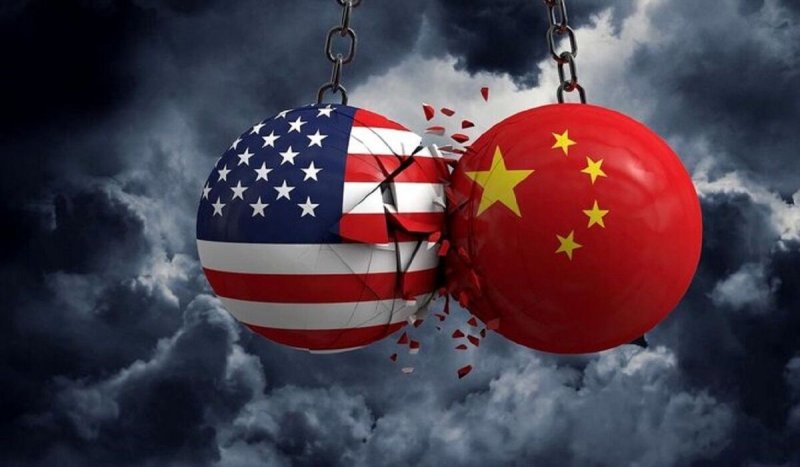
Prospect of a Multipolar Order and the Future of Beijing-Washington Confrontation

Prospect of a Multipolar Order and the Future of Beijing-Washington Confrontation

Strategic Council Online – Interview: A senior analyst on South Asian affairs stated that China’s grand military parade on September 3, 2025, was not merely a display of power; instead, it will mark the beginning of a new chapter in global geopolitical equations. The simultaneous presence of the leaders of China, Russia, and North Korea before the cameras, especially against the backdrop of Beijing’s “nuclear strategic triangle” unveiling, sent a clear message to Washington and its allies that the past unipolar order is collapsing and the world is moving toward multipolarity. China’s new land-based, sea-based, and air-launched missile systems have elevated its nuclear deterrent capability to an unprecedented level, and the sharp reactions from the United States—from Donald Trump’s sarcastic remarks to the Pentagon’s alert—indicate that Washington views these developments as a strategic threat. Many analysts believe that this event, beyond its military dimension, symbolizes the formation of new alliances among Eastern powers against the West. Simultaneously, the arms race and diplomatic pressures in the Asia-Pacific region have accelerated, and security equations in Taiwan and beyond have entered a new phase. It seems that the Beijing parade was not just a military ceremony but the beginning of an era in which the redefinition of power in the twenty-first century will accelerate.

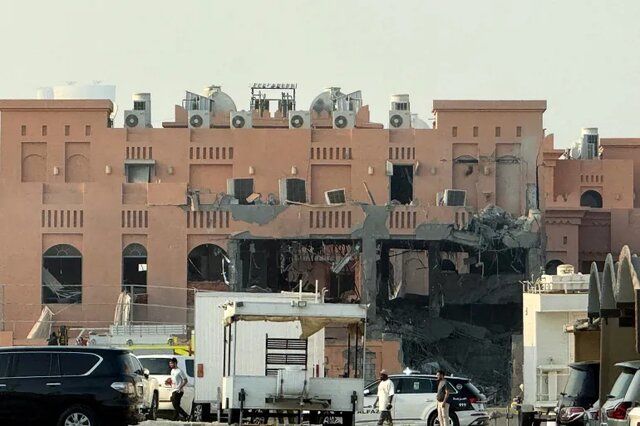
Attack by the Israeli Regime on Qatar and the Collapse of American Security Guarantees

Attack by the Israeli Regime on Qatar and the Collapse of American Security Guarantees

Strategic Council Online – Interview: An international affairs analyst stated that the Israeli regime’s airstrike on Qatar, under the pretext of targeting Hamas leaders, could be a turning point in the security and diplomatic equations of the Persian Gulf. This action not only challenged Qatar’s sovereignty but also raised questions about the security of the member states of the Persian Gulf Cooperation Council. Given that the Israeli regime is considered a close ally of the United States, this aggression has heightened sensitivities and increased doubts about Washington’s commitment to ensuring the security and protection of its regional partners. Under such circumstances, Iran can pursue regional dialogues and cooperation in the Persian Gulf, considering the Arab countries’ concerns about the ineffectiveness of American security guarantees. On the other hand, the Israeli regime’s aggression against Qatar has practically endangered normalization agreements, including the Abraham Accords, and reduced the chances of developing cooperation between Tel Aviv and some Arab countries. Internal pressure on the UAE and Bahrain to reconsider their relations with this regime has increased. Thus, the Israeli regime’s attack on Doha has not only complicated the security equations but also plunged the region’s political and diplomatic prospects into a complex phase, indicating that regional actors must reconsider traditional approaches dependent on extra-regional powers.

America’s Aggressive Commercial Strategy and Imposing a Trade Agreement on the EU

America’s Aggressive Commercial Strategy and Imposing a Trade Agreement on the EU

Strategic Council Online – Interview: An international affairs analyst stated that the recent trade agreement between the United States and the European Union, signed on July 28, 2025, in Scotland, appears to have averted a full-scale tariff war. However, this agreement, shaped by Donald Trump’s pressures and threats to raise tariffs by up to 30%, reflects U.S. economic dominance over Europe more than it signifies mutual cooperation. The European Union’s commitment to purchasing $750 billion worth of energy and investing $600 billion in the U.S., along with accepting a 15% tariff on most European exports, raises serious questions about Europe’s economic independence and its implications for the global economy. Does this agreement mean stability for European trade, or does it represent a strategic surrender to the United States that will deepen existing rifts in the global order?

Objectives and Consequences of the Israeli Regime’s Military Attack on Qatar

Objectives and Consequences of the Israeli Regime’s Military Attack on Qatar

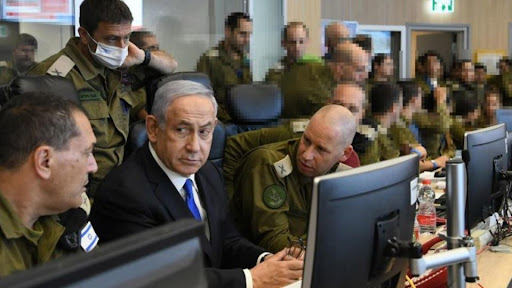
Strategic Council Online – Interview: A West Asia affairs expert stated that the Zionist regime’s airstrike on Doha, the capital of Qatar, aimed at assassinating senior Hamas leaders, once again revealed Tel Aviv’s brazen disregard for international law and the national sovereignty of countries. Benjamin Netanyahu, the Prime Minister of this regime, justified the operation by claiming to “eliminate an existential threat” and asserted that “Hamas leaders were targeted.” However, incoming reports indicate that this attack has failed. This aggression, carried out with the knowledge and consent of American officials, sparked a wave of anger and condemnation across the Arab and Islamic world. From the Arab League to Saudi Arabia, the UAE, Egypt, Iraq, Jordan, Kuwait, Lebanon, and even the Palestinian Authority, they deemed this action a clear violation of international law and a serious threat to regional security. Saudi Arabia warned that the continuation of such behavior could endanger the stability of West Asia, while the UAE described the security of Arab countries as “integral and indivisible.” However, regional observers believe that this wave of condemnations will likely remain at the level of diplomatic statements, with no serious practical action taken by Arab countries—a pattern previously observed in response to the Israeli regime’s repeated attacks on Gaza. Meanwhile, Tel Aviv, relying on American support and the inaction of regional countries, is attempting to manage its internal crisis and advance the “Greater Israel” project by creating successive crises; a project whose explosions are now heard as far as the heart of the Persian Gulf.

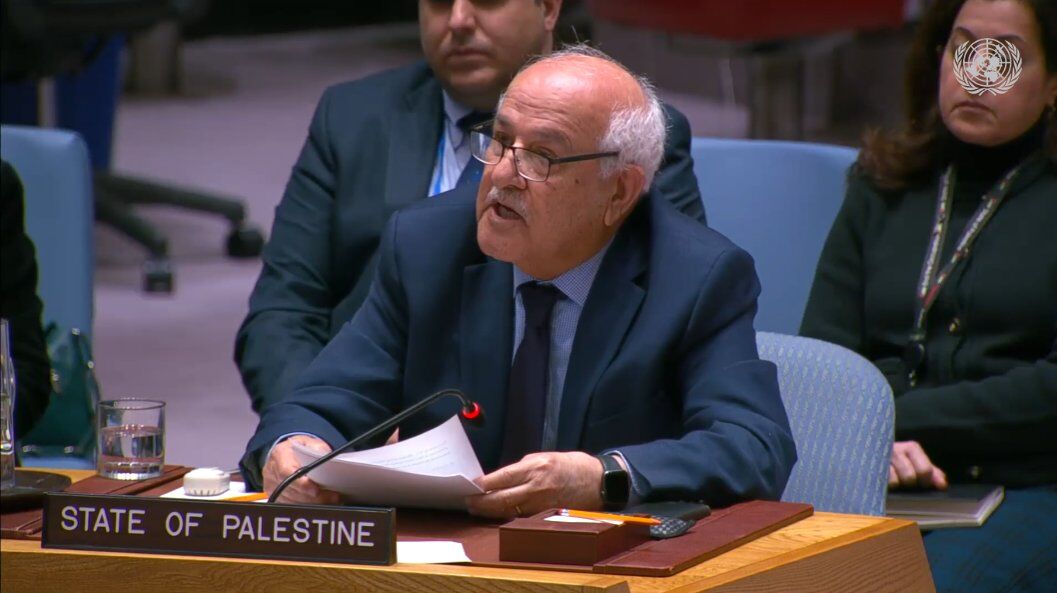
Limiting Palestinian Presence at the United Nations: A Deceptive Effort to Manage the Fate of Palestine

Limiting Palestinian Presence at the United Nations: A Deceptive Effort to Manage the Fate of Palestine

Strategic Council Online – Interview: A West Asia affairs analyst stated that on the eve of the September session of the United Nations General Assembly, the U.S. government limited the presence of the Palestinian delegation at this meeting by canceling the visa of Mahmoud Abbas, the head of the Palestinian Authority. This U.S. action is part of a complex political game between Washington, Tel Aviv, and global public opinion, aiming to question the role of Palestinians in international equations. The U.S. government and Zionist lobbies, by supporting the Israeli regime, have targeted any plan and flourishing of the Palestinian issue on the global stage, while some Western governments, due to public opinion pressure, are trying to advance the process of recognizing Palestine. This U.S. action has sparked widespread international reactions and raised concerns about violations of UN agreements and Washington’s blatant bias in favor of the Israeli regime. The Palestinian Ministry of Foreign Affairs has assessed this decision as a violation of international laws and an obstacle to the legal presence of their representatives at meetings, calling for diplomatic and legal solutions to ensure the participation of the Palestinian delegation. This restriction was imposed while European countries, especially France, Canada, and several other Western nations, are striving to increase diplomatic pressure on the Israeli regime and the U.S. by recognizing the state of Palestine.

Hidden Objectives of U.S. Military Threats Against Venezuela

Hidden Objectives of U.S. Military Threats Against Venezuela

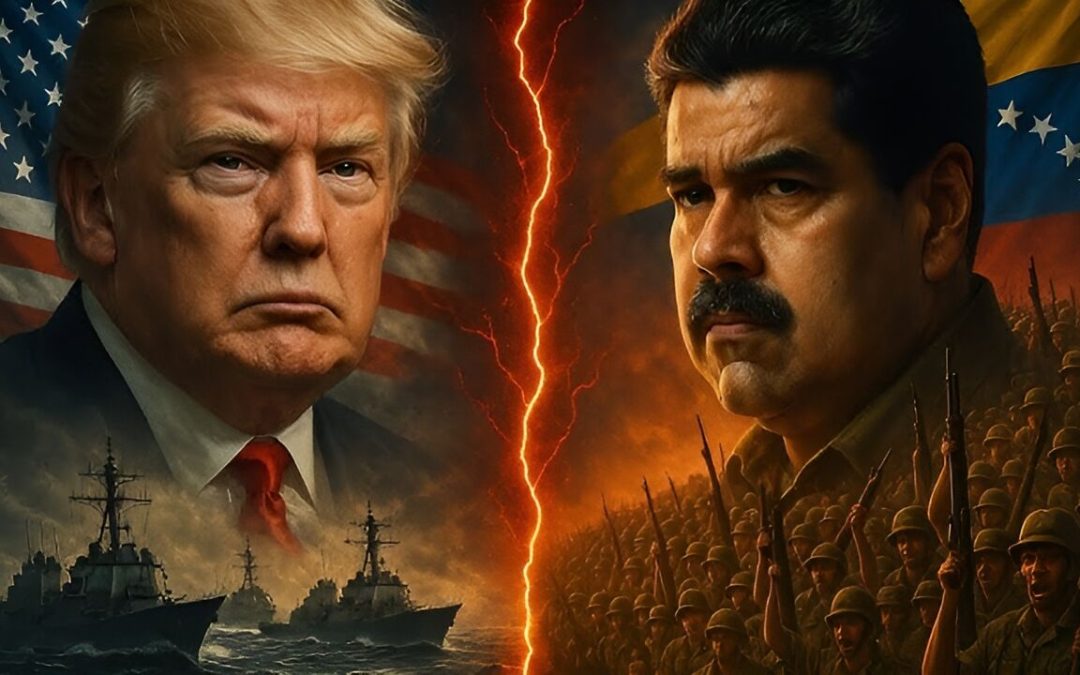
Strategic Council Online – Interview: An American affairs expert stated that in recent weeks, U.S. policy toward Venezuela has undergone a distinct redefinition, shifting toward hard power tools. According to media reports, during Donald Trump’s presidency, the White House reviewed options for military operations “against drug cartels”. It even introduced a deadly attack on a suspected boat leaving Venezuelan waters as the beginning of a new phase of its campaign. This approach has been reinforced by the deployment of significant military assets to the Caribbean periphery, including cruisers equipped with cruise missiles and attack submarines, as well as the stationing of F-35 fighter jets in Puerto Rico. It is complemented by labeling Nicolás Maduro a “narcoterrorist” and doubling the bounty for his capture.
Although Trump, when asked about “regime change,” said, “We’re not discussing that,” by linking Venezuela to the anti-drug mission, he has effectively redefined the “maximum pressure” strategy within a security-military framework. At the regional level, the resurgence of the old concept of “gunboat diplomacy” in America’s backyard sends a deterrent message to Caracas and its allies on one hand, while increasing the risk of sliding into proxy and attritional conflicts on the other. At the structural level, the merging of U.S. domestic considerations, including the “crackdown on drug trafficking” agenda, with geopolitical calculations to control energy resources and routes of influence, indicates that the Venezuela issue is not merely a criminal-security matter but rather a reflection of great power competition and a test of the resilience of the Latin American regional order—an order that, with each crisis escalation, simultaneously creates opportunities and threats for both extra-regional and regional actors.

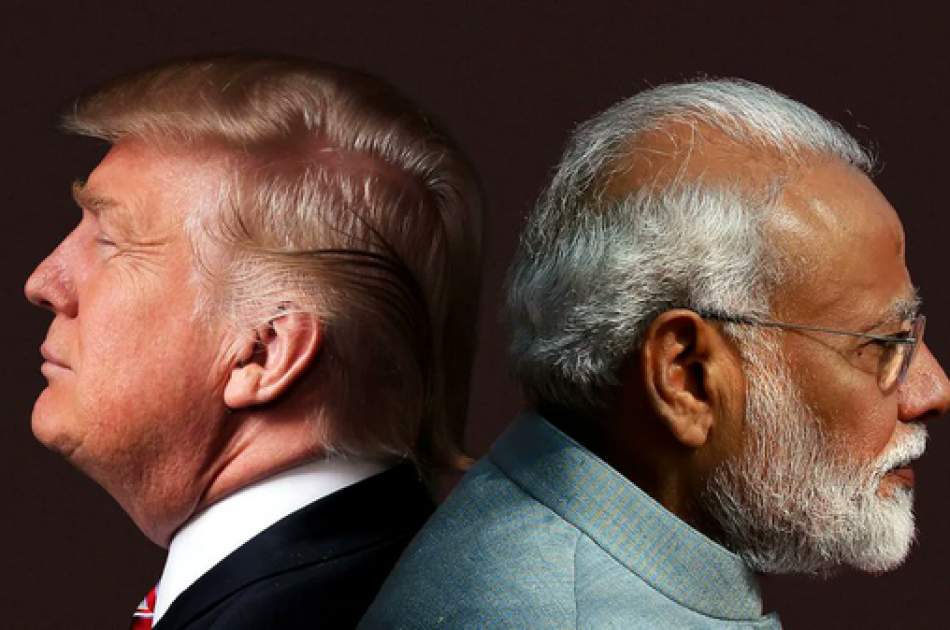
India’s Diplomatic Pivot from Washington to Beijing and Moscow

India’s Diplomatic Pivot from Washington to Beijing and Moscow

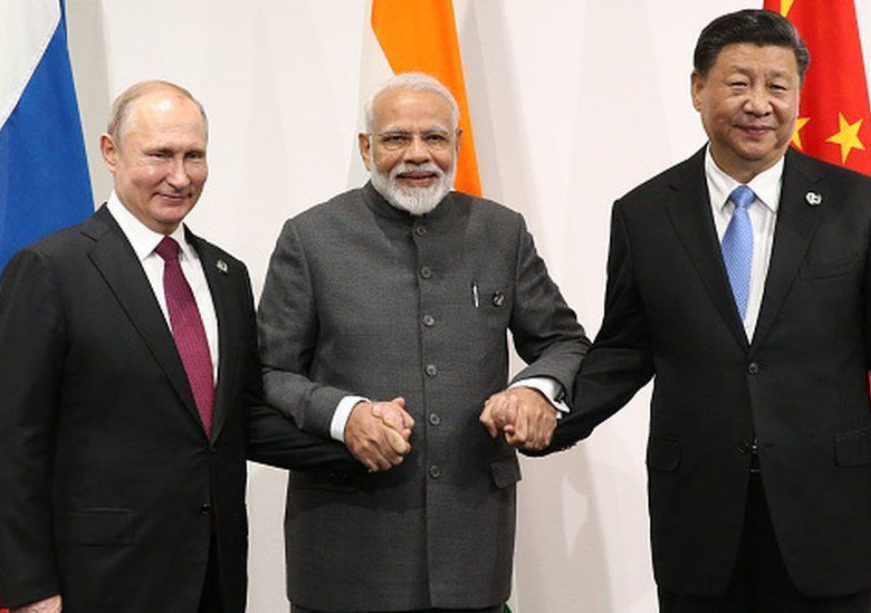
Strategic Council Online – Interview: An international affairs analyst stated that the United States’ imposition of 50% tariffs on Indian export goods has not only severely impacted the economic relations between the two countries but has also opened a new path in New Delhi’s foreign policy. While Washington has justified this move as “punishing” India for purchasing oil from Russia, the Narendra Modi government has called it unfair and emphasized the necessity of ensuring its country’s energy security. However, India’s reaction has not been limited to mere verbal statements; Modi’s visit to China and participation in the Shanghai Cooperation Organization summit can practically be assessed as a strategic pivot towards the East. Simultaneously, diplomatic exchanges among the three Asian powers have accelerated: China’s Foreign Minister visited New Delhi, his Indian counterpart went to Moscow, and Modi, in his meeting with Beijing’s leaders, sent a clear message of India’s desire for closer cooperation with Russia and China. In this context, the Indian Prime Minister’s lack of response to several phone calls from Trump suggests that New Delhi is redefining its foreign policy priorities in response to Washington’s pressure. Many analysts believe that India’s recent actions are not merely short-term reactions but rather a sign of a new balance of power forming in Asia’s equations.

Upcoming UNGA Session: A Test of International Will for Practical Action on Palestine

Upcoming UNGA Session: A Test of International Will for Practical Action on Palestine

Strategic Council Online – Interview: A senior analyst in West Asia affairs stated that while a wave of readiness for the official recognition of the State of Palestine by some countries is forming, the upcoming UN General Assembly session has become a decisive stage for the future of the Palestinian issue. At first glance, these moves are considered an essential step towards the potential advancement of the two-state solution and pressuring the Israeli regime to halt illegal settlements and accept the political reality of Palestinian sovereignty. Belgium’s decision to impose 12 firm sanctions against the Israeli regime and recognize the State of Palestine reflects this same perspective, which seeks to open a new political path in the face of the Gaza humanitarian crisis. However, there is another view that considers this diplomatic wave merely a symbolic reaction to public opinion pressure after nearly two years of slaughter and siege in Gaza, believing that as long as the United States stands alongside the Israeli regime, these movements will not lead to the establishment of a real Palestinian state. This viewpoint holds that the expansionist policies of Tel Aviv, the idea of Greater Israel, and the support of Western powers remain the main obstacles to any real change on the ground. Therefore, the September session of the UN General Assembly is considered an important test to gauge the seriousness of the international community in moving beyond symbolism towards practical action.

Failure of the Israeli Regime’s Assassination Policy in Containing the Resistance Front

Failure of the Israeli Regime’s Assassination Policy in Containing the Resistance Front

Strategic Council Online – Interview: A senior West Asia affairs analyst stated: By assassinating Yemeni executive officials, the Israeli regime has not only failed to achieve its military objectives, but its position has also been weakened in the diplomatic arena. In contrast, Yemen and the Resistance Front are continuing their path with greater cohesion, and the future outlook indicates that not only will their military capabilities not diminish, but their political standing will also be enhanced at the regional and global levels.

An Analysis of Baku’s Mediation between Syria and the Israeli Regime

An Analysis of Baku’s Mediation between Syria and the Israeli Regime

Strategic Council Online – Interview: An international affairs expert stated that recently, Ilham Aliyev, the President of Azerbaijan, by announcing his country’s mediating role between the Israeli regime and Syria, attempted to turn Baku into one of the active regional players. In an interview, Aliyev emphasized that the primary goal of this action is to strengthen peace and stability in the Middle East. Furthermore, Aliyev spoke of Azerbaijan’s readiness to support the restoration of relations between Turkey and the Israeli regime and elaborated on his country’s humanitarian and energy assistance to Syria, including the export of gas to Syria based on a quadrilateral agreement with Turkey and Qatar, which began on August 2nd and may increase in the future. However, regional analysts view this mediation with skepticism, seeing it as being in line with Tel Aviv’s interests and the improvement of Baku’s geopolitical standing.

أحدث الوظائف

Analysis of the Recognition of the Armenian Genocide by the Zionist Regime

SCFR Online – Opinion: At a time when the West Asia region, particularly in recent months, has been undergoing the most complex political and security developments of the past half-century, the sudden decision by the cabinet of the Zionist regime to recognize the Armenian genocide committed by Turkey, which has faced strong condemnation and opposition from Ankara and Baku, raises questions.

Lebanon Peace Agreement; Consolidation of Occupation

SCFR Online – Opinion: The Washington trilateral agreement, by linking the end of occupation to political and security conditions, does not establish a sustainable peace; rather, it consolidates the occupation.

China’s Effort to Recreate a New Global Order

SCFRonline – Opinion: Unlike classical powers, Beijing pursues its preferred order not through territorial occupation, but through technology, capital, standard-setting, and digital governance.

Loading

interview

Prospect of a Multipolar Order and the Future of Beijing-Washington Confrontation

Prospect of a Multipolar Order and the Future of Beijing-Washington Confrontation

Strategic Council Online – Interview: A senior analyst on South Asian affairs stated that China’s grand military parade on September 3, 2025, was not merely a display of power; instead, it will mark the beginning of a new chapter in global geopolitical equations. The simultaneous presence of the leaders of China, Russia, and North Korea before the cameras, especially against the backdrop of Beijing’s “nuclear strategic triangle” unveiling, sent a clear message to Washington and its allies that the past unipolar order is collapsing and the world is moving toward multipolarity. China’s new land-based, sea-based, and air-launched missile systems have elevated its nuclear deterrent capability to an unprecedented level, and the sharp reactions from the United States—from Donald Trump’s sarcastic remarks to the Pentagon’s alert—indicate that Washington views these developments as a strategic threat. Many analysts believe that this event, beyond its military dimension, symbolizes the formation of new alliances among Eastern powers against the West. Simultaneously, the arms race and diplomatic pressures in the Asia-Pacific region have accelerated, and security equations in Taiwan and beyond have entered a new phase. It seems that the Beijing parade was not just a military ceremony but the beginning of an era in which the redefinition of power in the twenty-first century will accelerate.

Attack by the Israeli Regime on Qatar and the Collapse of American Security Guarantees

Attack by the Israeli Regime on Qatar and the Collapse of American Security Guarantees

Strategic Council Online – Interview: An international affairs analyst stated that the Israeli regime’s airstrike on Qatar, under the pretext of targeting Hamas leaders, could be a turning point in the security and diplomatic equations of the Persian Gulf. This action not only challenged Qatar’s sovereignty but also raised questions about the security of the member states of the Persian Gulf Cooperation Council. Given that the Israeli regime is considered a close ally of the United States, this aggression has heightened sensitivities and increased doubts about Washington’s commitment to ensuring the security and protection of its regional partners. Under such circumstances, Iran can pursue regional dialogues and cooperation in the Persian Gulf, considering the Arab countries’ concerns about the ineffectiveness of American security guarantees. On the other hand, the Israeli regime’s aggression against Qatar has practically endangered normalization agreements, including the Abraham Accords, and reduced the chances of developing cooperation between Tel Aviv and some Arab countries. Internal pressure on the UAE and Bahrain to reconsider their relations with this regime has increased. Thus, the Israeli regime’s attack on Doha has not only complicated the security equations but also plunged the region’s political and diplomatic prospects into a complex phase, indicating that regional actors must reconsider traditional approaches dependent on extra-regional powers.

America’s Aggressive Commercial Strategy and Imposing a Trade Agreement on the EU

America’s Aggressive Commercial Strategy and Imposing a Trade Agreement on the EU

Strategic Council Online – Interview: An international affairs analyst stated that the recent trade agreement between the United States and the European Union, signed on July 28, 2025, in Scotland, appears to have averted a full-scale tariff war. However, this agreement, shaped by Donald Trump’s pressures and threats to raise tariffs by up to 30%, reflects U.S. economic dominance over Europe more than it signifies mutual cooperation. The European Union’s commitment to purchasing $750 billion worth of energy and investing $600 billion in the U.S., along with accepting a 15% tariff on most European exports, raises serious questions about Europe’s economic independence and its implications for the global economy. Does this agreement mean stability for European trade, or does it represent a strategic surrender to the United States that will deepen existing rifts in the global order?

Objectives and Consequences of the Israeli Regime’s Military Attack on Qatar

Objectives and Consequences of the Israeli Regime’s Military Attack on Qatar

Strategic Council Online – Interview: A West Asia affairs expert stated that the Zionist regime’s airstrike on Doha, the capital of Qatar, aimed at assassinating senior Hamas leaders, once again revealed Tel Aviv’s brazen disregard for international law and the national sovereignty of countries. Benjamin Netanyahu, the Prime Minister of this regime, justified the operation by claiming to “eliminate an existential threat” and asserted that “Hamas leaders were targeted.” However, incoming reports indicate that this attack has failed. This aggression, carried out with the knowledge and consent of American officials, sparked a wave of anger and condemnation across the Arab and Islamic world. From the Arab League to Saudi Arabia, the UAE, Egypt, Iraq, Jordan, Kuwait, Lebanon, and even the Palestinian Authority, they deemed this action a clear violation of international law and a serious threat to regional security. Saudi Arabia warned that the continuation of such behavior could endanger the stability of West Asia, while the UAE described the security of Arab countries as “integral and indivisible.” However, regional observers believe that this wave of condemnations will likely remain at the level of diplomatic statements, with no serious practical action taken by Arab countries—a pattern previously observed in response to the Israeli regime’s repeated attacks on Gaza. Meanwhile, Tel Aviv, relying on American support and the inaction of regional countries, is attempting to manage its internal crisis and advance the “Greater Israel” project by creating successive crises; a project whose explosions are now heard as far as the heart of the Persian Gulf.

Limiting Palestinian Presence at the United Nations: A Deceptive Effort to Manage the Fate of Palestine

Limiting Palestinian Presence at the United Nations: A Deceptive Effort to Manage the Fate of Palestine

Strategic Council Online – Interview: A West Asia affairs analyst stated that on the eve of the September session of the United Nations General Assembly, the U.S. government limited the presence of the Palestinian delegation at this meeting by canceling the visa of Mahmoud Abbas, the head of the Palestinian Authority. This U.S. action is part of a complex political game between Washington, Tel Aviv, and global public opinion, aiming to question the role of Palestinians in international equations. The U.S. government and Zionist lobbies, by supporting the Israeli regime, have targeted any plan and flourishing of the Palestinian issue on the global stage, while some Western governments, due to public opinion pressure, are trying to advance the process of recognizing Palestine. This U.S. action has sparked widespread international reactions and raised concerns about violations of UN agreements and Washington’s blatant bias in favor of the Israeli regime. The Palestinian Ministry of Foreign Affairs has assessed this decision as a violation of international laws and an obstacle to the legal presence of their representatives at meetings, calling for diplomatic and legal solutions to ensure the participation of the Palestinian delegation. This restriction was imposed while European countries, especially France, Canada, and several other Western nations, are striving to increase diplomatic pressure on the Israeli regime and the U.S. by recognizing the state of Palestine.

Hidden Objectives of U.S. Military Threats Against Venezuela

Hidden Objectives of U.S. Military Threats Against Venezuela

Strategic Council Online – Interview: An American affairs expert stated that in recent weeks, U.S. policy toward Venezuela has undergone a distinct redefinition, shifting toward hard power tools. According to media reports, during Donald Trump’s presidency, the White House reviewed options for military operations “against drug cartels”. It even introduced a deadly attack on a suspected boat leaving Venezuelan waters as the beginning of a new phase of its campaign. This approach has been reinforced by the deployment of significant military assets to the Caribbean periphery, including cruisers equipped with cruise missiles and attack submarines, as well as the stationing of F-35 fighter jets in Puerto Rico. It is complemented by labeling Nicolás Maduro a “narcoterrorist” and doubling the bounty for his capture.
Although Trump, when asked about “regime change,” said, “We’re not discussing that,” by linking Venezuela to the anti-drug mission, he has effectively redefined the “maximum pressure” strategy within a security-military framework. At the regional level, the resurgence of the old concept of “gunboat diplomacy” in America’s backyard sends a deterrent message to Caracas and its allies on one hand, while increasing the risk of sliding into proxy and attritional conflicts on the other. At the structural level, the merging of U.S. domestic considerations, including the “crackdown on drug trafficking” agenda, with geopolitical calculations to control energy resources and routes of influence, indicates that the Venezuela issue is not merely a criminal-security matter but rather a reflection of great power competition and a test of the resilience of the Latin American regional order—an order that, with each crisis escalation, simultaneously creates opportunities and threats for both extra-regional and regional actors.

India’s Diplomatic Pivot from Washington to Beijing and Moscow

India’s Diplomatic Pivot from Washington to Beijing and Moscow

Strategic Council Online – Interview: An international affairs analyst stated that the United States’ imposition of 50% tariffs on Indian export goods has not only severely impacted the economic relations between the two countries but has also opened a new path in New Delhi’s foreign policy. While Washington has justified this move as “punishing” India for purchasing oil from Russia, the Narendra Modi government has called it unfair and emphasized the necessity of ensuring its country’s energy security. However, India’s reaction has not been limited to mere verbal statements; Modi’s visit to China and participation in the Shanghai Cooperation Organization summit can practically be assessed as a strategic pivot towards the East. Simultaneously, diplomatic exchanges among the three Asian powers have accelerated: China’s Foreign Minister visited New Delhi, his Indian counterpart went to Moscow, and Modi, in his meeting with Beijing’s leaders, sent a clear message of India’s desire for closer cooperation with Russia and China. In this context, the Indian Prime Minister’s lack of response to several phone calls from Trump suggests that New Delhi is redefining its foreign policy priorities in response to Washington’s pressure. Many analysts believe that India’s recent actions are not merely short-term reactions but rather a sign of a new balance of power forming in Asia’s equations.

Upcoming UNGA Session: A Test of International Will for Practical Action on Palestine

Upcoming UNGA Session: A Test of International Will for Practical Action on Palestine

Strategic Council Online – Interview: A senior analyst in West Asia affairs stated that while a wave of readiness for the official recognition of the State of Palestine by some countries is forming, the upcoming UN General Assembly session has become a decisive stage for the future of the Palestinian issue. At first glance, these moves are considered an essential step towards the potential advancement of the two-state solution and pressuring the Israeli regime to halt illegal settlements and accept the political reality of Palestinian sovereignty. Belgium’s decision to impose 12 firm sanctions against the Israeli regime and recognize the State of Palestine reflects this same perspective, which seeks to open a new political path in the face of the Gaza humanitarian crisis. However, there is another view that considers this diplomatic wave merely a symbolic reaction to public opinion pressure after nearly two years of slaughter and siege in Gaza, believing that as long as the United States stands alongside the Israeli regime, these movements will not lead to the establishment of a real Palestinian state. This viewpoint holds that the expansionist policies of Tel Aviv, the idea of Greater Israel, and the support of Western powers remain the main obstacles to any real change on the ground. Therefore, the September session of the UN General Assembly is considered an important test to gauge the seriousness of the international community in moving beyond symbolism towards practical action.

Failure of the Israeli Regime’s Assassination Policy in Containing the Resistance Front

Failure of the Israeli Regime’s Assassination Policy in Containing the Resistance Front

Strategic Council Online – Interview: A senior West Asia affairs analyst stated: By assassinating Yemeni executive officials, the Israeli regime has not only failed to achieve its military objectives, but its position has also been weakened in the diplomatic arena. In contrast, Yemen and the Resistance Front are continuing their path with greater cohesion, and the future outlook indicates that not only will their military capabilities not diminish, but their political standing will also be enhanced at the regional and global levels.

An Analysis of Baku’s Mediation between Syria and the Israeli Regime

An Analysis of Baku’s Mediation between Syria and the Israeli Regime

Strategic Council Online – Interview: An international affairs expert stated that recently, Ilham Aliyev, the President of Azerbaijan, by announcing his country’s mediating role between the Israeli regime and Syria, attempted to turn Baku into one of the active regional players. In an interview, Aliyev emphasized that the primary goal of this action is to strengthen peace and stability in the Middle East. Furthermore, Aliyev spoke of Azerbaijan’s readiness to support the restoration of relations between Turkey and the Israeli regime and elaborated on his country’s humanitarian and energy assistance to Syria, including the export of gas to Syria based on a quadrilateral agreement with Turkey and Qatar, which began on August 2nd and may increase in the future. However, regional analysts view this mediation with skepticism, seeing it as being in line with Tel Aviv’s interests and the improvement of Baku’s geopolitical standing.

interview

Prospect of a Multipolar Order and the Future of Beijing-Washington Confrontation

Prospect of a Multipolar Order and the Future of Beijing-Washington Confrontation

Strategic Council Online – Interview: A senior analyst on South Asian affairs stated that China’s grand military parade on September 3, 2025, was not merely a display of power; instead, it will mark the beginning of a new chapter in global geopolitical equations. The simultaneous presence of the leaders of China, Russia, and North Korea before the cameras, especially against the backdrop of Beijing’s “nuclear strategic triangle” unveiling, sent a clear message to Washington and its allies that the past unipolar order is collapsing and the world is moving toward multipolarity. China’s new land-based, sea-based, and air-launched missile systems have elevated its nuclear deterrent capability to an unprecedented level, and the sharp reactions from the United States—from Donald Trump’s sarcastic remarks to the Pentagon’s alert—indicate that Washington views these developments as a strategic threat. Many analysts believe that this event, beyond its military dimension, symbolizes the formation of new alliances among Eastern powers against the West. Simultaneously, the arms race and diplomatic pressures in the Asia-Pacific region have accelerated, and security equations in Taiwan and beyond have entered a new phase. It seems that the Beijing parade was not just a military ceremony but the beginning of an era in which the redefinition of power in the twenty-first century will accelerate.

Attack by the Israeli Regime on Qatar and the Collapse of American Security Guarantees

Attack by the Israeli Regime on Qatar and the Collapse of American Security Guarantees

Strategic Council Online – Interview: An international affairs analyst stated that the Israeli regime’s airstrike on Qatar, under the pretext of targeting Hamas leaders, could be a turning point in the security and diplomatic equations of the Persian Gulf. This action not only challenged Qatar’s sovereignty but also raised questions about the security of the member states of the Persian Gulf Cooperation Council. Given that the Israeli regime is considered a close ally of the United States, this aggression has heightened sensitivities and increased doubts about Washington’s commitment to ensuring the security and protection of its regional partners. Under such circumstances, Iran can pursue regional dialogues and cooperation in the Persian Gulf, considering the Arab countries’ concerns about the ineffectiveness of American security guarantees. On the other hand, the Israeli regime’s aggression against Qatar has practically endangered normalization agreements, including the Abraham Accords, and reduced the chances of developing cooperation between Tel Aviv and some Arab countries. Internal pressure on the UAE and Bahrain to reconsider their relations with this regime has increased. Thus, the Israeli regime’s attack on Doha has not only complicated the security equations but also plunged the region’s political and diplomatic prospects into a complex phase, indicating that regional actors must reconsider traditional approaches dependent on extra-regional powers.

America’s Aggressive Commercial Strategy and Imposing a Trade Agreement on the EU

America’s Aggressive Commercial Strategy and Imposing a Trade Agreement on the EU

Strategic Council Online – Interview: An international affairs analyst stated that the recent trade agreement between the United States and the European Union, signed on July 28, 2025, in Scotland, appears to have averted a full-scale tariff war. However, this agreement, shaped by Donald Trump’s pressures and threats to raise tariffs by up to 30%, reflects U.S. economic dominance over Europe more than it signifies mutual cooperation. The European Union’s commitment to purchasing $750 billion worth of energy and investing $600 billion in the U.S., along with accepting a 15% tariff on most European exports, raises serious questions about Europe’s economic independence and its implications for the global economy. Does this agreement mean stability for European trade, or does it represent a strategic surrender to the United States that will deepen existing rifts in the global order?

Objectives and Consequences of the Israeli Regime’s Military Attack on Qatar

Objectives and Consequences of the Israeli Regime’s Military Attack on Qatar

Strategic Council Online – Interview: A West Asia affairs expert stated that the Zionist regime’s airstrike on Doha, the capital of Qatar, aimed at assassinating senior Hamas leaders, once again revealed Tel Aviv’s brazen disregard for international law and the national sovereignty of countries. Benjamin Netanyahu, the Prime Minister of this regime, justified the operation by claiming to “eliminate an existential threat” and asserted that “Hamas leaders were targeted.” However, incoming reports indicate that this attack has failed. This aggression, carried out with the knowledge and consent of American officials, sparked a wave of anger and condemnation across the Arab and Islamic world. From the Arab League to Saudi Arabia, the UAE, Egypt, Iraq, Jordan, Kuwait, Lebanon, and even the Palestinian Authority, they deemed this action a clear violation of international law and a serious threat to regional security. Saudi Arabia warned that the continuation of such behavior could endanger the stability of West Asia, while the UAE described the security of Arab countries as “integral and indivisible.” However, regional observers believe that this wave of condemnations will likely remain at the level of diplomatic statements, with no serious practical action taken by Arab countries—a pattern previously observed in response to the Israeli regime’s repeated attacks on Gaza. Meanwhile, Tel Aviv, relying on American support and the inaction of regional countries, is attempting to manage its internal crisis and advance the “Greater Israel” project by creating successive crises; a project whose explosions are now heard as far as the heart of the Persian Gulf.

Limiting Palestinian Presence at the United Nations: A Deceptive Effort to Manage the Fate of Palestine

Limiting Palestinian Presence at the United Nations: A Deceptive Effort to Manage the Fate of Palestine

Strategic Council Online – Interview: A West Asia affairs analyst stated that on the eve of the September session of the United Nations General Assembly, the U.S. government limited the presence of the Palestinian delegation at this meeting by canceling the visa of Mahmoud Abbas, the head of the Palestinian Authority. This U.S. action is part of a complex political game between Washington, Tel Aviv, and global public opinion, aiming to question the role of Palestinians in international equations. The U.S. government and Zionist lobbies, by supporting the Israeli regime, have targeted any plan and flourishing of the Palestinian issue on the global stage, while some Western governments, due to public opinion pressure, are trying to advance the process of recognizing Palestine. This U.S. action has sparked widespread international reactions and raised concerns about violations of UN agreements and Washington’s blatant bias in favor of the Israeli regime. The Palestinian Ministry of Foreign Affairs has assessed this decision as a violation of international laws and an obstacle to the legal presence of their representatives at meetings, calling for diplomatic and legal solutions to ensure the participation of the Palestinian delegation. This restriction was imposed while European countries, especially France, Canada, and several other Western nations, are striving to increase diplomatic pressure on the Israeli regime and the U.S. by recognizing the state of Palestine.

Hidden Objectives of U.S. Military Threats Against Venezuela

Hidden Objectives of U.S. Military Threats Against Venezuela

Strategic Council Online – Interview: An American affairs expert stated that in recent weeks, U.S. policy toward Venezuela has undergone a distinct redefinition, shifting toward hard power tools. According to media reports, during Donald Trump’s presidency, the White House reviewed options for military operations “against drug cartels”. It even introduced a deadly attack on a suspected boat leaving Venezuelan waters as the beginning of a new phase of its campaign. This approach has been reinforced by the deployment of significant military assets to the Caribbean periphery, including cruisers equipped with cruise missiles and attack submarines, as well as the stationing of F-35 fighter jets in Puerto Rico. It is complemented by labeling Nicolás Maduro a “narcoterrorist” and doubling the bounty for his capture.
Although Trump, when asked about “regime change,” said, “We’re not discussing that,” by linking Venezuela to the anti-drug mission, he has effectively redefined the “maximum pressure” strategy within a security-military framework. At the regional level, the resurgence of the old concept of “gunboat diplomacy” in America’s backyard sends a deterrent message to Caracas and its allies on one hand, while increasing the risk of sliding into proxy and attritional conflicts on the other. At the structural level, the merging of U.S. domestic considerations, including the “crackdown on drug trafficking” agenda, with geopolitical calculations to control energy resources and routes of influence, indicates that the Venezuela issue is not merely a criminal-security matter but rather a reflection of great power competition and a test of the resilience of the Latin American regional order—an order that, with each crisis escalation, simultaneously creates opportunities and threats for both extra-regional and regional actors.

India’s Diplomatic Pivot from Washington to Beijing and Moscow

India’s Diplomatic Pivot from Washington to Beijing and Moscow

Strategic Council Online – Interview: An international affairs analyst stated that the United States’ imposition of 50% tariffs on Indian export goods has not only severely impacted the economic relations between the two countries but has also opened a new path in New Delhi’s foreign policy. While Washington has justified this move as “punishing” India for purchasing oil from Russia, the Narendra Modi government has called it unfair and emphasized the necessity of ensuring its country’s energy security. However, India’s reaction has not been limited to mere verbal statements; Modi’s visit to China and participation in the Shanghai Cooperation Organization summit can practically be assessed as a strategic pivot towards the East. Simultaneously, diplomatic exchanges among the three Asian powers have accelerated: China’s Foreign Minister visited New Delhi, his Indian counterpart went to Moscow, and Modi, in his meeting with Beijing’s leaders, sent a clear message of India’s desire for closer cooperation with Russia and China. In this context, the Indian Prime Minister’s lack of response to several phone calls from Trump suggests that New Delhi is redefining its foreign policy priorities in response to Washington’s pressure. Many analysts believe that India’s recent actions are not merely short-term reactions but rather a sign of a new balance of power forming in Asia’s equations.

Upcoming UNGA Session: A Test of International Will for Practical Action on Palestine

Upcoming UNGA Session: A Test of International Will for Practical Action on Palestine

Strategic Council Online – Interview: A senior analyst in West Asia affairs stated that while a wave of readiness for the official recognition of the State of Palestine by some countries is forming, the upcoming UN General Assembly session has become a decisive stage for the future of the Palestinian issue. At first glance, these moves are considered an essential step towards the potential advancement of the two-state solution and pressuring the Israeli regime to halt illegal settlements and accept the political reality of Palestinian sovereignty. Belgium’s decision to impose 12 firm sanctions against the Israeli regime and recognize the State of Palestine reflects this same perspective, which seeks to open a new political path in the face of the Gaza humanitarian crisis. However, there is another view that considers this diplomatic wave merely a symbolic reaction to public opinion pressure after nearly two years of slaughter and siege in Gaza, believing that as long as the United States stands alongside the Israeli regime, these movements will not lead to the establishment of a real Palestinian state. This viewpoint holds that the expansionist policies of Tel Aviv, the idea of Greater Israel, and the support of Western powers remain the main obstacles to any real change on the ground. Therefore, the September session of the UN General Assembly is considered an important test to gauge the seriousness of the international community in moving beyond symbolism towards practical action.

Failure of the Israeli Regime’s Assassination Policy in Containing the Resistance Front

Failure of the Israeli Regime’s Assassination Policy in Containing the Resistance Front

Strategic Council Online – Interview: A senior West Asia affairs analyst stated: By assassinating Yemeni executive officials, the Israeli regime has not only failed to achieve its military objectives, but its position has also been weakened in the diplomatic arena. In contrast, Yemen and the Resistance Front are continuing their path with greater cohesion, and the future outlook indicates that not only will their military capabilities not diminish, but their political standing will also be enhanced at the regional and global levels.

An Analysis of Baku’s Mediation between Syria and the Israeli Regime

An Analysis of Baku’s Mediation between Syria and the Israeli Regime

Strategic Council Online – Interview: An international affairs expert stated that recently, Ilham Aliyev, the President of Azerbaijan, by announcing his country’s mediating role between the Israeli regime and Syria, attempted to turn Baku into one of the active regional players. In an interview, Aliyev emphasized that the primary goal of this action is to strengthen peace and stability in the Middle East. Furthermore, Aliyev spoke of Azerbaijan’s readiness to support the restoration of relations between Turkey and the Israeli regime and elaborated on his country’s humanitarian and energy assistance to Syria, including the export of gas to Syria based on a quadrilateral agreement with Turkey and Qatar, which began on August 2nd and may increase in the future. However, regional analysts view this mediation with skepticism, seeing it as being in line with Tel Aviv’s interests and the improvement of Baku’s geopolitical standing.

LATEST CONTENT

Analysis of the Recognition of the Armenian Genocide by the Zionist Regime

SCFR Online – Opinion: At a time when the West Asia region, particularly in recent months, has been undergoing the most complex political and security developments of the past half-century, the sudden decision by the cabinet of the Zionist regime to recognize the Armenian genocide committed by Turkey, which has faced strong condemnation and opposition from Ankara and Baku, raises questions.

Lebanon Peace Agreement; Consolidation of Occupation

SCFR Online – Opinion: The Washington trilateral agreement, by linking the end of occupation to political and security conditions, does not establish a sustainable peace; rather, it consolidates the occupation.

China’s Effort to Recreate a New Global Order

SCFRonline – Opinion: Unlike classical powers, Beijing pursues its preferred order not through territorial occupation, but through technology, capital, standard-setting, and digital governance.

Loading

interview

Prospect of a Multipolar Order and the Future of Beijing-Washington Confrontation

Prospect of a Multipolar Order and the Future of Beijing-Washington Confrontation

Strategic Council Online – Interview: A senior analyst on South Asian affairs stated that China’s grand military parade on September 3, 2025, was not merely a display of power; instead, it will mark the beginning of a new chapter in global geopolitical equations. The simultaneous presence of the leaders of China, Russia, and North Korea before the cameras, especially against the backdrop of Beijing’s “nuclear strategic triangle” unveiling, sent a clear message to Washington and its allies that the past unipolar order is collapsing and the world is moving toward multipolarity. China’s new land-based, sea-based, and air-launched missile systems have elevated its nuclear deterrent capability to an unprecedented level, and the sharp reactions from the United States—from Donald Trump’s sarcastic remarks to the Pentagon’s alert—indicate that Washington views these developments as a strategic threat. Many analysts believe that this event, beyond its military dimension, symbolizes the formation of new alliances among Eastern powers against the West. Simultaneously, the arms race and diplomatic pressures in the Asia-Pacific region have accelerated, and security equations in Taiwan and beyond have entered a new phase. It seems that the Beijing parade was not just a military ceremony but the beginning of an era in which the redefinition of power in the twenty-first century will accelerate.

Attack by the Israeli Regime on Qatar and the Collapse of American Security Guarantees

Attack by the Israeli Regime on Qatar and the Collapse of American Security Guarantees

Strategic Council Online – Interview: An international affairs analyst stated that the Israeli regime’s airstrike on Qatar, under the pretext of targeting Hamas leaders, could be a turning point in the security and diplomatic equations of the Persian Gulf. This action not only challenged Qatar’s sovereignty but also raised questions about the security of the member states of the Persian Gulf Cooperation Council. Given that the Israeli regime is considered a close ally of the United States, this aggression has heightened sensitivities and increased doubts about Washington’s commitment to ensuring the security and protection of its regional partners. Under such circumstances, Iran can pursue regional dialogues and cooperation in the Persian Gulf, considering the Arab countries’ concerns about the ineffectiveness of American security guarantees. On the other hand, the Israeli regime’s aggression against Qatar has practically endangered normalization agreements, including the Abraham Accords, and reduced the chances of developing cooperation between Tel Aviv and some Arab countries. Internal pressure on the UAE and Bahrain to reconsider their relations with this regime has increased. Thus, the Israeli regime’s attack on Doha has not only complicated the security equations but also plunged the region’s political and diplomatic prospects into a complex phase, indicating that regional actors must reconsider traditional approaches dependent on extra-regional powers.

America’s Aggressive Commercial Strategy and Imposing a Trade Agreement on the EU

America’s Aggressive Commercial Strategy and Imposing a Trade Agreement on the EU

Strategic Council Online – Interview: An international affairs analyst stated that the recent trade agreement between the United States and the European Union, signed on July 28, 2025, in Scotland, appears to have averted a full-scale tariff war. However, this agreement, shaped by Donald Trump’s pressures and threats to raise tariffs by up to 30%, reflects U.S. economic dominance over Europe more than it signifies mutual cooperation. The European Union’s commitment to purchasing $750 billion worth of energy and investing $600 billion in the U.S., along with accepting a 15% tariff on most European exports, raises serious questions about Europe’s economic independence and its implications for the global economy. Does this agreement mean stability for European trade, or does it represent a strategic surrender to the United States that will deepen existing rifts in the global order?

Objectives and Consequences of the Israeli Regime’s Military Attack on Qatar

Objectives and Consequences of the Israeli Regime’s Military Attack on Qatar

Strategic Council Online – Interview: A West Asia affairs expert stated that the Zionist regime’s airstrike on Doha, the capital of Qatar, aimed at assassinating senior Hamas leaders, once again revealed Tel Aviv’s brazen disregard for international law and the national sovereignty of countries. Benjamin Netanyahu, the Prime Minister of this regime, justified the operation by claiming to “eliminate an existential threat” and asserted that “Hamas leaders were targeted.” However, incoming reports indicate that this attack has failed. This aggression, carried out with the knowledge and consent of American officials, sparked a wave of anger and condemnation across the Arab and Islamic world. From the Arab League to Saudi Arabia, the UAE, Egypt, Iraq, Jordan, Kuwait, Lebanon, and even the Palestinian Authority, they deemed this action a clear violation of international law and a serious threat to regional security. Saudi Arabia warned that the continuation of such behavior could endanger the stability of West Asia, while the UAE described the security of Arab countries as “integral and indivisible.” However, regional observers believe that this wave of condemnations will likely remain at the level of diplomatic statements, with no serious practical action taken by Arab countries—a pattern previously observed in response to the Israeli regime’s repeated attacks on Gaza. Meanwhile, Tel Aviv, relying on American support and the inaction of regional countries, is attempting to manage its internal crisis and advance the “Greater Israel” project by creating successive crises; a project whose explosions are now heard as far as the heart of the Persian Gulf.

Limiting Palestinian Presence at the United Nations: A Deceptive Effort to Manage the Fate of Palestine

Limiting Palestinian Presence at the United Nations: A Deceptive Effort to Manage the Fate of Palestine

Strategic Council Online – Interview: A West Asia affairs analyst stated that on the eve of the September session of the United Nations General Assembly, the U.S. government limited the presence of the Palestinian delegation at this meeting by canceling the visa of Mahmoud Abbas, the head of the Palestinian Authority. This U.S. action is part of a complex political game between Washington, Tel Aviv, and global public opinion, aiming to question the role of Palestinians in international equations. The U.S. government and Zionist lobbies, by supporting the Israeli regime, have targeted any plan and flourishing of the Palestinian issue on the global stage, while some Western governments, due to public opinion pressure, are trying to advance the process of recognizing Palestine. This U.S. action has sparked widespread international reactions and raised concerns about violations of UN agreements and Washington’s blatant bias in favor of the Israeli regime. The Palestinian Ministry of Foreign Affairs has assessed this decision as a violation of international laws and an obstacle to the legal presence of their representatives at meetings, calling for diplomatic and legal solutions to ensure the participation of the Palestinian delegation. This restriction was imposed while European countries, especially France, Canada, and several other Western nations, are striving to increase diplomatic pressure on the Israeli regime and the U.S. by recognizing the state of Palestine.

Hidden Objectives of U.S. Military Threats Against Venezuela

Hidden Objectives of U.S. Military Threats Against Venezuela

Strategic Council Online – Interview: An American affairs expert stated that in recent weeks, U.S. policy toward Venezuela has undergone a distinct redefinition, shifting toward hard power tools. According to media reports, during Donald Trump’s presidency, the White House reviewed options for military operations “against drug cartels”. It even introduced a deadly attack on a suspected boat leaving Venezuelan waters as the beginning of a new phase of its campaign. This approach has been reinforced by the deployment of significant military assets to the Caribbean periphery, including cruisers equipped with cruise missiles and attack submarines, as well as the stationing of F-35 fighter jets in Puerto Rico. It is complemented by labeling Nicolás Maduro a “narcoterrorist” and doubling the bounty for his capture.
Although Trump, when asked about “regime change,” said, “We’re not discussing that,” by linking Venezuela to the anti-drug mission, he has effectively redefined the “maximum pressure” strategy within a security-military framework. At the regional level, the resurgence of the old concept of “gunboat diplomacy” in America’s backyard sends a deterrent message to Caracas and its allies on one hand, while increasing the risk of sliding into proxy and attritional conflicts on the other. At the structural level, the merging of U.S. domestic considerations, including the “crackdown on drug trafficking” agenda, with geopolitical calculations to control energy resources and routes of influence, indicates that the Venezuela issue is not merely a criminal-security matter but rather a reflection of great power competition and a test of the resilience of the Latin American regional order—an order that, with each crisis escalation, simultaneously creates opportunities and threats for both extra-regional and regional actors.

India’s Diplomatic Pivot from Washington to Beijing and Moscow

India’s Diplomatic Pivot from Washington to Beijing and Moscow

Strategic Council Online – Interview: An international affairs analyst stated that the United States’ imposition of 50% tariffs on Indian export goods has not only severely impacted the economic relations between the two countries but has also opened a new path in New Delhi’s foreign policy. While Washington has justified this move as “punishing” India for purchasing oil from Russia, the Narendra Modi government has called it unfair and emphasized the necessity of ensuring its country’s energy security. However, India’s reaction has not been limited to mere verbal statements; Modi’s visit to China and participation in the Shanghai Cooperation Organization summit can practically be assessed as a strategic pivot towards the East. Simultaneously, diplomatic exchanges among the three Asian powers have accelerated: China’s Foreign Minister visited New Delhi, his Indian counterpart went to Moscow, and Modi, in his meeting with Beijing’s leaders, sent a clear message of India’s desire for closer cooperation with Russia and China. In this context, the Indian Prime Minister’s lack of response to several phone calls from Trump suggests that New Delhi is redefining its foreign policy priorities in response to Washington’s pressure. Many analysts believe that India’s recent actions are not merely short-term reactions but rather a sign of a new balance of power forming in Asia’s equations.

Upcoming UNGA Session: A Test of International Will for Practical Action on Palestine

Upcoming UNGA Session: A Test of International Will for Practical Action on Palestine

Strategic Council Online – Interview: A senior analyst in West Asia affairs stated that while a wave of readiness for the official recognition of the State of Palestine by some countries is forming, the upcoming UN General Assembly session has become a decisive stage for the future of the Palestinian issue. At first glance, these moves are considered an essential step towards the potential advancement of the two-state solution and pressuring the Israeli regime to halt illegal settlements and accept the political reality of Palestinian sovereignty. Belgium’s decision to impose 12 firm sanctions against the Israeli regime and recognize the State of Palestine reflects this same perspective, which seeks to open a new political path in the face of the Gaza humanitarian crisis. However, there is another view that considers this diplomatic wave merely a symbolic reaction to public opinion pressure after nearly two years of slaughter and siege in Gaza, believing that as long as the United States stands alongside the Israeli regime, these movements will not lead to the establishment of a real Palestinian state. This viewpoint holds that the expansionist policies of Tel Aviv, the idea of Greater Israel, and the support of Western powers remain the main obstacles to any real change on the ground. Therefore, the September session of the UN General Assembly is considered an important test to gauge the seriousness of the international community in moving beyond symbolism towards practical action.

Failure of the Israeli Regime’s Assassination Policy in Containing the Resistance Front

Failure of the Israeli Regime’s Assassination Policy in Containing the Resistance Front

Strategic Council Online – Interview: A senior West Asia affairs analyst stated: By assassinating Yemeni executive officials, the Israeli regime has not only failed to achieve its military objectives, but its position has also been weakened in the diplomatic arena. In contrast, Yemen and the Resistance Front are continuing their path with greater cohesion, and the future outlook indicates that not only will their military capabilities not diminish, but their political standing will also be enhanced at the regional and global levels.

An Analysis of Baku’s Mediation between Syria and the Israeli Regime

An Analysis of Baku’s Mediation between Syria and the Israeli Regime

Strategic Council Online – Interview: An international affairs expert stated that recently, Ilham Aliyev, the President of Azerbaijan, by announcing his country’s mediating role between the Israeli regime and Syria, attempted to turn Baku into one of the active regional players. In an interview, Aliyev emphasized that the primary goal of this action is to strengthen peace and stability in the Middle East. Furthermore, Aliyev spoke of Azerbaijan’s readiness to support the restoration of relations between Turkey and the Israeli regime and elaborated on his country’s humanitarian and energy assistance to Syria, including the export of gas to Syria based on a quadrilateral agreement with Turkey and Qatar, which began on August 2nd and may increase in the future. However, regional analysts view this mediation with skepticism, seeing it as being in line with Tel Aviv’s interests and the improvement of Baku’s geopolitical standing.

ÚLTIMAS PUBLICACIONES

Analysis of the Recognition of the Armenian Genocide by the Zionist Regime

SCFR Online – Opinion: At a time when the West Asia region, particularly in recent months, has been undergoing the most complex political and security developments of the past half-century, the sudden decision by the cabinet of the Zionist regime to recognize the Armenian genocide committed by Turkey, which has faced strong condemnation and opposition from Ankara and Baku, raises questions.

Lebanon Peace Agreement; Consolidation of Occupation

SCFR Online – Opinion: The Washington trilateral agreement, by linking the end of occupation to political and security conditions, does not establish a sustainable peace; rather, it consolidates the occupation.

China’s Effort to Recreate a New Global Order

SCFRonline – Opinion: Unlike classical powers, Beijing pursues its preferred order not through territorial occupation, but through technology, capital, standard-setting, and digital governance.

Loading

interview

Prospect of a Multipolar Order and the Future of Beijing-Washington Confrontation

Prospect of a Multipolar Order and the Future of Beijing-Washington Confrontation

Strategic Council Online – Interview: A senior analyst on South Asian affairs stated that China’s grand military parade on September 3, 2025, was not merely a display of power; instead, it will mark the beginning of a new chapter in global geopolitical equations. The simultaneous presence of the leaders of China, Russia, and North Korea before the cameras, especially against the backdrop of Beijing’s “nuclear strategic triangle” unveiling, sent a clear message to Washington and its allies that the past unipolar order is collapsing and the world is moving toward multipolarity. China’s new land-based, sea-based, and air-launched missile systems have elevated its nuclear deterrent capability to an unprecedented level, and the sharp reactions from the United States—from Donald Trump’s sarcastic remarks to the Pentagon’s alert—indicate that Washington views these developments as a strategic threat. Many analysts believe that this event, beyond its military dimension, symbolizes the formation of new alliances among Eastern powers against the West. Simultaneously, the arms race and diplomatic pressures in the Asia-Pacific region have accelerated, and security equations in Taiwan and beyond have entered a new phase. It seems that the Beijing parade was not just a military ceremony but the beginning of an era in which the redefinition of power in the twenty-first century will accelerate.

Attack by the Israeli Regime on Qatar and the Collapse of American Security Guarantees

Attack by the Israeli Regime on Qatar and the Collapse of American Security Guarantees

Strategic Council Online – Interview: An international affairs analyst stated that the Israeli regime’s airstrike on Qatar, under the pretext of targeting Hamas leaders, could be a turning point in the security and diplomatic equations of the Persian Gulf. This action not only challenged Qatar’s sovereignty but also raised questions about the security of the member states of the Persian Gulf Cooperation Council. Given that the Israeli regime is considered a close ally of the United States, this aggression has heightened sensitivities and increased doubts about Washington’s commitment to ensuring the security and protection of its regional partners. Under such circumstances, Iran can pursue regional dialogues and cooperation in the Persian Gulf, considering the Arab countries’ concerns about the ineffectiveness of American security guarantees. On the other hand, the Israeli regime’s aggression against Qatar has practically endangered normalization agreements, including the Abraham Accords, and reduced the chances of developing cooperation between Tel Aviv and some Arab countries. Internal pressure on the UAE and Bahrain to reconsider their relations with this regime has increased. Thus, the Israeli regime’s attack on Doha has not only complicated the security equations but also plunged the region’s political and diplomatic prospects into a complex phase, indicating that regional actors must reconsider traditional approaches dependent on extra-regional powers.

America’s Aggressive Commercial Strategy and Imposing a Trade Agreement on the EU

America’s Aggressive Commercial Strategy and Imposing a Trade Agreement on the EU

Strategic Council Online – Interview: An international affairs analyst stated that the recent trade agreement between the United States and the European Union, signed on July 28, 2025, in Scotland, appears to have averted a full-scale tariff war. However, this agreement, shaped by Donald Trump’s pressures and threats to raise tariffs by up to 30%, reflects U.S. economic dominance over Europe more than it signifies mutual cooperation. The European Union’s commitment to purchasing $750 billion worth of energy and investing $600 billion in the U.S., along with accepting a 15% tariff on most European exports, raises serious questions about Europe’s economic independence and its implications for the global economy. Does this agreement mean stability for European trade, or does it represent a strategic surrender to the United States that will deepen existing rifts in the global order?

Objectives and Consequences of the Israeli Regime’s Military Attack on Qatar

Objectives and Consequences of the Israeli Regime’s Military Attack on Qatar

Strategic Council Online – Interview: A West Asia affairs expert stated that the Zionist regime’s airstrike on Doha, the capital of Qatar, aimed at assassinating senior Hamas leaders, once again revealed Tel Aviv’s brazen disregard for international law and the national sovereignty of countries. Benjamin Netanyahu, the Prime Minister of this regime, justified the operation by claiming to “eliminate an existential threat” and asserted that “Hamas leaders were targeted.” However, incoming reports indicate that this attack has failed. This aggression, carried out with the knowledge and consent of American officials, sparked a wave of anger and condemnation across the Arab and Islamic world. From the Arab League to Saudi Arabia, the UAE, Egypt, Iraq, Jordan, Kuwait, Lebanon, and even the Palestinian Authority, they deemed this action a clear violation of international law and a serious threat to regional security. Saudi Arabia warned that the continuation of such behavior could endanger the stability of West Asia, while the UAE described the security of Arab countries as “integral and indivisible.” However, regional observers believe that this wave of condemnations will likely remain at the level of diplomatic statements, with no serious practical action taken by Arab countries—a pattern previously observed in response to the Israeli regime’s repeated attacks on Gaza. Meanwhile, Tel Aviv, relying on American support and the inaction of regional countries, is attempting to manage its internal crisis and advance the “Greater Israel” project by creating successive crises; a project whose explosions are now heard as far as the heart of the Persian Gulf.

Limiting Palestinian Presence at the United Nations: A Deceptive Effort to Manage the Fate of Palestine

Limiting Palestinian Presence at the United Nations: A Deceptive Effort to Manage the Fate of Palestine

Strategic Council Online – Interview: A West Asia affairs analyst stated that on the eve of the September session of the United Nations General Assembly, the U.S. government limited the presence of the Palestinian delegation at this meeting by canceling the visa of Mahmoud Abbas, the head of the Palestinian Authority. This U.S. action is part of a complex political game between Washington, Tel Aviv, and global public opinion, aiming to question the role of Palestinians in international equations. The U.S. government and Zionist lobbies, by supporting the Israeli regime, have targeted any plan and flourishing of the Palestinian issue on the global stage, while some Western governments, due to public opinion pressure, are trying to advance the process of recognizing Palestine. This U.S. action has sparked widespread international reactions and raised concerns about violations of UN agreements and Washington’s blatant bias in favor of the Israeli regime. The Palestinian Ministry of Foreign Affairs has assessed this decision as a violation of international laws and an obstacle to the legal presence of their representatives at meetings, calling for diplomatic and legal solutions to ensure the participation of the Palestinian delegation. This restriction was imposed while European countries, especially France, Canada, and several other Western nations, are striving to increase diplomatic pressure on the Israeli regime and the U.S. by recognizing the state of Palestine.

Hidden Objectives of U.S. Military Threats Against Venezuela

Hidden Objectives of U.S. Military Threats Against Venezuela

Strategic Council Online – Interview: An American affairs expert stated that in recent weeks, U.S. policy toward Venezuela has undergone a distinct redefinition, shifting toward hard power tools. According to media reports, during Donald Trump’s presidency, the White House reviewed options for military operations “against drug cartels”. It even introduced a deadly attack on a suspected boat leaving Venezuelan waters as the beginning of a new phase of its campaign. This approach has been reinforced by the deployment of significant military assets to the Caribbean periphery, including cruisers equipped with cruise missiles and attack submarines, as well as the stationing of F-35 fighter jets in Puerto Rico. It is complemented by labeling Nicolás Maduro a “narcoterrorist” and doubling the bounty for his capture.
Although Trump, when asked about “regime change,” said, “We’re not discussing that,” by linking Venezuela to the anti-drug mission, he has effectively redefined the “maximum pressure” strategy within a security-military framework. At the regional level, the resurgence of the old concept of “gunboat diplomacy” in America’s backyard sends a deterrent message to Caracas and its allies on one hand, while increasing the risk of sliding into proxy and attritional conflicts on the other. At the structural level, the merging of U.S. domestic considerations, including the “crackdown on drug trafficking” agenda, with geopolitical calculations to control energy resources and routes of influence, indicates that the Venezuela issue is not merely a criminal-security matter but rather a reflection of great power competition and a test of the resilience of the Latin American regional order—an order that, with each crisis escalation, simultaneously creates opportunities and threats for both extra-regional and regional actors.

India’s Diplomatic Pivot from Washington to Beijing and Moscow

India’s Diplomatic Pivot from Washington to Beijing and Moscow

Strategic Council Online – Interview: An international affairs analyst stated that the United States’ imposition of 50% tariffs on Indian export goods has not only severely impacted the economic relations between the two countries but has also opened a new path in New Delhi’s foreign policy. While Washington has justified this move as “punishing” India for purchasing oil from Russia, the Narendra Modi government has called it unfair and emphasized the necessity of ensuring its country’s energy security. However, India’s reaction has not been limited to mere verbal statements; Modi’s visit to China and participation in the Shanghai Cooperation Organization summit can practically be assessed as a strategic pivot towards the East. Simultaneously, diplomatic exchanges among the three Asian powers have accelerated: China’s Foreign Minister visited New Delhi, his Indian counterpart went to Moscow, and Modi, in his meeting with Beijing’s leaders, sent a clear message of India’s desire for closer cooperation with Russia and China. In this context, the Indian Prime Minister’s lack of response to several phone calls from Trump suggests that New Delhi is redefining its foreign policy priorities in response to Washington’s pressure. Many analysts believe that India’s recent actions are not merely short-term reactions but rather a sign of a new balance of power forming in Asia’s equations.

Upcoming UNGA Session: A Test of International Will for Practical Action on Palestine

Upcoming UNGA Session: A Test of International Will for Practical Action on Palestine

Strategic Council Online – Interview: A senior analyst in West Asia affairs stated that while a wave of readiness for the official recognition of the State of Palestine by some countries is forming, the upcoming UN General Assembly session has become a decisive stage for the future of the Palestinian issue. At first glance, these moves are considered an essential step towards the potential advancement of the two-state solution and pressuring the Israeli regime to halt illegal settlements and accept the political reality of Palestinian sovereignty. Belgium’s decision to impose 12 firm sanctions against the Israeli regime and recognize the State of Palestine reflects this same perspective, which seeks to open a new political path in the face of the Gaza humanitarian crisis. However, there is another view that considers this diplomatic wave merely a symbolic reaction to public opinion pressure after nearly two years of slaughter and siege in Gaza, believing that as long as the United States stands alongside the Israeli regime, these movements will not lead to the establishment of a real Palestinian state. This viewpoint holds that the expansionist policies of Tel Aviv, the idea of Greater Israel, and the support of Western powers remain the main obstacles to any real change on the ground. Therefore, the September session of the UN General Assembly is considered an important test to gauge the seriousness of the international community in moving beyond symbolism towards practical action.

Failure of the Israeli Regime’s Assassination Policy in Containing the Resistance Front

Failure of the Israeli Regime’s Assassination Policy in Containing the Resistance Front

Strategic Council Online – Interview: A senior West Asia affairs analyst stated: By assassinating Yemeni executive officials, the Israeli regime has not only failed to achieve its military objectives, but its position has also been weakened in the diplomatic arena. In contrast, Yemen and the Resistance Front are continuing their path with greater cohesion, and the future outlook indicates that not only will their military capabilities not diminish, but their political standing will also be enhanced at the regional and global levels.

An Analysis of Baku’s Mediation between Syria and the Israeli Regime

An Analysis of Baku’s Mediation between Syria and the Israeli Regime

Strategic Council Online – Interview: An international affairs expert stated that recently, Ilham Aliyev, the President of Azerbaijan, by announcing his country’s mediating role between the Israeli regime and Syria, attempted to turn Baku into one of the active regional players. In an interview, Aliyev emphasized that the primary goal of this action is to strengthen peace and stability in the Middle East. Furthermore, Aliyev spoke of Azerbaijan’s readiness to support the restoration of relations between Turkey and the Israeli regime and elaborated on his country’s humanitarian and energy assistance to Syria, including the export of gas to Syria based on a quadrilateral agreement with Turkey and Qatar, which began on August 2nd and may increase in the future. However, regional analysts view this mediation with skepticism, seeing it as being in line with Tel Aviv’s interests and the improvement of Baku’s geopolitical standing.

ÚLTIMAS PUBLICACIONES

Analysis of the Recognition of the Armenian Genocide by the Zionist Regime

SCFR Online – Opinion: At a time when the West Asia region, particularly in recent months, has been undergoing the most complex political and security developments of the past half-century, the sudden decision by the cabinet of the Zionist regime to recognize the Armenian genocide committed by Turkey, which has faced strong condemnation and opposition from Ankara and Baku, raises questions.

Lebanon Peace Agreement; Consolidation of Occupation

SCFR Online – Opinion: The Washington trilateral agreement, by linking the end of occupation to political and security conditions, does not establish a sustainable peace; rather, it consolidates the occupation.

China’s Effort to Recreate a New Global Order

SCFRonline – Opinion: Unlike classical powers, Beijing pursues its preferred order not through territorial occupation, but through technology, capital, standard-setting, and digital governance.

Loading

interview

Prospect of a Multipolar Order and the Future of Beijing-Washington Confrontation

Prospect of a Multipolar Order and the Future of Beijing-Washington Confrontation

Strategic Council Online – Interview: A senior analyst on South Asian affairs stated that China’s grand military parade on September 3, 2025, was not merely a display of power; instead, it will mark the beginning of a new chapter in global geopolitical equations. The simultaneous presence of the leaders of China, Russia, and North Korea before the cameras, especially against the backdrop of Beijing’s “nuclear strategic triangle” unveiling, sent a clear message to Washington and its allies that the past unipolar order is collapsing and the world is moving toward multipolarity. China’s new land-based, sea-based, and air-launched missile systems have elevated its nuclear deterrent capability to an unprecedented level, and the sharp reactions from the United States—from Donald Trump’s sarcastic remarks to the Pentagon’s alert—indicate that Washington views these developments as a strategic threat. Many analysts believe that this event, beyond its military dimension, symbolizes the formation of new alliances among Eastern powers against the West. Simultaneously, the arms race and diplomatic pressures in the Asia-Pacific region have accelerated, and security equations in Taiwan and beyond have entered a new phase. It seems that the Beijing parade was not just a military ceremony but the beginning of an era in which the redefinition of power in the twenty-first century will accelerate.

Attack by the Israeli Regime on Qatar and the Collapse of American Security Guarantees

Attack by the Israeli Regime on Qatar and the Collapse of American Security Guarantees

Strategic Council Online – Interview: An international affairs analyst stated that the Israeli regime’s airstrike on Qatar, under the pretext of targeting Hamas leaders, could be a turning point in the security and diplomatic equations of the Persian Gulf. This action not only challenged Qatar’s sovereignty but also raised questions about the security of the member states of the Persian Gulf Cooperation Council. Given that the Israeli regime is considered a close ally of the United States, this aggression has heightened sensitivities and increased doubts about Washington’s commitment to ensuring the security and protection of its regional partners. Under such circumstances, Iran can pursue regional dialogues and cooperation in the Persian Gulf, considering the Arab countries’ concerns about the ineffectiveness of American security guarantees. On the other hand, the Israeli regime’s aggression against Qatar has practically endangered normalization agreements, including the Abraham Accords, and reduced the chances of developing cooperation between Tel Aviv and some Arab countries. Internal pressure on the UAE and Bahrain to reconsider their relations with this regime has increased. Thus, the Israeli regime’s attack on Doha has not only complicated the security equations but also plunged the region’s political and diplomatic prospects into a complex phase, indicating that regional actors must reconsider traditional approaches dependent on extra-regional powers.

America’s Aggressive Commercial Strategy and Imposing a Trade Agreement on the EU

America’s Aggressive Commercial Strategy and Imposing a Trade Agreement on the EU

Strategic Council Online – Interview: An international affairs analyst stated that the recent trade agreement between the United States and the European Union, signed on July 28, 2025, in Scotland, appears to have averted a full-scale tariff war. However, this agreement, shaped by Donald Trump’s pressures and threats to raise tariffs by up to 30%, reflects U.S. economic dominance over Europe more than it signifies mutual cooperation. The European Union’s commitment to purchasing $750 billion worth of energy and investing $600 billion in the U.S., along with accepting a 15% tariff on most European exports, raises serious questions about Europe’s economic independence and its implications for the global economy. Does this agreement mean stability for European trade, or does it represent a strategic surrender to the United States that will deepen existing rifts in the global order?

Objectives and Consequences of the Israeli Regime’s Military Attack on Qatar

Objectives and Consequences of the Israeli Regime’s Military Attack on Qatar

Strategic Council Online – Interview: A West Asia affairs expert stated that the Zionist regime’s airstrike on Doha, the capital of Qatar, aimed at assassinating senior Hamas leaders, once again revealed Tel Aviv’s brazen disregard for international law and the national sovereignty of countries. Benjamin Netanyahu, the Prime Minister of this regime, justified the operation by claiming to “eliminate an existential threat” and asserted that “Hamas leaders were targeted.” However, incoming reports indicate that this attack has failed. This aggression, carried out with the knowledge and consent of American officials, sparked a wave of anger and condemnation across the Arab and Islamic world. From the Arab League to Saudi Arabia, the UAE, Egypt, Iraq, Jordan, Kuwait, Lebanon, and even the Palestinian Authority, they deemed this action a clear violation of international law and a serious threat to regional security. Saudi Arabia warned that the continuation of such behavior could endanger the stability of West Asia, while the UAE described the security of Arab countries as “integral and indivisible.” However, regional observers believe that this wave of condemnations will likely remain at the level of diplomatic statements, with no serious practical action taken by Arab countries—a pattern previously observed in response to the Israeli regime’s repeated attacks on Gaza. Meanwhile, Tel Aviv, relying on American support and the inaction of regional countries, is attempting to manage its internal crisis and advance the “Greater Israel” project by creating successive crises; a project whose explosions are now heard as far as the heart of the Persian Gulf.

Limiting Palestinian Presence at the United Nations: A Deceptive Effort to Manage the Fate of Palestine

Limiting Palestinian Presence at the United Nations: A Deceptive Effort to Manage the Fate of Palestine

Strategic Council Online – Interview: A West Asia affairs analyst stated that on the eve of the September session of the United Nations General Assembly, the U.S. government limited the presence of the Palestinian delegation at this meeting by canceling the visa of Mahmoud Abbas, the head of the Palestinian Authority. This U.S. action is part of a complex political game between Washington, Tel Aviv, and global public opinion, aiming to question the role of Palestinians in international equations. The U.S. government and Zionist lobbies, by supporting the Israeli regime, have targeted any plan and flourishing of the Palestinian issue on the global stage, while some Western governments, due to public opinion pressure, are trying to advance the process of recognizing Palestine. This U.S. action has sparked widespread international reactions and raised concerns about violations of UN agreements and Washington’s blatant bias in favor of the Israeli regime. The Palestinian Ministry of Foreign Affairs has assessed this decision as a violation of international laws and an obstacle to the legal presence of their representatives at meetings, calling for diplomatic and legal solutions to ensure the participation of the Palestinian delegation. This restriction was imposed while European countries, especially France, Canada, and several other Western nations, are striving to increase diplomatic pressure on the Israeli regime and the U.S. by recognizing the state of Palestine.

Hidden Objectives of U.S. Military Threats Against Venezuela

Hidden Objectives of U.S. Military Threats Against Venezuela

Strategic Council Online – Interview: An American affairs expert stated that in recent weeks, U.S. policy toward Venezuela has undergone a distinct redefinition, shifting toward hard power tools. According to media reports, during Donald Trump’s presidency, the White House reviewed options for military operations “against drug cartels”. It even introduced a deadly attack on a suspected boat leaving Venezuelan waters as the beginning of a new phase of its campaign. This approach has been reinforced by the deployment of significant military assets to the Caribbean periphery, including cruisers equipped with cruise missiles and attack submarines, as well as the stationing of F-35 fighter jets in Puerto Rico. It is complemented by labeling Nicolás Maduro a “narcoterrorist” and doubling the bounty for his capture.
Although Trump, when asked about “regime change,” said, “We’re not discussing that,” by linking Venezuela to the anti-drug mission, he has effectively redefined the “maximum pressure” strategy within a security-military framework. At the regional level, the resurgence of the old concept of “gunboat diplomacy” in America’s backyard sends a deterrent message to Caracas and its allies on one hand, while increasing the risk of sliding into proxy and attritional conflicts on the other. At the structural level, the merging of U.S. domestic considerations, including the “crackdown on drug trafficking” agenda, with geopolitical calculations to control energy resources and routes of influence, indicates that the Venezuela issue is not merely a criminal-security matter but rather a reflection of great power competition and a test of the resilience of the Latin American regional order—an order that, with each crisis escalation, simultaneously creates opportunities and threats for both extra-regional and regional actors.

India’s Diplomatic Pivot from Washington to Beijing and Moscow

India’s Diplomatic Pivot from Washington to Beijing and Moscow

Strategic Council Online – Interview: An international affairs analyst stated that the United States’ imposition of 50% tariffs on Indian export goods has not only severely impacted the economic relations between the two countries but has also opened a new path in New Delhi’s foreign policy. While Washington has justified this move as “punishing” India for purchasing oil from Russia, the Narendra Modi government has called it unfair and emphasized the necessity of ensuring its country’s energy security. However, India’s reaction has not been limited to mere verbal statements; Modi’s visit to China and participation in the Shanghai Cooperation Organization summit can practically be assessed as a strategic pivot towards the East. Simultaneously, diplomatic exchanges among the three Asian powers have accelerated: China’s Foreign Minister visited New Delhi, his Indian counterpart went to Moscow, and Modi, in his meeting with Beijing’s leaders, sent a clear message of India’s desire for closer cooperation with Russia and China. In this context, the Indian Prime Minister’s lack of response to several phone calls from Trump suggests that New Delhi is redefining its foreign policy priorities in response to Washington’s pressure. Many analysts believe that India’s recent actions are not merely short-term reactions but rather a sign of a new balance of power forming in Asia’s equations.

Upcoming UNGA Session: A Test of International Will for Practical Action on Palestine

Upcoming UNGA Session: A Test of International Will for Practical Action on Palestine

Strategic Council Online – Interview: A senior analyst in West Asia affairs stated that while a wave of readiness for the official recognition of the State of Palestine by some countries is forming, the upcoming UN General Assembly session has become a decisive stage for the future of the Palestinian issue. At first glance, these moves are considered an essential step towards the potential advancement of the two-state solution and pressuring the Israeli regime to halt illegal settlements and accept the political reality of Palestinian sovereignty. Belgium’s decision to impose 12 firm sanctions against the Israeli regime and recognize the State of Palestine reflects this same perspective, which seeks to open a new political path in the face of the Gaza humanitarian crisis. However, there is another view that considers this diplomatic wave merely a symbolic reaction to public opinion pressure after nearly two years of slaughter and siege in Gaza, believing that as long as the United States stands alongside the Israeli regime, these movements will not lead to the establishment of a real Palestinian state. This viewpoint holds that the expansionist policies of Tel Aviv, the idea of Greater Israel, and the support of Western powers remain the main obstacles to any real change on the ground. Therefore, the September session of the UN General Assembly is considered an important test to gauge the seriousness of the international community in moving beyond symbolism towards practical action.

Failure of the Israeli Regime’s Assassination Policy in Containing the Resistance Front

Failure of the Israeli Regime’s Assassination Policy in Containing the Resistance Front

Strategic Council Online – Interview: A senior West Asia affairs analyst stated: By assassinating Yemeni executive officials, the Israeli regime has not only failed to achieve its military objectives, but its position has also been weakened in the diplomatic arena. In contrast, Yemen and the Resistance Front are continuing their path with greater cohesion, and the future outlook indicates that not only will their military capabilities not diminish, but their political standing will also be enhanced at the regional and global levels.

An Analysis of Baku’s Mediation between Syria and the Israeli Regime

An Analysis of Baku’s Mediation between Syria and the Israeli Regime

Strategic Council Online – Interview: An international affairs expert stated that recently, Ilham Aliyev, the President of Azerbaijan, by announcing his country’s mediating role between the Israeli regime and Syria, attempted to turn Baku into one of the active regional players. In an interview, Aliyev emphasized that the primary goal of this action is to strengthen peace and stability in the Middle East. Furthermore, Aliyev spoke of Azerbaijan’s readiness to support the restoration of relations between Turkey and the Israeli regime and elaborated on his country’s humanitarian and energy assistance to Syria, including the export of gas to Syria based on a quadrilateral agreement with Turkey and Qatar, which began on August 2nd and may increase in the future. However, regional analysts view this mediation with skepticism, seeing it as being in line with Tel Aviv’s interests and the improvement of Baku’s geopolitical standing.

ÚLTIMAS PUBLICACIONES

Analysis of the Recognition of the Armenian Genocide by the Zionist Regime

SCFR Online – Opinion: At a time when the West Asia region, particularly in recent months, has been undergoing the most complex political and security developments of the past half-century, the sudden decision by the cabinet of the Zionist regime to recognize the Armenian genocide committed by Turkey, which has faced strong condemnation and opposition from Ankara and Baku, raises questions.

Lebanon Peace Agreement; Consolidation of Occupation

SCFR Online – Opinion: The Washington trilateral agreement, by linking the end of occupation to political and security conditions, does not establish a sustainable peace; rather, it consolidates the occupation.

China’s Effort to Recreate a New Global Order

SCFRonline – Opinion: Unlike classical powers, Beijing pursues its preferred order not through territorial occupation, but through technology, capital, standard-setting, and digital governance.

Loading

interview

Prospect of a Multipolar Order and the Future of Beijing-Washington Confrontation

Prospect of a Multipolar Order and the Future of Beijing-Washington Confrontation

Strategic Council Online – Interview: A senior analyst on South Asian affairs stated that China’s grand military parade on September 3, 2025, was not merely a display of power; instead, it will mark the beginning of a new chapter in global geopolitical equations. The simultaneous presence of the leaders of China, Russia, and North Korea before the cameras, especially against the backdrop of Beijing’s “nuclear strategic triangle” unveiling, sent a clear message to Washington and its allies that the past unipolar order is collapsing and the world is moving toward multipolarity. China’s new land-based, sea-based, and air-launched missile systems have elevated its nuclear deterrent capability to an unprecedented level, and the sharp reactions from the United States—from Donald Trump’s sarcastic remarks to the Pentagon’s alert—indicate that Washington views these developments as a strategic threat. Many analysts believe that this event, beyond its military dimension, symbolizes the formation of new alliances among Eastern powers against the West. Simultaneously, the arms race and diplomatic pressures in the Asia-Pacific region have accelerated, and security equations in Taiwan and beyond have entered a new phase. It seems that the Beijing parade was not just a military ceremony but the beginning of an era in which the redefinition of power in the twenty-first century will accelerate.

Attack by the Israeli Regime on Qatar and the Collapse of American Security Guarantees

Attack by the Israeli Regime on Qatar and the Collapse of American Security Guarantees

Strategic Council Online – Interview: An international affairs analyst stated that the Israeli regime’s airstrike on Qatar, under the pretext of targeting Hamas leaders, could be a turning point in the security and diplomatic equations of the Persian Gulf. This action not only challenged Qatar’s sovereignty but also raised questions about the security of the member states of the Persian Gulf Cooperation Council. Given that the Israeli regime is considered a close ally of the United States, this aggression has heightened sensitivities and increased doubts about Washington’s commitment to ensuring the security and protection of its regional partners. Under such circumstances, Iran can pursue regional dialogues and cooperation in the Persian Gulf, considering the Arab countries’ concerns about the ineffectiveness of American security guarantees. On the other hand, the Israeli regime’s aggression against Qatar has practically endangered normalization agreements, including the Abraham Accords, and reduced the chances of developing cooperation between Tel Aviv and some Arab countries. Internal pressure on the UAE and Bahrain to reconsider their relations with this regime has increased. Thus, the Israeli regime’s attack on Doha has not only complicated the security equations but also plunged the region’s political and diplomatic prospects into a complex phase, indicating that regional actors must reconsider traditional approaches dependent on extra-regional powers.

America’s Aggressive Commercial Strategy and Imposing a Trade Agreement on the EU

America’s Aggressive Commercial Strategy and Imposing a Trade Agreement on the EU

Strategic Council Online – Interview: An international affairs analyst stated that the recent trade agreement between the United States and the European Union, signed on July 28, 2025, in Scotland, appears to have averted a full-scale tariff war. However, this agreement, shaped by Donald Trump’s pressures and threats to raise tariffs by up to 30%, reflects U.S. economic dominance over Europe more than it signifies mutual cooperation. The European Union’s commitment to purchasing $750 billion worth of energy and investing $600 billion in the U.S., along with accepting a 15% tariff on most European exports, raises serious questions about Europe’s economic independence and its implications for the global economy. Does this agreement mean stability for European trade, or does it represent a strategic surrender to the United States that will deepen existing rifts in the global order?

Objectives and Consequences of the Israeli Regime’s Military Attack on Qatar

Objectives and Consequences of the Israeli Regime’s Military Attack on Qatar

Strategic Council Online – Interview: A West Asia affairs expert stated that the Zionist regime’s airstrike on Doha, the capital of Qatar, aimed at assassinating senior Hamas leaders, once again revealed Tel Aviv’s brazen disregard for international law and the national sovereignty of countries. Benjamin Netanyahu, the Prime Minister of this regime, justified the operation by claiming to “eliminate an existential threat” and asserted that “Hamas leaders were targeted.” However, incoming reports indicate that this attack has failed. This aggression, carried out with the knowledge and consent of American officials, sparked a wave of anger and condemnation across the Arab and Islamic world. From the Arab League to Saudi Arabia, the UAE, Egypt, Iraq, Jordan, Kuwait, Lebanon, and even the Palestinian Authority, they deemed this action a clear violation of international law and a serious threat to regional security. Saudi Arabia warned that the continuation of such behavior could endanger the stability of West Asia, while the UAE described the security of Arab countries as “integral and indivisible.” However, regional observers believe that this wave of condemnations will likely remain at the level of diplomatic statements, with no serious practical action taken by Arab countries—a pattern previously observed in response to the Israeli regime’s repeated attacks on Gaza. Meanwhile, Tel Aviv, relying on American support and the inaction of regional countries, is attempting to manage its internal crisis and advance the “Greater Israel” project by creating successive crises; a project whose explosions are now heard as far as the heart of the Persian Gulf.

Limiting Palestinian Presence at the United Nations: A Deceptive Effort to Manage the Fate of Palestine

Limiting Palestinian Presence at the United Nations: A Deceptive Effort to Manage the Fate of Palestine

Strategic Council Online – Interview: A West Asia affairs analyst stated that on the eve of the September session of the United Nations General Assembly, the U.S. government limited the presence of the Palestinian delegation at this meeting by canceling the visa of Mahmoud Abbas, the head of the Palestinian Authority. This U.S. action is part of a complex political game between Washington, Tel Aviv, and global public opinion, aiming to question the role of Palestinians in international equations. The U.S. government and Zionist lobbies, by supporting the Israeli regime, have targeted any plan and flourishing of the Palestinian issue on the global stage, while some Western governments, due to public opinion pressure, are trying to advance the process of recognizing Palestine. This U.S. action has sparked widespread international reactions and raised concerns about violations of UN agreements and Washington’s blatant bias in favor of the Israeli regime. The Palestinian Ministry of Foreign Affairs has assessed this decision as a violation of international laws and an obstacle to the legal presence of their representatives at meetings, calling for diplomatic and legal solutions to ensure the participation of the Palestinian delegation. This restriction was imposed while European countries, especially France, Canada, and several other Western nations, are striving to increase diplomatic pressure on the Israeli regime and the U.S. by recognizing the state of Palestine.

Hidden Objectives of U.S. Military Threats Against Venezuela

Hidden Objectives of U.S. Military Threats Against Venezuela

Strategic Council Online – Interview: An American affairs expert stated that in recent weeks, U.S. policy toward Venezuela has undergone a distinct redefinition, shifting toward hard power tools. According to media reports, during Donald Trump’s presidency, the White House reviewed options for military operations “against drug cartels”. It even introduced a deadly attack on a suspected boat leaving Venezuelan waters as the beginning of a new phase of its campaign. This approach has been reinforced by the deployment of significant military assets to the Caribbean periphery, including cruisers equipped with cruise missiles and attack submarines, as well as the stationing of F-35 fighter jets in Puerto Rico. It is complemented by labeling Nicolás Maduro a “narcoterrorist” and doubling the bounty for his capture.
Although Trump, when asked about “regime change,” said, “We’re not discussing that,” by linking Venezuela to the anti-drug mission, he has effectively redefined the “maximum pressure” strategy within a security-military framework. At the regional level, the resurgence of the old concept of “gunboat diplomacy” in America’s backyard sends a deterrent message to Caracas and its allies on one hand, while increasing the risk of sliding into proxy and attritional conflicts on the other. At the structural level, the merging of U.S. domestic considerations, including the “crackdown on drug trafficking” agenda, with geopolitical calculations to control energy resources and routes of influence, indicates that the Venezuela issue is not merely a criminal-security matter but rather a reflection of great power competition and a test of the resilience of the Latin American regional order—an order that, with each crisis escalation, simultaneously creates opportunities and threats for both extra-regional and regional actors.

India’s Diplomatic Pivot from Washington to Beijing and Moscow

India’s Diplomatic Pivot from Washington to Beijing and Moscow

Strategic Council Online – Interview: An international affairs analyst stated that the United States’ imposition of 50% tariffs on Indian export goods has not only severely impacted the economic relations between the two countries but has also opened a new path in New Delhi’s foreign policy. While Washington has justified this move as “punishing” India for purchasing oil from Russia, the Narendra Modi government has called it unfair and emphasized the necessity of ensuring its country’s energy security. However, India’s reaction has not been limited to mere verbal statements; Modi’s visit to China and participation in the Shanghai Cooperation Organization summit can practically be assessed as a strategic pivot towards the East. Simultaneously, diplomatic exchanges among the three Asian powers have accelerated: China’s Foreign Minister visited New Delhi, his Indian counterpart went to Moscow, and Modi, in his meeting with Beijing’s leaders, sent a clear message of India’s desire for closer cooperation with Russia and China. In this context, the Indian Prime Minister’s lack of response to several phone calls from Trump suggests that New Delhi is redefining its foreign policy priorities in response to Washington’s pressure. Many analysts believe that India’s recent actions are not merely short-term reactions but rather a sign of a new balance of power forming in Asia’s equations.

Upcoming UNGA Session: A Test of International Will for Practical Action on Palestine

Upcoming UNGA Session: A Test of International Will for Practical Action on Palestine

Strategic Council Online – Interview: A senior analyst in West Asia affairs stated that while a wave of readiness for the official recognition of the State of Palestine by some countries is forming, the upcoming UN General Assembly session has become a decisive stage for the future of the Palestinian issue. At first glance, these moves are considered an essential step towards the potential advancement of the two-state solution and pressuring the Israeli regime to halt illegal settlements and accept the political reality of Palestinian sovereignty. Belgium’s decision to impose 12 firm sanctions against the Israeli regime and recognize the State of Palestine reflects this same perspective, which seeks to open a new political path in the face of the Gaza humanitarian crisis. However, there is another view that considers this diplomatic wave merely a symbolic reaction to public opinion pressure after nearly two years of slaughter and siege in Gaza, believing that as long as the United States stands alongside the Israeli regime, these movements will not lead to the establishment of a real Palestinian state. This viewpoint holds that the expansionist policies of Tel Aviv, the idea of Greater Israel, and the support of Western powers remain the main obstacles to any real change on the ground. Therefore, the September session of the UN General Assembly is considered an important test to gauge the seriousness of the international community in moving beyond symbolism towards practical action.

Failure of the Israeli Regime’s Assassination Policy in Containing the Resistance Front

Failure of the Israeli Regime’s Assassination Policy in Containing the Resistance Front

Strategic Council Online – Interview: A senior West Asia affairs analyst stated: By assassinating Yemeni executive officials, the Israeli regime has not only failed to achieve its military objectives, but its position has also been weakened in the diplomatic arena. In contrast, Yemen and the Resistance Front are continuing their path with greater cohesion, and the future outlook indicates that not only will their military capabilities not diminish, but their political standing will also be enhanced at the regional and global levels.

An Analysis of Baku’s Mediation between Syria and the Israeli Regime

An Analysis of Baku’s Mediation between Syria and the Israeli Regime

Strategic Council Online – Interview: An international affairs expert stated that recently, Ilham Aliyev, the President of Azerbaijan, by announcing his country’s mediating role between the Israeli regime and Syria, attempted to turn Baku into one of the active regional players. In an interview, Aliyev emphasized that the primary goal of this action is to strengthen peace and stability in the Middle East. Furthermore, Aliyev spoke of Azerbaijan’s readiness to support the restoration of relations between Turkey and the Israeli regime and elaborated on his country’s humanitarian and energy assistance to Syria, including the export of gas to Syria based on a quadrilateral agreement with Turkey and Qatar, which began on August 2nd and may increase in the future. However, regional analysts view this mediation with skepticism, seeing it as being in line with Tel Aviv’s interests and the improvement of Baku’s geopolitical standing.

ÚLTIMAS PUBLICACIONES

Analysis of the Recognition of the Armenian Genocide by the Zionist Regime

SCFR Online – Opinion: At a time when the West Asia region, particularly in recent months, has been undergoing the most complex political and security developments of the past half-century, the sudden decision by the cabinet of the Zionist regime to recognize the Armenian genocide committed by Turkey, which has faced strong condemnation and opposition from Ankara and Baku, raises questions.

Lebanon Peace Agreement; Consolidation of Occupation

SCFR Online – Opinion: The Washington trilateral agreement, by linking the end of occupation to political and security conditions, does not establish a sustainable peace; rather, it consolidates the occupation.

China’s Effort to Recreate a New Global Order

SCFRonline – Opinion: Unlike classical powers, Beijing pursues its preferred order not through territorial occupation, but through technology, capital, standard-setting, and digital governance.

Loading