جدیدترین مطالب

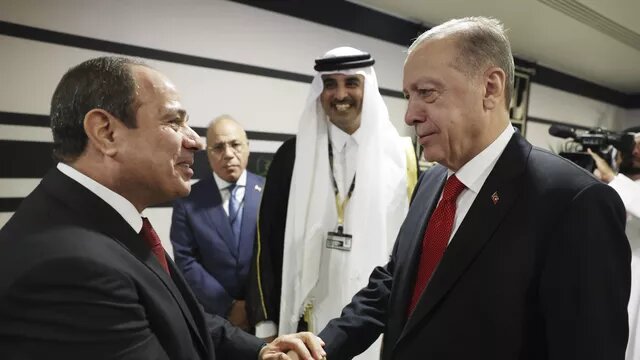
Analysis of the Recognition of the Armenian Genocide by the Zionist Regime

SCFR Online – Opinion: At a time when the West Asia region, particularly in recent months, has been undergoing the most complex political and security developments of the past half-century, the sudden decision by the cabinet of the Zionist regime to recognize the Armenian genocide committed by Turkey, which has faced strong condemnation and opposition from Ankara and Baku, raises questions.

Lebanon Peace Agreement; Consolidation of Occupation

SCFR Online – Opinion: The Washington trilateral agreement, by linking the end of occupation to political and security conditions, does not establish a sustainable peace; rather, it consolidates the occupation.

China’s Effort to Recreate a New Global Order

SCFRonline – Opinion: Unlike classical powers, Beijing pursues its preferred order not through territorial occupation, but through technology, capital, standard-setting, and digital governance.

Loading

interview

An Analysis of Syria’s Parliamentary Elections

An Analysis of Syria’s Parliamentary Elections

Online Strategic Council – Interview: A West Asia affairs expert stated that the first parliamentary elections in Syria during the interim government’s tenure, led by Ahmad al-Shar, were held while the appointed composition of seats, the absence of a national census, and the influence of foreign actors challenge the real legitimacy and freedom of these elections.

Iran’s Opportunities to Play a Role in the Digital Economy of the Global South

Iran’s Opportunities to Play a Role in the Digital Economy of the Global South

Online Strategic Council – Interview: A researcher in the field of digital economy and artificial intelligence said: In today’s world, artificial intelligence (AI) is considered one of the main pillars of global economic and geopolitical transformations. The increasing competition among major powers, such as the United States and China, along with the European Union’s efforts to become a leading continent in the field of artificial intelligence, underscores the growing importance of this technology in shaping the economic and political destinies of countries. Amidst this, Global South countries, including Iran, can play an effective role in shaping the digital future by utilizing their domestic capacities and international cooperation.

Analysis:  Ongoing Hybrid Warfare Between the West and Russia in the Ukraine War

Analysis: Ongoing Hybrid Warfare Between the West and Russia in the Ukraine War

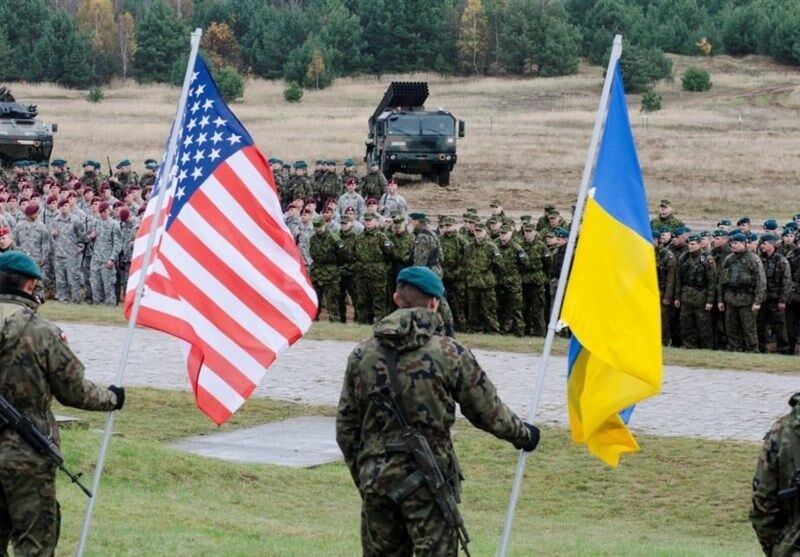
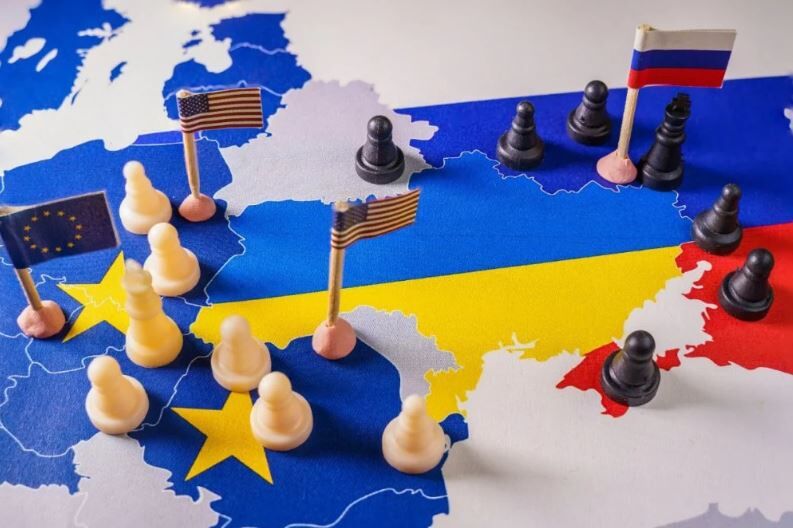
Online Strategic Council – Interview: A foreign policy expert stated that a direct confrontation and war between Russia and the West under the shadow of the Ukraine war appears unlikely. He noted that the conflicting parties have placed the method of hybrid warfare on the agenda at the highest level with the support of their allies. The reality is that a world war is underway, and many countries are directly and indirectly involved in it, but this is not a nuclear war.

Trump’s Effort to Control Global Biological Weapons with the Help of Artificial Intelligence

Trump’s Effort to Control Global Biological Weapons with the Help of Artificial Intelligence

Online Strategic Council – Interview: An expert in the field of artificial intelligence, regarding Trump’s monopolistic approach in the field of developing biological weapons and utilizing artificial intelligence, stated: A large part of Trump’s statements on this matter carries a political and propaganda message and is a kind of show of the United States’ leadership. If the United States can determine the budget and technical agenda in this field and persuade countries to join it, a framework in this area may emerge; however, this path will be complex and time-consuming.

Seizure of the Samoud Flotilla: A Clear Violation of International Law

Seizure of the Samoud Flotilla: A Clear Violation of International Law

Online Strategic Council – Dialogue: A senior analyst of West Asian and Arab world affairs stated: The recent action by the naval forces of the Israeli regime in seizing the “Global Samoud” humanitarian ships has once again placed the world before a clear violation of international law and maritime laws.

The Decline of the Zionist Regime: Internal Rifts and a Crisis of Legitimacy

The Decline of the Zionist Regime: Internal Rifts and a Crisis of Legitimacy

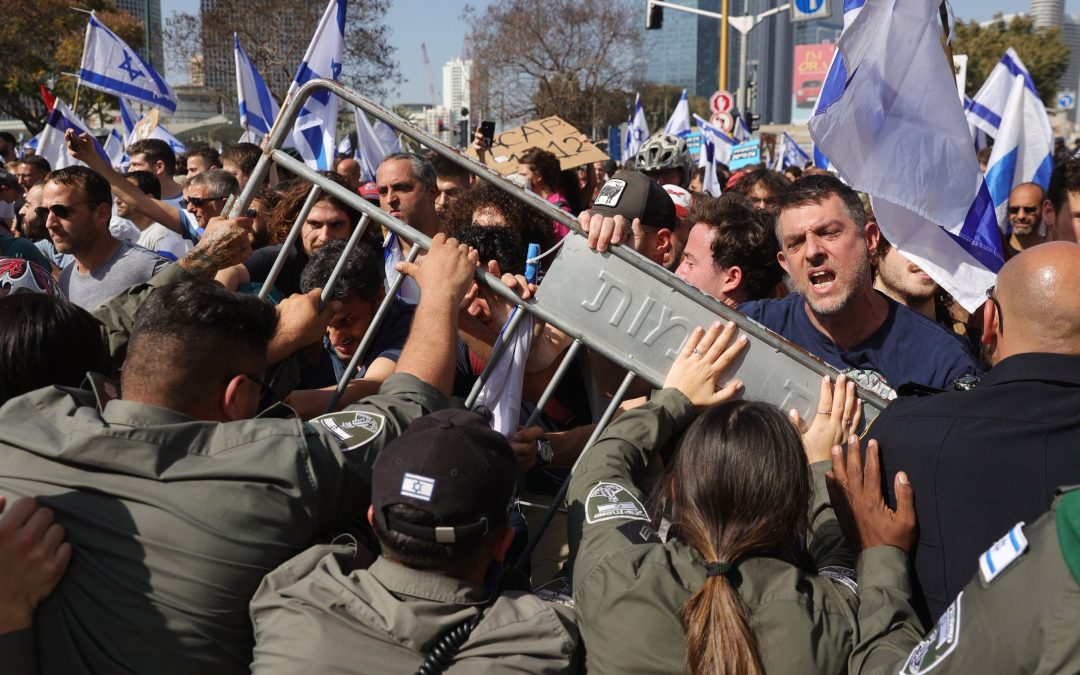
Online Strategic Council – Interview: The crisis of legitimacy of the Israeli regime, both internationally and domestically, has become one of its main challenges during the two years of relentless crime in Gaza. The Zionist regime, once considered a strategic ally of the West and particularly the United States, has now clearly lost its legitimacy due to committing unprecedented massacres, escalating settlement activities, and racist behavior. This trend has led Arab and Islamic countries, and even some former allies, to view the Zionist regime as the leading cause of regional instability and to level widespread criticism against its policies.

Egypt Seeks to Reduce Vulnerability vis-à-vis the Zionist Regime

Egypt Seeks to Reduce Vulnerability vis-à-vis the Zionist Regime

Online Strategic Council – Interview: A senior Egyptian affairs analyst stated that Egypt, the first Arab country to sign a peace agreement with the Zionist regime in 1979, has now adopted a new strategy due to concerns about the regime’s expansionist policies. The developments following the 2023 Gaza war revealed that Tel Aviv, with the unconditional support of the United States, seeks to alter the balance of power in West Asia —a matter that has compelled Cairo to expand its relations with Iran and Turkey, two significant regional powers. By holding joint military exercises with Turkey, mediating in Iran’s nuclear dossier, and seeking military and technological cooperation, Egypt is trying to prevent the Zionists’ hegemony in the region. Although the formation of a trilateral military alliance seems unlikely for now, Cairo’s rapprochement with Tehran and Ankara is considered a potential threat to the Israeli regime. In fact, in the face of regional pressures and border crises, Egypt is seeking to create a strategic balance to curb Tel Aviv’s influence and enhance its own position in the West Asian equations.

A Regional Deterrence Umbrella Against the Threats of the Zionist Regime

A Regional Deterrence Umbrella Against the Threats of the Zionist Regime

Online Strategic Council – Interview: A senior West Asia affairs analyst stated that recent developments in West Asia indicate that the region’s security equations have entered a new stage. The Israeli regime’s attack on Qatar, as a security shock, has made the Arab countries of the Persian Gulf aware of new vulnerabilities and forced them to reconsider their defense strategies. Now, relying on American security guarantees no longer seems sufficient, because emerging regional threats have become more complex and multi-layered than in the past. In this context, Pakistan, with its special position as the only atomic power in the Islamic world, has quickly found a strategic place in the security calculations of the Arab countries. The signing of the strategic defense agreement between Riyadh and Islamabad, followed by a military cooperation meeting between Bahrain and Pakistan in Manama, indicates an increasing trend in security convergence. These cooperations are defined not only to strengthen joint deterrence and counter potential threats, especially from the Israeli regime, but also indicate a shift in the balance of power in the region. Pakistan’s entry into the West Asian equations could have broader implications; on the one hand, it could reduce America’s monopoly on providing regional security, and on the other hand, it could create new axes of cooperation among Islamic powers. Thus, by moving closer to Islamabad, Saudi Arabia and Bahrain are seeking to develop an indigenous defense shield which, in addition to guaranteeing their own security, sends a clear message to regional rivals: the power equations are being rewritten and new actors have entered the scene.

أحدث الوظائف

Analysis of the Recognition of the Armenian Genocide by the Zionist Regime

SCFR Online – Opinion: At a time when the West Asia region, particularly in recent months, has been undergoing the most complex political and security developments of the past half-century, the sudden decision by the cabinet of the Zionist regime to recognize the Armenian genocide committed by Turkey, which has faced strong condemnation and opposition from Ankara and Baku, raises questions.

Lebanon Peace Agreement; Consolidation of Occupation

SCFR Online – Opinion: The Washington trilateral agreement, by linking the end of occupation to political and security conditions, does not establish a sustainable peace; rather, it consolidates the occupation.

China’s Effort to Recreate a New Global Order

SCFRonline – Opinion: Unlike classical powers, Beijing pursues its preferred order not through territorial occupation, but through technology, capital, standard-setting, and digital governance.

Loading

interview

An Analysis of Syria’s Parliamentary Elections

An Analysis of Syria’s Parliamentary Elections

Online Strategic Council – Interview: A West Asia affairs expert stated that the first parliamentary elections in Syria during the interim government’s tenure, led by Ahmad al-Shar, were held while the appointed composition of seats, the absence of a national census, and the influence of foreign actors challenge the real legitimacy and freedom of these elections.

Iran’s Opportunities to Play a Role in the Digital Economy of the Global South

Iran’s Opportunities to Play a Role in the Digital Economy of the Global South

Online Strategic Council – Interview: A researcher in the field of digital economy and artificial intelligence said: In today’s world, artificial intelligence (AI) is considered one of the main pillars of global economic and geopolitical transformations. The increasing competition among major powers, such as the United States and China, along with the European Union’s efforts to become a leading continent in the field of artificial intelligence, underscores the growing importance of this technology in shaping the economic and political destinies of countries. Amidst this, Global South countries, including Iran, can play an effective role in shaping the digital future by utilizing their domestic capacities and international cooperation.

Analysis:  Ongoing Hybrid Warfare Between the West and Russia in the Ukraine War

Analysis: Ongoing Hybrid Warfare Between the West and Russia in the Ukraine War

Online Strategic Council – Interview: A foreign policy expert stated that a direct confrontation and war between Russia and the West under the shadow of the Ukraine war appears unlikely. He noted that the conflicting parties have placed the method of hybrid warfare on the agenda at the highest level with the support of their allies. The reality is that a world war is underway, and many countries are directly and indirectly involved in it, but this is not a nuclear war.

Trump’s Effort to Control Global Biological Weapons with the Help of Artificial Intelligence

Trump’s Effort to Control Global Biological Weapons with the Help of Artificial Intelligence

Online Strategic Council – Interview: An expert in the field of artificial intelligence, regarding Trump’s monopolistic approach in the field of developing biological weapons and utilizing artificial intelligence, stated: A large part of Trump’s statements on this matter carries a political and propaganda message and is a kind of show of the United States’ leadership. If the United States can determine the budget and technical agenda in this field and persuade countries to join it, a framework in this area may emerge; however, this path will be complex and time-consuming.

Seizure of the Samoud Flotilla: A Clear Violation of International Law

Seizure of the Samoud Flotilla: A Clear Violation of International Law

Online Strategic Council – Dialogue: A senior analyst of West Asian and Arab world affairs stated: The recent action by the naval forces of the Israeli regime in seizing the “Global Samoud” humanitarian ships has once again placed the world before a clear violation of international law and maritime laws.

The Decline of the Zionist Regime: Internal Rifts and a Crisis of Legitimacy

The Decline of the Zionist Regime: Internal Rifts and a Crisis of Legitimacy

Online Strategic Council – Interview: The crisis of legitimacy of the Israeli regime, both internationally and domestically, has become one of its main challenges during the two years of relentless crime in Gaza. The Zionist regime, once considered a strategic ally of the West and particularly the United States, has now clearly lost its legitimacy due to committing unprecedented massacres, escalating settlement activities, and racist behavior. This trend has led Arab and Islamic countries, and even some former allies, to view the Zionist regime as the leading cause of regional instability and to level widespread criticism against its policies.

Egypt Seeks to Reduce Vulnerability vis-à-vis the Zionist Regime

Egypt Seeks to Reduce Vulnerability vis-à-vis the Zionist Regime

Online Strategic Council – Interview: A senior Egyptian affairs analyst stated that Egypt, the first Arab country to sign a peace agreement with the Zionist regime in 1979, has now adopted a new strategy due to concerns about the regime’s expansionist policies. The developments following the 2023 Gaza war revealed that Tel Aviv, with the unconditional support of the United States, seeks to alter the balance of power in West Asia —a matter that has compelled Cairo to expand its relations with Iran and Turkey, two significant regional powers. By holding joint military exercises with Turkey, mediating in Iran’s nuclear dossier, and seeking military and technological cooperation, Egypt is trying to prevent the Zionists’ hegemony in the region. Although the formation of a trilateral military alliance seems unlikely for now, Cairo’s rapprochement with Tehran and Ankara is considered a potential threat to the Israeli regime. In fact, in the face of regional pressures and border crises, Egypt is seeking to create a strategic balance to curb Tel Aviv’s influence and enhance its own position in the West Asian equations.

A Regional Deterrence Umbrella Against the Threats of the Zionist Regime

A Regional Deterrence Umbrella Against the Threats of the Zionist Regime

Online Strategic Council – Interview: A senior West Asia affairs analyst stated that recent developments in West Asia indicate that the region’s security equations have entered a new stage. The Israeli regime’s attack on Qatar, as a security shock, has made the Arab countries of the Persian Gulf aware of new vulnerabilities and forced them to reconsider their defense strategies. Now, relying on American security guarantees no longer seems sufficient, because emerging regional threats have become more complex and multi-layered than in the past. In this context, Pakistan, with its special position as the only atomic power in the Islamic world, has quickly found a strategic place in the security calculations of the Arab countries. The signing of the strategic defense agreement between Riyadh and Islamabad, followed by a military cooperation meeting between Bahrain and Pakistan in Manama, indicates an increasing trend in security convergence. These cooperations are defined not only to strengthen joint deterrence and counter potential threats, especially from the Israeli regime, but also indicate a shift in the balance of power in the region. Pakistan’s entry into the West Asian equations could have broader implications; on the one hand, it could reduce America’s monopoly on providing regional security, and on the other hand, it could create new axes of cooperation among Islamic powers. Thus, by moving closer to Islamabad, Saudi Arabia and Bahrain are seeking to develop an indigenous defense shield which, in addition to guaranteeing their own security, sends a clear message to regional rivals: the power equations are being rewritten and new actors have entered the scene.

interview

An Analysis of Syria’s Parliamentary Elections

An Analysis of Syria’s Parliamentary Elections

Online Strategic Council – Interview: A West Asia affairs expert stated that the first parliamentary elections in Syria during the interim government’s tenure, led by Ahmad al-Shar, were held while the appointed composition of seats, the absence of a national census, and the influence of foreign actors challenge the real legitimacy and freedom of these elections.

Iran’s Opportunities to Play a Role in the Digital Economy of the Global South

Iran’s Opportunities to Play a Role in the Digital Economy of the Global South

Online Strategic Council – Interview: A researcher in the field of digital economy and artificial intelligence said: In today’s world, artificial intelligence (AI) is considered one of the main pillars of global economic and geopolitical transformations. The increasing competition among major powers, such as the United States and China, along with the European Union’s efforts to become a leading continent in the field of artificial intelligence, underscores the growing importance of this technology in shaping the economic and political destinies of countries. Amidst this, Global South countries, including Iran, can play an effective role in shaping the digital future by utilizing their domestic capacities and international cooperation.

Analysis:  Ongoing Hybrid Warfare Between the West and Russia in the Ukraine War

Analysis: Ongoing Hybrid Warfare Between the West and Russia in the Ukraine War

Online Strategic Council – Interview: A foreign policy expert stated that a direct confrontation and war between Russia and the West under the shadow of the Ukraine war appears unlikely. He noted that the conflicting parties have placed the method of hybrid warfare on the agenda at the highest level with the support of their allies. The reality is that a world war is underway, and many countries are directly and indirectly involved in it, but this is not a nuclear war.

Trump’s Effort to Control Global Biological Weapons with the Help of Artificial Intelligence

Trump’s Effort to Control Global Biological Weapons with the Help of Artificial Intelligence

Online Strategic Council – Interview: An expert in the field of artificial intelligence, regarding Trump’s monopolistic approach in the field of developing biological weapons and utilizing artificial intelligence, stated: A large part of Trump’s statements on this matter carries a political and propaganda message and is a kind of show of the United States’ leadership. If the United States can determine the budget and technical agenda in this field and persuade countries to join it, a framework in this area may emerge; however, this path will be complex and time-consuming.

Seizure of the Samoud Flotilla: A Clear Violation of International Law

Seizure of the Samoud Flotilla: A Clear Violation of International Law

Online Strategic Council – Dialogue: A senior analyst of West Asian and Arab world affairs stated: The recent action by the naval forces of the Israeli regime in seizing the “Global Samoud” humanitarian ships has once again placed the world before a clear violation of international law and maritime laws.

The Decline of the Zionist Regime: Internal Rifts and a Crisis of Legitimacy

The Decline of the Zionist Regime: Internal Rifts and a Crisis of Legitimacy

Online Strategic Council – Interview: The crisis of legitimacy of the Israeli regime, both internationally and domestically, has become one of its main challenges during the two years of relentless crime in Gaza. The Zionist regime, once considered a strategic ally of the West and particularly the United States, has now clearly lost its legitimacy due to committing unprecedented massacres, escalating settlement activities, and racist behavior. This trend has led Arab and Islamic countries, and even some former allies, to view the Zionist regime as the leading cause of regional instability and to level widespread criticism against its policies.

Egypt Seeks to Reduce Vulnerability vis-à-vis the Zionist Regime

Egypt Seeks to Reduce Vulnerability vis-à-vis the Zionist Regime

Online Strategic Council – Interview: A senior Egyptian affairs analyst stated that Egypt, the first Arab country to sign a peace agreement with the Zionist regime in 1979, has now adopted a new strategy due to concerns about the regime’s expansionist policies. The developments following the 2023 Gaza war revealed that Tel Aviv, with the unconditional support of the United States, seeks to alter the balance of power in West Asia —a matter that has compelled Cairo to expand its relations with Iran and Turkey, two significant regional powers. By holding joint military exercises with Turkey, mediating in Iran’s nuclear dossier, and seeking military and technological cooperation, Egypt is trying to prevent the Zionists’ hegemony in the region. Although the formation of a trilateral military alliance seems unlikely for now, Cairo’s rapprochement with Tehran and Ankara is considered a potential threat to the Israeli regime. In fact, in the face of regional pressures and border crises, Egypt is seeking to create a strategic balance to curb Tel Aviv’s influence and enhance its own position in the West Asian equations.

A Regional Deterrence Umbrella Against the Threats of the Zionist Regime

A Regional Deterrence Umbrella Against the Threats of the Zionist Regime

Online Strategic Council – Interview: A senior West Asia affairs analyst stated that recent developments in West Asia indicate that the region’s security equations have entered a new stage. The Israeli regime’s attack on Qatar, as a security shock, has made the Arab countries of the Persian Gulf aware of new vulnerabilities and forced them to reconsider their defense strategies. Now, relying on American security guarantees no longer seems sufficient, because emerging regional threats have become more complex and multi-layered than in the past. In this context, Pakistan, with its special position as the only atomic power in the Islamic world, has quickly found a strategic place in the security calculations of the Arab countries. The signing of the strategic defense agreement between Riyadh and Islamabad, followed by a military cooperation meeting between Bahrain and Pakistan in Manama, indicates an increasing trend in security convergence. These cooperations are defined not only to strengthen joint deterrence and counter potential threats, especially from the Israeli regime, but also indicate a shift in the balance of power in the region. Pakistan’s entry into the West Asian equations could have broader implications; on the one hand, it could reduce America’s monopoly on providing regional security, and on the other hand, it could create new axes of cooperation among Islamic powers. Thus, by moving closer to Islamabad, Saudi Arabia and Bahrain are seeking to develop an indigenous defense shield which, in addition to guaranteeing their own security, sends a clear message to regional rivals: the power equations are being rewritten and new actors have entered the scene.

LATEST CONTENT

Analysis of the Recognition of the Armenian Genocide by the Zionist Regime

SCFR Online – Opinion: At a time when the West Asia region, particularly in recent months, has been undergoing the most complex political and security developments of the past half-century, the sudden decision by the cabinet of the Zionist regime to recognize the Armenian genocide committed by Turkey, which has faced strong condemnation and opposition from Ankara and Baku, raises questions.

Lebanon Peace Agreement; Consolidation of Occupation

SCFR Online – Opinion: The Washington trilateral agreement, by linking the end of occupation to political and security conditions, does not establish a sustainable peace; rather, it consolidates the occupation.

China’s Effort to Recreate a New Global Order

SCFRonline – Opinion: Unlike classical powers, Beijing pursues its preferred order not through territorial occupation, but through technology, capital, standard-setting, and digital governance.

Loading

interview

An Analysis of Syria’s Parliamentary Elections

An Analysis of Syria’s Parliamentary Elections

Online Strategic Council – Interview: A West Asia affairs expert stated that the first parliamentary elections in Syria during the interim government’s tenure, led by Ahmad al-Shar, were held while the appointed composition of seats, the absence of a national census, and the influence of foreign actors challenge the real legitimacy and freedom of these elections.

Iran’s Opportunities to Play a Role in the Digital Economy of the Global South

Iran’s Opportunities to Play a Role in the Digital Economy of the Global South

Online Strategic Council – Interview: A researcher in the field of digital economy and artificial intelligence said: In today’s world, artificial intelligence (AI) is considered one of the main pillars of global economic and geopolitical transformations. The increasing competition among major powers, such as the United States and China, along with the European Union’s efforts to become a leading continent in the field of artificial intelligence, underscores the growing importance of this technology in shaping the economic and political destinies of countries. Amidst this, Global South countries, including Iran, can play an effective role in shaping the digital future by utilizing their domestic capacities and international cooperation.

Analysis:  Ongoing Hybrid Warfare Between the West and Russia in the Ukraine War

Analysis: Ongoing Hybrid Warfare Between the West and Russia in the Ukraine War

Online Strategic Council – Interview: A foreign policy expert stated that a direct confrontation and war between Russia and the West under the shadow of the Ukraine war appears unlikely. He noted that the conflicting parties have placed the method of hybrid warfare on the agenda at the highest level with the support of their allies. The reality is that a world war is underway, and many countries are directly and indirectly involved in it, but this is not a nuclear war.

Trump’s Effort to Control Global Biological Weapons with the Help of Artificial Intelligence

Trump’s Effort to Control Global Biological Weapons with the Help of Artificial Intelligence

Online Strategic Council – Interview: An expert in the field of artificial intelligence, regarding Trump’s monopolistic approach in the field of developing biological weapons and utilizing artificial intelligence, stated: A large part of Trump’s statements on this matter carries a political and propaganda message and is a kind of show of the United States’ leadership. If the United States can determine the budget and technical agenda in this field and persuade countries to join it, a framework in this area may emerge; however, this path will be complex and time-consuming.

Seizure of the Samoud Flotilla: A Clear Violation of International Law

Seizure of the Samoud Flotilla: A Clear Violation of International Law

Online Strategic Council – Dialogue: A senior analyst of West Asian and Arab world affairs stated: The recent action by the naval forces of the Israeli regime in seizing the “Global Samoud” humanitarian ships has once again placed the world before a clear violation of international law and maritime laws.

The Decline of the Zionist Regime: Internal Rifts and a Crisis of Legitimacy

The Decline of the Zionist Regime: Internal Rifts and a Crisis of Legitimacy

Online Strategic Council – Interview: The crisis of legitimacy of the Israeli regime, both internationally and domestically, has become one of its main challenges during the two years of relentless crime in Gaza. The Zionist regime, once considered a strategic ally of the West and particularly the United States, has now clearly lost its legitimacy due to committing unprecedented massacres, escalating settlement activities, and racist behavior. This trend has led Arab and Islamic countries, and even some former allies, to view the Zionist regime as the leading cause of regional instability and to level widespread criticism against its policies.

Egypt Seeks to Reduce Vulnerability vis-à-vis the Zionist Regime

Egypt Seeks to Reduce Vulnerability vis-à-vis the Zionist Regime

Online Strategic Council – Interview: A senior Egyptian affairs analyst stated that Egypt, the first Arab country to sign a peace agreement with the Zionist regime in 1979, has now adopted a new strategy due to concerns about the regime’s expansionist policies. The developments following the 2023 Gaza war revealed that Tel Aviv, with the unconditional support of the United States, seeks to alter the balance of power in West Asia —a matter that has compelled Cairo to expand its relations with Iran and Turkey, two significant regional powers. By holding joint military exercises with Turkey, mediating in Iran’s nuclear dossier, and seeking military and technological cooperation, Egypt is trying to prevent the Zionists’ hegemony in the region. Although the formation of a trilateral military alliance seems unlikely for now, Cairo’s rapprochement with Tehran and Ankara is considered a potential threat to the Israeli regime. In fact, in the face of regional pressures and border crises, Egypt is seeking to create a strategic balance to curb Tel Aviv’s influence and enhance its own position in the West Asian equations.

A Regional Deterrence Umbrella Against the Threats of the Zionist Regime

A Regional Deterrence Umbrella Against the Threats of the Zionist Regime

Online Strategic Council – Interview: A senior West Asia affairs analyst stated that recent developments in West Asia indicate that the region’s security equations have entered a new stage. The Israeli regime’s attack on Qatar, as a security shock, has made the Arab countries of the Persian Gulf aware of new vulnerabilities and forced them to reconsider their defense strategies. Now, relying on American security guarantees no longer seems sufficient, because emerging regional threats have become more complex and multi-layered than in the past. In this context, Pakistan, with its special position as the only atomic power in the Islamic world, has quickly found a strategic place in the security calculations of the Arab countries. The signing of the strategic defense agreement between Riyadh and Islamabad, followed by a military cooperation meeting between Bahrain and Pakistan in Manama, indicates an increasing trend in security convergence. These cooperations are defined not only to strengthen joint deterrence and counter potential threats, especially from the Israeli regime, but also indicate a shift in the balance of power in the region. Pakistan’s entry into the West Asian equations could have broader implications; on the one hand, it could reduce America’s monopoly on providing regional security, and on the other hand, it could create new axes of cooperation among Islamic powers. Thus, by moving closer to Islamabad, Saudi Arabia and Bahrain are seeking to develop an indigenous defense shield which, in addition to guaranteeing their own security, sends a clear message to regional rivals: the power equations are being rewritten and new actors have entered the scene.

ÚLTIMAS PUBLICACIONES

Analysis of the Recognition of the Armenian Genocide by the Zionist Regime

SCFR Online – Opinion: At a time when the West Asia region, particularly in recent months, has been undergoing the most complex political and security developments of the past half-century, the sudden decision by the cabinet of the Zionist regime to recognize the Armenian genocide committed by Turkey, which has faced strong condemnation and opposition from Ankara and Baku, raises questions.

Lebanon Peace Agreement; Consolidation of Occupation

SCFR Online – Opinion: The Washington trilateral agreement, by linking the end of occupation to political and security conditions, does not establish a sustainable peace; rather, it consolidates the occupation.

China’s Effort to Recreate a New Global Order

SCFRonline – Opinion: Unlike classical powers, Beijing pursues its preferred order not through territorial occupation, but through technology, capital, standard-setting, and digital governance.

Loading

interview

An Analysis of Syria’s Parliamentary Elections

An Analysis of Syria’s Parliamentary Elections

Online Strategic Council – Interview: A West Asia affairs expert stated that the first parliamentary elections in Syria during the interim government’s tenure, led by Ahmad al-Shar, were held while the appointed composition of seats, the absence of a national census, and the influence of foreign actors challenge the real legitimacy and freedom of these elections.

Iran’s Opportunities to Play a Role in the Digital Economy of the Global South

Iran’s Opportunities to Play a Role in the Digital Economy of the Global South

Online Strategic Council – Interview: A researcher in the field of digital economy and artificial intelligence said: In today’s world, artificial intelligence (AI) is considered one of the main pillars of global economic and geopolitical transformations. The increasing competition among major powers, such as the United States and China, along with the European Union’s efforts to become a leading continent in the field of artificial intelligence, underscores the growing importance of this technology in shaping the economic and political destinies of countries. Amidst this, Global South countries, including Iran, can play an effective role in shaping the digital future by utilizing their domestic capacities and international cooperation.

Analysis:  Ongoing Hybrid Warfare Between the West and Russia in the Ukraine War

Analysis: Ongoing Hybrid Warfare Between the West and Russia in the Ukraine War

Online Strategic Council – Interview: A foreign policy expert stated that a direct confrontation and war between Russia and the West under the shadow of the Ukraine war appears unlikely. He noted that the conflicting parties have placed the method of hybrid warfare on the agenda at the highest level with the support of their allies. The reality is that a world war is underway, and many countries are directly and indirectly involved in it, but this is not a nuclear war.

Trump’s Effort to Control Global Biological Weapons with the Help of Artificial Intelligence

Trump’s Effort to Control Global Biological Weapons with the Help of Artificial Intelligence

Online Strategic Council – Interview: An expert in the field of artificial intelligence, regarding Trump’s monopolistic approach in the field of developing biological weapons and utilizing artificial intelligence, stated: A large part of Trump’s statements on this matter carries a political and propaganda message and is a kind of show of the United States’ leadership. If the United States can determine the budget and technical agenda in this field and persuade countries to join it, a framework in this area may emerge; however, this path will be complex and time-consuming.

Seizure of the Samoud Flotilla: A Clear Violation of International Law

Seizure of the Samoud Flotilla: A Clear Violation of International Law

Online Strategic Council – Dialogue: A senior analyst of West Asian and Arab world affairs stated: The recent action by the naval forces of the Israeli regime in seizing the “Global Samoud” humanitarian ships has once again placed the world before a clear violation of international law and maritime laws.

The Decline of the Zionist Regime: Internal Rifts and a Crisis of Legitimacy

The Decline of the Zionist Regime: Internal Rifts and a Crisis of Legitimacy

Online Strategic Council – Interview: The crisis of legitimacy of the Israeli regime, both internationally and domestically, has become one of its main challenges during the two years of relentless crime in Gaza. The Zionist regime, once considered a strategic ally of the West and particularly the United States, has now clearly lost its legitimacy due to committing unprecedented massacres, escalating settlement activities, and racist behavior. This trend has led Arab and Islamic countries, and even some former allies, to view the Zionist regime as the leading cause of regional instability and to level widespread criticism against its policies.

Egypt Seeks to Reduce Vulnerability vis-à-vis the Zionist Regime

Egypt Seeks to Reduce Vulnerability vis-à-vis the Zionist Regime

Online Strategic Council – Interview: A senior Egyptian affairs analyst stated that Egypt, the first Arab country to sign a peace agreement with the Zionist regime in 1979, has now adopted a new strategy due to concerns about the regime’s expansionist policies. The developments following the 2023 Gaza war revealed that Tel Aviv, with the unconditional support of the United States, seeks to alter the balance of power in West Asia —a matter that has compelled Cairo to expand its relations with Iran and Turkey, two significant regional powers. By holding joint military exercises with Turkey, mediating in Iran’s nuclear dossier, and seeking military and technological cooperation, Egypt is trying to prevent the Zionists’ hegemony in the region. Although the formation of a trilateral military alliance seems unlikely for now, Cairo’s rapprochement with Tehran and Ankara is considered a potential threat to the Israeli regime. In fact, in the face of regional pressures and border crises, Egypt is seeking to create a strategic balance to curb Tel Aviv’s influence and enhance its own position in the West Asian equations.

A Regional Deterrence Umbrella Against the Threats of the Zionist Regime

A Regional Deterrence Umbrella Against the Threats of the Zionist Regime

Online Strategic Council – Interview: A senior West Asia affairs analyst stated that recent developments in West Asia indicate that the region’s security equations have entered a new stage. The Israeli regime’s attack on Qatar, as a security shock, has made the Arab countries of the Persian Gulf aware of new vulnerabilities and forced them to reconsider their defense strategies. Now, relying on American security guarantees no longer seems sufficient, because emerging regional threats have become more complex and multi-layered than in the past. In this context, Pakistan, with its special position as the only atomic power in the Islamic world, has quickly found a strategic place in the security calculations of the Arab countries. The signing of the strategic defense agreement between Riyadh and Islamabad, followed by a military cooperation meeting between Bahrain and Pakistan in Manama, indicates an increasing trend in security convergence. These cooperations are defined not only to strengthen joint deterrence and counter potential threats, especially from the Israeli regime, but also indicate a shift in the balance of power in the region. Pakistan’s entry into the West Asian equations could have broader implications; on the one hand, it could reduce America’s monopoly on providing regional security, and on the other hand, it could create new axes of cooperation among Islamic powers. Thus, by moving closer to Islamabad, Saudi Arabia and Bahrain are seeking to develop an indigenous defense shield which, in addition to guaranteeing their own security, sends a clear message to regional rivals: the power equations are being rewritten and new actors have entered the scene.

ÚLTIMAS PUBLICACIONES

Analysis of the Recognition of the Armenian Genocide by the Zionist Regime

SCFR Online – Opinion: At a time when the West Asia region, particularly in recent months, has been undergoing the most complex political and security developments of the past half-century, the sudden decision by the cabinet of the Zionist regime to recognize the Armenian genocide committed by Turkey, which has faced strong condemnation and opposition from Ankara and Baku, raises questions.

Lebanon Peace Agreement; Consolidation of Occupation

SCFR Online – Opinion: The Washington trilateral agreement, by linking the end of occupation to political and security conditions, does not establish a sustainable peace; rather, it consolidates the occupation.

China’s Effort to Recreate a New Global Order

SCFRonline – Opinion: Unlike classical powers, Beijing pursues its preferred order not through territorial occupation, but through technology, capital, standard-setting, and digital governance.

Loading

interview

An Analysis of Syria’s Parliamentary Elections

An Analysis of Syria’s Parliamentary Elections

Online Strategic Council – Interview: A West Asia affairs expert stated that the first parliamentary elections in Syria during the interim government’s tenure, led by Ahmad al-Shar, were held while the appointed composition of seats, the absence of a national census, and the influence of foreign actors challenge the real legitimacy and freedom of these elections.

Iran’s Opportunities to Play a Role in the Digital Economy of the Global South

Iran’s Opportunities to Play a Role in the Digital Economy of the Global South

Online Strategic Council – Interview: A researcher in the field of digital economy and artificial intelligence said: In today’s world, artificial intelligence (AI) is considered one of the main pillars of global economic and geopolitical transformations. The increasing competition among major powers, such as the United States and China, along with the European Union’s efforts to become a leading continent in the field of artificial intelligence, underscores the growing importance of this technology in shaping the economic and political destinies of countries. Amidst this, Global South countries, including Iran, can play an effective role in shaping the digital future by utilizing their domestic capacities and international cooperation.

Analysis:  Ongoing Hybrid Warfare Between the West and Russia in the Ukraine War

Analysis: Ongoing Hybrid Warfare Between the West and Russia in the Ukraine War

Online Strategic Council – Interview: A foreign policy expert stated that a direct confrontation and war between Russia and the West under the shadow of the Ukraine war appears unlikely. He noted that the conflicting parties have placed the method of hybrid warfare on the agenda at the highest level with the support of their allies. The reality is that a world war is underway, and many countries are directly and indirectly involved in it, but this is not a nuclear war.

Trump’s Effort to Control Global Biological Weapons with the Help of Artificial Intelligence

Trump’s Effort to Control Global Biological Weapons with the Help of Artificial Intelligence

Online Strategic Council – Interview: An expert in the field of artificial intelligence, regarding Trump’s monopolistic approach in the field of developing biological weapons and utilizing artificial intelligence, stated: A large part of Trump’s statements on this matter carries a political and propaganda message and is a kind of show of the United States’ leadership. If the United States can determine the budget and technical agenda in this field and persuade countries to join it, a framework in this area may emerge; however, this path will be complex and time-consuming.

Seizure of the Samoud Flotilla: A Clear Violation of International Law

Seizure of the Samoud Flotilla: A Clear Violation of International Law

Online Strategic Council – Dialogue: A senior analyst of West Asian and Arab world affairs stated: The recent action by the naval forces of the Israeli regime in seizing the “Global Samoud” humanitarian ships has once again placed the world before a clear violation of international law and maritime laws.

The Decline of the Zionist Regime: Internal Rifts and a Crisis of Legitimacy

The Decline of the Zionist Regime: Internal Rifts and a Crisis of Legitimacy

Online Strategic Council – Interview: The crisis of legitimacy of the Israeli regime, both internationally and domestically, has become one of its main challenges during the two years of relentless crime in Gaza. The Zionist regime, once considered a strategic ally of the West and particularly the United States, has now clearly lost its legitimacy due to committing unprecedented massacres, escalating settlement activities, and racist behavior. This trend has led Arab and Islamic countries, and even some former allies, to view the Zionist regime as the leading cause of regional instability and to level widespread criticism against its policies.

Egypt Seeks to Reduce Vulnerability vis-à-vis the Zionist Regime

Egypt Seeks to Reduce Vulnerability vis-à-vis the Zionist Regime

Online Strategic Council – Interview: A senior Egyptian affairs analyst stated that Egypt, the first Arab country to sign a peace agreement with the Zionist regime in 1979, has now adopted a new strategy due to concerns about the regime’s expansionist policies. The developments following the 2023 Gaza war revealed that Tel Aviv, with the unconditional support of the United States, seeks to alter the balance of power in West Asia —a matter that has compelled Cairo to expand its relations with Iran and Turkey, two significant regional powers. By holding joint military exercises with Turkey, mediating in Iran’s nuclear dossier, and seeking military and technological cooperation, Egypt is trying to prevent the Zionists’ hegemony in the region. Although the formation of a trilateral military alliance seems unlikely for now, Cairo’s rapprochement with Tehran and Ankara is considered a potential threat to the Israeli regime. In fact, in the face of regional pressures and border crises, Egypt is seeking to create a strategic balance to curb Tel Aviv’s influence and enhance its own position in the West Asian equations.

A Regional Deterrence Umbrella Against the Threats of the Zionist Regime

A Regional Deterrence Umbrella Against the Threats of the Zionist Regime

Online Strategic Council – Interview: A senior West Asia affairs analyst stated that recent developments in West Asia indicate that the region’s security equations have entered a new stage. The Israeli regime’s attack on Qatar, as a security shock, has made the Arab countries of the Persian Gulf aware of new vulnerabilities and forced them to reconsider their defense strategies. Now, relying on American security guarantees no longer seems sufficient, because emerging regional threats have become more complex and multi-layered than in the past. In this context, Pakistan, with its special position as the only atomic power in the Islamic world, has quickly found a strategic place in the security calculations of the Arab countries. The signing of the strategic defense agreement between Riyadh and Islamabad, followed by a military cooperation meeting between Bahrain and Pakistan in Manama, indicates an increasing trend in security convergence. These cooperations are defined not only to strengthen joint deterrence and counter potential threats, especially from the Israeli regime, but also indicate a shift in the balance of power in the region. Pakistan’s entry into the West Asian equations could have broader implications; on the one hand, it could reduce America’s monopoly on providing regional security, and on the other hand, it could create new axes of cooperation among Islamic powers. Thus, by moving closer to Islamabad, Saudi Arabia and Bahrain are seeking to develop an indigenous defense shield which, in addition to guaranteeing their own security, sends a clear message to regional rivals: the power equations are being rewritten and new actors have entered the scene.

ÚLTIMAS PUBLICACIONES

Analysis of the Recognition of the Armenian Genocide by the Zionist Regime

SCFR Online – Opinion: At a time when the West Asia region, particularly in recent months, has been undergoing the most complex political and security developments of the past half-century, the sudden decision by the cabinet of the Zionist regime to recognize the Armenian genocide committed by Turkey, which has faced strong condemnation and opposition from Ankara and Baku, raises questions.

Lebanon Peace Agreement; Consolidation of Occupation

SCFR Online – Opinion: The Washington trilateral agreement, by linking the end of occupation to political and security conditions, does not establish a sustainable peace; rather, it consolidates the occupation.

China’s Effort to Recreate a New Global Order

SCFRonline – Opinion: Unlike classical powers, Beijing pursues its preferred order not through territorial occupation, but through technology, capital, standard-setting, and digital governance.

Loading

interview

An Analysis of Syria’s Parliamentary Elections

An Analysis of Syria’s Parliamentary Elections

Online Strategic Council – Interview: A West Asia affairs expert stated that the first parliamentary elections in Syria during the interim government’s tenure, led by Ahmad al-Shar, were held while the appointed composition of seats, the absence of a national census, and the influence of foreign actors challenge the real legitimacy and freedom of these elections.

Iran’s Opportunities to Play a Role in the Digital Economy of the Global South

Iran’s Opportunities to Play a Role in the Digital Economy of the Global South

Online Strategic Council – Interview: A researcher in the field of digital economy and artificial intelligence said: In today’s world, artificial intelligence (AI) is considered one of the main pillars of global economic and geopolitical transformations. The increasing competition among major powers, such as the United States and China, along with the European Union’s efforts to become a leading continent in the field of artificial intelligence, underscores the growing importance of this technology in shaping the economic and political destinies of countries. Amidst this, Global South countries, including Iran, can play an effective role in shaping the digital future by utilizing their domestic capacities and international cooperation.

Analysis:  Ongoing Hybrid Warfare Between the West and Russia in the Ukraine War

Analysis: Ongoing Hybrid Warfare Between the West and Russia in the Ukraine War

Online Strategic Council – Interview: A foreign policy expert stated that a direct confrontation and war between Russia and the West under the shadow of the Ukraine war appears unlikely. He noted that the conflicting parties have placed the method of hybrid warfare on the agenda at the highest level with the support of their allies. The reality is that a world war is underway, and many countries are directly and indirectly involved in it, but this is not a nuclear war.

Trump’s Effort to Control Global Biological Weapons with the Help of Artificial Intelligence

Trump’s Effort to Control Global Biological Weapons with the Help of Artificial Intelligence

Online Strategic Council – Interview: An expert in the field of artificial intelligence, regarding Trump’s monopolistic approach in the field of developing biological weapons and utilizing artificial intelligence, stated: A large part of Trump’s statements on this matter carries a political and propaganda message and is a kind of show of the United States’ leadership. If the United States can determine the budget and technical agenda in this field and persuade countries to join it, a framework in this area may emerge; however, this path will be complex and time-consuming.

Seizure of the Samoud Flotilla: A Clear Violation of International Law

Seizure of the Samoud Flotilla: A Clear Violation of International Law

Online Strategic Council – Dialogue: A senior analyst of West Asian and Arab world affairs stated: The recent action by the naval forces of the Israeli regime in seizing the “Global Samoud” humanitarian ships has once again placed the world before a clear violation of international law and maritime laws.

The Decline of the Zionist Regime: Internal Rifts and a Crisis of Legitimacy

The Decline of the Zionist Regime: Internal Rifts and a Crisis of Legitimacy

Online Strategic Council – Interview: The crisis of legitimacy of the Israeli regime, both internationally and domestically, has become one of its main challenges during the two years of relentless crime in Gaza. The Zionist regime, once considered a strategic ally of the West and particularly the United States, has now clearly lost its legitimacy due to committing unprecedented massacres, escalating settlement activities, and racist behavior. This trend has led Arab and Islamic countries, and even some former allies, to view the Zionist regime as the leading cause of regional instability and to level widespread criticism against its policies.

Egypt Seeks to Reduce Vulnerability vis-à-vis the Zionist Regime

Egypt Seeks to Reduce Vulnerability vis-à-vis the Zionist Regime

Online Strategic Council – Interview: A senior Egyptian affairs analyst stated that Egypt, the first Arab country to sign a peace agreement with the Zionist regime in 1979, has now adopted a new strategy due to concerns about the regime’s expansionist policies. The developments following the 2023 Gaza war revealed that Tel Aviv, with the unconditional support of the United States, seeks to alter the balance of power in West Asia —a matter that has compelled Cairo to expand its relations with Iran and Turkey, two significant regional powers. By holding joint military exercises with Turkey, mediating in Iran’s nuclear dossier, and seeking military and technological cooperation, Egypt is trying to prevent the Zionists’ hegemony in the region. Although the formation of a trilateral military alliance seems unlikely for now, Cairo’s rapprochement with Tehran and Ankara is considered a potential threat to the Israeli regime. In fact, in the face of regional pressures and border crises, Egypt is seeking to create a strategic balance to curb Tel Aviv’s influence and enhance its own position in the West Asian equations.

A Regional Deterrence Umbrella Against the Threats of the Zionist Regime

A Regional Deterrence Umbrella Against the Threats of the Zionist Regime

Online Strategic Council – Interview: A senior West Asia affairs analyst stated that recent developments in West Asia indicate that the region’s security equations have entered a new stage. The Israeli regime’s attack on Qatar, as a security shock, has made the Arab countries of the Persian Gulf aware of new vulnerabilities and forced them to reconsider their defense strategies. Now, relying on American security guarantees no longer seems sufficient, because emerging regional threats have become more complex and multi-layered than in the past. In this context, Pakistan, with its special position as the only atomic power in the Islamic world, has quickly found a strategic place in the security calculations of the Arab countries. The signing of the strategic defense agreement between Riyadh and Islamabad, followed by a military cooperation meeting between Bahrain and Pakistan in Manama, indicates an increasing trend in security convergence. These cooperations are defined not only to strengthen joint deterrence and counter potential threats, especially from the Israeli regime, but also indicate a shift in the balance of power in the region. Pakistan’s entry into the West Asian equations could have broader implications; on the one hand, it could reduce America’s monopoly on providing regional security, and on the other hand, it could create new axes of cooperation among Islamic powers. Thus, by moving closer to Islamabad, Saudi Arabia and Bahrain are seeking to develop an indigenous defense shield which, in addition to guaranteeing their own security, sends a clear message to regional rivals: the power equations are being rewritten and new actors have entered the scene.

ÚLTIMAS PUBLICACIONES

Analysis of the Recognition of the Armenian Genocide by the Zionist Regime

SCFR Online – Opinion: At a time when the West Asia region, particularly in recent months, has been undergoing the most complex political and security developments of the past half-century, the sudden decision by the cabinet of the Zionist regime to recognize the Armenian genocide committed by Turkey, which has faced strong condemnation and opposition from Ankara and Baku, raises questions.

Lebanon Peace Agreement; Consolidation of Occupation

SCFR Online – Opinion: The Washington trilateral agreement, by linking the end of occupation to political and security conditions, does not establish a sustainable peace; rather, it consolidates the occupation.

China’s Effort to Recreate a New Global Order

SCFRonline – Opinion: Unlike classical powers, Beijing pursues its preferred order not through territorial occupation, but through technology, capital, standard-setting, and digital governance.

Loading