جدیدترین مطالب

Balancing in the chain of chokepoints; from sea-based deterrence to pluralistic diplomacy

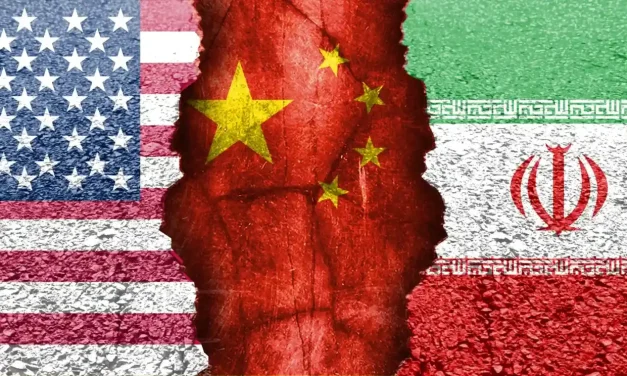
Strategic Council Online – Note: Recent developments in the political geography of West Asia, from rising tensions in the Persian Gulf to missile and drone activities in the Red Sea and the recent warning by Kaja Kallas, the European Union’s foreign policy chief, regarding the threat to freedom of navigation, indicate a key pattern shift; the US-Iran war has moved beyond the scope of a regional and local confrontation and has linked two vital passageways for the global economy: the Strait of Hormuz and the Bab el-Mandeb Strait.

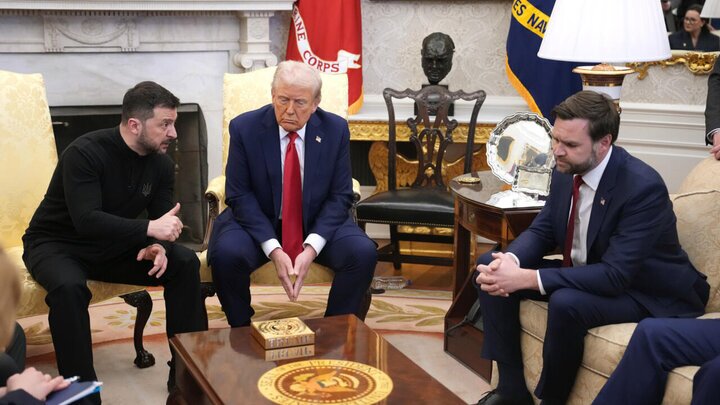
Indicators for Choosing Between War and Diplomacy

SCFR Online – Opinion: Foreign policy analysis is valid when it evaluates decisions based on the information and circumstances prevailing at the time they were made, not on the basis of outcomes that only become apparent after the crisis has ended.

Loading

Note

The necessity of Banning the Zionist Regime from Using  New Technologies in the Gaza War

The necessity of Banning the Zionist Regime from Using New Technologies in the Gaza War

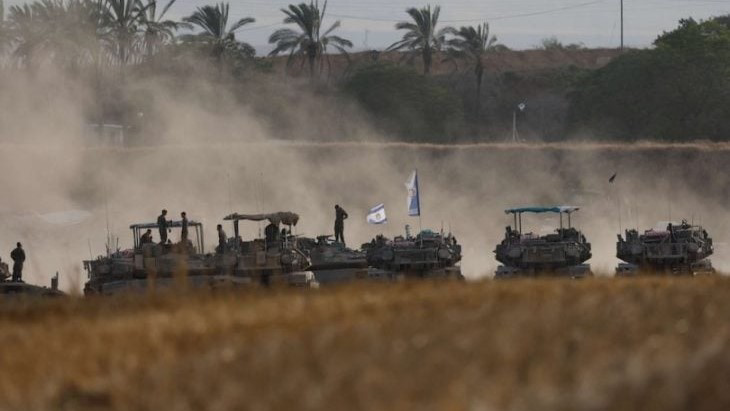
Strategic Council Online – Opinion: Emerging technologies, especially “artificial intelligence,” are dual-purpose enabling phenomena with many potential applications and act like a “double-edged sword.” If they are used sensibly and appropriately, they can serve humanity’s greater comfort and tranquility in all dimensions. Otherwise, they become destructive tools that can add to the problems of life in human societies in a profound and far-reaching way and have “devastating consequences,” especially in wars and armed conflicts;
such as what the Zionist regime is using in the Gaza War.

Reducing US Military Presence in Syria: Motivations and Strategic Consequences

Reducing US Military Presence in Syria: Motivations and Strategic Consequences

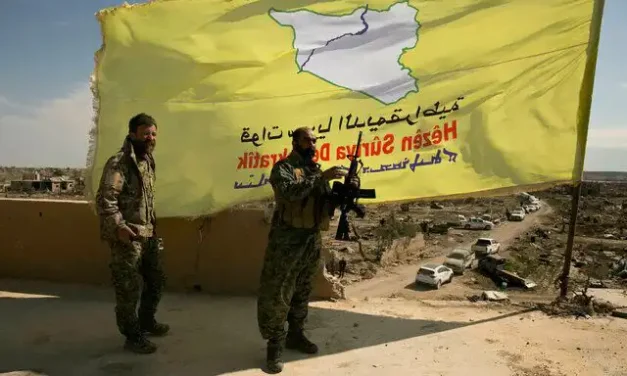
Strategic Council Online – Opinion: On April 18, 2025, the US Department of Defense (Pentagon) announced a review of the deployment of its military forces in Syria codenamed “Operation Inherent Resolve”. This plan, designed in line with Donald Trump’s policies to reduce US military presence in the Middle East, will reduce the number of US troops from 10,000 to 1,000 within two months. Although this measure was announced under the pretext of success in weakening ISIS, it is part of a broader US strategy to redefine its mission in the region. However, numerous political and security complexities accompany this decision, the consequences of which will be significant for Syria, the entire region, and even the international system.

EU3 and Iran-US Nuclear Talks

EU3 and Iran-US Nuclear Talks

Strategic Council Online – Guest Opinion: The recent nuclear talks between Iran and the United States, which are being conducted through the mediation of Oman, have once again attracted the attention of the international community. Although in the past, Iran, due to its differences and problems with the United States, mostly entered into negotiations on nuclear issues with European countries, especially the United Kingdom, France and Germany (EU3), in this period, due to specific regional and international conditions, and mainly due to the US President Donald Trump’s approach these negotiations have been limited to Iran and the United States, and other world powers are not present in the talks at the moment.

Perspectives on India-Pakistan Water Crisis

Perspectives on India-Pakistan Water Crisis

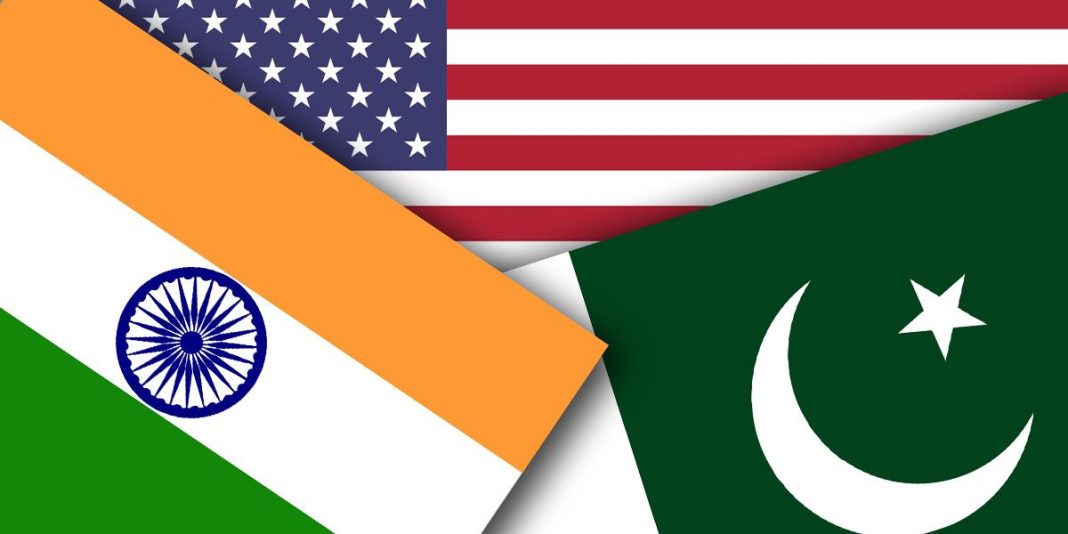
Strategic Council Online – Opinion: On April 25, 2025, a terrorist incident occurred in the Pahalgam region of the disputed region of Jammu and Kashmir. The Indian government immediately blamed Pakistan-backed Kashmiri groups for the incident.

Tariff War; Creating a Deep Fault in the Transatlantic Alliance

Tariff War; Creating a Deep Fault in the Transatlantic Alliance

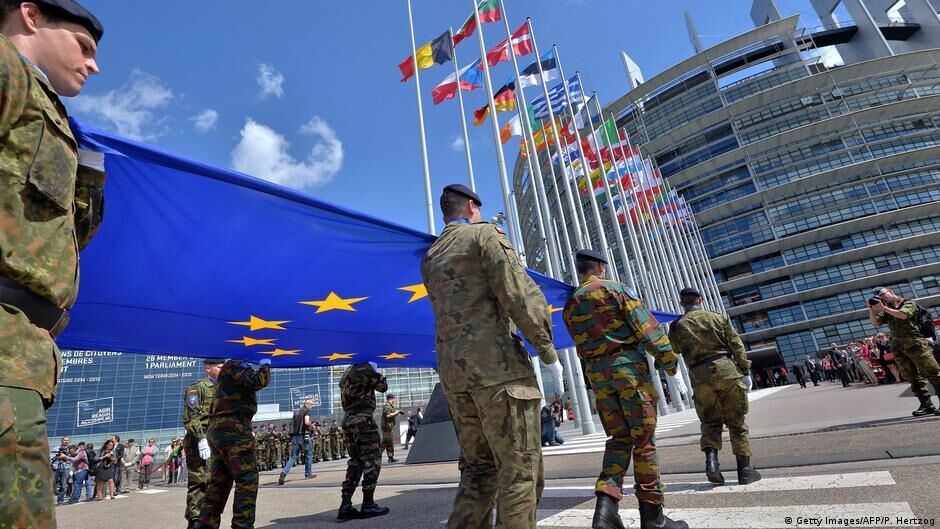
Strategic Council Online – Opinion: In recent weeks, the United States’ new tariff policies have also affected the goods of traditional American allies in Europe, once again activating the conditions for creating tension in transatlantic relations.

Analysis of the US Smart Deterrence Policy

Analysis of the US Smart Deterrence Policy

Strategic Council Online – Opinion: Deterrence has always been one of the main pillars of the US foreign and security policy against its rivals. However, geopolitical developments, the emergence of non-state actors, cyber threats, and changes in the global balance of power show the need for the US to reconsider its traditional deterrence approaches. In this regard, the concept of “smart deterrence” as a combination of hard and soft tools has attracted the attention of American politicians.

A New Chapter Awaits Tehran-Riyadh Relations

A New Chapter Awaits Tehran-Riyadh Relations

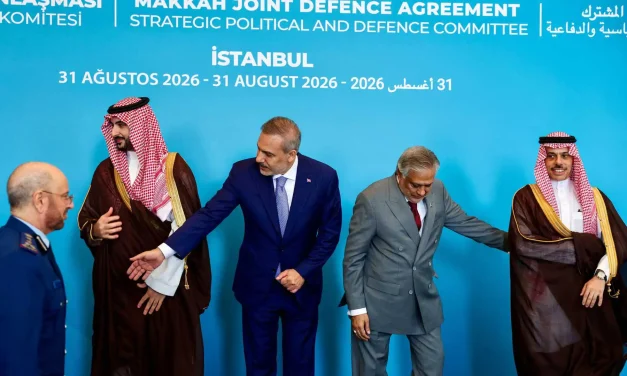
Strategic Council Online – Opinion: The visit of Saudi Defense Minister Khalid bin Salman to Iran, the presentation of the message of the Saudi King to the Supreme Leader of the Revolution, and the meeting with high-ranking officials of the Islamic Republic of Iran, in addition to playing an effective role in strengthening and consolidating bilateral relations, can be effective in providing the necessary platforms and conditions for advancing collective cooperation in the region.

New Regional Order and the Requirement of Pathology of Iran’s Strategy

New Regional Order and the Requirement of Pathology of Iran’s Strategy

Strategic Council Online – Guest Note: After the developments in Syria and the challenges that the Axis of Resistance has faced, policymakers and analysts have decided to present a new representation of the Middle East regional order and consider new dimensions in their decision-making. The change and new combination of cooperation and alliances indicate an understanding of changes in the regional order. As a result, we are witnessing a change in strategies, which also requires changing their type of action and approach.

Consequences of the Trump Administration’s Trade War

Consequences of the Trump Administration’s Trade War

Strategic Council Online – Opinion: The consequences of Trump’s trade war, which is unprecedented and new and has apparently been implemented to ” support domestic production” in the United States and “balance global trade,” are gradually becoming apparent.

أحدث الوظائف

Balancing in the chain of chokepoints; from sea-based deterrence to pluralistic diplomacy

Strategic Council Online – Note: Recent developments in the political geography of West Asia, from rising tensions in the Persian Gulf to missile and drone activities in the Red Sea and the recent warning by Kaja Kallas, the European Union’s foreign policy chief, regarding the threat to freedom of navigation, indicate a key pattern shift; the US-Iran war has moved beyond the scope of a regional and local confrontation and has linked two vital passageways for the global economy: the Strait of Hormuz and the Bab el-Mandeb Strait.

Indicators for Choosing Between War and Diplomacy

SCFR Online – Opinion: Foreign policy analysis is valid when it evaluates decisions based on the information and circumstances prevailing at the time they were made, not on the basis of outcomes that only become apparent after the crisis has ended.

Loading

Note

The necessity of Banning the Zionist Regime from Using  New Technologies in the Gaza War

The necessity of Banning the Zionist Regime from Using New Technologies in the Gaza War

Strategic Council Online – Opinion: Emerging technologies, especially “artificial intelligence,” are dual-purpose enabling phenomena with many potential applications and act like a “double-edged sword.” If they are used sensibly and appropriately, they can serve humanity’s greater comfort and tranquility in all dimensions. Otherwise, they become destructive tools that can add to the problems of life in human societies in a profound and far-reaching way and have “devastating consequences,” especially in wars and armed conflicts;
such as what the Zionist regime is using in the Gaza War.

Reducing US Military Presence in Syria: Motivations and Strategic Consequences

Reducing US Military Presence in Syria: Motivations and Strategic Consequences

Strategic Council Online – Opinion: On April 18, 2025, the US Department of Defense (Pentagon) announced a review of the deployment of its military forces in Syria codenamed “Operation Inherent Resolve”. This plan, designed in line with Donald Trump’s policies to reduce US military presence in the Middle East, will reduce the number of US troops from 10,000 to 1,000 within two months. Although this measure was announced under the pretext of success in weakening ISIS, it is part of a broader US strategy to redefine its mission in the region. However, numerous political and security complexities accompany this decision, the consequences of which will be significant for Syria, the entire region, and even the international system.

EU3 and Iran-US Nuclear Talks

EU3 and Iran-US Nuclear Talks

Strategic Council Online – Guest Opinion: The recent nuclear talks between Iran and the United States, which are being conducted through the mediation of Oman, have once again attracted the attention of the international community. Although in the past, Iran, due to its differences and problems with the United States, mostly entered into negotiations on nuclear issues with European countries, especially the United Kingdom, France and Germany (EU3), in this period, due to specific regional and international conditions, and mainly due to the US President Donald Trump’s approach these negotiations have been limited to Iran and the United States, and other world powers are not present in the talks at the moment.

Perspectives on India-Pakistan Water Crisis

Perspectives on India-Pakistan Water Crisis

Strategic Council Online – Opinion: On April 25, 2025, a terrorist incident occurred in the Pahalgam region of the disputed region of Jammu and Kashmir. The Indian government immediately blamed Pakistan-backed Kashmiri groups for the incident.

Tariff War; Creating a Deep Fault in the Transatlantic Alliance

Tariff War; Creating a Deep Fault in the Transatlantic Alliance

Strategic Council Online – Opinion: In recent weeks, the United States’ new tariff policies have also affected the goods of traditional American allies in Europe, once again activating the conditions for creating tension in transatlantic relations.

Analysis of the US Smart Deterrence Policy

Analysis of the US Smart Deterrence Policy

Strategic Council Online – Opinion: Deterrence has always been one of the main pillars of the US foreign and security policy against its rivals. However, geopolitical developments, the emergence of non-state actors, cyber threats, and changes in the global balance of power show the need for the US to reconsider its traditional deterrence approaches. In this regard, the concept of “smart deterrence” as a combination of hard and soft tools has attracted the attention of American politicians.

A New Chapter Awaits Tehran-Riyadh Relations

A New Chapter Awaits Tehran-Riyadh Relations

Strategic Council Online – Opinion: The visit of Saudi Defense Minister Khalid bin Salman to Iran, the presentation of the message of the Saudi King to the Supreme Leader of the Revolution, and the meeting with high-ranking officials of the Islamic Republic of Iran, in addition to playing an effective role in strengthening and consolidating bilateral relations, can be effective in providing the necessary platforms and conditions for advancing collective cooperation in the region.

New Regional Order and the Requirement of Pathology of Iran’s Strategy

New Regional Order and the Requirement of Pathology of Iran’s Strategy

Strategic Council Online – Guest Note: After the developments in Syria and the challenges that the Axis of Resistance has faced, policymakers and analysts have decided to present a new representation of the Middle East regional order and consider new dimensions in their decision-making. The change and new combination of cooperation and alliances indicate an understanding of changes in the regional order. As a result, we are witnessing a change in strategies, which also requires changing their type of action and approach.

Consequences of the Trump Administration’s Trade War

Consequences of the Trump Administration’s Trade War

Strategic Council Online – Opinion: The consequences of Trump’s trade war, which is unprecedented and new and has apparently been implemented to ” support domestic production” in the United States and “balance global trade,” are gradually becoming apparent.

Note

The necessity of Banning the Zionist Regime from Using  New Technologies in the Gaza War

The necessity of Banning the Zionist Regime from Using New Technologies in the Gaza War

Strategic Council Online – Opinion: Emerging technologies, especially “artificial intelligence,” are dual-purpose enabling phenomena with many potential applications and act like a “double-edged sword.” If they are used sensibly and appropriately, they can serve humanity’s greater comfort and tranquility in all dimensions. Otherwise, they become destructive tools that can add to the problems of life in human societies in a profound and far-reaching way and have “devastating consequences,” especially in wars and armed conflicts;
such as what the Zionist regime is using in the Gaza War.

Reducing US Military Presence in Syria: Motivations and Strategic Consequences

Reducing US Military Presence in Syria: Motivations and Strategic Consequences

Strategic Council Online – Opinion: On April 18, 2025, the US Department of Defense (Pentagon) announced a review of the deployment of its military forces in Syria codenamed “Operation Inherent Resolve”. This plan, designed in line with Donald Trump’s policies to reduce US military presence in the Middle East, will reduce the number of US troops from 10,000 to 1,000 within two months. Although this measure was announced under the pretext of success in weakening ISIS, it is part of a broader US strategy to redefine its mission in the region. However, numerous political and security complexities accompany this decision, the consequences of which will be significant for Syria, the entire region, and even the international system.

EU3 and Iran-US Nuclear Talks

EU3 and Iran-US Nuclear Talks

Strategic Council Online – Guest Opinion: The recent nuclear talks between Iran and the United States, which are being conducted through the mediation of Oman, have once again attracted the attention of the international community. Although in the past, Iran, due to its differences and problems with the United States, mostly entered into negotiations on nuclear issues with European countries, especially the United Kingdom, France and Germany (EU3), in this period, due to specific regional and international conditions, and mainly due to the US President Donald Trump’s approach these negotiations have been limited to Iran and the United States, and other world powers are not present in the talks at the moment.

Perspectives on India-Pakistan Water Crisis

Perspectives on India-Pakistan Water Crisis

Strategic Council Online – Opinion: On April 25, 2025, a terrorist incident occurred in the Pahalgam region of the disputed region of Jammu and Kashmir. The Indian government immediately blamed Pakistan-backed Kashmiri groups for the incident.

Tariff War; Creating a Deep Fault in the Transatlantic Alliance

Tariff War; Creating a Deep Fault in the Transatlantic Alliance

Strategic Council Online – Opinion: In recent weeks, the United States’ new tariff policies have also affected the goods of traditional American allies in Europe, once again activating the conditions for creating tension in transatlantic relations.

Analysis of the US Smart Deterrence Policy

Analysis of the US Smart Deterrence Policy

Strategic Council Online – Opinion: Deterrence has always been one of the main pillars of the US foreign and security policy against its rivals. However, geopolitical developments, the emergence of non-state actors, cyber threats, and changes in the global balance of power show the need for the US to reconsider its traditional deterrence approaches. In this regard, the concept of “smart deterrence” as a combination of hard and soft tools has attracted the attention of American politicians.

A New Chapter Awaits Tehran-Riyadh Relations

A New Chapter Awaits Tehran-Riyadh Relations

Strategic Council Online – Opinion: The visit of Saudi Defense Minister Khalid bin Salman to Iran, the presentation of the message of the Saudi King to the Supreme Leader of the Revolution, and the meeting with high-ranking officials of the Islamic Republic of Iran, in addition to playing an effective role in strengthening and consolidating bilateral relations, can be effective in providing the necessary platforms and conditions for advancing collective cooperation in the region.

New Regional Order and the Requirement of Pathology of Iran’s Strategy

New Regional Order and the Requirement of Pathology of Iran’s Strategy

Strategic Council Online – Guest Note: After the developments in Syria and the challenges that the Axis of Resistance has faced, policymakers and analysts have decided to present a new representation of the Middle East regional order and consider new dimensions in their decision-making. The change and new combination of cooperation and alliances indicate an understanding of changes in the regional order. As a result, we are witnessing a change in strategies, which also requires changing their type of action and approach.

Consequences of the Trump Administration’s Trade War

Consequences of the Trump Administration’s Trade War

Strategic Council Online – Opinion: The consequences of Trump’s trade war, which is unprecedented and new and has apparently been implemented to ” support domestic production” in the United States and “balance global trade,” are gradually becoming apparent.

LATEST CONTENT

Balancing in the chain of chokepoints; from sea-based deterrence to pluralistic diplomacy

Strategic Council Online – Note: Recent developments in the political geography of West Asia, from rising tensions in the Persian Gulf to missile and drone activities in the Red Sea and the recent warning by Kaja Kallas, the European Union’s foreign policy chief, regarding the threat to freedom of navigation, indicate a key pattern shift; the US-Iran war has moved beyond the scope of a regional and local confrontation and has linked two vital passageways for the global economy: the Strait of Hormuz and the Bab el-Mandeb Strait.

Indicators for Choosing Between War and Diplomacy

SCFR Online – Opinion: Foreign policy analysis is valid when it evaluates decisions based on the information and circumstances prevailing at the time they were made, not on the basis of outcomes that only become apparent after the crisis has ended.

Loading

Note

The necessity of Banning the Zionist Regime from Using  New Technologies in the Gaza War

The necessity of Banning the Zionist Regime from Using New Technologies in the Gaza War

Strategic Council Online – Opinion: Emerging technologies, especially “artificial intelligence,” are dual-purpose enabling phenomena with many potential applications and act like a “double-edged sword.” If they are used sensibly and appropriately, they can serve humanity’s greater comfort and tranquility in all dimensions. Otherwise, they become destructive tools that can add to the problems of life in human societies in a profound and far-reaching way and have “devastating consequences,” especially in wars and armed conflicts;
such as what the Zionist regime is using in the Gaza War.

Reducing US Military Presence in Syria: Motivations and Strategic Consequences

Reducing US Military Presence in Syria: Motivations and Strategic Consequences

Strategic Council Online – Opinion: On April 18, 2025, the US Department of Defense (Pentagon) announced a review of the deployment of its military forces in Syria codenamed “Operation Inherent Resolve”. This plan, designed in line with Donald Trump’s policies to reduce US military presence in the Middle East, will reduce the number of US troops from 10,000 to 1,000 within two months. Although this measure was announced under the pretext of success in weakening ISIS, it is part of a broader US strategy to redefine its mission in the region. However, numerous political and security complexities accompany this decision, the consequences of which will be significant for Syria, the entire region, and even the international system.

EU3 and Iran-US Nuclear Talks

EU3 and Iran-US Nuclear Talks

Strategic Council Online – Guest Opinion: The recent nuclear talks between Iran and the United States, which are being conducted through the mediation of Oman, have once again attracted the attention of the international community. Although in the past, Iran, due to its differences and problems with the United States, mostly entered into negotiations on nuclear issues with European countries, especially the United Kingdom, France and Germany (EU3), in this period, due to specific regional and international conditions, and mainly due to the US President Donald Trump’s approach these negotiations have been limited to Iran and the United States, and other world powers are not present in the talks at the moment.

Perspectives on India-Pakistan Water Crisis

Perspectives on India-Pakistan Water Crisis

Strategic Council Online – Opinion: On April 25, 2025, a terrorist incident occurred in the Pahalgam region of the disputed region of Jammu and Kashmir. The Indian government immediately blamed Pakistan-backed Kashmiri groups for the incident.

Tariff War; Creating a Deep Fault in the Transatlantic Alliance

Tariff War; Creating a Deep Fault in the Transatlantic Alliance

Strategic Council Online – Opinion: In recent weeks, the United States’ new tariff policies have also affected the goods of traditional American allies in Europe, once again activating the conditions for creating tension in transatlantic relations.

Analysis of the US Smart Deterrence Policy

Analysis of the US Smart Deterrence Policy

Strategic Council Online – Opinion: Deterrence has always been one of the main pillars of the US foreign and security policy against its rivals. However, geopolitical developments, the emergence of non-state actors, cyber threats, and changes in the global balance of power show the need for the US to reconsider its traditional deterrence approaches. In this regard, the concept of “smart deterrence” as a combination of hard and soft tools has attracted the attention of American politicians.

A New Chapter Awaits Tehran-Riyadh Relations

A New Chapter Awaits Tehran-Riyadh Relations

Strategic Council Online – Opinion: The visit of Saudi Defense Minister Khalid bin Salman to Iran, the presentation of the message of the Saudi King to the Supreme Leader of the Revolution, and the meeting with high-ranking officials of the Islamic Republic of Iran, in addition to playing an effective role in strengthening and consolidating bilateral relations, can be effective in providing the necessary platforms and conditions for advancing collective cooperation in the region.

New Regional Order and the Requirement of Pathology of Iran’s Strategy

New Regional Order and the Requirement of Pathology of Iran’s Strategy

Strategic Council Online – Guest Note: After the developments in Syria and the challenges that the Axis of Resistance has faced, policymakers and analysts have decided to present a new representation of the Middle East regional order and consider new dimensions in their decision-making. The change and new combination of cooperation and alliances indicate an understanding of changes in the regional order. As a result, we are witnessing a change in strategies, which also requires changing their type of action and approach.

Consequences of the Trump Administration’s Trade War

Consequences of the Trump Administration’s Trade War

Strategic Council Online – Opinion: The consequences of Trump’s trade war, which is unprecedented and new and has apparently been implemented to ” support domestic production” in the United States and “balance global trade,” are gradually becoming apparent.

ÚLTIMAS PUBLICACIONES

Balancing in the chain of chokepoints; from sea-based deterrence to pluralistic diplomacy

Strategic Council Online – Note: Recent developments in the political geography of West Asia, from rising tensions in the Persian Gulf to missile and drone activities in the Red Sea and the recent warning by Kaja Kallas, the European Union’s foreign policy chief, regarding the threat to freedom of navigation, indicate a key pattern shift; the US-Iran war has moved beyond the scope of a regional and local confrontation and has linked two vital passageways for the global economy: the Strait of Hormuz and the Bab el-Mandeb Strait.

Indicators for Choosing Between War and Diplomacy

SCFR Online – Opinion: Foreign policy analysis is valid when it evaluates decisions based on the information and circumstances prevailing at the time they were made, not on the basis of outcomes that only become apparent after the crisis has ended.

Loading

Note

The necessity of Banning the Zionist Regime from Using  New Technologies in the Gaza War

The necessity of Banning the Zionist Regime from Using New Technologies in the Gaza War

Strategic Council Online – Opinion: Emerging technologies, especially “artificial intelligence,” are dual-purpose enabling phenomena with many potential applications and act like a “double-edged sword.” If they are used sensibly and appropriately, they can serve humanity’s greater comfort and tranquility in all dimensions. Otherwise, they become destructive tools that can add to the problems of life in human societies in a profound and far-reaching way and have “devastating consequences,” especially in wars and armed conflicts;
such as what the Zionist regime is using in the Gaza War.

Reducing US Military Presence in Syria: Motivations and Strategic Consequences

Reducing US Military Presence in Syria: Motivations and Strategic Consequences

Strategic Council Online – Opinion: On April 18, 2025, the US Department of Defense (Pentagon) announced a review of the deployment of its military forces in Syria codenamed “Operation Inherent Resolve”. This plan, designed in line with Donald Trump’s policies to reduce US military presence in the Middle East, will reduce the number of US troops from 10,000 to 1,000 within two months. Although this measure was announced under the pretext of success in weakening ISIS, it is part of a broader US strategy to redefine its mission in the region. However, numerous political and security complexities accompany this decision, the consequences of which will be significant for Syria, the entire region, and even the international system.

EU3 and Iran-US Nuclear Talks

EU3 and Iran-US Nuclear Talks

Strategic Council Online – Guest Opinion: The recent nuclear talks between Iran and the United States, which are being conducted through the mediation of Oman, have once again attracted the attention of the international community. Although in the past, Iran, due to its differences and problems with the United States, mostly entered into negotiations on nuclear issues with European countries, especially the United Kingdom, France and Germany (EU3), in this period, due to specific regional and international conditions, and mainly due to the US President Donald Trump’s approach these negotiations have been limited to Iran and the United States, and other world powers are not present in the talks at the moment.

Perspectives on India-Pakistan Water Crisis

Perspectives on India-Pakistan Water Crisis

Strategic Council Online – Opinion: On April 25, 2025, a terrorist incident occurred in the Pahalgam region of the disputed region of Jammu and Kashmir. The Indian government immediately blamed Pakistan-backed Kashmiri groups for the incident.

Tariff War; Creating a Deep Fault in the Transatlantic Alliance

Tariff War; Creating a Deep Fault in the Transatlantic Alliance

Strategic Council Online – Opinion: In recent weeks, the United States’ new tariff policies have also affected the goods of traditional American allies in Europe, once again activating the conditions for creating tension in transatlantic relations.

Analysis of the US Smart Deterrence Policy

Analysis of the US Smart Deterrence Policy

Strategic Council Online – Opinion: Deterrence has always been one of the main pillars of the US foreign and security policy against its rivals. However, geopolitical developments, the emergence of non-state actors, cyber threats, and changes in the global balance of power show the need for the US to reconsider its traditional deterrence approaches. In this regard, the concept of “smart deterrence” as a combination of hard and soft tools has attracted the attention of American politicians.

A New Chapter Awaits Tehran-Riyadh Relations

A New Chapter Awaits Tehran-Riyadh Relations

Strategic Council Online – Opinion: The visit of Saudi Defense Minister Khalid bin Salman to Iran, the presentation of the message of the Saudi King to the Supreme Leader of the Revolution, and the meeting with high-ranking officials of the Islamic Republic of Iran, in addition to playing an effective role in strengthening and consolidating bilateral relations, can be effective in providing the necessary platforms and conditions for advancing collective cooperation in the region.

New Regional Order and the Requirement of Pathology of Iran’s Strategy

New Regional Order and the Requirement of Pathology of Iran’s Strategy

Strategic Council Online – Guest Note: After the developments in Syria and the challenges that the Axis of Resistance has faced, policymakers and analysts have decided to present a new representation of the Middle East regional order and consider new dimensions in their decision-making. The change and new combination of cooperation and alliances indicate an understanding of changes in the regional order. As a result, we are witnessing a change in strategies, which also requires changing their type of action and approach.

Consequences of the Trump Administration’s Trade War

Consequences of the Trump Administration’s Trade War

Strategic Council Online – Opinion: The consequences of Trump’s trade war, which is unprecedented and new and has apparently been implemented to ” support domestic production” in the United States and “balance global trade,” are gradually becoming apparent.

ÚLTIMAS PUBLICACIONES

Balancing in the chain of chokepoints; from sea-based deterrence to pluralistic diplomacy

Strategic Council Online – Note: Recent developments in the political geography of West Asia, from rising tensions in the Persian Gulf to missile and drone activities in the Red Sea and the recent warning by Kaja Kallas, the European Union’s foreign policy chief, regarding the threat to freedom of navigation, indicate a key pattern shift; the US-Iran war has moved beyond the scope of a regional and local confrontation and has linked two vital passageways for the global economy: the Strait of Hormuz and the Bab el-Mandeb Strait.

Indicators for Choosing Between War and Diplomacy

SCFR Online – Opinion: Foreign policy analysis is valid when it evaluates decisions based on the information and circumstances prevailing at the time they were made, not on the basis of outcomes that only become apparent after the crisis has ended.

Loading

Note

The necessity of Banning the Zionist Regime from Using  New Technologies in the Gaza War

The necessity of Banning the Zionist Regime from Using New Technologies in the Gaza War

Strategic Council Online – Opinion: Emerging technologies, especially “artificial intelligence,” are dual-purpose enabling phenomena with many potential applications and act like a “double-edged sword.” If they are used sensibly and appropriately, they can serve humanity’s greater comfort and tranquility in all dimensions. Otherwise, they become destructive tools that can add to the problems of life in human societies in a profound and far-reaching way and have “devastating consequences,” especially in wars and armed conflicts;
such as what the Zionist regime is using in the Gaza War.

Reducing US Military Presence in Syria: Motivations and Strategic Consequences

Reducing US Military Presence in Syria: Motivations and Strategic Consequences

Strategic Council Online – Opinion: On April 18, 2025, the US Department of Defense (Pentagon) announced a review of the deployment of its military forces in Syria codenamed “Operation Inherent Resolve”. This plan, designed in line with Donald Trump’s policies to reduce US military presence in the Middle East, will reduce the number of US troops from 10,000 to 1,000 within two months. Although this measure was announced under the pretext of success in weakening ISIS, it is part of a broader US strategy to redefine its mission in the region. However, numerous political and security complexities accompany this decision, the consequences of which will be significant for Syria, the entire region, and even the international system.

EU3 and Iran-US Nuclear Talks

EU3 and Iran-US Nuclear Talks

Strategic Council Online – Guest Opinion: The recent nuclear talks between Iran and the United States, which are being conducted through the mediation of Oman, have once again attracted the attention of the international community. Although in the past, Iran, due to its differences and problems with the United States, mostly entered into negotiations on nuclear issues with European countries, especially the United Kingdom, France and Germany (EU3), in this period, due to specific regional and international conditions, and mainly due to the US President Donald Trump’s approach these negotiations have been limited to Iran and the United States, and other world powers are not present in the talks at the moment.

Perspectives on India-Pakistan Water Crisis

Perspectives on India-Pakistan Water Crisis

Strategic Council Online – Opinion: On April 25, 2025, a terrorist incident occurred in the Pahalgam region of the disputed region of Jammu and Kashmir. The Indian government immediately blamed Pakistan-backed Kashmiri groups for the incident.

Tariff War; Creating a Deep Fault in the Transatlantic Alliance

Tariff War; Creating a Deep Fault in the Transatlantic Alliance

Strategic Council Online – Opinion: In recent weeks, the United States’ new tariff policies have also affected the goods of traditional American allies in Europe, once again activating the conditions for creating tension in transatlantic relations.

Analysis of the US Smart Deterrence Policy

Analysis of the US Smart Deterrence Policy

Strategic Council Online – Opinion: Deterrence has always been one of the main pillars of the US foreign and security policy against its rivals. However, geopolitical developments, the emergence of non-state actors, cyber threats, and changes in the global balance of power show the need for the US to reconsider its traditional deterrence approaches. In this regard, the concept of “smart deterrence” as a combination of hard and soft tools has attracted the attention of American politicians.

A New Chapter Awaits Tehran-Riyadh Relations

A New Chapter Awaits Tehran-Riyadh Relations

Strategic Council Online – Opinion: The visit of Saudi Defense Minister Khalid bin Salman to Iran, the presentation of the message of the Saudi King to the Supreme Leader of the Revolution, and the meeting with high-ranking officials of the Islamic Republic of Iran, in addition to playing an effective role in strengthening and consolidating bilateral relations, can be effective in providing the necessary platforms and conditions for advancing collective cooperation in the region.

New Regional Order and the Requirement of Pathology of Iran’s Strategy

New Regional Order and the Requirement of Pathology of Iran’s Strategy

Strategic Council Online – Guest Note: After the developments in Syria and the challenges that the Axis of Resistance has faced, policymakers and analysts have decided to present a new representation of the Middle East regional order and consider new dimensions in their decision-making. The change and new combination of cooperation and alliances indicate an understanding of changes in the regional order. As a result, we are witnessing a change in strategies, which also requires changing their type of action and approach.

Consequences of the Trump Administration’s Trade War

Consequences of the Trump Administration’s Trade War

Strategic Council Online – Opinion: The consequences of Trump’s trade war, which is unprecedented and new and has apparently been implemented to ” support domestic production” in the United States and “balance global trade,” are gradually becoming apparent.

ÚLTIMAS PUBLICACIONES

Balancing in the chain of chokepoints; from sea-based deterrence to pluralistic diplomacy

Strategic Council Online – Note: Recent developments in the political geography of West Asia, from rising tensions in the Persian Gulf to missile and drone activities in the Red Sea and the recent warning by Kaja Kallas, the European Union’s foreign policy chief, regarding the threat to freedom of navigation, indicate a key pattern shift; the US-Iran war has moved beyond the scope of a regional and local confrontation and has linked two vital passageways for the global economy: the Strait of Hormuz and the Bab el-Mandeb Strait.

Indicators for Choosing Between War and Diplomacy

SCFR Online – Opinion: Foreign policy analysis is valid when it evaluates decisions based on the information and circumstances prevailing at the time they were made, not on the basis of outcomes that only become apparent after the crisis has ended.

Loading

Note

The necessity of Banning the Zionist Regime from Using  New Technologies in the Gaza War

The necessity of Banning the Zionist Regime from Using New Technologies in the Gaza War

Strategic Council Online – Opinion: Emerging technologies, especially “artificial intelligence,” are dual-purpose enabling phenomena with many potential applications and act like a “double-edged sword.” If they are used sensibly and appropriately, they can serve humanity’s greater comfort and tranquility in all dimensions. Otherwise, they become destructive tools that can add to the problems of life in human societies in a profound and far-reaching way and have “devastating consequences,” especially in wars and armed conflicts;
such as what the Zionist regime is using in the Gaza War.

Reducing US Military Presence in Syria: Motivations and Strategic Consequences

Reducing US Military Presence in Syria: Motivations and Strategic Consequences

Strategic Council Online – Opinion: On April 18, 2025, the US Department of Defense (Pentagon) announced a review of the deployment of its military forces in Syria codenamed “Operation Inherent Resolve”. This plan, designed in line with Donald Trump’s policies to reduce US military presence in the Middle East, will reduce the number of US troops from 10,000 to 1,000 within two months. Although this measure was announced under the pretext of success in weakening ISIS, it is part of a broader US strategy to redefine its mission in the region. However, numerous political and security complexities accompany this decision, the consequences of which will be significant for Syria, the entire region, and even the international system.

EU3 and Iran-US Nuclear Talks

EU3 and Iran-US Nuclear Talks

Strategic Council Online – Guest Opinion: The recent nuclear talks between Iran and the United States, which are being conducted through the mediation of Oman, have once again attracted the attention of the international community. Although in the past, Iran, due to its differences and problems with the United States, mostly entered into negotiations on nuclear issues with European countries, especially the United Kingdom, France and Germany (EU3), in this period, due to specific regional and international conditions, and mainly due to the US President Donald Trump’s approach these negotiations have been limited to Iran and the United States, and other world powers are not present in the talks at the moment.

Perspectives on India-Pakistan Water Crisis

Perspectives on India-Pakistan Water Crisis

Strategic Council Online – Opinion: On April 25, 2025, a terrorist incident occurred in the Pahalgam region of the disputed region of Jammu and Kashmir. The Indian government immediately blamed Pakistan-backed Kashmiri groups for the incident.

Tariff War; Creating a Deep Fault in the Transatlantic Alliance

Tariff War; Creating a Deep Fault in the Transatlantic Alliance

Strategic Council Online – Opinion: In recent weeks, the United States’ new tariff policies have also affected the goods of traditional American allies in Europe, once again activating the conditions for creating tension in transatlantic relations.

Analysis of the US Smart Deterrence Policy

Analysis of the US Smart Deterrence Policy

Strategic Council Online – Opinion: Deterrence has always been one of the main pillars of the US foreign and security policy against its rivals. However, geopolitical developments, the emergence of non-state actors, cyber threats, and changes in the global balance of power show the need for the US to reconsider its traditional deterrence approaches. In this regard, the concept of “smart deterrence” as a combination of hard and soft tools has attracted the attention of American politicians.

A New Chapter Awaits Tehran-Riyadh Relations

A New Chapter Awaits Tehran-Riyadh Relations

Strategic Council Online – Opinion: The visit of Saudi Defense Minister Khalid bin Salman to Iran, the presentation of the message of the Saudi King to the Supreme Leader of the Revolution, and the meeting with high-ranking officials of the Islamic Republic of Iran, in addition to playing an effective role in strengthening and consolidating bilateral relations, can be effective in providing the necessary platforms and conditions for advancing collective cooperation in the region.

New Regional Order and the Requirement of Pathology of Iran’s Strategy

New Regional Order and the Requirement of Pathology of Iran’s Strategy

Strategic Council Online – Guest Note: After the developments in Syria and the challenges that the Axis of Resistance has faced, policymakers and analysts have decided to present a new representation of the Middle East regional order and consider new dimensions in their decision-making. The change and new combination of cooperation and alliances indicate an understanding of changes in the regional order. As a result, we are witnessing a change in strategies, which also requires changing their type of action and approach.

Consequences of the Trump Administration’s Trade War

Consequences of the Trump Administration’s Trade War

Strategic Council Online – Opinion: The consequences of Trump’s trade war, which is unprecedented and new and has apparently been implemented to ” support domestic production” in the United States and “balance global trade,” are gradually becoming apparent.

ÚLTIMAS PUBLICACIONES

Balancing in the chain of chokepoints; from sea-based deterrence to pluralistic diplomacy

Strategic Council Online – Note: Recent developments in the political geography of West Asia, from rising tensions in the Persian Gulf to missile and drone activities in the Red Sea and the recent warning by Kaja Kallas, the European Union’s foreign policy chief, regarding the threat to freedom of navigation, indicate a key pattern shift; the US-Iran war has moved beyond the scope of a regional and local confrontation and has linked two vital passageways for the global economy: the Strait of Hormuz and the Bab el-Mandeb Strait.

Indicators for Choosing Between War and Diplomacy

SCFR Online – Opinion: Foreign policy analysis is valid when it evaluates decisions based on the information and circumstances prevailing at the time they were made, not on the basis of outcomes that only become apparent after the crisis has ended.

Loading