جدیدترین مطالب

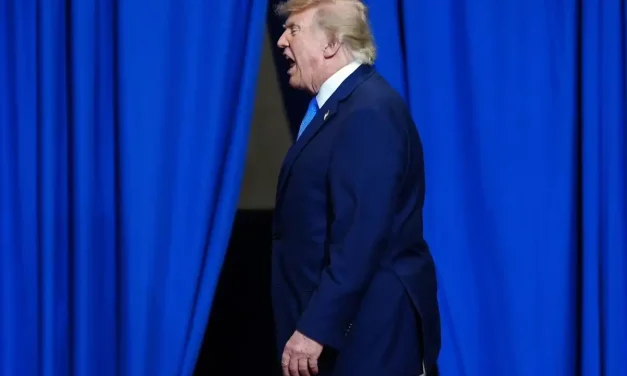
China’s Rejection of US Sanctions; Strengthening Iran’s Geopolitical Leverage

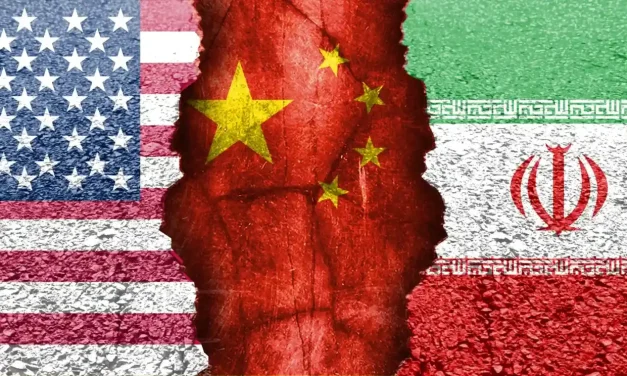
SCFR Online – Opinion: Concurrent with the official commencement of the United States’ economic war against our country, focusing on sanctions instruments, isolation, and economic pressure, what has now become increasingly important is the lack of alignment of other major global powers, especially China, with this policy.

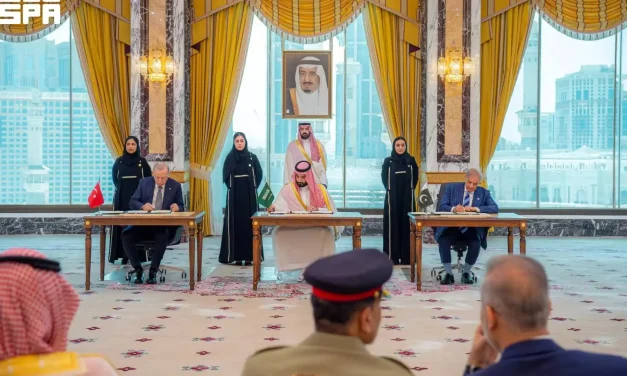
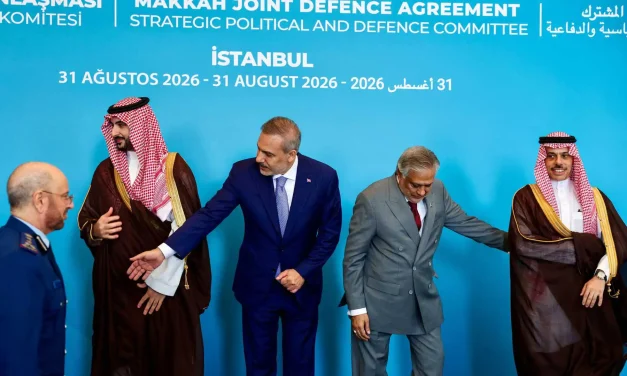
The Makkah Pact; Reasons for its Formation and Challenges Ahead

SCFR Online – Opinion: The Makkah Pact, signed between Saudi Arabia, Pakistan, and Turkey under the motto “an attack on one is an attack on all,” is viewed by some analysts less as a full-fledged military coalition and more as an attempt to reduce security dependence on an external power and to establish a regional security mechanism.

Loading

Note

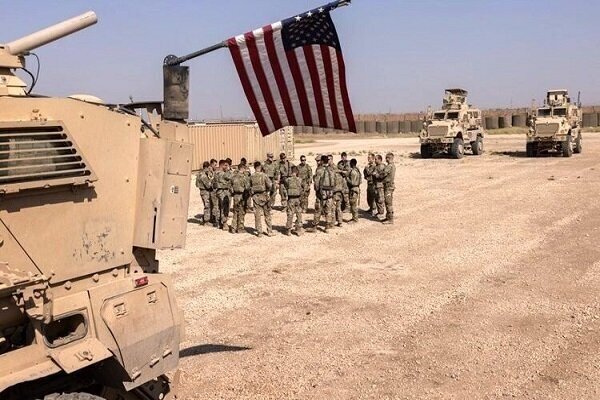
Reducing US Military Presence in Syria: Motivations and Strategic Consequences

Reducing US Military Presence in Syria: Motivations and Strategic Consequences

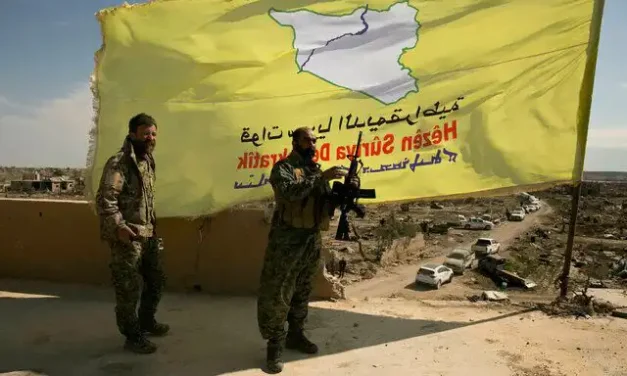
Strategic Council Online – Opinion: On April 18, 2025, the US Department of Defense (Pentagon) announced a review of the deployment of its military forces in Syria codenamed “Operation Inherent Resolve”. This plan, designed in line with Donald Trump’s policies to reduce US military presence in the Middle East, will reduce the number of US troops from 10,000 to 1,000 within two months. Although this measure was announced under the pretext of success in weakening ISIS, it is part of a broader US strategy to redefine its mission in the region. However, numerous political and security complexities accompany this decision, the consequences of which will be significant for Syria, the entire region, and even the international system.

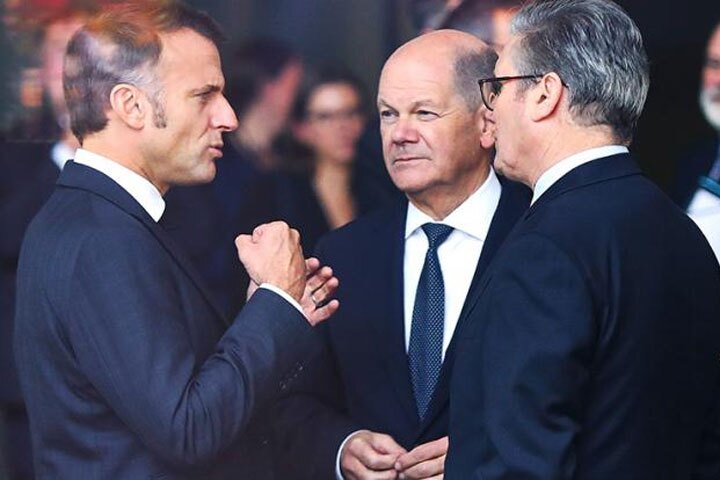
EU3 and Iran-US Nuclear Talks

EU3 and Iran-US Nuclear Talks

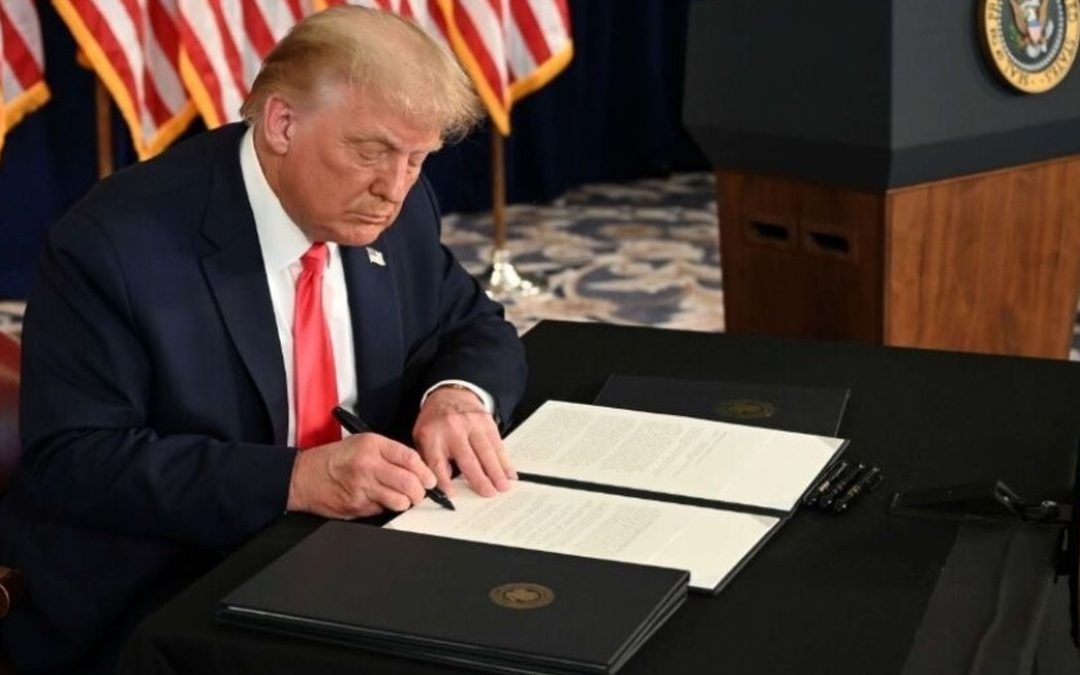
Strategic Council Online – Guest Opinion: The recent nuclear talks between Iran and the United States, which are being conducted through the mediation of Oman, have once again attracted the attention of the international community. Although in the past, Iran, due to its differences and problems with the United States, mostly entered into negotiations on nuclear issues with European countries, especially the United Kingdom, France and Germany (EU3), in this period, due to specific regional and international conditions, and mainly due to the US President Donald Trump’s approach these negotiations have been limited to Iran and the United States, and other world powers are not present in the talks at the moment.

Perspectives on India-Pakistan Water Crisis

Perspectives on India-Pakistan Water Crisis

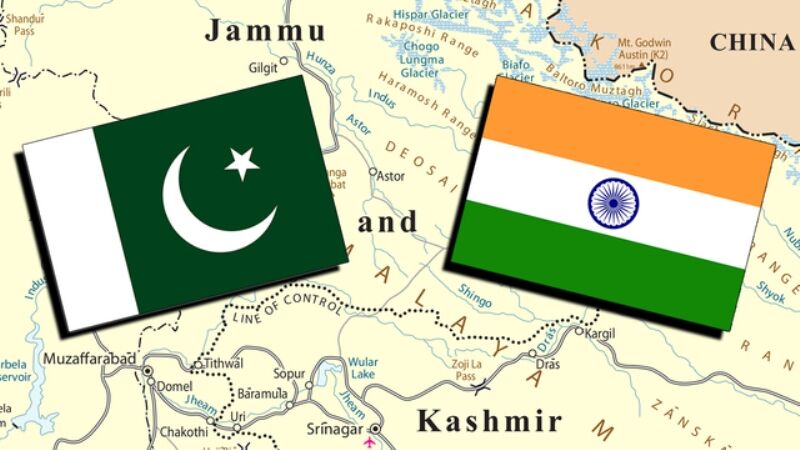
Strategic Council Online – Opinion: On April 25, 2025, a terrorist incident occurred in the Pahalgam region of the disputed region of Jammu and Kashmir. The Indian government immediately blamed Pakistan-backed Kashmiri groups for the incident.

Tariff War; Creating a Deep Fault in the Transatlantic Alliance

Tariff War; Creating a Deep Fault in the Transatlantic Alliance

Strategic Council Online – Opinion: In recent weeks, the United States’ new tariff policies have also affected the goods of traditional American allies in Europe, once again activating the conditions for creating tension in transatlantic relations.

Analysis of the US Smart Deterrence Policy

Analysis of the US Smart Deterrence Policy

Strategic Council Online – Opinion: Deterrence has always been one of the main pillars of the US foreign and security policy against its rivals. However, geopolitical developments, the emergence of non-state actors, cyber threats, and changes in the global balance of power show the need for the US to reconsider its traditional deterrence approaches. In this regard, the concept of “smart deterrence” as a combination of hard and soft tools has attracted the attention of American politicians.

A New Chapter Awaits Tehran-Riyadh Relations

A New Chapter Awaits Tehran-Riyadh Relations

Strategic Council Online – Opinion: The visit of Saudi Defense Minister Khalid bin Salman to Iran, the presentation of the message of the Saudi King to the Supreme Leader of the Revolution, and the meeting with high-ranking officials of the Islamic Republic of Iran, in addition to playing an effective role in strengthening and consolidating bilateral relations, can be effective in providing the necessary platforms and conditions for advancing collective cooperation in the region.

New Regional Order and the Requirement of Pathology of Iran’s Strategy

New Regional Order and the Requirement of Pathology of Iran’s Strategy

Strategic Council Online – Guest Note: After the developments in Syria and the challenges that the Axis of Resistance has faced, policymakers and analysts have decided to present a new representation of the Middle East regional order and consider new dimensions in their decision-making. The change and new combination of cooperation and alliances indicate an understanding of changes in the regional order. As a result, we are witnessing a change in strategies, which also requires changing their type of action and approach.

Consequences of the Trump Administration’s Trade War

Consequences of the Trump Administration’s Trade War

Strategic Council Online – Opinion: The consequences of Trump’s trade war, which is unprecedented and new and has apparently been implemented to ” support domestic production” in the United States and “balance global trade,” are gradually becoming apparent.

Analysis: Egypt’s Approach to the Gaza Crisis

Analysis: Egypt’s Approach to the Gaza Crisis

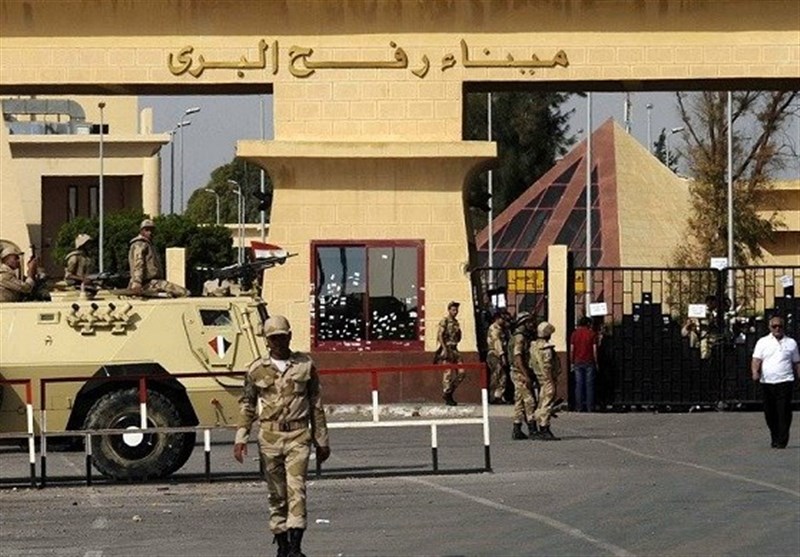
Strategic Council Online Opinion: Egypt’s foreign policy towards West Asia, especially in matters related to Gaza, is influenced by complex strategic factors that include national security, relations with global powers, and the country’s role in regional developments.

أحدث الوظائف

China’s Rejection of US Sanctions; Strengthening Iran’s Geopolitical Leverage

SCFR Online – Opinion: Concurrent with the official commencement of the United States’ economic war against our country, focusing on sanctions instruments, isolation, and economic pressure, what has now become increasingly important is the lack of alignment of other major global powers, especially China, with this policy.

The Makkah Pact; Reasons for its Formation and Challenges Ahead

SCFR Online – Opinion: The Makkah Pact, signed between Saudi Arabia, Pakistan, and Turkey under the motto “an attack on one is an attack on all,” is viewed by some analysts less as a full-fledged military coalition and more as an attempt to reduce security dependence on an external power and to establish a regional security mechanism.

Loading

Note

Reducing US Military Presence in Syria: Motivations and Strategic Consequences

Reducing US Military Presence in Syria: Motivations and Strategic Consequences

Strategic Council Online – Opinion: On April 18, 2025, the US Department of Defense (Pentagon) announced a review of the deployment of its military forces in Syria codenamed “Operation Inherent Resolve”. This plan, designed in line with Donald Trump’s policies to reduce US military presence in the Middle East, will reduce the number of US troops from 10,000 to 1,000 within two months. Although this measure was announced under the pretext of success in weakening ISIS, it is part of a broader US strategy to redefine its mission in the region. However, numerous political and security complexities accompany this decision, the consequences of which will be significant for Syria, the entire region, and even the international system.

EU3 and Iran-US Nuclear Talks

EU3 and Iran-US Nuclear Talks

Strategic Council Online – Guest Opinion: The recent nuclear talks between Iran and the United States, which are being conducted through the mediation of Oman, have once again attracted the attention of the international community. Although in the past, Iran, due to its differences and problems with the United States, mostly entered into negotiations on nuclear issues with European countries, especially the United Kingdom, France and Germany (EU3), in this period, due to specific regional and international conditions, and mainly due to the US President Donald Trump’s approach these negotiations have been limited to Iran and the United States, and other world powers are not present in the talks at the moment.

Perspectives on India-Pakistan Water Crisis

Perspectives on India-Pakistan Water Crisis

Strategic Council Online – Opinion: On April 25, 2025, a terrorist incident occurred in the Pahalgam region of the disputed region of Jammu and Kashmir. The Indian government immediately blamed Pakistan-backed Kashmiri groups for the incident.

Tariff War; Creating a Deep Fault in the Transatlantic Alliance

Tariff War; Creating a Deep Fault in the Transatlantic Alliance

Strategic Council Online – Opinion: In recent weeks, the United States’ new tariff policies have also affected the goods of traditional American allies in Europe, once again activating the conditions for creating tension in transatlantic relations.

Analysis of the US Smart Deterrence Policy

Analysis of the US Smart Deterrence Policy

Strategic Council Online – Opinion: Deterrence has always been one of the main pillars of the US foreign and security policy against its rivals. However, geopolitical developments, the emergence of non-state actors, cyber threats, and changes in the global balance of power show the need for the US to reconsider its traditional deterrence approaches. In this regard, the concept of “smart deterrence” as a combination of hard and soft tools has attracted the attention of American politicians.

A New Chapter Awaits Tehran-Riyadh Relations

A New Chapter Awaits Tehran-Riyadh Relations

Strategic Council Online – Opinion: The visit of Saudi Defense Minister Khalid bin Salman to Iran, the presentation of the message of the Saudi King to the Supreme Leader of the Revolution, and the meeting with high-ranking officials of the Islamic Republic of Iran, in addition to playing an effective role in strengthening and consolidating bilateral relations, can be effective in providing the necessary platforms and conditions for advancing collective cooperation in the region.

New Regional Order and the Requirement of Pathology of Iran’s Strategy

New Regional Order and the Requirement of Pathology of Iran’s Strategy

Strategic Council Online – Guest Note: After the developments in Syria and the challenges that the Axis of Resistance has faced, policymakers and analysts have decided to present a new representation of the Middle East regional order and consider new dimensions in their decision-making. The change and new combination of cooperation and alliances indicate an understanding of changes in the regional order. As a result, we are witnessing a change in strategies, which also requires changing their type of action and approach.

Consequences of the Trump Administration’s Trade War

Consequences of the Trump Administration’s Trade War

Strategic Council Online – Opinion: The consequences of Trump’s trade war, which is unprecedented and new and has apparently been implemented to ” support domestic production” in the United States and “balance global trade,” are gradually becoming apparent.

Analysis: Egypt’s Approach to the Gaza Crisis

Analysis: Egypt’s Approach to the Gaza Crisis

Strategic Council Online Opinion: Egypt’s foreign policy towards West Asia, especially in matters related to Gaza, is influenced by complex strategic factors that include national security, relations with global powers, and the country’s role in regional developments.

Note

Reducing US Military Presence in Syria: Motivations and Strategic Consequences

Reducing US Military Presence in Syria: Motivations and Strategic Consequences

Strategic Council Online – Opinion: On April 18, 2025, the US Department of Defense (Pentagon) announced a review of the deployment of its military forces in Syria codenamed “Operation Inherent Resolve”. This plan, designed in line with Donald Trump’s policies to reduce US military presence in the Middle East, will reduce the number of US troops from 10,000 to 1,000 within two months. Although this measure was announced under the pretext of success in weakening ISIS, it is part of a broader US strategy to redefine its mission in the region. However, numerous political and security complexities accompany this decision, the consequences of which will be significant for Syria, the entire region, and even the international system.

EU3 and Iran-US Nuclear Talks

EU3 and Iran-US Nuclear Talks

Strategic Council Online – Guest Opinion: The recent nuclear talks between Iran and the United States, which are being conducted through the mediation of Oman, have once again attracted the attention of the international community. Although in the past, Iran, due to its differences and problems with the United States, mostly entered into negotiations on nuclear issues with European countries, especially the United Kingdom, France and Germany (EU3), in this period, due to specific regional and international conditions, and mainly due to the US President Donald Trump’s approach these negotiations have been limited to Iran and the United States, and other world powers are not present in the talks at the moment.

Perspectives on India-Pakistan Water Crisis

Perspectives on India-Pakistan Water Crisis

Strategic Council Online – Opinion: On April 25, 2025, a terrorist incident occurred in the Pahalgam region of the disputed region of Jammu and Kashmir. The Indian government immediately blamed Pakistan-backed Kashmiri groups for the incident.

Tariff War; Creating a Deep Fault in the Transatlantic Alliance

Tariff War; Creating a Deep Fault in the Transatlantic Alliance

Strategic Council Online – Opinion: In recent weeks, the United States’ new tariff policies have also affected the goods of traditional American allies in Europe, once again activating the conditions for creating tension in transatlantic relations.

Analysis of the US Smart Deterrence Policy

Analysis of the US Smart Deterrence Policy

Strategic Council Online – Opinion: Deterrence has always been one of the main pillars of the US foreign and security policy against its rivals. However, geopolitical developments, the emergence of non-state actors, cyber threats, and changes in the global balance of power show the need for the US to reconsider its traditional deterrence approaches. In this regard, the concept of “smart deterrence” as a combination of hard and soft tools has attracted the attention of American politicians.

A New Chapter Awaits Tehran-Riyadh Relations

A New Chapter Awaits Tehran-Riyadh Relations

Strategic Council Online – Opinion: The visit of Saudi Defense Minister Khalid bin Salman to Iran, the presentation of the message of the Saudi King to the Supreme Leader of the Revolution, and the meeting with high-ranking officials of the Islamic Republic of Iran, in addition to playing an effective role in strengthening and consolidating bilateral relations, can be effective in providing the necessary platforms and conditions for advancing collective cooperation in the region.

New Regional Order and the Requirement of Pathology of Iran’s Strategy

New Regional Order and the Requirement of Pathology of Iran’s Strategy

Strategic Council Online – Guest Note: After the developments in Syria and the challenges that the Axis of Resistance has faced, policymakers and analysts have decided to present a new representation of the Middle East regional order and consider new dimensions in their decision-making. The change and new combination of cooperation and alliances indicate an understanding of changes in the regional order. As a result, we are witnessing a change in strategies, which also requires changing their type of action and approach.

Consequences of the Trump Administration’s Trade War

Consequences of the Trump Administration’s Trade War

Strategic Council Online – Opinion: The consequences of Trump’s trade war, which is unprecedented and new and has apparently been implemented to ” support domestic production” in the United States and “balance global trade,” are gradually becoming apparent.

Analysis: Egypt’s Approach to the Gaza Crisis

Analysis: Egypt’s Approach to the Gaza Crisis

Strategic Council Online Opinion: Egypt’s foreign policy towards West Asia, especially in matters related to Gaza, is influenced by complex strategic factors that include national security, relations with global powers, and the country’s role in regional developments.

LATEST CONTENT

China’s Rejection of US Sanctions; Strengthening Iran’s Geopolitical Leverage

SCFR Online – Opinion: Concurrent with the official commencement of the United States’ economic war against our country, focusing on sanctions instruments, isolation, and economic pressure, what has now become increasingly important is the lack of alignment of other major global powers, especially China, with this policy.

The Makkah Pact; Reasons for its Formation and Challenges Ahead

SCFR Online – Opinion: The Makkah Pact, signed between Saudi Arabia, Pakistan, and Turkey under the motto “an attack on one is an attack on all,” is viewed by some analysts less as a full-fledged military coalition and more as an attempt to reduce security dependence on an external power and to establish a regional security mechanism.

Loading

Note

Reducing US Military Presence in Syria: Motivations and Strategic Consequences

Reducing US Military Presence in Syria: Motivations and Strategic Consequences

Strategic Council Online – Opinion: On April 18, 2025, the US Department of Defense (Pentagon) announced a review of the deployment of its military forces in Syria codenamed “Operation Inherent Resolve”. This plan, designed in line with Donald Trump’s policies to reduce US military presence in the Middle East, will reduce the number of US troops from 10,000 to 1,000 within two months. Although this measure was announced under the pretext of success in weakening ISIS, it is part of a broader US strategy to redefine its mission in the region. However, numerous political and security complexities accompany this decision, the consequences of which will be significant for Syria, the entire region, and even the international system.

EU3 and Iran-US Nuclear Talks

EU3 and Iran-US Nuclear Talks

Strategic Council Online – Guest Opinion: The recent nuclear talks between Iran and the United States, which are being conducted through the mediation of Oman, have once again attracted the attention of the international community. Although in the past, Iran, due to its differences and problems with the United States, mostly entered into negotiations on nuclear issues with European countries, especially the United Kingdom, France and Germany (EU3), in this period, due to specific regional and international conditions, and mainly due to the US President Donald Trump’s approach these negotiations have been limited to Iran and the United States, and other world powers are not present in the talks at the moment.

Perspectives on India-Pakistan Water Crisis

Perspectives on India-Pakistan Water Crisis

Strategic Council Online – Opinion: On April 25, 2025, a terrorist incident occurred in the Pahalgam region of the disputed region of Jammu and Kashmir. The Indian government immediately blamed Pakistan-backed Kashmiri groups for the incident.

Tariff War; Creating a Deep Fault in the Transatlantic Alliance

Tariff War; Creating a Deep Fault in the Transatlantic Alliance

Strategic Council Online – Opinion: In recent weeks, the United States’ new tariff policies have also affected the goods of traditional American allies in Europe, once again activating the conditions for creating tension in transatlantic relations.

Analysis of the US Smart Deterrence Policy

Analysis of the US Smart Deterrence Policy

Strategic Council Online – Opinion: Deterrence has always been one of the main pillars of the US foreign and security policy against its rivals. However, geopolitical developments, the emergence of non-state actors, cyber threats, and changes in the global balance of power show the need for the US to reconsider its traditional deterrence approaches. In this regard, the concept of “smart deterrence” as a combination of hard and soft tools has attracted the attention of American politicians.

A New Chapter Awaits Tehran-Riyadh Relations

A New Chapter Awaits Tehran-Riyadh Relations

Strategic Council Online – Opinion: The visit of Saudi Defense Minister Khalid bin Salman to Iran, the presentation of the message of the Saudi King to the Supreme Leader of the Revolution, and the meeting with high-ranking officials of the Islamic Republic of Iran, in addition to playing an effective role in strengthening and consolidating bilateral relations, can be effective in providing the necessary platforms and conditions for advancing collective cooperation in the region.

New Regional Order and the Requirement of Pathology of Iran’s Strategy

New Regional Order and the Requirement of Pathology of Iran’s Strategy

Strategic Council Online – Guest Note: After the developments in Syria and the challenges that the Axis of Resistance has faced, policymakers and analysts have decided to present a new representation of the Middle East regional order and consider new dimensions in their decision-making. The change and new combination of cooperation and alliances indicate an understanding of changes in the regional order. As a result, we are witnessing a change in strategies, which also requires changing their type of action and approach.

Consequences of the Trump Administration’s Trade War

Consequences of the Trump Administration’s Trade War

Strategic Council Online – Opinion: The consequences of Trump’s trade war, which is unprecedented and new and has apparently been implemented to ” support domestic production” in the United States and “balance global trade,” are gradually becoming apparent.

Analysis: Egypt’s Approach to the Gaza Crisis

Analysis: Egypt’s Approach to the Gaza Crisis

Strategic Council Online Opinion: Egypt’s foreign policy towards West Asia, especially in matters related to Gaza, is influenced by complex strategic factors that include national security, relations with global powers, and the country’s role in regional developments.

ÚLTIMAS PUBLICACIONES

China’s Rejection of US Sanctions; Strengthening Iran’s Geopolitical Leverage

SCFR Online – Opinion: Concurrent with the official commencement of the United States’ economic war against our country, focusing on sanctions instruments, isolation, and economic pressure, what has now become increasingly important is the lack of alignment of other major global powers, especially China, with this policy.

The Makkah Pact; Reasons for its Formation and Challenges Ahead

SCFR Online – Opinion: The Makkah Pact, signed between Saudi Arabia, Pakistan, and Turkey under the motto “an attack on one is an attack on all,” is viewed by some analysts less as a full-fledged military coalition and more as an attempt to reduce security dependence on an external power and to establish a regional security mechanism.

Loading

Note

Reducing US Military Presence in Syria: Motivations and Strategic Consequences

Reducing US Military Presence in Syria: Motivations and Strategic Consequences

Strategic Council Online – Opinion: On April 18, 2025, the US Department of Defense (Pentagon) announced a review of the deployment of its military forces in Syria codenamed “Operation Inherent Resolve”. This plan, designed in line with Donald Trump’s policies to reduce US military presence in the Middle East, will reduce the number of US troops from 10,000 to 1,000 within two months. Although this measure was announced under the pretext of success in weakening ISIS, it is part of a broader US strategy to redefine its mission in the region. However, numerous political and security complexities accompany this decision, the consequences of which will be significant for Syria, the entire region, and even the international system.

EU3 and Iran-US Nuclear Talks

EU3 and Iran-US Nuclear Talks

Strategic Council Online – Guest Opinion: The recent nuclear talks between Iran and the United States, which are being conducted through the mediation of Oman, have once again attracted the attention of the international community. Although in the past, Iran, due to its differences and problems with the United States, mostly entered into negotiations on nuclear issues with European countries, especially the United Kingdom, France and Germany (EU3), in this period, due to specific regional and international conditions, and mainly due to the US President Donald Trump’s approach these negotiations have been limited to Iran and the United States, and other world powers are not present in the talks at the moment.

Perspectives on India-Pakistan Water Crisis

Perspectives on India-Pakistan Water Crisis

Strategic Council Online – Opinion: On April 25, 2025, a terrorist incident occurred in the Pahalgam region of the disputed region of Jammu and Kashmir. The Indian government immediately blamed Pakistan-backed Kashmiri groups for the incident.

Tariff War; Creating a Deep Fault in the Transatlantic Alliance

Tariff War; Creating a Deep Fault in the Transatlantic Alliance

Strategic Council Online – Opinion: In recent weeks, the United States’ new tariff policies have also affected the goods of traditional American allies in Europe, once again activating the conditions for creating tension in transatlantic relations.

Analysis of the US Smart Deterrence Policy

Analysis of the US Smart Deterrence Policy

Strategic Council Online – Opinion: Deterrence has always been one of the main pillars of the US foreign and security policy against its rivals. However, geopolitical developments, the emergence of non-state actors, cyber threats, and changes in the global balance of power show the need for the US to reconsider its traditional deterrence approaches. In this regard, the concept of “smart deterrence” as a combination of hard and soft tools has attracted the attention of American politicians.

A New Chapter Awaits Tehran-Riyadh Relations

A New Chapter Awaits Tehran-Riyadh Relations

Strategic Council Online – Opinion: The visit of Saudi Defense Minister Khalid bin Salman to Iran, the presentation of the message of the Saudi King to the Supreme Leader of the Revolution, and the meeting with high-ranking officials of the Islamic Republic of Iran, in addition to playing an effective role in strengthening and consolidating bilateral relations, can be effective in providing the necessary platforms and conditions for advancing collective cooperation in the region.

New Regional Order and the Requirement of Pathology of Iran’s Strategy

New Regional Order and the Requirement of Pathology of Iran’s Strategy

Strategic Council Online – Guest Note: After the developments in Syria and the challenges that the Axis of Resistance has faced, policymakers and analysts have decided to present a new representation of the Middle East regional order and consider new dimensions in their decision-making. The change and new combination of cooperation and alliances indicate an understanding of changes in the regional order. As a result, we are witnessing a change in strategies, which also requires changing their type of action and approach.

Consequences of the Trump Administration’s Trade War

Consequences of the Trump Administration’s Trade War

Strategic Council Online – Opinion: The consequences of Trump’s trade war, which is unprecedented and new and has apparently been implemented to ” support domestic production” in the United States and “balance global trade,” are gradually becoming apparent.

Analysis: Egypt’s Approach to the Gaza Crisis

Analysis: Egypt’s Approach to the Gaza Crisis

Strategic Council Online Opinion: Egypt’s foreign policy towards West Asia, especially in matters related to Gaza, is influenced by complex strategic factors that include national security, relations with global powers, and the country’s role in regional developments.

ÚLTIMAS PUBLICACIONES

China’s Rejection of US Sanctions; Strengthening Iran’s Geopolitical Leverage

SCFR Online – Opinion: Concurrent with the official commencement of the United States’ economic war against our country, focusing on sanctions instruments, isolation, and economic pressure, what has now become increasingly important is the lack of alignment of other major global powers, especially China, with this policy.

The Makkah Pact; Reasons for its Formation and Challenges Ahead

SCFR Online – Opinion: The Makkah Pact, signed between Saudi Arabia, Pakistan, and Turkey under the motto “an attack on one is an attack on all,” is viewed by some analysts less as a full-fledged military coalition and more as an attempt to reduce security dependence on an external power and to establish a regional security mechanism.

Loading

Note

Reducing US Military Presence in Syria: Motivations and Strategic Consequences

Reducing US Military Presence in Syria: Motivations and Strategic Consequences

Strategic Council Online – Opinion: On April 18, 2025, the US Department of Defense (Pentagon) announced a review of the deployment of its military forces in Syria codenamed “Operation Inherent Resolve”. This plan, designed in line with Donald Trump’s policies to reduce US military presence in the Middle East, will reduce the number of US troops from 10,000 to 1,000 within two months. Although this measure was announced under the pretext of success in weakening ISIS, it is part of a broader US strategy to redefine its mission in the region. However, numerous political and security complexities accompany this decision, the consequences of which will be significant for Syria, the entire region, and even the international system.

EU3 and Iran-US Nuclear Talks

EU3 and Iran-US Nuclear Talks

Strategic Council Online – Guest Opinion: The recent nuclear talks between Iran and the United States, which are being conducted through the mediation of Oman, have once again attracted the attention of the international community. Although in the past, Iran, due to its differences and problems with the United States, mostly entered into negotiations on nuclear issues with European countries, especially the United Kingdom, France and Germany (EU3), in this period, due to specific regional and international conditions, and mainly due to the US President Donald Trump’s approach these negotiations have been limited to Iran and the United States, and other world powers are not present in the talks at the moment.

Perspectives on India-Pakistan Water Crisis

Perspectives on India-Pakistan Water Crisis

Strategic Council Online – Opinion: On April 25, 2025, a terrorist incident occurred in the Pahalgam region of the disputed region of Jammu and Kashmir. The Indian government immediately blamed Pakistan-backed Kashmiri groups for the incident.

Tariff War; Creating a Deep Fault in the Transatlantic Alliance

Tariff War; Creating a Deep Fault in the Transatlantic Alliance

Strategic Council Online – Opinion: In recent weeks, the United States’ new tariff policies have also affected the goods of traditional American allies in Europe, once again activating the conditions for creating tension in transatlantic relations.

Analysis of the US Smart Deterrence Policy

Analysis of the US Smart Deterrence Policy

Strategic Council Online – Opinion: Deterrence has always been one of the main pillars of the US foreign and security policy against its rivals. However, geopolitical developments, the emergence of non-state actors, cyber threats, and changes in the global balance of power show the need for the US to reconsider its traditional deterrence approaches. In this regard, the concept of “smart deterrence” as a combination of hard and soft tools has attracted the attention of American politicians.

A New Chapter Awaits Tehran-Riyadh Relations

A New Chapter Awaits Tehran-Riyadh Relations

Strategic Council Online – Opinion: The visit of Saudi Defense Minister Khalid bin Salman to Iran, the presentation of the message of the Saudi King to the Supreme Leader of the Revolution, and the meeting with high-ranking officials of the Islamic Republic of Iran, in addition to playing an effective role in strengthening and consolidating bilateral relations, can be effective in providing the necessary platforms and conditions for advancing collective cooperation in the region.

New Regional Order and the Requirement of Pathology of Iran’s Strategy

New Regional Order and the Requirement of Pathology of Iran’s Strategy

Strategic Council Online – Guest Note: After the developments in Syria and the challenges that the Axis of Resistance has faced, policymakers and analysts have decided to present a new representation of the Middle East regional order and consider new dimensions in their decision-making. The change and new combination of cooperation and alliances indicate an understanding of changes in the regional order. As a result, we are witnessing a change in strategies, which also requires changing their type of action and approach.

Consequences of the Trump Administration’s Trade War

Consequences of the Trump Administration’s Trade War

Strategic Council Online – Opinion: The consequences of Trump’s trade war, which is unprecedented and new and has apparently been implemented to ” support domestic production” in the United States and “balance global trade,” are gradually becoming apparent.

Analysis: Egypt’s Approach to the Gaza Crisis

Analysis: Egypt’s Approach to the Gaza Crisis

Strategic Council Online Opinion: Egypt’s foreign policy towards West Asia, especially in matters related to Gaza, is influenced by complex strategic factors that include national security, relations with global powers, and the country’s role in regional developments.

ÚLTIMAS PUBLICACIONES

China’s Rejection of US Sanctions; Strengthening Iran’s Geopolitical Leverage

SCFR Online – Opinion: Concurrent with the official commencement of the United States’ economic war against our country, focusing on sanctions instruments, isolation, and economic pressure, what has now become increasingly important is the lack of alignment of other major global powers, especially China, with this policy.

The Makkah Pact; Reasons for its Formation and Challenges Ahead

SCFR Online – Opinion: The Makkah Pact, signed between Saudi Arabia, Pakistan, and Turkey under the motto “an attack on one is an attack on all,” is viewed by some analysts less as a full-fledged military coalition and more as an attempt to reduce security dependence on an external power and to establish a regional security mechanism.

Loading

Note

Reducing US Military Presence in Syria: Motivations and Strategic Consequences

Reducing US Military Presence in Syria: Motivations and Strategic Consequences

Strategic Council Online – Opinion: On April 18, 2025, the US Department of Defense (Pentagon) announced a review of the deployment of its military forces in Syria codenamed “Operation Inherent Resolve”. This plan, designed in line with Donald Trump’s policies to reduce US military presence in the Middle East, will reduce the number of US troops from 10,000 to 1,000 within two months. Although this measure was announced under the pretext of success in weakening ISIS, it is part of a broader US strategy to redefine its mission in the region. However, numerous political and security complexities accompany this decision, the consequences of which will be significant for Syria, the entire region, and even the international system.

EU3 and Iran-US Nuclear Talks

EU3 and Iran-US Nuclear Talks

Strategic Council Online – Guest Opinion: The recent nuclear talks between Iran and the United States, which are being conducted through the mediation of Oman, have once again attracted the attention of the international community. Although in the past, Iran, due to its differences and problems with the United States, mostly entered into negotiations on nuclear issues with European countries, especially the United Kingdom, France and Germany (EU3), in this period, due to specific regional and international conditions, and mainly due to the US President Donald Trump’s approach these negotiations have been limited to Iran and the United States, and other world powers are not present in the talks at the moment.

Perspectives on India-Pakistan Water Crisis

Perspectives on India-Pakistan Water Crisis

Strategic Council Online – Opinion: On April 25, 2025, a terrorist incident occurred in the Pahalgam region of the disputed region of Jammu and Kashmir. The Indian government immediately blamed Pakistan-backed Kashmiri groups for the incident.

Tariff War; Creating a Deep Fault in the Transatlantic Alliance

Tariff War; Creating a Deep Fault in the Transatlantic Alliance

Strategic Council Online – Opinion: In recent weeks, the United States’ new tariff policies have also affected the goods of traditional American allies in Europe, once again activating the conditions for creating tension in transatlantic relations.

Analysis of the US Smart Deterrence Policy

Analysis of the US Smart Deterrence Policy

Strategic Council Online – Opinion: Deterrence has always been one of the main pillars of the US foreign and security policy against its rivals. However, geopolitical developments, the emergence of non-state actors, cyber threats, and changes in the global balance of power show the need for the US to reconsider its traditional deterrence approaches. In this regard, the concept of “smart deterrence” as a combination of hard and soft tools has attracted the attention of American politicians.

A New Chapter Awaits Tehran-Riyadh Relations

A New Chapter Awaits Tehran-Riyadh Relations

Strategic Council Online – Opinion: The visit of Saudi Defense Minister Khalid bin Salman to Iran, the presentation of the message of the Saudi King to the Supreme Leader of the Revolution, and the meeting with high-ranking officials of the Islamic Republic of Iran, in addition to playing an effective role in strengthening and consolidating bilateral relations, can be effective in providing the necessary platforms and conditions for advancing collective cooperation in the region.

New Regional Order and the Requirement of Pathology of Iran’s Strategy

New Regional Order and the Requirement of Pathology of Iran’s Strategy

Strategic Council Online – Guest Note: After the developments in Syria and the challenges that the Axis of Resistance has faced, policymakers and analysts have decided to present a new representation of the Middle East regional order and consider new dimensions in their decision-making. The change and new combination of cooperation and alliances indicate an understanding of changes in the regional order. As a result, we are witnessing a change in strategies, which also requires changing their type of action and approach.

Consequences of the Trump Administration’s Trade War

Consequences of the Trump Administration’s Trade War

Strategic Council Online – Opinion: The consequences of Trump’s trade war, which is unprecedented and new and has apparently been implemented to ” support domestic production” in the United States and “balance global trade,” are gradually becoming apparent.

Analysis: Egypt’s Approach to the Gaza Crisis

Analysis: Egypt’s Approach to the Gaza Crisis

Strategic Council Online Opinion: Egypt’s foreign policy towards West Asia, especially in matters related to Gaza, is influenced by complex strategic factors that include national security, relations with global powers, and the country’s role in regional developments.

ÚLTIMAS PUBLICACIONES

China’s Rejection of US Sanctions; Strengthening Iran’s Geopolitical Leverage

SCFR Online – Opinion: Concurrent with the official commencement of the United States’ economic war against our country, focusing on sanctions instruments, isolation, and economic pressure, what has now become increasingly important is the lack of alignment of other major global powers, especially China, with this policy.

The Makkah Pact; Reasons for its Formation and Challenges Ahead

SCFR Online – Opinion: The Makkah Pact, signed between Saudi Arabia, Pakistan, and Turkey under the motto “an attack on one is an attack on all,” is viewed by some analysts less as a full-fledged military coalition and more as an attempt to reduce security dependence on an external power and to establish a regional security mechanism.

Loading