جدیدترین مطالب

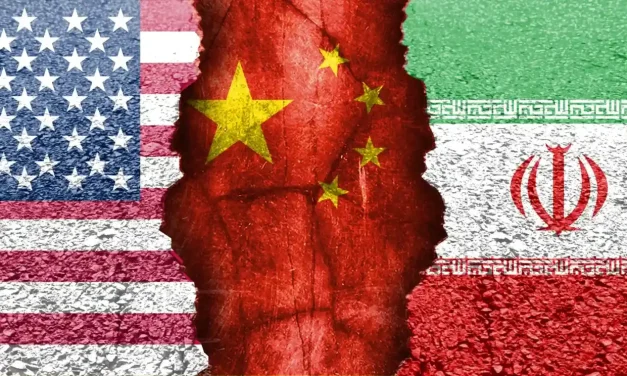
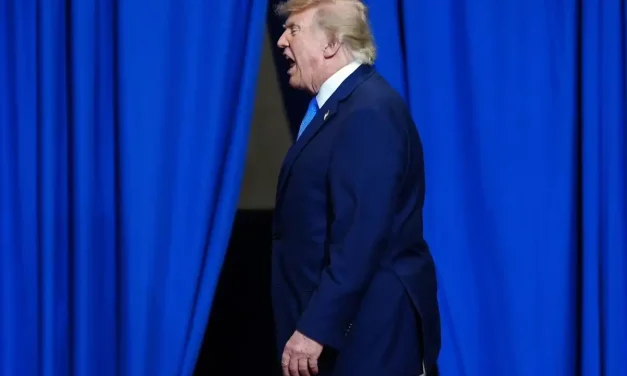
China’s Rejection of US Sanctions; Strengthening Iran’s Geopolitical Leverage

SCFR Online – Opinion: Concurrent with the official commencement of the United States’ economic war against our country, focusing on sanctions instruments, isolation, and economic pressure, what has now become increasingly important is the lack of alignment of other major global powers, especially China, with this policy.

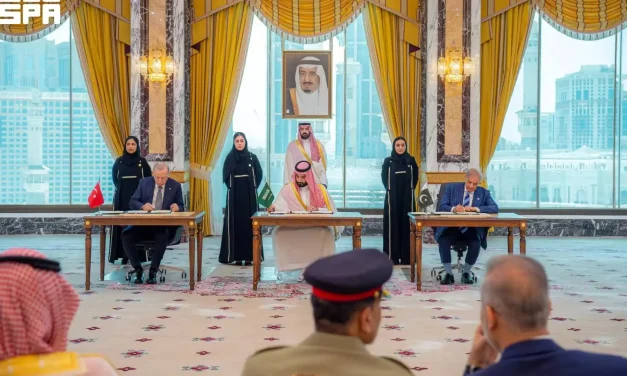
The Makkah Pact; Reasons for its Formation and Challenges Ahead

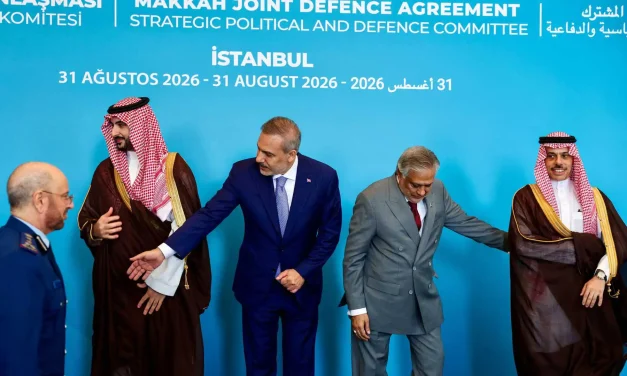
SCFR Online – Opinion: The Makkah Pact, signed between Saudi Arabia, Pakistan, and Turkey under the motto “an attack on one is an attack on all,” is viewed by some analysts less as a full-fledged military coalition and more as an attempt to reduce security dependence on an external power and to establish a regional security mechanism.

Loading

Note

America’s Role in Preventing Ceasefire and Continuing the Gaza War

America’s Role in Preventing Ceasefire and Continuing the Gaza War

Strategic Council Online – Opinion: Recently, the Washington Post published information according to which Congressman Gregory Meeks and Senator Ben Cardin, under pressure from the Biden administration, sold $18 billion worth of military weapons to the Zionist regime. Among them, 50 F-15 fighters have agreed. The cost of these weapons has been mainly financed over a few years by Washington’s annual budget of 3.3 billion dollars for Tel Aviv.

Saudi Oil Step in the Corridor of De-Dollarization

Saudi Oil Step in the Corridor of De-Dollarization

Strategic Council Online – Opinion: On June 9, Saudi Arabia’s oil agreement with the United States expired. Saudi Crown Prince Mohammed bin Salman announced that Riyadh would not renew the 75-year-old contract that helped maintain the hegemony of the US dollar in international trade. This action allows Riyadh to sell oil in different currencies, including yuan, euro, yen, etc., instead of the US dollar.

Economy & Security: Connecting Links between Turkey and Persian Gulf States

Economy & Security: Connecting Links between Turkey and Persian Gulf States

Strategic Council Online – Opinion: Since 2000, Turkey has gradually shifted its foreign policy from the “Looking East” approach to the more traditional “Looking West” foreign policy. The most important reasons for this change in the structure of Turkey’s foreign policy were the developments in Iraq, the Syrian crisis, and Ankara’s failure to become a member state of the European Union. In addition to the above, the influence of people like President Erdogan and Davutoglu (former PM) on the change in Turkey’s foreign policy has been undeniable.

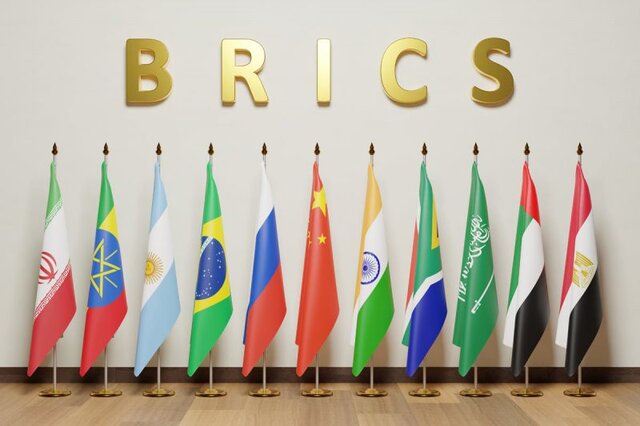
BRICS: Capacities & Opportunities

BRICS: Capacities & Opportunities

Strategic Council Online—Opinion: Recently, Russian Foreign Minister Sergei Lavrov said that BRICS is currently reviewing about 30 requests from different countries proposing various forms of cooperation. The increase in the number of countries applying for membership in the BRICS group indicates the growing importance of this group in the political and economic relations of the international system.

Costs & Strategic Threats of Signing the American Security Defense Treaty for Saudi Arabia

Costs & Strategic Threats of Signing the American Security Defense Treaty for Saudi Arabia

Strategic Council Online – Opinion: The reconciliation process between certain Arab governments and the Zionist regime is one of the important regional “initiatives” of the US Administration, which officially and seriously began in 2015 to transform the atmosphere of tension and conflict into cooperation and alignment with the Zionist regime.

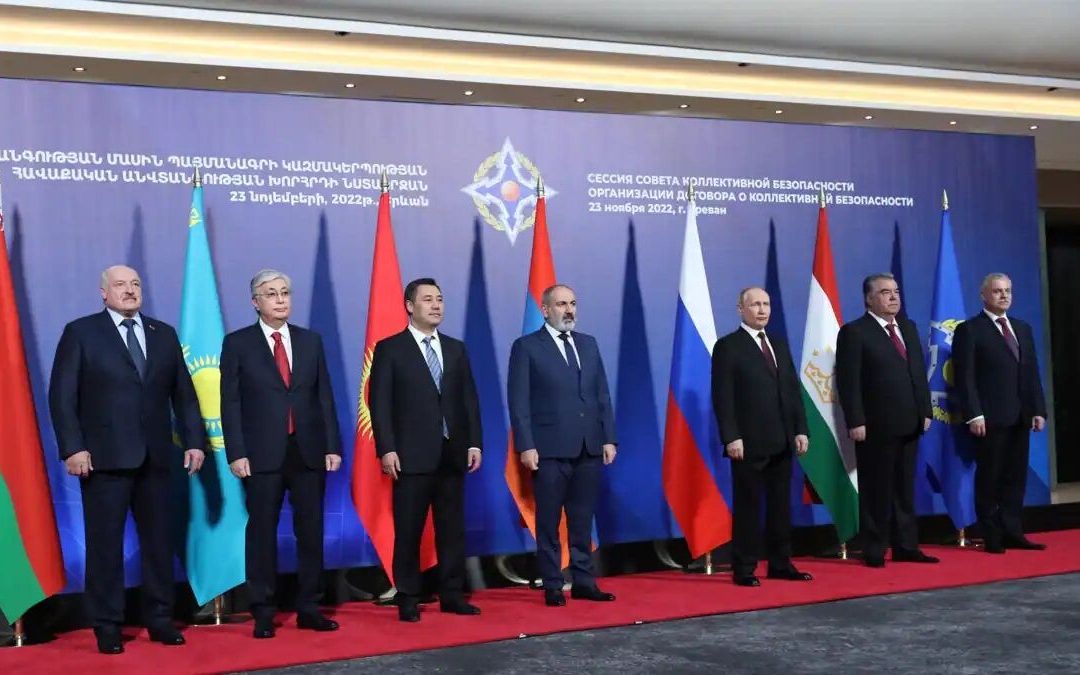
An Analysis on Possible Withdrawal of Armenia from the CSTO

An Analysis on Possible Withdrawal of Armenia from the CSTO

Strategic Council Online – Opinion: Last week, Armenian Prime Minister Nikol Pashinyan announced in a statement in the parliament his country’s intention to withdraw from the collective security pact consisting of several former Soviet states led by Russia. However, the exact time of this action has not yet been determined.

Russia’s Strategy in Response to Western Sanctions

Russia’s Strategy in Response to Western Sanctions

Strategic Council Online – Opinion: Following the escalation of tensions between Russia and Western countries due to the war in Ukraine, Moscow is looking for solutions to deal with the extensive sanctions of the United States and its allies.
Hossein Sayyahi, researcher of international politics

Ambiguities and Prospects of the New US Plan to End the Gaza War

Ambiguities and Prospects of the New US Plan to End the Gaza War

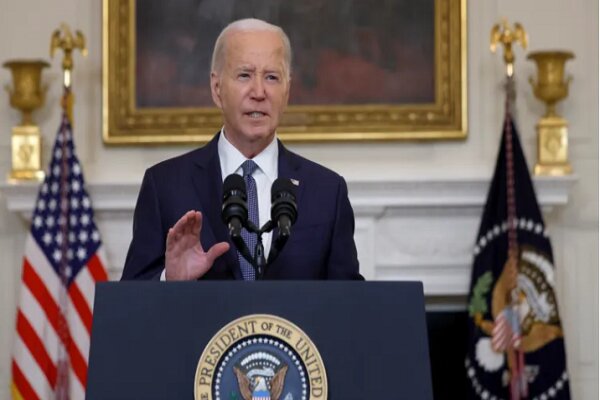
Strategic Council Online: – Opinion: US President Joe Biden recently presented a four-and-a-half-page plan to establish a ceasefire and end the Gaza war. After his speech at the White House, the American President announced that the Zionist regime proposed this plan.
Hamid Khoshayand, an expert on regional issues

Reflection on the Reduction of Turkey’s Economic Relations with the Zionist Regime

Reflection on the Reduction of Turkey’s Economic Relations with the Zionist Regime

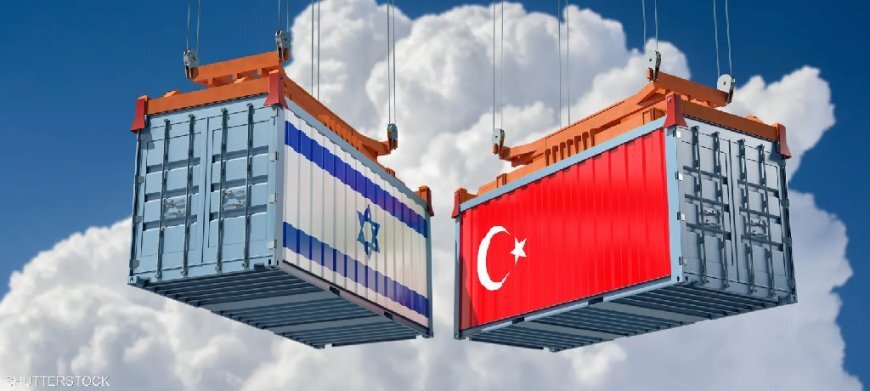
Strategic Council Online – Opinion: According to Turkish officials, this country has suspended its trade relations with the Zionist regime due to its military actions in Gaza and the deterioration of the humanitarian disaster and has made a commitment until Tel Aviv allows humanitarian aid to be sent to Gaza. If not, it will continue to cut off its business relations.
Hamid Khoshayand – expert on regional issues

Reasons Why the Netanyahu Govt  Is Preventing  a Ceasefire Agreement

Reasons Why the Netanyahu Govt Is Preventing a Ceasefire Agreement

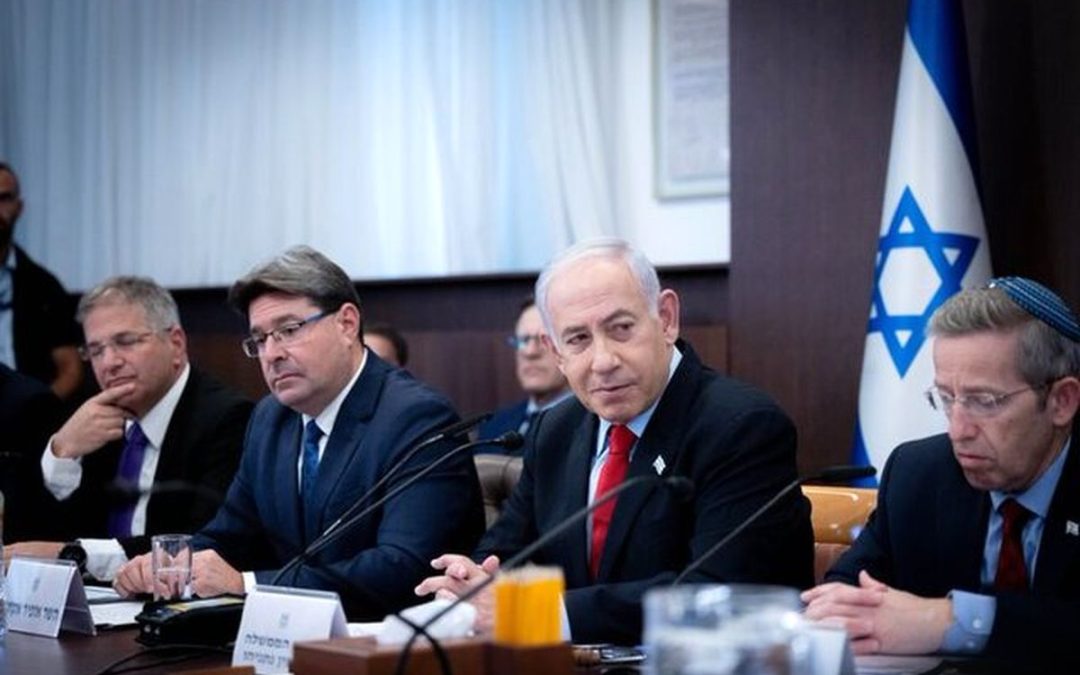
Strategic Council Online – Opinion: The last round of indirect negotiations between Hamas officials and the Zionist regime, which was conducted in Cairo with the mediation of Qatar, Egypt, and the United States, was unsuccessful due to the Zionists’ “Obstruction.”
Hamid Khoshayand, an expert on regional issues

أحدث الوظائف

China’s Rejection of US Sanctions; Strengthening Iran’s Geopolitical Leverage

SCFR Online – Opinion: Concurrent with the official commencement of the United States’ economic war against our country, focusing on sanctions instruments, isolation, and economic pressure, what has now become increasingly important is the lack of alignment of other major global powers, especially China, with this policy.

The Makkah Pact; Reasons for its Formation and Challenges Ahead

SCFR Online – Opinion: The Makkah Pact, signed between Saudi Arabia, Pakistan, and Turkey under the motto “an attack on one is an attack on all,” is viewed by some analysts less as a full-fledged military coalition and more as an attempt to reduce security dependence on an external power and to establish a regional security mechanism.

Loading

Note

America’s Role in Preventing Ceasefire and Continuing the Gaza War

America’s Role in Preventing Ceasefire and Continuing the Gaza War

Strategic Council Online – Opinion: Recently, the Washington Post published information according to which Congressman Gregory Meeks and Senator Ben Cardin, under pressure from the Biden administration, sold $18 billion worth of military weapons to the Zionist regime. Among them, 50 F-15 fighters have agreed. The cost of these weapons has been mainly financed over a few years by Washington’s annual budget of 3.3 billion dollars for Tel Aviv.

Saudi Oil Step in the Corridor of De-Dollarization

Saudi Oil Step in the Corridor of De-Dollarization

Strategic Council Online – Opinion: On June 9, Saudi Arabia’s oil agreement with the United States expired. Saudi Crown Prince Mohammed bin Salman announced that Riyadh would not renew the 75-year-old contract that helped maintain the hegemony of the US dollar in international trade. This action allows Riyadh to sell oil in different currencies, including yuan, euro, yen, etc., instead of the US dollar.

Economy & Security: Connecting Links between Turkey and Persian Gulf States

Economy & Security: Connecting Links between Turkey and Persian Gulf States

Strategic Council Online – Opinion: Since 2000, Turkey has gradually shifted its foreign policy from the “Looking East” approach to the more traditional “Looking West” foreign policy. The most important reasons for this change in the structure of Turkey’s foreign policy were the developments in Iraq, the Syrian crisis, and Ankara’s failure to become a member state of the European Union. In addition to the above, the influence of people like President Erdogan and Davutoglu (former PM) on the change in Turkey’s foreign policy has been undeniable.

BRICS: Capacities & Opportunities

BRICS: Capacities & Opportunities

Strategic Council Online—Opinion: Recently, Russian Foreign Minister Sergei Lavrov said that BRICS is currently reviewing about 30 requests from different countries proposing various forms of cooperation. The increase in the number of countries applying for membership in the BRICS group indicates the growing importance of this group in the political and economic relations of the international system.

Costs & Strategic Threats of Signing the American Security Defense Treaty for Saudi Arabia

Costs & Strategic Threats of Signing the American Security Defense Treaty for Saudi Arabia

Strategic Council Online – Opinion: The reconciliation process between certain Arab governments and the Zionist regime is one of the important regional “initiatives” of the US Administration, which officially and seriously began in 2015 to transform the atmosphere of tension and conflict into cooperation and alignment with the Zionist regime.

An Analysis on Possible Withdrawal of Armenia from the CSTO

An Analysis on Possible Withdrawal of Armenia from the CSTO

Strategic Council Online – Opinion: Last week, Armenian Prime Minister Nikol Pashinyan announced in a statement in the parliament his country’s intention to withdraw from the collective security pact consisting of several former Soviet states led by Russia. However, the exact time of this action has not yet been determined.

Russia’s Strategy in Response to Western Sanctions

Russia’s Strategy in Response to Western Sanctions

Strategic Council Online – Opinion: Following the escalation of tensions between Russia and Western countries due to the war in Ukraine, Moscow is looking for solutions to deal with the extensive sanctions of the United States and its allies.
Hossein Sayyahi, researcher of international politics

Ambiguities and Prospects of the New US Plan to End the Gaza War

Ambiguities and Prospects of the New US Plan to End the Gaza War

Strategic Council Online: – Opinion: US President Joe Biden recently presented a four-and-a-half-page plan to establish a ceasefire and end the Gaza war. After his speech at the White House, the American President announced that the Zionist regime proposed this plan.
Hamid Khoshayand, an expert on regional issues

Reflection on the Reduction of Turkey’s Economic Relations with the Zionist Regime

Reflection on the Reduction of Turkey’s Economic Relations with the Zionist Regime

Strategic Council Online – Opinion: According to Turkish officials, this country has suspended its trade relations with the Zionist regime due to its military actions in Gaza and the deterioration of the humanitarian disaster and has made a commitment until Tel Aviv allows humanitarian aid to be sent to Gaza. If not, it will continue to cut off its business relations.
Hamid Khoshayand – expert on regional issues

Reasons Why the Netanyahu Govt  Is Preventing  a Ceasefire Agreement

Reasons Why the Netanyahu Govt Is Preventing a Ceasefire Agreement

Strategic Council Online – Opinion: The last round of indirect negotiations between Hamas officials and the Zionist regime, which was conducted in Cairo with the mediation of Qatar, Egypt, and the United States, was unsuccessful due to the Zionists’ “Obstruction.”
Hamid Khoshayand, an expert on regional issues

Note

America’s Role in Preventing Ceasefire and Continuing the Gaza War

America’s Role in Preventing Ceasefire and Continuing the Gaza War

Strategic Council Online – Opinion: Recently, the Washington Post published information according to which Congressman Gregory Meeks and Senator Ben Cardin, under pressure from the Biden administration, sold $18 billion worth of military weapons to the Zionist regime. Among them, 50 F-15 fighters have agreed. The cost of these weapons has been mainly financed over a few years by Washington’s annual budget of 3.3 billion dollars for Tel Aviv.

Saudi Oil Step in the Corridor of De-Dollarization

Saudi Oil Step in the Corridor of De-Dollarization

Strategic Council Online – Opinion: On June 9, Saudi Arabia’s oil agreement with the United States expired. Saudi Crown Prince Mohammed bin Salman announced that Riyadh would not renew the 75-year-old contract that helped maintain the hegemony of the US dollar in international trade. This action allows Riyadh to sell oil in different currencies, including yuan, euro, yen, etc., instead of the US dollar.

Economy & Security: Connecting Links between Turkey and Persian Gulf States

Economy & Security: Connecting Links between Turkey and Persian Gulf States

Strategic Council Online – Opinion: Since 2000, Turkey has gradually shifted its foreign policy from the “Looking East” approach to the more traditional “Looking West” foreign policy. The most important reasons for this change in the structure of Turkey’s foreign policy were the developments in Iraq, the Syrian crisis, and Ankara’s failure to become a member state of the European Union. In addition to the above, the influence of people like President Erdogan and Davutoglu (former PM) on the change in Turkey’s foreign policy has been undeniable.

BRICS: Capacities & Opportunities

BRICS: Capacities & Opportunities

Strategic Council Online—Opinion: Recently, Russian Foreign Minister Sergei Lavrov said that BRICS is currently reviewing about 30 requests from different countries proposing various forms of cooperation. The increase in the number of countries applying for membership in the BRICS group indicates the growing importance of this group in the political and economic relations of the international system.

Costs & Strategic Threats of Signing the American Security Defense Treaty for Saudi Arabia

Costs & Strategic Threats of Signing the American Security Defense Treaty for Saudi Arabia

Strategic Council Online – Opinion: The reconciliation process between certain Arab governments and the Zionist regime is one of the important regional “initiatives” of the US Administration, which officially and seriously began in 2015 to transform the atmosphere of tension and conflict into cooperation and alignment with the Zionist regime.

An Analysis on Possible Withdrawal of Armenia from the CSTO

An Analysis on Possible Withdrawal of Armenia from the CSTO

Strategic Council Online – Opinion: Last week, Armenian Prime Minister Nikol Pashinyan announced in a statement in the parliament his country’s intention to withdraw from the collective security pact consisting of several former Soviet states led by Russia. However, the exact time of this action has not yet been determined.

Russia’s Strategy in Response to Western Sanctions

Russia’s Strategy in Response to Western Sanctions

Strategic Council Online – Opinion: Following the escalation of tensions between Russia and Western countries due to the war in Ukraine, Moscow is looking for solutions to deal with the extensive sanctions of the United States and its allies.
Hossein Sayyahi, researcher of international politics

Ambiguities and Prospects of the New US Plan to End the Gaza War

Ambiguities and Prospects of the New US Plan to End the Gaza War

Strategic Council Online: – Opinion: US President Joe Biden recently presented a four-and-a-half-page plan to establish a ceasefire and end the Gaza war. After his speech at the White House, the American President announced that the Zionist regime proposed this plan.
Hamid Khoshayand, an expert on regional issues

Reflection on the Reduction of Turkey’s Economic Relations with the Zionist Regime

Reflection on the Reduction of Turkey’s Economic Relations with the Zionist Regime

Strategic Council Online – Opinion: According to Turkish officials, this country has suspended its trade relations with the Zionist regime due to its military actions in Gaza and the deterioration of the humanitarian disaster and has made a commitment until Tel Aviv allows humanitarian aid to be sent to Gaza. If not, it will continue to cut off its business relations.
Hamid Khoshayand – expert on regional issues

Reasons Why the Netanyahu Govt  Is Preventing  a Ceasefire Agreement

Reasons Why the Netanyahu Govt Is Preventing a Ceasefire Agreement

Strategic Council Online – Opinion: The last round of indirect negotiations between Hamas officials and the Zionist regime, which was conducted in Cairo with the mediation of Qatar, Egypt, and the United States, was unsuccessful due to the Zionists’ “Obstruction.”
Hamid Khoshayand, an expert on regional issues

LATEST CONTENT

China’s Rejection of US Sanctions; Strengthening Iran’s Geopolitical Leverage

SCFR Online – Opinion: Concurrent with the official commencement of the United States’ economic war against our country, focusing on sanctions instruments, isolation, and economic pressure, what has now become increasingly important is the lack of alignment of other major global powers, especially China, with this policy.

The Makkah Pact; Reasons for its Formation and Challenges Ahead

SCFR Online – Opinion: The Makkah Pact, signed between Saudi Arabia, Pakistan, and Turkey under the motto “an attack on one is an attack on all,” is viewed by some analysts less as a full-fledged military coalition and more as an attempt to reduce security dependence on an external power and to establish a regional security mechanism.

Loading

Note

America’s Role in Preventing Ceasefire and Continuing the Gaza War

America’s Role in Preventing Ceasefire and Continuing the Gaza War

Strategic Council Online – Opinion: Recently, the Washington Post published information according to which Congressman Gregory Meeks and Senator Ben Cardin, under pressure from the Biden administration, sold $18 billion worth of military weapons to the Zionist regime. Among them, 50 F-15 fighters have agreed. The cost of these weapons has been mainly financed over a few years by Washington’s annual budget of 3.3 billion dollars for Tel Aviv.

Saudi Oil Step in the Corridor of De-Dollarization

Saudi Oil Step in the Corridor of De-Dollarization

Strategic Council Online – Opinion: On June 9, Saudi Arabia’s oil agreement with the United States expired. Saudi Crown Prince Mohammed bin Salman announced that Riyadh would not renew the 75-year-old contract that helped maintain the hegemony of the US dollar in international trade. This action allows Riyadh to sell oil in different currencies, including yuan, euro, yen, etc., instead of the US dollar.

Economy & Security: Connecting Links between Turkey and Persian Gulf States

Economy & Security: Connecting Links between Turkey and Persian Gulf States

Strategic Council Online – Opinion: Since 2000, Turkey has gradually shifted its foreign policy from the “Looking East” approach to the more traditional “Looking West” foreign policy. The most important reasons for this change in the structure of Turkey’s foreign policy were the developments in Iraq, the Syrian crisis, and Ankara’s failure to become a member state of the European Union. In addition to the above, the influence of people like President Erdogan and Davutoglu (former PM) on the change in Turkey’s foreign policy has been undeniable.

BRICS: Capacities & Opportunities

BRICS: Capacities & Opportunities

Strategic Council Online—Opinion: Recently, Russian Foreign Minister Sergei Lavrov said that BRICS is currently reviewing about 30 requests from different countries proposing various forms of cooperation. The increase in the number of countries applying for membership in the BRICS group indicates the growing importance of this group in the political and economic relations of the international system.

Costs & Strategic Threats of Signing the American Security Defense Treaty for Saudi Arabia

Costs & Strategic Threats of Signing the American Security Defense Treaty for Saudi Arabia

Strategic Council Online – Opinion: The reconciliation process between certain Arab governments and the Zionist regime is one of the important regional “initiatives” of the US Administration, which officially and seriously began in 2015 to transform the atmosphere of tension and conflict into cooperation and alignment with the Zionist regime.

An Analysis on Possible Withdrawal of Armenia from the CSTO

An Analysis on Possible Withdrawal of Armenia from the CSTO

Strategic Council Online – Opinion: Last week, Armenian Prime Minister Nikol Pashinyan announced in a statement in the parliament his country’s intention to withdraw from the collective security pact consisting of several former Soviet states led by Russia. However, the exact time of this action has not yet been determined.

Russia’s Strategy in Response to Western Sanctions

Russia’s Strategy in Response to Western Sanctions

Strategic Council Online – Opinion: Following the escalation of tensions between Russia and Western countries due to the war in Ukraine, Moscow is looking for solutions to deal with the extensive sanctions of the United States and its allies.
Hossein Sayyahi, researcher of international politics

Ambiguities and Prospects of the New US Plan to End the Gaza War

Ambiguities and Prospects of the New US Plan to End the Gaza War

Strategic Council Online: – Opinion: US President Joe Biden recently presented a four-and-a-half-page plan to establish a ceasefire and end the Gaza war. After his speech at the White House, the American President announced that the Zionist regime proposed this plan.
Hamid Khoshayand, an expert on regional issues

Reflection on the Reduction of Turkey’s Economic Relations with the Zionist Regime

Reflection on the Reduction of Turkey’s Economic Relations with the Zionist Regime

Strategic Council Online – Opinion: According to Turkish officials, this country has suspended its trade relations with the Zionist regime due to its military actions in Gaza and the deterioration of the humanitarian disaster and has made a commitment until Tel Aviv allows humanitarian aid to be sent to Gaza. If not, it will continue to cut off its business relations.
Hamid Khoshayand – expert on regional issues

Reasons Why the Netanyahu Govt  Is Preventing  a Ceasefire Agreement

Reasons Why the Netanyahu Govt Is Preventing a Ceasefire Agreement

Strategic Council Online – Opinion: The last round of indirect negotiations between Hamas officials and the Zionist regime, which was conducted in Cairo with the mediation of Qatar, Egypt, and the United States, was unsuccessful due to the Zionists’ “Obstruction.”
Hamid Khoshayand, an expert on regional issues

ÚLTIMAS PUBLICACIONES

China’s Rejection of US Sanctions; Strengthening Iran’s Geopolitical Leverage

SCFR Online – Opinion: Concurrent with the official commencement of the United States’ economic war against our country, focusing on sanctions instruments, isolation, and economic pressure, what has now become increasingly important is the lack of alignment of other major global powers, especially China, with this policy.

The Makkah Pact; Reasons for its Formation and Challenges Ahead

SCFR Online – Opinion: The Makkah Pact, signed between Saudi Arabia, Pakistan, and Turkey under the motto “an attack on one is an attack on all,” is viewed by some analysts less as a full-fledged military coalition and more as an attempt to reduce security dependence on an external power and to establish a regional security mechanism.

Loading

Note

America’s Role in Preventing Ceasefire and Continuing the Gaza War

America’s Role in Preventing Ceasefire and Continuing the Gaza War

Strategic Council Online – Opinion: Recently, the Washington Post published information according to which Congressman Gregory Meeks and Senator Ben Cardin, under pressure from the Biden administration, sold $18 billion worth of military weapons to the Zionist regime. Among them, 50 F-15 fighters have agreed. The cost of these weapons has been mainly financed over a few years by Washington’s annual budget of 3.3 billion dollars for Tel Aviv.

Saudi Oil Step in the Corridor of De-Dollarization

Saudi Oil Step in the Corridor of De-Dollarization

Strategic Council Online – Opinion: On June 9, Saudi Arabia’s oil agreement with the United States expired. Saudi Crown Prince Mohammed bin Salman announced that Riyadh would not renew the 75-year-old contract that helped maintain the hegemony of the US dollar in international trade. This action allows Riyadh to sell oil in different currencies, including yuan, euro, yen, etc., instead of the US dollar.

Economy & Security: Connecting Links between Turkey and Persian Gulf States

Economy & Security: Connecting Links between Turkey and Persian Gulf States

Strategic Council Online – Opinion: Since 2000, Turkey has gradually shifted its foreign policy from the “Looking East” approach to the more traditional “Looking West” foreign policy. The most important reasons for this change in the structure of Turkey’s foreign policy were the developments in Iraq, the Syrian crisis, and Ankara’s failure to become a member state of the European Union. In addition to the above, the influence of people like President Erdogan and Davutoglu (former PM) on the change in Turkey’s foreign policy has been undeniable.

BRICS: Capacities & Opportunities

BRICS: Capacities & Opportunities

Strategic Council Online—Opinion: Recently, Russian Foreign Minister Sergei Lavrov said that BRICS is currently reviewing about 30 requests from different countries proposing various forms of cooperation. The increase in the number of countries applying for membership in the BRICS group indicates the growing importance of this group in the political and economic relations of the international system.

Costs & Strategic Threats of Signing the American Security Defense Treaty for Saudi Arabia

Costs & Strategic Threats of Signing the American Security Defense Treaty for Saudi Arabia

Strategic Council Online – Opinion: The reconciliation process between certain Arab governments and the Zionist regime is one of the important regional “initiatives” of the US Administration, which officially and seriously began in 2015 to transform the atmosphere of tension and conflict into cooperation and alignment with the Zionist regime.

An Analysis on Possible Withdrawal of Armenia from the CSTO

An Analysis on Possible Withdrawal of Armenia from the CSTO

Strategic Council Online – Opinion: Last week, Armenian Prime Minister Nikol Pashinyan announced in a statement in the parliament his country’s intention to withdraw from the collective security pact consisting of several former Soviet states led by Russia. However, the exact time of this action has not yet been determined.

Russia’s Strategy in Response to Western Sanctions

Russia’s Strategy in Response to Western Sanctions

Strategic Council Online – Opinion: Following the escalation of tensions between Russia and Western countries due to the war in Ukraine, Moscow is looking for solutions to deal with the extensive sanctions of the United States and its allies.
Hossein Sayyahi, researcher of international politics

Ambiguities and Prospects of the New US Plan to End the Gaza War

Ambiguities and Prospects of the New US Plan to End the Gaza War

Strategic Council Online: – Opinion: US President Joe Biden recently presented a four-and-a-half-page plan to establish a ceasefire and end the Gaza war. After his speech at the White House, the American President announced that the Zionist regime proposed this plan.
Hamid Khoshayand, an expert on regional issues

Reflection on the Reduction of Turkey’s Economic Relations with the Zionist Regime

Reflection on the Reduction of Turkey’s Economic Relations with the Zionist Regime

Strategic Council Online – Opinion: According to Turkish officials, this country has suspended its trade relations with the Zionist regime due to its military actions in Gaza and the deterioration of the humanitarian disaster and has made a commitment until Tel Aviv allows humanitarian aid to be sent to Gaza. If not, it will continue to cut off its business relations.
Hamid Khoshayand – expert on regional issues

Reasons Why the Netanyahu Govt  Is Preventing  a Ceasefire Agreement

Reasons Why the Netanyahu Govt Is Preventing a Ceasefire Agreement

Strategic Council Online – Opinion: The last round of indirect negotiations between Hamas officials and the Zionist regime, which was conducted in Cairo with the mediation of Qatar, Egypt, and the United States, was unsuccessful due to the Zionists’ “Obstruction.”
Hamid Khoshayand, an expert on regional issues

ÚLTIMAS PUBLICACIONES

China’s Rejection of US Sanctions; Strengthening Iran’s Geopolitical Leverage

SCFR Online – Opinion: Concurrent with the official commencement of the United States’ economic war against our country, focusing on sanctions instruments, isolation, and economic pressure, what has now become increasingly important is the lack of alignment of other major global powers, especially China, with this policy.

The Makkah Pact; Reasons for its Formation and Challenges Ahead

SCFR Online – Opinion: The Makkah Pact, signed between Saudi Arabia, Pakistan, and Turkey under the motto “an attack on one is an attack on all,” is viewed by some analysts less as a full-fledged military coalition and more as an attempt to reduce security dependence on an external power and to establish a regional security mechanism.

Loading

Note

America’s Role in Preventing Ceasefire and Continuing the Gaza War

America’s Role in Preventing Ceasefire and Continuing the Gaza War

Strategic Council Online – Opinion: Recently, the Washington Post published information according to which Congressman Gregory Meeks and Senator Ben Cardin, under pressure from the Biden administration, sold $18 billion worth of military weapons to the Zionist regime. Among them, 50 F-15 fighters have agreed. The cost of these weapons has been mainly financed over a few years by Washington’s annual budget of 3.3 billion dollars for Tel Aviv.

Saudi Oil Step in the Corridor of De-Dollarization

Saudi Oil Step in the Corridor of De-Dollarization

Strategic Council Online – Opinion: On June 9, Saudi Arabia’s oil agreement with the United States expired. Saudi Crown Prince Mohammed bin Salman announced that Riyadh would not renew the 75-year-old contract that helped maintain the hegemony of the US dollar in international trade. This action allows Riyadh to sell oil in different currencies, including yuan, euro, yen, etc., instead of the US dollar.

Economy & Security: Connecting Links between Turkey and Persian Gulf States

Economy & Security: Connecting Links between Turkey and Persian Gulf States

Strategic Council Online – Opinion: Since 2000, Turkey has gradually shifted its foreign policy from the “Looking East” approach to the more traditional “Looking West” foreign policy. The most important reasons for this change in the structure of Turkey’s foreign policy were the developments in Iraq, the Syrian crisis, and Ankara’s failure to become a member state of the European Union. In addition to the above, the influence of people like President Erdogan and Davutoglu (former PM) on the change in Turkey’s foreign policy has been undeniable.

BRICS: Capacities & Opportunities

BRICS: Capacities & Opportunities

Strategic Council Online—Opinion: Recently, Russian Foreign Minister Sergei Lavrov said that BRICS is currently reviewing about 30 requests from different countries proposing various forms of cooperation. The increase in the number of countries applying for membership in the BRICS group indicates the growing importance of this group in the political and economic relations of the international system.

Costs & Strategic Threats of Signing the American Security Defense Treaty for Saudi Arabia

Costs & Strategic Threats of Signing the American Security Defense Treaty for Saudi Arabia

Strategic Council Online – Opinion: The reconciliation process between certain Arab governments and the Zionist regime is one of the important regional “initiatives” of the US Administration, which officially and seriously began in 2015 to transform the atmosphere of tension and conflict into cooperation and alignment with the Zionist regime.

An Analysis on Possible Withdrawal of Armenia from the CSTO

An Analysis on Possible Withdrawal of Armenia from the CSTO

Strategic Council Online – Opinion: Last week, Armenian Prime Minister Nikol Pashinyan announced in a statement in the parliament his country’s intention to withdraw from the collective security pact consisting of several former Soviet states led by Russia. However, the exact time of this action has not yet been determined.

Russia’s Strategy in Response to Western Sanctions

Russia’s Strategy in Response to Western Sanctions

Strategic Council Online – Opinion: Following the escalation of tensions between Russia and Western countries due to the war in Ukraine, Moscow is looking for solutions to deal with the extensive sanctions of the United States and its allies.
Hossein Sayyahi, researcher of international politics

Ambiguities and Prospects of the New US Plan to End the Gaza War

Ambiguities and Prospects of the New US Plan to End the Gaza War

Strategic Council Online: – Opinion: US President Joe Biden recently presented a four-and-a-half-page plan to establish a ceasefire and end the Gaza war. After his speech at the White House, the American President announced that the Zionist regime proposed this plan.
Hamid Khoshayand, an expert on regional issues

Reflection on the Reduction of Turkey’s Economic Relations with the Zionist Regime

Reflection on the Reduction of Turkey’s Economic Relations with the Zionist Regime

Strategic Council Online – Opinion: According to Turkish officials, this country has suspended its trade relations with the Zionist regime due to its military actions in Gaza and the deterioration of the humanitarian disaster and has made a commitment until Tel Aviv allows humanitarian aid to be sent to Gaza. If not, it will continue to cut off its business relations.
Hamid Khoshayand – expert on regional issues

Reasons Why the Netanyahu Govt  Is Preventing  a Ceasefire Agreement

Reasons Why the Netanyahu Govt Is Preventing a Ceasefire Agreement

Strategic Council Online – Opinion: The last round of indirect negotiations between Hamas officials and the Zionist regime, which was conducted in Cairo with the mediation of Qatar, Egypt, and the United States, was unsuccessful due to the Zionists’ “Obstruction.”
Hamid Khoshayand, an expert on regional issues

ÚLTIMAS PUBLICACIONES

China’s Rejection of US Sanctions; Strengthening Iran’s Geopolitical Leverage

SCFR Online – Opinion: Concurrent with the official commencement of the United States’ economic war against our country, focusing on sanctions instruments, isolation, and economic pressure, what has now become increasingly important is the lack of alignment of other major global powers, especially China, with this policy.

The Makkah Pact; Reasons for its Formation and Challenges Ahead

SCFR Online – Opinion: The Makkah Pact, signed between Saudi Arabia, Pakistan, and Turkey under the motto “an attack on one is an attack on all,” is viewed by some analysts less as a full-fledged military coalition and more as an attempt to reduce security dependence on an external power and to establish a regional security mechanism.

Loading

Note

America’s Role in Preventing Ceasefire and Continuing the Gaza War

America’s Role in Preventing Ceasefire and Continuing the Gaza War

Strategic Council Online – Opinion: Recently, the Washington Post published information according to which Congressman Gregory Meeks and Senator Ben Cardin, under pressure from the Biden administration, sold $18 billion worth of military weapons to the Zionist regime. Among them, 50 F-15 fighters have agreed. The cost of these weapons has been mainly financed over a few years by Washington’s annual budget of 3.3 billion dollars for Tel Aviv.

Saudi Oil Step in the Corridor of De-Dollarization

Saudi Oil Step in the Corridor of De-Dollarization

Strategic Council Online – Opinion: On June 9, Saudi Arabia’s oil agreement with the United States expired. Saudi Crown Prince Mohammed bin Salman announced that Riyadh would not renew the 75-year-old contract that helped maintain the hegemony of the US dollar in international trade. This action allows Riyadh to sell oil in different currencies, including yuan, euro, yen, etc., instead of the US dollar.

Economy & Security: Connecting Links between Turkey and Persian Gulf States

Economy & Security: Connecting Links between Turkey and Persian Gulf States

Strategic Council Online – Opinion: Since 2000, Turkey has gradually shifted its foreign policy from the “Looking East” approach to the more traditional “Looking West” foreign policy. The most important reasons for this change in the structure of Turkey’s foreign policy were the developments in Iraq, the Syrian crisis, and Ankara’s failure to become a member state of the European Union. In addition to the above, the influence of people like President Erdogan and Davutoglu (former PM) on the change in Turkey’s foreign policy has been undeniable.

BRICS: Capacities & Opportunities

BRICS: Capacities & Opportunities

Strategic Council Online—Opinion: Recently, Russian Foreign Minister Sergei Lavrov said that BRICS is currently reviewing about 30 requests from different countries proposing various forms of cooperation. The increase in the number of countries applying for membership in the BRICS group indicates the growing importance of this group in the political and economic relations of the international system.

Costs & Strategic Threats of Signing the American Security Defense Treaty for Saudi Arabia

Costs & Strategic Threats of Signing the American Security Defense Treaty for Saudi Arabia

Strategic Council Online – Opinion: The reconciliation process between certain Arab governments and the Zionist regime is one of the important regional “initiatives” of the US Administration, which officially and seriously began in 2015 to transform the atmosphere of tension and conflict into cooperation and alignment with the Zionist regime.

An Analysis on Possible Withdrawal of Armenia from the CSTO

An Analysis on Possible Withdrawal of Armenia from the CSTO

Strategic Council Online – Opinion: Last week, Armenian Prime Minister Nikol Pashinyan announced in a statement in the parliament his country’s intention to withdraw from the collective security pact consisting of several former Soviet states led by Russia. However, the exact time of this action has not yet been determined.

Russia’s Strategy in Response to Western Sanctions

Russia’s Strategy in Response to Western Sanctions

Strategic Council Online – Opinion: Following the escalation of tensions between Russia and Western countries due to the war in Ukraine, Moscow is looking for solutions to deal with the extensive sanctions of the United States and its allies.
Hossein Sayyahi, researcher of international politics

Ambiguities and Prospects of the New US Plan to End the Gaza War

Ambiguities and Prospects of the New US Plan to End the Gaza War

Strategic Council Online: – Opinion: US President Joe Biden recently presented a four-and-a-half-page plan to establish a ceasefire and end the Gaza war. After his speech at the White House, the American President announced that the Zionist regime proposed this plan.
Hamid Khoshayand, an expert on regional issues

Reflection on the Reduction of Turkey’s Economic Relations with the Zionist Regime

Reflection on the Reduction of Turkey’s Economic Relations with the Zionist Regime

Strategic Council Online – Opinion: According to Turkish officials, this country has suspended its trade relations with the Zionist regime due to its military actions in Gaza and the deterioration of the humanitarian disaster and has made a commitment until Tel Aviv allows humanitarian aid to be sent to Gaza. If not, it will continue to cut off its business relations.
Hamid Khoshayand – expert on regional issues

Reasons Why the Netanyahu Govt  Is Preventing  a Ceasefire Agreement

Reasons Why the Netanyahu Govt Is Preventing a Ceasefire Agreement

Strategic Council Online – Opinion: The last round of indirect negotiations between Hamas officials and the Zionist regime, which was conducted in Cairo with the mediation of Qatar, Egypt, and the United States, was unsuccessful due to the Zionists’ “Obstruction.”
Hamid Khoshayand, an expert on regional issues

ÚLTIMAS PUBLICACIONES

China’s Rejection of US Sanctions; Strengthening Iran’s Geopolitical Leverage

SCFR Online – Opinion: Concurrent with the official commencement of the United States’ economic war against our country, focusing on sanctions instruments, isolation, and economic pressure, what has now become increasingly important is the lack of alignment of other major global powers, especially China, with this policy.

The Makkah Pact; Reasons for its Formation and Challenges Ahead

SCFR Online – Opinion: The Makkah Pact, signed between Saudi Arabia, Pakistan, and Turkey under the motto “an attack on one is an attack on all,” is viewed by some analysts less as a full-fledged military coalition and more as an attempt to reduce security dependence on an external power and to establish a regional security mechanism.

Loading