Reasons for the Ineffectiveness of Trump’s “Economic War” against Iran
SCFR Online – Opinion: The intensification of U.S. sanctions against Iran on the eve of the U.S. midterm elections indicates Washington’s inability to achieve its war objectives.


SCFR Online – Opinion: The intensification of U.S. sanctions against Iran on the eve of the U.S. midterm elections indicates Washington’s inability to achieve its war objectives.

SCFR Online – Opinion: The competition between Washington and Beijing over chips and artificial intelligence, simultaneously with the shifting of technological balances, has taken on new economic and security dimensions.
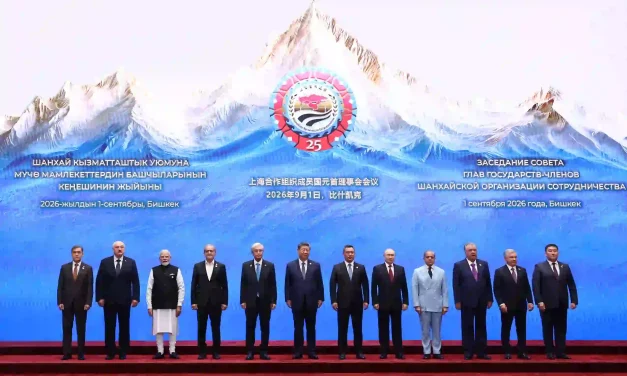
SCFR Online – Opinion: The Shanghai Cooperation Organization summit has created a new opportunity for Iran to transform its membership from a political achievement into economic and transit cooperation.
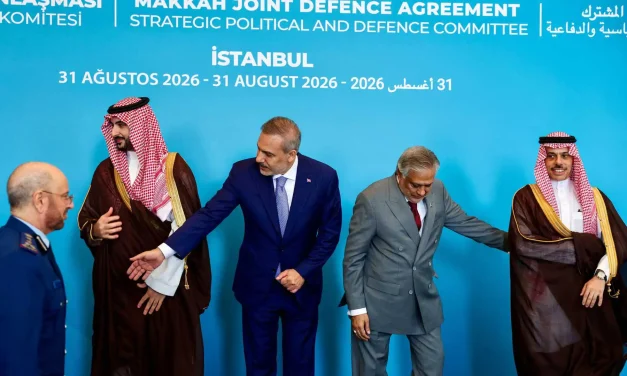
Strategic Council Online – Note: The Makkah Defense Pact can be seen as a sign of regional countries’ efforts to reduce security dependence on extra-regional powers and redefine the balance in West Asia.
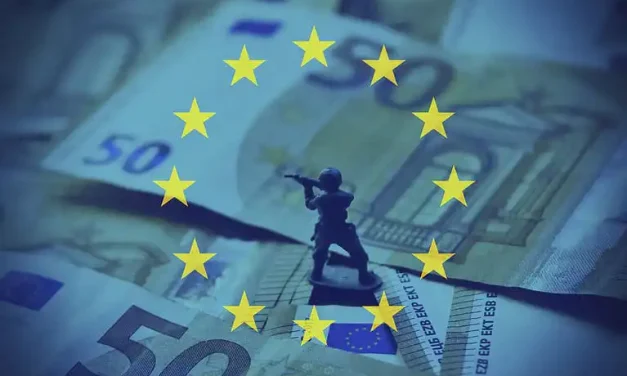
SCFR Online – Opinion: The Ukraine war, by exhausting US military capability on one hand and strengthening European defense capacity on the other, has altered the balance of power in the European continent, cast uncertainty over NATO’s future, and is driving it toward a European NATO.
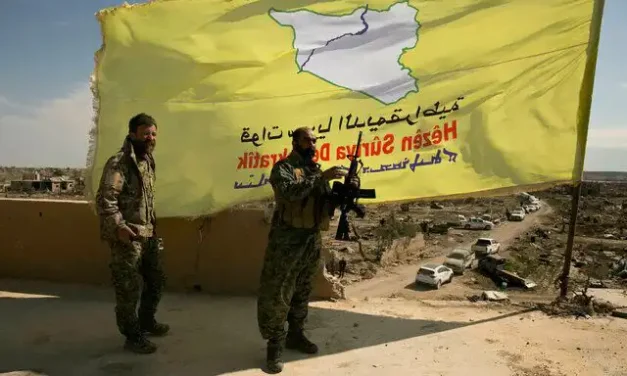
SCFR Online – Opinion: The dissolution of the SDF, although considered an achievement for Turkey’s security, does not put an end to the challenges arising from the Israeli regime’s aggression and expansionism, refugees, and Syria’s fragility.
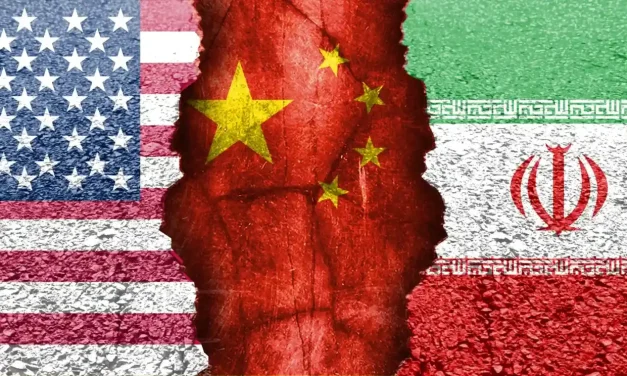
SCFR Online – Opinion: Concurrent with the official commencement of the United States’ economic war against our country, focusing on sanctions instruments, isolation, and economic pressure, what has now become increasingly important is the lack of alignment of other major global powers, especially China, with this policy.
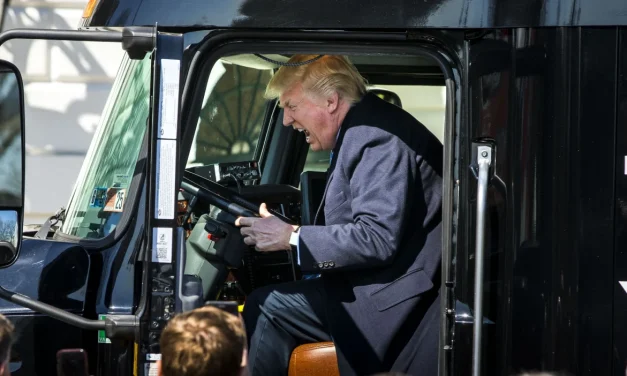
SCFR Online – Opinion: The new US sanctions against Iran, despite extensive propaganda, face serious obstacles to success due to the ineffectiveness of sanctions tools and opposition from some of Tehran’s trading partners.


Strategic Council Online-Editorial: The interference of the White House in the domestic affairs of Russia during the past one month concerning the Alexi Navalny issue indicated that the Biden administration is profiting from the tools of democracy and human rights for its own interest in order to obtain maximal interests in the global order. And this is an issue which can cause more frictions in the relations between the United States and Russia as Russia believes that the West presents a two-direction and conflicting definition of concrete concepts such as freedom, human rights and democracy.
Dr. Ahmad Vakhishteh, professor of the International Relations Faculty of the National Eurasia University

Strategic Council Online – According to a decree issued by Mahmoud Abbas, President of the Palestinian Authority, the Palestinian elections are scheduled to be held in three stages in 2021. According to the decree, for the Palestinian Legislative Council (Parliament) the elections will be held on May 22, for the president of the Palestinian Authority on July 31, and for the Palestinian National Council on August 31, 2021. The results of the elections for the Palestinian Legislative Assembly will be the first stage in the formation of the Palestinian National Council, which will be completed after the elections in accordance with the statute of the Palestine Liberation Organization (PLO) and national reconciliation. This is an important and effective step towards establishing unification in Palestine. Announcement of the exact date for the election has been accompanied by movements in the diplomatic arena.
Mahmoud Fazeli – Analyst of international affairs

Strategic Council Online – Since 2018, we have been witnessing numerous, intertwined and continuous developments in the South Asian region with a focus on Afghanistan, Pakistan and India. The two vital and challenging issues in the region are the Afghan peace process and the Kashmir issue.
Dr. Maedeh Karimi – Researcher of Pakistan affairs

Strategic Council Online – In July 2020, former US Secretary of Defense Mark Esper presented a plan to reduce the number of US troops in Germany by 12,000. The majority of the troops, estimated at about 6,400, should return to the United States, while about 5,600 troops would remain in Europe, based in Belgium and Italy, and several thousand would travel on US-European rotation plans. The headquarters of the United States European Command (EUCOM), as well as the US Army Special Operations Command in Europe, will be moved from Stuttgart in Germany to Belgium. The plan reduced the number of US troops stationed in Germany from 36,000 to 24,000. Based on US claim, the measure would “strengthen NATO”, “deter Russia” and “reassure US allies”. Even some US analysts have called the move a “revenge” against Merkel.
Mahmoud Fazeli – Expert on International Affairs

Strategic Council Online – Although for a long time, governments were the most important and only players in international politics and power was the first and most important determinant of international equations, in recent decades and with the emergence of non-governmental players, we have been witness to their role-playing.
Hamid Khoshayand – Expert on International Affairs

Strategic Council Online – Iran’s presence and influence in the region, which is a constructive and stabilizing one that eliminates insecurity and panic, is one of the main red lines in compliance with safeguarding the strategic interests of the Islamic Republic of Iran.
Hamid Khoshayand – Analyst of international affairs

Strategic Council Online – Note: Given Europe’s coordination with Biden’s administration, the West, including Europe and the United States in general, is likely to pursue a common policy toward Venezuela.
Dr. Hadi Aalami Fariman – Expert on Latin America affairs

Strategic Council Online—Opinion: The relations between Moscow and the European Union has reached its lowest since the Cold War after developments in 2014 which resulted in the accession of Crimea to the Russian soil, Russian intervention in the civil war of Syria, alleged interference of Russia in the 2016 US presidential elections which resulted in the victory of Donald Trump and ultimately allegations to poison Alexi Navalny the harsh Kremlin critic and his detention of imposition of sanctions.
Mahmood Fazeli-expert of international issues

Strategic Council Online – It is very optimistic to think that the Morocco talks will have desirable outcome, even though they are serious and backed by the United Nations and other international organizations. But if after the elections of December 24, 2021, Libya’s internal leaders respect its results, it can be said that this country is one step closer to the lasting peace.
Dr. Hossein Ebrahimnia – University Professor and Analyst of International Affairs

Strategic Council Online – The warning to suspend Iran’s voting right in the United Nations prepares the ground for denying Iran access to international rights and opportunities.
Reza Majidzadeh – Researcher on Political Economy of Development
SCFR Online – Opinion: The intensification of U.S. sanctions against Iran on the eve of the U.S. midterm elections indicates Washington’s inability to achieve its war objectives.
SCFR Online – Opinion: The competition between Washington and Beijing over chips and artificial intelligence, simultaneously with the shifting of technological balances, has taken on new economic and security dimensions.
SCFR Online – Opinion: The Shanghai Cooperation Organization summit has created a new opportunity for Iran to transform its membership from a political achievement into economic and transit cooperation.
Strategic Council Online – Note: The Makkah Defense Pact can be seen as a sign of regional countries’ efforts to reduce security dependence on extra-regional powers and redefine the balance in West Asia.
SCFR Online – Opinion: The Ukraine war, by exhausting US military capability on one hand and strengthening European defense capacity on the other, has altered the balance of power in the European continent, cast uncertainty over NATO’s future, and is driving it toward a European NATO.
SCFR Online – Opinion: The dissolution of the SDF, although considered an achievement for Turkey’s security, does not put an end to the challenges arising from the Israeli regime’s aggression and expansionism, refugees, and Syria’s fragility.
SCFR Online – Opinion: Concurrent with the official commencement of the United States’ economic war against our country, focusing on sanctions instruments, isolation, and economic pressure, what has now become increasingly important is the lack of alignment of other major global powers, especially China, with this policy.
SCFR Online – Opinion: The new US sanctions against Iran, despite extensive propaganda, face serious obstacles to success due to the ineffectiveness of sanctions tools and opposition from some of Tehran’s trading partners.
Strategic Council Online-Editorial: The interference of the White House in the domestic affairs of Russia during the past one month concerning the Alexi Navalny issue indicated that the Biden administration is profiting from the tools of democracy and human rights for its own interest in order to obtain maximal interests in the global order. And this is an issue which can cause more frictions in the relations between the United States and Russia as Russia believes that the West presents a two-direction and conflicting definition of concrete concepts such as freedom, human rights and democracy.
Dr. Ahmad Vakhishteh, professor of the International Relations Faculty of the National Eurasia University
Strategic Council Online – According to a decree issued by Mahmoud Abbas, President of the Palestinian Authority, the Palestinian elections are scheduled to be held in three stages in 2021. According to the decree, for the Palestinian Legislative Council (Parliament) the elections will be held on May 22, for the president of the Palestinian Authority on July 31, and for the Palestinian National Council on August 31, 2021. The results of the elections for the Palestinian Legislative Assembly will be the first stage in the formation of the Palestinian National Council, which will be completed after the elections in accordance with the statute of the Palestine Liberation Organization (PLO) and national reconciliation. This is an important and effective step towards establishing unification in Palestine. Announcement of the exact date for the election has been accompanied by movements in the diplomatic arena.
Mahmoud Fazeli – Analyst of international affairs
Strategic Council Online – Since 2018, we have been witnessing numerous, intertwined and continuous developments in the South Asian region with a focus on Afghanistan, Pakistan and India. The two vital and challenging issues in the region are the Afghan peace process and the Kashmir issue.
Dr. Maedeh Karimi – Researcher of Pakistan affairs
Strategic Council Online – In July 2020, former US Secretary of Defense Mark Esper presented a plan to reduce the number of US troops in Germany by 12,000. The majority of the troops, estimated at about 6,400, should return to the United States, while about 5,600 troops would remain in Europe, based in Belgium and Italy, and several thousand would travel on US-European rotation plans. The headquarters of the United States European Command (EUCOM), as well as the US Army Special Operations Command in Europe, will be moved from Stuttgart in Germany to Belgium. The plan reduced the number of US troops stationed in Germany from 36,000 to 24,000. Based on US claim, the measure would “strengthen NATO”, “deter Russia” and “reassure US allies”. Even some US analysts have called the move a “revenge” against Merkel.
Mahmoud Fazeli – Expert on International Affairs
Strategic Council Online – Although for a long time, governments were the most important and only players in international politics and power was the first and most important determinant of international equations, in recent decades and with the emergence of non-governmental players, we have been witness to their role-playing.
Hamid Khoshayand – Expert on International Affairs
Strategic Council Online – Iran’s presence and influence in the region, which is a constructive and stabilizing one that eliminates insecurity and panic, is one of the main red lines in compliance with safeguarding the strategic interests of the Islamic Republic of Iran.
Hamid Khoshayand – Analyst of international affairs
Strategic Council Online – Note: Given Europe’s coordination with Biden’s administration, the West, including Europe and the United States in general, is likely to pursue a common policy toward Venezuela.
Dr. Hadi Aalami Fariman – Expert on Latin America affairs
Strategic Council Online—Opinion: The relations between Moscow and the European Union has reached its lowest since the Cold War after developments in 2014 which resulted in the accession of Crimea to the Russian soil, Russian intervention in the civil war of Syria, alleged interference of Russia in the 2016 US presidential elections which resulted in the victory of Donald Trump and ultimately allegations to poison Alexi Navalny the harsh Kremlin critic and his detention of imposition of sanctions.
Mahmood Fazeli-expert of international issues
Strategic Council Online – It is very optimistic to think that the Morocco talks will have desirable outcome, even though they are serious and backed by the United Nations and other international organizations. But if after the elections of December 24, 2021, Libya’s internal leaders respect its results, it can be said that this country is one step closer to the lasting peace.
Dr. Hossein Ebrahimnia – University Professor and Analyst of International Affairs
Strategic Council Online – The warning to suspend Iran’s voting right in the United Nations prepares the ground for denying Iran access to international rights and opportunities.
Reza Majidzadeh – Researcher on Political Economy of Development
Strategic Council Online-Editorial: The interference of the White House in the domestic affairs of Russia during the past one month concerning the Alexi Navalny issue indicated that the Biden administration is profiting from the tools of democracy and human rights for its own interest in order to obtain maximal interests in the global order. And this is an issue which can cause more frictions in the relations between the United States and Russia as Russia believes that the West presents a two-direction and conflicting definition of concrete concepts such as freedom, human rights and democracy.
Dr. Ahmad Vakhishteh, professor of the International Relations Faculty of the National Eurasia University
Strategic Council Online – According to a decree issued by Mahmoud Abbas, President of the Palestinian Authority, the Palestinian elections are scheduled to be held in three stages in 2021. According to the decree, for the Palestinian Legislative Council (Parliament) the elections will be held on May 22, for the president of the Palestinian Authority on July 31, and for the Palestinian National Council on August 31, 2021. The results of the elections for the Palestinian Legislative Assembly will be the first stage in the formation of the Palestinian National Council, which will be completed after the elections in accordance with the statute of the Palestine Liberation Organization (PLO) and national reconciliation. This is an important and effective step towards establishing unification in Palestine. Announcement of the exact date for the election has been accompanied by movements in the diplomatic arena.
Mahmoud Fazeli – Analyst of international affairs
Strategic Council Online – Since 2018, we have been witnessing numerous, intertwined and continuous developments in the South Asian region with a focus on Afghanistan, Pakistan and India. The two vital and challenging issues in the region are the Afghan peace process and the Kashmir issue.
Dr. Maedeh Karimi – Researcher of Pakistan affairs
Strategic Council Online – In July 2020, former US Secretary of Defense Mark Esper presented a plan to reduce the number of US troops in Germany by 12,000. The majority of the troops, estimated at about 6,400, should return to the United States, while about 5,600 troops would remain in Europe, based in Belgium and Italy, and several thousand would travel on US-European rotation plans. The headquarters of the United States European Command (EUCOM), as well as the US Army Special Operations Command in Europe, will be moved from Stuttgart in Germany to Belgium. The plan reduced the number of US troops stationed in Germany from 36,000 to 24,000. Based on US claim, the measure would “strengthen NATO”, “deter Russia” and “reassure US allies”. Even some US analysts have called the move a “revenge” against Merkel.
Mahmoud Fazeli – Expert on International Affairs
Strategic Council Online – Although for a long time, governments were the most important and only players in international politics and power was the first and most important determinant of international equations, in recent decades and with the emergence of non-governmental players, we have been witness to their role-playing.
Hamid Khoshayand – Expert on International Affairs
Strategic Council Online – Iran’s presence and influence in the region, which is a constructive and stabilizing one that eliminates insecurity and panic, is one of the main red lines in compliance with safeguarding the strategic interests of the Islamic Republic of Iran.
Hamid Khoshayand – Analyst of international affairs
Strategic Council Online – Note: Given Europe’s coordination with Biden’s administration, the West, including Europe and the United States in general, is likely to pursue a common policy toward Venezuela.
Dr. Hadi Aalami Fariman – Expert on Latin America affairs
Strategic Council Online—Opinion: The relations between Moscow and the European Union has reached its lowest since the Cold War after developments in 2014 which resulted in the accession of Crimea to the Russian soil, Russian intervention in the civil war of Syria, alleged interference of Russia in the 2016 US presidential elections which resulted in the victory of Donald Trump and ultimately allegations to poison Alexi Navalny the harsh Kremlin critic and his detention of imposition of sanctions.
Mahmood Fazeli-expert of international issues
Strategic Council Online – It is very optimistic to think that the Morocco talks will have desirable outcome, even though they are serious and backed by the United Nations and other international organizations. But if after the elections of December 24, 2021, Libya’s internal leaders respect its results, it can be said that this country is one step closer to the lasting peace.
Dr. Hossein Ebrahimnia – University Professor and Analyst of International Affairs
Strategic Council Online – The warning to suspend Iran’s voting right in the United Nations prepares the ground for denying Iran access to international rights and opportunities.
Reza Majidzadeh – Researcher on Political Economy of Development
SCFR Online – Opinion: The intensification of U.S. sanctions against Iran on the eve of the U.S. midterm elections indicates Washington’s inability to achieve its war objectives.
SCFR Online – Opinion: The competition between Washington and Beijing over chips and artificial intelligence, simultaneously with the shifting of technological balances, has taken on new economic and security dimensions.
SCFR Online – Opinion: The Shanghai Cooperation Organization summit has created a new opportunity for Iran to transform its membership from a political achievement into economic and transit cooperation.
Strategic Council Online – Note: The Makkah Defense Pact can be seen as a sign of regional countries’ efforts to reduce security dependence on extra-regional powers and redefine the balance in West Asia.
SCFR Online – Opinion: The Ukraine war, by exhausting US military capability on one hand and strengthening European defense capacity on the other, has altered the balance of power in the European continent, cast uncertainty over NATO’s future, and is driving it toward a European NATO.
SCFR Online – Opinion: The dissolution of the SDF, although considered an achievement for Turkey’s security, does not put an end to the challenges arising from the Israeli regime’s aggression and expansionism, refugees, and Syria’s fragility.
SCFR Online – Opinion: Concurrent with the official commencement of the United States’ economic war against our country, focusing on sanctions instruments, isolation, and economic pressure, what has now become increasingly important is the lack of alignment of other major global powers, especially China, with this policy.
SCFR Online – Opinion: The new US sanctions against Iran, despite extensive propaganda, face serious obstacles to success due to the ineffectiveness of sanctions tools and opposition from some of Tehran’s trading partners.
Strategic Council Online-Editorial: The interference of the White House in the domestic affairs of Russia during the past one month concerning the Alexi Navalny issue indicated that the Biden administration is profiting from the tools of democracy and human rights for its own interest in order to obtain maximal interests in the global order. And this is an issue which can cause more frictions in the relations between the United States and Russia as Russia believes that the West presents a two-direction and conflicting definition of concrete concepts such as freedom, human rights and democracy.
Dr. Ahmad Vakhishteh, professor of the International Relations Faculty of the National Eurasia University
Strategic Council Online – According to a decree issued by Mahmoud Abbas, President of the Palestinian Authority, the Palestinian elections are scheduled to be held in three stages in 2021. According to the decree, for the Palestinian Legislative Council (Parliament) the elections will be held on May 22, for the president of the Palestinian Authority on July 31, and for the Palestinian National Council on August 31, 2021. The results of the elections for the Palestinian Legislative Assembly will be the first stage in the formation of the Palestinian National Council, which will be completed after the elections in accordance with the statute of the Palestine Liberation Organization (PLO) and national reconciliation. This is an important and effective step towards establishing unification in Palestine. Announcement of the exact date for the election has been accompanied by movements in the diplomatic arena.
Mahmoud Fazeli – Analyst of international affairs
Strategic Council Online – Since 2018, we have been witnessing numerous, intertwined and continuous developments in the South Asian region with a focus on Afghanistan, Pakistan and India. The two vital and challenging issues in the region are the Afghan peace process and the Kashmir issue.
Dr. Maedeh Karimi – Researcher of Pakistan affairs
Strategic Council Online – In July 2020, former US Secretary of Defense Mark Esper presented a plan to reduce the number of US troops in Germany by 12,000. The majority of the troops, estimated at about 6,400, should return to the United States, while about 5,600 troops would remain in Europe, based in Belgium and Italy, and several thousand would travel on US-European rotation plans. The headquarters of the United States European Command (EUCOM), as well as the US Army Special Operations Command in Europe, will be moved from Stuttgart in Germany to Belgium. The plan reduced the number of US troops stationed in Germany from 36,000 to 24,000. Based on US claim, the measure would “strengthen NATO”, “deter Russia” and “reassure US allies”. Even some US analysts have called the move a “revenge” against Merkel.
Mahmoud Fazeli – Expert on International Affairs
Strategic Council Online – Although for a long time, governments were the most important and only players in international politics and power was the first and most important determinant of international equations, in recent decades and with the emergence of non-governmental players, we have been witness to their role-playing.
Hamid Khoshayand – Expert on International Affairs
Strategic Council Online – Iran’s presence and influence in the region, which is a constructive and stabilizing one that eliminates insecurity and panic, is one of the main red lines in compliance with safeguarding the strategic interests of the Islamic Republic of Iran.
Hamid Khoshayand – Analyst of international affairs
Strategic Council Online – Note: Given Europe’s coordination with Biden’s administration, the West, including Europe and the United States in general, is likely to pursue a common policy toward Venezuela.
Dr. Hadi Aalami Fariman – Expert on Latin America affairs
Strategic Council Online—Opinion: The relations between Moscow and the European Union has reached its lowest since the Cold War after developments in 2014 which resulted in the accession of Crimea to the Russian soil, Russian intervention in the civil war of Syria, alleged interference of Russia in the 2016 US presidential elections which resulted in the victory of Donald Trump and ultimately allegations to poison Alexi Navalny the harsh Kremlin critic and his detention of imposition of sanctions.
Mahmood Fazeli-expert of international issues
Strategic Council Online – It is very optimistic to think that the Morocco talks will have desirable outcome, even though they are serious and backed by the United Nations and other international organizations. But if after the elections of December 24, 2021, Libya’s internal leaders respect its results, it can be said that this country is one step closer to the lasting peace.
Dr. Hossein Ebrahimnia – University Professor and Analyst of International Affairs
Strategic Council Online – The warning to suspend Iran’s voting right in the United Nations prepares the ground for denying Iran access to international rights and opportunities.
Reza Majidzadeh – Researcher on Political Economy of Development
SCFR Online – Opinion: The intensification of U.S. sanctions against Iran on the eve of the U.S. midterm elections indicates Washington’s inability to achieve its war objectives.
SCFR Online – Opinion: The competition between Washington and Beijing over chips and artificial intelligence, simultaneously with the shifting of technological balances, has taken on new economic and security dimensions.
SCFR Online – Opinion: The Shanghai Cooperation Organization summit has created a new opportunity for Iran to transform its membership from a political achievement into economic and transit cooperation.
Strategic Council Online – Note: The Makkah Defense Pact can be seen as a sign of regional countries’ efforts to reduce security dependence on extra-regional powers and redefine the balance in West Asia.
SCFR Online – Opinion: The Ukraine war, by exhausting US military capability on one hand and strengthening European defense capacity on the other, has altered the balance of power in the European continent, cast uncertainty over NATO’s future, and is driving it toward a European NATO.
SCFR Online – Opinion: The dissolution of the SDF, although considered an achievement for Turkey’s security, does not put an end to the challenges arising from the Israeli regime’s aggression and expansionism, refugees, and Syria’s fragility.
SCFR Online – Opinion: Concurrent with the official commencement of the United States’ economic war against our country, focusing on sanctions instruments, isolation, and economic pressure, what has now become increasingly important is the lack of alignment of other major global powers, especially China, with this policy.
SCFR Online – Opinion: The new US sanctions against Iran, despite extensive propaganda, face serious obstacles to success due to the ineffectiveness of sanctions tools and opposition from some of Tehran’s trading partners.
Strategic Council Online-Editorial: The interference of the White House in the domestic affairs of Russia during the past one month concerning the Alexi Navalny issue indicated that the Biden administration is profiting from the tools of democracy and human rights for its own interest in order to obtain maximal interests in the global order. And this is an issue which can cause more frictions in the relations between the United States and Russia as Russia believes that the West presents a two-direction and conflicting definition of concrete concepts such as freedom, human rights and democracy.
Dr. Ahmad Vakhishteh, professor of the International Relations Faculty of the National Eurasia University
Strategic Council Online – According to a decree issued by Mahmoud Abbas, President of the Palestinian Authority, the Palestinian elections are scheduled to be held in three stages in 2021. According to the decree, for the Palestinian Legislative Council (Parliament) the elections will be held on May 22, for the president of the Palestinian Authority on July 31, and for the Palestinian National Council on August 31, 2021. The results of the elections for the Palestinian Legislative Assembly will be the first stage in the formation of the Palestinian National Council, which will be completed after the elections in accordance with the statute of the Palestine Liberation Organization (PLO) and national reconciliation. This is an important and effective step towards establishing unification in Palestine. Announcement of the exact date for the election has been accompanied by movements in the diplomatic arena.
Mahmoud Fazeli – Analyst of international affairs
Strategic Council Online – Since 2018, we have been witnessing numerous, intertwined and continuous developments in the South Asian region with a focus on Afghanistan, Pakistan and India. The two vital and challenging issues in the region are the Afghan peace process and the Kashmir issue.
Dr. Maedeh Karimi – Researcher of Pakistan affairs
Strategic Council Online – In July 2020, former US Secretary of Defense Mark Esper presented a plan to reduce the number of US troops in Germany by 12,000. The majority of the troops, estimated at about 6,400, should return to the United States, while about 5,600 troops would remain in Europe, based in Belgium and Italy, and several thousand would travel on US-European rotation plans. The headquarters of the United States European Command (EUCOM), as well as the US Army Special Operations Command in Europe, will be moved from Stuttgart in Germany to Belgium. The plan reduced the number of US troops stationed in Germany from 36,000 to 24,000. Based on US claim, the measure would “strengthen NATO”, “deter Russia” and “reassure US allies”. Even some US analysts have called the move a “revenge” against Merkel.
Mahmoud Fazeli – Expert on International Affairs
Strategic Council Online – Although for a long time, governments were the most important and only players in international politics and power was the first and most important determinant of international equations, in recent decades and with the emergence of non-governmental players, we have been witness to their role-playing.
Hamid Khoshayand – Expert on International Affairs
Strategic Council Online – Iran’s presence and influence in the region, which is a constructive and stabilizing one that eliminates insecurity and panic, is one of the main red lines in compliance with safeguarding the strategic interests of the Islamic Republic of Iran.
Hamid Khoshayand – Analyst of international affairs
Strategic Council Online – Note: Given Europe’s coordination with Biden’s administration, the West, including Europe and the United States in general, is likely to pursue a common policy toward Venezuela.
Dr. Hadi Aalami Fariman – Expert on Latin America affairs
Strategic Council Online—Opinion: The relations between Moscow and the European Union has reached its lowest since the Cold War after developments in 2014 which resulted in the accession of Crimea to the Russian soil, Russian intervention in the civil war of Syria, alleged interference of Russia in the 2016 US presidential elections which resulted in the victory of Donald Trump and ultimately allegations to poison Alexi Navalny the harsh Kremlin critic and his detention of imposition of sanctions.
Mahmood Fazeli-expert of international issues
Strategic Council Online – It is very optimistic to think that the Morocco talks will have desirable outcome, even though they are serious and backed by the United Nations and other international organizations. But if after the elections of December 24, 2021, Libya’s internal leaders respect its results, it can be said that this country is one step closer to the lasting peace.
Dr. Hossein Ebrahimnia – University Professor and Analyst of International Affairs
Strategic Council Online – The warning to suspend Iran’s voting right in the United Nations prepares the ground for denying Iran access to international rights and opportunities.
Reza Majidzadeh – Researcher on Political Economy of Development
SCFR Online – Opinion: The intensification of U.S. sanctions against Iran on the eve of the U.S. midterm elections indicates Washington’s inability to achieve its war objectives.
SCFR Online – Opinion: The competition between Washington and Beijing over chips and artificial intelligence, simultaneously with the shifting of technological balances, has taken on new economic and security dimensions.
SCFR Online – Opinion: The Shanghai Cooperation Organization summit has created a new opportunity for Iran to transform its membership from a political achievement into economic and transit cooperation.
Strategic Council Online – Note: The Makkah Defense Pact can be seen as a sign of regional countries’ efforts to reduce security dependence on extra-regional powers and redefine the balance in West Asia.
SCFR Online – Opinion: The Ukraine war, by exhausting US military capability on one hand and strengthening European defense capacity on the other, has altered the balance of power in the European continent, cast uncertainty over NATO’s future, and is driving it toward a European NATO.
SCFR Online – Opinion: The dissolution of the SDF, although considered an achievement for Turkey’s security, does not put an end to the challenges arising from the Israeli regime’s aggression and expansionism, refugees, and Syria’s fragility.
SCFR Online – Opinion: Concurrent with the official commencement of the United States’ economic war against our country, focusing on sanctions instruments, isolation, and economic pressure, what has now become increasingly important is the lack of alignment of other major global powers, especially China, with this policy.
SCFR Online – Opinion: The new US sanctions against Iran, despite extensive propaganda, face serious obstacles to success due to the ineffectiveness of sanctions tools and opposition from some of Tehran’s trading partners.
Strategic Council Online-Editorial: The interference of the White House in the domestic affairs of Russia during the past one month concerning the Alexi Navalny issue indicated that the Biden administration is profiting from the tools of democracy and human rights for its own interest in order to obtain maximal interests in the global order. And this is an issue which can cause more frictions in the relations between the United States and Russia as Russia believes that the West presents a two-direction and conflicting definition of concrete concepts such as freedom, human rights and democracy.
Dr. Ahmad Vakhishteh, professor of the International Relations Faculty of the National Eurasia University
Strategic Council Online – According to a decree issued by Mahmoud Abbas, President of the Palestinian Authority, the Palestinian elections are scheduled to be held in three stages in 2021. According to the decree, for the Palestinian Legislative Council (Parliament) the elections will be held on May 22, for the president of the Palestinian Authority on July 31, and for the Palestinian National Council on August 31, 2021. The results of the elections for the Palestinian Legislative Assembly will be the first stage in the formation of the Palestinian National Council, which will be completed after the elections in accordance with the statute of the Palestine Liberation Organization (PLO) and national reconciliation. This is an important and effective step towards establishing unification in Palestine. Announcement of the exact date for the election has been accompanied by movements in the diplomatic arena.
Mahmoud Fazeli – Analyst of international affairs
Strategic Council Online – Since 2018, we have been witnessing numerous, intertwined and continuous developments in the South Asian region with a focus on Afghanistan, Pakistan and India. The two vital and challenging issues in the region are the Afghan peace process and the Kashmir issue.
Dr. Maedeh Karimi – Researcher of Pakistan affairs
Strategic Council Online – In July 2020, former US Secretary of Defense Mark Esper presented a plan to reduce the number of US troops in Germany by 12,000. The majority of the troops, estimated at about 6,400, should return to the United States, while about 5,600 troops would remain in Europe, based in Belgium and Italy, and several thousand would travel on US-European rotation plans. The headquarters of the United States European Command (EUCOM), as well as the US Army Special Operations Command in Europe, will be moved from Stuttgart in Germany to Belgium. The plan reduced the number of US troops stationed in Germany from 36,000 to 24,000. Based on US claim, the measure would “strengthen NATO”, “deter Russia” and “reassure US allies”. Even some US analysts have called the move a “revenge” against Merkel.
Mahmoud Fazeli – Expert on International Affairs
Strategic Council Online – Although for a long time, governments were the most important and only players in international politics and power was the first and most important determinant of international equations, in recent decades and with the emergence of non-governmental players, we have been witness to their role-playing.
Hamid Khoshayand – Expert on International Affairs
Strategic Council Online – Iran’s presence and influence in the region, which is a constructive and stabilizing one that eliminates insecurity and panic, is one of the main red lines in compliance with safeguarding the strategic interests of the Islamic Republic of Iran.
Hamid Khoshayand – Analyst of international affairs
Strategic Council Online – Note: Given Europe’s coordination with Biden’s administration, the West, including Europe and the United States in general, is likely to pursue a common policy toward Venezuela.
Dr. Hadi Aalami Fariman – Expert on Latin America affairs
Strategic Council Online—Opinion: The relations between Moscow and the European Union has reached its lowest since the Cold War after developments in 2014 which resulted in the accession of Crimea to the Russian soil, Russian intervention in the civil war of Syria, alleged interference of Russia in the 2016 US presidential elections which resulted in the victory of Donald Trump and ultimately allegations to poison Alexi Navalny the harsh Kremlin critic and his detention of imposition of sanctions.
Mahmood Fazeli-expert of international issues
Strategic Council Online – It is very optimistic to think that the Morocco talks will have desirable outcome, even though they are serious and backed by the United Nations and other international organizations. But if after the elections of December 24, 2021, Libya’s internal leaders respect its results, it can be said that this country is one step closer to the lasting peace.
Dr. Hossein Ebrahimnia – University Professor and Analyst of International Affairs
Strategic Council Online – The warning to suspend Iran’s voting right in the United Nations prepares the ground for denying Iran access to international rights and opportunities.
Reza Majidzadeh – Researcher on Political Economy of Development
SCFR Online – Opinion: The intensification of U.S. sanctions against Iran on the eve of the U.S. midterm elections indicates Washington’s inability to achieve its war objectives.
SCFR Online – Opinion: The competition between Washington and Beijing over chips and artificial intelligence, simultaneously with the shifting of technological balances, has taken on new economic and security dimensions.
SCFR Online – Opinion: The Shanghai Cooperation Organization summit has created a new opportunity for Iran to transform its membership from a political achievement into economic and transit cooperation.
Strategic Council Online – Note: The Makkah Defense Pact can be seen as a sign of regional countries’ efforts to reduce security dependence on extra-regional powers and redefine the balance in West Asia.
SCFR Online – Opinion: The Ukraine war, by exhausting US military capability on one hand and strengthening European defense capacity on the other, has altered the balance of power in the European continent, cast uncertainty over NATO’s future, and is driving it toward a European NATO.
SCFR Online – Opinion: The dissolution of the SDF, although considered an achievement for Turkey’s security, does not put an end to the challenges arising from the Israeli regime’s aggression and expansionism, refugees, and Syria’s fragility.
SCFR Online – Opinion: Concurrent with the official commencement of the United States’ economic war against our country, focusing on sanctions instruments, isolation, and economic pressure, what has now become increasingly important is the lack of alignment of other major global powers, especially China, with this policy.
SCFR Online – Opinion: The new US sanctions against Iran, despite extensive propaganda, face serious obstacles to success due to the ineffectiveness of sanctions tools and opposition from some of Tehran’s trading partners.
Strategic Council Online-Editorial: The interference of the White House in the domestic affairs of Russia during the past one month concerning the Alexi Navalny issue indicated that the Biden administration is profiting from the tools of democracy and human rights for its own interest in order to obtain maximal interests in the global order. And this is an issue which can cause more frictions in the relations between the United States and Russia as Russia believes that the West presents a two-direction and conflicting definition of concrete concepts such as freedom, human rights and democracy.
Dr. Ahmad Vakhishteh, professor of the International Relations Faculty of the National Eurasia University
Strategic Council Online – According to a decree issued by Mahmoud Abbas, President of the Palestinian Authority, the Palestinian elections are scheduled to be held in three stages in 2021. According to the decree, for the Palestinian Legislative Council (Parliament) the elections will be held on May 22, for the president of the Palestinian Authority on July 31, and for the Palestinian National Council on August 31, 2021. The results of the elections for the Palestinian Legislative Assembly will be the first stage in the formation of the Palestinian National Council, which will be completed after the elections in accordance with the statute of the Palestine Liberation Organization (PLO) and national reconciliation. This is an important and effective step towards establishing unification in Palestine. Announcement of the exact date for the election has been accompanied by movements in the diplomatic arena.
Mahmoud Fazeli – Analyst of international affairs
Strategic Council Online – Since 2018, we have been witnessing numerous, intertwined and continuous developments in the South Asian region with a focus on Afghanistan, Pakistan and India. The two vital and challenging issues in the region are the Afghan peace process and the Kashmir issue.
Dr. Maedeh Karimi – Researcher of Pakistan affairs
Strategic Council Online – In July 2020, former US Secretary of Defense Mark Esper presented a plan to reduce the number of US troops in Germany by 12,000. The majority of the troops, estimated at about 6,400, should return to the United States, while about 5,600 troops would remain in Europe, based in Belgium and Italy, and several thousand would travel on US-European rotation plans. The headquarters of the United States European Command (EUCOM), as well as the US Army Special Operations Command in Europe, will be moved from Stuttgart in Germany to Belgium. The plan reduced the number of US troops stationed in Germany from 36,000 to 24,000. Based on US claim, the measure would “strengthen NATO”, “deter Russia” and “reassure US allies”. Even some US analysts have called the move a “revenge” against Merkel.
Mahmoud Fazeli – Expert on International Affairs
Strategic Council Online – Although for a long time, governments were the most important and only players in international politics and power was the first and most important determinant of international equations, in recent decades and with the emergence of non-governmental players, we have been witness to their role-playing.
Hamid Khoshayand – Expert on International Affairs
Strategic Council Online – Iran’s presence and influence in the region, which is a constructive and stabilizing one that eliminates insecurity and panic, is one of the main red lines in compliance with safeguarding the strategic interests of the Islamic Republic of Iran.
Hamid Khoshayand – Analyst of international affairs
Strategic Council Online – Note: Given Europe’s coordination with Biden’s administration, the West, including Europe and the United States in general, is likely to pursue a common policy toward Venezuela.
Dr. Hadi Aalami Fariman – Expert on Latin America affairs
Strategic Council Online—Opinion: The relations between Moscow and the European Union has reached its lowest since the Cold War after developments in 2014 which resulted in the accession of Crimea to the Russian soil, Russian intervention in the civil war of Syria, alleged interference of Russia in the 2016 US presidential elections which resulted in the victory of Donald Trump and ultimately allegations to poison Alexi Navalny the harsh Kremlin critic and his detention of imposition of sanctions.
Mahmood Fazeli-expert of international issues
Strategic Council Online – It is very optimistic to think that the Morocco talks will have desirable outcome, even though they are serious and backed by the United Nations and other international organizations. But if after the elections of December 24, 2021, Libya’s internal leaders respect its results, it can be said that this country is one step closer to the lasting peace.
Dr. Hossein Ebrahimnia – University Professor and Analyst of International Affairs
Strategic Council Online – The warning to suspend Iran’s voting right in the United Nations prepares the ground for denying Iran access to international rights and opportunities.
Reza Majidzadeh – Researcher on Political Economy of Development
SCFR Online – Opinion: The intensification of U.S. sanctions against Iran on the eve of the U.S. midterm elections indicates Washington’s inability to achieve its war objectives.
SCFR Online – Opinion: The competition between Washington and Beijing over chips and artificial intelligence, simultaneously with the shifting of technological balances, has taken on new economic and security dimensions.
SCFR Online – Opinion: The Shanghai Cooperation Organization summit has created a new opportunity for Iran to transform its membership from a political achievement into economic and transit cooperation.
Strategic Council Online – Note: The Makkah Defense Pact can be seen as a sign of regional countries’ efforts to reduce security dependence on extra-regional powers and redefine the balance in West Asia.
SCFR Online – Opinion: The Ukraine war, by exhausting US military capability on one hand and strengthening European defense capacity on the other, has altered the balance of power in the European continent, cast uncertainty over NATO’s future, and is driving it toward a European NATO.
SCFR Online – Opinion: The dissolution of the SDF, although considered an achievement for Turkey’s security, does not put an end to the challenges arising from the Israeli regime’s aggression and expansionism, refugees, and Syria’s fragility.
SCFR Online – Opinion: Concurrent with the official commencement of the United States’ economic war against our country, focusing on sanctions instruments, isolation, and economic pressure, what has now become increasingly important is the lack of alignment of other major global powers, especially China, with this policy.
SCFR Online – Opinion: The new US sanctions against Iran, despite extensive propaganda, face serious obstacles to success due to the ineffectiveness of sanctions tools and opposition from some of Tehran’s trading partners.