جدیدترین مطالب

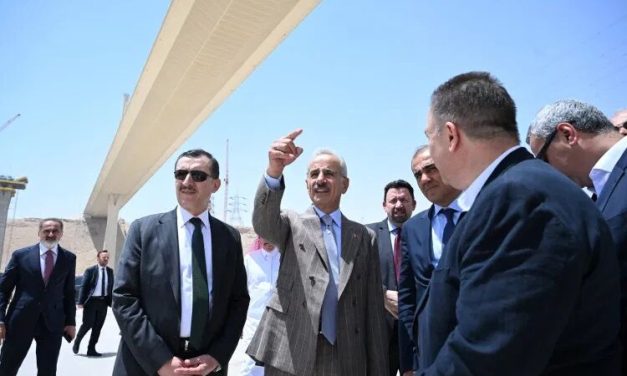
Dimensions and challenges of the initiative to revive the Hejaz Railway

Strategic Council Online – Note: The initiative to revive the Hejaz Railway, beyond being a transportation project, constitutes an attempt to redefine geopolitics, the economy, and Turkey’s regional position; however, its realization appears to face significant financial, security, and institutional challenges.

Balancing in the chain of chokepoints; from sea-based deterrence to pluralistic diplomacy

Strategic Council Online – Note: Recent developments in the political geography of West Asia, from rising tensions in the Persian Gulf to missile and drone activities in the Red Sea and the recent warning by Kaja Kallas, the European Union’s foreign policy chief, regarding the threat to freedom of navigation, indicate a key pattern shift; the US-Iran war has moved beyond the scope of a regional and local confrontation and has linked two vital passageways for the global economy: the Strait of Hormuz and the Bab el-Mandeb Strait.

Loading

Note

Mutual Turkey-EU Feeling; Too Close, Too Far

Mutual Turkey-EU Feeling; Too Close, Too Far

Strategic Council Online – Europe is pursuing a kind of “tilt but don’t spill” attitude towards Turkey, based on which it is neither indifferent nor reacts harshly.
Afshin Zargar – PhD in International Relations, Faculty Member

Turkey’s Presence in Libya, Motives and Dimensions

Turkey’s Presence in Libya, Motives and Dimensions

Strategic Council Online – Turkey is trying to use the leverage of its military presence in Libya to pave the way for political negotiations on political and economic interests, particularly on the sharing of Eastern Mediterranean energy resources.
Hassan Ashrafi – Researcher on Turkey’s affairs

Impediments to the official normalization of the relations between the Zionist regime and Saudi Arabia

Impediments to the official normalization of the relations between the Zionist regime and Saudi Arabia

Strategic Council Online—Editorial: Official normalization of relations between some Arab governments and the Zionist regime is an act of treason in the Muslim world; the United Arab Emirates, Bahrain, Sudan and Morocco are the pioneers of this hated policy and should shoulder the responsibilities of such normalization. The process of normalization and publicization of relations with the Zionist regime was not a stab from the back but a blade from the front on the body of Palestine—something that will not definitely remain unanswered by the public opinion of the Arab countries and Muslim world as well as the Palestinian resistance groups. According to a public opinion poll conducted by the Arabic Center of Political Research and Studies, based in Doha, 92 percent of the surveyed public opinion in the Arab world consider the Zionist regime as a threat to the security and peace of the region.
Hamid Khoshayand—International issues analyst

Turkey’s Pendulum Foreign Policy

Turkey’s Pendulum Foreign Policy

Strategic Council Online – The pendulum feature of Turkey’s foreign policy has a high risk and will impose heavy costs on the Turkish structure in the event of an impasse in the enforcement of policies.
Ali Saadat Azar – Expert on Turkey’s affairs

Concerns and challenges ahead of NATO

Concerns and challenges ahead of NATO

Strategic Council Online—Editorial: With Joe Biden going to the oval office in the White House next January, NATO is hoping to re-establish warm relations between the US and Europe after the end of the Trump tenure, and the presence of Biden as the President of the United States would increase hopes for the amelioration of trans-Atlantic relations. NATO Secretary-General Jens Stoltenberg announced an extraordinary session of the NATO Summit at the beginning of 2021 with the participation of Joe Biden after he assumes power in Washington. Many in Europe are waiting for fundamental changes in NATO after the remarks of the French president who described NATO as facing brain death—something suggestive of the depth of internal differences in this military alliance. Paris is also demanding a revision in the activities and objectives of NATO as a military coalition organization.
Mahmoud Fazeli, expert of European affairs

Behind-the-Scenes Decision-Makers in American Foreign Policy

Behind-the-Scenes Decision-Makers in American Foreign Policy

Strategic Council Online – Politics and power in the United States, due to their decentralized and distributive political structure, are influenced by the presence and activity of two groups of “formal” and “informal” actors. Formal actors are influential in the “decision-making” and executive stages, and informal actors are influential in the critical “decision-making” stage. Simply put, the United States is a place for showoff and display of various informal actors who are always trying to play an effective role in the political, economic, security, etc. arenas of the United States by considering their own interests. For example, when it is said that the president in the United States is the representative of oil and arms cartels, etc., it is not an exaggeration and refers to a phenomenon that has a long and lasting history in this country.
Hamid Khoshayand – International Affairs Analyst

International implications of the reduction in the US shale oil production

International implications of the reduction in the US shale oil production

Strategic Council Online—Editorial: Bloomberg recently published a report on the end of remarkable growth in the production of shale oil by the United States; of course, the reduction of shale oil production is not a new phenomenon. It actually began several months ago. However, the recent report indicates a rapid reduction at a level some analysts cannot envisage a growth in the shale oil production even for the year 2023.
Reza Majidzadeh-Economics researcher

Turkey on the verge of involvement in the Yemen case

Turkey on the verge of involvement in the Yemen case

Strategic Council Online—Editorial: Turkey is one of the main regional players which has been pursuing an aggressive foreign policy during the past several years—a country which once prioritized in its foreign policy the zero-tension approach with its neighbors but has now turned down that policy by entering into various levels of political, security, military and field operational engagements in the West Asia, the Caucasus and North Africa regions. In fact, you can find very few hot spots in the region in which Turkey has not been actively involved.
Hamid Khoshayand-International issues analyst

أحدث الوظائف

Dimensions and challenges of the initiative to revive the Hejaz Railway

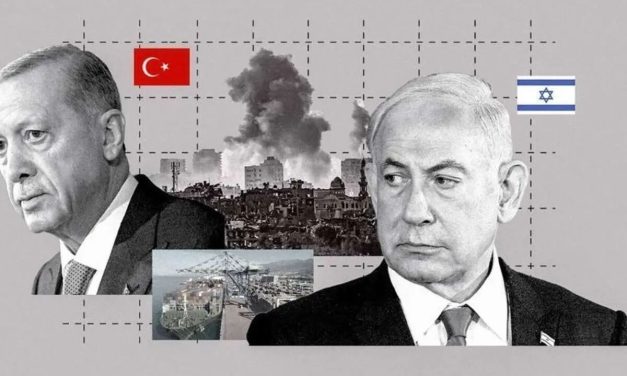
Strategic Council Online – Note: The initiative to revive the Hejaz Railway, beyond being a transportation project, constitutes an attempt to redefine geopolitics, the economy, and Turkey’s regional position; however, its realization appears to face significant financial, security, and institutional challenges.
Balancing in the chain of chokepoints; from sea-based deterrence to pluralistic diplomacy

Strategic Council Online – Note: Recent developments in the political geography of West Asia, from rising tensions in the Persian Gulf to missile and drone activities in the Red Sea and the recent warning by Kaja Kallas, the European Union’s foreign policy chief, regarding the threat to freedom of navigation, indicate a key pattern shift; the US-Iran war has moved beyond the scope of a regional and local confrontation and has linked two vital passageways for the global economy: the Strait of Hormuz and the Bab el-Mandeb Strait.

Loading

Note

Mutual Turkey-EU Feeling; Too Close, Too Far

Mutual Turkey-EU Feeling; Too Close, Too Far

Strategic Council Online – Europe is pursuing a kind of “tilt but don’t spill” attitude towards Turkey, based on which it is neither indifferent nor reacts harshly.
Afshin Zargar – PhD in International Relations, Faculty Member

Turkey’s Presence in Libya, Motives and Dimensions

Turkey’s Presence in Libya, Motives and Dimensions

Strategic Council Online – Turkey is trying to use the leverage of its military presence in Libya to pave the way for political negotiations on political and economic interests, particularly on the sharing of Eastern Mediterranean energy resources.
Hassan Ashrafi – Researcher on Turkey’s affairs

Impediments to the official normalization of the relations between the Zionist regime and Saudi Arabia

Impediments to the official normalization of the relations between the Zionist regime and Saudi Arabia

Strategic Council Online—Editorial: Official normalization of relations between some Arab governments and the Zionist regime is an act of treason in the Muslim world; the United Arab Emirates, Bahrain, Sudan and Morocco are the pioneers of this hated policy and should shoulder the responsibilities of such normalization. The process of normalization and publicization of relations with the Zionist regime was not a stab from the back but a blade from the front on the body of Palestine—something that will not definitely remain unanswered by the public opinion of the Arab countries and Muslim world as well as the Palestinian resistance groups. According to a public opinion poll conducted by the Arabic Center of Political Research and Studies, based in Doha, 92 percent of the surveyed public opinion in the Arab world consider the Zionist regime as a threat to the security and peace of the region.
Hamid Khoshayand—International issues analyst

Turkey’s Pendulum Foreign Policy

Turkey’s Pendulum Foreign Policy

Strategic Council Online – The pendulum feature of Turkey’s foreign policy has a high risk and will impose heavy costs on the Turkish structure in the event of an impasse in the enforcement of policies.
Ali Saadat Azar – Expert on Turkey’s affairs

Concerns and challenges ahead of NATO

Concerns and challenges ahead of NATO

Strategic Council Online—Editorial: With Joe Biden going to the oval office in the White House next January, NATO is hoping to re-establish warm relations between the US and Europe after the end of the Trump tenure, and the presence of Biden as the President of the United States would increase hopes for the amelioration of trans-Atlantic relations. NATO Secretary-General Jens Stoltenberg announced an extraordinary session of the NATO Summit at the beginning of 2021 with the participation of Joe Biden after he assumes power in Washington. Many in Europe are waiting for fundamental changes in NATO after the remarks of the French president who described NATO as facing brain death—something suggestive of the depth of internal differences in this military alliance. Paris is also demanding a revision in the activities and objectives of NATO as a military coalition organization.
Mahmoud Fazeli, expert of European affairs

Behind-the-Scenes Decision-Makers in American Foreign Policy

Behind-the-Scenes Decision-Makers in American Foreign Policy

Strategic Council Online – Politics and power in the United States, due to their decentralized and distributive political structure, are influenced by the presence and activity of two groups of “formal” and “informal” actors. Formal actors are influential in the “decision-making” and executive stages, and informal actors are influential in the critical “decision-making” stage. Simply put, the United States is a place for showoff and display of various informal actors who are always trying to play an effective role in the political, economic, security, etc. arenas of the United States by considering their own interests. For example, when it is said that the president in the United States is the representative of oil and arms cartels, etc., it is not an exaggeration and refers to a phenomenon that has a long and lasting history in this country.
Hamid Khoshayand – International Affairs Analyst

International implications of the reduction in the US shale oil production

International implications of the reduction in the US shale oil production

Strategic Council Online—Editorial: Bloomberg recently published a report on the end of remarkable growth in the production of shale oil by the United States; of course, the reduction of shale oil production is not a new phenomenon. It actually began several months ago. However, the recent report indicates a rapid reduction at a level some analysts cannot envisage a growth in the shale oil production even for the year 2023.
Reza Majidzadeh-Economics researcher

Turkey on the verge of involvement in the Yemen case

Turkey on the verge of involvement in the Yemen case

Strategic Council Online—Editorial: Turkey is one of the main regional players which has been pursuing an aggressive foreign policy during the past several years—a country which once prioritized in its foreign policy the zero-tension approach with its neighbors but has now turned down that policy by entering into various levels of political, security, military and field operational engagements in the West Asia, the Caucasus and North Africa regions. In fact, you can find very few hot spots in the region in which Turkey has not been actively involved.
Hamid Khoshayand-International issues analyst

Note

Mutual Turkey-EU Feeling; Too Close, Too Far

Mutual Turkey-EU Feeling; Too Close, Too Far

Strategic Council Online – Europe is pursuing a kind of “tilt but don’t spill” attitude towards Turkey, based on which it is neither indifferent nor reacts harshly.
Afshin Zargar – PhD in International Relations, Faculty Member

Turkey’s Presence in Libya, Motives and Dimensions

Turkey’s Presence in Libya, Motives and Dimensions

Strategic Council Online – Turkey is trying to use the leverage of its military presence in Libya to pave the way for political negotiations on political and economic interests, particularly on the sharing of Eastern Mediterranean energy resources.
Hassan Ashrafi – Researcher on Turkey’s affairs

Impediments to the official normalization of the relations between the Zionist regime and Saudi Arabia

Impediments to the official normalization of the relations between the Zionist regime and Saudi Arabia

Strategic Council Online—Editorial: Official normalization of relations between some Arab governments and the Zionist regime is an act of treason in the Muslim world; the United Arab Emirates, Bahrain, Sudan and Morocco are the pioneers of this hated policy and should shoulder the responsibilities of such normalization. The process of normalization and publicization of relations with the Zionist regime was not a stab from the back but a blade from the front on the body of Palestine—something that will not definitely remain unanswered by the public opinion of the Arab countries and Muslim world as well as the Palestinian resistance groups. According to a public opinion poll conducted by the Arabic Center of Political Research and Studies, based in Doha, 92 percent of the surveyed public opinion in the Arab world consider the Zionist regime as a threat to the security and peace of the region.
Hamid Khoshayand—International issues analyst

Turkey’s Pendulum Foreign Policy

Turkey’s Pendulum Foreign Policy

Strategic Council Online – The pendulum feature of Turkey’s foreign policy has a high risk and will impose heavy costs on the Turkish structure in the event of an impasse in the enforcement of policies.
Ali Saadat Azar – Expert on Turkey’s affairs

Concerns and challenges ahead of NATO

Concerns and challenges ahead of NATO

Strategic Council Online—Editorial: With Joe Biden going to the oval office in the White House next January, NATO is hoping to re-establish warm relations between the US and Europe after the end of the Trump tenure, and the presence of Biden as the President of the United States would increase hopes for the amelioration of trans-Atlantic relations. NATO Secretary-General Jens Stoltenberg announced an extraordinary session of the NATO Summit at the beginning of 2021 with the participation of Joe Biden after he assumes power in Washington. Many in Europe are waiting for fundamental changes in NATO after the remarks of the French president who described NATO as facing brain death—something suggestive of the depth of internal differences in this military alliance. Paris is also demanding a revision in the activities and objectives of NATO as a military coalition organization.
Mahmoud Fazeli, expert of European affairs

Behind-the-Scenes Decision-Makers in American Foreign Policy

Behind-the-Scenes Decision-Makers in American Foreign Policy

Strategic Council Online – Politics and power in the United States, due to their decentralized and distributive political structure, are influenced by the presence and activity of two groups of “formal” and “informal” actors. Formal actors are influential in the “decision-making” and executive stages, and informal actors are influential in the critical “decision-making” stage. Simply put, the United States is a place for showoff and display of various informal actors who are always trying to play an effective role in the political, economic, security, etc. arenas of the United States by considering their own interests. For example, when it is said that the president in the United States is the representative of oil and arms cartels, etc., it is not an exaggeration and refers to a phenomenon that has a long and lasting history in this country.
Hamid Khoshayand – International Affairs Analyst

International implications of the reduction in the US shale oil production

International implications of the reduction in the US shale oil production

Strategic Council Online—Editorial: Bloomberg recently published a report on the end of remarkable growth in the production of shale oil by the United States; of course, the reduction of shale oil production is not a new phenomenon. It actually began several months ago. However, the recent report indicates a rapid reduction at a level some analysts cannot envisage a growth in the shale oil production even for the year 2023.
Reza Majidzadeh-Economics researcher

Turkey on the verge of involvement in the Yemen case

Turkey on the verge of involvement in the Yemen case

Strategic Council Online—Editorial: Turkey is one of the main regional players which has been pursuing an aggressive foreign policy during the past several years—a country which once prioritized in its foreign policy the zero-tension approach with its neighbors but has now turned down that policy by entering into various levels of political, security, military and field operational engagements in the West Asia, the Caucasus and North Africa regions. In fact, you can find very few hot spots in the region in which Turkey has not been actively involved.
Hamid Khoshayand-International issues analyst

LATEST CONTENT

Dimensions and challenges of the initiative to revive the Hejaz Railway

Strategic Council Online – Note: The initiative to revive the Hejaz Railway, beyond being a transportation project, constitutes an attempt to redefine geopolitics, the economy, and Turkey’s regional position; however, its realization appears to face significant financial, security, and institutional challenges.
Balancing in the chain of chokepoints; from sea-based deterrence to pluralistic diplomacy

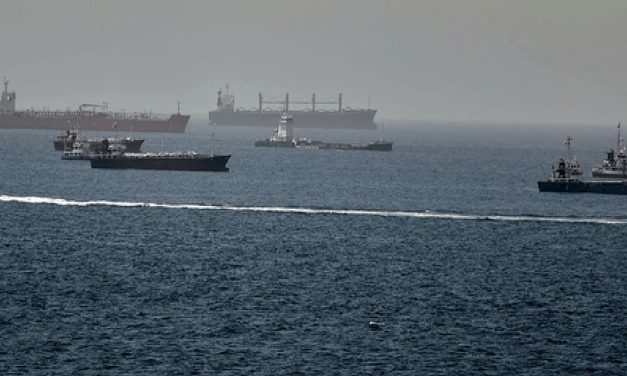
Strategic Council Online – Note: Recent developments in the political geography of West Asia, from rising tensions in the Persian Gulf to missile and drone activities in the Red Sea and the recent warning by Kaja Kallas, the European Union’s foreign policy chief, regarding the threat to freedom of navigation, indicate a key pattern shift; the US-Iran war has moved beyond the scope of a regional and local confrontation and has linked two vital passageways for the global economy: the Strait of Hormuz and the Bab el-Mandeb Strait.

Loading

Note

Mutual Turkey-EU Feeling; Too Close, Too Far

Mutual Turkey-EU Feeling; Too Close, Too Far

Strategic Council Online – Europe is pursuing a kind of “tilt but don’t spill” attitude towards Turkey, based on which it is neither indifferent nor reacts harshly.
Afshin Zargar – PhD in International Relations, Faculty Member

Turkey’s Presence in Libya, Motives and Dimensions

Turkey’s Presence in Libya, Motives and Dimensions

Strategic Council Online – Turkey is trying to use the leverage of its military presence in Libya to pave the way for political negotiations on political and economic interests, particularly on the sharing of Eastern Mediterranean energy resources.
Hassan Ashrafi – Researcher on Turkey’s affairs

Impediments to the official normalization of the relations between the Zionist regime and Saudi Arabia

Impediments to the official normalization of the relations between the Zionist regime and Saudi Arabia

Strategic Council Online—Editorial: Official normalization of relations between some Arab governments and the Zionist regime is an act of treason in the Muslim world; the United Arab Emirates, Bahrain, Sudan and Morocco are the pioneers of this hated policy and should shoulder the responsibilities of such normalization. The process of normalization and publicization of relations with the Zionist regime was not a stab from the back but a blade from the front on the body of Palestine—something that will not definitely remain unanswered by the public opinion of the Arab countries and Muslim world as well as the Palestinian resistance groups. According to a public opinion poll conducted by the Arabic Center of Political Research and Studies, based in Doha, 92 percent of the surveyed public opinion in the Arab world consider the Zionist regime as a threat to the security and peace of the region.
Hamid Khoshayand—International issues analyst

Turkey’s Pendulum Foreign Policy

Turkey’s Pendulum Foreign Policy

Strategic Council Online – The pendulum feature of Turkey’s foreign policy has a high risk and will impose heavy costs on the Turkish structure in the event of an impasse in the enforcement of policies.
Ali Saadat Azar – Expert on Turkey’s affairs

Concerns and challenges ahead of NATO

Concerns and challenges ahead of NATO

Strategic Council Online—Editorial: With Joe Biden going to the oval office in the White House next January, NATO is hoping to re-establish warm relations between the US and Europe after the end of the Trump tenure, and the presence of Biden as the President of the United States would increase hopes for the amelioration of trans-Atlantic relations. NATO Secretary-General Jens Stoltenberg announced an extraordinary session of the NATO Summit at the beginning of 2021 with the participation of Joe Biden after he assumes power in Washington. Many in Europe are waiting for fundamental changes in NATO after the remarks of the French president who described NATO as facing brain death—something suggestive of the depth of internal differences in this military alliance. Paris is also demanding a revision in the activities and objectives of NATO as a military coalition organization.
Mahmoud Fazeli, expert of European affairs

Behind-the-Scenes Decision-Makers in American Foreign Policy

Behind-the-Scenes Decision-Makers in American Foreign Policy

Strategic Council Online – Politics and power in the United States, due to their decentralized and distributive political structure, are influenced by the presence and activity of two groups of “formal” and “informal” actors. Formal actors are influential in the “decision-making” and executive stages, and informal actors are influential in the critical “decision-making” stage. Simply put, the United States is a place for showoff and display of various informal actors who are always trying to play an effective role in the political, economic, security, etc. arenas of the United States by considering their own interests. For example, when it is said that the president in the United States is the representative of oil and arms cartels, etc., it is not an exaggeration and refers to a phenomenon that has a long and lasting history in this country.
Hamid Khoshayand – International Affairs Analyst

International implications of the reduction in the US shale oil production

International implications of the reduction in the US shale oil production

Strategic Council Online—Editorial: Bloomberg recently published a report on the end of remarkable growth in the production of shale oil by the United States; of course, the reduction of shale oil production is not a new phenomenon. It actually began several months ago. However, the recent report indicates a rapid reduction at a level some analysts cannot envisage a growth in the shale oil production even for the year 2023.
Reza Majidzadeh-Economics researcher

Turkey on the verge of involvement in the Yemen case

Turkey on the verge of involvement in the Yemen case

Strategic Council Online—Editorial: Turkey is one of the main regional players which has been pursuing an aggressive foreign policy during the past several years—a country which once prioritized in its foreign policy the zero-tension approach with its neighbors but has now turned down that policy by entering into various levels of political, security, military and field operational engagements in the West Asia, the Caucasus and North Africa regions. In fact, you can find very few hot spots in the region in which Turkey has not been actively involved.
Hamid Khoshayand-International issues analyst

ÚLTIMAS PUBLICACIONES

Dimensions and challenges of the initiative to revive the Hejaz Railway

Strategic Council Online – Note: The initiative to revive the Hejaz Railway, beyond being a transportation project, constitutes an attempt to redefine geopolitics, the economy, and Turkey’s regional position; however, its realization appears to face significant financial, security, and institutional challenges.

Balancing in the chain of chokepoints; from sea-based deterrence to pluralistic diplomacy

Strategic Council Online – Note: Recent developments in the political geography of West Asia, from rising tensions in the Persian Gulf to missile and drone activities in the Red Sea and the recent warning by Kaja Kallas, the European Union’s foreign policy chief, regarding the threat to freedom of navigation, indicate a key pattern shift; the US-Iran war has moved beyond the scope of a regional and local confrontation and has linked two vital passageways for the global economy: the Strait of Hormuz and the Bab el-Mandeb Strait.

Loading

Note

Mutual Turkey-EU Feeling; Too Close, Too Far

Mutual Turkey-EU Feeling; Too Close, Too Far

Strategic Council Online – Europe is pursuing a kind of “tilt but don’t spill” attitude towards Turkey, based on which it is neither indifferent nor reacts harshly.
Afshin Zargar – PhD in International Relations, Faculty Member

Turkey’s Presence in Libya, Motives and Dimensions

Turkey’s Presence in Libya, Motives and Dimensions

Strategic Council Online – Turkey is trying to use the leverage of its military presence in Libya to pave the way for political negotiations on political and economic interests, particularly on the sharing of Eastern Mediterranean energy resources.
Hassan Ashrafi – Researcher on Turkey’s affairs

Impediments to the official normalization of the relations between the Zionist regime and Saudi Arabia

Impediments to the official normalization of the relations between the Zionist regime and Saudi Arabia

Strategic Council Online—Editorial: Official normalization of relations between some Arab governments and the Zionist regime is an act of treason in the Muslim world; the United Arab Emirates, Bahrain, Sudan and Morocco are the pioneers of this hated policy and should shoulder the responsibilities of such normalization. The process of normalization and publicization of relations with the Zionist regime was not a stab from the back but a blade from the front on the body of Palestine—something that will not definitely remain unanswered by the public opinion of the Arab countries and Muslim world as well as the Palestinian resistance groups. According to a public opinion poll conducted by the Arabic Center of Political Research and Studies, based in Doha, 92 percent of the surveyed public opinion in the Arab world consider the Zionist regime as a threat to the security and peace of the region.
Hamid Khoshayand—International issues analyst

Turkey’s Pendulum Foreign Policy

Turkey’s Pendulum Foreign Policy

Strategic Council Online – The pendulum feature of Turkey’s foreign policy has a high risk and will impose heavy costs on the Turkish structure in the event of an impasse in the enforcement of policies.
Ali Saadat Azar – Expert on Turkey’s affairs

Concerns and challenges ahead of NATO

Concerns and challenges ahead of NATO

Strategic Council Online—Editorial: With Joe Biden going to the oval office in the White House next January, NATO is hoping to re-establish warm relations between the US and Europe after the end of the Trump tenure, and the presence of Biden as the President of the United States would increase hopes for the amelioration of trans-Atlantic relations. NATO Secretary-General Jens Stoltenberg announced an extraordinary session of the NATO Summit at the beginning of 2021 with the participation of Joe Biden after he assumes power in Washington. Many in Europe are waiting for fundamental changes in NATO after the remarks of the French president who described NATO as facing brain death—something suggestive of the depth of internal differences in this military alliance. Paris is also demanding a revision in the activities and objectives of NATO as a military coalition organization.
Mahmoud Fazeli, expert of European affairs

Behind-the-Scenes Decision-Makers in American Foreign Policy

Behind-the-Scenes Decision-Makers in American Foreign Policy

Strategic Council Online – Politics and power in the United States, due to their decentralized and distributive political structure, are influenced by the presence and activity of two groups of “formal” and “informal” actors. Formal actors are influential in the “decision-making” and executive stages, and informal actors are influential in the critical “decision-making” stage. Simply put, the United States is a place for showoff and display of various informal actors who are always trying to play an effective role in the political, economic, security, etc. arenas of the United States by considering their own interests. For example, when it is said that the president in the United States is the representative of oil and arms cartels, etc., it is not an exaggeration and refers to a phenomenon that has a long and lasting history in this country.
Hamid Khoshayand – International Affairs Analyst

International implications of the reduction in the US shale oil production

International implications of the reduction in the US shale oil production

Strategic Council Online—Editorial: Bloomberg recently published a report on the end of remarkable growth in the production of shale oil by the United States; of course, the reduction of shale oil production is not a new phenomenon. It actually began several months ago. However, the recent report indicates a rapid reduction at a level some analysts cannot envisage a growth in the shale oil production even for the year 2023.
Reza Majidzadeh-Economics researcher

Turkey on the verge of involvement in the Yemen case

Turkey on the verge of involvement in the Yemen case

Strategic Council Online—Editorial: Turkey is one of the main regional players which has been pursuing an aggressive foreign policy during the past several years—a country which once prioritized in its foreign policy the zero-tension approach with its neighbors but has now turned down that policy by entering into various levels of political, security, military and field operational engagements in the West Asia, the Caucasus and North Africa regions. In fact, you can find very few hot spots in the region in which Turkey has not been actively involved.
Hamid Khoshayand-International issues analyst

ÚLTIMAS PUBLICACIONES

Dimensions and challenges of the initiative to revive the Hejaz Railway

Strategic Council Online – Note: The initiative to revive the Hejaz Railway, beyond being a transportation project, constitutes an attempt to redefine geopolitics, the economy, and Turkey’s regional position; however, its realization appears to face significant financial, security, and institutional challenges.

Balancing in the chain of chokepoints; from sea-based deterrence to pluralistic diplomacy

Strategic Council Online – Note: Recent developments in the political geography of West Asia, from rising tensions in the Persian Gulf to missile and drone activities in the Red Sea and the recent warning by Kaja Kallas, the European Union’s foreign policy chief, regarding the threat to freedom of navigation, indicate a key pattern shift; the US-Iran war has moved beyond the scope of a regional and local confrontation and has linked two vital passageways for the global economy: the Strait of Hormuz and the Bab el-Mandeb Strait.

Loading

Note

Mutual Turkey-EU Feeling; Too Close, Too Far

Mutual Turkey-EU Feeling; Too Close, Too Far

Strategic Council Online – Europe is pursuing a kind of “tilt but don’t spill” attitude towards Turkey, based on which it is neither indifferent nor reacts harshly.
Afshin Zargar – PhD in International Relations, Faculty Member

Turkey’s Presence in Libya, Motives and Dimensions

Turkey’s Presence in Libya, Motives and Dimensions

Strategic Council Online – Turkey is trying to use the leverage of its military presence in Libya to pave the way for political negotiations on political and economic interests, particularly on the sharing of Eastern Mediterranean energy resources.
Hassan Ashrafi – Researcher on Turkey’s affairs

Impediments to the official normalization of the relations between the Zionist regime and Saudi Arabia

Impediments to the official normalization of the relations between the Zionist regime and Saudi Arabia

Strategic Council Online—Editorial: Official normalization of relations between some Arab governments and the Zionist regime is an act of treason in the Muslim world; the United Arab Emirates, Bahrain, Sudan and Morocco are the pioneers of this hated policy and should shoulder the responsibilities of such normalization. The process of normalization and publicization of relations with the Zionist regime was not a stab from the back but a blade from the front on the body of Palestine—something that will not definitely remain unanswered by the public opinion of the Arab countries and Muslim world as well as the Palestinian resistance groups. According to a public opinion poll conducted by the Arabic Center of Political Research and Studies, based in Doha, 92 percent of the surveyed public opinion in the Arab world consider the Zionist regime as a threat to the security and peace of the region.
Hamid Khoshayand—International issues analyst

Turkey’s Pendulum Foreign Policy

Turkey’s Pendulum Foreign Policy

Strategic Council Online – The pendulum feature of Turkey’s foreign policy has a high risk and will impose heavy costs on the Turkish structure in the event of an impasse in the enforcement of policies.
Ali Saadat Azar – Expert on Turkey’s affairs

Concerns and challenges ahead of NATO

Concerns and challenges ahead of NATO

Strategic Council Online—Editorial: With Joe Biden going to the oval office in the White House next January, NATO is hoping to re-establish warm relations between the US and Europe after the end of the Trump tenure, and the presence of Biden as the President of the United States would increase hopes for the amelioration of trans-Atlantic relations. NATO Secretary-General Jens Stoltenberg announced an extraordinary session of the NATO Summit at the beginning of 2021 with the participation of Joe Biden after he assumes power in Washington. Many in Europe are waiting for fundamental changes in NATO after the remarks of the French president who described NATO as facing brain death—something suggestive of the depth of internal differences in this military alliance. Paris is also demanding a revision in the activities and objectives of NATO as a military coalition organization.
Mahmoud Fazeli, expert of European affairs

Behind-the-Scenes Decision-Makers in American Foreign Policy

Behind-the-Scenes Decision-Makers in American Foreign Policy

Strategic Council Online – Politics and power in the United States, due to their decentralized and distributive political structure, are influenced by the presence and activity of two groups of “formal” and “informal” actors. Formal actors are influential in the “decision-making” and executive stages, and informal actors are influential in the critical “decision-making” stage. Simply put, the United States is a place for showoff and display of various informal actors who are always trying to play an effective role in the political, economic, security, etc. arenas of the United States by considering their own interests. For example, when it is said that the president in the United States is the representative of oil and arms cartels, etc., it is not an exaggeration and refers to a phenomenon that has a long and lasting history in this country.
Hamid Khoshayand – International Affairs Analyst

International implications of the reduction in the US shale oil production

International implications of the reduction in the US shale oil production

Strategic Council Online—Editorial: Bloomberg recently published a report on the end of remarkable growth in the production of shale oil by the United States; of course, the reduction of shale oil production is not a new phenomenon. It actually began several months ago. However, the recent report indicates a rapid reduction at a level some analysts cannot envisage a growth in the shale oil production even for the year 2023.
Reza Majidzadeh-Economics researcher

Turkey on the verge of involvement in the Yemen case

Turkey on the verge of involvement in the Yemen case

Strategic Council Online—Editorial: Turkey is one of the main regional players which has been pursuing an aggressive foreign policy during the past several years—a country which once prioritized in its foreign policy the zero-tension approach with its neighbors but has now turned down that policy by entering into various levels of political, security, military and field operational engagements in the West Asia, the Caucasus and North Africa regions. In fact, you can find very few hot spots in the region in which Turkey has not been actively involved.
Hamid Khoshayand-International issues analyst

ÚLTIMAS PUBLICACIONES

Dimensions and challenges of the initiative to revive the Hejaz Railway

Strategic Council Online – Note: The initiative to revive the Hejaz Railway, beyond being a transportation project, constitutes an attempt to redefine geopolitics, the economy, and Turkey’s regional position; however, its realization appears to face significant financial, security, and institutional challenges.
Balancing in the chain of chokepoints; from sea-based deterrence to pluralistic diplomacy

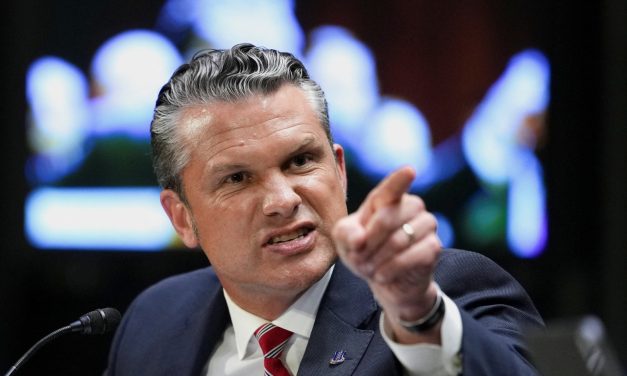
Strategic Council Online – Note: Recent developments in the political geography of West Asia, from rising tensions in the Persian Gulf to missile and drone activities in the Red Sea and the recent warning by Kaja Kallas, the European Union’s foreign policy chief, regarding the threat to freedom of navigation, indicate a key pattern shift; the US-Iran war has moved beyond the scope of a regional and local confrontation and has linked two vital passageways for the global economy: the Strait of Hormuz and the Bab el-Mandeb Strait.

Loading

Note

Mutual Turkey-EU Feeling; Too Close, Too Far

Mutual Turkey-EU Feeling; Too Close, Too Far

Strategic Council Online – Europe is pursuing a kind of “tilt but don’t spill” attitude towards Turkey, based on which it is neither indifferent nor reacts harshly.
Afshin Zargar – PhD in International Relations, Faculty Member

Turkey’s Presence in Libya, Motives and Dimensions

Turkey’s Presence in Libya, Motives and Dimensions

Strategic Council Online – Turkey is trying to use the leverage of its military presence in Libya to pave the way for political negotiations on political and economic interests, particularly on the sharing of Eastern Mediterranean energy resources.
Hassan Ashrafi – Researcher on Turkey’s affairs

Impediments to the official normalization of the relations between the Zionist regime and Saudi Arabia

Impediments to the official normalization of the relations between the Zionist regime and Saudi Arabia

Strategic Council Online—Editorial: Official normalization of relations between some Arab governments and the Zionist regime is an act of treason in the Muslim world; the United Arab Emirates, Bahrain, Sudan and Morocco are the pioneers of this hated policy and should shoulder the responsibilities of such normalization. The process of normalization and publicization of relations with the Zionist regime was not a stab from the back but a blade from the front on the body of Palestine—something that will not definitely remain unanswered by the public opinion of the Arab countries and Muslim world as well as the Palestinian resistance groups. According to a public opinion poll conducted by the Arabic Center of Political Research and Studies, based in Doha, 92 percent of the surveyed public opinion in the Arab world consider the Zionist regime as a threat to the security and peace of the region.
Hamid Khoshayand—International issues analyst

Turkey’s Pendulum Foreign Policy

Turkey’s Pendulum Foreign Policy

Strategic Council Online – The pendulum feature of Turkey’s foreign policy has a high risk and will impose heavy costs on the Turkish structure in the event of an impasse in the enforcement of policies.
Ali Saadat Azar – Expert on Turkey’s affairs

Concerns and challenges ahead of NATO

Concerns and challenges ahead of NATO

Strategic Council Online—Editorial: With Joe Biden going to the oval office in the White House next January, NATO is hoping to re-establish warm relations between the US and Europe after the end of the Trump tenure, and the presence of Biden as the President of the United States would increase hopes for the amelioration of trans-Atlantic relations. NATO Secretary-General Jens Stoltenberg announced an extraordinary session of the NATO Summit at the beginning of 2021 with the participation of Joe Biden after he assumes power in Washington. Many in Europe are waiting for fundamental changes in NATO after the remarks of the French president who described NATO as facing brain death—something suggestive of the depth of internal differences in this military alliance. Paris is also demanding a revision in the activities and objectives of NATO as a military coalition organization.
Mahmoud Fazeli, expert of European affairs

Behind-the-Scenes Decision-Makers in American Foreign Policy

Behind-the-Scenes Decision-Makers in American Foreign Policy

Strategic Council Online – Politics and power in the United States, due to their decentralized and distributive political structure, are influenced by the presence and activity of two groups of “formal” and “informal” actors. Formal actors are influential in the “decision-making” and executive stages, and informal actors are influential in the critical “decision-making” stage. Simply put, the United States is a place for showoff and display of various informal actors who are always trying to play an effective role in the political, economic, security, etc. arenas of the United States by considering their own interests. For example, when it is said that the president in the United States is the representative of oil and arms cartels, etc., it is not an exaggeration and refers to a phenomenon that has a long and lasting history in this country.
Hamid Khoshayand – International Affairs Analyst

International implications of the reduction in the US shale oil production

International implications of the reduction in the US shale oil production

Strategic Council Online—Editorial: Bloomberg recently published a report on the end of remarkable growth in the production of shale oil by the United States; of course, the reduction of shale oil production is not a new phenomenon. It actually began several months ago. However, the recent report indicates a rapid reduction at a level some analysts cannot envisage a growth in the shale oil production even for the year 2023.
Reza Majidzadeh-Economics researcher

Turkey on the verge of involvement in the Yemen case

Turkey on the verge of involvement in the Yemen case

Strategic Council Online—Editorial: Turkey is one of the main regional players which has been pursuing an aggressive foreign policy during the past several years—a country which once prioritized in its foreign policy the zero-tension approach with its neighbors but has now turned down that policy by entering into various levels of political, security, military and field operational engagements in the West Asia, the Caucasus and North Africa regions. In fact, you can find very few hot spots in the region in which Turkey has not been actively involved.
Hamid Khoshayand-International issues analyst

ÚLTIMAS PUBLICACIONES

Dimensions and challenges of the initiative to revive the Hejaz Railway

Strategic Council Online – Note: The initiative to revive the Hejaz Railway, beyond being a transportation project, constitutes an attempt to redefine geopolitics, the economy, and Turkey’s regional position; however, its realization appears to face significant financial, security, and institutional challenges.

Balancing in the chain of chokepoints; from sea-based deterrence to pluralistic diplomacy

Strategic Council Online – Note: Recent developments in the political geography of West Asia, from rising tensions in the Persian Gulf to missile and drone activities in the Red Sea and the recent warning by Kaja Kallas, the European Union’s foreign policy chief, regarding the threat to freedom of navigation, indicate a key pattern shift; the US-Iran war has moved beyond the scope of a regional and local confrontation and has linked two vital passageways for the global economy: the Strait of Hormuz and the Bab el-Mandeb Strait.

Loading