Reasons for the Ineffectiveness of Trump’s “Economic War” against Iran
SCFR Online – Opinion: The intensification of U.S. sanctions against Iran on the eve of the U.S. midterm elections indicates Washington’s inability to achieve its war objectives.


SCFR Online – Opinion: The intensification of U.S. sanctions against Iran on the eve of the U.S. midterm elections indicates Washington’s inability to achieve its war objectives.

SCFR Online – Opinion: The competition between Washington and Beijing over chips and artificial intelligence, simultaneously with the shifting of technological balances, has taken on new economic and security dimensions.
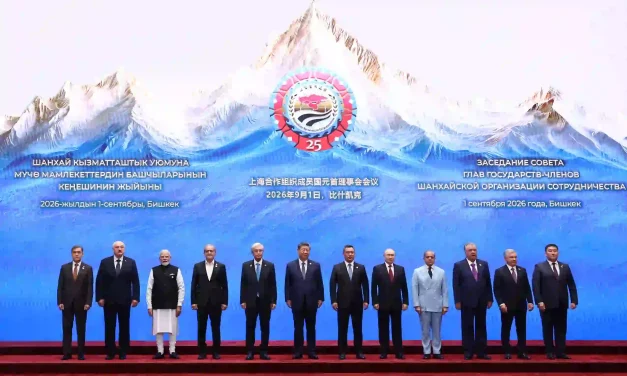
SCFR Online – Opinion: The Shanghai Cooperation Organization summit has created a new opportunity for Iran to transform its membership from a political achievement into economic and transit cooperation.
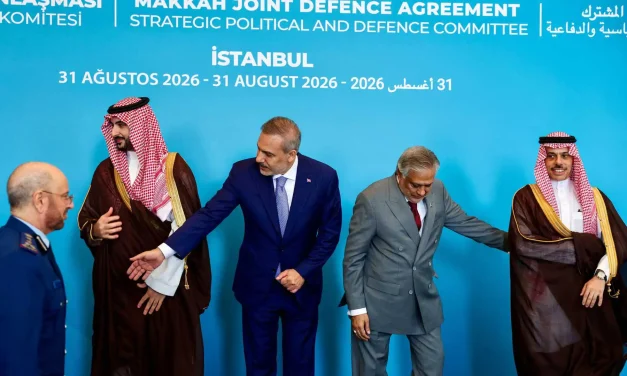
Strategic Council Online – Note: The Makkah Defense Pact can be seen as a sign of regional countries’ efforts to reduce security dependence on extra-regional powers and redefine the balance in West Asia.
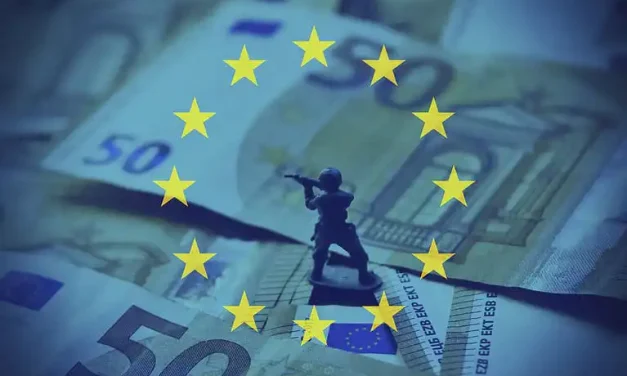
SCFR Online – Opinion: The Ukraine war, by exhausting US military capability on one hand and strengthening European defense capacity on the other, has altered the balance of power in the European continent, cast uncertainty over NATO’s future, and is driving it toward a European NATO.
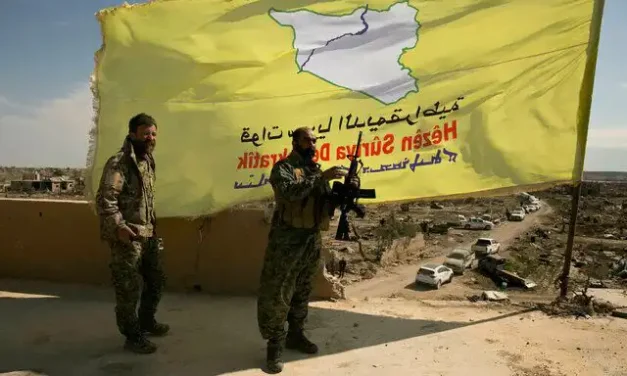
SCFR Online – Opinion: The dissolution of the SDF, although considered an achievement for Turkey’s security, does not put an end to the challenges arising from the Israeli regime’s aggression and expansionism, refugees, and Syria’s fragility.
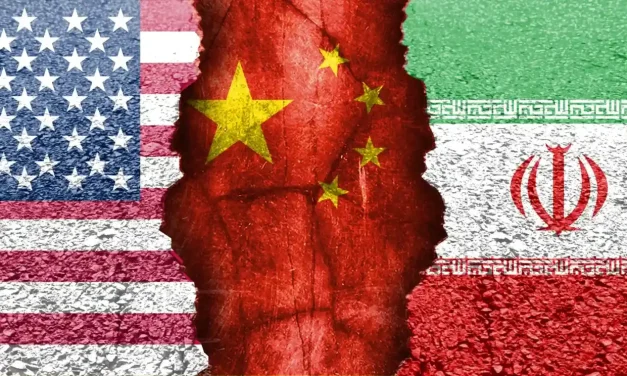
SCFR Online – Opinion: Concurrent with the official commencement of the United States’ economic war against our country, focusing on sanctions instruments, isolation, and economic pressure, what has now become increasingly important is the lack of alignment of other major global powers, especially China, with this policy.
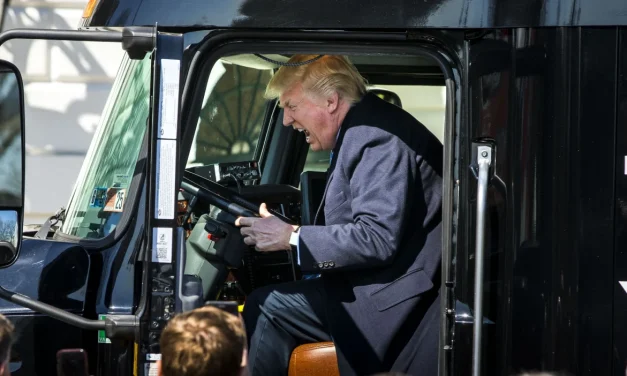
SCFR Online – Opinion: The new US sanctions against Iran, despite extensive propaganda, face serious obstacles to success due to the ineffectiveness of sanctions tools and opposition from some of Tehran’s trading partners.


Strategic Council Online – Turkey is trying to use the leverage of its military presence in Libya to pave the way for political negotiations on political and economic interests, particularly on the sharing of Eastern Mediterranean energy resources.
Hassan Ashrafi – Researcher on Turkey’s affairs

Strategic Council Online—Editorial: Official normalization of relations between some Arab governments and the Zionist regime is an act of treason in the Muslim world; the United Arab Emirates, Bahrain, Sudan and Morocco are the pioneers of this hated policy and should shoulder the responsibilities of such normalization. The process of normalization and publicization of relations with the Zionist regime was not a stab from the back but a blade from the front on the body of Palestine—something that will not definitely remain unanswered by the public opinion of the Arab countries and Muslim world as well as the Palestinian resistance groups. According to a public opinion poll conducted by the Arabic Center of Political Research and Studies, based in Doha, 92 percent of the surveyed public opinion in the Arab world consider the Zionist regime as a threat to the security and peace of the region.
Hamid Khoshayand—International issues analyst

Strategic Council Online – The pendulum feature of Turkey’s foreign policy has a high risk and will impose heavy costs on the Turkish structure in the event of an impasse in the enforcement of policies.
Ali Saadat Azar – Expert on Turkey’s affairs

Strategic Council Online—Editorial: It has been reported that Mossad terrorists have assassinated more than 500 Muslim and Arab nuclear scientists and elite scholars in the past decades in view of the absolute silence of the authorities of the Zionist regime.
Hassan Hanizdeh, expert of Middle East issues

Strategic Council Online—Editorial: With Joe Biden going to the oval office in the White House next January, NATO is hoping to re-establish warm relations between the US and Europe after the end of the Trump tenure, and the presence of Biden as the President of the United States would increase hopes for the amelioration of trans-Atlantic relations. NATO Secretary-General Jens Stoltenberg announced an extraordinary session of the NATO Summit at the beginning of 2021 with the participation of Joe Biden after he assumes power in Washington. Many in Europe are waiting for fundamental changes in NATO after the remarks of the French president who described NATO as facing brain death—something suggestive of the depth of internal differences in this military alliance. Paris is also demanding a revision in the activities and objectives of NATO as a military coalition organization.
Mahmoud Fazeli, expert of European affairs

Strategic Council Online – Politics and power in the United States, due to their decentralized and distributive political structure, are influenced by the presence and activity of two groups of “formal” and “informal” actors. Formal actors are influential in the “decision-making” and executive stages, and informal actors are influential in the critical “decision-making” stage. Simply put, the United States is a place for showoff and display of various informal actors who are always trying to play an effective role in the political, economic, security, etc. arenas of the United States by considering their own interests. For example, when it is said that the president in the United States is the representative of oil and arms cartels, etc., it is not an exaggeration and refers to a phenomenon that has a long and lasting history in this country.
Hamid Khoshayand – International Affairs Analyst

Strategic Council Online—Editorial: Bloomberg recently published a report on the end of remarkable growth in the production of shale oil by the United States; of course, the reduction of shale oil production is not a new phenomenon. It actually began several months ago. However, the recent report indicates a rapid reduction at a level some analysts cannot envisage a growth in the shale oil production even for the year 2023.
Reza Majidzadeh-Economics researcher

Strategic Council Online—Editorial: Turkey is one of the main regional players which has been pursuing an aggressive foreign policy during the past several years—a country which once prioritized in its foreign policy the zero-tension approach with its neighbors but has now turned down that policy by entering into various levels of political, security, military and field operational engagements in the West Asia, the Caucasus and North Africa regions. In fact, you can find very few hot spots in the region in which Turkey has not been actively involved.
Hamid Khoshayand-International issues analyst

Strategic Council Online – Despite warnings, Ronald Trump intends to reduce the number of American troops from Afghanistan and Iraq ahead of the deadline. He wants to be still influential in foreign and security policy, and intends to constrain his successor, Joe Biden. Withdrawal of US troops from Iraq and Afghanistan, without coordination and acceptance of the responsibility, could have dangerous consequences for the region as well as for the European allies of the US.
Mahmoud Fazeli – Expert on International Affairs

Strategic Council Online – As ISIS targets the Afghan capital with numerous missile strikes, this idea has been bolstered that it could pave the way for a continued US presence in Afghanistan and given that ISIS terrorist attacks are in line with the targets of the White House to perpetuate violence in Afghanistan and manage it, planning of those attacks has been attributed to Washington.
Mohammad Reza Asgari Moroudi – senior expert on Asia affairs
SCFR Online – Opinion: The intensification of U.S. sanctions against Iran on the eve of the U.S. midterm elections indicates Washington’s inability to achieve its war objectives.
SCFR Online – Opinion: The competition between Washington and Beijing over chips and artificial intelligence, simultaneously with the shifting of technological balances, has taken on new economic and security dimensions.
SCFR Online – Opinion: The Shanghai Cooperation Organization summit has created a new opportunity for Iran to transform its membership from a political achievement into economic and transit cooperation.
Strategic Council Online – Note: The Makkah Defense Pact can be seen as a sign of regional countries’ efforts to reduce security dependence on extra-regional powers and redefine the balance in West Asia.
SCFR Online – Opinion: The Ukraine war, by exhausting US military capability on one hand and strengthening European defense capacity on the other, has altered the balance of power in the European continent, cast uncertainty over NATO’s future, and is driving it toward a European NATO.
SCFR Online – Opinion: The dissolution of the SDF, although considered an achievement for Turkey’s security, does not put an end to the challenges arising from the Israeli regime’s aggression and expansionism, refugees, and Syria’s fragility.
SCFR Online – Opinion: Concurrent with the official commencement of the United States’ economic war against our country, focusing on sanctions instruments, isolation, and economic pressure, what has now become increasingly important is the lack of alignment of other major global powers, especially China, with this policy.
SCFR Online – Opinion: The new US sanctions against Iran, despite extensive propaganda, face serious obstacles to success due to the ineffectiveness of sanctions tools and opposition from some of Tehran’s trading partners.
Strategic Council Online – Turkey is trying to use the leverage of its military presence in Libya to pave the way for political negotiations on political and economic interests, particularly on the sharing of Eastern Mediterranean energy resources.
Hassan Ashrafi – Researcher on Turkey’s affairs
Strategic Council Online—Editorial: Official normalization of relations between some Arab governments and the Zionist regime is an act of treason in the Muslim world; the United Arab Emirates, Bahrain, Sudan and Morocco are the pioneers of this hated policy and should shoulder the responsibilities of such normalization. The process of normalization and publicization of relations with the Zionist regime was not a stab from the back but a blade from the front on the body of Palestine—something that will not definitely remain unanswered by the public opinion of the Arab countries and Muslim world as well as the Palestinian resistance groups. According to a public opinion poll conducted by the Arabic Center of Political Research and Studies, based in Doha, 92 percent of the surveyed public opinion in the Arab world consider the Zionist regime as a threat to the security and peace of the region.
Hamid Khoshayand—International issues analyst
Strategic Council Online – The pendulum feature of Turkey’s foreign policy has a high risk and will impose heavy costs on the Turkish structure in the event of an impasse in the enforcement of policies.
Ali Saadat Azar – Expert on Turkey’s affairs
Strategic Council Online—Editorial: It has been reported that Mossad terrorists have assassinated more than 500 Muslim and Arab nuclear scientists and elite scholars in the past decades in view of the absolute silence of the authorities of the Zionist regime.
Hassan Hanizdeh, expert of Middle East issues
Strategic Council Online—Editorial: With Joe Biden going to the oval office in the White House next January, NATO is hoping to re-establish warm relations between the US and Europe after the end of the Trump tenure, and the presence of Biden as the President of the United States would increase hopes for the amelioration of trans-Atlantic relations. NATO Secretary-General Jens Stoltenberg announced an extraordinary session of the NATO Summit at the beginning of 2021 with the participation of Joe Biden after he assumes power in Washington. Many in Europe are waiting for fundamental changes in NATO after the remarks of the French president who described NATO as facing brain death—something suggestive of the depth of internal differences in this military alliance. Paris is also demanding a revision in the activities and objectives of NATO as a military coalition organization.
Mahmoud Fazeli, expert of European affairs
Strategic Council Online – Politics and power in the United States, due to their decentralized and distributive political structure, are influenced by the presence and activity of two groups of “formal” and “informal” actors. Formal actors are influential in the “decision-making” and executive stages, and informal actors are influential in the critical “decision-making” stage. Simply put, the United States is a place for showoff and display of various informal actors who are always trying to play an effective role in the political, economic, security, etc. arenas of the United States by considering their own interests. For example, when it is said that the president in the United States is the representative of oil and arms cartels, etc., it is not an exaggeration and refers to a phenomenon that has a long and lasting history in this country.
Hamid Khoshayand – International Affairs Analyst
Strategic Council Online—Editorial: Bloomberg recently published a report on the end of remarkable growth in the production of shale oil by the United States; of course, the reduction of shale oil production is not a new phenomenon. It actually began several months ago. However, the recent report indicates a rapid reduction at a level some analysts cannot envisage a growth in the shale oil production even for the year 2023.
Reza Majidzadeh-Economics researcher
Strategic Council Online—Editorial: Turkey is one of the main regional players which has been pursuing an aggressive foreign policy during the past several years—a country which once prioritized in its foreign policy the zero-tension approach with its neighbors but has now turned down that policy by entering into various levels of political, security, military and field operational engagements in the West Asia, the Caucasus and North Africa regions. In fact, you can find very few hot spots in the region in which Turkey has not been actively involved.
Hamid Khoshayand-International issues analyst
Strategic Council Online – Despite warnings, Ronald Trump intends to reduce the number of American troops from Afghanistan and Iraq ahead of the deadline. He wants to be still influential in foreign and security policy, and intends to constrain his successor, Joe Biden. Withdrawal of US troops from Iraq and Afghanistan, without coordination and acceptance of the responsibility, could have dangerous consequences for the region as well as for the European allies of the US.
Mahmoud Fazeli – Expert on International Affairs
Strategic Council Online – As ISIS targets the Afghan capital with numerous missile strikes, this idea has been bolstered that it could pave the way for a continued US presence in Afghanistan and given that ISIS terrorist attacks are in line with the targets of the White House to perpetuate violence in Afghanistan and manage it, planning of those attacks has been attributed to Washington.
Mohammad Reza Asgari Moroudi – senior expert on Asia affairs
Strategic Council Online – Turkey is trying to use the leverage of its military presence in Libya to pave the way for political negotiations on political and economic interests, particularly on the sharing of Eastern Mediterranean energy resources.
Hassan Ashrafi – Researcher on Turkey’s affairs
Strategic Council Online—Editorial: Official normalization of relations between some Arab governments and the Zionist regime is an act of treason in the Muslim world; the United Arab Emirates, Bahrain, Sudan and Morocco are the pioneers of this hated policy and should shoulder the responsibilities of such normalization. The process of normalization and publicization of relations with the Zionist regime was not a stab from the back but a blade from the front on the body of Palestine—something that will not definitely remain unanswered by the public opinion of the Arab countries and Muslim world as well as the Palestinian resistance groups. According to a public opinion poll conducted by the Arabic Center of Political Research and Studies, based in Doha, 92 percent of the surveyed public opinion in the Arab world consider the Zionist regime as a threat to the security and peace of the region.
Hamid Khoshayand—International issues analyst
Strategic Council Online – The pendulum feature of Turkey’s foreign policy has a high risk and will impose heavy costs on the Turkish structure in the event of an impasse in the enforcement of policies.
Ali Saadat Azar – Expert on Turkey’s affairs
Strategic Council Online—Editorial: It has been reported that Mossad terrorists have assassinated more than 500 Muslim and Arab nuclear scientists and elite scholars in the past decades in view of the absolute silence of the authorities of the Zionist regime.
Hassan Hanizdeh, expert of Middle East issues
Strategic Council Online—Editorial: With Joe Biden going to the oval office in the White House next January, NATO is hoping to re-establish warm relations between the US and Europe after the end of the Trump tenure, and the presence of Biden as the President of the United States would increase hopes for the amelioration of trans-Atlantic relations. NATO Secretary-General Jens Stoltenberg announced an extraordinary session of the NATO Summit at the beginning of 2021 with the participation of Joe Biden after he assumes power in Washington. Many in Europe are waiting for fundamental changes in NATO after the remarks of the French president who described NATO as facing brain death—something suggestive of the depth of internal differences in this military alliance. Paris is also demanding a revision in the activities and objectives of NATO as a military coalition organization.
Mahmoud Fazeli, expert of European affairs
Strategic Council Online – Politics and power in the United States, due to their decentralized and distributive political structure, are influenced by the presence and activity of two groups of “formal” and “informal” actors. Formal actors are influential in the “decision-making” and executive stages, and informal actors are influential in the critical “decision-making” stage. Simply put, the United States is a place for showoff and display of various informal actors who are always trying to play an effective role in the political, economic, security, etc. arenas of the United States by considering their own interests. For example, when it is said that the president in the United States is the representative of oil and arms cartels, etc., it is not an exaggeration and refers to a phenomenon that has a long and lasting history in this country.
Hamid Khoshayand – International Affairs Analyst
Strategic Council Online—Editorial: Bloomberg recently published a report on the end of remarkable growth in the production of shale oil by the United States; of course, the reduction of shale oil production is not a new phenomenon. It actually began several months ago. However, the recent report indicates a rapid reduction at a level some analysts cannot envisage a growth in the shale oil production even for the year 2023.
Reza Majidzadeh-Economics researcher
Strategic Council Online—Editorial: Turkey is one of the main regional players which has been pursuing an aggressive foreign policy during the past several years—a country which once prioritized in its foreign policy the zero-tension approach with its neighbors but has now turned down that policy by entering into various levels of political, security, military and field operational engagements in the West Asia, the Caucasus and North Africa regions. In fact, you can find very few hot spots in the region in which Turkey has not been actively involved.
Hamid Khoshayand-International issues analyst
Strategic Council Online – Despite warnings, Ronald Trump intends to reduce the number of American troops from Afghanistan and Iraq ahead of the deadline. He wants to be still influential in foreign and security policy, and intends to constrain his successor, Joe Biden. Withdrawal of US troops from Iraq and Afghanistan, without coordination and acceptance of the responsibility, could have dangerous consequences for the region as well as for the European allies of the US.
Mahmoud Fazeli – Expert on International Affairs
Strategic Council Online – As ISIS targets the Afghan capital with numerous missile strikes, this idea has been bolstered that it could pave the way for a continued US presence in Afghanistan and given that ISIS terrorist attacks are in line with the targets of the White House to perpetuate violence in Afghanistan and manage it, planning of those attacks has been attributed to Washington.
Mohammad Reza Asgari Moroudi – senior expert on Asia affairs
SCFR Online – Opinion: The intensification of U.S. sanctions against Iran on the eve of the U.S. midterm elections indicates Washington’s inability to achieve its war objectives.
SCFR Online – Opinion: The competition between Washington and Beijing over chips and artificial intelligence, simultaneously with the shifting of technological balances, has taken on new economic and security dimensions.
SCFR Online – Opinion: The Shanghai Cooperation Organization summit has created a new opportunity for Iran to transform its membership from a political achievement into economic and transit cooperation.
Strategic Council Online – Note: The Makkah Defense Pact can be seen as a sign of regional countries’ efforts to reduce security dependence on extra-regional powers and redefine the balance in West Asia.
SCFR Online – Opinion: The Ukraine war, by exhausting US military capability on one hand and strengthening European defense capacity on the other, has altered the balance of power in the European continent, cast uncertainty over NATO’s future, and is driving it toward a European NATO.
SCFR Online – Opinion: The dissolution of the SDF, although considered an achievement for Turkey’s security, does not put an end to the challenges arising from the Israeli regime’s aggression and expansionism, refugees, and Syria’s fragility.
SCFR Online – Opinion: Concurrent with the official commencement of the United States’ economic war against our country, focusing on sanctions instruments, isolation, and economic pressure, what has now become increasingly important is the lack of alignment of other major global powers, especially China, with this policy.
SCFR Online – Opinion: The new US sanctions against Iran, despite extensive propaganda, face serious obstacles to success due to the ineffectiveness of sanctions tools and opposition from some of Tehran’s trading partners.
Strategic Council Online – Turkey is trying to use the leverage of its military presence in Libya to pave the way for political negotiations on political and economic interests, particularly on the sharing of Eastern Mediterranean energy resources.
Hassan Ashrafi – Researcher on Turkey’s affairs
Strategic Council Online—Editorial: Official normalization of relations between some Arab governments and the Zionist regime is an act of treason in the Muslim world; the United Arab Emirates, Bahrain, Sudan and Morocco are the pioneers of this hated policy and should shoulder the responsibilities of such normalization. The process of normalization and publicization of relations with the Zionist regime was not a stab from the back but a blade from the front on the body of Palestine—something that will not definitely remain unanswered by the public opinion of the Arab countries and Muslim world as well as the Palestinian resistance groups. According to a public opinion poll conducted by the Arabic Center of Political Research and Studies, based in Doha, 92 percent of the surveyed public opinion in the Arab world consider the Zionist regime as a threat to the security and peace of the region.
Hamid Khoshayand—International issues analyst
Strategic Council Online – The pendulum feature of Turkey’s foreign policy has a high risk and will impose heavy costs on the Turkish structure in the event of an impasse in the enforcement of policies.
Ali Saadat Azar – Expert on Turkey’s affairs
Strategic Council Online—Editorial: It has been reported that Mossad terrorists have assassinated more than 500 Muslim and Arab nuclear scientists and elite scholars in the past decades in view of the absolute silence of the authorities of the Zionist regime.
Hassan Hanizdeh, expert of Middle East issues
Strategic Council Online—Editorial: With Joe Biden going to the oval office in the White House next January, NATO is hoping to re-establish warm relations between the US and Europe after the end of the Trump tenure, and the presence of Biden as the President of the United States would increase hopes for the amelioration of trans-Atlantic relations. NATO Secretary-General Jens Stoltenberg announced an extraordinary session of the NATO Summit at the beginning of 2021 with the participation of Joe Biden after he assumes power in Washington. Many in Europe are waiting for fundamental changes in NATO after the remarks of the French president who described NATO as facing brain death—something suggestive of the depth of internal differences in this military alliance. Paris is also demanding a revision in the activities and objectives of NATO as a military coalition organization.
Mahmoud Fazeli, expert of European affairs
Strategic Council Online – Politics and power in the United States, due to their decentralized and distributive political structure, are influenced by the presence and activity of two groups of “formal” and “informal” actors. Formal actors are influential in the “decision-making” and executive stages, and informal actors are influential in the critical “decision-making” stage. Simply put, the United States is a place for showoff and display of various informal actors who are always trying to play an effective role in the political, economic, security, etc. arenas of the United States by considering their own interests. For example, when it is said that the president in the United States is the representative of oil and arms cartels, etc., it is not an exaggeration and refers to a phenomenon that has a long and lasting history in this country.
Hamid Khoshayand – International Affairs Analyst
Strategic Council Online—Editorial: Bloomberg recently published a report on the end of remarkable growth in the production of shale oil by the United States; of course, the reduction of shale oil production is not a new phenomenon. It actually began several months ago. However, the recent report indicates a rapid reduction at a level some analysts cannot envisage a growth in the shale oil production even for the year 2023.
Reza Majidzadeh-Economics researcher
Strategic Council Online—Editorial: Turkey is one of the main regional players which has been pursuing an aggressive foreign policy during the past several years—a country which once prioritized in its foreign policy the zero-tension approach with its neighbors but has now turned down that policy by entering into various levels of political, security, military and field operational engagements in the West Asia, the Caucasus and North Africa regions. In fact, you can find very few hot spots in the region in which Turkey has not been actively involved.
Hamid Khoshayand-International issues analyst
Strategic Council Online – Despite warnings, Ronald Trump intends to reduce the number of American troops from Afghanistan and Iraq ahead of the deadline. He wants to be still influential in foreign and security policy, and intends to constrain his successor, Joe Biden. Withdrawal of US troops from Iraq and Afghanistan, without coordination and acceptance of the responsibility, could have dangerous consequences for the region as well as for the European allies of the US.
Mahmoud Fazeli – Expert on International Affairs
Strategic Council Online – As ISIS targets the Afghan capital with numerous missile strikes, this idea has been bolstered that it could pave the way for a continued US presence in Afghanistan and given that ISIS terrorist attacks are in line with the targets of the White House to perpetuate violence in Afghanistan and manage it, planning of those attacks has been attributed to Washington.
Mohammad Reza Asgari Moroudi – senior expert on Asia affairs
SCFR Online – Opinion: The intensification of U.S. sanctions against Iran on the eve of the U.S. midterm elections indicates Washington’s inability to achieve its war objectives.
SCFR Online – Opinion: The competition between Washington and Beijing over chips and artificial intelligence, simultaneously with the shifting of technological balances, has taken on new economic and security dimensions.
SCFR Online – Opinion: The Shanghai Cooperation Organization summit has created a new opportunity for Iran to transform its membership from a political achievement into economic and transit cooperation.
Strategic Council Online – Note: The Makkah Defense Pact can be seen as a sign of regional countries’ efforts to reduce security dependence on extra-regional powers and redefine the balance in West Asia.
SCFR Online – Opinion: The Ukraine war, by exhausting US military capability on one hand and strengthening European defense capacity on the other, has altered the balance of power in the European continent, cast uncertainty over NATO’s future, and is driving it toward a European NATO.
SCFR Online – Opinion: The dissolution of the SDF, although considered an achievement for Turkey’s security, does not put an end to the challenges arising from the Israeli regime’s aggression and expansionism, refugees, and Syria’s fragility.
SCFR Online – Opinion: Concurrent with the official commencement of the United States’ economic war against our country, focusing on sanctions instruments, isolation, and economic pressure, what has now become increasingly important is the lack of alignment of other major global powers, especially China, with this policy.
SCFR Online – Opinion: The new US sanctions against Iran, despite extensive propaganda, face serious obstacles to success due to the ineffectiveness of sanctions tools and opposition from some of Tehran’s trading partners.
Strategic Council Online – Turkey is trying to use the leverage of its military presence in Libya to pave the way for political negotiations on political and economic interests, particularly on the sharing of Eastern Mediterranean energy resources.
Hassan Ashrafi – Researcher on Turkey’s affairs
Strategic Council Online—Editorial: Official normalization of relations between some Arab governments and the Zionist regime is an act of treason in the Muslim world; the United Arab Emirates, Bahrain, Sudan and Morocco are the pioneers of this hated policy and should shoulder the responsibilities of such normalization. The process of normalization and publicization of relations with the Zionist regime was not a stab from the back but a blade from the front on the body of Palestine—something that will not definitely remain unanswered by the public opinion of the Arab countries and Muslim world as well as the Palestinian resistance groups. According to a public opinion poll conducted by the Arabic Center of Political Research and Studies, based in Doha, 92 percent of the surveyed public opinion in the Arab world consider the Zionist regime as a threat to the security and peace of the region.
Hamid Khoshayand—International issues analyst
Strategic Council Online – The pendulum feature of Turkey’s foreign policy has a high risk and will impose heavy costs on the Turkish structure in the event of an impasse in the enforcement of policies.
Ali Saadat Azar – Expert on Turkey’s affairs
Strategic Council Online—Editorial: It has been reported that Mossad terrorists have assassinated more than 500 Muslim and Arab nuclear scientists and elite scholars in the past decades in view of the absolute silence of the authorities of the Zionist regime.
Hassan Hanizdeh, expert of Middle East issues
Strategic Council Online—Editorial: With Joe Biden going to the oval office in the White House next January, NATO is hoping to re-establish warm relations between the US and Europe after the end of the Trump tenure, and the presence of Biden as the President of the United States would increase hopes for the amelioration of trans-Atlantic relations. NATO Secretary-General Jens Stoltenberg announced an extraordinary session of the NATO Summit at the beginning of 2021 with the participation of Joe Biden after he assumes power in Washington. Many in Europe are waiting for fundamental changes in NATO after the remarks of the French president who described NATO as facing brain death—something suggestive of the depth of internal differences in this military alliance. Paris is also demanding a revision in the activities and objectives of NATO as a military coalition organization.
Mahmoud Fazeli, expert of European affairs
Strategic Council Online – Politics and power in the United States, due to their decentralized and distributive political structure, are influenced by the presence and activity of two groups of “formal” and “informal” actors. Formal actors are influential in the “decision-making” and executive stages, and informal actors are influential in the critical “decision-making” stage. Simply put, the United States is a place for showoff and display of various informal actors who are always trying to play an effective role in the political, economic, security, etc. arenas of the United States by considering their own interests. For example, when it is said that the president in the United States is the representative of oil and arms cartels, etc., it is not an exaggeration and refers to a phenomenon that has a long and lasting history in this country.
Hamid Khoshayand – International Affairs Analyst
Strategic Council Online—Editorial: Bloomberg recently published a report on the end of remarkable growth in the production of shale oil by the United States; of course, the reduction of shale oil production is not a new phenomenon. It actually began several months ago. However, the recent report indicates a rapid reduction at a level some analysts cannot envisage a growth in the shale oil production even for the year 2023.
Reza Majidzadeh-Economics researcher
Strategic Council Online—Editorial: Turkey is one of the main regional players which has been pursuing an aggressive foreign policy during the past several years—a country which once prioritized in its foreign policy the zero-tension approach with its neighbors but has now turned down that policy by entering into various levels of political, security, military and field operational engagements in the West Asia, the Caucasus and North Africa regions. In fact, you can find very few hot spots in the region in which Turkey has not been actively involved.
Hamid Khoshayand-International issues analyst
Strategic Council Online – Despite warnings, Ronald Trump intends to reduce the number of American troops from Afghanistan and Iraq ahead of the deadline. He wants to be still influential in foreign and security policy, and intends to constrain his successor, Joe Biden. Withdrawal of US troops from Iraq and Afghanistan, without coordination and acceptance of the responsibility, could have dangerous consequences for the region as well as for the European allies of the US.
Mahmoud Fazeli – Expert on International Affairs
Strategic Council Online – As ISIS targets the Afghan capital with numerous missile strikes, this idea has been bolstered that it could pave the way for a continued US presence in Afghanistan and given that ISIS terrorist attacks are in line with the targets of the White House to perpetuate violence in Afghanistan and manage it, planning of those attacks has been attributed to Washington.
Mohammad Reza Asgari Moroudi – senior expert on Asia affairs
SCFR Online – Opinion: The intensification of U.S. sanctions against Iran on the eve of the U.S. midterm elections indicates Washington’s inability to achieve its war objectives.
SCFR Online – Opinion: The competition between Washington and Beijing over chips and artificial intelligence, simultaneously with the shifting of technological balances, has taken on new economic and security dimensions.
SCFR Online – Opinion: The Shanghai Cooperation Organization summit has created a new opportunity for Iran to transform its membership from a political achievement into economic and transit cooperation.
Strategic Council Online – Note: The Makkah Defense Pact can be seen as a sign of regional countries’ efforts to reduce security dependence on extra-regional powers and redefine the balance in West Asia.
SCFR Online – Opinion: The Ukraine war, by exhausting US military capability on one hand and strengthening European defense capacity on the other, has altered the balance of power in the European continent, cast uncertainty over NATO’s future, and is driving it toward a European NATO.
SCFR Online – Opinion: The dissolution of the SDF, although considered an achievement for Turkey’s security, does not put an end to the challenges arising from the Israeli regime’s aggression and expansionism, refugees, and Syria’s fragility.
SCFR Online – Opinion: Concurrent with the official commencement of the United States’ economic war against our country, focusing on sanctions instruments, isolation, and economic pressure, what has now become increasingly important is the lack of alignment of other major global powers, especially China, with this policy.
SCFR Online – Opinion: The new US sanctions against Iran, despite extensive propaganda, face serious obstacles to success due to the ineffectiveness of sanctions tools and opposition from some of Tehran’s trading partners.
Strategic Council Online – Turkey is trying to use the leverage of its military presence in Libya to pave the way for political negotiations on political and economic interests, particularly on the sharing of Eastern Mediterranean energy resources.
Hassan Ashrafi – Researcher on Turkey’s affairs
Strategic Council Online—Editorial: Official normalization of relations between some Arab governments and the Zionist regime is an act of treason in the Muslim world; the United Arab Emirates, Bahrain, Sudan and Morocco are the pioneers of this hated policy and should shoulder the responsibilities of such normalization. The process of normalization and publicization of relations with the Zionist regime was not a stab from the back but a blade from the front on the body of Palestine—something that will not definitely remain unanswered by the public opinion of the Arab countries and Muslim world as well as the Palestinian resistance groups. According to a public opinion poll conducted by the Arabic Center of Political Research and Studies, based in Doha, 92 percent of the surveyed public opinion in the Arab world consider the Zionist regime as a threat to the security and peace of the region.
Hamid Khoshayand—International issues analyst
Strategic Council Online – The pendulum feature of Turkey’s foreign policy has a high risk and will impose heavy costs on the Turkish structure in the event of an impasse in the enforcement of policies.
Ali Saadat Azar – Expert on Turkey’s affairs
Strategic Council Online—Editorial: It has been reported that Mossad terrorists have assassinated more than 500 Muslim and Arab nuclear scientists and elite scholars in the past decades in view of the absolute silence of the authorities of the Zionist regime.
Hassan Hanizdeh, expert of Middle East issues
Strategic Council Online—Editorial: With Joe Biden going to the oval office in the White House next January, NATO is hoping to re-establish warm relations between the US and Europe after the end of the Trump tenure, and the presence of Biden as the President of the United States would increase hopes for the amelioration of trans-Atlantic relations. NATO Secretary-General Jens Stoltenberg announced an extraordinary session of the NATO Summit at the beginning of 2021 with the participation of Joe Biden after he assumes power in Washington. Many in Europe are waiting for fundamental changes in NATO after the remarks of the French president who described NATO as facing brain death—something suggestive of the depth of internal differences in this military alliance. Paris is also demanding a revision in the activities and objectives of NATO as a military coalition organization.
Mahmoud Fazeli, expert of European affairs
Strategic Council Online – Politics and power in the United States, due to their decentralized and distributive political structure, are influenced by the presence and activity of two groups of “formal” and “informal” actors. Formal actors are influential in the “decision-making” and executive stages, and informal actors are influential in the critical “decision-making” stage. Simply put, the United States is a place for showoff and display of various informal actors who are always trying to play an effective role in the political, economic, security, etc. arenas of the United States by considering their own interests. For example, when it is said that the president in the United States is the representative of oil and arms cartels, etc., it is not an exaggeration and refers to a phenomenon that has a long and lasting history in this country.
Hamid Khoshayand – International Affairs Analyst
Strategic Council Online—Editorial: Bloomberg recently published a report on the end of remarkable growth in the production of shale oil by the United States; of course, the reduction of shale oil production is not a new phenomenon. It actually began several months ago. However, the recent report indicates a rapid reduction at a level some analysts cannot envisage a growth in the shale oil production even for the year 2023.
Reza Majidzadeh-Economics researcher
Strategic Council Online—Editorial: Turkey is one of the main regional players which has been pursuing an aggressive foreign policy during the past several years—a country which once prioritized in its foreign policy the zero-tension approach with its neighbors but has now turned down that policy by entering into various levels of political, security, military and field operational engagements in the West Asia, the Caucasus and North Africa regions. In fact, you can find very few hot spots in the region in which Turkey has not been actively involved.
Hamid Khoshayand-International issues analyst
Strategic Council Online – Despite warnings, Ronald Trump intends to reduce the number of American troops from Afghanistan and Iraq ahead of the deadline. He wants to be still influential in foreign and security policy, and intends to constrain his successor, Joe Biden. Withdrawal of US troops from Iraq and Afghanistan, without coordination and acceptance of the responsibility, could have dangerous consequences for the region as well as for the European allies of the US.
Mahmoud Fazeli – Expert on International Affairs
Strategic Council Online – As ISIS targets the Afghan capital with numerous missile strikes, this idea has been bolstered that it could pave the way for a continued US presence in Afghanistan and given that ISIS terrorist attacks are in line with the targets of the White House to perpetuate violence in Afghanistan and manage it, planning of those attacks has been attributed to Washington.
Mohammad Reza Asgari Moroudi – senior expert on Asia affairs
SCFR Online – Opinion: The intensification of U.S. sanctions against Iran on the eve of the U.S. midterm elections indicates Washington’s inability to achieve its war objectives.
SCFR Online – Opinion: The competition between Washington and Beijing over chips and artificial intelligence, simultaneously with the shifting of technological balances, has taken on new economic and security dimensions.
SCFR Online – Opinion: The Shanghai Cooperation Organization summit has created a new opportunity for Iran to transform its membership from a political achievement into economic and transit cooperation.
Strategic Council Online – Note: The Makkah Defense Pact can be seen as a sign of regional countries’ efforts to reduce security dependence on extra-regional powers and redefine the balance in West Asia.
SCFR Online – Opinion: The Ukraine war, by exhausting US military capability on one hand and strengthening European defense capacity on the other, has altered the balance of power in the European continent, cast uncertainty over NATO’s future, and is driving it toward a European NATO.
SCFR Online – Opinion: The dissolution of the SDF, although considered an achievement for Turkey’s security, does not put an end to the challenges arising from the Israeli regime’s aggression and expansionism, refugees, and Syria’s fragility.
SCFR Online – Opinion: Concurrent with the official commencement of the United States’ economic war against our country, focusing on sanctions instruments, isolation, and economic pressure, what has now become increasingly important is the lack of alignment of other major global powers, especially China, with this policy.
SCFR Online – Opinion: The new US sanctions against Iran, despite extensive propaganda, face serious obstacles to success due to the ineffectiveness of sanctions tools and opposition from some of Tehran’s trading partners.
Strategic Council Online – Turkey is trying to use the leverage of its military presence in Libya to pave the way for political negotiations on political and economic interests, particularly on the sharing of Eastern Mediterranean energy resources.
Hassan Ashrafi – Researcher on Turkey’s affairs
Strategic Council Online—Editorial: Official normalization of relations between some Arab governments and the Zionist regime is an act of treason in the Muslim world; the United Arab Emirates, Bahrain, Sudan and Morocco are the pioneers of this hated policy and should shoulder the responsibilities of such normalization. The process of normalization and publicization of relations with the Zionist regime was not a stab from the back but a blade from the front on the body of Palestine—something that will not definitely remain unanswered by the public opinion of the Arab countries and Muslim world as well as the Palestinian resistance groups. According to a public opinion poll conducted by the Arabic Center of Political Research and Studies, based in Doha, 92 percent of the surveyed public opinion in the Arab world consider the Zionist regime as a threat to the security and peace of the region.
Hamid Khoshayand—International issues analyst
Strategic Council Online – The pendulum feature of Turkey’s foreign policy has a high risk and will impose heavy costs on the Turkish structure in the event of an impasse in the enforcement of policies.
Ali Saadat Azar – Expert on Turkey’s affairs
Strategic Council Online—Editorial: It has been reported that Mossad terrorists have assassinated more than 500 Muslim and Arab nuclear scientists and elite scholars in the past decades in view of the absolute silence of the authorities of the Zionist regime.
Hassan Hanizdeh, expert of Middle East issues
Strategic Council Online—Editorial: With Joe Biden going to the oval office in the White House next January, NATO is hoping to re-establish warm relations between the US and Europe after the end of the Trump tenure, and the presence of Biden as the President of the United States would increase hopes for the amelioration of trans-Atlantic relations. NATO Secretary-General Jens Stoltenberg announced an extraordinary session of the NATO Summit at the beginning of 2021 with the participation of Joe Biden after he assumes power in Washington. Many in Europe are waiting for fundamental changes in NATO after the remarks of the French president who described NATO as facing brain death—something suggestive of the depth of internal differences in this military alliance. Paris is also demanding a revision in the activities and objectives of NATO as a military coalition organization.
Mahmoud Fazeli, expert of European affairs
Strategic Council Online – Politics and power in the United States, due to their decentralized and distributive political structure, are influenced by the presence and activity of two groups of “formal” and “informal” actors. Formal actors are influential in the “decision-making” and executive stages, and informal actors are influential in the critical “decision-making” stage. Simply put, the United States is a place for showoff and display of various informal actors who are always trying to play an effective role in the political, economic, security, etc. arenas of the United States by considering their own interests. For example, when it is said that the president in the United States is the representative of oil and arms cartels, etc., it is not an exaggeration and refers to a phenomenon that has a long and lasting history in this country.
Hamid Khoshayand – International Affairs Analyst
Strategic Council Online—Editorial: Bloomberg recently published a report on the end of remarkable growth in the production of shale oil by the United States; of course, the reduction of shale oil production is not a new phenomenon. It actually began several months ago. However, the recent report indicates a rapid reduction at a level some analysts cannot envisage a growth in the shale oil production even for the year 2023.
Reza Majidzadeh-Economics researcher
Strategic Council Online—Editorial: Turkey is one of the main regional players which has been pursuing an aggressive foreign policy during the past several years—a country which once prioritized in its foreign policy the zero-tension approach with its neighbors but has now turned down that policy by entering into various levels of political, security, military and field operational engagements in the West Asia, the Caucasus and North Africa regions. In fact, you can find very few hot spots in the region in which Turkey has not been actively involved.
Hamid Khoshayand-International issues analyst
Strategic Council Online – Despite warnings, Ronald Trump intends to reduce the number of American troops from Afghanistan and Iraq ahead of the deadline. He wants to be still influential in foreign and security policy, and intends to constrain his successor, Joe Biden. Withdrawal of US troops from Iraq and Afghanistan, without coordination and acceptance of the responsibility, could have dangerous consequences for the region as well as for the European allies of the US.
Mahmoud Fazeli – Expert on International Affairs
Strategic Council Online – As ISIS targets the Afghan capital with numerous missile strikes, this idea has been bolstered that it could pave the way for a continued US presence in Afghanistan and given that ISIS terrorist attacks are in line with the targets of the White House to perpetuate violence in Afghanistan and manage it, planning of those attacks has been attributed to Washington.
Mohammad Reza Asgari Moroudi – senior expert on Asia affairs
SCFR Online – Opinion: The intensification of U.S. sanctions against Iran on the eve of the U.S. midterm elections indicates Washington’s inability to achieve its war objectives.
SCFR Online – Opinion: The competition between Washington and Beijing over chips and artificial intelligence, simultaneously with the shifting of technological balances, has taken on new economic and security dimensions.
SCFR Online – Opinion: The Shanghai Cooperation Organization summit has created a new opportunity for Iran to transform its membership from a political achievement into economic and transit cooperation.
Strategic Council Online – Note: The Makkah Defense Pact can be seen as a sign of regional countries’ efforts to reduce security dependence on extra-regional powers and redefine the balance in West Asia.
SCFR Online – Opinion: The Ukraine war, by exhausting US military capability on one hand and strengthening European defense capacity on the other, has altered the balance of power in the European continent, cast uncertainty over NATO’s future, and is driving it toward a European NATO.
SCFR Online – Opinion: The dissolution of the SDF, although considered an achievement for Turkey’s security, does not put an end to the challenges arising from the Israeli regime’s aggression and expansionism, refugees, and Syria’s fragility.
SCFR Online – Opinion: Concurrent with the official commencement of the United States’ economic war against our country, focusing on sanctions instruments, isolation, and economic pressure, what has now become increasingly important is the lack of alignment of other major global powers, especially China, with this policy.
SCFR Online – Opinion: The new US sanctions against Iran, despite extensive propaganda, face serious obstacles to success due to the ineffectiveness of sanctions tools and opposition from some of Tehran’s trading partners.