Reasons for the Ineffectiveness of Trump’s “Economic War” against Iran
SCFR Online – Opinion: The intensification of U.S. sanctions against Iran on the eve of the U.S. midterm elections indicates Washington’s inability to achieve its war objectives.


SCFR Online – Opinion: The intensification of U.S. sanctions against Iran on the eve of the U.S. midterm elections indicates Washington’s inability to achieve its war objectives.

SCFR Online – Opinion: The competition between Washington and Beijing over chips and artificial intelligence, simultaneously with the shifting of technological balances, has taken on new economic and security dimensions.
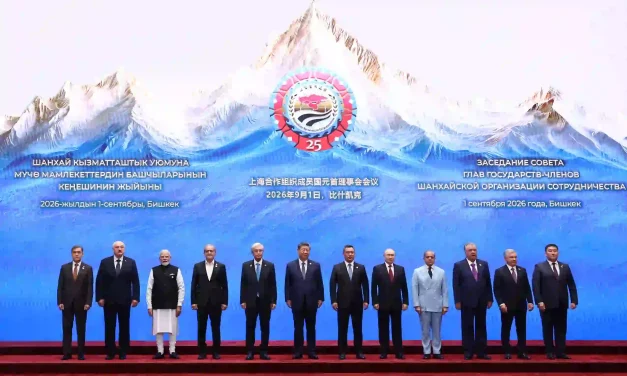
SCFR Online – Opinion: The Shanghai Cooperation Organization summit has created a new opportunity for Iran to transform its membership from a political achievement into economic and transit cooperation.
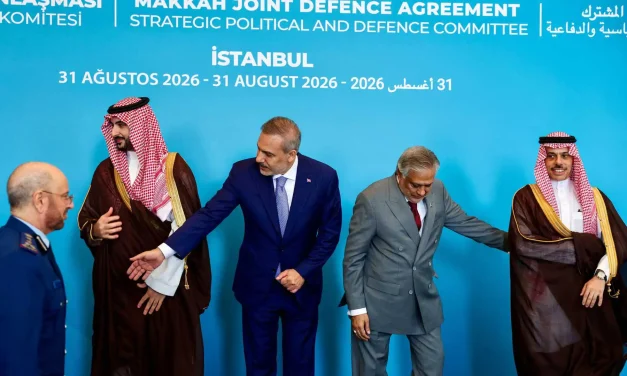
Strategic Council Online – Note: The Makkah Defense Pact can be seen as a sign of regional countries’ efforts to reduce security dependence on extra-regional powers and redefine the balance in West Asia.
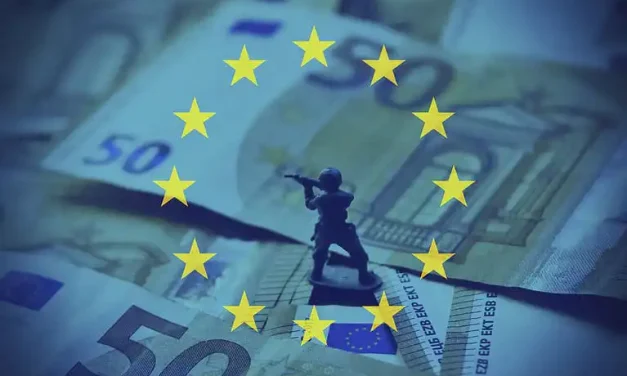
SCFR Online – Opinion: The Ukraine war, by exhausting US military capability on one hand and strengthening European defense capacity on the other, has altered the balance of power in the European continent, cast uncertainty over NATO’s future, and is driving it toward a European NATO.
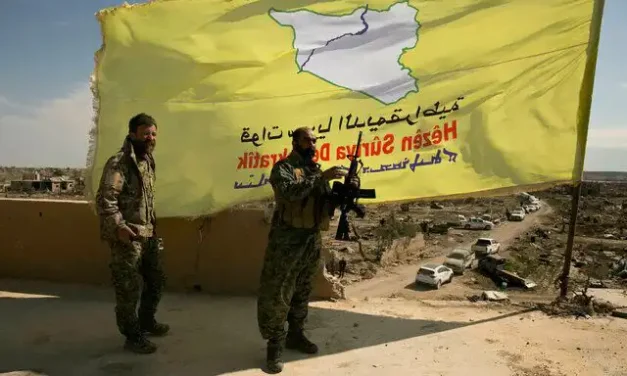
SCFR Online – Opinion: The dissolution of the SDF, although considered an achievement for Turkey’s security, does not put an end to the challenges arising from the Israeli regime’s aggression and expansionism, refugees, and Syria’s fragility.
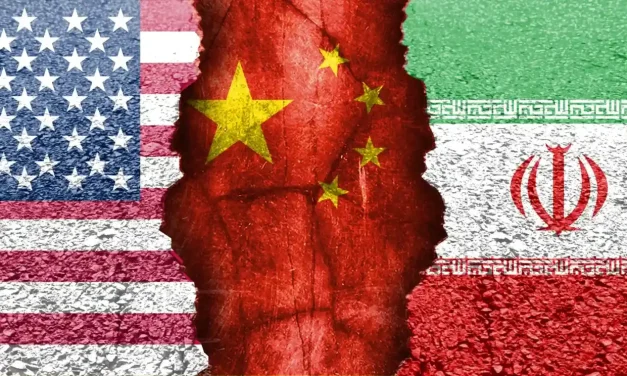
SCFR Online – Opinion: Concurrent with the official commencement of the United States’ economic war against our country, focusing on sanctions instruments, isolation, and economic pressure, what has now become increasingly important is the lack of alignment of other major global powers, especially China, with this policy.
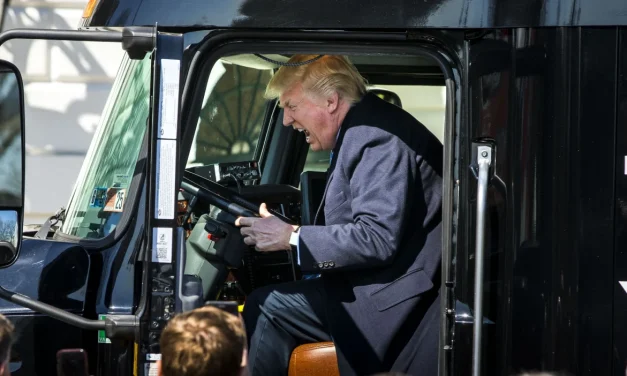
SCFR Online – Opinion: The new US sanctions against Iran, despite extensive propaganda, face serious obstacles to success due to the ineffectiveness of sanctions tools and opposition from some of Tehran’s trading partners.

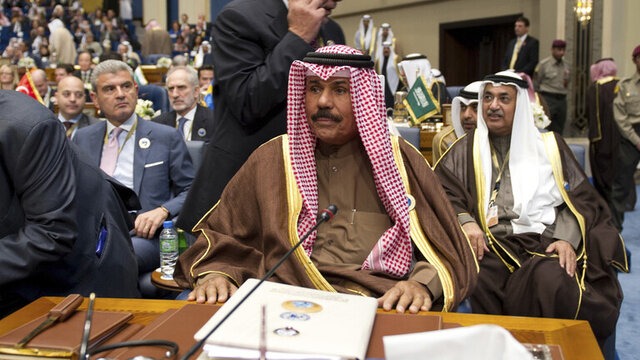
Strategic Council Online: The stance Kuwait has adopted in opposing the normalization of relations with the Zionist regime is important and has been more explicit than other Arab states, and the new Emir of Kuwait has explicitly stated that he will follow the policies of the late Emir in all cases, including the Palestinian issue.
Seyed Reza Mirabian – Expert on Middle East Affairs
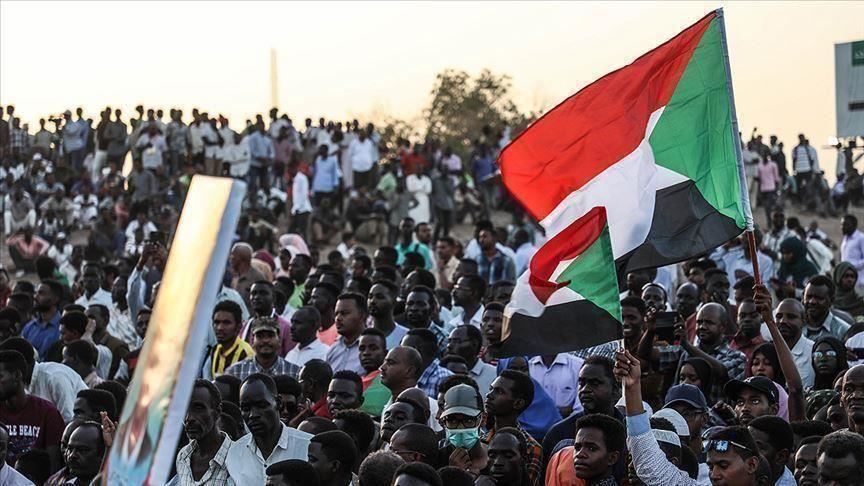
Strategic Council Online – In their last week protests, the Sudanese people used the living conditions as a coverage for their protests against Sudan’s foreign policy, thus expressing their opposition to Sudan’s stance on normalization of relations with the Zionist regime.
Jafar Qanadbashi – Expert on Africa and Middle East Affairs
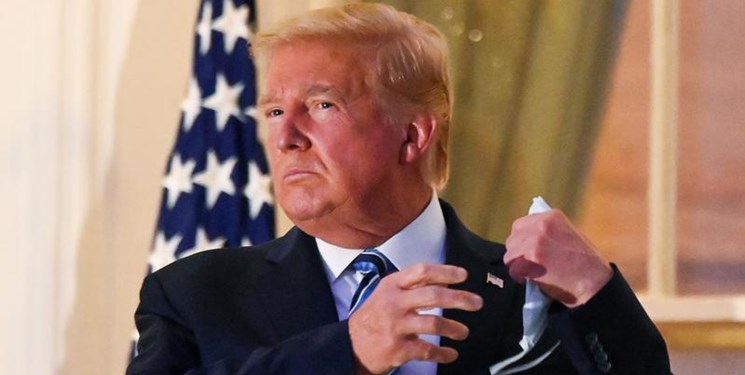
Strategic Council Online – Polls are not in Trump’s favour right now; in fact, within a week, Joe Biden’s distance from Donald Trump in the total polls published by the RCP site increased by about three per cent, from 6.1 to 9.2 per cent. This trend is not good news for Trump if it continues. However, the polls cannot be taken for granted to say that public opinion has become against Trump.
Amir Ali Abolfath – Expert on American Affairs

Strategic Council Online—Editorial: After years of conflict, violence and bloodshed, the government of the Islamic Republic of Afghanistan and the Taliban, finally, accepted to sit at the negotiation table instead of killing each other and using military tools and terror to put a stop to the multi-decade wars in Afghanistan through political action and inter-Afghan talks.
Seyyed Mostafa Hashemi—Expert of Afghanistan affairs

Strategic Council Online: Editorial—The Security Council of the United Nations, having passed four UN resolutions in the primary years of the 1990s, has delegated the issue of the return of peace to Karabakh to regional organizations in particular to the Organization for Security and Co-operation in Europe (OSCE). In 1992, the Organization for Security and Co-operation in Europe set up a mechanism under the title of the “Minsk Group”, comprising of nine countries, to deal with the settlement of the issue. The Minsk Group is currently chaired by the United States, Russia and France. Even though the Minsk Group managed to organize a ceasefire between the Republic of Azerbaijan and Armenia in Bishkek on 12 May 1994, it has failed during the past recent years to completely resolve the Karabakh dispute. Given the occurrence of two consecutive military confrontations since the beginning of 2020 with numerous dimensions, the issue of the performance and effectiveness of the Minsk Group is once again placed at the centre of the world’s attention.
Dr Shoayb Bahman, Expert of Russia affairs

Strategic Council Online—Editorial: In recent weeks, more and more European countries and institutions have been attacking Turkish policies in the Mediterranean.
Mahmood Fazeli, International affairs analyst

Strategic Council Online – There are countries in the region that envy Iran-Tajikistan relations, the historical background and understanding that the two governments and the two nations have of each other, and are seeking to destroy such relations. Under these circumstances, Iran and Tajikistan should expand their relations and act vigilantly to resolve the prevailing claims and disputes.
Dr Abdolreza Faraji Rad – Expert on Geopolitical Affairs

Strategic Council Online – Regional players such as Saudi Arabia, the United Arab Emirates and Turkey are attempting to break up Libya and establish two different sovereignties in the country. Therefore, if the war continues, Libya like Sudan, may be divided into the two eastern and western parts.
Hassan Hanizadeh – Expert on Asian Affairs

Strategic Council Online: Editorial—Rapprochement with the Zionist regime could entail serious consequences for the Arab regimes of the region; the public opinion in these countries especially Bahrain are opposed to Manama policy of betrayal to the Palestinian cause and subordination to Washington and Tel Aviv. Therefore, any hasty move to recognize Israel would further widen the gap between the Arab compromising rulers and their peoples.
Davoud Ahmadzadeh, Middle East expert

Strategic Council Online: Editorial—Under the present circumstances, we may witness once again a crisis in the formation of the Lebanese cabinet. With increasing foreign interference in Lebanon, it seems this crisis would be extended and prolonged more than the previous occasions as each of the foreign players are seeking to advance their own objectives and want to set the pieces of government in their own favour. This is while Lebanon is not a country to be settled with instruction issued from abroad.
Hossein Ajorloo – Expert of Middle East affairs
SCFR Online – Opinion: The intensification of U.S. sanctions against Iran on the eve of the U.S. midterm elections indicates Washington’s inability to achieve its war objectives.
SCFR Online – Opinion: The competition between Washington and Beijing over chips and artificial intelligence, simultaneously with the shifting of technological balances, has taken on new economic and security dimensions.
SCFR Online – Opinion: The Shanghai Cooperation Organization summit has created a new opportunity for Iran to transform its membership from a political achievement into economic and transit cooperation.
Strategic Council Online – Note: The Makkah Defense Pact can be seen as a sign of regional countries’ efforts to reduce security dependence on extra-regional powers and redefine the balance in West Asia.
SCFR Online – Opinion: The Ukraine war, by exhausting US military capability on one hand and strengthening European defense capacity on the other, has altered the balance of power in the European continent, cast uncertainty over NATO’s future, and is driving it toward a European NATO.
SCFR Online – Opinion: The dissolution of the SDF, although considered an achievement for Turkey’s security, does not put an end to the challenges arising from the Israeli regime’s aggression and expansionism, refugees, and Syria’s fragility.
SCFR Online – Opinion: Concurrent with the official commencement of the United States’ economic war against our country, focusing on sanctions instruments, isolation, and economic pressure, what has now become increasingly important is the lack of alignment of other major global powers, especially China, with this policy.
SCFR Online – Opinion: The new US sanctions against Iran, despite extensive propaganda, face serious obstacles to success due to the ineffectiveness of sanctions tools and opposition from some of Tehran’s trading partners.
Strategic Council Online: The stance Kuwait has adopted in opposing the normalization of relations with the Zionist regime is important and has been more explicit than other Arab states, and the new Emir of Kuwait has explicitly stated that he will follow the policies of the late Emir in all cases, including the Palestinian issue.
Seyed Reza Mirabian – Expert on Middle East Affairs
Strategic Council Online – In their last week protests, the Sudanese people used the living conditions as a coverage for their protests against Sudan’s foreign policy, thus expressing their opposition to Sudan’s stance on normalization of relations with the Zionist regime.
Jafar Qanadbashi – Expert on Africa and Middle East Affairs
Strategic Council Online – Polls are not in Trump’s favour right now; in fact, within a week, Joe Biden’s distance from Donald Trump in the total polls published by the RCP site increased by about three per cent, from 6.1 to 9.2 per cent. This trend is not good news for Trump if it continues. However, the polls cannot be taken for granted to say that public opinion has become against Trump.
Amir Ali Abolfath – Expert on American Affairs
Strategic Council Online—Editorial: After years of conflict, violence and bloodshed, the government of the Islamic Republic of Afghanistan and the Taliban, finally, accepted to sit at the negotiation table instead of killing each other and using military tools and terror to put a stop to the multi-decade wars in Afghanistan through political action and inter-Afghan talks.
Seyyed Mostafa Hashemi—Expert of Afghanistan affairs
Strategic Council Online: Editorial—The Security Council of the United Nations, having passed four UN resolutions in the primary years of the 1990s, has delegated the issue of the return of peace to Karabakh to regional organizations in particular to the Organization for Security and Co-operation in Europe (OSCE). In 1992, the Organization for Security and Co-operation in Europe set up a mechanism under the title of the “Minsk Group”, comprising of nine countries, to deal with the settlement of the issue. The Minsk Group is currently chaired by the United States, Russia and France. Even though the Minsk Group managed to organize a ceasefire between the Republic of Azerbaijan and Armenia in Bishkek on 12 May 1994, it has failed during the past recent years to completely resolve the Karabakh dispute. Given the occurrence of two consecutive military confrontations since the beginning of 2020 with numerous dimensions, the issue of the performance and effectiveness of the Minsk Group is once again placed at the centre of the world’s attention.
Dr Shoayb Bahman, Expert of Russia affairs
Strategic Council Online—Editorial: In recent weeks, more and more European countries and institutions have been attacking Turkish policies in the Mediterranean.
Mahmood Fazeli, International affairs analyst
Strategic Council Online – There are countries in the region that envy Iran-Tajikistan relations, the historical background and understanding that the two governments and the two nations have of each other, and are seeking to destroy such relations. Under these circumstances, Iran and Tajikistan should expand their relations and act vigilantly to resolve the prevailing claims and disputes.
Dr Abdolreza Faraji Rad – Expert on Geopolitical Affairs
Strategic Council Online – Regional players such as Saudi Arabia, the United Arab Emirates and Turkey are attempting to break up Libya and establish two different sovereignties in the country. Therefore, if the war continues, Libya like Sudan, may be divided into the two eastern and western parts.
Hassan Hanizadeh – Expert on Asian Affairs
Strategic Council Online: Editorial—Rapprochement with the Zionist regime could entail serious consequences for the Arab regimes of the region; the public opinion in these countries especially Bahrain are opposed to Manama policy of betrayal to the Palestinian cause and subordination to Washington and Tel Aviv. Therefore, any hasty move to recognize Israel would further widen the gap between the Arab compromising rulers and their peoples.
Davoud Ahmadzadeh, Middle East expert
Strategic Council Online: Editorial—Under the present circumstances, we may witness once again a crisis in the formation of the Lebanese cabinet. With increasing foreign interference in Lebanon, it seems this crisis would be extended and prolonged more than the previous occasions as each of the foreign players are seeking to advance their own objectives and want to set the pieces of government in their own favour. This is while Lebanon is not a country to be settled with instruction issued from abroad.
Hossein Ajorloo – Expert of Middle East affairs
Strategic Council Online: The stance Kuwait has adopted in opposing the normalization of relations with the Zionist regime is important and has been more explicit than other Arab states, and the new Emir of Kuwait has explicitly stated that he will follow the policies of the late Emir in all cases, including the Palestinian issue.
Seyed Reza Mirabian – Expert on Middle East Affairs
Strategic Council Online – In their last week protests, the Sudanese people used the living conditions as a coverage for their protests against Sudan’s foreign policy, thus expressing their opposition to Sudan’s stance on normalization of relations with the Zionist regime.
Jafar Qanadbashi – Expert on Africa and Middle East Affairs
Strategic Council Online – Polls are not in Trump’s favour right now; in fact, within a week, Joe Biden’s distance from Donald Trump in the total polls published by the RCP site increased by about three per cent, from 6.1 to 9.2 per cent. This trend is not good news for Trump if it continues. However, the polls cannot be taken for granted to say that public opinion has become against Trump.
Amir Ali Abolfath – Expert on American Affairs
Strategic Council Online—Editorial: After years of conflict, violence and bloodshed, the government of the Islamic Republic of Afghanistan and the Taliban, finally, accepted to sit at the negotiation table instead of killing each other and using military tools and terror to put a stop to the multi-decade wars in Afghanistan through political action and inter-Afghan talks.
Seyyed Mostafa Hashemi—Expert of Afghanistan affairs
Strategic Council Online: Editorial—The Security Council of the United Nations, having passed four UN resolutions in the primary years of the 1990s, has delegated the issue of the return of peace to Karabakh to regional organizations in particular to the Organization for Security and Co-operation in Europe (OSCE). In 1992, the Organization for Security and Co-operation in Europe set up a mechanism under the title of the “Minsk Group”, comprising of nine countries, to deal with the settlement of the issue. The Minsk Group is currently chaired by the United States, Russia and France. Even though the Minsk Group managed to organize a ceasefire between the Republic of Azerbaijan and Armenia in Bishkek on 12 May 1994, it has failed during the past recent years to completely resolve the Karabakh dispute. Given the occurrence of two consecutive military confrontations since the beginning of 2020 with numerous dimensions, the issue of the performance and effectiveness of the Minsk Group is once again placed at the centre of the world’s attention.
Dr Shoayb Bahman, Expert of Russia affairs
Strategic Council Online—Editorial: In recent weeks, more and more European countries and institutions have been attacking Turkish policies in the Mediterranean.
Mahmood Fazeli, International affairs analyst
Strategic Council Online – There are countries in the region that envy Iran-Tajikistan relations, the historical background and understanding that the two governments and the two nations have of each other, and are seeking to destroy such relations. Under these circumstances, Iran and Tajikistan should expand their relations and act vigilantly to resolve the prevailing claims and disputes.
Dr Abdolreza Faraji Rad – Expert on Geopolitical Affairs
Strategic Council Online – Regional players such as Saudi Arabia, the United Arab Emirates and Turkey are attempting to break up Libya and establish two different sovereignties in the country. Therefore, if the war continues, Libya like Sudan, may be divided into the two eastern and western parts.
Hassan Hanizadeh – Expert on Asian Affairs
Strategic Council Online: Editorial—Rapprochement with the Zionist regime could entail serious consequences for the Arab regimes of the region; the public opinion in these countries especially Bahrain are opposed to Manama policy of betrayal to the Palestinian cause and subordination to Washington and Tel Aviv. Therefore, any hasty move to recognize Israel would further widen the gap between the Arab compromising rulers and their peoples.
Davoud Ahmadzadeh, Middle East expert
Strategic Council Online: Editorial—Under the present circumstances, we may witness once again a crisis in the formation of the Lebanese cabinet. With increasing foreign interference in Lebanon, it seems this crisis would be extended and prolonged more than the previous occasions as each of the foreign players are seeking to advance their own objectives and want to set the pieces of government in their own favour. This is while Lebanon is not a country to be settled with instruction issued from abroad.
Hossein Ajorloo – Expert of Middle East affairs
SCFR Online – Opinion: The intensification of U.S. sanctions against Iran on the eve of the U.S. midterm elections indicates Washington’s inability to achieve its war objectives.
SCFR Online – Opinion: The competition between Washington and Beijing over chips and artificial intelligence, simultaneously with the shifting of technological balances, has taken on new economic and security dimensions.
SCFR Online – Opinion: The Shanghai Cooperation Organization summit has created a new opportunity for Iran to transform its membership from a political achievement into economic and transit cooperation.
Strategic Council Online – Note: The Makkah Defense Pact can be seen as a sign of regional countries’ efforts to reduce security dependence on extra-regional powers and redefine the balance in West Asia.
SCFR Online – Opinion: The Ukraine war, by exhausting US military capability on one hand and strengthening European defense capacity on the other, has altered the balance of power in the European continent, cast uncertainty over NATO’s future, and is driving it toward a European NATO.
SCFR Online – Opinion: The dissolution of the SDF, although considered an achievement for Turkey’s security, does not put an end to the challenges arising from the Israeli regime’s aggression and expansionism, refugees, and Syria’s fragility.
SCFR Online – Opinion: Concurrent with the official commencement of the United States’ economic war against our country, focusing on sanctions instruments, isolation, and economic pressure, what has now become increasingly important is the lack of alignment of other major global powers, especially China, with this policy.
SCFR Online – Opinion: The new US sanctions against Iran, despite extensive propaganda, face serious obstacles to success due to the ineffectiveness of sanctions tools and opposition from some of Tehran’s trading partners.
Strategic Council Online: The stance Kuwait has adopted in opposing the normalization of relations with the Zionist regime is important and has been more explicit than other Arab states, and the new Emir of Kuwait has explicitly stated that he will follow the policies of the late Emir in all cases, including the Palestinian issue.
Seyed Reza Mirabian – Expert on Middle East Affairs
Strategic Council Online – In their last week protests, the Sudanese people used the living conditions as a coverage for their protests against Sudan’s foreign policy, thus expressing their opposition to Sudan’s stance on normalization of relations with the Zionist regime.
Jafar Qanadbashi – Expert on Africa and Middle East Affairs
Strategic Council Online – Polls are not in Trump’s favour right now; in fact, within a week, Joe Biden’s distance from Donald Trump in the total polls published by the RCP site increased by about three per cent, from 6.1 to 9.2 per cent. This trend is not good news for Trump if it continues. However, the polls cannot be taken for granted to say that public opinion has become against Trump.
Amir Ali Abolfath – Expert on American Affairs
Strategic Council Online—Editorial: After years of conflict, violence and bloodshed, the government of the Islamic Republic of Afghanistan and the Taliban, finally, accepted to sit at the negotiation table instead of killing each other and using military tools and terror to put a stop to the multi-decade wars in Afghanistan through political action and inter-Afghan talks.
Seyyed Mostafa Hashemi—Expert of Afghanistan affairs
Strategic Council Online: Editorial—The Security Council of the United Nations, having passed four UN resolutions in the primary years of the 1990s, has delegated the issue of the return of peace to Karabakh to regional organizations in particular to the Organization for Security and Co-operation in Europe (OSCE). In 1992, the Organization for Security and Co-operation in Europe set up a mechanism under the title of the “Minsk Group”, comprising of nine countries, to deal with the settlement of the issue. The Minsk Group is currently chaired by the United States, Russia and France. Even though the Minsk Group managed to organize a ceasefire between the Republic of Azerbaijan and Armenia in Bishkek on 12 May 1994, it has failed during the past recent years to completely resolve the Karabakh dispute. Given the occurrence of two consecutive military confrontations since the beginning of 2020 with numerous dimensions, the issue of the performance and effectiveness of the Minsk Group is once again placed at the centre of the world’s attention.
Dr Shoayb Bahman, Expert of Russia affairs
Strategic Council Online—Editorial: In recent weeks, more and more European countries and institutions have been attacking Turkish policies in the Mediterranean.
Mahmood Fazeli, International affairs analyst
Strategic Council Online – There are countries in the region that envy Iran-Tajikistan relations, the historical background and understanding that the two governments and the two nations have of each other, and are seeking to destroy such relations. Under these circumstances, Iran and Tajikistan should expand their relations and act vigilantly to resolve the prevailing claims and disputes.
Dr Abdolreza Faraji Rad – Expert on Geopolitical Affairs
Strategic Council Online – Regional players such as Saudi Arabia, the United Arab Emirates and Turkey are attempting to break up Libya and establish two different sovereignties in the country. Therefore, if the war continues, Libya like Sudan, may be divided into the two eastern and western parts.
Hassan Hanizadeh – Expert on Asian Affairs
Strategic Council Online: Editorial—Rapprochement with the Zionist regime could entail serious consequences for the Arab regimes of the region; the public opinion in these countries especially Bahrain are opposed to Manama policy of betrayal to the Palestinian cause and subordination to Washington and Tel Aviv. Therefore, any hasty move to recognize Israel would further widen the gap between the Arab compromising rulers and their peoples.
Davoud Ahmadzadeh, Middle East expert
Strategic Council Online: Editorial—Under the present circumstances, we may witness once again a crisis in the formation of the Lebanese cabinet. With increasing foreign interference in Lebanon, it seems this crisis would be extended and prolonged more than the previous occasions as each of the foreign players are seeking to advance their own objectives and want to set the pieces of government in their own favour. This is while Lebanon is not a country to be settled with instruction issued from abroad.
Hossein Ajorloo – Expert of Middle East affairs
SCFR Online – Opinion: The intensification of U.S. sanctions against Iran on the eve of the U.S. midterm elections indicates Washington’s inability to achieve its war objectives.
SCFR Online – Opinion: The competition between Washington and Beijing over chips and artificial intelligence, simultaneously with the shifting of technological balances, has taken on new economic and security dimensions.
SCFR Online – Opinion: The Shanghai Cooperation Organization summit has created a new opportunity for Iran to transform its membership from a political achievement into economic and transit cooperation.
Strategic Council Online – Note: The Makkah Defense Pact can be seen as a sign of regional countries’ efforts to reduce security dependence on extra-regional powers and redefine the balance in West Asia.
SCFR Online – Opinion: The Ukraine war, by exhausting US military capability on one hand and strengthening European defense capacity on the other, has altered the balance of power in the European continent, cast uncertainty over NATO’s future, and is driving it toward a European NATO.
SCFR Online – Opinion: The dissolution of the SDF, although considered an achievement for Turkey’s security, does not put an end to the challenges arising from the Israeli regime’s aggression and expansionism, refugees, and Syria’s fragility.
SCFR Online – Opinion: Concurrent with the official commencement of the United States’ economic war against our country, focusing on sanctions instruments, isolation, and economic pressure, what has now become increasingly important is the lack of alignment of other major global powers, especially China, with this policy.
SCFR Online – Opinion: The new US sanctions against Iran, despite extensive propaganda, face serious obstacles to success due to the ineffectiveness of sanctions tools and opposition from some of Tehran’s trading partners.
Strategic Council Online: The stance Kuwait has adopted in opposing the normalization of relations with the Zionist regime is important and has been more explicit than other Arab states, and the new Emir of Kuwait has explicitly stated that he will follow the policies of the late Emir in all cases, including the Palestinian issue.
Seyed Reza Mirabian – Expert on Middle East Affairs
Strategic Council Online – In their last week protests, the Sudanese people used the living conditions as a coverage for their protests against Sudan’s foreign policy, thus expressing their opposition to Sudan’s stance on normalization of relations with the Zionist regime.
Jafar Qanadbashi – Expert on Africa and Middle East Affairs
Strategic Council Online – Polls are not in Trump’s favour right now; in fact, within a week, Joe Biden’s distance from Donald Trump in the total polls published by the RCP site increased by about three per cent, from 6.1 to 9.2 per cent. This trend is not good news for Trump if it continues. However, the polls cannot be taken for granted to say that public opinion has become against Trump.
Amir Ali Abolfath – Expert on American Affairs
Strategic Council Online—Editorial: After years of conflict, violence and bloodshed, the government of the Islamic Republic of Afghanistan and the Taliban, finally, accepted to sit at the negotiation table instead of killing each other and using military tools and terror to put a stop to the multi-decade wars in Afghanistan through political action and inter-Afghan talks.
Seyyed Mostafa Hashemi—Expert of Afghanistan affairs
Strategic Council Online: Editorial—The Security Council of the United Nations, having passed four UN resolutions in the primary years of the 1990s, has delegated the issue of the return of peace to Karabakh to regional organizations in particular to the Organization for Security and Co-operation in Europe (OSCE). In 1992, the Organization for Security and Co-operation in Europe set up a mechanism under the title of the “Minsk Group”, comprising of nine countries, to deal with the settlement of the issue. The Minsk Group is currently chaired by the United States, Russia and France. Even though the Minsk Group managed to organize a ceasefire between the Republic of Azerbaijan and Armenia in Bishkek on 12 May 1994, it has failed during the past recent years to completely resolve the Karabakh dispute. Given the occurrence of two consecutive military confrontations since the beginning of 2020 with numerous dimensions, the issue of the performance and effectiveness of the Minsk Group is once again placed at the centre of the world’s attention.
Dr Shoayb Bahman, Expert of Russia affairs
Strategic Council Online—Editorial: In recent weeks, more and more European countries and institutions have been attacking Turkish policies in the Mediterranean.
Mahmood Fazeli, International affairs analyst
Strategic Council Online – There are countries in the region that envy Iran-Tajikistan relations, the historical background and understanding that the two governments and the two nations have of each other, and are seeking to destroy such relations. Under these circumstances, Iran and Tajikistan should expand their relations and act vigilantly to resolve the prevailing claims and disputes.
Dr Abdolreza Faraji Rad – Expert on Geopolitical Affairs
Strategic Council Online – Regional players such as Saudi Arabia, the United Arab Emirates and Turkey are attempting to break up Libya and establish two different sovereignties in the country. Therefore, if the war continues, Libya like Sudan, may be divided into the two eastern and western parts.
Hassan Hanizadeh – Expert on Asian Affairs
Strategic Council Online: Editorial—Rapprochement with the Zionist regime could entail serious consequences for the Arab regimes of the region; the public opinion in these countries especially Bahrain are opposed to Manama policy of betrayal to the Palestinian cause and subordination to Washington and Tel Aviv. Therefore, any hasty move to recognize Israel would further widen the gap between the Arab compromising rulers and their peoples.
Davoud Ahmadzadeh, Middle East expert
Strategic Council Online: Editorial—Under the present circumstances, we may witness once again a crisis in the formation of the Lebanese cabinet. With increasing foreign interference in Lebanon, it seems this crisis would be extended and prolonged more than the previous occasions as each of the foreign players are seeking to advance their own objectives and want to set the pieces of government in their own favour. This is while Lebanon is not a country to be settled with instruction issued from abroad.
Hossein Ajorloo – Expert of Middle East affairs
SCFR Online – Opinion: The intensification of U.S. sanctions against Iran on the eve of the U.S. midterm elections indicates Washington’s inability to achieve its war objectives.
SCFR Online – Opinion: The competition between Washington and Beijing over chips and artificial intelligence, simultaneously with the shifting of technological balances, has taken on new economic and security dimensions.
SCFR Online – Opinion: The Shanghai Cooperation Organization summit has created a new opportunity for Iran to transform its membership from a political achievement into economic and transit cooperation.
Strategic Council Online – Note: The Makkah Defense Pact can be seen as a sign of regional countries’ efforts to reduce security dependence on extra-regional powers and redefine the balance in West Asia.
SCFR Online – Opinion: The Ukraine war, by exhausting US military capability on one hand and strengthening European defense capacity on the other, has altered the balance of power in the European continent, cast uncertainty over NATO’s future, and is driving it toward a European NATO.
SCFR Online – Opinion: The dissolution of the SDF, although considered an achievement for Turkey’s security, does not put an end to the challenges arising from the Israeli regime’s aggression and expansionism, refugees, and Syria’s fragility.
SCFR Online – Opinion: Concurrent with the official commencement of the United States’ economic war against our country, focusing on sanctions instruments, isolation, and economic pressure, what has now become increasingly important is the lack of alignment of other major global powers, especially China, with this policy.
SCFR Online – Opinion: The new US sanctions against Iran, despite extensive propaganda, face serious obstacles to success due to the ineffectiveness of sanctions tools and opposition from some of Tehran’s trading partners.
Strategic Council Online: The stance Kuwait has adopted in opposing the normalization of relations with the Zionist regime is important and has been more explicit than other Arab states, and the new Emir of Kuwait has explicitly stated that he will follow the policies of the late Emir in all cases, including the Palestinian issue.
Seyed Reza Mirabian – Expert on Middle East Affairs
Strategic Council Online – In their last week protests, the Sudanese people used the living conditions as a coverage for their protests against Sudan’s foreign policy, thus expressing their opposition to Sudan’s stance on normalization of relations with the Zionist regime.
Jafar Qanadbashi – Expert on Africa and Middle East Affairs
Strategic Council Online – Polls are not in Trump’s favour right now; in fact, within a week, Joe Biden’s distance from Donald Trump in the total polls published by the RCP site increased by about three per cent, from 6.1 to 9.2 per cent. This trend is not good news for Trump if it continues. However, the polls cannot be taken for granted to say that public opinion has become against Trump.
Amir Ali Abolfath – Expert on American Affairs
Strategic Council Online—Editorial: After years of conflict, violence and bloodshed, the government of the Islamic Republic of Afghanistan and the Taliban, finally, accepted to sit at the negotiation table instead of killing each other and using military tools and terror to put a stop to the multi-decade wars in Afghanistan through political action and inter-Afghan talks.
Seyyed Mostafa Hashemi—Expert of Afghanistan affairs
Strategic Council Online: Editorial—The Security Council of the United Nations, having passed four UN resolutions in the primary years of the 1990s, has delegated the issue of the return of peace to Karabakh to regional organizations in particular to the Organization for Security and Co-operation in Europe (OSCE). In 1992, the Organization for Security and Co-operation in Europe set up a mechanism under the title of the “Minsk Group”, comprising of nine countries, to deal with the settlement of the issue. The Minsk Group is currently chaired by the United States, Russia and France. Even though the Minsk Group managed to organize a ceasefire between the Republic of Azerbaijan and Armenia in Bishkek on 12 May 1994, it has failed during the past recent years to completely resolve the Karabakh dispute. Given the occurrence of two consecutive military confrontations since the beginning of 2020 with numerous dimensions, the issue of the performance and effectiveness of the Minsk Group is once again placed at the centre of the world’s attention.
Dr Shoayb Bahman, Expert of Russia affairs
Strategic Council Online—Editorial: In recent weeks, more and more European countries and institutions have been attacking Turkish policies in the Mediterranean.
Mahmood Fazeli, International affairs analyst
Strategic Council Online – There are countries in the region that envy Iran-Tajikistan relations, the historical background and understanding that the two governments and the two nations have of each other, and are seeking to destroy such relations. Under these circumstances, Iran and Tajikistan should expand their relations and act vigilantly to resolve the prevailing claims and disputes.
Dr Abdolreza Faraji Rad – Expert on Geopolitical Affairs
Strategic Council Online – Regional players such as Saudi Arabia, the United Arab Emirates and Turkey are attempting to break up Libya and establish two different sovereignties in the country. Therefore, if the war continues, Libya like Sudan, may be divided into the two eastern and western parts.
Hassan Hanizadeh – Expert on Asian Affairs
Strategic Council Online: Editorial—Rapprochement with the Zionist regime could entail serious consequences for the Arab regimes of the region; the public opinion in these countries especially Bahrain are opposed to Manama policy of betrayal to the Palestinian cause and subordination to Washington and Tel Aviv. Therefore, any hasty move to recognize Israel would further widen the gap between the Arab compromising rulers and their peoples.
Davoud Ahmadzadeh, Middle East expert
Strategic Council Online: Editorial—Under the present circumstances, we may witness once again a crisis in the formation of the Lebanese cabinet. With increasing foreign interference in Lebanon, it seems this crisis would be extended and prolonged more than the previous occasions as each of the foreign players are seeking to advance their own objectives and want to set the pieces of government in their own favour. This is while Lebanon is not a country to be settled with instruction issued from abroad.
Hossein Ajorloo – Expert of Middle East affairs
SCFR Online – Opinion: The intensification of U.S. sanctions against Iran on the eve of the U.S. midterm elections indicates Washington’s inability to achieve its war objectives.
SCFR Online – Opinion: The competition between Washington and Beijing over chips and artificial intelligence, simultaneously with the shifting of technological balances, has taken on new economic and security dimensions.
SCFR Online – Opinion: The Shanghai Cooperation Organization summit has created a new opportunity for Iran to transform its membership from a political achievement into economic and transit cooperation.
Strategic Council Online – Note: The Makkah Defense Pact can be seen as a sign of regional countries’ efforts to reduce security dependence on extra-regional powers and redefine the balance in West Asia.
SCFR Online – Opinion: The Ukraine war, by exhausting US military capability on one hand and strengthening European defense capacity on the other, has altered the balance of power in the European continent, cast uncertainty over NATO’s future, and is driving it toward a European NATO.
SCFR Online – Opinion: The dissolution of the SDF, although considered an achievement for Turkey’s security, does not put an end to the challenges arising from the Israeli regime’s aggression and expansionism, refugees, and Syria’s fragility.
SCFR Online – Opinion: Concurrent with the official commencement of the United States’ economic war against our country, focusing on sanctions instruments, isolation, and economic pressure, what has now become increasingly important is the lack of alignment of other major global powers, especially China, with this policy.
SCFR Online – Opinion: The new US sanctions against Iran, despite extensive propaganda, face serious obstacles to success due to the ineffectiveness of sanctions tools and opposition from some of Tehran’s trading partners.
Strategic Council Online: The stance Kuwait has adopted in opposing the normalization of relations with the Zionist regime is important and has been more explicit than other Arab states, and the new Emir of Kuwait has explicitly stated that he will follow the policies of the late Emir in all cases, including the Palestinian issue.
Seyed Reza Mirabian – Expert on Middle East Affairs
Strategic Council Online – In their last week protests, the Sudanese people used the living conditions as a coverage for their protests against Sudan’s foreign policy, thus expressing their opposition to Sudan’s stance on normalization of relations with the Zionist regime.
Jafar Qanadbashi – Expert on Africa and Middle East Affairs
Strategic Council Online – Polls are not in Trump’s favour right now; in fact, within a week, Joe Biden’s distance from Donald Trump in the total polls published by the RCP site increased by about three per cent, from 6.1 to 9.2 per cent. This trend is not good news for Trump if it continues. However, the polls cannot be taken for granted to say that public opinion has become against Trump.
Amir Ali Abolfath – Expert on American Affairs
Strategic Council Online—Editorial: After years of conflict, violence and bloodshed, the government of the Islamic Republic of Afghanistan and the Taliban, finally, accepted to sit at the negotiation table instead of killing each other and using military tools and terror to put a stop to the multi-decade wars in Afghanistan through political action and inter-Afghan talks.
Seyyed Mostafa Hashemi—Expert of Afghanistan affairs
Strategic Council Online: Editorial—The Security Council of the United Nations, having passed four UN resolutions in the primary years of the 1990s, has delegated the issue of the return of peace to Karabakh to regional organizations in particular to the Organization for Security and Co-operation in Europe (OSCE). In 1992, the Organization for Security and Co-operation in Europe set up a mechanism under the title of the “Minsk Group”, comprising of nine countries, to deal with the settlement of the issue. The Minsk Group is currently chaired by the United States, Russia and France. Even though the Minsk Group managed to organize a ceasefire between the Republic of Azerbaijan and Armenia in Bishkek on 12 May 1994, it has failed during the past recent years to completely resolve the Karabakh dispute. Given the occurrence of two consecutive military confrontations since the beginning of 2020 with numerous dimensions, the issue of the performance and effectiveness of the Minsk Group is once again placed at the centre of the world’s attention.
Dr Shoayb Bahman, Expert of Russia affairs
Strategic Council Online—Editorial: In recent weeks, more and more European countries and institutions have been attacking Turkish policies in the Mediterranean.
Mahmood Fazeli, International affairs analyst
Strategic Council Online – There are countries in the region that envy Iran-Tajikistan relations, the historical background and understanding that the two governments and the two nations have of each other, and are seeking to destroy such relations. Under these circumstances, Iran and Tajikistan should expand their relations and act vigilantly to resolve the prevailing claims and disputes.
Dr Abdolreza Faraji Rad – Expert on Geopolitical Affairs
Strategic Council Online – Regional players such as Saudi Arabia, the United Arab Emirates and Turkey are attempting to break up Libya and establish two different sovereignties in the country. Therefore, if the war continues, Libya like Sudan, may be divided into the two eastern and western parts.
Hassan Hanizadeh – Expert on Asian Affairs
Strategic Council Online: Editorial—Rapprochement with the Zionist regime could entail serious consequences for the Arab regimes of the region; the public opinion in these countries especially Bahrain are opposed to Manama policy of betrayal to the Palestinian cause and subordination to Washington and Tel Aviv. Therefore, any hasty move to recognize Israel would further widen the gap between the Arab compromising rulers and their peoples.
Davoud Ahmadzadeh, Middle East expert
Strategic Council Online: Editorial—Under the present circumstances, we may witness once again a crisis in the formation of the Lebanese cabinet. With increasing foreign interference in Lebanon, it seems this crisis would be extended and prolonged more than the previous occasions as each of the foreign players are seeking to advance their own objectives and want to set the pieces of government in their own favour. This is while Lebanon is not a country to be settled with instruction issued from abroad.
Hossein Ajorloo – Expert of Middle East affairs
SCFR Online – Opinion: The intensification of U.S. sanctions against Iran on the eve of the U.S. midterm elections indicates Washington’s inability to achieve its war objectives.
SCFR Online – Opinion: The competition between Washington and Beijing over chips and artificial intelligence, simultaneously with the shifting of technological balances, has taken on new economic and security dimensions.
SCFR Online – Opinion: The Shanghai Cooperation Organization summit has created a new opportunity for Iran to transform its membership from a political achievement into economic and transit cooperation.
Strategic Council Online – Note: The Makkah Defense Pact can be seen as a sign of regional countries’ efforts to reduce security dependence on extra-regional powers and redefine the balance in West Asia.
SCFR Online – Opinion: The Ukraine war, by exhausting US military capability on one hand and strengthening European defense capacity on the other, has altered the balance of power in the European continent, cast uncertainty over NATO’s future, and is driving it toward a European NATO.
SCFR Online – Opinion: The dissolution of the SDF, although considered an achievement for Turkey’s security, does not put an end to the challenges arising from the Israeli regime’s aggression and expansionism, refugees, and Syria’s fragility.
SCFR Online – Opinion: Concurrent with the official commencement of the United States’ economic war against our country, focusing on sanctions instruments, isolation, and economic pressure, what has now become increasingly important is the lack of alignment of other major global powers, especially China, with this policy.
SCFR Online – Opinion: The new US sanctions against Iran, despite extensive propaganda, face serious obstacles to success due to the ineffectiveness of sanctions tools and opposition from some of Tehran’s trading partners.