Reasons for the Ineffectiveness of Trump’s “Economic War” against Iran
SCFR Online – Opinion: The intensification of U.S. sanctions against Iran on the eve of the U.S. midterm elections indicates Washington’s inability to achieve its war objectives.


SCFR Online – Opinion: The intensification of U.S. sanctions against Iran on the eve of the U.S. midterm elections indicates Washington’s inability to achieve its war objectives.

SCFR Online – Opinion: The competition between Washington and Beijing over chips and artificial intelligence, simultaneously with the shifting of technological balances, has taken on new economic and security dimensions.
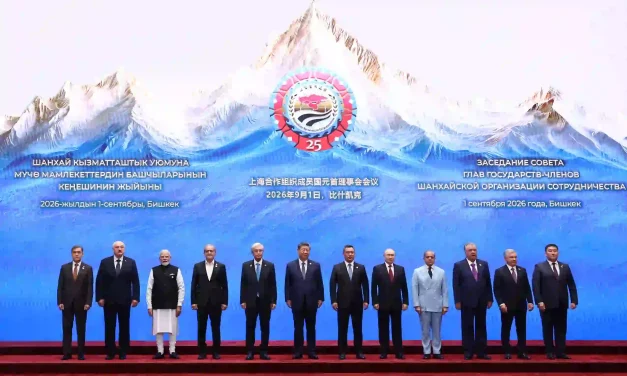
SCFR Online – Opinion: The Shanghai Cooperation Organization summit has created a new opportunity for Iran to transform its membership from a political achievement into economic and transit cooperation.
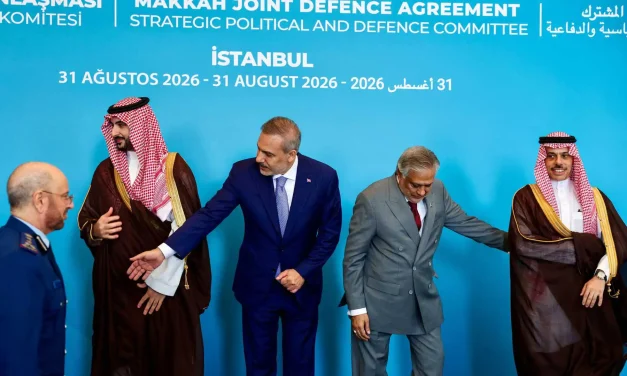
Strategic Council Online – Note: The Makkah Defense Pact can be seen as a sign of regional countries’ efforts to reduce security dependence on extra-regional powers and redefine the balance in West Asia.
SCFR Online – Opinion: The Ukraine war, by exhausting US military capability on one hand and strengthening European defense capacity on the other, has altered the balance of power in the European continent, cast uncertainty over NATO’s future, and is driving it toward a European NATO.
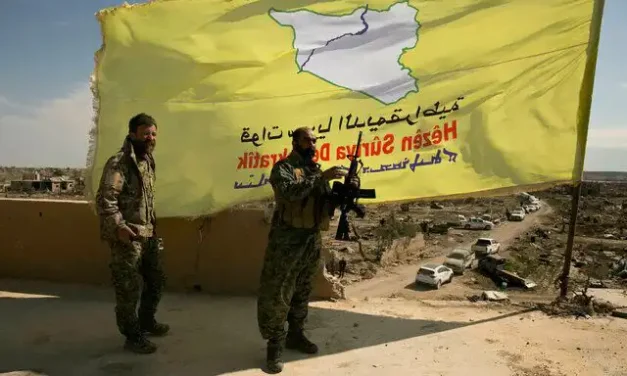
SCFR Online – Opinion: The dissolution of the SDF, although considered an achievement for Turkey’s security, does not put an end to the challenges arising from the Israeli regime’s aggression and expansionism, refugees, and Syria’s fragility.
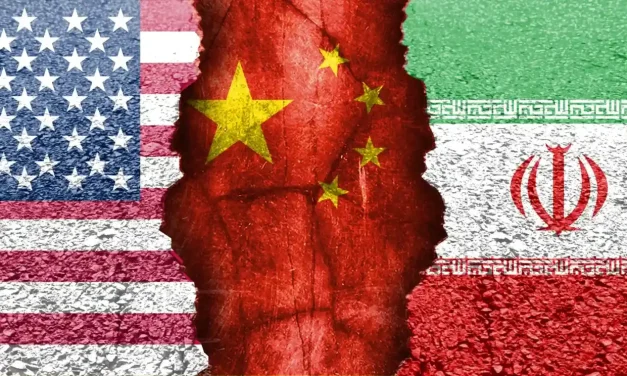
SCFR Online – Opinion: Concurrent with the official commencement of the United States’ economic war against our country, focusing on sanctions instruments, isolation, and economic pressure, what has now become increasingly important is the lack of alignment of other major global powers, especially China, with this policy.
SCFR Online – Opinion: The new US sanctions against Iran, despite extensive propaganda, face serious obstacles to success due to the ineffectiveness of sanctions tools and opposition from some of Tehran’s trading partners.


Strategic Council Online: The world has been in the throes of Corona Disease (COVID-19) since late 2019: A malicious virus, which can have many lessons for the vulnerable world. Within a short time, it crosses global boundaries and enters other spaces affected by economic entanglement and spatial functions.
Ebrahim Romina, Assistant Professor of Political Geography and Geopolitics, Tarbiat Modares University
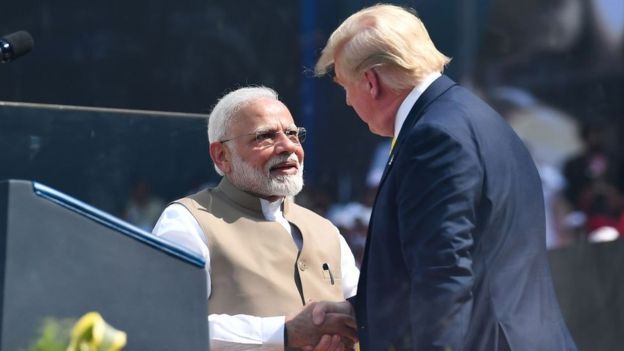
Strategic Council Online: In new US documents, India has been mentioned to be part of the Pacific in order to lessen China’s role in the region; so Washington seeks to highlight New Delhi’s role in order to pit India against China on the one hand and contain Pakistan on the other.
Amir Ali Abolfatah – Experts on American Affairs

Strategic Council Online: Turkey believes if Idlib is liberated Ankara’s role in the next political process in Syria will decline and the Syrian government may in future seek to oust Turkish forces from other areas, such as Afrin.
Siamak Kakai – Turkey affairs expert
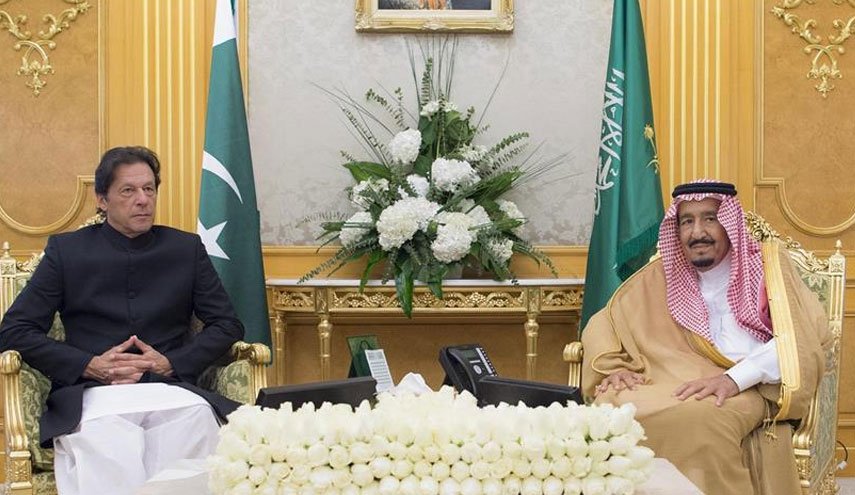
Strategic Council Online: Given that Kashmir is considered one of the main red lines of the Pakistani government and people, Saudi Arabia has essentially adopted a thoughtful silence in this regard, which has become a challenge in relations between the two countries.
Mohammad Reza Asgari Moroudi – Subcontinent Affairs Expert

Strategic Council Online: The presence of US troops in Africa is in line with efforts by Washington and some other Western capitals to create the southern branch of the NATO military alliance.
Jafar Ghanadbashi- Middle East Affairs Expert

Strategic Council Online: Donald Trump is now in dire need of foreign accomplishments in 2020, the year of presidential elections, and if Washington can reach a deal with the Taliban and sign it, Trump could use it as bargaining chip.
Pir Mohammad Molazehi – Afghanistan Affairs Expert

Strategic Council Online: The Coronavirus has hit the Chinese economy badly, and it will, for a long time, make China’s economy vulnerable. When China’s annual economic growth reaches below 6%, political alarm bells will be sounded, meaning 2020 maybe a year of domestic political challenges for the Beijing government.
Dr Saeed Attar – University Professor

Strategic Council Online: US lawmakers and Senators pursue two key goals behind adopting the Trump War Powers Act: First, to reinstate the decisive role of the Congress in the decision-making process on war, and the second to prevent Trump’s adventurous actions against Iran.
Amir Ali Abolfatah – American Affairs Expert

Strategic Council Online: The double standards played by the Saudis to the effect that on the one hand, they say they do not seek tensions with Iran and on the other hand emphasize that they share the same positions with the US against Iran may indicate Riyadh’s contradictory approach to Tehran.
Davoud Ahmadzadeh – Middle East Affairs Expert

Strategic Council Online: If Coronavirus continues to spread serious damage will be inflicted on the Chinese economy. Meantime, and if the US does not cooperate in controlling the disease, rumours that the US benefits from the spread of the virus and its impact on the Chinese economy, as well as its magnification, are acceptable.
Abdolreza Faraji Rad – Expert on Geopolitics
SCFR Online – Opinion: The intensification of U.S. sanctions against Iran on the eve of the U.S. midterm elections indicates Washington’s inability to achieve its war objectives.
SCFR Online – Opinion: The competition between Washington and Beijing over chips and artificial intelligence, simultaneously with the shifting of technological balances, has taken on new economic and security dimensions.
SCFR Online – Opinion: The Shanghai Cooperation Organization summit has created a new opportunity for Iran to transform its membership from a political achievement into economic and transit cooperation.
Strategic Council Online – Note: The Makkah Defense Pact can be seen as a sign of regional countries’ efforts to reduce security dependence on extra-regional powers and redefine the balance in West Asia.
SCFR Online – Opinion: The Ukraine war, by exhausting US military capability on one hand and strengthening European defense capacity on the other, has altered the balance of power in the European continent, cast uncertainty over NATO’s future, and is driving it toward a European NATO.
SCFR Online – Opinion: The dissolution of the SDF, although considered an achievement for Turkey’s security, does not put an end to the challenges arising from the Israeli regime’s aggression and expansionism, refugees, and Syria’s fragility.
SCFR Online – Opinion: Concurrent with the official commencement of the United States’ economic war against our country, focusing on sanctions instruments, isolation, and economic pressure, what has now become increasingly important is the lack of alignment of other major global powers, especially China, with this policy.
SCFR Online – Opinion: The new US sanctions against Iran, despite extensive propaganda, face serious obstacles to success due to the ineffectiveness of sanctions tools and opposition from some of Tehran’s trading partners.
Strategic Council Online: The world has been in the throes of Corona Disease (COVID-19) since late 2019: A malicious virus, which can have many lessons for the vulnerable world. Within a short time, it crosses global boundaries and enters other spaces affected by economic entanglement and spatial functions.
Ebrahim Romina, Assistant Professor of Political Geography and Geopolitics, Tarbiat Modares University
Strategic Council Online: In new US documents, India has been mentioned to be part of the Pacific in order to lessen China’s role in the region; so Washington seeks to highlight New Delhi’s role in order to pit India against China on the one hand and contain Pakistan on the other.
Amir Ali Abolfatah – Experts on American Affairs
Strategic Council Online: Turkey believes if Idlib is liberated Ankara’s role in the next political process in Syria will decline and the Syrian government may in future seek to oust Turkish forces from other areas, such as Afrin.
Siamak Kakai – Turkey affairs expert
Strategic Council Online: Given that Kashmir is considered one of the main red lines of the Pakistani government and people, Saudi Arabia has essentially adopted a thoughtful silence in this regard, which has become a challenge in relations between the two countries.
Mohammad Reza Asgari Moroudi – Subcontinent Affairs Expert
Strategic Council Online: The presence of US troops in Africa is in line with efforts by Washington and some other Western capitals to create the southern branch of the NATO military alliance.
Jafar Ghanadbashi- Middle East Affairs Expert
Strategic Council Online: Donald Trump is now in dire need of foreign accomplishments in 2020, the year of presidential elections, and if Washington can reach a deal with the Taliban and sign it, Trump could use it as bargaining chip.
Pir Mohammad Molazehi – Afghanistan Affairs Expert
Strategic Council Online: The Coronavirus has hit the Chinese economy badly, and it will, for a long time, make China’s economy vulnerable. When China’s annual economic growth reaches below 6%, political alarm bells will be sounded, meaning 2020 maybe a year of domestic political challenges for the Beijing government.
Dr Saeed Attar – University Professor
Strategic Council Online: US lawmakers and Senators pursue two key goals behind adopting the Trump War Powers Act: First, to reinstate the decisive role of the Congress in the decision-making process on war, and the second to prevent Trump’s adventurous actions against Iran.
Amir Ali Abolfatah – American Affairs Expert
Strategic Council Online: The double standards played by the Saudis to the effect that on the one hand, they say they do not seek tensions with Iran and on the other hand emphasize that they share the same positions with the US against Iran may indicate Riyadh’s contradictory approach to Tehran.
Davoud Ahmadzadeh – Middle East Affairs Expert
Strategic Council Online: If Coronavirus continues to spread serious damage will be inflicted on the Chinese economy. Meantime, and if the US does not cooperate in controlling the disease, rumours that the US benefits from the spread of the virus and its impact on the Chinese economy, as well as its magnification, are acceptable.
Abdolreza Faraji Rad – Expert on Geopolitics
Strategic Council Online: The world has been in the throes of Corona Disease (COVID-19) since late 2019: A malicious virus, which can have many lessons for the vulnerable world. Within a short time, it crosses global boundaries and enters other spaces affected by economic entanglement and spatial functions.
Ebrahim Romina, Assistant Professor of Political Geography and Geopolitics, Tarbiat Modares University
Strategic Council Online: In new US documents, India has been mentioned to be part of the Pacific in order to lessen China’s role in the region; so Washington seeks to highlight New Delhi’s role in order to pit India against China on the one hand and contain Pakistan on the other.
Amir Ali Abolfatah – Experts on American Affairs
Strategic Council Online: Turkey believes if Idlib is liberated Ankara’s role in the next political process in Syria will decline and the Syrian government may in future seek to oust Turkish forces from other areas, such as Afrin.
Siamak Kakai – Turkey affairs expert
Strategic Council Online: Given that Kashmir is considered one of the main red lines of the Pakistani government and people, Saudi Arabia has essentially adopted a thoughtful silence in this regard, which has become a challenge in relations between the two countries.
Mohammad Reza Asgari Moroudi – Subcontinent Affairs Expert
Strategic Council Online: The presence of US troops in Africa is in line with efforts by Washington and some other Western capitals to create the southern branch of the NATO military alliance.
Jafar Ghanadbashi- Middle East Affairs Expert
Strategic Council Online: Donald Trump is now in dire need of foreign accomplishments in 2020, the year of presidential elections, and if Washington can reach a deal with the Taliban and sign it, Trump could use it as bargaining chip.
Pir Mohammad Molazehi – Afghanistan Affairs Expert
Strategic Council Online: The Coronavirus has hit the Chinese economy badly, and it will, for a long time, make China’s economy vulnerable. When China’s annual economic growth reaches below 6%, political alarm bells will be sounded, meaning 2020 maybe a year of domestic political challenges for the Beijing government.
Dr Saeed Attar – University Professor
Strategic Council Online: US lawmakers and Senators pursue two key goals behind adopting the Trump War Powers Act: First, to reinstate the decisive role of the Congress in the decision-making process on war, and the second to prevent Trump’s adventurous actions against Iran.
Amir Ali Abolfatah – American Affairs Expert
Strategic Council Online: The double standards played by the Saudis to the effect that on the one hand, they say they do not seek tensions with Iran and on the other hand emphasize that they share the same positions with the US against Iran may indicate Riyadh’s contradictory approach to Tehran.
Davoud Ahmadzadeh – Middle East Affairs Expert
Strategic Council Online: If Coronavirus continues to spread serious damage will be inflicted on the Chinese economy. Meantime, and if the US does not cooperate in controlling the disease, rumours that the US benefits from the spread of the virus and its impact on the Chinese economy, as well as its magnification, are acceptable.
Abdolreza Faraji Rad – Expert on Geopolitics
SCFR Online – Opinion: The intensification of U.S. sanctions against Iran on the eve of the U.S. midterm elections indicates Washington’s inability to achieve its war objectives.
SCFR Online – Opinion: The competition between Washington and Beijing over chips and artificial intelligence, simultaneously with the shifting of technological balances, has taken on new economic and security dimensions.
SCFR Online – Opinion: The Shanghai Cooperation Organization summit has created a new opportunity for Iran to transform its membership from a political achievement into economic and transit cooperation.
Strategic Council Online – Note: The Makkah Defense Pact can be seen as a sign of regional countries’ efforts to reduce security dependence on extra-regional powers and redefine the balance in West Asia.
SCFR Online – Opinion: The Ukraine war, by exhausting US military capability on one hand and strengthening European defense capacity on the other, has altered the balance of power in the European continent, cast uncertainty over NATO’s future, and is driving it toward a European NATO.
SCFR Online – Opinion: The dissolution of the SDF, although considered an achievement for Turkey’s security, does not put an end to the challenges arising from the Israeli regime’s aggression and expansionism, refugees, and Syria’s fragility.
SCFR Online – Opinion: Concurrent with the official commencement of the United States’ economic war against our country, focusing on sanctions instruments, isolation, and economic pressure, what has now become increasingly important is the lack of alignment of other major global powers, especially China, with this policy.
SCFR Online – Opinion: The new US sanctions against Iran, despite extensive propaganda, face serious obstacles to success due to the ineffectiveness of sanctions tools and opposition from some of Tehran’s trading partners.
Strategic Council Online: The world has been in the throes of Corona Disease (COVID-19) since late 2019: A malicious virus, which can have many lessons for the vulnerable world. Within a short time, it crosses global boundaries and enters other spaces affected by economic entanglement and spatial functions.
Ebrahim Romina, Assistant Professor of Political Geography and Geopolitics, Tarbiat Modares University
Strategic Council Online: In new US documents, India has been mentioned to be part of the Pacific in order to lessen China’s role in the region; so Washington seeks to highlight New Delhi’s role in order to pit India against China on the one hand and contain Pakistan on the other.
Amir Ali Abolfatah – Experts on American Affairs
Strategic Council Online: Turkey believes if Idlib is liberated Ankara’s role in the next political process in Syria will decline and the Syrian government may in future seek to oust Turkish forces from other areas, such as Afrin.
Siamak Kakai – Turkey affairs expert
Strategic Council Online: Given that Kashmir is considered one of the main red lines of the Pakistani government and people, Saudi Arabia has essentially adopted a thoughtful silence in this regard, which has become a challenge in relations between the two countries.
Mohammad Reza Asgari Moroudi – Subcontinent Affairs Expert
Strategic Council Online: The presence of US troops in Africa is in line with efforts by Washington and some other Western capitals to create the southern branch of the NATO military alliance.
Jafar Ghanadbashi- Middle East Affairs Expert
Strategic Council Online: Donald Trump is now in dire need of foreign accomplishments in 2020, the year of presidential elections, and if Washington can reach a deal with the Taliban and sign it, Trump could use it as bargaining chip.
Pir Mohammad Molazehi – Afghanistan Affairs Expert
Strategic Council Online: The Coronavirus has hit the Chinese economy badly, and it will, for a long time, make China’s economy vulnerable. When China’s annual economic growth reaches below 6%, political alarm bells will be sounded, meaning 2020 maybe a year of domestic political challenges for the Beijing government.
Dr Saeed Attar – University Professor
Strategic Council Online: US lawmakers and Senators pursue two key goals behind adopting the Trump War Powers Act: First, to reinstate the decisive role of the Congress in the decision-making process on war, and the second to prevent Trump’s adventurous actions against Iran.
Amir Ali Abolfatah – American Affairs Expert
Strategic Council Online: The double standards played by the Saudis to the effect that on the one hand, they say they do not seek tensions with Iran and on the other hand emphasize that they share the same positions with the US against Iran may indicate Riyadh’s contradictory approach to Tehran.
Davoud Ahmadzadeh – Middle East Affairs Expert
Strategic Council Online: If Coronavirus continues to spread serious damage will be inflicted on the Chinese economy. Meantime, and if the US does not cooperate in controlling the disease, rumours that the US benefits from the spread of the virus and its impact on the Chinese economy, as well as its magnification, are acceptable.
Abdolreza Faraji Rad – Expert on Geopolitics
SCFR Online – Opinion: The intensification of U.S. sanctions against Iran on the eve of the U.S. midterm elections indicates Washington’s inability to achieve its war objectives.
SCFR Online – Opinion: The competition between Washington and Beijing over chips and artificial intelligence, simultaneously with the shifting of technological balances, has taken on new economic and security dimensions.
SCFR Online – Opinion: The Shanghai Cooperation Organization summit has created a new opportunity for Iran to transform its membership from a political achievement into economic and transit cooperation.
Strategic Council Online – Note: The Makkah Defense Pact can be seen as a sign of regional countries’ efforts to reduce security dependence on extra-regional powers and redefine the balance in West Asia.
SCFR Online – Opinion: The Ukraine war, by exhausting US military capability on one hand and strengthening European defense capacity on the other, has altered the balance of power in the European continent, cast uncertainty over NATO’s future, and is driving it toward a European NATO.
SCFR Online – Opinion: The dissolution of the SDF, although considered an achievement for Turkey’s security, does not put an end to the challenges arising from the Israeli regime’s aggression and expansionism, refugees, and Syria’s fragility.
SCFR Online – Opinion: Concurrent with the official commencement of the United States’ economic war against our country, focusing on sanctions instruments, isolation, and economic pressure, what has now become increasingly important is the lack of alignment of other major global powers, especially China, with this policy.
SCFR Online – Opinion: The new US sanctions against Iran, despite extensive propaganda, face serious obstacles to success due to the ineffectiveness of sanctions tools and opposition from some of Tehran’s trading partners.
Strategic Council Online: The world has been in the throes of Corona Disease (COVID-19) since late 2019: A malicious virus, which can have many lessons for the vulnerable world. Within a short time, it crosses global boundaries and enters other spaces affected by economic entanglement and spatial functions.
Ebrahim Romina, Assistant Professor of Political Geography and Geopolitics, Tarbiat Modares University
Strategic Council Online: In new US documents, India has been mentioned to be part of the Pacific in order to lessen China’s role in the region; so Washington seeks to highlight New Delhi’s role in order to pit India against China on the one hand and contain Pakistan on the other.
Amir Ali Abolfatah – Experts on American Affairs
Strategic Council Online: Turkey believes if Idlib is liberated Ankara’s role in the next political process in Syria will decline and the Syrian government may in future seek to oust Turkish forces from other areas, such as Afrin.
Siamak Kakai – Turkey affairs expert
Strategic Council Online: Given that Kashmir is considered one of the main red lines of the Pakistani government and people, Saudi Arabia has essentially adopted a thoughtful silence in this regard, which has become a challenge in relations between the two countries.
Mohammad Reza Asgari Moroudi – Subcontinent Affairs Expert
Strategic Council Online: The presence of US troops in Africa is in line with efforts by Washington and some other Western capitals to create the southern branch of the NATO military alliance.
Jafar Ghanadbashi- Middle East Affairs Expert
Strategic Council Online: Donald Trump is now in dire need of foreign accomplishments in 2020, the year of presidential elections, and if Washington can reach a deal with the Taliban and sign it, Trump could use it as bargaining chip.
Pir Mohammad Molazehi – Afghanistan Affairs Expert
Strategic Council Online: The Coronavirus has hit the Chinese economy badly, and it will, for a long time, make China’s economy vulnerable. When China’s annual economic growth reaches below 6%, political alarm bells will be sounded, meaning 2020 maybe a year of domestic political challenges for the Beijing government.
Dr Saeed Attar – University Professor
Strategic Council Online: US lawmakers and Senators pursue two key goals behind adopting the Trump War Powers Act: First, to reinstate the decisive role of the Congress in the decision-making process on war, and the second to prevent Trump’s adventurous actions against Iran.
Amir Ali Abolfatah – American Affairs Expert
Strategic Council Online: The double standards played by the Saudis to the effect that on the one hand, they say they do not seek tensions with Iran and on the other hand emphasize that they share the same positions with the US against Iran may indicate Riyadh’s contradictory approach to Tehran.
Davoud Ahmadzadeh – Middle East Affairs Expert
Strategic Council Online: If Coronavirus continues to spread serious damage will be inflicted on the Chinese economy. Meantime, and if the US does not cooperate in controlling the disease, rumours that the US benefits from the spread of the virus and its impact on the Chinese economy, as well as its magnification, are acceptable.
Abdolreza Faraji Rad – Expert on Geopolitics
SCFR Online – Opinion: The intensification of U.S. sanctions against Iran on the eve of the U.S. midterm elections indicates Washington’s inability to achieve its war objectives.
SCFR Online – Opinion: The competition between Washington and Beijing over chips and artificial intelligence, simultaneously with the shifting of technological balances, has taken on new economic and security dimensions.
SCFR Online – Opinion: The Shanghai Cooperation Organization summit has created a new opportunity for Iran to transform its membership from a political achievement into economic and transit cooperation.
Strategic Council Online – Note: The Makkah Defense Pact can be seen as a sign of regional countries’ efforts to reduce security dependence on extra-regional powers and redefine the balance in West Asia.
SCFR Online – Opinion: The Ukraine war, by exhausting US military capability on one hand and strengthening European defense capacity on the other, has altered the balance of power in the European continent, cast uncertainty over NATO’s future, and is driving it toward a European NATO.
SCFR Online – Opinion: The dissolution of the SDF, although considered an achievement for Turkey’s security, does not put an end to the challenges arising from the Israeli regime’s aggression and expansionism, refugees, and Syria’s fragility.
SCFR Online – Opinion: Concurrent with the official commencement of the United States’ economic war against our country, focusing on sanctions instruments, isolation, and economic pressure, what has now become increasingly important is the lack of alignment of other major global powers, especially China, with this policy.
SCFR Online – Opinion: The new US sanctions against Iran, despite extensive propaganda, face serious obstacles to success due to the ineffectiveness of sanctions tools and opposition from some of Tehran’s trading partners.
Strategic Council Online: The world has been in the throes of Corona Disease (COVID-19) since late 2019: A malicious virus, which can have many lessons for the vulnerable world. Within a short time, it crosses global boundaries and enters other spaces affected by economic entanglement and spatial functions.
Ebrahim Romina, Assistant Professor of Political Geography and Geopolitics, Tarbiat Modares University
Strategic Council Online: In new US documents, India has been mentioned to be part of the Pacific in order to lessen China’s role in the region; so Washington seeks to highlight New Delhi’s role in order to pit India against China on the one hand and contain Pakistan on the other.
Amir Ali Abolfatah – Experts on American Affairs
Strategic Council Online: Turkey believes if Idlib is liberated Ankara’s role in the next political process in Syria will decline and the Syrian government may in future seek to oust Turkish forces from other areas, such as Afrin.
Siamak Kakai – Turkey affairs expert
Strategic Council Online: Given that Kashmir is considered one of the main red lines of the Pakistani government and people, Saudi Arabia has essentially adopted a thoughtful silence in this regard, which has become a challenge in relations between the two countries.
Mohammad Reza Asgari Moroudi – Subcontinent Affairs Expert
Strategic Council Online: The presence of US troops in Africa is in line with efforts by Washington and some other Western capitals to create the southern branch of the NATO military alliance.
Jafar Ghanadbashi- Middle East Affairs Expert
Strategic Council Online: Donald Trump is now in dire need of foreign accomplishments in 2020, the year of presidential elections, and if Washington can reach a deal with the Taliban and sign it, Trump could use it as bargaining chip.
Pir Mohammad Molazehi – Afghanistan Affairs Expert
Strategic Council Online: The Coronavirus has hit the Chinese economy badly, and it will, for a long time, make China’s economy vulnerable. When China’s annual economic growth reaches below 6%, political alarm bells will be sounded, meaning 2020 maybe a year of domestic political challenges for the Beijing government.
Dr Saeed Attar – University Professor
Strategic Council Online: US lawmakers and Senators pursue two key goals behind adopting the Trump War Powers Act: First, to reinstate the decisive role of the Congress in the decision-making process on war, and the second to prevent Trump’s adventurous actions against Iran.
Amir Ali Abolfatah – American Affairs Expert
Strategic Council Online: The double standards played by the Saudis to the effect that on the one hand, they say they do not seek tensions with Iran and on the other hand emphasize that they share the same positions with the US against Iran may indicate Riyadh’s contradictory approach to Tehran.
Davoud Ahmadzadeh – Middle East Affairs Expert
Strategic Council Online: If Coronavirus continues to spread serious damage will be inflicted on the Chinese economy. Meantime, and if the US does not cooperate in controlling the disease, rumours that the US benefits from the spread of the virus and its impact on the Chinese economy, as well as its magnification, are acceptable.
Abdolreza Faraji Rad – Expert on Geopolitics
SCFR Online – Opinion: The intensification of U.S. sanctions against Iran on the eve of the U.S. midterm elections indicates Washington’s inability to achieve its war objectives.
SCFR Online – Opinion: The competition between Washington and Beijing over chips and artificial intelligence, simultaneously with the shifting of technological balances, has taken on new economic and security dimensions.
SCFR Online – Opinion: The Shanghai Cooperation Organization summit has created a new opportunity for Iran to transform its membership from a political achievement into economic and transit cooperation.
Strategic Council Online – Note: The Makkah Defense Pact can be seen as a sign of regional countries’ efforts to reduce security dependence on extra-regional powers and redefine the balance in West Asia.
SCFR Online – Opinion: The Ukraine war, by exhausting US military capability on one hand and strengthening European defense capacity on the other, has altered the balance of power in the European continent, cast uncertainty over NATO’s future, and is driving it toward a European NATO.
SCFR Online – Opinion: The dissolution of the SDF, although considered an achievement for Turkey’s security, does not put an end to the challenges arising from the Israeli regime’s aggression and expansionism, refugees, and Syria’s fragility.
SCFR Online – Opinion: Concurrent with the official commencement of the United States’ economic war against our country, focusing on sanctions instruments, isolation, and economic pressure, what has now become increasingly important is the lack of alignment of other major global powers, especially China, with this policy.
SCFR Online – Opinion: The new US sanctions against Iran, despite extensive propaganda, face serious obstacles to success due to the ineffectiveness of sanctions tools and opposition from some of Tehran’s trading partners.
Strategic Council Online: The world has been in the throes of Corona Disease (COVID-19) since late 2019: A malicious virus, which can have many lessons for the vulnerable world. Within a short time, it crosses global boundaries and enters other spaces affected by economic entanglement and spatial functions.
Ebrahim Romina, Assistant Professor of Political Geography and Geopolitics, Tarbiat Modares University
Strategic Council Online: In new US documents, India has been mentioned to be part of the Pacific in order to lessen China’s role in the region; so Washington seeks to highlight New Delhi’s role in order to pit India against China on the one hand and contain Pakistan on the other.
Amir Ali Abolfatah – Experts on American Affairs
Strategic Council Online: Turkey believes if Idlib is liberated Ankara’s role in the next political process in Syria will decline and the Syrian government may in future seek to oust Turkish forces from other areas, such as Afrin.
Siamak Kakai – Turkey affairs expert
Strategic Council Online: Given that Kashmir is considered one of the main red lines of the Pakistani government and people, Saudi Arabia has essentially adopted a thoughtful silence in this regard, which has become a challenge in relations between the two countries.
Mohammad Reza Asgari Moroudi – Subcontinent Affairs Expert
Strategic Council Online: The presence of US troops in Africa is in line with efforts by Washington and some other Western capitals to create the southern branch of the NATO military alliance.
Jafar Ghanadbashi- Middle East Affairs Expert
Strategic Council Online: Donald Trump is now in dire need of foreign accomplishments in 2020, the year of presidential elections, and if Washington can reach a deal with the Taliban and sign it, Trump could use it as bargaining chip.
Pir Mohammad Molazehi – Afghanistan Affairs Expert
Strategic Council Online: The Coronavirus has hit the Chinese economy badly, and it will, for a long time, make China’s economy vulnerable. When China’s annual economic growth reaches below 6%, political alarm bells will be sounded, meaning 2020 maybe a year of domestic political challenges for the Beijing government.
Dr Saeed Attar – University Professor
Strategic Council Online: US lawmakers and Senators pursue two key goals behind adopting the Trump War Powers Act: First, to reinstate the decisive role of the Congress in the decision-making process on war, and the second to prevent Trump’s adventurous actions against Iran.
Amir Ali Abolfatah – American Affairs Expert
Strategic Council Online: The double standards played by the Saudis to the effect that on the one hand, they say they do not seek tensions with Iran and on the other hand emphasize that they share the same positions with the US against Iran may indicate Riyadh’s contradictory approach to Tehran.
Davoud Ahmadzadeh – Middle East Affairs Expert
Strategic Council Online: If Coronavirus continues to spread serious damage will be inflicted on the Chinese economy. Meantime, and if the US does not cooperate in controlling the disease, rumours that the US benefits from the spread of the virus and its impact on the Chinese economy, as well as its magnification, are acceptable.
Abdolreza Faraji Rad – Expert on Geopolitics
SCFR Online – Opinion: The intensification of U.S. sanctions against Iran on the eve of the U.S. midterm elections indicates Washington’s inability to achieve its war objectives.
SCFR Online – Opinion: The competition between Washington and Beijing over chips and artificial intelligence, simultaneously with the shifting of technological balances, has taken on new economic and security dimensions.
SCFR Online – Opinion: The Shanghai Cooperation Organization summit has created a new opportunity for Iran to transform its membership from a political achievement into economic and transit cooperation.
Strategic Council Online – Note: The Makkah Defense Pact can be seen as a sign of regional countries’ efforts to reduce security dependence on extra-regional powers and redefine the balance in West Asia.
SCFR Online – Opinion: The Ukraine war, by exhausting US military capability on one hand and strengthening European defense capacity on the other, has altered the balance of power in the European continent, cast uncertainty over NATO’s future, and is driving it toward a European NATO.
SCFR Online – Opinion: The dissolution of the SDF, although considered an achievement for Turkey’s security, does not put an end to the challenges arising from the Israeli regime’s aggression and expansionism, refugees, and Syria’s fragility.
SCFR Online – Opinion: Concurrent with the official commencement of the United States’ economic war against our country, focusing on sanctions instruments, isolation, and economic pressure, what has now become increasingly important is the lack of alignment of other major global powers, especially China, with this policy.
SCFR Online – Opinion: The new US sanctions against Iran, despite extensive propaganda, face serious obstacles to success due to the ineffectiveness of sanctions tools and opposition from some of Tehran’s trading partners.