جدیدترین مطالب

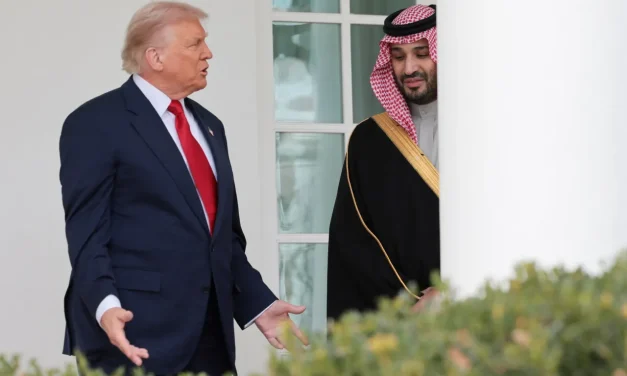
Implications of the US-Saudi Nuclear Agreement

SCFR Online – Opinion: The new US-Saudi nuclear agreement, despite legal and political ambiguities, could alter previous non-proliferation standards in West Asia and intensify nuclear competition, ushering it into a new phase.
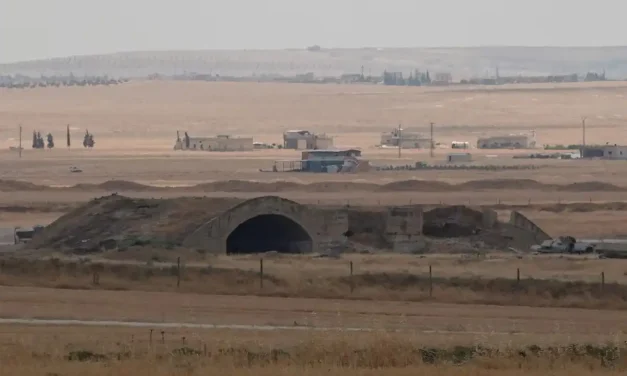
An Analysis of Recent Turkey-Israeli Regime Tensions

SCFR Online – Opinion: Recent developments in Syria indicate an intensification of strategic rivalry between Turkey and the Israeli regime, but mutual considerations and the role of the United States have limited the likelihood of direct war.

Increasing criticism of the extensive Zionist lobby network

SCFR Online – Opinion: An examination of the mechanisms of the Israeli regime’s influence in the United States depicts a complex picture of shared interests, strategic dependencies, and the limitations of this relationship.

Realities of the Tripartite Makkah Pact

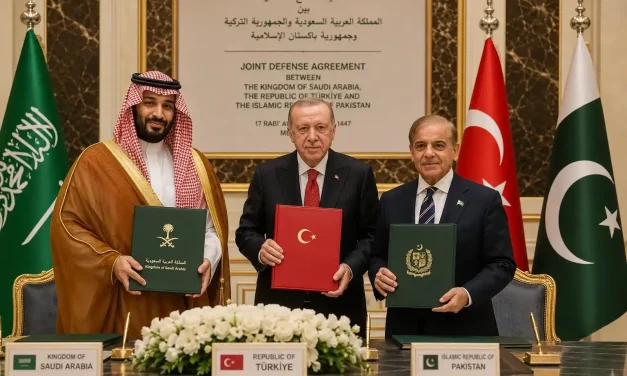
SCFR Online – Interview: The signing of the Makkah agreement between Saudi Arabia, Pakistan, and Turkey has raised questions about the future of the region’s security structure and the position of these countries in West Asian equations. Can this agreement become a genuine collective defense mechanism, or does it have more of a political and deterrent function than creating new military capacity?

Strategic Implications of the Reduction of US Weapons Stockpiles

SCFR Online – Opinion: The continuation of the US war against Iran, in addition to increasing operational costs, has called into question the actual capacity of the American arsenal to simultaneously fulfill security commitments on multiple fronts; an issue that affects deterrence, defense production capacity, and Washington’s resource prioritization.

The Formation of a New Order in Relations Between Powers

SCFR Online – Opinion: The Russia-Ukraine war and the war of the United States and the Israeli regime against Iran have been formed with different objectives and actors, but field and political developments indicate that they are not entirely separate from one another.

An Analysis of the Makkah Defense Pact

SCFR Online – Opinion: On Friday, August 7, the heads of state of three countries – Saudi Arabia, Turkey, and Pakistan – signed a text under the title “Makkah Joint Defense Agreement.”

Loading

Strategic Perspective

Consequences of UN Secretary General’s Opposition to US -Sanctions against Iran

Consequences of UN Secretary General’s Opposition to US -Sanctions against Iran

Strategic Council Online – Interview: An expert on international affairs commenting on the UN Secretary General’s recent request to the United States to lift sanctions on Iran said: This request shows that international bodies, including the United Nations, the Security Council and the International Atomic Energy Agency, have gained a better understanding of Iran’s peaceful nuclear activity.

US Strategic Targets in Iraq after Apparent Military Withdrawal

US Strategic Targets in Iraq after Apparent Military Withdrawal

Strategic Council Online – Interview: An analyst of West Asia affairs, explaining the new US strategy in Iraq after troop withdrawal, said: The United States seeks to change the military, security, and political arrangements in Iraq and build capacity for a possible normalization of Baghdad’s relations with the Zionist regime.

France’s EU Presidency; An Opportunity for Macron to Revive European Identity

France’s EU Presidency; An Opportunity for Macron to Revive European Identity

Strategic Council Online – Interview: A faculty member of the University of Tehran said: Macron is very lucky that during the elections he can advance some of his policies within the framework of European convergence by presiding over the European Union. This increases his political power and influence.

Dimensions, Objectives of Zionist Regime’s Threats against Iran

Dimensions, Objectives of Zionist Regime’s Threats against Iran

Strategic Council Online – Interview: An analyst of West Asia affairs, saying that the Zionist regime’s threats against Iran are more from a position of passivity and weakness since they know that they cannot take action in this regard, added: By taking advantage of such threats and influencing the atmosphere of the Joint Comprehensive Plan of Action (JCPOA) talks, they now want to prevent an agreement with Iran and giving concessions to it.

UAE Dual Policy versus Iran

UAE Dual Policy versus Iran

Strategic Council Online- Interview: An expert of the Middle East affairs commented on the recent efforts made by UAE to preserve its relations with Washington and simultaneous expansion of ties with Tehran and Tel Aviv and said:” UAE tries to use its relations with Iran as a leverage in line with its interests with Israeli regime and the U.S. and employs its relations with Tel Aviv and Washington as a leverage versus Iran in order to keep all parties.

Perspective; Turkey & Saudi Arabia Relations

Perspective; Turkey & Saudi Arabia Relations

Strategic Council Online- Interview: Having stated that Ankara needs to organize its economy through changing her regional inclination as well as to convergence with those countries it has had political challenges, an analyst on Turkey affaires said:” it seems that Turkey and Saudi Arabia can take steps towards sorting out some of their differences of opinion”.

Turkey’s Nuclear Program Strategy

Turkey’s Nuclear Program Strategy

Strategic Council Online – Guest Post: Although Turkey has traditionally been committed to the non-proliferation regime, but concerning Erdogan’s pro-Ottoman leadership, Turkish domestic policy seems to be a major determining factor for forming Turkey’s nuclear policy.
Seyed Hamed Hosseini – PhD Student in International Relations

Strategic Importance of Iran and West Asia for China

Strategic Importance of Iran and West Asia for China

Strategic Council Online – Interview: A faculty member of the Institute for Strategic Studies saying that we are witnessing an increase in China’s presence in the Middle East and North Africa, noted: West Asia plays an important role in China’s foreign policy perspective, and given its geopolitical location, it has been considered as a focal point in the Belt and Road Initiative.

Riyadh’s New Policy within the Context of Saudi Regional Strategy

Riyadh’s New Policy within the Context of Saudi Regional Strategy

Strategic Council Online – Interview: An analyst of West Asia affairs, saying that Saudi Arabia, while trying to reduce tensions with countries in the region, is reconsidering its foreign policy, noted: Under the current situation, internal issues and proclamation of the monarchy have gained more importance for Mohammad bin Salman, and we are witnessing more defensive policy on the part of Saudi Arabia..

Gaining Legitimacy; Taliban Strategy in OIC Meeting

Gaining Legitimacy; Taliban Strategy in OIC Meeting

Strategic Council Online – Interview: A university professor, saying that the Taliban has not yet complied with any of the demands made by the international community, termed Pakistan’s support for the Taliban to attend the special session of the Organization of Islamic Cooperation foreign ministers as symbolic. He added: Under the current situation, Afghanistan needs to form an inclusive government with the participation of all groups, ethnicities and religions that are based on popular opinion.

أحدث الوظائف

Implications of the US-Saudi Nuclear Agreement

SCFR Online – Opinion: The new US-Saudi nuclear agreement, despite legal and political ambiguities, could alter previous non-proliferation standards in West Asia and intensify nuclear competition, ushering it into a new phase.
An Analysis of Recent Turkey-Israeli Regime Tensions

SCFR Online – Opinion: Recent developments in Syria indicate an intensification of strategic rivalry between Turkey and the Israeli regime, but mutual considerations and the role of the United States have limited the likelihood of direct war.

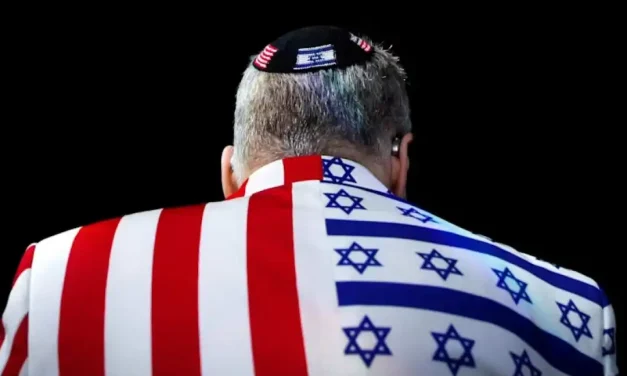
Increasing criticism of the extensive Zionist lobby network

SCFR Online – Opinion: An examination of the mechanisms of the Israeli regime’s influence in the United States depicts a complex picture of shared interests, strategic dependencies, and the limitations of this relationship.

Realities of the Tripartite Makkah Pact

SCFR Online – Interview: The signing of the Makkah agreement between Saudi Arabia, Pakistan, and Turkey has raised questions about the future of the region’s security structure and the position of these countries in West Asian equations. Can this agreement become a genuine collective defense mechanism, or does it have more of a political and deterrent function than creating new military capacity?

Strategic Implications of the Reduction of US Weapons Stockpiles

SCFR Online – Opinion: The continuation of the US war against Iran, in addition to increasing operational costs, has called into question the actual capacity of the American arsenal to simultaneously fulfill security commitments on multiple fronts; an issue that affects deterrence, defense production capacity, and Washington’s resource prioritization.

The Formation of a New Order in Relations Between Powers

SCFR Online – Opinion: The Russia-Ukraine war and the war of the United States and the Israeli regime against Iran have been formed with different objectives and actors, but field and political developments indicate that they are not entirely separate from one another.

An Analysis of the Makkah Defense Pact

SCFR Online – Opinion: On Friday, August 7, the heads of state of three countries – Saudi Arabia, Turkey, and Pakistan – signed a text under the title “Makkah Joint Defense Agreement.”

Loading

Strategic Perspective

Consequences of UN Secretary General’s Opposition to US -Sanctions against Iran

Consequences of UN Secretary General’s Opposition to US -Sanctions against Iran

Strategic Council Online – Interview: An expert on international affairs commenting on the UN Secretary General’s recent request to the United States to lift sanctions on Iran said: This request shows that international bodies, including the United Nations, the Security Council and the International Atomic Energy Agency, have gained a better understanding of Iran’s peaceful nuclear activity.

US Strategic Targets in Iraq after Apparent Military Withdrawal

US Strategic Targets in Iraq after Apparent Military Withdrawal

Strategic Council Online – Interview: An analyst of West Asia affairs, explaining the new US strategy in Iraq after troop withdrawal, said: The United States seeks to change the military, security, and political arrangements in Iraq and build capacity for a possible normalization of Baghdad’s relations with the Zionist regime.

France’s EU Presidency; An Opportunity for Macron to Revive European Identity

France’s EU Presidency; An Opportunity for Macron to Revive European Identity

Strategic Council Online – Interview: A faculty member of the University of Tehran said: Macron is very lucky that during the elections he can advance some of his policies within the framework of European convergence by presiding over the European Union. This increases his political power and influence.

Dimensions, Objectives of Zionist Regime’s Threats against Iran

Dimensions, Objectives of Zionist Regime’s Threats against Iran

Strategic Council Online – Interview: An analyst of West Asia affairs, saying that the Zionist regime’s threats against Iran are more from a position of passivity and weakness since they know that they cannot take action in this regard, added: By taking advantage of such threats and influencing the atmosphere of the Joint Comprehensive Plan of Action (JCPOA) talks, they now want to prevent an agreement with Iran and giving concessions to it.

UAE Dual Policy versus Iran

UAE Dual Policy versus Iran

Strategic Council Online- Interview: An expert of the Middle East affairs commented on the recent efforts made by UAE to preserve its relations with Washington and simultaneous expansion of ties with Tehran and Tel Aviv and said:” UAE tries to use its relations with Iran as a leverage in line with its interests with Israeli regime and the U.S. and employs its relations with Tel Aviv and Washington as a leverage versus Iran in order to keep all parties.

Perspective; Turkey & Saudi Arabia Relations

Perspective; Turkey & Saudi Arabia Relations

Strategic Council Online- Interview: Having stated that Ankara needs to organize its economy through changing her regional inclination as well as to convergence with those countries it has had political challenges, an analyst on Turkey affaires said:” it seems that Turkey and Saudi Arabia can take steps towards sorting out some of their differences of opinion”.

Turkey’s Nuclear Program Strategy

Turkey’s Nuclear Program Strategy

Strategic Council Online – Guest Post: Although Turkey has traditionally been committed to the non-proliferation regime, but concerning Erdogan’s pro-Ottoman leadership, Turkish domestic policy seems to be a major determining factor for forming Turkey’s nuclear policy.
Seyed Hamed Hosseini – PhD Student in International Relations

Strategic Importance of Iran and West Asia for China

Strategic Importance of Iran and West Asia for China

Strategic Council Online – Interview: A faculty member of the Institute for Strategic Studies saying that we are witnessing an increase in China’s presence in the Middle East and North Africa, noted: West Asia plays an important role in China’s foreign policy perspective, and given its geopolitical location, it has been considered as a focal point in the Belt and Road Initiative.

Riyadh’s New Policy within the Context of Saudi Regional Strategy

Riyadh’s New Policy within the Context of Saudi Regional Strategy

Strategic Council Online – Interview: An analyst of West Asia affairs, saying that Saudi Arabia, while trying to reduce tensions with countries in the region, is reconsidering its foreign policy, noted: Under the current situation, internal issues and proclamation of the monarchy have gained more importance for Mohammad bin Salman, and we are witnessing more defensive policy on the part of Saudi Arabia..

Gaining Legitimacy; Taliban Strategy in OIC Meeting

Gaining Legitimacy; Taliban Strategy in OIC Meeting

Strategic Council Online – Interview: A university professor, saying that the Taliban has not yet complied with any of the demands made by the international community, termed Pakistan’s support for the Taliban to attend the special session of the Organization of Islamic Cooperation foreign ministers as symbolic. He added: Under the current situation, Afghanistan needs to form an inclusive government with the participation of all groups, ethnicities and religions that are based on popular opinion.

Strategic Perspective

Consequences of UN Secretary General’s Opposition to US -Sanctions against Iran

Consequences of UN Secretary General’s Opposition to US -Sanctions against Iran

Strategic Council Online – Interview: An expert on international affairs commenting on the UN Secretary General’s recent request to the United States to lift sanctions on Iran said: This request shows that international bodies, including the United Nations, the Security Council and the International Atomic Energy Agency, have gained a better understanding of Iran’s peaceful nuclear activity.

US Strategic Targets in Iraq after Apparent Military Withdrawal

US Strategic Targets in Iraq after Apparent Military Withdrawal

Strategic Council Online – Interview: An analyst of West Asia affairs, explaining the new US strategy in Iraq after troop withdrawal, said: The United States seeks to change the military, security, and political arrangements in Iraq and build capacity for a possible normalization of Baghdad’s relations with the Zionist regime.

France’s EU Presidency; An Opportunity for Macron to Revive European Identity

France’s EU Presidency; An Opportunity for Macron to Revive European Identity

Strategic Council Online – Interview: A faculty member of the University of Tehran said: Macron is very lucky that during the elections he can advance some of his policies within the framework of European convergence by presiding over the European Union. This increases his political power and influence.

Dimensions, Objectives of Zionist Regime’s Threats against Iran

Dimensions, Objectives of Zionist Regime’s Threats against Iran

Strategic Council Online – Interview: An analyst of West Asia affairs, saying that the Zionist regime’s threats against Iran are more from a position of passivity and weakness since they know that they cannot take action in this regard, added: By taking advantage of such threats and influencing the atmosphere of the Joint Comprehensive Plan of Action (JCPOA) talks, they now want to prevent an agreement with Iran and giving concessions to it.

UAE Dual Policy versus Iran

UAE Dual Policy versus Iran

Strategic Council Online- Interview: An expert of the Middle East affairs commented on the recent efforts made by UAE to preserve its relations with Washington and simultaneous expansion of ties with Tehran and Tel Aviv and said:” UAE tries to use its relations with Iran as a leverage in line with its interests with Israeli regime and the U.S. and employs its relations with Tel Aviv and Washington as a leverage versus Iran in order to keep all parties.

Perspective; Turkey & Saudi Arabia Relations

Perspective; Turkey & Saudi Arabia Relations

Strategic Council Online- Interview: Having stated that Ankara needs to organize its economy through changing her regional inclination as well as to convergence with those countries it has had political challenges, an analyst on Turkey affaires said:” it seems that Turkey and Saudi Arabia can take steps towards sorting out some of their differences of opinion”.

Turkey’s Nuclear Program Strategy

Turkey’s Nuclear Program Strategy

Strategic Council Online – Guest Post: Although Turkey has traditionally been committed to the non-proliferation regime, but concerning Erdogan’s pro-Ottoman leadership, Turkish domestic policy seems to be a major determining factor for forming Turkey’s nuclear policy.
Seyed Hamed Hosseini – PhD Student in International Relations

Strategic Importance of Iran and West Asia for China

Strategic Importance of Iran and West Asia for China

Strategic Council Online – Interview: A faculty member of the Institute for Strategic Studies saying that we are witnessing an increase in China’s presence in the Middle East and North Africa, noted: West Asia plays an important role in China’s foreign policy perspective, and given its geopolitical location, it has been considered as a focal point in the Belt and Road Initiative.

Riyadh’s New Policy within the Context of Saudi Regional Strategy

Riyadh’s New Policy within the Context of Saudi Regional Strategy

Strategic Council Online – Interview: An analyst of West Asia affairs, saying that Saudi Arabia, while trying to reduce tensions with countries in the region, is reconsidering its foreign policy, noted: Under the current situation, internal issues and proclamation of the monarchy have gained more importance for Mohammad bin Salman, and we are witnessing more defensive policy on the part of Saudi Arabia..

Gaining Legitimacy; Taliban Strategy in OIC Meeting

Gaining Legitimacy; Taliban Strategy in OIC Meeting

Strategic Council Online – Interview: A university professor, saying that the Taliban has not yet complied with any of the demands made by the international community, termed Pakistan’s support for the Taliban to attend the special session of the Organization of Islamic Cooperation foreign ministers as symbolic. He added: Under the current situation, Afghanistan needs to form an inclusive government with the participation of all groups, ethnicities and religions that are based on popular opinion.

LATEST CONTENT

Implications of the US-Saudi Nuclear Agreement

SCFR Online – Opinion: The new US-Saudi nuclear agreement, despite legal and political ambiguities, could alter previous non-proliferation standards in West Asia and intensify nuclear competition, ushering it into a new phase.
An Analysis of Recent Turkey-Israeli Regime Tensions

SCFR Online – Opinion: Recent developments in Syria indicate an intensification of strategic rivalry between Turkey and the Israeli regime, but mutual considerations and the role of the United States have limited the likelihood of direct war.

Increasing criticism of the extensive Zionist lobby network

SCFR Online – Opinion: An examination of the mechanisms of the Israeli regime’s influence in the United States depicts a complex picture of shared interests, strategic dependencies, and the limitations of this relationship.

Realities of the Tripartite Makkah Pact

SCFR Online – Interview: The signing of the Makkah agreement between Saudi Arabia, Pakistan, and Turkey has raised questions about the future of the region’s security structure and the position of these countries in West Asian equations. Can this agreement become a genuine collective defense mechanism, or does it have more of a political and deterrent function than creating new military capacity?

Strategic Implications of the Reduction of US Weapons Stockpiles

SCFR Online – Opinion: The continuation of the US war against Iran, in addition to increasing operational costs, has called into question the actual capacity of the American arsenal to simultaneously fulfill security commitments on multiple fronts; an issue that affects deterrence, defense production capacity, and Washington’s resource prioritization.

The Formation of a New Order in Relations Between Powers

SCFR Online – Opinion: The Russia-Ukraine war and the war of the United States and the Israeli regime against Iran have been formed with different objectives and actors, but field and political developments indicate that they are not entirely separate from one another.

An Analysis of the Makkah Defense Pact

SCFR Online – Opinion: On Friday, August 7, the heads of state of three countries – Saudi Arabia, Turkey, and Pakistan – signed a text under the title “Makkah Joint Defense Agreement.”

Loading

Strategic Perspective

Consequences of UN Secretary General’s Opposition to US -Sanctions against Iran

Consequences of UN Secretary General’s Opposition to US -Sanctions against Iran

Strategic Council Online – Interview: An expert on international affairs commenting on the UN Secretary General’s recent request to the United States to lift sanctions on Iran said: This request shows that international bodies, including the United Nations, the Security Council and the International Atomic Energy Agency, have gained a better understanding of Iran’s peaceful nuclear activity.

US Strategic Targets in Iraq after Apparent Military Withdrawal

US Strategic Targets in Iraq after Apparent Military Withdrawal

Strategic Council Online – Interview: An analyst of West Asia affairs, explaining the new US strategy in Iraq after troop withdrawal, said: The United States seeks to change the military, security, and political arrangements in Iraq and build capacity for a possible normalization of Baghdad’s relations with the Zionist regime.

France’s EU Presidency; An Opportunity for Macron to Revive European Identity

France’s EU Presidency; An Opportunity for Macron to Revive European Identity

Strategic Council Online – Interview: A faculty member of the University of Tehran said: Macron is very lucky that during the elections he can advance some of his policies within the framework of European convergence by presiding over the European Union. This increases his political power and influence.

Dimensions, Objectives of Zionist Regime’s Threats against Iran

Dimensions, Objectives of Zionist Regime’s Threats against Iran

Strategic Council Online – Interview: An analyst of West Asia affairs, saying that the Zionist regime’s threats against Iran are more from a position of passivity and weakness since they know that they cannot take action in this regard, added: By taking advantage of such threats and influencing the atmosphere of the Joint Comprehensive Plan of Action (JCPOA) talks, they now want to prevent an agreement with Iran and giving concessions to it.

UAE Dual Policy versus Iran

UAE Dual Policy versus Iran

Strategic Council Online- Interview: An expert of the Middle East affairs commented on the recent efforts made by UAE to preserve its relations with Washington and simultaneous expansion of ties with Tehran and Tel Aviv and said:” UAE tries to use its relations with Iran as a leverage in line with its interests with Israeli regime and the U.S. and employs its relations with Tel Aviv and Washington as a leverage versus Iran in order to keep all parties.

Perspective; Turkey & Saudi Arabia Relations

Perspective; Turkey & Saudi Arabia Relations

Strategic Council Online- Interview: Having stated that Ankara needs to organize its economy through changing her regional inclination as well as to convergence with those countries it has had political challenges, an analyst on Turkey affaires said:” it seems that Turkey and Saudi Arabia can take steps towards sorting out some of their differences of opinion”.

Turkey’s Nuclear Program Strategy

Turkey’s Nuclear Program Strategy

Strategic Council Online – Guest Post: Although Turkey has traditionally been committed to the non-proliferation regime, but concerning Erdogan’s pro-Ottoman leadership, Turkish domestic policy seems to be a major determining factor for forming Turkey’s nuclear policy.
Seyed Hamed Hosseini – PhD Student in International Relations

Strategic Importance of Iran and West Asia for China

Strategic Importance of Iran and West Asia for China

Strategic Council Online – Interview: A faculty member of the Institute for Strategic Studies saying that we are witnessing an increase in China’s presence in the Middle East and North Africa, noted: West Asia plays an important role in China’s foreign policy perspective, and given its geopolitical location, it has been considered as a focal point in the Belt and Road Initiative.

Riyadh’s New Policy within the Context of Saudi Regional Strategy

Riyadh’s New Policy within the Context of Saudi Regional Strategy

Strategic Council Online – Interview: An analyst of West Asia affairs, saying that Saudi Arabia, while trying to reduce tensions with countries in the region, is reconsidering its foreign policy, noted: Under the current situation, internal issues and proclamation of the monarchy have gained more importance for Mohammad bin Salman, and we are witnessing more defensive policy on the part of Saudi Arabia..

Gaining Legitimacy; Taliban Strategy in OIC Meeting

Gaining Legitimacy; Taliban Strategy in OIC Meeting

Strategic Council Online – Interview: A university professor, saying that the Taliban has not yet complied with any of the demands made by the international community, termed Pakistan’s support for the Taliban to attend the special session of the Organization of Islamic Cooperation foreign ministers as symbolic. He added: Under the current situation, Afghanistan needs to form an inclusive government with the participation of all groups, ethnicities and religions that are based on popular opinion.

ÚLTIMAS PUBLICACIONES

Implications of the US-Saudi Nuclear Agreement

SCFR Online – Opinion: The new US-Saudi nuclear agreement, despite legal and political ambiguities, could alter previous non-proliferation standards in West Asia and intensify nuclear competition, ushering it into a new phase.
An Analysis of Recent Turkey-Israeli Regime Tensions

SCFR Online – Opinion: Recent developments in Syria indicate an intensification of strategic rivalry between Turkey and the Israeli regime, but mutual considerations and the role of the United States have limited the likelihood of direct war.

Increasing criticism of the extensive Zionist lobby network

SCFR Online – Opinion: An examination of the mechanisms of the Israeli regime’s influence in the United States depicts a complex picture of shared interests, strategic dependencies, and the limitations of this relationship.

Realities of the Tripartite Makkah Pact

SCFR Online – Interview: The signing of the Makkah agreement between Saudi Arabia, Pakistan, and Turkey has raised questions about the future of the region’s security structure and the position of these countries in West Asian equations. Can this agreement become a genuine collective defense mechanism, or does it have more of a political and deterrent function than creating new military capacity?

Strategic Implications of the Reduction of US Weapons Stockpiles

SCFR Online – Opinion: The continuation of the US war against Iran, in addition to increasing operational costs, has called into question the actual capacity of the American arsenal to simultaneously fulfill security commitments on multiple fronts; an issue that affects deterrence, defense production capacity, and Washington’s resource prioritization.

The Formation of a New Order in Relations Between Powers

SCFR Online – Opinion: The Russia-Ukraine war and the war of the United States and the Israeli regime against Iran have been formed with different objectives and actors, but field and political developments indicate that they are not entirely separate from one another.

An Analysis of the Makkah Defense Pact

SCFR Online – Opinion: On Friday, August 7, the heads of state of three countries – Saudi Arabia, Turkey, and Pakistan – signed a text under the title “Makkah Joint Defense Agreement.”

Loading

Strategic Perspective

Consequences of UN Secretary General’s Opposition to US -Sanctions against Iran

Consequences of UN Secretary General’s Opposition to US -Sanctions against Iran

Strategic Council Online – Interview: An expert on international affairs commenting on the UN Secretary General’s recent request to the United States to lift sanctions on Iran said: This request shows that international bodies, including the United Nations, the Security Council and the International Atomic Energy Agency, have gained a better understanding of Iran’s peaceful nuclear activity.

US Strategic Targets in Iraq after Apparent Military Withdrawal

US Strategic Targets in Iraq after Apparent Military Withdrawal

Strategic Council Online – Interview: An analyst of West Asia affairs, explaining the new US strategy in Iraq after troop withdrawal, said: The United States seeks to change the military, security, and political arrangements in Iraq and build capacity for a possible normalization of Baghdad’s relations with the Zionist regime.

France’s EU Presidency; An Opportunity for Macron to Revive European Identity

France’s EU Presidency; An Opportunity for Macron to Revive European Identity

Strategic Council Online – Interview: A faculty member of the University of Tehran said: Macron is very lucky that during the elections he can advance some of his policies within the framework of European convergence by presiding over the European Union. This increases his political power and influence.

Dimensions, Objectives of Zionist Regime’s Threats against Iran

Dimensions, Objectives of Zionist Regime’s Threats against Iran

Strategic Council Online – Interview: An analyst of West Asia affairs, saying that the Zionist regime’s threats against Iran are more from a position of passivity and weakness since they know that they cannot take action in this regard, added: By taking advantage of such threats and influencing the atmosphere of the Joint Comprehensive Plan of Action (JCPOA) talks, they now want to prevent an agreement with Iran and giving concessions to it.

UAE Dual Policy versus Iran

UAE Dual Policy versus Iran

Strategic Council Online- Interview: An expert of the Middle East affairs commented on the recent efforts made by UAE to preserve its relations with Washington and simultaneous expansion of ties with Tehran and Tel Aviv and said:” UAE tries to use its relations with Iran as a leverage in line with its interests with Israeli regime and the U.S. and employs its relations with Tel Aviv and Washington as a leverage versus Iran in order to keep all parties.

Perspective; Turkey & Saudi Arabia Relations

Perspective; Turkey & Saudi Arabia Relations

Strategic Council Online- Interview: Having stated that Ankara needs to organize its economy through changing her regional inclination as well as to convergence with those countries it has had political challenges, an analyst on Turkey affaires said:” it seems that Turkey and Saudi Arabia can take steps towards sorting out some of their differences of opinion”.

Turkey’s Nuclear Program Strategy

Turkey’s Nuclear Program Strategy

Strategic Council Online – Guest Post: Although Turkey has traditionally been committed to the non-proliferation regime, but concerning Erdogan’s pro-Ottoman leadership, Turkish domestic policy seems to be a major determining factor for forming Turkey’s nuclear policy.
Seyed Hamed Hosseini – PhD Student in International Relations

Strategic Importance of Iran and West Asia for China

Strategic Importance of Iran and West Asia for China

Strategic Council Online – Interview: A faculty member of the Institute for Strategic Studies saying that we are witnessing an increase in China’s presence in the Middle East and North Africa, noted: West Asia plays an important role in China’s foreign policy perspective, and given its geopolitical location, it has been considered as a focal point in the Belt and Road Initiative.

Riyadh’s New Policy within the Context of Saudi Regional Strategy

Riyadh’s New Policy within the Context of Saudi Regional Strategy

Strategic Council Online – Interview: An analyst of West Asia affairs, saying that Saudi Arabia, while trying to reduce tensions with countries in the region, is reconsidering its foreign policy, noted: Under the current situation, internal issues and proclamation of the monarchy have gained more importance for Mohammad bin Salman, and we are witnessing more defensive policy on the part of Saudi Arabia..

Gaining Legitimacy; Taliban Strategy in OIC Meeting

Gaining Legitimacy; Taliban Strategy in OIC Meeting

Strategic Council Online – Interview: A university professor, saying that the Taliban has not yet complied with any of the demands made by the international community, termed Pakistan’s support for the Taliban to attend the special session of the Organization of Islamic Cooperation foreign ministers as symbolic. He added: Under the current situation, Afghanistan needs to form an inclusive government with the participation of all groups, ethnicities and religions that are based on popular opinion.

ÚLTIMAS PUBLICACIONES

Implications of the US-Saudi Nuclear Agreement

SCFR Online – Opinion: The new US-Saudi nuclear agreement, despite legal and political ambiguities, could alter previous non-proliferation standards in West Asia and intensify nuclear competition, ushering it into a new phase.
An Analysis of Recent Turkey-Israeli Regime Tensions

SCFR Online – Opinion: Recent developments in Syria indicate an intensification of strategic rivalry between Turkey and the Israeli regime, but mutual considerations and the role of the United States have limited the likelihood of direct war.

Increasing criticism of the extensive Zionist lobby network

SCFR Online – Opinion: An examination of the mechanisms of the Israeli regime’s influence in the United States depicts a complex picture of shared interests, strategic dependencies, and the limitations of this relationship.

Realities of the Tripartite Makkah Pact

SCFR Online – Interview: The signing of the Makkah agreement between Saudi Arabia, Pakistan, and Turkey has raised questions about the future of the region’s security structure and the position of these countries in West Asian equations. Can this agreement become a genuine collective defense mechanism, or does it have more of a political and deterrent function than creating new military capacity?

Strategic Implications of the Reduction of US Weapons Stockpiles

SCFR Online – Opinion: The continuation of the US war against Iran, in addition to increasing operational costs, has called into question the actual capacity of the American arsenal to simultaneously fulfill security commitments on multiple fronts; an issue that affects deterrence, defense production capacity, and Washington’s resource prioritization.

The Formation of a New Order in Relations Between Powers

SCFR Online – Opinion: The Russia-Ukraine war and the war of the United States and the Israeli regime against Iran have been formed with different objectives and actors, but field and political developments indicate that they are not entirely separate from one another.

An Analysis of the Makkah Defense Pact

SCFR Online – Opinion: On Friday, August 7, the heads of state of three countries – Saudi Arabia, Turkey, and Pakistan – signed a text under the title “Makkah Joint Defense Agreement.”

Loading

Strategic Perspective

Consequences of UN Secretary General’s Opposition to US -Sanctions against Iran

Consequences of UN Secretary General’s Opposition to US -Sanctions against Iran

Strategic Council Online – Interview: An expert on international affairs commenting on the UN Secretary General’s recent request to the United States to lift sanctions on Iran said: This request shows that international bodies, including the United Nations, the Security Council and the International Atomic Energy Agency, have gained a better understanding of Iran’s peaceful nuclear activity.

US Strategic Targets in Iraq after Apparent Military Withdrawal

US Strategic Targets in Iraq after Apparent Military Withdrawal

Strategic Council Online – Interview: An analyst of West Asia affairs, explaining the new US strategy in Iraq after troop withdrawal, said: The United States seeks to change the military, security, and political arrangements in Iraq and build capacity for a possible normalization of Baghdad’s relations with the Zionist regime.

France’s EU Presidency; An Opportunity for Macron to Revive European Identity

France’s EU Presidency; An Opportunity for Macron to Revive European Identity

Strategic Council Online – Interview: A faculty member of the University of Tehran said: Macron is very lucky that during the elections he can advance some of his policies within the framework of European convergence by presiding over the European Union. This increases his political power and influence.

Dimensions, Objectives of Zionist Regime’s Threats against Iran

Dimensions, Objectives of Zionist Regime’s Threats against Iran

Strategic Council Online – Interview: An analyst of West Asia affairs, saying that the Zionist regime’s threats against Iran are more from a position of passivity and weakness since they know that they cannot take action in this regard, added: By taking advantage of such threats and influencing the atmosphere of the Joint Comprehensive Plan of Action (JCPOA) talks, they now want to prevent an agreement with Iran and giving concessions to it.

UAE Dual Policy versus Iran

UAE Dual Policy versus Iran

Strategic Council Online- Interview: An expert of the Middle East affairs commented on the recent efforts made by UAE to preserve its relations with Washington and simultaneous expansion of ties with Tehran and Tel Aviv and said:” UAE tries to use its relations with Iran as a leverage in line with its interests with Israeli regime and the U.S. and employs its relations with Tel Aviv and Washington as a leverage versus Iran in order to keep all parties.

Perspective; Turkey & Saudi Arabia Relations

Perspective; Turkey & Saudi Arabia Relations

Strategic Council Online- Interview: Having stated that Ankara needs to organize its economy through changing her regional inclination as well as to convergence with those countries it has had political challenges, an analyst on Turkey affaires said:” it seems that Turkey and Saudi Arabia can take steps towards sorting out some of their differences of opinion”.

Turkey’s Nuclear Program Strategy

Turkey’s Nuclear Program Strategy

Strategic Council Online – Guest Post: Although Turkey has traditionally been committed to the non-proliferation regime, but concerning Erdogan’s pro-Ottoman leadership, Turkish domestic policy seems to be a major determining factor for forming Turkey’s nuclear policy.
Seyed Hamed Hosseini – PhD Student in International Relations

Strategic Importance of Iran and West Asia for China

Strategic Importance of Iran and West Asia for China

Strategic Council Online – Interview: A faculty member of the Institute for Strategic Studies saying that we are witnessing an increase in China’s presence in the Middle East and North Africa, noted: West Asia plays an important role in China’s foreign policy perspective, and given its geopolitical location, it has been considered as a focal point in the Belt and Road Initiative.

Riyadh’s New Policy within the Context of Saudi Regional Strategy

Riyadh’s New Policy within the Context of Saudi Regional Strategy

Strategic Council Online – Interview: An analyst of West Asia affairs, saying that Saudi Arabia, while trying to reduce tensions with countries in the region, is reconsidering its foreign policy, noted: Under the current situation, internal issues and proclamation of the monarchy have gained more importance for Mohammad bin Salman, and we are witnessing more defensive policy on the part of Saudi Arabia..

Gaining Legitimacy; Taliban Strategy in OIC Meeting

Gaining Legitimacy; Taliban Strategy in OIC Meeting

Strategic Council Online – Interview: A university professor, saying that the Taliban has not yet complied with any of the demands made by the international community, termed Pakistan’s support for the Taliban to attend the special session of the Organization of Islamic Cooperation foreign ministers as symbolic. He added: Under the current situation, Afghanistan needs to form an inclusive government with the participation of all groups, ethnicities and religions that are based on popular opinion.

ÚLTIMAS PUBLICACIONES

Implications of the US-Saudi Nuclear Agreement

SCFR Online – Opinion: The new US-Saudi nuclear agreement, despite legal and political ambiguities, could alter previous non-proliferation standards in West Asia and intensify nuclear competition, ushering it into a new phase.

An Analysis of Recent Turkey-Israeli Regime Tensions

SCFR Online – Opinion: Recent developments in Syria indicate an intensification of strategic rivalry between Turkey and the Israeli regime, but mutual considerations and the role of the United States have limited the likelihood of direct war.

Increasing criticism of the extensive Zionist lobby network

SCFR Online – Opinion: An examination of the mechanisms of the Israeli regime’s influence in the United States depicts a complex picture of shared interests, strategic dependencies, and the limitations of this relationship.

Realities of the Tripartite Makkah Pact

SCFR Online – Interview: The signing of the Makkah agreement between Saudi Arabia, Pakistan, and Turkey has raised questions about the future of the region’s security structure and the position of these countries in West Asian equations. Can this agreement become a genuine collective defense mechanism, or does it have more of a political and deterrent function than creating new military capacity?

Strategic Implications of the Reduction of US Weapons Stockpiles

SCFR Online – Opinion: The continuation of the US war against Iran, in addition to increasing operational costs, has called into question the actual capacity of the American arsenal to simultaneously fulfill security commitments on multiple fronts; an issue that affects deterrence, defense production capacity, and Washington’s resource prioritization.

The Formation of a New Order in Relations Between Powers

SCFR Online – Opinion: The Russia-Ukraine war and the war of the United States and the Israeli regime against Iran have been formed with different objectives and actors, but field and political developments indicate that they are not entirely separate from one another.

An Analysis of the Makkah Defense Pact

SCFR Online – Opinion: On Friday, August 7, the heads of state of three countries – Saudi Arabia, Turkey, and Pakistan – signed a text under the title “Makkah Joint Defense Agreement.”

Loading

Strategic Perspective

Consequences of UN Secretary General’s Opposition to US -Sanctions against Iran

Consequences of UN Secretary General’s Opposition to US -Sanctions against Iran

Strategic Council Online – Interview: An expert on international affairs commenting on the UN Secretary General’s recent request to the United States to lift sanctions on Iran said: This request shows that international bodies, including the United Nations, the Security Council and the International Atomic Energy Agency, have gained a better understanding of Iran’s peaceful nuclear activity.

US Strategic Targets in Iraq after Apparent Military Withdrawal

US Strategic Targets in Iraq after Apparent Military Withdrawal

Strategic Council Online – Interview: An analyst of West Asia affairs, explaining the new US strategy in Iraq after troop withdrawal, said: The United States seeks to change the military, security, and political arrangements in Iraq and build capacity for a possible normalization of Baghdad’s relations with the Zionist regime.

France’s EU Presidency; An Opportunity for Macron to Revive European Identity

France’s EU Presidency; An Opportunity for Macron to Revive European Identity

Strategic Council Online – Interview: A faculty member of the University of Tehran said: Macron is very lucky that during the elections he can advance some of his policies within the framework of European convergence by presiding over the European Union. This increases his political power and influence.

Dimensions, Objectives of Zionist Regime’s Threats against Iran

Dimensions, Objectives of Zionist Regime’s Threats against Iran

Strategic Council Online – Interview: An analyst of West Asia affairs, saying that the Zionist regime’s threats against Iran are more from a position of passivity and weakness since they know that they cannot take action in this regard, added: By taking advantage of such threats and influencing the atmosphere of the Joint Comprehensive Plan of Action (JCPOA) talks, they now want to prevent an agreement with Iran and giving concessions to it.

UAE Dual Policy versus Iran

UAE Dual Policy versus Iran

Strategic Council Online- Interview: An expert of the Middle East affairs commented on the recent efforts made by UAE to preserve its relations with Washington and simultaneous expansion of ties with Tehran and Tel Aviv and said:” UAE tries to use its relations with Iran as a leverage in line with its interests with Israeli regime and the U.S. and employs its relations with Tel Aviv and Washington as a leverage versus Iran in order to keep all parties.

Perspective; Turkey & Saudi Arabia Relations

Perspective; Turkey & Saudi Arabia Relations

Strategic Council Online- Interview: Having stated that Ankara needs to organize its economy through changing her regional inclination as well as to convergence with those countries it has had political challenges, an analyst on Turkey affaires said:” it seems that Turkey and Saudi Arabia can take steps towards sorting out some of their differences of opinion”.

Turkey’s Nuclear Program Strategy

Turkey’s Nuclear Program Strategy

Strategic Council Online – Guest Post: Although Turkey has traditionally been committed to the non-proliferation regime, but concerning Erdogan’s pro-Ottoman leadership, Turkish domestic policy seems to be a major determining factor for forming Turkey’s nuclear policy.
Seyed Hamed Hosseini – PhD Student in International Relations

Strategic Importance of Iran and West Asia for China

Strategic Importance of Iran and West Asia for China

Strategic Council Online – Interview: A faculty member of the Institute for Strategic Studies saying that we are witnessing an increase in China’s presence in the Middle East and North Africa, noted: West Asia plays an important role in China’s foreign policy perspective, and given its geopolitical location, it has been considered as a focal point in the Belt and Road Initiative.

Riyadh’s New Policy within the Context of Saudi Regional Strategy

Riyadh’s New Policy within the Context of Saudi Regional Strategy

Strategic Council Online – Interview: An analyst of West Asia affairs, saying that Saudi Arabia, while trying to reduce tensions with countries in the region, is reconsidering its foreign policy, noted: Under the current situation, internal issues and proclamation of the monarchy have gained more importance for Mohammad bin Salman, and we are witnessing more defensive policy on the part of Saudi Arabia..

Gaining Legitimacy; Taliban Strategy in OIC Meeting

Gaining Legitimacy; Taliban Strategy in OIC Meeting

Strategic Council Online – Interview: A university professor, saying that the Taliban has not yet complied with any of the demands made by the international community, termed Pakistan’s support for the Taliban to attend the special session of the Organization of Islamic Cooperation foreign ministers as symbolic. He added: Under the current situation, Afghanistan needs to form an inclusive government with the participation of all groups, ethnicities and religions that are based on popular opinion.

ÚLTIMAS PUBLICACIONES

Implications of the US-Saudi Nuclear Agreement

SCFR Online – Opinion: The new US-Saudi nuclear agreement, despite legal and political ambiguities, could alter previous non-proliferation standards in West Asia and intensify nuclear competition, ushering it into a new phase.

An Analysis of Recent Turkey-Israeli Regime Tensions

SCFR Online – Opinion: Recent developments in Syria indicate an intensification of strategic rivalry between Turkey and the Israeli regime, but mutual considerations and the role of the United States have limited the likelihood of direct war.

Increasing criticism of the extensive Zionist lobby network

SCFR Online – Opinion: An examination of the mechanisms of the Israeli regime’s influence in the United States depicts a complex picture of shared interests, strategic dependencies, and the limitations of this relationship.

Realities of the Tripartite Makkah Pact

SCFR Online – Interview: The signing of the Makkah agreement between Saudi Arabia, Pakistan, and Turkey has raised questions about the future of the region’s security structure and the position of these countries in West Asian equations. Can this agreement become a genuine collective defense mechanism, or does it have more of a political and deterrent function than creating new military capacity?

Strategic Implications of the Reduction of US Weapons Stockpiles

SCFR Online – Opinion: The continuation of the US war against Iran, in addition to increasing operational costs, has called into question the actual capacity of the American arsenal to simultaneously fulfill security commitments on multiple fronts; an issue that affects deterrence, defense production capacity, and Washington’s resource prioritization.

The Formation of a New Order in Relations Between Powers

SCFR Online – Opinion: The Russia-Ukraine war and the war of the United States and the Israeli regime against Iran have been formed with different objectives and actors, but field and political developments indicate that they are not entirely separate from one another.

An Analysis of the Makkah Defense Pact

SCFR Online – Opinion: On Friday, August 7, the heads of state of three countries – Saudi Arabia, Turkey, and Pakistan – signed a text under the title “Makkah Joint Defense Agreement.”

Loading