جدیدترین مطالب

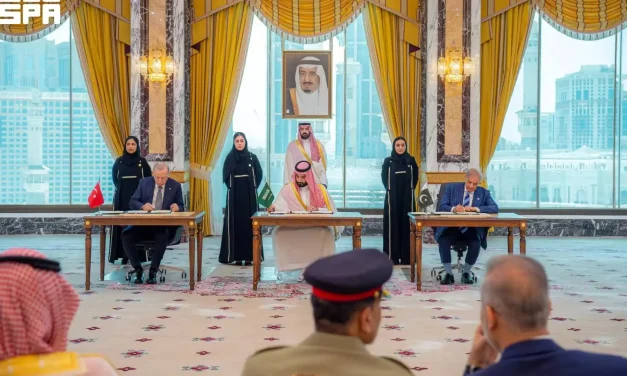
The Makkah Pact; Reasons for its Formation and Challenges Ahead

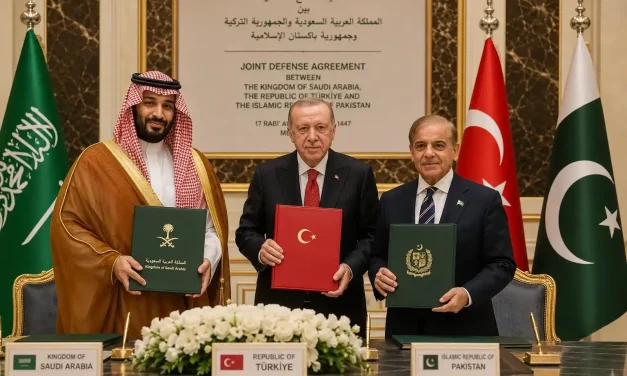
SCFR Online – Opinion: The Makkah Pact, signed between Saudi Arabia, Pakistan, and Turkey under the motto “an attack on one is an attack on all,” is viewed by some analysts less as a full-fledged military coalition and more as an attempt to reduce security dependence on an external power and to establish a regional security mechanism.
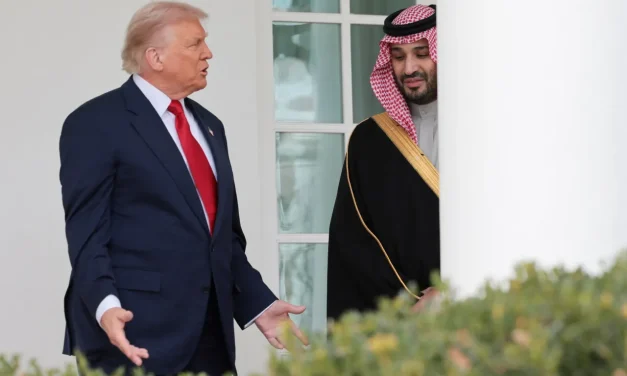
Implications of the US-Saudi Nuclear Agreement

SCFR Online – Opinion: The new US-Saudi nuclear agreement, despite legal and political ambiguities, could alter previous non-proliferation standards in West Asia and intensify nuclear competition, ushering it into a new phase.

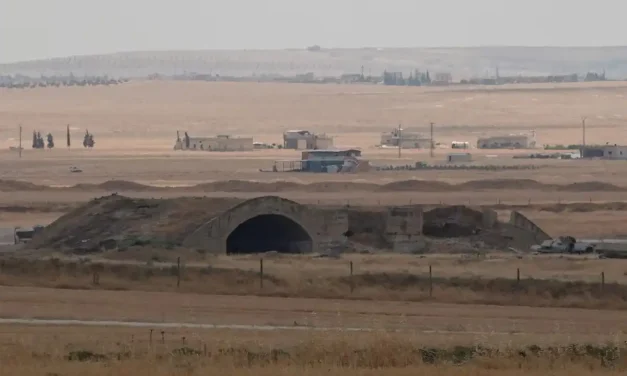
An Analysis of Recent Turkey-Israeli Regime Tensions

SCFR Online – Opinion: Recent developments in Syria indicate an intensification of strategic rivalry between Turkey and the Israeli regime, but mutual considerations and the role of the United States have limited the likelihood of direct war.

Increasing criticism of the extensive Zionist lobby network

SCFR Online – Opinion: An examination of the mechanisms of the Israeli regime’s influence in the United States depicts a complex picture of shared interests, strategic dependencies, and the limitations of this relationship.

Realities of the Tripartite Makkah Pact

SCFR Online – Interview: The signing of the Makkah agreement between Saudi Arabia, Pakistan, and Turkey has raised questions about the future of the region’s security structure and the position of these countries in West Asian equations. Can this agreement become a genuine collective defense mechanism, or does it have more of a political and deterrent function than creating new military capacity?

Strategic Implications of the Reduction of US Weapons Stockpiles

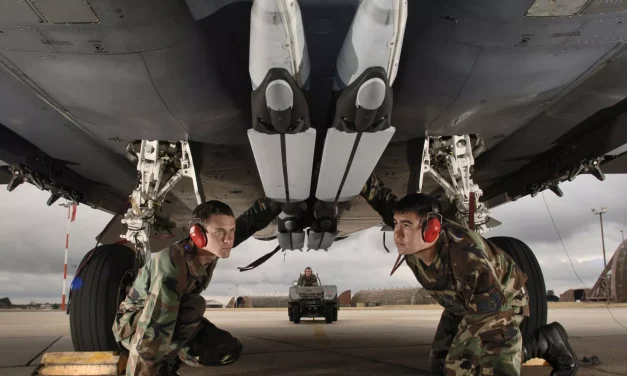
SCFR Online – Opinion: The continuation of the US war against Iran, in addition to increasing operational costs, has called into question the actual capacity of the American arsenal to simultaneously fulfill security commitments on multiple fronts; an issue that affects deterrence, defense production capacity, and Washington’s resource prioritization.

The Formation of a New Order in Relations Between Powers

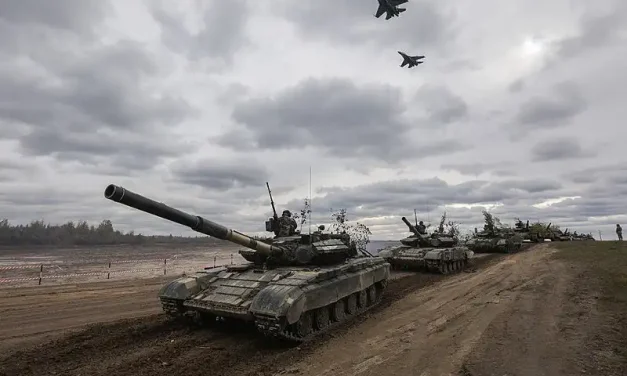
SCFR Online – Opinion: The Russia-Ukraine war and the war of the United States and the Israeli regime against Iran have been formed with different objectives and actors, but field and political developments indicate that they are not entirely separate from one another.

Loading

Strategic Perspective

Messages of adopting China’s proposed human rights resolution

Messages of adopting China’s proposed human rights resolution

Strategic Council Online—Interview: Referring to China’s efforts to create currents in the Human Rights Council and play a more active role in its working groups, an international law professor says “China seeks to create a ‘Defender of Human Rights and Humanism’ attachment in the minds of the people of the world to expand its influence in the countries and correct some unpleasant and negative mentalities towards itself.

An Analysis of the Changing Nature of Coalitions in the International System

An Analysis of the Changing Nature of Coalitions in the International System

Strategic Council Online – Opinion: Governments, as key players in the international system, seek to survive, achieve security, and or secure interests and accumulate power. In the chaotic environment of the international system, in terms of threats, conflicts, or in order to secure interests and influence, states unite, line up, and form a coalition “with” or “against” other states.
Abed Akbari-Expert of international issues

Iran’s Proposed Resolution on Nuclear Disarmament; A Benchmark for Testing Positions and Claims of UN Member States

Iran’s Proposed Resolution on Nuclear Disarmament; A Benchmark for Testing Positions and Claims of UN Member States

Strategic Council Online – Opinion: After the end of the Cold War, the number of nuclear weapons in the world has greatly decreased and according to the latest estimates has reached 15,000 warheads, but given that the explosive power of new nuclear weapons is thousands of times more than the old ones, the danger of the available weapons to human life and the Planet Earth is no less, if not more, than the old nuclear weapons.

EU and Energy Crisis

EU and Energy Crisis

Strategic Council Online – Opinion: The European Union is currently facing an unprecedented rise in energy prices which could hamper economic recovery after the Coronavirus epidemic in the Union, limit household incomes, and even challenge the so-called green transition. A set of market, geographical and political components has created the current unfavorable conditions.
Alireza Thamoudi – Expert on European affairs

US Strategy in Post-Withdrawal from Afghanistan

US Strategy in Post-Withdrawal from Afghanistan

Strategic Council Online – Opinion: The US withdrawal from Afghanistan is tantamount to the failure of policies that began with the country’s military occupation in late 2001.
Barsam Mohammadi – Analyst of international affairs

Importance of 3+3 mechanism for resolving Caucasus issues, strategy of member states

Importance of 3+3 mechanism for resolving Caucasus issues, strategy of member states

Strategic Council Online – Interview: An expert on Caucasus affairs explaining the conflicting approaches between the countries of the Caucasus region and stressing the need for joint steps to resolve the region’s problems within the framework of the 3 + 3 mechanism, said: This plan can be a factor in ensuring prevention of new hostilities in the region.

Role of External Players in Sudanese Coup

Role of External Players in Sudanese Coup

Strategic Council Online- Interview: Former Iran’s cultural counsellor to Sudan stated that we witness interventions from the U.S., Zionist regime, and some of Persian Gulf countries in Sudan’s coup. He said:” It seems that the military establishment in Sudan intends to maintain their presence in power and thus to proceed with a compromise plan with the Zionist regime and to keep their thorough supremacy over internal and state affairs”.

Zionist Regime’s Negative Role in Iran-Russia Relations

Zionist Regime’s Negative Role in Iran-Russia Relations

Strategic Council Online – Interview: An expert on international affairs commenting on the recent visit of Israeli Prime Minister Naftali Bennett to Russia a week after Chief of the Iranian Armed Forces Major General Mohammad Bagheri’s visit to the country and Kremlin’s relationship with Tel Aviv and Tehran said: Naftali Bennett’s visit to Moscow is an important turning point in the relations between the two sides given the conditions in Russia and the situation of Iran and Syria in Russia; especially considering the concerns that the Zionist regime has towards the Islamic Republic of Iran.

Messages and consequences of the confrontation between Russian and American ships in the Sea of Japan

Messages and consequences of the confrontation between Russian and American ships in the Sea of Japan

Strategic Council Online—Interview: An East Asian affairs expert said on the proximity of the US and Russian naval warships in the Sea of Japan “this move indicates the complication of the situation and developments in East Asia. Military developments in the region have become so numerous that, for the first time since the Cold War, there is a risk of military confrontation between the two sides in hot areas such as the South China Sea, the Taiwan Strait and the Sea of Japan.

أحدث الوظائف

The Makkah Pact; Reasons for its Formation and Challenges Ahead

SCFR Online – Opinion: The Makkah Pact, signed between Saudi Arabia, Pakistan, and Turkey under the motto “an attack on one is an attack on all,” is viewed by some analysts less as a full-fledged military coalition and more as an attempt to reduce security dependence on an external power and to establish a regional security mechanism.
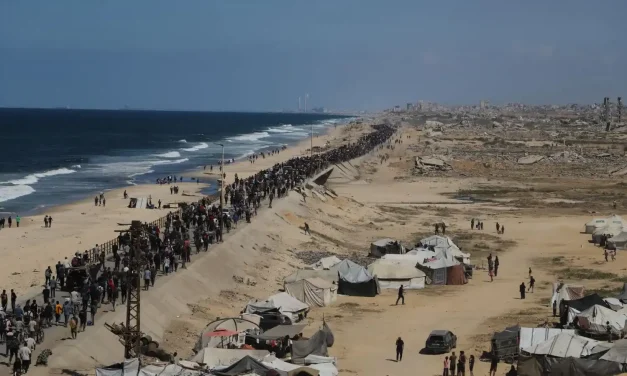
Implications of the US-Saudi Nuclear Agreement

SCFR Online – Opinion: The new US-Saudi nuclear agreement, despite legal and political ambiguities, could alter previous non-proliferation standards in West Asia and intensify nuclear competition, ushering it into a new phase.

An Analysis of Recent Turkey-Israeli Regime Tensions

SCFR Online – Opinion: Recent developments in Syria indicate an intensification of strategic rivalry between Turkey and the Israeli regime, but mutual considerations and the role of the United States have limited the likelihood of direct war.

Increasing criticism of the extensive Zionist lobby network

SCFR Online – Opinion: An examination of the mechanisms of the Israeli regime’s influence in the United States depicts a complex picture of shared interests, strategic dependencies, and the limitations of this relationship.

Realities of the Tripartite Makkah Pact

SCFR Online – Interview: The signing of the Makkah agreement between Saudi Arabia, Pakistan, and Turkey has raised questions about the future of the region’s security structure and the position of these countries in West Asian equations. Can this agreement become a genuine collective defense mechanism, or does it have more of a political and deterrent function than creating new military capacity?

Strategic Implications of the Reduction of US Weapons Stockpiles

SCFR Online – Opinion: The continuation of the US war against Iran, in addition to increasing operational costs, has called into question the actual capacity of the American arsenal to simultaneously fulfill security commitments on multiple fronts; an issue that affects deterrence, defense production capacity, and Washington’s resource prioritization.

The Formation of a New Order in Relations Between Powers

SCFR Online – Opinion: The Russia-Ukraine war and the war of the United States and the Israeli regime against Iran have been formed with different objectives and actors, but field and political developments indicate that they are not entirely separate from one another.

Loading

Strategic Perspective

Messages of adopting China’s proposed human rights resolution

Messages of adopting China’s proposed human rights resolution

Strategic Council Online—Interview: Referring to China’s efforts to create currents in the Human Rights Council and play a more active role in its working groups, an international law professor says “China seeks to create a ‘Defender of Human Rights and Humanism’ attachment in the minds of the people of the world to expand its influence in the countries and correct some unpleasant and negative mentalities towards itself.

An Analysis of the Changing Nature of Coalitions in the International System

An Analysis of the Changing Nature of Coalitions in the International System

Strategic Council Online – Opinion: Governments, as key players in the international system, seek to survive, achieve security, and or secure interests and accumulate power. In the chaotic environment of the international system, in terms of threats, conflicts, or in order to secure interests and influence, states unite, line up, and form a coalition “with” or “against” other states.
Abed Akbari-Expert of international issues

Iran’s Proposed Resolution on Nuclear Disarmament; A Benchmark for Testing Positions and Claims of UN Member States

Iran’s Proposed Resolution on Nuclear Disarmament; A Benchmark for Testing Positions and Claims of UN Member States

Strategic Council Online – Opinion: After the end of the Cold War, the number of nuclear weapons in the world has greatly decreased and according to the latest estimates has reached 15,000 warheads, but given that the explosive power of new nuclear weapons is thousands of times more than the old ones, the danger of the available weapons to human life and the Planet Earth is no less, if not more, than the old nuclear weapons.

EU and Energy Crisis

EU and Energy Crisis

Strategic Council Online – Opinion: The European Union is currently facing an unprecedented rise in energy prices which could hamper economic recovery after the Coronavirus epidemic in the Union, limit household incomes, and even challenge the so-called green transition. A set of market, geographical and political components has created the current unfavorable conditions.
Alireza Thamoudi – Expert on European affairs

US Strategy in Post-Withdrawal from Afghanistan

US Strategy in Post-Withdrawal from Afghanistan

Strategic Council Online – Opinion: The US withdrawal from Afghanistan is tantamount to the failure of policies that began with the country’s military occupation in late 2001.
Barsam Mohammadi – Analyst of international affairs

Importance of 3+3 mechanism for resolving Caucasus issues, strategy of member states

Importance of 3+3 mechanism for resolving Caucasus issues, strategy of member states

Strategic Council Online – Interview: An expert on Caucasus affairs explaining the conflicting approaches between the countries of the Caucasus region and stressing the need for joint steps to resolve the region’s problems within the framework of the 3 + 3 mechanism, said: This plan can be a factor in ensuring prevention of new hostilities in the region.

Role of External Players in Sudanese Coup

Role of External Players in Sudanese Coup

Strategic Council Online- Interview: Former Iran’s cultural counsellor to Sudan stated that we witness interventions from the U.S., Zionist regime, and some of Persian Gulf countries in Sudan’s coup. He said:” It seems that the military establishment in Sudan intends to maintain their presence in power and thus to proceed with a compromise plan with the Zionist regime and to keep their thorough supremacy over internal and state affairs”.

Zionist Regime’s Negative Role in Iran-Russia Relations

Zionist Regime’s Negative Role in Iran-Russia Relations

Strategic Council Online – Interview: An expert on international affairs commenting on the recent visit of Israeli Prime Minister Naftali Bennett to Russia a week after Chief of the Iranian Armed Forces Major General Mohammad Bagheri’s visit to the country and Kremlin’s relationship with Tel Aviv and Tehran said: Naftali Bennett’s visit to Moscow is an important turning point in the relations between the two sides given the conditions in Russia and the situation of Iran and Syria in Russia; especially considering the concerns that the Zionist regime has towards the Islamic Republic of Iran.

Messages and consequences of the confrontation between Russian and American ships in the Sea of Japan

Messages and consequences of the confrontation between Russian and American ships in the Sea of Japan

Strategic Council Online—Interview: An East Asian affairs expert said on the proximity of the US and Russian naval warships in the Sea of Japan “this move indicates the complication of the situation and developments in East Asia. Military developments in the region have become so numerous that, for the first time since the Cold War, there is a risk of military confrontation between the two sides in hot areas such as the South China Sea, the Taiwan Strait and the Sea of Japan.

Strategic Perspective

Messages of adopting China’s proposed human rights resolution

Messages of adopting China’s proposed human rights resolution

Strategic Council Online—Interview: Referring to China’s efforts to create currents in the Human Rights Council and play a more active role in its working groups, an international law professor says “China seeks to create a ‘Defender of Human Rights and Humanism’ attachment in the minds of the people of the world to expand its influence in the countries and correct some unpleasant and negative mentalities towards itself.

An Analysis of the Changing Nature of Coalitions in the International System

An Analysis of the Changing Nature of Coalitions in the International System

Strategic Council Online – Opinion: Governments, as key players in the international system, seek to survive, achieve security, and or secure interests and accumulate power. In the chaotic environment of the international system, in terms of threats, conflicts, or in order to secure interests and influence, states unite, line up, and form a coalition “with” or “against” other states.
Abed Akbari-Expert of international issues

Iran’s Proposed Resolution on Nuclear Disarmament; A Benchmark for Testing Positions and Claims of UN Member States

Iran’s Proposed Resolution on Nuclear Disarmament; A Benchmark for Testing Positions and Claims of UN Member States

Strategic Council Online – Opinion: After the end of the Cold War, the number of nuclear weapons in the world has greatly decreased and according to the latest estimates has reached 15,000 warheads, but given that the explosive power of new nuclear weapons is thousands of times more than the old ones, the danger of the available weapons to human life and the Planet Earth is no less, if not more, than the old nuclear weapons.

EU and Energy Crisis

EU and Energy Crisis

Strategic Council Online – Opinion: The European Union is currently facing an unprecedented rise in energy prices which could hamper economic recovery after the Coronavirus epidemic in the Union, limit household incomes, and even challenge the so-called green transition. A set of market, geographical and political components has created the current unfavorable conditions.
Alireza Thamoudi – Expert on European affairs

US Strategy in Post-Withdrawal from Afghanistan

US Strategy in Post-Withdrawal from Afghanistan

Strategic Council Online – Opinion: The US withdrawal from Afghanistan is tantamount to the failure of policies that began with the country’s military occupation in late 2001.
Barsam Mohammadi – Analyst of international affairs

Importance of 3+3 mechanism for resolving Caucasus issues, strategy of member states

Importance of 3+3 mechanism for resolving Caucasus issues, strategy of member states

Strategic Council Online – Interview: An expert on Caucasus affairs explaining the conflicting approaches between the countries of the Caucasus region and stressing the need for joint steps to resolve the region’s problems within the framework of the 3 + 3 mechanism, said: This plan can be a factor in ensuring prevention of new hostilities in the region.

Role of External Players in Sudanese Coup

Role of External Players in Sudanese Coup

Strategic Council Online- Interview: Former Iran’s cultural counsellor to Sudan stated that we witness interventions from the U.S., Zionist regime, and some of Persian Gulf countries in Sudan’s coup. He said:” It seems that the military establishment in Sudan intends to maintain their presence in power and thus to proceed with a compromise plan with the Zionist regime and to keep their thorough supremacy over internal and state affairs”.

Zionist Regime’s Negative Role in Iran-Russia Relations

Zionist Regime’s Negative Role in Iran-Russia Relations

Strategic Council Online – Interview: An expert on international affairs commenting on the recent visit of Israeli Prime Minister Naftali Bennett to Russia a week after Chief of the Iranian Armed Forces Major General Mohammad Bagheri’s visit to the country and Kremlin’s relationship with Tel Aviv and Tehran said: Naftali Bennett’s visit to Moscow is an important turning point in the relations between the two sides given the conditions in Russia and the situation of Iran and Syria in Russia; especially considering the concerns that the Zionist regime has towards the Islamic Republic of Iran.

Messages and consequences of the confrontation between Russian and American ships in the Sea of Japan

Messages and consequences of the confrontation between Russian and American ships in the Sea of Japan

Strategic Council Online—Interview: An East Asian affairs expert said on the proximity of the US and Russian naval warships in the Sea of Japan “this move indicates the complication of the situation and developments in East Asia. Military developments in the region have become so numerous that, for the first time since the Cold War, there is a risk of military confrontation between the two sides in hot areas such as the South China Sea, the Taiwan Strait and the Sea of Japan.

LATEST CONTENT

The Makkah Pact; Reasons for its Formation and Challenges Ahead

SCFR Online – Opinion: The Makkah Pact, signed between Saudi Arabia, Pakistan, and Turkey under the motto “an attack on one is an attack on all,” is viewed by some analysts less as a full-fledged military coalition and more as an attempt to reduce security dependence on an external power and to establish a regional security mechanism.

Implications of the US-Saudi Nuclear Agreement

SCFR Online – Opinion: The new US-Saudi nuclear agreement, despite legal and political ambiguities, could alter previous non-proliferation standards in West Asia and intensify nuclear competition, ushering it into a new phase.

An Analysis of Recent Turkey-Israeli Regime Tensions

SCFR Online – Opinion: Recent developments in Syria indicate an intensification of strategic rivalry between Turkey and the Israeli regime, but mutual considerations and the role of the United States have limited the likelihood of direct war.

Increasing criticism of the extensive Zionist lobby network

SCFR Online – Opinion: An examination of the mechanisms of the Israeli regime’s influence in the United States depicts a complex picture of shared interests, strategic dependencies, and the limitations of this relationship.

Realities of the Tripartite Makkah Pact

SCFR Online – Interview: The signing of the Makkah agreement between Saudi Arabia, Pakistan, and Turkey has raised questions about the future of the region’s security structure and the position of these countries in West Asian equations. Can this agreement become a genuine collective defense mechanism, or does it have more of a political and deterrent function than creating new military capacity?

Strategic Implications of the Reduction of US Weapons Stockpiles

SCFR Online – Opinion: The continuation of the US war against Iran, in addition to increasing operational costs, has called into question the actual capacity of the American arsenal to simultaneously fulfill security commitments on multiple fronts; an issue that affects deterrence, defense production capacity, and Washington’s resource prioritization.

The Formation of a New Order in Relations Between Powers

SCFR Online – Opinion: The Russia-Ukraine war and the war of the United States and the Israeli regime against Iran have been formed with different objectives and actors, but field and political developments indicate that they are not entirely separate from one another.

Loading

Strategic Perspective

Messages of adopting China’s proposed human rights resolution

Messages of adopting China’s proposed human rights resolution

Strategic Council Online—Interview: Referring to China’s efforts to create currents in the Human Rights Council and play a more active role in its working groups, an international law professor says “China seeks to create a ‘Defender of Human Rights and Humanism’ attachment in the minds of the people of the world to expand its influence in the countries and correct some unpleasant and negative mentalities towards itself.

An Analysis of the Changing Nature of Coalitions in the International System

An Analysis of the Changing Nature of Coalitions in the International System

Strategic Council Online – Opinion: Governments, as key players in the international system, seek to survive, achieve security, and or secure interests and accumulate power. In the chaotic environment of the international system, in terms of threats, conflicts, or in order to secure interests and influence, states unite, line up, and form a coalition “with” or “against” other states.
Abed Akbari-Expert of international issues

Iran’s Proposed Resolution on Nuclear Disarmament; A Benchmark for Testing Positions and Claims of UN Member States

Iran’s Proposed Resolution on Nuclear Disarmament; A Benchmark for Testing Positions and Claims of UN Member States

Strategic Council Online – Opinion: After the end of the Cold War, the number of nuclear weapons in the world has greatly decreased and according to the latest estimates has reached 15,000 warheads, but given that the explosive power of new nuclear weapons is thousands of times more than the old ones, the danger of the available weapons to human life and the Planet Earth is no less, if not more, than the old nuclear weapons.

EU and Energy Crisis

EU and Energy Crisis

Strategic Council Online – Opinion: The European Union is currently facing an unprecedented rise in energy prices which could hamper economic recovery after the Coronavirus epidemic in the Union, limit household incomes, and even challenge the so-called green transition. A set of market, geographical and political components has created the current unfavorable conditions.
Alireza Thamoudi – Expert on European affairs

US Strategy in Post-Withdrawal from Afghanistan

US Strategy in Post-Withdrawal from Afghanistan

Strategic Council Online – Opinion: The US withdrawal from Afghanistan is tantamount to the failure of policies that began with the country’s military occupation in late 2001.
Barsam Mohammadi – Analyst of international affairs

Importance of 3+3 mechanism for resolving Caucasus issues, strategy of member states

Importance of 3+3 mechanism for resolving Caucasus issues, strategy of member states

Strategic Council Online – Interview: An expert on Caucasus affairs explaining the conflicting approaches between the countries of the Caucasus region and stressing the need for joint steps to resolve the region’s problems within the framework of the 3 + 3 mechanism, said: This plan can be a factor in ensuring prevention of new hostilities in the region.

Role of External Players in Sudanese Coup

Role of External Players in Sudanese Coup

Strategic Council Online- Interview: Former Iran’s cultural counsellor to Sudan stated that we witness interventions from the U.S., Zionist regime, and some of Persian Gulf countries in Sudan’s coup. He said:” It seems that the military establishment in Sudan intends to maintain their presence in power and thus to proceed with a compromise plan with the Zionist regime and to keep their thorough supremacy over internal and state affairs”.

Zionist Regime’s Negative Role in Iran-Russia Relations

Zionist Regime’s Negative Role in Iran-Russia Relations

Strategic Council Online – Interview: An expert on international affairs commenting on the recent visit of Israeli Prime Minister Naftali Bennett to Russia a week after Chief of the Iranian Armed Forces Major General Mohammad Bagheri’s visit to the country and Kremlin’s relationship with Tel Aviv and Tehran said: Naftali Bennett’s visit to Moscow is an important turning point in the relations between the two sides given the conditions in Russia and the situation of Iran and Syria in Russia; especially considering the concerns that the Zionist regime has towards the Islamic Republic of Iran.

Messages and consequences of the confrontation between Russian and American ships in the Sea of Japan

Messages and consequences of the confrontation between Russian and American ships in the Sea of Japan

Strategic Council Online—Interview: An East Asian affairs expert said on the proximity of the US and Russian naval warships in the Sea of Japan “this move indicates the complication of the situation and developments in East Asia. Military developments in the region have become so numerous that, for the first time since the Cold War, there is a risk of military confrontation between the two sides in hot areas such as the South China Sea, the Taiwan Strait and the Sea of Japan.

ÚLTIMAS PUBLICACIONES

The Makkah Pact; Reasons for its Formation and Challenges Ahead

SCFR Online – Opinion: The Makkah Pact, signed between Saudi Arabia, Pakistan, and Turkey under the motto “an attack on one is an attack on all,” is viewed by some analysts less as a full-fledged military coalition and more as an attempt to reduce security dependence on an external power and to establish a regional security mechanism.
Implications of the US-Saudi Nuclear Agreement

SCFR Online – Opinion: The new US-Saudi nuclear agreement, despite legal and political ambiguities, could alter previous non-proliferation standards in West Asia and intensify nuclear competition, ushering it into a new phase.

An Analysis of Recent Turkey-Israeli Regime Tensions

SCFR Online – Opinion: Recent developments in Syria indicate an intensification of strategic rivalry between Turkey and the Israeli regime, but mutual considerations and the role of the United States have limited the likelihood of direct war.

Increasing criticism of the extensive Zionist lobby network

SCFR Online – Opinion: An examination of the mechanisms of the Israeli regime’s influence in the United States depicts a complex picture of shared interests, strategic dependencies, and the limitations of this relationship.

Realities of the Tripartite Makkah Pact

SCFR Online – Interview: The signing of the Makkah agreement between Saudi Arabia, Pakistan, and Turkey has raised questions about the future of the region’s security structure and the position of these countries in West Asian equations. Can this agreement become a genuine collective defense mechanism, or does it have more of a political and deterrent function than creating new military capacity?

Strategic Implications of the Reduction of US Weapons Stockpiles

SCFR Online – Opinion: The continuation of the US war against Iran, in addition to increasing operational costs, has called into question the actual capacity of the American arsenal to simultaneously fulfill security commitments on multiple fronts; an issue that affects deterrence, defense production capacity, and Washington’s resource prioritization.

The Formation of a New Order in Relations Between Powers

SCFR Online – Opinion: The Russia-Ukraine war and the war of the United States and the Israeli regime against Iran have been formed with different objectives and actors, but field and political developments indicate that they are not entirely separate from one another.

Loading

Strategic Perspective

Messages of adopting China’s proposed human rights resolution

Messages of adopting China’s proposed human rights resolution

Strategic Council Online—Interview: Referring to China’s efforts to create currents in the Human Rights Council and play a more active role in its working groups, an international law professor says “China seeks to create a ‘Defender of Human Rights and Humanism’ attachment in the minds of the people of the world to expand its influence in the countries and correct some unpleasant and negative mentalities towards itself.

An Analysis of the Changing Nature of Coalitions in the International System

An Analysis of the Changing Nature of Coalitions in the International System

Strategic Council Online – Opinion: Governments, as key players in the international system, seek to survive, achieve security, and or secure interests and accumulate power. In the chaotic environment of the international system, in terms of threats, conflicts, or in order to secure interests and influence, states unite, line up, and form a coalition “with” or “against” other states.
Abed Akbari-Expert of international issues

Iran’s Proposed Resolution on Nuclear Disarmament; A Benchmark for Testing Positions and Claims of UN Member States

Iran’s Proposed Resolution on Nuclear Disarmament; A Benchmark for Testing Positions and Claims of UN Member States

Strategic Council Online – Opinion: After the end of the Cold War, the number of nuclear weapons in the world has greatly decreased and according to the latest estimates has reached 15,000 warheads, but given that the explosive power of new nuclear weapons is thousands of times more than the old ones, the danger of the available weapons to human life and the Planet Earth is no less, if not more, than the old nuclear weapons.

EU and Energy Crisis

EU and Energy Crisis

Strategic Council Online – Opinion: The European Union is currently facing an unprecedented rise in energy prices which could hamper economic recovery after the Coronavirus epidemic in the Union, limit household incomes, and even challenge the so-called green transition. A set of market, geographical and political components has created the current unfavorable conditions.
Alireza Thamoudi – Expert on European affairs

US Strategy in Post-Withdrawal from Afghanistan

US Strategy in Post-Withdrawal from Afghanistan

Strategic Council Online – Opinion: The US withdrawal from Afghanistan is tantamount to the failure of policies that began with the country’s military occupation in late 2001.
Barsam Mohammadi – Analyst of international affairs

Importance of 3+3 mechanism for resolving Caucasus issues, strategy of member states

Importance of 3+3 mechanism for resolving Caucasus issues, strategy of member states

Strategic Council Online – Interview: An expert on Caucasus affairs explaining the conflicting approaches between the countries of the Caucasus region and stressing the need for joint steps to resolve the region’s problems within the framework of the 3 + 3 mechanism, said: This plan can be a factor in ensuring prevention of new hostilities in the region.

Role of External Players in Sudanese Coup

Role of External Players in Sudanese Coup

Strategic Council Online- Interview: Former Iran’s cultural counsellor to Sudan stated that we witness interventions from the U.S., Zionist regime, and some of Persian Gulf countries in Sudan’s coup. He said:” It seems that the military establishment in Sudan intends to maintain their presence in power and thus to proceed with a compromise plan with the Zionist regime and to keep their thorough supremacy over internal and state affairs”.

Zionist Regime’s Negative Role in Iran-Russia Relations

Zionist Regime’s Negative Role in Iran-Russia Relations

Strategic Council Online – Interview: An expert on international affairs commenting on the recent visit of Israeli Prime Minister Naftali Bennett to Russia a week after Chief of the Iranian Armed Forces Major General Mohammad Bagheri’s visit to the country and Kremlin’s relationship with Tel Aviv and Tehran said: Naftali Bennett’s visit to Moscow is an important turning point in the relations between the two sides given the conditions in Russia and the situation of Iran and Syria in Russia; especially considering the concerns that the Zionist regime has towards the Islamic Republic of Iran.

Messages and consequences of the confrontation between Russian and American ships in the Sea of Japan

Messages and consequences of the confrontation between Russian and American ships in the Sea of Japan

Strategic Council Online—Interview: An East Asian affairs expert said on the proximity of the US and Russian naval warships in the Sea of Japan “this move indicates the complication of the situation and developments in East Asia. Military developments in the region have become so numerous that, for the first time since the Cold War, there is a risk of military confrontation between the two sides in hot areas such as the South China Sea, the Taiwan Strait and the Sea of Japan.

ÚLTIMAS PUBLICACIONES

The Makkah Pact; Reasons for its Formation and Challenges Ahead

SCFR Online – Opinion: The Makkah Pact, signed between Saudi Arabia, Pakistan, and Turkey under the motto “an attack on one is an attack on all,” is viewed by some analysts less as a full-fledged military coalition and more as an attempt to reduce security dependence on an external power and to establish a regional security mechanism.
Implications of the US-Saudi Nuclear Agreement

SCFR Online – Opinion: The new US-Saudi nuclear agreement, despite legal and political ambiguities, could alter previous non-proliferation standards in West Asia and intensify nuclear competition, ushering it into a new phase.

An Analysis of Recent Turkey-Israeli Regime Tensions

SCFR Online – Opinion: Recent developments in Syria indicate an intensification of strategic rivalry between Turkey and the Israeli regime, but mutual considerations and the role of the United States have limited the likelihood of direct war.

Increasing criticism of the extensive Zionist lobby network

SCFR Online – Opinion: An examination of the mechanisms of the Israeli regime’s influence in the United States depicts a complex picture of shared interests, strategic dependencies, and the limitations of this relationship.

Realities of the Tripartite Makkah Pact

SCFR Online – Interview: The signing of the Makkah agreement between Saudi Arabia, Pakistan, and Turkey has raised questions about the future of the region’s security structure and the position of these countries in West Asian equations. Can this agreement become a genuine collective defense mechanism, or does it have more of a political and deterrent function than creating new military capacity?

Strategic Implications of the Reduction of US Weapons Stockpiles

SCFR Online – Opinion: The continuation of the US war against Iran, in addition to increasing operational costs, has called into question the actual capacity of the American arsenal to simultaneously fulfill security commitments on multiple fronts; an issue that affects deterrence, defense production capacity, and Washington’s resource prioritization.

The Formation of a New Order in Relations Between Powers

SCFR Online – Opinion: The Russia-Ukraine war and the war of the United States and the Israeli regime against Iran have been formed with different objectives and actors, but field and political developments indicate that they are not entirely separate from one another.

Loading

Strategic Perspective

Messages of adopting China’s proposed human rights resolution

Messages of adopting China’s proposed human rights resolution

Strategic Council Online—Interview: Referring to China’s efforts to create currents in the Human Rights Council and play a more active role in its working groups, an international law professor says “China seeks to create a ‘Defender of Human Rights and Humanism’ attachment in the minds of the people of the world to expand its influence in the countries and correct some unpleasant and negative mentalities towards itself.

An Analysis of the Changing Nature of Coalitions in the International System

An Analysis of the Changing Nature of Coalitions in the International System

Strategic Council Online – Opinion: Governments, as key players in the international system, seek to survive, achieve security, and or secure interests and accumulate power. In the chaotic environment of the international system, in terms of threats, conflicts, or in order to secure interests and influence, states unite, line up, and form a coalition “with” or “against” other states.
Abed Akbari-Expert of international issues

Iran’s Proposed Resolution on Nuclear Disarmament; A Benchmark for Testing Positions and Claims of UN Member States

Iran’s Proposed Resolution on Nuclear Disarmament; A Benchmark for Testing Positions and Claims of UN Member States

Strategic Council Online – Opinion: After the end of the Cold War, the number of nuclear weapons in the world has greatly decreased and according to the latest estimates has reached 15,000 warheads, but given that the explosive power of new nuclear weapons is thousands of times more than the old ones, the danger of the available weapons to human life and the Planet Earth is no less, if not more, than the old nuclear weapons.

EU and Energy Crisis

EU and Energy Crisis

Strategic Council Online – Opinion: The European Union is currently facing an unprecedented rise in energy prices which could hamper economic recovery after the Coronavirus epidemic in the Union, limit household incomes, and even challenge the so-called green transition. A set of market, geographical and political components has created the current unfavorable conditions.
Alireza Thamoudi – Expert on European affairs

US Strategy in Post-Withdrawal from Afghanistan

US Strategy in Post-Withdrawal from Afghanistan

Strategic Council Online – Opinion: The US withdrawal from Afghanistan is tantamount to the failure of policies that began with the country’s military occupation in late 2001.
Barsam Mohammadi – Analyst of international affairs

Importance of 3+3 mechanism for resolving Caucasus issues, strategy of member states

Importance of 3+3 mechanism for resolving Caucasus issues, strategy of member states

Strategic Council Online – Interview: An expert on Caucasus affairs explaining the conflicting approaches between the countries of the Caucasus region and stressing the need for joint steps to resolve the region’s problems within the framework of the 3 + 3 mechanism, said: This plan can be a factor in ensuring prevention of new hostilities in the region.

Role of External Players in Sudanese Coup

Role of External Players in Sudanese Coup

Strategic Council Online- Interview: Former Iran’s cultural counsellor to Sudan stated that we witness interventions from the U.S., Zionist regime, and some of Persian Gulf countries in Sudan’s coup. He said:” It seems that the military establishment in Sudan intends to maintain their presence in power and thus to proceed with a compromise plan with the Zionist regime and to keep their thorough supremacy over internal and state affairs”.

Zionist Regime’s Negative Role in Iran-Russia Relations

Zionist Regime’s Negative Role in Iran-Russia Relations

Strategic Council Online – Interview: An expert on international affairs commenting on the recent visit of Israeli Prime Minister Naftali Bennett to Russia a week after Chief of the Iranian Armed Forces Major General Mohammad Bagheri’s visit to the country and Kremlin’s relationship with Tel Aviv and Tehran said: Naftali Bennett’s visit to Moscow is an important turning point in the relations between the two sides given the conditions in Russia and the situation of Iran and Syria in Russia; especially considering the concerns that the Zionist regime has towards the Islamic Republic of Iran.

Messages and consequences of the confrontation between Russian and American ships in the Sea of Japan

Messages and consequences of the confrontation between Russian and American ships in the Sea of Japan

Strategic Council Online—Interview: An East Asian affairs expert said on the proximity of the US and Russian naval warships in the Sea of Japan “this move indicates the complication of the situation and developments in East Asia. Military developments in the region have become so numerous that, for the first time since the Cold War, there is a risk of military confrontation between the two sides in hot areas such as the South China Sea, the Taiwan Strait and the Sea of Japan.

ÚLTIMAS PUBLICACIONES

The Makkah Pact; Reasons for its Formation and Challenges Ahead

SCFR Online – Opinion: The Makkah Pact, signed between Saudi Arabia, Pakistan, and Turkey under the motto “an attack on one is an attack on all,” is viewed by some analysts less as a full-fledged military coalition and more as an attempt to reduce security dependence on an external power and to establish a regional security mechanism.
Implications of the US-Saudi Nuclear Agreement

SCFR Online – Opinion: The new US-Saudi nuclear agreement, despite legal and political ambiguities, could alter previous non-proliferation standards in West Asia and intensify nuclear competition, ushering it into a new phase.

An Analysis of Recent Turkey-Israeli Regime Tensions

SCFR Online – Opinion: Recent developments in Syria indicate an intensification of strategic rivalry between Turkey and the Israeli regime, but mutual considerations and the role of the United States have limited the likelihood of direct war.

Increasing criticism of the extensive Zionist lobby network

SCFR Online – Opinion: An examination of the mechanisms of the Israeli regime’s influence in the United States depicts a complex picture of shared interests, strategic dependencies, and the limitations of this relationship.

Realities of the Tripartite Makkah Pact

SCFR Online – Interview: The signing of the Makkah agreement between Saudi Arabia, Pakistan, and Turkey has raised questions about the future of the region’s security structure and the position of these countries in West Asian equations. Can this agreement become a genuine collective defense mechanism, or does it have more of a political and deterrent function than creating new military capacity?

Strategic Implications of the Reduction of US Weapons Stockpiles

SCFR Online – Opinion: The continuation of the US war against Iran, in addition to increasing operational costs, has called into question the actual capacity of the American arsenal to simultaneously fulfill security commitments on multiple fronts; an issue that affects deterrence, defense production capacity, and Washington’s resource prioritization.

The Formation of a New Order in Relations Between Powers

SCFR Online – Opinion: The Russia-Ukraine war and the war of the United States and the Israeli regime against Iran have been formed with different objectives and actors, but field and political developments indicate that they are not entirely separate from one another.

Loading

Strategic Perspective

Messages of adopting China’s proposed human rights resolution

Messages of adopting China’s proposed human rights resolution

Strategic Council Online—Interview: Referring to China’s efforts to create currents in the Human Rights Council and play a more active role in its working groups, an international law professor says “China seeks to create a ‘Defender of Human Rights and Humanism’ attachment in the minds of the people of the world to expand its influence in the countries and correct some unpleasant and negative mentalities towards itself.

An Analysis of the Changing Nature of Coalitions in the International System

An Analysis of the Changing Nature of Coalitions in the International System

Strategic Council Online – Opinion: Governments, as key players in the international system, seek to survive, achieve security, and or secure interests and accumulate power. In the chaotic environment of the international system, in terms of threats, conflicts, or in order to secure interests and influence, states unite, line up, and form a coalition “with” or “against” other states.
Abed Akbari-Expert of international issues

Iran’s Proposed Resolution on Nuclear Disarmament; A Benchmark for Testing Positions and Claims of UN Member States

Iran’s Proposed Resolution on Nuclear Disarmament; A Benchmark for Testing Positions and Claims of UN Member States

Strategic Council Online – Opinion: After the end of the Cold War, the number of nuclear weapons in the world has greatly decreased and according to the latest estimates has reached 15,000 warheads, but given that the explosive power of new nuclear weapons is thousands of times more than the old ones, the danger of the available weapons to human life and the Planet Earth is no less, if not more, than the old nuclear weapons.

EU and Energy Crisis

EU and Energy Crisis

Strategic Council Online – Opinion: The European Union is currently facing an unprecedented rise in energy prices which could hamper economic recovery after the Coronavirus epidemic in the Union, limit household incomes, and even challenge the so-called green transition. A set of market, geographical and political components has created the current unfavorable conditions.
Alireza Thamoudi – Expert on European affairs

US Strategy in Post-Withdrawal from Afghanistan

US Strategy in Post-Withdrawal from Afghanistan

Strategic Council Online – Opinion: The US withdrawal from Afghanistan is tantamount to the failure of policies that began with the country’s military occupation in late 2001.
Barsam Mohammadi – Analyst of international affairs

Importance of 3+3 mechanism for resolving Caucasus issues, strategy of member states

Importance of 3+3 mechanism for resolving Caucasus issues, strategy of member states

Strategic Council Online – Interview: An expert on Caucasus affairs explaining the conflicting approaches between the countries of the Caucasus region and stressing the need for joint steps to resolve the region’s problems within the framework of the 3 + 3 mechanism, said: This plan can be a factor in ensuring prevention of new hostilities in the region.

Role of External Players in Sudanese Coup

Role of External Players in Sudanese Coup

Strategic Council Online- Interview: Former Iran’s cultural counsellor to Sudan stated that we witness interventions from the U.S., Zionist regime, and some of Persian Gulf countries in Sudan’s coup. He said:” It seems that the military establishment in Sudan intends to maintain their presence in power and thus to proceed with a compromise plan with the Zionist regime and to keep their thorough supremacy over internal and state affairs”.

Zionist Regime’s Negative Role in Iran-Russia Relations

Zionist Regime’s Negative Role in Iran-Russia Relations

Strategic Council Online – Interview: An expert on international affairs commenting on the recent visit of Israeli Prime Minister Naftali Bennett to Russia a week after Chief of the Iranian Armed Forces Major General Mohammad Bagheri’s visit to the country and Kremlin’s relationship with Tel Aviv and Tehran said: Naftali Bennett’s visit to Moscow is an important turning point in the relations between the two sides given the conditions in Russia and the situation of Iran and Syria in Russia; especially considering the concerns that the Zionist regime has towards the Islamic Republic of Iran.

Messages and consequences of the confrontation between Russian and American ships in the Sea of Japan

Messages and consequences of the confrontation between Russian and American ships in the Sea of Japan

Strategic Council Online—Interview: An East Asian affairs expert said on the proximity of the US and Russian naval warships in the Sea of Japan “this move indicates the complication of the situation and developments in East Asia. Military developments in the region have become so numerous that, for the first time since the Cold War, there is a risk of military confrontation between the two sides in hot areas such as the South China Sea, the Taiwan Strait and the Sea of Japan.

ÚLTIMAS PUBLICACIONES

The Makkah Pact; Reasons for its Formation and Challenges Ahead

SCFR Online – Opinion: The Makkah Pact, signed between Saudi Arabia, Pakistan, and Turkey under the motto “an attack on one is an attack on all,” is viewed by some analysts less as a full-fledged military coalition and more as an attempt to reduce security dependence on an external power and to establish a regional security mechanism.

Implications of the US-Saudi Nuclear Agreement

SCFR Online – Opinion: The new US-Saudi nuclear agreement, despite legal and political ambiguities, could alter previous non-proliferation standards in West Asia and intensify nuclear competition, ushering it into a new phase.

An Analysis of Recent Turkey-Israeli Regime Tensions

SCFR Online – Opinion: Recent developments in Syria indicate an intensification of strategic rivalry between Turkey and the Israeli regime, but mutual considerations and the role of the United States have limited the likelihood of direct war.

Increasing criticism of the extensive Zionist lobby network

SCFR Online – Opinion: An examination of the mechanisms of the Israeli regime’s influence in the United States depicts a complex picture of shared interests, strategic dependencies, and the limitations of this relationship.

Realities of the Tripartite Makkah Pact

SCFR Online – Interview: The signing of the Makkah agreement between Saudi Arabia, Pakistan, and Turkey has raised questions about the future of the region’s security structure and the position of these countries in West Asian equations. Can this agreement become a genuine collective defense mechanism, or does it have more of a political and deterrent function than creating new military capacity?

Strategic Implications of the Reduction of US Weapons Stockpiles

SCFR Online – Opinion: The continuation of the US war against Iran, in addition to increasing operational costs, has called into question the actual capacity of the American arsenal to simultaneously fulfill security commitments on multiple fronts; an issue that affects deterrence, defense production capacity, and Washington’s resource prioritization.

The Formation of a New Order in Relations Between Powers

SCFR Online – Opinion: The Russia-Ukraine war and the war of the United States and the Israeli regime against Iran have been formed with different objectives and actors, but field and political developments indicate that they are not entirely separate from one another.

Loading