جدیدترین مطالب

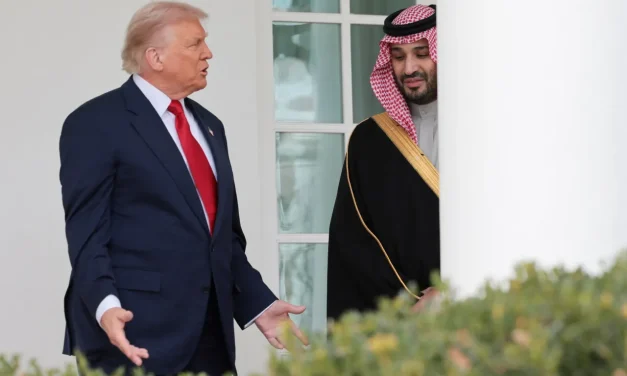
Implications of the US-Saudi Nuclear Agreement

SCFR Online – Opinion: The new US-Saudi nuclear agreement, despite legal and political ambiguities, could alter previous non-proliferation standards in West Asia and intensify nuclear competition, ushering it into a new phase.
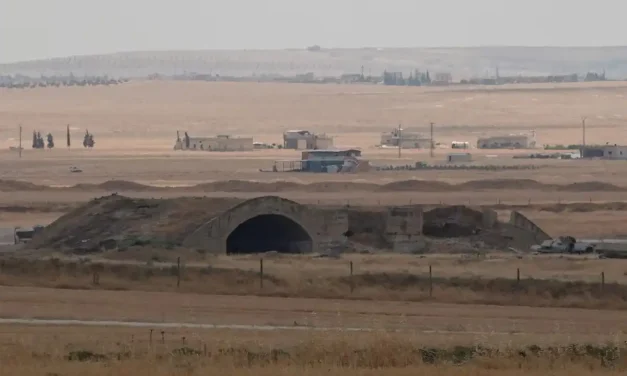
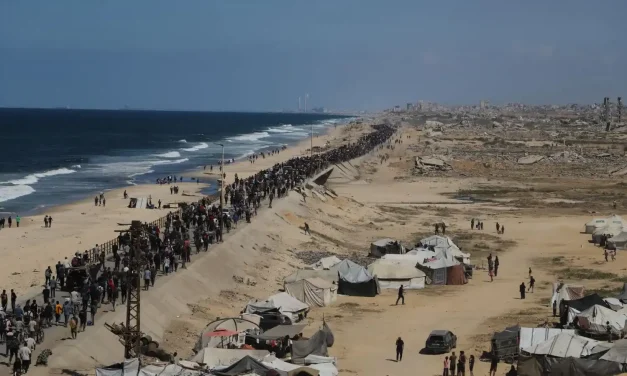
An Analysis of Recent Turkey-Israeli Regime Tensions

SCFR Online – Opinion: Recent developments in Syria indicate an intensification of strategic rivalry between Turkey and the Israeli regime, but mutual considerations and the role of the United States have limited the likelihood of direct war.

Increasing criticism of the extensive Zionist lobby network

SCFR Online – Opinion: An examination of the mechanisms of the Israeli regime’s influence in the United States depicts a complex picture of shared interests, strategic dependencies, and the limitations of this relationship.

Realities of the Tripartite Makkah Pact

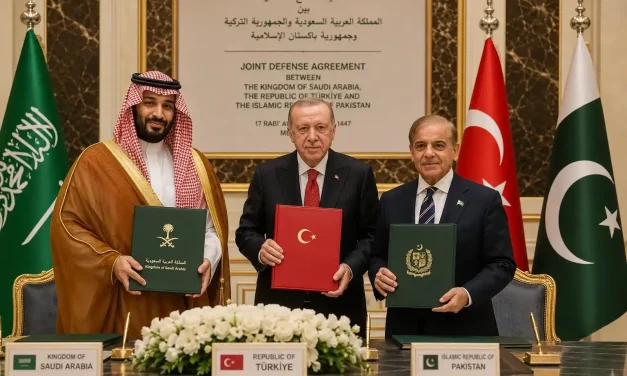
SCFR Online – Interview: The signing of the Makkah agreement between Saudi Arabia, Pakistan, and Turkey has raised questions about the future of the region’s security structure and the position of these countries in West Asian equations. Can this agreement become a genuine collective defense mechanism, or does it have more of a political and deterrent function than creating new military capacity?

Strategic Implications of the Reduction of US Weapons Stockpiles

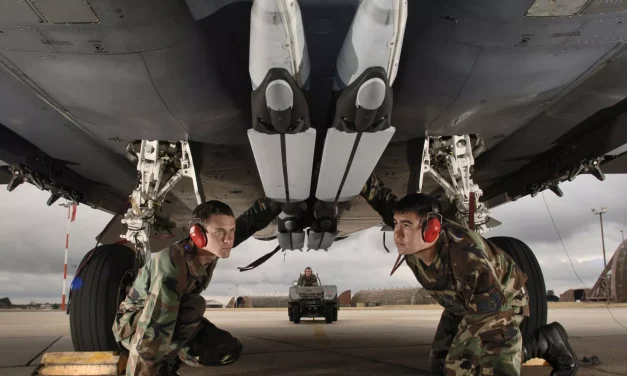
SCFR Online – Opinion: The continuation of the US war against Iran, in addition to increasing operational costs, has called into question the actual capacity of the American arsenal to simultaneously fulfill security commitments on multiple fronts; an issue that affects deterrence, defense production capacity, and Washington’s resource prioritization.

The Formation of a New Order in Relations Between Powers

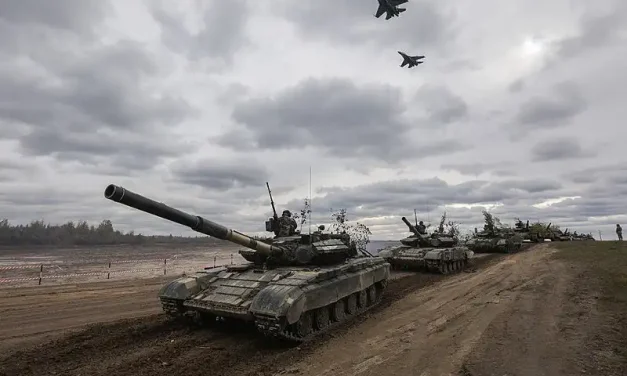
SCFR Online – Opinion: The Russia-Ukraine war and the war of the United States and the Israeli regime against Iran have been formed with different objectives and actors, but field and political developments indicate that they are not entirely separate from one another.

An Analysis of the Makkah Defense Pact

SCFR Online – Opinion: On Friday, August 7, the heads of state of three countries – Saudi Arabia, Turkey, and Pakistan – signed a text under the title “Makkah Joint Defense Agreement.”

Loading

Strategic Perspective

Consequences of New Iraqi Electoral System

Consequences of New Iraqi Electoral System

Strategic Council Online – Interview: An expert on Iraq affairs commenting on the new election law of that country said: The new electoral system has allowed new and smaller political currents and independent candidates to have more maneuvering power and are likely to allocate part of the seats in the parliament to themselves. From this perspective too, the big traditional currents are likely to face a drop in the votes and a reduction in the seats in the parliament.

The end of US superiority after failure in Afghanistan

The end of US superiority after failure in Afghanistan

Strategic Council Online-Opinion: The outcomes and sideline events of the US withdrawal from Afghanistan remain at the center of attention by political and media circles of the region and the world. Even though the Biden administration is trying to justify the US withdrawal from Afghanistan on the basis of economic interests, it is clear that withdrawal from Afghanistan is the biggest “defeat” of the White House in the world after the second world war and has weakened the US ability to benefit from power and politics.
Hamid Khoshayand-Analyst of international issues

Monopolist Configuration of Taliban Interim Cabinet & Its Consequences

Monopolist Configuration of Taliban Interim Cabinet & Its Consequences

Strategic Council Online- Interview: An analyst of Afghanistan affairs having said that the victor of the Taliban’s list is the Haqqani faction and Pakistan, and Molla Baradar faction has been marginalized, said:” Afghanistan society is now experiencing a profound gap between the government and other ethnics and religious sects. The situation is very dangerous and may lead to an internal war.

Prospects of economic relations between Iran and Afghanistan

Prospects of economic relations between Iran and Afghanistan

Strategic Council Online-Interview: Former director of the Logistics Headquarter of Afghanistan at the Ministry of Foreign Affairs says given the recent political developments in Afghanistan, even though we may see ups and downs in economic ties, Afghanistan cannot ignore its dealings with Iran even under the worst circumstances.

Failure of US Global Security Strategy

Failure of US Global Security Strategy

Strategic Council Online – Interview: A professor of the University of Tehran commenting about challenges of the US political-military strategy in the world said: After the Vietnam War, the US put a strategy on the agenda based on which it decided to arm its allies to ensure its security; but Washington’s decision to withdraw its troops from Iraq and Afghanistan seems to be a sign of the failure of that strategy.

Turkey’s Strategic Targets in Afghanistan

Turkey’s Strategic Targets in Afghanistan

Strategic Council Online – Interview: A university professor, stating that Turkey has a strategic and economic motivation to be present in Afghanistan, suggested that in the near future we will be witness to the extensive talks between the Taliban and Turkey.

Turkey’s Strategic View of Developments in Afghanistan

Turkey’s Strategic View of Developments in Afghanistan

Strategic Council Online – Interview: An expert on Turkey affairs commenting on Turkey’s new role in Afghanistan after the Taliban seizure of Kabul said: Ankara’s view of Kabul is a strategic one, and given the geopolitical situation of Afghanistan, in a long-term strategy, Turkey is striving for extensive military cooperation with that country, and in the meantime, Turkey’s good relations with Pakistan is strengthening this demand.

أحدث الوظائف

Implications of the US-Saudi Nuclear Agreement

SCFR Online – Opinion: The new US-Saudi nuclear agreement, despite legal and political ambiguities, could alter previous non-proliferation standards in West Asia and intensify nuclear competition, ushering it into a new phase.
An Analysis of Recent Turkey-Israeli Regime Tensions

SCFR Online – Opinion: Recent developments in Syria indicate an intensification of strategic rivalry between Turkey and the Israeli regime, but mutual considerations and the role of the United States have limited the likelihood of direct war.

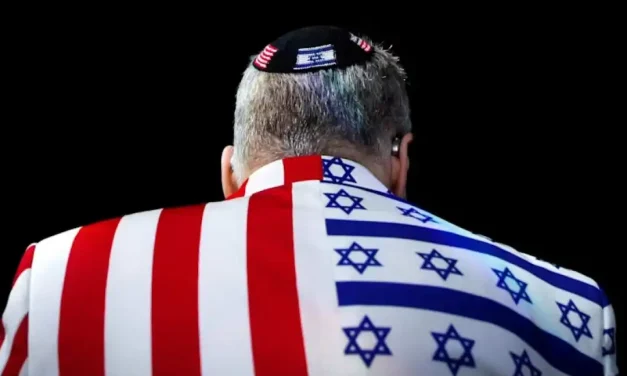
Increasing criticism of the extensive Zionist lobby network

SCFR Online – Opinion: An examination of the mechanisms of the Israeli regime’s influence in the United States depicts a complex picture of shared interests, strategic dependencies, and the limitations of this relationship.

Realities of the Tripartite Makkah Pact

SCFR Online – Interview: The signing of the Makkah agreement between Saudi Arabia, Pakistan, and Turkey has raised questions about the future of the region’s security structure and the position of these countries in West Asian equations. Can this agreement become a genuine collective defense mechanism, or does it have more of a political and deterrent function than creating new military capacity?

Strategic Implications of the Reduction of US Weapons Stockpiles

SCFR Online – Opinion: The continuation of the US war against Iran, in addition to increasing operational costs, has called into question the actual capacity of the American arsenal to simultaneously fulfill security commitments on multiple fronts; an issue that affects deterrence, defense production capacity, and Washington’s resource prioritization.

The Formation of a New Order in Relations Between Powers

SCFR Online – Opinion: The Russia-Ukraine war and the war of the United States and the Israeli regime against Iran have been formed with different objectives and actors, but field and political developments indicate that they are not entirely separate from one another.

An Analysis of the Makkah Defense Pact

SCFR Online – Opinion: On Friday, August 7, the heads of state of three countries – Saudi Arabia, Turkey, and Pakistan – signed a text under the title “Makkah Joint Defense Agreement.”

Loading

Strategic Perspective

Consequences of New Iraqi Electoral System

Consequences of New Iraqi Electoral System

Strategic Council Online – Interview: An expert on Iraq affairs commenting on the new election law of that country said: The new electoral system has allowed new and smaller political currents and independent candidates to have more maneuvering power and are likely to allocate part of the seats in the parliament to themselves. From this perspective too, the big traditional currents are likely to face a drop in the votes and a reduction in the seats in the parliament.

The end of US superiority after failure in Afghanistan

The end of US superiority after failure in Afghanistan

Strategic Council Online-Opinion: The outcomes and sideline events of the US withdrawal from Afghanistan remain at the center of attention by political and media circles of the region and the world. Even though the Biden administration is trying to justify the US withdrawal from Afghanistan on the basis of economic interests, it is clear that withdrawal from Afghanistan is the biggest “defeat” of the White House in the world after the second world war and has weakened the US ability to benefit from power and politics.
Hamid Khoshayand-Analyst of international issues

Monopolist Configuration of Taliban Interim Cabinet & Its Consequences

Monopolist Configuration of Taliban Interim Cabinet & Its Consequences

Strategic Council Online- Interview: An analyst of Afghanistan affairs having said that the victor of the Taliban’s list is the Haqqani faction and Pakistan, and Molla Baradar faction has been marginalized, said:” Afghanistan society is now experiencing a profound gap between the government and other ethnics and religious sects. The situation is very dangerous and may lead to an internal war.

Prospects of economic relations between Iran and Afghanistan

Prospects of economic relations between Iran and Afghanistan

Strategic Council Online-Interview: Former director of the Logistics Headquarter of Afghanistan at the Ministry of Foreign Affairs says given the recent political developments in Afghanistan, even though we may see ups and downs in economic ties, Afghanistan cannot ignore its dealings with Iran even under the worst circumstances.

Failure of US Global Security Strategy

Failure of US Global Security Strategy

Strategic Council Online – Interview: A professor of the University of Tehran commenting about challenges of the US political-military strategy in the world said: After the Vietnam War, the US put a strategy on the agenda based on which it decided to arm its allies to ensure its security; but Washington’s decision to withdraw its troops from Iraq and Afghanistan seems to be a sign of the failure of that strategy.

Turkey’s Strategic Targets in Afghanistan

Turkey’s Strategic Targets in Afghanistan

Strategic Council Online – Interview: A university professor, stating that Turkey has a strategic and economic motivation to be present in Afghanistan, suggested that in the near future we will be witness to the extensive talks between the Taliban and Turkey.

Turkey’s Strategic View of Developments in Afghanistan

Turkey’s Strategic View of Developments in Afghanistan

Strategic Council Online – Interview: An expert on Turkey affairs commenting on Turkey’s new role in Afghanistan after the Taliban seizure of Kabul said: Ankara’s view of Kabul is a strategic one, and given the geopolitical situation of Afghanistan, in a long-term strategy, Turkey is striving for extensive military cooperation with that country, and in the meantime, Turkey’s good relations with Pakistan is strengthening this demand.

Strategic Perspective

Consequences of New Iraqi Electoral System

Consequences of New Iraqi Electoral System

Strategic Council Online – Interview: An expert on Iraq affairs commenting on the new election law of that country said: The new electoral system has allowed new and smaller political currents and independent candidates to have more maneuvering power and are likely to allocate part of the seats in the parliament to themselves. From this perspective too, the big traditional currents are likely to face a drop in the votes and a reduction in the seats in the parliament.

The end of US superiority after failure in Afghanistan

The end of US superiority after failure in Afghanistan

Strategic Council Online-Opinion: The outcomes and sideline events of the US withdrawal from Afghanistan remain at the center of attention by political and media circles of the region and the world. Even though the Biden administration is trying to justify the US withdrawal from Afghanistan on the basis of economic interests, it is clear that withdrawal from Afghanistan is the biggest “defeat” of the White House in the world after the second world war and has weakened the US ability to benefit from power and politics.
Hamid Khoshayand-Analyst of international issues

Monopolist Configuration of Taliban Interim Cabinet & Its Consequences

Monopolist Configuration of Taliban Interim Cabinet & Its Consequences

Strategic Council Online- Interview: An analyst of Afghanistan affairs having said that the victor of the Taliban’s list is the Haqqani faction and Pakistan, and Molla Baradar faction has been marginalized, said:” Afghanistan society is now experiencing a profound gap between the government and other ethnics and religious sects. The situation is very dangerous and may lead to an internal war.

Prospects of economic relations between Iran and Afghanistan

Prospects of economic relations between Iran and Afghanistan

Strategic Council Online-Interview: Former director of the Logistics Headquarter of Afghanistan at the Ministry of Foreign Affairs says given the recent political developments in Afghanistan, even though we may see ups and downs in economic ties, Afghanistan cannot ignore its dealings with Iran even under the worst circumstances.

Failure of US Global Security Strategy

Failure of US Global Security Strategy

Strategic Council Online – Interview: A professor of the University of Tehran commenting about challenges of the US political-military strategy in the world said: After the Vietnam War, the US put a strategy on the agenda based on which it decided to arm its allies to ensure its security; but Washington’s decision to withdraw its troops from Iraq and Afghanistan seems to be a sign of the failure of that strategy.

Turkey’s Strategic Targets in Afghanistan

Turkey’s Strategic Targets in Afghanistan

Strategic Council Online – Interview: A university professor, stating that Turkey has a strategic and economic motivation to be present in Afghanistan, suggested that in the near future we will be witness to the extensive talks between the Taliban and Turkey.

Turkey’s Strategic View of Developments in Afghanistan

Turkey’s Strategic View of Developments in Afghanistan

Strategic Council Online – Interview: An expert on Turkey affairs commenting on Turkey’s new role in Afghanistan after the Taliban seizure of Kabul said: Ankara’s view of Kabul is a strategic one, and given the geopolitical situation of Afghanistan, in a long-term strategy, Turkey is striving for extensive military cooperation with that country, and in the meantime, Turkey’s good relations with Pakistan is strengthening this demand.

LATEST CONTENT

Implications of the US-Saudi Nuclear Agreement

SCFR Online – Opinion: The new US-Saudi nuclear agreement, despite legal and political ambiguities, could alter previous non-proliferation standards in West Asia and intensify nuclear competition, ushering it into a new phase.
An Analysis of Recent Turkey-Israeli Regime Tensions

SCFR Online – Opinion: Recent developments in Syria indicate an intensification of strategic rivalry between Turkey and the Israeli regime, but mutual considerations and the role of the United States have limited the likelihood of direct war.

Increasing criticism of the extensive Zionist lobby network

SCFR Online – Opinion: An examination of the mechanisms of the Israeli regime’s influence in the United States depicts a complex picture of shared interests, strategic dependencies, and the limitations of this relationship.

Realities of the Tripartite Makkah Pact

SCFR Online – Interview: The signing of the Makkah agreement between Saudi Arabia, Pakistan, and Turkey has raised questions about the future of the region’s security structure and the position of these countries in West Asian equations. Can this agreement become a genuine collective defense mechanism, or does it have more of a political and deterrent function than creating new military capacity?

Strategic Implications of the Reduction of US Weapons Stockpiles

SCFR Online – Opinion: The continuation of the US war against Iran, in addition to increasing operational costs, has called into question the actual capacity of the American arsenal to simultaneously fulfill security commitments on multiple fronts; an issue that affects deterrence, defense production capacity, and Washington’s resource prioritization.

The Formation of a New Order in Relations Between Powers

SCFR Online – Opinion: The Russia-Ukraine war and the war of the United States and the Israeli regime against Iran have been formed with different objectives and actors, but field and political developments indicate that they are not entirely separate from one another.

An Analysis of the Makkah Defense Pact

SCFR Online – Opinion: On Friday, August 7, the heads of state of three countries – Saudi Arabia, Turkey, and Pakistan – signed a text under the title “Makkah Joint Defense Agreement.”

Loading

Strategic Perspective

Consequences of New Iraqi Electoral System

Consequences of New Iraqi Electoral System

Strategic Council Online – Interview: An expert on Iraq affairs commenting on the new election law of that country said: The new electoral system has allowed new and smaller political currents and independent candidates to have more maneuvering power and are likely to allocate part of the seats in the parliament to themselves. From this perspective too, the big traditional currents are likely to face a drop in the votes and a reduction in the seats in the parliament.

The end of US superiority after failure in Afghanistan

The end of US superiority after failure in Afghanistan

Strategic Council Online-Opinion: The outcomes and sideline events of the US withdrawal from Afghanistan remain at the center of attention by political and media circles of the region and the world. Even though the Biden administration is trying to justify the US withdrawal from Afghanistan on the basis of economic interests, it is clear that withdrawal from Afghanistan is the biggest “defeat” of the White House in the world after the second world war and has weakened the US ability to benefit from power and politics.
Hamid Khoshayand-Analyst of international issues

Monopolist Configuration of Taliban Interim Cabinet & Its Consequences

Monopolist Configuration of Taliban Interim Cabinet & Its Consequences

Strategic Council Online- Interview: An analyst of Afghanistan affairs having said that the victor of the Taliban’s list is the Haqqani faction and Pakistan, and Molla Baradar faction has been marginalized, said:” Afghanistan society is now experiencing a profound gap between the government and other ethnics and religious sects. The situation is very dangerous and may lead to an internal war.

Prospects of economic relations between Iran and Afghanistan

Prospects of economic relations between Iran and Afghanistan

Strategic Council Online-Interview: Former director of the Logistics Headquarter of Afghanistan at the Ministry of Foreign Affairs says given the recent political developments in Afghanistan, even though we may see ups and downs in economic ties, Afghanistan cannot ignore its dealings with Iran even under the worst circumstances.

Failure of US Global Security Strategy

Failure of US Global Security Strategy

Strategic Council Online – Interview: A professor of the University of Tehran commenting about challenges of the US political-military strategy in the world said: After the Vietnam War, the US put a strategy on the agenda based on which it decided to arm its allies to ensure its security; but Washington’s decision to withdraw its troops from Iraq and Afghanistan seems to be a sign of the failure of that strategy.

Turkey’s Strategic Targets in Afghanistan

Turkey’s Strategic Targets in Afghanistan

Strategic Council Online – Interview: A university professor, stating that Turkey has a strategic and economic motivation to be present in Afghanistan, suggested that in the near future we will be witness to the extensive talks between the Taliban and Turkey.

Turkey’s Strategic View of Developments in Afghanistan

Turkey’s Strategic View of Developments in Afghanistan

Strategic Council Online – Interview: An expert on Turkey affairs commenting on Turkey’s new role in Afghanistan after the Taliban seizure of Kabul said: Ankara’s view of Kabul is a strategic one, and given the geopolitical situation of Afghanistan, in a long-term strategy, Turkey is striving for extensive military cooperation with that country, and in the meantime, Turkey’s good relations with Pakistan is strengthening this demand.

ÚLTIMAS PUBLICACIONES

Implications of the US-Saudi Nuclear Agreement

SCFR Online – Opinion: The new US-Saudi nuclear agreement, despite legal and political ambiguities, could alter previous non-proliferation standards in West Asia and intensify nuclear competition, ushering it into a new phase.
An Analysis of Recent Turkey-Israeli Regime Tensions

SCFR Online – Opinion: Recent developments in Syria indicate an intensification of strategic rivalry between Turkey and the Israeli regime, but mutual considerations and the role of the United States have limited the likelihood of direct war.

Increasing criticism of the extensive Zionist lobby network

SCFR Online – Opinion: An examination of the mechanisms of the Israeli regime’s influence in the United States depicts a complex picture of shared interests, strategic dependencies, and the limitations of this relationship.

Realities of the Tripartite Makkah Pact

SCFR Online – Interview: The signing of the Makkah agreement between Saudi Arabia, Pakistan, and Turkey has raised questions about the future of the region’s security structure and the position of these countries in West Asian equations. Can this agreement become a genuine collective defense mechanism, or does it have more of a political and deterrent function than creating new military capacity?

Strategic Implications of the Reduction of US Weapons Stockpiles

SCFR Online – Opinion: The continuation of the US war against Iran, in addition to increasing operational costs, has called into question the actual capacity of the American arsenal to simultaneously fulfill security commitments on multiple fronts; an issue that affects deterrence, defense production capacity, and Washington’s resource prioritization.

The Formation of a New Order in Relations Between Powers

SCFR Online – Opinion: The Russia-Ukraine war and the war of the United States and the Israeli regime against Iran have been formed with different objectives and actors, but field and political developments indicate that they are not entirely separate from one another.

An Analysis of the Makkah Defense Pact

SCFR Online – Opinion: On Friday, August 7, the heads of state of three countries – Saudi Arabia, Turkey, and Pakistan – signed a text under the title “Makkah Joint Defense Agreement.”

Loading

Strategic Perspective

Consequences of New Iraqi Electoral System

Consequences of New Iraqi Electoral System

Strategic Council Online – Interview: An expert on Iraq affairs commenting on the new election law of that country said: The new electoral system has allowed new and smaller political currents and independent candidates to have more maneuvering power and are likely to allocate part of the seats in the parliament to themselves. From this perspective too, the big traditional currents are likely to face a drop in the votes and a reduction in the seats in the parliament.

The end of US superiority after failure in Afghanistan

The end of US superiority after failure in Afghanistan

Strategic Council Online-Opinion: The outcomes and sideline events of the US withdrawal from Afghanistan remain at the center of attention by political and media circles of the region and the world. Even though the Biden administration is trying to justify the US withdrawal from Afghanistan on the basis of economic interests, it is clear that withdrawal from Afghanistan is the biggest “defeat” of the White House in the world after the second world war and has weakened the US ability to benefit from power and politics.
Hamid Khoshayand-Analyst of international issues

Monopolist Configuration of Taliban Interim Cabinet & Its Consequences

Monopolist Configuration of Taliban Interim Cabinet & Its Consequences

Strategic Council Online- Interview: An analyst of Afghanistan affairs having said that the victor of the Taliban’s list is the Haqqani faction and Pakistan, and Molla Baradar faction has been marginalized, said:” Afghanistan society is now experiencing a profound gap between the government and other ethnics and religious sects. The situation is very dangerous and may lead to an internal war.

Prospects of economic relations between Iran and Afghanistan

Prospects of economic relations between Iran and Afghanistan

Strategic Council Online-Interview: Former director of the Logistics Headquarter of Afghanistan at the Ministry of Foreign Affairs says given the recent political developments in Afghanistan, even though we may see ups and downs in economic ties, Afghanistan cannot ignore its dealings with Iran even under the worst circumstances.

Failure of US Global Security Strategy

Failure of US Global Security Strategy

Strategic Council Online – Interview: A professor of the University of Tehran commenting about challenges of the US political-military strategy in the world said: After the Vietnam War, the US put a strategy on the agenda based on which it decided to arm its allies to ensure its security; but Washington’s decision to withdraw its troops from Iraq and Afghanistan seems to be a sign of the failure of that strategy.

Turkey’s Strategic Targets in Afghanistan

Turkey’s Strategic Targets in Afghanistan

Strategic Council Online – Interview: A university professor, stating that Turkey has a strategic and economic motivation to be present in Afghanistan, suggested that in the near future we will be witness to the extensive talks between the Taliban and Turkey.

Turkey’s Strategic View of Developments in Afghanistan

Turkey’s Strategic View of Developments in Afghanistan

Strategic Council Online – Interview: An expert on Turkey affairs commenting on Turkey’s new role in Afghanistan after the Taliban seizure of Kabul said: Ankara’s view of Kabul is a strategic one, and given the geopolitical situation of Afghanistan, in a long-term strategy, Turkey is striving for extensive military cooperation with that country, and in the meantime, Turkey’s good relations with Pakistan is strengthening this demand.

ÚLTIMAS PUBLICACIONES

Implications of the US-Saudi Nuclear Agreement

SCFR Online – Opinion: The new US-Saudi nuclear agreement, despite legal and political ambiguities, could alter previous non-proliferation standards in West Asia and intensify nuclear competition, ushering it into a new phase.
An Analysis of Recent Turkey-Israeli Regime Tensions

SCFR Online – Opinion: Recent developments in Syria indicate an intensification of strategic rivalry between Turkey and the Israeli regime, but mutual considerations and the role of the United States have limited the likelihood of direct war.

Increasing criticism of the extensive Zionist lobby network

SCFR Online – Opinion: An examination of the mechanisms of the Israeli regime’s influence in the United States depicts a complex picture of shared interests, strategic dependencies, and the limitations of this relationship.

Realities of the Tripartite Makkah Pact

SCFR Online – Interview: The signing of the Makkah agreement between Saudi Arabia, Pakistan, and Turkey has raised questions about the future of the region’s security structure and the position of these countries in West Asian equations. Can this agreement become a genuine collective defense mechanism, or does it have more of a political and deterrent function than creating new military capacity?

Strategic Implications of the Reduction of US Weapons Stockpiles

SCFR Online – Opinion: The continuation of the US war against Iran, in addition to increasing operational costs, has called into question the actual capacity of the American arsenal to simultaneously fulfill security commitments on multiple fronts; an issue that affects deterrence, defense production capacity, and Washington’s resource prioritization.

The Formation of a New Order in Relations Between Powers

SCFR Online – Opinion: The Russia-Ukraine war and the war of the United States and the Israeli regime against Iran have been formed with different objectives and actors, but field and political developments indicate that they are not entirely separate from one another.

An Analysis of the Makkah Defense Pact

SCFR Online – Opinion: On Friday, August 7, the heads of state of three countries – Saudi Arabia, Turkey, and Pakistan – signed a text under the title “Makkah Joint Defense Agreement.”

Loading

Strategic Perspective

Consequences of New Iraqi Electoral System

Consequences of New Iraqi Electoral System

Strategic Council Online – Interview: An expert on Iraq affairs commenting on the new election law of that country said: The new electoral system has allowed new and smaller political currents and independent candidates to have more maneuvering power and are likely to allocate part of the seats in the parliament to themselves. From this perspective too, the big traditional currents are likely to face a drop in the votes and a reduction in the seats in the parliament.

The end of US superiority after failure in Afghanistan

The end of US superiority after failure in Afghanistan

Strategic Council Online-Opinion: The outcomes and sideline events of the US withdrawal from Afghanistan remain at the center of attention by political and media circles of the region and the world. Even though the Biden administration is trying to justify the US withdrawal from Afghanistan on the basis of economic interests, it is clear that withdrawal from Afghanistan is the biggest “defeat” of the White House in the world after the second world war and has weakened the US ability to benefit from power and politics.
Hamid Khoshayand-Analyst of international issues

Monopolist Configuration of Taliban Interim Cabinet & Its Consequences

Monopolist Configuration of Taliban Interim Cabinet & Its Consequences

Strategic Council Online- Interview: An analyst of Afghanistan affairs having said that the victor of the Taliban’s list is the Haqqani faction and Pakistan, and Molla Baradar faction has been marginalized, said:” Afghanistan society is now experiencing a profound gap between the government and other ethnics and religious sects. The situation is very dangerous and may lead to an internal war.

Prospects of economic relations between Iran and Afghanistan

Prospects of economic relations between Iran and Afghanistan

Strategic Council Online-Interview: Former director of the Logistics Headquarter of Afghanistan at the Ministry of Foreign Affairs says given the recent political developments in Afghanistan, even though we may see ups and downs in economic ties, Afghanistan cannot ignore its dealings with Iran even under the worst circumstances.

Failure of US Global Security Strategy

Failure of US Global Security Strategy

Strategic Council Online – Interview: A professor of the University of Tehran commenting about challenges of the US political-military strategy in the world said: After the Vietnam War, the US put a strategy on the agenda based on which it decided to arm its allies to ensure its security; but Washington’s decision to withdraw its troops from Iraq and Afghanistan seems to be a sign of the failure of that strategy.

Turkey’s Strategic Targets in Afghanistan

Turkey’s Strategic Targets in Afghanistan

Strategic Council Online – Interview: A university professor, stating that Turkey has a strategic and economic motivation to be present in Afghanistan, suggested that in the near future we will be witness to the extensive talks between the Taliban and Turkey.

Turkey’s Strategic View of Developments in Afghanistan

Turkey’s Strategic View of Developments in Afghanistan

Strategic Council Online – Interview: An expert on Turkey affairs commenting on Turkey’s new role in Afghanistan after the Taliban seizure of Kabul said: Ankara’s view of Kabul is a strategic one, and given the geopolitical situation of Afghanistan, in a long-term strategy, Turkey is striving for extensive military cooperation with that country, and in the meantime, Turkey’s good relations with Pakistan is strengthening this demand.

ÚLTIMAS PUBLICACIONES

Implications of the US-Saudi Nuclear Agreement

SCFR Online – Opinion: The new US-Saudi nuclear agreement, despite legal and political ambiguities, could alter previous non-proliferation standards in West Asia and intensify nuclear competition, ushering it into a new phase.

An Analysis of Recent Turkey-Israeli Regime Tensions

SCFR Online – Opinion: Recent developments in Syria indicate an intensification of strategic rivalry between Turkey and the Israeli regime, but mutual considerations and the role of the United States have limited the likelihood of direct war.

Increasing criticism of the extensive Zionist lobby network

SCFR Online – Opinion: An examination of the mechanisms of the Israeli regime’s influence in the United States depicts a complex picture of shared interests, strategic dependencies, and the limitations of this relationship.

Realities of the Tripartite Makkah Pact

SCFR Online – Interview: The signing of the Makkah agreement between Saudi Arabia, Pakistan, and Turkey has raised questions about the future of the region’s security structure and the position of these countries in West Asian equations. Can this agreement become a genuine collective defense mechanism, or does it have more of a political and deterrent function than creating new military capacity?

Strategic Implications of the Reduction of US Weapons Stockpiles

SCFR Online – Opinion: The continuation of the US war against Iran, in addition to increasing operational costs, has called into question the actual capacity of the American arsenal to simultaneously fulfill security commitments on multiple fronts; an issue that affects deterrence, defense production capacity, and Washington’s resource prioritization.

The Formation of a New Order in Relations Between Powers

SCFR Online – Opinion: The Russia-Ukraine war and the war of the United States and the Israeli regime against Iran have been formed with different objectives and actors, but field and political developments indicate that they are not entirely separate from one another.

An Analysis of the Makkah Defense Pact

SCFR Online – Opinion: On Friday, August 7, the heads of state of three countries – Saudi Arabia, Turkey, and Pakistan – signed a text under the title “Makkah Joint Defense Agreement.”

Loading

Strategic Perspective

Consequences of New Iraqi Electoral System

Consequences of New Iraqi Electoral System

Strategic Council Online – Interview: An expert on Iraq affairs commenting on the new election law of that country said: The new electoral system has allowed new and smaller political currents and independent candidates to have more maneuvering power and are likely to allocate part of the seats in the parliament to themselves. From this perspective too, the big traditional currents are likely to face a drop in the votes and a reduction in the seats in the parliament.

The end of US superiority after failure in Afghanistan

The end of US superiority after failure in Afghanistan

Strategic Council Online-Opinion: The outcomes and sideline events of the US withdrawal from Afghanistan remain at the center of attention by political and media circles of the region and the world. Even though the Biden administration is trying to justify the US withdrawal from Afghanistan on the basis of economic interests, it is clear that withdrawal from Afghanistan is the biggest “defeat” of the White House in the world after the second world war and has weakened the US ability to benefit from power and politics.
Hamid Khoshayand-Analyst of international issues

Monopolist Configuration of Taliban Interim Cabinet & Its Consequences

Monopolist Configuration of Taliban Interim Cabinet & Its Consequences

Strategic Council Online- Interview: An analyst of Afghanistan affairs having said that the victor of the Taliban’s list is the Haqqani faction and Pakistan, and Molla Baradar faction has been marginalized, said:” Afghanistan society is now experiencing a profound gap between the government and other ethnics and religious sects. The situation is very dangerous and may lead to an internal war.

Prospects of economic relations between Iran and Afghanistan

Prospects of economic relations between Iran and Afghanistan

Strategic Council Online-Interview: Former director of the Logistics Headquarter of Afghanistan at the Ministry of Foreign Affairs says given the recent political developments in Afghanistan, even though we may see ups and downs in economic ties, Afghanistan cannot ignore its dealings with Iran even under the worst circumstances.

Failure of US Global Security Strategy

Failure of US Global Security Strategy

Strategic Council Online – Interview: A professor of the University of Tehran commenting about challenges of the US political-military strategy in the world said: After the Vietnam War, the US put a strategy on the agenda based on which it decided to arm its allies to ensure its security; but Washington’s decision to withdraw its troops from Iraq and Afghanistan seems to be a sign of the failure of that strategy.

Turkey’s Strategic Targets in Afghanistan

Turkey’s Strategic Targets in Afghanistan

Strategic Council Online – Interview: A university professor, stating that Turkey has a strategic and economic motivation to be present in Afghanistan, suggested that in the near future we will be witness to the extensive talks between the Taliban and Turkey.

Turkey’s Strategic View of Developments in Afghanistan

Turkey’s Strategic View of Developments in Afghanistan

Strategic Council Online – Interview: An expert on Turkey affairs commenting on Turkey’s new role in Afghanistan after the Taliban seizure of Kabul said: Ankara’s view of Kabul is a strategic one, and given the geopolitical situation of Afghanistan, in a long-term strategy, Turkey is striving for extensive military cooperation with that country, and in the meantime, Turkey’s good relations with Pakistan is strengthening this demand.

ÚLTIMAS PUBLICACIONES

Implications of the US-Saudi Nuclear Agreement

SCFR Online – Opinion: The new US-Saudi nuclear agreement, despite legal and political ambiguities, could alter previous non-proliferation standards in West Asia and intensify nuclear competition, ushering it into a new phase.

An Analysis of Recent Turkey-Israeli Regime Tensions

SCFR Online – Opinion: Recent developments in Syria indicate an intensification of strategic rivalry between Turkey and the Israeli regime, but mutual considerations and the role of the United States have limited the likelihood of direct war.

Increasing criticism of the extensive Zionist lobby network

SCFR Online – Opinion: An examination of the mechanisms of the Israeli regime’s influence in the United States depicts a complex picture of shared interests, strategic dependencies, and the limitations of this relationship.

Realities of the Tripartite Makkah Pact

SCFR Online – Interview: The signing of the Makkah agreement between Saudi Arabia, Pakistan, and Turkey has raised questions about the future of the region’s security structure and the position of these countries in West Asian equations. Can this agreement become a genuine collective defense mechanism, or does it have more of a political and deterrent function than creating new military capacity?

Strategic Implications of the Reduction of US Weapons Stockpiles

SCFR Online – Opinion: The continuation of the US war against Iran, in addition to increasing operational costs, has called into question the actual capacity of the American arsenal to simultaneously fulfill security commitments on multiple fronts; an issue that affects deterrence, defense production capacity, and Washington’s resource prioritization.

The Formation of a New Order in Relations Between Powers

SCFR Online – Opinion: The Russia-Ukraine war and the war of the United States and the Israeli regime against Iran have been formed with different objectives and actors, but field and political developments indicate that they are not entirely separate from one another.

An Analysis of the Makkah Defense Pact

SCFR Online – Opinion: On Friday, August 7, the heads of state of three countries – Saudi Arabia, Turkey, and Pakistan – signed a text under the title “Makkah Joint Defense Agreement.”

Loading