جدیدترین مطالب

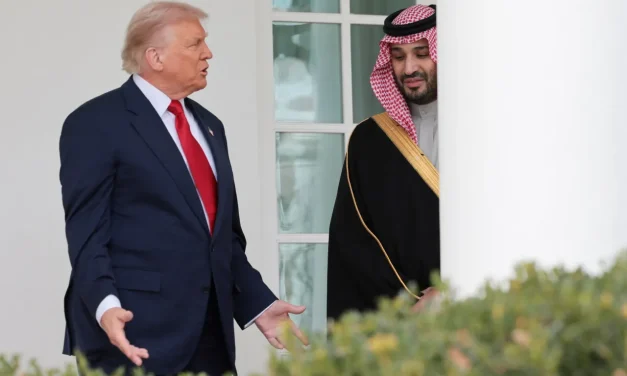
Implications of the US-Saudi Nuclear Agreement

SCFR Online – Opinion: The new US-Saudi nuclear agreement, despite legal and political ambiguities, could alter previous non-proliferation standards in West Asia and intensify nuclear competition, ushering it into a new phase.
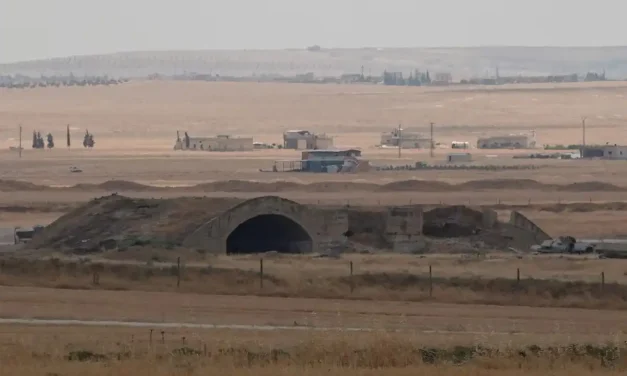
An Analysis of Recent Turkey-Israeli Regime Tensions

SCFR Online – Opinion: Recent developments in Syria indicate an intensification of strategic rivalry between Turkey and the Israeli regime, but mutual considerations and the role of the United States have limited the likelihood of direct war.

Increasing criticism of the extensive Zionist lobby network

SCFR Online – Opinion: An examination of the mechanisms of the Israeli regime’s influence in the United States depicts a complex picture of shared interests, strategic dependencies, and the limitations of this relationship.

Realities of the Tripartite Makkah Pact

SCFR Online – Interview: The signing of the Makkah agreement between Saudi Arabia, Pakistan, and Turkey has raised questions about the future of the region’s security structure and the position of these countries in West Asian equations. Can this agreement become a genuine collective defense mechanism, or does it have more of a political and deterrent function than creating new military capacity?

Strategic Implications of the Reduction of US Weapons Stockpiles

SCFR Online – Opinion: The continuation of the US war against Iran, in addition to increasing operational costs, has called into question the actual capacity of the American arsenal to simultaneously fulfill security commitments on multiple fronts; an issue that affects deterrence, defense production capacity, and Washington’s resource prioritization.

The Formation of a New Order in Relations Between Powers

SCFR Online – Opinion: The Russia-Ukraine war and the war of the United States and the Israeli regime against Iran have been formed with different objectives and actors, but field and political developments indicate that they are not entirely separate from one another.

An Analysis of the Makkah Defense Pact

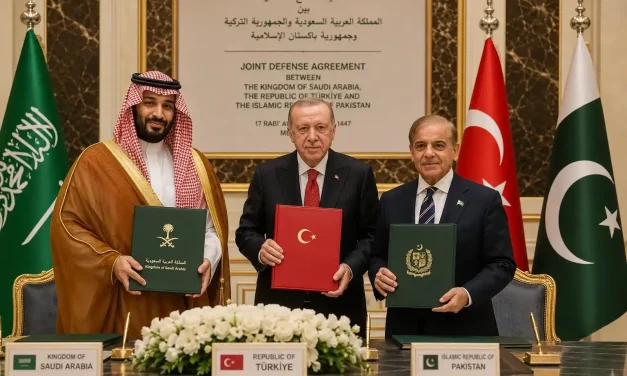
SCFR Online – Opinion: On Friday, August 7, the heads of state of three countries – Saudi Arabia, Turkey, and Pakistan – signed a text under the title “Makkah Joint Defense Agreement.”

Loading

Strategic Perspective

Signs of Shift in Balance of Power in Yemen War

Signs of Shift in Balance of Power in Yemen War

Strategic Council Online – An expert on the Middle East affairs, commenting on the latest political and military developments in Yemen, said that the current developments in Yemen have serious distinctions compared to the developments of the last 6 years, which are indicative of new events.

Variables Affecting Revival of JCPOA

Variables Affecting Revival of JCPOA

Strategic Council Online – An expert on international affairs commenting on the results of holding the two rounds of the Joint Comprehensive Plan of Action (JCPOA) Joint Commission meeting in Vienna said: Considering the desire of all parties to continue the negotiations, it can be said that the scenario of reviving the JCPOA is not far-fetched.

Netanyahu presidency scenario to save the Zionist regime from political deadlock

Netanyahu presidency scenario to save the Zionist regime from political deadlock

Strategic Council Online—Interview: An expert of Zionist regime affairs says the public opinion in Israel believes Benjamin Netanyahu’s thirst for power is the sole reason behind the prolongation of the political deadlock, adding that political groups inside the Zionist regime have reached the conclusion that Israel needs to continue its path without Netanyahu.

Will unification of power in Kosovo result in normalization of relations with Serbia?

Will unification of power in Kosovo result in normalization of relations with Serbia?

Online Strategic Council—Opinion: Madam Vjosa Osmani-Sadriu, 38 years old, educated in the United States and candidate of the ruling party for the position of President of Kosovo, was elected as the new President of Kosovo in the third round of voting in the 112-seat parliament with the positive vote of 71 MPs. In this voting, 11 votes were disqualified and two opposition parties and one Serb-minority party boycotted voting in the parliament. Osmani-Sadriu, former speaker of the parliament, is the second women to be elected president in Kosovo after the Balkans conflict. She is holding a ceremonial position now however she plays the leading role in determining Kosovo’s foreign policy while she is the commander in chief of the armed forces. She became the interim chief of cabinet in November 2020 after Hashim Thaci resigned as the president of Kosovo. Thaci submitted his resignation before a court in the Netherlands began investigating war crimes. Hashim Thaci is awaiting the court.
Mahmood Fazeli—International affairs analyst

Proportional, Reciprocal Response to Nuclear Terrorism

Proportional, Reciprocal Response to Nuclear Terrorism

Strategic Council Online – The sabotage at Natanz nuclear facility is, in view of the head of Iran Atomic Energy Organization, tantamount to “nuclear terrorism” and according to the available signs and evidences, the finger of blame has been pointed at the Zionist regime; now the question is what is the proportional and reciprocal response to this terrorist movement and what dimensions can it have?
Dr. Ali Karbalaei Hosseini – International Law Expert

Prospects of the peace process in Afghanistan and the Istanbul talks

Prospects of the peace process in Afghanistan and the Istanbul talks

Online Strategic Council—Interview: An analyst of Afghanistan issues says the Istanbul meeting is in fact complementary to the Moscow conference and it seems there is an agreement between the Americans and the Russians behind the curtains on the future of Afghanistan and the structure of power, adding that such efforts are far from success without soliciting the prior agreement of the neighbors and the incorporation of their viewpoints.

Internal Unrest, Potential for Major Socio-Political Developments in Saudi Arabia

Internal Unrest, Potential for Major Socio-Political Developments in Saudi Arabia

Strategic Council Online – An analyst of West Asia affairs said that Saudi Arabia is the cradle of ISIS line of thinking and that Mohammed bin Salman’s approach to social reform is contradictory, adding: There is potentials for great socio-political changes in Saudi Arabia, but they have forcefully prevented this by spending huge money and through false propaganda.

Opportunity for Technological Development in Iran-China Strategic Cooperation

Opportunity for Technological Development in Iran-China Strategic Cooperation

Strategic Council Online – Note: Today, no one can deny that the world has entered into the digital age and that global production and marketing have entered into new conditions and waves. In the field of commodity production, experts talk about the fourth wave of the industrial revolution. Robotics of machinery and widespread use of artificial intelligence (AI), natural language processing (NLP), Internet of Things (IoT), and blockchain will greatly reduce costs and increase the speed of production, distribution, and supply of goods in an incredible way. These events quickly derail third-wave factories which, even assuming the use of the best and most up-to-date production methods, will still have low productivity.
Iman Samadinia – economic diplomacy researcher

أحدث الوظائف

Implications of the US-Saudi Nuclear Agreement

SCFR Online – Opinion: The new US-Saudi nuclear agreement, despite legal and political ambiguities, could alter previous non-proliferation standards in West Asia and intensify nuclear competition, ushering it into a new phase.
An Analysis of Recent Turkey-Israeli Regime Tensions

SCFR Online – Opinion: Recent developments in Syria indicate an intensification of strategic rivalry between Turkey and the Israeli regime, but mutual considerations and the role of the United States have limited the likelihood of direct war.

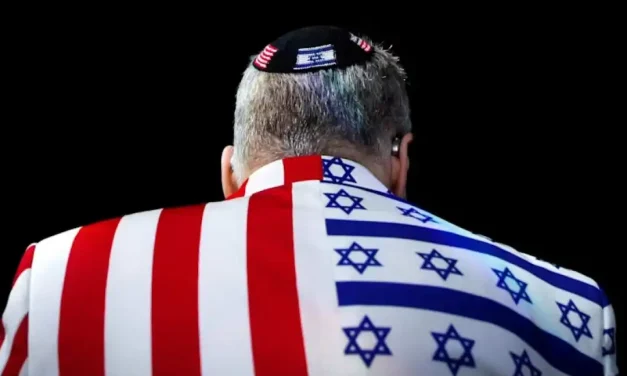
Increasing criticism of the extensive Zionist lobby network

SCFR Online – Opinion: An examination of the mechanisms of the Israeli regime’s influence in the United States depicts a complex picture of shared interests, strategic dependencies, and the limitations of this relationship.

Realities of the Tripartite Makkah Pact

SCFR Online – Interview: The signing of the Makkah agreement between Saudi Arabia, Pakistan, and Turkey has raised questions about the future of the region’s security structure and the position of these countries in West Asian equations. Can this agreement become a genuine collective defense mechanism, or does it have more of a political and deterrent function than creating new military capacity?

Strategic Implications of the Reduction of US Weapons Stockpiles

SCFR Online – Opinion: The continuation of the US war against Iran, in addition to increasing operational costs, has called into question the actual capacity of the American arsenal to simultaneously fulfill security commitments on multiple fronts; an issue that affects deterrence, defense production capacity, and Washington’s resource prioritization.

The Formation of a New Order in Relations Between Powers

SCFR Online – Opinion: The Russia-Ukraine war and the war of the United States and the Israeli regime against Iran have been formed with different objectives and actors, but field and political developments indicate that they are not entirely separate from one another.

An Analysis of the Makkah Defense Pact

SCFR Online – Opinion: On Friday, August 7, the heads of state of three countries – Saudi Arabia, Turkey, and Pakistan – signed a text under the title “Makkah Joint Defense Agreement.”

Loading

Strategic Perspective

Signs of Shift in Balance of Power in Yemen War

Signs of Shift in Balance of Power in Yemen War

Strategic Council Online – An expert on the Middle East affairs, commenting on the latest political and military developments in Yemen, said that the current developments in Yemen have serious distinctions compared to the developments of the last 6 years, which are indicative of new events.

Variables Affecting Revival of JCPOA

Variables Affecting Revival of JCPOA

Strategic Council Online – An expert on international affairs commenting on the results of holding the two rounds of the Joint Comprehensive Plan of Action (JCPOA) Joint Commission meeting in Vienna said: Considering the desire of all parties to continue the negotiations, it can be said that the scenario of reviving the JCPOA is not far-fetched.

Netanyahu presidency scenario to save the Zionist regime from political deadlock

Netanyahu presidency scenario to save the Zionist regime from political deadlock

Strategic Council Online—Interview: An expert of Zionist regime affairs says the public opinion in Israel believes Benjamin Netanyahu’s thirst for power is the sole reason behind the prolongation of the political deadlock, adding that political groups inside the Zionist regime have reached the conclusion that Israel needs to continue its path without Netanyahu.

Will unification of power in Kosovo result in normalization of relations with Serbia?

Will unification of power in Kosovo result in normalization of relations with Serbia?

Online Strategic Council—Opinion: Madam Vjosa Osmani-Sadriu, 38 years old, educated in the United States and candidate of the ruling party for the position of President of Kosovo, was elected as the new President of Kosovo in the third round of voting in the 112-seat parliament with the positive vote of 71 MPs. In this voting, 11 votes were disqualified and two opposition parties and one Serb-minority party boycotted voting in the parliament. Osmani-Sadriu, former speaker of the parliament, is the second women to be elected president in Kosovo after the Balkans conflict. She is holding a ceremonial position now however she plays the leading role in determining Kosovo’s foreign policy while she is the commander in chief of the armed forces. She became the interim chief of cabinet in November 2020 after Hashim Thaci resigned as the president of Kosovo. Thaci submitted his resignation before a court in the Netherlands began investigating war crimes. Hashim Thaci is awaiting the court.
Mahmood Fazeli—International affairs analyst

Proportional, Reciprocal Response to Nuclear Terrorism

Proportional, Reciprocal Response to Nuclear Terrorism

Strategic Council Online – The sabotage at Natanz nuclear facility is, in view of the head of Iran Atomic Energy Organization, tantamount to “nuclear terrorism” and according to the available signs and evidences, the finger of blame has been pointed at the Zionist regime; now the question is what is the proportional and reciprocal response to this terrorist movement and what dimensions can it have?
Dr. Ali Karbalaei Hosseini – International Law Expert

Prospects of the peace process in Afghanistan and the Istanbul talks

Prospects of the peace process in Afghanistan and the Istanbul talks

Online Strategic Council—Interview: An analyst of Afghanistan issues says the Istanbul meeting is in fact complementary to the Moscow conference and it seems there is an agreement between the Americans and the Russians behind the curtains on the future of Afghanistan and the structure of power, adding that such efforts are far from success without soliciting the prior agreement of the neighbors and the incorporation of their viewpoints.

Internal Unrest, Potential for Major Socio-Political Developments in Saudi Arabia

Internal Unrest, Potential for Major Socio-Political Developments in Saudi Arabia

Strategic Council Online – An analyst of West Asia affairs said that Saudi Arabia is the cradle of ISIS line of thinking and that Mohammed bin Salman’s approach to social reform is contradictory, adding: There is potentials for great socio-political changes in Saudi Arabia, but they have forcefully prevented this by spending huge money and through false propaganda.

Opportunity for Technological Development in Iran-China Strategic Cooperation

Opportunity for Technological Development in Iran-China Strategic Cooperation

Strategic Council Online – Note: Today, no one can deny that the world has entered into the digital age and that global production and marketing have entered into new conditions and waves. In the field of commodity production, experts talk about the fourth wave of the industrial revolution. Robotics of machinery and widespread use of artificial intelligence (AI), natural language processing (NLP), Internet of Things (IoT), and blockchain will greatly reduce costs and increase the speed of production, distribution, and supply of goods in an incredible way. These events quickly derail third-wave factories which, even assuming the use of the best and most up-to-date production methods, will still have low productivity.
Iman Samadinia – economic diplomacy researcher

Strategic Perspective

Signs of Shift in Balance of Power in Yemen War

Signs of Shift in Balance of Power in Yemen War

Strategic Council Online – An expert on the Middle East affairs, commenting on the latest political and military developments in Yemen, said that the current developments in Yemen have serious distinctions compared to the developments of the last 6 years, which are indicative of new events.

Variables Affecting Revival of JCPOA

Variables Affecting Revival of JCPOA

Strategic Council Online – An expert on international affairs commenting on the results of holding the two rounds of the Joint Comprehensive Plan of Action (JCPOA) Joint Commission meeting in Vienna said: Considering the desire of all parties to continue the negotiations, it can be said that the scenario of reviving the JCPOA is not far-fetched.

Netanyahu presidency scenario to save the Zionist regime from political deadlock

Netanyahu presidency scenario to save the Zionist regime from political deadlock

Strategic Council Online—Interview: An expert of Zionist regime affairs says the public opinion in Israel believes Benjamin Netanyahu’s thirst for power is the sole reason behind the prolongation of the political deadlock, adding that political groups inside the Zionist regime have reached the conclusion that Israel needs to continue its path without Netanyahu.

Will unification of power in Kosovo result in normalization of relations with Serbia?

Will unification of power in Kosovo result in normalization of relations with Serbia?

Online Strategic Council—Opinion: Madam Vjosa Osmani-Sadriu, 38 years old, educated in the United States and candidate of the ruling party for the position of President of Kosovo, was elected as the new President of Kosovo in the third round of voting in the 112-seat parliament with the positive vote of 71 MPs. In this voting, 11 votes were disqualified and two opposition parties and one Serb-minority party boycotted voting in the parliament. Osmani-Sadriu, former speaker of the parliament, is the second women to be elected president in Kosovo after the Balkans conflict. She is holding a ceremonial position now however she plays the leading role in determining Kosovo’s foreign policy while she is the commander in chief of the armed forces. She became the interim chief of cabinet in November 2020 after Hashim Thaci resigned as the president of Kosovo. Thaci submitted his resignation before a court in the Netherlands began investigating war crimes. Hashim Thaci is awaiting the court.
Mahmood Fazeli—International affairs analyst

Proportional, Reciprocal Response to Nuclear Terrorism

Proportional, Reciprocal Response to Nuclear Terrorism

Strategic Council Online – The sabotage at Natanz nuclear facility is, in view of the head of Iran Atomic Energy Organization, tantamount to “nuclear terrorism” and according to the available signs and evidences, the finger of blame has been pointed at the Zionist regime; now the question is what is the proportional and reciprocal response to this terrorist movement and what dimensions can it have?
Dr. Ali Karbalaei Hosseini – International Law Expert

Prospects of the peace process in Afghanistan and the Istanbul talks

Prospects of the peace process in Afghanistan and the Istanbul talks

Online Strategic Council—Interview: An analyst of Afghanistan issues says the Istanbul meeting is in fact complementary to the Moscow conference and it seems there is an agreement between the Americans and the Russians behind the curtains on the future of Afghanistan and the structure of power, adding that such efforts are far from success without soliciting the prior agreement of the neighbors and the incorporation of their viewpoints.

Internal Unrest, Potential for Major Socio-Political Developments in Saudi Arabia

Internal Unrest, Potential for Major Socio-Political Developments in Saudi Arabia

Strategic Council Online – An analyst of West Asia affairs said that Saudi Arabia is the cradle of ISIS line of thinking and that Mohammed bin Salman’s approach to social reform is contradictory, adding: There is potentials for great socio-political changes in Saudi Arabia, but they have forcefully prevented this by spending huge money and through false propaganda.

Opportunity for Technological Development in Iran-China Strategic Cooperation

Opportunity for Technological Development in Iran-China Strategic Cooperation

Strategic Council Online – Note: Today, no one can deny that the world has entered into the digital age and that global production and marketing have entered into new conditions and waves. In the field of commodity production, experts talk about the fourth wave of the industrial revolution. Robotics of machinery and widespread use of artificial intelligence (AI), natural language processing (NLP), Internet of Things (IoT), and blockchain will greatly reduce costs and increase the speed of production, distribution, and supply of goods in an incredible way. These events quickly derail third-wave factories which, even assuming the use of the best and most up-to-date production methods, will still have low productivity.
Iman Samadinia – economic diplomacy researcher

LATEST CONTENT

Implications of the US-Saudi Nuclear Agreement

SCFR Online – Opinion: The new US-Saudi nuclear agreement, despite legal and political ambiguities, could alter previous non-proliferation standards in West Asia and intensify nuclear competition, ushering it into a new phase.
An Analysis of Recent Turkey-Israeli Regime Tensions

SCFR Online – Opinion: Recent developments in Syria indicate an intensification of strategic rivalry between Turkey and the Israeli regime, but mutual considerations and the role of the United States have limited the likelihood of direct war.

Increasing criticism of the extensive Zionist lobby network

SCFR Online – Opinion: An examination of the mechanisms of the Israeli regime’s influence in the United States depicts a complex picture of shared interests, strategic dependencies, and the limitations of this relationship.

Realities of the Tripartite Makkah Pact

SCFR Online – Interview: The signing of the Makkah agreement between Saudi Arabia, Pakistan, and Turkey has raised questions about the future of the region’s security structure and the position of these countries in West Asian equations. Can this agreement become a genuine collective defense mechanism, or does it have more of a political and deterrent function than creating new military capacity?

Strategic Implications of the Reduction of US Weapons Stockpiles

SCFR Online – Opinion: The continuation of the US war against Iran, in addition to increasing operational costs, has called into question the actual capacity of the American arsenal to simultaneously fulfill security commitments on multiple fronts; an issue that affects deterrence, defense production capacity, and Washington’s resource prioritization.

The Formation of a New Order in Relations Between Powers

SCFR Online – Opinion: The Russia-Ukraine war and the war of the United States and the Israeli regime against Iran have been formed with different objectives and actors, but field and political developments indicate that they are not entirely separate from one another.

An Analysis of the Makkah Defense Pact

SCFR Online – Opinion: On Friday, August 7, the heads of state of three countries – Saudi Arabia, Turkey, and Pakistan – signed a text under the title “Makkah Joint Defense Agreement.”

Loading

Strategic Perspective

Signs of Shift in Balance of Power in Yemen War

Signs of Shift in Balance of Power in Yemen War

Strategic Council Online – An expert on the Middle East affairs, commenting on the latest political and military developments in Yemen, said that the current developments in Yemen have serious distinctions compared to the developments of the last 6 years, which are indicative of new events.

Variables Affecting Revival of JCPOA

Variables Affecting Revival of JCPOA

Strategic Council Online – An expert on international affairs commenting on the results of holding the two rounds of the Joint Comprehensive Plan of Action (JCPOA) Joint Commission meeting in Vienna said: Considering the desire of all parties to continue the negotiations, it can be said that the scenario of reviving the JCPOA is not far-fetched.

Netanyahu presidency scenario to save the Zionist regime from political deadlock

Netanyahu presidency scenario to save the Zionist regime from political deadlock

Strategic Council Online—Interview: An expert of Zionist regime affairs says the public opinion in Israel believes Benjamin Netanyahu’s thirst for power is the sole reason behind the prolongation of the political deadlock, adding that political groups inside the Zionist regime have reached the conclusion that Israel needs to continue its path without Netanyahu.

Will unification of power in Kosovo result in normalization of relations with Serbia?

Will unification of power in Kosovo result in normalization of relations with Serbia?

Online Strategic Council—Opinion: Madam Vjosa Osmani-Sadriu, 38 years old, educated in the United States and candidate of the ruling party for the position of President of Kosovo, was elected as the new President of Kosovo in the third round of voting in the 112-seat parliament with the positive vote of 71 MPs. In this voting, 11 votes were disqualified and two opposition parties and one Serb-minority party boycotted voting in the parliament. Osmani-Sadriu, former speaker of the parliament, is the second women to be elected president in Kosovo after the Balkans conflict. She is holding a ceremonial position now however she plays the leading role in determining Kosovo’s foreign policy while she is the commander in chief of the armed forces. She became the interim chief of cabinet in November 2020 after Hashim Thaci resigned as the president of Kosovo. Thaci submitted his resignation before a court in the Netherlands began investigating war crimes. Hashim Thaci is awaiting the court.
Mahmood Fazeli—International affairs analyst

Proportional, Reciprocal Response to Nuclear Terrorism

Proportional, Reciprocal Response to Nuclear Terrorism

Strategic Council Online – The sabotage at Natanz nuclear facility is, in view of the head of Iran Atomic Energy Organization, tantamount to “nuclear terrorism” and according to the available signs and evidences, the finger of blame has been pointed at the Zionist regime; now the question is what is the proportional and reciprocal response to this terrorist movement and what dimensions can it have?
Dr. Ali Karbalaei Hosseini – International Law Expert

Prospects of the peace process in Afghanistan and the Istanbul talks

Prospects of the peace process in Afghanistan and the Istanbul talks

Online Strategic Council—Interview: An analyst of Afghanistan issues says the Istanbul meeting is in fact complementary to the Moscow conference and it seems there is an agreement between the Americans and the Russians behind the curtains on the future of Afghanistan and the structure of power, adding that such efforts are far from success without soliciting the prior agreement of the neighbors and the incorporation of their viewpoints.

Internal Unrest, Potential for Major Socio-Political Developments in Saudi Arabia

Internal Unrest, Potential for Major Socio-Political Developments in Saudi Arabia

Strategic Council Online – An analyst of West Asia affairs said that Saudi Arabia is the cradle of ISIS line of thinking and that Mohammed bin Salman’s approach to social reform is contradictory, adding: There is potentials for great socio-political changes in Saudi Arabia, but they have forcefully prevented this by spending huge money and through false propaganda.

Opportunity for Technological Development in Iran-China Strategic Cooperation

Opportunity for Technological Development in Iran-China Strategic Cooperation

Strategic Council Online – Note: Today, no one can deny that the world has entered into the digital age and that global production and marketing have entered into new conditions and waves. In the field of commodity production, experts talk about the fourth wave of the industrial revolution. Robotics of machinery and widespread use of artificial intelligence (AI), natural language processing (NLP), Internet of Things (IoT), and blockchain will greatly reduce costs and increase the speed of production, distribution, and supply of goods in an incredible way. These events quickly derail third-wave factories which, even assuming the use of the best and most up-to-date production methods, will still have low productivity.
Iman Samadinia – economic diplomacy researcher

ÚLTIMAS PUBLICACIONES

Implications of the US-Saudi Nuclear Agreement

SCFR Online – Opinion: The new US-Saudi nuclear agreement, despite legal and political ambiguities, could alter previous non-proliferation standards in West Asia and intensify nuclear competition, ushering it into a new phase.
An Analysis of Recent Turkey-Israeli Regime Tensions

SCFR Online – Opinion: Recent developments in Syria indicate an intensification of strategic rivalry between Turkey and the Israeli regime, but mutual considerations and the role of the United States have limited the likelihood of direct war.

Increasing criticism of the extensive Zionist lobby network

SCFR Online – Opinion: An examination of the mechanisms of the Israeli regime’s influence in the United States depicts a complex picture of shared interests, strategic dependencies, and the limitations of this relationship.

Realities of the Tripartite Makkah Pact

SCFR Online – Interview: The signing of the Makkah agreement between Saudi Arabia, Pakistan, and Turkey has raised questions about the future of the region’s security structure and the position of these countries in West Asian equations. Can this agreement become a genuine collective defense mechanism, or does it have more of a political and deterrent function than creating new military capacity?

Strategic Implications of the Reduction of US Weapons Stockpiles

SCFR Online – Opinion: The continuation of the US war against Iran, in addition to increasing operational costs, has called into question the actual capacity of the American arsenal to simultaneously fulfill security commitments on multiple fronts; an issue that affects deterrence, defense production capacity, and Washington’s resource prioritization.

The Formation of a New Order in Relations Between Powers

SCFR Online – Opinion: The Russia-Ukraine war and the war of the United States and the Israeli regime against Iran have been formed with different objectives and actors, but field and political developments indicate that they are not entirely separate from one another.

An Analysis of the Makkah Defense Pact

SCFR Online – Opinion: On Friday, August 7, the heads of state of three countries – Saudi Arabia, Turkey, and Pakistan – signed a text under the title “Makkah Joint Defense Agreement.”

Loading

Strategic Perspective

Signs of Shift in Balance of Power in Yemen War

Signs of Shift in Balance of Power in Yemen War

Strategic Council Online – An expert on the Middle East affairs, commenting on the latest political and military developments in Yemen, said that the current developments in Yemen have serious distinctions compared to the developments of the last 6 years, which are indicative of new events.

Variables Affecting Revival of JCPOA

Variables Affecting Revival of JCPOA

Strategic Council Online – An expert on international affairs commenting on the results of holding the two rounds of the Joint Comprehensive Plan of Action (JCPOA) Joint Commission meeting in Vienna said: Considering the desire of all parties to continue the negotiations, it can be said that the scenario of reviving the JCPOA is not far-fetched.

Netanyahu presidency scenario to save the Zionist regime from political deadlock

Netanyahu presidency scenario to save the Zionist regime from political deadlock

Strategic Council Online—Interview: An expert of Zionist regime affairs says the public opinion in Israel believes Benjamin Netanyahu’s thirst for power is the sole reason behind the prolongation of the political deadlock, adding that political groups inside the Zionist regime have reached the conclusion that Israel needs to continue its path without Netanyahu.

Will unification of power in Kosovo result in normalization of relations with Serbia?

Will unification of power in Kosovo result in normalization of relations with Serbia?

Online Strategic Council—Opinion: Madam Vjosa Osmani-Sadriu, 38 years old, educated in the United States and candidate of the ruling party for the position of President of Kosovo, was elected as the new President of Kosovo in the third round of voting in the 112-seat parliament with the positive vote of 71 MPs. In this voting, 11 votes were disqualified and two opposition parties and one Serb-minority party boycotted voting in the parliament. Osmani-Sadriu, former speaker of the parliament, is the second women to be elected president in Kosovo after the Balkans conflict. She is holding a ceremonial position now however she plays the leading role in determining Kosovo’s foreign policy while she is the commander in chief of the armed forces. She became the interim chief of cabinet in November 2020 after Hashim Thaci resigned as the president of Kosovo. Thaci submitted his resignation before a court in the Netherlands began investigating war crimes. Hashim Thaci is awaiting the court.
Mahmood Fazeli—International affairs analyst

Proportional, Reciprocal Response to Nuclear Terrorism

Proportional, Reciprocal Response to Nuclear Terrorism

Strategic Council Online – The sabotage at Natanz nuclear facility is, in view of the head of Iran Atomic Energy Organization, tantamount to “nuclear terrorism” and according to the available signs and evidences, the finger of blame has been pointed at the Zionist regime; now the question is what is the proportional and reciprocal response to this terrorist movement and what dimensions can it have?
Dr. Ali Karbalaei Hosseini – International Law Expert

Prospects of the peace process in Afghanistan and the Istanbul talks

Prospects of the peace process in Afghanistan and the Istanbul talks

Online Strategic Council—Interview: An analyst of Afghanistan issues says the Istanbul meeting is in fact complementary to the Moscow conference and it seems there is an agreement between the Americans and the Russians behind the curtains on the future of Afghanistan and the structure of power, adding that such efforts are far from success without soliciting the prior agreement of the neighbors and the incorporation of their viewpoints.

Internal Unrest, Potential for Major Socio-Political Developments in Saudi Arabia

Internal Unrest, Potential for Major Socio-Political Developments in Saudi Arabia

Strategic Council Online – An analyst of West Asia affairs said that Saudi Arabia is the cradle of ISIS line of thinking and that Mohammed bin Salman’s approach to social reform is contradictory, adding: There is potentials for great socio-political changes in Saudi Arabia, but they have forcefully prevented this by spending huge money and through false propaganda.

Opportunity for Technological Development in Iran-China Strategic Cooperation

Opportunity for Technological Development in Iran-China Strategic Cooperation

Strategic Council Online – Note: Today, no one can deny that the world has entered into the digital age and that global production and marketing have entered into new conditions and waves. In the field of commodity production, experts talk about the fourth wave of the industrial revolution. Robotics of machinery and widespread use of artificial intelligence (AI), natural language processing (NLP), Internet of Things (IoT), and blockchain will greatly reduce costs and increase the speed of production, distribution, and supply of goods in an incredible way. These events quickly derail third-wave factories which, even assuming the use of the best and most up-to-date production methods, will still have low productivity.
Iman Samadinia – economic diplomacy researcher

ÚLTIMAS PUBLICACIONES

Implications of the US-Saudi Nuclear Agreement

SCFR Online – Opinion: The new US-Saudi nuclear agreement, despite legal and political ambiguities, could alter previous non-proliferation standards in West Asia and intensify nuclear competition, ushering it into a new phase.
An Analysis of Recent Turkey-Israeli Regime Tensions

SCFR Online – Opinion: Recent developments in Syria indicate an intensification of strategic rivalry between Turkey and the Israeli regime, but mutual considerations and the role of the United States have limited the likelihood of direct war.

Increasing criticism of the extensive Zionist lobby network

SCFR Online – Opinion: An examination of the mechanisms of the Israeli regime’s influence in the United States depicts a complex picture of shared interests, strategic dependencies, and the limitations of this relationship.

Realities of the Tripartite Makkah Pact

SCFR Online – Interview: The signing of the Makkah agreement between Saudi Arabia, Pakistan, and Turkey has raised questions about the future of the region’s security structure and the position of these countries in West Asian equations. Can this agreement become a genuine collective defense mechanism, or does it have more of a political and deterrent function than creating new military capacity?

Strategic Implications of the Reduction of US Weapons Stockpiles

SCFR Online – Opinion: The continuation of the US war against Iran, in addition to increasing operational costs, has called into question the actual capacity of the American arsenal to simultaneously fulfill security commitments on multiple fronts; an issue that affects deterrence, defense production capacity, and Washington’s resource prioritization.

The Formation of a New Order in Relations Between Powers

SCFR Online – Opinion: The Russia-Ukraine war and the war of the United States and the Israeli regime against Iran have been formed with different objectives and actors, but field and political developments indicate that they are not entirely separate from one another.

An Analysis of the Makkah Defense Pact

SCFR Online – Opinion: On Friday, August 7, the heads of state of three countries – Saudi Arabia, Turkey, and Pakistan – signed a text under the title “Makkah Joint Defense Agreement.”

Loading

Strategic Perspective

Signs of Shift in Balance of Power in Yemen War

Signs of Shift in Balance of Power in Yemen War

Strategic Council Online – An expert on the Middle East affairs, commenting on the latest political and military developments in Yemen, said that the current developments in Yemen have serious distinctions compared to the developments of the last 6 years, which are indicative of new events.

Variables Affecting Revival of JCPOA

Variables Affecting Revival of JCPOA

Strategic Council Online – An expert on international affairs commenting on the results of holding the two rounds of the Joint Comprehensive Plan of Action (JCPOA) Joint Commission meeting in Vienna said: Considering the desire of all parties to continue the negotiations, it can be said that the scenario of reviving the JCPOA is not far-fetched.

Netanyahu presidency scenario to save the Zionist regime from political deadlock

Netanyahu presidency scenario to save the Zionist regime from political deadlock

Strategic Council Online—Interview: An expert of Zionist regime affairs says the public opinion in Israel believes Benjamin Netanyahu’s thirst for power is the sole reason behind the prolongation of the political deadlock, adding that political groups inside the Zionist regime have reached the conclusion that Israel needs to continue its path without Netanyahu.

Will unification of power in Kosovo result in normalization of relations with Serbia?

Will unification of power in Kosovo result in normalization of relations with Serbia?

Online Strategic Council—Opinion: Madam Vjosa Osmani-Sadriu, 38 years old, educated in the United States and candidate of the ruling party for the position of President of Kosovo, was elected as the new President of Kosovo in the third round of voting in the 112-seat parliament with the positive vote of 71 MPs. In this voting, 11 votes were disqualified and two opposition parties and one Serb-minority party boycotted voting in the parliament. Osmani-Sadriu, former speaker of the parliament, is the second women to be elected president in Kosovo after the Balkans conflict. She is holding a ceremonial position now however she plays the leading role in determining Kosovo’s foreign policy while she is the commander in chief of the armed forces. She became the interim chief of cabinet in November 2020 after Hashim Thaci resigned as the president of Kosovo. Thaci submitted his resignation before a court in the Netherlands began investigating war crimes. Hashim Thaci is awaiting the court.
Mahmood Fazeli—International affairs analyst

Proportional, Reciprocal Response to Nuclear Terrorism

Proportional, Reciprocal Response to Nuclear Terrorism

Strategic Council Online – The sabotage at Natanz nuclear facility is, in view of the head of Iran Atomic Energy Organization, tantamount to “nuclear terrorism” and according to the available signs and evidences, the finger of blame has been pointed at the Zionist regime; now the question is what is the proportional and reciprocal response to this terrorist movement and what dimensions can it have?
Dr. Ali Karbalaei Hosseini – International Law Expert

Prospects of the peace process in Afghanistan and the Istanbul talks

Prospects of the peace process in Afghanistan and the Istanbul talks

Online Strategic Council—Interview: An analyst of Afghanistan issues says the Istanbul meeting is in fact complementary to the Moscow conference and it seems there is an agreement between the Americans and the Russians behind the curtains on the future of Afghanistan and the structure of power, adding that such efforts are far from success without soliciting the prior agreement of the neighbors and the incorporation of their viewpoints.

Internal Unrest, Potential for Major Socio-Political Developments in Saudi Arabia

Internal Unrest, Potential for Major Socio-Political Developments in Saudi Arabia

Strategic Council Online – An analyst of West Asia affairs said that Saudi Arabia is the cradle of ISIS line of thinking and that Mohammed bin Salman’s approach to social reform is contradictory, adding: There is potentials for great socio-political changes in Saudi Arabia, but they have forcefully prevented this by spending huge money and through false propaganda.

Opportunity for Technological Development in Iran-China Strategic Cooperation

Opportunity for Technological Development in Iran-China Strategic Cooperation

Strategic Council Online – Note: Today, no one can deny that the world has entered into the digital age and that global production and marketing have entered into new conditions and waves. In the field of commodity production, experts talk about the fourth wave of the industrial revolution. Robotics of machinery and widespread use of artificial intelligence (AI), natural language processing (NLP), Internet of Things (IoT), and blockchain will greatly reduce costs and increase the speed of production, distribution, and supply of goods in an incredible way. These events quickly derail third-wave factories which, even assuming the use of the best and most up-to-date production methods, will still have low productivity.
Iman Samadinia – economic diplomacy researcher

ÚLTIMAS PUBLICACIONES

Implications of the US-Saudi Nuclear Agreement

SCFR Online – Opinion: The new US-Saudi nuclear agreement, despite legal and political ambiguities, could alter previous non-proliferation standards in West Asia and intensify nuclear competition, ushering it into a new phase.

An Analysis of Recent Turkey-Israeli Regime Tensions

SCFR Online – Opinion: Recent developments in Syria indicate an intensification of strategic rivalry between Turkey and the Israeli regime, but mutual considerations and the role of the United States have limited the likelihood of direct war.

Increasing criticism of the extensive Zionist lobby network

SCFR Online – Opinion: An examination of the mechanisms of the Israeli regime’s influence in the United States depicts a complex picture of shared interests, strategic dependencies, and the limitations of this relationship.

Realities of the Tripartite Makkah Pact

SCFR Online – Interview: The signing of the Makkah agreement between Saudi Arabia, Pakistan, and Turkey has raised questions about the future of the region’s security structure and the position of these countries in West Asian equations. Can this agreement become a genuine collective defense mechanism, or does it have more of a political and deterrent function than creating new military capacity?

Strategic Implications of the Reduction of US Weapons Stockpiles

SCFR Online – Opinion: The continuation of the US war against Iran, in addition to increasing operational costs, has called into question the actual capacity of the American arsenal to simultaneously fulfill security commitments on multiple fronts; an issue that affects deterrence, defense production capacity, and Washington’s resource prioritization.

The Formation of a New Order in Relations Between Powers

SCFR Online – Opinion: The Russia-Ukraine war and the war of the United States and the Israeli regime against Iran have been formed with different objectives and actors, but field and political developments indicate that they are not entirely separate from one another.

An Analysis of the Makkah Defense Pact

SCFR Online – Opinion: On Friday, August 7, the heads of state of three countries – Saudi Arabia, Turkey, and Pakistan – signed a text under the title “Makkah Joint Defense Agreement.”

Loading

Strategic Perspective

Signs of Shift in Balance of Power in Yemen War

Signs of Shift in Balance of Power in Yemen War

Strategic Council Online – An expert on the Middle East affairs, commenting on the latest political and military developments in Yemen, said that the current developments in Yemen have serious distinctions compared to the developments of the last 6 years, which are indicative of new events.

Variables Affecting Revival of JCPOA

Variables Affecting Revival of JCPOA

Strategic Council Online – An expert on international affairs commenting on the results of holding the two rounds of the Joint Comprehensive Plan of Action (JCPOA) Joint Commission meeting in Vienna said: Considering the desire of all parties to continue the negotiations, it can be said that the scenario of reviving the JCPOA is not far-fetched.

Netanyahu presidency scenario to save the Zionist regime from political deadlock

Netanyahu presidency scenario to save the Zionist regime from political deadlock

Strategic Council Online—Interview: An expert of Zionist regime affairs says the public opinion in Israel believes Benjamin Netanyahu’s thirst for power is the sole reason behind the prolongation of the political deadlock, adding that political groups inside the Zionist regime have reached the conclusion that Israel needs to continue its path without Netanyahu.

Will unification of power in Kosovo result in normalization of relations with Serbia?

Will unification of power in Kosovo result in normalization of relations with Serbia?

Online Strategic Council—Opinion: Madam Vjosa Osmani-Sadriu, 38 years old, educated in the United States and candidate of the ruling party for the position of President of Kosovo, was elected as the new President of Kosovo in the third round of voting in the 112-seat parliament with the positive vote of 71 MPs. In this voting, 11 votes were disqualified and two opposition parties and one Serb-minority party boycotted voting in the parliament. Osmani-Sadriu, former speaker of the parliament, is the second women to be elected president in Kosovo after the Balkans conflict. She is holding a ceremonial position now however she plays the leading role in determining Kosovo’s foreign policy while she is the commander in chief of the armed forces. She became the interim chief of cabinet in November 2020 after Hashim Thaci resigned as the president of Kosovo. Thaci submitted his resignation before a court in the Netherlands began investigating war crimes. Hashim Thaci is awaiting the court.
Mahmood Fazeli—International affairs analyst

Proportional, Reciprocal Response to Nuclear Terrorism

Proportional, Reciprocal Response to Nuclear Terrorism

Strategic Council Online – The sabotage at Natanz nuclear facility is, in view of the head of Iran Atomic Energy Organization, tantamount to “nuclear terrorism” and according to the available signs and evidences, the finger of blame has been pointed at the Zionist regime; now the question is what is the proportional and reciprocal response to this terrorist movement and what dimensions can it have?
Dr. Ali Karbalaei Hosseini – International Law Expert

Prospects of the peace process in Afghanistan and the Istanbul talks

Prospects of the peace process in Afghanistan and the Istanbul talks

Online Strategic Council—Interview: An analyst of Afghanistan issues says the Istanbul meeting is in fact complementary to the Moscow conference and it seems there is an agreement between the Americans and the Russians behind the curtains on the future of Afghanistan and the structure of power, adding that such efforts are far from success without soliciting the prior agreement of the neighbors and the incorporation of their viewpoints.

Internal Unrest, Potential for Major Socio-Political Developments in Saudi Arabia

Internal Unrest, Potential for Major Socio-Political Developments in Saudi Arabia

Strategic Council Online – An analyst of West Asia affairs said that Saudi Arabia is the cradle of ISIS line of thinking and that Mohammed bin Salman’s approach to social reform is contradictory, adding: There is potentials for great socio-political changes in Saudi Arabia, but they have forcefully prevented this by spending huge money and through false propaganda.

Opportunity for Technological Development in Iran-China Strategic Cooperation

Opportunity for Technological Development in Iran-China Strategic Cooperation

Strategic Council Online – Note: Today, no one can deny that the world has entered into the digital age and that global production and marketing have entered into new conditions and waves. In the field of commodity production, experts talk about the fourth wave of the industrial revolution. Robotics of machinery and widespread use of artificial intelligence (AI), natural language processing (NLP), Internet of Things (IoT), and blockchain will greatly reduce costs and increase the speed of production, distribution, and supply of goods in an incredible way. These events quickly derail third-wave factories which, even assuming the use of the best and most up-to-date production methods, will still have low productivity.
Iman Samadinia – economic diplomacy researcher

ÚLTIMAS PUBLICACIONES

Implications of the US-Saudi Nuclear Agreement

SCFR Online – Opinion: The new US-Saudi nuclear agreement, despite legal and political ambiguities, could alter previous non-proliferation standards in West Asia and intensify nuclear competition, ushering it into a new phase.

An Analysis of Recent Turkey-Israeli Regime Tensions

SCFR Online – Opinion: Recent developments in Syria indicate an intensification of strategic rivalry between Turkey and the Israeli regime, but mutual considerations and the role of the United States have limited the likelihood of direct war.

Increasing criticism of the extensive Zionist lobby network

SCFR Online – Opinion: An examination of the mechanisms of the Israeli regime’s influence in the United States depicts a complex picture of shared interests, strategic dependencies, and the limitations of this relationship.

Realities of the Tripartite Makkah Pact

SCFR Online – Interview: The signing of the Makkah agreement between Saudi Arabia, Pakistan, and Turkey has raised questions about the future of the region’s security structure and the position of these countries in West Asian equations. Can this agreement become a genuine collective defense mechanism, or does it have more of a political and deterrent function than creating new military capacity?

Strategic Implications of the Reduction of US Weapons Stockpiles

SCFR Online – Opinion: The continuation of the US war against Iran, in addition to increasing operational costs, has called into question the actual capacity of the American arsenal to simultaneously fulfill security commitments on multiple fronts; an issue that affects deterrence, defense production capacity, and Washington’s resource prioritization.

The Formation of a New Order in Relations Between Powers

SCFR Online – Opinion: The Russia-Ukraine war and the war of the United States and the Israeli regime against Iran have been formed with different objectives and actors, but field and political developments indicate that they are not entirely separate from one another.

An Analysis of the Makkah Defense Pact

SCFR Online – Opinion: On Friday, August 7, the heads of state of three countries – Saudi Arabia, Turkey, and Pakistan – signed a text under the title “Makkah Joint Defense Agreement.”

Loading