جدیدترین مطالب

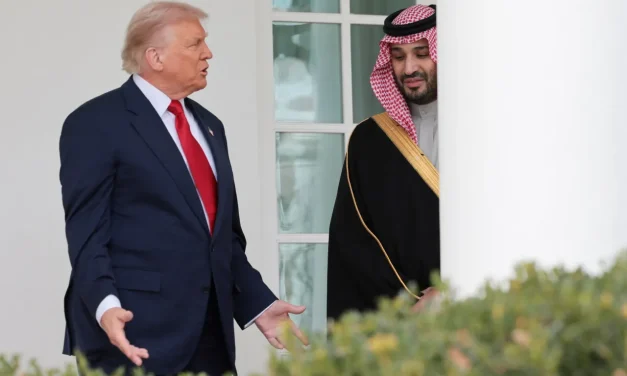
Implications of the US-Saudi Nuclear Agreement

SCFR Online – Opinion: The new US-Saudi nuclear agreement, despite legal and political ambiguities, could alter previous non-proliferation standards in West Asia and intensify nuclear competition, ushering it into a new phase.
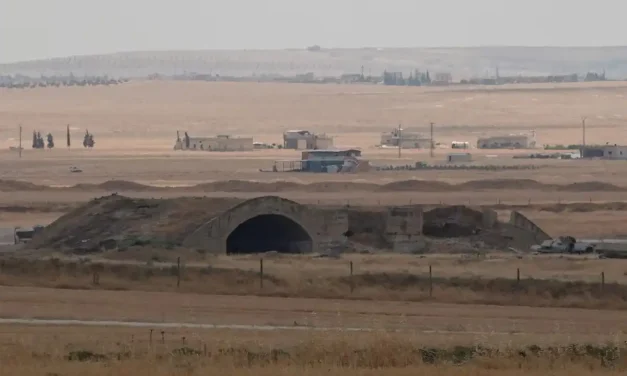
An Analysis of Recent Turkey-Israeli Regime Tensions

SCFR Online – Opinion: Recent developments in Syria indicate an intensification of strategic rivalry between Turkey and the Israeli regime, but mutual considerations and the role of the United States have limited the likelihood of direct war.

Increasing criticism of the extensive Zionist lobby network

SCFR Online – Opinion: An examination of the mechanisms of the Israeli regime’s influence in the United States depicts a complex picture of shared interests, strategic dependencies, and the limitations of this relationship.

Realities of the Tripartite Makkah Pact

SCFR Online – Interview: The signing of the Makkah agreement between Saudi Arabia, Pakistan, and Turkey has raised questions about the future of the region’s security structure and the position of these countries in West Asian equations. Can this agreement become a genuine collective defense mechanism, or does it have more of a political and deterrent function than creating new military capacity?

Strategic Implications of the Reduction of US Weapons Stockpiles

SCFR Online – Opinion: The continuation of the US war against Iran, in addition to increasing operational costs, has called into question the actual capacity of the American arsenal to simultaneously fulfill security commitments on multiple fronts; an issue that affects deterrence, defense production capacity, and Washington’s resource prioritization.

The Formation of a New Order in Relations Between Powers

SCFR Online – Opinion: The Russia-Ukraine war and the war of the United States and the Israeli regime against Iran have been formed with different objectives and actors, but field and political developments indicate that they are not entirely separate from one another.

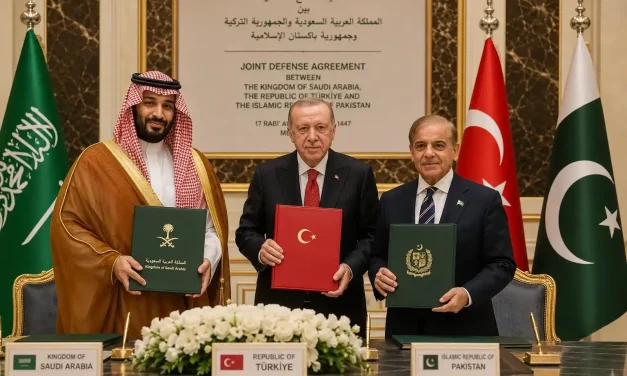
An Analysis of the Makkah Defense Pact

SCFR Online – Opinion: On Friday, August 7, the heads of state of three countries – Saudi Arabia, Turkey, and Pakistan – signed a text under the title “Makkah Joint Defense Agreement.”

Loading

Strategic Perspective

Turkey’s Strategy to Export Military Drones

Turkey’s Strategy to Export Military Drones

Strategic Council Online – Turkey has made significant progress in the military industry, and is known in the world not only in the production of light and heavy weapons, vehicles, ships and military aircraft, but has also outstanding activity in the design and development of missiles, electronic systems and control.
Mahmoud Fazeli – Analyst of international affairs

Dr. Kharrazi Responds to Ambiguities Raised around Iran-China Comprehensive Cooperation Plan Document

Dr. Kharrazi Responds to Ambiguities Raised around Iran-China Comprehensive Cooperation Plan Document

Strategic Council Online: President of the Strategic Council on Foreign Relations, in response to our reporter’s question about Iran-China Comprehensive Cooperation Plan document, said: This document is not a contract nor an agreement to contain details of cooperation between the two countries in the next 25 years; it is rather a letter of intent and roadmap to guide cooperation between the two countries in various fields over the coming years and, as the Ministry of Foreign Affairs has explained in its factsheet, it contains outlines of long-term cooperation between the two countries in political, strategic, economic and cultural fields.

Political Developments in Armenia and Role of Foreign Powers

Political Developments in Armenia and Role of Foreign Powers

Strategic Council Online – Head of Iran-Armenia Friendship Association, stating that Russia and the United States have not shown opposition to the continuation of Pashinyan’s stay in power, said: In the early elections, Pashinyan will regain the majority and will continue his rule, of course, if there is no coup by the military.

Saudi Objectives in Reintroducing Fraudulent Ceasefire Plan in Yemen

Saudi Objectives in Reintroducing Fraudulent Ceasefire Plan in Yemen

Strategic Council Online – An analyst of West Asia affairs said that the repeated presentation of the ceasefire plan by Saudi Arabia was done solely for the purpose of hindering the progress in Ma’rib Province, adding that Saudi Arabia is trying to buy time to make it clear to the United States and the West that they seek peace and deceive the public opinion by saying that they are after putting an end to the war and seek peace and ceasefire.

Saudi-West Coalition Concerned about Ansarollah’s Military Advances

Saudi-West Coalition Concerned about Ansarollah’s Military Advances

Strategic Council Online – Without considering the ground realities in Yemen and without taking into account common concerns of Riyadh and Western capitals, it is not possible to understand the reasons for the change in propaganda and declared positions of Washington officials and their so-called peaceful movements in Yemen.
Jafar Qanadbashi – expert on the Middle East affairs

Messages and outcomes of Hezbollah consultations in Russia

Messages and outcomes of Hezbollah consultations in Russia

Strategic Council Online—Interview: An expert of Russian studies, while referring to the outcomes of the consultations conducted by Lebanon’s Hezbollah in Moscow, said if players influential in resolving the crisis and controlling the domestic situation in Syria enhance once again their cooperation and interaction, this message will be sent to the United States and the Joe Biden administration that disrupting the order in the region would not be without costs for the United States.

The role of Norooz civilizational domain in advancing foreign policy

The role of Norooz civilizational domain in advancing foreign policy

Strategic Council Online—Opinion: Under the present global economic and political circumstances, the role of cultural and public diplomacy is very significant as a chain which links diplomatic relations. Cultural diplomacy and public diplomacy are the cornerstone and a proper ground for the advancement of foreign policy and Norooz here can play a significant role as an important global event.
Mirqasem Momeni—Managing Director of Cheshm Andaz Abrar Novin Institute

Necessity of More Effective Actions by Coalition of 16 Sanctioned Countries

Necessity of More Effective Actions by Coalition of 16 Sanctioned Countries

Strategic Council Online – Secretary of the Policy Council of the Anti-Sanctions Club, emphasizing the need for practical actions by the 16 member states of the Anti-Sanctions Coalition, said: If this coalition is the beginning of a serious new movement and help other measures to counter sanctions, it is useful; the coalition should be able to hold a summit at the level of heads or foreign ministers and then reach a structure and organization, not just issue a concluding statement.

أحدث الوظائف

Implications of the US-Saudi Nuclear Agreement

SCFR Online – Opinion: The new US-Saudi nuclear agreement, despite legal and political ambiguities, could alter previous non-proliferation standards in West Asia and intensify nuclear competition, ushering it into a new phase.

An Analysis of Recent Turkey-Israeli Regime Tensions

SCFR Online – Opinion: Recent developments in Syria indicate an intensification of strategic rivalry between Turkey and the Israeli regime, but mutual considerations and the role of the United States have limited the likelihood of direct war.

Increasing criticism of the extensive Zionist lobby network

SCFR Online – Opinion: An examination of the mechanisms of the Israeli regime’s influence in the United States depicts a complex picture of shared interests, strategic dependencies, and the limitations of this relationship.

Realities of the Tripartite Makkah Pact

SCFR Online – Interview: The signing of the Makkah agreement between Saudi Arabia, Pakistan, and Turkey has raised questions about the future of the region’s security structure and the position of these countries in West Asian equations. Can this agreement become a genuine collective defense mechanism, or does it have more of a political and deterrent function than creating new military capacity?

Strategic Implications of the Reduction of US Weapons Stockpiles

SCFR Online – Opinion: The continuation of the US war against Iran, in addition to increasing operational costs, has called into question the actual capacity of the American arsenal to simultaneously fulfill security commitments on multiple fronts; an issue that affects deterrence, defense production capacity, and Washington’s resource prioritization.

The Formation of a New Order in Relations Between Powers

SCFR Online – Opinion: The Russia-Ukraine war and the war of the United States and the Israeli regime against Iran have been formed with different objectives and actors, but field and political developments indicate that they are not entirely separate from one another.

An Analysis of the Makkah Defense Pact

SCFR Online – Opinion: On Friday, August 7, the heads of state of three countries – Saudi Arabia, Turkey, and Pakistan – signed a text under the title “Makkah Joint Defense Agreement.”

Loading

Strategic Perspective

Turkey’s Strategy to Export Military Drones

Turkey’s Strategy to Export Military Drones

Strategic Council Online – Turkey has made significant progress in the military industry, and is known in the world not only in the production of light and heavy weapons, vehicles, ships and military aircraft, but has also outstanding activity in the design and development of missiles, electronic systems and control.
Mahmoud Fazeli – Analyst of international affairs

Dr. Kharrazi Responds to Ambiguities Raised around Iran-China Comprehensive Cooperation Plan Document

Dr. Kharrazi Responds to Ambiguities Raised around Iran-China Comprehensive Cooperation Plan Document

Strategic Council Online: President of the Strategic Council on Foreign Relations, in response to our reporter’s question about Iran-China Comprehensive Cooperation Plan document, said: This document is not a contract nor an agreement to contain details of cooperation between the two countries in the next 25 years; it is rather a letter of intent and roadmap to guide cooperation between the two countries in various fields over the coming years and, as the Ministry of Foreign Affairs has explained in its factsheet, it contains outlines of long-term cooperation between the two countries in political, strategic, economic and cultural fields.

Political Developments in Armenia and Role of Foreign Powers

Political Developments in Armenia and Role of Foreign Powers

Strategic Council Online – Head of Iran-Armenia Friendship Association, stating that Russia and the United States have not shown opposition to the continuation of Pashinyan’s stay in power, said: In the early elections, Pashinyan will regain the majority and will continue his rule, of course, if there is no coup by the military.

Saudi Objectives in Reintroducing Fraudulent Ceasefire Plan in Yemen

Saudi Objectives in Reintroducing Fraudulent Ceasefire Plan in Yemen

Strategic Council Online – An analyst of West Asia affairs said that the repeated presentation of the ceasefire plan by Saudi Arabia was done solely for the purpose of hindering the progress in Ma’rib Province, adding that Saudi Arabia is trying to buy time to make it clear to the United States and the West that they seek peace and deceive the public opinion by saying that they are after putting an end to the war and seek peace and ceasefire.

Saudi-West Coalition Concerned about Ansarollah’s Military Advances

Saudi-West Coalition Concerned about Ansarollah’s Military Advances

Strategic Council Online – Without considering the ground realities in Yemen and without taking into account common concerns of Riyadh and Western capitals, it is not possible to understand the reasons for the change in propaganda and declared positions of Washington officials and their so-called peaceful movements in Yemen.
Jafar Qanadbashi – expert on the Middle East affairs

Messages and outcomes of Hezbollah consultations in Russia

Messages and outcomes of Hezbollah consultations in Russia

Strategic Council Online—Interview: An expert of Russian studies, while referring to the outcomes of the consultations conducted by Lebanon’s Hezbollah in Moscow, said if players influential in resolving the crisis and controlling the domestic situation in Syria enhance once again their cooperation and interaction, this message will be sent to the United States and the Joe Biden administration that disrupting the order in the region would not be without costs for the United States.

The role of Norooz civilizational domain in advancing foreign policy

The role of Norooz civilizational domain in advancing foreign policy

Strategic Council Online—Opinion: Under the present global economic and political circumstances, the role of cultural and public diplomacy is very significant as a chain which links diplomatic relations. Cultural diplomacy and public diplomacy are the cornerstone and a proper ground for the advancement of foreign policy and Norooz here can play a significant role as an important global event.
Mirqasem Momeni—Managing Director of Cheshm Andaz Abrar Novin Institute

Necessity of More Effective Actions by Coalition of 16 Sanctioned Countries

Necessity of More Effective Actions by Coalition of 16 Sanctioned Countries

Strategic Council Online – Secretary of the Policy Council of the Anti-Sanctions Club, emphasizing the need for practical actions by the 16 member states of the Anti-Sanctions Coalition, said: If this coalition is the beginning of a serious new movement and help other measures to counter sanctions, it is useful; the coalition should be able to hold a summit at the level of heads or foreign ministers and then reach a structure and organization, not just issue a concluding statement.

Strategic Perspective

Turkey’s Strategy to Export Military Drones

Turkey’s Strategy to Export Military Drones

Strategic Council Online – Turkey has made significant progress in the military industry, and is known in the world not only in the production of light and heavy weapons, vehicles, ships and military aircraft, but has also outstanding activity in the design and development of missiles, electronic systems and control.
Mahmoud Fazeli – Analyst of international affairs

Dr. Kharrazi Responds to Ambiguities Raised around Iran-China Comprehensive Cooperation Plan Document

Dr. Kharrazi Responds to Ambiguities Raised around Iran-China Comprehensive Cooperation Plan Document

Strategic Council Online: President of the Strategic Council on Foreign Relations, in response to our reporter’s question about Iran-China Comprehensive Cooperation Plan document, said: This document is not a contract nor an agreement to contain details of cooperation between the two countries in the next 25 years; it is rather a letter of intent and roadmap to guide cooperation between the two countries in various fields over the coming years and, as the Ministry of Foreign Affairs has explained in its factsheet, it contains outlines of long-term cooperation between the two countries in political, strategic, economic and cultural fields.

Political Developments in Armenia and Role of Foreign Powers

Political Developments in Armenia and Role of Foreign Powers

Strategic Council Online – Head of Iran-Armenia Friendship Association, stating that Russia and the United States have not shown opposition to the continuation of Pashinyan’s stay in power, said: In the early elections, Pashinyan will regain the majority and will continue his rule, of course, if there is no coup by the military.

Saudi Objectives in Reintroducing Fraudulent Ceasefire Plan in Yemen

Saudi Objectives in Reintroducing Fraudulent Ceasefire Plan in Yemen

Strategic Council Online – An analyst of West Asia affairs said that the repeated presentation of the ceasefire plan by Saudi Arabia was done solely for the purpose of hindering the progress in Ma’rib Province, adding that Saudi Arabia is trying to buy time to make it clear to the United States and the West that they seek peace and deceive the public opinion by saying that they are after putting an end to the war and seek peace and ceasefire.

Saudi-West Coalition Concerned about Ansarollah’s Military Advances

Saudi-West Coalition Concerned about Ansarollah’s Military Advances

Strategic Council Online – Without considering the ground realities in Yemen and without taking into account common concerns of Riyadh and Western capitals, it is not possible to understand the reasons for the change in propaganda and declared positions of Washington officials and their so-called peaceful movements in Yemen.
Jafar Qanadbashi – expert on the Middle East affairs

Messages and outcomes of Hezbollah consultations in Russia

Messages and outcomes of Hezbollah consultations in Russia

Strategic Council Online—Interview: An expert of Russian studies, while referring to the outcomes of the consultations conducted by Lebanon’s Hezbollah in Moscow, said if players influential in resolving the crisis and controlling the domestic situation in Syria enhance once again their cooperation and interaction, this message will be sent to the United States and the Joe Biden administration that disrupting the order in the region would not be without costs for the United States.

The role of Norooz civilizational domain in advancing foreign policy

The role of Norooz civilizational domain in advancing foreign policy

Strategic Council Online—Opinion: Under the present global economic and political circumstances, the role of cultural and public diplomacy is very significant as a chain which links diplomatic relations. Cultural diplomacy and public diplomacy are the cornerstone and a proper ground for the advancement of foreign policy and Norooz here can play a significant role as an important global event.
Mirqasem Momeni—Managing Director of Cheshm Andaz Abrar Novin Institute

Necessity of More Effective Actions by Coalition of 16 Sanctioned Countries

Necessity of More Effective Actions by Coalition of 16 Sanctioned Countries

Strategic Council Online – Secretary of the Policy Council of the Anti-Sanctions Club, emphasizing the need for practical actions by the 16 member states of the Anti-Sanctions Coalition, said: If this coalition is the beginning of a serious new movement and help other measures to counter sanctions, it is useful; the coalition should be able to hold a summit at the level of heads or foreign ministers and then reach a structure and organization, not just issue a concluding statement.

LATEST CONTENT

Implications of the US-Saudi Nuclear Agreement

SCFR Online – Opinion: The new US-Saudi nuclear agreement, despite legal and political ambiguities, could alter previous non-proliferation standards in West Asia and intensify nuclear competition, ushering it into a new phase.
An Analysis of Recent Turkey-Israeli Regime Tensions

SCFR Online – Opinion: Recent developments in Syria indicate an intensification of strategic rivalry between Turkey and the Israeli regime, but mutual considerations and the role of the United States have limited the likelihood of direct war.

Increasing criticism of the extensive Zionist lobby network

SCFR Online – Opinion: An examination of the mechanisms of the Israeli regime’s influence in the United States depicts a complex picture of shared interests, strategic dependencies, and the limitations of this relationship.

Realities of the Tripartite Makkah Pact

SCFR Online – Interview: The signing of the Makkah agreement between Saudi Arabia, Pakistan, and Turkey has raised questions about the future of the region’s security structure and the position of these countries in West Asian equations. Can this agreement become a genuine collective defense mechanism, or does it have more of a political and deterrent function than creating new military capacity?

Strategic Implications of the Reduction of US Weapons Stockpiles

SCFR Online – Opinion: The continuation of the US war against Iran, in addition to increasing operational costs, has called into question the actual capacity of the American arsenal to simultaneously fulfill security commitments on multiple fronts; an issue that affects deterrence, defense production capacity, and Washington’s resource prioritization.

The Formation of a New Order in Relations Between Powers

SCFR Online – Opinion: The Russia-Ukraine war and the war of the United States and the Israeli regime against Iran have been formed with different objectives and actors, but field and political developments indicate that they are not entirely separate from one another.

An Analysis of the Makkah Defense Pact

SCFR Online – Opinion: On Friday, August 7, the heads of state of three countries – Saudi Arabia, Turkey, and Pakistan – signed a text under the title “Makkah Joint Defense Agreement.”

Loading

Strategic Perspective

Turkey’s Strategy to Export Military Drones

Turkey’s Strategy to Export Military Drones

Strategic Council Online – Turkey has made significant progress in the military industry, and is known in the world not only in the production of light and heavy weapons, vehicles, ships and military aircraft, but has also outstanding activity in the design and development of missiles, electronic systems and control.
Mahmoud Fazeli – Analyst of international affairs

Dr. Kharrazi Responds to Ambiguities Raised around Iran-China Comprehensive Cooperation Plan Document

Dr. Kharrazi Responds to Ambiguities Raised around Iran-China Comprehensive Cooperation Plan Document

Strategic Council Online: President of the Strategic Council on Foreign Relations, in response to our reporter’s question about Iran-China Comprehensive Cooperation Plan document, said: This document is not a contract nor an agreement to contain details of cooperation between the two countries in the next 25 years; it is rather a letter of intent and roadmap to guide cooperation between the two countries in various fields over the coming years and, as the Ministry of Foreign Affairs has explained in its factsheet, it contains outlines of long-term cooperation between the two countries in political, strategic, economic and cultural fields.

Political Developments in Armenia and Role of Foreign Powers

Political Developments in Armenia and Role of Foreign Powers

Strategic Council Online – Head of Iran-Armenia Friendship Association, stating that Russia and the United States have not shown opposition to the continuation of Pashinyan’s stay in power, said: In the early elections, Pashinyan will regain the majority and will continue his rule, of course, if there is no coup by the military.

Saudi Objectives in Reintroducing Fraudulent Ceasefire Plan in Yemen

Saudi Objectives in Reintroducing Fraudulent Ceasefire Plan in Yemen

Strategic Council Online – An analyst of West Asia affairs said that the repeated presentation of the ceasefire plan by Saudi Arabia was done solely for the purpose of hindering the progress in Ma’rib Province, adding that Saudi Arabia is trying to buy time to make it clear to the United States and the West that they seek peace and deceive the public opinion by saying that they are after putting an end to the war and seek peace and ceasefire.

Saudi-West Coalition Concerned about Ansarollah’s Military Advances

Saudi-West Coalition Concerned about Ansarollah’s Military Advances

Strategic Council Online – Without considering the ground realities in Yemen and without taking into account common concerns of Riyadh and Western capitals, it is not possible to understand the reasons for the change in propaganda and declared positions of Washington officials and their so-called peaceful movements in Yemen.
Jafar Qanadbashi – expert on the Middle East affairs

Messages and outcomes of Hezbollah consultations in Russia

Messages and outcomes of Hezbollah consultations in Russia

Strategic Council Online—Interview: An expert of Russian studies, while referring to the outcomes of the consultations conducted by Lebanon’s Hezbollah in Moscow, said if players influential in resolving the crisis and controlling the domestic situation in Syria enhance once again their cooperation and interaction, this message will be sent to the United States and the Joe Biden administration that disrupting the order in the region would not be without costs for the United States.

The role of Norooz civilizational domain in advancing foreign policy

The role of Norooz civilizational domain in advancing foreign policy

Strategic Council Online—Opinion: Under the present global economic and political circumstances, the role of cultural and public diplomacy is very significant as a chain which links diplomatic relations. Cultural diplomacy and public diplomacy are the cornerstone and a proper ground for the advancement of foreign policy and Norooz here can play a significant role as an important global event.
Mirqasem Momeni—Managing Director of Cheshm Andaz Abrar Novin Institute

Necessity of More Effective Actions by Coalition of 16 Sanctioned Countries

Necessity of More Effective Actions by Coalition of 16 Sanctioned Countries

Strategic Council Online – Secretary of the Policy Council of the Anti-Sanctions Club, emphasizing the need for practical actions by the 16 member states of the Anti-Sanctions Coalition, said: If this coalition is the beginning of a serious new movement and help other measures to counter sanctions, it is useful; the coalition should be able to hold a summit at the level of heads or foreign ministers and then reach a structure and organization, not just issue a concluding statement.

ÚLTIMAS PUBLICACIONES

Implications of the US-Saudi Nuclear Agreement

SCFR Online – Opinion: The new US-Saudi nuclear agreement, despite legal and political ambiguities, could alter previous non-proliferation standards in West Asia and intensify nuclear competition, ushering it into a new phase.
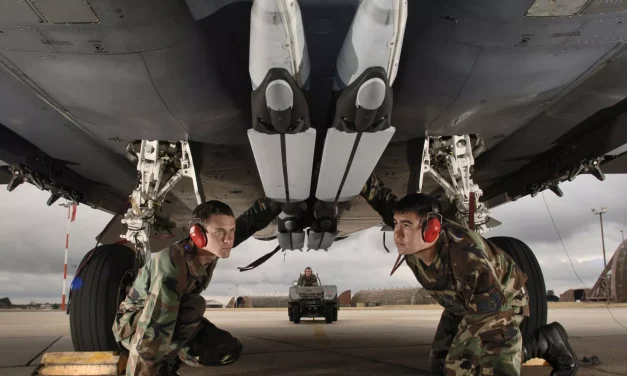
An Analysis of Recent Turkey-Israeli Regime Tensions

SCFR Online – Opinion: Recent developments in Syria indicate an intensification of strategic rivalry between Turkey and the Israeli regime, but mutual considerations and the role of the United States have limited the likelihood of direct war.

Increasing criticism of the extensive Zionist lobby network

SCFR Online – Opinion: An examination of the mechanisms of the Israeli regime’s influence in the United States depicts a complex picture of shared interests, strategic dependencies, and the limitations of this relationship.

Realities of the Tripartite Makkah Pact

SCFR Online – Interview: The signing of the Makkah agreement between Saudi Arabia, Pakistan, and Turkey has raised questions about the future of the region’s security structure and the position of these countries in West Asian equations. Can this agreement become a genuine collective defense mechanism, or does it have more of a political and deterrent function than creating new military capacity?

Strategic Implications of the Reduction of US Weapons Stockpiles

SCFR Online – Opinion: The continuation of the US war against Iran, in addition to increasing operational costs, has called into question the actual capacity of the American arsenal to simultaneously fulfill security commitments on multiple fronts; an issue that affects deterrence, defense production capacity, and Washington’s resource prioritization.

The Formation of a New Order in Relations Between Powers

SCFR Online – Opinion: The Russia-Ukraine war and the war of the United States and the Israeli regime against Iran have been formed with different objectives and actors, but field and political developments indicate that they are not entirely separate from one another.

An Analysis of the Makkah Defense Pact

SCFR Online – Opinion: On Friday, August 7, the heads of state of three countries – Saudi Arabia, Turkey, and Pakistan – signed a text under the title “Makkah Joint Defense Agreement.”

Loading

Strategic Perspective

Turkey’s Strategy to Export Military Drones

Turkey’s Strategy to Export Military Drones

Strategic Council Online – Turkey has made significant progress in the military industry, and is known in the world not only in the production of light and heavy weapons, vehicles, ships and military aircraft, but has also outstanding activity in the design and development of missiles, electronic systems and control.
Mahmoud Fazeli – Analyst of international affairs

Dr. Kharrazi Responds to Ambiguities Raised around Iran-China Comprehensive Cooperation Plan Document

Dr. Kharrazi Responds to Ambiguities Raised around Iran-China Comprehensive Cooperation Plan Document

Strategic Council Online: President of the Strategic Council on Foreign Relations, in response to our reporter’s question about Iran-China Comprehensive Cooperation Plan document, said: This document is not a contract nor an agreement to contain details of cooperation between the two countries in the next 25 years; it is rather a letter of intent and roadmap to guide cooperation between the two countries in various fields over the coming years and, as the Ministry of Foreign Affairs has explained in its factsheet, it contains outlines of long-term cooperation between the two countries in political, strategic, economic and cultural fields.

Political Developments in Armenia and Role of Foreign Powers

Political Developments in Armenia and Role of Foreign Powers

Strategic Council Online – Head of Iran-Armenia Friendship Association, stating that Russia and the United States have not shown opposition to the continuation of Pashinyan’s stay in power, said: In the early elections, Pashinyan will regain the majority and will continue his rule, of course, if there is no coup by the military.

Saudi Objectives in Reintroducing Fraudulent Ceasefire Plan in Yemen

Saudi Objectives in Reintroducing Fraudulent Ceasefire Plan in Yemen

Strategic Council Online – An analyst of West Asia affairs said that the repeated presentation of the ceasefire plan by Saudi Arabia was done solely for the purpose of hindering the progress in Ma’rib Province, adding that Saudi Arabia is trying to buy time to make it clear to the United States and the West that they seek peace and deceive the public opinion by saying that they are after putting an end to the war and seek peace and ceasefire.

Saudi-West Coalition Concerned about Ansarollah’s Military Advances

Saudi-West Coalition Concerned about Ansarollah’s Military Advances

Strategic Council Online – Without considering the ground realities in Yemen and without taking into account common concerns of Riyadh and Western capitals, it is not possible to understand the reasons for the change in propaganda and declared positions of Washington officials and their so-called peaceful movements in Yemen.
Jafar Qanadbashi – expert on the Middle East affairs

Messages and outcomes of Hezbollah consultations in Russia

Messages and outcomes of Hezbollah consultations in Russia

Strategic Council Online—Interview: An expert of Russian studies, while referring to the outcomes of the consultations conducted by Lebanon’s Hezbollah in Moscow, said if players influential in resolving the crisis and controlling the domestic situation in Syria enhance once again their cooperation and interaction, this message will be sent to the United States and the Joe Biden administration that disrupting the order in the region would not be without costs for the United States.

The role of Norooz civilizational domain in advancing foreign policy

The role of Norooz civilizational domain in advancing foreign policy

Strategic Council Online—Opinion: Under the present global economic and political circumstances, the role of cultural and public diplomacy is very significant as a chain which links diplomatic relations. Cultural diplomacy and public diplomacy are the cornerstone and a proper ground for the advancement of foreign policy and Norooz here can play a significant role as an important global event.
Mirqasem Momeni—Managing Director of Cheshm Andaz Abrar Novin Institute

Necessity of More Effective Actions by Coalition of 16 Sanctioned Countries

Necessity of More Effective Actions by Coalition of 16 Sanctioned Countries

Strategic Council Online – Secretary of the Policy Council of the Anti-Sanctions Club, emphasizing the need for practical actions by the 16 member states of the Anti-Sanctions Coalition, said: If this coalition is the beginning of a serious new movement and help other measures to counter sanctions, it is useful; the coalition should be able to hold a summit at the level of heads or foreign ministers and then reach a structure and organization, not just issue a concluding statement.

ÚLTIMAS PUBLICACIONES

Implications of the US-Saudi Nuclear Agreement

SCFR Online – Opinion: The new US-Saudi nuclear agreement, despite legal and political ambiguities, could alter previous non-proliferation standards in West Asia and intensify nuclear competition, ushering it into a new phase.
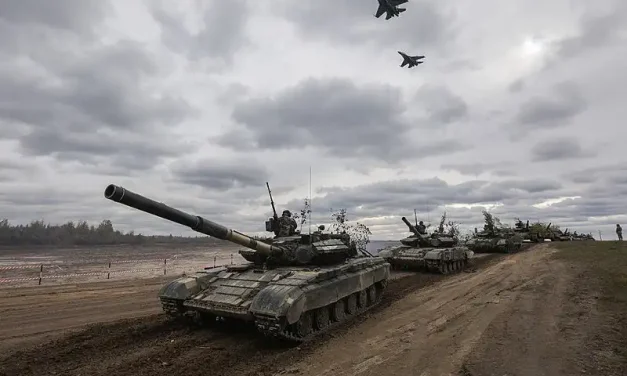
An Analysis of Recent Turkey-Israeli Regime Tensions

SCFR Online – Opinion: Recent developments in Syria indicate an intensification of strategic rivalry between Turkey and the Israeli regime, but mutual considerations and the role of the United States have limited the likelihood of direct war.

Increasing criticism of the extensive Zionist lobby network

SCFR Online – Opinion: An examination of the mechanisms of the Israeli regime’s influence in the United States depicts a complex picture of shared interests, strategic dependencies, and the limitations of this relationship.

Realities of the Tripartite Makkah Pact

SCFR Online – Interview: The signing of the Makkah agreement between Saudi Arabia, Pakistan, and Turkey has raised questions about the future of the region’s security structure and the position of these countries in West Asian equations. Can this agreement become a genuine collective defense mechanism, or does it have more of a political and deterrent function than creating new military capacity?

Strategic Implications of the Reduction of US Weapons Stockpiles

SCFR Online – Opinion: The continuation of the US war against Iran, in addition to increasing operational costs, has called into question the actual capacity of the American arsenal to simultaneously fulfill security commitments on multiple fronts; an issue that affects deterrence, defense production capacity, and Washington’s resource prioritization.

The Formation of a New Order in Relations Between Powers

SCFR Online – Opinion: The Russia-Ukraine war and the war of the United States and the Israeli regime against Iran have been formed with different objectives and actors, but field and political developments indicate that they are not entirely separate from one another.

An Analysis of the Makkah Defense Pact

SCFR Online – Opinion: On Friday, August 7, the heads of state of three countries – Saudi Arabia, Turkey, and Pakistan – signed a text under the title “Makkah Joint Defense Agreement.”

Loading

Strategic Perspective

Turkey’s Strategy to Export Military Drones

Turkey’s Strategy to Export Military Drones

Strategic Council Online – Turkey has made significant progress in the military industry, and is known in the world not only in the production of light and heavy weapons, vehicles, ships and military aircraft, but has also outstanding activity in the design and development of missiles, electronic systems and control.
Mahmoud Fazeli – Analyst of international affairs

Dr. Kharrazi Responds to Ambiguities Raised around Iran-China Comprehensive Cooperation Plan Document

Dr. Kharrazi Responds to Ambiguities Raised around Iran-China Comprehensive Cooperation Plan Document

Strategic Council Online: President of the Strategic Council on Foreign Relations, in response to our reporter’s question about Iran-China Comprehensive Cooperation Plan document, said: This document is not a contract nor an agreement to contain details of cooperation between the two countries in the next 25 years; it is rather a letter of intent and roadmap to guide cooperation between the two countries in various fields over the coming years and, as the Ministry of Foreign Affairs has explained in its factsheet, it contains outlines of long-term cooperation between the two countries in political, strategic, economic and cultural fields.

Political Developments in Armenia and Role of Foreign Powers

Political Developments in Armenia and Role of Foreign Powers

Strategic Council Online – Head of Iran-Armenia Friendship Association, stating that Russia and the United States have not shown opposition to the continuation of Pashinyan’s stay in power, said: In the early elections, Pashinyan will regain the majority and will continue his rule, of course, if there is no coup by the military.

Saudi Objectives in Reintroducing Fraudulent Ceasefire Plan in Yemen

Saudi Objectives in Reintroducing Fraudulent Ceasefire Plan in Yemen

Strategic Council Online – An analyst of West Asia affairs said that the repeated presentation of the ceasefire plan by Saudi Arabia was done solely for the purpose of hindering the progress in Ma’rib Province, adding that Saudi Arabia is trying to buy time to make it clear to the United States and the West that they seek peace and deceive the public opinion by saying that they are after putting an end to the war and seek peace and ceasefire.

Saudi-West Coalition Concerned about Ansarollah’s Military Advances

Saudi-West Coalition Concerned about Ansarollah’s Military Advances

Strategic Council Online – Without considering the ground realities in Yemen and without taking into account common concerns of Riyadh and Western capitals, it is not possible to understand the reasons for the change in propaganda and declared positions of Washington officials and their so-called peaceful movements in Yemen.
Jafar Qanadbashi – expert on the Middle East affairs

Messages and outcomes of Hezbollah consultations in Russia

Messages and outcomes of Hezbollah consultations in Russia

Strategic Council Online—Interview: An expert of Russian studies, while referring to the outcomes of the consultations conducted by Lebanon’s Hezbollah in Moscow, said if players influential in resolving the crisis and controlling the domestic situation in Syria enhance once again their cooperation and interaction, this message will be sent to the United States and the Joe Biden administration that disrupting the order in the region would not be without costs for the United States.

The role of Norooz civilizational domain in advancing foreign policy

The role of Norooz civilizational domain in advancing foreign policy

Strategic Council Online—Opinion: Under the present global economic and political circumstances, the role of cultural and public diplomacy is very significant as a chain which links diplomatic relations. Cultural diplomacy and public diplomacy are the cornerstone and a proper ground for the advancement of foreign policy and Norooz here can play a significant role as an important global event.
Mirqasem Momeni—Managing Director of Cheshm Andaz Abrar Novin Institute

Necessity of More Effective Actions by Coalition of 16 Sanctioned Countries

Necessity of More Effective Actions by Coalition of 16 Sanctioned Countries

Strategic Council Online – Secretary of the Policy Council of the Anti-Sanctions Club, emphasizing the need for practical actions by the 16 member states of the Anti-Sanctions Coalition, said: If this coalition is the beginning of a serious new movement and help other measures to counter sanctions, it is useful; the coalition should be able to hold a summit at the level of heads or foreign ministers and then reach a structure and organization, not just issue a concluding statement.

ÚLTIMAS PUBLICACIONES

Implications of the US-Saudi Nuclear Agreement

SCFR Online – Opinion: The new US-Saudi nuclear agreement, despite legal and political ambiguities, could alter previous non-proliferation standards in West Asia and intensify nuclear competition, ushering it into a new phase.

An Analysis of Recent Turkey-Israeli Regime Tensions

SCFR Online – Opinion: Recent developments in Syria indicate an intensification of strategic rivalry between Turkey and the Israeli regime, but mutual considerations and the role of the United States have limited the likelihood of direct war.

Increasing criticism of the extensive Zionist lobby network

SCFR Online – Opinion: An examination of the mechanisms of the Israeli regime’s influence in the United States depicts a complex picture of shared interests, strategic dependencies, and the limitations of this relationship.

Realities of the Tripartite Makkah Pact

SCFR Online – Interview: The signing of the Makkah agreement between Saudi Arabia, Pakistan, and Turkey has raised questions about the future of the region’s security structure and the position of these countries in West Asian equations. Can this agreement become a genuine collective defense mechanism, or does it have more of a political and deterrent function than creating new military capacity?

Strategic Implications of the Reduction of US Weapons Stockpiles

SCFR Online – Opinion: The continuation of the US war against Iran, in addition to increasing operational costs, has called into question the actual capacity of the American arsenal to simultaneously fulfill security commitments on multiple fronts; an issue that affects deterrence, defense production capacity, and Washington’s resource prioritization.

The Formation of a New Order in Relations Between Powers

SCFR Online – Opinion: The Russia-Ukraine war and the war of the United States and the Israeli regime against Iran have been formed with different objectives and actors, but field and political developments indicate that they are not entirely separate from one another.

An Analysis of the Makkah Defense Pact

SCFR Online – Opinion: On Friday, August 7, the heads of state of three countries – Saudi Arabia, Turkey, and Pakistan – signed a text under the title “Makkah Joint Defense Agreement.”

Loading

Strategic Perspective

Turkey’s Strategy to Export Military Drones

Turkey’s Strategy to Export Military Drones

Strategic Council Online – Turkey has made significant progress in the military industry, and is known in the world not only in the production of light and heavy weapons, vehicles, ships and military aircraft, but has also outstanding activity in the design and development of missiles, electronic systems and control.
Mahmoud Fazeli – Analyst of international affairs

Dr. Kharrazi Responds to Ambiguities Raised around Iran-China Comprehensive Cooperation Plan Document

Dr. Kharrazi Responds to Ambiguities Raised around Iran-China Comprehensive Cooperation Plan Document

Strategic Council Online: President of the Strategic Council on Foreign Relations, in response to our reporter’s question about Iran-China Comprehensive Cooperation Plan document, said: This document is not a contract nor an agreement to contain details of cooperation between the two countries in the next 25 years; it is rather a letter of intent and roadmap to guide cooperation between the two countries in various fields over the coming years and, as the Ministry of Foreign Affairs has explained in its factsheet, it contains outlines of long-term cooperation between the two countries in political, strategic, economic and cultural fields.

Political Developments in Armenia and Role of Foreign Powers

Political Developments in Armenia and Role of Foreign Powers

Strategic Council Online – Head of Iran-Armenia Friendship Association, stating that Russia and the United States have not shown opposition to the continuation of Pashinyan’s stay in power, said: In the early elections, Pashinyan will regain the majority and will continue his rule, of course, if there is no coup by the military.

Saudi Objectives in Reintroducing Fraudulent Ceasefire Plan in Yemen

Saudi Objectives in Reintroducing Fraudulent Ceasefire Plan in Yemen

Strategic Council Online – An analyst of West Asia affairs said that the repeated presentation of the ceasefire plan by Saudi Arabia was done solely for the purpose of hindering the progress in Ma’rib Province, adding that Saudi Arabia is trying to buy time to make it clear to the United States and the West that they seek peace and deceive the public opinion by saying that they are after putting an end to the war and seek peace and ceasefire.

Saudi-West Coalition Concerned about Ansarollah’s Military Advances

Saudi-West Coalition Concerned about Ansarollah’s Military Advances

Strategic Council Online – Without considering the ground realities in Yemen and without taking into account common concerns of Riyadh and Western capitals, it is not possible to understand the reasons for the change in propaganda and declared positions of Washington officials and their so-called peaceful movements in Yemen.
Jafar Qanadbashi – expert on the Middle East affairs

Messages and outcomes of Hezbollah consultations in Russia

Messages and outcomes of Hezbollah consultations in Russia

Strategic Council Online—Interview: An expert of Russian studies, while referring to the outcomes of the consultations conducted by Lebanon’s Hezbollah in Moscow, said if players influential in resolving the crisis and controlling the domestic situation in Syria enhance once again their cooperation and interaction, this message will be sent to the United States and the Joe Biden administration that disrupting the order in the region would not be without costs for the United States.

The role of Norooz civilizational domain in advancing foreign policy

The role of Norooz civilizational domain in advancing foreign policy

Strategic Council Online—Opinion: Under the present global economic and political circumstances, the role of cultural and public diplomacy is very significant as a chain which links diplomatic relations. Cultural diplomacy and public diplomacy are the cornerstone and a proper ground for the advancement of foreign policy and Norooz here can play a significant role as an important global event.
Mirqasem Momeni—Managing Director of Cheshm Andaz Abrar Novin Institute

Necessity of More Effective Actions by Coalition of 16 Sanctioned Countries

Necessity of More Effective Actions by Coalition of 16 Sanctioned Countries

Strategic Council Online – Secretary of the Policy Council of the Anti-Sanctions Club, emphasizing the need for practical actions by the 16 member states of the Anti-Sanctions Coalition, said: If this coalition is the beginning of a serious new movement and help other measures to counter sanctions, it is useful; the coalition should be able to hold a summit at the level of heads or foreign ministers and then reach a structure and organization, not just issue a concluding statement.

ÚLTIMAS PUBLICACIONES

Implications of the US-Saudi Nuclear Agreement

SCFR Online – Opinion: The new US-Saudi nuclear agreement, despite legal and political ambiguities, could alter previous non-proliferation standards in West Asia and intensify nuclear competition, ushering it into a new phase.

An Analysis of Recent Turkey-Israeli Regime Tensions

SCFR Online – Opinion: Recent developments in Syria indicate an intensification of strategic rivalry between Turkey and the Israeli regime, but mutual considerations and the role of the United States have limited the likelihood of direct war.

Increasing criticism of the extensive Zionist lobby network

SCFR Online – Opinion: An examination of the mechanisms of the Israeli regime’s influence in the United States depicts a complex picture of shared interests, strategic dependencies, and the limitations of this relationship.

Realities of the Tripartite Makkah Pact

SCFR Online – Interview: The signing of the Makkah agreement between Saudi Arabia, Pakistan, and Turkey has raised questions about the future of the region’s security structure and the position of these countries in West Asian equations. Can this agreement become a genuine collective defense mechanism, or does it have more of a political and deterrent function than creating new military capacity?

Strategic Implications of the Reduction of US Weapons Stockpiles

SCFR Online – Opinion: The continuation of the US war against Iran, in addition to increasing operational costs, has called into question the actual capacity of the American arsenal to simultaneously fulfill security commitments on multiple fronts; an issue that affects deterrence, defense production capacity, and Washington’s resource prioritization.

The Formation of a New Order in Relations Between Powers

SCFR Online – Opinion: The Russia-Ukraine war and the war of the United States and the Israeli regime against Iran have been formed with different objectives and actors, but field and political developments indicate that they are not entirely separate from one another.

An Analysis of the Makkah Defense Pact

SCFR Online – Opinion: On Friday, August 7, the heads of state of three countries – Saudi Arabia, Turkey, and Pakistan – signed a text under the title “Makkah Joint Defense Agreement.”

Loading