جدیدترین مطالب

Implications of the US-Saudi Nuclear Agreement

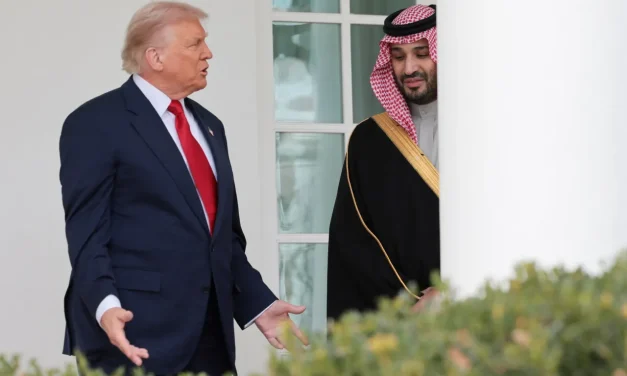
SCFR Online – Opinion: The new US-Saudi nuclear agreement, despite legal and political ambiguities, could alter previous non-proliferation standards in West Asia and intensify nuclear competition, ushering it into a new phase.
An Analysis of Recent Turkey-Israeli Regime Tensions

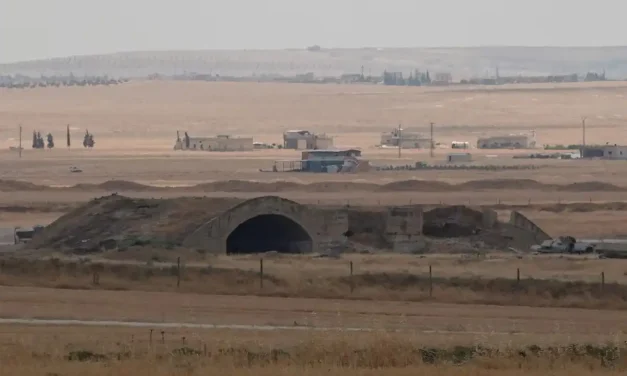
SCFR Online – Opinion: Recent developments in Syria indicate an intensification of strategic rivalry between Turkey and the Israeli regime, but mutual considerations and the role of the United States have limited the likelihood of direct war.

Increasing criticism of the extensive Zionist lobby network

SCFR Online – Opinion: An examination of the mechanisms of the Israeli regime’s influence in the United States depicts a complex picture of shared interests, strategic dependencies, and the limitations of this relationship.

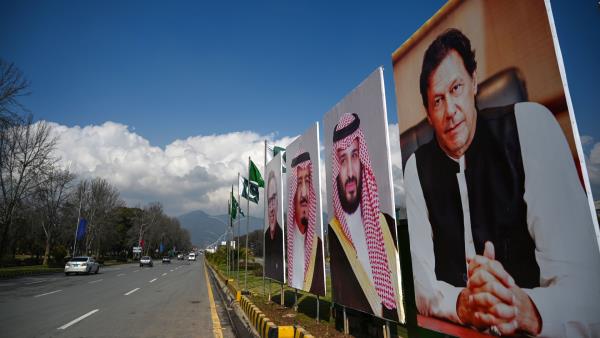
Realities of the Tripartite Makkah Pact

SCFR Online – Interview: The signing of the Makkah agreement between Saudi Arabia, Pakistan, and Turkey has raised questions about the future of the region’s security structure and the position of these countries in West Asian equations. Can this agreement become a genuine collective defense mechanism, or does it have more of a political and deterrent function than creating new military capacity?

Strategic Implications of the Reduction of US Weapons Stockpiles

SCFR Online – Opinion: The continuation of the US war against Iran, in addition to increasing operational costs, has called into question the actual capacity of the American arsenal to simultaneously fulfill security commitments on multiple fronts; an issue that affects deterrence, defense production capacity, and Washington’s resource prioritization.

The Formation of a New Order in Relations Between Powers

SCFR Online – Opinion: The Russia-Ukraine war and the war of the United States and the Israeli regime against Iran have been formed with different objectives and actors, but field and political developments indicate that they are not entirely separate from one another.

An Analysis of the Makkah Defense Pact

SCFR Online – Opinion: On Friday, August 7, the heads of state of three countries – Saudi Arabia, Turkey, and Pakistan – signed a text under the title “Makkah Joint Defense Agreement.”

Loading

Strategic Perspective

Fears and Hopes in Inter-Afghan Talks

Fears and Hopes in Inter-Afghan Talks

Strategic Council Online – Under the present circumstances, the Taliban do not seem to accept power-sharing based on the Ashraf Ghani Government’s offer of 50% of power and some regional and international players at this juncture do not agree with the outlook that Afghanistan should achieve peace and stability; because for the time being, they do not see their interests in peace and stability in Afghanistan.
Pir Mohammad Mollazehi – Expert in Subcontinent Issues

Saudi Misunderstanding of Realities in Pakistan

Saudi Misunderstanding of Realities in Pakistan

Strategic Council Online – Regional and global conditions are changing; but Riyadh is reluctant to accept the changes and still intends to traditionally hold control over Pakistan. In the meantime, the situation has changed in Pakistan and the country is gradually leaving the Western clique and entering into the Chinese circle.
Abdolreza Farajirad – Expert in Geopolitical Issues

Iran will give rigid response to any US aggression

Iran will give rigid response to any US aggression

Head of Iran’s Strategic Council on Foreign Relations Kamal Kharrazi said on Saturday that under Article 51 of the UN Charter of the United Nations on the inherent right to self-defence, Iran is authorized to respond promptly to any US aggression on the pretext of return of the sanctions.

EU-UK Talks Deadlocked

EU-UK Talks Deadlocked

Strategic Council Online – If Britain withdraws from the European Union without an agreement, it will no longer be able to use the EU market and the two sides will have to negotiate customs tariffs. In such a situation, trade barriers will be built in the ports of both sides, which will make the entry and exit of goods difficult and will affect the price trend.
Morteza Makki – European Affairs Expert

Hezbollah Is a Role Playing Reality in Lebanon

Hezbollah Is a Role Playing Reality in Lebanon

Strategic Council Online – A former Iranian diplomat, referring to the different stances of France and the United States regarding the role and status of Hezbollah in Lebanon, said: Hezbollah is a 100% and undeniable reality that exists and is present in Lebanon. No action in this country can succeed without taking the role of Hezbollah into account.

US Attempts to Activate Snapback Mechanism Meaningless

US Attempts to Activate Snapback Mechanism Meaningless

Strategic Council Online – A senior American university professor and expert on international affairs says US attempts to achieve the “snapback” mechanism aim to provoke Iran to leave the JCPOA before a possible Biden presidency so that the US could not come back into the Joint Comprehensive Plan of Action (JCPOA).

Prospect of Geopolitical Tensions & Complexities in Eastern Mediterranean

Prospect of Geopolitical Tensions & Complexities in Eastern Mediterranean

Strategic Council Online – Explaining the geopolitical complexities in the Eastern Mediterranean, a faculty member said: “One of the concerns about this region, especially in Europe, is the addition of this crisis to the Middle East security crisis which due to Europe’s geographical proximity to the region, it will have negative consequences for Europe.

US prevention from Europe’s role playing in Afghanistan peace process

US prevention from Europe’s role playing in Afghanistan peace process

Khalil Zad didn’t allow Europe to play the main role in the negotiations and faded Europe role in political process. Well, The European’s concerns about Afghanistan are not included in the US-Taliban agreement. European countries and the E.U use Iran and Afghanistan’s issues to answer the U.S unilateral actions.
Mostafa Hashemi – Afghanistan expert

Prospects of Field Developments after Israel-UAE Agreement

Prospects of Field Developments after Israel-UAE Agreement

Strategic Council Online – An expert on West Asian affairs said that what the Americans are saying in terms of achieving their goals or changing the course of peace in the Middle East is more propaganda and media feed, adding “The Arab states of the Persian Gulf have considerations and they know that this action will have serious consequences for them.”

Iranophobia;  Zionist Regime’s Leverage to Deceive, Attract Arab Governments

Iranophobia; Zionist Regime’s Leverage to Deceive, Attract Arab Governments

Strategic Council Online – If the Zionist regime’s relations with the Arab world improve, Iran’s relations with the Arab states will be destroyed, and if Iran’s relations with the Arabs improve, Tel Aviv’s relations with the Arab capitals will be strained; In this case, the Arab states will return to their traditional policy that the Israeli regime is the enemy of the Arabs and the Palestinians.
Qasem Mohabeli – Middle East Affairs Expert

أحدث الوظائف

Implications of the US-Saudi Nuclear Agreement

SCFR Online – Opinion: The new US-Saudi nuclear agreement, despite legal and political ambiguities, could alter previous non-proliferation standards in West Asia and intensify nuclear competition, ushering it into a new phase.
An Analysis of Recent Turkey-Israeli Regime Tensions

SCFR Online – Opinion: Recent developments in Syria indicate an intensification of strategic rivalry between Turkey and the Israeli regime, but mutual considerations and the role of the United States have limited the likelihood of direct war.

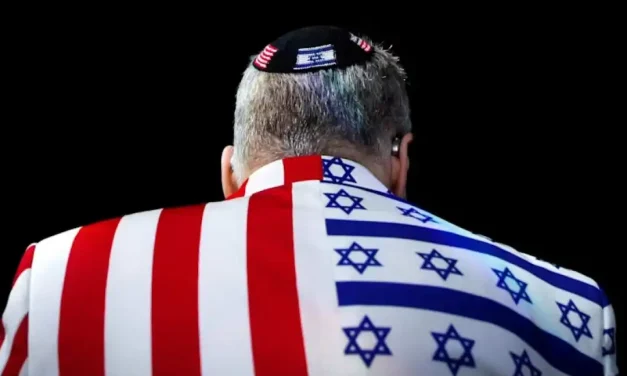
Increasing criticism of the extensive Zionist lobby network

SCFR Online – Opinion: An examination of the mechanisms of the Israeli regime’s influence in the United States depicts a complex picture of shared interests, strategic dependencies, and the limitations of this relationship.

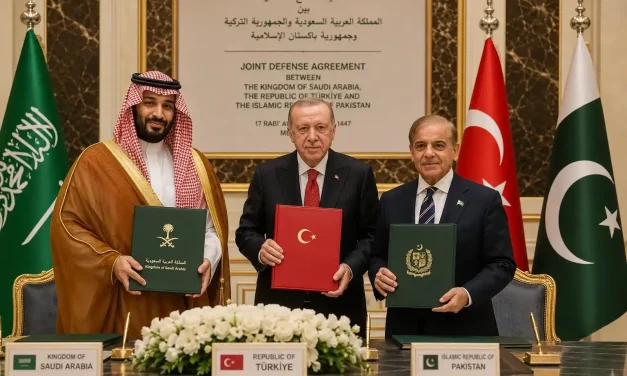
Realities of the Tripartite Makkah Pact

SCFR Online – Interview: The signing of the Makkah agreement between Saudi Arabia, Pakistan, and Turkey has raised questions about the future of the region’s security structure and the position of these countries in West Asian equations. Can this agreement become a genuine collective defense mechanism, or does it have more of a political and deterrent function than creating new military capacity?

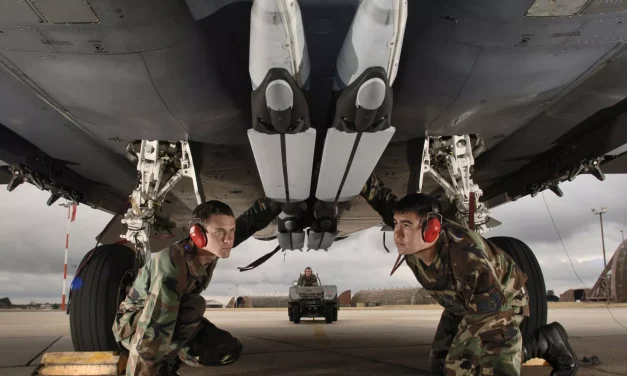
Strategic Implications of the Reduction of US Weapons Stockpiles

SCFR Online – Opinion: The continuation of the US war against Iran, in addition to increasing operational costs, has called into question the actual capacity of the American arsenal to simultaneously fulfill security commitments on multiple fronts; an issue that affects deterrence, defense production capacity, and Washington’s resource prioritization.

The Formation of a New Order in Relations Between Powers

SCFR Online – Opinion: The Russia-Ukraine war and the war of the United States and the Israeli regime against Iran have been formed with different objectives and actors, but field and political developments indicate that they are not entirely separate from one another.

An Analysis of the Makkah Defense Pact

SCFR Online – Opinion: On Friday, August 7, the heads of state of three countries – Saudi Arabia, Turkey, and Pakistan – signed a text under the title “Makkah Joint Defense Agreement.”

Loading

Strategic Perspective

Fears and Hopes in Inter-Afghan Talks

Fears and Hopes in Inter-Afghan Talks

Strategic Council Online – Under the present circumstances, the Taliban do not seem to accept power-sharing based on the Ashraf Ghani Government’s offer of 50% of power and some regional and international players at this juncture do not agree with the outlook that Afghanistan should achieve peace and stability; because for the time being, they do not see their interests in peace and stability in Afghanistan.
Pir Mohammad Mollazehi – Expert in Subcontinent Issues

Saudi Misunderstanding of Realities in Pakistan

Saudi Misunderstanding of Realities in Pakistan

Strategic Council Online – Regional and global conditions are changing; but Riyadh is reluctant to accept the changes and still intends to traditionally hold control over Pakistan. In the meantime, the situation has changed in Pakistan and the country is gradually leaving the Western clique and entering into the Chinese circle.
Abdolreza Farajirad – Expert in Geopolitical Issues

Iran will give rigid response to any US aggression

Iran will give rigid response to any US aggression

Head of Iran’s Strategic Council on Foreign Relations Kamal Kharrazi said on Saturday that under Article 51 of the UN Charter of the United Nations on the inherent right to self-defence, Iran is authorized to respond promptly to any US aggression on the pretext of return of the sanctions.

EU-UK Talks Deadlocked

EU-UK Talks Deadlocked

Strategic Council Online – If Britain withdraws from the European Union without an agreement, it will no longer be able to use the EU market and the two sides will have to negotiate customs tariffs. In such a situation, trade barriers will be built in the ports of both sides, which will make the entry and exit of goods difficult and will affect the price trend.
Morteza Makki – European Affairs Expert

Hezbollah Is a Role Playing Reality in Lebanon

Hezbollah Is a Role Playing Reality in Lebanon

Strategic Council Online – A former Iranian diplomat, referring to the different stances of France and the United States regarding the role and status of Hezbollah in Lebanon, said: Hezbollah is a 100% and undeniable reality that exists and is present in Lebanon. No action in this country can succeed without taking the role of Hezbollah into account.

US Attempts to Activate Snapback Mechanism Meaningless

US Attempts to Activate Snapback Mechanism Meaningless

Strategic Council Online – A senior American university professor and expert on international affairs says US attempts to achieve the “snapback” mechanism aim to provoke Iran to leave the JCPOA before a possible Biden presidency so that the US could not come back into the Joint Comprehensive Plan of Action (JCPOA).

Prospect of Geopolitical Tensions & Complexities in Eastern Mediterranean

Prospect of Geopolitical Tensions & Complexities in Eastern Mediterranean

Strategic Council Online – Explaining the geopolitical complexities in the Eastern Mediterranean, a faculty member said: “One of the concerns about this region, especially in Europe, is the addition of this crisis to the Middle East security crisis which due to Europe’s geographical proximity to the region, it will have negative consequences for Europe.

US prevention from Europe’s role playing in Afghanistan peace process

US prevention from Europe’s role playing in Afghanistan peace process

Khalil Zad didn’t allow Europe to play the main role in the negotiations and faded Europe role in political process. Well, The European’s concerns about Afghanistan are not included in the US-Taliban agreement. European countries and the E.U use Iran and Afghanistan’s issues to answer the U.S unilateral actions.
Mostafa Hashemi – Afghanistan expert

Prospects of Field Developments after Israel-UAE Agreement

Prospects of Field Developments after Israel-UAE Agreement

Strategic Council Online – An expert on West Asian affairs said that what the Americans are saying in terms of achieving their goals or changing the course of peace in the Middle East is more propaganda and media feed, adding “The Arab states of the Persian Gulf have considerations and they know that this action will have serious consequences for them.”

Iranophobia;  Zionist Regime’s Leverage to Deceive, Attract Arab Governments

Iranophobia; Zionist Regime’s Leverage to Deceive, Attract Arab Governments

Strategic Council Online – If the Zionist regime’s relations with the Arab world improve, Iran’s relations with the Arab states will be destroyed, and if Iran’s relations with the Arabs improve, Tel Aviv’s relations with the Arab capitals will be strained; In this case, the Arab states will return to their traditional policy that the Israeli regime is the enemy of the Arabs and the Palestinians.
Qasem Mohabeli – Middle East Affairs Expert

Strategic Perspective

Fears and Hopes in Inter-Afghan Talks

Fears and Hopes in Inter-Afghan Talks

Strategic Council Online – Under the present circumstances, the Taliban do not seem to accept power-sharing based on the Ashraf Ghani Government’s offer of 50% of power and some regional and international players at this juncture do not agree with the outlook that Afghanistan should achieve peace and stability; because for the time being, they do not see their interests in peace and stability in Afghanistan.
Pir Mohammad Mollazehi – Expert in Subcontinent Issues

Saudi Misunderstanding of Realities in Pakistan

Saudi Misunderstanding of Realities in Pakistan

Strategic Council Online – Regional and global conditions are changing; but Riyadh is reluctant to accept the changes and still intends to traditionally hold control over Pakistan. In the meantime, the situation has changed in Pakistan and the country is gradually leaving the Western clique and entering into the Chinese circle.
Abdolreza Farajirad – Expert in Geopolitical Issues

Iran will give rigid response to any US aggression

Iran will give rigid response to any US aggression

Head of Iran’s Strategic Council on Foreign Relations Kamal Kharrazi said on Saturday that under Article 51 of the UN Charter of the United Nations on the inherent right to self-defence, Iran is authorized to respond promptly to any US aggression on the pretext of return of the sanctions.

EU-UK Talks Deadlocked

EU-UK Talks Deadlocked

Strategic Council Online – If Britain withdraws from the European Union without an agreement, it will no longer be able to use the EU market and the two sides will have to negotiate customs tariffs. In such a situation, trade barriers will be built in the ports of both sides, which will make the entry and exit of goods difficult and will affect the price trend.
Morteza Makki – European Affairs Expert

Hezbollah Is a Role Playing Reality in Lebanon

Hezbollah Is a Role Playing Reality in Lebanon

Strategic Council Online – A former Iranian diplomat, referring to the different stances of France and the United States regarding the role and status of Hezbollah in Lebanon, said: Hezbollah is a 100% and undeniable reality that exists and is present in Lebanon. No action in this country can succeed without taking the role of Hezbollah into account.

US Attempts to Activate Snapback Mechanism Meaningless

US Attempts to Activate Snapback Mechanism Meaningless

Strategic Council Online – A senior American university professor and expert on international affairs says US attempts to achieve the “snapback” mechanism aim to provoke Iran to leave the JCPOA before a possible Biden presidency so that the US could not come back into the Joint Comprehensive Plan of Action (JCPOA).

Prospect of Geopolitical Tensions & Complexities in Eastern Mediterranean

Prospect of Geopolitical Tensions & Complexities in Eastern Mediterranean

Strategic Council Online – Explaining the geopolitical complexities in the Eastern Mediterranean, a faculty member said: “One of the concerns about this region, especially in Europe, is the addition of this crisis to the Middle East security crisis which due to Europe’s geographical proximity to the region, it will have negative consequences for Europe.

US prevention from Europe’s role playing in Afghanistan peace process

US prevention from Europe’s role playing in Afghanistan peace process

Khalil Zad didn’t allow Europe to play the main role in the negotiations and faded Europe role in political process. Well, The European’s concerns about Afghanistan are not included in the US-Taliban agreement. European countries and the E.U use Iran and Afghanistan’s issues to answer the U.S unilateral actions.
Mostafa Hashemi – Afghanistan expert

Prospects of Field Developments after Israel-UAE Agreement

Prospects of Field Developments after Israel-UAE Agreement

Strategic Council Online – An expert on West Asian affairs said that what the Americans are saying in terms of achieving their goals or changing the course of peace in the Middle East is more propaganda and media feed, adding “The Arab states of the Persian Gulf have considerations and they know that this action will have serious consequences for them.”

Iranophobia;  Zionist Regime’s Leverage to Deceive, Attract Arab Governments

Iranophobia; Zionist Regime’s Leverage to Deceive, Attract Arab Governments

Strategic Council Online – If the Zionist regime’s relations with the Arab world improve, Iran’s relations with the Arab states will be destroyed, and if Iran’s relations with the Arabs improve, Tel Aviv’s relations with the Arab capitals will be strained; In this case, the Arab states will return to their traditional policy that the Israeli regime is the enemy of the Arabs and the Palestinians.
Qasem Mohabeli – Middle East Affairs Expert

LATEST CONTENT

Implications of the US-Saudi Nuclear Agreement

SCFR Online – Opinion: The new US-Saudi nuclear agreement, despite legal and political ambiguities, could alter previous non-proliferation standards in West Asia and intensify nuclear competition, ushering it into a new phase.
An Analysis of Recent Turkey-Israeli Regime Tensions

SCFR Online – Opinion: Recent developments in Syria indicate an intensification of strategic rivalry between Turkey and the Israeli regime, but mutual considerations and the role of the United States have limited the likelihood of direct war.

Increasing criticism of the extensive Zionist lobby network

SCFR Online – Opinion: An examination of the mechanisms of the Israeli regime’s influence in the United States depicts a complex picture of shared interests, strategic dependencies, and the limitations of this relationship.

Realities of the Tripartite Makkah Pact

SCFR Online – Interview: The signing of the Makkah agreement between Saudi Arabia, Pakistan, and Turkey has raised questions about the future of the region’s security structure and the position of these countries in West Asian equations. Can this agreement become a genuine collective defense mechanism, or does it have more of a political and deterrent function than creating new military capacity?

Strategic Implications of the Reduction of US Weapons Stockpiles

SCFR Online – Opinion: The continuation of the US war against Iran, in addition to increasing operational costs, has called into question the actual capacity of the American arsenal to simultaneously fulfill security commitments on multiple fronts; an issue that affects deterrence, defense production capacity, and Washington’s resource prioritization.

The Formation of a New Order in Relations Between Powers

SCFR Online – Opinion: The Russia-Ukraine war and the war of the United States and the Israeli regime against Iran have been formed with different objectives and actors, but field and political developments indicate that they are not entirely separate from one another.

An Analysis of the Makkah Defense Pact

SCFR Online – Opinion: On Friday, August 7, the heads of state of three countries – Saudi Arabia, Turkey, and Pakistan – signed a text under the title “Makkah Joint Defense Agreement.”

Loading

Strategic Perspective

Fears and Hopes in Inter-Afghan Talks

Fears and Hopes in Inter-Afghan Talks

Strategic Council Online – Under the present circumstances, the Taliban do not seem to accept power-sharing based on the Ashraf Ghani Government’s offer of 50% of power and some regional and international players at this juncture do not agree with the outlook that Afghanistan should achieve peace and stability; because for the time being, they do not see their interests in peace and stability in Afghanistan.
Pir Mohammad Mollazehi – Expert in Subcontinent Issues

Saudi Misunderstanding of Realities in Pakistan

Saudi Misunderstanding of Realities in Pakistan

Strategic Council Online – Regional and global conditions are changing; but Riyadh is reluctant to accept the changes and still intends to traditionally hold control over Pakistan. In the meantime, the situation has changed in Pakistan and the country is gradually leaving the Western clique and entering into the Chinese circle.
Abdolreza Farajirad – Expert in Geopolitical Issues

Iran will give rigid response to any US aggression

Iran will give rigid response to any US aggression

Head of Iran’s Strategic Council on Foreign Relations Kamal Kharrazi said on Saturday that under Article 51 of the UN Charter of the United Nations on the inherent right to self-defence, Iran is authorized to respond promptly to any US aggression on the pretext of return of the sanctions.

EU-UK Talks Deadlocked

EU-UK Talks Deadlocked

Strategic Council Online – If Britain withdraws from the European Union without an agreement, it will no longer be able to use the EU market and the two sides will have to negotiate customs tariffs. In such a situation, trade barriers will be built in the ports of both sides, which will make the entry and exit of goods difficult and will affect the price trend.
Morteza Makki – European Affairs Expert

Hezbollah Is a Role Playing Reality in Lebanon

Hezbollah Is a Role Playing Reality in Lebanon

Strategic Council Online – A former Iranian diplomat, referring to the different stances of France and the United States regarding the role and status of Hezbollah in Lebanon, said: Hezbollah is a 100% and undeniable reality that exists and is present in Lebanon. No action in this country can succeed without taking the role of Hezbollah into account.

US Attempts to Activate Snapback Mechanism Meaningless

US Attempts to Activate Snapback Mechanism Meaningless

Strategic Council Online – A senior American university professor and expert on international affairs says US attempts to achieve the “snapback” mechanism aim to provoke Iran to leave the JCPOA before a possible Biden presidency so that the US could not come back into the Joint Comprehensive Plan of Action (JCPOA).

Prospect of Geopolitical Tensions & Complexities in Eastern Mediterranean

Prospect of Geopolitical Tensions & Complexities in Eastern Mediterranean

Strategic Council Online – Explaining the geopolitical complexities in the Eastern Mediterranean, a faculty member said: “One of the concerns about this region, especially in Europe, is the addition of this crisis to the Middle East security crisis which due to Europe’s geographical proximity to the region, it will have negative consequences for Europe.

US prevention from Europe’s role playing in Afghanistan peace process

US prevention from Europe’s role playing in Afghanistan peace process

Khalil Zad didn’t allow Europe to play the main role in the negotiations and faded Europe role in political process. Well, The European’s concerns about Afghanistan are not included in the US-Taliban agreement. European countries and the E.U use Iran and Afghanistan’s issues to answer the U.S unilateral actions.
Mostafa Hashemi – Afghanistan expert

Prospects of Field Developments after Israel-UAE Agreement

Prospects of Field Developments after Israel-UAE Agreement

Strategic Council Online – An expert on West Asian affairs said that what the Americans are saying in terms of achieving their goals or changing the course of peace in the Middle East is more propaganda and media feed, adding “The Arab states of the Persian Gulf have considerations and they know that this action will have serious consequences for them.”

Iranophobia;  Zionist Regime’s Leverage to Deceive, Attract Arab Governments

Iranophobia; Zionist Regime’s Leverage to Deceive, Attract Arab Governments

Strategic Council Online – If the Zionist regime’s relations with the Arab world improve, Iran’s relations with the Arab states will be destroyed, and if Iran’s relations with the Arabs improve, Tel Aviv’s relations with the Arab capitals will be strained; In this case, the Arab states will return to their traditional policy that the Israeli regime is the enemy of the Arabs and the Palestinians.
Qasem Mohabeli – Middle East Affairs Expert

ÚLTIMAS PUBLICACIONES

Implications of the US-Saudi Nuclear Agreement

SCFR Online – Opinion: The new US-Saudi nuclear agreement, despite legal and political ambiguities, could alter previous non-proliferation standards in West Asia and intensify nuclear competition, ushering it into a new phase.
An Analysis of Recent Turkey-Israeli Regime Tensions

SCFR Online – Opinion: Recent developments in Syria indicate an intensification of strategic rivalry between Turkey and the Israeli regime, but mutual considerations and the role of the United States have limited the likelihood of direct war.

Increasing criticism of the extensive Zionist lobby network

SCFR Online – Opinion: An examination of the mechanisms of the Israeli regime’s influence in the United States depicts a complex picture of shared interests, strategic dependencies, and the limitations of this relationship.

Realities of the Tripartite Makkah Pact

SCFR Online – Interview: The signing of the Makkah agreement between Saudi Arabia, Pakistan, and Turkey has raised questions about the future of the region’s security structure and the position of these countries in West Asian equations. Can this agreement become a genuine collective defense mechanism, or does it have more of a political and deterrent function than creating new military capacity?

Strategic Implications of the Reduction of US Weapons Stockpiles

SCFR Online – Opinion: The continuation of the US war against Iran, in addition to increasing operational costs, has called into question the actual capacity of the American arsenal to simultaneously fulfill security commitments on multiple fronts; an issue that affects deterrence, defense production capacity, and Washington’s resource prioritization.

The Formation of a New Order in Relations Between Powers

SCFR Online – Opinion: The Russia-Ukraine war and the war of the United States and the Israeli regime against Iran have been formed with different objectives and actors, but field and political developments indicate that they are not entirely separate from one another.

An Analysis of the Makkah Defense Pact

SCFR Online – Opinion: On Friday, August 7, the heads of state of three countries – Saudi Arabia, Turkey, and Pakistan – signed a text under the title “Makkah Joint Defense Agreement.”

Loading

Strategic Perspective

Fears and Hopes in Inter-Afghan Talks

Fears and Hopes in Inter-Afghan Talks

Strategic Council Online – Under the present circumstances, the Taliban do not seem to accept power-sharing based on the Ashraf Ghani Government’s offer of 50% of power and some regional and international players at this juncture do not agree with the outlook that Afghanistan should achieve peace and stability; because for the time being, they do not see their interests in peace and stability in Afghanistan.
Pir Mohammad Mollazehi – Expert in Subcontinent Issues

Saudi Misunderstanding of Realities in Pakistan

Saudi Misunderstanding of Realities in Pakistan

Strategic Council Online – Regional and global conditions are changing; but Riyadh is reluctant to accept the changes and still intends to traditionally hold control over Pakistan. In the meantime, the situation has changed in Pakistan and the country is gradually leaving the Western clique and entering into the Chinese circle.
Abdolreza Farajirad – Expert in Geopolitical Issues

Iran will give rigid response to any US aggression

Iran will give rigid response to any US aggression

Head of Iran’s Strategic Council on Foreign Relations Kamal Kharrazi said on Saturday that under Article 51 of the UN Charter of the United Nations on the inherent right to self-defence, Iran is authorized to respond promptly to any US aggression on the pretext of return of the sanctions.

EU-UK Talks Deadlocked

EU-UK Talks Deadlocked

Strategic Council Online – If Britain withdraws from the European Union without an agreement, it will no longer be able to use the EU market and the two sides will have to negotiate customs tariffs. In such a situation, trade barriers will be built in the ports of both sides, which will make the entry and exit of goods difficult and will affect the price trend.
Morteza Makki – European Affairs Expert

Hezbollah Is a Role Playing Reality in Lebanon

Hezbollah Is a Role Playing Reality in Lebanon

Strategic Council Online – A former Iranian diplomat, referring to the different stances of France and the United States regarding the role and status of Hezbollah in Lebanon, said: Hezbollah is a 100% and undeniable reality that exists and is present in Lebanon. No action in this country can succeed without taking the role of Hezbollah into account.

US Attempts to Activate Snapback Mechanism Meaningless

US Attempts to Activate Snapback Mechanism Meaningless

Strategic Council Online – A senior American university professor and expert on international affairs says US attempts to achieve the “snapback” mechanism aim to provoke Iran to leave the JCPOA before a possible Biden presidency so that the US could not come back into the Joint Comprehensive Plan of Action (JCPOA).

Prospect of Geopolitical Tensions & Complexities in Eastern Mediterranean

Prospect of Geopolitical Tensions & Complexities in Eastern Mediterranean

Strategic Council Online – Explaining the geopolitical complexities in the Eastern Mediterranean, a faculty member said: “One of the concerns about this region, especially in Europe, is the addition of this crisis to the Middle East security crisis which due to Europe’s geographical proximity to the region, it will have negative consequences for Europe.

US prevention from Europe’s role playing in Afghanistan peace process

US prevention from Europe’s role playing in Afghanistan peace process

Khalil Zad didn’t allow Europe to play the main role in the negotiations and faded Europe role in political process. Well, The European’s concerns about Afghanistan are not included in the US-Taliban agreement. European countries and the E.U use Iran and Afghanistan’s issues to answer the U.S unilateral actions.
Mostafa Hashemi – Afghanistan expert

Prospects of Field Developments after Israel-UAE Agreement

Prospects of Field Developments after Israel-UAE Agreement

Strategic Council Online – An expert on West Asian affairs said that what the Americans are saying in terms of achieving their goals or changing the course of peace in the Middle East is more propaganda and media feed, adding “The Arab states of the Persian Gulf have considerations and they know that this action will have serious consequences for them.”

Iranophobia;  Zionist Regime’s Leverage to Deceive, Attract Arab Governments

Iranophobia; Zionist Regime’s Leverage to Deceive, Attract Arab Governments

Strategic Council Online – If the Zionist regime’s relations with the Arab world improve, Iran’s relations with the Arab states will be destroyed, and if Iran’s relations with the Arabs improve, Tel Aviv’s relations with the Arab capitals will be strained; In this case, the Arab states will return to their traditional policy that the Israeli regime is the enemy of the Arabs and the Palestinians.
Qasem Mohabeli – Middle East Affairs Expert

ÚLTIMAS PUBLICACIONES

Implications of the US-Saudi Nuclear Agreement

SCFR Online – Opinion: The new US-Saudi nuclear agreement, despite legal and political ambiguities, could alter previous non-proliferation standards in West Asia and intensify nuclear competition, ushering it into a new phase.
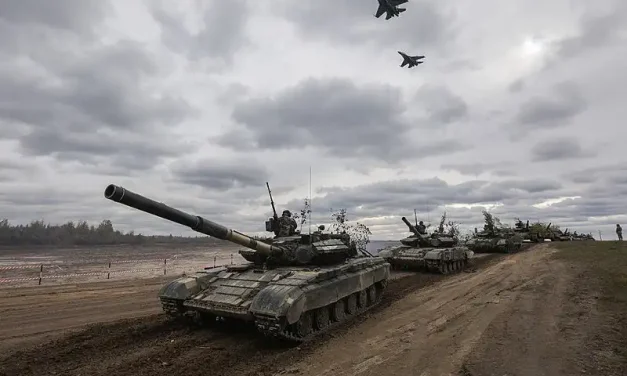
An Analysis of Recent Turkey-Israeli Regime Tensions

SCFR Online – Opinion: Recent developments in Syria indicate an intensification of strategic rivalry between Turkey and the Israeli regime, but mutual considerations and the role of the United States have limited the likelihood of direct war.

Increasing criticism of the extensive Zionist lobby network

SCFR Online – Opinion: An examination of the mechanisms of the Israeli regime’s influence in the United States depicts a complex picture of shared interests, strategic dependencies, and the limitations of this relationship.

Realities of the Tripartite Makkah Pact

SCFR Online – Interview: The signing of the Makkah agreement between Saudi Arabia, Pakistan, and Turkey has raised questions about the future of the region’s security structure and the position of these countries in West Asian equations. Can this agreement become a genuine collective defense mechanism, or does it have more of a political and deterrent function than creating new military capacity?

Strategic Implications of the Reduction of US Weapons Stockpiles

SCFR Online – Opinion: The continuation of the US war against Iran, in addition to increasing operational costs, has called into question the actual capacity of the American arsenal to simultaneously fulfill security commitments on multiple fronts; an issue that affects deterrence, defense production capacity, and Washington’s resource prioritization.

The Formation of a New Order in Relations Between Powers

SCFR Online – Opinion: The Russia-Ukraine war and the war of the United States and the Israeli regime against Iran have been formed with different objectives and actors, but field and political developments indicate that they are not entirely separate from one another.

An Analysis of the Makkah Defense Pact

SCFR Online – Opinion: On Friday, August 7, the heads of state of three countries – Saudi Arabia, Turkey, and Pakistan – signed a text under the title “Makkah Joint Defense Agreement.”

Loading

Strategic Perspective

Fears and Hopes in Inter-Afghan Talks

Fears and Hopes in Inter-Afghan Talks

Strategic Council Online – Under the present circumstances, the Taliban do not seem to accept power-sharing based on the Ashraf Ghani Government’s offer of 50% of power and some regional and international players at this juncture do not agree with the outlook that Afghanistan should achieve peace and stability; because for the time being, they do not see their interests in peace and stability in Afghanistan.
Pir Mohammad Mollazehi – Expert in Subcontinent Issues

Saudi Misunderstanding of Realities in Pakistan

Saudi Misunderstanding of Realities in Pakistan

Strategic Council Online – Regional and global conditions are changing; but Riyadh is reluctant to accept the changes and still intends to traditionally hold control over Pakistan. In the meantime, the situation has changed in Pakistan and the country is gradually leaving the Western clique and entering into the Chinese circle.
Abdolreza Farajirad – Expert in Geopolitical Issues

Iran will give rigid response to any US aggression

Iran will give rigid response to any US aggression

Head of Iran’s Strategic Council on Foreign Relations Kamal Kharrazi said on Saturday that under Article 51 of the UN Charter of the United Nations on the inherent right to self-defence, Iran is authorized to respond promptly to any US aggression on the pretext of return of the sanctions.

EU-UK Talks Deadlocked

EU-UK Talks Deadlocked

Strategic Council Online – If Britain withdraws from the European Union without an agreement, it will no longer be able to use the EU market and the two sides will have to negotiate customs tariffs. In such a situation, trade barriers will be built in the ports of both sides, which will make the entry and exit of goods difficult and will affect the price trend.
Morteza Makki – European Affairs Expert

Hezbollah Is a Role Playing Reality in Lebanon

Hezbollah Is a Role Playing Reality in Lebanon

Strategic Council Online – A former Iranian diplomat, referring to the different stances of France and the United States regarding the role and status of Hezbollah in Lebanon, said: Hezbollah is a 100% and undeniable reality that exists and is present in Lebanon. No action in this country can succeed without taking the role of Hezbollah into account.

US Attempts to Activate Snapback Mechanism Meaningless

US Attempts to Activate Snapback Mechanism Meaningless

Strategic Council Online – A senior American university professor and expert on international affairs says US attempts to achieve the “snapback” mechanism aim to provoke Iran to leave the JCPOA before a possible Biden presidency so that the US could not come back into the Joint Comprehensive Plan of Action (JCPOA).

Prospect of Geopolitical Tensions & Complexities in Eastern Mediterranean

Prospect of Geopolitical Tensions & Complexities in Eastern Mediterranean

Strategic Council Online – Explaining the geopolitical complexities in the Eastern Mediterranean, a faculty member said: “One of the concerns about this region, especially in Europe, is the addition of this crisis to the Middle East security crisis which due to Europe’s geographical proximity to the region, it will have negative consequences for Europe.

US prevention from Europe’s role playing in Afghanistan peace process

US prevention from Europe’s role playing in Afghanistan peace process

Khalil Zad didn’t allow Europe to play the main role in the negotiations and faded Europe role in political process. Well, The European’s concerns about Afghanistan are not included in the US-Taliban agreement. European countries and the E.U use Iran and Afghanistan’s issues to answer the U.S unilateral actions.
Mostafa Hashemi – Afghanistan expert

Prospects of Field Developments after Israel-UAE Agreement

Prospects of Field Developments after Israel-UAE Agreement

Strategic Council Online – An expert on West Asian affairs said that what the Americans are saying in terms of achieving their goals or changing the course of peace in the Middle East is more propaganda and media feed, adding “The Arab states of the Persian Gulf have considerations and they know that this action will have serious consequences for them.”

Iranophobia;  Zionist Regime’s Leverage to Deceive, Attract Arab Governments

Iranophobia; Zionist Regime’s Leverage to Deceive, Attract Arab Governments

Strategic Council Online – If the Zionist regime’s relations with the Arab world improve, Iran’s relations with the Arab states will be destroyed, and if Iran’s relations with the Arabs improve, Tel Aviv’s relations with the Arab capitals will be strained; In this case, the Arab states will return to their traditional policy that the Israeli regime is the enemy of the Arabs and the Palestinians.
Qasem Mohabeli – Middle East Affairs Expert

ÚLTIMAS PUBLICACIONES

Implications of the US-Saudi Nuclear Agreement

SCFR Online – Opinion: The new US-Saudi nuclear agreement, despite legal and political ambiguities, could alter previous non-proliferation standards in West Asia and intensify nuclear competition, ushering it into a new phase.

An Analysis of Recent Turkey-Israeli Regime Tensions

SCFR Online – Opinion: Recent developments in Syria indicate an intensification of strategic rivalry between Turkey and the Israeli regime, but mutual considerations and the role of the United States have limited the likelihood of direct war.

Increasing criticism of the extensive Zionist lobby network

SCFR Online – Opinion: An examination of the mechanisms of the Israeli regime’s influence in the United States depicts a complex picture of shared interests, strategic dependencies, and the limitations of this relationship.

Realities of the Tripartite Makkah Pact

SCFR Online – Interview: The signing of the Makkah agreement between Saudi Arabia, Pakistan, and Turkey has raised questions about the future of the region’s security structure and the position of these countries in West Asian equations. Can this agreement become a genuine collective defense mechanism, or does it have more of a political and deterrent function than creating new military capacity?

Strategic Implications of the Reduction of US Weapons Stockpiles

SCFR Online – Opinion: The continuation of the US war against Iran, in addition to increasing operational costs, has called into question the actual capacity of the American arsenal to simultaneously fulfill security commitments on multiple fronts; an issue that affects deterrence, defense production capacity, and Washington’s resource prioritization.

The Formation of a New Order in Relations Between Powers

SCFR Online – Opinion: The Russia-Ukraine war and the war of the United States and the Israeli regime against Iran have been formed with different objectives and actors, but field and political developments indicate that they are not entirely separate from one another.

An Analysis of the Makkah Defense Pact

SCFR Online – Opinion: On Friday, August 7, the heads of state of three countries – Saudi Arabia, Turkey, and Pakistan – signed a text under the title “Makkah Joint Defense Agreement.”

Loading

Strategic Perspective

Fears and Hopes in Inter-Afghan Talks

Fears and Hopes in Inter-Afghan Talks

Strategic Council Online – Under the present circumstances, the Taliban do not seem to accept power-sharing based on the Ashraf Ghani Government’s offer of 50% of power and some regional and international players at this juncture do not agree with the outlook that Afghanistan should achieve peace and stability; because for the time being, they do not see their interests in peace and stability in Afghanistan.
Pir Mohammad Mollazehi – Expert in Subcontinent Issues

Saudi Misunderstanding of Realities in Pakistan

Saudi Misunderstanding of Realities in Pakistan

Strategic Council Online – Regional and global conditions are changing; but Riyadh is reluctant to accept the changes and still intends to traditionally hold control over Pakistan. In the meantime, the situation has changed in Pakistan and the country is gradually leaving the Western clique and entering into the Chinese circle.
Abdolreza Farajirad – Expert in Geopolitical Issues

Iran will give rigid response to any US aggression

Iran will give rigid response to any US aggression

Head of Iran’s Strategic Council on Foreign Relations Kamal Kharrazi said on Saturday that under Article 51 of the UN Charter of the United Nations on the inherent right to self-defence, Iran is authorized to respond promptly to any US aggression on the pretext of return of the sanctions.

EU-UK Talks Deadlocked

EU-UK Talks Deadlocked

Strategic Council Online – If Britain withdraws from the European Union without an agreement, it will no longer be able to use the EU market and the two sides will have to negotiate customs tariffs. In such a situation, trade barriers will be built in the ports of both sides, which will make the entry and exit of goods difficult and will affect the price trend.
Morteza Makki – European Affairs Expert

Hezbollah Is a Role Playing Reality in Lebanon

Hezbollah Is a Role Playing Reality in Lebanon

Strategic Council Online – A former Iranian diplomat, referring to the different stances of France and the United States regarding the role and status of Hezbollah in Lebanon, said: Hezbollah is a 100% and undeniable reality that exists and is present in Lebanon. No action in this country can succeed without taking the role of Hezbollah into account.

US Attempts to Activate Snapback Mechanism Meaningless

US Attempts to Activate Snapback Mechanism Meaningless

Strategic Council Online – A senior American university professor and expert on international affairs says US attempts to achieve the “snapback” mechanism aim to provoke Iran to leave the JCPOA before a possible Biden presidency so that the US could not come back into the Joint Comprehensive Plan of Action (JCPOA).

Prospect of Geopolitical Tensions & Complexities in Eastern Mediterranean

Prospect of Geopolitical Tensions & Complexities in Eastern Mediterranean

Strategic Council Online – Explaining the geopolitical complexities in the Eastern Mediterranean, a faculty member said: “One of the concerns about this region, especially in Europe, is the addition of this crisis to the Middle East security crisis which due to Europe’s geographical proximity to the region, it will have negative consequences for Europe.

US prevention from Europe’s role playing in Afghanistan peace process

US prevention from Europe’s role playing in Afghanistan peace process

Khalil Zad didn’t allow Europe to play the main role in the negotiations and faded Europe role in political process. Well, The European’s concerns about Afghanistan are not included in the US-Taliban agreement. European countries and the E.U use Iran and Afghanistan’s issues to answer the U.S unilateral actions.
Mostafa Hashemi – Afghanistan expert

Prospects of Field Developments after Israel-UAE Agreement

Prospects of Field Developments after Israel-UAE Agreement

Strategic Council Online – An expert on West Asian affairs said that what the Americans are saying in terms of achieving their goals or changing the course of peace in the Middle East is more propaganda and media feed, adding “The Arab states of the Persian Gulf have considerations and they know that this action will have serious consequences for them.”

Iranophobia;  Zionist Regime’s Leverage to Deceive, Attract Arab Governments

Iranophobia; Zionist Regime’s Leverage to Deceive, Attract Arab Governments

Strategic Council Online – If the Zionist regime’s relations with the Arab world improve, Iran’s relations with the Arab states will be destroyed, and if Iran’s relations with the Arabs improve, Tel Aviv’s relations with the Arab capitals will be strained; In this case, the Arab states will return to their traditional policy that the Israeli regime is the enemy of the Arabs and the Palestinians.
Qasem Mohabeli – Middle East Affairs Expert

ÚLTIMAS PUBLICACIONES

Implications of the US-Saudi Nuclear Agreement

SCFR Online – Opinion: The new US-Saudi nuclear agreement, despite legal and political ambiguities, could alter previous non-proliferation standards in West Asia and intensify nuclear competition, ushering it into a new phase.

An Analysis of Recent Turkey-Israeli Regime Tensions

SCFR Online – Opinion: Recent developments in Syria indicate an intensification of strategic rivalry between Turkey and the Israeli regime, but mutual considerations and the role of the United States have limited the likelihood of direct war.

Increasing criticism of the extensive Zionist lobby network

SCFR Online – Opinion: An examination of the mechanisms of the Israeli regime’s influence in the United States depicts a complex picture of shared interests, strategic dependencies, and the limitations of this relationship.

Realities of the Tripartite Makkah Pact

SCFR Online – Interview: The signing of the Makkah agreement between Saudi Arabia, Pakistan, and Turkey has raised questions about the future of the region’s security structure and the position of these countries in West Asian equations. Can this agreement become a genuine collective defense mechanism, or does it have more of a political and deterrent function than creating new military capacity?

Strategic Implications of the Reduction of US Weapons Stockpiles

SCFR Online – Opinion: The continuation of the US war against Iran, in addition to increasing operational costs, has called into question the actual capacity of the American arsenal to simultaneously fulfill security commitments on multiple fronts; an issue that affects deterrence, defense production capacity, and Washington’s resource prioritization.

The Formation of a New Order in Relations Between Powers

SCFR Online – Opinion: The Russia-Ukraine war and the war of the United States and the Israeli regime against Iran have been formed with different objectives and actors, but field and political developments indicate that they are not entirely separate from one another.

An Analysis of the Makkah Defense Pact

SCFR Online – Opinion: On Friday, August 7, the heads of state of three countries – Saudi Arabia, Turkey, and Pakistan – signed a text under the title “Makkah Joint Defense Agreement.”

Loading