Dr. Kharazi in a meeting with the Secretary-General of the Islamic Jihad: Victory of Palestinians in the Saif al-Quds battle is the Start of a New Era

2021/08/08 | Council, Politics, Top News

Strategic Council Online: President of the Strategic Council on Foreign Relations in a meeting with the Secretary-General of the Islamic Jihad of Palestine noted that the victory in the 12-day battle of Saif al-Quds is the beginning of a new movement in the Palestinian resistance and has prompted the support of freedom-loving people around the world.

Dr. Kharazi in a meeting with Ziad al-Nakhala in Tehran on Saturday emphasized: “While the world powers are acting in various ways against the Palestinian people, the resistance of Palestinians to stand for their rights and to end the occupation and repel the occupiers is praiseworthy.”
He stated: “What was observed in the Saif al-Quds (Sword of Quds) battle was the solidarity of the whole Palestinian nation, which originated from the vigilance of the Palestinian people and the freedom-seeking spirit of this nation.”
The SCFR President said: the Zionist regime is facing severe internal disputes caused by the rootlessness of this regime, due to the fact that they have come to this land from different parts of the world in order to occupy it.
Describing the incumbent government of the Zionist regime as “shaky”, Dr. Kharazi noted: “A prime minister who has come to power today through a coalition of divergent parties cannot enjoy much power.”
Commemorating the memory of Martyr Qasem Soleimani, the SCFR President expressed his hope that the wish of this dear martyr, the liberation of Holy Quds, will be fulfilled soon.
Ziad Nakhala, Secretary-General of the Islamic Jihad, for his part, appreciated the support of the Islamic Republic of Iran for Palestine and the Palestinian resistance and emphasized: Until the recent victory in the 12-day battle, the decline of the Zionist regime was just an idea, but now it has become a possibility.
Ziad Nakhala stated that the self-confidence of the Zionist regime has been weakened, adding: “We are now at an important stage in the life of the Palestinians to fight against this regime, and new doors have been opened for the entire resistance in the region.”
“The situation in Palestine today in particular and the resistance in the region, in general, are not comparable to the past, and all of us have great hope for the future” he said.
0 Comments

Submit a Comment

Your email address will not be published. Required fields are marked *

LATEST CONTENT

Realities of the Tripartite Makkah Pact

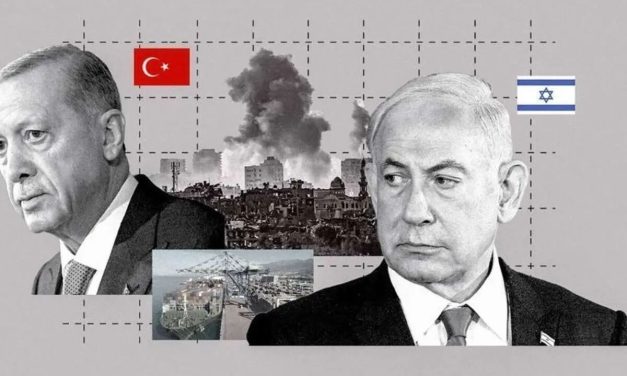
SCFR Online – Interview: The signing of the Makkah agreement between Saudi Arabia, Pakistan, and Turkey has raised questions about the future of the region’s security structure and the position of these countries in West Asian equations. Can this agreement become a genuine collective defense mechanism, or does it have more of a political and deterrent function than creating new military capacity?
Strategic Implications of the Reduction of US Weapons Stockpiles

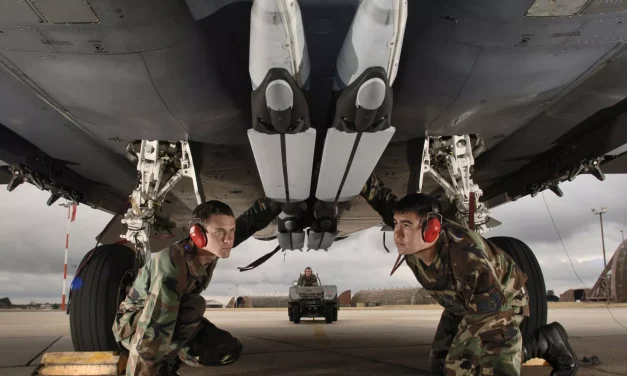
SCFR Online – Opinion: The continuation of the US war against Iran, in addition to increasing operational costs, has called into question the actual capacity of the American arsenal to simultaneously fulfill security commitments on multiple fronts; an issue that affects deterrence, defense production capacity, and Washington’s resource prioritization.

The Formation of a New Order in Relations Between Powers

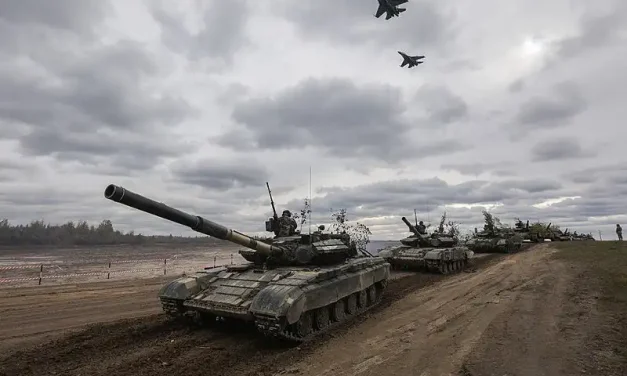
SCFR Online – Opinion: The Russia-Ukraine war and the war of the United States and the Israeli regime against Iran have been formed with different objectives and actors, but field and political developments indicate that they are not entirely separate from one another.

An Analysis of the Makkah Defense Pact

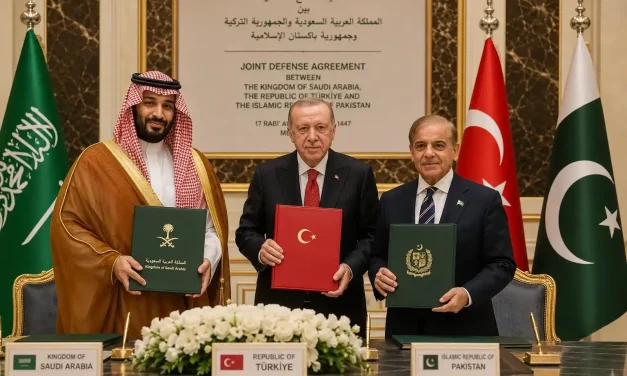
SCFR Online – Opinion: On Friday, August 7, the heads of state of three countries – Saudi Arabia, Turkey, and Pakistan – signed a text under the title “Makkah Joint Defense Agreement.”

Dimensions and challenges of the initiative to revive the Hejaz Railway

Strategic Council Online – Note: The initiative to revive the Hejaz Railway, beyond being a transportation project, constitutes an attempt to redefine geopolitics, the economy, and Turkey’s regional position; however, its realization appears to face significant financial, security, and institutional challenges.

Loading

Últimas publicaciones

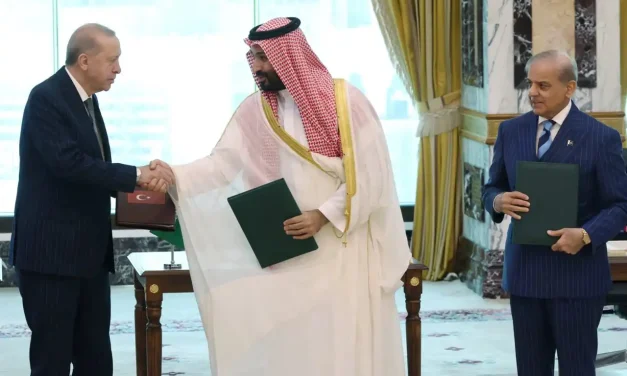
Realities of the Tripartite Makkah Pact

SCFR Online – Interview: The signing of the Makkah agreement between Saudi Arabia, Pakistan, and Turkey has raised questions about the future of the region’s security structure and the position of these countries in West Asian equations. Can this agreement become a genuine collective defense mechanism, or does it have more of a political and deterrent function than creating new military capacity?
Strategic Implications of the Reduction of US Weapons Stockpiles

SCFR Online – Opinion: The continuation of the US war against Iran, in addition to increasing operational costs, has called into question the actual capacity of the American arsenal to simultaneously fulfill security commitments on multiple fronts; an issue that affects deterrence, defense production capacity, and Washington’s resource prioritization.

The Formation of a New Order in Relations Between Powers

SCFR Online – Opinion: The Russia-Ukraine war and the war of the United States and the Israeli regime against Iran have been formed with different objectives and actors, but field and political developments indicate that they are not entirely separate from one another.

An Analysis of the Makkah Defense Pact

SCFR Online – Opinion: On Friday, August 7, the heads of state of three countries – Saudi Arabia, Turkey, and Pakistan – signed a text under the title “Makkah Joint Defense Agreement.”

Dimensions and challenges of the initiative to revive the Hejaz Railway

Strategic Council Online – Note: The initiative to revive the Hejaz Railway, beyond being a transportation project, constitutes an attempt to redefine geopolitics, the economy, and Turkey’s regional position; however, its realization appears to face significant financial, security, and institutional challenges.

Loading

DERNIER CONTENU

Realities of the Tripartite Makkah Pact

SCFR Online – Interview: The signing of the Makkah agreement between Saudi Arabia, Pakistan, and Turkey has raised questions about the future of the region’s security structure and the position of these countries in West Asian equations. Can this agreement become a genuine collective defense mechanism, or does it have more of a political and deterrent function than creating new military capacity?
Strategic Implications of the Reduction of US Weapons Stockpiles

SCFR Online – Opinion: The continuation of the US war against Iran, in addition to increasing operational costs, has called into question the actual capacity of the American arsenal to simultaneously fulfill security commitments on multiple fronts; an issue that affects deterrence, defense production capacity, and Washington’s resource prioritization.

The Formation of a New Order in Relations Between Powers

SCFR Online – Opinion: The Russia-Ukraine war and the war of the United States and the Israeli regime against Iran have been formed with different objectives and actors, but field and political developments indicate that they are not entirely separate from one another.

An Analysis of the Makkah Defense Pact

SCFR Online – Opinion: On Friday, August 7, the heads of state of three countries – Saudi Arabia, Turkey, and Pakistan – signed a text under the title “Makkah Joint Defense Agreement.”

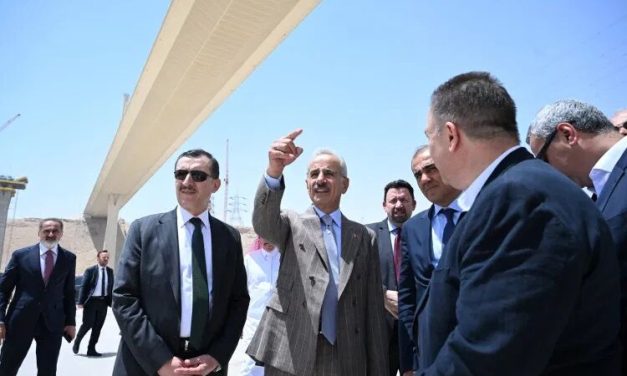
Dimensions and challenges of the initiative to revive the Hejaz Railway

Strategic Council Online – Note: The initiative to revive the Hejaz Railway, beyond being a transportation project, constitutes an attempt to redefine geopolitics, the economy, and Turkey’s regional position; however, its realization appears to face significant financial, security, and institutional challenges.

Loading

DERNIER CONTENU

Realities of the Tripartite Makkah Pact

SCFR Online – Interview: The signing of the Makkah agreement between Saudi Arabia, Pakistan, and Turkey has raised questions about the future of the region’s security structure and the position of these countries in West Asian equations. Can this agreement become a genuine collective defense mechanism, or does it have more of a political and deterrent function than creating new military capacity?

Strategic Implications of the Reduction of US Weapons Stockpiles

SCFR Online – Opinion: The continuation of the US war against Iran, in addition to increasing operational costs, has called into question the actual capacity of the American arsenal to simultaneously fulfill security commitments on multiple fronts; an issue that affects deterrence, defense production capacity, and Washington’s resource prioritization.

The Formation of a New Order in Relations Between Powers

SCFR Online – Opinion: The Russia-Ukraine war and the war of the United States and the Israeli regime against Iran have been formed with different objectives and actors, but field and political developments indicate that they are not entirely separate from one another.

An Analysis of the Makkah Defense Pact

SCFR Online – Opinion: On Friday, August 7, the heads of state of three countries – Saudi Arabia, Turkey, and Pakistan – signed a text under the title “Makkah Joint Defense Agreement.”

Dimensions and challenges of the initiative to revive the Hejaz Railway

Strategic Council Online – Note: The initiative to revive the Hejaz Railway, beyond being a transportation project, constitutes an attempt to redefine geopolitics, the economy, and Turkey’s regional position; however, its realization appears to face significant financial, security, and institutional challenges.

Loading

DERNIER CONTENU

Realities of the Tripartite Makkah Pact

SCFR Online – Interview: The signing of the Makkah agreement between Saudi Arabia, Pakistan, and Turkey has raised questions about the future of the region’s security structure and the position of these countries in West Asian equations. Can this agreement become a genuine collective defense mechanism, or does it have more of a political and deterrent function than creating new military capacity?

Strategic Implications of the Reduction of US Weapons Stockpiles

SCFR Online – Opinion: The continuation of the US war against Iran, in addition to increasing operational costs, has called into question the actual capacity of the American arsenal to simultaneously fulfill security commitments on multiple fronts; an issue that affects deterrence, defense production capacity, and Washington’s resource prioritization.

The Formation of a New Order in Relations Between Powers

SCFR Online – Opinion: The Russia-Ukraine war and the war of the United States and the Israeli regime against Iran have been formed with different objectives and actors, but field and political developments indicate that they are not entirely separate from one another.

An Analysis of the Makkah Defense Pact

SCFR Online – Opinion: On Friday, August 7, the heads of state of three countries – Saudi Arabia, Turkey, and Pakistan – signed a text under the title “Makkah Joint Defense Agreement.”

Dimensions and challenges of the initiative to revive the Hejaz Railway

Strategic Council Online – Note: The initiative to revive the Hejaz Railway, beyond being a transportation project, constitutes an attempt to redefine geopolitics, the economy, and Turkey’s regional position; however, its realization appears to face significant financial, security, and institutional challenges.

Loading