Dr. Kharazi Joins the Ranks of Martyrs of the Third Imposed War

2026/04/14 | Council, top news

SCFR Online: The Secretariat of the Strategic Council on Foreign Relations, in an official statement, extended congratulations and condolences on the martyrdom of Dr. Seyyed Kamal Kharazi, President of the Council, to the Presence of Hazrat Baqiyatallah al-A'zam (May God Hasten His Reappearance), the Supreme Leader of the Islamic Revolution, the esteemed family of the martyr, his comrades and colleagues, the martyr-nurturing nation of the Islamic Republic of Iran, and all freedom-loving people worldwide.

The full text of the statement is as follows:

In the Name of Allah, the Most Gracious, the Most Merciful

“And never think of those who have been killed in the cause of Allah as dead. Rather, they are alive with their Lord, receiving provision.” (Surah Al-Imran, Verse 169)

Dr. Seyyed Kamal Kharazi, Senior Advisor to the late Founder of the Islamic Revolution (May Allah’s Mercy Be Upon Him) and the Supreme Leader (May His Shadow Endure), former Minister of Foreign Affairs of the Islamic Republic of Iran, President of the Strategic Council on Foreign Relations, and member of the Expediency Discernment Council, has departed to meet his Lord after a lifetime of striving in the path of truth and righteousness.

He was a pious individual, a faithful and sincere servant of God, who ultimately attained the great blessing of martyrdom following injuries sustained from a cowardly terrorist attack by the criminal US-Zionist enemy. On the 12th of Farvardin [Iranian calendar], the US-Zionist enemy targeted Dr. Kharazi’s residence with an aerial bombardment, resulting in his injury and the martyrdom of his esteemed wife.

We extend congratulations and condolences on the unjust yet honorable martyrdom of this erudite scholar, committed diplomat, and revolutionary—who served faithfully for many years on the frontlines of diplomacy—to the Presence of Hazrat Baqiyatallah al-A’zam (May God Hasten His Reappearance), the Supreme Leader of the Islamic Revolution, the esteemed family of the martyr, his comrades and colleagues, the martyr-nurturing nation of the Islamic Republic of Iran, and all freedom-loving people worldwide. We beseech Almighty God to grant this dear martyr elevated ranks and proximity to the saints of God, and to bestow mercy and forgiveness upon his martyred wife.

The Strategic Council on Foreign Relations, renewing its allegiance to the ideals of the Great Imam (May Allah’s Mercy Be Upon Him), the Great Martyred Leader (May Allah’s Mercy Be Upon Him), the Supreme Leader (May God Protect Him), and the precious martyrs, implores Almighty God for the swift victory of the Islamic Republic of Iran in the third imposed war against the US-Zionist enemy. Undoubtedly, the pure blood of martyrs such as Dr. Kharazi will remain a luminous beacon guiding the path of resistance and the quest for freedom against global arrogance.

Peace, mercy, and blessings of God be upon you.

Secretariat of the Strategic Council on Foreign Relations of the Islamic Republic of Iran
0 Comments

LATEST CONTENT

Al-Zaydi’s Selection as Prime Minister, The Beginning of a New Chapter in Iraq

SCFR Online – Note: After approximately five months of political deadlock and institutional confusion, Ali al-Zaydi has finally been selected as Iraq’s Prime Minister. Al-Zaydi’s selection as Prime Minister represents a positive sign of the completion of the government formation process and the beginning of a new phase in Iraqi politics and governance. The emergence of a young, technocratic figure from the third generation of politicians—in a context where the country has been administered by traditional figures for decades—revives hope that Iraq may perhaps distance itself from the repetitive cycle of crises and experience a new path of stability, efficiency, and regional convergence.

Intensifying Intra-Party Divisions in the United States Regarding the Zionist Regime

SCFR Online – Note: Over recent decades, support for the Zionist regime has been one of the few issues commanding bipartisan consensus in US foreign policy. Since the Cold War era, Republicans and Democrats have generally agreed on the necessity of preserving the security and survival of the Zionist regime as Washington’s most strategic ally in West Asia—and indeed, globally. However, developments in recent years—particularly the Gaza war, escalating regional conflicts, the expansion of tensions into Lebanon, and this regime’s recent warmongering against Iran—have caused this traditional consensus, especially within the Democratic Party, to face significant fractures.

Public Opinion Disappointment of the Zionist Regime Regarding Success in War with Iran

SCFR Online – Opinion: The internal situation of the Israeli regime during the 40-day war can be analyzed from several perspectives. The popularity levels of Benjamin Netanyahu, the Likud Party, and the ruling coalition led by Netanyahu until February 28, 2026, remained approximately the same as during the preceding year. The most recent factor that had somewhat increased Netanyahu’s popularity was the advancement of the 2024 war with Hezbollah Lebanon. Subsequently, his popularity temporarily increased during the 12-day war with Iran, but after the war, it returned to its previous state.

The United States Strategy toward the Strait of Hormuz in Confrontation with China’s Interests

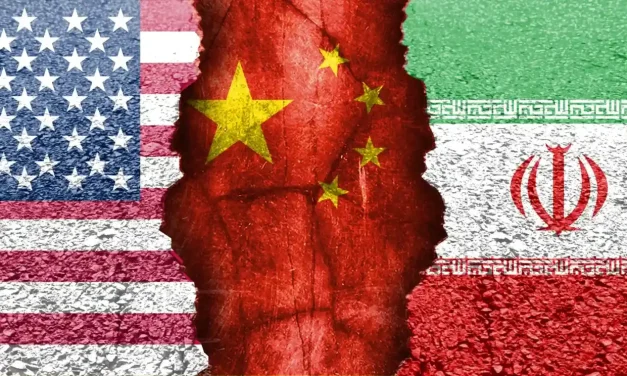
Strategic Council Online – Opinion: In the strategic geography of the global economy, certain regions attain such significance that they effectively become determining factors of the international order. The Strait of Hormuz is among these points; a narrow yet vital passage through which a considerable portion of the world’s energy transits, and whose stability is directly intertwined with the interests and economic security of many countries. However, the importance of the Strait of Hormuz is not limited solely to the volume of energy passing through it. This strait is also a stage upon which the limitations and challenges of great power politics are revealed. From China’s perspective, the policy of the United States regarding the security of this strategic chokepoint, rather than reflecting a stable order, demonstrates a set of contradictions and strategic difficulties that Washington faces in managing the regional order.

Loading

Últimas publicaciones

Al-Zaydi’s Selection as Prime Minister, The Beginning of a New Chapter in Iraq

SCFR Online – Note: After approximately five months of political deadlock and institutional confusion, Ali al-Zaydi has finally been selected as Iraq’s Prime Minister. Al-Zaydi’s selection as Prime Minister represents a positive sign of the completion of the government formation process and the beginning of a new phase in Iraqi politics and governance. The emergence of a young, technocratic figure from the third generation of politicians—in a context where the country has been administered by traditional figures for decades—revives hope that Iraq may perhaps distance itself from the repetitive cycle of crises and experience a new path of stability, efficiency, and regional convergence.

Intensifying Intra-Party Divisions in the United States Regarding the Zionist Regime

SCFR Online – Note: Over recent decades, support for the Zionist regime has been one of the few issues commanding bipartisan consensus in US foreign policy. Since the Cold War era, Republicans and Democrats have generally agreed on the necessity of preserving the security and survival of the Zionist regime as Washington’s most strategic ally in West Asia—and indeed, globally. However, developments in recent years—particularly the Gaza war, escalating regional conflicts, the expansion of tensions into Lebanon, and this regime’s recent warmongering against Iran—have caused this traditional consensus, especially within the Democratic Party, to face significant fractures.

Public Opinion Disappointment of the Zionist Regime Regarding Success in War with Iran

SCFR Online – Opinion: The internal situation of the Israeli regime during the 40-day war can be analyzed from several perspectives. The popularity levels of Benjamin Netanyahu, the Likud Party, and the ruling coalition led by Netanyahu until February 28, 2026, remained approximately the same as during the preceding year. The most recent factor that had somewhat increased Netanyahu’s popularity was the advancement of the 2024 war with Hezbollah Lebanon. Subsequently, his popularity temporarily increased during the 12-day war with Iran, but after the war, it returned to its previous state.

The United States Strategy toward the Strait of Hormuz in Confrontation with China’s Interests

Strategic Council Online – Opinion: In the strategic geography of the global economy, certain regions attain such significance that they effectively become determining factors of the international order. The Strait of Hormuz is among these points; a narrow yet vital passage through which a considerable portion of the world’s energy transits, and whose stability is directly intertwined with the interests and economic security of many countries. However, the importance of the Strait of Hormuz is not limited solely to the volume of energy passing through it. This strait is also a stage upon which the limitations and challenges of great power politics are revealed. From China’s perspective, the policy of the United States regarding the security of this strategic chokepoint, rather than reflecting a stable order, demonstrates a set of contradictions and strategic difficulties that Washington faces in managing the regional order.

Loading

DERNIER CONTENU

Al-Zaydi’s Selection as Prime Minister, The Beginning of a New Chapter in Iraq

SCFR Online – Note: After approximately five months of political deadlock and institutional confusion, Ali al-Zaydi has finally been selected as Iraq’s Prime Minister. Al-Zaydi’s selection as Prime Minister represents a positive sign of the completion of the government formation process and the beginning of a new phase in Iraqi politics and governance. The emergence of a young, technocratic figure from the third generation of politicians—in a context where the country has been administered by traditional figures for decades—revives hope that Iraq may perhaps distance itself from the repetitive cycle of crises and experience a new path of stability, efficiency, and regional convergence.

Intensifying Intra-Party Divisions in the United States Regarding the Zionist Regime

SCFR Online – Note: Over recent decades, support for the Zionist regime has been one of the few issues commanding bipartisan consensus in US foreign policy. Since the Cold War era, Republicans and Democrats have generally agreed on the necessity of preserving the security and survival of the Zionist regime as Washington’s most strategic ally in West Asia—and indeed, globally. However, developments in recent years—particularly the Gaza war, escalating regional conflicts, the expansion of tensions into Lebanon, and this regime’s recent warmongering against Iran—have caused this traditional consensus, especially within the Democratic Party, to face significant fractures.

Public Opinion Disappointment of the Zionist Regime Regarding Success in War with Iran

SCFR Online – Opinion: The internal situation of the Israeli regime during the 40-day war can be analyzed from several perspectives. The popularity levels of Benjamin Netanyahu, the Likud Party, and the ruling coalition led by Netanyahu until February 28, 2026, remained approximately the same as during the preceding year. The most recent factor that had somewhat increased Netanyahu’s popularity was the advancement of the 2024 war with Hezbollah Lebanon. Subsequently, his popularity temporarily increased during the 12-day war with Iran, but after the war, it returned to its previous state.

The United States Strategy toward the Strait of Hormuz in Confrontation with China’s Interests

Strategic Council Online – Opinion: In the strategic geography of the global economy, certain regions attain such significance that they effectively become determining factors of the international order. The Strait of Hormuz is among these points; a narrow yet vital passage through which a considerable portion of the world’s energy transits, and whose stability is directly intertwined with the interests and economic security of many countries. However, the importance of the Strait of Hormuz is not limited solely to the volume of energy passing through it. This strait is also a stage upon which the limitations and challenges of great power politics are revealed. From China’s perspective, the policy of the United States regarding the security of this strategic chokepoint, rather than reflecting a stable order, demonstrates a set of contradictions and strategic difficulties that Washington faces in managing the regional order.

Loading

DERNIER CONTENU

Al-Zaydi’s Selection as Prime Minister, The Beginning of a New Chapter in Iraq

SCFR Online – Note: After approximately five months of political deadlock and institutional confusion, Ali al-Zaydi has finally been selected as Iraq’s Prime Minister. Al-Zaydi’s selection as Prime Minister represents a positive sign of the completion of the government formation process and the beginning of a new phase in Iraqi politics and governance. The emergence of a young, technocratic figure from the third generation of politicians—in a context where the country has been administered by traditional figures for decades—revives hope that Iraq may perhaps distance itself from the repetitive cycle of crises and experience a new path of stability, efficiency, and regional convergence.

Intensifying Intra-Party Divisions in the United States Regarding the Zionist Regime

SCFR Online – Note: Over recent decades, support for the Zionist regime has been one of the few issues commanding bipartisan consensus in US foreign policy. Since the Cold War era, Republicans and Democrats have generally agreed on the necessity of preserving the security and survival of the Zionist regime as Washington’s most strategic ally in West Asia—and indeed, globally. However, developments in recent years—particularly the Gaza war, escalating regional conflicts, the expansion of tensions into Lebanon, and this regime’s recent warmongering against Iran—have caused this traditional consensus, especially within the Democratic Party, to face significant fractures.

Public Opinion Disappointment of the Zionist Regime Regarding Success in War with Iran

SCFR Online – Opinion: The internal situation of the Israeli regime during the 40-day war can be analyzed from several perspectives. The popularity levels of Benjamin Netanyahu, the Likud Party, and the ruling coalition led by Netanyahu until February 28, 2026, remained approximately the same as during the preceding year. The most recent factor that had somewhat increased Netanyahu’s popularity was the advancement of the 2024 war with Hezbollah Lebanon. Subsequently, his popularity temporarily increased during the 12-day war with Iran, but after the war, it returned to its previous state.

The United States Strategy toward the Strait of Hormuz in Confrontation with China’s Interests

Strategic Council Online – Opinion: In the strategic geography of the global economy, certain regions attain such significance that they effectively become determining factors of the international order. The Strait of Hormuz is among these points; a narrow yet vital passage through which a considerable portion of the world’s energy transits, and whose stability is directly intertwined with the interests and economic security of many countries. However, the importance of the Strait of Hormuz is not limited solely to the volume of energy passing through it. This strait is also a stage upon which the limitations and challenges of great power politics are revealed. From China’s perspective, the policy of the United States regarding the security of this strategic chokepoint, rather than reflecting a stable order, demonstrates a set of contradictions and strategic difficulties that Washington faces in managing the regional order.

Loading

DERNIER CONTENU

Al-Zaydi’s Selection as Prime Minister, The Beginning of a New Chapter in Iraq

SCFR Online – Note: After approximately five months of political deadlock and institutional confusion, Ali al-Zaydi has finally been selected as Iraq’s Prime Minister. Al-Zaydi’s selection as Prime Minister represents a positive sign of the completion of the government formation process and the beginning of a new phase in Iraqi politics and governance. The emergence of a young, technocratic figure from the third generation of politicians—in a context where the country has been administered by traditional figures for decades—revives hope that Iraq may perhaps distance itself from the repetitive cycle of crises and experience a new path of stability, efficiency, and regional convergence.

Intensifying Intra-Party Divisions in the United States Regarding the Zionist Regime

SCFR Online – Note: Over recent decades, support for the Zionist regime has been one of the few issues commanding bipartisan consensus in US foreign policy. Since the Cold War era, Republicans and Democrats have generally agreed on the necessity of preserving the security and survival of the Zionist regime as Washington’s most strategic ally in West Asia—and indeed, globally. However, developments in recent years—particularly the Gaza war, escalating regional conflicts, the expansion of tensions into Lebanon, and this regime’s recent warmongering against Iran—have caused this traditional consensus, especially within the Democratic Party, to face significant fractures.

Public Opinion Disappointment of the Zionist Regime Regarding Success in War with Iran

SCFR Online – Opinion: The internal situation of the Israeli regime during the 40-day war can be analyzed from several perspectives. The popularity levels of Benjamin Netanyahu, the Likud Party, and the ruling coalition led by Netanyahu until February 28, 2026, remained approximately the same as during the preceding year. The most recent factor that had somewhat increased Netanyahu’s popularity was the advancement of the 2024 war with Hezbollah Lebanon. Subsequently, his popularity temporarily increased during the 12-day war with Iran, but after the war, it returned to its previous state.

The United States Strategy toward the Strait of Hormuz in Confrontation with China’s Interests

Strategic Council Online – Opinion: In the strategic geography of the global economy, certain regions attain such significance that they effectively become determining factors of the international order. The Strait of Hormuz is among these points; a narrow yet vital passage through which a considerable portion of the world’s energy transits, and whose stability is directly intertwined with the interests and economic security of many countries. However, the importance of the Strait of Hormuz is not limited solely to the volume of energy passing through it. This strait is also a stage upon which the limitations and challenges of great power politics are revealed. From China’s perspective, the policy of the United States regarding the security of this strategic chokepoint, rather than reflecting a stable order, demonstrates a set of contradictions and strategic difficulties that Washington faces in managing the regional order.

Loading