China-US Relations: From Trade War to Political Confrontation

2019/04/23 | Economy, News, Opinion

Strategic Council Online: The US-China differences are not limited to Latin America alone, and there are rivalries in the Persian Gulf and the Red Sea as well. Ismail Bashari - East Asian Affairs Expert

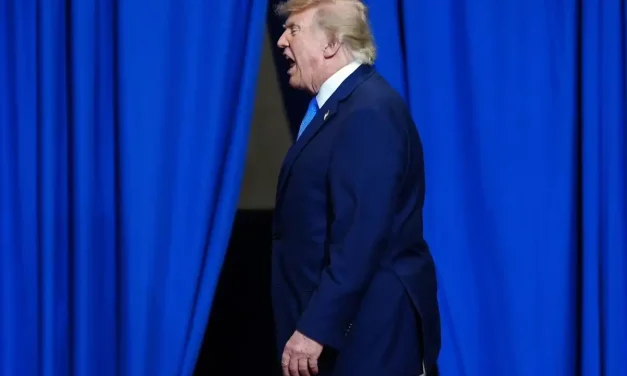
Donald Trump‘s presidency in the United States has affected Washington’s relations with many countries in the world, with one of the most important of these countries being China. The United States and China, in addition to the vast trade-related disputes that are known as trade war, have developed controversies in other areas, including the crisis in Venezuela.

The United States has again implicitly raised the Monroe Doctrine about Venezuela, saying that the American Continent is the US zone of the US influence. In addition to China, Washington is also sensitive towards Iran and Russia and levels allegations against these countries. The US policy is such that the country meddles wherever it wants, but when the debate about the presence and influence of other powers in the Americas is raised, Washington argues, according to its old doctrine, that it has all the countries in the continent under its influence.

Such policies are contrary to international code, and Trump does not have the right to ban other countries from having interactions with Latin American countries.

On the other hand, after the coming to power of Trump, a wave of rightist tendencies in the South American region has emerged the result of which is the election of a right-wing president in Brazil. The new Brazilian president fully follows the views of Trump.

In Venezuela too almost the same situation prevails and the right is confronting the left line of thinking. Moreover, the bipolarization of societies in South and Central America is influenced by what occurs in the United States.

In this way, after Trump, Trumpism and the Republican Neo-Cons step down, things may turn in favor of the left-wingers in Central and South America.

All of this affects the debate between Washington and Beijing about Latin America, especially in Venezuela. In fact, Russia and China have invested in the incumbent president Nicholas Maduro, and the United States is on the side of the current government. For this reason, the two sides now differ and counter each other on Venezuela.

Of course, the US-China divisions are not limited to Latin America, and the two sides also compete in the Persian Gulf region and the Red Sea. Today, the competition is very obvious in a country like Djibouti. In addition to the United States and China, other countries such as France, Britain and Saudi Arabia are also trying to influence the region. After China established a small base in the region, now the United States wants to create a foothold in Oman in order to control the Red Sea from several points.

The United States appears to be checking Iran’s movements in the region, but it seems that Washington’s perspective on presence in this region is longer term, and for the entire twenty-first century, the US has plans to curb China. China is working through Djibouti and even Eritrea to open a route to Africa and expand its influence throughout the continent. Of course, this influence is currently largely economic and includes fewer political issues. Beijing also has good relations with the Persian Gulf states, and in the past, there were good ties between Riyadh and Beijing.

Perhaps even the poor presence of China in this region has convinced the United States to maintain a presence all through the Persian Gulf, the Red Sea and the Horn of Africa so that it would later be able to strengthen this presence to confront China, if necessary.

Finally, Europe’s relations with China are also issues that affect Beijing-Washington ties. At present, despite some differences between Europe and China, economic relations between the two sides will keep relations in place. That means China uses the European market, and the Chinese market is vital for Europe.
0 Comments

Submit a Comment

Your email address will not be published. Required fields are marked *

LATEST CONTENT

Consequences of Declining Trust in the Judiciary in Europe

SCFRonline – Opinion: The increase in public distrust of the French judicial system, which in recent surveys has reached approximately two-thirds of citizens, should be analyzed within a framework broader than temporary dissatisfaction or an emotional reaction to a particular criminal case.

Iran’s Potential Levers of Power

SCFRonline– Opinion: Iran’s geopolitical power is not limited solely to oil and the Strait of Hormuz; the unintended emergence of disruptions in the future global food and energy security chains can also demonstrate Iran’s strategic importance.

The Inseparability of the Lebanese Front from the Axis of Resistance

SCFR Online–Opinion: By providing an extensive network of social, healthcare, educational, and post-war reconstruction services, Hezbollah has established a strong social base for itself among Lebanon’s Shiites and Sunnis, and even beyond that, among other segments of Lebanese society, including Christians. Hezbollah has never been an external actor imposed upon Lebanon; rather, it is a phenomenon fundamentally born out of the occupation and crimes of the Zionist regime and itself influenced by popular resistance.

The Increasing Efforts of the Zionist Regime to Redefine Borders and the Regional Order and Its Consequences

SCFR Online– Opinion: Security and military developments in the region over recent months indicate that the ongoing crises and wars in Gaza, southern Lebanon, and parts of Syrian territory encompass broader dimensions of geopolitical and geostrategic transformations. In this context, the increased military presence and control of the Zionist regime over parts of the territories of these areas, along with proposals regarding the creation of buffer zones or even the expansion of security borders, have raised serious questions about the future of the regional order and its consequences for the countries of West Asia.

Loading

Últimas publicaciones

Consequences of Declining Trust in the Judiciary in Europe

SCFRonline – Opinion: The increase in public distrust of the French judicial system, which in recent surveys has reached approximately two-thirds of citizens, should be analyzed within a framework broader than temporary dissatisfaction or an emotional reaction to a particular criminal case.

Iran’s Potential Levers of Power

SCFRonline– Opinion: Iran’s geopolitical power is not limited solely to oil and the Strait of Hormuz; the unintended emergence of disruptions in the future global food and energy security chains can also demonstrate Iran’s strategic importance.

The Inseparability of the Lebanese Front from the Axis of Resistance

SCFR Online–Opinion: By providing an extensive network of social, healthcare, educational, and post-war reconstruction services, Hezbollah has established a strong social base for itself among Lebanon’s Shiites and Sunnis, and even beyond that, among other segments of Lebanese society, including Christians. Hezbollah has never been an external actor imposed upon Lebanon; rather, it is a phenomenon fundamentally born out of the occupation and crimes of the Zionist regime and itself influenced by popular resistance.

The Increasing Efforts of the Zionist Regime to Redefine Borders and the Regional Order and Its Consequences

SCFR Online– Opinion: Security and military developments in the region over recent months indicate that the ongoing crises and wars in Gaza, southern Lebanon, and parts of Syrian territory encompass broader dimensions of geopolitical and geostrategic transformations. In this context, the increased military presence and control of the Zionist regime over parts of the territories of these areas, along with proposals regarding the creation of buffer zones or even the expansion of security borders, have raised serious questions about the future of the regional order and its consequences for the countries of West Asia.

Loading

DERNIER CONTENU

Consequences of Declining Trust in the Judiciary in Europe

SCFRonline – Opinion: The increase in public distrust of the French judicial system, which in recent surveys has reached approximately two-thirds of citizens, should be analyzed within a framework broader than temporary dissatisfaction or an emotional reaction to a particular criminal case.

Iran’s Potential Levers of Power

SCFRonline– Opinion: Iran’s geopolitical power is not limited solely to oil and the Strait of Hormuz; the unintended emergence of disruptions in the future global food and energy security chains can also demonstrate Iran’s strategic importance.

The Inseparability of the Lebanese Front from the Axis of Resistance

SCFR Online–Opinion: By providing an extensive network of social, healthcare, educational, and post-war reconstruction services, Hezbollah has established a strong social base for itself among Lebanon’s Shiites and Sunnis, and even beyond that, among other segments of Lebanese society, including Christians. Hezbollah has never been an external actor imposed upon Lebanon; rather, it is a phenomenon fundamentally born out of the occupation and crimes of the Zionist regime and itself influenced by popular resistance.

The Increasing Efforts of the Zionist Regime to Redefine Borders and the Regional Order and Its Consequences

SCFR Online– Opinion: Security and military developments in the region over recent months indicate that the ongoing crises and wars in Gaza, southern Lebanon, and parts of Syrian territory encompass broader dimensions of geopolitical and geostrategic transformations. In this context, the increased military presence and control of the Zionist regime over parts of the territories of these areas, along with proposals regarding the creation of buffer zones or even the expansion of security borders, have raised serious questions about the future of the regional order and its consequences for the countries of West Asia.

Loading

DERNIER CONTENU

Consequences of Declining Trust in the Judiciary in Europe

SCFRonline – Opinion: The increase in public distrust of the French judicial system, which in recent surveys has reached approximately two-thirds of citizens, should be analyzed within a framework broader than temporary dissatisfaction or an emotional reaction to a particular criminal case.

Iran’s Potential Levers of Power

SCFRonline– Opinion: Iran’s geopolitical power is not limited solely to oil and the Strait of Hormuz; the unintended emergence of disruptions in the future global food and energy security chains can also demonstrate Iran’s strategic importance.

The Inseparability of the Lebanese Front from the Axis of Resistance

SCFR Online–Opinion: By providing an extensive network of social, healthcare, educational, and post-war reconstruction services, Hezbollah has established a strong social base for itself among Lebanon’s Shiites and Sunnis, and even beyond that, among other segments of Lebanese society, including Christians. Hezbollah has never been an external actor imposed upon Lebanon; rather, it is a phenomenon fundamentally born out of the occupation and crimes of the Zionist regime and itself influenced by popular resistance.

The Increasing Efforts of the Zionist Regime to Redefine Borders and the Regional Order and Its Consequences

SCFR Online– Opinion: Security and military developments in the region over recent months indicate that the ongoing crises and wars in Gaza, southern Lebanon, and parts of Syrian territory encompass broader dimensions of geopolitical and geostrategic transformations. In this context, the increased military presence and control of the Zionist regime over parts of the territories of these areas, along with proposals regarding the creation of buffer zones or even the expansion of security borders, have raised serious questions about the future of the regional order and its consequences for the countries of West Asia.

Loading

DERNIER CONTENU

Consequences of Declining Trust in the Judiciary in Europe

SCFRonline – Opinion: The increase in public distrust of the French judicial system, which in recent surveys has reached approximately two-thirds of citizens, should be analyzed within a framework broader than temporary dissatisfaction or an emotional reaction to a particular criminal case.

Iran’s Potential Levers of Power

SCFRonline– Opinion: Iran’s geopolitical power is not limited solely to oil and the Strait of Hormuz; the unintended emergence of disruptions in the future global food and energy security chains can also demonstrate Iran’s strategic importance.

The Inseparability of the Lebanese Front from the Axis of Resistance

SCFR Online–Opinion: By providing an extensive network of social, healthcare, educational, and post-war reconstruction services, Hezbollah has established a strong social base for itself among Lebanon’s Shiites and Sunnis, and even beyond that, among other segments of Lebanese society, including Christians. Hezbollah has never been an external actor imposed upon Lebanon; rather, it is a phenomenon fundamentally born out of the occupation and crimes of the Zionist regime and itself influenced by popular resistance.

The Increasing Efforts of the Zionist Regime to Redefine Borders and the Regional Order and Its Consequences

SCFR Online– Opinion: Security and military developments in the region over recent months indicate that the ongoing crises and wars in Gaza, southern Lebanon, and parts of Syrian territory encompass broader dimensions of geopolitical and geostrategic transformations. In this context, the increased military presence and control of the Zionist regime over parts of the territories of these areas, along with proposals regarding the creation of buffer zones or even the expansion of security borders, have raised serious questions about the future of the regional order and its consequences for the countries of West Asia.

Loading