Resumption of PA Relations with Zionist Regime; Betrayal of Palestinian Aspiration

2020/12/01 | interview, Politics, Top News

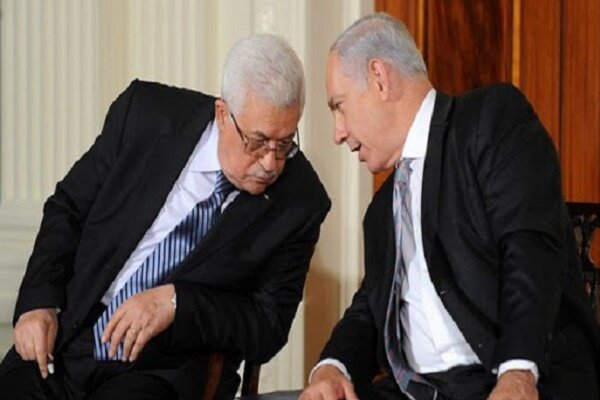
Strategic Council Online - A faculty member of the University of Tehran on Palestinian studies, stating that Mahmoud Abbas exposed its real face by tilting towards the Zionist regime and all his previous actions were hypocritical, said: In a situation that they have raised the issue of annexation and normalization of relations and pushed it ahead, this action by the PA would make them more determined.

Mojtaba Rahmandoust, in an interview with the website of the Strategic Council on Foreign Relations, called the resumption of relations between the Palestinian Authority and the Zionist regime, despite the start of talks for national reconciliation between Palestinian groups, a betrayal of the Palestinian cause. He pointed out that in recent years, the PA had moved in favour of the Resistance, which led to joint meetings with Jihadist Resistance groups as such that Mahmoud Abbas also attended the long-distance meetings.

He added: There was even this possibility that they would move towards greater integration and get closer to each other to create hope in the future for Palestinian Resistance movements in the region against the Zionist regime, but in the end Mahmoud Abbas with a tendency towards the Zionist regime exposed his real face proving that all of the previous actions were hypocritical.

Return of Divisions to Palestinian Groups

Rahmandoust stressed that the resumption of relations would return division among Palestinian socio-political groups and the Resistance would naturally not welcome this move by Mahmoud Abbas. The Zionist regime has repeatedly stated, not implicitly but clearly that it does not recognize a state called Palestine and that Palestinians can live only as citizens, although this is just a tactic and they are not granted citizenship either.

The former Secretary-General of the Society in Defense of Palestinian Nation continued: What is happening between the Palestinian Authority and the Zionist regime cannot be lasting because the Israelis have shown that even when the Palestinian side begs for help, they intensify incompatibility and persecution.

The Idea of ​​Placing Hope in Democrats Is False

Saying that approaching the Zionist regime would not only mean anything for the PA, but would also lose the unity and convergence that had been created with the Resistance groups, he termed the change in the US-Zionist regime procedure with the Democrats coming to power in the White House as a miscalculation and added: The main idea that with Biden coming to power changes would happen in the human rights issues and observance of the rights of nations, is wrong and invalid. This base has been cracked and there is nothing left of it.

Explaining the policies of the Democratic and the Republican parties in the United States towards Palestine, Rahmandoust said: If the Democrats have sometimes taken positions in favour of the oppressed nations, it has been a tactic in order to use their other techniques. Former US President Lyndon Johnson, who for example, gave priority to the rights of the people, would remain silent when it came to the massacre of the Palestinians!

He stressed: The United States basically wants that Palestine and the Palestinian Resistance groups not exist. Now, we say the Democratic Party has come to power and it will make an opening in the Palestinian issue!

Blow to the Struggle against Annexation Plan & Normalization of Relations

The university professor described this decision as a blow to the struggle against the annexation plan and normalization of relations and the Deal of the Century and said: In a situation under which they have raised the issue of annexation and normalization of relations and pushed it ahead, this action by the PA makes them more determined. They have made their own decision to eliminate the Palestinian aspiration, and only one word is their answer, and that is Resistance. The fact that some countries say they are seeking to establish relations to negotiate Palestinian rights is fundamentally irrelevant in logical terms.


0 Comments

Submit a Comment

Your email address will not be published. Required fields are marked *

LATEST CONTENT

China’s Rejection of US Sanctions; Strengthening Iran’s Geopolitical Leverage

SCFR Online – Opinion: Concurrent with the official commencement of the United States’ economic war against our country, focusing on sanctions instruments, isolation, and economic pressure, what has now become increasingly important is the lack of alignment of other major global powers, especially China, with this policy.

The Makkah Pact; Reasons for its Formation and Challenges Ahead

SCFR Online – Opinion: The Makkah Pact, signed between Saudi Arabia, Pakistan, and Turkey under the motto “an attack on one is an attack on all,” is viewed by some analysts less as a full-fledged military coalition and more as an attempt to reduce security dependence on an external power and to establish a regional security mechanism.

Implications of the US-Saudi Nuclear Agreement

SCFR Online – Opinion: The new US-Saudi nuclear agreement, despite legal and political ambiguities, could alter previous non-proliferation standards in West Asia and intensify nuclear competition, ushering it into a new phase.

An Analysis of Recent Turkey-Israeli Regime Tensions

SCFR Online – Opinion: Recent developments in Syria indicate an intensification of strategic rivalry between Turkey and the Israeli regime, but mutual considerations and the role of the United States have limited the likelihood of direct war.

Loading

Últimas publicaciones

China’s Rejection of US Sanctions; Strengthening Iran’s Geopolitical Leverage

SCFR Online – Opinion: Concurrent with the official commencement of the United States’ economic war against our country, focusing on sanctions instruments, isolation, and economic pressure, what has now become increasingly important is the lack of alignment of other major global powers, especially China, with this policy.

The Makkah Pact; Reasons for its Formation and Challenges Ahead

SCFR Online – Opinion: The Makkah Pact, signed between Saudi Arabia, Pakistan, and Turkey under the motto “an attack on one is an attack on all,” is viewed by some analysts less as a full-fledged military coalition and more as an attempt to reduce security dependence on an external power and to establish a regional security mechanism.

Implications of the US-Saudi Nuclear Agreement

SCFR Online – Opinion: The new US-Saudi nuclear agreement, despite legal and political ambiguities, could alter previous non-proliferation standards in West Asia and intensify nuclear competition, ushering it into a new phase.

An Analysis of Recent Turkey-Israeli Regime Tensions

SCFR Online – Opinion: Recent developments in Syria indicate an intensification of strategic rivalry between Turkey and the Israeli regime, but mutual considerations and the role of the United States have limited the likelihood of direct war.

Loading

DERNIER CONTENU

China’s Rejection of US Sanctions; Strengthening Iran’s Geopolitical Leverage

SCFR Online – Opinion: Concurrent with the official commencement of the United States’ economic war against our country, focusing on sanctions instruments, isolation, and economic pressure, what has now become increasingly important is the lack of alignment of other major global powers, especially China, with this policy.

The Makkah Pact; Reasons for its Formation and Challenges Ahead

SCFR Online – Opinion: The Makkah Pact, signed between Saudi Arabia, Pakistan, and Turkey under the motto “an attack on one is an attack on all,” is viewed by some analysts less as a full-fledged military coalition and more as an attempt to reduce security dependence on an external power and to establish a regional security mechanism.

Implications of the US-Saudi Nuclear Agreement

SCFR Online – Opinion: The new US-Saudi nuclear agreement, despite legal and political ambiguities, could alter previous non-proliferation standards in West Asia and intensify nuclear competition, ushering it into a new phase.

An Analysis of Recent Turkey-Israeli Regime Tensions

SCFR Online – Opinion: Recent developments in Syria indicate an intensification of strategic rivalry between Turkey and the Israeli regime, but mutual considerations and the role of the United States have limited the likelihood of direct war.

Loading

DERNIER CONTENU

China’s Rejection of US Sanctions; Strengthening Iran’s Geopolitical Leverage

SCFR Online – Opinion: Concurrent with the official commencement of the United States’ economic war against our country, focusing on sanctions instruments, isolation, and economic pressure, what has now become increasingly important is the lack of alignment of other major global powers, especially China, with this policy.

The Makkah Pact; Reasons for its Formation and Challenges Ahead

SCFR Online – Opinion: The Makkah Pact, signed between Saudi Arabia, Pakistan, and Turkey under the motto “an attack on one is an attack on all,” is viewed by some analysts less as a full-fledged military coalition and more as an attempt to reduce security dependence on an external power and to establish a regional security mechanism.

Implications of the US-Saudi Nuclear Agreement

SCFR Online – Opinion: The new US-Saudi nuclear agreement, despite legal and political ambiguities, could alter previous non-proliferation standards in West Asia and intensify nuclear competition, ushering it into a new phase.

An Analysis of Recent Turkey-Israeli Regime Tensions

SCFR Online – Opinion: Recent developments in Syria indicate an intensification of strategic rivalry between Turkey and the Israeli regime, but mutual considerations and the role of the United States have limited the likelihood of direct war.

Loading

DERNIER CONTENU

China’s Rejection of US Sanctions; Strengthening Iran’s Geopolitical Leverage

SCFR Online – Opinion: Concurrent with the official commencement of the United States’ economic war against our country, focusing on sanctions instruments, isolation, and economic pressure, what has now become increasingly important is the lack of alignment of other major global powers, especially China, with this policy.

The Makkah Pact; Reasons for its Formation and Challenges Ahead

SCFR Online – Opinion: The Makkah Pact, signed between Saudi Arabia, Pakistan, and Turkey under the motto “an attack on one is an attack on all,” is viewed by some analysts less as a full-fledged military coalition and more as an attempt to reduce security dependence on an external power and to establish a regional security mechanism.

Implications of the US-Saudi Nuclear Agreement

SCFR Online – Opinion: The new US-Saudi nuclear agreement, despite legal and political ambiguities, could alter previous non-proliferation standards in West Asia and intensify nuclear competition, ushering it into a new phase.

An Analysis of Recent Turkey-Israeli Regime Tensions

SCFR Online – Opinion: Recent developments in Syria indicate an intensification of strategic rivalry between Turkey and the Israeli regime, but mutual considerations and the role of the United States have limited the likelihood of direct war.

Loading