جدیدترین مطالب

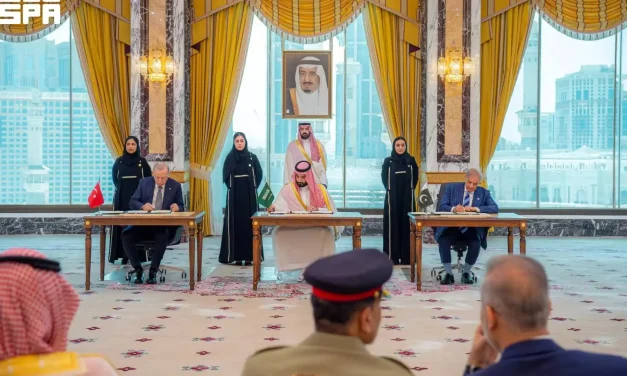
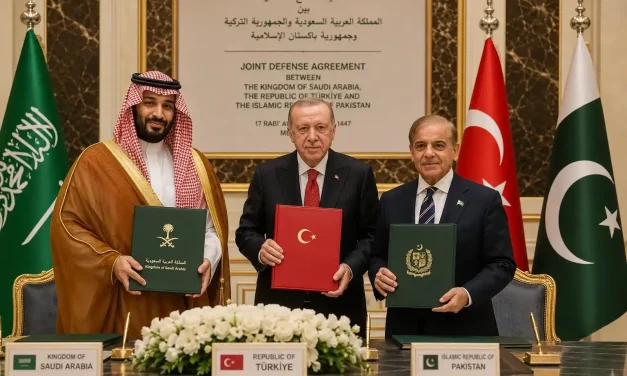
The Makkah Pact; Reasons for its Formation and Challenges Ahead

SCFR Online – Opinion: The Makkah Pact, signed between Saudi Arabia, Pakistan, and Turkey under the motto “an attack on one is an attack on all,” is viewed by some analysts less as a full-fledged military coalition and more as an attempt to reduce security dependence on an external power and to establish a regional security mechanism.

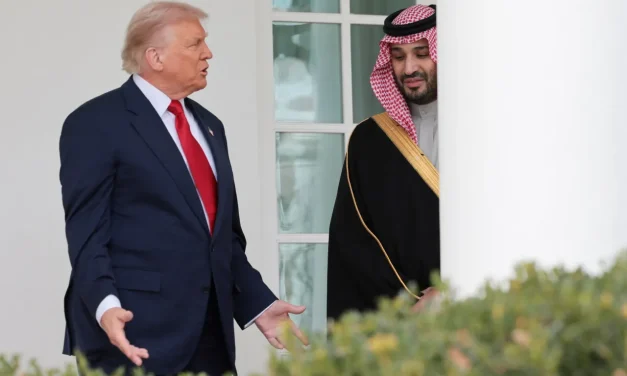
Implications of the US-Saudi Nuclear Agreement

SCFR Online – Opinion: The new US-Saudi nuclear agreement, despite legal and political ambiguities, could alter previous non-proliferation standards in West Asia and intensify nuclear competition, ushering it into a new phase.

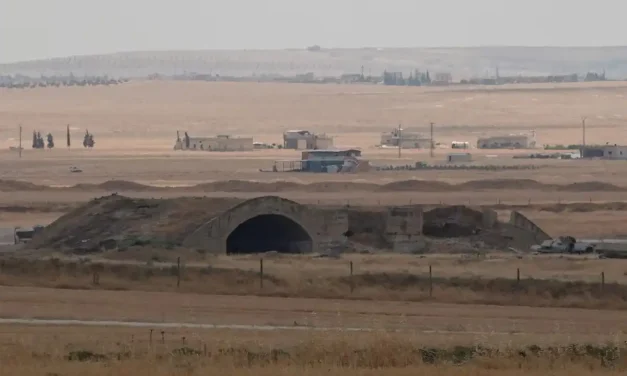
An Analysis of Recent Turkey-Israeli Regime Tensions

SCFR Online – Opinion: Recent developments in Syria indicate an intensification of strategic rivalry between Turkey and the Israeli regime, but mutual considerations and the role of the United States have limited the likelihood of direct war.

Increasing criticism of the extensive Zionist lobby network

SCFR Online – Opinion: An examination of the mechanisms of the Israeli regime’s influence in the United States depicts a complex picture of shared interests, strategic dependencies, and the limitations of this relationship.

Realities of the Tripartite Makkah Pact

SCFR Online – Interview: The signing of the Makkah agreement between Saudi Arabia, Pakistan, and Turkey has raised questions about the future of the region’s security structure and the position of these countries in West Asian equations. Can this agreement become a genuine collective defense mechanism, or does it have more of a political and deterrent function than creating new military capacity?

Loading

Zionist regime

The Zionist Regime Has to Accept a Ceasefire in the Gaza War

The Zionist Regime Has to Accept a Ceasefire in the Gaza War

Strategic Council Online – Interview: An expert on West Asian issues said: The recent resolution proposed by the United States to establish a ceasefire in Gaza and release prisoners was approved with 14 positive votes, one abstention (Russia), and no negative votes at the UN Security Council meeting. None of the parties to the Gaza war have yet agreed to this resolution.

Costs & Strategic Threats of Signing the American Security Defense Treaty for Saudi Arabia

Costs & Strategic Threats of Signing the American Security Defense Treaty for Saudi Arabia

Strategic Council Online – Opinion: The reconciliation process between certain Arab governments and the Zionist regime is one of the important regional “initiatives” of the US Administration, which officially and seriously began in 2015 to transform the atmosphere of tension and conflict into cooperation and alignment with the Zionist regime.

Ambiguities and Prospects of the New US Plan to End the Gaza War

Ambiguities and Prospects of the New US Plan to End the Gaza War

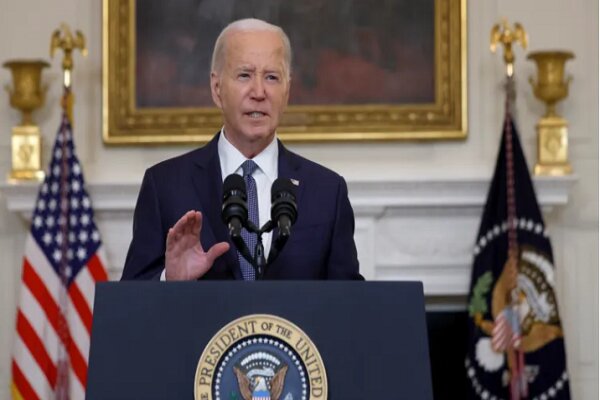
Strategic Council Online: – Opinion: US President Joe Biden recently presented a four-and-a-half-page plan to establish a ceasefire and end the Gaza war. After his speech at the White House, the American President announced that the Zionist regime proposed this plan.
Hamid Khoshayand, an expert on regional issues

An Analysis of the Proposed Peace Plans for Ceasefire in Gaza

An Analysis of the Proposed Peace Plans for Ceasefire in Gaza

Strategic Council Online – Interview: An expert on international issues said: The plans proposed by some Arab governments and the United States for a ceasefire in Gaza and the end of the war are not operational, and rather than looking at solving the crisis in Gaza and Rafah, these countries are after their own national interests.

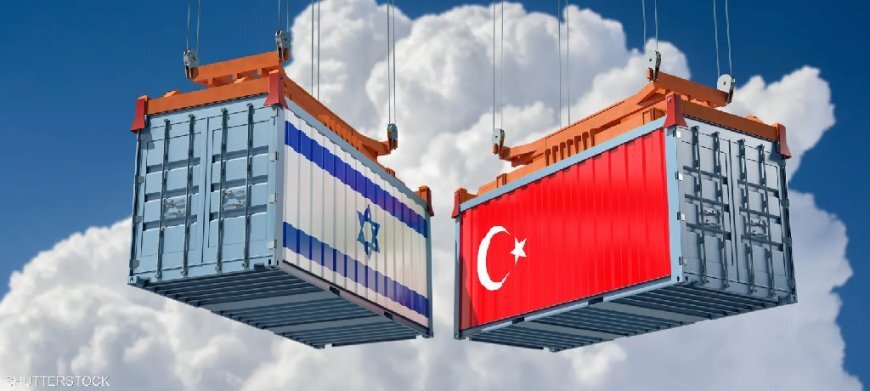
Reflection on the Reduction of Turkey’s Economic Relations with the Zionist Regime

Reflection on the Reduction of Turkey’s Economic Relations with the Zionist Regime

Strategic Council Online – Opinion: According to Turkish officials, this country has suspended its trade relations with the Zionist regime due to its military actions in Gaza and the deterioration of the humanitarian disaster and has made a commitment until Tel Aviv allows humanitarian aid to be sent to Gaza. If not, it will continue to cut off its business relations.
Hamid Khoshayand – expert on regional issues

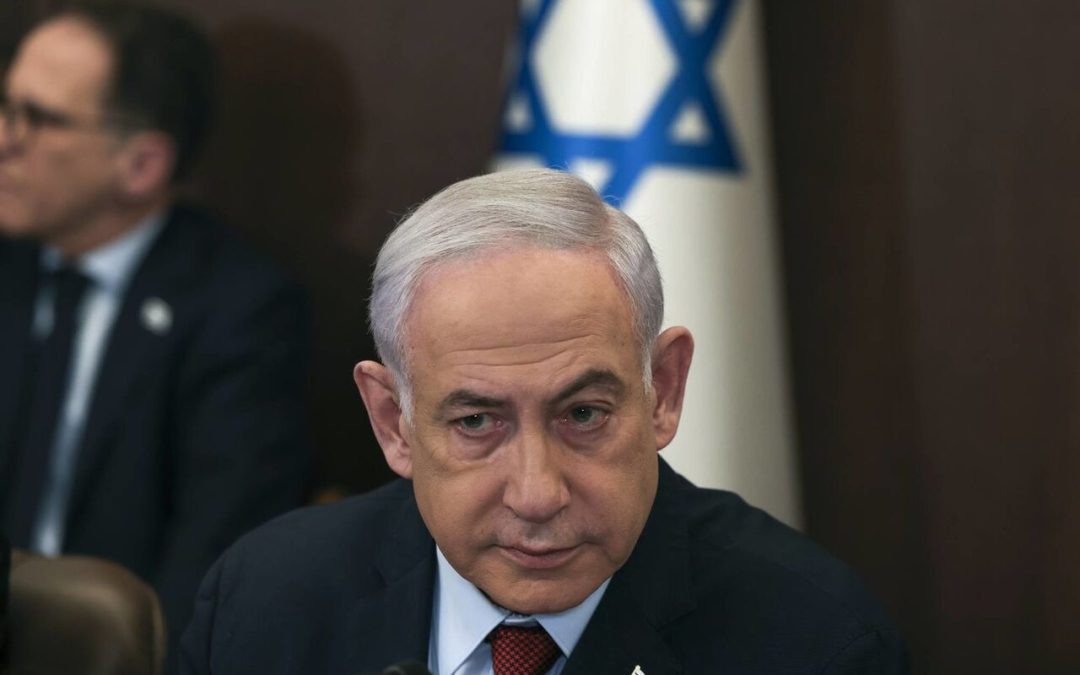
Reasons for Netanyahu’s Concern and Opposition to Two-State Solution

Reasons for Netanyahu’s Concern and Opposition to Two-State Solution

Strategic Council Online – Interview: An expert on West Asian issues said: Benjamin Netanyahu the Prime Minister of the Israeli regime, recently claimed in a statement that destroying Hamas without any excuse is the first condition for the future of war. At the same time, he said that he is not ready to replace the government of Hamastan with Fatahstan. Meanwhile, in the voting of the United Nations General Assembly earlier this month, 143 out of 193 members voted in favor of supporting a Palestinian state to join the United Nations.

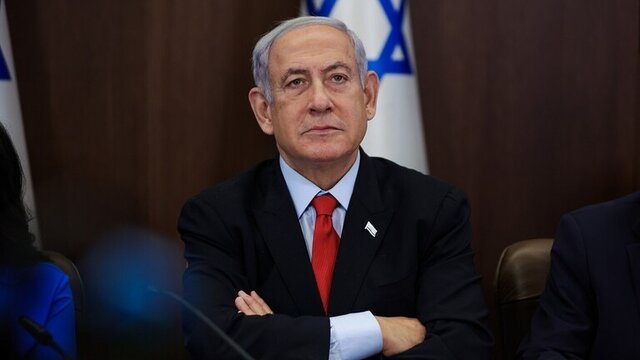
ICC Verdict against Netanyahu and Reaction of the West

ICC Verdict against Netanyahu and Reaction of the West

Strategic Council Online – Interview: An expert on regional issues said: The International Criminal Court, to defend its legitimacy and to respond to the public opinion in European and American capitals regarding the genocide in Gaza and Rafah, tried to issue a sentence against the leaders of the Zionist regime, although it is unlikely to be carried out.

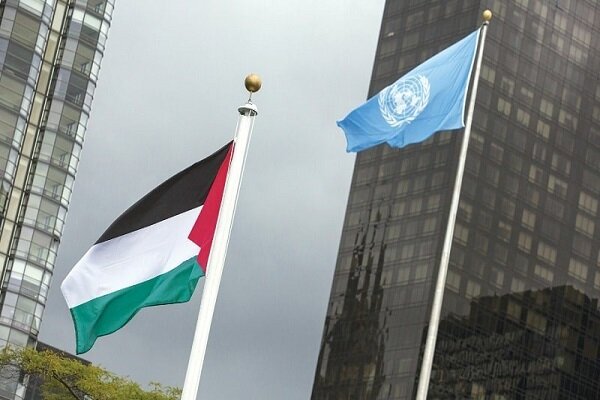
An Analysis of UNGA Resolution for Full Membership of Palestine

An Analysis of UNGA Resolution for Full Membership of Palestine

Strategic Council Online – Interview: An expert on international issues said that tearing up the UN Charter by the representative of the Israeli regime in response to the resolution on the full membership of Palestine means that the representative of this regime has admitted the end of what is called the state of Israel.

Reasons Why the Netanyahu Govt  Is Preventing  a Ceasefire Agreement

Reasons Why the Netanyahu Govt Is Preventing a Ceasefire Agreement

Strategic Council Online – Opinion: The last round of indirect negotiations between Hamas officials and the Zionist regime, which was conducted in Cairo with the mediation of Qatar, Egypt, and the United States, was unsuccessful due to the Zionists’ “Obstruction.”
Hamid Khoshayand, an expert on regional issues

Claims of a US Arms Embargo against Zionist Regime Reveal America’s Deception

Claims of a US Arms Embargo against Zionist Regime Reveal America’s Deception

Strategic Council Online – Interview: An expert on international issues said that the US claims to have suspended sending weapons to the Zionist regime is a political deception to silence public opinion because this would make no difference in the nature of Washington’s support for the Zionist army and the existence of this regime.

أحدث الوظائف

The Makkah Pact; Reasons for its Formation and Challenges Ahead

SCFR Online – Opinion: The Makkah Pact, signed between Saudi Arabia, Pakistan, and Turkey under the motto “an attack on one is an attack on all,” is viewed by some analysts less as a full-fledged military coalition and more as an attempt to reduce security dependence on an external power and to establish a regional security mechanism.

Implications of the US-Saudi Nuclear Agreement

SCFR Online – Opinion: The new US-Saudi nuclear agreement, despite legal and political ambiguities, could alter previous non-proliferation standards in West Asia and intensify nuclear competition, ushering it into a new phase.

An Analysis of Recent Turkey-Israeli Regime Tensions

SCFR Online – Opinion: Recent developments in Syria indicate an intensification of strategic rivalry between Turkey and the Israeli regime, but mutual considerations and the role of the United States have limited the likelihood of direct war.

Increasing criticism of the extensive Zionist lobby network

SCFR Online – Opinion: An examination of the mechanisms of the Israeli regime’s influence in the United States depicts a complex picture of shared interests, strategic dependencies, and the limitations of this relationship.

Realities of the Tripartite Makkah Pact

SCFR Online – Interview: The signing of the Makkah agreement between Saudi Arabia, Pakistan, and Turkey has raised questions about the future of the region’s security structure and the position of these countries in West Asian equations. Can this agreement become a genuine collective defense mechanism, or does it have more of a political and deterrent function than creating new military capacity?

Loading

Zionist regime

The Zionist Regime Has to Accept a Ceasefire in the Gaza War

The Zionist Regime Has to Accept a Ceasefire in the Gaza War

Strategic Council Online – Interview: An expert on West Asian issues said: The recent resolution proposed by the United States to establish a ceasefire in Gaza and release prisoners was approved with 14 positive votes, one abstention (Russia), and no negative votes at the UN Security Council meeting. None of the parties to the Gaza war have yet agreed to this resolution.

Costs & Strategic Threats of Signing the American Security Defense Treaty for Saudi Arabia

Costs & Strategic Threats of Signing the American Security Defense Treaty for Saudi Arabia

Strategic Council Online – Opinion: The reconciliation process between certain Arab governments and the Zionist regime is one of the important regional “initiatives” of the US Administration, which officially and seriously began in 2015 to transform the atmosphere of tension and conflict into cooperation and alignment with the Zionist regime.

Ambiguities and Prospects of the New US Plan to End the Gaza War

Ambiguities and Prospects of the New US Plan to End the Gaza War

Strategic Council Online: – Opinion: US President Joe Biden recently presented a four-and-a-half-page plan to establish a ceasefire and end the Gaza war. After his speech at the White House, the American President announced that the Zionist regime proposed this plan.
Hamid Khoshayand, an expert on regional issues

An Analysis of the Proposed Peace Plans for Ceasefire in Gaza

An Analysis of the Proposed Peace Plans for Ceasefire in Gaza

Strategic Council Online – Interview: An expert on international issues said: The plans proposed by some Arab governments and the United States for a ceasefire in Gaza and the end of the war are not operational, and rather than looking at solving the crisis in Gaza and Rafah, these countries are after their own national interests.

Reflection on the Reduction of Turkey’s Economic Relations with the Zionist Regime

Reflection on the Reduction of Turkey’s Economic Relations with the Zionist Regime

Strategic Council Online – Opinion: According to Turkish officials, this country has suspended its trade relations with the Zionist regime due to its military actions in Gaza and the deterioration of the humanitarian disaster and has made a commitment until Tel Aviv allows humanitarian aid to be sent to Gaza. If not, it will continue to cut off its business relations.
Hamid Khoshayand – expert on regional issues

Reasons for Netanyahu’s Concern and Opposition to Two-State Solution

Reasons for Netanyahu’s Concern and Opposition to Two-State Solution

Strategic Council Online – Interview: An expert on West Asian issues said: Benjamin Netanyahu the Prime Minister of the Israeli regime, recently claimed in a statement that destroying Hamas without any excuse is the first condition for the future of war. At the same time, he said that he is not ready to replace the government of Hamastan with Fatahstan. Meanwhile, in the voting of the United Nations General Assembly earlier this month, 143 out of 193 members voted in favor of supporting a Palestinian state to join the United Nations.

ICC Verdict against Netanyahu and Reaction of the West

ICC Verdict against Netanyahu and Reaction of the West

Strategic Council Online – Interview: An expert on regional issues said: The International Criminal Court, to defend its legitimacy and to respond to the public opinion in European and American capitals regarding the genocide in Gaza and Rafah, tried to issue a sentence against the leaders of the Zionist regime, although it is unlikely to be carried out.

An Analysis of UNGA Resolution for Full Membership of Palestine

An Analysis of UNGA Resolution for Full Membership of Palestine

Strategic Council Online – Interview: An expert on international issues said that tearing up the UN Charter by the representative of the Israeli regime in response to the resolution on the full membership of Palestine means that the representative of this regime has admitted the end of what is called the state of Israel.

Reasons Why the Netanyahu Govt  Is Preventing  a Ceasefire Agreement

Reasons Why the Netanyahu Govt Is Preventing a Ceasefire Agreement

Strategic Council Online – Opinion: The last round of indirect negotiations between Hamas officials and the Zionist regime, which was conducted in Cairo with the mediation of Qatar, Egypt, and the United States, was unsuccessful due to the Zionists’ “Obstruction.”
Hamid Khoshayand, an expert on regional issues

Claims of a US Arms Embargo against Zionist Regime Reveal America’s Deception

Claims of a US Arms Embargo against Zionist Regime Reveal America’s Deception

Strategic Council Online – Interview: An expert on international issues said that the US claims to have suspended sending weapons to the Zionist regime is a political deception to silence public opinion because this would make no difference in the nature of Washington’s support for the Zionist army and the existence of this regime.

Zionist regime

The Zionist Regime Has to Accept a Ceasefire in the Gaza War

The Zionist Regime Has to Accept a Ceasefire in the Gaza War

Strategic Council Online – Interview: An expert on West Asian issues said: The recent resolution proposed by the United States to establish a ceasefire in Gaza and release prisoners was approved with 14 positive votes, one abstention (Russia), and no negative votes at the UN Security Council meeting. None of the parties to the Gaza war have yet agreed to this resolution.

Costs & Strategic Threats of Signing the American Security Defense Treaty for Saudi Arabia

Costs & Strategic Threats of Signing the American Security Defense Treaty for Saudi Arabia

Strategic Council Online – Opinion: The reconciliation process between certain Arab governments and the Zionist regime is one of the important regional “initiatives” of the US Administration, which officially and seriously began in 2015 to transform the atmosphere of tension and conflict into cooperation and alignment with the Zionist regime.

Ambiguities and Prospects of the New US Plan to End the Gaza War

Ambiguities and Prospects of the New US Plan to End the Gaza War

Strategic Council Online: – Opinion: US President Joe Biden recently presented a four-and-a-half-page plan to establish a ceasefire and end the Gaza war. After his speech at the White House, the American President announced that the Zionist regime proposed this plan.
Hamid Khoshayand, an expert on regional issues

An Analysis of the Proposed Peace Plans for Ceasefire in Gaza

An Analysis of the Proposed Peace Plans for Ceasefire in Gaza

Strategic Council Online – Interview: An expert on international issues said: The plans proposed by some Arab governments and the United States for a ceasefire in Gaza and the end of the war are not operational, and rather than looking at solving the crisis in Gaza and Rafah, these countries are after their own national interests.

Reflection on the Reduction of Turkey’s Economic Relations with the Zionist Regime

Reflection on the Reduction of Turkey’s Economic Relations with the Zionist Regime

Strategic Council Online – Opinion: According to Turkish officials, this country has suspended its trade relations with the Zionist regime due to its military actions in Gaza and the deterioration of the humanitarian disaster and has made a commitment until Tel Aviv allows humanitarian aid to be sent to Gaza. If not, it will continue to cut off its business relations.
Hamid Khoshayand – expert on regional issues

Reasons for Netanyahu’s Concern and Opposition to Two-State Solution

Reasons for Netanyahu’s Concern and Opposition to Two-State Solution

Strategic Council Online – Interview: An expert on West Asian issues said: Benjamin Netanyahu the Prime Minister of the Israeli regime, recently claimed in a statement that destroying Hamas without any excuse is the first condition for the future of war. At the same time, he said that he is not ready to replace the government of Hamastan with Fatahstan. Meanwhile, in the voting of the United Nations General Assembly earlier this month, 143 out of 193 members voted in favor of supporting a Palestinian state to join the United Nations.

ICC Verdict against Netanyahu and Reaction of the West

ICC Verdict against Netanyahu and Reaction of the West

Strategic Council Online – Interview: An expert on regional issues said: The International Criminal Court, to defend its legitimacy and to respond to the public opinion in European and American capitals regarding the genocide in Gaza and Rafah, tried to issue a sentence against the leaders of the Zionist regime, although it is unlikely to be carried out.

An Analysis of UNGA Resolution for Full Membership of Palestine

An Analysis of UNGA Resolution for Full Membership of Palestine

Strategic Council Online – Interview: An expert on international issues said that tearing up the UN Charter by the representative of the Israeli regime in response to the resolution on the full membership of Palestine means that the representative of this regime has admitted the end of what is called the state of Israel.

Reasons Why the Netanyahu Govt  Is Preventing  a Ceasefire Agreement

Reasons Why the Netanyahu Govt Is Preventing a Ceasefire Agreement

Strategic Council Online – Opinion: The last round of indirect negotiations between Hamas officials and the Zionist regime, which was conducted in Cairo with the mediation of Qatar, Egypt, and the United States, was unsuccessful due to the Zionists’ “Obstruction.”
Hamid Khoshayand, an expert on regional issues

Claims of a US Arms Embargo against Zionist Regime Reveal America’s Deception

Claims of a US Arms Embargo against Zionist Regime Reveal America’s Deception

Strategic Council Online – Interview: An expert on international issues said that the US claims to have suspended sending weapons to the Zionist regime is a political deception to silence public opinion because this would make no difference in the nature of Washington’s support for the Zionist army and the existence of this regime.

LATEST CONTENT

The Makkah Pact; Reasons for its Formation and Challenges Ahead

SCFR Online – Opinion: The Makkah Pact, signed between Saudi Arabia, Pakistan, and Turkey under the motto “an attack on one is an attack on all,” is viewed by some analysts less as a full-fledged military coalition and more as an attempt to reduce security dependence on an external power and to establish a regional security mechanism.

Implications of the US-Saudi Nuclear Agreement

SCFR Online – Opinion: The new US-Saudi nuclear agreement, despite legal and political ambiguities, could alter previous non-proliferation standards in West Asia and intensify nuclear competition, ushering it into a new phase.

An Analysis of Recent Turkey-Israeli Regime Tensions

SCFR Online – Opinion: Recent developments in Syria indicate an intensification of strategic rivalry between Turkey and the Israeli regime, but mutual considerations and the role of the United States have limited the likelihood of direct war.

Increasing criticism of the extensive Zionist lobby network

SCFR Online – Opinion: An examination of the mechanisms of the Israeli regime’s influence in the United States depicts a complex picture of shared interests, strategic dependencies, and the limitations of this relationship.

Realities of the Tripartite Makkah Pact

SCFR Online – Interview: The signing of the Makkah agreement between Saudi Arabia, Pakistan, and Turkey has raised questions about the future of the region’s security structure and the position of these countries in West Asian equations. Can this agreement become a genuine collective defense mechanism, or does it have more of a political and deterrent function than creating new military capacity?

Loading

Zionist regime

The Zionist Regime Has to Accept a Ceasefire in the Gaza War

The Zionist Regime Has to Accept a Ceasefire in the Gaza War

Strategic Council Online – Interview: An expert on West Asian issues said: The recent resolution proposed by the United States to establish a ceasefire in Gaza and release prisoners was approved with 14 positive votes, one abstention (Russia), and no negative votes at the UN Security Council meeting. None of the parties to the Gaza war have yet agreed to this resolution.

Costs & Strategic Threats of Signing the American Security Defense Treaty for Saudi Arabia

Costs & Strategic Threats of Signing the American Security Defense Treaty for Saudi Arabia

Strategic Council Online – Opinion: The reconciliation process between certain Arab governments and the Zionist regime is one of the important regional “initiatives” of the US Administration, which officially and seriously began in 2015 to transform the atmosphere of tension and conflict into cooperation and alignment with the Zionist regime.

Ambiguities and Prospects of the New US Plan to End the Gaza War

Ambiguities and Prospects of the New US Plan to End the Gaza War

Strategic Council Online: – Opinion: US President Joe Biden recently presented a four-and-a-half-page plan to establish a ceasefire and end the Gaza war. After his speech at the White House, the American President announced that the Zionist regime proposed this plan.
Hamid Khoshayand, an expert on regional issues

An Analysis of the Proposed Peace Plans for Ceasefire in Gaza

An Analysis of the Proposed Peace Plans for Ceasefire in Gaza

Strategic Council Online – Interview: An expert on international issues said: The plans proposed by some Arab governments and the United States for a ceasefire in Gaza and the end of the war are not operational, and rather than looking at solving the crisis in Gaza and Rafah, these countries are after their own national interests.

Reflection on the Reduction of Turkey’s Economic Relations with the Zionist Regime

Reflection on the Reduction of Turkey’s Economic Relations with the Zionist Regime

Strategic Council Online – Opinion: According to Turkish officials, this country has suspended its trade relations with the Zionist regime due to its military actions in Gaza and the deterioration of the humanitarian disaster and has made a commitment until Tel Aviv allows humanitarian aid to be sent to Gaza. If not, it will continue to cut off its business relations.
Hamid Khoshayand – expert on regional issues

Reasons for Netanyahu’s Concern and Opposition to Two-State Solution

Reasons for Netanyahu’s Concern and Opposition to Two-State Solution

Strategic Council Online – Interview: An expert on West Asian issues said: Benjamin Netanyahu the Prime Minister of the Israeli regime, recently claimed in a statement that destroying Hamas without any excuse is the first condition for the future of war. At the same time, he said that he is not ready to replace the government of Hamastan with Fatahstan. Meanwhile, in the voting of the United Nations General Assembly earlier this month, 143 out of 193 members voted in favor of supporting a Palestinian state to join the United Nations.

ICC Verdict against Netanyahu and Reaction of the West

ICC Verdict against Netanyahu and Reaction of the West

Strategic Council Online – Interview: An expert on regional issues said: The International Criminal Court, to defend its legitimacy and to respond to the public opinion in European and American capitals regarding the genocide in Gaza and Rafah, tried to issue a sentence against the leaders of the Zionist regime, although it is unlikely to be carried out.

An Analysis of UNGA Resolution for Full Membership of Palestine

An Analysis of UNGA Resolution for Full Membership of Palestine

Strategic Council Online – Interview: An expert on international issues said that tearing up the UN Charter by the representative of the Israeli regime in response to the resolution on the full membership of Palestine means that the representative of this regime has admitted the end of what is called the state of Israel.

Reasons Why the Netanyahu Govt  Is Preventing  a Ceasefire Agreement

Reasons Why the Netanyahu Govt Is Preventing a Ceasefire Agreement

Strategic Council Online – Opinion: The last round of indirect negotiations between Hamas officials and the Zionist regime, which was conducted in Cairo with the mediation of Qatar, Egypt, and the United States, was unsuccessful due to the Zionists’ “Obstruction.”
Hamid Khoshayand, an expert on regional issues

Claims of a US Arms Embargo against Zionist Regime Reveal America’s Deception

Claims of a US Arms Embargo against Zionist Regime Reveal America’s Deception

Strategic Council Online – Interview: An expert on international issues said that the US claims to have suspended sending weapons to the Zionist regime is a political deception to silence public opinion because this would make no difference in the nature of Washington’s support for the Zionist army and the existence of this regime.

ÚLTIMAS PUBLICACIONES

The Makkah Pact; Reasons for its Formation and Challenges Ahead

SCFR Online – Opinion: The Makkah Pact, signed between Saudi Arabia, Pakistan, and Turkey under the motto “an attack on one is an attack on all,” is viewed by some analysts less as a full-fledged military coalition and more as an attempt to reduce security dependence on an external power and to establish a regional security mechanism.

Implications of the US-Saudi Nuclear Agreement

SCFR Online – Opinion: The new US-Saudi nuclear agreement, despite legal and political ambiguities, could alter previous non-proliferation standards in West Asia and intensify nuclear competition, ushering it into a new phase.

An Analysis of Recent Turkey-Israeli Regime Tensions

SCFR Online – Opinion: Recent developments in Syria indicate an intensification of strategic rivalry between Turkey and the Israeli regime, but mutual considerations and the role of the United States have limited the likelihood of direct war.

Increasing criticism of the extensive Zionist lobby network

SCFR Online – Opinion: An examination of the mechanisms of the Israeli regime’s influence in the United States depicts a complex picture of shared interests, strategic dependencies, and the limitations of this relationship.

Realities of the Tripartite Makkah Pact

SCFR Online – Interview: The signing of the Makkah agreement between Saudi Arabia, Pakistan, and Turkey has raised questions about the future of the region’s security structure and the position of these countries in West Asian equations. Can this agreement become a genuine collective defense mechanism, or does it have more of a political and deterrent function than creating new military capacity?

Loading

Zionist regime

The Zionist Regime Has to Accept a Ceasefire in the Gaza War

The Zionist Regime Has to Accept a Ceasefire in the Gaza War

Strategic Council Online – Interview: An expert on West Asian issues said: The recent resolution proposed by the United States to establish a ceasefire in Gaza and release prisoners was approved with 14 positive votes, one abstention (Russia), and no negative votes at the UN Security Council meeting. None of the parties to the Gaza war have yet agreed to this resolution.

Costs & Strategic Threats of Signing the American Security Defense Treaty for Saudi Arabia

Costs & Strategic Threats of Signing the American Security Defense Treaty for Saudi Arabia

Strategic Council Online – Opinion: The reconciliation process between certain Arab governments and the Zionist regime is one of the important regional “initiatives” of the US Administration, which officially and seriously began in 2015 to transform the atmosphere of tension and conflict into cooperation and alignment with the Zionist regime.

Ambiguities and Prospects of the New US Plan to End the Gaza War

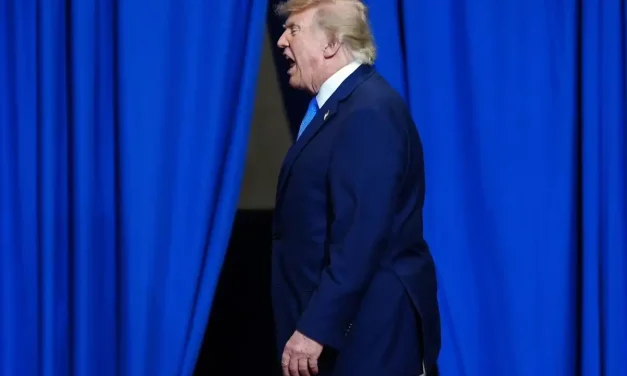
Ambiguities and Prospects of the New US Plan to End the Gaza War

Strategic Council Online: – Opinion: US President Joe Biden recently presented a four-and-a-half-page plan to establish a ceasefire and end the Gaza war. After his speech at the White House, the American President announced that the Zionist regime proposed this plan.
Hamid Khoshayand, an expert on regional issues

An Analysis of the Proposed Peace Plans for Ceasefire in Gaza

An Analysis of the Proposed Peace Plans for Ceasefire in Gaza

Strategic Council Online – Interview: An expert on international issues said: The plans proposed by some Arab governments and the United States for a ceasefire in Gaza and the end of the war are not operational, and rather than looking at solving the crisis in Gaza and Rafah, these countries are after their own national interests.

Reflection on the Reduction of Turkey’s Economic Relations with the Zionist Regime

Reflection on the Reduction of Turkey’s Economic Relations with the Zionist Regime

Strategic Council Online – Opinion: According to Turkish officials, this country has suspended its trade relations with the Zionist regime due to its military actions in Gaza and the deterioration of the humanitarian disaster and has made a commitment until Tel Aviv allows humanitarian aid to be sent to Gaza. If not, it will continue to cut off its business relations.
Hamid Khoshayand – expert on regional issues

Reasons for Netanyahu’s Concern and Opposition to Two-State Solution

Reasons for Netanyahu’s Concern and Opposition to Two-State Solution

Strategic Council Online – Interview: An expert on West Asian issues said: Benjamin Netanyahu the Prime Minister of the Israeli regime, recently claimed in a statement that destroying Hamas without any excuse is the first condition for the future of war. At the same time, he said that he is not ready to replace the government of Hamastan with Fatahstan. Meanwhile, in the voting of the United Nations General Assembly earlier this month, 143 out of 193 members voted in favor of supporting a Palestinian state to join the United Nations.

ICC Verdict against Netanyahu and Reaction of the West

ICC Verdict against Netanyahu and Reaction of the West

Strategic Council Online – Interview: An expert on regional issues said: The International Criminal Court, to defend its legitimacy and to respond to the public opinion in European and American capitals regarding the genocide in Gaza and Rafah, tried to issue a sentence against the leaders of the Zionist regime, although it is unlikely to be carried out.

An Analysis of UNGA Resolution for Full Membership of Palestine

An Analysis of UNGA Resolution for Full Membership of Palestine

Strategic Council Online – Interview: An expert on international issues said that tearing up the UN Charter by the representative of the Israeli regime in response to the resolution on the full membership of Palestine means that the representative of this regime has admitted the end of what is called the state of Israel.

Reasons Why the Netanyahu Govt  Is Preventing  a Ceasefire Agreement

Reasons Why the Netanyahu Govt Is Preventing a Ceasefire Agreement

Strategic Council Online – Opinion: The last round of indirect negotiations between Hamas officials and the Zionist regime, which was conducted in Cairo with the mediation of Qatar, Egypt, and the United States, was unsuccessful due to the Zionists’ “Obstruction.”
Hamid Khoshayand, an expert on regional issues

Claims of a US Arms Embargo against Zionist Regime Reveal America’s Deception

Claims of a US Arms Embargo against Zionist Regime Reveal America’s Deception

Strategic Council Online – Interview: An expert on international issues said that the US claims to have suspended sending weapons to the Zionist regime is a political deception to silence public opinion because this would make no difference in the nature of Washington’s support for the Zionist army and the existence of this regime.

ÚLTIMAS PUBLICACIONES

The Makkah Pact; Reasons for its Formation and Challenges Ahead

SCFR Online – Opinion: The Makkah Pact, signed between Saudi Arabia, Pakistan, and Turkey under the motto “an attack on one is an attack on all,” is viewed by some analysts less as a full-fledged military coalition and more as an attempt to reduce security dependence on an external power and to establish a regional security mechanism.

Implications of the US-Saudi Nuclear Agreement

SCFR Online – Opinion: The new US-Saudi nuclear agreement, despite legal and political ambiguities, could alter previous non-proliferation standards in West Asia and intensify nuclear competition, ushering it into a new phase.

An Analysis of Recent Turkey-Israeli Regime Tensions

SCFR Online – Opinion: Recent developments in Syria indicate an intensification of strategic rivalry between Turkey and the Israeli regime, but mutual considerations and the role of the United States have limited the likelihood of direct war.

Increasing criticism of the extensive Zionist lobby network

SCFR Online – Opinion: An examination of the mechanisms of the Israeli regime’s influence in the United States depicts a complex picture of shared interests, strategic dependencies, and the limitations of this relationship.

Realities of the Tripartite Makkah Pact

SCFR Online – Interview: The signing of the Makkah agreement between Saudi Arabia, Pakistan, and Turkey has raised questions about the future of the region’s security structure and the position of these countries in West Asian equations. Can this agreement become a genuine collective defense mechanism, or does it have more of a political and deterrent function than creating new military capacity?

Loading

Zionist regime

The Zionist Regime Has to Accept a Ceasefire in the Gaza War

The Zionist Regime Has to Accept a Ceasefire in the Gaza War

Strategic Council Online – Interview: An expert on West Asian issues said: The recent resolution proposed by the United States to establish a ceasefire in Gaza and release prisoners was approved with 14 positive votes, one abstention (Russia), and no negative votes at the UN Security Council meeting. None of the parties to the Gaza war have yet agreed to this resolution.

Costs & Strategic Threats of Signing the American Security Defense Treaty for Saudi Arabia

Costs & Strategic Threats of Signing the American Security Defense Treaty for Saudi Arabia

Strategic Council Online – Opinion: The reconciliation process between certain Arab governments and the Zionist regime is one of the important regional “initiatives” of the US Administration, which officially and seriously began in 2015 to transform the atmosphere of tension and conflict into cooperation and alignment with the Zionist regime.

Ambiguities and Prospects of the New US Plan to End the Gaza War

Ambiguities and Prospects of the New US Plan to End the Gaza War

Strategic Council Online: – Opinion: US President Joe Biden recently presented a four-and-a-half-page plan to establish a ceasefire and end the Gaza war. After his speech at the White House, the American President announced that the Zionist regime proposed this plan.
Hamid Khoshayand, an expert on regional issues

An Analysis of the Proposed Peace Plans for Ceasefire in Gaza

An Analysis of the Proposed Peace Plans for Ceasefire in Gaza

Strategic Council Online – Interview: An expert on international issues said: The plans proposed by some Arab governments and the United States for a ceasefire in Gaza and the end of the war are not operational, and rather than looking at solving the crisis in Gaza and Rafah, these countries are after their own national interests.

Reflection on the Reduction of Turkey’s Economic Relations with the Zionist Regime

Reflection on the Reduction of Turkey’s Economic Relations with the Zionist Regime

Strategic Council Online – Opinion: According to Turkish officials, this country has suspended its trade relations with the Zionist regime due to its military actions in Gaza and the deterioration of the humanitarian disaster and has made a commitment until Tel Aviv allows humanitarian aid to be sent to Gaza. If not, it will continue to cut off its business relations.
Hamid Khoshayand – expert on regional issues

Reasons for Netanyahu’s Concern and Opposition to Two-State Solution

Reasons for Netanyahu’s Concern and Opposition to Two-State Solution

Strategic Council Online – Interview: An expert on West Asian issues said: Benjamin Netanyahu the Prime Minister of the Israeli regime, recently claimed in a statement that destroying Hamas without any excuse is the first condition for the future of war. At the same time, he said that he is not ready to replace the government of Hamastan with Fatahstan. Meanwhile, in the voting of the United Nations General Assembly earlier this month, 143 out of 193 members voted in favor of supporting a Palestinian state to join the United Nations.

ICC Verdict against Netanyahu and Reaction of the West

ICC Verdict against Netanyahu and Reaction of the West

Strategic Council Online – Interview: An expert on regional issues said: The International Criminal Court, to defend its legitimacy and to respond to the public opinion in European and American capitals regarding the genocide in Gaza and Rafah, tried to issue a sentence against the leaders of the Zionist regime, although it is unlikely to be carried out.

An Analysis of UNGA Resolution for Full Membership of Palestine

An Analysis of UNGA Resolution for Full Membership of Palestine

Strategic Council Online – Interview: An expert on international issues said that tearing up the UN Charter by the representative of the Israeli regime in response to the resolution on the full membership of Palestine means that the representative of this regime has admitted the end of what is called the state of Israel.

Reasons Why the Netanyahu Govt  Is Preventing  a Ceasefire Agreement

Reasons Why the Netanyahu Govt Is Preventing a Ceasefire Agreement

Strategic Council Online – Opinion: The last round of indirect negotiations between Hamas officials and the Zionist regime, which was conducted in Cairo with the mediation of Qatar, Egypt, and the United States, was unsuccessful due to the Zionists’ “Obstruction.”
Hamid Khoshayand, an expert on regional issues

Claims of a US Arms Embargo against Zionist Regime Reveal America’s Deception

Claims of a US Arms Embargo against Zionist Regime Reveal America’s Deception

Strategic Council Online – Interview: An expert on international issues said that the US claims to have suspended sending weapons to the Zionist regime is a political deception to silence public opinion because this would make no difference in the nature of Washington’s support for the Zionist army and the existence of this regime.

ÚLTIMAS PUBLICACIONES

The Makkah Pact; Reasons for its Formation and Challenges Ahead

SCFR Online – Opinion: The Makkah Pact, signed between Saudi Arabia, Pakistan, and Turkey under the motto “an attack on one is an attack on all,” is viewed by some analysts less as a full-fledged military coalition and more as an attempt to reduce security dependence on an external power and to establish a regional security mechanism.

Implications of the US-Saudi Nuclear Agreement

SCFR Online – Opinion: The new US-Saudi nuclear agreement, despite legal and political ambiguities, could alter previous non-proliferation standards in West Asia and intensify nuclear competition, ushering it into a new phase.

An Analysis of Recent Turkey-Israeli Regime Tensions

SCFR Online – Opinion: Recent developments in Syria indicate an intensification of strategic rivalry between Turkey and the Israeli regime, but mutual considerations and the role of the United States have limited the likelihood of direct war.

Increasing criticism of the extensive Zionist lobby network

SCFR Online – Opinion: An examination of the mechanisms of the Israeli regime’s influence in the United States depicts a complex picture of shared interests, strategic dependencies, and the limitations of this relationship.

Realities of the Tripartite Makkah Pact

SCFR Online – Interview: The signing of the Makkah agreement between Saudi Arabia, Pakistan, and Turkey has raised questions about the future of the region’s security structure and the position of these countries in West Asian equations. Can this agreement become a genuine collective defense mechanism, or does it have more of a political and deterrent function than creating new military capacity?

Loading

Zionist regime

The Zionist Regime Has to Accept a Ceasefire in the Gaza War

The Zionist Regime Has to Accept a Ceasefire in the Gaza War

Strategic Council Online – Interview: An expert on West Asian issues said: The recent resolution proposed by the United States to establish a ceasefire in Gaza and release prisoners was approved with 14 positive votes, one abstention (Russia), and no negative votes at the UN Security Council meeting. None of the parties to the Gaza war have yet agreed to this resolution.

Costs & Strategic Threats of Signing the American Security Defense Treaty for Saudi Arabia

Costs & Strategic Threats of Signing the American Security Defense Treaty for Saudi Arabia

Strategic Council Online – Opinion: The reconciliation process between certain Arab governments and the Zionist regime is one of the important regional “initiatives” of the US Administration, which officially and seriously began in 2015 to transform the atmosphere of tension and conflict into cooperation and alignment with the Zionist regime.

Ambiguities and Prospects of the New US Plan to End the Gaza War

Ambiguities and Prospects of the New US Plan to End the Gaza War

Strategic Council Online: – Opinion: US President Joe Biden recently presented a four-and-a-half-page plan to establish a ceasefire and end the Gaza war. After his speech at the White House, the American President announced that the Zionist regime proposed this plan.
Hamid Khoshayand, an expert on regional issues

An Analysis of the Proposed Peace Plans for Ceasefire in Gaza

An Analysis of the Proposed Peace Plans for Ceasefire in Gaza

Strategic Council Online – Interview: An expert on international issues said: The plans proposed by some Arab governments and the United States for a ceasefire in Gaza and the end of the war are not operational, and rather than looking at solving the crisis in Gaza and Rafah, these countries are after their own national interests.

Reflection on the Reduction of Turkey’s Economic Relations with the Zionist Regime

Reflection on the Reduction of Turkey’s Economic Relations with the Zionist Regime

Strategic Council Online – Opinion: According to Turkish officials, this country has suspended its trade relations with the Zionist regime due to its military actions in Gaza and the deterioration of the humanitarian disaster and has made a commitment until Tel Aviv allows humanitarian aid to be sent to Gaza. If not, it will continue to cut off its business relations.
Hamid Khoshayand – expert on regional issues

Reasons for Netanyahu’s Concern and Opposition to Two-State Solution

Reasons for Netanyahu’s Concern and Opposition to Two-State Solution

Strategic Council Online – Interview: An expert on West Asian issues said: Benjamin Netanyahu the Prime Minister of the Israeli regime, recently claimed in a statement that destroying Hamas without any excuse is the first condition for the future of war. At the same time, he said that he is not ready to replace the government of Hamastan with Fatahstan. Meanwhile, in the voting of the United Nations General Assembly earlier this month, 143 out of 193 members voted in favor of supporting a Palestinian state to join the United Nations.

ICC Verdict against Netanyahu and Reaction of the West

ICC Verdict against Netanyahu and Reaction of the West

Strategic Council Online – Interview: An expert on regional issues said: The International Criminal Court, to defend its legitimacy and to respond to the public opinion in European and American capitals regarding the genocide in Gaza and Rafah, tried to issue a sentence against the leaders of the Zionist regime, although it is unlikely to be carried out.

An Analysis of UNGA Resolution for Full Membership of Palestine

An Analysis of UNGA Resolution for Full Membership of Palestine

Strategic Council Online – Interview: An expert on international issues said that tearing up the UN Charter by the representative of the Israeli regime in response to the resolution on the full membership of Palestine means that the representative of this regime has admitted the end of what is called the state of Israel.

Reasons Why the Netanyahu Govt  Is Preventing  a Ceasefire Agreement

Reasons Why the Netanyahu Govt Is Preventing a Ceasefire Agreement

Strategic Council Online – Opinion: The last round of indirect negotiations between Hamas officials and the Zionist regime, which was conducted in Cairo with the mediation of Qatar, Egypt, and the United States, was unsuccessful due to the Zionists’ “Obstruction.”
Hamid Khoshayand, an expert on regional issues

Claims of a US Arms Embargo against Zionist Regime Reveal America’s Deception

Claims of a US Arms Embargo against Zionist Regime Reveal America’s Deception

Strategic Council Online – Interview: An expert on international issues said that the US claims to have suspended sending weapons to the Zionist regime is a political deception to silence public opinion because this would make no difference in the nature of Washington’s support for the Zionist army and the existence of this regime.

ÚLTIMAS PUBLICACIONES

The Makkah Pact; Reasons for its Formation and Challenges Ahead

SCFR Online – Opinion: The Makkah Pact, signed between Saudi Arabia, Pakistan, and Turkey under the motto “an attack on one is an attack on all,” is viewed by some analysts less as a full-fledged military coalition and more as an attempt to reduce security dependence on an external power and to establish a regional security mechanism.

Implications of the US-Saudi Nuclear Agreement

SCFR Online – Opinion: The new US-Saudi nuclear agreement, despite legal and political ambiguities, could alter previous non-proliferation standards in West Asia and intensify nuclear competition, ushering it into a new phase.

An Analysis of Recent Turkey-Israeli Regime Tensions

SCFR Online – Opinion: Recent developments in Syria indicate an intensification of strategic rivalry between Turkey and the Israeli regime, but mutual considerations and the role of the United States have limited the likelihood of direct war.

Increasing criticism of the extensive Zionist lobby network

SCFR Online – Opinion: An examination of the mechanisms of the Israeli regime’s influence in the United States depicts a complex picture of shared interests, strategic dependencies, and the limitations of this relationship.

Realities of the Tripartite Makkah Pact

SCFR Online – Interview: The signing of the Makkah agreement between Saudi Arabia, Pakistan, and Turkey has raised questions about the future of the region’s security structure and the position of these countries in West Asian equations. Can this agreement become a genuine collective defense mechanism, or does it have more of a political and deterrent function than creating new military capacity?

Loading