2025/09/30
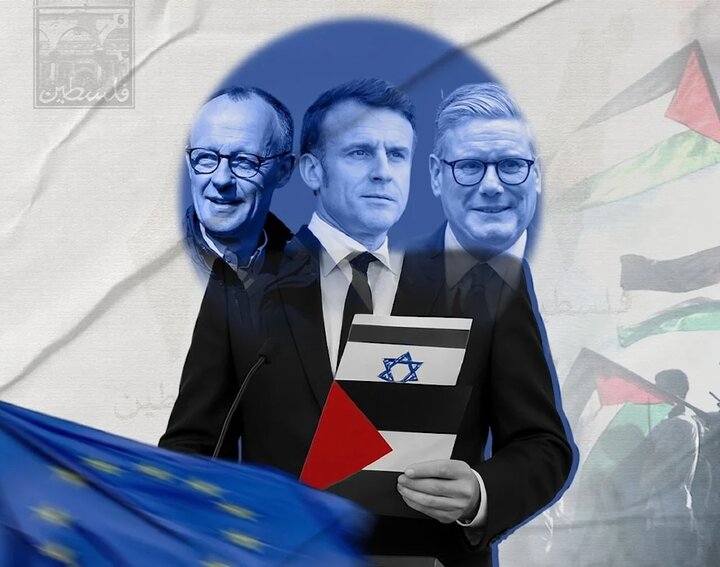
Online Strategic Council – Interview: An international affairs analyst stated that the recent United Nations meeting, which centered on recognizing the state of Palestine and the two-state solution, has sparked a wave of international reactions. Supporters of this plan see it as a step towards peace. Still, critics view it with skepticism and believe that this move is more of a tool to deceive public opinion and solidify the existence of the Zionist regime than to resolve the crisis. The initiative by France and some European countries is being proposed while the genocide in Gaza continues, and the West has so far taken no effective action to stop it. Some analysts say the primary goal of this plan is not the establishment of an independent Palestinian state, but rather the disarmament of resistance groups and the isolation of Hamas—an action that, through superficial negotiations and apparent peace, paves the way for realizing the interests of the Israeli regime. Iran, by rejecting the two-state solution, presents a different narrative for the future of Palestine, based on a referendum involving all indigenous inhabitants of the land.
2025/09/28
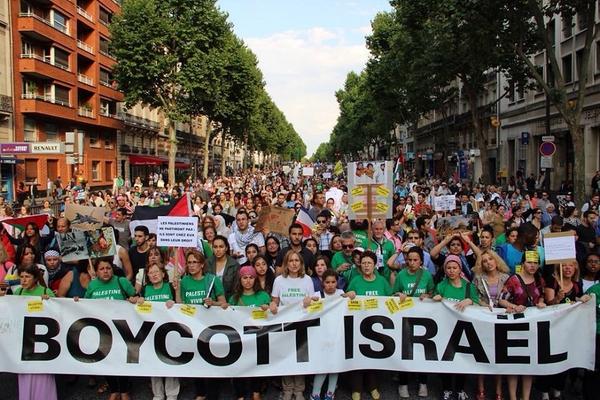
Strategic Council Online – Interview: An international affairs expert stated that in recent months, a multitude of political, economic, cultural, and scientific sanctions have been imposed against the Israeli regime, which, in the interpretation of many analysts, constitutes an “unprecedented set” of multi-layered global pressures. This wave, from the European Union to academic circles, from music festivals to world cinema, has targeted Tel Aviv’s international legitimacy and placed it in an increasingly tight spot. The message of these sanctions is also clear; the Israeli regime can no longer rely on its traditional immunity in the West to escape the moral and political consequences of its crimes in Gaza. Diplomatic isolation, economic restrictions, civil pressures, and damage to cultural prestige are all shaping an environment that can not only limit the Israeli regime’s freedom of action on the international stage but also challenges the credibility and legitimacy of this regime in global public opinion; a challenge that, in principle, should lead to a change in behavior or even internal political equations of the Israeli regime.

2025/09/21
Strategic Council Online – Opinion: American technology companies have played a significant role in facilitating and justifying the crimes of the Zionist regime in Gaza.
2025/09/20
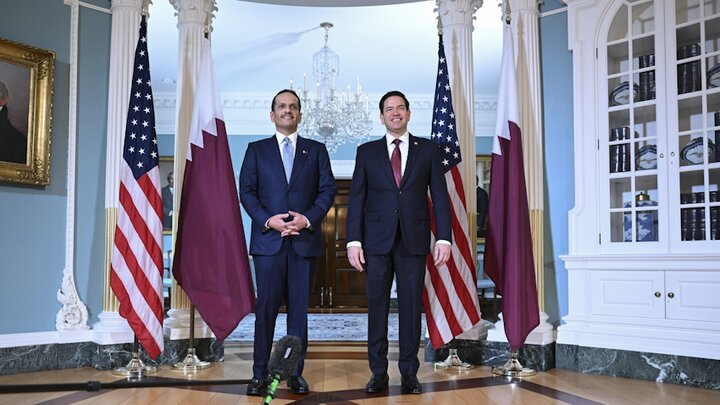
Strategic Council Online – Opinion: Contrary to the Trump administration’s claim that it was unaware of and had no role in the Israeli regime’s attack on Qatar, the reality is that the Zionist regime, with the U.S. green light, targeted a country that was a pioneer in normalizing relations with this regime. It is a given that the Zionist regime, especially regarding military and security actions against a U.S. ally, takes no action without coordination with the U.S. government.

2025/09/10
Strategic Council Online: Seyed Ammar al-Hakim, the leader of Iraq’s National Wisdom Movement, met with Dr. Seyed Kamal Kharrazi, the President of the Strategic Council on Foreign Relations (SCFR), this afternoon. They discussed regional developments, bilateral relations, and the prospects of elections in Iraq.
