جدیدترین مطالب

Iran’s Potential Levers of Power

SCFRonline– Opinion: Iran’s geopolitical power is not limited solely to oil and the Strait of Hormuz; the unintended emergence of disruptions in the future global food and energy security chains can also demonstrate Iran’s strategic importance.

The Inseparability of the Lebanese Front from the Axis of Resistance

SCFR Online–Opinion: By providing an extensive network of social, healthcare, educational, and post-war reconstruction services, Hezbollah has established a strong social base for itself among Lebanon’s Shiites and Sunnis, and even beyond that, among other segments of Lebanese society, including Christians. Hezbollah has never been an external actor imposed upon Lebanon; rather, it is a phenomenon fundamentally born out of the occupation and crimes of the Zionist regime and itself influenced by popular resistance.

The Increasing Efforts of the Zionist Regime to Redefine Borders and the Regional Order and Its Consequences

SCFR Online– Opinion: Security and military developments in the region over recent months indicate that the ongoing crises and wars in Gaza, southern Lebanon, and parts of Syrian territory encompass broader dimensions of geopolitical and geostrategic transformations. In this context, the increased military presence and control of the Zionist regime over parts of the territories of these areas, along with proposals regarding the creation of buffer zones or even the expansion of security borders, have raised serious questions about the future of the regional order and its consequences for the countries of West Asia.

The Components of Iran’s Deterrence Power

SCFR Online – Opinion: At a time when regional security equations have reached a sensitive stage under the influence of Iran’s strategic confrontation with the United States and the Zionist regime, the question of the nature of Tehran’s defensive power has gained greater significance than ever before. While Washington and Tel Aviv rely on their technological superiority, the Islamic Republic of Iran has presented a model of deterrence that extends beyond the material calculations of the world’s classical militaries. This power, rooted in the connection between “the field” and “the people,” has not only altered the balance of power in recent conflicts but has also disrupted adversaries’ calculations when confronting Iran’s strategic depth.

Loading

UAE

Egypt’s Motives and Goals for Mediation in the Region

Egypt’s Motives and Goals for Mediation in the Region

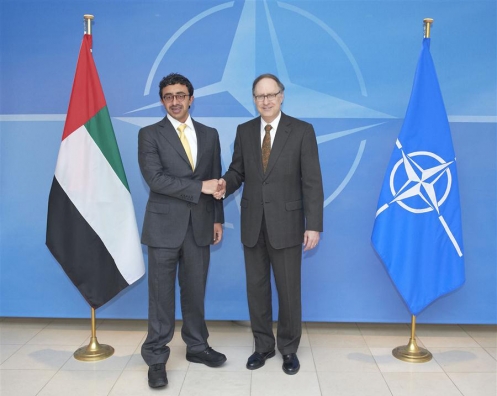
Strategic Council Online – Interview: An Egyptian affairs expert stated that Cairo has recently established a direct role in mediating the reduction of regional tensions, as well as in reducing or managing tensions between Iran and the West and with the International Atomic Energy Agency.

Turkey’s Concerns Regarding Recent Developments in Syria

Turkey’s Concerns Regarding Recent Developments in Syria

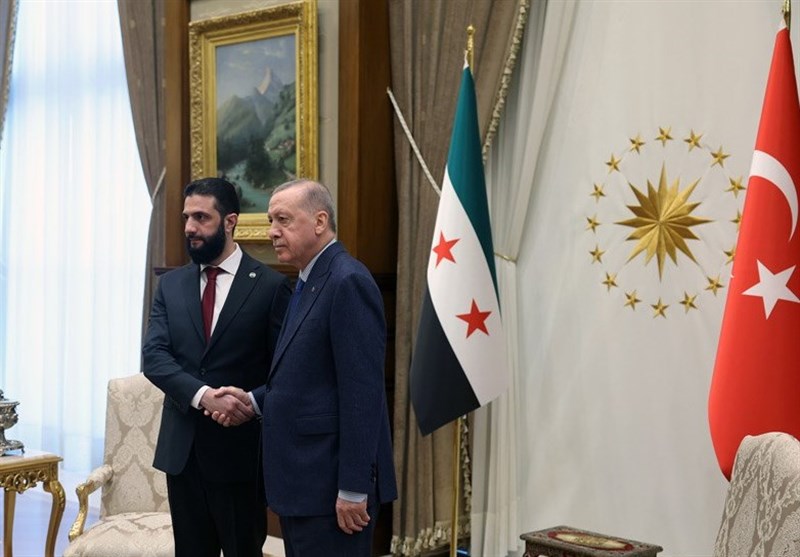
Strategic Council Online– Interview: A West Asia affairs expert stated that despite the internationally brokered ceasefire agreement reached a few days ago in Al-Suwayda, the Israeli regime’s movements in southern Syria continue. In this context, an important issue that has drawn public attention is Turkey’s reaction to these developments. By supporting Ahmed al-Shara (also known as Abu Muhammad al-Julene), Turkey managed to lay the groundwork for the fall of Bashar al-Assad and, in its view, solidify its foothold in the country. However, over the past few weeks, with the Zionist regime’s attacks on positions held by Julani’s forces in Syria and other areas, Ankara’s calculations in Syria have been significantly disrupted.

Formation of a New Regional Order Through Consolidation of Iran-Arab Relations

Formation of a New Regional Order Through Consolidation of Iran-Arab Relations

Strategic Council Online – Interview: A senior West Asia analyst stated that The Washington Post recently emphasized in a report that the attacks by the Zionist regime and the U.S. on Iran not only failed in their strategy to isolate Tehran but also altered the perspective of Persian Gulf countries regarding regional threats, identifying the Zionists as the primary destabilizing force in the region.

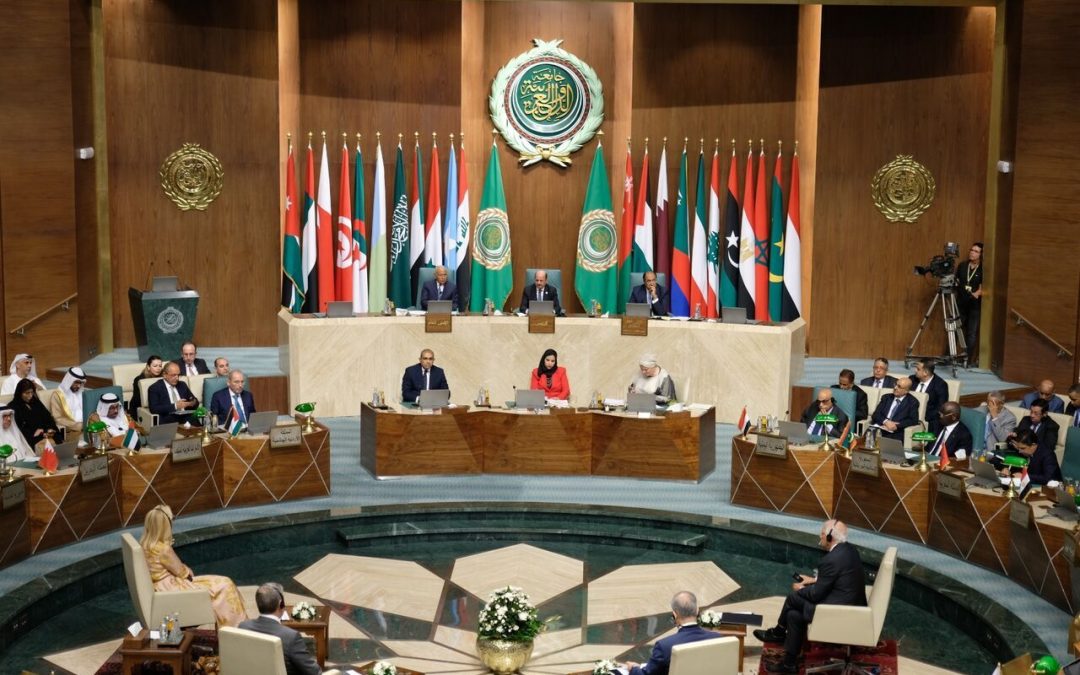
Examination of the Causes of the Arab League’s Inability and Passivity Regarding Palestine

Examination of the Causes of the Arab League’s Inability and Passivity Regarding Palestine

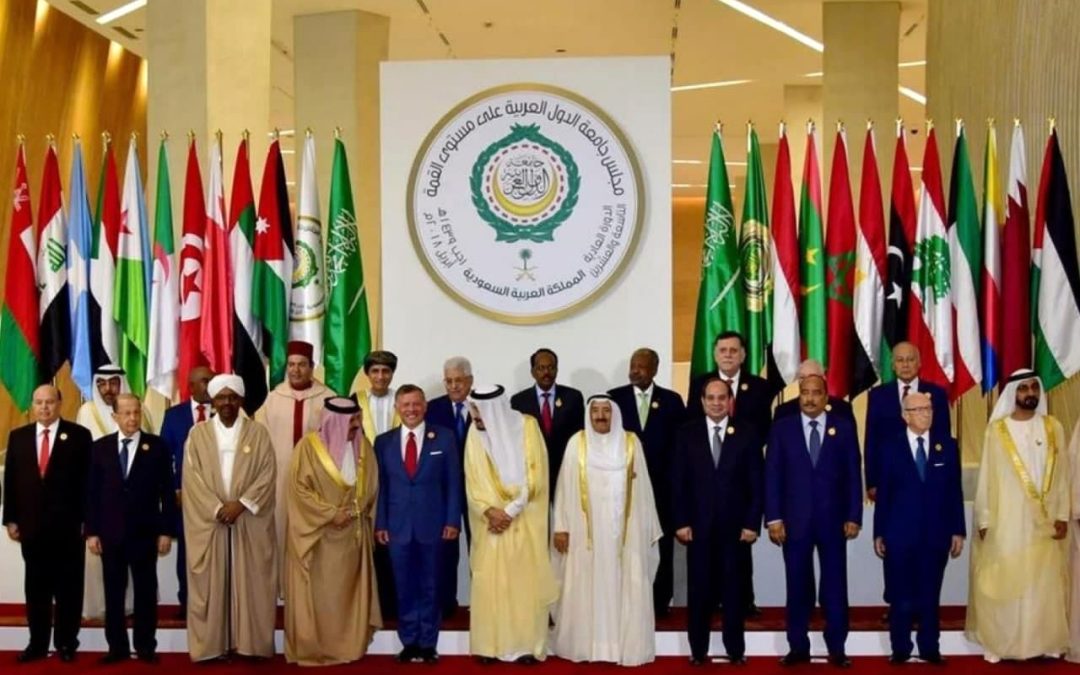
Strategic Council Online – Interview: A faculty member of International Relations at the Institute for Humanities and Cultural Studies stated: The 34th Arab League Summit was held in Baghdad on Saturday, May 17. 2024). In their final statement, Arab leaders called on the international community to pressure the Zionist regime to stop the bloodshed and massacres in Gaza. The summit’s final statement focused on the centrality of the Palestinian issue and the demand for an immediate ceasefire in the Gaza Strip. However, the question remains: Why has this body, aside from issuing a series of ineffective statements, failed to play a role in regional matters?

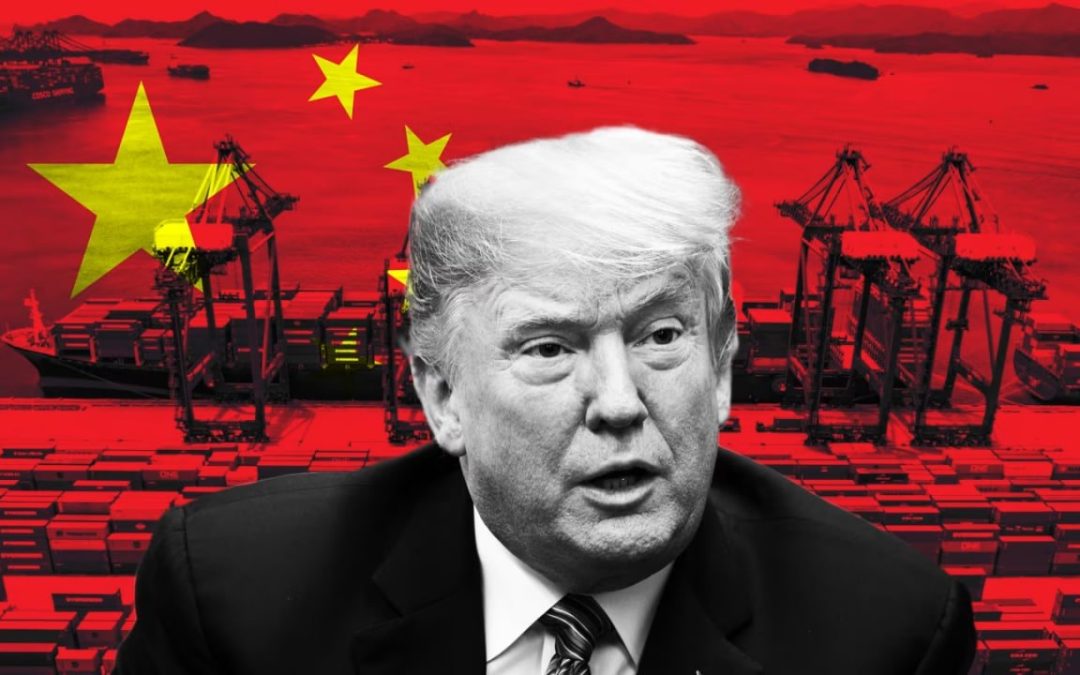
Factors Influencing Trump’s Tariff Agreement with China

Factors Influencing Trump’s Tariff Agreement with China

Strategic Council Online – Interview: The Secretary-General of the Iran-China Strategic Studies Think Tank stated that the temporary reduction of tariffs between the U.S. and China will not significantly alleviate the distrust among traders and investors, as U.S.-China trade relations during the Trump era remain highly challenging.

Reasons for Arab States’ Opposition to Trump’s Gaza Plan

Reasons for Arab States’ Opposition to Trump’s Gaza Plan

Strategic Council Online – Opinion: Egypt, Jordan, Saudi Arabia, the United Arab Emirates, Qatar, as well as the Palestinian Authority and the Arab League, in a meeting held in Cairo, issued a joint statement rejecting US President Donald Trump’s proposal to transfer Gaza residents to Egypt and Jordan.

Analysis of the Recent Riyadh Meeting on Syria

Analysis of the Recent Riyadh Meeting on Syria

Strategic Council Online—Opinion: Syria will continue to be a field of competition for Arab countries, especially Saudi Arabia and the UAE, against Qatar, and Syria will be of great importance in the formulation of the political and security equations of each of these countries.

أحدث الوظائف

Iran’s Potential Levers of Power

SCFRonline– Opinion: Iran’s geopolitical power is not limited solely to oil and the Strait of Hormuz; the unintended emergence of disruptions in the future global food and energy security chains can also demonstrate Iran’s strategic importance.

The Inseparability of the Lebanese Front from the Axis of Resistance

SCFR Online–Opinion: By providing an extensive network of social, healthcare, educational, and post-war reconstruction services, Hezbollah has established a strong social base for itself among Lebanon’s Shiites and Sunnis, and even beyond that, among other segments of Lebanese society, including Christians. Hezbollah has never been an external actor imposed upon Lebanon; rather, it is a phenomenon fundamentally born out of the occupation and crimes of the Zionist regime and itself influenced by popular resistance.

The Increasing Efforts of the Zionist Regime to Redefine Borders and the Regional Order and Its Consequences

SCFR Online– Opinion: Security and military developments in the region over recent months indicate that the ongoing crises and wars in Gaza, southern Lebanon, and parts of Syrian territory encompass broader dimensions of geopolitical and geostrategic transformations. In this context, the increased military presence and control of the Zionist regime over parts of the territories of these areas, along with proposals regarding the creation of buffer zones or even the expansion of security borders, have raised serious questions about the future of the regional order and its consequences for the countries of West Asia.

The Components of Iran’s Deterrence Power

SCFR Online – Opinion: At a time when regional security equations have reached a sensitive stage under the influence of Iran’s strategic confrontation with the United States and the Zionist regime, the question of the nature of Tehran’s defensive power has gained greater significance than ever before. While Washington and Tel Aviv rely on their technological superiority, the Islamic Republic of Iran has presented a model of deterrence that extends beyond the material calculations of the world’s classical militaries. This power, rooted in the connection between “the field” and “the people,” has not only altered the balance of power in recent conflicts but has also disrupted adversaries’ calculations when confronting Iran’s strategic depth.

Loading

UAE

Egypt’s Motives and Goals for Mediation in the Region

Egypt’s Motives and Goals for Mediation in the Region

Strategic Council Online – Interview: An Egyptian affairs expert stated that Cairo has recently established a direct role in mediating the reduction of regional tensions, as well as in reducing or managing tensions between Iran and the West and with the International Atomic Energy Agency.

Turkey’s Concerns Regarding Recent Developments in Syria

Turkey’s Concerns Regarding Recent Developments in Syria

Strategic Council Online– Interview: A West Asia affairs expert stated that despite the internationally brokered ceasefire agreement reached a few days ago in Al-Suwayda, the Israeli regime’s movements in southern Syria continue. In this context, an important issue that has drawn public attention is Turkey’s reaction to these developments. By supporting Ahmed al-Shara (also known as Abu Muhammad al-Julene), Turkey managed to lay the groundwork for the fall of Bashar al-Assad and, in its view, solidify its foothold in the country. However, over the past few weeks, with the Zionist regime’s attacks on positions held by Julani’s forces in Syria and other areas, Ankara’s calculations in Syria have been significantly disrupted.

Formation of a New Regional Order Through Consolidation of Iran-Arab Relations

Formation of a New Regional Order Through Consolidation of Iran-Arab Relations

Strategic Council Online – Interview: A senior West Asia analyst stated that The Washington Post recently emphasized in a report that the attacks by the Zionist regime and the U.S. on Iran not only failed in their strategy to isolate Tehran but also altered the perspective of Persian Gulf countries regarding regional threats, identifying the Zionists as the primary destabilizing force in the region.

Examination of the Causes of the Arab League’s Inability and Passivity Regarding Palestine

Examination of the Causes of the Arab League’s Inability and Passivity Regarding Palestine

Strategic Council Online – Interview: A faculty member of International Relations at the Institute for Humanities and Cultural Studies stated: The 34th Arab League Summit was held in Baghdad on Saturday, May 17. 2024). In their final statement, Arab leaders called on the international community to pressure the Zionist regime to stop the bloodshed and massacres in Gaza. The summit’s final statement focused on the centrality of the Palestinian issue and the demand for an immediate ceasefire in the Gaza Strip. However, the question remains: Why has this body, aside from issuing a series of ineffective statements, failed to play a role in regional matters?

Factors Influencing Trump’s Tariff Agreement with China

Factors Influencing Trump’s Tariff Agreement with China

Strategic Council Online – Interview: The Secretary-General of the Iran-China Strategic Studies Think Tank stated that the temporary reduction of tariffs between the U.S. and China will not significantly alleviate the distrust among traders and investors, as U.S.-China trade relations during the Trump era remain highly challenging.

Reasons for Arab States’ Opposition to Trump’s Gaza Plan

Reasons for Arab States’ Opposition to Trump’s Gaza Plan

Strategic Council Online – Opinion: Egypt, Jordan, Saudi Arabia, the United Arab Emirates, Qatar, as well as the Palestinian Authority and the Arab League, in a meeting held in Cairo, issued a joint statement rejecting US President Donald Trump’s proposal to transfer Gaza residents to Egypt and Jordan.

Analysis of the Recent Riyadh Meeting on Syria

Analysis of the Recent Riyadh Meeting on Syria

Strategic Council Online—Opinion: Syria will continue to be a field of competition for Arab countries, especially Saudi Arabia and the UAE, against Qatar, and Syria will be of great importance in the formulation of the political and security equations of each of these countries.

UAE

Egypt’s Motives and Goals for Mediation in the Region

Egypt’s Motives and Goals for Mediation in the Region

Strategic Council Online – Interview: An Egyptian affairs expert stated that Cairo has recently established a direct role in mediating the reduction of regional tensions, as well as in reducing or managing tensions between Iran and the West and with the International Atomic Energy Agency.

Turkey’s Concerns Regarding Recent Developments in Syria

Turkey’s Concerns Regarding Recent Developments in Syria

Strategic Council Online– Interview: A West Asia affairs expert stated that despite the internationally brokered ceasefire agreement reached a few days ago in Al-Suwayda, the Israeli regime’s movements in southern Syria continue. In this context, an important issue that has drawn public attention is Turkey’s reaction to these developments. By supporting Ahmed al-Shara (also known as Abu Muhammad al-Julene), Turkey managed to lay the groundwork for the fall of Bashar al-Assad and, in its view, solidify its foothold in the country. However, over the past few weeks, with the Zionist regime’s attacks on positions held by Julani’s forces in Syria and other areas, Ankara’s calculations in Syria have been significantly disrupted.

Formation of a New Regional Order Through Consolidation of Iran-Arab Relations

Formation of a New Regional Order Through Consolidation of Iran-Arab Relations

Strategic Council Online – Interview: A senior West Asia analyst stated that The Washington Post recently emphasized in a report that the attacks by the Zionist regime and the U.S. on Iran not only failed in their strategy to isolate Tehran but also altered the perspective of Persian Gulf countries regarding regional threats, identifying the Zionists as the primary destabilizing force in the region.

Examination of the Causes of the Arab League’s Inability and Passivity Regarding Palestine

Examination of the Causes of the Arab League’s Inability and Passivity Regarding Palestine

Strategic Council Online – Interview: A faculty member of International Relations at the Institute for Humanities and Cultural Studies stated: The 34th Arab League Summit was held in Baghdad on Saturday, May 17. 2024). In their final statement, Arab leaders called on the international community to pressure the Zionist regime to stop the bloodshed and massacres in Gaza. The summit’s final statement focused on the centrality of the Palestinian issue and the demand for an immediate ceasefire in the Gaza Strip. However, the question remains: Why has this body, aside from issuing a series of ineffective statements, failed to play a role in regional matters?

Factors Influencing Trump’s Tariff Agreement with China

Factors Influencing Trump’s Tariff Agreement with China

Strategic Council Online – Interview: The Secretary-General of the Iran-China Strategic Studies Think Tank stated that the temporary reduction of tariffs between the U.S. and China will not significantly alleviate the distrust among traders and investors, as U.S.-China trade relations during the Trump era remain highly challenging.

Reasons for Arab States’ Opposition to Trump’s Gaza Plan

Reasons for Arab States’ Opposition to Trump’s Gaza Plan

Strategic Council Online – Opinion: Egypt, Jordan, Saudi Arabia, the United Arab Emirates, Qatar, as well as the Palestinian Authority and the Arab League, in a meeting held in Cairo, issued a joint statement rejecting US President Donald Trump’s proposal to transfer Gaza residents to Egypt and Jordan.

Analysis of the Recent Riyadh Meeting on Syria

Analysis of the Recent Riyadh Meeting on Syria

Strategic Council Online—Opinion: Syria will continue to be a field of competition for Arab countries, especially Saudi Arabia and the UAE, against Qatar, and Syria will be of great importance in the formulation of the political and security equations of each of these countries.

LATEST CONTENT

Iran’s Potential Levers of Power

SCFRonline– Opinion: Iran’s geopolitical power is not limited solely to oil and the Strait of Hormuz; the unintended emergence of disruptions in the future global food and energy security chains can also demonstrate Iran’s strategic importance.

The Inseparability of the Lebanese Front from the Axis of Resistance

SCFR Online–Opinion: By providing an extensive network of social, healthcare, educational, and post-war reconstruction services, Hezbollah has established a strong social base for itself among Lebanon’s Shiites and Sunnis, and even beyond that, among other segments of Lebanese society, including Christians. Hezbollah has never been an external actor imposed upon Lebanon; rather, it is a phenomenon fundamentally born out of the occupation and crimes of the Zionist regime and itself influenced by popular resistance.

The Increasing Efforts of the Zionist Regime to Redefine Borders and the Regional Order and Its Consequences

SCFR Online– Opinion: Security and military developments in the region over recent months indicate that the ongoing crises and wars in Gaza, southern Lebanon, and parts of Syrian territory encompass broader dimensions of geopolitical and geostrategic transformations. In this context, the increased military presence and control of the Zionist regime over parts of the territories of these areas, along with proposals regarding the creation of buffer zones or even the expansion of security borders, have raised serious questions about the future of the regional order and its consequences for the countries of West Asia.

The Components of Iran’s Deterrence Power

SCFR Online – Opinion: At a time when regional security equations have reached a sensitive stage under the influence of Iran’s strategic confrontation with the United States and the Zionist regime, the question of the nature of Tehran’s defensive power has gained greater significance than ever before. While Washington and Tel Aviv rely on their technological superiority, the Islamic Republic of Iran has presented a model of deterrence that extends beyond the material calculations of the world’s classical militaries. This power, rooted in the connection between “the field” and “the people,” has not only altered the balance of power in recent conflicts but has also disrupted adversaries’ calculations when confronting Iran’s strategic depth.

Loading

UAE

Egypt’s Motives and Goals for Mediation in the Region

Egypt’s Motives and Goals for Mediation in the Region

Strategic Council Online – Interview: An Egyptian affairs expert stated that Cairo has recently established a direct role in mediating the reduction of regional tensions, as well as in reducing or managing tensions between Iran and the West and with the International Atomic Energy Agency.

Turkey’s Concerns Regarding Recent Developments in Syria

Turkey’s Concerns Regarding Recent Developments in Syria

Strategic Council Online– Interview: A West Asia affairs expert stated that despite the internationally brokered ceasefire agreement reached a few days ago in Al-Suwayda, the Israeli regime’s movements in southern Syria continue. In this context, an important issue that has drawn public attention is Turkey’s reaction to these developments. By supporting Ahmed al-Shara (also known as Abu Muhammad al-Julene), Turkey managed to lay the groundwork for the fall of Bashar al-Assad and, in its view, solidify its foothold in the country. However, over the past few weeks, with the Zionist regime’s attacks on positions held by Julani’s forces in Syria and other areas, Ankara’s calculations in Syria have been significantly disrupted.

Formation of a New Regional Order Through Consolidation of Iran-Arab Relations

Formation of a New Regional Order Through Consolidation of Iran-Arab Relations

Strategic Council Online – Interview: A senior West Asia analyst stated that The Washington Post recently emphasized in a report that the attacks by the Zionist regime and the U.S. on Iran not only failed in their strategy to isolate Tehran but also altered the perspective of Persian Gulf countries regarding regional threats, identifying the Zionists as the primary destabilizing force in the region.

Examination of the Causes of the Arab League’s Inability and Passivity Regarding Palestine

Examination of the Causes of the Arab League’s Inability and Passivity Regarding Palestine

Strategic Council Online – Interview: A faculty member of International Relations at the Institute for Humanities and Cultural Studies stated: The 34th Arab League Summit was held in Baghdad on Saturday, May 17. 2024). In their final statement, Arab leaders called on the international community to pressure the Zionist regime to stop the bloodshed and massacres in Gaza. The summit’s final statement focused on the centrality of the Palestinian issue and the demand for an immediate ceasefire in the Gaza Strip. However, the question remains: Why has this body, aside from issuing a series of ineffective statements, failed to play a role in regional matters?

Factors Influencing Trump’s Tariff Agreement with China

Factors Influencing Trump’s Tariff Agreement with China

Strategic Council Online – Interview: The Secretary-General of the Iran-China Strategic Studies Think Tank stated that the temporary reduction of tariffs between the U.S. and China will not significantly alleviate the distrust among traders and investors, as U.S.-China trade relations during the Trump era remain highly challenging.

Reasons for Arab States’ Opposition to Trump’s Gaza Plan

Reasons for Arab States’ Opposition to Trump’s Gaza Plan

Strategic Council Online – Opinion: Egypt, Jordan, Saudi Arabia, the United Arab Emirates, Qatar, as well as the Palestinian Authority and the Arab League, in a meeting held in Cairo, issued a joint statement rejecting US President Donald Trump’s proposal to transfer Gaza residents to Egypt and Jordan.

Analysis of the Recent Riyadh Meeting on Syria

Analysis of the Recent Riyadh Meeting on Syria

Strategic Council Online—Opinion: Syria will continue to be a field of competition for Arab countries, especially Saudi Arabia and the UAE, against Qatar, and Syria will be of great importance in the formulation of the political and security equations of each of these countries.

ÚLTIMAS PUBLICACIONES

Iran’s Potential Levers of Power

SCFRonline– Opinion: Iran’s geopolitical power is not limited solely to oil and the Strait of Hormuz; the unintended emergence of disruptions in the future global food and energy security chains can also demonstrate Iran’s strategic importance.

The Inseparability of the Lebanese Front from the Axis of Resistance

SCFR Online–Opinion: By providing an extensive network of social, healthcare, educational, and post-war reconstruction services, Hezbollah has established a strong social base for itself among Lebanon’s Shiites and Sunnis, and even beyond that, among other segments of Lebanese society, including Christians. Hezbollah has never been an external actor imposed upon Lebanon; rather, it is a phenomenon fundamentally born out of the occupation and crimes of the Zionist regime and itself influenced by popular resistance.

The Increasing Efforts of the Zionist Regime to Redefine Borders and the Regional Order and Its Consequences

SCFR Online– Opinion: Security and military developments in the region over recent months indicate that the ongoing crises and wars in Gaza, southern Lebanon, and parts of Syrian territory encompass broader dimensions of geopolitical and geostrategic transformations. In this context, the increased military presence and control of the Zionist regime over parts of the territories of these areas, along with proposals regarding the creation of buffer zones or even the expansion of security borders, have raised serious questions about the future of the regional order and its consequences for the countries of West Asia.

The Components of Iran’s Deterrence Power

SCFR Online – Opinion: At a time when regional security equations have reached a sensitive stage under the influence of Iran’s strategic confrontation with the United States and the Zionist regime, the question of the nature of Tehran’s defensive power has gained greater significance than ever before. While Washington and Tel Aviv rely on their technological superiority, the Islamic Republic of Iran has presented a model of deterrence that extends beyond the material calculations of the world’s classical militaries. This power, rooted in the connection between “the field” and “the people,” has not only altered the balance of power in recent conflicts but has also disrupted adversaries’ calculations when confronting Iran’s strategic depth.

Loading

UAE

Egypt’s Motives and Goals for Mediation in the Region

Egypt’s Motives and Goals for Mediation in the Region

Strategic Council Online – Interview: An Egyptian affairs expert stated that Cairo has recently established a direct role in mediating the reduction of regional tensions, as well as in reducing or managing tensions between Iran and the West and with the International Atomic Energy Agency.

Turkey’s Concerns Regarding Recent Developments in Syria

Turkey’s Concerns Regarding Recent Developments in Syria

Strategic Council Online– Interview: A West Asia affairs expert stated that despite the internationally brokered ceasefire agreement reached a few days ago in Al-Suwayda, the Israeli regime’s movements in southern Syria continue. In this context, an important issue that has drawn public attention is Turkey’s reaction to these developments. By supporting Ahmed al-Shara (also known as Abu Muhammad al-Julene), Turkey managed to lay the groundwork for the fall of Bashar al-Assad and, in its view, solidify its foothold in the country. However, over the past few weeks, with the Zionist regime’s attacks on positions held by Julani’s forces in Syria and other areas, Ankara’s calculations in Syria have been significantly disrupted.

Formation of a New Regional Order Through Consolidation of Iran-Arab Relations

Formation of a New Regional Order Through Consolidation of Iran-Arab Relations

Strategic Council Online – Interview: A senior West Asia analyst stated that The Washington Post recently emphasized in a report that the attacks by the Zionist regime and the U.S. on Iran not only failed in their strategy to isolate Tehran but also altered the perspective of Persian Gulf countries regarding regional threats, identifying the Zionists as the primary destabilizing force in the region.

Examination of the Causes of the Arab League’s Inability and Passivity Regarding Palestine

Examination of the Causes of the Arab League’s Inability and Passivity Regarding Palestine

Strategic Council Online – Interview: A faculty member of International Relations at the Institute for Humanities and Cultural Studies stated: The 34th Arab League Summit was held in Baghdad on Saturday, May 17. 2024). In their final statement, Arab leaders called on the international community to pressure the Zionist regime to stop the bloodshed and massacres in Gaza. The summit’s final statement focused on the centrality of the Palestinian issue and the demand for an immediate ceasefire in the Gaza Strip. However, the question remains: Why has this body, aside from issuing a series of ineffective statements, failed to play a role in regional matters?

Factors Influencing Trump’s Tariff Agreement with China

Factors Influencing Trump’s Tariff Agreement with China

Strategic Council Online – Interview: The Secretary-General of the Iran-China Strategic Studies Think Tank stated that the temporary reduction of tariffs between the U.S. and China will not significantly alleviate the distrust among traders and investors, as U.S.-China trade relations during the Trump era remain highly challenging.

Reasons for Arab States’ Opposition to Trump’s Gaza Plan

Reasons for Arab States’ Opposition to Trump’s Gaza Plan

Strategic Council Online – Opinion: Egypt, Jordan, Saudi Arabia, the United Arab Emirates, Qatar, as well as the Palestinian Authority and the Arab League, in a meeting held in Cairo, issued a joint statement rejecting US President Donald Trump’s proposal to transfer Gaza residents to Egypt and Jordan.

Analysis of the Recent Riyadh Meeting on Syria

Analysis of the Recent Riyadh Meeting on Syria

Strategic Council Online—Opinion: Syria will continue to be a field of competition for Arab countries, especially Saudi Arabia and the UAE, against Qatar, and Syria will be of great importance in the formulation of the political and security equations of each of these countries.

ÚLTIMAS PUBLICACIONES

Iran’s Potential Levers of Power

SCFRonline– Opinion: Iran’s geopolitical power is not limited solely to oil and the Strait of Hormuz; the unintended emergence of disruptions in the future global food and energy security chains can also demonstrate Iran’s strategic importance.

The Inseparability of the Lebanese Front from the Axis of Resistance

SCFR Online–Opinion: By providing an extensive network of social, healthcare, educational, and post-war reconstruction services, Hezbollah has established a strong social base for itself among Lebanon’s Shiites and Sunnis, and even beyond that, among other segments of Lebanese society, including Christians. Hezbollah has never been an external actor imposed upon Lebanon; rather, it is a phenomenon fundamentally born out of the occupation and crimes of the Zionist regime and itself influenced by popular resistance.

The Increasing Efforts of the Zionist Regime to Redefine Borders and the Regional Order and Its Consequences

SCFR Online– Opinion: Security and military developments in the region over recent months indicate that the ongoing crises and wars in Gaza, southern Lebanon, and parts of Syrian territory encompass broader dimensions of geopolitical and geostrategic transformations. In this context, the increased military presence and control of the Zionist regime over parts of the territories of these areas, along with proposals regarding the creation of buffer zones or even the expansion of security borders, have raised serious questions about the future of the regional order and its consequences for the countries of West Asia.

The Components of Iran’s Deterrence Power

SCFR Online – Opinion: At a time when regional security equations have reached a sensitive stage under the influence of Iran’s strategic confrontation with the United States and the Zionist regime, the question of the nature of Tehran’s defensive power has gained greater significance than ever before. While Washington and Tel Aviv rely on their technological superiority, the Islamic Republic of Iran has presented a model of deterrence that extends beyond the material calculations of the world’s classical militaries. This power, rooted in the connection between “the field” and “the people,” has not only altered the balance of power in recent conflicts but has also disrupted adversaries’ calculations when confronting Iran’s strategic depth.

Loading

UAE

Egypt’s Motives and Goals for Mediation in the Region

Egypt’s Motives and Goals for Mediation in the Region

Strategic Council Online – Interview: An Egyptian affairs expert stated that Cairo has recently established a direct role in mediating the reduction of regional tensions, as well as in reducing or managing tensions between Iran and the West and with the International Atomic Energy Agency.

Turkey’s Concerns Regarding Recent Developments in Syria

Turkey’s Concerns Regarding Recent Developments in Syria

Strategic Council Online– Interview: A West Asia affairs expert stated that despite the internationally brokered ceasefire agreement reached a few days ago in Al-Suwayda, the Israeli regime’s movements in southern Syria continue. In this context, an important issue that has drawn public attention is Turkey’s reaction to these developments. By supporting Ahmed al-Shara (also known as Abu Muhammad al-Julene), Turkey managed to lay the groundwork for the fall of Bashar al-Assad and, in its view, solidify its foothold in the country. However, over the past few weeks, with the Zionist regime’s attacks on positions held by Julani’s forces in Syria and other areas, Ankara’s calculations in Syria have been significantly disrupted.

Formation of a New Regional Order Through Consolidation of Iran-Arab Relations

Formation of a New Regional Order Through Consolidation of Iran-Arab Relations

Strategic Council Online – Interview: A senior West Asia analyst stated that The Washington Post recently emphasized in a report that the attacks by the Zionist regime and the U.S. on Iran not only failed in their strategy to isolate Tehran but also altered the perspective of Persian Gulf countries regarding regional threats, identifying the Zionists as the primary destabilizing force in the region.

Examination of the Causes of the Arab League’s Inability and Passivity Regarding Palestine

Examination of the Causes of the Arab League’s Inability and Passivity Regarding Palestine

Strategic Council Online – Interview: A faculty member of International Relations at the Institute for Humanities and Cultural Studies stated: The 34th Arab League Summit was held in Baghdad on Saturday, May 17. 2024). In their final statement, Arab leaders called on the international community to pressure the Zionist regime to stop the bloodshed and massacres in Gaza. The summit’s final statement focused on the centrality of the Palestinian issue and the demand for an immediate ceasefire in the Gaza Strip. However, the question remains: Why has this body, aside from issuing a series of ineffective statements, failed to play a role in regional matters?

Factors Influencing Trump’s Tariff Agreement with China

Factors Influencing Trump’s Tariff Agreement with China

Strategic Council Online – Interview: The Secretary-General of the Iran-China Strategic Studies Think Tank stated that the temporary reduction of tariffs between the U.S. and China will not significantly alleviate the distrust among traders and investors, as U.S.-China trade relations during the Trump era remain highly challenging.

Reasons for Arab States’ Opposition to Trump’s Gaza Plan

Reasons for Arab States’ Opposition to Trump’s Gaza Plan

Strategic Council Online – Opinion: Egypt, Jordan, Saudi Arabia, the United Arab Emirates, Qatar, as well as the Palestinian Authority and the Arab League, in a meeting held in Cairo, issued a joint statement rejecting US President Donald Trump’s proposal to transfer Gaza residents to Egypt and Jordan.

Analysis of the Recent Riyadh Meeting on Syria

Analysis of the Recent Riyadh Meeting on Syria

Strategic Council Online—Opinion: Syria will continue to be a field of competition for Arab countries, especially Saudi Arabia and the UAE, against Qatar, and Syria will be of great importance in the formulation of the political and security equations of each of these countries.

ÚLTIMAS PUBLICACIONES

Iran’s Potential Levers of Power

SCFRonline– Opinion: Iran’s geopolitical power is not limited solely to oil and the Strait of Hormuz; the unintended emergence of disruptions in the future global food and energy security chains can also demonstrate Iran’s strategic importance.

The Inseparability of the Lebanese Front from the Axis of Resistance

SCFR Online–Opinion: By providing an extensive network of social, healthcare, educational, and post-war reconstruction services, Hezbollah has established a strong social base for itself among Lebanon’s Shiites and Sunnis, and even beyond that, among other segments of Lebanese society, including Christians. Hezbollah has never been an external actor imposed upon Lebanon; rather, it is a phenomenon fundamentally born out of the occupation and crimes of the Zionist regime and itself influenced by popular resistance.

The Increasing Efforts of the Zionist Regime to Redefine Borders and the Regional Order and Its Consequences

SCFR Online– Opinion: Security and military developments in the region over recent months indicate that the ongoing crises and wars in Gaza, southern Lebanon, and parts of Syrian territory encompass broader dimensions of geopolitical and geostrategic transformations. In this context, the increased military presence and control of the Zionist regime over parts of the territories of these areas, along with proposals regarding the creation of buffer zones or even the expansion of security borders, have raised serious questions about the future of the regional order and its consequences for the countries of West Asia.

The Components of Iran’s Deterrence Power

SCFR Online – Opinion: At a time when regional security equations have reached a sensitive stage under the influence of Iran’s strategic confrontation with the United States and the Zionist regime, the question of the nature of Tehran’s defensive power has gained greater significance than ever before. While Washington and Tel Aviv rely on their technological superiority, the Islamic Republic of Iran has presented a model of deterrence that extends beyond the material calculations of the world’s classical militaries. This power, rooted in the connection between “the field” and “the people,” has not only altered the balance of power in recent conflicts but has also disrupted adversaries’ calculations when confronting Iran’s strategic depth.

Loading

UAE

Egypt’s Motives and Goals for Mediation in the Region

Egypt’s Motives and Goals for Mediation in the Region

Strategic Council Online – Interview: An Egyptian affairs expert stated that Cairo has recently established a direct role in mediating the reduction of regional tensions, as well as in reducing or managing tensions between Iran and the West and with the International Atomic Energy Agency.

Turkey’s Concerns Regarding Recent Developments in Syria

Turkey’s Concerns Regarding Recent Developments in Syria

Strategic Council Online– Interview: A West Asia affairs expert stated that despite the internationally brokered ceasefire agreement reached a few days ago in Al-Suwayda, the Israeli regime’s movements in southern Syria continue. In this context, an important issue that has drawn public attention is Turkey’s reaction to these developments. By supporting Ahmed al-Shara (also known as Abu Muhammad al-Julene), Turkey managed to lay the groundwork for the fall of Bashar al-Assad and, in its view, solidify its foothold in the country. However, over the past few weeks, with the Zionist regime’s attacks on positions held by Julani’s forces in Syria and other areas, Ankara’s calculations in Syria have been significantly disrupted.

Formation of a New Regional Order Through Consolidation of Iran-Arab Relations

Formation of a New Regional Order Through Consolidation of Iran-Arab Relations

Strategic Council Online – Interview: A senior West Asia analyst stated that The Washington Post recently emphasized in a report that the attacks by the Zionist regime and the U.S. on Iran not only failed in their strategy to isolate Tehran but also altered the perspective of Persian Gulf countries regarding regional threats, identifying the Zionists as the primary destabilizing force in the region.

Examination of the Causes of the Arab League’s Inability and Passivity Regarding Palestine

Examination of the Causes of the Arab League’s Inability and Passivity Regarding Palestine

Strategic Council Online – Interview: A faculty member of International Relations at the Institute for Humanities and Cultural Studies stated: The 34th Arab League Summit was held in Baghdad on Saturday, May 17. 2024). In their final statement, Arab leaders called on the international community to pressure the Zionist regime to stop the bloodshed and massacres in Gaza. The summit’s final statement focused on the centrality of the Palestinian issue and the demand for an immediate ceasefire in the Gaza Strip. However, the question remains: Why has this body, aside from issuing a series of ineffective statements, failed to play a role in regional matters?

Factors Influencing Trump’s Tariff Agreement with China

Factors Influencing Trump’s Tariff Agreement with China

Strategic Council Online – Interview: The Secretary-General of the Iran-China Strategic Studies Think Tank stated that the temporary reduction of tariffs between the U.S. and China will not significantly alleviate the distrust among traders and investors, as U.S.-China trade relations during the Trump era remain highly challenging.

Reasons for Arab States’ Opposition to Trump’s Gaza Plan

Reasons for Arab States’ Opposition to Trump’s Gaza Plan

Strategic Council Online – Opinion: Egypt, Jordan, Saudi Arabia, the United Arab Emirates, Qatar, as well as the Palestinian Authority and the Arab League, in a meeting held in Cairo, issued a joint statement rejecting US President Donald Trump’s proposal to transfer Gaza residents to Egypt and Jordan.

Analysis of the Recent Riyadh Meeting on Syria

Analysis of the Recent Riyadh Meeting on Syria

Strategic Council Online—Opinion: Syria will continue to be a field of competition for Arab countries, especially Saudi Arabia and the UAE, against Qatar, and Syria will be of great importance in the formulation of the political and security equations of each of these countries.

ÚLTIMAS PUBLICACIONES

Iran’s Potential Levers of Power

SCFRonline– Opinion: Iran’s geopolitical power is not limited solely to oil and the Strait of Hormuz; the unintended emergence of disruptions in the future global food and energy security chains can also demonstrate Iran’s strategic importance.

The Inseparability of the Lebanese Front from the Axis of Resistance

SCFR Online–Opinion: By providing an extensive network of social, healthcare, educational, and post-war reconstruction services, Hezbollah has established a strong social base for itself among Lebanon’s Shiites and Sunnis, and even beyond that, among other segments of Lebanese society, including Christians. Hezbollah has never been an external actor imposed upon Lebanon; rather, it is a phenomenon fundamentally born out of the occupation and crimes of the Zionist regime and itself influenced by popular resistance.

The Increasing Efforts of the Zionist Regime to Redefine Borders and the Regional Order and Its Consequences

SCFR Online– Opinion: Security and military developments in the region over recent months indicate that the ongoing crises and wars in Gaza, southern Lebanon, and parts of Syrian territory encompass broader dimensions of geopolitical and geostrategic transformations. In this context, the increased military presence and control of the Zionist regime over parts of the territories of these areas, along with proposals regarding the creation of buffer zones or even the expansion of security borders, have raised serious questions about the future of the regional order and its consequences for the countries of West Asia.

The Components of Iran’s Deterrence Power

SCFR Online – Opinion: At a time when regional security equations have reached a sensitive stage under the influence of Iran’s strategic confrontation with the United States and the Zionist regime, the question of the nature of Tehran’s defensive power has gained greater significance than ever before. While Washington and Tel Aviv rely on their technological superiority, the Islamic Republic of Iran has presented a model of deterrence that extends beyond the material calculations of the world’s classical militaries. This power, rooted in the connection between “the field” and “the people,” has not only altered the balance of power in recent conflicts but has also disrupted adversaries’ calculations when confronting Iran’s strategic depth.

Loading