جدیدترین مطالب

The Makkah Pact; Reasons for its Formation and Challenges Ahead

SCFR Online – Opinion: The Makkah Pact, signed between Saudi Arabia, Pakistan, and Turkey under the motto “an attack on one is an attack on all,” is viewed by some analysts less as a full-fledged military coalition and more as an attempt to reduce security dependence on an external power and to establish a regional security mechanism.

Implications of the US-Saudi Nuclear Agreement

SCFR Online – Opinion: The new US-Saudi nuclear agreement, despite legal and political ambiguities, could alter previous non-proliferation standards in West Asia and intensify nuclear competition, ushering it into a new phase.

An Analysis of Recent Turkey-Israeli Regime Tensions

SCFR Online – Opinion: Recent developments in Syria indicate an intensification of strategic rivalry between Turkey and the Israeli regime, but mutual considerations and the role of the United States have limited the likelihood of direct war.

Increasing criticism of the extensive Zionist lobby network

SCFR Online – Opinion: An examination of the mechanisms of the Israeli regime’s influence in the United States depicts a complex picture of shared interests, strategic dependencies, and the limitations of this relationship.

Realities of the Tripartite Makkah Pact

SCFR Online – Interview: The signing of the Makkah agreement between Saudi Arabia, Pakistan, and Turkey has raised questions about the future of the region’s security structure and the position of these countries in West Asian equations. Can this agreement become a genuine collective defense mechanism, or does it have more of a political and deterrent function than creating new military capacity?

Loading

UAE

Western Support for UAE’s Proxy Role in Gaza

Western Support for UAE’s Proxy Role in Gaza

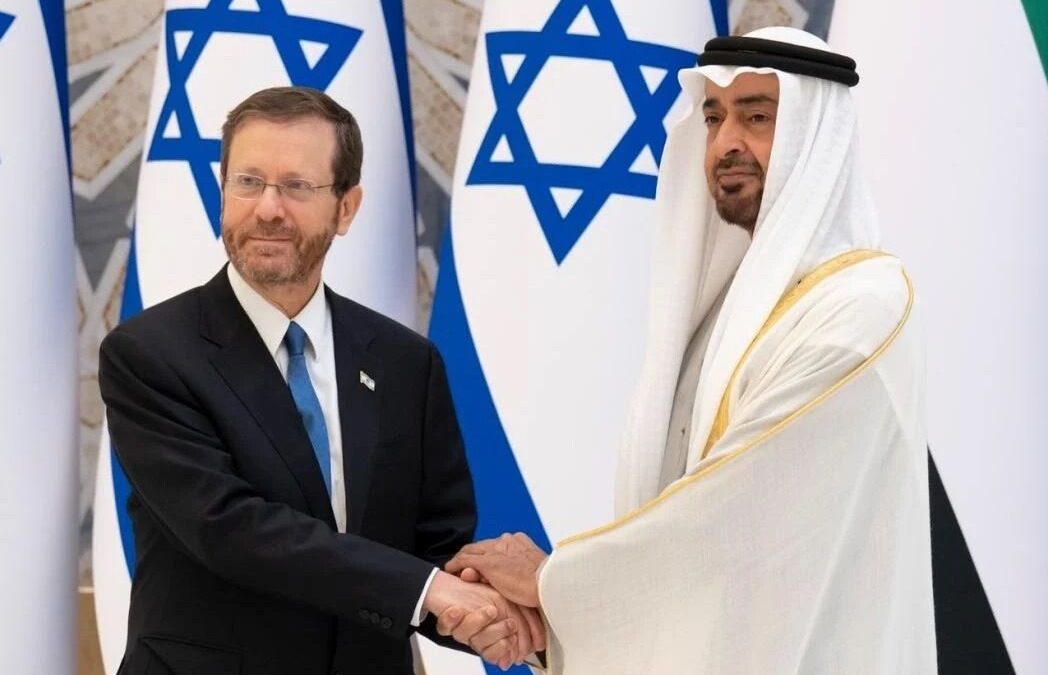
Strategic Council Online—Opinion: Over the past 15 years, the UAE has assumed a different role than is commonly thought. This role goes beyond the regional and has political and military dimensions.

Behind the Scenes of UAE’s Claims about Iran’s Three Islands

Behind the Scenes of UAE’s Claims about Iran’s Three Islands

Strategic Council Online—Interview: A former Iranian diplomat says the British government is behind the United Arab Emirates’ claims about the three islands. He says that considering the developments in the region, especially the war in Ukraine, London is trying to associate the European Union with these claims to put pressure on Tehran.

An Analysis of the Saudi-UAE Border Dispute

An Analysis of the Saudi-UAE Border Dispute

Strategic Council Online – Interview: An expert on regional issues said: The dispute between Saudi Arabia and the United Arab Emirates over the Ilyasat region is more economy and investment oriented than border related. Therefore, it is unlikely for the dispute to have widescale repercussions politically and diplomatically.

Economy & Security: Connecting Links between Turkey and Persian Gulf States

Economy & Security: Connecting Links between Turkey and Persian Gulf States

Strategic Council Online – Opinion: Since 2000, Turkey has gradually shifted its foreign policy from the “Looking East” approach to the more traditional “Looking West” foreign policy. The most important reasons for this change in the structure of Turkey’s foreign policy were the developments in Iraq, the Syrian crisis, and Ankara’s failure to become a member state of the European Union. In addition to the above, the influence of people like President Erdogan and Davutoglu (former PM) on the change in Turkey’s foreign policy has been undeniable.

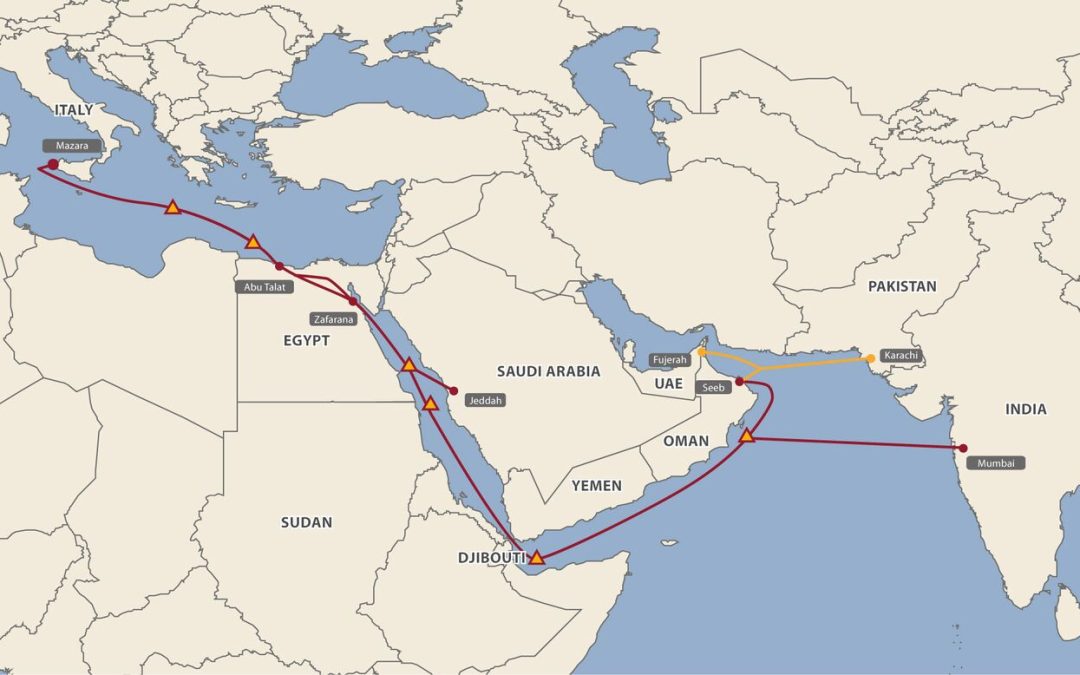
Strategic Importance of India-Middle East-Europe Economic Corridor

Strategic Importance of India-Middle East-Europe Economic Corridor

Strategic Council Online – Interview: An expert on subcontinental issues said that India and the United Arab Emirates are working on the first phase of the creation of the India-Middle East-Europe Economic Corridor, known as the IMEC Corridor (ArabMed), which is an alternative route to the Strait of Hormuz and China’s Silk Road plan. Although there are some speculations that with the continuation of the war in Gaza and the unrest in the Middle East, work on this corridor may be sidelined.

Russia’s Multifaceted Relations with Neighbors

Russia’s Multifaceted Relations with Neighbors

Strategic Council Online – Interview: An international affairs expert said: After Russia attacked Ukraine two years ago, the country’s relations with some of its European neighbors were severely disturbed in such a way that a clear future cannot be imagined for it.

أحدث الوظائف

The Makkah Pact; Reasons for its Formation and Challenges Ahead

SCFR Online – Opinion: The Makkah Pact, signed between Saudi Arabia, Pakistan, and Turkey under the motto “an attack on one is an attack on all,” is viewed by some analysts less as a full-fledged military coalition and more as an attempt to reduce security dependence on an external power and to establish a regional security mechanism.

Implications of the US-Saudi Nuclear Agreement

SCFR Online – Opinion: The new US-Saudi nuclear agreement, despite legal and political ambiguities, could alter previous non-proliferation standards in West Asia and intensify nuclear competition, ushering it into a new phase.

An Analysis of Recent Turkey-Israeli Regime Tensions

SCFR Online – Opinion: Recent developments in Syria indicate an intensification of strategic rivalry between Turkey and the Israeli regime, but mutual considerations and the role of the United States have limited the likelihood of direct war.

Increasing criticism of the extensive Zionist lobby network

SCFR Online – Opinion: An examination of the mechanisms of the Israeli regime’s influence in the United States depicts a complex picture of shared interests, strategic dependencies, and the limitations of this relationship.

Realities of the Tripartite Makkah Pact

SCFR Online – Interview: The signing of the Makkah agreement between Saudi Arabia, Pakistan, and Turkey has raised questions about the future of the region’s security structure and the position of these countries in West Asian equations. Can this agreement become a genuine collective defense mechanism, or does it have more of a political and deterrent function than creating new military capacity?

Loading

UAE

Western Support for UAE’s Proxy Role in Gaza

Western Support for UAE’s Proxy Role in Gaza

Strategic Council Online—Opinion: Over the past 15 years, the UAE has assumed a different role than is commonly thought. This role goes beyond the regional and has political and military dimensions.

Behind the Scenes of UAE’s Claims about Iran’s Three Islands

Behind the Scenes of UAE’s Claims about Iran’s Three Islands

Strategic Council Online—Interview: A former Iranian diplomat says the British government is behind the United Arab Emirates’ claims about the three islands. He says that considering the developments in the region, especially the war in Ukraine, London is trying to associate the European Union with these claims to put pressure on Tehran.

An Analysis of the Saudi-UAE Border Dispute

An Analysis of the Saudi-UAE Border Dispute

Strategic Council Online – Interview: An expert on regional issues said: The dispute between Saudi Arabia and the United Arab Emirates over the Ilyasat region is more economy and investment oriented than border related. Therefore, it is unlikely for the dispute to have widescale repercussions politically and diplomatically.

Economy & Security: Connecting Links between Turkey and Persian Gulf States

Economy & Security: Connecting Links between Turkey and Persian Gulf States

Strategic Council Online – Opinion: Since 2000, Turkey has gradually shifted its foreign policy from the “Looking East” approach to the more traditional “Looking West” foreign policy. The most important reasons for this change in the structure of Turkey’s foreign policy were the developments in Iraq, the Syrian crisis, and Ankara’s failure to become a member state of the European Union. In addition to the above, the influence of people like President Erdogan and Davutoglu (former PM) on the change in Turkey’s foreign policy has been undeniable.

Strategic Importance of India-Middle East-Europe Economic Corridor

Strategic Importance of India-Middle East-Europe Economic Corridor

Strategic Council Online – Interview: An expert on subcontinental issues said that India and the United Arab Emirates are working on the first phase of the creation of the India-Middle East-Europe Economic Corridor, known as the IMEC Corridor (ArabMed), which is an alternative route to the Strait of Hormuz and China’s Silk Road plan. Although there are some speculations that with the continuation of the war in Gaza and the unrest in the Middle East, work on this corridor may be sidelined.

Russia’s Multifaceted Relations with Neighbors

Russia’s Multifaceted Relations with Neighbors

Strategic Council Online – Interview: An international affairs expert said: After Russia attacked Ukraine two years ago, the country’s relations with some of its European neighbors were severely disturbed in such a way that a clear future cannot be imagined for it.

UAE

Western Support for UAE’s Proxy Role in Gaza

Western Support for UAE’s Proxy Role in Gaza

Strategic Council Online—Opinion: Over the past 15 years, the UAE has assumed a different role than is commonly thought. This role goes beyond the regional and has political and military dimensions.

Behind the Scenes of UAE’s Claims about Iran’s Three Islands

Behind the Scenes of UAE’s Claims about Iran’s Three Islands

Strategic Council Online—Interview: A former Iranian diplomat says the British government is behind the United Arab Emirates’ claims about the three islands. He says that considering the developments in the region, especially the war in Ukraine, London is trying to associate the European Union with these claims to put pressure on Tehran.

An Analysis of the Saudi-UAE Border Dispute

An Analysis of the Saudi-UAE Border Dispute

Strategic Council Online – Interview: An expert on regional issues said: The dispute between Saudi Arabia and the United Arab Emirates over the Ilyasat region is more economy and investment oriented than border related. Therefore, it is unlikely for the dispute to have widescale repercussions politically and diplomatically.

Economy & Security: Connecting Links between Turkey and Persian Gulf States

Economy & Security: Connecting Links between Turkey and Persian Gulf States

Strategic Council Online – Opinion: Since 2000, Turkey has gradually shifted its foreign policy from the “Looking East” approach to the more traditional “Looking West” foreign policy. The most important reasons for this change in the structure of Turkey’s foreign policy were the developments in Iraq, the Syrian crisis, and Ankara’s failure to become a member state of the European Union. In addition to the above, the influence of people like President Erdogan and Davutoglu (former PM) on the change in Turkey’s foreign policy has been undeniable.

Strategic Importance of India-Middle East-Europe Economic Corridor

Strategic Importance of India-Middle East-Europe Economic Corridor

Strategic Council Online – Interview: An expert on subcontinental issues said that India and the United Arab Emirates are working on the first phase of the creation of the India-Middle East-Europe Economic Corridor, known as the IMEC Corridor (ArabMed), which is an alternative route to the Strait of Hormuz and China’s Silk Road plan. Although there are some speculations that with the continuation of the war in Gaza and the unrest in the Middle East, work on this corridor may be sidelined.

Russia’s Multifaceted Relations with Neighbors

Russia’s Multifaceted Relations with Neighbors

Strategic Council Online – Interview: An international affairs expert said: After Russia attacked Ukraine two years ago, the country’s relations with some of its European neighbors were severely disturbed in such a way that a clear future cannot be imagined for it.

LATEST CONTENT

The Makkah Pact; Reasons for its Formation and Challenges Ahead

SCFR Online – Opinion: The Makkah Pact, signed between Saudi Arabia, Pakistan, and Turkey under the motto “an attack on one is an attack on all,” is viewed by some analysts less as a full-fledged military coalition and more as an attempt to reduce security dependence on an external power and to establish a regional security mechanism.

Implications of the US-Saudi Nuclear Agreement

SCFR Online – Opinion: The new US-Saudi nuclear agreement, despite legal and political ambiguities, could alter previous non-proliferation standards in West Asia and intensify nuclear competition, ushering it into a new phase.

An Analysis of Recent Turkey-Israeli Regime Tensions

SCFR Online – Opinion: Recent developments in Syria indicate an intensification of strategic rivalry between Turkey and the Israeli regime, but mutual considerations and the role of the United States have limited the likelihood of direct war.

Increasing criticism of the extensive Zionist lobby network

SCFR Online – Opinion: An examination of the mechanisms of the Israeli regime’s influence in the United States depicts a complex picture of shared interests, strategic dependencies, and the limitations of this relationship.

Realities of the Tripartite Makkah Pact

SCFR Online – Interview: The signing of the Makkah agreement between Saudi Arabia, Pakistan, and Turkey has raised questions about the future of the region’s security structure and the position of these countries in West Asian equations. Can this agreement become a genuine collective defense mechanism, or does it have more of a political and deterrent function than creating new military capacity?

Loading

UAE

Western Support for UAE’s Proxy Role in Gaza

Western Support for UAE’s Proxy Role in Gaza

Strategic Council Online—Opinion: Over the past 15 years, the UAE has assumed a different role than is commonly thought. This role goes beyond the regional and has political and military dimensions.

Behind the Scenes of UAE’s Claims about Iran’s Three Islands

Behind the Scenes of UAE’s Claims about Iran’s Three Islands

Strategic Council Online—Interview: A former Iranian diplomat says the British government is behind the United Arab Emirates’ claims about the three islands. He says that considering the developments in the region, especially the war in Ukraine, London is trying to associate the European Union with these claims to put pressure on Tehran.

An Analysis of the Saudi-UAE Border Dispute

An Analysis of the Saudi-UAE Border Dispute

Strategic Council Online – Interview: An expert on regional issues said: The dispute between Saudi Arabia and the United Arab Emirates over the Ilyasat region is more economy and investment oriented than border related. Therefore, it is unlikely for the dispute to have widescale repercussions politically and diplomatically.

Economy & Security: Connecting Links between Turkey and Persian Gulf States

Economy & Security: Connecting Links between Turkey and Persian Gulf States

Strategic Council Online – Opinion: Since 2000, Turkey has gradually shifted its foreign policy from the “Looking East” approach to the more traditional “Looking West” foreign policy. The most important reasons for this change in the structure of Turkey’s foreign policy were the developments in Iraq, the Syrian crisis, and Ankara’s failure to become a member state of the European Union. In addition to the above, the influence of people like President Erdogan and Davutoglu (former PM) on the change in Turkey’s foreign policy has been undeniable.

Strategic Importance of India-Middle East-Europe Economic Corridor

Strategic Importance of India-Middle East-Europe Economic Corridor

Strategic Council Online – Interview: An expert on subcontinental issues said that India and the United Arab Emirates are working on the first phase of the creation of the India-Middle East-Europe Economic Corridor, known as the IMEC Corridor (ArabMed), which is an alternative route to the Strait of Hormuz and China’s Silk Road plan. Although there are some speculations that with the continuation of the war in Gaza and the unrest in the Middle East, work on this corridor may be sidelined.

Russia’s Multifaceted Relations with Neighbors

Russia’s Multifaceted Relations with Neighbors

Strategic Council Online – Interview: An international affairs expert said: After Russia attacked Ukraine two years ago, the country’s relations with some of its European neighbors were severely disturbed in such a way that a clear future cannot be imagined for it.

ÚLTIMAS PUBLICACIONES

The Makkah Pact; Reasons for its Formation and Challenges Ahead

SCFR Online – Opinion: The Makkah Pact, signed between Saudi Arabia, Pakistan, and Turkey under the motto “an attack on one is an attack on all,” is viewed by some analysts less as a full-fledged military coalition and more as an attempt to reduce security dependence on an external power and to establish a regional security mechanism.

Implications of the US-Saudi Nuclear Agreement

SCFR Online – Opinion: The new US-Saudi nuclear agreement, despite legal and political ambiguities, could alter previous non-proliferation standards in West Asia and intensify nuclear competition, ushering it into a new phase.

An Analysis of Recent Turkey-Israeli Regime Tensions

SCFR Online – Opinion: Recent developments in Syria indicate an intensification of strategic rivalry between Turkey and the Israeli regime, but mutual considerations and the role of the United States have limited the likelihood of direct war.

Increasing criticism of the extensive Zionist lobby network

SCFR Online – Opinion: An examination of the mechanisms of the Israeli regime’s influence in the United States depicts a complex picture of shared interests, strategic dependencies, and the limitations of this relationship.

Realities of the Tripartite Makkah Pact

SCFR Online – Interview: The signing of the Makkah agreement between Saudi Arabia, Pakistan, and Turkey has raised questions about the future of the region’s security structure and the position of these countries in West Asian equations. Can this agreement become a genuine collective defense mechanism, or does it have more of a political and deterrent function than creating new military capacity?

Loading

UAE

Western Support for UAE’s Proxy Role in Gaza

Western Support for UAE’s Proxy Role in Gaza

Strategic Council Online—Opinion: Over the past 15 years, the UAE has assumed a different role than is commonly thought. This role goes beyond the regional and has political and military dimensions.

Behind the Scenes of UAE’s Claims about Iran’s Three Islands

Behind the Scenes of UAE’s Claims about Iran’s Three Islands

Strategic Council Online—Interview: A former Iranian diplomat says the British government is behind the United Arab Emirates’ claims about the three islands. He says that considering the developments in the region, especially the war in Ukraine, London is trying to associate the European Union with these claims to put pressure on Tehran.

An Analysis of the Saudi-UAE Border Dispute

An Analysis of the Saudi-UAE Border Dispute

Strategic Council Online – Interview: An expert on regional issues said: The dispute between Saudi Arabia and the United Arab Emirates over the Ilyasat region is more economy and investment oriented than border related. Therefore, it is unlikely for the dispute to have widescale repercussions politically and diplomatically.

Economy & Security: Connecting Links between Turkey and Persian Gulf States

Economy & Security: Connecting Links between Turkey and Persian Gulf States

Strategic Council Online – Opinion: Since 2000, Turkey has gradually shifted its foreign policy from the “Looking East” approach to the more traditional “Looking West” foreign policy. The most important reasons for this change in the structure of Turkey’s foreign policy were the developments in Iraq, the Syrian crisis, and Ankara’s failure to become a member state of the European Union. In addition to the above, the influence of people like President Erdogan and Davutoglu (former PM) on the change in Turkey’s foreign policy has been undeniable.

Strategic Importance of India-Middle East-Europe Economic Corridor

Strategic Importance of India-Middle East-Europe Economic Corridor

Strategic Council Online – Interview: An expert on subcontinental issues said that India and the United Arab Emirates are working on the first phase of the creation of the India-Middle East-Europe Economic Corridor, known as the IMEC Corridor (ArabMed), which is an alternative route to the Strait of Hormuz and China’s Silk Road plan. Although there are some speculations that with the continuation of the war in Gaza and the unrest in the Middle East, work on this corridor may be sidelined.

Russia’s Multifaceted Relations with Neighbors

Russia’s Multifaceted Relations with Neighbors

Strategic Council Online – Interview: An international affairs expert said: After Russia attacked Ukraine two years ago, the country’s relations with some of its European neighbors were severely disturbed in such a way that a clear future cannot be imagined for it.

ÚLTIMAS PUBLICACIONES

The Makkah Pact; Reasons for its Formation and Challenges Ahead

SCFR Online – Opinion: The Makkah Pact, signed between Saudi Arabia, Pakistan, and Turkey under the motto “an attack on one is an attack on all,” is viewed by some analysts less as a full-fledged military coalition and more as an attempt to reduce security dependence on an external power and to establish a regional security mechanism.

Implications of the US-Saudi Nuclear Agreement

SCFR Online – Opinion: The new US-Saudi nuclear agreement, despite legal and political ambiguities, could alter previous non-proliferation standards in West Asia and intensify nuclear competition, ushering it into a new phase.

An Analysis of Recent Turkey-Israeli Regime Tensions

SCFR Online – Opinion: Recent developments in Syria indicate an intensification of strategic rivalry between Turkey and the Israeli regime, but mutual considerations and the role of the United States have limited the likelihood of direct war.

Increasing criticism of the extensive Zionist lobby network

SCFR Online – Opinion: An examination of the mechanisms of the Israeli regime’s influence in the United States depicts a complex picture of shared interests, strategic dependencies, and the limitations of this relationship.

Realities of the Tripartite Makkah Pact

SCFR Online – Interview: The signing of the Makkah agreement between Saudi Arabia, Pakistan, and Turkey has raised questions about the future of the region’s security structure and the position of these countries in West Asian equations. Can this agreement become a genuine collective defense mechanism, or does it have more of a political and deterrent function than creating new military capacity?

Loading

UAE

Western Support for UAE’s Proxy Role in Gaza

Western Support for UAE’s Proxy Role in Gaza

Strategic Council Online—Opinion: Over the past 15 years, the UAE has assumed a different role than is commonly thought. This role goes beyond the regional and has political and military dimensions.

Behind the Scenes of UAE’s Claims about Iran’s Three Islands

Behind the Scenes of UAE’s Claims about Iran’s Three Islands

Strategic Council Online—Interview: A former Iranian diplomat says the British government is behind the United Arab Emirates’ claims about the three islands. He says that considering the developments in the region, especially the war in Ukraine, London is trying to associate the European Union with these claims to put pressure on Tehran.

An Analysis of the Saudi-UAE Border Dispute

An Analysis of the Saudi-UAE Border Dispute

Strategic Council Online – Interview: An expert on regional issues said: The dispute between Saudi Arabia and the United Arab Emirates over the Ilyasat region is more economy and investment oriented than border related. Therefore, it is unlikely for the dispute to have widescale repercussions politically and diplomatically.

Economy & Security: Connecting Links between Turkey and Persian Gulf States

Economy & Security: Connecting Links between Turkey and Persian Gulf States

Strategic Council Online – Opinion: Since 2000, Turkey has gradually shifted its foreign policy from the “Looking East” approach to the more traditional “Looking West” foreign policy. The most important reasons for this change in the structure of Turkey’s foreign policy were the developments in Iraq, the Syrian crisis, and Ankara’s failure to become a member state of the European Union. In addition to the above, the influence of people like President Erdogan and Davutoglu (former PM) on the change in Turkey’s foreign policy has been undeniable.

Strategic Importance of India-Middle East-Europe Economic Corridor

Strategic Importance of India-Middle East-Europe Economic Corridor

Strategic Council Online – Interview: An expert on subcontinental issues said that India and the United Arab Emirates are working on the first phase of the creation of the India-Middle East-Europe Economic Corridor, known as the IMEC Corridor (ArabMed), which is an alternative route to the Strait of Hormuz and China’s Silk Road plan. Although there are some speculations that with the continuation of the war in Gaza and the unrest in the Middle East, work on this corridor may be sidelined.

Russia’s Multifaceted Relations with Neighbors

Russia’s Multifaceted Relations with Neighbors

Strategic Council Online – Interview: An international affairs expert said: After Russia attacked Ukraine two years ago, the country’s relations with some of its European neighbors were severely disturbed in such a way that a clear future cannot be imagined for it.

ÚLTIMAS PUBLICACIONES

The Makkah Pact; Reasons for its Formation and Challenges Ahead

SCFR Online – Opinion: The Makkah Pact, signed between Saudi Arabia, Pakistan, and Turkey under the motto “an attack on one is an attack on all,” is viewed by some analysts less as a full-fledged military coalition and more as an attempt to reduce security dependence on an external power and to establish a regional security mechanism.

Implications of the US-Saudi Nuclear Agreement

SCFR Online – Opinion: The new US-Saudi nuclear agreement, despite legal and political ambiguities, could alter previous non-proliferation standards in West Asia and intensify nuclear competition, ushering it into a new phase.

An Analysis of Recent Turkey-Israeli Regime Tensions

SCFR Online – Opinion: Recent developments in Syria indicate an intensification of strategic rivalry between Turkey and the Israeli regime, but mutual considerations and the role of the United States have limited the likelihood of direct war.

Increasing criticism of the extensive Zionist lobby network

SCFR Online – Opinion: An examination of the mechanisms of the Israeli regime’s influence in the United States depicts a complex picture of shared interests, strategic dependencies, and the limitations of this relationship.

Realities of the Tripartite Makkah Pact

SCFR Online – Interview: The signing of the Makkah agreement between Saudi Arabia, Pakistan, and Turkey has raised questions about the future of the region’s security structure and the position of these countries in West Asian equations. Can this agreement become a genuine collective defense mechanism, or does it have more of a political and deterrent function than creating new military capacity?

Loading

UAE

Western Support for UAE’s Proxy Role in Gaza

Western Support for UAE’s Proxy Role in Gaza

Strategic Council Online—Opinion: Over the past 15 years, the UAE has assumed a different role than is commonly thought. This role goes beyond the regional and has political and military dimensions.

Behind the Scenes of UAE’s Claims about Iran’s Three Islands

Behind the Scenes of UAE’s Claims about Iran’s Three Islands

Strategic Council Online—Interview: A former Iranian diplomat says the British government is behind the United Arab Emirates’ claims about the three islands. He says that considering the developments in the region, especially the war in Ukraine, London is trying to associate the European Union with these claims to put pressure on Tehran.

An Analysis of the Saudi-UAE Border Dispute

An Analysis of the Saudi-UAE Border Dispute

Strategic Council Online – Interview: An expert on regional issues said: The dispute between Saudi Arabia and the United Arab Emirates over the Ilyasat region is more economy and investment oriented than border related. Therefore, it is unlikely for the dispute to have widescale repercussions politically and diplomatically.

Economy & Security: Connecting Links between Turkey and Persian Gulf States

Economy & Security: Connecting Links between Turkey and Persian Gulf States

Strategic Council Online – Opinion: Since 2000, Turkey has gradually shifted its foreign policy from the “Looking East” approach to the more traditional “Looking West” foreign policy. The most important reasons for this change in the structure of Turkey’s foreign policy were the developments in Iraq, the Syrian crisis, and Ankara’s failure to become a member state of the European Union. In addition to the above, the influence of people like President Erdogan and Davutoglu (former PM) on the change in Turkey’s foreign policy has been undeniable.

Strategic Importance of India-Middle East-Europe Economic Corridor

Strategic Importance of India-Middle East-Europe Economic Corridor

Strategic Council Online – Interview: An expert on subcontinental issues said that India and the United Arab Emirates are working on the first phase of the creation of the India-Middle East-Europe Economic Corridor, known as the IMEC Corridor (ArabMed), which is an alternative route to the Strait of Hormuz and China’s Silk Road plan. Although there are some speculations that with the continuation of the war in Gaza and the unrest in the Middle East, work on this corridor may be sidelined.

Russia’s Multifaceted Relations with Neighbors

Russia’s Multifaceted Relations with Neighbors

Strategic Council Online – Interview: An international affairs expert said: After Russia attacked Ukraine two years ago, the country’s relations with some of its European neighbors were severely disturbed in such a way that a clear future cannot be imagined for it.

ÚLTIMAS PUBLICACIONES

The Makkah Pact; Reasons for its Formation and Challenges Ahead

SCFR Online – Opinion: The Makkah Pact, signed between Saudi Arabia, Pakistan, and Turkey under the motto “an attack on one is an attack on all,” is viewed by some analysts less as a full-fledged military coalition and more as an attempt to reduce security dependence on an external power and to establish a regional security mechanism.

Implications of the US-Saudi Nuclear Agreement

SCFR Online – Opinion: The new US-Saudi nuclear agreement, despite legal and political ambiguities, could alter previous non-proliferation standards in West Asia and intensify nuclear competition, ushering it into a new phase.

An Analysis of Recent Turkey-Israeli Regime Tensions

SCFR Online – Opinion: Recent developments in Syria indicate an intensification of strategic rivalry between Turkey and the Israeli regime, but mutual considerations and the role of the United States have limited the likelihood of direct war.

Increasing criticism of the extensive Zionist lobby network

SCFR Online – Opinion: An examination of the mechanisms of the Israeli regime’s influence in the United States depicts a complex picture of shared interests, strategic dependencies, and the limitations of this relationship.

Realities of the Tripartite Makkah Pact

SCFR Online – Interview: The signing of the Makkah agreement between Saudi Arabia, Pakistan, and Turkey has raised questions about the future of the region’s security structure and the position of these countries in West Asian equations. Can this agreement become a genuine collective defense mechanism, or does it have more of a political and deterrent function than creating new military capacity?

Loading