جدیدترین مطالب

Iran’s Potential Levers of Power

SCFRonline– Opinion: Iran’s geopolitical power is not limited solely to oil and the Strait of Hormuz; the unintended emergence of disruptions in the future global food and energy security chains can also demonstrate Iran’s strategic importance.

The Inseparability of the Lebanese Front from the Axis of Resistance

SCFR Online–Opinion: By providing an extensive network of social, healthcare, educational, and post-war reconstruction services, Hezbollah has established a strong social base for itself among Lebanon’s Shiites and Sunnis, and even beyond that, among other segments of Lebanese society, including Christians. Hezbollah has never been an external actor imposed upon Lebanon; rather, it is a phenomenon fundamentally born out of the occupation and crimes of the Zionist regime and itself influenced by popular resistance.

The Increasing Efforts of the Zionist Regime to Redefine Borders and the Regional Order and Its Consequences

SCFR Online– Opinion: Security and military developments in the region over recent months indicate that the ongoing crises and wars in Gaza, southern Lebanon, and parts of Syrian territory encompass broader dimensions of geopolitical and geostrategic transformations. In this context, the increased military presence and control of the Zionist regime over parts of the territories of these areas, along with proposals regarding the creation of buffer zones or even the expansion of security borders, have raised serious questions about the future of the regional order and its consequences for the countries of West Asia.

The Components of Iran’s Deterrence Power

SCFR Online – Opinion: At a time when regional security equations have reached a sensitive stage under the influence of Iran’s strategic confrontation with the United States and the Zionist regime, the question of the nature of Tehran’s defensive power has gained greater significance than ever before. While Washington and Tel Aviv rely on their technological superiority, the Islamic Republic of Iran has presented a model of deterrence that extends beyond the material calculations of the world’s classical militaries. This power, rooted in the connection between “the field” and “the people,” has not only altered the balance of power in recent conflicts but has also disrupted adversaries’ calculations when confronting Iran’s strategic depth.

Loading

Energy

Iran’s Role in the New Security Order of West Asia

Iran’s Role in the New Security Order of West Asia

Online Strategic Council – Interview: A West Asia affairs analyst stated that the developments following the Gaza war demonstrated that Iran, by solidifying its geostrategic position and its military power-balancing capability, can become a decisive actor in the new security order of West Asia.

Inefficiency of the West’s Economic Lever for Ending the Ukraine War

Inefficiency of the West’s Economic Lever for Ending the Ukraine War

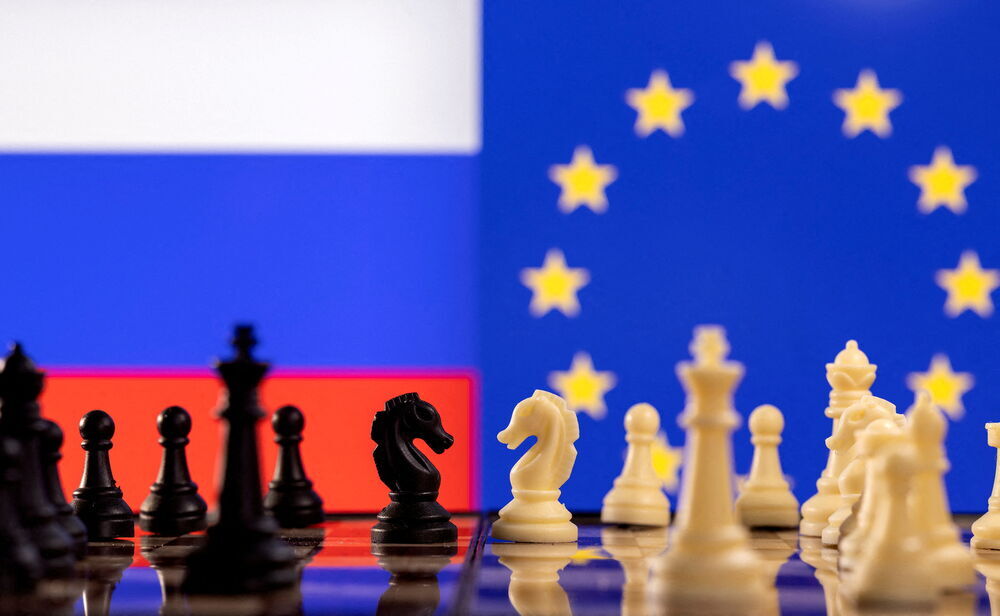
Strategic Council Online – Interview: An international economics expert stated that sanctions, as discussed in political and economic literature, are tools used to force countries to change their behavior in foreign or domestic policies. However, the fundamental question is whether these tools consistently achieve the expected results. The European Union, which has intensified its sanctions policy against Russia since 2014, especially after the Ukraine war in 2022, now faces the question of to what extent these sanctions have been able to halt Moscow’s economic machine. Although more than 50 sanction packages have been imposed against Russia since 2014, statistics and analyses show that Russia has been able to overcome the pressures in many cases and even gain more profit in some areas. Experts believe that the lack of unity in European decision-making, the conflict of economic interests among member states, and the historical dependence of some on Russian energy have all combined to cause Europe’s sanctions policy not only to fail to achieve its ultimate goal but, in some cases, to yield opposite results. Meanwhile, the debate over “secondary sanctions” and the change in the European Union’s strategies after the Ukraine war marks a turning point in the future path of Moscow-Brussels relations.

America’s Aggressive Commercial Strategy and Imposing a Trade Agreement on the EU

America’s Aggressive Commercial Strategy and Imposing a Trade Agreement on the EU

Strategic Council Online – Interview: An international affairs analyst stated that the recent trade agreement between the United States and the European Union, signed on July 28, 2025, in Scotland, appears to have averted a full-scale tariff war. However, this agreement, shaped by Donald Trump’s pressures and threats to raise tariffs by up to 30%, reflects U.S. economic dominance over Europe more than it signifies mutual cooperation. The European Union’s commitment to purchasing $750 billion worth of energy and investing $600 billion in the U.S., along with accepting a 15% tariff on most European exports, raises serious questions about Europe’s economic independence and its implications for the global economy. Does this agreement mean stability for European trade, or does it represent a strategic surrender to the United States that will deepen existing rifts in the global order?

The Ukraine War and Europe’s Security Scenarios

The Ukraine War and Europe’s Security Scenarios

Strategic Council Online – Interview: A Russia affairs expert stated that Europe will face a complex security environment in the future, including increased militarization, economic challenges stemming from cutting dependence on Russian energy, and the need to redefine relations with the U.S. and NATO. As a result, without sustainable solutions, Europe may face greater existential, economic, and social threats in the future.

Iran’s Potential Capacity in the Large Energy Market

Iran’s Potential Capacity in the Large Energy Market

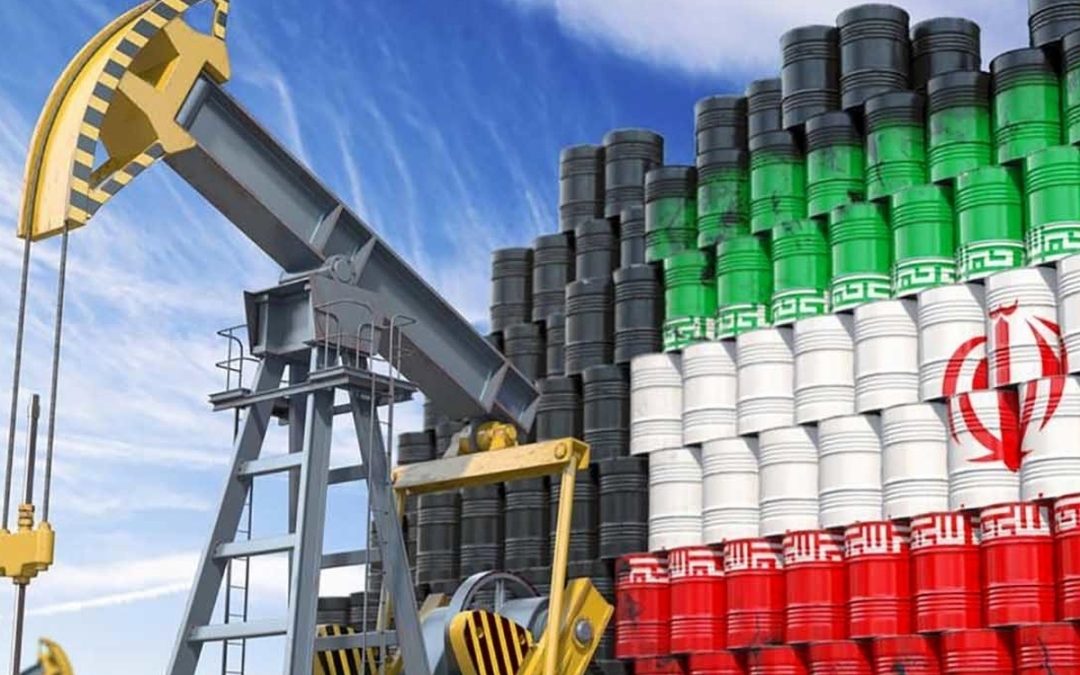
Strategic Council Online – Interview: An energy affairs analyst stated that the recent imposed war by the Zionist regime and the U.S. against Iran, which Donald Trump described as a military success, has disrupted energy markets and intensified concerns over rising oil prices. This event once again underscored Iran’s decisive position in the oil and gas market.

An Analysis on Strategic Relations between Saudi Arabia and Pakistan

An Analysis on Strategic Relations between Saudi Arabia and Pakistan

Strategic Council Online—Interview: The cultural attaché and head of Iran’s House of Culture in Pakistan said: In addition to Pakistan pursuing a balanced relationship with major powers such as America and China, the relationship with the countries of the Persian Gulf, especially Saudi Arabia, is also important for economic stability and regional diplomacy.

Russia’s Strategy in Response to Western Sanctions

Russia’s Strategy in Response to Western Sanctions

Strategic Council Online – Opinion: Following the escalation of tensions between Russia and Western countries due to the war in Ukraine, Moscow is looking for solutions to deal with the extensive sanctions of the United States and its allies.
Hossein Sayyahi, researcher of international politics

French Strategy on Ukraine War

French Strategy on Ukraine War

Strategic Council Online – Interview: A European studies expert said that France will continue its policy of boosting European integration and security in the long term, and if America’s share declines, it will probably play a more decisive role in leading this trend.

Dr. Maleki, at a meeting on AI application in foreign relations, explains Necessity of Using AI in Energy Diplomacy

Dr. Maleki, at a meeting on AI application in foreign relations, explains Necessity of Using AI in Energy Diplomacy

Strategic Council Online – Meeting: A faculty member of the Department of Energy Engineering of the Sharif University of Technology, stating that artificial intelligence has created a revolution in the debate on energy, added: Nothing can replace human decision-making, and I hope it will be like this, but in any case, algorithms of artificial intelligence can help to make decisions.

Analyzing Western Balkan States Summit

Analyzing Western Balkan States Summit

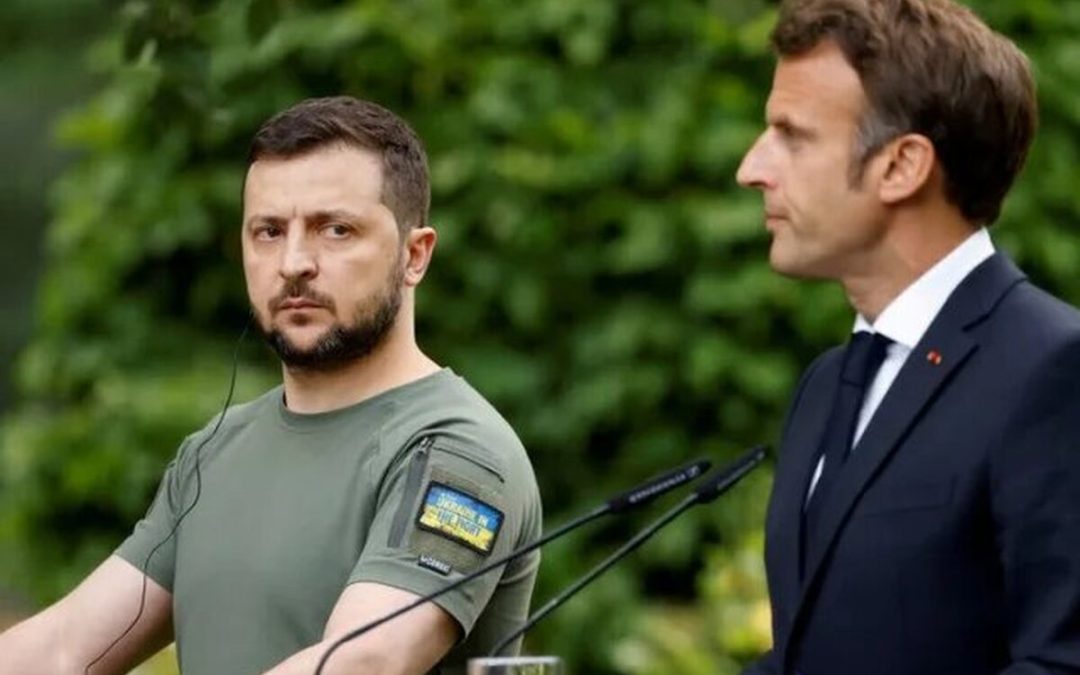
Strategic Council Online – Opinion: The informal meeting of the leaders of the Western Balkan countries and the Balkan countries that are members of the European Union was held at the initiative of Mr. Mitsotakis, the conservative Prime Minister of Greece, and attended by Mrs. von der Leyen, the President of the European Commission, Charles Michel, President of the European Union Council, and Mr. Zelensky, President of Ukraine. The Chairman of the Council of Ministers of Bosnia and Herzegovina, prime ministers of Romania, Bulgaria, Croatia, Kosovo, and North Macedonia, the president of Moldova, the president of Montenegro, and the president of Serbia also participated in the meeting.
Mahmoud Fazeli – International affairs analyst

أحدث الوظائف

Iran’s Potential Levers of Power

SCFRonline– Opinion: Iran’s geopolitical power is not limited solely to oil and the Strait of Hormuz; the unintended emergence of disruptions in the future global food and energy security chains can also demonstrate Iran’s strategic importance.

The Inseparability of the Lebanese Front from the Axis of Resistance

SCFR Online–Opinion: By providing an extensive network of social, healthcare, educational, and post-war reconstruction services, Hezbollah has established a strong social base for itself among Lebanon’s Shiites and Sunnis, and even beyond that, among other segments of Lebanese society, including Christians. Hezbollah has never been an external actor imposed upon Lebanon; rather, it is a phenomenon fundamentally born out of the occupation and crimes of the Zionist regime and itself influenced by popular resistance.

The Increasing Efforts of the Zionist Regime to Redefine Borders and the Regional Order and Its Consequences

SCFR Online– Opinion: Security and military developments in the region over recent months indicate that the ongoing crises and wars in Gaza, southern Lebanon, and parts of Syrian territory encompass broader dimensions of geopolitical and geostrategic transformations. In this context, the increased military presence and control of the Zionist regime over parts of the territories of these areas, along with proposals regarding the creation of buffer zones or even the expansion of security borders, have raised serious questions about the future of the regional order and its consequences for the countries of West Asia.

The Components of Iran’s Deterrence Power

SCFR Online – Opinion: At a time when regional security equations have reached a sensitive stage under the influence of Iran’s strategic confrontation with the United States and the Zionist regime, the question of the nature of Tehran’s defensive power has gained greater significance than ever before. While Washington and Tel Aviv rely on their technological superiority, the Islamic Republic of Iran has presented a model of deterrence that extends beyond the material calculations of the world’s classical militaries. This power, rooted in the connection between “the field” and “the people,” has not only altered the balance of power in recent conflicts but has also disrupted adversaries’ calculations when confronting Iran’s strategic depth.

Loading

Energy

Iran’s Role in the New Security Order of West Asia

Iran’s Role in the New Security Order of West Asia

Online Strategic Council – Interview: A West Asia affairs analyst stated that the developments following the Gaza war demonstrated that Iran, by solidifying its geostrategic position and its military power-balancing capability, can become a decisive actor in the new security order of West Asia.

Inefficiency of the West’s Economic Lever for Ending the Ukraine War

Inefficiency of the West’s Economic Lever for Ending the Ukraine War

Strategic Council Online – Interview: An international economics expert stated that sanctions, as discussed in political and economic literature, are tools used to force countries to change their behavior in foreign or domestic policies. However, the fundamental question is whether these tools consistently achieve the expected results. The European Union, which has intensified its sanctions policy against Russia since 2014, especially after the Ukraine war in 2022, now faces the question of to what extent these sanctions have been able to halt Moscow’s economic machine. Although more than 50 sanction packages have been imposed against Russia since 2014, statistics and analyses show that Russia has been able to overcome the pressures in many cases and even gain more profit in some areas. Experts believe that the lack of unity in European decision-making, the conflict of economic interests among member states, and the historical dependence of some on Russian energy have all combined to cause Europe’s sanctions policy not only to fail to achieve its ultimate goal but, in some cases, to yield opposite results. Meanwhile, the debate over “secondary sanctions” and the change in the European Union’s strategies after the Ukraine war marks a turning point in the future path of Moscow-Brussels relations.

America’s Aggressive Commercial Strategy and Imposing a Trade Agreement on the EU

America’s Aggressive Commercial Strategy and Imposing a Trade Agreement on the EU

Strategic Council Online – Interview: An international affairs analyst stated that the recent trade agreement between the United States and the European Union, signed on July 28, 2025, in Scotland, appears to have averted a full-scale tariff war. However, this agreement, shaped by Donald Trump’s pressures and threats to raise tariffs by up to 30%, reflects U.S. economic dominance over Europe more than it signifies mutual cooperation. The European Union’s commitment to purchasing $750 billion worth of energy and investing $600 billion in the U.S., along with accepting a 15% tariff on most European exports, raises serious questions about Europe’s economic independence and its implications for the global economy. Does this agreement mean stability for European trade, or does it represent a strategic surrender to the United States that will deepen existing rifts in the global order?

The Ukraine War and Europe’s Security Scenarios

The Ukraine War and Europe’s Security Scenarios

Strategic Council Online – Interview: A Russia affairs expert stated that Europe will face a complex security environment in the future, including increased militarization, economic challenges stemming from cutting dependence on Russian energy, and the need to redefine relations with the U.S. and NATO. As a result, without sustainable solutions, Europe may face greater existential, economic, and social threats in the future.

Iran’s Potential Capacity in the Large Energy Market

Iran’s Potential Capacity in the Large Energy Market

Strategic Council Online – Interview: An energy affairs analyst stated that the recent imposed war by the Zionist regime and the U.S. against Iran, which Donald Trump described as a military success, has disrupted energy markets and intensified concerns over rising oil prices. This event once again underscored Iran’s decisive position in the oil and gas market.

An Analysis on Strategic Relations between Saudi Arabia and Pakistan

An Analysis on Strategic Relations between Saudi Arabia and Pakistan

Strategic Council Online—Interview: The cultural attaché and head of Iran’s House of Culture in Pakistan said: In addition to Pakistan pursuing a balanced relationship with major powers such as America and China, the relationship with the countries of the Persian Gulf, especially Saudi Arabia, is also important for economic stability and regional diplomacy.

Russia’s Strategy in Response to Western Sanctions

Russia’s Strategy in Response to Western Sanctions

Strategic Council Online – Opinion: Following the escalation of tensions between Russia and Western countries due to the war in Ukraine, Moscow is looking for solutions to deal with the extensive sanctions of the United States and its allies.
Hossein Sayyahi, researcher of international politics

French Strategy on Ukraine War

French Strategy on Ukraine War

Strategic Council Online – Interview: A European studies expert said that France will continue its policy of boosting European integration and security in the long term, and if America’s share declines, it will probably play a more decisive role in leading this trend.

Dr. Maleki, at a meeting on AI application in foreign relations, explains Necessity of Using AI in Energy Diplomacy

Dr. Maleki, at a meeting on AI application in foreign relations, explains Necessity of Using AI in Energy Diplomacy

Strategic Council Online – Meeting: A faculty member of the Department of Energy Engineering of the Sharif University of Technology, stating that artificial intelligence has created a revolution in the debate on energy, added: Nothing can replace human decision-making, and I hope it will be like this, but in any case, algorithms of artificial intelligence can help to make decisions.

Analyzing Western Balkan States Summit

Analyzing Western Balkan States Summit

Strategic Council Online – Opinion: The informal meeting of the leaders of the Western Balkan countries and the Balkan countries that are members of the European Union was held at the initiative of Mr. Mitsotakis, the conservative Prime Minister of Greece, and attended by Mrs. von der Leyen, the President of the European Commission, Charles Michel, President of the European Union Council, and Mr. Zelensky, President of Ukraine. The Chairman of the Council of Ministers of Bosnia and Herzegovina, prime ministers of Romania, Bulgaria, Croatia, Kosovo, and North Macedonia, the president of Moldova, the president of Montenegro, and the president of Serbia also participated in the meeting.
Mahmoud Fazeli – International affairs analyst

Energy

Iran’s Role in the New Security Order of West Asia

Iran’s Role in the New Security Order of West Asia

Online Strategic Council – Interview: A West Asia affairs analyst stated that the developments following the Gaza war demonstrated that Iran, by solidifying its geostrategic position and its military power-balancing capability, can become a decisive actor in the new security order of West Asia.

Inefficiency of the West’s Economic Lever for Ending the Ukraine War

Inefficiency of the West’s Economic Lever for Ending the Ukraine War

Strategic Council Online – Interview: An international economics expert stated that sanctions, as discussed in political and economic literature, are tools used to force countries to change their behavior in foreign or domestic policies. However, the fundamental question is whether these tools consistently achieve the expected results. The European Union, which has intensified its sanctions policy against Russia since 2014, especially after the Ukraine war in 2022, now faces the question of to what extent these sanctions have been able to halt Moscow’s economic machine. Although more than 50 sanction packages have been imposed against Russia since 2014, statistics and analyses show that Russia has been able to overcome the pressures in many cases and even gain more profit in some areas. Experts believe that the lack of unity in European decision-making, the conflict of economic interests among member states, and the historical dependence of some on Russian energy have all combined to cause Europe’s sanctions policy not only to fail to achieve its ultimate goal but, in some cases, to yield opposite results. Meanwhile, the debate over “secondary sanctions” and the change in the European Union’s strategies after the Ukraine war marks a turning point in the future path of Moscow-Brussels relations.

America’s Aggressive Commercial Strategy and Imposing a Trade Agreement on the EU

America’s Aggressive Commercial Strategy and Imposing a Trade Agreement on the EU

Strategic Council Online – Interview: An international affairs analyst stated that the recent trade agreement between the United States and the European Union, signed on July 28, 2025, in Scotland, appears to have averted a full-scale tariff war. However, this agreement, shaped by Donald Trump’s pressures and threats to raise tariffs by up to 30%, reflects U.S. economic dominance over Europe more than it signifies mutual cooperation. The European Union’s commitment to purchasing $750 billion worth of energy and investing $600 billion in the U.S., along with accepting a 15% tariff on most European exports, raises serious questions about Europe’s economic independence and its implications for the global economy. Does this agreement mean stability for European trade, or does it represent a strategic surrender to the United States that will deepen existing rifts in the global order?

The Ukraine War and Europe’s Security Scenarios

The Ukraine War and Europe’s Security Scenarios

Strategic Council Online – Interview: A Russia affairs expert stated that Europe will face a complex security environment in the future, including increased militarization, economic challenges stemming from cutting dependence on Russian energy, and the need to redefine relations with the U.S. and NATO. As a result, without sustainable solutions, Europe may face greater existential, economic, and social threats in the future.

Iran’s Potential Capacity in the Large Energy Market

Iran’s Potential Capacity in the Large Energy Market

Strategic Council Online – Interview: An energy affairs analyst stated that the recent imposed war by the Zionist regime and the U.S. against Iran, which Donald Trump described as a military success, has disrupted energy markets and intensified concerns over rising oil prices. This event once again underscored Iran’s decisive position in the oil and gas market.

An Analysis on Strategic Relations between Saudi Arabia and Pakistan

An Analysis on Strategic Relations between Saudi Arabia and Pakistan

Strategic Council Online—Interview: The cultural attaché and head of Iran’s House of Culture in Pakistan said: In addition to Pakistan pursuing a balanced relationship with major powers such as America and China, the relationship with the countries of the Persian Gulf, especially Saudi Arabia, is also important for economic stability and regional diplomacy.

Russia’s Strategy in Response to Western Sanctions

Russia’s Strategy in Response to Western Sanctions

Strategic Council Online – Opinion: Following the escalation of tensions between Russia and Western countries due to the war in Ukraine, Moscow is looking for solutions to deal with the extensive sanctions of the United States and its allies.
Hossein Sayyahi, researcher of international politics

French Strategy on Ukraine War

French Strategy on Ukraine War

Strategic Council Online – Interview: A European studies expert said that France will continue its policy of boosting European integration and security in the long term, and if America’s share declines, it will probably play a more decisive role in leading this trend.

Dr. Maleki, at a meeting on AI application in foreign relations, explains Necessity of Using AI in Energy Diplomacy

Dr. Maleki, at a meeting on AI application in foreign relations, explains Necessity of Using AI in Energy Diplomacy

Strategic Council Online – Meeting: A faculty member of the Department of Energy Engineering of the Sharif University of Technology, stating that artificial intelligence has created a revolution in the debate on energy, added: Nothing can replace human decision-making, and I hope it will be like this, but in any case, algorithms of artificial intelligence can help to make decisions.

Analyzing Western Balkan States Summit

Analyzing Western Balkan States Summit

Strategic Council Online – Opinion: The informal meeting of the leaders of the Western Balkan countries and the Balkan countries that are members of the European Union was held at the initiative of Mr. Mitsotakis, the conservative Prime Minister of Greece, and attended by Mrs. von der Leyen, the President of the European Commission, Charles Michel, President of the European Union Council, and Mr. Zelensky, President of Ukraine. The Chairman of the Council of Ministers of Bosnia and Herzegovina, prime ministers of Romania, Bulgaria, Croatia, Kosovo, and North Macedonia, the president of Moldova, the president of Montenegro, and the president of Serbia also participated in the meeting.
Mahmoud Fazeli – International affairs analyst

LATEST CONTENT

Iran’s Potential Levers of Power

SCFRonline– Opinion: Iran’s geopolitical power is not limited solely to oil and the Strait of Hormuz; the unintended emergence of disruptions in the future global food and energy security chains can also demonstrate Iran’s strategic importance.

The Inseparability of the Lebanese Front from the Axis of Resistance

SCFR Online–Opinion: By providing an extensive network of social, healthcare, educational, and post-war reconstruction services, Hezbollah has established a strong social base for itself among Lebanon’s Shiites and Sunnis, and even beyond that, among other segments of Lebanese society, including Christians. Hezbollah has never been an external actor imposed upon Lebanon; rather, it is a phenomenon fundamentally born out of the occupation and crimes of the Zionist regime and itself influenced by popular resistance.

The Increasing Efforts of the Zionist Regime to Redefine Borders and the Regional Order and Its Consequences

SCFR Online– Opinion: Security and military developments in the region over recent months indicate that the ongoing crises and wars in Gaza, southern Lebanon, and parts of Syrian territory encompass broader dimensions of geopolitical and geostrategic transformations. In this context, the increased military presence and control of the Zionist regime over parts of the territories of these areas, along with proposals regarding the creation of buffer zones or even the expansion of security borders, have raised serious questions about the future of the regional order and its consequences for the countries of West Asia.

The Components of Iran’s Deterrence Power

SCFR Online – Opinion: At a time when regional security equations have reached a sensitive stage under the influence of Iran’s strategic confrontation with the United States and the Zionist regime, the question of the nature of Tehran’s defensive power has gained greater significance than ever before. While Washington and Tel Aviv rely on their technological superiority, the Islamic Republic of Iran has presented a model of deterrence that extends beyond the material calculations of the world’s classical militaries. This power, rooted in the connection between “the field” and “the people,” has not only altered the balance of power in recent conflicts but has also disrupted adversaries’ calculations when confronting Iran’s strategic depth.

Loading

Energy

Iran’s Role in the New Security Order of West Asia

Iran’s Role in the New Security Order of West Asia

Online Strategic Council – Interview: A West Asia affairs analyst stated that the developments following the Gaza war demonstrated that Iran, by solidifying its geostrategic position and its military power-balancing capability, can become a decisive actor in the new security order of West Asia.

Inefficiency of the West’s Economic Lever for Ending the Ukraine War

Inefficiency of the West’s Economic Lever for Ending the Ukraine War

Strategic Council Online – Interview: An international economics expert stated that sanctions, as discussed in political and economic literature, are tools used to force countries to change their behavior in foreign or domestic policies. However, the fundamental question is whether these tools consistently achieve the expected results. The European Union, which has intensified its sanctions policy against Russia since 2014, especially after the Ukraine war in 2022, now faces the question of to what extent these sanctions have been able to halt Moscow’s economic machine. Although more than 50 sanction packages have been imposed against Russia since 2014, statistics and analyses show that Russia has been able to overcome the pressures in many cases and even gain more profit in some areas. Experts believe that the lack of unity in European decision-making, the conflict of economic interests among member states, and the historical dependence of some on Russian energy have all combined to cause Europe’s sanctions policy not only to fail to achieve its ultimate goal but, in some cases, to yield opposite results. Meanwhile, the debate over “secondary sanctions” and the change in the European Union’s strategies after the Ukraine war marks a turning point in the future path of Moscow-Brussels relations.

America’s Aggressive Commercial Strategy and Imposing a Trade Agreement on the EU

America’s Aggressive Commercial Strategy and Imposing a Trade Agreement on the EU

Strategic Council Online – Interview: An international affairs analyst stated that the recent trade agreement between the United States and the European Union, signed on July 28, 2025, in Scotland, appears to have averted a full-scale tariff war. However, this agreement, shaped by Donald Trump’s pressures and threats to raise tariffs by up to 30%, reflects U.S. economic dominance over Europe more than it signifies mutual cooperation. The European Union’s commitment to purchasing $750 billion worth of energy and investing $600 billion in the U.S., along with accepting a 15% tariff on most European exports, raises serious questions about Europe’s economic independence and its implications for the global economy. Does this agreement mean stability for European trade, or does it represent a strategic surrender to the United States that will deepen existing rifts in the global order?

The Ukraine War and Europe’s Security Scenarios

The Ukraine War and Europe’s Security Scenarios

Strategic Council Online – Interview: A Russia affairs expert stated that Europe will face a complex security environment in the future, including increased militarization, economic challenges stemming from cutting dependence on Russian energy, and the need to redefine relations with the U.S. and NATO. As a result, without sustainable solutions, Europe may face greater existential, economic, and social threats in the future.

Iran’s Potential Capacity in the Large Energy Market

Iran’s Potential Capacity in the Large Energy Market

Strategic Council Online – Interview: An energy affairs analyst stated that the recent imposed war by the Zionist regime and the U.S. against Iran, which Donald Trump described as a military success, has disrupted energy markets and intensified concerns over rising oil prices. This event once again underscored Iran’s decisive position in the oil and gas market.

An Analysis on Strategic Relations between Saudi Arabia and Pakistan

An Analysis on Strategic Relations between Saudi Arabia and Pakistan

Strategic Council Online—Interview: The cultural attaché and head of Iran’s House of Culture in Pakistan said: In addition to Pakistan pursuing a balanced relationship with major powers such as America and China, the relationship with the countries of the Persian Gulf, especially Saudi Arabia, is also important for economic stability and regional diplomacy.

Russia’s Strategy in Response to Western Sanctions

Russia’s Strategy in Response to Western Sanctions

Strategic Council Online – Opinion: Following the escalation of tensions between Russia and Western countries due to the war in Ukraine, Moscow is looking for solutions to deal with the extensive sanctions of the United States and its allies.
Hossein Sayyahi, researcher of international politics

French Strategy on Ukraine War

French Strategy on Ukraine War

Strategic Council Online – Interview: A European studies expert said that France will continue its policy of boosting European integration and security in the long term, and if America’s share declines, it will probably play a more decisive role in leading this trend.

Dr. Maleki, at a meeting on AI application in foreign relations, explains Necessity of Using AI in Energy Diplomacy

Dr. Maleki, at a meeting on AI application in foreign relations, explains Necessity of Using AI in Energy Diplomacy

Strategic Council Online – Meeting: A faculty member of the Department of Energy Engineering of the Sharif University of Technology, stating that artificial intelligence has created a revolution in the debate on energy, added: Nothing can replace human decision-making, and I hope it will be like this, but in any case, algorithms of artificial intelligence can help to make decisions.

Analyzing Western Balkan States Summit

Analyzing Western Balkan States Summit

Strategic Council Online – Opinion: The informal meeting of the leaders of the Western Balkan countries and the Balkan countries that are members of the European Union was held at the initiative of Mr. Mitsotakis, the conservative Prime Minister of Greece, and attended by Mrs. von der Leyen, the President of the European Commission, Charles Michel, President of the European Union Council, and Mr. Zelensky, President of Ukraine. The Chairman of the Council of Ministers of Bosnia and Herzegovina, prime ministers of Romania, Bulgaria, Croatia, Kosovo, and North Macedonia, the president of Moldova, the president of Montenegro, and the president of Serbia also participated in the meeting.
Mahmoud Fazeli – International affairs analyst

ÚLTIMAS PUBLICACIONES

Iran’s Potential Levers of Power

SCFRonline– Opinion: Iran’s geopolitical power is not limited solely to oil and the Strait of Hormuz; the unintended emergence of disruptions in the future global food and energy security chains can also demonstrate Iran’s strategic importance.

The Inseparability of the Lebanese Front from the Axis of Resistance

SCFR Online–Opinion: By providing an extensive network of social, healthcare, educational, and post-war reconstruction services, Hezbollah has established a strong social base for itself among Lebanon’s Shiites and Sunnis, and even beyond that, among other segments of Lebanese society, including Christians. Hezbollah has never been an external actor imposed upon Lebanon; rather, it is a phenomenon fundamentally born out of the occupation and crimes of the Zionist regime and itself influenced by popular resistance.

The Increasing Efforts of the Zionist Regime to Redefine Borders and the Regional Order and Its Consequences

SCFR Online– Opinion: Security and military developments in the region over recent months indicate that the ongoing crises and wars in Gaza, southern Lebanon, and parts of Syrian territory encompass broader dimensions of geopolitical and geostrategic transformations. In this context, the increased military presence and control of the Zionist regime over parts of the territories of these areas, along with proposals regarding the creation of buffer zones or even the expansion of security borders, have raised serious questions about the future of the regional order and its consequences for the countries of West Asia.

The Components of Iran’s Deterrence Power

SCFR Online – Opinion: At a time when regional security equations have reached a sensitive stage under the influence of Iran’s strategic confrontation with the United States and the Zionist regime, the question of the nature of Tehran’s defensive power has gained greater significance than ever before. While Washington and Tel Aviv rely on their technological superiority, the Islamic Republic of Iran has presented a model of deterrence that extends beyond the material calculations of the world’s classical militaries. This power, rooted in the connection between “the field” and “the people,” has not only altered the balance of power in recent conflicts but has also disrupted adversaries’ calculations when confronting Iran’s strategic depth.

Loading

Energy

Iran’s Role in the New Security Order of West Asia

Iran’s Role in the New Security Order of West Asia

Online Strategic Council – Interview: A West Asia affairs analyst stated that the developments following the Gaza war demonstrated that Iran, by solidifying its geostrategic position and its military power-balancing capability, can become a decisive actor in the new security order of West Asia.

Inefficiency of the West’s Economic Lever for Ending the Ukraine War

Inefficiency of the West’s Economic Lever for Ending the Ukraine War

Strategic Council Online – Interview: An international economics expert stated that sanctions, as discussed in political and economic literature, are tools used to force countries to change their behavior in foreign or domestic policies. However, the fundamental question is whether these tools consistently achieve the expected results. The European Union, which has intensified its sanctions policy against Russia since 2014, especially after the Ukraine war in 2022, now faces the question of to what extent these sanctions have been able to halt Moscow’s economic machine. Although more than 50 sanction packages have been imposed against Russia since 2014, statistics and analyses show that Russia has been able to overcome the pressures in many cases and even gain more profit in some areas. Experts believe that the lack of unity in European decision-making, the conflict of economic interests among member states, and the historical dependence of some on Russian energy have all combined to cause Europe’s sanctions policy not only to fail to achieve its ultimate goal but, in some cases, to yield opposite results. Meanwhile, the debate over “secondary sanctions” and the change in the European Union’s strategies after the Ukraine war marks a turning point in the future path of Moscow-Brussels relations.

America’s Aggressive Commercial Strategy and Imposing a Trade Agreement on the EU

America’s Aggressive Commercial Strategy and Imposing a Trade Agreement on the EU

Strategic Council Online – Interview: An international affairs analyst stated that the recent trade agreement between the United States and the European Union, signed on July 28, 2025, in Scotland, appears to have averted a full-scale tariff war. However, this agreement, shaped by Donald Trump’s pressures and threats to raise tariffs by up to 30%, reflects U.S. economic dominance over Europe more than it signifies mutual cooperation. The European Union’s commitment to purchasing $750 billion worth of energy and investing $600 billion in the U.S., along with accepting a 15% tariff on most European exports, raises serious questions about Europe’s economic independence and its implications for the global economy. Does this agreement mean stability for European trade, or does it represent a strategic surrender to the United States that will deepen existing rifts in the global order?

The Ukraine War and Europe’s Security Scenarios

The Ukraine War and Europe’s Security Scenarios

Strategic Council Online – Interview: A Russia affairs expert stated that Europe will face a complex security environment in the future, including increased militarization, economic challenges stemming from cutting dependence on Russian energy, and the need to redefine relations with the U.S. and NATO. As a result, without sustainable solutions, Europe may face greater existential, economic, and social threats in the future.

Iran’s Potential Capacity in the Large Energy Market

Iran’s Potential Capacity in the Large Energy Market

Strategic Council Online – Interview: An energy affairs analyst stated that the recent imposed war by the Zionist regime and the U.S. against Iran, which Donald Trump described as a military success, has disrupted energy markets and intensified concerns over rising oil prices. This event once again underscored Iran’s decisive position in the oil and gas market.

An Analysis on Strategic Relations between Saudi Arabia and Pakistan

An Analysis on Strategic Relations between Saudi Arabia and Pakistan

Strategic Council Online—Interview: The cultural attaché and head of Iran’s House of Culture in Pakistan said: In addition to Pakistan pursuing a balanced relationship with major powers such as America and China, the relationship with the countries of the Persian Gulf, especially Saudi Arabia, is also important for economic stability and regional diplomacy.

Russia’s Strategy in Response to Western Sanctions

Russia’s Strategy in Response to Western Sanctions

Strategic Council Online – Opinion: Following the escalation of tensions between Russia and Western countries due to the war in Ukraine, Moscow is looking for solutions to deal with the extensive sanctions of the United States and its allies.
Hossein Sayyahi, researcher of international politics

French Strategy on Ukraine War

French Strategy on Ukraine War

Strategic Council Online – Interview: A European studies expert said that France will continue its policy of boosting European integration and security in the long term, and if America’s share declines, it will probably play a more decisive role in leading this trend.

Dr. Maleki, at a meeting on AI application in foreign relations, explains Necessity of Using AI in Energy Diplomacy

Dr. Maleki, at a meeting on AI application in foreign relations, explains Necessity of Using AI in Energy Diplomacy

Strategic Council Online – Meeting: A faculty member of the Department of Energy Engineering of the Sharif University of Technology, stating that artificial intelligence has created a revolution in the debate on energy, added: Nothing can replace human decision-making, and I hope it will be like this, but in any case, algorithms of artificial intelligence can help to make decisions.

Analyzing Western Balkan States Summit

Analyzing Western Balkan States Summit

Strategic Council Online – Opinion: The informal meeting of the leaders of the Western Balkan countries and the Balkan countries that are members of the European Union was held at the initiative of Mr. Mitsotakis, the conservative Prime Minister of Greece, and attended by Mrs. von der Leyen, the President of the European Commission, Charles Michel, President of the European Union Council, and Mr. Zelensky, President of Ukraine. The Chairman of the Council of Ministers of Bosnia and Herzegovina, prime ministers of Romania, Bulgaria, Croatia, Kosovo, and North Macedonia, the president of Moldova, the president of Montenegro, and the president of Serbia also participated in the meeting.
Mahmoud Fazeli – International affairs analyst

ÚLTIMAS PUBLICACIONES

Iran’s Potential Levers of Power

SCFRonline– Opinion: Iran’s geopolitical power is not limited solely to oil and the Strait of Hormuz; the unintended emergence of disruptions in the future global food and energy security chains can also demonstrate Iran’s strategic importance.

The Inseparability of the Lebanese Front from the Axis of Resistance

SCFR Online–Opinion: By providing an extensive network of social, healthcare, educational, and post-war reconstruction services, Hezbollah has established a strong social base for itself among Lebanon’s Shiites and Sunnis, and even beyond that, among other segments of Lebanese society, including Christians. Hezbollah has never been an external actor imposed upon Lebanon; rather, it is a phenomenon fundamentally born out of the occupation and crimes of the Zionist regime and itself influenced by popular resistance.

The Increasing Efforts of the Zionist Regime to Redefine Borders and the Regional Order and Its Consequences

SCFR Online– Opinion: Security and military developments in the region over recent months indicate that the ongoing crises and wars in Gaza, southern Lebanon, and parts of Syrian territory encompass broader dimensions of geopolitical and geostrategic transformations. In this context, the increased military presence and control of the Zionist regime over parts of the territories of these areas, along with proposals regarding the creation of buffer zones or even the expansion of security borders, have raised serious questions about the future of the regional order and its consequences for the countries of West Asia.

The Components of Iran’s Deterrence Power

SCFR Online – Opinion: At a time when regional security equations have reached a sensitive stage under the influence of Iran’s strategic confrontation with the United States and the Zionist regime, the question of the nature of Tehran’s defensive power has gained greater significance than ever before. While Washington and Tel Aviv rely on their technological superiority, the Islamic Republic of Iran has presented a model of deterrence that extends beyond the material calculations of the world’s classical militaries. This power, rooted in the connection between “the field” and “the people,” has not only altered the balance of power in recent conflicts but has also disrupted adversaries’ calculations when confronting Iran’s strategic depth.

Loading

Energy

Iran’s Role in the New Security Order of West Asia

Iran’s Role in the New Security Order of West Asia

Online Strategic Council – Interview: A West Asia affairs analyst stated that the developments following the Gaza war demonstrated that Iran, by solidifying its geostrategic position and its military power-balancing capability, can become a decisive actor in the new security order of West Asia.

Inefficiency of the West’s Economic Lever for Ending the Ukraine War

Inefficiency of the West’s Economic Lever for Ending the Ukraine War

Strategic Council Online – Interview: An international economics expert stated that sanctions, as discussed in political and economic literature, are tools used to force countries to change their behavior in foreign or domestic policies. However, the fundamental question is whether these tools consistently achieve the expected results. The European Union, which has intensified its sanctions policy against Russia since 2014, especially after the Ukraine war in 2022, now faces the question of to what extent these sanctions have been able to halt Moscow’s economic machine. Although more than 50 sanction packages have been imposed against Russia since 2014, statistics and analyses show that Russia has been able to overcome the pressures in many cases and even gain more profit in some areas. Experts believe that the lack of unity in European decision-making, the conflict of economic interests among member states, and the historical dependence of some on Russian energy have all combined to cause Europe’s sanctions policy not only to fail to achieve its ultimate goal but, in some cases, to yield opposite results. Meanwhile, the debate over “secondary sanctions” and the change in the European Union’s strategies after the Ukraine war marks a turning point in the future path of Moscow-Brussels relations.

America’s Aggressive Commercial Strategy and Imposing a Trade Agreement on the EU

America’s Aggressive Commercial Strategy and Imposing a Trade Agreement on the EU

Strategic Council Online – Interview: An international affairs analyst stated that the recent trade agreement between the United States and the European Union, signed on July 28, 2025, in Scotland, appears to have averted a full-scale tariff war. However, this agreement, shaped by Donald Trump’s pressures and threats to raise tariffs by up to 30%, reflects U.S. economic dominance over Europe more than it signifies mutual cooperation. The European Union’s commitment to purchasing $750 billion worth of energy and investing $600 billion in the U.S., along with accepting a 15% tariff on most European exports, raises serious questions about Europe’s economic independence and its implications for the global economy. Does this agreement mean stability for European trade, or does it represent a strategic surrender to the United States that will deepen existing rifts in the global order?

The Ukraine War and Europe’s Security Scenarios

The Ukraine War and Europe’s Security Scenarios

Strategic Council Online – Interview: A Russia affairs expert stated that Europe will face a complex security environment in the future, including increased militarization, economic challenges stemming from cutting dependence on Russian energy, and the need to redefine relations with the U.S. and NATO. As a result, without sustainable solutions, Europe may face greater existential, economic, and social threats in the future.

Iran’s Potential Capacity in the Large Energy Market

Iran’s Potential Capacity in the Large Energy Market

Strategic Council Online – Interview: An energy affairs analyst stated that the recent imposed war by the Zionist regime and the U.S. against Iran, which Donald Trump described as a military success, has disrupted energy markets and intensified concerns over rising oil prices. This event once again underscored Iran’s decisive position in the oil and gas market.

An Analysis on Strategic Relations between Saudi Arabia and Pakistan

An Analysis on Strategic Relations between Saudi Arabia and Pakistan

Strategic Council Online—Interview: The cultural attaché and head of Iran’s House of Culture in Pakistan said: In addition to Pakistan pursuing a balanced relationship with major powers such as America and China, the relationship with the countries of the Persian Gulf, especially Saudi Arabia, is also important for economic stability and regional diplomacy.

Russia’s Strategy in Response to Western Sanctions

Russia’s Strategy in Response to Western Sanctions

Strategic Council Online – Opinion: Following the escalation of tensions between Russia and Western countries due to the war in Ukraine, Moscow is looking for solutions to deal with the extensive sanctions of the United States and its allies.
Hossein Sayyahi, researcher of international politics

French Strategy on Ukraine War

French Strategy on Ukraine War

Strategic Council Online – Interview: A European studies expert said that France will continue its policy of boosting European integration and security in the long term, and if America’s share declines, it will probably play a more decisive role in leading this trend.

Dr. Maleki, at a meeting on AI application in foreign relations, explains Necessity of Using AI in Energy Diplomacy

Dr. Maleki, at a meeting on AI application in foreign relations, explains Necessity of Using AI in Energy Diplomacy

Strategic Council Online – Meeting: A faculty member of the Department of Energy Engineering of the Sharif University of Technology, stating that artificial intelligence has created a revolution in the debate on energy, added: Nothing can replace human decision-making, and I hope it will be like this, but in any case, algorithms of artificial intelligence can help to make decisions.

Analyzing Western Balkan States Summit

Analyzing Western Balkan States Summit

Strategic Council Online – Opinion: The informal meeting of the leaders of the Western Balkan countries and the Balkan countries that are members of the European Union was held at the initiative of Mr. Mitsotakis, the conservative Prime Minister of Greece, and attended by Mrs. von der Leyen, the President of the European Commission, Charles Michel, President of the European Union Council, and Mr. Zelensky, President of Ukraine. The Chairman of the Council of Ministers of Bosnia and Herzegovina, prime ministers of Romania, Bulgaria, Croatia, Kosovo, and North Macedonia, the president of Moldova, the president of Montenegro, and the president of Serbia also participated in the meeting.
Mahmoud Fazeli – International affairs analyst

ÚLTIMAS PUBLICACIONES

Iran’s Potential Levers of Power

SCFRonline– Opinion: Iran’s geopolitical power is not limited solely to oil and the Strait of Hormuz; the unintended emergence of disruptions in the future global food and energy security chains can also demonstrate Iran’s strategic importance.

The Inseparability of the Lebanese Front from the Axis of Resistance

SCFR Online–Opinion: By providing an extensive network of social, healthcare, educational, and post-war reconstruction services, Hezbollah has established a strong social base for itself among Lebanon’s Shiites and Sunnis, and even beyond that, among other segments of Lebanese society, including Christians. Hezbollah has never been an external actor imposed upon Lebanon; rather, it is a phenomenon fundamentally born out of the occupation and crimes of the Zionist regime and itself influenced by popular resistance.

The Increasing Efforts of the Zionist Regime to Redefine Borders and the Regional Order and Its Consequences

SCFR Online– Opinion: Security and military developments in the region over recent months indicate that the ongoing crises and wars in Gaza, southern Lebanon, and parts of Syrian territory encompass broader dimensions of geopolitical and geostrategic transformations. In this context, the increased military presence and control of the Zionist regime over parts of the territories of these areas, along with proposals regarding the creation of buffer zones or even the expansion of security borders, have raised serious questions about the future of the regional order and its consequences for the countries of West Asia.

The Components of Iran’s Deterrence Power

SCFR Online – Opinion: At a time when regional security equations have reached a sensitive stage under the influence of Iran’s strategic confrontation with the United States and the Zionist regime, the question of the nature of Tehran’s defensive power has gained greater significance than ever before. While Washington and Tel Aviv rely on their technological superiority, the Islamic Republic of Iran has presented a model of deterrence that extends beyond the material calculations of the world’s classical militaries. This power, rooted in the connection between “the field” and “the people,” has not only altered the balance of power in recent conflicts but has also disrupted adversaries’ calculations when confronting Iran’s strategic depth.

Loading

Energy

Iran’s Role in the New Security Order of West Asia

Iran’s Role in the New Security Order of West Asia

Online Strategic Council – Interview: A West Asia affairs analyst stated that the developments following the Gaza war demonstrated that Iran, by solidifying its geostrategic position and its military power-balancing capability, can become a decisive actor in the new security order of West Asia.

Inefficiency of the West’s Economic Lever for Ending the Ukraine War

Inefficiency of the West’s Economic Lever for Ending the Ukraine War

Strategic Council Online – Interview: An international economics expert stated that sanctions, as discussed in political and economic literature, are tools used to force countries to change their behavior in foreign or domestic policies. However, the fundamental question is whether these tools consistently achieve the expected results. The European Union, which has intensified its sanctions policy against Russia since 2014, especially after the Ukraine war in 2022, now faces the question of to what extent these sanctions have been able to halt Moscow’s economic machine. Although more than 50 sanction packages have been imposed against Russia since 2014, statistics and analyses show that Russia has been able to overcome the pressures in many cases and even gain more profit in some areas. Experts believe that the lack of unity in European decision-making, the conflict of economic interests among member states, and the historical dependence of some on Russian energy have all combined to cause Europe’s sanctions policy not only to fail to achieve its ultimate goal but, in some cases, to yield opposite results. Meanwhile, the debate over “secondary sanctions” and the change in the European Union’s strategies after the Ukraine war marks a turning point in the future path of Moscow-Brussels relations.

America’s Aggressive Commercial Strategy and Imposing a Trade Agreement on the EU

America’s Aggressive Commercial Strategy and Imposing a Trade Agreement on the EU

Strategic Council Online – Interview: An international affairs analyst stated that the recent trade agreement between the United States and the European Union, signed on July 28, 2025, in Scotland, appears to have averted a full-scale tariff war. However, this agreement, shaped by Donald Trump’s pressures and threats to raise tariffs by up to 30%, reflects U.S. economic dominance over Europe more than it signifies mutual cooperation. The European Union’s commitment to purchasing $750 billion worth of energy and investing $600 billion in the U.S., along with accepting a 15% tariff on most European exports, raises serious questions about Europe’s economic independence and its implications for the global economy. Does this agreement mean stability for European trade, or does it represent a strategic surrender to the United States that will deepen existing rifts in the global order?

The Ukraine War and Europe’s Security Scenarios

The Ukraine War and Europe’s Security Scenarios

Strategic Council Online – Interview: A Russia affairs expert stated that Europe will face a complex security environment in the future, including increased militarization, economic challenges stemming from cutting dependence on Russian energy, and the need to redefine relations with the U.S. and NATO. As a result, without sustainable solutions, Europe may face greater existential, economic, and social threats in the future.

Iran’s Potential Capacity in the Large Energy Market

Iran’s Potential Capacity in the Large Energy Market

Strategic Council Online – Interview: An energy affairs analyst stated that the recent imposed war by the Zionist regime and the U.S. against Iran, which Donald Trump described as a military success, has disrupted energy markets and intensified concerns over rising oil prices. This event once again underscored Iran’s decisive position in the oil and gas market.

An Analysis on Strategic Relations between Saudi Arabia and Pakistan

An Analysis on Strategic Relations between Saudi Arabia and Pakistan

Strategic Council Online—Interview: The cultural attaché and head of Iran’s House of Culture in Pakistan said: In addition to Pakistan pursuing a balanced relationship with major powers such as America and China, the relationship with the countries of the Persian Gulf, especially Saudi Arabia, is also important for economic stability and regional diplomacy.

Russia’s Strategy in Response to Western Sanctions

Russia’s Strategy in Response to Western Sanctions

Strategic Council Online – Opinion: Following the escalation of tensions between Russia and Western countries due to the war in Ukraine, Moscow is looking for solutions to deal with the extensive sanctions of the United States and its allies.
Hossein Sayyahi, researcher of international politics

French Strategy on Ukraine War

French Strategy on Ukraine War

Strategic Council Online – Interview: A European studies expert said that France will continue its policy of boosting European integration and security in the long term, and if America’s share declines, it will probably play a more decisive role in leading this trend.

Dr. Maleki, at a meeting on AI application in foreign relations, explains Necessity of Using AI in Energy Diplomacy

Dr. Maleki, at a meeting on AI application in foreign relations, explains Necessity of Using AI in Energy Diplomacy

Strategic Council Online – Meeting: A faculty member of the Department of Energy Engineering of the Sharif University of Technology, stating that artificial intelligence has created a revolution in the debate on energy, added: Nothing can replace human decision-making, and I hope it will be like this, but in any case, algorithms of artificial intelligence can help to make decisions.

Analyzing Western Balkan States Summit

Analyzing Western Balkan States Summit

Strategic Council Online – Opinion: The informal meeting of the leaders of the Western Balkan countries and the Balkan countries that are members of the European Union was held at the initiative of Mr. Mitsotakis, the conservative Prime Minister of Greece, and attended by Mrs. von der Leyen, the President of the European Commission, Charles Michel, President of the European Union Council, and Mr. Zelensky, President of Ukraine. The Chairman of the Council of Ministers of Bosnia and Herzegovina, prime ministers of Romania, Bulgaria, Croatia, Kosovo, and North Macedonia, the president of Moldova, the president of Montenegro, and the president of Serbia also participated in the meeting.
Mahmoud Fazeli – International affairs analyst

ÚLTIMAS PUBLICACIONES

Iran’s Potential Levers of Power

SCFRonline– Opinion: Iran’s geopolitical power is not limited solely to oil and the Strait of Hormuz; the unintended emergence of disruptions in the future global food and energy security chains can also demonstrate Iran’s strategic importance.

The Inseparability of the Lebanese Front from the Axis of Resistance

SCFR Online–Opinion: By providing an extensive network of social, healthcare, educational, and post-war reconstruction services, Hezbollah has established a strong social base for itself among Lebanon’s Shiites and Sunnis, and even beyond that, among other segments of Lebanese society, including Christians. Hezbollah has never been an external actor imposed upon Lebanon; rather, it is a phenomenon fundamentally born out of the occupation and crimes of the Zionist regime and itself influenced by popular resistance.

The Increasing Efforts of the Zionist Regime to Redefine Borders and the Regional Order and Its Consequences

SCFR Online– Opinion: Security and military developments in the region over recent months indicate that the ongoing crises and wars in Gaza, southern Lebanon, and parts of Syrian territory encompass broader dimensions of geopolitical and geostrategic transformations. In this context, the increased military presence and control of the Zionist regime over parts of the territories of these areas, along with proposals regarding the creation of buffer zones or even the expansion of security borders, have raised serious questions about the future of the regional order and its consequences for the countries of West Asia.

The Components of Iran’s Deterrence Power

SCFR Online – Opinion: At a time when regional security equations have reached a sensitive stage under the influence of Iran’s strategic confrontation with the United States and the Zionist regime, the question of the nature of Tehran’s defensive power has gained greater significance than ever before. While Washington and Tel Aviv rely on their technological superiority, the Islamic Republic of Iran has presented a model of deterrence that extends beyond the material calculations of the world’s classical militaries. This power, rooted in the connection between “the field” and “the people,” has not only altered the balance of power in recent conflicts but has also disrupted adversaries’ calculations when confronting Iran’s strategic depth.

Loading