An Analysis of the Makkah Defense Pact
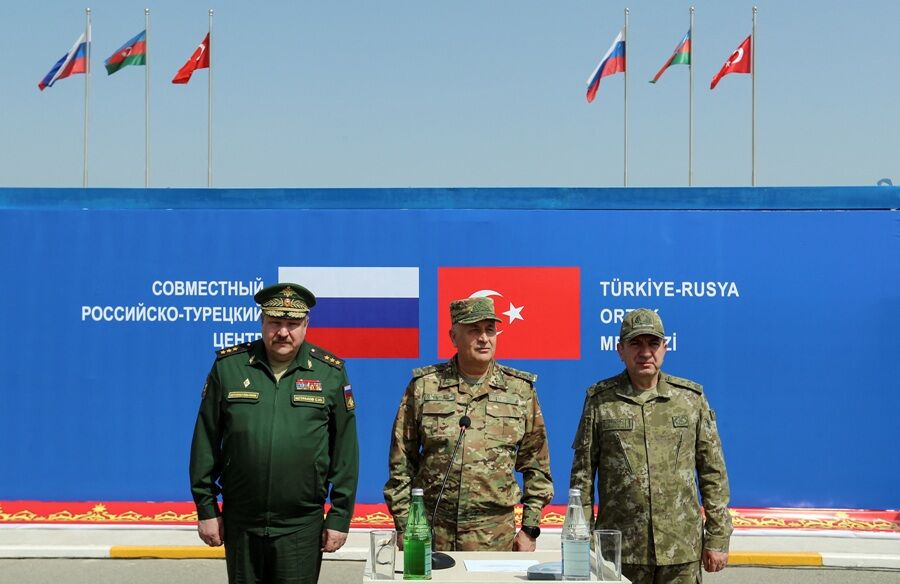
SCFR Online – Opinion: On Friday, August 7, the heads of state of three countries – Saudi Arabia, Turkey, and Pakistan – signed a text under the title “Makkah Joint Defense Agreement.”
Strategic Council Online – Note: The initiative to revive the Hejaz Railway, beyond being a transportation project, constitutes an attempt to redefine geopolitics, the economy, and Turkey’s regional position; however, its realization appears to face significant financial, security, and institutional challenges.
SCFR Online – Opinion: The Strait of Hormuz crisis is no longer merely the consequence of a military confrontation, but rather a sign of the transition from the US-centered maritime order to a new energy security structure involving the participation of emerging and influential powers.
SCFR Online – Opinion: Iran’s active deterrence strategy, while increasing the costs of US intervention, has increasingly exposed the hidden rifts between Washington’s interests and those of the Israeli regime.
SCFR Online – Opinion: The escalation of verbal and strategic tensions between Turkey and the Israeli regime, although not increasing the likelihood of direct war, indicates the formation of a new order in West Asian geopolitical rivalries.
Strategic Council Online – Note: Recent developments in the political geography of West Asia, from rising tensions in the Persian Gulf to missile and drone activities in the Red Sea and the recent warning by Kaja Kallas, the European Union’s foreign policy chief, regarding the threat to freedom of navigation, indicate a key pattern shift; the US-Iran war has moved beyond the scope of a regional and local confrontation and has linked two vital passageways for the global economy: the Strait of Hormuz and the Bab el-Mandeb Strait.
SCFR Online – Opinion: The Ukraine war was not merely a European crisis, but rather the starting point for the rearrangement of the global balance of power and a shift in the strategic behavior of great powers.
SCFR Online – Opinion: Great power competition is now pursued more in trade, currency, technology, and global supply chains than on the battlefields of military confrontation.
Strategic Council Online: Interview: An international affairs expert says that America’s economic and military policies and plans in East Asia are such that they will move towards coping with tension in this region.
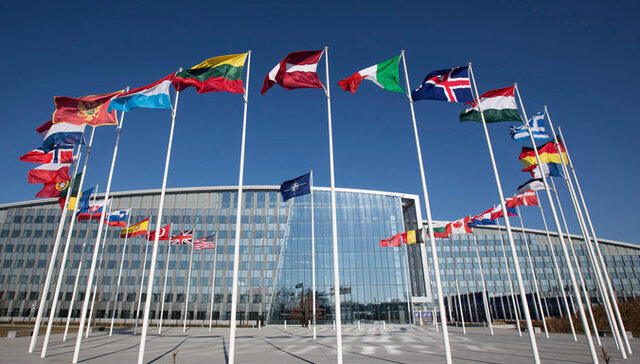
Strategic Council Online—Opinion: An expert on international affairs said: Although NATO, on its 75th birthday, has become more cohesive than three decades ago due to Russia’s attack on Ukraine, this does not mean it will not face challenges in its future prospects.
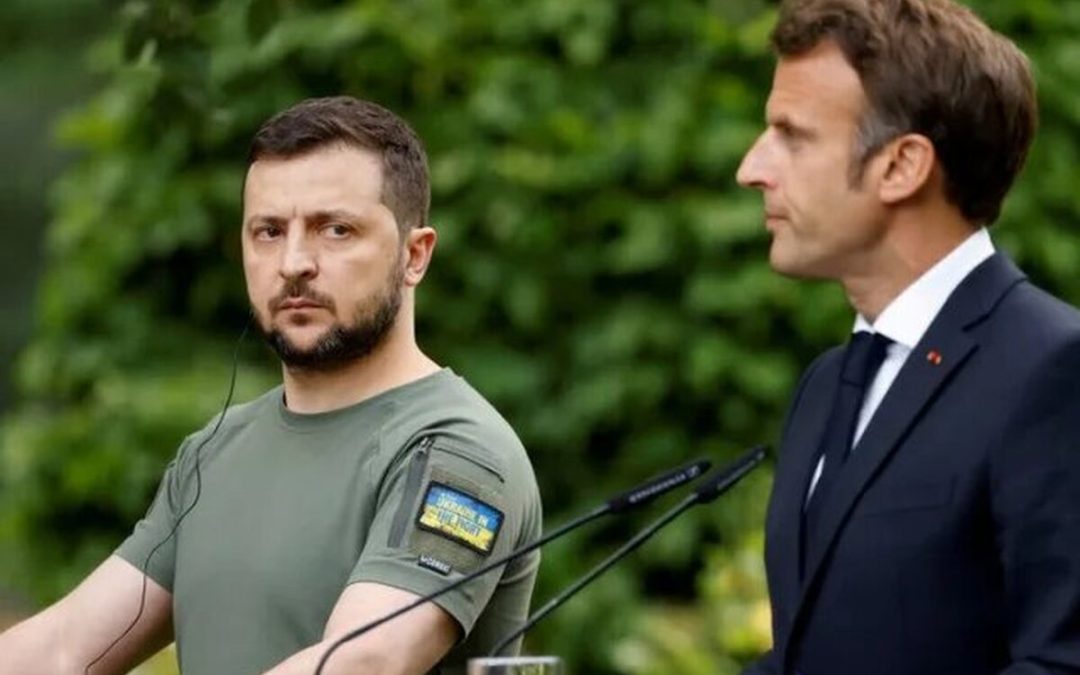
Strategic Council Online – Opinion: In the wake of the war in Ukraine, which has affected the international community, especially Europe, the leaders of the three EU member states, France, Germany, and Poland, recently agreed to increase efforts to purchase and produce weapons in Ukraine.
Hossein Sayahi – International Researcher
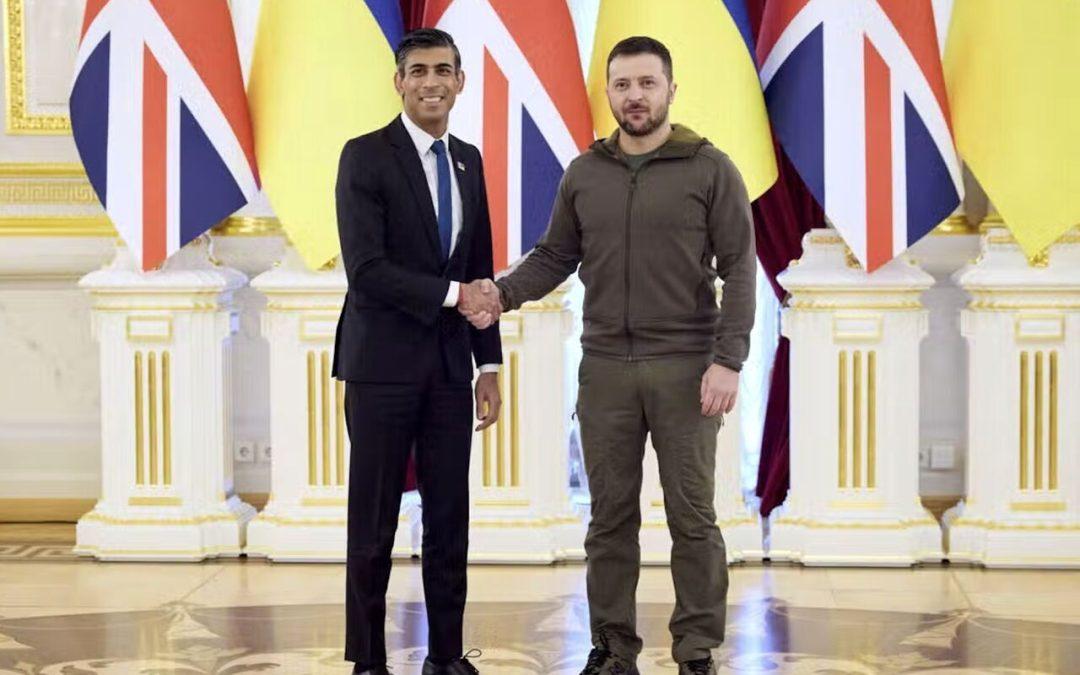
Strategic Council Online-Interview: An expert on European issues said that on the second anniversary of the Russian army’s attack on Ukraine, the leaders of the governments of Canada, Italy, and Belgium, along with the head of the European Union Commission traveled to Kiev to express solidarity with the people of Ukraine, and during this trip, the Italian Prime Minister signed a 10=year defense-security agreement with Ukraine. After signing a similar agreement with Kyiv, Canada’s Prime Minister promised more than $2.25 billion in financial and military aid to the Ukrainian authorities this year. Earlier, France and Germany had signed similar defense contracts with Ukraine.
Strategic Council Online – Interview: A European studies expert said that France will continue its policy of boosting European integration and security in the long term, and if America’s share declines, it will probably play a more decisive role in leading this trend.
Strategic Council Online – Interview: An international affairs expert said that the European Union is helping Ukraine not to defend the country of Ukraine but to defend its security against Russia; therefore, their financial aid to Ukraine will continue.
Strategic Council Online – Interview: An international affairs expert said: After Russia attacked Ukraine two years ago, the country’s relations with some of its European neighbors were severely disturbed in such a way that a clear future cannot be imagined for it.
Strategic Council Online – Opinion: The Munich Security Conference, which started its activity during the Cold War, is known as one of the unofficial authorities in the world and an institution for dialogue and exchange of views on security issues and international security policies.
Mohsen Sharif Khodaei – International Relations Analyst
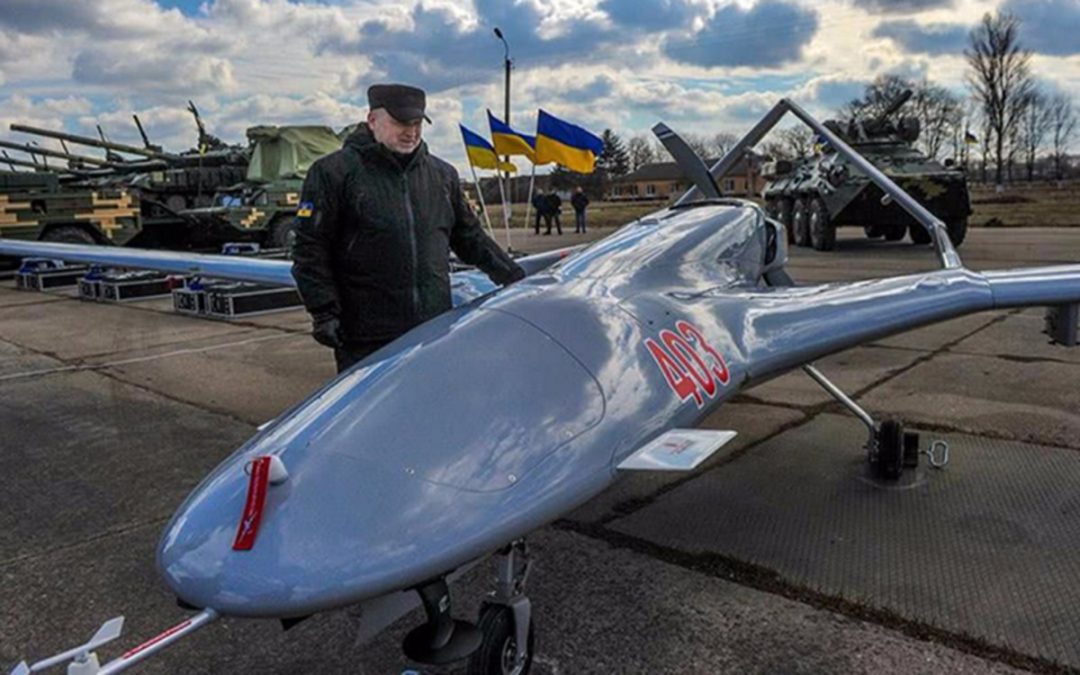
Strategic Council Online—Interview: A Turkish issues researcher said that Turkiye’s military cooperation with Ukraine, especially in the field of building unmanned aerial vehicles, is not a simple matter but based on a multifaceted policy that Turkiye has taken since the beginning of the war in Ukraine, Ankara is trying to maintain its role in creating regional and global balance by playing a role in the Ukraine crisis.
Strategic Council Online—Interview: The former ambassador of Iran to the Republic of Azerbaijan said that the positions of the European Union’s foreign policy in support of Armenia and opposition to the Republic of Azerbaijan are in the context of challenging Russia’s role in the developments in the South Caucasus and also in the continuation of Europe’s conflict with Russia over Ukraine.
SCFR Online – Opinion: On Friday, August 7, the heads of state of three countries – Saudi Arabia, Turkey, and Pakistan – signed a text under the title “Makkah Joint Defense Agreement.”
Strategic Council Online – Note: The initiative to revive the Hejaz Railway, beyond being a transportation project, constitutes an attempt to redefine geopolitics, the economy, and Turkey’s regional position; however, its realization appears to face significant financial, security, and institutional challenges.
SCFR Online – Opinion: The Strait of Hormuz crisis is no longer merely the consequence of a military confrontation, but rather a sign of the transition from the US-centered maritime order to a new energy security structure involving the participation of emerging and influential powers.
SCFR Online – Opinion: Iran’s active deterrence strategy, while increasing the costs of US intervention, has increasingly exposed the hidden rifts between Washington’s interests and those of the Israeli regime.
SCFR Online – Opinion: The escalation of verbal and strategic tensions between Turkey and the Israeli regime, although not increasing the likelihood of direct war, indicates the formation of a new order in West Asian geopolitical rivalries.
Strategic Council Online – Note: Recent developments in the political geography of West Asia, from rising tensions in the Persian Gulf to missile and drone activities in the Red Sea and the recent warning by Kaja Kallas, the European Union’s foreign policy chief, regarding the threat to freedom of navigation, indicate a key pattern shift; the US-Iran war has moved beyond the scope of a regional and local confrontation and has linked two vital passageways for the global economy: the Strait of Hormuz and the Bab el-Mandeb Strait.
SCFR Online – Opinion: The Ukraine war was not merely a European crisis, but rather the starting point for the rearrangement of the global balance of power and a shift in the strategic behavior of great powers.
SCFR Online – Opinion: Great power competition is now pursued more in trade, currency, technology, and global supply chains than on the battlefields of military confrontation.
Strategic Council Online: Interview: An international affairs expert says that America’s economic and military policies and plans in East Asia are such that they will move towards coping with tension in this region.
Strategic Council Online—Opinion: An expert on international affairs said: Although NATO, on its 75th birthday, has become more cohesive than three decades ago due to Russia’s attack on Ukraine, this does not mean it will not face challenges in its future prospects.
Strategic Council Online – Opinion: In the wake of the war in Ukraine, which has affected the international community, especially Europe, the leaders of the three EU member states, France, Germany, and Poland, recently agreed to increase efforts to purchase and produce weapons in Ukraine.
Hossein Sayahi – International Researcher
Strategic Council Online-Interview: An expert on European issues said that on the second anniversary of the Russian army’s attack on Ukraine, the leaders of the governments of Canada, Italy, and Belgium, along with the head of the European Union Commission traveled to Kiev to express solidarity with the people of Ukraine, and during this trip, the Italian Prime Minister signed a 10=year defense-security agreement with Ukraine. After signing a similar agreement with Kyiv, Canada’s Prime Minister promised more than $2.25 billion in financial and military aid to the Ukrainian authorities this year. Earlier, France and Germany had signed similar defense contracts with Ukraine.
Strategic Council Online – Interview: A European studies expert said that France will continue its policy of boosting European integration and security in the long term, and if America’s share declines, it will probably play a more decisive role in leading this trend.
Strategic Council Online – Interview: An international affairs expert said that the European Union is helping Ukraine not to defend the country of Ukraine but to defend its security against Russia; therefore, their financial aid to Ukraine will continue.
Strategic Council Online – Interview: An international affairs expert said: After Russia attacked Ukraine two years ago, the country’s relations with some of its European neighbors were severely disturbed in such a way that a clear future cannot be imagined for it.
Strategic Council Online – Opinion: The Munich Security Conference, which started its activity during the Cold War, is known as one of the unofficial authorities in the world and an institution for dialogue and exchange of views on security issues and international security policies.
Mohsen Sharif Khodaei – International Relations Analyst
Strategic Council Online—Interview: A Turkish issues researcher said that Turkiye’s military cooperation with Ukraine, especially in the field of building unmanned aerial vehicles, is not a simple matter but based on a multifaceted policy that Turkiye has taken since the beginning of the war in Ukraine, Ankara is trying to maintain its role in creating regional and global balance by playing a role in the Ukraine crisis.
Strategic Council Online—Interview: The former ambassador of Iran to the Republic of Azerbaijan said that the positions of the European Union’s foreign policy in support of Armenia and opposition to the Republic of Azerbaijan are in the context of challenging Russia’s role in the developments in the South Caucasus and also in the continuation of Europe’s conflict with Russia over Ukraine.
Strategic Council Online: Interview: An international affairs expert says that America’s economic and military policies and plans in East Asia are such that they will move towards coping with tension in this region.
Strategic Council Online—Opinion: An expert on international affairs said: Although NATO, on its 75th birthday, has become more cohesive than three decades ago due to Russia’s attack on Ukraine, this does not mean it will not face challenges in its future prospects.
Strategic Council Online – Opinion: In the wake of the war in Ukraine, which has affected the international community, especially Europe, the leaders of the three EU member states, France, Germany, and Poland, recently agreed to increase efforts to purchase and produce weapons in Ukraine.
Hossein Sayahi – International Researcher
Strategic Council Online-Interview: An expert on European issues said that on the second anniversary of the Russian army’s attack on Ukraine, the leaders of the governments of Canada, Italy, and Belgium, along with the head of the European Union Commission traveled to Kiev to express solidarity with the people of Ukraine, and during this trip, the Italian Prime Minister signed a 10=year defense-security agreement with Ukraine. After signing a similar agreement with Kyiv, Canada’s Prime Minister promised more than $2.25 billion in financial and military aid to the Ukrainian authorities this year. Earlier, France and Germany had signed similar defense contracts with Ukraine.
Strategic Council Online – Interview: A European studies expert said that France will continue its policy of boosting European integration and security in the long term, and if America’s share declines, it will probably play a more decisive role in leading this trend.
Strategic Council Online – Interview: An international affairs expert said that the European Union is helping Ukraine not to defend the country of Ukraine but to defend its security against Russia; therefore, their financial aid to Ukraine will continue.
Strategic Council Online – Interview: An international affairs expert said: After Russia attacked Ukraine two years ago, the country’s relations with some of its European neighbors were severely disturbed in such a way that a clear future cannot be imagined for it.
Strategic Council Online – Opinion: The Munich Security Conference, which started its activity during the Cold War, is known as one of the unofficial authorities in the world and an institution for dialogue and exchange of views on security issues and international security policies.
Mohsen Sharif Khodaei – International Relations Analyst
Strategic Council Online—Interview: A Turkish issues researcher said that Turkiye’s military cooperation with Ukraine, especially in the field of building unmanned aerial vehicles, is not a simple matter but based on a multifaceted policy that Turkiye has taken since the beginning of the war in Ukraine, Ankara is trying to maintain its role in creating regional and global balance by playing a role in the Ukraine crisis.
Strategic Council Online—Interview: The former ambassador of Iran to the Republic of Azerbaijan said that the positions of the European Union’s foreign policy in support of Armenia and opposition to the Republic of Azerbaijan are in the context of challenging Russia’s role in the developments in the South Caucasus and also in the continuation of Europe’s conflict with Russia over Ukraine.
SCFR Online – Opinion: On Friday, August 7, the heads of state of three countries – Saudi Arabia, Turkey, and Pakistan – signed a text under the title “Makkah Joint Defense Agreement.”
Strategic Council Online – Note: The initiative to revive the Hejaz Railway, beyond being a transportation project, constitutes an attempt to redefine geopolitics, the economy, and Turkey’s regional position; however, its realization appears to face significant financial, security, and institutional challenges.
SCFR Online – Opinion: The Strait of Hormuz crisis is no longer merely the consequence of a military confrontation, but rather a sign of the transition from the US-centered maritime order to a new energy security structure involving the participation of emerging and influential powers.
SCFR Online – Opinion: Iran’s active deterrence strategy, while increasing the costs of US intervention, has increasingly exposed the hidden rifts between Washington’s interests and those of the Israeli regime.
SCFR Online – Opinion: The escalation of verbal and strategic tensions between Turkey and the Israeli regime, although not increasing the likelihood of direct war, indicates the formation of a new order in West Asian geopolitical rivalries.
Strategic Council Online – Note: Recent developments in the political geography of West Asia, from rising tensions in the Persian Gulf to missile and drone activities in the Red Sea and the recent warning by Kaja Kallas, the European Union’s foreign policy chief, regarding the threat to freedom of navigation, indicate a key pattern shift; the US-Iran war has moved beyond the scope of a regional and local confrontation and has linked two vital passageways for the global economy: the Strait of Hormuz and the Bab el-Mandeb Strait.
SCFR Online – Opinion: The Ukraine war was not merely a European crisis, but rather the starting point for the rearrangement of the global balance of power and a shift in the strategic behavior of great powers.
SCFR Online – Opinion: Great power competition is now pursued more in trade, currency, technology, and global supply chains than on the battlefields of military confrontation.
Strategic Council Online: Interview: An international affairs expert says that America’s economic and military policies and plans in East Asia are such that they will move towards coping with tension in this region.
Strategic Council Online—Opinion: An expert on international affairs said: Although NATO, on its 75th birthday, has become more cohesive than three decades ago due to Russia’s attack on Ukraine, this does not mean it will not face challenges in its future prospects.
Strategic Council Online – Opinion: In the wake of the war in Ukraine, which has affected the international community, especially Europe, the leaders of the three EU member states, France, Germany, and Poland, recently agreed to increase efforts to purchase and produce weapons in Ukraine.
Hossein Sayahi – International Researcher
Strategic Council Online-Interview: An expert on European issues said that on the second anniversary of the Russian army’s attack on Ukraine, the leaders of the governments of Canada, Italy, and Belgium, along with the head of the European Union Commission traveled to Kiev to express solidarity with the people of Ukraine, and during this trip, the Italian Prime Minister signed a 10=year defense-security agreement with Ukraine. After signing a similar agreement with Kyiv, Canada’s Prime Minister promised more than $2.25 billion in financial and military aid to the Ukrainian authorities this year. Earlier, France and Germany had signed similar defense contracts with Ukraine.
Strategic Council Online – Interview: A European studies expert said that France will continue its policy of boosting European integration and security in the long term, and if America’s share declines, it will probably play a more decisive role in leading this trend.
Strategic Council Online – Interview: An international affairs expert said that the European Union is helping Ukraine not to defend the country of Ukraine but to defend its security against Russia; therefore, their financial aid to Ukraine will continue.
Strategic Council Online – Interview: An international affairs expert said: After Russia attacked Ukraine two years ago, the country’s relations with some of its European neighbors were severely disturbed in such a way that a clear future cannot be imagined for it.
Strategic Council Online – Opinion: The Munich Security Conference, which started its activity during the Cold War, is known as one of the unofficial authorities in the world and an institution for dialogue and exchange of views on security issues and international security policies.
Mohsen Sharif Khodaei – International Relations Analyst
Strategic Council Online—Interview: A Turkish issues researcher said that Turkiye’s military cooperation with Ukraine, especially in the field of building unmanned aerial vehicles, is not a simple matter but based on a multifaceted policy that Turkiye has taken since the beginning of the war in Ukraine, Ankara is trying to maintain its role in creating regional and global balance by playing a role in the Ukraine crisis.
Strategic Council Online—Interview: The former ambassador of Iran to the Republic of Azerbaijan said that the positions of the European Union’s foreign policy in support of Armenia and opposition to the Republic of Azerbaijan are in the context of challenging Russia’s role in the developments in the South Caucasus and also in the continuation of Europe’s conflict with Russia over Ukraine.
SCFR Online – Opinion: On Friday, August 7, the heads of state of three countries – Saudi Arabia, Turkey, and Pakistan – signed a text under the title “Makkah Joint Defense Agreement.”
Strategic Council Online – Note: The initiative to revive the Hejaz Railway, beyond being a transportation project, constitutes an attempt to redefine geopolitics, the economy, and Turkey’s regional position; however, its realization appears to face significant financial, security, and institutional challenges.
SCFR Online – Opinion: The Strait of Hormuz crisis is no longer merely the consequence of a military confrontation, but rather a sign of the transition from the US-centered maritime order to a new energy security structure involving the participation of emerging and influential powers.
SCFR Online – Opinion: Iran’s active deterrence strategy, while increasing the costs of US intervention, has increasingly exposed the hidden rifts between Washington’s interests and those of the Israeli regime.
SCFR Online – Opinion: The escalation of verbal and strategic tensions between Turkey and the Israeli regime, although not increasing the likelihood of direct war, indicates the formation of a new order in West Asian geopolitical rivalries.
Strategic Council Online – Note: Recent developments in the political geography of West Asia, from rising tensions in the Persian Gulf to missile and drone activities in the Red Sea and the recent warning by Kaja Kallas, the European Union’s foreign policy chief, regarding the threat to freedom of navigation, indicate a key pattern shift; the US-Iran war has moved beyond the scope of a regional and local confrontation and has linked two vital passageways for the global economy: the Strait of Hormuz and the Bab el-Mandeb Strait.
SCFR Online – Opinion: The Ukraine war was not merely a European crisis, but rather the starting point for the rearrangement of the global balance of power and a shift in the strategic behavior of great powers.
SCFR Online – Opinion: Great power competition is now pursued more in trade, currency, technology, and global supply chains than on the battlefields of military confrontation.
Strategic Council Online: Interview: An international affairs expert says that America’s economic and military policies and plans in East Asia are such that they will move towards coping with tension in this region.
Strategic Council Online—Opinion: An expert on international affairs said: Although NATO, on its 75th birthday, has become more cohesive than three decades ago due to Russia’s attack on Ukraine, this does not mean it will not face challenges in its future prospects.
Strategic Council Online – Opinion: In the wake of the war in Ukraine, which has affected the international community, especially Europe, the leaders of the three EU member states, France, Germany, and Poland, recently agreed to increase efforts to purchase and produce weapons in Ukraine.
Hossein Sayahi – International Researcher
Strategic Council Online-Interview: An expert on European issues said that on the second anniversary of the Russian army’s attack on Ukraine, the leaders of the governments of Canada, Italy, and Belgium, along with the head of the European Union Commission traveled to Kiev to express solidarity with the people of Ukraine, and during this trip, the Italian Prime Minister signed a 10=year defense-security agreement with Ukraine. After signing a similar agreement with Kyiv, Canada’s Prime Minister promised more than $2.25 billion in financial and military aid to the Ukrainian authorities this year. Earlier, France and Germany had signed similar defense contracts with Ukraine.
Strategic Council Online – Interview: A European studies expert said that France will continue its policy of boosting European integration and security in the long term, and if America’s share declines, it will probably play a more decisive role in leading this trend.
Strategic Council Online – Interview: An international affairs expert said that the European Union is helping Ukraine not to defend the country of Ukraine but to defend its security against Russia; therefore, their financial aid to Ukraine will continue.
Strategic Council Online – Interview: An international affairs expert said: After Russia attacked Ukraine two years ago, the country’s relations with some of its European neighbors were severely disturbed in such a way that a clear future cannot be imagined for it.
Strategic Council Online – Opinion: The Munich Security Conference, which started its activity during the Cold War, is known as one of the unofficial authorities in the world and an institution for dialogue and exchange of views on security issues and international security policies.
Mohsen Sharif Khodaei – International Relations Analyst
Strategic Council Online—Interview: A Turkish issues researcher said that Turkiye’s military cooperation with Ukraine, especially in the field of building unmanned aerial vehicles, is not a simple matter but based on a multifaceted policy that Turkiye has taken since the beginning of the war in Ukraine, Ankara is trying to maintain its role in creating regional and global balance by playing a role in the Ukraine crisis.
Strategic Council Online—Interview: The former ambassador of Iran to the Republic of Azerbaijan said that the positions of the European Union’s foreign policy in support of Armenia and opposition to the Republic of Azerbaijan are in the context of challenging Russia’s role in the developments in the South Caucasus and also in the continuation of Europe’s conflict with Russia over Ukraine.
SCFR Online – Opinion: On Friday, August 7, the heads of state of three countries – Saudi Arabia, Turkey, and Pakistan – signed a text under the title “Makkah Joint Defense Agreement.”
Strategic Council Online – Note: The initiative to revive the Hejaz Railway, beyond being a transportation project, constitutes an attempt to redefine geopolitics, the economy, and Turkey’s regional position; however, its realization appears to face significant financial, security, and institutional challenges.
SCFR Online – Opinion: The Strait of Hormuz crisis is no longer merely the consequence of a military confrontation, but rather a sign of the transition from the US-centered maritime order to a new energy security structure involving the participation of emerging and influential powers.
SCFR Online – Opinion: Iran’s active deterrence strategy, while increasing the costs of US intervention, has increasingly exposed the hidden rifts between Washington’s interests and those of the Israeli regime.
SCFR Online – Opinion: The escalation of verbal and strategic tensions between Turkey and the Israeli regime, although not increasing the likelihood of direct war, indicates the formation of a new order in West Asian geopolitical rivalries.
Strategic Council Online – Note: Recent developments in the political geography of West Asia, from rising tensions in the Persian Gulf to missile and drone activities in the Red Sea and the recent warning by Kaja Kallas, the European Union’s foreign policy chief, regarding the threat to freedom of navigation, indicate a key pattern shift; the US-Iran war has moved beyond the scope of a regional and local confrontation and has linked two vital passageways for the global economy: the Strait of Hormuz and the Bab el-Mandeb Strait.
SCFR Online – Opinion: The Ukraine war was not merely a European crisis, but rather the starting point for the rearrangement of the global balance of power and a shift in the strategic behavior of great powers.
SCFR Online – Opinion: Great power competition is now pursued more in trade, currency, technology, and global supply chains than on the battlefields of military confrontation.
Strategic Council Online: Interview: An international affairs expert says that America’s economic and military policies and plans in East Asia are such that they will move towards coping with tension in this region.
Strategic Council Online—Opinion: An expert on international affairs said: Although NATO, on its 75th birthday, has become more cohesive than three decades ago due to Russia’s attack on Ukraine, this does not mean it will not face challenges in its future prospects.
Strategic Council Online – Opinion: In the wake of the war in Ukraine, which has affected the international community, especially Europe, the leaders of the three EU member states, France, Germany, and Poland, recently agreed to increase efforts to purchase and produce weapons in Ukraine.
Hossein Sayahi – International Researcher
Strategic Council Online-Interview: An expert on European issues said that on the second anniversary of the Russian army’s attack on Ukraine, the leaders of the governments of Canada, Italy, and Belgium, along with the head of the European Union Commission traveled to Kiev to express solidarity with the people of Ukraine, and during this trip, the Italian Prime Minister signed a 10=year defense-security agreement with Ukraine. After signing a similar agreement with Kyiv, Canada’s Prime Minister promised more than $2.25 billion in financial and military aid to the Ukrainian authorities this year. Earlier, France and Germany had signed similar defense contracts with Ukraine.
Strategic Council Online – Interview: A European studies expert said that France will continue its policy of boosting European integration and security in the long term, and if America’s share declines, it will probably play a more decisive role in leading this trend.
Strategic Council Online – Interview: An international affairs expert said that the European Union is helping Ukraine not to defend the country of Ukraine but to defend its security against Russia; therefore, their financial aid to Ukraine will continue.
Strategic Council Online – Interview: An international affairs expert said: After Russia attacked Ukraine two years ago, the country’s relations with some of its European neighbors were severely disturbed in such a way that a clear future cannot be imagined for it.
Strategic Council Online – Opinion: The Munich Security Conference, which started its activity during the Cold War, is known as one of the unofficial authorities in the world and an institution for dialogue and exchange of views on security issues and international security policies.
Mohsen Sharif Khodaei – International Relations Analyst
Strategic Council Online—Interview: A Turkish issues researcher said that Turkiye’s military cooperation with Ukraine, especially in the field of building unmanned aerial vehicles, is not a simple matter but based on a multifaceted policy that Turkiye has taken since the beginning of the war in Ukraine, Ankara is trying to maintain its role in creating regional and global balance by playing a role in the Ukraine crisis.
Strategic Council Online—Interview: The former ambassador of Iran to the Republic of Azerbaijan said that the positions of the European Union’s foreign policy in support of Armenia and opposition to the Republic of Azerbaijan are in the context of challenging Russia’s role in the developments in the South Caucasus and also in the continuation of Europe’s conflict with Russia over Ukraine.
SCFR Online – Opinion: On Friday, August 7, the heads of state of three countries – Saudi Arabia, Turkey, and Pakistan – signed a text under the title “Makkah Joint Defense Agreement.”
Strategic Council Online – Note: The initiative to revive the Hejaz Railway, beyond being a transportation project, constitutes an attempt to redefine geopolitics, the economy, and Turkey’s regional position; however, its realization appears to face significant financial, security, and institutional challenges.
SCFR Online – Opinion: The Strait of Hormuz crisis is no longer merely the consequence of a military confrontation, but rather a sign of the transition from the US-centered maritime order to a new energy security structure involving the participation of emerging and influential powers.
SCFR Online – Opinion: Iran’s active deterrence strategy, while increasing the costs of US intervention, has increasingly exposed the hidden rifts between Washington’s interests and those of the Israeli regime.
SCFR Online – Opinion: The escalation of verbal and strategic tensions between Turkey and the Israeli regime, although not increasing the likelihood of direct war, indicates the formation of a new order in West Asian geopolitical rivalries.
Strategic Council Online – Note: Recent developments in the political geography of West Asia, from rising tensions in the Persian Gulf to missile and drone activities in the Red Sea and the recent warning by Kaja Kallas, the European Union’s foreign policy chief, regarding the threat to freedom of navigation, indicate a key pattern shift; the US-Iran war has moved beyond the scope of a regional and local confrontation and has linked two vital passageways for the global economy: the Strait of Hormuz and the Bab el-Mandeb Strait.
SCFR Online – Opinion: The Ukraine war was not merely a European crisis, but rather the starting point for the rearrangement of the global balance of power and a shift in the strategic behavior of great powers.
SCFR Online – Opinion: Great power competition is now pursued more in trade, currency, technology, and global supply chains than on the battlefields of military confrontation.
Strategic Council Online: Interview: An international affairs expert says that America’s economic and military policies and plans in East Asia are such that they will move towards coping with tension in this region.
Strategic Council Online—Opinion: An expert on international affairs said: Although NATO, on its 75th birthday, has become more cohesive than three decades ago due to Russia’s attack on Ukraine, this does not mean it will not face challenges in its future prospects.
Strategic Council Online – Opinion: In the wake of the war in Ukraine, which has affected the international community, especially Europe, the leaders of the three EU member states, France, Germany, and Poland, recently agreed to increase efforts to purchase and produce weapons in Ukraine.
Hossein Sayahi – International Researcher
Strategic Council Online-Interview: An expert on European issues said that on the second anniversary of the Russian army’s attack on Ukraine, the leaders of the governments of Canada, Italy, and Belgium, along with the head of the European Union Commission traveled to Kiev to express solidarity with the people of Ukraine, and during this trip, the Italian Prime Minister signed a 10=year defense-security agreement with Ukraine. After signing a similar agreement with Kyiv, Canada’s Prime Minister promised more than $2.25 billion in financial and military aid to the Ukrainian authorities this year. Earlier, France and Germany had signed similar defense contracts with Ukraine.
Strategic Council Online – Interview: A European studies expert said that France will continue its policy of boosting European integration and security in the long term, and if America’s share declines, it will probably play a more decisive role in leading this trend.
Strategic Council Online – Interview: An international affairs expert said that the European Union is helping Ukraine not to defend the country of Ukraine but to defend its security against Russia; therefore, their financial aid to Ukraine will continue.
Strategic Council Online – Interview: An international affairs expert said: After Russia attacked Ukraine two years ago, the country’s relations with some of its European neighbors were severely disturbed in such a way that a clear future cannot be imagined for it.
Strategic Council Online – Opinion: The Munich Security Conference, which started its activity during the Cold War, is known as one of the unofficial authorities in the world and an institution for dialogue and exchange of views on security issues and international security policies.
Mohsen Sharif Khodaei – International Relations Analyst
Strategic Council Online—Interview: A Turkish issues researcher said that Turkiye’s military cooperation with Ukraine, especially in the field of building unmanned aerial vehicles, is not a simple matter but based on a multifaceted policy that Turkiye has taken since the beginning of the war in Ukraine, Ankara is trying to maintain its role in creating regional and global balance by playing a role in the Ukraine crisis.
Strategic Council Online—Interview: The former ambassador of Iran to the Republic of Azerbaijan said that the positions of the European Union’s foreign policy in support of Armenia and opposition to the Republic of Azerbaijan are in the context of challenging Russia’s role in the developments in the South Caucasus and also in the continuation of Europe’s conflict with Russia over Ukraine.
SCFR Online – Opinion: On Friday, August 7, the heads of state of three countries – Saudi Arabia, Turkey, and Pakistan – signed a text under the title “Makkah Joint Defense Agreement.”
Strategic Council Online – Note: The initiative to revive the Hejaz Railway, beyond being a transportation project, constitutes an attempt to redefine geopolitics, the economy, and Turkey’s regional position; however, its realization appears to face significant financial, security, and institutional challenges.
SCFR Online – Opinion: The Strait of Hormuz crisis is no longer merely the consequence of a military confrontation, but rather a sign of the transition from the US-centered maritime order to a new energy security structure involving the participation of emerging and influential powers.
SCFR Online – Opinion: Iran’s active deterrence strategy, while increasing the costs of US intervention, has increasingly exposed the hidden rifts between Washington’s interests and those of the Israeli regime.
SCFR Online – Opinion: The escalation of verbal and strategic tensions between Turkey and the Israeli regime, although not increasing the likelihood of direct war, indicates the formation of a new order in West Asian geopolitical rivalries.
Strategic Council Online – Note: Recent developments in the political geography of West Asia, from rising tensions in the Persian Gulf to missile and drone activities in the Red Sea and the recent warning by Kaja Kallas, the European Union’s foreign policy chief, regarding the threat to freedom of navigation, indicate a key pattern shift; the US-Iran war has moved beyond the scope of a regional and local confrontation and has linked two vital passageways for the global economy: the Strait of Hormuz and the Bab el-Mandeb Strait.
SCFR Online – Opinion: The Ukraine war was not merely a European crisis, but rather the starting point for the rearrangement of the global balance of power and a shift in the strategic behavior of great powers.
SCFR Online – Opinion: Great power competition is now pursued more in trade, currency, technology, and global supply chains than on the battlefields of military confrontation.