An Analysis of the Makkah Defense Pact
SCFR Online – Opinion: On Friday, August 7, the heads of state of three countries – Saudi Arabia, Turkey, and Pakistan – signed a text under the title “Makkah Joint Defense Agreement.”
Strategic Council Online – Note: The initiative to revive the Hejaz Railway, beyond being a transportation project, constitutes an attempt to redefine geopolitics, the economy, and Turkey’s regional position; however, its realization appears to face significant financial, security, and institutional challenges.
SCFR Online – Opinion: The Strait of Hormuz crisis is no longer merely the consequence of a military confrontation, but rather a sign of the transition from the US-centered maritime order to a new energy security structure involving the participation of emerging and influential powers.
SCFR Online – Opinion: Iran’s active deterrence strategy, while increasing the costs of US intervention, has increasingly exposed the hidden rifts between Washington’s interests and those of the Israeli regime.
SCFR Online – Opinion: The escalation of verbal and strategic tensions between Turkey and the Israeli regime, although not increasing the likelihood of direct war, indicates the formation of a new order in West Asian geopolitical rivalries.
Strategic Council Online – Note: Recent developments in the political geography of West Asia, from rising tensions in the Persian Gulf to missile and drone activities in the Red Sea and the recent warning by Kaja Kallas, the European Union’s foreign policy chief, regarding the threat to freedom of navigation, indicate a key pattern shift; the US-Iran war has moved beyond the scope of a regional and local confrontation and has linked two vital passageways for the global economy: the Strait of Hormuz and the Bab el-Mandeb Strait.
SCFR Online – Opinion: The Ukraine war was not merely a European crisis, but rather the starting point for the rearrangement of the global balance of power and a shift in the strategic behavior of great powers.
SCFR Online – Opinion: Great power competition is now pursued more in trade, currency, technology, and global supply chains than on the battlefields of military confrontation.
Strategic Council Online – Interview: An expert on US affairs stated that the US priority is to contain Russia, even at the cost of destroying the Ukrainian nation or weakening Europe, to finally force Moscow to give concessions to Kyiv at the negotiating table. He emphasized that the main war is about survival, and the US is ready to pay heavy costs for it, but in fact, the main cost is from Europe, and the people of Europe, Ukrainian and non-Ukrainian, are dying.
Strategic Council Online – Opinion: Members of the European Parliament recently criticized Turkey’s approach towards Russia and the country’s non-compliance with Moscow’s sanctions, lack of restricting Russian media amid that country’s special military operations in Ukraine, strengthening trade relations with Russia, Turkey’s hosting Russian citizens and Ankara’s refrain from joining European sanctions against Russia. In its report, the European Parliament expressed concern over Turkey’s decreasing alignment with the foreign and defense policy of the European Union. From the point of view of the European Parliament, Ankara and Brussels should find other ways for cooperation other than Turkey’s accession to the European Union because accession is not possible at present.
Mahmoud Fazeli – International affairs analyst
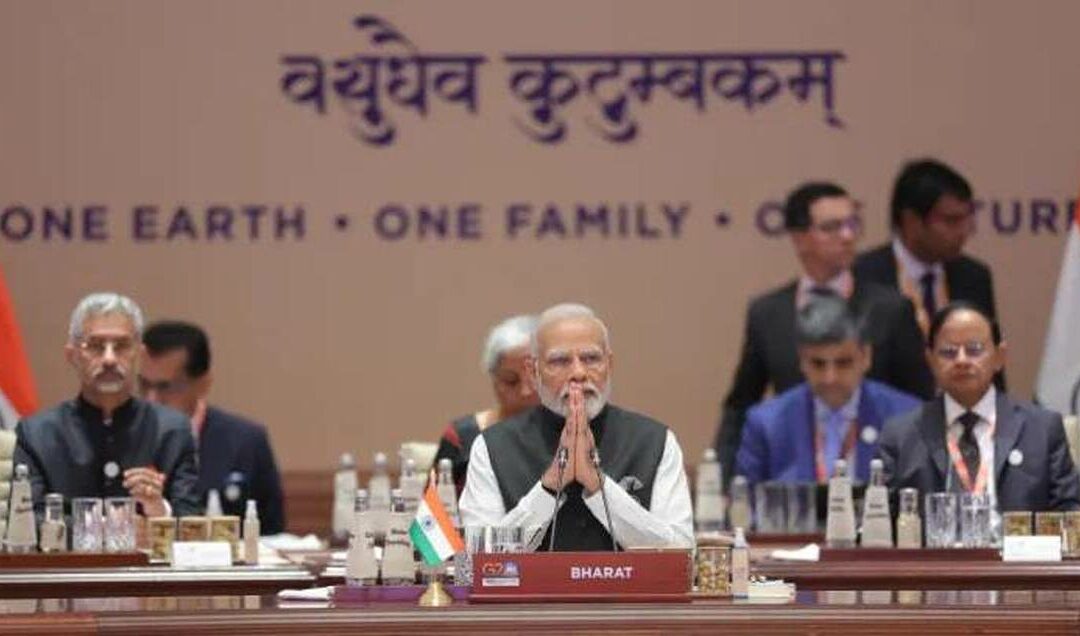
Strategic Council Online – Interview: An expert on international affairs, saying that in the G20 meeting in India, we witnessed a new alignment of emerging powers and developing countries in front of Europe and the US, added: We are transitioning the international system, distributing and, networking of power in the global arena, and European and American countries are not the only ones that determine the process of financial, economic, political and security developments in the world.
Strategic Council Online – Interview: Referring to the consequences of the war in Ukraine, an expert on international affairs said Russia and North Korea are determined to strengthen their cooperation in various fields, and Russia will subsequently face increased pressure from the United States and Europe.
Strategic Council Online – Interview: An expert on East Asia affairs stated that due to the reduction of French influence in Africa and the increase of sanctions caused by the Ukraine war, China is rapidly expanding its influence in West Africa and added: The entry of the largest Chinese arms manufacturer in Senegal will increase China’s influence in West Africa.
Strategic Council Online – Interview: A foreign policy expert says that with the increase in BRICS members, this group will continue to be a space where the balance between the members will determine its future. He noted that if it is to be a cold war between China, probably with the company of Russia, and the United States, BRICS will suffer. But if by adjusting the dispute between China and the US, the possibility will be provided for members to cooperate easily, BRICS can have more successful efforts. In any case, the way of interaction and balance between the members will determine its future.
Strategic Council Online – Interview: An analyst of international affairs considered the competition between the UAE and Saudi Arabia regarding mediation to solve the Ukraine crisis as part of the competitive strategy of the two countries in different political, economic, and geopolitical fields with the aim of expanding influence and creating soft power in the region and the world, especially in the centers of international power, and said: Saudi Arabia has more weight and leverage to play such a role in this framework.
Strategic Council Online-Interview: An analyst of Russian issues emphasized that the West does not want to settle any of the dimensions of the Ukraine crisis and is only seeking the continuation and expansion of its dimensions because, according to the Russians, they did not fulfill the obligations they gave to Russia, and they have shown that they do not seek the interests of underdeveloped countries, especially in Africa.
Strategic Council Online – Interview: An expert on international affairs considered the Jeddah summit on the Ukraine crisis a step in the direction of efforts of Riyadh to display its independent international approach as much as possible and emphasized: By holding such meetings, Saudi Arabia tries to prepare the ground for the interaction of different groups, regardless of whether the talks lead to a result or not, to succeed in maintaining the interaction and communication channel with the relevant players, and strengthen the possibility of playing a so-called mediating and independent role.
Strategic Council Online-Interview: An expert on international issues stated that the US, as the country that provided Ukraine with cluster bombs, is the initiator of a new crime and has direct responsibility for this, emphasizing that cluster bombs do not change the military equations of war in favor of Ukraine, but with this action, the dimensions of the war will be wider.
SCFR Online – Opinion: On Friday, August 7, the heads of state of three countries – Saudi Arabia, Turkey, and Pakistan – signed a text under the title “Makkah Joint Defense Agreement.”
Strategic Council Online – Note: The initiative to revive the Hejaz Railway, beyond being a transportation project, constitutes an attempt to redefine geopolitics, the economy, and Turkey’s regional position; however, its realization appears to face significant financial, security, and institutional challenges.
SCFR Online – Opinion: The Strait of Hormuz crisis is no longer merely the consequence of a military confrontation, but rather a sign of the transition from the US-centered maritime order to a new energy security structure involving the participation of emerging and influential powers.
SCFR Online – Opinion: Iran’s active deterrence strategy, while increasing the costs of US intervention, has increasingly exposed the hidden rifts between Washington’s interests and those of the Israeli regime.
SCFR Online – Opinion: The escalation of verbal and strategic tensions between Turkey and the Israeli regime, although not increasing the likelihood of direct war, indicates the formation of a new order in West Asian geopolitical rivalries.
Strategic Council Online – Note: Recent developments in the political geography of West Asia, from rising tensions in the Persian Gulf to missile and drone activities in the Red Sea and the recent warning by Kaja Kallas, the European Union’s foreign policy chief, regarding the threat to freedom of navigation, indicate a key pattern shift; the US-Iran war has moved beyond the scope of a regional and local confrontation and has linked two vital passageways for the global economy: the Strait of Hormuz and the Bab el-Mandeb Strait.
SCFR Online – Opinion: The Ukraine war was not merely a European crisis, but rather the starting point for the rearrangement of the global balance of power and a shift in the strategic behavior of great powers.
SCFR Online – Opinion: Great power competition is now pursued more in trade, currency, technology, and global supply chains than on the battlefields of military confrontation.
Strategic Council Online – Interview: An expert on US affairs stated that the US priority is to contain Russia, even at the cost of destroying the Ukrainian nation or weakening Europe, to finally force Moscow to give concessions to Kyiv at the negotiating table. He emphasized that the main war is about survival, and the US is ready to pay heavy costs for it, but in fact, the main cost is from Europe, and the people of Europe, Ukrainian and non-Ukrainian, are dying.
Strategic Council Online – Opinion: Members of the European Parliament recently criticized Turkey’s approach towards Russia and the country’s non-compliance with Moscow’s sanctions, lack of restricting Russian media amid that country’s special military operations in Ukraine, strengthening trade relations with Russia, Turkey’s hosting Russian citizens and Ankara’s refrain from joining European sanctions against Russia. In its report, the European Parliament expressed concern over Turkey’s decreasing alignment with the foreign and defense policy of the European Union. From the point of view of the European Parliament, Ankara and Brussels should find other ways for cooperation other than Turkey’s accession to the European Union because accession is not possible at present.
Mahmoud Fazeli – International affairs analyst
Strategic Council Online – Interview: An expert on international affairs, saying that in the G20 meeting in India, we witnessed a new alignment of emerging powers and developing countries in front of Europe and the US, added: We are transitioning the international system, distributing and, networking of power in the global arena, and European and American countries are not the only ones that determine the process of financial, economic, political and security developments in the world.
Strategic Council Online – Interview: Referring to the consequences of the war in Ukraine, an expert on international affairs said Russia and North Korea are determined to strengthen their cooperation in various fields, and Russia will subsequently face increased pressure from the United States and Europe.
Strategic Council Online – Interview: An expert on East Asia affairs stated that due to the reduction of French influence in Africa and the increase of sanctions caused by the Ukraine war, China is rapidly expanding its influence in West Africa and added: The entry of the largest Chinese arms manufacturer in Senegal will increase China’s influence in West Africa.
Strategic Council Online – Interview: A foreign policy expert says that with the increase in BRICS members, this group will continue to be a space where the balance between the members will determine its future. He noted that if it is to be a cold war between China, probably with the company of Russia, and the United States, BRICS will suffer. But if by adjusting the dispute between China and the US, the possibility will be provided for members to cooperate easily, BRICS can have more successful efforts. In any case, the way of interaction and balance between the members will determine its future.
Strategic Council Online – Interview: An analyst of international affairs considered the competition between the UAE and Saudi Arabia regarding mediation to solve the Ukraine crisis as part of the competitive strategy of the two countries in different political, economic, and geopolitical fields with the aim of expanding influence and creating soft power in the region and the world, especially in the centers of international power, and said: Saudi Arabia has more weight and leverage to play such a role in this framework.
Strategic Council Online-Interview: An analyst of Russian issues emphasized that the West does not want to settle any of the dimensions of the Ukraine crisis and is only seeking the continuation and expansion of its dimensions because, according to the Russians, they did not fulfill the obligations they gave to Russia, and they have shown that they do not seek the interests of underdeveloped countries, especially in Africa.
Strategic Council Online – Interview: An expert on international affairs considered the Jeddah summit on the Ukraine crisis a step in the direction of efforts of Riyadh to display its independent international approach as much as possible and emphasized: By holding such meetings, Saudi Arabia tries to prepare the ground for the interaction of different groups, regardless of whether the talks lead to a result or not, to succeed in maintaining the interaction and communication channel with the relevant players, and strengthen the possibility of playing a so-called mediating and independent role.
Strategic Council Online-Interview: An expert on international issues stated that the US, as the country that provided Ukraine with cluster bombs, is the initiator of a new crime and has direct responsibility for this, emphasizing that cluster bombs do not change the military equations of war in favor of Ukraine, but with this action, the dimensions of the war will be wider.
Strategic Council Online – Interview: An expert on US affairs stated that the US priority is to contain Russia, even at the cost of destroying the Ukrainian nation or weakening Europe, to finally force Moscow to give concessions to Kyiv at the negotiating table. He emphasized that the main war is about survival, and the US is ready to pay heavy costs for it, but in fact, the main cost is from Europe, and the people of Europe, Ukrainian and non-Ukrainian, are dying.
Strategic Council Online – Opinion: Members of the European Parliament recently criticized Turkey’s approach towards Russia and the country’s non-compliance with Moscow’s sanctions, lack of restricting Russian media amid that country’s special military operations in Ukraine, strengthening trade relations with Russia, Turkey’s hosting Russian citizens and Ankara’s refrain from joining European sanctions against Russia. In its report, the European Parliament expressed concern over Turkey’s decreasing alignment with the foreign and defense policy of the European Union. From the point of view of the European Parliament, Ankara and Brussels should find other ways for cooperation other than Turkey’s accession to the European Union because accession is not possible at present.
Mahmoud Fazeli – International affairs analyst
Strategic Council Online – Interview: An expert on international affairs, saying that in the G20 meeting in India, we witnessed a new alignment of emerging powers and developing countries in front of Europe and the US, added: We are transitioning the international system, distributing and, networking of power in the global arena, and European and American countries are not the only ones that determine the process of financial, economic, political and security developments in the world.
Strategic Council Online – Interview: Referring to the consequences of the war in Ukraine, an expert on international affairs said Russia and North Korea are determined to strengthen their cooperation in various fields, and Russia will subsequently face increased pressure from the United States and Europe.
Strategic Council Online – Interview: An expert on East Asia affairs stated that due to the reduction of French influence in Africa and the increase of sanctions caused by the Ukraine war, China is rapidly expanding its influence in West Africa and added: The entry of the largest Chinese arms manufacturer in Senegal will increase China’s influence in West Africa.
Strategic Council Online – Interview: A foreign policy expert says that with the increase in BRICS members, this group will continue to be a space where the balance between the members will determine its future. He noted that if it is to be a cold war between China, probably with the company of Russia, and the United States, BRICS will suffer. But if by adjusting the dispute between China and the US, the possibility will be provided for members to cooperate easily, BRICS can have more successful efforts. In any case, the way of interaction and balance between the members will determine its future.
Strategic Council Online – Interview: An analyst of international affairs considered the competition between the UAE and Saudi Arabia regarding mediation to solve the Ukraine crisis as part of the competitive strategy of the two countries in different political, economic, and geopolitical fields with the aim of expanding influence and creating soft power in the region and the world, especially in the centers of international power, and said: Saudi Arabia has more weight and leverage to play such a role in this framework.
Strategic Council Online-Interview: An analyst of Russian issues emphasized that the West does not want to settle any of the dimensions of the Ukraine crisis and is only seeking the continuation and expansion of its dimensions because, according to the Russians, they did not fulfill the obligations they gave to Russia, and they have shown that they do not seek the interests of underdeveloped countries, especially in Africa.
Strategic Council Online – Interview: An expert on international affairs considered the Jeddah summit on the Ukraine crisis a step in the direction of efforts of Riyadh to display its independent international approach as much as possible and emphasized: By holding such meetings, Saudi Arabia tries to prepare the ground for the interaction of different groups, regardless of whether the talks lead to a result or not, to succeed in maintaining the interaction and communication channel with the relevant players, and strengthen the possibility of playing a so-called mediating and independent role.
Strategic Council Online-Interview: An expert on international issues stated that the US, as the country that provided Ukraine with cluster bombs, is the initiator of a new crime and has direct responsibility for this, emphasizing that cluster bombs do not change the military equations of war in favor of Ukraine, but with this action, the dimensions of the war will be wider.
SCFR Online – Opinion: On Friday, August 7, the heads of state of three countries – Saudi Arabia, Turkey, and Pakistan – signed a text under the title “Makkah Joint Defense Agreement.”
Strategic Council Online – Note: The initiative to revive the Hejaz Railway, beyond being a transportation project, constitutes an attempt to redefine geopolitics, the economy, and Turkey’s regional position; however, its realization appears to face significant financial, security, and institutional challenges.
SCFR Online – Opinion: The Strait of Hormuz crisis is no longer merely the consequence of a military confrontation, but rather a sign of the transition from the US-centered maritime order to a new energy security structure involving the participation of emerging and influential powers.
SCFR Online – Opinion: Iran’s active deterrence strategy, while increasing the costs of US intervention, has increasingly exposed the hidden rifts between Washington’s interests and those of the Israeli regime.
SCFR Online – Opinion: The escalation of verbal and strategic tensions between Turkey and the Israeli regime, although not increasing the likelihood of direct war, indicates the formation of a new order in West Asian geopolitical rivalries.
Strategic Council Online – Note: Recent developments in the political geography of West Asia, from rising tensions in the Persian Gulf to missile and drone activities in the Red Sea and the recent warning by Kaja Kallas, the European Union’s foreign policy chief, regarding the threat to freedom of navigation, indicate a key pattern shift; the US-Iran war has moved beyond the scope of a regional and local confrontation and has linked two vital passageways for the global economy: the Strait of Hormuz and the Bab el-Mandeb Strait.
SCFR Online – Opinion: The Ukraine war was not merely a European crisis, but rather the starting point for the rearrangement of the global balance of power and a shift in the strategic behavior of great powers.
SCFR Online – Opinion: Great power competition is now pursued more in trade, currency, technology, and global supply chains than on the battlefields of military confrontation.
Strategic Council Online – Interview: An expert on US affairs stated that the US priority is to contain Russia, even at the cost of destroying the Ukrainian nation or weakening Europe, to finally force Moscow to give concessions to Kyiv at the negotiating table. He emphasized that the main war is about survival, and the US is ready to pay heavy costs for it, but in fact, the main cost is from Europe, and the people of Europe, Ukrainian and non-Ukrainian, are dying.
Strategic Council Online – Opinion: Members of the European Parliament recently criticized Turkey’s approach towards Russia and the country’s non-compliance with Moscow’s sanctions, lack of restricting Russian media amid that country’s special military operations in Ukraine, strengthening trade relations with Russia, Turkey’s hosting Russian citizens and Ankara’s refrain from joining European sanctions against Russia. In its report, the European Parliament expressed concern over Turkey’s decreasing alignment with the foreign and defense policy of the European Union. From the point of view of the European Parliament, Ankara and Brussels should find other ways for cooperation other than Turkey’s accession to the European Union because accession is not possible at present.
Mahmoud Fazeli – International affairs analyst
Strategic Council Online – Interview: An expert on international affairs, saying that in the G20 meeting in India, we witnessed a new alignment of emerging powers and developing countries in front of Europe and the US, added: We are transitioning the international system, distributing and, networking of power in the global arena, and European and American countries are not the only ones that determine the process of financial, economic, political and security developments in the world.
Strategic Council Online – Interview: Referring to the consequences of the war in Ukraine, an expert on international affairs said Russia and North Korea are determined to strengthen their cooperation in various fields, and Russia will subsequently face increased pressure from the United States and Europe.
Strategic Council Online – Interview: An expert on East Asia affairs stated that due to the reduction of French influence in Africa and the increase of sanctions caused by the Ukraine war, China is rapidly expanding its influence in West Africa and added: The entry of the largest Chinese arms manufacturer in Senegal will increase China’s influence in West Africa.
Strategic Council Online – Interview: A foreign policy expert says that with the increase in BRICS members, this group will continue to be a space where the balance between the members will determine its future. He noted that if it is to be a cold war between China, probably with the company of Russia, and the United States, BRICS will suffer. But if by adjusting the dispute between China and the US, the possibility will be provided for members to cooperate easily, BRICS can have more successful efforts. In any case, the way of interaction and balance between the members will determine its future.
Strategic Council Online – Interview: An analyst of international affairs considered the competition between the UAE and Saudi Arabia regarding mediation to solve the Ukraine crisis as part of the competitive strategy of the two countries in different political, economic, and geopolitical fields with the aim of expanding influence and creating soft power in the region and the world, especially in the centers of international power, and said: Saudi Arabia has more weight and leverage to play such a role in this framework.
Strategic Council Online-Interview: An analyst of Russian issues emphasized that the West does not want to settle any of the dimensions of the Ukraine crisis and is only seeking the continuation and expansion of its dimensions because, according to the Russians, they did not fulfill the obligations they gave to Russia, and they have shown that they do not seek the interests of underdeveloped countries, especially in Africa.
Strategic Council Online – Interview: An expert on international affairs considered the Jeddah summit on the Ukraine crisis a step in the direction of efforts of Riyadh to display its independent international approach as much as possible and emphasized: By holding such meetings, Saudi Arabia tries to prepare the ground for the interaction of different groups, regardless of whether the talks lead to a result or not, to succeed in maintaining the interaction and communication channel with the relevant players, and strengthen the possibility of playing a so-called mediating and independent role.
Strategic Council Online-Interview: An expert on international issues stated that the US, as the country that provided Ukraine with cluster bombs, is the initiator of a new crime and has direct responsibility for this, emphasizing that cluster bombs do not change the military equations of war in favor of Ukraine, but with this action, the dimensions of the war will be wider.
SCFR Online – Opinion: On Friday, August 7, the heads of state of three countries – Saudi Arabia, Turkey, and Pakistan – signed a text under the title “Makkah Joint Defense Agreement.”
Strategic Council Online – Note: The initiative to revive the Hejaz Railway, beyond being a transportation project, constitutes an attempt to redefine geopolitics, the economy, and Turkey’s regional position; however, its realization appears to face significant financial, security, and institutional challenges.
SCFR Online – Opinion: The Strait of Hormuz crisis is no longer merely the consequence of a military confrontation, but rather a sign of the transition from the US-centered maritime order to a new energy security structure involving the participation of emerging and influential powers.
SCFR Online – Opinion: Iran’s active deterrence strategy, while increasing the costs of US intervention, has increasingly exposed the hidden rifts between Washington’s interests and those of the Israeli regime.
SCFR Online – Opinion: The escalation of verbal and strategic tensions between Turkey and the Israeli regime, although not increasing the likelihood of direct war, indicates the formation of a new order in West Asian geopolitical rivalries.
Strategic Council Online – Note: Recent developments in the political geography of West Asia, from rising tensions in the Persian Gulf to missile and drone activities in the Red Sea and the recent warning by Kaja Kallas, the European Union’s foreign policy chief, regarding the threat to freedom of navigation, indicate a key pattern shift; the US-Iran war has moved beyond the scope of a regional and local confrontation and has linked two vital passageways for the global economy: the Strait of Hormuz and the Bab el-Mandeb Strait.
SCFR Online – Opinion: The Ukraine war was not merely a European crisis, but rather the starting point for the rearrangement of the global balance of power and a shift in the strategic behavior of great powers.
SCFR Online – Opinion: Great power competition is now pursued more in trade, currency, technology, and global supply chains than on the battlefields of military confrontation.
Strategic Council Online – Interview: An expert on US affairs stated that the US priority is to contain Russia, even at the cost of destroying the Ukrainian nation or weakening Europe, to finally force Moscow to give concessions to Kyiv at the negotiating table. He emphasized that the main war is about survival, and the US is ready to pay heavy costs for it, but in fact, the main cost is from Europe, and the people of Europe, Ukrainian and non-Ukrainian, are dying.
Strategic Council Online – Opinion: Members of the European Parliament recently criticized Turkey’s approach towards Russia and the country’s non-compliance with Moscow’s sanctions, lack of restricting Russian media amid that country’s special military operations in Ukraine, strengthening trade relations with Russia, Turkey’s hosting Russian citizens and Ankara’s refrain from joining European sanctions against Russia. In its report, the European Parliament expressed concern over Turkey’s decreasing alignment with the foreign and defense policy of the European Union. From the point of view of the European Parliament, Ankara and Brussels should find other ways for cooperation other than Turkey’s accession to the European Union because accession is not possible at present.
Mahmoud Fazeli – International affairs analyst
Strategic Council Online – Interview: An expert on international affairs, saying that in the G20 meeting in India, we witnessed a new alignment of emerging powers and developing countries in front of Europe and the US, added: We are transitioning the international system, distributing and, networking of power in the global arena, and European and American countries are not the only ones that determine the process of financial, economic, political and security developments in the world.
Strategic Council Online – Interview: Referring to the consequences of the war in Ukraine, an expert on international affairs said Russia and North Korea are determined to strengthen their cooperation in various fields, and Russia will subsequently face increased pressure from the United States and Europe.
Strategic Council Online – Interview: An expert on East Asia affairs stated that due to the reduction of French influence in Africa and the increase of sanctions caused by the Ukraine war, China is rapidly expanding its influence in West Africa and added: The entry of the largest Chinese arms manufacturer in Senegal will increase China’s influence in West Africa.
Strategic Council Online – Interview: A foreign policy expert says that with the increase in BRICS members, this group will continue to be a space where the balance between the members will determine its future. He noted that if it is to be a cold war between China, probably with the company of Russia, and the United States, BRICS will suffer. But if by adjusting the dispute between China and the US, the possibility will be provided for members to cooperate easily, BRICS can have more successful efforts. In any case, the way of interaction and balance between the members will determine its future.
Strategic Council Online – Interview: An analyst of international affairs considered the competition between the UAE and Saudi Arabia regarding mediation to solve the Ukraine crisis as part of the competitive strategy of the two countries in different political, economic, and geopolitical fields with the aim of expanding influence and creating soft power in the region and the world, especially in the centers of international power, and said: Saudi Arabia has more weight and leverage to play such a role in this framework.
Strategic Council Online-Interview: An analyst of Russian issues emphasized that the West does not want to settle any of the dimensions of the Ukraine crisis and is only seeking the continuation and expansion of its dimensions because, according to the Russians, they did not fulfill the obligations they gave to Russia, and they have shown that they do not seek the interests of underdeveloped countries, especially in Africa.
Strategic Council Online – Interview: An expert on international affairs considered the Jeddah summit on the Ukraine crisis a step in the direction of efforts of Riyadh to display its independent international approach as much as possible and emphasized: By holding such meetings, Saudi Arabia tries to prepare the ground for the interaction of different groups, regardless of whether the talks lead to a result or not, to succeed in maintaining the interaction and communication channel with the relevant players, and strengthen the possibility of playing a so-called mediating and independent role.
Strategic Council Online-Interview: An expert on international issues stated that the US, as the country that provided Ukraine with cluster bombs, is the initiator of a new crime and has direct responsibility for this, emphasizing that cluster bombs do not change the military equations of war in favor of Ukraine, but with this action, the dimensions of the war will be wider.
SCFR Online – Opinion: On Friday, August 7, the heads of state of three countries – Saudi Arabia, Turkey, and Pakistan – signed a text under the title “Makkah Joint Defense Agreement.”
Strategic Council Online – Note: The initiative to revive the Hejaz Railway, beyond being a transportation project, constitutes an attempt to redefine geopolitics, the economy, and Turkey’s regional position; however, its realization appears to face significant financial, security, and institutional challenges.
SCFR Online – Opinion: The Strait of Hormuz crisis is no longer merely the consequence of a military confrontation, but rather a sign of the transition from the US-centered maritime order to a new energy security structure involving the participation of emerging and influential powers.
SCFR Online – Opinion: Iran’s active deterrence strategy, while increasing the costs of US intervention, has increasingly exposed the hidden rifts between Washington’s interests and those of the Israeli regime.
SCFR Online – Opinion: The escalation of verbal and strategic tensions between Turkey and the Israeli regime, although not increasing the likelihood of direct war, indicates the formation of a new order in West Asian geopolitical rivalries.
Strategic Council Online – Note: Recent developments in the political geography of West Asia, from rising tensions in the Persian Gulf to missile and drone activities in the Red Sea and the recent warning by Kaja Kallas, the European Union’s foreign policy chief, regarding the threat to freedom of navigation, indicate a key pattern shift; the US-Iran war has moved beyond the scope of a regional and local confrontation and has linked two vital passageways for the global economy: the Strait of Hormuz and the Bab el-Mandeb Strait.
SCFR Online – Opinion: The Ukraine war was not merely a European crisis, but rather the starting point for the rearrangement of the global balance of power and a shift in the strategic behavior of great powers.
SCFR Online – Opinion: Great power competition is now pursued more in trade, currency, technology, and global supply chains than on the battlefields of military confrontation.
Strategic Council Online – Interview: An expert on US affairs stated that the US priority is to contain Russia, even at the cost of destroying the Ukrainian nation or weakening Europe, to finally force Moscow to give concessions to Kyiv at the negotiating table. He emphasized that the main war is about survival, and the US is ready to pay heavy costs for it, but in fact, the main cost is from Europe, and the people of Europe, Ukrainian and non-Ukrainian, are dying.
Strategic Council Online – Opinion: Members of the European Parliament recently criticized Turkey’s approach towards Russia and the country’s non-compliance with Moscow’s sanctions, lack of restricting Russian media amid that country’s special military operations in Ukraine, strengthening trade relations with Russia, Turkey’s hosting Russian citizens and Ankara’s refrain from joining European sanctions against Russia. In its report, the European Parliament expressed concern over Turkey’s decreasing alignment with the foreign and defense policy of the European Union. From the point of view of the European Parliament, Ankara and Brussels should find other ways for cooperation other than Turkey’s accession to the European Union because accession is not possible at present.
Mahmoud Fazeli – International affairs analyst
Strategic Council Online – Interview: An expert on international affairs, saying that in the G20 meeting in India, we witnessed a new alignment of emerging powers and developing countries in front of Europe and the US, added: We are transitioning the international system, distributing and, networking of power in the global arena, and European and American countries are not the only ones that determine the process of financial, economic, political and security developments in the world.
Strategic Council Online – Interview: Referring to the consequences of the war in Ukraine, an expert on international affairs said Russia and North Korea are determined to strengthen their cooperation in various fields, and Russia will subsequently face increased pressure from the United States and Europe.
Strategic Council Online – Interview: An expert on East Asia affairs stated that due to the reduction of French influence in Africa and the increase of sanctions caused by the Ukraine war, China is rapidly expanding its influence in West Africa and added: The entry of the largest Chinese arms manufacturer in Senegal will increase China’s influence in West Africa.
Strategic Council Online – Interview: A foreign policy expert says that with the increase in BRICS members, this group will continue to be a space where the balance between the members will determine its future. He noted that if it is to be a cold war between China, probably with the company of Russia, and the United States, BRICS will suffer. But if by adjusting the dispute between China and the US, the possibility will be provided for members to cooperate easily, BRICS can have more successful efforts. In any case, the way of interaction and balance between the members will determine its future.
Strategic Council Online – Interview: An analyst of international affairs considered the competition between the UAE and Saudi Arabia regarding mediation to solve the Ukraine crisis as part of the competitive strategy of the two countries in different political, economic, and geopolitical fields with the aim of expanding influence and creating soft power in the region and the world, especially in the centers of international power, and said: Saudi Arabia has more weight and leverage to play such a role in this framework.
Strategic Council Online-Interview: An analyst of Russian issues emphasized that the West does not want to settle any of the dimensions of the Ukraine crisis and is only seeking the continuation and expansion of its dimensions because, according to the Russians, they did not fulfill the obligations they gave to Russia, and they have shown that they do not seek the interests of underdeveloped countries, especially in Africa.
Strategic Council Online – Interview: An expert on international affairs considered the Jeddah summit on the Ukraine crisis a step in the direction of efforts of Riyadh to display its independent international approach as much as possible and emphasized: By holding such meetings, Saudi Arabia tries to prepare the ground for the interaction of different groups, regardless of whether the talks lead to a result or not, to succeed in maintaining the interaction and communication channel with the relevant players, and strengthen the possibility of playing a so-called mediating and independent role.
Strategic Council Online-Interview: An expert on international issues stated that the US, as the country that provided Ukraine with cluster bombs, is the initiator of a new crime and has direct responsibility for this, emphasizing that cluster bombs do not change the military equations of war in favor of Ukraine, but with this action, the dimensions of the war will be wider.
SCFR Online – Opinion: On Friday, August 7, the heads of state of three countries – Saudi Arabia, Turkey, and Pakistan – signed a text under the title “Makkah Joint Defense Agreement.”
Strategic Council Online – Note: The initiative to revive the Hejaz Railway, beyond being a transportation project, constitutes an attempt to redefine geopolitics, the economy, and Turkey’s regional position; however, its realization appears to face significant financial, security, and institutional challenges.
SCFR Online – Opinion: The Strait of Hormuz crisis is no longer merely the consequence of a military confrontation, but rather a sign of the transition from the US-centered maritime order to a new energy security structure involving the participation of emerging and influential powers.
SCFR Online – Opinion: Iran’s active deterrence strategy, while increasing the costs of US intervention, has increasingly exposed the hidden rifts between Washington’s interests and those of the Israeli regime.
SCFR Online – Opinion: The escalation of verbal and strategic tensions between Turkey and the Israeli regime, although not increasing the likelihood of direct war, indicates the formation of a new order in West Asian geopolitical rivalries.
Strategic Council Online – Note: Recent developments in the political geography of West Asia, from rising tensions in the Persian Gulf to missile and drone activities in the Red Sea and the recent warning by Kaja Kallas, the European Union’s foreign policy chief, regarding the threat to freedom of navigation, indicate a key pattern shift; the US-Iran war has moved beyond the scope of a regional and local confrontation and has linked two vital passageways for the global economy: the Strait of Hormuz and the Bab el-Mandeb Strait.
SCFR Online – Opinion: The Ukraine war was not merely a European crisis, but rather the starting point for the rearrangement of the global balance of power and a shift in the strategic behavior of great powers.
SCFR Online – Opinion: Great power competition is now pursued more in trade, currency, technology, and global supply chains than on the battlefields of military confrontation.
Strategic Council Online – Interview: An expert on US affairs stated that the US priority is to contain Russia, even at the cost of destroying the Ukrainian nation or weakening Europe, to finally force Moscow to give concessions to Kyiv at the negotiating table. He emphasized that the main war is about survival, and the US is ready to pay heavy costs for it, but in fact, the main cost is from Europe, and the people of Europe, Ukrainian and non-Ukrainian, are dying.
Strategic Council Online – Opinion: Members of the European Parliament recently criticized Turkey’s approach towards Russia and the country’s non-compliance with Moscow’s sanctions, lack of restricting Russian media amid that country’s special military operations in Ukraine, strengthening trade relations with Russia, Turkey’s hosting Russian citizens and Ankara’s refrain from joining European sanctions against Russia. In its report, the European Parliament expressed concern over Turkey’s decreasing alignment with the foreign and defense policy of the European Union. From the point of view of the European Parliament, Ankara and Brussels should find other ways for cooperation other than Turkey’s accession to the European Union because accession is not possible at present.
Mahmoud Fazeli – International affairs analyst
Strategic Council Online – Interview: An expert on international affairs, saying that in the G20 meeting in India, we witnessed a new alignment of emerging powers and developing countries in front of Europe and the US, added: We are transitioning the international system, distributing and, networking of power in the global arena, and European and American countries are not the only ones that determine the process of financial, economic, political and security developments in the world.
Strategic Council Online – Interview: Referring to the consequences of the war in Ukraine, an expert on international affairs said Russia and North Korea are determined to strengthen their cooperation in various fields, and Russia will subsequently face increased pressure from the United States and Europe.
Strategic Council Online – Interview: An expert on East Asia affairs stated that due to the reduction of French influence in Africa and the increase of sanctions caused by the Ukraine war, China is rapidly expanding its influence in West Africa and added: The entry of the largest Chinese arms manufacturer in Senegal will increase China’s influence in West Africa.
Strategic Council Online – Interview: A foreign policy expert says that with the increase in BRICS members, this group will continue to be a space where the balance between the members will determine its future. He noted that if it is to be a cold war between China, probably with the company of Russia, and the United States, BRICS will suffer. But if by adjusting the dispute between China and the US, the possibility will be provided for members to cooperate easily, BRICS can have more successful efforts. In any case, the way of interaction and balance between the members will determine its future.
Strategic Council Online – Interview: An analyst of international affairs considered the competition between the UAE and Saudi Arabia regarding mediation to solve the Ukraine crisis as part of the competitive strategy of the two countries in different political, economic, and geopolitical fields with the aim of expanding influence and creating soft power in the region and the world, especially in the centers of international power, and said: Saudi Arabia has more weight and leverage to play such a role in this framework.
Strategic Council Online-Interview: An analyst of Russian issues emphasized that the West does not want to settle any of the dimensions of the Ukraine crisis and is only seeking the continuation and expansion of its dimensions because, according to the Russians, they did not fulfill the obligations they gave to Russia, and they have shown that they do not seek the interests of underdeveloped countries, especially in Africa.
Strategic Council Online – Interview: An expert on international affairs considered the Jeddah summit on the Ukraine crisis a step in the direction of efforts of Riyadh to display its independent international approach as much as possible and emphasized: By holding such meetings, Saudi Arabia tries to prepare the ground for the interaction of different groups, regardless of whether the talks lead to a result or not, to succeed in maintaining the interaction and communication channel with the relevant players, and strengthen the possibility of playing a so-called mediating and independent role.
Strategic Council Online-Interview: An expert on international issues stated that the US, as the country that provided Ukraine with cluster bombs, is the initiator of a new crime and has direct responsibility for this, emphasizing that cluster bombs do not change the military equations of war in favor of Ukraine, but with this action, the dimensions of the war will be wider.
SCFR Online – Opinion: On Friday, August 7, the heads of state of three countries – Saudi Arabia, Turkey, and Pakistan – signed a text under the title “Makkah Joint Defense Agreement.”
Strategic Council Online – Note: The initiative to revive the Hejaz Railway, beyond being a transportation project, constitutes an attempt to redefine geopolitics, the economy, and Turkey’s regional position; however, its realization appears to face significant financial, security, and institutional challenges.
SCFR Online – Opinion: The Strait of Hormuz crisis is no longer merely the consequence of a military confrontation, but rather a sign of the transition from the US-centered maritime order to a new energy security structure involving the participation of emerging and influential powers.
SCFR Online – Opinion: Iran’s active deterrence strategy, while increasing the costs of US intervention, has increasingly exposed the hidden rifts between Washington’s interests and those of the Israeli regime.
SCFR Online – Opinion: The escalation of verbal and strategic tensions between Turkey and the Israeli regime, although not increasing the likelihood of direct war, indicates the formation of a new order in West Asian geopolitical rivalries.
Strategic Council Online – Note: Recent developments in the political geography of West Asia, from rising tensions in the Persian Gulf to missile and drone activities in the Red Sea and the recent warning by Kaja Kallas, the European Union’s foreign policy chief, regarding the threat to freedom of navigation, indicate a key pattern shift; the US-Iran war has moved beyond the scope of a regional and local confrontation and has linked two vital passageways for the global economy: the Strait of Hormuz and the Bab el-Mandeb Strait.
SCFR Online – Opinion: The Ukraine war was not merely a European crisis, but rather the starting point for the rearrangement of the global balance of power and a shift in the strategic behavior of great powers.
SCFR Online – Opinion: Great power competition is now pursued more in trade, currency, technology, and global supply chains than on the battlefields of military confrontation.