جدیدترین مطالب

The Makkah Pact; Reasons for its Formation and Challenges Ahead

SCFR Online – Opinion: The Makkah Pact, signed between Saudi Arabia, Pakistan, and Turkey under the motto “an attack on one is an attack on all,” is viewed by some analysts less as a full-fledged military coalition and more as an attempt to reduce security dependence on an external power and to establish a regional security mechanism.

Implications of the US-Saudi Nuclear Agreement

SCFR Online – Opinion: The new US-Saudi nuclear agreement, despite legal and political ambiguities, could alter previous non-proliferation standards in West Asia and intensify nuclear competition, ushering it into a new phase.

An Analysis of Recent Turkey-Israeli Regime Tensions

SCFR Online – Opinion: Recent developments in Syria indicate an intensification of strategic rivalry between Turkey and the Israeli regime, but mutual considerations and the role of the United States have limited the likelihood of direct war.

Increasing criticism of the extensive Zionist lobby network

SCFR Online – Opinion: An examination of the mechanisms of the Israeli regime’s influence in the United States depicts a complex picture of shared interests, strategic dependencies, and the limitations of this relationship.

Realities of the Tripartite Makkah Pact

SCFR Online – Interview: The signing of the Makkah agreement between Saudi Arabia, Pakistan, and Turkey has raised questions about the future of the region’s security structure and the position of these countries in West Asian equations. Can this agreement become a genuine collective defense mechanism, or does it have more of a political and deterrent function than creating new military capacity?

Loading

Zionist regime

Europe’s Confusion in Securing Bab al-Mandab Strait and the Red Sea

Europe’s Confusion in Securing Bab al-Mandab Strait and the Red Sea

Strategic Council Online – Opinion: The strategic Strait of Bab al-Mandab and the Red Sea have recently faced serious problems and crises due to the Gaza war. This is because of the protectionist approach of the Yemeni army forces toward Palestine, which, since the beginning of the Israeli regime’s attacks on the Gaza Strip, has included attacks on ships bound for or from the origin of the regime in the Red Sea.
They said they will continue their attacks until the Israeli regime’s military aggression in the Gaza Strip ends. The United States, as the most important supporter of the Israeli regime, was the first country to respond to this policy of Yemeni army forces and tried to form a global coalition to counter these attacks under the cover of supporting freedom of navigation, which, of course, failed because of conflicts of interests of Western countries and ended in the actions of the US and British attacks on positions in Yemen. Of course, although European countries were not seriously involved in the American coalition, they have numerous and complex interests in this inflammatory, and as a result, have adopted a particular and independent approach.
Dr. Mohammad Mehdi Mazaheri – University Professor

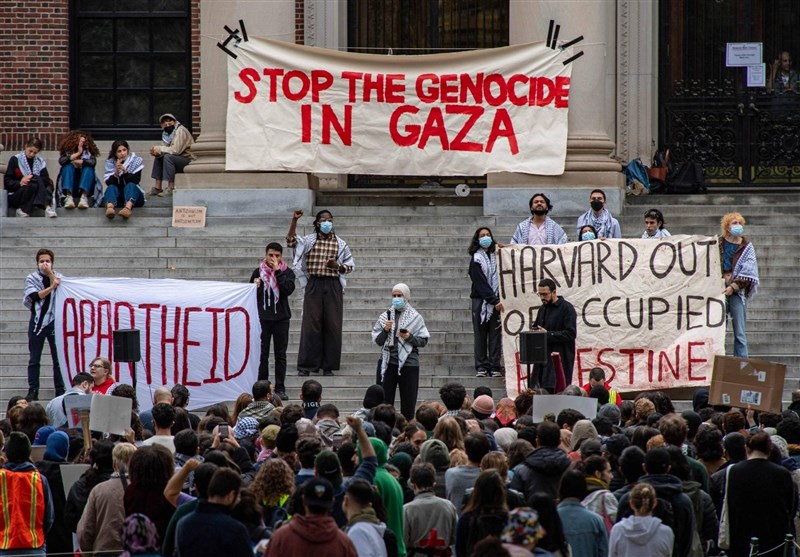
Messages and Consequences of Student Protests in the United States

Messages and Consequences of Student Protests in the United States

Strategic Council Online – Opinion: Student protests in America take on new dimensions every day.
Because the university enjoys higher public trust and social capital than other civil and social institutions and is, therefore, more effective, the current protests put the U.S. government in a “difficult situation” that is clear in the statements of current and former U.S. officials.
Hamid Khoshayand – International Affairs Expert

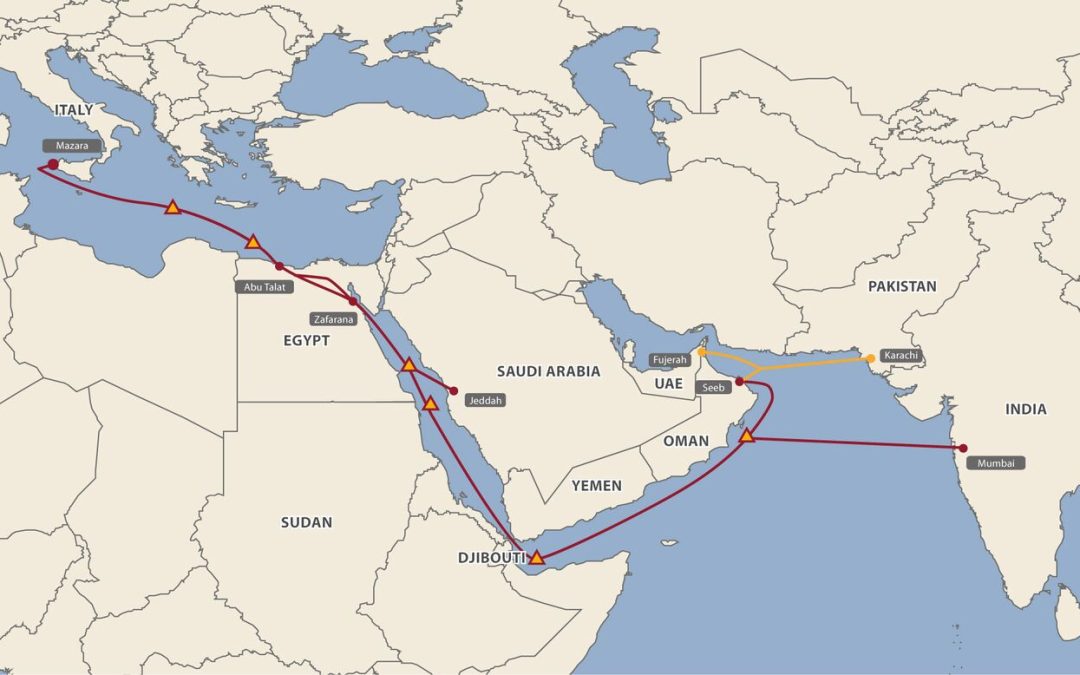
Strategic Importance of India-Middle East-Europe Economic Corridor

Strategic Importance of India-Middle East-Europe Economic Corridor

Strategic Council Online – Interview: An expert on subcontinental issues said that India and the United Arab Emirates are working on the first phase of the creation of the India-Middle East-Europe Economic Corridor, known as the IMEC Corridor (ArabMed), which is an alternative route to the Strait of Hormuz and China’s Silk Road plan. Although there are some speculations that with the continuation of the war in Gaza and the unrest in the Middle East, work on this corridor may be sidelined.

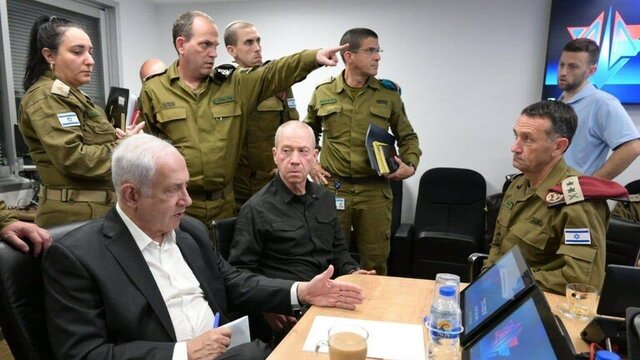
Netanyahu’s War Cabinet’s Efforts to Divert Public Opinion from The Gaza War

Netanyahu’s War Cabinet’s Efforts to Divert Public Opinion from The Gaza War

Strategic Council Online – Opinion: The Zionist regime is trying to “psychologically exploit” the recent events in the region to divert the world public opinion from the crimes this regime is committing in Gaza. Examining the atmosphere prevailing in the political and media circles of the Zionist regime and the centers aligned with it at the regional and international level shows that this regime seeks to “highlight and dominate” the recent tensions with the Islamic Republic of Iran so that it could reduce the heavy pressure that is felt in the domestic, regional, and international public opinion and even European governments against the Gaza war.
Hamid Khoshayand – expert on regional issues

An Analysis on Military Confrontation between Iran and the Zionist Regime

An Analysis on Military Confrontation between Iran and the Zionist Regime

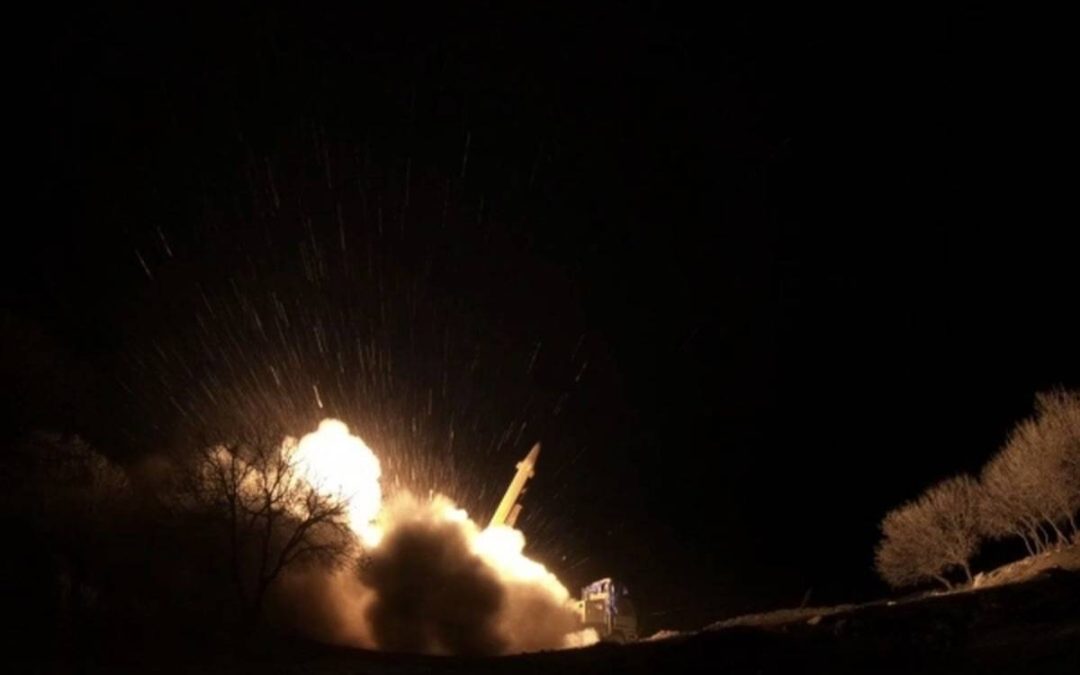
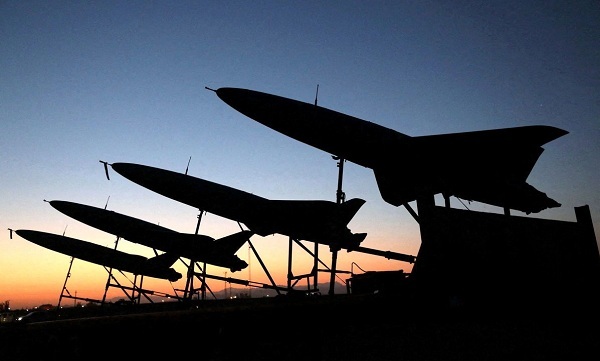
Strategic Council Online – Interview: An expert on West Asian issues said: In the last hours of April 14, the Islamic Republic of Iran launched a missile and drone attack against the Occupied Territories, which continued until the next morning. This was despite Iran’s prior notification to some regional and transregional countries about the certainty of our country’s response and military action; America and Israel could not prevent this attack.

An Analysis on Importance & Status of Measures Taken by the Hague Court Regarding the Gaza War

An Analysis on Importance & Status of Measures Taken by the Hague Court Regarding the Gaza War

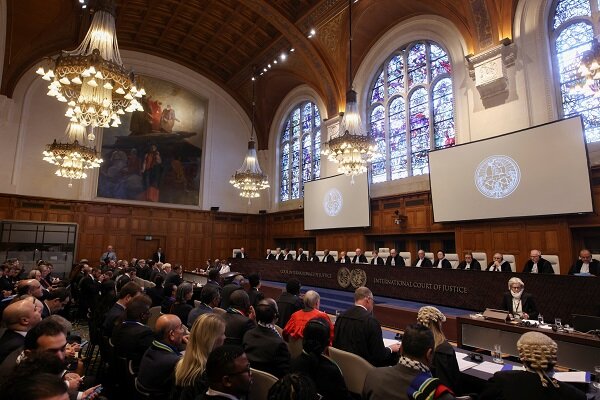
Strategic Council Online – Interview: A former Iranian diplomat says The Court of Justice at the Hauge adopted new measures in early April, according to which the Zionist regime “given the worsening conditions of life faced by Palestinians in Gaza, in particular, the spread of famine and starvation,” shall take “all necessary and effective measures to ensure, without delay, in full cooperation with the United Nations, the unhindered provision at scale by all concerned of urgently needed basic services and humanitarian assistance to Palestinians throughout Gaza.”

An analysis of the failure of the Zionist regime’s strategy in the Gaza war

An analysis of the failure of the Zionist regime’s strategy in the Gaza war

Strategic Council Online – Opinion: More than six months have passed since the war in Gaza. Although the Zionist regime was fully supported by the United States during this period and is present in the war scene with all its might, it has not been able to achieve any of its “declared” and “practical” goals.
Hamid Khoshayand –Expert of regional issues

Characteristics and Strategic Consequences of Iran’s Historic Response to Zionist Regime

Characteristics and Strategic Consequences of Iran’s Historic Response to Zionist Regime

Strategic Council Online—Opinion: There are two different views about the Islamic Republic of Iran’s missile attacks against the Zionist regime. The first view is based on a superficial reading and a reductionist description that evaluates it as a low-impact and not-so-extensive operation. The second view, a realistic reading, sees Iran’s response as opening a new page of “balance of power” and “turning point” in regional equations, the effects and consequences of which will gradually emerge.

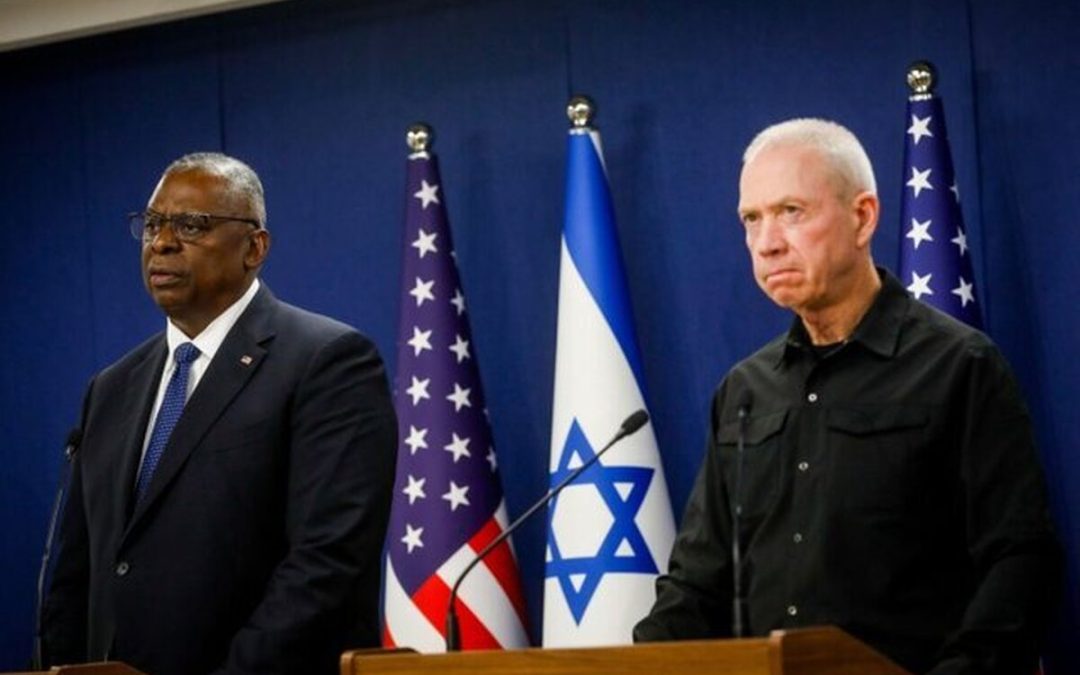
Biden-Netanyahu Rift Grows Wider, But US-Israel Strategic Relations Persist

Biden-Netanyahu Rift Grows Wider, But US-Israel Strategic Relations Persist

Strategic Council Online – Opinion: In recent weeks, the verbal disputes between Washington and Tel Aviv regarding the Gaza war have increased. The tensions that have arisen are such that some international observers interpret it as a difference between America and the Zionist regime, and some talk about the first “rift” between the two sides in the last 76 years.

أحدث الوظائف

The Makkah Pact; Reasons for its Formation and Challenges Ahead

SCFR Online – Opinion: The Makkah Pact, signed between Saudi Arabia, Pakistan, and Turkey under the motto “an attack on one is an attack on all,” is viewed by some analysts less as a full-fledged military coalition and more as an attempt to reduce security dependence on an external power and to establish a regional security mechanism.

Implications of the US-Saudi Nuclear Agreement

SCFR Online – Opinion: The new US-Saudi nuclear agreement, despite legal and political ambiguities, could alter previous non-proliferation standards in West Asia and intensify nuclear competition, ushering it into a new phase.

An Analysis of Recent Turkey-Israeli Regime Tensions

SCFR Online – Opinion: Recent developments in Syria indicate an intensification of strategic rivalry between Turkey and the Israeli regime, but mutual considerations and the role of the United States have limited the likelihood of direct war.

Increasing criticism of the extensive Zionist lobby network

SCFR Online – Opinion: An examination of the mechanisms of the Israeli regime’s influence in the United States depicts a complex picture of shared interests, strategic dependencies, and the limitations of this relationship.

Realities of the Tripartite Makkah Pact

SCFR Online – Interview: The signing of the Makkah agreement between Saudi Arabia, Pakistan, and Turkey has raised questions about the future of the region’s security structure and the position of these countries in West Asian equations. Can this agreement become a genuine collective defense mechanism, or does it have more of a political and deterrent function than creating new military capacity?

Loading

Zionist regime

Europe’s Confusion in Securing Bab al-Mandab Strait and the Red Sea

Europe’s Confusion in Securing Bab al-Mandab Strait and the Red Sea

Strategic Council Online – Opinion: The strategic Strait of Bab al-Mandab and the Red Sea have recently faced serious problems and crises due to the Gaza war. This is because of the protectionist approach of the Yemeni army forces toward Palestine, which, since the beginning of the Israeli regime’s attacks on the Gaza Strip, has included attacks on ships bound for or from the origin of the regime in the Red Sea.
They said they will continue their attacks until the Israeli regime’s military aggression in the Gaza Strip ends. The United States, as the most important supporter of the Israeli regime, was the first country to respond to this policy of Yemeni army forces and tried to form a global coalition to counter these attacks under the cover of supporting freedom of navigation, which, of course, failed because of conflicts of interests of Western countries and ended in the actions of the US and British attacks on positions in Yemen. Of course, although European countries were not seriously involved in the American coalition, they have numerous and complex interests in this inflammatory, and as a result, have adopted a particular and independent approach.
Dr. Mohammad Mehdi Mazaheri – University Professor

Messages and Consequences of Student Protests in the United States

Messages and Consequences of Student Protests in the United States

Strategic Council Online – Opinion: Student protests in America take on new dimensions every day.
Because the university enjoys higher public trust and social capital than other civil and social institutions and is, therefore, more effective, the current protests put the U.S. government in a “difficult situation” that is clear in the statements of current and former U.S. officials.
Hamid Khoshayand – International Affairs Expert

Strategic Importance of India-Middle East-Europe Economic Corridor

Strategic Importance of India-Middle East-Europe Economic Corridor

Strategic Council Online – Interview: An expert on subcontinental issues said that India and the United Arab Emirates are working on the first phase of the creation of the India-Middle East-Europe Economic Corridor, known as the IMEC Corridor (ArabMed), which is an alternative route to the Strait of Hormuz and China’s Silk Road plan. Although there are some speculations that with the continuation of the war in Gaza and the unrest in the Middle East, work on this corridor may be sidelined.

Netanyahu’s War Cabinet’s Efforts to Divert Public Opinion from The Gaza War

Netanyahu’s War Cabinet’s Efforts to Divert Public Opinion from The Gaza War

Strategic Council Online – Opinion: The Zionist regime is trying to “psychologically exploit” the recent events in the region to divert the world public opinion from the crimes this regime is committing in Gaza. Examining the atmosphere prevailing in the political and media circles of the Zionist regime and the centers aligned with it at the regional and international level shows that this regime seeks to “highlight and dominate” the recent tensions with the Islamic Republic of Iran so that it could reduce the heavy pressure that is felt in the domestic, regional, and international public opinion and even European governments against the Gaza war.
Hamid Khoshayand – expert on regional issues

An Analysis on Military Confrontation between Iran and the Zionist Regime

An Analysis on Military Confrontation between Iran and the Zionist Regime

Strategic Council Online – Interview: An expert on West Asian issues said: In the last hours of April 14, the Islamic Republic of Iran launched a missile and drone attack against the Occupied Territories, which continued until the next morning. This was despite Iran’s prior notification to some regional and transregional countries about the certainty of our country’s response and military action; America and Israel could not prevent this attack.

An Analysis on Importance & Status of Measures Taken by the Hague Court Regarding the Gaza War

An Analysis on Importance & Status of Measures Taken by the Hague Court Regarding the Gaza War

Strategic Council Online – Interview: A former Iranian diplomat says The Court of Justice at the Hauge adopted new measures in early April, according to which the Zionist regime “given the worsening conditions of life faced by Palestinians in Gaza, in particular, the spread of famine and starvation,” shall take “all necessary and effective measures to ensure, without delay, in full cooperation with the United Nations, the unhindered provision at scale by all concerned of urgently needed basic services and humanitarian assistance to Palestinians throughout Gaza.”

An analysis of the failure of the Zionist regime’s strategy in the Gaza war

An analysis of the failure of the Zionist regime’s strategy in the Gaza war

Strategic Council Online – Opinion: More than six months have passed since the war in Gaza. Although the Zionist regime was fully supported by the United States during this period and is present in the war scene with all its might, it has not been able to achieve any of its “declared” and “practical” goals.
Hamid Khoshayand –Expert of regional issues

Characteristics and Strategic Consequences of Iran’s Historic Response to Zionist Regime

Characteristics and Strategic Consequences of Iran’s Historic Response to Zionist Regime

Strategic Council Online—Opinion: There are two different views about the Islamic Republic of Iran’s missile attacks against the Zionist regime. The first view is based on a superficial reading and a reductionist description that evaluates it as a low-impact and not-so-extensive operation. The second view, a realistic reading, sees Iran’s response as opening a new page of “balance of power” and “turning point” in regional equations, the effects and consequences of which will gradually emerge.

Biden-Netanyahu Rift Grows Wider, But US-Israel Strategic Relations Persist

Biden-Netanyahu Rift Grows Wider, But US-Israel Strategic Relations Persist

Strategic Council Online – Opinion: In recent weeks, the verbal disputes between Washington and Tel Aviv regarding the Gaza war have increased. The tensions that have arisen are such that some international observers interpret it as a difference between America and the Zionist regime, and some talk about the first “rift” between the two sides in the last 76 years.

Zionist regime

Europe’s Confusion in Securing Bab al-Mandab Strait and the Red Sea

Europe’s Confusion in Securing Bab al-Mandab Strait and the Red Sea

Strategic Council Online – Opinion: The strategic Strait of Bab al-Mandab and the Red Sea have recently faced serious problems and crises due to the Gaza war. This is because of the protectionist approach of the Yemeni army forces toward Palestine, which, since the beginning of the Israeli regime’s attacks on the Gaza Strip, has included attacks on ships bound for or from the origin of the regime in the Red Sea.
They said they will continue their attacks until the Israeli regime’s military aggression in the Gaza Strip ends. The United States, as the most important supporter of the Israeli regime, was the first country to respond to this policy of Yemeni army forces and tried to form a global coalition to counter these attacks under the cover of supporting freedom of navigation, which, of course, failed because of conflicts of interests of Western countries and ended in the actions of the US and British attacks on positions in Yemen. Of course, although European countries were not seriously involved in the American coalition, they have numerous and complex interests in this inflammatory, and as a result, have adopted a particular and independent approach.
Dr. Mohammad Mehdi Mazaheri – University Professor

Messages and Consequences of Student Protests in the United States

Messages and Consequences of Student Protests in the United States

Strategic Council Online – Opinion: Student protests in America take on new dimensions every day.
Because the university enjoys higher public trust and social capital than other civil and social institutions and is, therefore, more effective, the current protests put the U.S. government in a “difficult situation” that is clear in the statements of current and former U.S. officials.
Hamid Khoshayand – International Affairs Expert

Strategic Importance of India-Middle East-Europe Economic Corridor

Strategic Importance of India-Middle East-Europe Economic Corridor

Strategic Council Online – Interview: An expert on subcontinental issues said that India and the United Arab Emirates are working on the first phase of the creation of the India-Middle East-Europe Economic Corridor, known as the IMEC Corridor (ArabMed), which is an alternative route to the Strait of Hormuz and China’s Silk Road plan. Although there are some speculations that with the continuation of the war in Gaza and the unrest in the Middle East, work on this corridor may be sidelined.

Netanyahu’s War Cabinet’s Efforts to Divert Public Opinion from The Gaza War

Netanyahu’s War Cabinet’s Efforts to Divert Public Opinion from The Gaza War

Strategic Council Online – Opinion: The Zionist regime is trying to “psychologically exploit” the recent events in the region to divert the world public opinion from the crimes this regime is committing in Gaza. Examining the atmosphere prevailing in the political and media circles of the Zionist regime and the centers aligned with it at the regional and international level shows that this regime seeks to “highlight and dominate” the recent tensions with the Islamic Republic of Iran so that it could reduce the heavy pressure that is felt in the domestic, regional, and international public opinion and even European governments against the Gaza war.
Hamid Khoshayand – expert on regional issues

An Analysis on Military Confrontation between Iran and the Zionist Regime

An Analysis on Military Confrontation between Iran and the Zionist Regime

Strategic Council Online – Interview: An expert on West Asian issues said: In the last hours of April 14, the Islamic Republic of Iran launched a missile and drone attack against the Occupied Territories, which continued until the next morning. This was despite Iran’s prior notification to some regional and transregional countries about the certainty of our country’s response and military action; America and Israel could not prevent this attack.

An Analysis on Importance & Status of Measures Taken by the Hague Court Regarding the Gaza War

An Analysis on Importance & Status of Measures Taken by the Hague Court Regarding the Gaza War

Strategic Council Online – Interview: A former Iranian diplomat says The Court of Justice at the Hauge adopted new measures in early April, according to which the Zionist regime “given the worsening conditions of life faced by Palestinians in Gaza, in particular, the spread of famine and starvation,” shall take “all necessary and effective measures to ensure, without delay, in full cooperation with the United Nations, the unhindered provision at scale by all concerned of urgently needed basic services and humanitarian assistance to Palestinians throughout Gaza.”

An analysis of the failure of the Zionist regime’s strategy in the Gaza war

An analysis of the failure of the Zionist regime’s strategy in the Gaza war

Strategic Council Online – Opinion: More than six months have passed since the war in Gaza. Although the Zionist regime was fully supported by the United States during this period and is present in the war scene with all its might, it has not been able to achieve any of its “declared” and “practical” goals.
Hamid Khoshayand –Expert of regional issues

Characteristics and Strategic Consequences of Iran’s Historic Response to Zionist Regime

Characteristics and Strategic Consequences of Iran’s Historic Response to Zionist Regime

Strategic Council Online—Opinion: There are two different views about the Islamic Republic of Iran’s missile attacks against the Zionist regime. The first view is based on a superficial reading and a reductionist description that evaluates it as a low-impact and not-so-extensive operation. The second view, a realistic reading, sees Iran’s response as opening a new page of “balance of power” and “turning point” in regional equations, the effects and consequences of which will gradually emerge.

Biden-Netanyahu Rift Grows Wider, But US-Israel Strategic Relations Persist

Biden-Netanyahu Rift Grows Wider, But US-Israel Strategic Relations Persist

Strategic Council Online – Opinion: In recent weeks, the verbal disputes between Washington and Tel Aviv regarding the Gaza war have increased. The tensions that have arisen are such that some international observers interpret it as a difference between America and the Zionist regime, and some talk about the first “rift” between the two sides in the last 76 years.

LATEST CONTENT

The Makkah Pact; Reasons for its Formation and Challenges Ahead

SCFR Online – Opinion: The Makkah Pact, signed between Saudi Arabia, Pakistan, and Turkey under the motto “an attack on one is an attack on all,” is viewed by some analysts less as a full-fledged military coalition and more as an attempt to reduce security dependence on an external power and to establish a regional security mechanism.

Implications of the US-Saudi Nuclear Agreement

SCFR Online – Opinion: The new US-Saudi nuclear agreement, despite legal and political ambiguities, could alter previous non-proliferation standards in West Asia and intensify nuclear competition, ushering it into a new phase.

An Analysis of Recent Turkey-Israeli Regime Tensions

SCFR Online – Opinion: Recent developments in Syria indicate an intensification of strategic rivalry between Turkey and the Israeli regime, but mutual considerations and the role of the United States have limited the likelihood of direct war.

Increasing criticism of the extensive Zionist lobby network

SCFR Online – Opinion: An examination of the mechanisms of the Israeli regime’s influence in the United States depicts a complex picture of shared interests, strategic dependencies, and the limitations of this relationship.

Realities of the Tripartite Makkah Pact

SCFR Online – Interview: The signing of the Makkah agreement between Saudi Arabia, Pakistan, and Turkey has raised questions about the future of the region’s security structure and the position of these countries in West Asian equations. Can this agreement become a genuine collective defense mechanism, or does it have more of a political and deterrent function than creating new military capacity?

Loading

Zionist regime

Europe’s Confusion in Securing Bab al-Mandab Strait and the Red Sea

Europe’s Confusion in Securing Bab al-Mandab Strait and the Red Sea

Strategic Council Online – Opinion: The strategic Strait of Bab al-Mandab and the Red Sea have recently faced serious problems and crises due to the Gaza war. This is because of the protectionist approach of the Yemeni army forces toward Palestine, which, since the beginning of the Israeli regime’s attacks on the Gaza Strip, has included attacks on ships bound for or from the origin of the regime in the Red Sea.
They said they will continue their attacks until the Israeli regime’s military aggression in the Gaza Strip ends. The United States, as the most important supporter of the Israeli regime, was the first country to respond to this policy of Yemeni army forces and tried to form a global coalition to counter these attacks under the cover of supporting freedom of navigation, which, of course, failed because of conflicts of interests of Western countries and ended in the actions of the US and British attacks on positions in Yemen. Of course, although European countries were not seriously involved in the American coalition, they have numerous and complex interests in this inflammatory, and as a result, have adopted a particular and independent approach.
Dr. Mohammad Mehdi Mazaheri – University Professor

Messages and Consequences of Student Protests in the United States

Messages and Consequences of Student Protests in the United States

Strategic Council Online – Opinion: Student protests in America take on new dimensions every day.
Because the university enjoys higher public trust and social capital than other civil and social institutions and is, therefore, more effective, the current protests put the U.S. government in a “difficult situation” that is clear in the statements of current and former U.S. officials.
Hamid Khoshayand – International Affairs Expert

Strategic Importance of India-Middle East-Europe Economic Corridor

Strategic Importance of India-Middle East-Europe Economic Corridor

Strategic Council Online – Interview: An expert on subcontinental issues said that India and the United Arab Emirates are working on the first phase of the creation of the India-Middle East-Europe Economic Corridor, known as the IMEC Corridor (ArabMed), which is an alternative route to the Strait of Hormuz and China’s Silk Road plan. Although there are some speculations that with the continuation of the war in Gaza and the unrest in the Middle East, work on this corridor may be sidelined.

Netanyahu’s War Cabinet’s Efforts to Divert Public Opinion from The Gaza War

Netanyahu’s War Cabinet’s Efforts to Divert Public Opinion from The Gaza War

Strategic Council Online – Opinion: The Zionist regime is trying to “psychologically exploit” the recent events in the region to divert the world public opinion from the crimes this regime is committing in Gaza. Examining the atmosphere prevailing in the political and media circles of the Zionist regime and the centers aligned with it at the regional and international level shows that this regime seeks to “highlight and dominate” the recent tensions with the Islamic Republic of Iran so that it could reduce the heavy pressure that is felt in the domestic, regional, and international public opinion and even European governments against the Gaza war.
Hamid Khoshayand – expert on regional issues

An Analysis on Military Confrontation between Iran and the Zionist Regime

An Analysis on Military Confrontation between Iran and the Zionist Regime

Strategic Council Online – Interview: An expert on West Asian issues said: In the last hours of April 14, the Islamic Republic of Iran launched a missile and drone attack against the Occupied Territories, which continued until the next morning. This was despite Iran’s prior notification to some regional and transregional countries about the certainty of our country’s response and military action; America and Israel could not prevent this attack.

An Analysis on Importance & Status of Measures Taken by the Hague Court Regarding the Gaza War

An Analysis on Importance & Status of Measures Taken by the Hague Court Regarding the Gaza War

Strategic Council Online – Interview: A former Iranian diplomat says The Court of Justice at the Hauge adopted new measures in early April, according to which the Zionist regime “given the worsening conditions of life faced by Palestinians in Gaza, in particular, the spread of famine and starvation,” shall take “all necessary and effective measures to ensure, without delay, in full cooperation with the United Nations, the unhindered provision at scale by all concerned of urgently needed basic services and humanitarian assistance to Palestinians throughout Gaza.”

An analysis of the failure of the Zionist regime’s strategy in the Gaza war

An analysis of the failure of the Zionist regime’s strategy in the Gaza war

Strategic Council Online – Opinion: More than six months have passed since the war in Gaza. Although the Zionist regime was fully supported by the United States during this period and is present in the war scene with all its might, it has not been able to achieve any of its “declared” and “practical” goals.
Hamid Khoshayand –Expert of regional issues

Characteristics and Strategic Consequences of Iran’s Historic Response to Zionist Regime

Characteristics and Strategic Consequences of Iran’s Historic Response to Zionist Regime

Strategic Council Online—Opinion: There are two different views about the Islamic Republic of Iran’s missile attacks against the Zionist regime. The first view is based on a superficial reading and a reductionist description that evaluates it as a low-impact and not-so-extensive operation. The second view, a realistic reading, sees Iran’s response as opening a new page of “balance of power” and “turning point” in regional equations, the effects and consequences of which will gradually emerge.

Biden-Netanyahu Rift Grows Wider, But US-Israel Strategic Relations Persist

Biden-Netanyahu Rift Grows Wider, But US-Israel Strategic Relations Persist

Strategic Council Online – Opinion: In recent weeks, the verbal disputes between Washington and Tel Aviv regarding the Gaza war have increased. The tensions that have arisen are such that some international observers interpret it as a difference between America and the Zionist regime, and some talk about the first “rift” between the two sides in the last 76 years.

ÚLTIMAS PUBLICACIONES

The Makkah Pact; Reasons for its Formation and Challenges Ahead

SCFR Online – Opinion: The Makkah Pact, signed between Saudi Arabia, Pakistan, and Turkey under the motto “an attack on one is an attack on all,” is viewed by some analysts less as a full-fledged military coalition and more as an attempt to reduce security dependence on an external power and to establish a regional security mechanism.

Implications of the US-Saudi Nuclear Agreement

SCFR Online – Opinion: The new US-Saudi nuclear agreement, despite legal and political ambiguities, could alter previous non-proliferation standards in West Asia and intensify nuclear competition, ushering it into a new phase.

An Analysis of Recent Turkey-Israeli Regime Tensions

SCFR Online – Opinion: Recent developments in Syria indicate an intensification of strategic rivalry between Turkey and the Israeli regime, but mutual considerations and the role of the United States have limited the likelihood of direct war.

Increasing criticism of the extensive Zionist lobby network

SCFR Online – Opinion: An examination of the mechanisms of the Israeli regime’s influence in the United States depicts a complex picture of shared interests, strategic dependencies, and the limitations of this relationship.

Realities of the Tripartite Makkah Pact

SCFR Online – Interview: The signing of the Makkah agreement between Saudi Arabia, Pakistan, and Turkey has raised questions about the future of the region’s security structure and the position of these countries in West Asian equations. Can this agreement become a genuine collective defense mechanism, or does it have more of a political and deterrent function than creating new military capacity?

Loading

Zionist regime

Europe’s Confusion in Securing Bab al-Mandab Strait and the Red Sea

Europe’s Confusion in Securing Bab al-Mandab Strait and the Red Sea

Strategic Council Online – Opinion: The strategic Strait of Bab al-Mandab and the Red Sea have recently faced serious problems and crises due to the Gaza war. This is because of the protectionist approach of the Yemeni army forces toward Palestine, which, since the beginning of the Israeli regime’s attacks on the Gaza Strip, has included attacks on ships bound for or from the origin of the regime in the Red Sea.
They said they will continue their attacks until the Israeli regime’s military aggression in the Gaza Strip ends. The United States, as the most important supporter of the Israeli regime, was the first country to respond to this policy of Yemeni army forces and tried to form a global coalition to counter these attacks under the cover of supporting freedom of navigation, which, of course, failed because of conflicts of interests of Western countries and ended in the actions of the US and British attacks on positions in Yemen. Of course, although European countries were not seriously involved in the American coalition, they have numerous and complex interests in this inflammatory, and as a result, have adopted a particular and independent approach.
Dr. Mohammad Mehdi Mazaheri – University Professor

Messages and Consequences of Student Protests in the United States

Messages and Consequences of Student Protests in the United States

Strategic Council Online – Opinion: Student protests in America take on new dimensions every day.
Because the university enjoys higher public trust and social capital than other civil and social institutions and is, therefore, more effective, the current protests put the U.S. government in a “difficult situation” that is clear in the statements of current and former U.S. officials.
Hamid Khoshayand – International Affairs Expert

Strategic Importance of India-Middle East-Europe Economic Corridor

Strategic Importance of India-Middle East-Europe Economic Corridor

Strategic Council Online – Interview: An expert on subcontinental issues said that India and the United Arab Emirates are working on the first phase of the creation of the India-Middle East-Europe Economic Corridor, known as the IMEC Corridor (ArabMed), which is an alternative route to the Strait of Hormuz and China’s Silk Road plan. Although there are some speculations that with the continuation of the war in Gaza and the unrest in the Middle East, work on this corridor may be sidelined.

Netanyahu’s War Cabinet’s Efforts to Divert Public Opinion from The Gaza War

Netanyahu’s War Cabinet’s Efforts to Divert Public Opinion from The Gaza War

Strategic Council Online – Opinion: The Zionist regime is trying to “psychologically exploit” the recent events in the region to divert the world public opinion from the crimes this regime is committing in Gaza. Examining the atmosphere prevailing in the political and media circles of the Zionist regime and the centers aligned with it at the regional and international level shows that this regime seeks to “highlight and dominate” the recent tensions with the Islamic Republic of Iran so that it could reduce the heavy pressure that is felt in the domestic, regional, and international public opinion and even European governments against the Gaza war.
Hamid Khoshayand – expert on regional issues

An Analysis on Military Confrontation between Iran and the Zionist Regime

An Analysis on Military Confrontation between Iran and the Zionist Regime

Strategic Council Online – Interview: An expert on West Asian issues said: In the last hours of April 14, the Islamic Republic of Iran launched a missile and drone attack against the Occupied Territories, which continued until the next morning. This was despite Iran’s prior notification to some regional and transregional countries about the certainty of our country’s response and military action; America and Israel could not prevent this attack.

An Analysis on Importance & Status of Measures Taken by the Hague Court Regarding the Gaza War

An Analysis on Importance & Status of Measures Taken by the Hague Court Regarding the Gaza War

Strategic Council Online – Interview: A former Iranian diplomat says The Court of Justice at the Hauge adopted new measures in early April, according to which the Zionist regime “given the worsening conditions of life faced by Palestinians in Gaza, in particular, the spread of famine and starvation,” shall take “all necessary and effective measures to ensure, without delay, in full cooperation with the United Nations, the unhindered provision at scale by all concerned of urgently needed basic services and humanitarian assistance to Palestinians throughout Gaza.”

An analysis of the failure of the Zionist regime’s strategy in the Gaza war

An analysis of the failure of the Zionist regime’s strategy in the Gaza war

Strategic Council Online – Opinion: More than six months have passed since the war in Gaza. Although the Zionist regime was fully supported by the United States during this period and is present in the war scene with all its might, it has not been able to achieve any of its “declared” and “practical” goals.
Hamid Khoshayand –Expert of regional issues

Characteristics and Strategic Consequences of Iran’s Historic Response to Zionist Regime

Characteristics and Strategic Consequences of Iran’s Historic Response to Zionist Regime

Strategic Council Online—Opinion: There are two different views about the Islamic Republic of Iran’s missile attacks against the Zionist regime. The first view is based on a superficial reading and a reductionist description that evaluates it as a low-impact and not-so-extensive operation. The second view, a realistic reading, sees Iran’s response as opening a new page of “balance of power” and “turning point” in regional equations, the effects and consequences of which will gradually emerge.

Biden-Netanyahu Rift Grows Wider, But US-Israel Strategic Relations Persist

Biden-Netanyahu Rift Grows Wider, But US-Israel Strategic Relations Persist

Strategic Council Online – Opinion: In recent weeks, the verbal disputes between Washington and Tel Aviv regarding the Gaza war have increased. The tensions that have arisen are such that some international observers interpret it as a difference between America and the Zionist regime, and some talk about the first “rift” between the two sides in the last 76 years.

ÚLTIMAS PUBLICACIONES

The Makkah Pact; Reasons for its Formation and Challenges Ahead

SCFR Online – Opinion: The Makkah Pact, signed between Saudi Arabia, Pakistan, and Turkey under the motto “an attack on one is an attack on all,” is viewed by some analysts less as a full-fledged military coalition and more as an attempt to reduce security dependence on an external power and to establish a regional security mechanism.

Implications of the US-Saudi Nuclear Agreement

SCFR Online – Opinion: The new US-Saudi nuclear agreement, despite legal and political ambiguities, could alter previous non-proliferation standards in West Asia and intensify nuclear competition, ushering it into a new phase.

An Analysis of Recent Turkey-Israeli Regime Tensions

SCFR Online – Opinion: Recent developments in Syria indicate an intensification of strategic rivalry between Turkey and the Israeli regime, but mutual considerations and the role of the United States have limited the likelihood of direct war.

Increasing criticism of the extensive Zionist lobby network

SCFR Online – Opinion: An examination of the mechanisms of the Israeli regime’s influence in the United States depicts a complex picture of shared interests, strategic dependencies, and the limitations of this relationship.

Realities of the Tripartite Makkah Pact

SCFR Online – Interview: The signing of the Makkah agreement between Saudi Arabia, Pakistan, and Turkey has raised questions about the future of the region’s security structure and the position of these countries in West Asian equations. Can this agreement become a genuine collective defense mechanism, or does it have more of a political and deterrent function than creating new military capacity?

Loading

Zionist regime

Europe’s Confusion in Securing Bab al-Mandab Strait and the Red Sea

Europe’s Confusion in Securing Bab al-Mandab Strait and the Red Sea

Strategic Council Online – Opinion: The strategic Strait of Bab al-Mandab and the Red Sea have recently faced serious problems and crises due to the Gaza war. This is because of the protectionist approach of the Yemeni army forces toward Palestine, which, since the beginning of the Israeli regime’s attacks on the Gaza Strip, has included attacks on ships bound for or from the origin of the regime in the Red Sea.
They said they will continue their attacks until the Israeli regime’s military aggression in the Gaza Strip ends. The United States, as the most important supporter of the Israeli regime, was the first country to respond to this policy of Yemeni army forces and tried to form a global coalition to counter these attacks under the cover of supporting freedom of navigation, which, of course, failed because of conflicts of interests of Western countries and ended in the actions of the US and British attacks on positions in Yemen. Of course, although European countries were not seriously involved in the American coalition, they have numerous and complex interests in this inflammatory, and as a result, have adopted a particular and independent approach.
Dr. Mohammad Mehdi Mazaheri – University Professor

Messages and Consequences of Student Protests in the United States

Messages and Consequences of Student Protests in the United States

Strategic Council Online – Opinion: Student protests in America take on new dimensions every day.
Because the university enjoys higher public trust and social capital than other civil and social institutions and is, therefore, more effective, the current protests put the U.S. government in a “difficult situation” that is clear in the statements of current and former U.S. officials.
Hamid Khoshayand – International Affairs Expert

Strategic Importance of India-Middle East-Europe Economic Corridor

Strategic Importance of India-Middle East-Europe Economic Corridor

Strategic Council Online – Interview: An expert on subcontinental issues said that India and the United Arab Emirates are working on the first phase of the creation of the India-Middle East-Europe Economic Corridor, known as the IMEC Corridor (ArabMed), which is an alternative route to the Strait of Hormuz and China’s Silk Road plan. Although there are some speculations that with the continuation of the war in Gaza and the unrest in the Middle East, work on this corridor may be sidelined.

Netanyahu’s War Cabinet’s Efforts to Divert Public Opinion from The Gaza War

Netanyahu’s War Cabinet’s Efforts to Divert Public Opinion from The Gaza War

Strategic Council Online – Opinion: The Zionist regime is trying to “psychologically exploit” the recent events in the region to divert the world public opinion from the crimes this regime is committing in Gaza. Examining the atmosphere prevailing in the political and media circles of the Zionist regime and the centers aligned with it at the regional and international level shows that this regime seeks to “highlight and dominate” the recent tensions with the Islamic Republic of Iran so that it could reduce the heavy pressure that is felt in the domestic, regional, and international public opinion and even European governments against the Gaza war.
Hamid Khoshayand – expert on regional issues

An Analysis on Military Confrontation between Iran and the Zionist Regime

An Analysis on Military Confrontation between Iran and the Zionist Regime

Strategic Council Online – Interview: An expert on West Asian issues said: In the last hours of April 14, the Islamic Republic of Iran launched a missile and drone attack against the Occupied Territories, which continued until the next morning. This was despite Iran’s prior notification to some regional and transregional countries about the certainty of our country’s response and military action; America and Israel could not prevent this attack.

An Analysis on Importance & Status of Measures Taken by the Hague Court Regarding the Gaza War

An Analysis on Importance & Status of Measures Taken by the Hague Court Regarding the Gaza War

Strategic Council Online – Interview: A former Iranian diplomat says The Court of Justice at the Hauge adopted new measures in early April, according to which the Zionist regime “given the worsening conditions of life faced by Palestinians in Gaza, in particular, the spread of famine and starvation,” shall take “all necessary and effective measures to ensure, without delay, in full cooperation with the United Nations, the unhindered provision at scale by all concerned of urgently needed basic services and humanitarian assistance to Palestinians throughout Gaza.”

An analysis of the failure of the Zionist regime’s strategy in the Gaza war

An analysis of the failure of the Zionist regime’s strategy in the Gaza war

Strategic Council Online – Opinion: More than six months have passed since the war in Gaza. Although the Zionist regime was fully supported by the United States during this period and is present in the war scene with all its might, it has not been able to achieve any of its “declared” and “practical” goals.
Hamid Khoshayand –Expert of regional issues

Characteristics and Strategic Consequences of Iran’s Historic Response to Zionist Regime

Characteristics and Strategic Consequences of Iran’s Historic Response to Zionist Regime

Strategic Council Online—Opinion: There are two different views about the Islamic Republic of Iran’s missile attacks against the Zionist regime. The first view is based on a superficial reading and a reductionist description that evaluates it as a low-impact and not-so-extensive operation. The second view, a realistic reading, sees Iran’s response as opening a new page of “balance of power” and “turning point” in regional equations, the effects and consequences of which will gradually emerge.

Biden-Netanyahu Rift Grows Wider, But US-Israel Strategic Relations Persist

Biden-Netanyahu Rift Grows Wider, But US-Israel Strategic Relations Persist

Strategic Council Online – Opinion: In recent weeks, the verbal disputes between Washington and Tel Aviv regarding the Gaza war have increased. The tensions that have arisen are such that some international observers interpret it as a difference between America and the Zionist regime, and some talk about the first “rift” between the two sides in the last 76 years.

ÚLTIMAS PUBLICACIONES

The Makkah Pact; Reasons for its Formation and Challenges Ahead

SCFR Online – Opinion: The Makkah Pact, signed between Saudi Arabia, Pakistan, and Turkey under the motto “an attack on one is an attack on all,” is viewed by some analysts less as a full-fledged military coalition and more as an attempt to reduce security dependence on an external power and to establish a regional security mechanism.

Implications of the US-Saudi Nuclear Agreement

SCFR Online – Opinion: The new US-Saudi nuclear agreement, despite legal and political ambiguities, could alter previous non-proliferation standards in West Asia and intensify nuclear competition, ushering it into a new phase.

An Analysis of Recent Turkey-Israeli Regime Tensions

SCFR Online – Opinion: Recent developments in Syria indicate an intensification of strategic rivalry between Turkey and the Israeli regime, but mutual considerations and the role of the United States have limited the likelihood of direct war.

Increasing criticism of the extensive Zionist lobby network

SCFR Online – Opinion: An examination of the mechanisms of the Israeli regime’s influence in the United States depicts a complex picture of shared interests, strategic dependencies, and the limitations of this relationship.

Realities of the Tripartite Makkah Pact

SCFR Online – Interview: The signing of the Makkah agreement between Saudi Arabia, Pakistan, and Turkey has raised questions about the future of the region’s security structure and the position of these countries in West Asian equations. Can this agreement become a genuine collective defense mechanism, or does it have more of a political and deterrent function than creating new military capacity?

Loading

Zionist regime

Europe’s Confusion in Securing Bab al-Mandab Strait and the Red Sea

Europe’s Confusion in Securing Bab al-Mandab Strait and the Red Sea

Strategic Council Online – Opinion: The strategic Strait of Bab al-Mandab and the Red Sea have recently faced serious problems and crises due to the Gaza war. This is because of the protectionist approach of the Yemeni army forces toward Palestine, which, since the beginning of the Israeli regime’s attacks on the Gaza Strip, has included attacks on ships bound for or from the origin of the regime in the Red Sea.
They said they will continue their attacks until the Israeli regime’s military aggression in the Gaza Strip ends. The United States, as the most important supporter of the Israeli regime, was the first country to respond to this policy of Yemeni army forces and tried to form a global coalition to counter these attacks under the cover of supporting freedom of navigation, which, of course, failed because of conflicts of interests of Western countries and ended in the actions of the US and British attacks on positions in Yemen. Of course, although European countries were not seriously involved in the American coalition, they have numerous and complex interests in this inflammatory, and as a result, have adopted a particular and independent approach.
Dr. Mohammad Mehdi Mazaheri – University Professor

Messages and Consequences of Student Protests in the United States

Messages and Consequences of Student Protests in the United States

Strategic Council Online – Opinion: Student protests in America take on new dimensions every day.
Because the university enjoys higher public trust and social capital than other civil and social institutions and is, therefore, more effective, the current protests put the U.S. government in a “difficult situation” that is clear in the statements of current and former U.S. officials.
Hamid Khoshayand – International Affairs Expert

Strategic Importance of India-Middle East-Europe Economic Corridor

Strategic Importance of India-Middle East-Europe Economic Corridor

Strategic Council Online – Interview: An expert on subcontinental issues said that India and the United Arab Emirates are working on the first phase of the creation of the India-Middle East-Europe Economic Corridor, known as the IMEC Corridor (ArabMed), which is an alternative route to the Strait of Hormuz and China’s Silk Road plan. Although there are some speculations that with the continuation of the war in Gaza and the unrest in the Middle East, work on this corridor may be sidelined.

Netanyahu’s War Cabinet’s Efforts to Divert Public Opinion from The Gaza War

Netanyahu’s War Cabinet’s Efforts to Divert Public Opinion from The Gaza War

Strategic Council Online – Opinion: The Zionist regime is trying to “psychologically exploit” the recent events in the region to divert the world public opinion from the crimes this regime is committing in Gaza. Examining the atmosphere prevailing in the political and media circles of the Zionist regime and the centers aligned with it at the regional and international level shows that this regime seeks to “highlight and dominate” the recent tensions with the Islamic Republic of Iran so that it could reduce the heavy pressure that is felt in the domestic, regional, and international public opinion and even European governments against the Gaza war.
Hamid Khoshayand – expert on regional issues

An Analysis on Military Confrontation between Iran and the Zionist Regime

An Analysis on Military Confrontation between Iran and the Zionist Regime

Strategic Council Online – Interview: An expert on West Asian issues said: In the last hours of April 14, the Islamic Republic of Iran launched a missile and drone attack against the Occupied Territories, which continued until the next morning. This was despite Iran’s prior notification to some regional and transregional countries about the certainty of our country’s response and military action; America and Israel could not prevent this attack.

An Analysis on Importance & Status of Measures Taken by the Hague Court Regarding the Gaza War

An Analysis on Importance & Status of Measures Taken by the Hague Court Regarding the Gaza War

Strategic Council Online – Interview: A former Iranian diplomat says The Court of Justice at the Hauge adopted new measures in early April, according to which the Zionist regime “given the worsening conditions of life faced by Palestinians in Gaza, in particular, the spread of famine and starvation,” shall take “all necessary and effective measures to ensure, without delay, in full cooperation with the United Nations, the unhindered provision at scale by all concerned of urgently needed basic services and humanitarian assistance to Palestinians throughout Gaza.”

An analysis of the failure of the Zionist regime’s strategy in the Gaza war

An analysis of the failure of the Zionist regime’s strategy in the Gaza war

Strategic Council Online – Opinion: More than six months have passed since the war in Gaza. Although the Zionist regime was fully supported by the United States during this period and is present in the war scene with all its might, it has not been able to achieve any of its “declared” and “practical” goals.
Hamid Khoshayand –Expert of regional issues

Characteristics and Strategic Consequences of Iran’s Historic Response to Zionist Regime

Characteristics and Strategic Consequences of Iran’s Historic Response to Zionist Regime

Strategic Council Online—Opinion: There are two different views about the Islamic Republic of Iran’s missile attacks against the Zionist regime. The first view is based on a superficial reading and a reductionist description that evaluates it as a low-impact and not-so-extensive operation. The second view, a realistic reading, sees Iran’s response as opening a new page of “balance of power” and “turning point” in regional equations, the effects and consequences of which will gradually emerge.

Biden-Netanyahu Rift Grows Wider, But US-Israel Strategic Relations Persist

Biden-Netanyahu Rift Grows Wider, But US-Israel Strategic Relations Persist

Strategic Council Online – Opinion: In recent weeks, the verbal disputes between Washington and Tel Aviv regarding the Gaza war have increased. The tensions that have arisen are such that some international observers interpret it as a difference between America and the Zionist regime, and some talk about the first “rift” between the two sides in the last 76 years.

ÚLTIMAS PUBLICACIONES

The Makkah Pact; Reasons for its Formation and Challenges Ahead

SCFR Online – Opinion: The Makkah Pact, signed between Saudi Arabia, Pakistan, and Turkey under the motto “an attack on one is an attack on all,” is viewed by some analysts less as a full-fledged military coalition and more as an attempt to reduce security dependence on an external power and to establish a regional security mechanism.

Implications of the US-Saudi Nuclear Agreement

SCFR Online – Opinion: The new US-Saudi nuclear agreement, despite legal and political ambiguities, could alter previous non-proliferation standards in West Asia and intensify nuclear competition, ushering it into a new phase.

An Analysis of Recent Turkey-Israeli Regime Tensions

SCFR Online – Opinion: Recent developments in Syria indicate an intensification of strategic rivalry between Turkey and the Israeli regime, but mutual considerations and the role of the United States have limited the likelihood of direct war.

Increasing criticism of the extensive Zionist lobby network

SCFR Online – Opinion: An examination of the mechanisms of the Israeli regime’s influence in the United States depicts a complex picture of shared interests, strategic dependencies, and the limitations of this relationship.

Realities of the Tripartite Makkah Pact

SCFR Online – Interview: The signing of the Makkah agreement between Saudi Arabia, Pakistan, and Turkey has raised questions about the future of the region’s security structure and the position of these countries in West Asian equations. Can this agreement become a genuine collective defense mechanism, or does it have more of a political and deterrent function than creating new military capacity?

Loading