An Analysis of the Makkah Defense Pact
SCFR Online – Opinion: On Friday, August 7, the heads of state of three countries – Saudi Arabia, Turkey, and Pakistan – signed a text under the title “Makkah Joint Defense Agreement.”
Strategic Council Online – Note: The initiative to revive the Hejaz Railway, beyond being a transportation project, constitutes an attempt to redefine geopolitics, the economy, and Turkey’s regional position; however, its realization appears to face significant financial, security, and institutional challenges.
SCFR Online – Opinion: The Strait of Hormuz crisis is no longer merely the consequence of a military confrontation, but rather a sign of the transition from the US-centered maritime order to a new energy security structure involving the participation of emerging and influential powers.
SCFR Online – Opinion: Iran’s active deterrence strategy, while increasing the costs of US intervention, has increasingly exposed the hidden rifts between Washington’s interests and those of the Israeli regime.
SCFR Online – Opinion: The escalation of verbal and strategic tensions between Turkey and the Israeli regime, although not increasing the likelihood of direct war, indicates the formation of a new order in West Asian geopolitical rivalries.
Strategic Council Online – Note: Recent developments in the political geography of West Asia, from rising tensions in the Persian Gulf to missile and drone activities in the Red Sea and the recent warning by Kaja Kallas, the European Union’s foreign policy chief, regarding the threat to freedom of navigation, indicate a key pattern shift; the US-Iran war has moved beyond the scope of a regional and local confrontation and has linked two vital passageways for the global economy: the Strait of Hormuz and the Bab el-Mandeb Strait.
SCFR Online – Opinion: The Ukraine war was not merely a European crisis, but rather the starting point for the rearrangement of the global balance of power and a shift in the strategic behavior of great powers.
SCFR Online – Opinion: Great power competition is now pursued more in trade, currency, technology, and global supply chains than on the battlefields of military confrontation.
Strategic Council Online – Since the fall of Ben Ali in Tunisia in 2011, the country has faced many surprises. The only country that was able to successfully overcome the Arab Spring and draft a constitution based on democracy was Tunisia. In Tunisia there is a semi-presidential system, a parliamentary government, and at the same time a president with very broad powers elected by the people; but the removal of the Tunisian prime minister by President Kais Saied, the dissolution of the parliament for a month, and the lifting of the immunity of deputies is the beginning of a new round of events in the country.
Mahmoud Fazeli – International affairs analyst
Strategic Council Online – A university professor, stressing that Turkey would never move towards eliminating the Muslim Brotherhood and will maintain relationships with them and in some cases use their card to score points, said: Turkey’s view of foreign policy issues is not ideological, but based on interests.
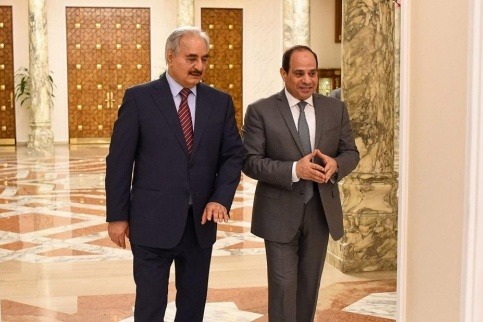
Strategic Council Online – A university professor said that Turkey’s sphere of influence and territorialization in Libya is approaching the strategic depth and the first influence of Egypt, and in some cases they overlap. He added that at the beginning outbreak of clashes between Egypt and Turkey exists on the battlefield, but after a while when the two sides reach a balance in interests and the war turns into one of attrition they will go for negotiations.
Strategic Council Online – “The post-corona era is a space for hostility in the areas of trade, finance, economics and administration,” a university professor said, referring to NATO Secretary-General’s warning of China’s future threat to the West. “These tensions have begun and cannot be ignored in the relations of the great powers,” he said.
Strategic Council Online: Following the formation of Mustafa al-Kazemi’s government Iraq today is sailing on a boat that will inevitably have to cross a large whirlpool much of whose potential is secured outside the borders. Perhaps the only force that can ensure the safety of this boat and its successful passage is the cooperation and unity of Iraqi parties and the patience of the Iraqi people to resolve the situation in their country, at the beginning of which putting government organizations and institutions in order is among the most infrastructural affairs.
Jafar Qanadbashi – Middle East Affairs Expert
Strategic Council Online: A professor of geopolitics says the different approaches in treating patients with corona disease showed that human rights in some countries claiming to advocate them are being forgotten in certain situations in the fight against infectious diseases or outbreak of war. He added that it must be seen what would be the position of countries and the so-called defenders of human rights in the face of these events in post-corona period.
Strategic Council Online: “The United States is trying to undermine the authority of the central governments in Lebanon and Iraq by open interference in the internal affairs of these countries and creating guided anarchy in the Axis of Resistance,” said a former ambassador and analyst on Middle East affairs, referring to US actions in Iraq and Lebanon as the two states were wrestling with the coronavirus crisis.
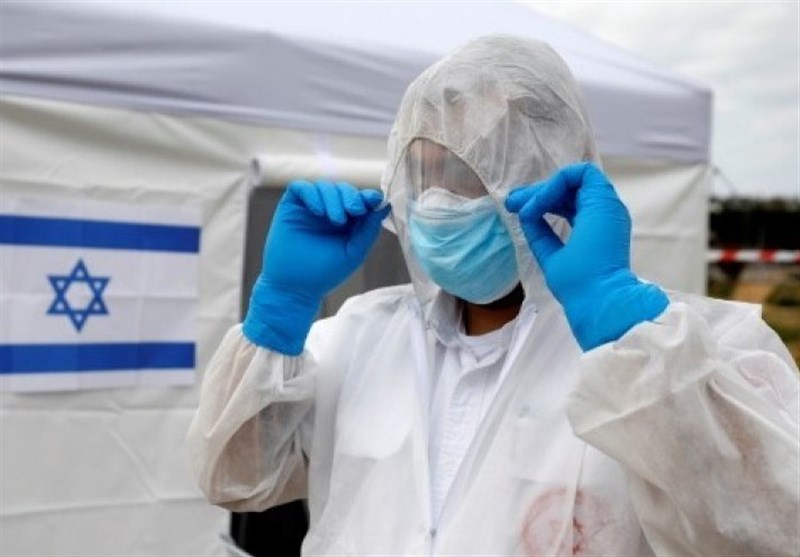
Strategic Council Online: “The political situation of the Zionist regime has become more complicated as a result of Coronavirus outbreak and the regime seems to intend to use the ‘Deal of the Century’ plan and the annexation of the West Bank as a pretext to cover up its problems and slackness during the post-coronavirus era and exploits it as pressure leverage,” said an analyst of Israeli affairs.
Strategic Council Online: The question that is being raised in political and international circles these days, and draws various answers and predictions is the state of the world and its order after the departure of the CAVID 19 virus.
Abolghasem Delfi – Former Ambassador
Strategic Council Online: A university professor said that corona could provide a platform for US cooperation with Europe. But, he added, Trump’s stance on the World Health Organization and other countries exposed the policy weakness of his administration and his failure to take advantage of this opportunity to consolidate his position and make up for inefficiencies.
SCFR Online – Opinion: On Friday, August 7, the heads of state of three countries – Saudi Arabia, Turkey, and Pakistan – signed a text under the title “Makkah Joint Defense Agreement.”
Strategic Council Online – Note: The initiative to revive the Hejaz Railway, beyond being a transportation project, constitutes an attempt to redefine geopolitics, the economy, and Turkey’s regional position; however, its realization appears to face significant financial, security, and institutional challenges.
SCFR Online – Opinion: The Strait of Hormuz crisis is no longer merely the consequence of a military confrontation, but rather a sign of the transition from the US-centered maritime order to a new energy security structure involving the participation of emerging and influential powers.
SCFR Online – Opinion: Iran’s active deterrence strategy, while increasing the costs of US intervention, has increasingly exposed the hidden rifts between Washington’s interests and those of the Israeli regime.
SCFR Online – Opinion: The escalation of verbal and strategic tensions between Turkey and the Israeli regime, although not increasing the likelihood of direct war, indicates the formation of a new order in West Asian geopolitical rivalries.
Strategic Council Online – Note: Recent developments in the political geography of West Asia, from rising tensions in the Persian Gulf to missile and drone activities in the Red Sea and the recent warning by Kaja Kallas, the European Union’s foreign policy chief, regarding the threat to freedom of navigation, indicate a key pattern shift; the US-Iran war has moved beyond the scope of a regional and local confrontation and has linked two vital passageways for the global economy: the Strait of Hormuz and the Bab el-Mandeb Strait.
SCFR Online – Opinion: The Ukraine war was not merely a European crisis, but rather the starting point for the rearrangement of the global balance of power and a shift in the strategic behavior of great powers.
SCFR Online – Opinion: Great power competition is now pursued more in trade, currency, technology, and global supply chains than on the battlefields of military confrontation.
Strategic Council Online – Since the fall of Ben Ali in Tunisia in 2011, the country has faced many surprises. The only country that was able to successfully overcome the Arab Spring and draft a constitution based on democracy was Tunisia. In Tunisia there is a semi-presidential system, a parliamentary government, and at the same time a president with very broad powers elected by the people; but the removal of the Tunisian prime minister by President Kais Saied, the dissolution of the parliament for a month, and the lifting of the immunity of deputies is the beginning of a new round of events in the country.
Mahmoud Fazeli – International affairs analyst
Strategic Council Online – A university professor, stressing that Turkey would never move towards eliminating the Muslim Brotherhood and will maintain relationships with them and in some cases use their card to score points, said: Turkey’s view of foreign policy issues is not ideological, but based on interests.
Strategic Council Online – A university professor said that Turkey’s sphere of influence and territorialization in Libya is approaching the strategic depth and the first influence of Egypt, and in some cases they overlap. He added that at the beginning outbreak of clashes between Egypt and Turkey exists on the battlefield, but after a while when the two sides reach a balance in interests and the war turns into one of attrition they will go for negotiations.
Strategic Council Online – “The post-corona era is a space for hostility in the areas of trade, finance, economics and administration,” a university professor said, referring to NATO Secretary-General’s warning of China’s future threat to the West. “These tensions have begun and cannot be ignored in the relations of the great powers,” he said.
Strategic Council Online: Following the formation of Mustafa al-Kazemi’s government Iraq today is sailing on a boat that will inevitably have to cross a large whirlpool much of whose potential is secured outside the borders. Perhaps the only force that can ensure the safety of this boat and its successful passage is the cooperation and unity of Iraqi parties and the patience of the Iraqi people to resolve the situation in their country, at the beginning of which putting government organizations and institutions in order is among the most infrastructural affairs.
Jafar Qanadbashi – Middle East Affairs Expert
Strategic Council Online: A professor of geopolitics says the different approaches in treating patients with corona disease showed that human rights in some countries claiming to advocate them are being forgotten in certain situations in the fight against infectious diseases or outbreak of war. He added that it must be seen what would be the position of countries and the so-called defenders of human rights in the face of these events in post-corona period.
Strategic Council Online: “The United States is trying to undermine the authority of the central governments in Lebanon and Iraq by open interference in the internal affairs of these countries and creating guided anarchy in the Axis of Resistance,” said a former ambassador and analyst on Middle East affairs, referring to US actions in Iraq and Lebanon as the two states were wrestling with the coronavirus crisis.
Strategic Council Online: “The political situation of the Zionist regime has become more complicated as a result of Coronavirus outbreak and the regime seems to intend to use the ‘Deal of the Century’ plan and the annexation of the West Bank as a pretext to cover up its problems and slackness during the post-coronavirus era and exploits it as pressure leverage,” said an analyst of Israeli affairs.
Strategic Council Online: The question that is being raised in political and international circles these days, and draws various answers and predictions is the state of the world and its order after the departure of the CAVID 19 virus.
Abolghasem Delfi – Former Ambassador
Strategic Council Online: A university professor said that corona could provide a platform for US cooperation with Europe. But, he added, Trump’s stance on the World Health Organization and other countries exposed the policy weakness of his administration and his failure to take advantage of this opportunity to consolidate his position and make up for inefficiencies.
Strategic Council Online – Since the fall of Ben Ali in Tunisia in 2011, the country has faced many surprises. The only country that was able to successfully overcome the Arab Spring and draft a constitution based on democracy was Tunisia. In Tunisia there is a semi-presidential system, a parliamentary government, and at the same time a president with very broad powers elected by the people; but the removal of the Tunisian prime minister by President Kais Saied, the dissolution of the parliament for a month, and the lifting of the immunity of deputies is the beginning of a new round of events in the country.
Mahmoud Fazeli – International affairs analyst
Strategic Council Online – A university professor, stressing that Turkey would never move towards eliminating the Muslim Brotherhood and will maintain relationships with them and in some cases use their card to score points, said: Turkey’s view of foreign policy issues is not ideological, but based on interests.
Strategic Council Online – A university professor said that Turkey’s sphere of influence and territorialization in Libya is approaching the strategic depth and the first influence of Egypt, and in some cases they overlap. He added that at the beginning outbreak of clashes between Egypt and Turkey exists on the battlefield, but after a while when the two sides reach a balance in interests and the war turns into one of attrition they will go for negotiations.
Strategic Council Online – “The post-corona era is a space for hostility in the areas of trade, finance, economics and administration,” a university professor said, referring to NATO Secretary-General’s warning of China’s future threat to the West. “These tensions have begun and cannot be ignored in the relations of the great powers,” he said.
Strategic Council Online: Following the formation of Mustafa al-Kazemi’s government Iraq today is sailing on a boat that will inevitably have to cross a large whirlpool much of whose potential is secured outside the borders. Perhaps the only force that can ensure the safety of this boat and its successful passage is the cooperation and unity of Iraqi parties and the patience of the Iraqi people to resolve the situation in their country, at the beginning of which putting government organizations and institutions in order is among the most infrastructural affairs.
Jafar Qanadbashi – Middle East Affairs Expert
Strategic Council Online: A professor of geopolitics says the different approaches in treating patients with corona disease showed that human rights in some countries claiming to advocate them are being forgotten in certain situations in the fight against infectious diseases or outbreak of war. He added that it must be seen what would be the position of countries and the so-called defenders of human rights in the face of these events in post-corona period.
Strategic Council Online: “The United States is trying to undermine the authority of the central governments in Lebanon and Iraq by open interference in the internal affairs of these countries and creating guided anarchy in the Axis of Resistance,” said a former ambassador and analyst on Middle East affairs, referring to US actions in Iraq and Lebanon as the two states were wrestling with the coronavirus crisis.
Strategic Council Online: “The political situation of the Zionist regime has become more complicated as a result of Coronavirus outbreak and the regime seems to intend to use the ‘Deal of the Century’ plan and the annexation of the West Bank as a pretext to cover up its problems and slackness during the post-coronavirus era and exploits it as pressure leverage,” said an analyst of Israeli affairs.
Strategic Council Online: The question that is being raised in political and international circles these days, and draws various answers and predictions is the state of the world and its order after the departure of the CAVID 19 virus.
Abolghasem Delfi – Former Ambassador
Strategic Council Online: A university professor said that corona could provide a platform for US cooperation with Europe. But, he added, Trump’s stance on the World Health Organization and other countries exposed the policy weakness of his administration and his failure to take advantage of this opportunity to consolidate his position and make up for inefficiencies.
SCFR Online – Opinion: On Friday, August 7, the heads of state of three countries – Saudi Arabia, Turkey, and Pakistan – signed a text under the title “Makkah Joint Defense Agreement.”
Strategic Council Online – Note: The initiative to revive the Hejaz Railway, beyond being a transportation project, constitutes an attempt to redefine geopolitics, the economy, and Turkey’s regional position; however, its realization appears to face significant financial, security, and institutional challenges.
SCFR Online – Opinion: The Strait of Hormuz crisis is no longer merely the consequence of a military confrontation, but rather a sign of the transition from the US-centered maritime order to a new energy security structure involving the participation of emerging and influential powers.
SCFR Online – Opinion: Iran’s active deterrence strategy, while increasing the costs of US intervention, has increasingly exposed the hidden rifts between Washington’s interests and those of the Israeli regime.
SCFR Online – Opinion: The escalation of verbal and strategic tensions between Turkey and the Israeli regime, although not increasing the likelihood of direct war, indicates the formation of a new order in West Asian geopolitical rivalries.
Strategic Council Online – Note: Recent developments in the political geography of West Asia, from rising tensions in the Persian Gulf to missile and drone activities in the Red Sea and the recent warning by Kaja Kallas, the European Union’s foreign policy chief, regarding the threat to freedom of navigation, indicate a key pattern shift; the US-Iran war has moved beyond the scope of a regional and local confrontation and has linked two vital passageways for the global economy: the Strait of Hormuz and the Bab el-Mandeb Strait.
SCFR Online – Opinion: The Ukraine war was not merely a European crisis, but rather the starting point for the rearrangement of the global balance of power and a shift in the strategic behavior of great powers.
SCFR Online – Opinion: Great power competition is now pursued more in trade, currency, technology, and global supply chains than on the battlefields of military confrontation.
Strategic Council Online – Since the fall of Ben Ali in Tunisia in 2011, the country has faced many surprises. The only country that was able to successfully overcome the Arab Spring and draft a constitution based on democracy was Tunisia. In Tunisia there is a semi-presidential system, a parliamentary government, and at the same time a president with very broad powers elected by the people; but the removal of the Tunisian prime minister by President Kais Saied, the dissolution of the parliament for a month, and the lifting of the immunity of deputies is the beginning of a new round of events in the country.
Mahmoud Fazeli – International affairs analyst
Strategic Council Online – A university professor, stressing that Turkey would never move towards eliminating the Muslim Brotherhood and will maintain relationships with them and in some cases use their card to score points, said: Turkey’s view of foreign policy issues is not ideological, but based on interests.
Strategic Council Online – A university professor said that Turkey’s sphere of influence and territorialization in Libya is approaching the strategic depth and the first influence of Egypt, and in some cases they overlap. He added that at the beginning outbreak of clashes between Egypt and Turkey exists on the battlefield, but after a while when the two sides reach a balance in interests and the war turns into one of attrition they will go for negotiations.
Strategic Council Online – “The post-corona era is a space for hostility in the areas of trade, finance, economics and administration,” a university professor said, referring to NATO Secretary-General’s warning of China’s future threat to the West. “These tensions have begun and cannot be ignored in the relations of the great powers,” he said.
Strategic Council Online: Following the formation of Mustafa al-Kazemi’s government Iraq today is sailing on a boat that will inevitably have to cross a large whirlpool much of whose potential is secured outside the borders. Perhaps the only force that can ensure the safety of this boat and its successful passage is the cooperation and unity of Iraqi parties and the patience of the Iraqi people to resolve the situation in their country, at the beginning of which putting government organizations and institutions in order is among the most infrastructural affairs.
Jafar Qanadbashi – Middle East Affairs Expert
Strategic Council Online: A professor of geopolitics says the different approaches in treating patients with corona disease showed that human rights in some countries claiming to advocate them are being forgotten in certain situations in the fight against infectious diseases or outbreak of war. He added that it must be seen what would be the position of countries and the so-called defenders of human rights in the face of these events in post-corona period.
Strategic Council Online: “The United States is trying to undermine the authority of the central governments in Lebanon and Iraq by open interference in the internal affairs of these countries and creating guided anarchy in the Axis of Resistance,” said a former ambassador and analyst on Middle East affairs, referring to US actions in Iraq and Lebanon as the two states were wrestling with the coronavirus crisis.
Strategic Council Online: “The political situation of the Zionist regime has become more complicated as a result of Coronavirus outbreak and the regime seems to intend to use the ‘Deal of the Century’ plan and the annexation of the West Bank as a pretext to cover up its problems and slackness during the post-coronavirus era and exploits it as pressure leverage,” said an analyst of Israeli affairs.
Strategic Council Online: The question that is being raised in political and international circles these days, and draws various answers and predictions is the state of the world and its order after the departure of the CAVID 19 virus.
Abolghasem Delfi – Former Ambassador
Strategic Council Online: A university professor said that corona could provide a platform for US cooperation with Europe. But, he added, Trump’s stance on the World Health Organization and other countries exposed the policy weakness of his administration and his failure to take advantage of this opportunity to consolidate his position and make up for inefficiencies.
SCFR Online – Opinion: On Friday, August 7, the heads of state of three countries – Saudi Arabia, Turkey, and Pakistan – signed a text under the title “Makkah Joint Defense Agreement.”
Strategic Council Online – Note: The initiative to revive the Hejaz Railway, beyond being a transportation project, constitutes an attempt to redefine geopolitics, the economy, and Turkey’s regional position; however, its realization appears to face significant financial, security, and institutional challenges.
SCFR Online – Opinion: The Strait of Hormuz crisis is no longer merely the consequence of a military confrontation, but rather a sign of the transition from the US-centered maritime order to a new energy security structure involving the participation of emerging and influential powers.
SCFR Online – Opinion: Iran’s active deterrence strategy, while increasing the costs of US intervention, has increasingly exposed the hidden rifts between Washington’s interests and those of the Israeli regime.
SCFR Online – Opinion: The escalation of verbal and strategic tensions between Turkey and the Israeli regime, although not increasing the likelihood of direct war, indicates the formation of a new order in West Asian geopolitical rivalries.
Strategic Council Online – Note: Recent developments in the political geography of West Asia, from rising tensions in the Persian Gulf to missile and drone activities in the Red Sea and the recent warning by Kaja Kallas, the European Union’s foreign policy chief, regarding the threat to freedom of navigation, indicate a key pattern shift; the US-Iran war has moved beyond the scope of a regional and local confrontation and has linked two vital passageways for the global economy: the Strait of Hormuz and the Bab el-Mandeb Strait.
SCFR Online – Opinion: The Ukraine war was not merely a European crisis, but rather the starting point for the rearrangement of the global balance of power and a shift in the strategic behavior of great powers.
SCFR Online – Opinion: Great power competition is now pursued more in trade, currency, technology, and global supply chains than on the battlefields of military confrontation.
Strategic Council Online – Since the fall of Ben Ali in Tunisia in 2011, the country has faced many surprises. The only country that was able to successfully overcome the Arab Spring and draft a constitution based on democracy was Tunisia. In Tunisia there is a semi-presidential system, a parliamentary government, and at the same time a president with very broad powers elected by the people; but the removal of the Tunisian prime minister by President Kais Saied, the dissolution of the parliament for a month, and the lifting of the immunity of deputies is the beginning of a new round of events in the country.
Mahmoud Fazeli – International affairs analyst
Strategic Council Online – A university professor, stressing that Turkey would never move towards eliminating the Muslim Brotherhood and will maintain relationships with them and in some cases use their card to score points, said: Turkey’s view of foreign policy issues is not ideological, but based on interests.
Strategic Council Online – A university professor said that Turkey’s sphere of influence and territorialization in Libya is approaching the strategic depth and the first influence of Egypt, and in some cases they overlap. He added that at the beginning outbreak of clashes between Egypt and Turkey exists on the battlefield, but after a while when the two sides reach a balance in interests and the war turns into one of attrition they will go for negotiations.
Strategic Council Online – “The post-corona era is a space for hostility in the areas of trade, finance, economics and administration,” a university professor said, referring to NATO Secretary-General’s warning of China’s future threat to the West. “These tensions have begun and cannot be ignored in the relations of the great powers,” he said.
Strategic Council Online: Following the formation of Mustafa al-Kazemi’s government Iraq today is sailing on a boat that will inevitably have to cross a large whirlpool much of whose potential is secured outside the borders. Perhaps the only force that can ensure the safety of this boat and its successful passage is the cooperation and unity of Iraqi parties and the patience of the Iraqi people to resolve the situation in their country, at the beginning of which putting government organizations and institutions in order is among the most infrastructural affairs.
Jafar Qanadbashi – Middle East Affairs Expert
Strategic Council Online: A professor of geopolitics says the different approaches in treating patients with corona disease showed that human rights in some countries claiming to advocate them are being forgotten in certain situations in the fight against infectious diseases or outbreak of war. He added that it must be seen what would be the position of countries and the so-called defenders of human rights in the face of these events in post-corona period.
Strategic Council Online: “The United States is trying to undermine the authority of the central governments in Lebanon and Iraq by open interference in the internal affairs of these countries and creating guided anarchy in the Axis of Resistance,” said a former ambassador and analyst on Middle East affairs, referring to US actions in Iraq and Lebanon as the two states were wrestling with the coronavirus crisis.
Strategic Council Online: “The political situation of the Zionist regime has become more complicated as a result of Coronavirus outbreak and the regime seems to intend to use the ‘Deal of the Century’ plan and the annexation of the West Bank as a pretext to cover up its problems and slackness during the post-coronavirus era and exploits it as pressure leverage,” said an analyst of Israeli affairs.
Strategic Council Online: The question that is being raised in political and international circles these days, and draws various answers and predictions is the state of the world and its order after the departure of the CAVID 19 virus.
Abolghasem Delfi – Former Ambassador
Strategic Council Online: A university professor said that corona could provide a platform for US cooperation with Europe. But, he added, Trump’s stance on the World Health Organization and other countries exposed the policy weakness of his administration and his failure to take advantage of this opportunity to consolidate his position and make up for inefficiencies.
SCFR Online – Opinion: On Friday, August 7, the heads of state of three countries – Saudi Arabia, Turkey, and Pakistan – signed a text under the title “Makkah Joint Defense Agreement.”
Strategic Council Online – Note: The initiative to revive the Hejaz Railway, beyond being a transportation project, constitutes an attempt to redefine geopolitics, the economy, and Turkey’s regional position; however, its realization appears to face significant financial, security, and institutional challenges.
SCFR Online – Opinion: The Strait of Hormuz crisis is no longer merely the consequence of a military confrontation, but rather a sign of the transition from the US-centered maritime order to a new energy security structure involving the participation of emerging and influential powers.
SCFR Online – Opinion: Iran’s active deterrence strategy, while increasing the costs of US intervention, has increasingly exposed the hidden rifts between Washington’s interests and those of the Israeli regime.
SCFR Online – Opinion: The escalation of verbal and strategic tensions between Turkey and the Israeli regime, although not increasing the likelihood of direct war, indicates the formation of a new order in West Asian geopolitical rivalries.
Strategic Council Online – Note: Recent developments in the political geography of West Asia, from rising tensions in the Persian Gulf to missile and drone activities in the Red Sea and the recent warning by Kaja Kallas, the European Union’s foreign policy chief, regarding the threat to freedom of navigation, indicate a key pattern shift; the US-Iran war has moved beyond the scope of a regional and local confrontation and has linked two vital passageways for the global economy: the Strait of Hormuz and the Bab el-Mandeb Strait.
SCFR Online – Opinion: The Ukraine war was not merely a European crisis, but rather the starting point for the rearrangement of the global balance of power and a shift in the strategic behavior of great powers.
SCFR Online – Opinion: Great power competition is now pursued more in trade, currency, technology, and global supply chains than on the battlefields of military confrontation.
Strategic Council Online – Since the fall of Ben Ali in Tunisia in 2011, the country has faced many surprises. The only country that was able to successfully overcome the Arab Spring and draft a constitution based on democracy was Tunisia. In Tunisia there is a semi-presidential system, a parliamentary government, and at the same time a president with very broad powers elected by the people; but the removal of the Tunisian prime minister by President Kais Saied, the dissolution of the parliament for a month, and the lifting of the immunity of deputies is the beginning of a new round of events in the country.
Mahmoud Fazeli – International affairs analyst
Strategic Council Online – A university professor, stressing that Turkey would never move towards eliminating the Muslim Brotherhood and will maintain relationships with them and in some cases use their card to score points, said: Turkey’s view of foreign policy issues is not ideological, but based on interests.
Strategic Council Online – A university professor said that Turkey’s sphere of influence and territorialization in Libya is approaching the strategic depth and the first influence of Egypt, and in some cases they overlap. He added that at the beginning outbreak of clashes between Egypt and Turkey exists on the battlefield, but after a while when the two sides reach a balance in interests and the war turns into one of attrition they will go for negotiations.
Strategic Council Online – “The post-corona era is a space for hostility in the areas of trade, finance, economics and administration,” a university professor said, referring to NATO Secretary-General’s warning of China’s future threat to the West. “These tensions have begun and cannot be ignored in the relations of the great powers,” he said.
Strategic Council Online: Following the formation of Mustafa al-Kazemi’s government Iraq today is sailing on a boat that will inevitably have to cross a large whirlpool much of whose potential is secured outside the borders. Perhaps the only force that can ensure the safety of this boat and its successful passage is the cooperation and unity of Iraqi parties and the patience of the Iraqi people to resolve the situation in their country, at the beginning of which putting government organizations and institutions in order is among the most infrastructural affairs.
Jafar Qanadbashi – Middle East Affairs Expert
Strategic Council Online: A professor of geopolitics says the different approaches in treating patients with corona disease showed that human rights in some countries claiming to advocate them are being forgotten in certain situations in the fight against infectious diseases or outbreak of war. He added that it must be seen what would be the position of countries and the so-called defenders of human rights in the face of these events in post-corona period.
Strategic Council Online: “The United States is trying to undermine the authority of the central governments in Lebanon and Iraq by open interference in the internal affairs of these countries and creating guided anarchy in the Axis of Resistance,” said a former ambassador and analyst on Middle East affairs, referring to US actions in Iraq and Lebanon as the two states were wrestling with the coronavirus crisis.
Strategic Council Online: “The political situation of the Zionist regime has become more complicated as a result of Coronavirus outbreak and the regime seems to intend to use the ‘Deal of the Century’ plan and the annexation of the West Bank as a pretext to cover up its problems and slackness during the post-coronavirus era and exploits it as pressure leverage,” said an analyst of Israeli affairs.
Strategic Council Online: The question that is being raised in political and international circles these days, and draws various answers and predictions is the state of the world and its order after the departure of the CAVID 19 virus.
Abolghasem Delfi – Former Ambassador
Strategic Council Online: A university professor said that corona could provide a platform for US cooperation with Europe. But, he added, Trump’s stance on the World Health Organization and other countries exposed the policy weakness of his administration and his failure to take advantage of this opportunity to consolidate his position and make up for inefficiencies.
SCFR Online – Opinion: On Friday, August 7, the heads of state of three countries – Saudi Arabia, Turkey, and Pakistan – signed a text under the title “Makkah Joint Defense Agreement.”
Strategic Council Online – Note: The initiative to revive the Hejaz Railway, beyond being a transportation project, constitutes an attempt to redefine geopolitics, the economy, and Turkey’s regional position; however, its realization appears to face significant financial, security, and institutional challenges.
SCFR Online – Opinion: The Strait of Hormuz crisis is no longer merely the consequence of a military confrontation, but rather a sign of the transition from the US-centered maritime order to a new energy security structure involving the participation of emerging and influential powers.
SCFR Online – Opinion: Iran’s active deterrence strategy, while increasing the costs of US intervention, has increasingly exposed the hidden rifts between Washington’s interests and those of the Israeli regime.
SCFR Online – Opinion: The escalation of verbal and strategic tensions between Turkey and the Israeli regime, although not increasing the likelihood of direct war, indicates the formation of a new order in West Asian geopolitical rivalries.
Strategic Council Online – Note: Recent developments in the political geography of West Asia, from rising tensions in the Persian Gulf to missile and drone activities in the Red Sea and the recent warning by Kaja Kallas, the European Union’s foreign policy chief, regarding the threat to freedom of navigation, indicate a key pattern shift; the US-Iran war has moved beyond the scope of a regional and local confrontation and has linked two vital passageways for the global economy: the Strait of Hormuz and the Bab el-Mandeb Strait.
SCFR Online – Opinion: The Ukraine war was not merely a European crisis, but rather the starting point for the rearrangement of the global balance of power and a shift in the strategic behavior of great powers.
SCFR Online – Opinion: Great power competition is now pursued more in trade, currency, technology, and global supply chains than on the battlefields of military confrontation.
Strategic Council Online – Since the fall of Ben Ali in Tunisia in 2011, the country has faced many surprises. The only country that was able to successfully overcome the Arab Spring and draft a constitution based on democracy was Tunisia. In Tunisia there is a semi-presidential system, a parliamentary government, and at the same time a president with very broad powers elected by the people; but the removal of the Tunisian prime minister by President Kais Saied, the dissolution of the parliament for a month, and the lifting of the immunity of deputies is the beginning of a new round of events in the country.
Mahmoud Fazeli – International affairs analyst
Strategic Council Online – A university professor, stressing that Turkey would never move towards eliminating the Muslim Brotherhood and will maintain relationships with them and in some cases use their card to score points, said: Turkey’s view of foreign policy issues is not ideological, but based on interests.
Strategic Council Online – A university professor said that Turkey’s sphere of influence and territorialization in Libya is approaching the strategic depth and the first influence of Egypt, and in some cases they overlap. He added that at the beginning outbreak of clashes between Egypt and Turkey exists on the battlefield, but after a while when the two sides reach a balance in interests and the war turns into one of attrition they will go for negotiations.
Strategic Council Online – “The post-corona era is a space for hostility in the areas of trade, finance, economics and administration,” a university professor said, referring to NATO Secretary-General’s warning of China’s future threat to the West. “These tensions have begun and cannot be ignored in the relations of the great powers,” he said.
Strategic Council Online: Following the formation of Mustafa al-Kazemi’s government Iraq today is sailing on a boat that will inevitably have to cross a large whirlpool much of whose potential is secured outside the borders. Perhaps the only force that can ensure the safety of this boat and its successful passage is the cooperation and unity of Iraqi parties and the patience of the Iraqi people to resolve the situation in their country, at the beginning of which putting government organizations and institutions in order is among the most infrastructural affairs.
Jafar Qanadbashi – Middle East Affairs Expert
Strategic Council Online: A professor of geopolitics says the different approaches in treating patients with corona disease showed that human rights in some countries claiming to advocate them are being forgotten in certain situations in the fight against infectious diseases or outbreak of war. He added that it must be seen what would be the position of countries and the so-called defenders of human rights in the face of these events in post-corona period.
Strategic Council Online: “The United States is trying to undermine the authority of the central governments in Lebanon and Iraq by open interference in the internal affairs of these countries and creating guided anarchy in the Axis of Resistance,” said a former ambassador and analyst on Middle East affairs, referring to US actions in Iraq and Lebanon as the two states were wrestling with the coronavirus crisis.
Strategic Council Online: “The political situation of the Zionist regime has become more complicated as a result of Coronavirus outbreak and the regime seems to intend to use the ‘Deal of the Century’ plan and the annexation of the West Bank as a pretext to cover up its problems and slackness during the post-coronavirus era and exploits it as pressure leverage,” said an analyst of Israeli affairs.
Strategic Council Online: The question that is being raised in political and international circles these days, and draws various answers and predictions is the state of the world and its order after the departure of the CAVID 19 virus.
Abolghasem Delfi – Former Ambassador
Strategic Council Online: A university professor said that corona could provide a platform for US cooperation with Europe. But, he added, Trump’s stance on the World Health Organization and other countries exposed the policy weakness of his administration and his failure to take advantage of this opportunity to consolidate his position and make up for inefficiencies.
SCFR Online – Opinion: On Friday, August 7, the heads of state of three countries – Saudi Arabia, Turkey, and Pakistan – signed a text under the title “Makkah Joint Defense Agreement.”
Strategic Council Online – Note: The initiative to revive the Hejaz Railway, beyond being a transportation project, constitutes an attempt to redefine geopolitics, the economy, and Turkey’s regional position; however, its realization appears to face significant financial, security, and institutional challenges.
SCFR Online – Opinion: The Strait of Hormuz crisis is no longer merely the consequence of a military confrontation, but rather a sign of the transition from the US-centered maritime order to a new energy security structure involving the participation of emerging and influential powers.
SCFR Online – Opinion: Iran’s active deterrence strategy, while increasing the costs of US intervention, has increasingly exposed the hidden rifts between Washington’s interests and those of the Israeli regime.
SCFR Online – Opinion: The escalation of verbal and strategic tensions between Turkey and the Israeli regime, although not increasing the likelihood of direct war, indicates the formation of a new order in West Asian geopolitical rivalries.
Strategic Council Online – Note: Recent developments in the political geography of West Asia, from rising tensions in the Persian Gulf to missile and drone activities in the Red Sea and the recent warning by Kaja Kallas, the European Union’s foreign policy chief, regarding the threat to freedom of navigation, indicate a key pattern shift; the US-Iran war has moved beyond the scope of a regional and local confrontation and has linked two vital passageways for the global economy: the Strait of Hormuz and the Bab el-Mandeb Strait.
SCFR Online – Opinion: The Ukraine war was not merely a European crisis, but rather the starting point for the rearrangement of the global balance of power and a shift in the strategic behavior of great powers.
SCFR Online – Opinion: Great power competition is now pursued more in trade, currency, technology, and global supply chains than on the battlefields of military confrontation.