جدیدترین مطالب

Consequences of Declining Trust in the Judiciary in Europe

SCFRonline – Opinion: The increase in public distrust of the French judicial system, which in recent surveys has reached approximately two-thirds of citizens, should be analyzed within a framework broader than temporary dissatisfaction or an emotional reaction to a particular criminal case.

Iran’s Potential Levers of Power

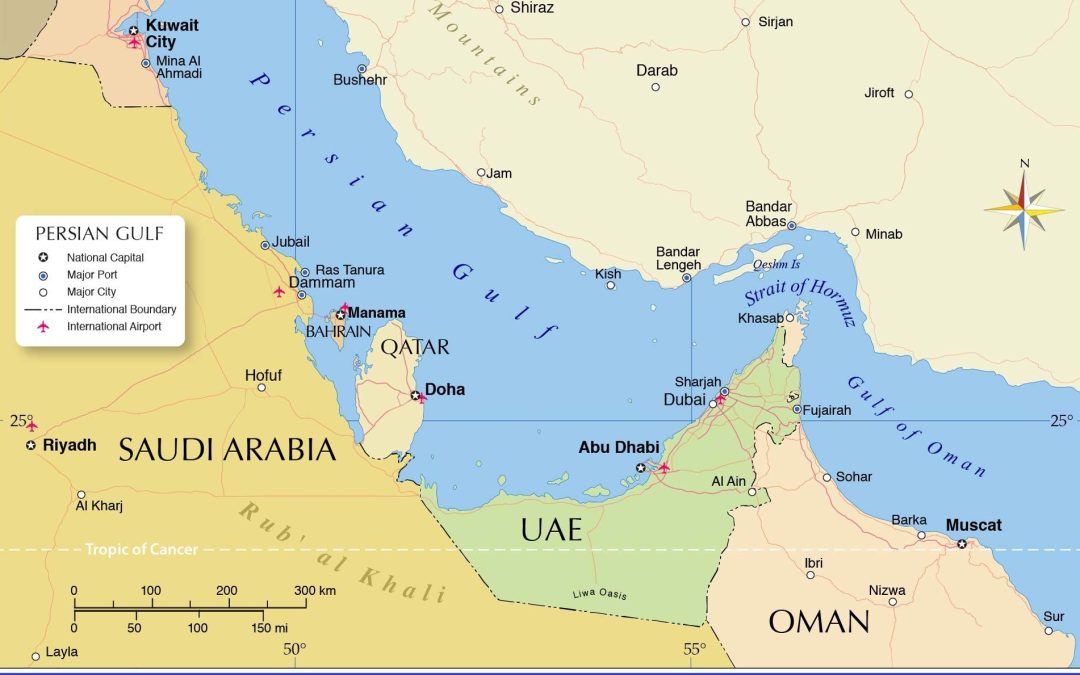
SCFRonline– Opinion: Iran’s geopolitical power is not limited solely to oil and the Strait of Hormuz; the unintended emergence of disruptions in the future global food and energy security chains can also demonstrate Iran’s strategic importance.

The Inseparability of the Lebanese Front from the Axis of Resistance

SCFR Online–Opinion: By providing an extensive network of social, healthcare, educational, and post-war reconstruction services, Hezbollah has established a strong social base for itself among Lebanon’s Shiites and Sunnis, and even beyond that, among other segments of Lebanese society, including Christians. Hezbollah has never been an external actor imposed upon Lebanon; rather, it is a phenomenon fundamentally born out of the occupation and crimes of the Zionist regime and itself influenced by popular resistance.

The Increasing Efforts of the Zionist Regime to Redefine Borders and the Regional Order and Its Consequences

SCFR Online– Opinion: Security and military developments in the region over recent months indicate that the ongoing crises and wars in Gaza, southern Lebanon, and parts of Syrian territory encompass broader dimensions of geopolitical and geostrategic transformations. In this context, the increased military presence and control of the Zionist regime over parts of the territories of these areas, along with proposals regarding the creation of buffer zones or even the expansion of security borders, have raised serious questions about the future of the regional order and its consequences for the countries of West Asia.

Loading

Davoud Ahmadzadeh

The goals of the Israeli regime in its military attacks on Syria

The goals of the Israeli regime in its military attacks on Syria

Strategic Council Online – Interview: A West Asian affairs expert said: One of the main objectives of the recent attacks by the Israeli regime on Syria is to prevent the establishment of a strong central authority or government in Syria. Therefore, it is trying to prevent the comprehensive rule of the new government under the name of Ahmad al-Sharaa or al-Julani by attacking and invading southern Syria and various regions of the country, even Damascus.

An Analysis of the Recent Meeting Between Putin and Assad in Kremlin Palace

An Analysis of the Recent Meeting Between Putin and Assad in Kremlin Palace

Strategic Council Online – Interview: An expert on West Asian issues said Russian President Vladimir Putin and Syrian President Bashar Assad recently met and conferred in the Kremlin Palace. In a part of this meeting, Putin said he had not met with Assad for a long time and had many issues to discuss. Apparently, in this meeting, the parties discussed commercial and economic relations and upcoming developments. According to the presidents of Russia and Syria, this meeting was of special importance.

An Analysis of the Unified Visa Plan of Persian Gulf Cooperation Council Countries

An Analysis of the Unified Visa Plan of Persian Gulf Cooperation Council Countries

Strategic Council Online – Interview: An expert on West Asian issues said: Special sources recently told the “Al-Arabiya” network that a unified Persian Gulf visa plan, which allows its holders to enter all member countries of the Persian Gulf Cooperation Council from early next year, 2025, will be implemented. But, in fact, how feasible is this plan? Is it a showoff, or is it going to be followed purposefully?

Bahrain’s Objectives behind Normalization of Relations with Syria

Bahrain’s Objectives behind Normalization of Relations with Syria

Strategic Council Online – Interview: An expert on the Middle East affairs, commenting on the targets of the recent measure of the King of Bahrain in appointing the ambassador extraordinary and plenipotentiary to Syria after 10 years said that Manama pursues two main targets in such measure; first, the use of economic benefits in Syria, that is to say participation in the reconstruction of the country, and second, with regard to the profound transformation in the new regional equations, including the Tehran-Riyadh talks and the reduction of US presence in the region, Bahrain does not want to lag behind such equations. In addition, alleviating pressure on the public opinion, due to the normalization of relations with the Zionist regime, can also be one of the objectives of the Zionist regime behind such action.

Iraqis Demand Faster US Withdrawal from Their Country

Iraqis Demand Faster US Withdrawal from Their Country

Strategy Council Online – A Middle East expert said: “Some speculations suggest that with the rise of Joe Biden in the United States, we may see an acceleration of the withdrawal of American troops from Iraq and some other countries in the region.”

Turkey’s Outlook about South Persian Gulf States

Turkey’s Outlook about South Persian Gulf States

Strategic Council Online – Despite the continuation of some economic cooperation between Turkey and Saudi Arabia and the UAE, in the political and security spheres, serious challenges will be faced in the future in these countries.
Davoud Ahmadzadeh – Middle East Affairs Expert

Behind the Scenes of Ansarullah-Saudi Peace Talks

Behind the Scenes of Ansarullah-Saudi Peace Talks

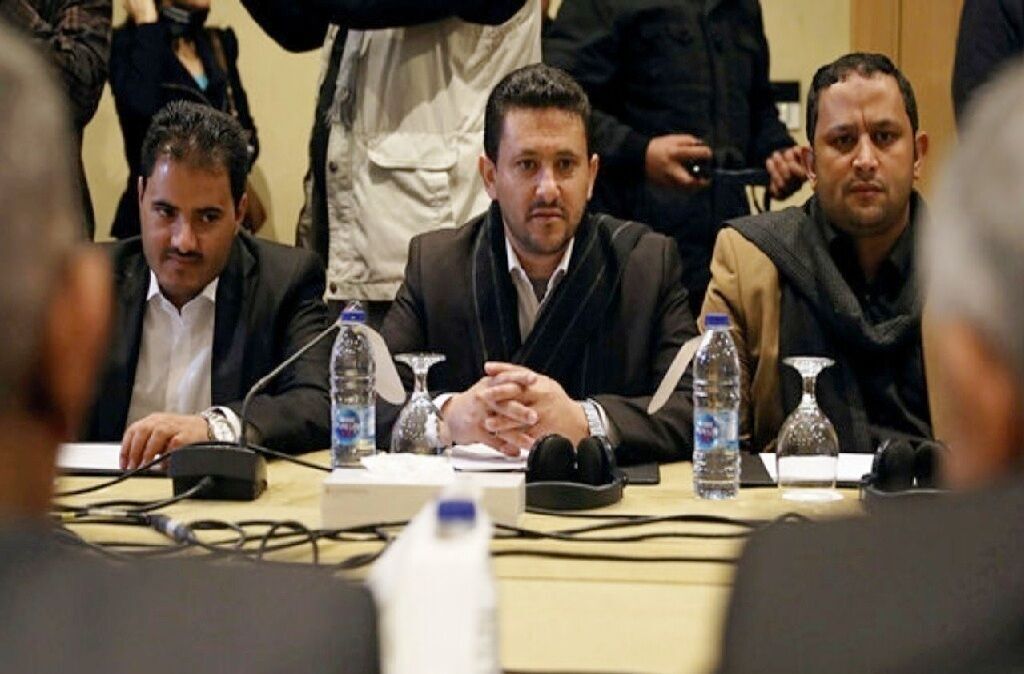
Strategic Council Online: Given the recent divergence in Saudi political power system and the opposition of some influential Saudi princes to Mohammed bin Salman’s military strategies, the prolongation of the Yemeni war could intensify competition within the kingdom.
Davoud Ahmadzadeh – Middle East affairs expert

Similarities between Saddam and Bin Salman
Mohammed Bin Saddam

Strategic Council Online: The internal and foreign policies of the Saudi Crown Prince, Mohammed Bin Salman, including domestic suppression amidst superficial reforms, aggression against other countries and subservience to foreign powers, have prompted some people to draw a comparison between him and the deceased Iraqi dictator Saddam Hussein.
Davoud Ahmadzadeh, Middle East Affairs Expert

أحدث الوظائف

Consequences of Declining Trust in the Judiciary in Europe

SCFRonline – Opinion: The increase in public distrust of the French judicial system, which in recent surveys has reached approximately two-thirds of citizens, should be analyzed within a framework broader than temporary dissatisfaction or an emotional reaction to a particular criminal case.

Iran’s Potential Levers of Power

SCFRonline– Opinion: Iran’s geopolitical power is not limited solely to oil and the Strait of Hormuz; the unintended emergence of disruptions in the future global food and energy security chains can also demonstrate Iran’s strategic importance.

The Inseparability of the Lebanese Front from the Axis of Resistance

SCFR Online–Opinion: By providing an extensive network of social, healthcare, educational, and post-war reconstruction services, Hezbollah has established a strong social base for itself among Lebanon’s Shiites and Sunnis, and even beyond that, among other segments of Lebanese society, including Christians. Hezbollah has never been an external actor imposed upon Lebanon; rather, it is a phenomenon fundamentally born out of the occupation and crimes of the Zionist regime and itself influenced by popular resistance.

The Increasing Efforts of the Zionist Regime to Redefine Borders and the Regional Order and Its Consequences

SCFR Online– Opinion: Security and military developments in the region over recent months indicate that the ongoing crises and wars in Gaza, southern Lebanon, and parts of Syrian territory encompass broader dimensions of geopolitical and geostrategic transformations. In this context, the increased military presence and control of the Zionist regime over parts of the territories of these areas, along with proposals regarding the creation of buffer zones or even the expansion of security borders, have raised serious questions about the future of the regional order and its consequences for the countries of West Asia.

Loading

Davoud Ahmadzadeh

The goals of the Israeli regime in its military attacks on Syria

The goals of the Israeli regime in its military attacks on Syria

Strategic Council Online – Interview: A West Asian affairs expert said: One of the main objectives of the recent attacks by the Israeli regime on Syria is to prevent the establishment of a strong central authority or government in Syria. Therefore, it is trying to prevent the comprehensive rule of the new government under the name of Ahmad al-Sharaa or al-Julani by attacking and invading southern Syria and various regions of the country, even Damascus.

An Analysis of the Recent Meeting Between Putin and Assad in Kremlin Palace

An Analysis of the Recent Meeting Between Putin and Assad in Kremlin Palace

Strategic Council Online – Interview: An expert on West Asian issues said Russian President Vladimir Putin and Syrian President Bashar Assad recently met and conferred in the Kremlin Palace. In a part of this meeting, Putin said he had not met with Assad for a long time and had many issues to discuss. Apparently, in this meeting, the parties discussed commercial and economic relations and upcoming developments. According to the presidents of Russia and Syria, this meeting was of special importance.

An Analysis of the Unified Visa Plan of Persian Gulf Cooperation Council Countries

An Analysis of the Unified Visa Plan of Persian Gulf Cooperation Council Countries

Strategic Council Online – Interview: An expert on West Asian issues said: Special sources recently told the “Al-Arabiya” network that a unified Persian Gulf visa plan, which allows its holders to enter all member countries of the Persian Gulf Cooperation Council from early next year, 2025, will be implemented. But, in fact, how feasible is this plan? Is it a showoff, or is it going to be followed purposefully?

Bahrain’s Objectives behind Normalization of Relations with Syria

Bahrain’s Objectives behind Normalization of Relations with Syria

Strategic Council Online – Interview: An expert on the Middle East affairs, commenting on the targets of the recent measure of the King of Bahrain in appointing the ambassador extraordinary and plenipotentiary to Syria after 10 years said that Manama pursues two main targets in such measure; first, the use of economic benefits in Syria, that is to say participation in the reconstruction of the country, and second, with regard to the profound transformation in the new regional equations, including the Tehran-Riyadh talks and the reduction of US presence in the region, Bahrain does not want to lag behind such equations. In addition, alleviating pressure on the public opinion, due to the normalization of relations with the Zionist regime, can also be one of the objectives of the Zionist regime behind such action.

Iraqis Demand Faster US Withdrawal from Their Country

Iraqis Demand Faster US Withdrawal from Their Country

Strategy Council Online – A Middle East expert said: “Some speculations suggest that with the rise of Joe Biden in the United States, we may see an acceleration of the withdrawal of American troops from Iraq and some other countries in the region.”

Turkey’s Outlook about South Persian Gulf States

Turkey’s Outlook about South Persian Gulf States

Strategic Council Online – Despite the continuation of some economic cooperation between Turkey and Saudi Arabia and the UAE, in the political and security spheres, serious challenges will be faced in the future in these countries.
Davoud Ahmadzadeh – Middle East Affairs Expert

Behind the Scenes of Ansarullah-Saudi Peace Talks

Behind the Scenes of Ansarullah-Saudi Peace Talks

Strategic Council Online: Given the recent divergence in Saudi political power system and the opposition of some influential Saudi princes to Mohammed bin Salman’s military strategies, the prolongation of the Yemeni war could intensify competition within the kingdom.
Davoud Ahmadzadeh – Middle East affairs expert

Similarities between Saddam and Bin Salman
Mohammed Bin Saddam

Strategic Council Online: The internal and foreign policies of the Saudi Crown Prince, Mohammed Bin Salman, including domestic suppression amidst superficial reforms, aggression against other countries and subservience to foreign powers, have prompted some people to draw a comparison between him and the deceased Iraqi dictator Saddam Hussein.
Davoud Ahmadzadeh, Middle East Affairs Expert

Davoud Ahmadzadeh

The goals of the Israeli regime in its military attacks on Syria

The goals of the Israeli regime in its military attacks on Syria

Strategic Council Online – Interview: A West Asian affairs expert said: One of the main objectives of the recent attacks by the Israeli regime on Syria is to prevent the establishment of a strong central authority or government in Syria. Therefore, it is trying to prevent the comprehensive rule of the new government under the name of Ahmad al-Sharaa or al-Julani by attacking and invading southern Syria and various regions of the country, even Damascus.

An Analysis of the Recent Meeting Between Putin and Assad in Kremlin Palace

An Analysis of the Recent Meeting Between Putin and Assad in Kremlin Palace

Strategic Council Online – Interview: An expert on West Asian issues said Russian President Vladimir Putin and Syrian President Bashar Assad recently met and conferred in the Kremlin Palace. In a part of this meeting, Putin said he had not met with Assad for a long time and had many issues to discuss. Apparently, in this meeting, the parties discussed commercial and economic relations and upcoming developments. According to the presidents of Russia and Syria, this meeting was of special importance.

An Analysis of the Unified Visa Plan of Persian Gulf Cooperation Council Countries

An Analysis of the Unified Visa Plan of Persian Gulf Cooperation Council Countries

Strategic Council Online – Interview: An expert on West Asian issues said: Special sources recently told the “Al-Arabiya” network that a unified Persian Gulf visa plan, which allows its holders to enter all member countries of the Persian Gulf Cooperation Council from early next year, 2025, will be implemented. But, in fact, how feasible is this plan? Is it a showoff, or is it going to be followed purposefully?

Bahrain’s Objectives behind Normalization of Relations with Syria

Bahrain’s Objectives behind Normalization of Relations with Syria

Strategic Council Online – Interview: An expert on the Middle East affairs, commenting on the targets of the recent measure of the King of Bahrain in appointing the ambassador extraordinary and plenipotentiary to Syria after 10 years said that Manama pursues two main targets in such measure; first, the use of economic benefits in Syria, that is to say participation in the reconstruction of the country, and second, with regard to the profound transformation in the new regional equations, including the Tehran-Riyadh talks and the reduction of US presence in the region, Bahrain does not want to lag behind such equations. In addition, alleviating pressure on the public opinion, due to the normalization of relations with the Zionist regime, can also be one of the objectives of the Zionist regime behind such action.

Iraqis Demand Faster US Withdrawal from Their Country

Iraqis Demand Faster US Withdrawal from Their Country

Strategy Council Online – A Middle East expert said: “Some speculations suggest that with the rise of Joe Biden in the United States, we may see an acceleration of the withdrawal of American troops from Iraq and some other countries in the region.”

Turkey’s Outlook about South Persian Gulf States

Turkey’s Outlook about South Persian Gulf States

Strategic Council Online – Despite the continuation of some economic cooperation between Turkey and Saudi Arabia and the UAE, in the political and security spheres, serious challenges will be faced in the future in these countries.
Davoud Ahmadzadeh – Middle East Affairs Expert

Behind the Scenes of Ansarullah-Saudi Peace Talks

Behind the Scenes of Ansarullah-Saudi Peace Talks

Strategic Council Online: Given the recent divergence in Saudi political power system and the opposition of some influential Saudi princes to Mohammed bin Salman’s military strategies, the prolongation of the Yemeni war could intensify competition within the kingdom.
Davoud Ahmadzadeh – Middle East affairs expert

Similarities between Saddam and Bin Salman
Mohammed Bin Saddam

Strategic Council Online: The internal and foreign policies of the Saudi Crown Prince, Mohammed Bin Salman, including domestic suppression amidst superficial reforms, aggression against other countries and subservience to foreign powers, have prompted some people to draw a comparison between him and the deceased Iraqi dictator Saddam Hussein.
Davoud Ahmadzadeh, Middle East Affairs Expert

LATEST CONTENT

Consequences of Declining Trust in the Judiciary in Europe

SCFRonline – Opinion: The increase in public distrust of the French judicial system, which in recent surveys has reached approximately two-thirds of citizens, should be analyzed within a framework broader than temporary dissatisfaction or an emotional reaction to a particular criminal case.

Iran’s Potential Levers of Power

SCFRonline– Opinion: Iran’s geopolitical power is not limited solely to oil and the Strait of Hormuz; the unintended emergence of disruptions in the future global food and energy security chains can also demonstrate Iran’s strategic importance.

The Inseparability of the Lebanese Front from the Axis of Resistance

SCFR Online–Opinion: By providing an extensive network of social, healthcare, educational, and post-war reconstruction services, Hezbollah has established a strong social base for itself among Lebanon’s Shiites and Sunnis, and even beyond that, among other segments of Lebanese society, including Christians. Hezbollah has never been an external actor imposed upon Lebanon; rather, it is a phenomenon fundamentally born out of the occupation and crimes of the Zionist regime and itself influenced by popular resistance.

The Increasing Efforts of the Zionist Regime to Redefine Borders and the Regional Order and Its Consequences

SCFR Online– Opinion: Security and military developments in the region over recent months indicate that the ongoing crises and wars in Gaza, southern Lebanon, and parts of Syrian territory encompass broader dimensions of geopolitical and geostrategic transformations. In this context, the increased military presence and control of the Zionist regime over parts of the territories of these areas, along with proposals regarding the creation of buffer zones or even the expansion of security borders, have raised serious questions about the future of the regional order and its consequences for the countries of West Asia.

Loading

Davoud Ahmadzadeh

The goals of the Israeli regime in its military attacks on Syria

The goals of the Israeli regime in its military attacks on Syria

Strategic Council Online – Interview: A West Asian affairs expert said: One of the main objectives of the recent attacks by the Israeli regime on Syria is to prevent the establishment of a strong central authority or government in Syria. Therefore, it is trying to prevent the comprehensive rule of the new government under the name of Ahmad al-Sharaa or al-Julani by attacking and invading southern Syria and various regions of the country, even Damascus.

An Analysis of the Recent Meeting Between Putin and Assad in Kremlin Palace

An Analysis of the Recent Meeting Between Putin and Assad in Kremlin Palace

Strategic Council Online – Interview: An expert on West Asian issues said Russian President Vladimir Putin and Syrian President Bashar Assad recently met and conferred in the Kremlin Palace. In a part of this meeting, Putin said he had not met with Assad for a long time and had many issues to discuss. Apparently, in this meeting, the parties discussed commercial and economic relations and upcoming developments. According to the presidents of Russia and Syria, this meeting was of special importance.

An Analysis of the Unified Visa Plan of Persian Gulf Cooperation Council Countries

An Analysis of the Unified Visa Plan of Persian Gulf Cooperation Council Countries

Strategic Council Online – Interview: An expert on West Asian issues said: Special sources recently told the “Al-Arabiya” network that a unified Persian Gulf visa plan, which allows its holders to enter all member countries of the Persian Gulf Cooperation Council from early next year, 2025, will be implemented. But, in fact, how feasible is this plan? Is it a showoff, or is it going to be followed purposefully?

Bahrain’s Objectives behind Normalization of Relations with Syria

Bahrain’s Objectives behind Normalization of Relations with Syria

Strategic Council Online – Interview: An expert on the Middle East affairs, commenting on the targets of the recent measure of the King of Bahrain in appointing the ambassador extraordinary and plenipotentiary to Syria after 10 years said that Manama pursues two main targets in such measure; first, the use of economic benefits in Syria, that is to say participation in the reconstruction of the country, and second, with regard to the profound transformation in the new regional equations, including the Tehran-Riyadh talks and the reduction of US presence in the region, Bahrain does not want to lag behind such equations. In addition, alleviating pressure on the public opinion, due to the normalization of relations with the Zionist regime, can also be one of the objectives of the Zionist regime behind such action.

Iraqis Demand Faster US Withdrawal from Their Country

Iraqis Demand Faster US Withdrawal from Their Country

Strategy Council Online – A Middle East expert said: “Some speculations suggest that with the rise of Joe Biden in the United States, we may see an acceleration of the withdrawal of American troops from Iraq and some other countries in the region.”

Turkey’s Outlook about South Persian Gulf States

Turkey’s Outlook about South Persian Gulf States

Strategic Council Online – Despite the continuation of some economic cooperation between Turkey and Saudi Arabia and the UAE, in the political and security spheres, serious challenges will be faced in the future in these countries.
Davoud Ahmadzadeh – Middle East Affairs Expert

Behind the Scenes of Ansarullah-Saudi Peace Talks

Behind the Scenes of Ansarullah-Saudi Peace Talks

Strategic Council Online: Given the recent divergence in Saudi political power system and the opposition of some influential Saudi princes to Mohammed bin Salman’s military strategies, the prolongation of the Yemeni war could intensify competition within the kingdom.
Davoud Ahmadzadeh – Middle East affairs expert

Similarities between Saddam and Bin Salman
Mohammed Bin Saddam

Strategic Council Online: The internal and foreign policies of the Saudi Crown Prince, Mohammed Bin Salman, including domestic suppression amidst superficial reforms, aggression against other countries and subservience to foreign powers, have prompted some people to draw a comparison between him and the deceased Iraqi dictator Saddam Hussein.
Davoud Ahmadzadeh, Middle East Affairs Expert

ÚLTIMAS PUBLICACIONES

Consequences of Declining Trust in the Judiciary in Europe

SCFRonline – Opinion: The increase in public distrust of the French judicial system, which in recent surveys has reached approximately two-thirds of citizens, should be analyzed within a framework broader than temporary dissatisfaction or an emotional reaction to a particular criminal case.

Iran’s Potential Levers of Power

SCFRonline– Opinion: Iran’s geopolitical power is not limited solely to oil and the Strait of Hormuz; the unintended emergence of disruptions in the future global food and energy security chains can also demonstrate Iran’s strategic importance.

The Inseparability of the Lebanese Front from the Axis of Resistance

SCFR Online–Opinion: By providing an extensive network of social, healthcare, educational, and post-war reconstruction services, Hezbollah has established a strong social base for itself among Lebanon’s Shiites and Sunnis, and even beyond that, among other segments of Lebanese society, including Christians. Hezbollah has never been an external actor imposed upon Lebanon; rather, it is a phenomenon fundamentally born out of the occupation and crimes of the Zionist regime and itself influenced by popular resistance.

The Increasing Efforts of the Zionist Regime to Redefine Borders and the Regional Order and Its Consequences

SCFR Online– Opinion: Security and military developments in the region over recent months indicate that the ongoing crises and wars in Gaza, southern Lebanon, and parts of Syrian territory encompass broader dimensions of geopolitical and geostrategic transformations. In this context, the increased military presence and control of the Zionist regime over parts of the territories of these areas, along with proposals regarding the creation of buffer zones or even the expansion of security borders, have raised serious questions about the future of the regional order and its consequences for the countries of West Asia.

Loading

Davoud Ahmadzadeh

The goals of the Israeli regime in its military attacks on Syria

The goals of the Israeli regime in its military attacks on Syria

Strategic Council Online – Interview: A West Asian affairs expert said: One of the main objectives of the recent attacks by the Israeli regime on Syria is to prevent the establishment of a strong central authority or government in Syria. Therefore, it is trying to prevent the comprehensive rule of the new government under the name of Ahmad al-Sharaa or al-Julani by attacking and invading southern Syria and various regions of the country, even Damascus.

An Analysis of the Recent Meeting Between Putin and Assad in Kremlin Palace

An Analysis of the Recent Meeting Between Putin and Assad in Kremlin Palace

Strategic Council Online – Interview: An expert on West Asian issues said Russian President Vladimir Putin and Syrian President Bashar Assad recently met and conferred in the Kremlin Palace. In a part of this meeting, Putin said he had not met with Assad for a long time and had many issues to discuss. Apparently, in this meeting, the parties discussed commercial and economic relations and upcoming developments. According to the presidents of Russia and Syria, this meeting was of special importance.

An Analysis of the Unified Visa Plan of Persian Gulf Cooperation Council Countries

An Analysis of the Unified Visa Plan of Persian Gulf Cooperation Council Countries

Strategic Council Online – Interview: An expert on West Asian issues said: Special sources recently told the “Al-Arabiya” network that a unified Persian Gulf visa plan, which allows its holders to enter all member countries of the Persian Gulf Cooperation Council from early next year, 2025, will be implemented. But, in fact, how feasible is this plan? Is it a showoff, or is it going to be followed purposefully?

Bahrain’s Objectives behind Normalization of Relations with Syria

Bahrain’s Objectives behind Normalization of Relations with Syria

Strategic Council Online – Interview: An expert on the Middle East affairs, commenting on the targets of the recent measure of the King of Bahrain in appointing the ambassador extraordinary and plenipotentiary to Syria after 10 years said that Manama pursues two main targets in such measure; first, the use of economic benefits in Syria, that is to say participation in the reconstruction of the country, and second, with regard to the profound transformation in the new regional equations, including the Tehran-Riyadh talks and the reduction of US presence in the region, Bahrain does not want to lag behind such equations. In addition, alleviating pressure on the public opinion, due to the normalization of relations with the Zionist regime, can also be one of the objectives of the Zionist regime behind such action.

Iraqis Demand Faster US Withdrawal from Their Country

Iraqis Demand Faster US Withdrawal from Their Country

Strategy Council Online – A Middle East expert said: “Some speculations suggest that with the rise of Joe Biden in the United States, we may see an acceleration of the withdrawal of American troops from Iraq and some other countries in the region.”

Turkey’s Outlook about South Persian Gulf States

Turkey’s Outlook about South Persian Gulf States

Strategic Council Online – Despite the continuation of some economic cooperation between Turkey and Saudi Arabia and the UAE, in the political and security spheres, serious challenges will be faced in the future in these countries.
Davoud Ahmadzadeh – Middle East Affairs Expert

Behind the Scenes of Ansarullah-Saudi Peace Talks

Behind the Scenes of Ansarullah-Saudi Peace Talks

Strategic Council Online: Given the recent divergence in Saudi political power system and the opposition of some influential Saudi princes to Mohammed bin Salman’s military strategies, the prolongation of the Yemeni war could intensify competition within the kingdom.
Davoud Ahmadzadeh – Middle East affairs expert

Similarities between Saddam and Bin Salman
Mohammed Bin Saddam

Strategic Council Online: The internal and foreign policies of the Saudi Crown Prince, Mohammed Bin Salman, including domestic suppression amidst superficial reforms, aggression against other countries and subservience to foreign powers, have prompted some people to draw a comparison between him and the deceased Iraqi dictator Saddam Hussein.
Davoud Ahmadzadeh, Middle East Affairs Expert

ÚLTIMAS PUBLICACIONES

Consequences of Declining Trust in the Judiciary in Europe

SCFRonline – Opinion: The increase in public distrust of the French judicial system, which in recent surveys has reached approximately two-thirds of citizens, should be analyzed within a framework broader than temporary dissatisfaction or an emotional reaction to a particular criminal case.

Iran’s Potential Levers of Power

SCFRonline– Opinion: Iran’s geopolitical power is not limited solely to oil and the Strait of Hormuz; the unintended emergence of disruptions in the future global food and energy security chains can also demonstrate Iran’s strategic importance.

The Inseparability of the Lebanese Front from the Axis of Resistance

SCFR Online–Opinion: By providing an extensive network of social, healthcare, educational, and post-war reconstruction services, Hezbollah has established a strong social base for itself among Lebanon’s Shiites and Sunnis, and even beyond that, among other segments of Lebanese society, including Christians. Hezbollah has never been an external actor imposed upon Lebanon; rather, it is a phenomenon fundamentally born out of the occupation and crimes of the Zionist regime and itself influenced by popular resistance.

The Increasing Efforts of the Zionist Regime to Redefine Borders and the Regional Order and Its Consequences

SCFR Online– Opinion: Security and military developments in the region over recent months indicate that the ongoing crises and wars in Gaza, southern Lebanon, and parts of Syrian territory encompass broader dimensions of geopolitical and geostrategic transformations. In this context, the increased military presence and control of the Zionist regime over parts of the territories of these areas, along with proposals regarding the creation of buffer zones or even the expansion of security borders, have raised serious questions about the future of the regional order and its consequences for the countries of West Asia.

Loading

Davoud Ahmadzadeh

The goals of the Israeli regime in its military attacks on Syria

The goals of the Israeli regime in its military attacks on Syria

Strategic Council Online – Interview: A West Asian affairs expert said: One of the main objectives of the recent attacks by the Israeli regime on Syria is to prevent the establishment of a strong central authority or government in Syria. Therefore, it is trying to prevent the comprehensive rule of the new government under the name of Ahmad al-Sharaa or al-Julani by attacking and invading southern Syria and various regions of the country, even Damascus.

An Analysis of the Recent Meeting Between Putin and Assad in Kremlin Palace

An Analysis of the Recent Meeting Between Putin and Assad in Kremlin Palace

Strategic Council Online – Interview: An expert on West Asian issues said Russian President Vladimir Putin and Syrian President Bashar Assad recently met and conferred in the Kremlin Palace. In a part of this meeting, Putin said he had not met with Assad for a long time and had many issues to discuss. Apparently, in this meeting, the parties discussed commercial and economic relations and upcoming developments. According to the presidents of Russia and Syria, this meeting was of special importance.

An Analysis of the Unified Visa Plan of Persian Gulf Cooperation Council Countries

An Analysis of the Unified Visa Plan of Persian Gulf Cooperation Council Countries

Strategic Council Online – Interview: An expert on West Asian issues said: Special sources recently told the “Al-Arabiya” network that a unified Persian Gulf visa plan, which allows its holders to enter all member countries of the Persian Gulf Cooperation Council from early next year, 2025, will be implemented. But, in fact, how feasible is this plan? Is it a showoff, or is it going to be followed purposefully?

Bahrain’s Objectives behind Normalization of Relations with Syria

Bahrain’s Objectives behind Normalization of Relations with Syria

Strategic Council Online – Interview: An expert on the Middle East affairs, commenting on the targets of the recent measure of the King of Bahrain in appointing the ambassador extraordinary and plenipotentiary to Syria after 10 years said that Manama pursues two main targets in such measure; first, the use of economic benefits in Syria, that is to say participation in the reconstruction of the country, and second, with regard to the profound transformation in the new regional equations, including the Tehran-Riyadh talks and the reduction of US presence in the region, Bahrain does not want to lag behind such equations. In addition, alleviating pressure on the public opinion, due to the normalization of relations with the Zionist regime, can also be one of the objectives of the Zionist regime behind such action.

Iraqis Demand Faster US Withdrawal from Their Country

Iraqis Demand Faster US Withdrawal from Their Country

Strategy Council Online – A Middle East expert said: “Some speculations suggest that with the rise of Joe Biden in the United States, we may see an acceleration of the withdrawal of American troops from Iraq and some other countries in the region.”

Turkey’s Outlook about South Persian Gulf States

Turkey’s Outlook about South Persian Gulf States

Strategic Council Online – Despite the continuation of some economic cooperation between Turkey and Saudi Arabia and the UAE, in the political and security spheres, serious challenges will be faced in the future in these countries.
Davoud Ahmadzadeh – Middle East Affairs Expert

Behind the Scenes of Ansarullah-Saudi Peace Talks

Behind the Scenes of Ansarullah-Saudi Peace Talks

Strategic Council Online: Given the recent divergence in Saudi political power system and the opposition of some influential Saudi princes to Mohammed bin Salman’s military strategies, the prolongation of the Yemeni war could intensify competition within the kingdom.
Davoud Ahmadzadeh – Middle East affairs expert

Similarities between Saddam and Bin Salman
Mohammed Bin Saddam

Strategic Council Online: The internal and foreign policies of the Saudi Crown Prince, Mohammed Bin Salman, including domestic suppression amidst superficial reforms, aggression against other countries and subservience to foreign powers, have prompted some people to draw a comparison between him and the deceased Iraqi dictator Saddam Hussein.
Davoud Ahmadzadeh, Middle East Affairs Expert

ÚLTIMAS PUBLICACIONES

Consequences of Declining Trust in the Judiciary in Europe

SCFRonline – Opinion: The increase in public distrust of the French judicial system, which in recent surveys has reached approximately two-thirds of citizens, should be analyzed within a framework broader than temporary dissatisfaction or an emotional reaction to a particular criminal case.

Iran’s Potential Levers of Power

SCFRonline– Opinion: Iran’s geopolitical power is not limited solely to oil and the Strait of Hormuz; the unintended emergence of disruptions in the future global food and energy security chains can also demonstrate Iran’s strategic importance.

The Inseparability of the Lebanese Front from the Axis of Resistance

SCFR Online–Opinion: By providing an extensive network of social, healthcare, educational, and post-war reconstruction services, Hezbollah has established a strong social base for itself among Lebanon’s Shiites and Sunnis, and even beyond that, among other segments of Lebanese society, including Christians. Hezbollah has never been an external actor imposed upon Lebanon; rather, it is a phenomenon fundamentally born out of the occupation and crimes of the Zionist regime and itself influenced by popular resistance.

The Increasing Efforts of the Zionist Regime to Redefine Borders and the Regional Order and Its Consequences

SCFR Online– Opinion: Security and military developments in the region over recent months indicate that the ongoing crises and wars in Gaza, southern Lebanon, and parts of Syrian territory encompass broader dimensions of geopolitical and geostrategic transformations. In this context, the increased military presence and control of the Zionist regime over parts of the territories of these areas, along with proposals regarding the creation of buffer zones or even the expansion of security borders, have raised serious questions about the future of the regional order and its consequences for the countries of West Asia.

Loading

Davoud Ahmadzadeh

The goals of the Israeli regime in its military attacks on Syria

The goals of the Israeli regime in its military attacks on Syria

Strategic Council Online – Interview: A West Asian affairs expert said: One of the main objectives of the recent attacks by the Israeli regime on Syria is to prevent the establishment of a strong central authority or government in Syria. Therefore, it is trying to prevent the comprehensive rule of the new government under the name of Ahmad al-Sharaa or al-Julani by attacking and invading southern Syria and various regions of the country, even Damascus.

An Analysis of the Recent Meeting Between Putin and Assad in Kremlin Palace

An Analysis of the Recent Meeting Between Putin and Assad in Kremlin Palace

Strategic Council Online – Interview: An expert on West Asian issues said Russian President Vladimir Putin and Syrian President Bashar Assad recently met and conferred in the Kremlin Palace. In a part of this meeting, Putin said he had not met with Assad for a long time and had many issues to discuss. Apparently, in this meeting, the parties discussed commercial and economic relations and upcoming developments. According to the presidents of Russia and Syria, this meeting was of special importance.

An Analysis of the Unified Visa Plan of Persian Gulf Cooperation Council Countries

An Analysis of the Unified Visa Plan of Persian Gulf Cooperation Council Countries

Strategic Council Online – Interview: An expert on West Asian issues said: Special sources recently told the “Al-Arabiya” network that a unified Persian Gulf visa plan, which allows its holders to enter all member countries of the Persian Gulf Cooperation Council from early next year, 2025, will be implemented. But, in fact, how feasible is this plan? Is it a showoff, or is it going to be followed purposefully?

Bahrain’s Objectives behind Normalization of Relations with Syria

Bahrain’s Objectives behind Normalization of Relations with Syria

Strategic Council Online – Interview: An expert on the Middle East affairs, commenting on the targets of the recent measure of the King of Bahrain in appointing the ambassador extraordinary and plenipotentiary to Syria after 10 years said that Manama pursues two main targets in such measure; first, the use of economic benefits in Syria, that is to say participation in the reconstruction of the country, and second, with regard to the profound transformation in the new regional equations, including the Tehran-Riyadh talks and the reduction of US presence in the region, Bahrain does not want to lag behind such equations. In addition, alleviating pressure on the public opinion, due to the normalization of relations with the Zionist regime, can also be one of the objectives of the Zionist regime behind such action.

Iraqis Demand Faster US Withdrawal from Their Country

Iraqis Demand Faster US Withdrawal from Their Country

Strategy Council Online – A Middle East expert said: “Some speculations suggest that with the rise of Joe Biden in the United States, we may see an acceleration of the withdrawal of American troops from Iraq and some other countries in the region.”

Turkey’s Outlook about South Persian Gulf States

Turkey’s Outlook about South Persian Gulf States

Strategic Council Online – Despite the continuation of some economic cooperation between Turkey and Saudi Arabia and the UAE, in the political and security spheres, serious challenges will be faced in the future in these countries.
Davoud Ahmadzadeh – Middle East Affairs Expert

Behind the Scenes of Ansarullah-Saudi Peace Talks

Behind the Scenes of Ansarullah-Saudi Peace Talks

Strategic Council Online: Given the recent divergence in Saudi political power system and the opposition of some influential Saudi princes to Mohammed bin Salman’s military strategies, the prolongation of the Yemeni war could intensify competition within the kingdom.
Davoud Ahmadzadeh – Middle East affairs expert

Similarities between Saddam and Bin Salman
Mohammed Bin Saddam

Strategic Council Online: The internal and foreign policies of the Saudi Crown Prince, Mohammed Bin Salman, including domestic suppression amidst superficial reforms, aggression against other countries and subservience to foreign powers, have prompted some people to draw a comparison between him and the deceased Iraqi dictator Saddam Hussein.
Davoud Ahmadzadeh, Middle East Affairs Expert

ÚLTIMAS PUBLICACIONES

Consequences of Declining Trust in the Judiciary in Europe

SCFRonline – Opinion: The increase in public distrust of the French judicial system, which in recent surveys has reached approximately two-thirds of citizens, should be analyzed within a framework broader than temporary dissatisfaction or an emotional reaction to a particular criminal case.

Iran’s Potential Levers of Power

SCFRonline– Opinion: Iran’s geopolitical power is not limited solely to oil and the Strait of Hormuz; the unintended emergence of disruptions in the future global food and energy security chains can also demonstrate Iran’s strategic importance.

The Inseparability of the Lebanese Front from the Axis of Resistance

SCFR Online–Opinion: By providing an extensive network of social, healthcare, educational, and post-war reconstruction services, Hezbollah has established a strong social base for itself among Lebanon’s Shiites and Sunnis, and even beyond that, among other segments of Lebanese society, including Christians. Hezbollah has never been an external actor imposed upon Lebanon; rather, it is a phenomenon fundamentally born out of the occupation and crimes of the Zionist regime and itself influenced by popular resistance.

The Increasing Efforts of the Zionist Regime to Redefine Borders and the Regional Order and Its Consequences

SCFR Online– Opinion: Security and military developments in the region over recent months indicate that the ongoing crises and wars in Gaza, southern Lebanon, and parts of Syrian territory encompass broader dimensions of geopolitical and geostrategic transformations. In this context, the increased military presence and control of the Zionist regime over parts of the territories of these areas, along with proposals regarding the creation of buffer zones or even the expansion of security borders, have raised serious questions about the future of the regional order and its consequences for the countries of West Asia.

Loading