جدیدترین مطالب

Realities of the Tripartite Makkah Pact

SCFR Online – Interview: The signing of the Makkah agreement between Saudi Arabia, Pakistan, and Turkey has raised questions about the future of the region’s security structure and the position of these countries in West Asian equations. Can this agreement become a genuine collective defense mechanism, or does it have more of a political and deterrent function than creating new military capacity?

Strategic Implications of the Reduction of US Weapons Stockpiles

SCFR Online – Opinion: The continuation of the US war against Iran, in addition to increasing operational costs, has called into question the actual capacity of the American arsenal to simultaneously fulfill security commitments on multiple fronts; an issue that affects deterrence, defense production capacity, and Washington’s resource prioritization.

The Formation of a New Order in Relations Between Powers

SCFR Online – Opinion: The Russia-Ukraine war and the war of the United States and the Israeli regime against Iran have been formed with different objectives and actors, but field and political developments indicate that they are not entirely separate from one another.

An Analysis of the Makkah Defense Pact

SCFR Online – Opinion: On Friday, August 7, the heads of state of three countries – Saudi Arabia, Turkey, and Pakistan – signed a text under the title “Makkah Joint Defense Agreement.”

Dimensions and challenges of the initiative to revive the Hejaz Railway

Strategic Council Online – Note: The initiative to revive the Hejaz Railway, beyond being a transportation project, constitutes an attempt to redefine geopolitics, the economy, and Turkey’s regional position; however, its realization appears to face significant financial, security, and institutional challenges.

Loading

drugs

Venezuela After the Abduction of Maduro; Is the International Order on the Verge of Collapse?

Venezuela After the Abduction of Maduro; Is the International Order on the Verge of Collapse?

SCFR Online – Interview: Three months have passed since the operation by US special forces in Caracas – an operation in which Nicolás Maduro, the President of Venezuela, was abducted and transferred to New York. To examine the legal, political, and economic dimensions of this unprecedented event and its consequences, we have interviewed Soroosh Salami, an expert on Latin American affairs.

Latin America’s Uprising Against the United States’ New Colonialism?

Latin America’s Uprising Against the United States’ New Colonialism?

Strategic Council Online – Interview: A Latin American affairs expert believes that, although the United States of America is trying to impose “new colonialism” on the Latin American region, a new form of resistance, protest, and nationwide uprisings will likely emerge.

Hidden Objectives of U.S. Military Threats Against Venezuela

Hidden Objectives of U.S. Military Threats Against Venezuela

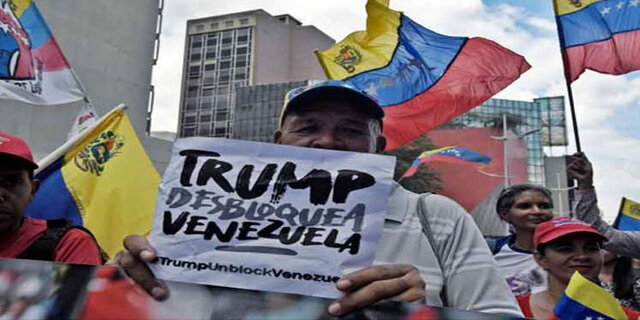
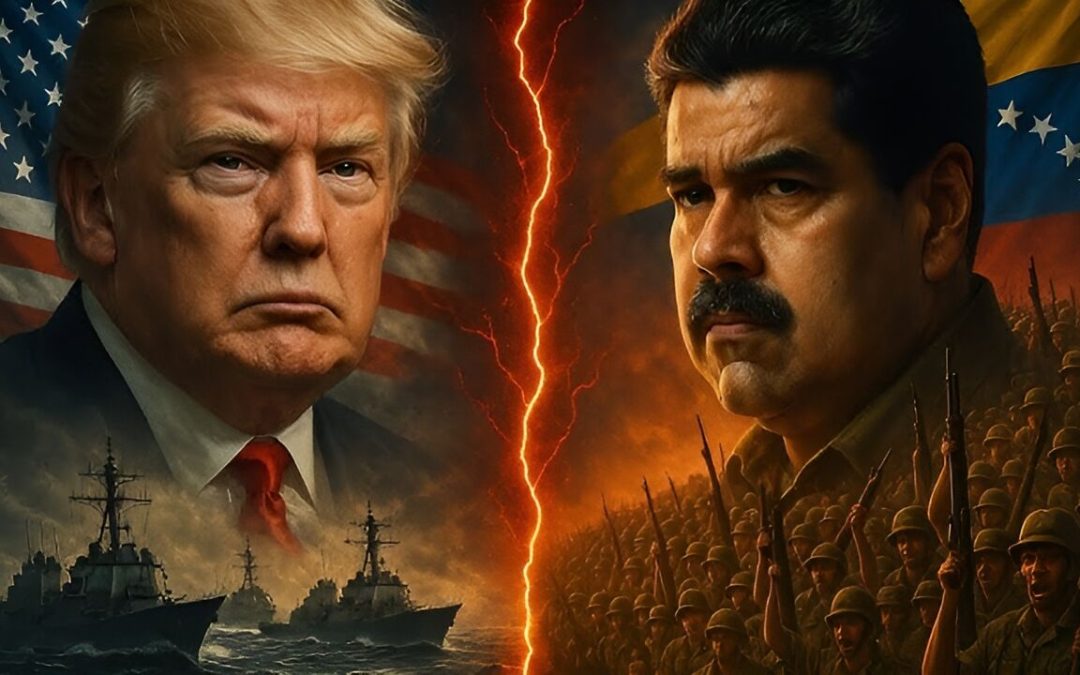
Strategic Council Online – Interview: An American affairs expert stated that in recent weeks, U.S. policy toward Venezuela has undergone a distinct redefinition, shifting toward hard power tools. According to media reports, during Donald Trump’s presidency, the White House reviewed options for military operations “against drug cartels”. It even introduced a deadly attack on a suspected boat leaving Venezuelan waters as the beginning of a new phase of its campaign. This approach has been reinforced by the deployment of significant military assets to the Caribbean periphery, including cruisers equipped with cruise missiles and attack submarines, as well as the stationing of F-35 fighter jets in Puerto Rico. It is complemented by labeling Nicolás Maduro a “narcoterrorist” and doubling the bounty for his capture.
Although Trump, when asked about “regime change,” said, “We’re not discussing that,” by linking Venezuela to the anti-drug mission, he has effectively redefined the “maximum pressure” strategy within a security-military framework. At the regional level, the resurgence of the old concept of “gunboat diplomacy” in America’s backyard sends a deterrent message to Caracas and its allies on one hand, while increasing the risk of sliding into proxy and attritional conflicts on the other. At the structural level, the merging of U.S. domestic considerations, including the “crackdown on drug trafficking” agenda, with geopolitical calculations to control energy resources and routes of influence, indicates that the Venezuela issue is not merely a criminal-security matter but rather a reflection of great power competition and a test of the resilience of the Latin American regional order—an order that, with each crisis escalation, simultaneously creates opportunities and threats for both extra-regional and regional actors.

Orientation of Taliban Rule in Afghanistan

Orientation of Taliban Rule in Afghanistan

Strategic Council Online – Interview: Former head of the Logistics Headquarter of Afghanistan at the Ministry of Foreign Affairs, stating that the Taliban is now only thinking of consolidating its international position; said: So far, there is no evidence of the efforts of the leaders of that group to create an inclusive government with the presence of all ethnic groups.

Russia’s Strategy towards Afghanistan

Russia’s Strategy towards Afghanistan

Strategic Council Online – Note: The policy that Russia is currently pursuing in Afghanistan is an effort to fill the vacuum created by the US withdrawal from the country by strengthening its presence and influence through political mechanisms and security processes, unlike China, which uses mechanisms of economic, development, and investment programs in Afghanistan’s infrastructure in an effort to fill in the said gap.
Hamid Khoshayand – Analyst of International Affairs

Corona and France’s support for increasing pressure on China

Corona and France’s support for increasing pressure on China

Strategic Council Online: As Trump’s maximum pressure to attract US public opinion, and change the course of international development of corona pandemic towards China, by introducing this country as the origin of the virus, and make Beijing responsible for this pandemic by any means, French diplomacy is on a mission to continue this trend and to increase a controlled pressure on Paris-Beijing relations.
Abolghasem Delfi – Former IRI Ambassador to France

أحدث الوظائف

Realities of the Tripartite Makkah Pact

SCFR Online – Interview: The signing of the Makkah agreement between Saudi Arabia, Pakistan, and Turkey has raised questions about the future of the region’s security structure and the position of these countries in West Asian equations. Can this agreement become a genuine collective defense mechanism, or does it have more of a political and deterrent function than creating new military capacity?

Strategic Implications of the Reduction of US Weapons Stockpiles

SCFR Online – Opinion: The continuation of the US war against Iran, in addition to increasing operational costs, has called into question the actual capacity of the American arsenal to simultaneously fulfill security commitments on multiple fronts; an issue that affects deterrence, defense production capacity, and Washington’s resource prioritization.

The Formation of a New Order in Relations Between Powers

SCFR Online – Opinion: The Russia-Ukraine war and the war of the United States and the Israeli regime against Iran have been formed with different objectives and actors, but field and political developments indicate that they are not entirely separate from one another.

An Analysis of the Makkah Defense Pact

SCFR Online – Opinion: On Friday, August 7, the heads of state of three countries – Saudi Arabia, Turkey, and Pakistan – signed a text under the title “Makkah Joint Defense Agreement.”

Dimensions and challenges of the initiative to revive the Hejaz Railway

Strategic Council Online – Note: The initiative to revive the Hejaz Railway, beyond being a transportation project, constitutes an attempt to redefine geopolitics, the economy, and Turkey’s regional position; however, its realization appears to face significant financial, security, and institutional challenges.

Loading

drugs

Venezuela After the Abduction of Maduro; Is the International Order on the Verge of Collapse?

Venezuela After the Abduction of Maduro; Is the International Order on the Verge of Collapse?

SCFR Online – Interview: Three months have passed since the operation by US special forces in Caracas – an operation in which Nicolás Maduro, the President of Venezuela, was abducted and transferred to New York. To examine the legal, political, and economic dimensions of this unprecedented event and its consequences, we have interviewed Soroosh Salami, an expert on Latin American affairs.

Latin America’s Uprising Against the United States’ New Colonialism?

Latin America’s Uprising Against the United States’ New Colonialism?

Strategic Council Online – Interview: A Latin American affairs expert believes that, although the United States of America is trying to impose “new colonialism” on the Latin American region, a new form of resistance, protest, and nationwide uprisings will likely emerge.

Hidden Objectives of U.S. Military Threats Against Venezuela

Hidden Objectives of U.S. Military Threats Against Venezuela

Strategic Council Online – Interview: An American affairs expert stated that in recent weeks, U.S. policy toward Venezuela has undergone a distinct redefinition, shifting toward hard power tools. According to media reports, during Donald Trump’s presidency, the White House reviewed options for military operations “against drug cartels”. It even introduced a deadly attack on a suspected boat leaving Venezuelan waters as the beginning of a new phase of its campaign. This approach has been reinforced by the deployment of significant military assets to the Caribbean periphery, including cruisers equipped with cruise missiles and attack submarines, as well as the stationing of F-35 fighter jets in Puerto Rico. It is complemented by labeling Nicolás Maduro a “narcoterrorist” and doubling the bounty for his capture.
Although Trump, when asked about “regime change,” said, “We’re not discussing that,” by linking Venezuela to the anti-drug mission, he has effectively redefined the “maximum pressure” strategy within a security-military framework. At the regional level, the resurgence of the old concept of “gunboat diplomacy” in America’s backyard sends a deterrent message to Caracas and its allies on one hand, while increasing the risk of sliding into proxy and attritional conflicts on the other. At the structural level, the merging of U.S. domestic considerations, including the “crackdown on drug trafficking” agenda, with geopolitical calculations to control energy resources and routes of influence, indicates that the Venezuela issue is not merely a criminal-security matter but rather a reflection of great power competition and a test of the resilience of the Latin American regional order—an order that, with each crisis escalation, simultaneously creates opportunities and threats for both extra-regional and regional actors.

Orientation of Taliban Rule in Afghanistan

Orientation of Taliban Rule in Afghanistan

Strategic Council Online – Interview: Former head of the Logistics Headquarter of Afghanistan at the Ministry of Foreign Affairs, stating that the Taliban is now only thinking of consolidating its international position; said: So far, there is no evidence of the efforts of the leaders of that group to create an inclusive government with the presence of all ethnic groups.

Russia’s Strategy towards Afghanistan

Russia’s Strategy towards Afghanistan

Strategic Council Online – Note: The policy that Russia is currently pursuing in Afghanistan is an effort to fill the vacuum created by the US withdrawal from the country by strengthening its presence and influence through political mechanisms and security processes, unlike China, which uses mechanisms of economic, development, and investment programs in Afghanistan’s infrastructure in an effort to fill in the said gap.
Hamid Khoshayand – Analyst of International Affairs

Corona and France’s support for increasing pressure on China

Corona and France’s support for increasing pressure on China

Strategic Council Online: As Trump’s maximum pressure to attract US public opinion, and change the course of international development of corona pandemic towards China, by introducing this country as the origin of the virus, and make Beijing responsible for this pandemic by any means, French diplomacy is on a mission to continue this trend and to increase a controlled pressure on Paris-Beijing relations.
Abolghasem Delfi – Former IRI Ambassador to France

drugs

Venezuela After the Abduction of Maduro; Is the International Order on the Verge of Collapse?

Venezuela After the Abduction of Maduro; Is the International Order on the Verge of Collapse?

SCFR Online – Interview: Three months have passed since the operation by US special forces in Caracas – an operation in which Nicolás Maduro, the President of Venezuela, was abducted and transferred to New York. To examine the legal, political, and economic dimensions of this unprecedented event and its consequences, we have interviewed Soroosh Salami, an expert on Latin American affairs.

Latin America’s Uprising Against the United States’ New Colonialism?

Latin America’s Uprising Against the United States’ New Colonialism?

Strategic Council Online – Interview: A Latin American affairs expert believes that, although the United States of America is trying to impose “new colonialism” on the Latin American region, a new form of resistance, protest, and nationwide uprisings will likely emerge.

Hidden Objectives of U.S. Military Threats Against Venezuela

Hidden Objectives of U.S. Military Threats Against Venezuela

Strategic Council Online – Interview: An American affairs expert stated that in recent weeks, U.S. policy toward Venezuela has undergone a distinct redefinition, shifting toward hard power tools. According to media reports, during Donald Trump’s presidency, the White House reviewed options for military operations “against drug cartels”. It even introduced a deadly attack on a suspected boat leaving Venezuelan waters as the beginning of a new phase of its campaign. This approach has been reinforced by the deployment of significant military assets to the Caribbean periphery, including cruisers equipped with cruise missiles and attack submarines, as well as the stationing of F-35 fighter jets in Puerto Rico. It is complemented by labeling Nicolás Maduro a “narcoterrorist” and doubling the bounty for his capture.
Although Trump, when asked about “regime change,” said, “We’re not discussing that,” by linking Venezuela to the anti-drug mission, he has effectively redefined the “maximum pressure” strategy within a security-military framework. At the regional level, the resurgence of the old concept of “gunboat diplomacy” in America’s backyard sends a deterrent message to Caracas and its allies on one hand, while increasing the risk of sliding into proxy and attritional conflicts on the other. At the structural level, the merging of U.S. domestic considerations, including the “crackdown on drug trafficking” agenda, with geopolitical calculations to control energy resources and routes of influence, indicates that the Venezuela issue is not merely a criminal-security matter but rather a reflection of great power competition and a test of the resilience of the Latin American regional order—an order that, with each crisis escalation, simultaneously creates opportunities and threats for both extra-regional and regional actors.

Orientation of Taliban Rule in Afghanistan

Orientation of Taliban Rule in Afghanistan

Strategic Council Online – Interview: Former head of the Logistics Headquarter of Afghanistan at the Ministry of Foreign Affairs, stating that the Taliban is now only thinking of consolidating its international position; said: So far, there is no evidence of the efforts of the leaders of that group to create an inclusive government with the presence of all ethnic groups.

Russia’s Strategy towards Afghanistan

Russia’s Strategy towards Afghanistan

Strategic Council Online – Note: The policy that Russia is currently pursuing in Afghanistan is an effort to fill the vacuum created by the US withdrawal from the country by strengthening its presence and influence through political mechanisms and security processes, unlike China, which uses mechanisms of economic, development, and investment programs in Afghanistan’s infrastructure in an effort to fill in the said gap.
Hamid Khoshayand – Analyst of International Affairs

Corona and France’s support for increasing pressure on China

Corona and France’s support for increasing pressure on China

Strategic Council Online: As Trump’s maximum pressure to attract US public opinion, and change the course of international development of corona pandemic towards China, by introducing this country as the origin of the virus, and make Beijing responsible for this pandemic by any means, French diplomacy is on a mission to continue this trend and to increase a controlled pressure on Paris-Beijing relations.
Abolghasem Delfi – Former IRI Ambassador to France

LATEST CONTENT

Realities of the Tripartite Makkah Pact

SCFR Online – Interview: The signing of the Makkah agreement between Saudi Arabia, Pakistan, and Turkey has raised questions about the future of the region’s security structure and the position of these countries in West Asian equations. Can this agreement become a genuine collective defense mechanism, or does it have more of a political and deterrent function than creating new military capacity?

Strategic Implications of the Reduction of US Weapons Stockpiles

SCFR Online – Opinion: The continuation of the US war against Iran, in addition to increasing operational costs, has called into question the actual capacity of the American arsenal to simultaneously fulfill security commitments on multiple fronts; an issue that affects deterrence, defense production capacity, and Washington’s resource prioritization.

The Formation of a New Order in Relations Between Powers

SCFR Online – Opinion: The Russia-Ukraine war and the war of the United States and the Israeli regime against Iran have been formed with different objectives and actors, but field and political developments indicate that they are not entirely separate from one another.

An Analysis of the Makkah Defense Pact

SCFR Online – Opinion: On Friday, August 7, the heads of state of three countries – Saudi Arabia, Turkey, and Pakistan – signed a text under the title “Makkah Joint Defense Agreement.”

Dimensions and challenges of the initiative to revive the Hejaz Railway

Strategic Council Online – Note: The initiative to revive the Hejaz Railway, beyond being a transportation project, constitutes an attempt to redefine geopolitics, the economy, and Turkey’s regional position; however, its realization appears to face significant financial, security, and institutional challenges.

Loading

drugs

Venezuela After the Abduction of Maduro; Is the International Order on the Verge of Collapse?

Venezuela After the Abduction of Maduro; Is the International Order on the Verge of Collapse?

SCFR Online – Interview: Three months have passed since the operation by US special forces in Caracas – an operation in which Nicolás Maduro, the President of Venezuela, was abducted and transferred to New York. To examine the legal, political, and economic dimensions of this unprecedented event and its consequences, we have interviewed Soroosh Salami, an expert on Latin American affairs.

Latin America’s Uprising Against the United States’ New Colonialism?

Latin America’s Uprising Against the United States’ New Colonialism?

Strategic Council Online – Interview: A Latin American affairs expert believes that, although the United States of America is trying to impose “new colonialism” on the Latin American region, a new form of resistance, protest, and nationwide uprisings will likely emerge.

Hidden Objectives of U.S. Military Threats Against Venezuela

Hidden Objectives of U.S. Military Threats Against Venezuela

Strategic Council Online – Interview: An American affairs expert stated that in recent weeks, U.S. policy toward Venezuela has undergone a distinct redefinition, shifting toward hard power tools. According to media reports, during Donald Trump’s presidency, the White House reviewed options for military operations “against drug cartels”. It even introduced a deadly attack on a suspected boat leaving Venezuelan waters as the beginning of a new phase of its campaign. This approach has been reinforced by the deployment of significant military assets to the Caribbean periphery, including cruisers equipped with cruise missiles and attack submarines, as well as the stationing of F-35 fighter jets in Puerto Rico. It is complemented by labeling Nicolás Maduro a “narcoterrorist” and doubling the bounty for his capture.
Although Trump, when asked about “regime change,” said, “We’re not discussing that,” by linking Venezuela to the anti-drug mission, he has effectively redefined the “maximum pressure” strategy within a security-military framework. At the regional level, the resurgence of the old concept of “gunboat diplomacy” in America’s backyard sends a deterrent message to Caracas and its allies on one hand, while increasing the risk of sliding into proxy and attritional conflicts on the other. At the structural level, the merging of U.S. domestic considerations, including the “crackdown on drug trafficking” agenda, with geopolitical calculations to control energy resources and routes of influence, indicates that the Venezuela issue is not merely a criminal-security matter but rather a reflection of great power competition and a test of the resilience of the Latin American regional order—an order that, with each crisis escalation, simultaneously creates opportunities and threats for both extra-regional and regional actors.

Orientation of Taliban Rule in Afghanistan

Orientation of Taliban Rule in Afghanistan

Strategic Council Online – Interview: Former head of the Logistics Headquarter of Afghanistan at the Ministry of Foreign Affairs, stating that the Taliban is now only thinking of consolidating its international position; said: So far, there is no evidence of the efforts of the leaders of that group to create an inclusive government with the presence of all ethnic groups.

Russia’s Strategy towards Afghanistan

Russia’s Strategy towards Afghanistan

Strategic Council Online – Note: The policy that Russia is currently pursuing in Afghanistan is an effort to fill the vacuum created by the US withdrawal from the country by strengthening its presence and influence through political mechanisms and security processes, unlike China, which uses mechanisms of economic, development, and investment programs in Afghanistan’s infrastructure in an effort to fill in the said gap.
Hamid Khoshayand – Analyst of International Affairs

Corona and France’s support for increasing pressure on China

Corona and France’s support for increasing pressure on China

Strategic Council Online: As Trump’s maximum pressure to attract US public opinion, and change the course of international development of corona pandemic towards China, by introducing this country as the origin of the virus, and make Beijing responsible for this pandemic by any means, French diplomacy is on a mission to continue this trend and to increase a controlled pressure on Paris-Beijing relations.
Abolghasem Delfi – Former IRI Ambassador to France

ÚLTIMAS PUBLICACIONES

Realities of the Tripartite Makkah Pact

SCFR Online – Interview: The signing of the Makkah agreement between Saudi Arabia, Pakistan, and Turkey has raised questions about the future of the region’s security structure and the position of these countries in West Asian equations. Can this agreement become a genuine collective defense mechanism, or does it have more of a political and deterrent function than creating new military capacity?

Strategic Implications of the Reduction of US Weapons Stockpiles

SCFR Online – Opinion: The continuation of the US war against Iran, in addition to increasing operational costs, has called into question the actual capacity of the American arsenal to simultaneously fulfill security commitments on multiple fronts; an issue that affects deterrence, defense production capacity, and Washington’s resource prioritization.

The Formation of a New Order in Relations Between Powers

SCFR Online – Opinion: The Russia-Ukraine war and the war of the United States and the Israeli regime against Iran have been formed with different objectives and actors, but field and political developments indicate that they are not entirely separate from one another.

An Analysis of the Makkah Defense Pact

SCFR Online – Opinion: On Friday, August 7, the heads of state of three countries – Saudi Arabia, Turkey, and Pakistan – signed a text under the title “Makkah Joint Defense Agreement.”

Dimensions and challenges of the initiative to revive the Hejaz Railway

Strategic Council Online – Note: The initiative to revive the Hejaz Railway, beyond being a transportation project, constitutes an attempt to redefine geopolitics, the economy, and Turkey’s regional position; however, its realization appears to face significant financial, security, and institutional challenges.

Loading

drugs

Venezuela After the Abduction of Maduro; Is the International Order on the Verge of Collapse?

Venezuela After the Abduction of Maduro; Is the International Order on the Verge of Collapse?

SCFR Online – Interview: Three months have passed since the operation by US special forces in Caracas – an operation in which Nicolás Maduro, the President of Venezuela, was abducted and transferred to New York. To examine the legal, political, and economic dimensions of this unprecedented event and its consequences, we have interviewed Soroosh Salami, an expert on Latin American affairs.

Latin America’s Uprising Against the United States’ New Colonialism?

Latin America’s Uprising Against the United States’ New Colonialism?

Strategic Council Online – Interview: A Latin American affairs expert believes that, although the United States of America is trying to impose “new colonialism” on the Latin American region, a new form of resistance, protest, and nationwide uprisings will likely emerge.

Hidden Objectives of U.S. Military Threats Against Venezuela

Hidden Objectives of U.S. Military Threats Against Venezuela

Strategic Council Online – Interview: An American affairs expert stated that in recent weeks, U.S. policy toward Venezuela has undergone a distinct redefinition, shifting toward hard power tools. According to media reports, during Donald Trump’s presidency, the White House reviewed options for military operations “against drug cartels”. It even introduced a deadly attack on a suspected boat leaving Venezuelan waters as the beginning of a new phase of its campaign. This approach has been reinforced by the deployment of significant military assets to the Caribbean periphery, including cruisers equipped with cruise missiles and attack submarines, as well as the stationing of F-35 fighter jets in Puerto Rico. It is complemented by labeling Nicolás Maduro a “narcoterrorist” and doubling the bounty for his capture.
Although Trump, when asked about “regime change,” said, “We’re not discussing that,” by linking Venezuela to the anti-drug mission, he has effectively redefined the “maximum pressure” strategy within a security-military framework. At the regional level, the resurgence of the old concept of “gunboat diplomacy” in America’s backyard sends a deterrent message to Caracas and its allies on one hand, while increasing the risk of sliding into proxy and attritional conflicts on the other. At the structural level, the merging of U.S. domestic considerations, including the “crackdown on drug trafficking” agenda, with geopolitical calculations to control energy resources and routes of influence, indicates that the Venezuela issue is not merely a criminal-security matter but rather a reflection of great power competition and a test of the resilience of the Latin American regional order—an order that, with each crisis escalation, simultaneously creates opportunities and threats for both extra-regional and regional actors.

Orientation of Taliban Rule in Afghanistan

Orientation of Taliban Rule in Afghanistan

Strategic Council Online – Interview: Former head of the Logistics Headquarter of Afghanistan at the Ministry of Foreign Affairs, stating that the Taliban is now only thinking of consolidating its international position; said: So far, there is no evidence of the efforts of the leaders of that group to create an inclusive government with the presence of all ethnic groups.

Russia’s Strategy towards Afghanistan

Russia’s Strategy towards Afghanistan

Strategic Council Online – Note: The policy that Russia is currently pursuing in Afghanistan is an effort to fill the vacuum created by the US withdrawal from the country by strengthening its presence and influence through political mechanisms and security processes, unlike China, which uses mechanisms of economic, development, and investment programs in Afghanistan’s infrastructure in an effort to fill in the said gap.
Hamid Khoshayand – Analyst of International Affairs

Corona and France’s support for increasing pressure on China

Corona and France’s support for increasing pressure on China

Strategic Council Online: As Trump’s maximum pressure to attract US public opinion, and change the course of international development of corona pandemic towards China, by introducing this country as the origin of the virus, and make Beijing responsible for this pandemic by any means, French diplomacy is on a mission to continue this trend and to increase a controlled pressure on Paris-Beijing relations.
Abolghasem Delfi – Former IRI Ambassador to France

ÚLTIMAS PUBLICACIONES

Realities of the Tripartite Makkah Pact

SCFR Online – Interview: The signing of the Makkah agreement between Saudi Arabia, Pakistan, and Turkey has raised questions about the future of the region’s security structure and the position of these countries in West Asian equations. Can this agreement become a genuine collective defense mechanism, or does it have more of a political and deterrent function than creating new military capacity?

Strategic Implications of the Reduction of US Weapons Stockpiles

SCFR Online – Opinion: The continuation of the US war against Iran, in addition to increasing operational costs, has called into question the actual capacity of the American arsenal to simultaneously fulfill security commitments on multiple fronts; an issue that affects deterrence, defense production capacity, and Washington’s resource prioritization.

The Formation of a New Order in Relations Between Powers

SCFR Online – Opinion: The Russia-Ukraine war and the war of the United States and the Israeli regime against Iran have been formed with different objectives and actors, but field and political developments indicate that they are not entirely separate from one another.

An Analysis of the Makkah Defense Pact

SCFR Online – Opinion: On Friday, August 7, the heads of state of three countries – Saudi Arabia, Turkey, and Pakistan – signed a text under the title “Makkah Joint Defense Agreement.”

Dimensions and challenges of the initiative to revive the Hejaz Railway

Strategic Council Online – Note: The initiative to revive the Hejaz Railway, beyond being a transportation project, constitutes an attempt to redefine geopolitics, the economy, and Turkey’s regional position; however, its realization appears to face significant financial, security, and institutional challenges.

Loading

drugs

Venezuela After the Abduction of Maduro; Is the International Order on the Verge of Collapse?

Venezuela After the Abduction of Maduro; Is the International Order on the Verge of Collapse?

SCFR Online – Interview: Three months have passed since the operation by US special forces in Caracas – an operation in which Nicolás Maduro, the President of Venezuela, was abducted and transferred to New York. To examine the legal, political, and economic dimensions of this unprecedented event and its consequences, we have interviewed Soroosh Salami, an expert on Latin American affairs.

Latin America’s Uprising Against the United States’ New Colonialism?

Latin America’s Uprising Against the United States’ New Colonialism?

Strategic Council Online – Interview: A Latin American affairs expert believes that, although the United States of America is trying to impose “new colonialism” on the Latin American region, a new form of resistance, protest, and nationwide uprisings will likely emerge.

Hidden Objectives of U.S. Military Threats Against Venezuela

Hidden Objectives of U.S. Military Threats Against Venezuela

Strategic Council Online – Interview: An American affairs expert stated that in recent weeks, U.S. policy toward Venezuela has undergone a distinct redefinition, shifting toward hard power tools. According to media reports, during Donald Trump’s presidency, the White House reviewed options for military operations “against drug cartels”. It even introduced a deadly attack on a suspected boat leaving Venezuelan waters as the beginning of a new phase of its campaign. This approach has been reinforced by the deployment of significant military assets to the Caribbean periphery, including cruisers equipped with cruise missiles and attack submarines, as well as the stationing of F-35 fighter jets in Puerto Rico. It is complemented by labeling Nicolás Maduro a “narcoterrorist” and doubling the bounty for his capture.
Although Trump, when asked about “regime change,” said, “We’re not discussing that,” by linking Venezuela to the anti-drug mission, he has effectively redefined the “maximum pressure” strategy within a security-military framework. At the regional level, the resurgence of the old concept of “gunboat diplomacy” in America’s backyard sends a deterrent message to Caracas and its allies on one hand, while increasing the risk of sliding into proxy and attritional conflicts on the other. At the structural level, the merging of U.S. domestic considerations, including the “crackdown on drug trafficking” agenda, with geopolitical calculations to control energy resources and routes of influence, indicates that the Venezuela issue is not merely a criminal-security matter but rather a reflection of great power competition and a test of the resilience of the Latin American regional order—an order that, with each crisis escalation, simultaneously creates opportunities and threats for both extra-regional and regional actors.

Orientation of Taliban Rule in Afghanistan

Orientation of Taliban Rule in Afghanistan

Strategic Council Online – Interview: Former head of the Logistics Headquarter of Afghanistan at the Ministry of Foreign Affairs, stating that the Taliban is now only thinking of consolidating its international position; said: So far, there is no evidence of the efforts of the leaders of that group to create an inclusive government with the presence of all ethnic groups.

Russia’s Strategy towards Afghanistan

Russia’s Strategy towards Afghanistan

Strategic Council Online – Note: The policy that Russia is currently pursuing in Afghanistan is an effort to fill the vacuum created by the US withdrawal from the country by strengthening its presence and influence through political mechanisms and security processes, unlike China, which uses mechanisms of economic, development, and investment programs in Afghanistan’s infrastructure in an effort to fill in the said gap.
Hamid Khoshayand – Analyst of International Affairs

Corona and France’s support for increasing pressure on China

Corona and France’s support for increasing pressure on China

Strategic Council Online: As Trump’s maximum pressure to attract US public opinion, and change the course of international development of corona pandemic towards China, by introducing this country as the origin of the virus, and make Beijing responsible for this pandemic by any means, French diplomacy is on a mission to continue this trend and to increase a controlled pressure on Paris-Beijing relations.
Abolghasem Delfi – Former IRI Ambassador to France

ÚLTIMAS PUBLICACIONES

Realities of the Tripartite Makkah Pact

SCFR Online – Interview: The signing of the Makkah agreement between Saudi Arabia, Pakistan, and Turkey has raised questions about the future of the region’s security structure and the position of these countries in West Asian equations. Can this agreement become a genuine collective defense mechanism, or does it have more of a political and deterrent function than creating new military capacity?

Strategic Implications of the Reduction of US Weapons Stockpiles

SCFR Online – Opinion: The continuation of the US war against Iran, in addition to increasing operational costs, has called into question the actual capacity of the American arsenal to simultaneously fulfill security commitments on multiple fronts; an issue that affects deterrence, defense production capacity, and Washington’s resource prioritization.

The Formation of a New Order in Relations Between Powers

SCFR Online – Opinion: The Russia-Ukraine war and the war of the United States and the Israeli regime against Iran have been formed with different objectives and actors, but field and political developments indicate that they are not entirely separate from one another.

An Analysis of the Makkah Defense Pact

SCFR Online – Opinion: On Friday, August 7, the heads of state of three countries – Saudi Arabia, Turkey, and Pakistan – signed a text under the title “Makkah Joint Defense Agreement.”

Dimensions and challenges of the initiative to revive the Hejaz Railway

Strategic Council Online – Note: The initiative to revive the Hejaz Railway, beyond being a transportation project, constitutes an attempt to redefine geopolitics, the economy, and Turkey’s regional position; however, its realization appears to face significant financial, security, and institutional challenges.

Loading

drugs

Venezuela After the Abduction of Maduro; Is the International Order on the Verge of Collapse?

Venezuela After the Abduction of Maduro; Is the International Order on the Verge of Collapse?

SCFR Online – Interview: Three months have passed since the operation by US special forces in Caracas – an operation in which Nicolás Maduro, the President of Venezuela, was abducted and transferred to New York. To examine the legal, political, and economic dimensions of this unprecedented event and its consequences, we have interviewed Soroosh Salami, an expert on Latin American affairs.

Latin America’s Uprising Against the United States’ New Colonialism?

Latin America’s Uprising Against the United States’ New Colonialism?

Strategic Council Online – Interview: A Latin American affairs expert believes that, although the United States of America is trying to impose “new colonialism” on the Latin American region, a new form of resistance, protest, and nationwide uprisings will likely emerge.

Hidden Objectives of U.S. Military Threats Against Venezuela

Hidden Objectives of U.S. Military Threats Against Venezuela

Strategic Council Online – Interview: An American affairs expert stated that in recent weeks, U.S. policy toward Venezuela has undergone a distinct redefinition, shifting toward hard power tools. According to media reports, during Donald Trump’s presidency, the White House reviewed options for military operations “against drug cartels”. It even introduced a deadly attack on a suspected boat leaving Venezuelan waters as the beginning of a new phase of its campaign. This approach has been reinforced by the deployment of significant military assets to the Caribbean periphery, including cruisers equipped with cruise missiles and attack submarines, as well as the stationing of F-35 fighter jets in Puerto Rico. It is complemented by labeling Nicolás Maduro a “narcoterrorist” and doubling the bounty for his capture.
Although Trump, when asked about “regime change,” said, “We’re not discussing that,” by linking Venezuela to the anti-drug mission, he has effectively redefined the “maximum pressure” strategy within a security-military framework. At the regional level, the resurgence of the old concept of “gunboat diplomacy” in America’s backyard sends a deterrent message to Caracas and its allies on one hand, while increasing the risk of sliding into proxy and attritional conflicts on the other. At the structural level, the merging of U.S. domestic considerations, including the “crackdown on drug trafficking” agenda, with geopolitical calculations to control energy resources and routes of influence, indicates that the Venezuela issue is not merely a criminal-security matter but rather a reflection of great power competition and a test of the resilience of the Latin American regional order—an order that, with each crisis escalation, simultaneously creates opportunities and threats for both extra-regional and regional actors.

Orientation of Taliban Rule in Afghanistan

Orientation of Taliban Rule in Afghanistan

Strategic Council Online – Interview: Former head of the Logistics Headquarter of Afghanistan at the Ministry of Foreign Affairs, stating that the Taliban is now only thinking of consolidating its international position; said: So far, there is no evidence of the efforts of the leaders of that group to create an inclusive government with the presence of all ethnic groups.

Russia’s Strategy towards Afghanistan

Russia’s Strategy towards Afghanistan

Strategic Council Online – Note: The policy that Russia is currently pursuing in Afghanistan is an effort to fill the vacuum created by the US withdrawal from the country by strengthening its presence and influence through political mechanisms and security processes, unlike China, which uses mechanisms of economic, development, and investment programs in Afghanistan’s infrastructure in an effort to fill in the said gap.
Hamid Khoshayand – Analyst of International Affairs

Corona and France’s support for increasing pressure on China

Corona and France’s support for increasing pressure on China

Strategic Council Online: As Trump’s maximum pressure to attract US public opinion, and change the course of international development of corona pandemic towards China, by introducing this country as the origin of the virus, and make Beijing responsible for this pandemic by any means, French diplomacy is on a mission to continue this trend and to increase a controlled pressure on Paris-Beijing relations.
Abolghasem Delfi – Former IRI Ambassador to France

ÚLTIMAS PUBLICACIONES

Realities of the Tripartite Makkah Pact

SCFR Online – Interview: The signing of the Makkah agreement between Saudi Arabia, Pakistan, and Turkey has raised questions about the future of the region’s security structure and the position of these countries in West Asian equations. Can this agreement become a genuine collective defense mechanism, or does it have more of a political and deterrent function than creating new military capacity?

Strategic Implications of the Reduction of US Weapons Stockpiles

SCFR Online – Opinion: The continuation of the US war against Iran, in addition to increasing operational costs, has called into question the actual capacity of the American arsenal to simultaneously fulfill security commitments on multiple fronts; an issue that affects deterrence, defense production capacity, and Washington’s resource prioritization.

The Formation of a New Order in Relations Between Powers

SCFR Online – Opinion: The Russia-Ukraine war and the war of the United States and the Israeli regime against Iran have been formed with different objectives and actors, but field and political developments indicate that they are not entirely separate from one another.

An Analysis of the Makkah Defense Pact

SCFR Online – Opinion: On Friday, August 7, the heads of state of three countries – Saudi Arabia, Turkey, and Pakistan – signed a text under the title “Makkah Joint Defense Agreement.”

Dimensions and challenges of the initiative to revive the Hejaz Railway

Strategic Council Online – Note: The initiative to revive the Hejaz Railway, beyond being a transportation project, constitutes an attempt to redefine geopolitics, the economy, and Turkey’s regional position; however, its realization appears to face significant financial, security, and institutional challenges.

Loading