جدیدترین مطالب

Europe’s Enduring Dependence on Persian Gulf Energy

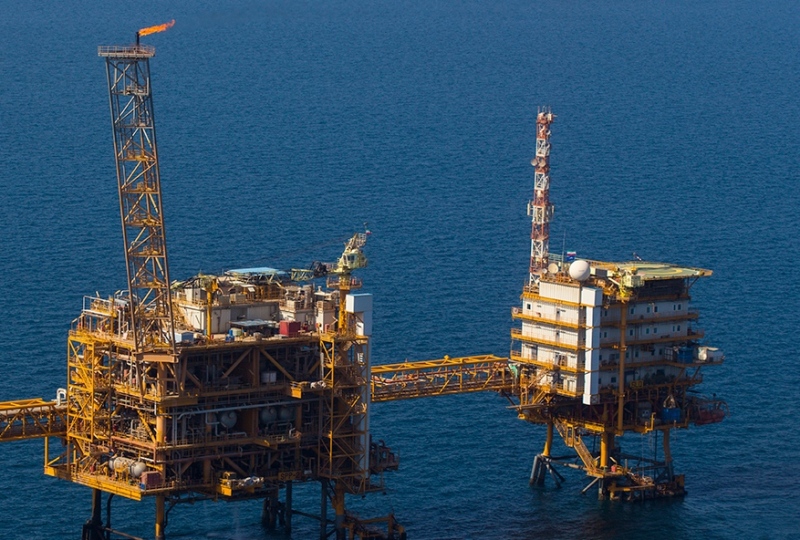
SCFR Online – Opinion: The dominant discourse in the field of European energy security over the past two decades has revolved around diversification of supply sources and the gradual reduction of dependence on fossil fuels. This narrative, which gained particular momentum after the Ukraine gas crisis in 2006 and its intensification in 2014 and 2022, was based on the assumption that Europe could free itself from the geopolitical vulnerabilities arising from dependence on specific suppliers through investment in renewable energy, imports of liquefied natural gas from diversified sources, and the establishment of new infrastructure. However, a closer analysis of energy trade data and the structure of the global oil and gas supply chain presents a different picture. Europe has not only failed to meaningfully reduce its dependence on the Persian Gulf, but in some sectors — particularly in liquefied natural gas imports — this dependence has deepened. This reality, which is often overlooked in public discourse, raises fundamental questions about the sustainability of Europe’s energy security strategies and their impact on regional power equations.

The Challenge of Hezbollah’s Low-Cost “FPV” Drones for the Zionist Regime

SCFR Online – Opinion: In modern warfare, it has always been assumed that the more expensive, and advanced the weapon—particularly from well-known companies—the more certain the victory will be. However, developments on the northern front of occupied Palestine in recent months have challenged this long-held belief. Here, the Zionist regime’s military, despite possessing the most advanced defense systems such as Iron Dome, David’s Sling, and Arrow, as well as fifth-generation F-35 fighter jets, Merkava tanks, and other modern equipment found in few countries worldwide, has effectively been rendered helpless against Hezbollah Lebanon’s few-hundred-dollar drones. Benjamin Netanyahu’s bitter admission regarding the inability to counter this threat, and his order to allocate an unlimited budget to find a solution, underscores the reality that the era of pure superiority through expensive technologies has come to an end.

The Impact of West Asian Developments on the Ukraine War

SCFR Online – Note: Vladimir Putin, President of Russia, recently announced—more than four years after the commencement of military aggression against Ukraine—that he believes the conflict between Russia and Ukraine is drawing to a close.

Temporary China–U.S. Trade Truce in the Shadow of Fundamental Distrust

SCFR Online – Opinion: The recent visit of the President of the United States to China is significant from various aspects; because China is recognized as the world’s second-largest economic power and a growing economy. The Chinese are also advancing in various fields, including the space sector, artificial intelligence, and military industries; to the extent that in the military sector, whereas they previously lacked an aircraft carrier, they now possess their third aircraft carrier. On the other hand, the United States, as a superpower, has always regarded China as its rival and continues to view it as such today.

Loading

Energy security

Europe’s Enduring Dependence on Persian Gulf Energy

Europe’s Enduring Dependence on Persian Gulf Energy

SCFR Online – Opinion: The dominant discourse in the field of European energy security over the past two decades has revolved around diversification of supply sources and the gradual reduction of dependence on fossil fuels. This narrative, which gained particular momentum after the Ukraine gas crisis in 2006 and its intensification in 2014 and 2022, was based on the assumption that Europe could free itself from the geopolitical vulnerabilities arising from dependence on specific suppliers through investment in renewable energy, imports of liquefied natural gas from diversified sources, and the establishment of new infrastructure. However, a closer analysis of energy trade data and the structure of the global oil and gas supply chain presents a different picture. Europe has not only failed to meaningfully reduce its dependence on the Persian Gulf, but in some sectors — particularly in liquefied natural gas imports — this dependence has deepened. This reality, which is often overlooked in public discourse, raises fundamental questions about the sustainability of Europe’s energy security strategies and their impact on regional power equations.

The United States Strategy toward the Strait of Hormuz in Confrontation with China’s Interests

The United States Strategy toward the Strait of Hormuz in Confrontation with China’s Interests

Strategic Council Online – Opinion: In the strategic geography of the global economy, certain regions attain such significance that they effectively become determining factors of the international order. The Strait of Hormuz is among these points; a narrow yet vital passage through which a considerable portion of the world’s energy transits, and whose stability is directly intertwined with the interests and economic security of many countries. However, the importance of the Strait of Hormuz is not limited solely to the volume of energy passing through it. This strait is also a stage upon which the limitations and challenges of great power politics are revealed. From China’s perspective, the policy of the United States regarding the security of this strategic chokepoint, rather than reflecting a stable order, demonstrates a set of contradictions and strategic difficulties that Washington faces in managing the regional order.

New EU Strategy on Cooperation with the Persian Gulf, Its Challenges

New EU Strategy on Cooperation with the Persian Gulf, Its Challenges

Strategic Council Online – Guest Opinion: Normalization of Iran-Saudi relations with China’s mediation, which is an indication of Beijing’s more significant influence and role in new regional trends in the Middle East, increased speculations about the possibility of changes in the geostrategy of other powers.
Abbas Aslani – Expert on international relations

Objectives of Joint Communication on Strategic Partnership between Persian Gulf Cooperation Council (PGCC) & the European Union

Objectives of Joint Communication on Strategic Partnership between Persian Gulf Cooperation Council (PGCC) & the European Union

Strategic Council Online – Interview: Having stated that signing of Joint Communication on Strategic Partnership is the reflection of European leaders’ concern about expansion of ties among countries of the Persian Gulf Cooperation Council with China and particularly Russia at present junction, an expert of West Asia Affairs said:” Joint Communication on Strategic Partnership may prepare a more suitable ground for increased security presence of Europeans in the Persian Gulf region in future”.

Analysis of Ukraine War in Terms of Geopolitical Components

Analysis of Ukraine War in Terms of Geopolitical Components

Strategic Council Online – Opinion: In recent months, Russia’s invasion of Ukraine and its various consequences in regional and international arenas has become the main subject of analysts of politics and international relations. A war that has affected the security and stability of Eurasia, the order of international relations, food security, energy security and the like in various dimensions, and since the passage of more than three months from its beginning, there is still no clear end in sight.
Dr. Mohammad Mehdi Mazaheri – University professor

Perspective of Energy Security in Europe

Perspective of Energy Security in Europe

Strategic Council Online – Opinion: Having referred to current trends of developments between Russia and Europe and also international political economy, one of the global important challenges of the present century is the challenge on energy security and resources, particularly oil and gas.
Pouria Nabipour, Ph.D., Political Science & International Relations

EU and Energy Crisis

EU and Energy Crisis

Strategic Council Online – Opinion: The European Union is currently facing an unprecedented rise in energy prices which could hamper economic recovery after the Coronavirus epidemic in the Union, limit household incomes, and even challenge the so-called green transition. A set of market, geographical and political components has created the current unfavorable conditions.
Alireza Thamoudi – Expert on European affairs

US Role in Recent Russia-Ukraine Tensions

US Role in Recent Russia-Ukraine Tensions

Strategic Council Online – New movements on the Russian-Ukrainian borders are more related to the resurgence of traditional differences and geopolitical rivalries between Russia and the United States than to the Moscow-Kiev bilateral relationship.
Shoaib Bahman – Expert on Russian affairs

Pros and cons of Nord Stream2 pipeline project: reasons and prospects

Pros and cons of Nord Stream2 pipeline project: reasons and prospects

Strategic Council Online—Opinion: The construction of the Nord Stream 2 pipeline project which lies undersea from Russia through the Black Sea to Germany has caused something like a “geopolitical earthquake” and concerns in the United States and some European countries. There are discussions Nord Stream 2 can provide Kremlin with a new leverage against Germany and other NATO members. The construction of this pipeline which stopped in 2019 has resumed in December 2020 in the midst of discussions as to whether the new US sanctions could once again disrupt the completion of the pipeline.
Alireza Samoodi—Expert of European issues

أحدث الوظائف

Europe’s Enduring Dependence on Persian Gulf Energy

SCFR Online – Opinion: The dominant discourse in the field of European energy security over the past two decades has revolved around diversification of supply sources and the gradual reduction of dependence on fossil fuels. This narrative, which gained particular momentum after the Ukraine gas crisis in 2006 and its intensification in 2014 and 2022, was based on the assumption that Europe could free itself from the geopolitical vulnerabilities arising from dependence on specific suppliers through investment in renewable energy, imports of liquefied natural gas from diversified sources, and the establishment of new infrastructure. However, a closer analysis of energy trade data and the structure of the global oil and gas supply chain presents a different picture. Europe has not only failed to meaningfully reduce its dependence on the Persian Gulf, but in some sectors — particularly in liquefied natural gas imports — this dependence has deepened. This reality, which is often overlooked in public discourse, raises fundamental questions about the sustainability of Europe’s energy security strategies and their impact on regional power equations.

The Challenge of Hezbollah’s Low-Cost “FPV” Drones for the Zionist Regime

SCFR Online – Opinion: In modern warfare, it has always been assumed that the more expensive, and advanced the weapon—particularly from well-known companies—the more certain the victory will be. However, developments on the northern front of occupied Palestine in recent months have challenged this long-held belief. Here, the Zionist regime’s military, despite possessing the most advanced defense systems such as Iron Dome, David’s Sling, and Arrow, as well as fifth-generation F-35 fighter jets, Merkava tanks, and other modern equipment found in few countries worldwide, has effectively been rendered helpless against Hezbollah Lebanon’s few-hundred-dollar drones. Benjamin Netanyahu’s bitter admission regarding the inability to counter this threat, and his order to allocate an unlimited budget to find a solution, underscores the reality that the era of pure superiority through expensive technologies has come to an end.

The Impact of West Asian Developments on the Ukraine War

SCFR Online – Note: Vladimir Putin, President of Russia, recently announced—more than four years after the commencement of military aggression against Ukraine—that he believes the conflict between Russia and Ukraine is drawing to a close.

Temporary China–U.S. Trade Truce in the Shadow of Fundamental Distrust

SCFR Online – Opinion: The recent visit of the President of the United States to China is significant from various aspects; because China is recognized as the world’s second-largest economic power and a growing economy. The Chinese are also advancing in various fields, including the space sector, artificial intelligence, and military industries; to the extent that in the military sector, whereas they previously lacked an aircraft carrier, they now possess their third aircraft carrier. On the other hand, the United States, as a superpower, has always regarded China as its rival and continues to view it as such today.

Loading

Energy security

Europe’s Enduring Dependence on Persian Gulf Energy

Europe’s Enduring Dependence on Persian Gulf Energy

SCFR Online – Opinion: The dominant discourse in the field of European energy security over the past two decades has revolved around diversification of supply sources and the gradual reduction of dependence on fossil fuels. This narrative, which gained particular momentum after the Ukraine gas crisis in 2006 and its intensification in 2014 and 2022, was based on the assumption that Europe could free itself from the geopolitical vulnerabilities arising from dependence on specific suppliers through investment in renewable energy, imports of liquefied natural gas from diversified sources, and the establishment of new infrastructure. However, a closer analysis of energy trade data and the structure of the global oil and gas supply chain presents a different picture. Europe has not only failed to meaningfully reduce its dependence on the Persian Gulf, but in some sectors — particularly in liquefied natural gas imports — this dependence has deepened. This reality, which is often overlooked in public discourse, raises fundamental questions about the sustainability of Europe’s energy security strategies and their impact on regional power equations.

The United States Strategy toward the Strait of Hormuz in Confrontation with China’s Interests

The United States Strategy toward the Strait of Hormuz in Confrontation with China’s Interests

Strategic Council Online – Opinion: In the strategic geography of the global economy, certain regions attain such significance that they effectively become determining factors of the international order. The Strait of Hormuz is among these points; a narrow yet vital passage through which a considerable portion of the world’s energy transits, and whose stability is directly intertwined with the interests and economic security of many countries. However, the importance of the Strait of Hormuz is not limited solely to the volume of energy passing through it. This strait is also a stage upon which the limitations and challenges of great power politics are revealed. From China’s perspective, the policy of the United States regarding the security of this strategic chokepoint, rather than reflecting a stable order, demonstrates a set of contradictions and strategic difficulties that Washington faces in managing the regional order.

New EU Strategy on Cooperation with the Persian Gulf, Its Challenges

New EU Strategy on Cooperation with the Persian Gulf, Its Challenges

Strategic Council Online – Guest Opinion: Normalization of Iran-Saudi relations with China’s mediation, which is an indication of Beijing’s more significant influence and role in new regional trends in the Middle East, increased speculations about the possibility of changes in the geostrategy of other powers.
Abbas Aslani – Expert on international relations

Objectives of Joint Communication on Strategic Partnership between Persian Gulf Cooperation Council (PGCC) & the European Union

Objectives of Joint Communication on Strategic Partnership between Persian Gulf Cooperation Council (PGCC) & the European Union

Strategic Council Online – Interview: Having stated that signing of Joint Communication on Strategic Partnership is the reflection of European leaders’ concern about expansion of ties among countries of the Persian Gulf Cooperation Council with China and particularly Russia at present junction, an expert of West Asia Affairs said:” Joint Communication on Strategic Partnership may prepare a more suitable ground for increased security presence of Europeans in the Persian Gulf region in future”.

Analysis of Ukraine War in Terms of Geopolitical Components

Analysis of Ukraine War in Terms of Geopolitical Components

Strategic Council Online – Opinion: In recent months, Russia’s invasion of Ukraine and its various consequences in regional and international arenas has become the main subject of analysts of politics and international relations. A war that has affected the security and stability of Eurasia, the order of international relations, food security, energy security and the like in various dimensions, and since the passage of more than three months from its beginning, there is still no clear end in sight.
Dr. Mohammad Mehdi Mazaheri – University professor

Perspective of Energy Security in Europe

Perspective of Energy Security in Europe

Strategic Council Online – Opinion: Having referred to current trends of developments between Russia and Europe and also international political economy, one of the global important challenges of the present century is the challenge on energy security and resources, particularly oil and gas.
Pouria Nabipour, Ph.D., Political Science & International Relations

EU and Energy Crisis

EU and Energy Crisis

Strategic Council Online – Opinion: The European Union is currently facing an unprecedented rise in energy prices which could hamper economic recovery after the Coronavirus epidemic in the Union, limit household incomes, and even challenge the so-called green transition. A set of market, geographical and political components has created the current unfavorable conditions.
Alireza Thamoudi – Expert on European affairs

US Role in Recent Russia-Ukraine Tensions

US Role in Recent Russia-Ukraine Tensions

Strategic Council Online – New movements on the Russian-Ukrainian borders are more related to the resurgence of traditional differences and geopolitical rivalries between Russia and the United States than to the Moscow-Kiev bilateral relationship.
Shoaib Bahman – Expert on Russian affairs

Pros and cons of Nord Stream2 pipeline project: reasons and prospects

Pros and cons of Nord Stream2 pipeline project: reasons and prospects

Strategic Council Online—Opinion: The construction of the Nord Stream 2 pipeline project which lies undersea from Russia through the Black Sea to Germany has caused something like a “geopolitical earthquake” and concerns in the United States and some European countries. There are discussions Nord Stream 2 can provide Kremlin with a new leverage against Germany and other NATO members. The construction of this pipeline which stopped in 2019 has resumed in December 2020 in the midst of discussions as to whether the new US sanctions could once again disrupt the completion of the pipeline.
Alireza Samoodi—Expert of European issues

Energy security

Europe’s Enduring Dependence on Persian Gulf Energy

Europe’s Enduring Dependence on Persian Gulf Energy

SCFR Online – Opinion: The dominant discourse in the field of European energy security over the past two decades has revolved around diversification of supply sources and the gradual reduction of dependence on fossil fuels. This narrative, which gained particular momentum after the Ukraine gas crisis in 2006 and its intensification in 2014 and 2022, was based on the assumption that Europe could free itself from the geopolitical vulnerabilities arising from dependence on specific suppliers through investment in renewable energy, imports of liquefied natural gas from diversified sources, and the establishment of new infrastructure. However, a closer analysis of energy trade data and the structure of the global oil and gas supply chain presents a different picture. Europe has not only failed to meaningfully reduce its dependence on the Persian Gulf, but in some sectors — particularly in liquefied natural gas imports — this dependence has deepened. This reality, which is often overlooked in public discourse, raises fundamental questions about the sustainability of Europe’s energy security strategies and their impact on regional power equations.

The United States Strategy toward the Strait of Hormuz in Confrontation with China’s Interests

The United States Strategy toward the Strait of Hormuz in Confrontation with China’s Interests

Strategic Council Online – Opinion: In the strategic geography of the global economy, certain regions attain such significance that they effectively become determining factors of the international order. The Strait of Hormuz is among these points; a narrow yet vital passage through which a considerable portion of the world’s energy transits, and whose stability is directly intertwined with the interests and economic security of many countries. However, the importance of the Strait of Hormuz is not limited solely to the volume of energy passing through it. This strait is also a stage upon which the limitations and challenges of great power politics are revealed. From China’s perspective, the policy of the United States regarding the security of this strategic chokepoint, rather than reflecting a stable order, demonstrates a set of contradictions and strategic difficulties that Washington faces in managing the regional order.

New EU Strategy on Cooperation with the Persian Gulf, Its Challenges

New EU Strategy on Cooperation with the Persian Gulf, Its Challenges

Strategic Council Online – Guest Opinion: Normalization of Iran-Saudi relations with China’s mediation, which is an indication of Beijing’s more significant influence and role in new regional trends in the Middle East, increased speculations about the possibility of changes in the geostrategy of other powers.
Abbas Aslani – Expert on international relations

Objectives of Joint Communication on Strategic Partnership between Persian Gulf Cooperation Council (PGCC) & the European Union

Objectives of Joint Communication on Strategic Partnership between Persian Gulf Cooperation Council (PGCC) & the European Union

Strategic Council Online – Interview: Having stated that signing of Joint Communication on Strategic Partnership is the reflection of European leaders’ concern about expansion of ties among countries of the Persian Gulf Cooperation Council with China and particularly Russia at present junction, an expert of West Asia Affairs said:” Joint Communication on Strategic Partnership may prepare a more suitable ground for increased security presence of Europeans in the Persian Gulf region in future”.

Analysis of Ukraine War in Terms of Geopolitical Components

Analysis of Ukraine War in Terms of Geopolitical Components

Strategic Council Online – Opinion: In recent months, Russia’s invasion of Ukraine and its various consequences in regional and international arenas has become the main subject of analysts of politics and international relations. A war that has affected the security and stability of Eurasia, the order of international relations, food security, energy security and the like in various dimensions, and since the passage of more than three months from its beginning, there is still no clear end in sight.
Dr. Mohammad Mehdi Mazaheri – University professor

Perspective of Energy Security in Europe

Perspective of Energy Security in Europe

Strategic Council Online – Opinion: Having referred to current trends of developments between Russia and Europe and also international political economy, one of the global important challenges of the present century is the challenge on energy security and resources, particularly oil and gas.
Pouria Nabipour, Ph.D., Political Science & International Relations

EU and Energy Crisis

EU and Energy Crisis

Strategic Council Online – Opinion: The European Union is currently facing an unprecedented rise in energy prices which could hamper economic recovery after the Coronavirus epidemic in the Union, limit household incomes, and even challenge the so-called green transition. A set of market, geographical and political components has created the current unfavorable conditions.
Alireza Thamoudi – Expert on European affairs

US Role in Recent Russia-Ukraine Tensions

US Role in Recent Russia-Ukraine Tensions

Strategic Council Online – New movements on the Russian-Ukrainian borders are more related to the resurgence of traditional differences and geopolitical rivalries between Russia and the United States than to the Moscow-Kiev bilateral relationship.
Shoaib Bahman – Expert on Russian affairs

Pros and cons of Nord Stream2 pipeline project: reasons and prospects

Pros and cons of Nord Stream2 pipeline project: reasons and prospects

Strategic Council Online—Opinion: The construction of the Nord Stream 2 pipeline project which lies undersea from Russia through the Black Sea to Germany has caused something like a “geopolitical earthquake” and concerns in the United States and some European countries. There are discussions Nord Stream 2 can provide Kremlin with a new leverage against Germany and other NATO members. The construction of this pipeline which stopped in 2019 has resumed in December 2020 in the midst of discussions as to whether the new US sanctions could once again disrupt the completion of the pipeline.
Alireza Samoodi—Expert of European issues

LATEST CONTENT

Europe’s Enduring Dependence on Persian Gulf Energy

SCFR Online – Opinion: The dominant discourse in the field of European energy security over the past two decades has revolved around diversification of supply sources and the gradual reduction of dependence on fossil fuels. This narrative, which gained particular momentum after the Ukraine gas crisis in 2006 and its intensification in 2014 and 2022, was based on the assumption that Europe could free itself from the geopolitical vulnerabilities arising from dependence on specific suppliers through investment in renewable energy, imports of liquefied natural gas from diversified sources, and the establishment of new infrastructure. However, a closer analysis of energy trade data and the structure of the global oil and gas supply chain presents a different picture. Europe has not only failed to meaningfully reduce its dependence on the Persian Gulf, but in some sectors — particularly in liquefied natural gas imports — this dependence has deepened. This reality, which is often overlooked in public discourse, raises fundamental questions about the sustainability of Europe’s energy security strategies and their impact on regional power equations.

The Challenge of Hezbollah’s Low-Cost “FPV” Drones for the Zionist Regime

SCFR Online – Opinion: In modern warfare, it has always been assumed that the more expensive, and advanced the weapon—particularly from well-known companies—the more certain the victory will be. However, developments on the northern front of occupied Palestine in recent months have challenged this long-held belief. Here, the Zionist regime’s military, despite possessing the most advanced defense systems such as Iron Dome, David’s Sling, and Arrow, as well as fifth-generation F-35 fighter jets, Merkava tanks, and other modern equipment found in few countries worldwide, has effectively been rendered helpless against Hezbollah Lebanon’s few-hundred-dollar drones. Benjamin Netanyahu’s bitter admission regarding the inability to counter this threat, and his order to allocate an unlimited budget to find a solution, underscores the reality that the era of pure superiority through expensive technologies has come to an end.

The Impact of West Asian Developments on the Ukraine War

SCFR Online – Note: Vladimir Putin, President of Russia, recently announced—more than four years after the commencement of military aggression against Ukraine—that he believes the conflict between Russia and Ukraine is drawing to a close.

Temporary China–U.S. Trade Truce in the Shadow of Fundamental Distrust

SCFR Online – Opinion: The recent visit of the President of the United States to China is significant from various aspects; because China is recognized as the world’s second-largest economic power and a growing economy. The Chinese are also advancing in various fields, including the space sector, artificial intelligence, and military industries; to the extent that in the military sector, whereas they previously lacked an aircraft carrier, they now possess their third aircraft carrier. On the other hand, the United States, as a superpower, has always regarded China as its rival and continues to view it as such today.

Loading

Energy security

Europe’s Enduring Dependence on Persian Gulf Energy

Europe’s Enduring Dependence on Persian Gulf Energy

SCFR Online – Opinion: The dominant discourse in the field of European energy security over the past two decades has revolved around diversification of supply sources and the gradual reduction of dependence on fossil fuels. This narrative, which gained particular momentum after the Ukraine gas crisis in 2006 and its intensification in 2014 and 2022, was based on the assumption that Europe could free itself from the geopolitical vulnerabilities arising from dependence on specific suppliers through investment in renewable energy, imports of liquefied natural gas from diversified sources, and the establishment of new infrastructure. However, a closer analysis of energy trade data and the structure of the global oil and gas supply chain presents a different picture. Europe has not only failed to meaningfully reduce its dependence on the Persian Gulf, but in some sectors — particularly in liquefied natural gas imports — this dependence has deepened. This reality, which is often overlooked in public discourse, raises fundamental questions about the sustainability of Europe’s energy security strategies and their impact on regional power equations.

The United States Strategy toward the Strait of Hormuz in Confrontation with China’s Interests

The United States Strategy toward the Strait of Hormuz in Confrontation with China’s Interests

Strategic Council Online – Opinion: In the strategic geography of the global economy, certain regions attain such significance that they effectively become determining factors of the international order. The Strait of Hormuz is among these points; a narrow yet vital passage through which a considerable portion of the world’s energy transits, and whose stability is directly intertwined with the interests and economic security of many countries. However, the importance of the Strait of Hormuz is not limited solely to the volume of energy passing through it. This strait is also a stage upon which the limitations and challenges of great power politics are revealed. From China’s perspective, the policy of the United States regarding the security of this strategic chokepoint, rather than reflecting a stable order, demonstrates a set of contradictions and strategic difficulties that Washington faces in managing the regional order.

New EU Strategy on Cooperation with the Persian Gulf, Its Challenges

New EU Strategy on Cooperation with the Persian Gulf, Its Challenges

Strategic Council Online – Guest Opinion: Normalization of Iran-Saudi relations with China’s mediation, which is an indication of Beijing’s more significant influence and role in new regional trends in the Middle East, increased speculations about the possibility of changes in the geostrategy of other powers.
Abbas Aslani – Expert on international relations

Objectives of Joint Communication on Strategic Partnership between Persian Gulf Cooperation Council (PGCC) & the European Union

Objectives of Joint Communication on Strategic Partnership between Persian Gulf Cooperation Council (PGCC) & the European Union

Strategic Council Online – Interview: Having stated that signing of Joint Communication on Strategic Partnership is the reflection of European leaders’ concern about expansion of ties among countries of the Persian Gulf Cooperation Council with China and particularly Russia at present junction, an expert of West Asia Affairs said:” Joint Communication on Strategic Partnership may prepare a more suitable ground for increased security presence of Europeans in the Persian Gulf region in future”.

Analysis of Ukraine War in Terms of Geopolitical Components

Analysis of Ukraine War in Terms of Geopolitical Components

Strategic Council Online – Opinion: In recent months, Russia’s invasion of Ukraine and its various consequences in regional and international arenas has become the main subject of analysts of politics and international relations. A war that has affected the security and stability of Eurasia, the order of international relations, food security, energy security and the like in various dimensions, and since the passage of more than three months from its beginning, there is still no clear end in sight.
Dr. Mohammad Mehdi Mazaheri – University professor

Perspective of Energy Security in Europe

Perspective of Energy Security in Europe

Strategic Council Online – Opinion: Having referred to current trends of developments between Russia and Europe and also international political economy, one of the global important challenges of the present century is the challenge on energy security and resources, particularly oil and gas.
Pouria Nabipour, Ph.D., Political Science & International Relations

EU and Energy Crisis

EU and Energy Crisis

Strategic Council Online – Opinion: The European Union is currently facing an unprecedented rise in energy prices which could hamper economic recovery after the Coronavirus epidemic in the Union, limit household incomes, and even challenge the so-called green transition. A set of market, geographical and political components has created the current unfavorable conditions.
Alireza Thamoudi – Expert on European affairs

US Role in Recent Russia-Ukraine Tensions

US Role in Recent Russia-Ukraine Tensions

Strategic Council Online – New movements on the Russian-Ukrainian borders are more related to the resurgence of traditional differences and geopolitical rivalries between Russia and the United States than to the Moscow-Kiev bilateral relationship.
Shoaib Bahman – Expert on Russian affairs

Pros and cons of Nord Stream2 pipeline project: reasons and prospects

Pros and cons of Nord Stream2 pipeline project: reasons and prospects

Strategic Council Online—Opinion: The construction of the Nord Stream 2 pipeline project which lies undersea from Russia through the Black Sea to Germany has caused something like a “geopolitical earthquake” and concerns in the United States and some European countries. There are discussions Nord Stream 2 can provide Kremlin with a new leverage against Germany and other NATO members. The construction of this pipeline which stopped in 2019 has resumed in December 2020 in the midst of discussions as to whether the new US sanctions could once again disrupt the completion of the pipeline.
Alireza Samoodi—Expert of European issues

ÚLTIMAS PUBLICACIONES

Europe’s Enduring Dependence on Persian Gulf Energy

SCFR Online – Opinion: The dominant discourse in the field of European energy security over the past two decades has revolved around diversification of supply sources and the gradual reduction of dependence on fossil fuels. This narrative, which gained particular momentum after the Ukraine gas crisis in 2006 and its intensification in 2014 and 2022, was based on the assumption that Europe could free itself from the geopolitical vulnerabilities arising from dependence on specific suppliers through investment in renewable energy, imports of liquefied natural gas from diversified sources, and the establishment of new infrastructure. However, a closer analysis of energy trade data and the structure of the global oil and gas supply chain presents a different picture. Europe has not only failed to meaningfully reduce its dependence on the Persian Gulf, but in some sectors — particularly in liquefied natural gas imports — this dependence has deepened. This reality, which is often overlooked in public discourse, raises fundamental questions about the sustainability of Europe’s energy security strategies and their impact on regional power equations.

The Challenge of Hezbollah’s Low-Cost “FPV” Drones for the Zionist Regime

SCFR Online – Opinion: In modern warfare, it has always been assumed that the more expensive, and advanced the weapon—particularly from well-known companies—the more certain the victory will be. However, developments on the northern front of occupied Palestine in recent months have challenged this long-held belief. Here, the Zionist regime’s military, despite possessing the most advanced defense systems such as Iron Dome, David’s Sling, and Arrow, as well as fifth-generation F-35 fighter jets, Merkava tanks, and other modern equipment found in few countries worldwide, has effectively been rendered helpless against Hezbollah Lebanon’s few-hundred-dollar drones. Benjamin Netanyahu’s bitter admission regarding the inability to counter this threat, and his order to allocate an unlimited budget to find a solution, underscores the reality that the era of pure superiority through expensive technologies has come to an end.

The Impact of West Asian Developments on the Ukraine War

SCFR Online – Note: Vladimir Putin, President of Russia, recently announced—more than four years after the commencement of military aggression against Ukraine—that he believes the conflict between Russia and Ukraine is drawing to a close.

Temporary China–U.S. Trade Truce in the Shadow of Fundamental Distrust

SCFR Online – Opinion: The recent visit of the President of the United States to China is significant from various aspects; because China is recognized as the world’s second-largest economic power and a growing economy. The Chinese are also advancing in various fields, including the space sector, artificial intelligence, and military industries; to the extent that in the military sector, whereas they previously lacked an aircraft carrier, they now possess their third aircraft carrier. On the other hand, the United States, as a superpower, has always regarded China as its rival and continues to view it as such today.

Loading

Energy security

Europe’s Enduring Dependence on Persian Gulf Energy

Europe’s Enduring Dependence on Persian Gulf Energy

SCFR Online – Opinion: The dominant discourse in the field of European energy security over the past two decades has revolved around diversification of supply sources and the gradual reduction of dependence on fossil fuels. This narrative, which gained particular momentum after the Ukraine gas crisis in 2006 and its intensification in 2014 and 2022, was based on the assumption that Europe could free itself from the geopolitical vulnerabilities arising from dependence on specific suppliers through investment in renewable energy, imports of liquefied natural gas from diversified sources, and the establishment of new infrastructure. However, a closer analysis of energy trade data and the structure of the global oil and gas supply chain presents a different picture. Europe has not only failed to meaningfully reduce its dependence on the Persian Gulf, but in some sectors — particularly in liquefied natural gas imports — this dependence has deepened. This reality, which is often overlooked in public discourse, raises fundamental questions about the sustainability of Europe’s energy security strategies and their impact on regional power equations.

The United States Strategy toward the Strait of Hormuz in Confrontation with China’s Interests

The United States Strategy toward the Strait of Hormuz in Confrontation with China’s Interests

Strategic Council Online – Opinion: In the strategic geography of the global economy, certain regions attain such significance that they effectively become determining factors of the international order. The Strait of Hormuz is among these points; a narrow yet vital passage through which a considerable portion of the world’s energy transits, and whose stability is directly intertwined with the interests and economic security of many countries. However, the importance of the Strait of Hormuz is not limited solely to the volume of energy passing through it. This strait is also a stage upon which the limitations and challenges of great power politics are revealed. From China’s perspective, the policy of the United States regarding the security of this strategic chokepoint, rather than reflecting a stable order, demonstrates a set of contradictions and strategic difficulties that Washington faces in managing the regional order.

New EU Strategy on Cooperation with the Persian Gulf, Its Challenges

New EU Strategy on Cooperation with the Persian Gulf, Its Challenges

Strategic Council Online – Guest Opinion: Normalization of Iran-Saudi relations with China’s mediation, which is an indication of Beijing’s more significant influence and role in new regional trends in the Middle East, increased speculations about the possibility of changes in the geostrategy of other powers.
Abbas Aslani – Expert on international relations

Objectives of Joint Communication on Strategic Partnership between Persian Gulf Cooperation Council (PGCC) & the European Union

Objectives of Joint Communication on Strategic Partnership between Persian Gulf Cooperation Council (PGCC) & the European Union

Strategic Council Online – Interview: Having stated that signing of Joint Communication on Strategic Partnership is the reflection of European leaders’ concern about expansion of ties among countries of the Persian Gulf Cooperation Council with China and particularly Russia at present junction, an expert of West Asia Affairs said:” Joint Communication on Strategic Partnership may prepare a more suitable ground for increased security presence of Europeans in the Persian Gulf region in future”.

Analysis of Ukraine War in Terms of Geopolitical Components

Analysis of Ukraine War in Terms of Geopolitical Components

Strategic Council Online – Opinion: In recent months, Russia’s invasion of Ukraine and its various consequences in regional and international arenas has become the main subject of analysts of politics and international relations. A war that has affected the security and stability of Eurasia, the order of international relations, food security, energy security and the like in various dimensions, and since the passage of more than three months from its beginning, there is still no clear end in sight.
Dr. Mohammad Mehdi Mazaheri – University professor

Perspective of Energy Security in Europe

Perspective of Energy Security in Europe

Strategic Council Online – Opinion: Having referred to current trends of developments between Russia and Europe and also international political economy, one of the global important challenges of the present century is the challenge on energy security and resources, particularly oil and gas.
Pouria Nabipour, Ph.D., Political Science & International Relations

EU and Energy Crisis

EU and Energy Crisis

Strategic Council Online – Opinion: The European Union is currently facing an unprecedented rise in energy prices which could hamper economic recovery after the Coronavirus epidemic in the Union, limit household incomes, and even challenge the so-called green transition. A set of market, geographical and political components has created the current unfavorable conditions.
Alireza Thamoudi – Expert on European affairs

US Role in Recent Russia-Ukraine Tensions

US Role in Recent Russia-Ukraine Tensions

Strategic Council Online – New movements on the Russian-Ukrainian borders are more related to the resurgence of traditional differences and geopolitical rivalries between Russia and the United States than to the Moscow-Kiev bilateral relationship.
Shoaib Bahman – Expert on Russian affairs

Pros and cons of Nord Stream2 pipeline project: reasons and prospects

Pros and cons of Nord Stream2 pipeline project: reasons and prospects

Strategic Council Online—Opinion: The construction of the Nord Stream 2 pipeline project which lies undersea from Russia through the Black Sea to Germany has caused something like a “geopolitical earthquake” and concerns in the United States and some European countries. There are discussions Nord Stream 2 can provide Kremlin with a new leverage against Germany and other NATO members. The construction of this pipeline which stopped in 2019 has resumed in December 2020 in the midst of discussions as to whether the new US sanctions could once again disrupt the completion of the pipeline.
Alireza Samoodi—Expert of European issues

ÚLTIMAS PUBLICACIONES

Europe’s Enduring Dependence on Persian Gulf Energy

SCFR Online – Opinion: The dominant discourse in the field of European energy security over the past two decades has revolved around diversification of supply sources and the gradual reduction of dependence on fossil fuels. This narrative, which gained particular momentum after the Ukraine gas crisis in 2006 and its intensification in 2014 and 2022, was based on the assumption that Europe could free itself from the geopolitical vulnerabilities arising from dependence on specific suppliers through investment in renewable energy, imports of liquefied natural gas from diversified sources, and the establishment of new infrastructure. However, a closer analysis of energy trade data and the structure of the global oil and gas supply chain presents a different picture. Europe has not only failed to meaningfully reduce its dependence on the Persian Gulf, but in some sectors — particularly in liquefied natural gas imports — this dependence has deepened. This reality, which is often overlooked in public discourse, raises fundamental questions about the sustainability of Europe’s energy security strategies and their impact on regional power equations.

The Challenge of Hezbollah’s Low-Cost “FPV” Drones for the Zionist Regime

SCFR Online – Opinion: In modern warfare, it has always been assumed that the more expensive, and advanced the weapon—particularly from well-known companies—the more certain the victory will be. However, developments on the northern front of occupied Palestine in recent months have challenged this long-held belief. Here, the Zionist regime’s military, despite possessing the most advanced defense systems such as Iron Dome, David’s Sling, and Arrow, as well as fifth-generation F-35 fighter jets, Merkava tanks, and other modern equipment found in few countries worldwide, has effectively been rendered helpless against Hezbollah Lebanon’s few-hundred-dollar drones. Benjamin Netanyahu’s bitter admission regarding the inability to counter this threat, and his order to allocate an unlimited budget to find a solution, underscores the reality that the era of pure superiority through expensive technologies has come to an end.

The Impact of West Asian Developments on the Ukraine War

SCFR Online – Note: Vladimir Putin, President of Russia, recently announced—more than four years after the commencement of military aggression against Ukraine—that he believes the conflict between Russia and Ukraine is drawing to a close.

Temporary China–U.S. Trade Truce in the Shadow of Fundamental Distrust

SCFR Online – Opinion: The recent visit of the President of the United States to China is significant from various aspects; because China is recognized as the world’s second-largest economic power and a growing economy. The Chinese are also advancing in various fields, including the space sector, artificial intelligence, and military industries; to the extent that in the military sector, whereas they previously lacked an aircraft carrier, they now possess their third aircraft carrier. On the other hand, the United States, as a superpower, has always regarded China as its rival and continues to view it as such today.

Loading

Energy security

Europe’s Enduring Dependence on Persian Gulf Energy

Europe’s Enduring Dependence on Persian Gulf Energy

SCFR Online – Opinion: The dominant discourse in the field of European energy security over the past two decades has revolved around diversification of supply sources and the gradual reduction of dependence on fossil fuels. This narrative, which gained particular momentum after the Ukraine gas crisis in 2006 and its intensification in 2014 and 2022, was based on the assumption that Europe could free itself from the geopolitical vulnerabilities arising from dependence on specific suppliers through investment in renewable energy, imports of liquefied natural gas from diversified sources, and the establishment of new infrastructure. However, a closer analysis of energy trade data and the structure of the global oil and gas supply chain presents a different picture. Europe has not only failed to meaningfully reduce its dependence on the Persian Gulf, but in some sectors — particularly in liquefied natural gas imports — this dependence has deepened. This reality, which is often overlooked in public discourse, raises fundamental questions about the sustainability of Europe’s energy security strategies and their impact on regional power equations.

The United States Strategy toward the Strait of Hormuz in Confrontation with China’s Interests

The United States Strategy toward the Strait of Hormuz in Confrontation with China’s Interests

Strategic Council Online – Opinion: In the strategic geography of the global economy, certain regions attain such significance that they effectively become determining factors of the international order. The Strait of Hormuz is among these points; a narrow yet vital passage through which a considerable portion of the world’s energy transits, and whose stability is directly intertwined with the interests and economic security of many countries. However, the importance of the Strait of Hormuz is not limited solely to the volume of energy passing through it. This strait is also a stage upon which the limitations and challenges of great power politics are revealed. From China’s perspective, the policy of the United States regarding the security of this strategic chokepoint, rather than reflecting a stable order, demonstrates a set of contradictions and strategic difficulties that Washington faces in managing the regional order.

New EU Strategy on Cooperation with the Persian Gulf, Its Challenges

New EU Strategy on Cooperation with the Persian Gulf, Its Challenges

Strategic Council Online – Guest Opinion: Normalization of Iran-Saudi relations with China’s mediation, which is an indication of Beijing’s more significant influence and role in new regional trends in the Middle East, increased speculations about the possibility of changes in the geostrategy of other powers.
Abbas Aslani – Expert on international relations

Objectives of Joint Communication on Strategic Partnership between Persian Gulf Cooperation Council (PGCC) & the European Union

Objectives of Joint Communication on Strategic Partnership between Persian Gulf Cooperation Council (PGCC) & the European Union

Strategic Council Online – Interview: Having stated that signing of Joint Communication on Strategic Partnership is the reflection of European leaders’ concern about expansion of ties among countries of the Persian Gulf Cooperation Council with China and particularly Russia at present junction, an expert of West Asia Affairs said:” Joint Communication on Strategic Partnership may prepare a more suitable ground for increased security presence of Europeans in the Persian Gulf region in future”.

Analysis of Ukraine War in Terms of Geopolitical Components

Analysis of Ukraine War in Terms of Geopolitical Components

Strategic Council Online – Opinion: In recent months, Russia’s invasion of Ukraine and its various consequences in regional and international arenas has become the main subject of analysts of politics and international relations. A war that has affected the security and stability of Eurasia, the order of international relations, food security, energy security and the like in various dimensions, and since the passage of more than three months from its beginning, there is still no clear end in sight.
Dr. Mohammad Mehdi Mazaheri – University professor

Perspective of Energy Security in Europe

Perspective of Energy Security in Europe

Strategic Council Online – Opinion: Having referred to current trends of developments between Russia and Europe and also international political economy, one of the global important challenges of the present century is the challenge on energy security and resources, particularly oil and gas.
Pouria Nabipour, Ph.D., Political Science & International Relations

EU and Energy Crisis

EU and Energy Crisis

Strategic Council Online – Opinion: The European Union is currently facing an unprecedented rise in energy prices which could hamper economic recovery after the Coronavirus epidemic in the Union, limit household incomes, and even challenge the so-called green transition. A set of market, geographical and political components has created the current unfavorable conditions.
Alireza Thamoudi – Expert on European affairs

US Role in Recent Russia-Ukraine Tensions

US Role in Recent Russia-Ukraine Tensions

Strategic Council Online – New movements on the Russian-Ukrainian borders are more related to the resurgence of traditional differences and geopolitical rivalries between Russia and the United States than to the Moscow-Kiev bilateral relationship.
Shoaib Bahman – Expert on Russian affairs

Pros and cons of Nord Stream2 pipeline project: reasons and prospects

Pros and cons of Nord Stream2 pipeline project: reasons and prospects

Strategic Council Online—Opinion: The construction of the Nord Stream 2 pipeline project which lies undersea from Russia through the Black Sea to Germany has caused something like a “geopolitical earthquake” and concerns in the United States and some European countries. There are discussions Nord Stream 2 can provide Kremlin with a new leverage against Germany and other NATO members. The construction of this pipeline which stopped in 2019 has resumed in December 2020 in the midst of discussions as to whether the new US sanctions could once again disrupt the completion of the pipeline.
Alireza Samoodi—Expert of European issues

ÚLTIMAS PUBLICACIONES

Europe’s Enduring Dependence on Persian Gulf Energy

SCFR Online – Opinion: The dominant discourse in the field of European energy security over the past two decades has revolved around diversification of supply sources and the gradual reduction of dependence on fossil fuels. This narrative, which gained particular momentum after the Ukraine gas crisis in 2006 and its intensification in 2014 and 2022, was based on the assumption that Europe could free itself from the geopolitical vulnerabilities arising from dependence on specific suppliers through investment in renewable energy, imports of liquefied natural gas from diversified sources, and the establishment of new infrastructure. However, a closer analysis of energy trade data and the structure of the global oil and gas supply chain presents a different picture. Europe has not only failed to meaningfully reduce its dependence on the Persian Gulf, but in some sectors — particularly in liquefied natural gas imports — this dependence has deepened. This reality, which is often overlooked in public discourse, raises fundamental questions about the sustainability of Europe’s energy security strategies and their impact on regional power equations.

The Challenge of Hezbollah’s Low-Cost “FPV” Drones for the Zionist Regime

SCFR Online – Opinion: In modern warfare, it has always been assumed that the more expensive, and advanced the weapon—particularly from well-known companies—the more certain the victory will be. However, developments on the northern front of occupied Palestine in recent months have challenged this long-held belief. Here, the Zionist regime’s military, despite possessing the most advanced defense systems such as Iron Dome, David’s Sling, and Arrow, as well as fifth-generation F-35 fighter jets, Merkava tanks, and other modern equipment found in few countries worldwide, has effectively been rendered helpless against Hezbollah Lebanon’s few-hundred-dollar drones. Benjamin Netanyahu’s bitter admission regarding the inability to counter this threat, and his order to allocate an unlimited budget to find a solution, underscores the reality that the era of pure superiority through expensive technologies has come to an end.

The Impact of West Asian Developments on the Ukraine War

SCFR Online – Note: Vladimir Putin, President of Russia, recently announced—more than four years after the commencement of military aggression against Ukraine—that he believes the conflict between Russia and Ukraine is drawing to a close.

Temporary China–U.S. Trade Truce in the Shadow of Fundamental Distrust

SCFR Online – Opinion: The recent visit of the President of the United States to China is significant from various aspects; because China is recognized as the world’s second-largest economic power and a growing economy. The Chinese are also advancing in various fields, including the space sector, artificial intelligence, and military industries; to the extent that in the military sector, whereas they previously lacked an aircraft carrier, they now possess their third aircraft carrier. On the other hand, the United States, as a superpower, has always regarded China as its rival and continues to view it as such today.

Loading

Energy security

Europe’s Enduring Dependence on Persian Gulf Energy

Europe’s Enduring Dependence on Persian Gulf Energy

SCFR Online – Opinion: The dominant discourse in the field of European energy security over the past two decades has revolved around diversification of supply sources and the gradual reduction of dependence on fossil fuels. This narrative, which gained particular momentum after the Ukraine gas crisis in 2006 and its intensification in 2014 and 2022, was based on the assumption that Europe could free itself from the geopolitical vulnerabilities arising from dependence on specific suppliers through investment in renewable energy, imports of liquefied natural gas from diversified sources, and the establishment of new infrastructure. However, a closer analysis of energy trade data and the structure of the global oil and gas supply chain presents a different picture. Europe has not only failed to meaningfully reduce its dependence on the Persian Gulf, but in some sectors — particularly in liquefied natural gas imports — this dependence has deepened. This reality, which is often overlooked in public discourse, raises fundamental questions about the sustainability of Europe’s energy security strategies and their impact on regional power equations.

The United States Strategy toward the Strait of Hormuz in Confrontation with China’s Interests

The United States Strategy toward the Strait of Hormuz in Confrontation with China’s Interests

Strategic Council Online – Opinion: In the strategic geography of the global economy, certain regions attain such significance that they effectively become determining factors of the international order. The Strait of Hormuz is among these points; a narrow yet vital passage through which a considerable portion of the world’s energy transits, and whose stability is directly intertwined with the interests and economic security of many countries. However, the importance of the Strait of Hormuz is not limited solely to the volume of energy passing through it. This strait is also a stage upon which the limitations and challenges of great power politics are revealed. From China’s perspective, the policy of the United States regarding the security of this strategic chokepoint, rather than reflecting a stable order, demonstrates a set of contradictions and strategic difficulties that Washington faces in managing the regional order.

New EU Strategy on Cooperation with the Persian Gulf, Its Challenges

New EU Strategy on Cooperation with the Persian Gulf, Its Challenges

Strategic Council Online – Guest Opinion: Normalization of Iran-Saudi relations with China’s mediation, which is an indication of Beijing’s more significant influence and role in new regional trends in the Middle East, increased speculations about the possibility of changes in the geostrategy of other powers.
Abbas Aslani – Expert on international relations

Objectives of Joint Communication on Strategic Partnership between Persian Gulf Cooperation Council (PGCC) & the European Union

Objectives of Joint Communication on Strategic Partnership between Persian Gulf Cooperation Council (PGCC) & the European Union

Strategic Council Online – Interview: Having stated that signing of Joint Communication on Strategic Partnership is the reflection of European leaders’ concern about expansion of ties among countries of the Persian Gulf Cooperation Council with China and particularly Russia at present junction, an expert of West Asia Affairs said:” Joint Communication on Strategic Partnership may prepare a more suitable ground for increased security presence of Europeans in the Persian Gulf region in future”.

Analysis of Ukraine War in Terms of Geopolitical Components

Analysis of Ukraine War in Terms of Geopolitical Components

Strategic Council Online – Opinion: In recent months, Russia’s invasion of Ukraine and its various consequences in regional and international arenas has become the main subject of analysts of politics and international relations. A war that has affected the security and stability of Eurasia, the order of international relations, food security, energy security and the like in various dimensions, and since the passage of more than three months from its beginning, there is still no clear end in sight.
Dr. Mohammad Mehdi Mazaheri – University professor

Perspective of Energy Security in Europe

Perspective of Energy Security in Europe

Strategic Council Online – Opinion: Having referred to current trends of developments between Russia and Europe and also international political economy, one of the global important challenges of the present century is the challenge on energy security and resources, particularly oil and gas.
Pouria Nabipour, Ph.D., Political Science & International Relations

EU and Energy Crisis

EU and Energy Crisis

Strategic Council Online – Opinion: The European Union is currently facing an unprecedented rise in energy prices which could hamper economic recovery after the Coronavirus epidemic in the Union, limit household incomes, and even challenge the so-called green transition. A set of market, geographical and political components has created the current unfavorable conditions.
Alireza Thamoudi – Expert on European affairs

US Role in Recent Russia-Ukraine Tensions

US Role in Recent Russia-Ukraine Tensions

Strategic Council Online – New movements on the Russian-Ukrainian borders are more related to the resurgence of traditional differences and geopolitical rivalries between Russia and the United States than to the Moscow-Kiev bilateral relationship.
Shoaib Bahman – Expert on Russian affairs

Pros and cons of Nord Stream2 pipeline project: reasons and prospects

Pros and cons of Nord Stream2 pipeline project: reasons and prospects

Strategic Council Online—Opinion: The construction of the Nord Stream 2 pipeline project which lies undersea from Russia through the Black Sea to Germany has caused something like a “geopolitical earthquake” and concerns in the United States and some European countries. There are discussions Nord Stream 2 can provide Kremlin with a new leverage against Germany and other NATO members. The construction of this pipeline which stopped in 2019 has resumed in December 2020 in the midst of discussions as to whether the new US sanctions could once again disrupt the completion of the pipeline.
Alireza Samoodi—Expert of European issues

ÚLTIMAS PUBLICACIONES

Europe’s Enduring Dependence on Persian Gulf Energy

SCFR Online – Opinion: The dominant discourse in the field of European energy security over the past two decades has revolved around diversification of supply sources and the gradual reduction of dependence on fossil fuels. This narrative, which gained particular momentum after the Ukraine gas crisis in 2006 and its intensification in 2014 and 2022, was based on the assumption that Europe could free itself from the geopolitical vulnerabilities arising from dependence on specific suppliers through investment in renewable energy, imports of liquefied natural gas from diversified sources, and the establishment of new infrastructure. However, a closer analysis of energy trade data and the structure of the global oil and gas supply chain presents a different picture. Europe has not only failed to meaningfully reduce its dependence on the Persian Gulf, but in some sectors — particularly in liquefied natural gas imports — this dependence has deepened. This reality, which is often overlooked in public discourse, raises fundamental questions about the sustainability of Europe’s energy security strategies and their impact on regional power equations.

The Challenge of Hezbollah’s Low-Cost “FPV” Drones for the Zionist Regime

SCFR Online – Opinion: In modern warfare, it has always been assumed that the more expensive, and advanced the weapon—particularly from well-known companies—the more certain the victory will be. However, developments on the northern front of occupied Palestine in recent months have challenged this long-held belief. Here, the Zionist regime’s military, despite possessing the most advanced defense systems such as Iron Dome, David’s Sling, and Arrow, as well as fifth-generation F-35 fighter jets, Merkava tanks, and other modern equipment found in few countries worldwide, has effectively been rendered helpless against Hezbollah Lebanon’s few-hundred-dollar drones. Benjamin Netanyahu’s bitter admission regarding the inability to counter this threat, and his order to allocate an unlimited budget to find a solution, underscores the reality that the era of pure superiority through expensive technologies has come to an end.

The Impact of West Asian Developments on the Ukraine War

SCFR Online – Note: Vladimir Putin, President of Russia, recently announced—more than four years after the commencement of military aggression against Ukraine—that he believes the conflict between Russia and Ukraine is drawing to a close.

Temporary China–U.S. Trade Truce in the Shadow of Fundamental Distrust

SCFR Online – Opinion: The recent visit of the President of the United States to China is significant from various aspects; because China is recognized as the world’s second-largest economic power and a growing economy. The Chinese are also advancing in various fields, including the space sector, artificial intelligence, and military industries; to the extent that in the military sector, whereas they previously lacked an aircraft carrier, they now possess their third aircraft carrier. On the other hand, the United States, as a superpower, has always regarded China as its rival and continues to view it as such today.

Loading