جدیدترین مطالب

The Makkah Pact; Reasons for its Formation and Challenges Ahead

SCFR Online – Opinion: The Makkah Pact, signed between Saudi Arabia, Pakistan, and Turkey under the motto “an attack on one is an attack on all,” is viewed by some analysts less as a full-fledged military coalition and more as an attempt to reduce security dependence on an external power and to establish a regional security mechanism.

Implications of the US-Saudi Nuclear Agreement

SCFR Online – Opinion: The new US-Saudi nuclear agreement, despite legal and political ambiguities, could alter previous non-proliferation standards in West Asia and intensify nuclear competition, ushering it into a new phase.

An Analysis of Recent Turkey-Israeli Regime Tensions

SCFR Online – Opinion: Recent developments in Syria indicate an intensification of strategic rivalry between Turkey and the Israeli regime, but mutual considerations and the role of the United States have limited the likelihood of direct war.

Increasing criticism of the extensive Zionist lobby network

SCFR Online – Opinion: An examination of the mechanisms of the Israeli regime’s influence in the United States depicts a complex picture of shared interests, strategic dependencies, and the limitations of this relationship.

Realities of the Tripartite Makkah Pact

SCFR Online – Interview: The signing of the Makkah agreement between Saudi Arabia, Pakistan, and Turkey has raised questions about the future of the region’s security structure and the position of these countries in West Asian equations. Can this agreement become a genuine collective defense mechanism, or does it have more of a political and deterrent function than creating new military capacity?

Strategic Implications of the Reduction of US Weapons Stockpiles

SCFR Online – Opinion: The continuation of the US war against Iran, in addition to increasing operational costs, has called into question the actual capacity of the American arsenal to simultaneously fulfill security commitments on multiple fronts; an issue that affects deterrence, defense production capacity, and Washington’s resource prioritization.

Loading

Greece

Strategic targets behind Saudi military agreements with Greece

Strategic targets behind Saudi military agreements with Greece

Strategic Council Online – Note: Greek Foreign Minister Nikos Dendias in his visit to Saudi Arabia signed two agreements on military cooperation between the two countries. According to the signed document, Greece is supposed to deliver one of the Patriot missiles received from the United States to Saudi Arabia, a move that could be the result of Saudi Arabia’s failure against Yemeni missiles and drones. The US-made Patriot anti-aircraft systems will be used to protect Saudi Arabia’s most important oil facilities, and the Greek systems will be used to protect other important military bases in that country. In recent months, Saudi Arabia has been under the burden of missile and drone strikes by the Yemeni armed forces and has never been able to thwart those attacks with its own defense systems.
Mahmoud Fazeli – analyst of international affairs

Strategic Importance of Libyan Developments for Turkey and Greece

Strategic Importance of Libyan Developments for Turkey and Greece

Strategic Council Online – The Eastern Mediterranean, border issues as well as the maritime agreement between Turkey and Libya are among the axes that have caused tensions between Greece and Turkey over the past two years. One of the contentious issues between the two neighbors is the internal developments in Libya. The visits of the leaders of both Libyan factions to Turkey and Greece have been met with fringe and controversy, and the crisis in Libya has practically added to the scope of the traditional rivalry between Athens and Ankara. Libya is in a geopolitically sensitive position, and its developments directly affect the security of Africa, the Middle East and Europe. If the Libyan crisis is resolved, the country can increase its oil production in 2 to 3 years and start oil trade with southern Europe.
Mahmoud Fazeli – Analyst of international affairs

Turkey’s strategy towards Egypt

Turkey’s strategy towards Egypt

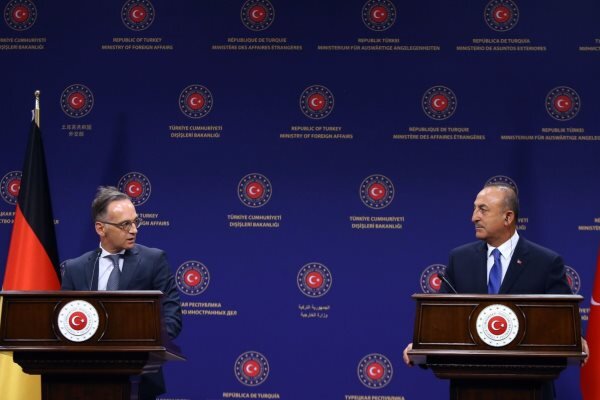
Strategic Council Online—Editorial: Turkey’s foreign minister Mevlut Cavusoglu announced in a news conference that Ankara has sent a positive message to the Egyptian government in Cairo. After eight years of turbulent relations between the two countries, Cavusoglu said Turkey has made contacts at the intelligence and diplomatic levels with Egypt and Ankara is ready to sign an agreement with Cairo to assign marine borders through negotiation under the present circumstances. And Turkey considers as positive the activities of Egypt in the Mediterranean Sea excavations. Egypt has implicitly recognized Turkey’s marine borders and sent a positive message to Ankara in this way.

Mahmoud Fazeli—Analyst of international relations

Major Challenges of Turkey’s Foreign Policy in 2021

Major Challenges of Turkey’s Foreign Policy in 2021

Strategic Council Online – Turkey has started its foreign policy in the New Year with fear and hope. Its relations with the United States, the European Union, Greece, Russia, the Zionist regime, Syria and Saudi Arabia are among Turkey’s most important challenges.
Mahmoud Fazeli – International affairs analyst

The consequences of the US sanctions on Turkey

The consequences of the US sanctions on Turkey

Strategic Council Online—Editorial: Due to consciously cooperation with Russian arms company Rosoboronexport and the purchase of the S-400 missile defense systems, Turkey has gone under US sanctions of CAATSA as Washington does not tolerate interaction with Russia in military domains by other countries. The purchase of S-400 missile defense systems by Turkey has endangered the safety of the US military personnel and technology and would provide access for Russia to the armed forces and defense industries of Turkey. The main goal of US sanctions on Turkey is to prevent Russia from reaping huge financial gains and accessing and impacting the NATO defense systems. US Foreign Secretary Mike Pompeo has asked Turkey to resolve the issue of S-400 with long-term cooperation in the defense sector and adapt once again itself with the rules of NATO and the purchase of arms compatible with this military alliance treaty.
Mahmoud Fazeli, expert of international issues

Mutual Turkey-EU Feeling; Too Close, Too Far

Mutual Turkey-EU Feeling; Too Close, Too Far

Strategic Council Online – Europe is pursuing a kind of “tilt but don’t spill” attitude towards Turkey, based on which it is neither indifferent nor reacts harshly.
Afshin Zargar – PhD in International Relations, Faculty Member

Turkey’s Presence in Libya, Motives and Dimensions

Turkey’s Presence in Libya, Motives and Dimensions

Strategic Council Online – Turkey is trying to use the leverage of its military presence in Libya to pave the way for political negotiations on political and economic interests, particularly on the sharing of Eastern Mediterranean energy resources.
Hassan Ashrafi – Researcher on Turkey’s affairs

Prospects of Escalation of Tensions between Europe and Turkey

Prospects of Escalation of Tensions between Europe and Turkey

Strategic Council Online – An expert on Turkey’s affairs referred to some contradictory policies of Turkey and the European Union, especially on energy which has led to escalation of tensions and sanctions threats and said: The language of threats and sanctions cannot deter Turkey from its activities in the Eastern Mediterranean region; moreover, the militarization of the Mediterranean is neither in the interest of Turkey nor the European Union.

Concerns and challenges ahead of NATO

Concerns and challenges ahead of NATO

Strategic Council Online—Editorial: With Joe Biden going to the oval office in the White House next January, NATO is hoping to re-establish warm relations between the US and Europe after the end of the Trump tenure, and the presence of Biden as the President of the United States would increase hopes for the amelioration of trans-Atlantic relations. NATO Secretary-General Jens Stoltenberg announced an extraordinary session of the NATO Summit at the beginning of 2021 with the participation of Joe Biden after he assumes power in Washington. Many in Europe are waiting for fundamental changes in NATO after the remarks of the French president who described NATO as facing brain death—something suggestive of the depth of internal differences in this military alliance. Paris is also demanding a revision in the activities and objectives of NATO as a military coalition organization.
Mahmoud Fazeli, expert of European affairs

Strategic Consequences of Tripartite Defense Summit of Greece, Cyprus, Zionist Regime

Strategic Consequences of Tripartite Defense Summit of Greece, Cyprus, Zionist Regime

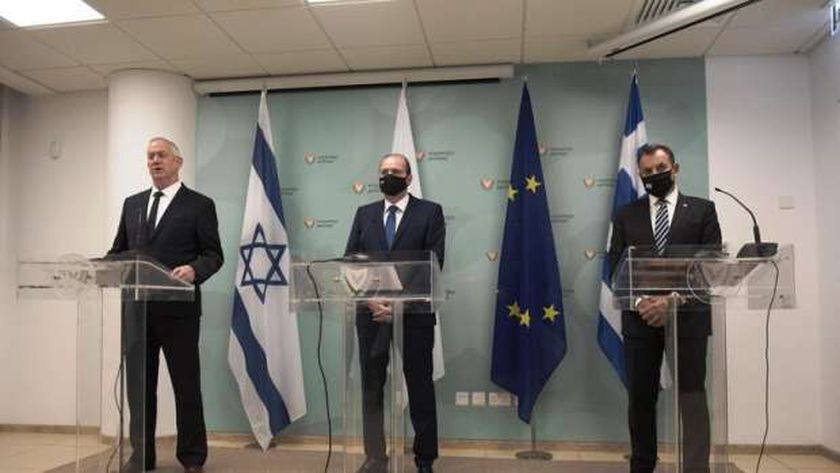
Strategic Council Online – The tripartite meeting of Defense Ministers of Greece Panagiotopoulos, of Cyprus Charalambos Petrides, and of Israel Gantz, was held in Nicosia. Enhancing the interoperability of the Greek, Cypriot and Israeli armed forces and making full use of each other’s relative resources and advantages in areas of mutual interest, such as common training programs, military exercises, military intelligence sharing, maritime security and cybersecurity, were announced to be the common goal of the three sides. The cooperation, as they say, will help better prepare their troops, help create more jobs and boost security.
Mahmoud Fazeli – Expert on Europe Affairs

أحدث الوظائف

The Makkah Pact; Reasons for its Formation and Challenges Ahead

SCFR Online – Opinion: The Makkah Pact, signed between Saudi Arabia, Pakistan, and Turkey under the motto “an attack on one is an attack on all,” is viewed by some analysts less as a full-fledged military coalition and more as an attempt to reduce security dependence on an external power and to establish a regional security mechanism.

Implications of the US-Saudi Nuclear Agreement

SCFR Online – Opinion: The new US-Saudi nuclear agreement, despite legal and political ambiguities, could alter previous non-proliferation standards in West Asia and intensify nuclear competition, ushering it into a new phase.

An Analysis of Recent Turkey-Israeli Regime Tensions

SCFR Online – Opinion: Recent developments in Syria indicate an intensification of strategic rivalry between Turkey and the Israeli regime, but mutual considerations and the role of the United States have limited the likelihood of direct war.

Increasing criticism of the extensive Zionist lobby network

SCFR Online – Opinion: An examination of the mechanisms of the Israeli regime’s influence in the United States depicts a complex picture of shared interests, strategic dependencies, and the limitations of this relationship.

Realities of the Tripartite Makkah Pact

SCFR Online – Interview: The signing of the Makkah agreement between Saudi Arabia, Pakistan, and Turkey has raised questions about the future of the region’s security structure and the position of these countries in West Asian equations. Can this agreement become a genuine collective defense mechanism, or does it have more of a political and deterrent function than creating new military capacity?

Strategic Implications of the Reduction of US Weapons Stockpiles

SCFR Online – Opinion: The continuation of the US war against Iran, in addition to increasing operational costs, has called into question the actual capacity of the American arsenal to simultaneously fulfill security commitments on multiple fronts; an issue that affects deterrence, defense production capacity, and Washington’s resource prioritization.

Loading

Greece

Strategic targets behind Saudi military agreements with Greece

Strategic targets behind Saudi military agreements with Greece

Strategic Council Online – Note: Greek Foreign Minister Nikos Dendias in his visit to Saudi Arabia signed two agreements on military cooperation between the two countries. According to the signed document, Greece is supposed to deliver one of the Patriot missiles received from the United States to Saudi Arabia, a move that could be the result of Saudi Arabia’s failure against Yemeni missiles and drones. The US-made Patriot anti-aircraft systems will be used to protect Saudi Arabia’s most important oil facilities, and the Greek systems will be used to protect other important military bases in that country. In recent months, Saudi Arabia has been under the burden of missile and drone strikes by the Yemeni armed forces and has never been able to thwart those attacks with its own defense systems.
Mahmoud Fazeli – analyst of international affairs

Strategic Importance of Libyan Developments for Turkey and Greece

Strategic Importance of Libyan Developments for Turkey and Greece

Strategic Council Online – The Eastern Mediterranean, border issues as well as the maritime agreement between Turkey and Libya are among the axes that have caused tensions between Greece and Turkey over the past two years. One of the contentious issues between the two neighbors is the internal developments in Libya. The visits of the leaders of both Libyan factions to Turkey and Greece have been met with fringe and controversy, and the crisis in Libya has practically added to the scope of the traditional rivalry between Athens and Ankara. Libya is in a geopolitically sensitive position, and its developments directly affect the security of Africa, the Middle East and Europe. If the Libyan crisis is resolved, the country can increase its oil production in 2 to 3 years and start oil trade with southern Europe.
Mahmoud Fazeli – Analyst of international affairs

Turkey’s strategy towards Egypt

Turkey’s strategy towards Egypt

Strategic Council Online—Editorial: Turkey’s foreign minister Mevlut Cavusoglu announced in a news conference that Ankara has sent a positive message to the Egyptian government in Cairo. After eight years of turbulent relations between the two countries, Cavusoglu said Turkey has made contacts at the intelligence and diplomatic levels with Egypt and Ankara is ready to sign an agreement with Cairo to assign marine borders through negotiation under the present circumstances. And Turkey considers as positive the activities of Egypt in the Mediterranean Sea excavations. Egypt has implicitly recognized Turkey’s marine borders and sent a positive message to Ankara in this way.

Mahmoud Fazeli—Analyst of international relations

Major Challenges of Turkey’s Foreign Policy in 2021

Major Challenges of Turkey’s Foreign Policy in 2021

Strategic Council Online – Turkey has started its foreign policy in the New Year with fear and hope. Its relations with the United States, the European Union, Greece, Russia, the Zionist regime, Syria and Saudi Arabia are among Turkey’s most important challenges.
Mahmoud Fazeli – International affairs analyst

The consequences of the US sanctions on Turkey

The consequences of the US sanctions on Turkey

Strategic Council Online—Editorial: Due to consciously cooperation with Russian arms company Rosoboronexport and the purchase of the S-400 missile defense systems, Turkey has gone under US sanctions of CAATSA as Washington does not tolerate interaction with Russia in military domains by other countries. The purchase of S-400 missile defense systems by Turkey has endangered the safety of the US military personnel and technology and would provide access for Russia to the armed forces and defense industries of Turkey. The main goal of US sanctions on Turkey is to prevent Russia from reaping huge financial gains and accessing and impacting the NATO defense systems. US Foreign Secretary Mike Pompeo has asked Turkey to resolve the issue of S-400 with long-term cooperation in the defense sector and adapt once again itself with the rules of NATO and the purchase of arms compatible with this military alliance treaty.
Mahmoud Fazeli, expert of international issues

Mutual Turkey-EU Feeling; Too Close, Too Far

Mutual Turkey-EU Feeling; Too Close, Too Far

Strategic Council Online – Europe is pursuing a kind of “tilt but don’t spill” attitude towards Turkey, based on which it is neither indifferent nor reacts harshly.
Afshin Zargar – PhD in International Relations, Faculty Member

Turkey’s Presence in Libya, Motives and Dimensions

Turkey’s Presence in Libya, Motives and Dimensions

Strategic Council Online – Turkey is trying to use the leverage of its military presence in Libya to pave the way for political negotiations on political and economic interests, particularly on the sharing of Eastern Mediterranean energy resources.
Hassan Ashrafi – Researcher on Turkey’s affairs

Prospects of Escalation of Tensions between Europe and Turkey

Prospects of Escalation of Tensions between Europe and Turkey

Strategic Council Online – An expert on Turkey’s affairs referred to some contradictory policies of Turkey and the European Union, especially on energy which has led to escalation of tensions and sanctions threats and said: The language of threats and sanctions cannot deter Turkey from its activities in the Eastern Mediterranean region; moreover, the militarization of the Mediterranean is neither in the interest of Turkey nor the European Union.

Concerns and challenges ahead of NATO

Concerns and challenges ahead of NATO

Strategic Council Online—Editorial: With Joe Biden going to the oval office in the White House next January, NATO is hoping to re-establish warm relations between the US and Europe after the end of the Trump tenure, and the presence of Biden as the President of the United States would increase hopes for the amelioration of trans-Atlantic relations. NATO Secretary-General Jens Stoltenberg announced an extraordinary session of the NATO Summit at the beginning of 2021 with the participation of Joe Biden after he assumes power in Washington. Many in Europe are waiting for fundamental changes in NATO after the remarks of the French president who described NATO as facing brain death—something suggestive of the depth of internal differences in this military alliance. Paris is also demanding a revision in the activities and objectives of NATO as a military coalition organization.
Mahmoud Fazeli, expert of European affairs

Strategic Consequences of Tripartite Defense Summit of Greece, Cyprus, Zionist Regime

Strategic Consequences of Tripartite Defense Summit of Greece, Cyprus, Zionist Regime

Strategic Council Online – The tripartite meeting of Defense Ministers of Greece Panagiotopoulos, of Cyprus Charalambos Petrides, and of Israel Gantz, was held in Nicosia. Enhancing the interoperability of the Greek, Cypriot and Israeli armed forces and making full use of each other’s relative resources and advantages in areas of mutual interest, such as common training programs, military exercises, military intelligence sharing, maritime security and cybersecurity, were announced to be the common goal of the three sides. The cooperation, as they say, will help better prepare their troops, help create more jobs and boost security.
Mahmoud Fazeli – Expert on Europe Affairs

Greece

Strategic targets behind Saudi military agreements with Greece

Strategic targets behind Saudi military agreements with Greece

Strategic Council Online – Note: Greek Foreign Minister Nikos Dendias in his visit to Saudi Arabia signed two agreements on military cooperation between the two countries. According to the signed document, Greece is supposed to deliver one of the Patriot missiles received from the United States to Saudi Arabia, a move that could be the result of Saudi Arabia’s failure against Yemeni missiles and drones. The US-made Patriot anti-aircraft systems will be used to protect Saudi Arabia’s most important oil facilities, and the Greek systems will be used to protect other important military bases in that country. In recent months, Saudi Arabia has been under the burden of missile and drone strikes by the Yemeni armed forces and has never been able to thwart those attacks with its own defense systems.
Mahmoud Fazeli – analyst of international affairs

Strategic Importance of Libyan Developments for Turkey and Greece

Strategic Importance of Libyan Developments for Turkey and Greece

Strategic Council Online – The Eastern Mediterranean, border issues as well as the maritime agreement between Turkey and Libya are among the axes that have caused tensions between Greece and Turkey over the past two years. One of the contentious issues between the two neighbors is the internal developments in Libya. The visits of the leaders of both Libyan factions to Turkey and Greece have been met with fringe and controversy, and the crisis in Libya has practically added to the scope of the traditional rivalry between Athens and Ankara. Libya is in a geopolitically sensitive position, and its developments directly affect the security of Africa, the Middle East and Europe. If the Libyan crisis is resolved, the country can increase its oil production in 2 to 3 years and start oil trade with southern Europe.
Mahmoud Fazeli – Analyst of international affairs

Turkey’s strategy towards Egypt

Turkey’s strategy towards Egypt

Strategic Council Online—Editorial: Turkey’s foreign minister Mevlut Cavusoglu announced in a news conference that Ankara has sent a positive message to the Egyptian government in Cairo. After eight years of turbulent relations between the two countries, Cavusoglu said Turkey has made contacts at the intelligence and diplomatic levels with Egypt and Ankara is ready to sign an agreement with Cairo to assign marine borders through negotiation under the present circumstances. And Turkey considers as positive the activities of Egypt in the Mediterranean Sea excavations. Egypt has implicitly recognized Turkey’s marine borders and sent a positive message to Ankara in this way.

Mahmoud Fazeli—Analyst of international relations

Major Challenges of Turkey’s Foreign Policy in 2021

Major Challenges of Turkey’s Foreign Policy in 2021

Strategic Council Online – Turkey has started its foreign policy in the New Year with fear and hope. Its relations with the United States, the European Union, Greece, Russia, the Zionist regime, Syria and Saudi Arabia are among Turkey’s most important challenges.
Mahmoud Fazeli – International affairs analyst

The consequences of the US sanctions on Turkey

The consequences of the US sanctions on Turkey

Strategic Council Online—Editorial: Due to consciously cooperation with Russian arms company Rosoboronexport and the purchase of the S-400 missile defense systems, Turkey has gone under US sanctions of CAATSA as Washington does not tolerate interaction with Russia in military domains by other countries. The purchase of S-400 missile defense systems by Turkey has endangered the safety of the US military personnel and technology and would provide access for Russia to the armed forces and defense industries of Turkey. The main goal of US sanctions on Turkey is to prevent Russia from reaping huge financial gains and accessing and impacting the NATO defense systems. US Foreign Secretary Mike Pompeo has asked Turkey to resolve the issue of S-400 with long-term cooperation in the defense sector and adapt once again itself with the rules of NATO and the purchase of arms compatible with this military alliance treaty.
Mahmoud Fazeli, expert of international issues

Mutual Turkey-EU Feeling; Too Close, Too Far

Mutual Turkey-EU Feeling; Too Close, Too Far

Strategic Council Online – Europe is pursuing a kind of “tilt but don’t spill” attitude towards Turkey, based on which it is neither indifferent nor reacts harshly.
Afshin Zargar – PhD in International Relations, Faculty Member

Turkey’s Presence in Libya, Motives and Dimensions

Turkey’s Presence in Libya, Motives and Dimensions

Strategic Council Online – Turkey is trying to use the leverage of its military presence in Libya to pave the way for political negotiations on political and economic interests, particularly on the sharing of Eastern Mediterranean energy resources.
Hassan Ashrafi – Researcher on Turkey’s affairs

Prospects of Escalation of Tensions between Europe and Turkey

Prospects of Escalation of Tensions between Europe and Turkey

Strategic Council Online – An expert on Turkey’s affairs referred to some contradictory policies of Turkey and the European Union, especially on energy which has led to escalation of tensions and sanctions threats and said: The language of threats and sanctions cannot deter Turkey from its activities in the Eastern Mediterranean region; moreover, the militarization of the Mediterranean is neither in the interest of Turkey nor the European Union.

Concerns and challenges ahead of NATO

Concerns and challenges ahead of NATO

Strategic Council Online—Editorial: With Joe Biden going to the oval office in the White House next January, NATO is hoping to re-establish warm relations between the US and Europe after the end of the Trump tenure, and the presence of Biden as the President of the United States would increase hopes for the amelioration of trans-Atlantic relations. NATO Secretary-General Jens Stoltenberg announced an extraordinary session of the NATO Summit at the beginning of 2021 with the participation of Joe Biden after he assumes power in Washington. Many in Europe are waiting for fundamental changes in NATO after the remarks of the French president who described NATO as facing brain death—something suggestive of the depth of internal differences in this military alliance. Paris is also demanding a revision in the activities and objectives of NATO as a military coalition organization.
Mahmoud Fazeli, expert of European affairs

Strategic Consequences of Tripartite Defense Summit of Greece, Cyprus, Zionist Regime

Strategic Consequences of Tripartite Defense Summit of Greece, Cyprus, Zionist Regime

Strategic Council Online – The tripartite meeting of Defense Ministers of Greece Panagiotopoulos, of Cyprus Charalambos Petrides, and of Israel Gantz, was held in Nicosia. Enhancing the interoperability of the Greek, Cypriot and Israeli armed forces and making full use of each other’s relative resources and advantages in areas of mutual interest, such as common training programs, military exercises, military intelligence sharing, maritime security and cybersecurity, were announced to be the common goal of the three sides. The cooperation, as they say, will help better prepare their troops, help create more jobs and boost security.
Mahmoud Fazeli – Expert on Europe Affairs

LATEST CONTENT

The Makkah Pact; Reasons for its Formation and Challenges Ahead

SCFR Online – Opinion: The Makkah Pact, signed between Saudi Arabia, Pakistan, and Turkey under the motto “an attack on one is an attack on all,” is viewed by some analysts less as a full-fledged military coalition and more as an attempt to reduce security dependence on an external power and to establish a regional security mechanism.

Implications of the US-Saudi Nuclear Agreement

SCFR Online – Opinion: The new US-Saudi nuclear agreement, despite legal and political ambiguities, could alter previous non-proliferation standards in West Asia and intensify nuclear competition, ushering it into a new phase.

An Analysis of Recent Turkey-Israeli Regime Tensions

SCFR Online – Opinion: Recent developments in Syria indicate an intensification of strategic rivalry between Turkey and the Israeli regime, but mutual considerations and the role of the United States have limited the likelihood of direct war.

Increasing criticism of the extensive Zionist lobby network

SCFR Online – Opinion: An examination of the mechanisms of the Israeli regime’s influence in the United States depicts a complex picture of shared interests, strategic dependencies, and the limitations of this relationship.

Realities of the Tripartite Makkah Pact

SCFR Online – Interview: The signing of the Makkah agreement between Saudi Arabia, Pakistan, and Turkey has raised questions about the future of the region’s security structure and the position of these countries in West Asian equations. Can this agreement become a genuine collective defense mechanism, or does it have more of a political and deterrent function than creating new military capacity?

Strategic Implications of the Reduction of US Weapons Stockpiles

SCFR Online – Opinion: The continuation of the US war against Iran, in addition to increasing operational costs, has called into question the actual capacity of the American arsenal to simultaneously fulfill security commitments on multiple fronts; an issue that affects deterrence, defense production capacity, and Washington’s resource prioritization.

Loading

Greece

Strategic targets behind Saudi military agreements with Greece

Strategic targets behind Saudi military agreements with Greece

Strategic Council Online – Note: Greek Foreign Minister Nikos Dendias in his visit to Saudi Arabia signed two agreements on military cooperation between the two countries. According to the signed document, Greece is supposed to deliver one of the Patriot missiles received from the United States to Saudi Arabia, a move that could be the result of Saudi Arabia’s failure against Yemeni missiles and drones. The US-made Patriot anti-aircraft systems will be used to protect Saudi Arabia’s most important oil facilities, and the Greek systems will be used to protect other important military bases in that country. In recent months, Saudi Arabia has been under the burden of missile and drone strikes by the Yemeni armed forces and has never been able to thwart those attacks with its own defense systems.
Mahmoud Fazeli – analyst of international affairs

Strategic Importance of Libyan Developments for Turkey and Greece

Strategic Importance of Libyan Developments for Turkey and Greece

Strategic Council Online – The Eastern Mediterranean, border issues as well as the maritime agreement between Turkey and Libya are among the axes that have caused tensions between Greece and Turkey over the past two years. One of the contentious issues between the two neighbors is the internal developments in Libya. The visits of the leaders of both Libyan factions to Turkey and Greece have been met with fringe and controversy, and the crisis in Libya has practically added to the scope of the traditional rivalry between Athens and Ankara. Libya is in a geopolitically sensitive position, and its developments directly affect the security of Africa, the Middle East and Europe. If the Libyan crisis is resolved, the country can increase its oil production in 2 to 3 years and start oil trade with southern Europe.
Mahmoud Fazeli – Analyst of international affairs

Turkey’s strategy towards Egypt

Turkey’s strategy towards Egypt

Strategic Council Online—Editorial: Turkey’s foreign minister Mevlut Cavusoglu announced in a news conference that Ankara has sent a positive message to the Egyptian government in Cairo. After eight years of turbulent relations between the two countries, Cavusoglu said Turkey has made contacts at the intelligence and diplomatic levels with Egypt and Ankara is ready to sign an agreement with Cairo to assign marine borders through negotiation under the present circumstances. And Turkey considers as positive the activities of Egypt in the Mediterranean Sea excavations. Egypt has implicitly recognized Turkey’s marine borders and sent a positive message to Ankara in this way.

Mahmoud Fazeli—Analyst of international relations

Major Challenges of Turkey’s Foreign Policy in 2021

Major Challenges of Turkey’s Foreign Policy in 2021

Strategic Council Online – Turkey has started its foreign policy in the New Year with fear and hope. Its relations with the United States, the European Union, Greece, Russia, the Zionist regime, Syria and Saudi Arabia are among Turkey’s most important challenges.
Mahmoud Fazeli – International affairs analyst

The consequences of the US sanctions on Turkey

The consequences of the US sanctions on Turkey

Strategic Council Online—Editorial: Due to consciously cooperation with Russian arms company Rosoboronexport and the purchase of the S-400 missile defense systems, Turkey has gone under US sanctions of CAATSA as Washington does not tolerate interaction with Russia in military domains by other countries. The purchase of S-400 missile defense systems by Turkey has endangered the safety of the US military personnel and technology and would provide access for Russia to the armed forces and defense industries of Turkey. The main goal of US sanctions on Turkey is to prevent Russia from reaping huge financial gains and accessing and impacting the NATO defense systems. US Foreign Secretary Mike Pompeo has asked Turkey to resolve the issue of S-400 with long-term cooperation in the defense sector and adapt once again itself with the rules of NATO and the purchase of arms compatible with this military alliance treaty.
Mahmoud Fazeli, expert of international issues

Mutual Turkey-EU Feeling; Too Close, Too Far

Mutual Turkey-EU Feeling; Too Close, Too Far

Strategic Council Online – Europe is pursuing a kind of “tilt but don’t spill” attitude towards Turkey, based on which it is neither indifferent nor reacts harshly.
Afshin Zargar – PhD in International Relations, Faculty Member

Turkey’s Presence in Libya, Motives and Dimensions

Turkey’s Presence in Libya, Motives and Dimensions

Strategic Council Online – Turkey is trying to use the leverage of its military presence in Libya to pave the way for political negotiations on political and economic interests, particularly on the sharing of Eastern Mediterranean energy resources.
Hassan Ashrafi – Researcher on Turkey’s affairs

Prospects of Escalation of Tensions between Europe and Turkey

Prospects of Escalation of Tensions between Europe and Turkey

Strategic Council Online – An expert on Turkey’s affairs referred to some contradictory policies of Turkey and the European Union, especially on energy which has led to escalation of tensions and sanctions threats and said: The language of threats and sanctions cannot deter Turkey from its activities in the Eastern Mediterranean region; moreover, the militarization of the Mediterranean is neither in the interest of Turkey nor the European Union.

Concerns and challenges ahead of NATO

Concerns and challenges ahead of NATO

Strategic Council Online—Editorial: With Joe Biden going to the oval office in the White House next January, NATO is hoping to re-establish warm relations between the US and Europe after the end of the Trump tenure, and the presence of Biden as the President of the United States would increase hopes for the amelioration of trans-Atlantic relations. NATO Secretary-General Jens Stoltenberg announced an extraordinary session of the NATO Summit at the beginning of 2021 with the participation of Joe Biden after he assumes power in Washington. Many in Europe are waiting for fundamental changes in NATO after the remarks of the French president who described NATO as facing brain death—something suggestive of the depth of internal differences in this military alliance. Paris is also demanding a revision in the activities and objectives of NATO as a military coalition organization.
Mahmoud Fazeli, expert of European affairs

Strategic Consequences of Tripartite Defense Summit of Greece, Cyprus, Zionist Regime

Strategic Consequences of Tripartite Defense Summit of Greece, Cyprus, Zionist Regime

Strategic Council Online – The tripartite meeting of Defense Ministers of Greece Panagiotopoulos, of Cyprus Charalambos Petrides, and of Israel Gantz, was held in Nicosia. Enhancing the interoperability of the Greek, Cypriot and Israeli armed forces and making full use of each other’s relative resources and advantages in areas of mutual interest, such as common training programs, military exercises, military intelligence sharing, maritime security and cybersecurity, were announced to be the common goal of the three sides. The cooperation, as they say, will help better prepare their troops, help create more jobs and boost security.
Mahmoud Fazeli – Expert on Europe Affairs

ÚLTIMAS PUBLICACIONES

The Makkah Pact; Reasons for its Formation and Challenges Ahead

SCFR Online – Opinion: The Makkah Pact, signed between Saudi Arabia, Pakistan, and Turkey under the motto “an attack on one is an attack on all,” is viewed by some analysts less as a full-fledged military coalition and more as an attempt to reduce security dependence on an external power and to establish a regional security mechanism.

Implications of the US-Saudi Nuclear Agreement

SCFR Online – Opinion: The new US-Saudi nuclear agreement, despite legal and political ambiguities, could alter previous non-proliferation standards in West Asia and intensify nuclear competition, ushering it into a new phase.

An Analysis of Recent Turkey-Israeli Regime Tensions

SCFR Online – Opinion: Recent developments in Syria indicate an intensification of strategic rivalry between Turkey and the Israeli regime, but mutual considerations and the role of the United States have limited the likelihood of direct war.

Increasing criticism of the extensive Zionist lobby network

SCFR Online – Opinion: An examination of the mechanisms of the Israeli regime’s influence in the United States depicts a complex picture of shared interests, strategic dependencies, and the limitations of this relationship.

Realities of the Tripartite Makkah Pact

SCFR Online – Interview: The signing of the Makkah agreement between Saudi Arabia, Pakistan, and Turkey has raised questions about the future of the region’s security structure and the position of these countries in West Asian equations. Can this agreement become a genuine collective defense mechanism, or does it have more of a political and deterrent function than creating new military capacity?

Strategic Implications of the Reduction of US Weapons Stockpiles

SCFR Online – Opinion: The continuation of the US war against Iran, in addition to increasing operational costs, has called into question the actual capacity of the American arsenal to simultaneously fulfill security commitments on multiple fronts; an issue that affects deterrence, defense production capacity, and Washington’s resource prioritization.

Loading

Greece

Strategic targets behind Saudi military agreements with Greece

Strategic targets behind Saudi military agreements with Greece

Strategic Council Online – Note: Greek Foreign Minister Nikos Dendias in his visit to Saudi Arabia signed two agreements on military cooperation between the two countries. According to the signed document, Greece is supposed to deliver one of the Patriot missiles received from the United States to Saudi Arabia, a move that could be the result of Saudi Arabia’s failure against Yemeni missiles and drones. The US-made Patriot anti-aircraft systems will be used to protect Saudi Arabia’s most important oil facilities, and the Greek systems will be used to protect other important military bases in that country. In recent months, Saudi Arabia has been under the burden of missile and drone strikes by the Yemeni armed forces and has never been able to thwart those attacks with its own defense systems.
Mahmoud Fazeli – analyst of international affairs

Strategic Importance of Libyan Developments for Turkey and Greece

Strategic Importance of Libyan Developments for Turkey and Greece

Strategic Council Online – The Eastern Mediterranean, border issues as well as the maritime agreement between Turkey and Libya are among the axes that have caused tensions between Greece and Turkey over the past two years. One of the contentious issues between the two neighbors is the internal developments in Libya. The visits of the leaders of both Libyan factions to Turkey and Greece have been met with fringe and controversy, and the crisis in Libya has practically added to the scope of the traditional rivalry between Athens and Ankara. Libya is in a geopolitically sensitive position, and its developments directly affect the security of Africa, the Middle East and Europe. If the Libyan crisis is resolved, the country can increase its oil production in 2 to 3 years and start oil trade with southern Europe.
Mahmoud Fazeli – Analyst of international affairs

Turkey’s strategy towards Egypt

Turkey’s strategy towards Egypt

Strategic Council Online—Editorial: Turkey’s foreign minister Mevlut Cavusoglu announced in a news conference that Ankara has sent a positive message to the Egyptian government in Cairo. After eight years of turbulent relations between the two countries, Cavusoglu said Turkey has made contacts at the intelligence and diplomatic levels with Egypt and Ankara is ready to sign an agreement with Cairo to assign marine borders through negotiation under the present circumstances. And Turkey considers as positive the activities of Egypt in the Mediterranean Sea excavations. Egypt has implicitly recognized Turkey’s marine borders and sent a positive message to Ankara in this way.

Mahmoud Fazeli—Analyst of international relations

Major Challenges of Turkey’s Foreign Policy in 2021

Major Challenges of Turkey’s Foreign Policy in 2021

Strategic Council Online – Turkey has started its foreign policy in the New Year with fear and hope. Its relations with the United States, the European Union, Greece, Russia, the Zionist regime, Syria and Saudi Arabia are among Turkey’s most important challenges.
Mahmoud Fazeli – International affairs analyst

The consequences of the US sanctions on Turkey

The consequences of the US sanctions on Turkey

Strategic Council Online—Editorial: Due to consciously cooperation with Russian arms company Rosoboronexport and the purchase of the S-400 missile defense systems, Turkey has gone under US sanctions of CAATSA as Washington does not tolerate interaction with Russia in military domains by other countries. The purchase of S-400 missile defense systems by Turkey has endangered the safety of the US military personnel and technology and would provide access for Russia to the armed forces and defense industries of Turkey. The main goal of US sanctions on Turkey is to prevent Russia from reaping huge financial gains and accessing and impacting the NATO defense systems. US Foreign Secretary Mike Pompeo has asked Turkey to resolve the issue of S-400 with long-term cooperation in the defense sector and adapt once again itself with the rules of NATO and the purchase of arms compatible with this military alliance treaty.
Mahmoud Fazeli, expert of international issues

Mutual Turkey-EU Feeling; Too Close, Too Far

Mutual Turkey-EU Feeling; Too Close, Too Far

Strategic Council Online – Europe is pursuing a kind of “tilt but don’t spill” attitude towards Turkey, based on which it is neither indifferent nor reacts harshly.
Afshin Zargar – PhD in International Relations, Faculty Member

Turkey’s Presence in Libya, Motives and Dimensions

Turkey’s Presence in Libya, Motives and Dimensions

Strategic Council Online – Turkey is trying to use the leverage of its military presence in Libya to pave the way for political negotiations on political and economic interests, particularly on the sharing of Eastern Mediterranean energy resources.
Hassan Ashrafi – Researcher on Turkey’s affairs

Prospects of Escalation of Tensions between Europe and Turkey

Prospects of Escalation of Tensions between Europe and Turkey

Strategic Council Online – An expert on Turkey’s affairs referred to some contradictory policies of Turkey and the European Union, especially on energy which has led to escalation of tensions and sanctions threats and said: The language of threats and sanctions cannot deter Turkey from its activities in the Eastern Mediterranean region; moreover, the militarization of the Mediterranean is neither in the interest of Turkey nor the European Union.

Concerns and challenges ahead of NATO

Concerns and challenges ahead of NATO

Strategic Council Online—Editorial: With Joe Biden going to the oval office in the White House next January, NATO is hoping to re-establish warm relations between the US and Europe after the end of the Trump tenure, and the presence of Biden as the President of the United States would increase hopes for the amelioration of trans-Atlantic relations. NATO Secretary-General Jens Stoltenberg announced an extraordinary session of the NATO Summit at the beginning of 2021 with the participation of Joe Biden after he assumes power in Washington. Many in Europe are waiting for fundamental changes in NATO after the remarks of the French president who described NATO as facing brain death—something suggestive of the depth of internal differences in this military alliance. Paris is also demanding a revision in the activities and objectives of NATO as a military coalition organization.
Mahmoud Fazeli, expert of European affairs

Strategic Consequences of Tripartite Defense Summit of Greece, Cyprus, Zionist Regime

Strategic Consequences of Tripartite Defense Summit of Greece, Cyprus, Zionist Regime

Strategic Council Online – The tripartite meeting of Defense Ministers of Greece Panagiotopoulos, of Cyprus Charalambos Petrides, and of Israel Gantz, was held in Nicosia. Enhancing the interoperability of the Greek, Cypriot and Israeli armed forces and making full use of each other’s relative resources and advantages in areas of mutual interest, such as common training programs, military exercises, military intelligence sharing, maritime security and cybersecurity, were announced to be the common goal of the three sides. The cooperation, as they say, will help better prepare their troops, help create more jobs and boost security.
Mahmoud Fazeli – Expert on Europe Affairs

ÚLTIMAS PUBLICACIONES

The Makkah Pact; Reasons for its Formation and Challenges Ahead

SCFR Online – Opinion: The Makkah Pact, signed between Saudi Arabia, Pakistan, and Turkey under the motto “an attack on one is an attack on all,” is viewed by some analysts less as a full-fledged military coalition and more as an attempt to reduce security dependence on an external power and to establish a regional security mechanism.

Implications of the US-Saudi Nuclear Agreement

SCFR Online – Opinion: The new US-Saudi nuclear agreement, despite legal and political ambiguities, could alter previous non-proliferation standards in West Asia and intensify nuclear competition, ushering it into a new phase.

An Analysis of Recent Turkey-Israeli Regime Tensions

SCFR Online – Opinion: Recent developments in Syria indicate an intensification of strategic rivalry between Turkey and the Israeli regime, but mutual considerations and the role of the United States have limited the likelihood of direct war.

Increasing criticism of the extensive Zionist lobby network

SCFR Online – Opinion: An examination of the mechanisms of the Israeli regime’s influence in the United States depicts a complex picture of shared interests, strategic dependencies, and the limitations of this relationship.

Realities of the Tripartite Makkah Pact

SCFR Online – Interview: The signing of the Makkah agreement between Saudi Arabia, Pakistan, and Turkey has raised questions about the future of the region’s security structure and the position of these countries in West Asian equations. Can this agreement become a genuine collective defense mechanism, or does it have more of a political and deterrent function than creating new military capacity?

Strategic Implications of the Reduction of US Weapons Stockpiles

SCFR Online – Opinion: The continuation of the US war against Iran, in addition to increasing operational costs, has called into question the actual capacity of the American arsenal to simultaneously fulfill security commitments on multiple fronts; an issue that affects deterrence, defense production capacity, and Washington’s resource prioritization.

Loading

Greece

Strategic targets behind Saudi military agreements with Greece

Strategic targets behind Saudi military agreements with Greece

Strategic Council Online – Note: Greek Foreign Minister Nikos Dendias in his visit to Saudi Arabia signed two agreements on military cooperation between the two countries. According to the signed document, Greece is supposed to deliver one of the Patriot missiles received from the United States to Saudi Arabia, a move that could be the result of Saudi Arabia’s failure against Yemeni missiles and drones. The US-made Patriot anti-aircraft systems will be used to protect Saudi Arabia’s most important oil facilities, and the Greek systems will be used to protect other important military bases in that country. In recent months, Saudi Arabia has been under the burden of missile and drone strikes by the Yemeni armed forces and has never been able to thwart those attacks with its own defense systems.
Mahmoud Fazeli – analyst of international affairs

Strategic Importance of Libyan Developments for Turkey and Greece

Strategic Importance of Libyan Developments for Turkey and Greece

Strategic Council Online – The Eastern Mediterranean, border issues as well as the maritime agreement between Turkey and Libya are among the axes that have caused tensions between Greece and Turkey over the past two years. One of the contentious issues between the two neighbors is the internal developments in Libya. The visits of the leaders of both Libyan factions to Turkey and Greece have been met with fringe and controversy, and the crisis in Libya has practically added to the scope of the traditional rivalry between Athens and Ankara. Libya is in a geopolitically sensitive position, and its developments directly affect the security of Africa, the Middle East and Europe. If the Libyan crisis is resolved, the country can increase its oil production in 2 to 3 years and start oil trade with southern Europe.
Mahmoud Fazeli – Analyst of international affairs

Turkey’s strategy towards Egypt

Turkey’s strategy towards Egypt

Strategic Council Online—Editorial: Turkey’s foreign minister Mevlut Cavusoglu announced in a news conference that Ankara has sent a positive message to the Egyptian government in Cairo. After eight years of turbulent relations between the two countries, Cavusoglu said Turkey has made contacts at the intelligence and diplomatic levels with Egypt and Ankara is ready to sign an agreement with Cairo to assign marine borders through negotiation under the present circumstances. And Turkey considers as positive the activities of Egypt in the Mediterranean Sea excavations. Egypt has implicitly recognized Turkey’s marine borders and sent a positive message to Ankara in this way.

Mahmoud Fazeli—Analyst of international relations

Major Challenges of Turkey’s Foreign Policy in 2021

Major Challenges of Turkey’s Foreign Policy in 2021

Strategic Council Online – Turkey has started its foreign policy in the New Year with fear and hope. Its relations with the United States, the European Union, Greece, Russia, the Zionist regime, Syria and Saudi Arabia are among Turkey’s most important challenges.
Mahmoud Fazeli – International affairs analyst

The consequences of the US sanctions on Turkey

The consequences of the US sanctions on Turkey

Strategic Council Online—Editorial: Due to consciously cooperation with Russian arms company Rosoboronexport and the purchase of the S-400 missile defense systems, Turkey has gone under US sanctions of CAATSA as Washington does not tolerate interaction with Russia in military domains by other countries. The purchase of S-400 missile defense systems by Turkey has endangered the safety of the US military personnel and technology and would provide access for Russia to the armed forces and defense industries of Turkey. The main goal of US sanctions on Turkey is to prevent Russia from reaping huge financial gains and accessing and impacting the NATO defense systems. US Foreign Secretary Mike Pompeo has asked Turkey to resolve the issue of S-400 with long-term cooperation in the defense sector and adapt once again itself with the rules of NATO and the purchase of arms compatible with this military alliance treaty.
Mahmoud Fazeli, expert of international issues

Mutual Turkey-EU Feeling; Too Close, Too Far

Mutual Turkey-EU Feeling; Too Close, Too Far

Strategic Council Online – Europe is pursuing a kind of “tilt but don’t spill” attitude towards Turkey, based on which it is neither indifferent nor reacts harshly.
Afshin Zargar – PhD in International Relations, Faculty Member

Turkey’s Presence in Libya, Motives and Dimensions

Turkey’s Presence in Libya, Motives and Dimensions

Strategic Council Online – Turkey is trying to use the leverage of its military presence in Libya to pave the way for political negotiations on political and economic interests, particularly on the sharing of Eastern Mediterranean energy resources.
Hassan Ashrafi – Researcher on Turkey’s affairs

Prospects of Escalation of Tensions between Europe and Turkey

Prospects of Escalation of Tensions between Europe and Turkey

Strategic Council Online – An expert on Turkey’s affairs referred to some contradictory policies of Turkey and the European Union, especially on energy which has led to escalation of tensions and sanctions threats and said: The language of threats and sanctions cannot deter Turkey from its activities in the Eastern Mediterranean region; moreover, the militarization of the Mediterranean is neither in the interest of Turkey nor the European Union.

Concerns and challenges ahead of NATO

Concerns and challenges ahead of NATO

Strategic Council Online—Editorial: With Joe Biden going to the oval office in the White House next January, NATO is hoping to re-establish warm relations between the US and Europe after the end of the Trump tenure, and the presence of Biden as the President of the United States would increase hopes for the amelioration of trans-Atlantic relations. NATO Secretary-General Jens Stoltenberg announced an extraordinary session of the NATO Summit at the beginning of 2021 with the participation of Joe Biden after he assumes power in Washington. Many in Europe are waiting for fundamental changes in NATO after the remarks of the French president who described NATO as facing brain death—something suggestive of the depth of internal differences in this military alliance. Paris is also demanding a revision in the activities and objectives of NATO as a military coalition organization.
Mahmoud Fazeli, expert of European affairs

Strategic Consequences of Tripartite Defense Summit of Greece, Cyprus, Zionist Regime

Strategic Consequences of Tripartite Defense Summit of Greece, Cyprus, Zionist Regime

Strategic Council Online – The tripartite meeting of Defense Ministers of Greece Panagiotopoulos, of Cyprus Charalambos Petrides, and of Israel Gantz, was held in Nicosia. Enhancing the interoperability of the Greek, Cypriot and Israeli armed forces and making full use of each other’s relative resources and advantages in areas of mutual interest, such as common training programs, military exercises, military intelligence sharing, maritime security and cybersecurity, were announced to be the common goal of the three sides. The cooperation, as they say, will help better prepare their troops, help create more jobs and boost security.
Mahmoud Fazeli – Expert on Europe Affairs

ÚLTIMAS PUBLICACIONES

The Makkah Pact; Reasons for its Formation and Challenges Ahead

SCFR Online – Opinion: The Makkah Pact, signed between Saudi Arabia, Pakistan, and Turkey under the motto “an attack on one is an attack on all,” is viewed by some analysts less as a full-fledged military coalition and more as an attempt to reduce security dependence on an external power and to establish a regional security mechanism.

Implications of the US-Saudi Nuclear Agreement

SCFR Online – Opinion: The new US-Saudi nuclear agreement, despite legal and political ambiguities, could alter previous non-proliferation standards in West Asia and intensify nuclear competition, ushering it into a new phase.

An Analysis of Recent Turkey-Israeli Regime Tensions

SCFR Online – Opinion: Recent developments in Syria indicate an intensification of strategic rivalry between Turkey and the Israeli regime, but mutual considerations and the role of the United States have limited the likelihood of direct war.

Increasing criticism of the extensive Zionist lobby network

SCFR Online – Opinion: An examination of the mechanisms of the Israeli regime’s influence in the United States depicts a complex picture of shared interests, strategic dependencies, and the limitations of this relationship.

Realities of the Tripartite Makkah Pact

SCFR Online – Interview: The signing of the Makkah agreement between Saudi Arabia, Pakistan, and Turkey has raised questions about the future of the region’s security structure and the position of these countries in West Asian equations. Can this agreement become a genuine collective defense mechanism, or does it have more of a political and deterrent function than creating new military capacity?

Strategic Implications of the Reduction of US Weapons Stockpiles

SCFR Online – Opinion: The continuation of the US war against Iran, in addition to increasing operational costs, has called into question the actual capacity of the American arsenal to simultaneously fulfill security commitments on multiple fronts; an issue that affects deterrence, defense production capacity, and Washington’s resource prioritization.

Loading

Greece

Strategic targets behind Saudi military agreements with Greece

Strategic targets behind Saudi military agreements with Greece

Strategic Council Online – Note: Greek Foreign Minister Nikos Dendias in his visit to Saudi Arabia signed two agreements on military cooperation between the two countries. According to the signed document, Greece is supposed to deliver one of the Patriot missiles received from the United States to Saudi Arabia, a move that could be the result of Saudi Arabia’s failure against Yemeni missiles and drones. The US-made Patriot anti-aircraft systems will be used to protect Saudi Arabia’s most important oil facilities, and the Greek systems will be used to protect other important military bases in that country. In recent months, Saudi Arabia has been under the burden of missile and drone strikes by the Yemeni armed forces and has never been able to thwart those attacks with its own defense systems.
Mahmoud Fazeli – analyst of international affairs

Strategic Importance of Libyan Developments for Turkey and Greece

Strategic Importance of Libyan Developments for Turkey and Greece

Strategic Council Online – The Eastern Mediterranean, border issues as well as the maritime agreement between Turkey and Libya are among the axes that have caused tensions between Greece and Turkey over the past two years. One of the contentious issues between the two neighbors is the internal developments in Libya. The visits of the leaders of both Libyan factions to Turkey and Greece have been met with fringe and controversy, and the crisis in Libya has practically added to the scope of the traditional rivalry between Athens and Ankara. Libya is in a geopolitically sensitive position, and its developments directly affect the security of Africa, the Middle East and Europe. If the Libyan crisis is resolved, the country can increase its oil production in 2 to 3 years and start oil trade with southern Europe.
Mahmoud Fazeli – Analyst of international affairs

Turkey’s strategy towards Egypt

Turkey’s strategy towards Egypt

Strategic Council Online—Editorial: Turkey’s foreign minister Mevlut Cavusoglu announced in a news conference that Ankara has sent a positive message to the Egyptian government in Cairo. After eight years of turbulent relations between the two countries, Cavusoglu said Turkey has made contacts at the intelligence and diplomatic levels with Egypt and Ankara is ready to sign an agreement with Cairo to assign marine borders through negotiation under the present circumstances. And Turkey considers as positive the activities of Egypt in the Mediterranean Sea excavations. Egypt has implicitly recognized Turkey’s marine borders and sent a positive message to Ankara in this way.

Mahmoud Fazeli—Analyst of international relations

Major Challenges of Turkey’s Foreign Policy in 2021

Major Challenges of Turkey’s Foreign Policy in 2021

Strategic Council Online – Turkey has started its foreign policy in the New Year with fear and hope. Its relations with the United States, the European Union, Greece, Russia, the Zionist regime, Syria and Saudi Arabia are among Turkey’s most important challenges.
Mahmoud Fazeli – International affairs analyst

The consequences of the US sanctions on Turkey

The consequences of the US sanctions on Turkey

Strategic Council Online—Editorial: Due to consciously cooperation with Russian arms company Rosoboronexport and the purchase of the S-400 missile defense systems, Turkey has gone under US sanctions of CAATSA as Washington does not tolerate interaction with Russia in military domains by other countries. The purchase of S-400 missile defense systems by Turkey has endangered the safety of the US military personnel and technology and would provide access for Russia to the armed forces and defense industries of Turkey. The main goal of US sanctions on Turkey is to prevent Russia from reaping huge financial gains and accessing and impacting the NATO defense systems. US Foreign Secretary Mike Pompeo has asked Turkey to resolve the issue of S-400 with long-term cooperation in the defense sector and adapt once again itself with the rules of NATO and the purchase of arms compatible with this military alliance treaty.
Mahmoud Fazeli, expert of international issues

Mutual Turkey-EU Feeling; Too Close, Too Far

Mutual Turkey-EU Feeling; Too Close, Too Far

Strategic Council Online – Europe is pursuing a kind of “tilt but don’t spill” attitude towards Turkey, based on which it is neither indifferent nor reacts harshly.
Afshin Zargar – PhD in International Relations, Faculty Member

Turkey’s Presence in Libya, Motives and Dimensions

Turkey’s Presence in Libya, Motives and Dimensions

Strategic Council Online – Turkey is trying to use the leverage of its military presence in Libya to pave the way for political negotiations on political and economic interests, particularly on the sharing of Eastern Mediterranean energy resources.
Hassan Ashrafi – Researcher on Turkey’s affairs

Prospects of Escalation of Tensions between Europe and Turkey

Prospects of Escalation of Tensions between Europe and Turkey

Strategic Council Online – An expert on Turkey’s affairs referred to some contradictory policies of Turkey and the European Union, especially on energy which has led to escalation of tensions and sanctions threats and said: The language of threats and sanctions cannot deter Turkey from its activities in the Eastern Mediterranean region; moreover, the militarization of the Mediterranean is neither in the interest of Turkey nor the European Union.

Concerns and challenges ahead of NATO

Concerns and challenges ahead of NATO

Strategic Council Online—Editorial: With Joe Biden going to the oval office in the White House next January, NATO is hoping to re-establish warm relations between the US and Europe after the end of the Trump tenure, and the presence of Biden as the President of the United States would increase hopes for the amelioration of trans-Atlantic relations. NATO Secretary-General Jens Stoltenberg announced an extraordinary session of the NATO Summit at the beginning of 2021 with the participation of Joe Biden after he assumes power in Washington. Many in Europe are waiting for fundamental changes in NATO after the remarks of the French president who described NATO as facing brain death—something suggestive of the depth of internal differences in this military alliance. Paris is also demanding a revision in the activities and objectives of NATO as a military coalition organization.
Mahmoud Fazeli, expert of European affairs

Strategic Consequences of Tripartite Defense Summit of Greece, Cyprus, Zionist Regime

Strategic Consequences of Tripartite Defense Summit of Greece, Cyprus, Zionist Regime

Strategic Council Online – The tripartite meeting of Defense Ministers of Greece Panagiotopoulos, of Cyprus Charalambos Petrides, and of Israel Gantz, was held in Nicosia. Enhancing the interoperability of the Greek, Cypriot and Israeli armed forces and making full use of each other’s relative resources and advantages in areas of mutual interest, such as common training programs, military exercises, military intelligence sharing, maritime security and cybersecurity, were announced to be the common goal of the three sides. The cooperation, as they say, will help better prepare their troops, help create more jobs and boost security.
Mahmoud Fazeli – Expert on Europe Affairs

ÚLTIMAS PUBLICACIONES

The Makkah Pact; Reasons for its Formation and Challenges Ahead

SCFR Online – Opinion: The Makkah Pact, signed between Saudi Arabia, Pakistan, and Turkey under the motto “an attack on one is an attack on all,” is viewed by some analysts less as a full-fledged military coalition and more as an attempt to reduce security dependence on an external power and to establish a regional security mechanism.

Implications of the US-Saudi Nuclear Agreement

SCFR Online – Opinion: The new US-Saudi nuclear agreement, despite legal and political ambiguities, could alter previous non-proliferation standards in West Asia and intensify nuclear competition, ushering it into a new phase.

An Analysis of Recent Turkey-Israeli Regime Tensions

SCFR Online – Opinion: Recent developments in Syria indicate an intensification of strategic rivalry between Turkey and the Israeli regime, but mutual considerations and the role of the United States have limited the likelihood of direct war.

Increasing criticism of the extensive Zionist lobby network

SCFR Online – Opinion: An examination of the mechanisms of the Israeli regime’s influence in the United States depicts a complex picture of shared interests, strategic dependencies, and the limitations of this relationship.

Realities of the Tripartite Makkah Pact

SCFR Online – Interview: The signing of the Makkah agreement between Saudi Arabia, Pakistan, and Turkey has raised questions about the future of the region’s security structure and the position of these countries in West Asian equations. Can this agreement become a genuine collective defense mechanism, or does it have more of a political and deterrent function than creating new military capacity?

Strategic Implications of the Reduction of US Weapons Stockpiles

SCFR Online – Opinion: The continuation of the US war against Iran, in addition to increasing operational costs, has called into question the actual capacity of the American arsenal to simultaneously fulfill security commitments on multiple fronts; an issue that affects deterrence, defense production capacity, and Washington’s resource prioritization.

Loading