Reasons for the Ineffectiveness of Trump’s “Economic War” against Iran
SCFR Online – Opinion: The intensification of U.S. sanctions against Iran on the eve of the U.S. midterm elections indicates Washington’s inability to achieve its war objectives.


SCFR Online – Opinion: The intensification of U.S. sanctions against Iran on the eve of the U.S. midterm elections indicates Washington’s inability to achieve its war objectives.

SCFR Online – Opinion: The competition between Washington and Beijing over chips and artificial intelligence, simultaneously with the shifting of technological balances, has taken on new economic and security dimensions.
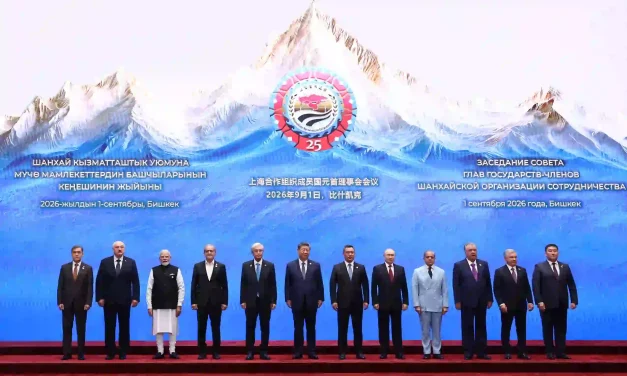
SCFR Online – Opinion: The Shanghai Cooperation Organization summit has created a new opportunity for Iran to transform its membership from a political achievement into economic and transit cooperation.
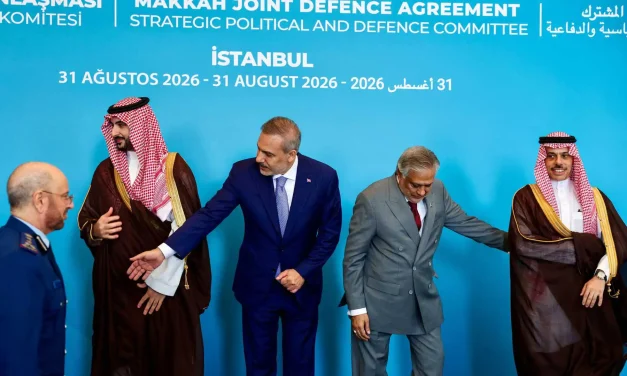
Strategic Council Online – Note: The Makkah Defense Pact can be seen as a sign of regional countries’ efforts to reduce security dependence on extra-regional powers and redefine the balance in West Asia.

SCFR Online – Opinion: The Ukraine war, by exhausting US military capability on one hand and strengthening European defense capacity on the other, has altered the balance of power in the European continent, cast uncertainty over NATO’s future, and is driving it toward a European NATO.
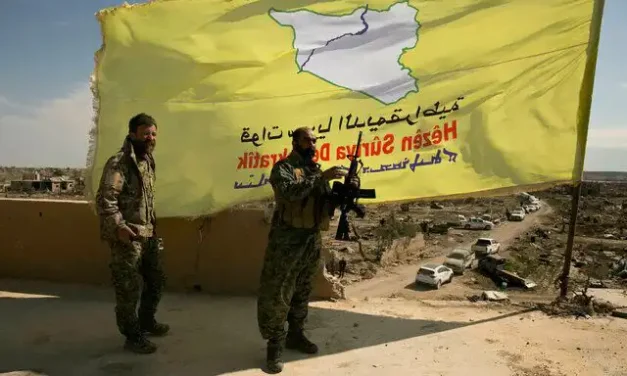
SCFR Online – Opinion: The dissolution of the SDF, although considered an achievement for Turkey’s security, does not put an end to the challenges arising from the Israeli regime’s aggression and expansionism, refugees, and Syria’s fragility.
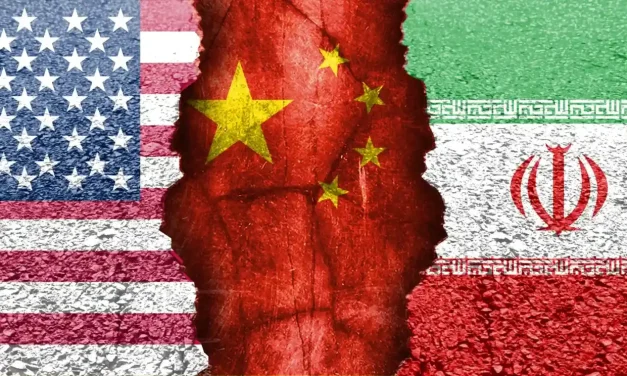
SCFR Online – Opinion: Concurrent with the official commencement of the United States’ economic war against our country, focusing on sanctions instruments, isolation, and economic pressure, what has now become increasingly important is the lack of alignment of other major global powers, especially China, with this policy.
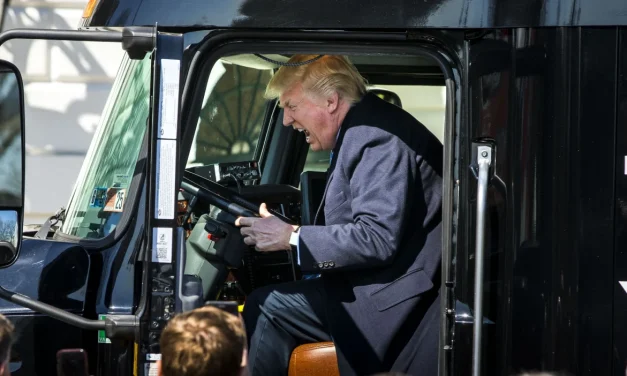
SCFR Online – Opinion: The new US sanctions against Iran, despite extensive propaganda, face serious obstacles to success due to the ineffectiveness of sanctions tools and opposition from some of Tehran’s trading partners.


Strategic Council Online – Interview: The former Iranian ambassador to France says now, due to the clarification of the terrorist actions and plans of the MKO and their cyberattacks, the government of Albania is expected to cooperate with Iran in extraditing their leaders through the Interpol, and added: In recent years, Albania has been the main loser in hosting the Munafiqeen and it is regrettable that Tirana accepted hosting that terrorist group under the influence of the US pressure, enticement, and indoctrination; but it seems that the Albanian government as finally conclude that this decision was wrong and that it has lost good opportunities for cooperation with Iran due to the many problems that were created for that country by accepting the Munafiqeen after they were expelled from Iraq.

Strategic Council Online—Interview: An expert on Middle East issues,l while referring to the arrival of new US troops and military equipment at Ain al-Asad Air Base, said that “recently, the commanders of Iraqi Popular Forces expressed their concern about the suspicious and hidden movements of American forces at Ein al-Asad Air Base in the city of Hit, Anbar Province, located in the west of Iraq. It is said that the US has recently reconstructed the destroyed parts of the Ain al-Assad base and increased its forces from 2,500 to 3,000.

Strategic Council Online-Opinion: After the resumption of diplomatic relations between Iran and Saudi Arabia created a wave of positive developments in the region and encouraged other Persian Gulf countries to resume or strengthen ties with the Islamic Republic of Iran, now the news indicates that Iran and Egypt with the mediation of Iraq are trying to resume diplomatic relations.
Mohammad Mehdi Mazaheri—University scholar
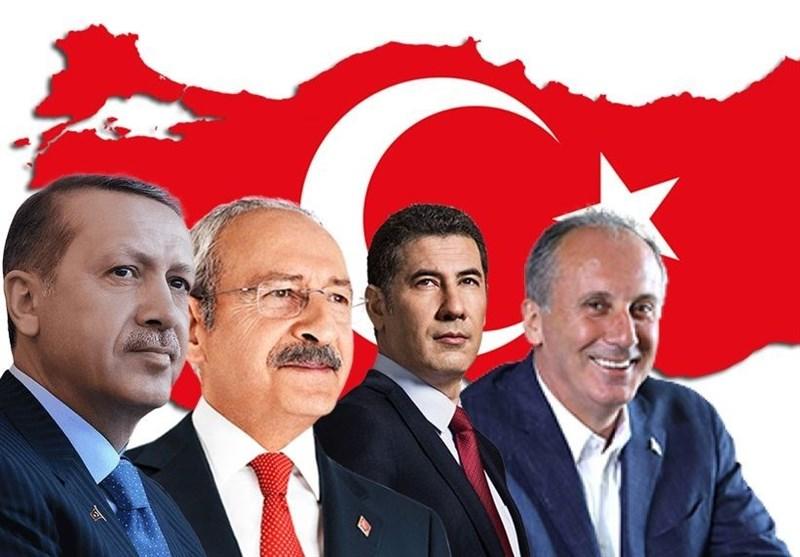
Strategic Council Online—Opinion: As the Turkish presidential and parliamentary elections on May 14, 2023, are approaching, the activities of the eligible candidates are expanding. In the Turkish presidential election, four candidates, and in the parliamentary election, 27 parties will compete. The upcoming elections will be the 13th presidential election in Türkiye’s history, the second presidential election since the beginning of the presidential term, and the 28th parliamentary election in this country. The presidency and parliamentary representation term is five years, and the number of people elected representatives is 600.
Mahmoud Fazeli—Analyst of international affairs

Strategic Council Online – Interview: An analyst of Turkey affairs, saying that the victory of each of the candidates in the upcoming Turkish elections brings opportunities and threats in the field of foreign relations, emphasized: If the Nation Alliance wins the elections in Turkey, naturally Ankara’s regional ambitions will decrease, and this issue will leave its impacts on Iran-Turkey relations as well.

Strategic Council Online – Opinion: The agreement between the Islamic Republic of Iran and the Kingdom of Saudi Arabia to resume bilateral relations is West Asia’s most important political and diplomatic event.
Barsam Mohammadi – International affairs analyst

Strategic Council Online – Interview: An expert on West Asia affairs called the central message of the US defense secretary’s visit to Baghdad as the declaration of their desire to maintain the presence of their troops in Iraq and stressed: The United States still wants and insists that its forces remain in Iraq. Even though it declared policy, Iraq’s prime minister stated that Baghdad needed no presence of foreign troops, and this policy would only stay at the announcement level.

Strategic Council Online-Interview: An Iraqi affairs expert emphasized that the US wants to maintain a military presence in Iraq and the region, adding that the US presence has no consequences other than insecurity in the region and an impact on the independence of decision-making in the governments that host them.

Strategic Council Online – Opinion: While preliminary agreements have been made regarding the export of oil and gas to Germany and Europe, Baghdad will face great challenges in realizing its ambitious goals.
Pouria Nabipour – PhD in political science and international relations

Strategic Council Online – Interview: A university professor, saying that definitely the dam building project in Turkey will, sooner or later, damage the country itself, underlined the need for regional diplomatic pursuit and serious talks with Turkey.
SCFR Online – Opinion: The intensification of U.S. sanctions against Iran on the eve of the U.S. midterm elections indicates Washington’s inability to achieve its war objectives.
SCFR Online – Opinion: The competition between Washington and Beijing over chips and artificial intelligence, simultaneously with the shifting of technological balances, has taken on new economic and security dimensions.
SCFR Online – Opinion: The Shanghai Cooperation Organization summit has created a new opportunity for Iran to transform its membership from a political achievement into economic and transit cooperation.
Strategic Council Online – Note: The Makkah Defense Pact can be seen as a sign of regional countries’ efforts to reduce security dependence on extra-regional powers and redefine the balance in West Asia.
SCFR Online – Opinion: The Ukraine war, by exhausting US military capability on one hand and strengthening European defense capacity on the other, has altered the balance of power in the European continent, cast uncertainty over NATO’s future, and is driving it toward a European NATO.
SCFR Online – Opinion: The dissolution of the SDF, although considered an achievement for Turkey’s security, does not put an end to the challenges arising from the Israeli regime’s aggression and expansionism, refugees, and Syria’s fragility.
SCFR Online – Opinion: Concurrent with the official commencement of the United States’ economic war against our country, focusing on sanctions instruments, isolation, and economic pressure, what has now become increasingly important is the lack of alignment of other major global powers, especially China, with this policy.
SCFR Online – Opinion: The new US sanctions against Iran, despite extensive propaganda, face serious obstacles to success due to the ineffectiveness of sanctions tools and opposition from some of Tehran’s trading partners.
Strategic Council Online – Interview: The former Iranian ambassador to France says now, due to the clarification of the terrorist actions and plans of the MKO and their cyberattacks, the government of Albania is expected to cooperate with Iran in extraditing their leaders through the Interpol, and added: In recent years, Albania has been the main loser in hosting the Munafiqeen and it is regrettable that Tirana accepted hosting that terrorist group under the influence of the US pressure, enticement, and indoctrination; but it seems that the Albanian government as finally conclude that this decision was wrong and that it has lost good opportunities for cooperation with Iran due to the many problems that were created for that country by accepting the Munafiqeen after they were expelled from Iraq.
Strategic Council Online—Interview: An expert on Middle East issues,l while referring to the arrival of new US troops and military equipment at Ain al-Asad Air Base, said that “recently, the commanders of Iraqi Popular Forces expressed their concern about the suspicious and hidden movements of American forces at Ein al-Asad Air Base in the city of Hit, Anbar Province, located in the west of Iraq. It is said that the US has recently reconstructed the destroyed parts of the Ain al-Assad base and increased its forces from 2,500 to 3,000.
Strategic Council Online-Opinion: After the resumption of diplomatic relations between Iran and Saudi Arabia created a wave of positive developments in the region and encouraged other Persian Gulf countries to resume or strengthen ties with the Islamic Republic of Iran, now the news indicates that Iran and Egypt with the mediation of Iraq are trying to resume diplomatic relations.
Mohammad Mehdi Mazaheri—University scholar
Strategic Council Online—Opinion: As the Turkish presidential and parliamentary elections on May 14, 2023, are approaching, the activities of the eligible candidates are expanding. In the Turkish presidential election, four candidates, and in the parliamentary election, 27 parties will compete. The upcoming elections will be the 13th presidential election in Türkiye’s history, the second presidential election since the beginning of the presidential term, and the 28th parliamentary election in this country. The presidency and parliamentary representation term is five years, and the number of people elected representatives is 600.
Mahmoud Fazeli—Analyst of international affairs
Strategic Council Online – Interview: An analyst of Turkey affairs, saying that the victory of each of the candidates in the upcoming Turkish elections brings opportunities and threats in the field of foreign relations, emphasized: If the Nation Alliance wins the elections in Turkey, naturally Ankara’s regional ambitions will decrease, and this issue will leave its impacts on Iran-Turkey relations as well.
Strategic Council Online – Opinion: The agreement between the Islamic Republic of Iran and the Kingdom of Saudi Arabia to resume bilateral relations is West Asia’s most important political and diplomatic event.
Barsam Mohammadi – International affairs analyst
Strategic Council Online – Interview: An expert on West Asia affairs called the central message of the US defense secretary’s visit to Baghdad as the declaration of their desire to maintain the presence of their troops in Iraq and stressed: The United States still wants and insists that its forces remain in Iraq. Even though it declared policy, Iraq’s prime minister stated that Baghdad needed no presence of foreign troops, and this policy would only stay at the announcement level.
Strategic Council Online-Interview: An Iraqi affairs expert emphasized that the US wants to maintain a military presence in Iraq and the region, adding that the US presence has no consequences other than insecurity in the region and an impact on the independence of decision-making in the governments that host them.
Strategic Council Online – Opinion: While preliminary agreements have been made regarding the export of oil and gas to Germany and Europe, Baghdad will face great challenges in realizing its ambitious goals.
Pouria Nabipour – PhD in political science and international relations
Strategic Council Online – Interview: A university professor, saying that definitely the dam building project in Turkey will, sooner or later, damage the country itself, underlined the need for regional diplomatic pursuit and serious talks with Turkey.
Strategic Council Online – Interview: The former Iranian ambassador to France says now, due to the clarification of the terrorist actions and plans of the MKO and their cyberattacks, the government of Albania is expected to cooperate with Iran in extraditing their leaders through the Interpol, and added: In recent years, Albania has been the main loser in hosting the Munafiqeen and it is regrettable that Tirana accepted hosting that terrorist group under the influence of the US pressure, enticement, and indoctrination; but it seems that the Albanian government as finally conclude that this decision was wrong and that it has lost good opportunities for cooperation with Iran due to the many problems that were created for that country by accepting the Munafiqeen after they were expelled from Iraq.
Strategic Council Online—Interview: An expert on Middle East issues,l while referring to the arrival of new US troops and military equipment at Ain al-Asad Air Base, said that “recently, the commanders of Iraqi Popular Forces expressed their concern about the suspicious and hidden movements of American forces at Ein al-Asad Air Base in the city of Hit, Anbar Province, located in the west of Iraq. It is said that the US has recently reconstructed the destroyed parts of the Ain al-Assad base and increased its forces from 2,500 to 3,000.
Strategic Council Online-Opinion: After the resumption of diplomatic relations between Iran and Saudi Arabia created a wave of positive developments in the region and encouraged other Persian Gulf countries to resume or strengthen ties with the Islamic Republic of Iran, now the news indicates that Iran and Egypt with the mediation of Iraq are trying to resume diplomatic relations.
Mohammad Mehdi Mazaheri—University scholar
Strategic Council Online—Opinion: As the Turkish presidential and parliamentary elections on May 14, 2023, are approaching, the activities of the eligible candidates are expanding. In the Turkish presidential election, four candidates, and in the parliamentary election, 27 parties will compete. The upcoming elections will be the 13th presidential election in Türkiye’s history, the second presidential election since the beginning of the presidential term, and the 28th parliamentary election in this country. The presidency and parliamentary representation term is five years, and the number of people elected representatives is 600.
Mahmoud Fazeli—Analyst of international affairs
Strategic Council Online – Interview: An analyst of Turkey affairs, saying that the victory of each of the candidates in the upcoming Turkish elections brings opportunities and threats in the field of foreign relations, emphasized: If the Nation Alliance wins the elections in Turkey, naturally Ankara’s regional ambitions will decrease, and this issue will leave its impacts on Iran-Turkey relations as well.
Strategic Council Online – Opinion: The agreement between the Islamic Republic of Iran and the Kingdom of Saudi Arabia to resume bilateral relations is West Asia’s most important political and diplomatic event.
Barsam Mohammadi – International affairs analyst
Strategic Council Online – Interview: An expert on West Asia affairs called the central message of the US defense secretary’s visit to Baghdad as the declaration of their desire to maintain the presence of their troops in Iraq and stressed: The United States still wants and insists that its forces remain in Iraq. Even though it declared policy, Iraq’s prime minister stated that Baghdad needed no presence of foreign troops, and this policy would only stay at the announcement level.
Strategic Council Online-Interview: An Iraqi affairs expert emphasized that the US wants to maintain a military presence in Iraq and the region, adding that the US presence has no consequences other than insecurity in the region and an impact on the independence of decision-making in the governments that host them.
Strategic Council Online – Opinion: While preliminary agreements have been made regarding the export of oil and gas to Germany and Europe, Baghdad will face great challenges in realizing its ambitious goals.
Pouria Nabipour – PhD in political science and international relations
Strategic Council Online – Interview: A university professor, saying that definitely the dam building project in Turkey will, sooner or later, damage the country itself, underlined the need for regional diplomatic pursuit and serious talks with Turkey.
SCFR Online – Opinion: The intensification of U.S. sanctions against Iran on the eve of the U.S. midterm elections indicates Washington’s inability to achieve its war objectives.
SCFR Online – Opinion: The competition between Washington and Beijing over chips and artificial intelligence, simultaneously with the shifting of technological balances, has taken on new economic and security dimensions.
SCFR Online – Opinion: The Shanghai Cooperation Organization summit has created a new opportunity for Iran to transform its membership from a political achievement into economic and transit cooperation.
Strategic Council Online – Note: The Makkah Defense Pact can be seen as a sign of regional countries’ efforts to reduce security dependence on extra-regional powers and redefine the balance in West Asia.
SCFR Online – Opinion: The Ukraine war, by exhausting US military capability on one hand and strengthening European defense capacity on the other, has altered the balance of power in the European continent, cast uncertainty over NATO’s future, and is driving it toward a European NATO.
SCFR Online – Opinion: The dissolution of the SDF, although considered an achievement for Turkey’s security, does not put an end to the challenges arising from the Israeli regime’s aggression and expansionism, refugees, and Syria’s fragility.
SCFR Online – Opinion: Concurrent with the official commencement of the United States’ economic war against our country, focusing on sanctions instruments, isolation, and economic pressure, what has now become increasingly important is the lack of alignment of other major global powers, especially China, with this policy.
SCFR Online – Opinion: The new US sanctions against Iran, despite extensive propaganda, face serious obstacles to success due to the ineffectiveness of sanctions tools and opposition from some of Tehran’s trading partners.
Strategic Council Online – Interview: The former Iranian ambassador to France says now, due to the clarification of the terrorist actions and plans of the MKO and their cyberattacks, the government of Albania is expected to cooperate with Iran in extraditing their leaders through the Interpol, and added: In recent years, Albania has been the main loser in hosting the Munafiqeen and it is regrettable that Tirana accepted hosting that terrorist group under the influence of the US pressure, enticement, and indoctrination; but it seems that the Albanian government as finally conclude that this decision was wrong and that it has lost good opportunities for cooperation with Iran due to the many problems that were created for that country by accepting the Munafiqeen after they were expelled from Iraq.
Strategic Council Online—Interview: An expert on Middle East issues,l while referring to the arrival of new US troops and military equipment at Ain al-Asad Air Base, said that “recently, the commanders of Iraqi Popular Forces expressed their concern about the suspicious and hidden movements of American forces at Ein al-Asad Air Base in the city of Hit, Anbar Province, located in the west of Iraq. It is said that the US has recently reconstructed the destroyed parts of the Ain al-Assad base and increased its forces from 2,500 to 3,000.
Strategic Council Online-Opinion: After the resumption of diplomatic relations between Iran and Saudi Arabia created a wave of positive developments in the region and encouraged other Persian Gulf countries to resume or strengthen ties with the Islamic Republic of Iran, now the news indicates that Iran and Egypt with the mediation of Iraq are trying to resume diplomatic relations.
Mohammad Mehdi Mazaheri—University scholar
Strategic Council Online—Opinion: As the Turkish presidential and parliamentary elections on May 14, 2023, are approaching, the activities of the eligible candidates are expanding. In the Turkish presidential election, four candidates, and in the parliamentary election, 27 parties will compete. The upcoming elections will be the 13th presidential election in Türkiye’s history, the second presidential election since the beginning of the presidential term, and the 28th parliamentary election in this country. The presidency and parliamentary representation term is five years, and the number of people elected representatives is 600.
Mahmoud Fazeli—Analyst of international affairs
Strategic Council Online – Interview: An analyst of Turkey affairs, saying that the victory of each of the candidates in the upcoming Turkish elections brings opportunities and threats in the field of foreign relations, emphasized: If the Nation Alliance wins the elections in Turkey, naturally Ankara’s regional ambitions will decrease, and this issue will leave its impacts on Iran-Turkey relations as well.
Strategic Council Online – Opinion: The agreement between the Islamic Republic of Iran and the Kingdom of Saudi Arabia to resume bilateral relations is West Asia’s most important political and diplomatic event.
Barsam Mohammadi – International affairs analyst
Strategic Council Online – Interview: An expert on West Asia affairs called the central message of the US defense secretary’s visit to Baghdad as the declaration of their desire to maintain the presence of their troops in Iraq and stressed: The United States still wants and insists that its forces remain in Iraq. Even though it declared policy, Iraq’s prime minister stated that Baghdad needed no presence of foreign troops, and this policy would only stay at the announcement level.
Strategic Council Online-Interview: An Iraqi affairs expert emphasized that the US wants to maintain a military presence in Iraq and the region, adding that the US presence has no consequences other than insecurity in the region and an impact on the independence of decision-making in the governments that host them.
Strategic Council Online – Opinion: While preliminary agreements have been made regarding the export of oil and gas to Germany and Europe, Baghdad will face great challenges in realizing its ambitious goals.
Pouria Nabipour – PhD in political science and international relations
Strategic Council Online – Interview: A university professor, saying that definitely the dam building project in Turkey will, sooner or later, damage the country itself, underlined the need for regional diplomatic pursuit and serious talks with Turkey.
SCFR Online – Opinion: The intensification of U.S. sanctions against Iran on the eve of the U.S. midterm elections indicates Washington’s inability to achieve its war objectives.
SCFR Online – Opinion: The competition between Washington and Beijing over chips and artificial intelligence, simultaneously with the shifting of technological balances, has taken on new economic and security dimensions.
SCFR Online – Opinion: The Shanghai Cooperation Organization summit has created a new opportunity for Iran to transform its membership from a political achievement into economic and transit cooperation.
Strategic Council Online – Note: The Makkah Defense Pact can be seen as a sign of regional countries’ efforts to reduce security dependence on extra-regional powers and redefine the balance in West Asia.
SCFR Online – Opinion: The Ukraine war, by exhausting US military capability on one hand and strengthening European defense capacity on the other, has altered the balance of power in the European continent, cast uncertainty over NATO’s future, and is driving it toward a European NATO.
SCFR Online – Opinion: The dissolution of the SDF, although considered an achievement for Turkey’s security, does not put an end to the challenges arising from the Israeli regime’s aggression and expansionism, refugees, and Syria’s fragility.
SCFR Online – Opinion: Concurrent with the official commencement of the United States’ economic war against our country, focusing on sanctions instruments, isolation, and economic pressure, what has now become increasingly important is the lack of alignment of other major global powers, especially China, with this policy.
SCFR Online – Opinion: The new US sanctions against Iran, despite extensive propaganda, face serious obstacles to success due to the ineffectiveness of sanctions tools and opposition from some of Tehran’s trading partners.
Strategic Council Online – Interview: The former Iranian ambassador to France says now, due to the clarification of the terrorist actions and plans of the MKO and their cyberattacks, the government of Albania is expected to cooperate with Iran in extraditing their leaders through the Interpol, and added: In recent years, Albania has been the main loser in hosting the Munafiqeen and it is regrettable that Tirana accepted hosting that terrorist group under the influence of the US pressure, enticement, and indoctrination; but it seems that the Albanian government as finally conclude that this decision was wrong and that it has lost good opportunities for cooperation with Iran due to the many problems that were created for that country by accepting the Munafiqeen after they were expelled from Iraq.
Strategic Council Online—Interview: An expert on Middle East issues,l while referring to the arrival of new US troops and military equipment at Ain al-Asad Air Base, said that “recently, the commanders of Iraqi Popular Forces expressed their concern about the suspicious and hidden movements of American forces at Ein al-Asad Air Base in the city of Hit, Anbar Province, located in the west of Iraq. It is said that the US has recently reconstructed the destroyed parts of the Ain al-Assad base and increased its forces from 2,500 to 3,000.
Strategic Council Online-Opinion: After the resumption of diplomatic relations between Iran and Saudi Arabia created a wave of positive developments in the region and encouraged other Persian Gulf countries to resume or strengthen ties with the Islamic Republic of Iran, now the news indicates that Iran and Egypt with the mediation of Iraq are trying to resume diplomatic relations.
Mohammad Mehdi Mazaheri—University scholar
Strategic Council Online—Opinion: As the Turkish presidential and parliamentary elections on May 14, 2023, are approaching, the activities of the eligible candidates are expanding. In the Turkish presidential election, four candidates, and in the parliamentary election, 27 parties will compete. The upcoming elections will be the 13th presidential election in Türkiye’s history, the second presidential election since the beginning of the presidential term, and the 28th parliamentary election in this country. The presidency and parliamentary representation term is five years, and the number of people elected representatives is 600.
Mahmoud Fazeli—Analyst of international affairs
Strategic Council Online – Interview: An analyst of Turkey affairs, saying that the victory of each of the candidates in the upcoming Turkish elections brings opportunities and threats in the field of foreign relations, emphasized: If the Nation Alliance wins the elections in Turkey, naturally Ankara’s regional ambitions will decrease, and this issue will leave its impacts on Iran-Turkey relations as well.
Strategic Council Online – Opinion: The agreement between the Islamic Republic of Iran and the Kingdom of Saudi Arabia to resume bilateral relations is West Asia’s most important political and diplomatic event.
Barsam Mohammadi – International affairs analyst
Strategic Council Online – Interview: An expert on West Asia affairs called the central message of the US defense secretary’s visit to Baghdad as the declaration of their desire to maintain the presence of their troops in Iraq and stressed: The United States still wants and insists that its forces remain in Iraq. Even though it declared policy, Iraq’s prime minister stated that Baghdad needed no presence of foreign troops, and this policy would only stay at the announcement level.
Strategic Council Online-Interview: An Iraqi affairs expert emphasized that the US wants to maintain a military presence in Iraq and the region, adding that the US presence has no consequences other than insecurity in the region and an impact on the independence of decision-making in the governments that host them.
Strategic Council Online – Opinion: While preliminary agreements have been made regarding the export of oil and gas to Germany and Europe, Baghdad will face great challenges in realizing its ambitious goals.
Pouria Nabipour – PhD in political science and international relations
Strategic Council Online – Interview: A university professor, saying that definitely the dam building project in Turkey will, sooner or later, damage the country itself, underlined the need for regional diplomatic pursuit and serious talks with Turkey.
SCFR Online – Opinion: The intensification of U.S. sanctions against Iran on the eve of the U.S. midterm elections indicates Washington’s inability to achieve its war objectives.
SCFR Online – Opinion: The competition between Washington and Beijing over chips and artificial intelligence, simultaneously with the shifting of technological balances, has taken on new economic and security dimensions.
SCFR Online – Opinion: The Shanghai Cooperation Organization summit has created a new opportunity for Iran to transform its membership from a political achievement into economic and transit cooperation.
Strategic Council Online – Note: The Makkah Defense Pact can be seen as a sign of regional countries’ efforts to reduce security dependence on extra-regional powers and redefine the balance in West Asia.
SCFR Online – Opinion: The Ukraine war, by exhausting US military capability on one hand and strengthening European defense capacity on the other, has altered the balance of power in the European continent, cast uncertainty over NATO’s future, and is driving it toward a European NATO.
SCFR Online – Opinion: The dissolution of the SDF, although considered an achievement for Turkey’s security, does not put an end to the challenges arising from the Israeli regime’s aggression and expansionism, refugees, and Syria’s fragility.
SCFR Online – Opinion: Concurrent with the official commencement of the United States’ economic war against our country, focusing on sanctions instruments, isolation, and economic pressure, what has now become increasingly important is the lack of alignment of other major global powers, especially China, with this policy.
SCFR Online – Opinion: The new US sanctions against Iran, despite extensive propaganda, face serious obstacles to success due to the ineffectiveness of sanctions tools and opposition from some of Tehran’s trading partners.
Strategic Council Online – Interview: The former Iranian ambassador to France says now, due to the clarification of the terrorist actions and plans of the MKO and their cyberattacks, the government of Albania is expected to cooperate with Iran in extraditing their leaders through the Interpol, and added: In recent years, Albania has been the main loser in hosting the Munafiqeen and it is regrettable that Tirana accepted hosting that terrorist group under the influence of the US pressure, enticement, and indoctrination; but it seems that the Albanian government as finally conclude that this decision was wrong and that it has lost good opportunities for cooperation with Iran due to the many problems that were created for that country by accepting the Munafiqeen after they were expelled from Iraq.
Strategic Council Online—Interview: An expert on Middle East issues,l while referring to the arrival of new US troops and military equipment at Ain al-Asad Air Base, said that “recently, the commanders of Iraqi Popular Forces expressed their concern about the suspicious and hidden movements of American forces at Ein al-Asad Air Base in the city of Hit, Anbar Province, located in the west of Iraq. It is said that the US has recently reconstructed the destroyed parts of the Ain al-Assad base and increased its forces from 2,500 to 3,000.
Strategic Council Online-Opinion: After the resumption of diplomatic relations between Iran and Saudi Arabia created a wave of positive developments in the region and encouraged other Persian Gulf countries to resume or strengthen ties with the Islamic Republic of Iran, now the news indicates that Iran and Egypt with the mediation of Iraq are trying to resume diplomatic relations.
Mohammad Mehdi Mazaheri—University scholar
Strategic Council Online—Opinion: As the Turkish presidential and parliamentary elections on May 14, 2023, are approaching, the activities of the eligible candidates are expanding. In the Turkish presidential election, four candidates, and in the parliamentary election, 27 parties will compete. The upcoming elections will be the 13th presidential election in Türkiye’s history, the second presidential election since the beginning of the presidential term, and the 28th parliamentary election in this country. The presidency and parliamentary representation term is five years, and the number of people elected representatives is 600.
Mahmoud Fazeli—Analyst of international affairs
Strategic Council Online – Interview: An analyst of Turkey affairs, saying that the victory of each of the candidates in the upcoming Turkish elections brings opportunities and threats in the field of foreign relations, emphasized: If the Nation Alliance wins the elections in Turkey, naturally Ankara’s regional ambitions will decrease, and this issue will leave its impacts on Iran-Turkey relations as well.
Strategic Council Online – Opinion: The agreement between the Islamic Republic of Iran and the Kingdom of Saudi Arabia to resume bilateral relations is West Asia’s most important political and diplomatic event.
Barsam Mohammadi – International affairs analyst
Strategic Council Online – Interview: An expert on West Asia affairs called the central message of the US defense secretary’s visit to Baghdad as the declaration of their desire to maintain the presence of their troops in Iraq and stressed: The United States still wants and insists that its forces remain in Iraq. Even though it declared policy, Iraq’s prime minister stated that Baghdad needed no presence of foreign troops, and this policy would only stay at the announcement level.
Strategic Council Online-Interview: An Iraqi affairs expert emphasized that the US wants to maintain a military presence in Iraq and the region, adding that the US presence has no consequences other than insecurity in the region and an impact on the independence of decision-making in the governments that host them.
Strategic Council Online – Opinion: While preliminary agreements have been made regarding the export of oil and gas to Germany and Europe, Baghdad will face great challenges in realizing its ambitious goals.
Pouria Nabipour – PhD in political science and international relations
Strategic Council Online – Interview: A university professor, saying that definitely the dam building project in Turkey will, sooner or later, damage the country itself, underlined the need for regional diplomatic pursuit and serious talks with Turkey.
SCFR Online – Opinion: The intensification of U.S. sanctions against Iran on the eve of the U.S. midterm elections indicates Washington’s inability to achieve its war objectives.
SCFR Online – Opinion: The competition between Washington and Beijing over chips and artificial intelligence, simultaneously with the shifting of technological balances, has taken on new economic and security dimensions.
SCFR Online – Opinion: The Shanghai Cooperation Organization summit has created a new opportunity for Iran to transform its membership from a political achievement into economic and transit cooperation.
Strategic Council Online – Note: The Makkah Defense Pact can be seen as a sign of regional countries’ efforts to reduce security dependence on extra-regional powers and redefine the balance in West Asia.
SCFR Online – Opinion: The Ukraine war, by exhausting US military capability on one hand and strengthening European defense capacity on the other, has altered the balance of power in the European continent, cast uncertainty over NATO’s future, and is driving it toward a European NATO.
SCFR Online – Opinion: The dissolution of the SDF, although considered an achievement for Turkey’s security, does not put an end to the challenges arising from the Israeli regime’s aggression and expansionism, refugees, and Syria’s fragility.
SCFR Online – Opinion: Concurrent with the official commencement of the United States’ economic war against our country, focusing on sanctions instruments, isolation, and economic pressure, what has now become increasingly important is the lack of alignment of other major global powers, especially China, with this policy.
SCFR Online – Opinion: The new US sanctions against Iran, despite extensive propaganda, face serious obstacles to success due to the ineffectiveness of sanctions tools and opposition from some of Tehran’s trading partners.
Strategic Council Online – Interview: The former Iranian ambassador to France says now, due to the clarification of the terrorist actions and plans of the MKO and their cyberattacks, the government of Albania is expected to cooperate with Iran in extraditing their leaders through the Interpol, and added: In recent years, Albania has been the main loser in hosting the Munafiqeen and it is regrettable that Tirana accepted hosting that terrorist group under the influence of the US pressure, enticement, and indoctrination; but it seems that the Albanian government as finally conclude that this decision was wrong and that it has lost good opportunities for cooperation with Iran due to the many problems that were created for that country by accepting the Munafiqeen after they were expelled from Iraq.
Strategic Council Online—Interview: An expert on Middle East issues,l while referring to the arrival of new US troops and military equipment at Ain al-Asad Air Base, said that “recently, the commanders of Iraqi Popular Forces expressed their concern about the suspicious and hidden movements of American forces at Ein al-Asad Air Base in the city of Hit, Anbar Province, located in the west of Iraq. It is said that the US has recently reconstructed the destroyed parts of the Ain al-Assad base and increased its forces from 2,500 to 3,000.
Strategic Council Online-Opinion: After the resumption of diplomatic relations between Iran and Saudi Arabia created a wave of positive developments in the region and encouraged other Persian Gulf countries to resume or strengthen ties with the Islamic Republic of Iran, now the news indicates that Iran and Egypt with the mediation of Iraq are trying to resume diplomatic relations.
Mohammad Mehdi Mazaheri—University scholar
Strategic Council Online—Opinion: As the Turkish presidential and parliamentary elections on May 14, 2023, are approaching, the activities of the eligible candidates are expanding. In the Turkish presidential election, four candidates, and in the parliamentary election, 27 parties will compete. The upcoming elections will be the 13th presidential election in Türkiye’s history, the second presidential election since the beginning of the presidential term, and the 28th parliamentary election in this country. The presidency and parliamentary representation term is five years, and the number of people elected representatives is 600.
Mahmoud Fazeli—Analyst of international affairs
Strategic Council Online – Interview: An analyst of Turkey affairs, saying that the victory of each of the candidates in the upcoming Turkish elections brings opportunities and threats in the field of foreign relations, emphasized: If the Nation Alliance wins the elections in Turkey, naturally Ankara’s regional ambitions will decrease, and this issue will leave its impacts on Iran-Turkey relations as well.
Strategic Council Online – Opinion: The agreement between the Islamic Republic of Iran and the Kingdom of Saudi Arabia to resume bilateral relations is West Asia’s most important political and diplomatic event.
Barsam Mohammadi – International affairs analyst
Strategic Council Online – Interview: An expert on West Asia affairs called the central message of the US defense secretary’s visit to Baghdad as the declaration of their desire to maintain the presence of their troops in Iraq and stressed: The United States still wants and insists that its forces remain in Iraq. Even though it declared policy, Iraq’s prime minister stated that Baghdad needed no presence of foreign troops, and this policy would only stay at the announcement level.
Strategic Council Online-Interview: An Iraqi affairs expert emphasized that the US wants to maintain a military presence in Iraq and the region, adding that the US presence has no consequences other than insecurity in the region and an impact on the independence of decision-making in the governments that host them.
Strategic Council Online – Opinion: While preliminary agreements have been made regarding the export of oil and gas to Germany and Europe, Baghdad will face great challenges in realizing its ambitious goals.
Pouria Nabipour – PhD in political science and international relations
Strategic Council Online – Interview: A university professor, saying that definitely the dam building project in Turkey will, sooner or later, damage the country itself, underlined the need for regional diplomatic pursuit and serious talks with Turkey.
SCFR Online – Opinion: The intensification of U.S. sanctions against Iran on the eve of the U.S. midterm elections indicates Washington’s inability to achieve its war objectives.
SCFR Online – Opinion: The competition between Washington and Beijing over chips and artificial intelligence, simultaneously with the shifting of technological balances, has taken on new economic and security dimensions.
SCFR Online – Opinion: The Shanghai Cooperation Organization summit has created a new opportunity for Iran to transform its membership from a political achievement into economic and transit cooperation.
Strategic Council Online – Note: The Makkah Defense Pact can be seen as a sign of regional countries’ efforts to reduce security dependence on extra-regional powers and redefine the balance in West Asia.
SCFR Online – Opinion: The Ukraine war, by exhausting US military capability on one hand and strengthening European defense capacity on the other, has altered the balance of power in the European continent, cast uncertainty over NATO’s future, and is driving it toward a European NATO.
SCFR Online – Opinion: The dissolution of the SDF, although considered an achievement for Turkey’s security, does not put an end to the challenges arising from the Israeli regime’s aggression and expansionism, refugees, and Syria’s fragility.
SCFR Online – Opinion: Concurrent with the official commencement of the United States’ economic war against our country, focusing on sanctions instruments, isolation, and economic pressure, what has now become increasingly important is the lack of alignment of other major global powers, especially China, with this policy.
SCFR Online – Opinion: The new US sanctions against Iran, despite extensive propaganda, face serious obstacles to success due to the ineffectiveness of sanctions tools and opposition from some of Tehran’s trading partners.