An Analysis of the Makkah Defense Pact
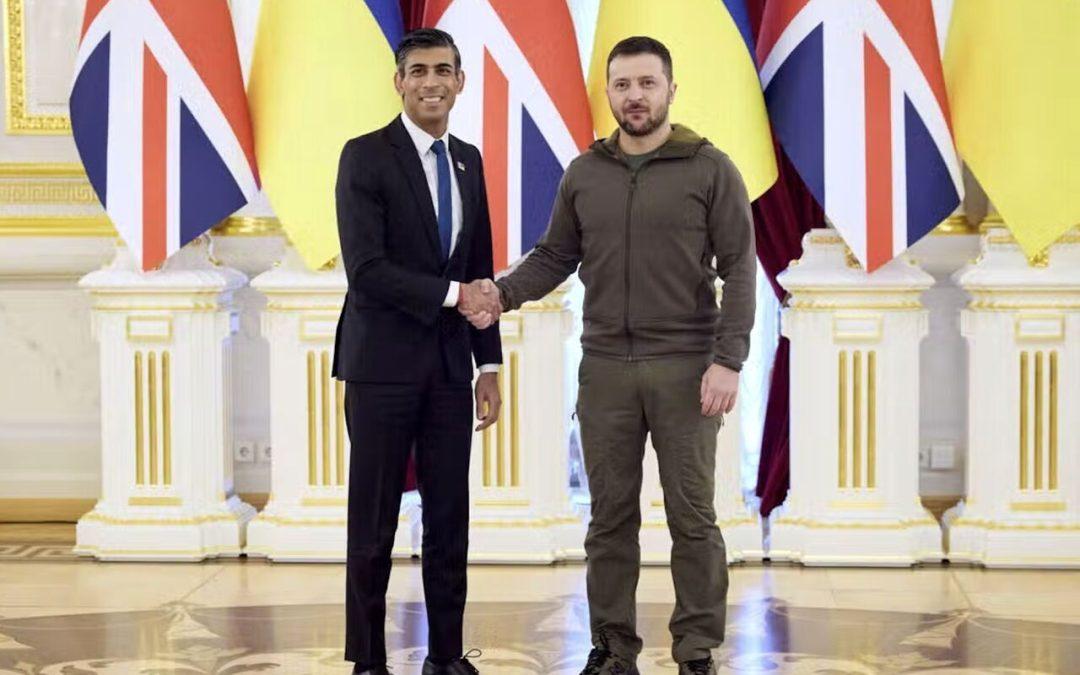
SCFR Online – Opinion: On Friday, August 7, the heads of state of three countries – Saudi Arabia, Turkey, and Pakistan – signed a text under the title “Makkah Joint Defense Agreement.”
Strategic Council Online – Note: The initiative to revive the Hejaz Railway, beyond being a transportation project, constitutes an attempt to redefine geopolitics, the economy, and Turkey’s regional position; however, its realization appears to face significant financial, security, and institutional challenges.
SCFR Online – Opinion: The Strait of Hormuz crisis is no longer merely the consequence of a military confrontation, but rather a sign of the transition from the US-centered maritime order to a new energy security structure involving the participation of emerging and influential powers.
SCFR Online – Opinion: Iran’s active deterrence strategy, while increasing the costs of US intervention, has increasingly exposed the hidden rifts between Washington’s interests and those of the Israeli regime.
SCFR Online – Opinion: The escalation of verbal and strategic tensions between Turkey and the Israeli regime, although not increasing the likelihood of direct war, indicates the formation of a new order in West Asian geopolitical rivalries.
Strategic Council Online – Note: Recent developments in the political geography of West Asia, from rising tensions in the Persian Gulf to missile and drone activities in the Red Sea and the recent warning by Kaja Kallas, the European Union’s foreign policy chief, regarding the threat to freedom of navigation, indicate a key pattern shift; the US-Iran war has moved beyond the scope of a regional and local confrontation and has linked two vital passageways for the global economy: the Strait of Hormuz and the Bab el-Mandeb Strait.
SCFR Online – Opinion: The Ukraine war was not merely a European crisis, but rather the starting point for the rearrangement of the global balance of power and a shift in the strategic behavior of great powers.
SCFR Online – Opinion: Great power competition is now pursued more in trade, currency, technology, and global supply chains than on the battlefields of military confrontation.
Strategic Council Online – Opinion: Following the intensification of war crimes by the Zionist regime in Lebanon and Palestine, as well as acts of warmongering that have weakened the foundations of peace, stability, and sustainable security in the region—producing highly destructive economic, security, and political consequences at the global level—for the first time since the establishment of the Israeli regime in 1948, a wave of coordinated and increasing pressure has emerged in Europe to halt military cooperation with this regime; a wave that is influenced by the growing opposition of European public opinion to the criminal actions of the Zionist regime in West Asia.
Strategic Council Online – Interview: A European-issue researcher said that a three-year agreement was recently signed between Italy and China, and the Italian Prime Minister Giorgio Meloni said she is looking to restore relations with Beijing. Meloni promised to restart cooperation with China during his first visit to Beijing after coming to power. This is even though his government withdrew from China’s Belt and Road infrastructure investment plan last year. Therefore, the question is raised: what is Rome’s view on cooperation with Beijing, and why does it adopt this approach today?
Strategic Council Online-Interview: An expert on European issues said that on the second anniversary of the Russian army’s attack on Ukraine, the leaders of the governments of Canada, Italy, and Belgium, along with the head of the European Union Commission traveled to Kiev to express solidarity with the people of Ukraine, and during this trip, the Italian Prime Minister signed a 10=year defense-security agreement with Ukraine. After signing a similar agreement with Kyiv, Canada’s Prime Minister promised more than $2.25 billion in financial and military aid to the Ukrainian authorities this year. Earlier, France and Germany had signed similar defense contracts with Ukraine.
Strategic Council Online: Note: The increase in people’s support for far-right parties in the parliamentary elections of Italy, France, Finland, and the Netherlands will make the upcoming elections of the European Parliament the most competitive elections in the history of the European Parliament. But considering the growing popularity of far right-wing groups in Europe and the increasing possibility of their victory in the polls, it will sound a warning for Europe.
Mahmoud Fazeli, Analyst of international affairs
Strategic Council Online – Opinion: Europe is entering into its second winter since the valves of Russian gas pipelines were closed while it has managed to register a new record in the volume of its gas reserves. After the Russian attack on Ukraine in February 2022, Europe set a crisis plan to reduce its reliance on Russian fuel. Accordingly, the gas storage level should be completed by 65% by August, 80% by October, and 90% by November 2023. But after the end of this summer, two months ahead of schedule, the gas storage level was completed by 90%.
Hamideh Safamanesh – International relations researcher
Strategic Council Online – Interview: An expert on European affairs, stating that immigration policies can lead to disagreements among EU member states of the Union, added: Differences in immigration policies can be one of the factors that lead to increased pressure on the European Union and the resulting consequences, especially difference between the right and left political currents along with social violence creates, would cause serious challenges for the Union.
Strategic Council Online—Interview: An analyst of European issues considered the sharp atmosphere related to immigration and its consequences as one of the main reasons for the growth of extremist parties in Europe, adding that the increase in dissatisfaction of people with the main parties in those countries causes the rise in attention to extreme-right parties in Europe.
Strategic Council Online – Interview: An expert on Saudi affairs stated that Saudi Arabia is trying to join the joint project for building fighter jets with Britain, Italy, and Japan to reduce its dependence on the United States and create a domestic arms industry, adding: Through such measures, part of which is propaganda, Riyadh is trying to show that it has high power and at the same time give warning signs to the United States and show those who want to carry out projects with that country that it has the necessary cards to play in choosing different options.
Strategic Council Online – Interview: Former Iranian Ambassador to Italy, referring to Rome’s decision to withdraw from China’s “Belt and Road Initiative”, despite the 51 percent growth of exports during the period of joining the project, said: In addition to domestic issues, the US, by exerting political pressure while providing economic incentives, has been effective in this decision.
Strategic Council Online-Interview: “Even if European countries put the issue of sanctions on Russia’s oil on the agenda seriously, they do not seem to be able to put it into practice such sanctions,” said a professor of political economy.
SCFR Online – Opinion: On Friday, August 7, the heads of state of three countries – Saudi Arabia, Turkey, and Pakistan – signed a text under the title “Makkah Joint Defense Agreement.”
Strategic Council Online – Note: The initiative to revive the Hejaz Railway, beyond being a transportation project, constitutes an attempt to redefine geopolitics, the economy, and Turkey’s regional position; however, its realization appears to face significant financial, security, and institutional challenges.
SCFR Online – Opinion: The Strait of Hormuz crisis is no longer merely the consequence of a military confrontation, but rather a sign of the transition from the US-centered maritime order to a new energy security structure involving the participation of emerging and influential powers.
SCFR Online – Opinion: Iran’s active deterrence strategy, while increasing the costs of US intervention, has increasingly exposed the hidden rifts between Washington’s interests and those of the Israeli regime.
SCFR Online – Opinion: The escalation of verbal and strategic tensions between Turkey and the Israeli regime, although not increasing the likelihood of direct war, indicates the formation of a new order in West Asian geopolitical rivalries.
Strategic Council Online – Note: Recent developments in the political geography of West Asia, from rising tensions in the Persian Gulf to missile and drone activities in the Red Sea and the recent warning by Kaja Kallas, the European Union’s foreign policy chief, regarding the threat to freedom of navigation, indicate a key pattern shift; the US-Iran war has moved beyond the scope of a regional and local confrontation and has linked two vital passageways for the global economy: the Strait of Hormuz and the Bab el-Mandeb Strait.
SCFR Online – Opinion: The Ukraine war was not merely a European crisis, but rather the starting point for the rearrangement of the global balance of power and a shift in the strategic behavior of great powers.
SCFR Online – Opinion: Great power competition is now pursued more in trade, currency, technology, and global supply chains than on the battlefields of military confrontation.
Strategic Council Online – Opinion: Following the intensification of war crimes by the Zionist regime in Lebanon and Palestine, as well as acts of warmongering that have weakened the foundations of peace, stability, and sustainable security in the region—producing highly destructive economic, security, and political consequences at the global level—for the first time since the establishment of the Israeli regime in 1948, a wave of coordinated and increasing pressure has emerged in Europe to halt military cooperation with this regime; a wave that is influenced by the growing opposition of European public opinion to the criminal actions of the Zionist regime in West Asia.
Strategic Council Online – Interview: A European-issue researcher said that a three-year agreement was recently signed between Italy and China, and the Italian Prime Minister Giorgio Meloni said she is looking to restore relations with Beijing. Meloni promised to restart cooperation with China during his first visit to Beijing after coming to power. This is even though his government withdrew from China’s Belt and Road infrastructure investment plan last year. Therefore, the question is raised: what is Rome’s view on cooperation with Beijing, and why does it adopt this approach today?
Strategic Council Online-Interview: An expert on European issues said that on the second anniversary of the Russian army’s attack on Ukraine, the leaders of the governments of Canada, Italy, and Belgium, along with the head of the European Union Commission traveled to Kiev to express solidarity with the people of Ukraine, and during this trip, the Italian Prime Minister signed a 10=year defense-security agreement with Ukraine. After signing a similar agreement with Kyiv, Canada’s Prime Minister promised more than $2.25 billion in financial and military aid to the Ukrainian authorities this year. Earlier, France and Germany had signed similar defense contracts with Ukraine.
Strategic Council Online: Note: The increase in people’s support for far-right parties in the parliamentary elections of Italy, France, Finland, and the Netherlands will make the upcoming elections of the European Parliament the most competitive elections in the history of the European Parliament. But considering the growing popularity of far right-wing groups in Europe and the increasing possibility of their victory in the polls, it will sound a warning for Europe.
Mahmoud Fazeli, Analyst of international affairs
Strategic Council Online – Opinion: Europe is entering into its second winter since the valves of Russian gas pipelines were closed while it has managed to register a new record in the volume of its gas reserves. After the Russian attack on Ukraine in February 2022, Europe set a crisis plan to reduce its reliance on Russian fuel. Accordingly, the gas storage level should be completed by 65% by August, 80% by October, and 90% by November 2023. But after the end of this summer, two months ahead of schedule, the gas storage level was completed by 90%.
Hamideh Safamanesh – International relations researcher
Strategic Council Online – Interview: An expert on European affairs, stating that immigration policies can lead to disagreements among EU member states of the Union, added: Differences in immigration policies can be one of the factors that lead to increased pressure on the European Union and the resulting consequences, especially difference between the right and left political currents along with social violence creates, would cause serious challenges for the Union.
Strategic Council Online—Interview: An analyst of European issues considered the sharp atmosphere related to immigration and its consequences as one of the main reasons for the growth of extremist parties in Europe, adding that the increase in dissatisfaction of people with the main parties in those countries causes the rise in attention to extreme-right parties in Europe.
Strategic Council Online – Interview: An expert on Saudi affairs stated that Saudi Arabia is trying to join the joint project for building fighter jets with Britain, Italy, and Japan to reduce its dependence on the United States and create a domestic arms industry, adding: Through such measures, part of which is propaganda, Riyadh is trying to show that it has high power and at the same time give warning signs to the United States and show those who want to carry out projects with that country that it has the necessary cards to play in choosing different options.
Strategic Council Online – Interview: Former Iranian Ambassador to Italy, referring to Rome’s decision to withdraw from China’s “Belt and Road Initiative”, despite the 51 percent growth of exports during the period of joining the project, said: In addition to domestic issues, the US, by exerting political pressure while providing economic incentives, has been effective in this decision.
Strategic Council Online-Interview: “Even if European countries put the issue of sanctions on Russia’s oil on the agenda seriously, they do not seem to be able to put it into practice such sanctions,” said a professor of political economy.
Strategic Council Online – Opinion: Following the intensification of war crimes by the Zionist regime in Lebanon and Palestine, as well as acts of warmongering that have weakened the foundations of peace, stability, and sustainable security in the region—producing highly destructive economic, security, and political consequences at the global level—for the first time since the establishment of the Israeli regime in 1948, a wave of coordinated and increasing pressure has emerged in Europe to halt military cooperation with this regime; a wave that is influenced by the growing opposition of European public opinion to the criminal actions of the Zionist regime in West Asia.
Strategic Council Online – Interview: A European-issue researcher said that a three-year agreement was recently signed between Italy and China, and the Italian Prime Minister Giorgio Meloni said she is looking to restore relations with Beijing. Meloni promised to restart cooperation with China during his first visit to Beijing after coming to power. This is even though his government withdrew from China’s Belt and Road infrastructure investment plan last year. Therefore, the question is raised: what is Rome’s view on cooperation with Beijing, and why does it adopt this approach today?
Strategic Council Online-Interview: An expert on European issues said that on the second anniversary of the Russian army’s attack on Ukraine, the leaders of the governments of Canada, Italy, and Belgium, along with the head of the European Union Commission traveled to Kiev to express solidarity with the people of Ukraine, and during this trip, the Italian Prime Minister signed a 10=year defense-security agreement with Ukraine. After signing a similar agreement with Kyiv, Canada’s Prime Minister promised more than $2.25 billion in financial and military aid to the Ukrainian authorities this year. Earlier, France and Germany had signed similar defense contracts with Ukraine.
Strategic Council Online: Note: The increase in people’s support for far-right parties in the parliamentary elections of Italy, France, Finland, and the Netherlands will make the upcoming elections of the European Parliament the most competitive elections in the history of the European Parliament. But considering the growing popularity of far right-wing groups in Europe and the increasing possibility of their victory in the polls, it will sound a warning for Europe.
Mahmoud Fazeli, Analyst of international affairs
Strategic Council Online – Opinion: Europe is entering into its second winter since the valves of Russian gas pipelines were closed while it has managed to register a new record in the volume of its gas reserves. After the Russian attack on Ukraine in February 2022, Europe set a crisis plan to reduce its reliance on Russian fuel. Accordingly, the gas storage level should be completed by 65% by August, 80% by October, and 90% by November 2023. But after the end of this summer, two months ahead of schedule, the gas storage level was completed by 90%.
Hamideh Safamanesh – International relations researcher
Strategic Council Online – Interview: An expert on European affairs, stating that immigration policies can lead to disagreements among EU member states of the Union, added: Differences in immigration policies can be one of the factors that lead to increased pressure on the European Union and the resulting consequences, especially difference between the right and left political currents along with social violence creates, would cause serious challenges for the Union.
Strategic Council Online—Interview: An analyst of European issues considered the sharp atmosphere related to immigration and its consequences as one of the main reasons for the growth of extremist parties in Europe, adding that the increase in dissatisfaction of people with the main parties in those countries causes the rise in attention to extreme-right parties in Europe.
Strategic Council Online – Interview: An expert on Saudi affairs stated that Saudi Arabia is trying to join the joint project for building fighter jets with Britain, Italy, and Japan to reduce its dependence on the United States and create a domestic arms industry, adding: Through such measures, part of which is propaganda, Riyadh is trying to show that it has high power and at the same time give warning signs to the United States and show those who want to carry out projects with that country that it has the necessary cards to play in choosing different options.
Strategic Council Online – Interview: Former Iranian Ambassador to Italy, referring to Rome’s decision to withdraw from China’s “Belt and Road Initiative”, despite the 51 percent growth of exports during the period of joining the project, said: In addition to domestic issues, the US, by exerting political pressure while providing economic incentives, has been effective in this decision.
Strategic Council Online-Interview: “Even if European countries put the issue of sanctions on Russia’s oil on the agenda seriously, they do not seem to be able to put it into practice such sanctions,” said a professor of political economy.
SCFR Online – Opinion: On Friday, August 7, the heads of state of three countries – Saudi Arabia, Turkey, and Pakistan – signed a text under the title “Makkah Joint Defense Agreement.”
Strategic Council Online – Note: The initiative to revive the Hejaz Railway, beyond being a transportation project, constitutes an attempt to redefine geopolitics, the economy, and Turkey’s regional position; however, its realization appears to face significant financial, security, and institutional challenges.
SCFR Online – Opinion: The Strait of Hormuz crisis is no longer merely the consequence of a military confrontation, but rather a sign of the transition from the US-centered maritime order to a new energy security structure involving the participation of emerging and influential powers.
SCFR Online – Opinion: Iran’s active deterrence strategy, while increasing the costs of US intervention, has increasingly exposed the hidden rifts between Washington’s interests and those of the Israeli regime.
SCFR Online – Opinion: The escalation of verbal and strategic tensions between Turkey and the Israeli regime, although not increasing the likelihood of direct war, indicates the formation of a new order in West Asian geopolitical rivalries.
Strategic Council Online – Note: Recent developments in the political geography of West Asia, from rising tensions in the Persian Gulf to missile and drone activities in the Red Sea and the recent warning by Kaja Kallas, the European Union’s foreign policy chief, regarding the threat to freedom of navigation, indicate a key pattern shift; the US-Iran war has moved beyond the scope of a regional and local confrontation and has linked two vital passageways for the global economy: the Strait of Hormuz and the Bab el-Mandeb Strait.
SCFR Online – Opinion: The Ukraine war was not merely a European crisis, but rather the starting point for the rearrangement of the global balance of power and a shift in the strategic behavior of great powers.
SCFR Online – Opinion: Great power competition is now pursued more in trade, currency, technology, and global supply chains than on the battlefields of military confrontation.
Strategic Council Online – Opinion: Following the intensification of war crimes by the Zionist regime in Lebanon and Palestine, as well as acts of warmongering that have weakened the foundations of peace, stability, and sustainable security in the region—producing highly destructive economic, security, and political consequences at the global level—for the first time since the establishment of the Israeli regime in 1948, a wave of coordinated and increasing pressure has emerged in Europe to halt military cooperation with this regime; a wave that is influenced by the growing opposition of European public opinion to the criminal actions of the Zionist regime in West Asia.
Strategic Council Online – Interview: A European-issue researcher said that a three-year agreement was recently signed between Italy and China, and the Italian Prime Minister Giorgio Meloni said she is looking to restore relations with Beijing. Meloni promised to restart cooperation with China during his first visit to Beijing after coming to power. This is even though his government withdrew from China’s Belt and Road infrastructure investment plan last year. Therefore, the question is raised: what is Rome’s view on cooperation with Beijing, and why does it adopt this approach today?
Strategic Council Online-Interview: An expert on European issues said that on the second anniversary of the Russian army’s attack on Ukraine, the leaders of the governments of Canada, Italy, and Belgium, along with the head of the European Union Commission traveled to Kiev to express solidarity with the people of Ukraine, and during this trip, the Italian Prime Minister signed a 10=year defense-security agreement with Ukraine. After signing a similar agreement with Kyiv, Canada’s Prime Minister promised more than $2.25 billion in financial and military aid to the Ukrainian authorities this year. Earlier, France and Germany had signed similar defense contracts with Ukraine.
Strategic Council Online: Note: The increase in people’s support for far-right parties in the parliamentary elections of Italy, France, Finland, and the Netherlands will make the upcoming elections of the European Parliament the most competitive elections in the history of the European Parliament. But considering the growing popularity of far right-wing groups in Europe and the increasing possibility of their victory in the polls, it will sound a warning for Europe.
Mahmoud Fazeli, Analyst of international affairs
Strategic Council Online – Opinion: Europe is entering into its second winter since the valves of Russian gas pipelines were closed while it has managed to register a new record in the volume of its gas reserves. After the Russian attack on Ukraine in February 2022, Europe set a crisis plan to reduce its reliance on Russian fuel. Accordingly, the gas storage level should be completed by 65% by August, 80% by October, and 90% by November 2023. But after the end of this summer, two months ahead of schedule, the gas storage level was completed by 90%.
Hamideh Safamanesh – International relations researcher
Strategic Council Online – Interview: An expert on European affairs, stating that immigration policies can lead to disagreements among EU member states of the Union, added: Differences in immigration policies can be one of the factors that lead to increased pressure on the European Union and the resulting consequences, especially difference between the right and left political currents along with social violence creates, would cause serious challenges for the Union.
Strategic Council Online—Interview: An analyst of European issues considered the sharp atmosphere related to immigration and its consequences as one of the main reasons for the growth of extremist parties in Europe, adding that the increase in dissatisfaction of people with the main parties in those countries causes the rise in attention to extreme-right parties in Europe.
Strategic Council Online – Interview: An expert on Saudi affairs stated that Saudi Arabia is trying to join the joint project for building fighter jets with Britain, Italy, and Japan to reduce its dependence on the United States and create a domestic arms industry, adding: Through such measures, part of which is propaganda, Riyadh is trying to show that it has high power and at the same time give warning signs to the United States and show those who want to carry out projects with that country that it has the necessary cards to play in choosing different options.
Strategic Council Online – Interview: Former Iranian Ambassador to Italy, referring to Rome’s decision to withdraw from China’s “Belt and Road Initiative”, despite the 51 percent growth of exports during the period of joining the project, said: In addition to domestic issues, the US, by exerting political pressure while providing economic incentives, has been effective in this decision.
Strategic Council Online-Interview: “Even if European countries put the issue of sanctions on Russia’s oil on the agenda seriously, they do not seem to be able to put it into practice such sanctions,” said a professor of political economy.
SCFR Online – Opinion: On Friday, August 7, the heads of state of three countries – Saudi Arabia, Turkey, and Pakistan – signed a text under the title “Makkah Joint Defense Agreement.”
Strategic Council Online – Note: The initiative to revive the Hejaz Railway, beyond being a transportation project, constitutes an attempt to redefine geopolitics, the economy, and Turkey’s regional position; however, its realization appears to face significant financial, security, and institutional challenges.
SCFR Online – Opinion: The Strait of Hormuz crisis is no longer merely the consequence of a military confrontation, but rather a sign of the transition from the US-centered maritime order to a new energy security structure involving the participation of emerging and influential powers.
SCFR Online – Opinion: Iran’s active deterrence strategy, while increasing the costs of US intervention, has increasingly exposed the hidden rifts between Washington’s interests and those of the Israeli regime.
SCFR Online – Opinion: The escalation of verbal and strategic tensions between Turkey and the Israeli regime, although not increasing the likelihood of direct war, indicates the formation of a new order in West Asian geopolitical rivalries.
Strategic Council Online – Note: Recent developments in the political geography of West Asia, from rising tensions in the Persian Gulf to missile and drone activities in the Red Sea and the recent warning by Kaja Kallas, the European Union’s foreign policy chief, regarding the threat to freedom of navigation, indicate a key pattern shift; the US-Iran war has moved beyond the scope of a regional and local confrontation and has linked two vital passageways for the global economy: the Strait of Hormuz and the Bab el-Mandeb Strait.
SCFR Online – Opinion: The Ukraine war was not merely a European crisis, but rather the starting point for the rearrangement of the global balance of power and a shift in the strategic behavior of great powers.
SCFR Online – Opinion: Great power competition is now pursued more in trade, currency, technology, and global supply chains than on the battlefields of military confrontation.
Strategic Council Online – Opinion: Following the intensification of war crimes by the Zionist regime in Lebanon and Palestine, as well as acts of warmongering that have weakened the foundations of peace, stability, and sustainable security in the region—producing highly destructive economic, security, and political consequences at the global level—for the first time since the establishment of the Israeli regime in 1948, a wave of coordinated and increasing pressure has emerged in Europe to halt military cooperation with this regime; a wave that is influenced by the growing opposition of European public opinion to the criminal actions of the Zionist regime in West Asia.
Strategic Council Online – Interview: A European-issue researcher said that a three-year agreement was recently signed between Italy and China, and the Italian Prime Minister Giorgio Meloni said she is looking to restore relations with Beijing. Meloni promised to restart cooperation with China during his first visit to Beijing after coming to power. This is even though his government withdrew from China’s Belt and Road infrastructure investment plan last year. Therefore, the question is raised: what is Rome’s view on cooperation with Beijing, and why does it adopt this approach today?
Strategic Council Online-Interview: An expert on European issues said that on the second anniversary of the Russian army’s attack on Ukraine, the leaders of the governments of Canada, Italy, and Belgium, along with the head of the European Union Commission traveled to Kiev to express solidarity with the people of Ukraine, and during this trip, the Italian Prime Minister signed a 10=year defense-security agreement with Ukraine. After signing a similar agreement with Kyiv, Canada’s Prime Minister promised more than $2.25 billion in financial and military aid to the Ukrainian authorities this year. Earlier, France and Germany had signed similar defense contracts with Ukraine.
Strategic Council Online: Note: The increase in people’s support for far-right parties in the parliamentary elections of Italy, France, Finland, and the Netherlands will make the upcoming elections of the European Parliament the most competitive elections in the history of the European Parliament. But considering the growing popularity of far right-wing groups in Europe and the increasing possibility of their victory in the polls, it will sound a warning for Europe.
Mahmoud Fazeli, Analyst of international affairs
Strategic Council Online – Opinion: Europe is entering into its second winter since the valves of Russian gas pipelines were closed while it has managed to register a new record in the volume of its gas reserves. After the Russian attack on Ukraine in February 2022, Europe set a crisis plan to reduce its reliance on Russian fuel. Accordingly, the gas storage level should be completed by 65% by August, 80% by October, and 90% by November 2023. But after the end of this summer, two months ahead of schedule, the gas storage level was completed by 90%.
Hamideh Safamanesh – International relations researcher
Strategic Council Online – Interview: An expert on European affairs, stating that immigration policies can lead to disagreements among EU member states of the Union, added: Differences in immigration policies can be one of the factors that lead to increased pressure on the European Union and the resulting consequences, especially difference between the right and left political currents along with social violence creates, would cause serious challenges for the Union.
Strategic Council Online—Interview: An analyst of European issues considered the sharp atmosphere related to immigration and its consequences as one of the main reasons for the growth of extremist parties in Europe, adding that the increase in dissatisfaction of people with the main parties in those countries causes the rise in attention to extreme-right parties in Europe.
Strategic Council Online – Interview: An expert on Saudi affairs stated that Saudi Arabia is trying to join the joint project for building fighter jets with Britain, Italy, and Japan to reduce its dependence on the United States and create a domestic arms industry, adding: Through such measures, part of which is propaganda, Riyadh is trying to show that it has high power and at the same time give warning signs to the United States and show those who want to carry out projects with that country that it has the necessary cards to play in choosing different options.
Strategic Council Online – Interview: Former Iranian Ambassador to Italy, referring to Rome’s decision to withdraw from China’s “Belt and Road Initiative”, despite the 51 percent growth of exports during the period of joining the project, said: In addition to domestic issues, the US, by exerting political pressure while providing economic incentives, has been effective in this decision.
Strategic Council Online-Interview: “Even if European countries put the issue of sanctions on Russia’s oil on the agenda seriously, they do not seem to be able to put it into practice such sanctions,” said a professor of political economy.
SCFR Online – Opinion: On Friday, August 7, the heads of state of three countries – Saudi Arabia, Turkey, and Pakistan – signed a text under the title “Makkah Joint Defense Agreement.”
Strategic Council Online – Note: The initiative to revive the Hejaz Railway, beyond being a transportation project, constitutes an attempt to redefine geopolitics, the economy, and Turkey’s regional position; however, its realization appears to face significant financial, security, and institutional challenges.
SCFR Online – Opinion: The Strait of Hormuz crisis is no longer merely the consequence of a military confrontation, but rather a sign of the transition from the US-centered maritime order to a new energy security structure involving the participation of emerging and influential powers.
SCFR Online – Opinion: Iran’s active deterrence strategy, while increasing the costs of US intervention, has increasingly exposed the hidden rifts between Washington’s interests and those of the Israeli regime.
SCFR Online – Opinion: The escalation of verbal and strategic tensions between Turkey and the Israeli regime, although not increasing the likelihood of direct war, indicates the formation of a new order in West Asian geopolitical rivalries.
Strategic Council Online – Note: Recent developments in the political geography of West Asia, from rising tensions in the Persian Gulf to missile and drone activities in the Red Sea and the recent warning by Kaja Kallas, the European Union’s foreign policy chief, regarding the threat to freedom of navigation, indicate a key pattern shift; the US-Iran war has moved beyond the scope of a regional and local confrontation and has linked two vital passageways for the global economy: the Strait of Hormuz and the Bab el-Mandeb Strait.
SCFR Online – Opinion: The Ukraine war was not merely a European crisis, but rather the starting point for the rearrangement of the global balance of power and a shift in the strategic behavior of great powers.
SCFR Online – Opinion: Great power competition is now pursued more in trade, currency, technology, and global supply chains than on the battlefields of military confrontation.
Strategic Council Online – Opinion: Following the intensification of war crimes by the Zionist regime in Lebanon and Palestine, as well as acts of warmongering that have weakened the foundations of peace, stability, and sustainable security in the region—producing highly destructive economic, security, and political consequences at the global level—for the first time since the establishment of the Israeli regime in 1948, a wave of coordinated and increasing pressure has emerged in Europe to halt military cooperation with this regime; a wave that is influenced by the growing opposition of European public opinion to the criminal actions of the Zionist regime in West Asia.
Strategic Council Online – Interview: A European-issue researcher said that a three-year agreement was recently signed between Italy and China, and the Italian Prime Minister Giorgio Meloni said she is looking to restore relations with Beijing. Meloni promised to restart cooperation with China during his first visit to Beijing after coming to power. This is even though his government withdrew from China’s Belt and Road infrastructure investment plan last year. Therefore, the question is raised: what is Rome’s view on cooperation with Beijing, and why does it adopt this approach today?
Strategic Council Online-Interview: An expert on European issues said that on the second anniversary of the Russian army’s attack on Ukraine, the leaders of the governments of Canada, Italy, and Belgium, along with the head of the European Union Commission traveled to Kiev to express solidarity with the people of Ukraine, and during this trip, the Italian Prime Minister signed a 10=year defense-security agreement with Ukraine. After signing a similar agreement with Kyiv, Canada’s Prime Minister promised more than $2.25 billion in financial and military aid to the Ukrainian authorities this year. Earlier, France and Germany had signed similar defense contracts with Ukraine.
Strategic Council Online: Note: The increase in people’s support for far-right parties in the parliamentary elections of Italy, France, Finland, and the Netherlands will make the upcoming elections of the European Parliament the most competitive elections in the history of the European Parliament. But considering the growing popularity of far right-wing groups in Europe and the increasing possibility of their victory in the polls, it will sound a warning for Europe.
Mahmoud Fazeli, Analyst of international affairs
Strategic Council Online – Opinion: Europe is entering into its second winter since the valves of Russian gas pipelines were closed while it has managed to register a new record in the volume of its gas reserves. After the Russian attack on Ukraine in February 2022, Europe set a crisis plan to reduce its reliance on Russian fuel. Accordingly, the gas storage level should be completed by 65% by August, 80% by October, and 90% by November 2023. But after the end of this summer, two months ahead of schedule, the gas storage level was completed by 90%.
Hamideh Safamanesh – International relations researcher
Strategic Council Online – Interview: An expert on European affairs, stating that immigration policies can lead to disagreements among EU member states of the Union, added: Differences in immigration policies can be one of the factors that lead to increased pressure on the European Union and the resulting consequences, especially difference between the right and left political currents along with social violence creates, would cause serious challenges for the Union.
Strategic Council Online—Interview: An analyst of European issues considered the sharp atmosphere related to immigration and its consequences as one of the main reasons for the growth of extremist parties in Europe, adding that the increase in dissatisfaction of people with the main parties in those countries causes the rise in attention to extreme-right parties in Europe.
Strategic Council Online – Interview: An expert on Saudi affairs stated that Saudi Arabia is trying to join the joint project for building fighter jets with Britain, Italy, and Japan to reduce its dependence on the United States and create a domestic arms industry, adding: Through such measures, part of which is propaganda, Riyadh is trying to show that it has high power and at the same time give warning signs to the United States and show those who want to carry out projects with that country that it has the necessary cards to play in choosing different options.
Strategic Council Online – Interview: Former Iranian Ambassador to Italy, referring to Rome’s decision to withdraw from China’s “Belt and Road Initiative”, despite the 51 percent growth of exports during the period of joining the project, said: In addition to domestic issues, the US, by exerting political pressure while providing economic incentives, has been effective in this decision.
Strategic Council Online-Interview: “Even if European countries put the issue of sanctions on Russia’s oil on the agenda seriously, they do not seem to be able to put it into practice such sanctions,” said a professor of political economy.
SCFR Online – Opinion: On Friday, August 7, the heads of state of three countries – Saudi Arabia, Turkey, and Pakistan – signed a text under the title “Makkah Joint Defense Agreement.”
Strategic Council Online – Note: The initiative to revive the Hejaz Railway, beyond being a transportation project, constitutes an attempt to redefine geopolitics, the economy, and Turkey’s regional position; however, its realization appears to face significant financial, security, and institutional challenges.
SCFR Online – Opinion: The Strait of Hormuz crisis is no longer merely the consequence of a military confrontation, but rather a sign of the transition from the US-centered maritime order to a new energy security structure involving the participation of emerging and influential powers.
SCFR Online – Opinion: Iran’s active deterrence strategy, while increasing the costs of US intervention, has increasingly exposed the hidden rifts between Washington’s interests and those of the Israeli regime.
SCFR Online – Opinion: The escalation of verbal and strategic tensions between Turkey and the Israeli regime, although not increasing the likelihood of direct war, indicates the formation of a new order in West Asian geopolitical rivalries.
Strategic Council Online – Note: Recent developments in the political geography of West Asia, from rising tensions in the Persian Gulf to missile and drone activities in the Red Sea and the recent warning by Kaja Kallas, the European Union’s foreign policy chief, regarding the threat to freedom of navigation, indicate a key pattern shift; the US-Iran war has moved beyond the scope of a regional and local confrontation and has linked two vital passageways for the global economy: the Strait of Hormuz and the Bab el-Mandeb Strait.
SCFR Online – Opinion: The Ukraine war was not merely a European crisis, but rather the starting point for the rearrangement of the global balance of power and a shift in the strategic behavior of great powers.
SCFR Online – Opinion: Great power competition is now pursued more in trade, currency, technology, and global supply chains than on the battlefields of military confrontation.
Strategic Council Online – Opinion: Following the intensification of war crimes by the Zionist regime in Lebanon and Palestine, as well as acts of warmongering that have weakened the foundations of peace, stability, and sustainable security in the region—producing highly destructive economic, security, and political consequences at the global level—for the first time since the establishment of the Israeli regime in 1948, a wave of coordinated and increasing pressure has emerged in Europe to halt military cooperation with this regime; a wave that is influenced by the growing opposition of European public opinion to the criminal actions of the Zionist regime in West Asia.
Strategic Council Online – Interview: A European-issue researcher said that a three-year agreement was recently signed between Italy and China, and the Italian Prime Minister Giorgio Meloni said she is looking to restore relations with Beijing. Meloni promised to restart cooperation with China during his first visit to Beijing after coming to power. This is even though his government withdrew from China’s Belt and Road infrastructure investment plan last year. Therefore, the question is raised: what is Rome’s view on cooperation with Beijing, and why does it adopt this approach today?
Strategic Council Online-Interview: An expert on European issues said that on the second anniversary of the Russian army’s attack on Ukraine, the leaders of the governments of Canada, Italy, and Belgium, along with the head of the European Union Commission traveled to Kiev to express solidarity with the people of Ukraine, and during this trip, the Italian Prime Minister signed a 10=year defense-security agreement with Ukraine. After signing a similar agreement with Kyiv, Canada’s Prime Minister promised more than $2.25 billion in financial and military aid to the Ukrainian authorities this year. Earlier, France and Germany had signed similar defense contracts with Ukraine.
Strategic Council Online: Note: The increase in people’s support for far-right parties in the parliamentary elections of Italy, France, Finland, and the Netherlands will make the upcoming elections of the European Parliament the most competitive elections in the history of the European Parliament. But considering the growing popularity of far right-wing groups in Europe and the increasing possibility of their victory in the polls, it will sound a warning for Europe.
Mahmoud Fazeli, Analyst of international affairs
Strategic Council Online – Opinion: Europe is entering into its second winter since the valves of Russian gas pipelines were closed while it has managed to register a new record in the volume of its gas reserves. After the Russian attack on Ukraine in February 2022, Europe set a crisis plan to reduce its reliance on Russian fuel. Accordingly, the gas storage level should be completed by 65% by August, 80% by October, and 90% by November 2023. But after the end of this summer, two months ahead of schedule, the gas storage level was completed by 90%.
Hamideh Safamanesh – International relations researcher
Strategic Council Online – Interview: An expert on European affairs, stating that immigration policies can lead to disagreements among EU member states of the Union, added: Differences in immigration policies can be one of the factors that lead to increased pressure on the European Union and the resulting consequences, especially difference between the right and left political currents along with social violence creates, would cause serious challenges for the Union.
Strategic Council Online—Interview: An analyst of European issues considered the sharp atmosphere related to immigration and its consequences as one of the main reasons for the growth of extremist parties in Europe, adding that the increase in dissatisfaction of people with the main parties in those countries causes the rise in attention to extreme-right parties in Europe.
Strategic Council Online – Interview: An expert on Saudi affairs stated that Saudi Arabia is trying to join the joint project for building fighter jets with Britain, Italy, and Japan to reduce its dependence on the United States and create a domestic arms industry, adding: Through such measures, part of which is propaganda, Riyadh is trying to show that it has high power and at the same time give warning signs to the United States and show those who want to carry out projects with that country that it has the necessary cards to play in choosing different options.
Strategic Council Online – Interview: Former Iranian Ambassador to Italy, referring to Rome’s decision to withdraw from China’s “Belt and Road Initiative”, despite the 51 percent growth of exports during the period of joining the project, said: In addition to domestic issues, the US, by exerting political pressure while providing economic incentives, has been effective in this decision.
Strategic Council Online-Interview: “Even if European countries put the issue of sanctions on Russia’s oil on the agenda seriously, they do not seem to be able to put it into practice such sanctions,” said a professor of political economy.
SCFR Online – Opinion: On Friday, August 7, the heads of state of three countries – Saudi Arabia, Turkey, and Pakistan – signed a text under the title “Makkah Joint Defense Agreement.”
Strategic Council Online – Note: The initiative to revive the Hejaz Railway, beyond being a transportation project, constitutes an attempt to redefine geopolitics, the economy, and Turkey’s regional position; however, its realization appears to face significant financial, security, and institutional challenges.
SCFR Online – Opinion: The Strait of Hormuz crisis is no longer merely the consequence of a military confrontation, but rather a sign of the transition from the US-centered maritime order to a new energy security structure involving the participation of emerging and influential powers.
SCFR Online – Opinion: Iran’s active deterrence strategy, while increasing the costs of US intervention, has increasingly exposed the hidden rifts between Washington’s interests and those of the Israeli regime.
SCFR Online – Opinion: The escalation of verbal and strategic tensions between Turkey and the Israeli regime, although not increasing the likelihood of direct war, indicates the formation of a new order in West Asian geopolitical rivalries.
Strategic Council Online – Note: Recent developments in the political geography of West Asia, from rising tensions in the Persian Gulf to missile and drone activities in the Red Sea and the recent warning by Kaja Kallas, the European Union’s foreign policy chief, regarding the threat to freedom of navigation, indicate a key pattern shift; the US-Iran war has moved beyond the scope of a regional and local confrontation and has linked two vital passageways for the global economy: the Strait of Hormuz and the Bab el-Mandeb Strait.
SCFR Online – Opinion: The Ukraine war was not merely a European crisis, but rather the starting point for the rearrangement of the global balance of power and a shift in the strategic behavior of great powers.
SCFR Online – Opinion: Great power competition is now pursued more in trade, currency, technology, and global supply chains than on the battlefields of military confrontation.